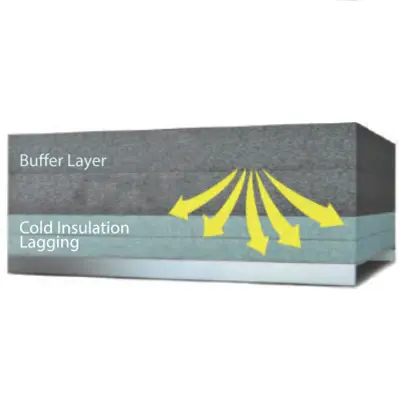
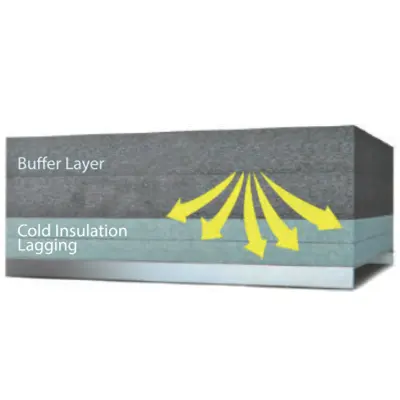
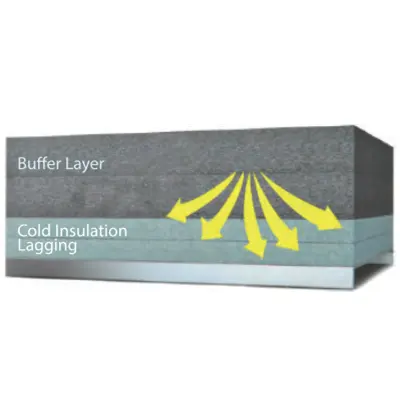
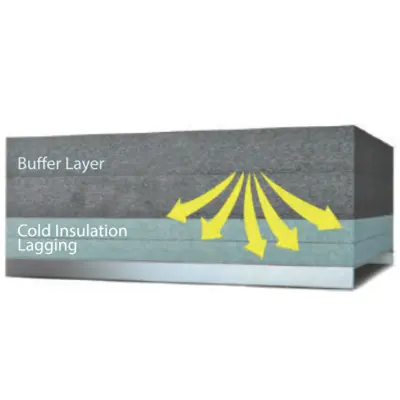
Cryogenic insulation represents one of the most demanding engineering disciplines in modern thermodynamics. When fluids such as Liquefied Natural Gas (LNG) are stored at temperatures as low as -162°C, or liquid nitrogen at -196°C, the temperature differential ($\Delta T$) between the internal system and the ambient air is immense. This differential exerts an extreme vapor pressure gradient that continuously drives ambient moisture toward the cold tank shell.
Standard open-cell or fibrous insulation materials fail catastrophically under these conditions. The invading water vapor quickly condenses and freezes, forming solid ice that has a thermal conductivity ($\lambda$) almost 100 times higher than that of the dry insulation. This leads to massive boil-off rates, structural damage, and corrosion under insulation (CUI).
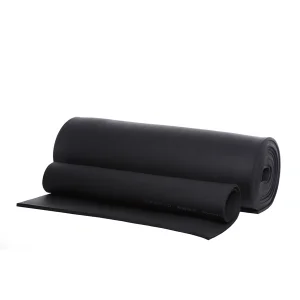
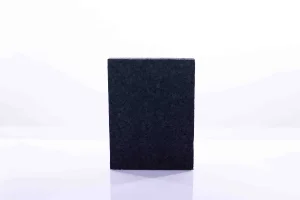
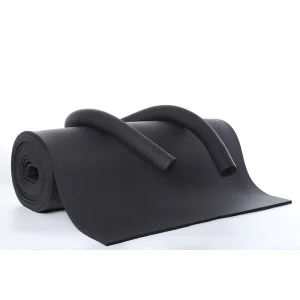
Our specialized closed-cell elastomeric rubber foam insulation is molecularly formulated to maintain an exceptionally low thermal conductivity. With an even and dense cell matrix (over 98% closed cells), the material acts as its own continuous vapor barrier. It limits thermal transfer while maintaining excellent flexibility under extreme thermal stress, preventing the structural micro-fractures common in rigid polyurethane systems.
Industrial Scale: The Dacheng Green Material Hub
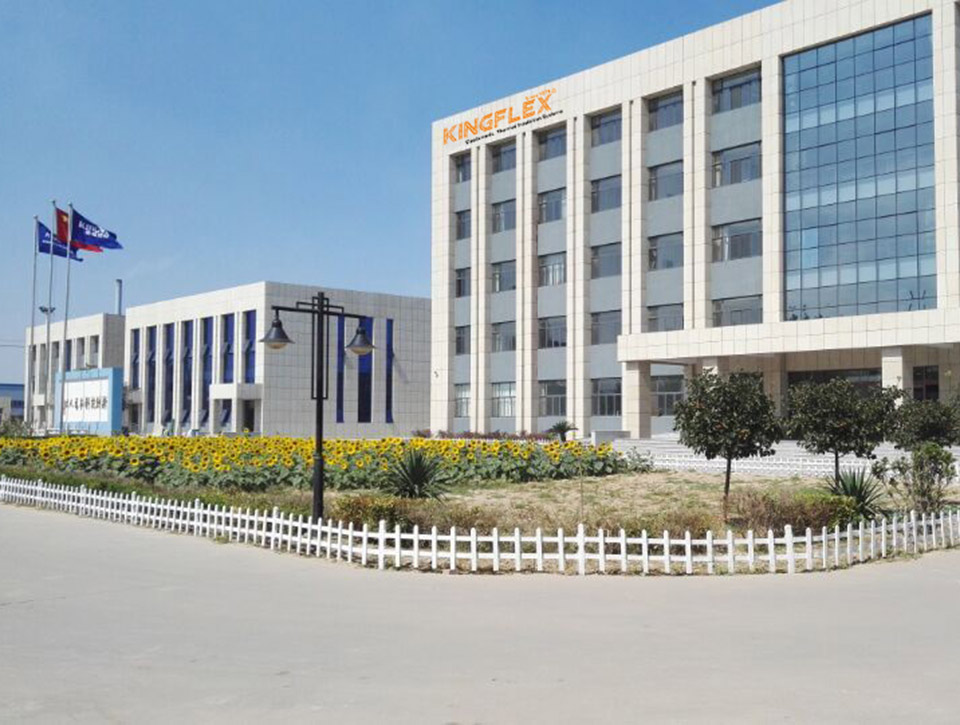
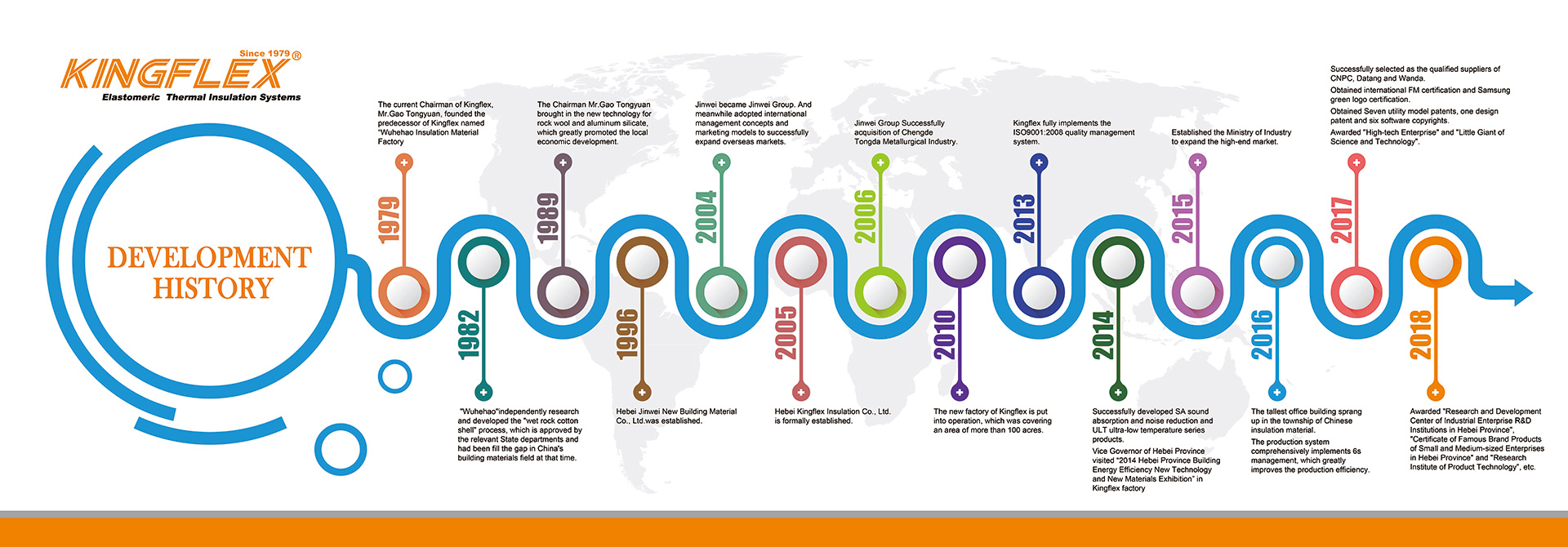
Kingflex Insulation Co., Ltd. represents a strategic manufacturing powerhouse located in Dacheng, China, globally recognized as the capital of energy-saving green building materials. Established under the umbrella of the Jinwei Group, which commands over 40 years of pioneering history dating back to 1979, Kingflex has remained at the forefront of the thermal and cold conservation industry.
At present, the facility operates 5 large-scale fully automated assembly lines, delivering an annual production capacity exceeding 600,000 cubic meters. These capacity metrics have earned Kingflex official designation status by the Chinese Ministry of Energy, Ministry of Electric Power, and Ministry of Chemical Industry.
Our workforce comprises a highly coordinated structure:
8 Senior R&D Engineers focused on polymer synthesis, molecular cross-linking optimization, and low-temperature elastic recovery.
6 Dedicated International Sales Engineers managing technical specifications, logistics compliance, and export documentation.
230 Production Specialists operating advanced extrusion, vulcanization, and quality monitoring systems.
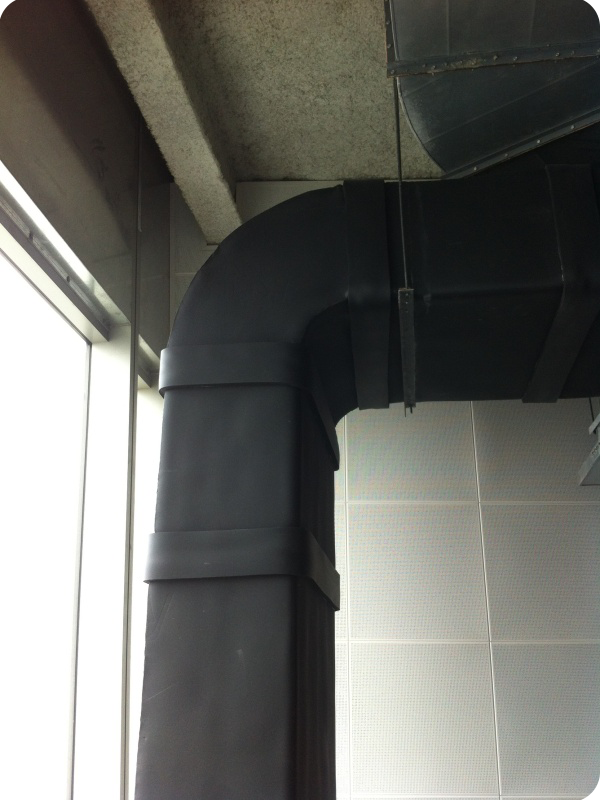
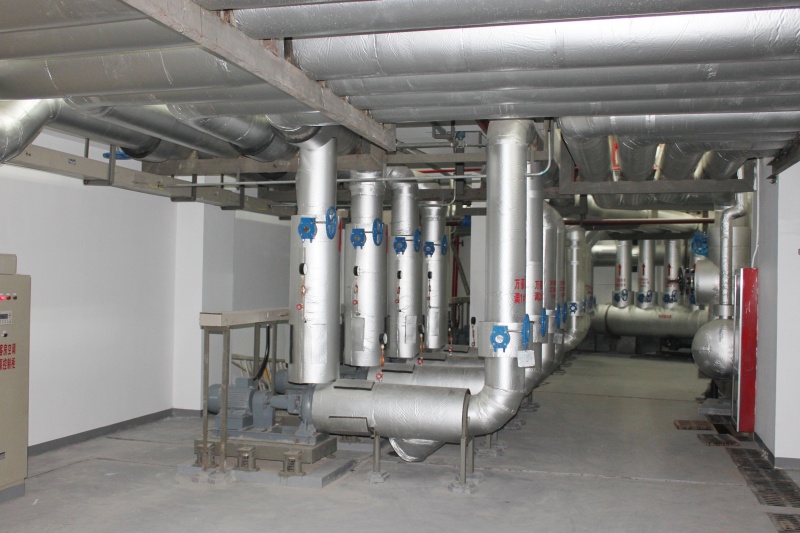
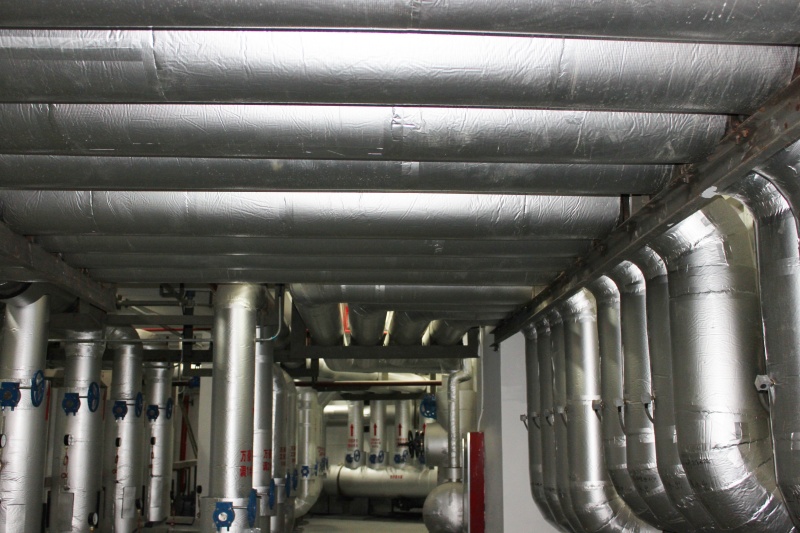
Application Scenarios: Central HVAC ducts, large commercial building wall and roof cavities, basement perimeter insulation, and industrial chemical process storage tanks.
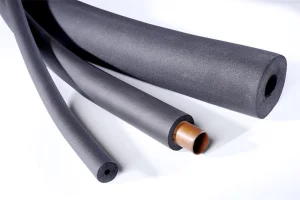
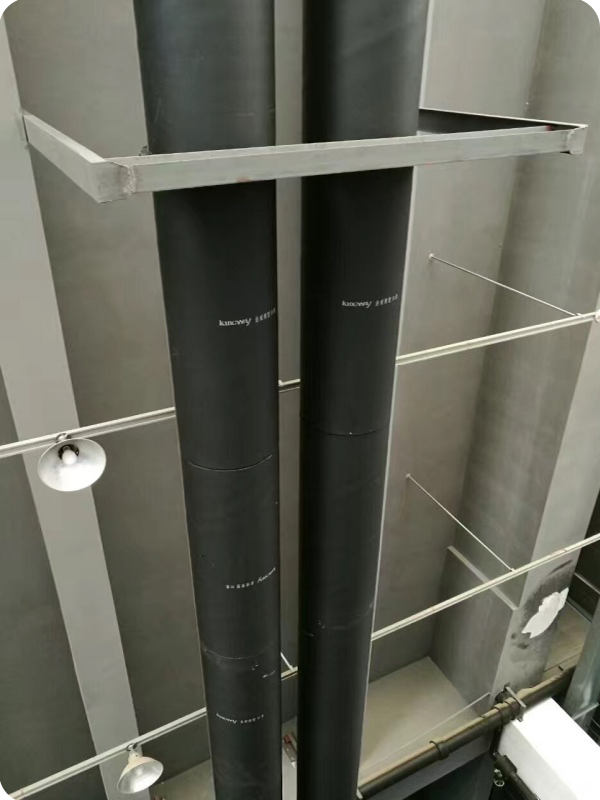
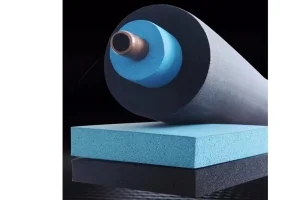
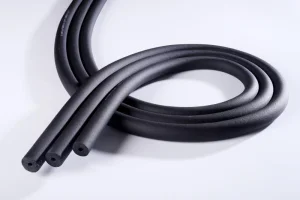
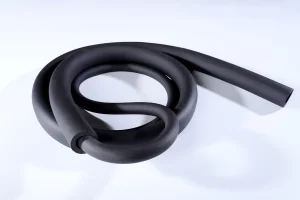
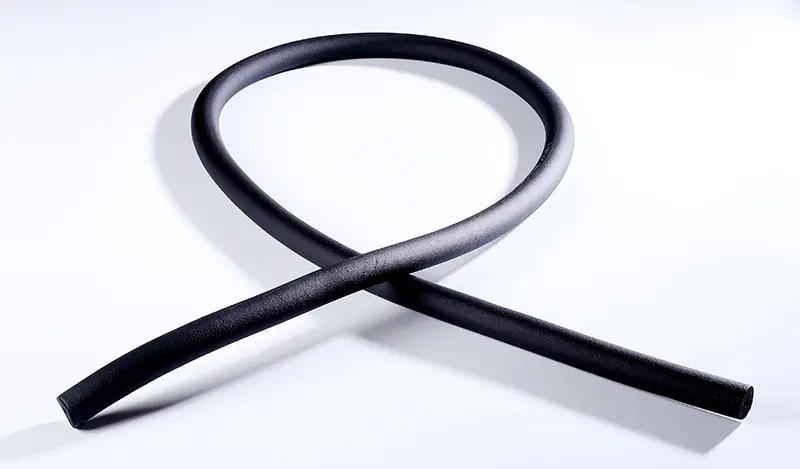
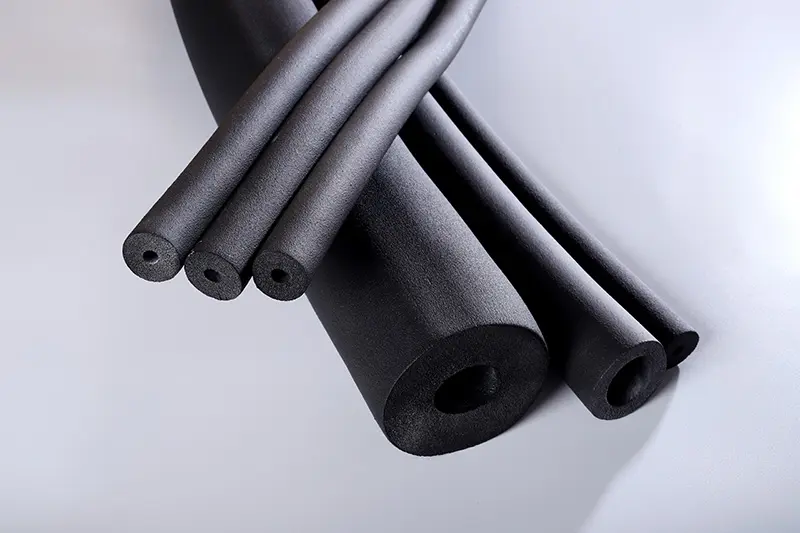
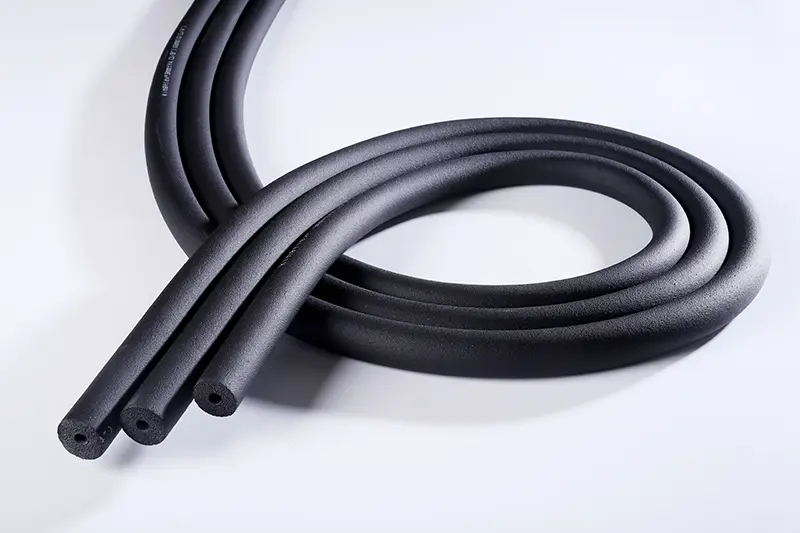
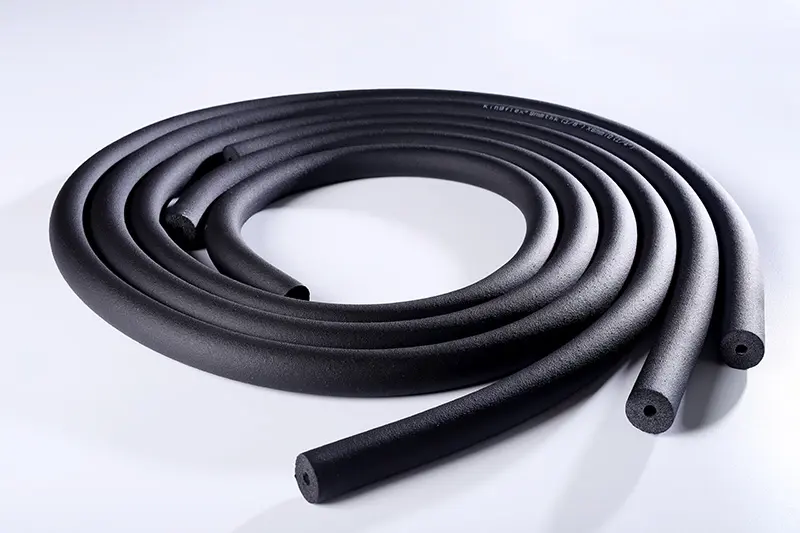
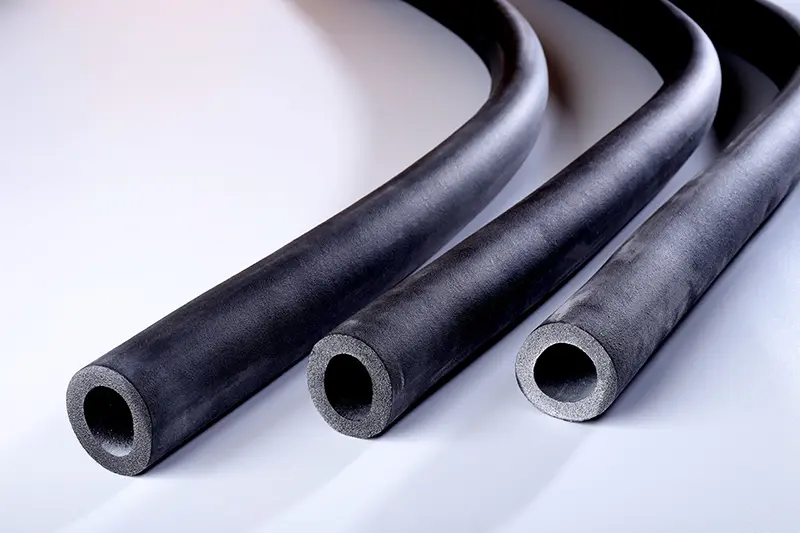
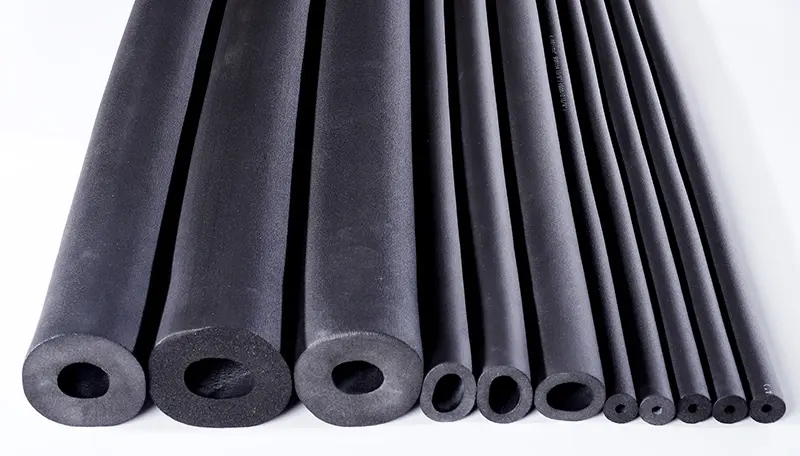
Kingflex Black Rubber Foam Insulation Pipe
Material Composition: Elastomeric NBR/PVC matrix engineered for dimensional concentricity.
Wall Thickness Range: 9mm to 40mm.
Internal Diameter (ID): Fits pipes from 6mm up to 114mm.
Low-Temperature Resilience: Engineered to withstand thermal shock and prevent condensation down to -40℃.
Water Vapor Resistance Factor ($\mu$): High resistance factor prevents dew point transition inside the cell structure.
Application Scenarios: Chilled water pipelines, VRF/VRV copper piping, municipal refrigeration loops, petrochemical refinery process lines, and solar thermal collectors.
Aerospatial & Industrial Gas Storage
Liquid Nitrogen (LIN), Liquid Oxygen (LOX), and Liquid Argon (LAR) storage tanks operate at extreme low temperatures. Insulation systems must be strictly hydrocarbon-free, oil-resistant, and chemically inert to avoid hazardous oxygen enrichment reactions while maintaining thermal integrity.
LNG Supply Chain & Terminals
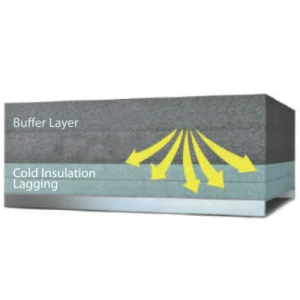
From liquefaction plants to transport vessels and regasification terminals, maintaining LNG at -162°C requires multi-layered insulation. Closed-cell rubber foam systems act as critical thermal barriers, dampening vibration and preventing external moisture from attacking carbon steel pipelines.
Pharmaceutical & ULT Cold Storage
Ultra-Low Temperature (ULT) systems in biomedical storage (-80°C) demand steady temperature control. Kingflex Alkadiene rubber foam provides cleanroom-compliant, fiber-free insulation that prevents mold growth and maintains environmental control.
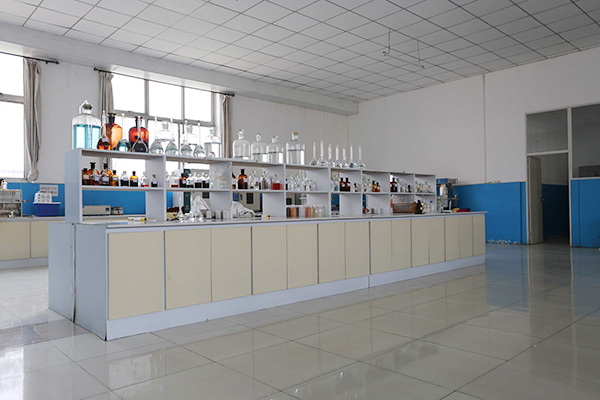
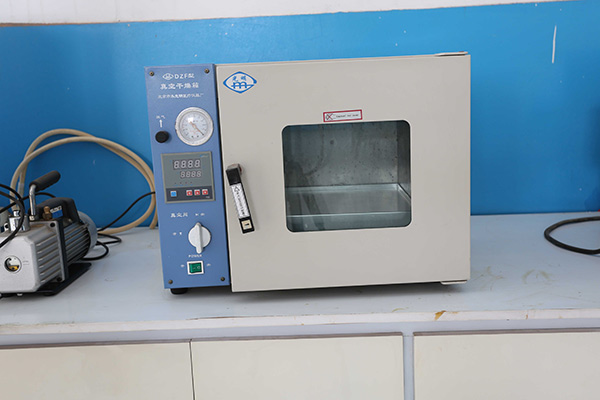
Rigorous Quality Control & Advanced R&D Laboratory
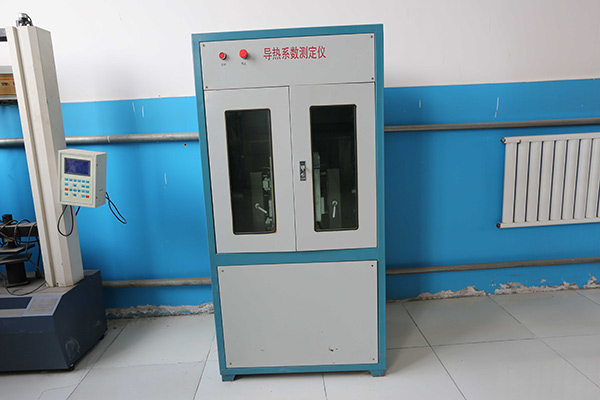
Quality is not a slogan; it is the core of cryogenic safety. Our advanced testing facility utilizes raw material evaluation, vulcanization control, and thermal conductivity profiling to ensure every batch meets strict performance baselines.
Global Certification Compliance
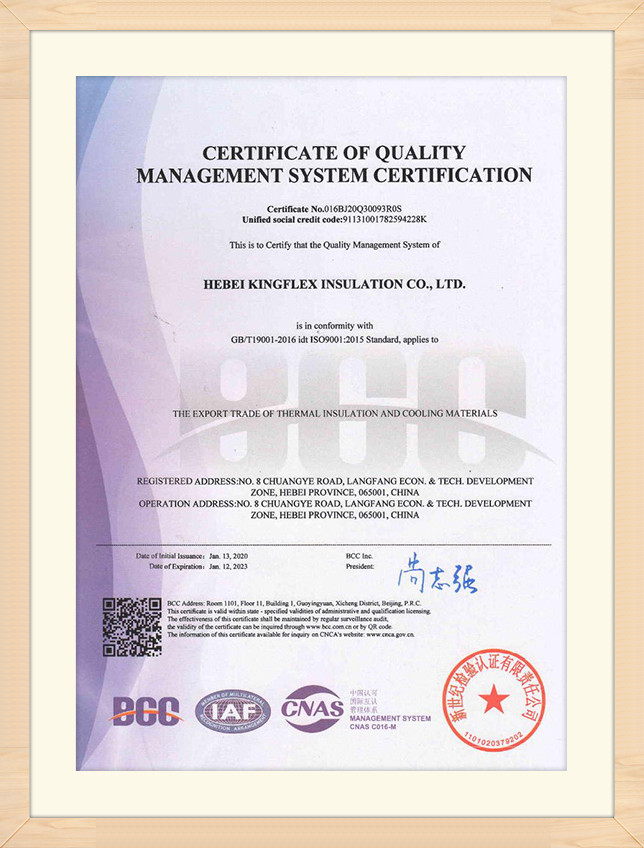
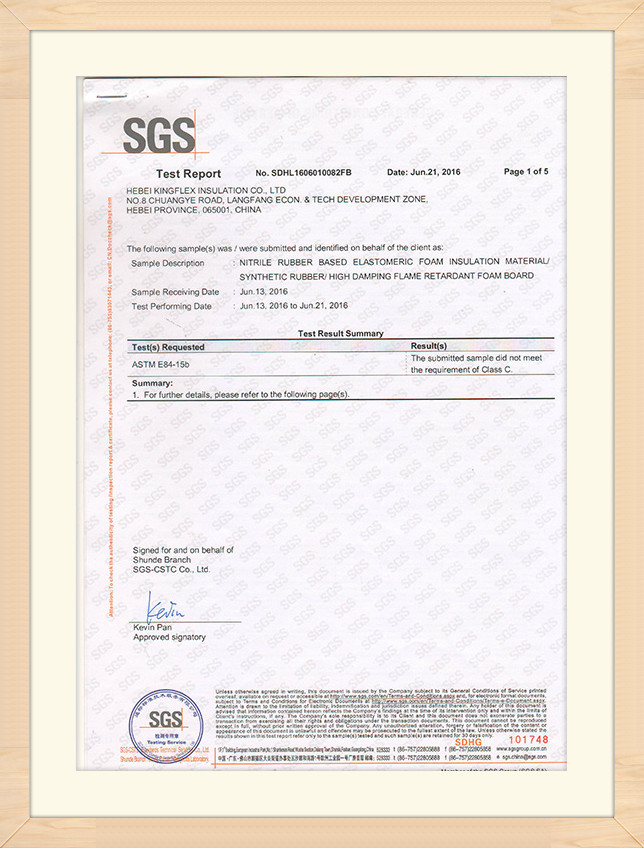
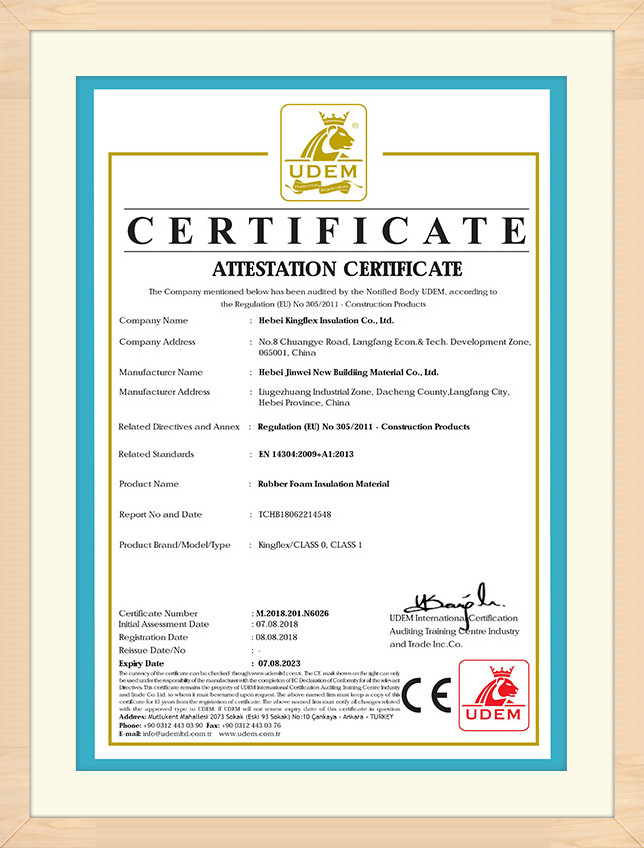
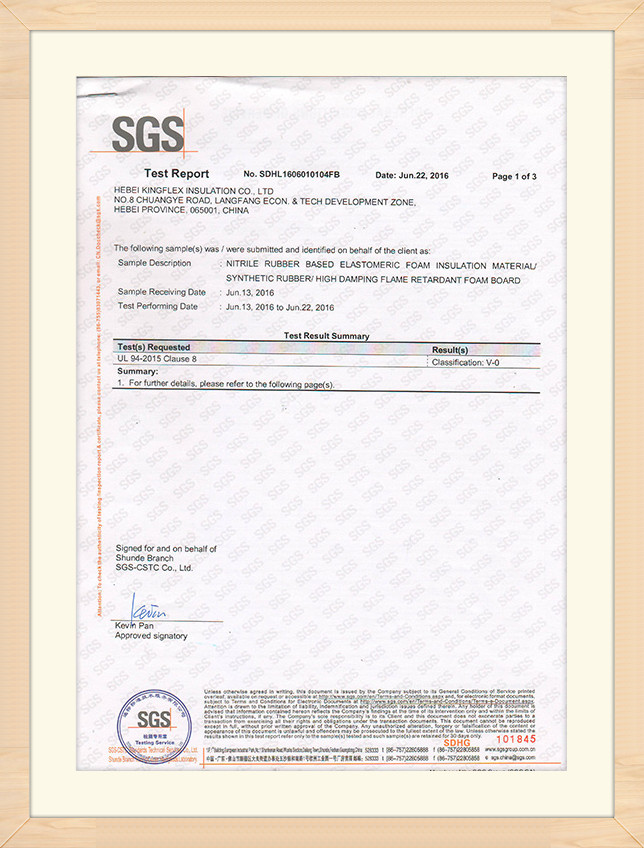
Kingflex insulation materials are approved for hazardous marine and land projects, carrying testing certifications recognized by international EPC contractors:
Client Partnerships & Traceability
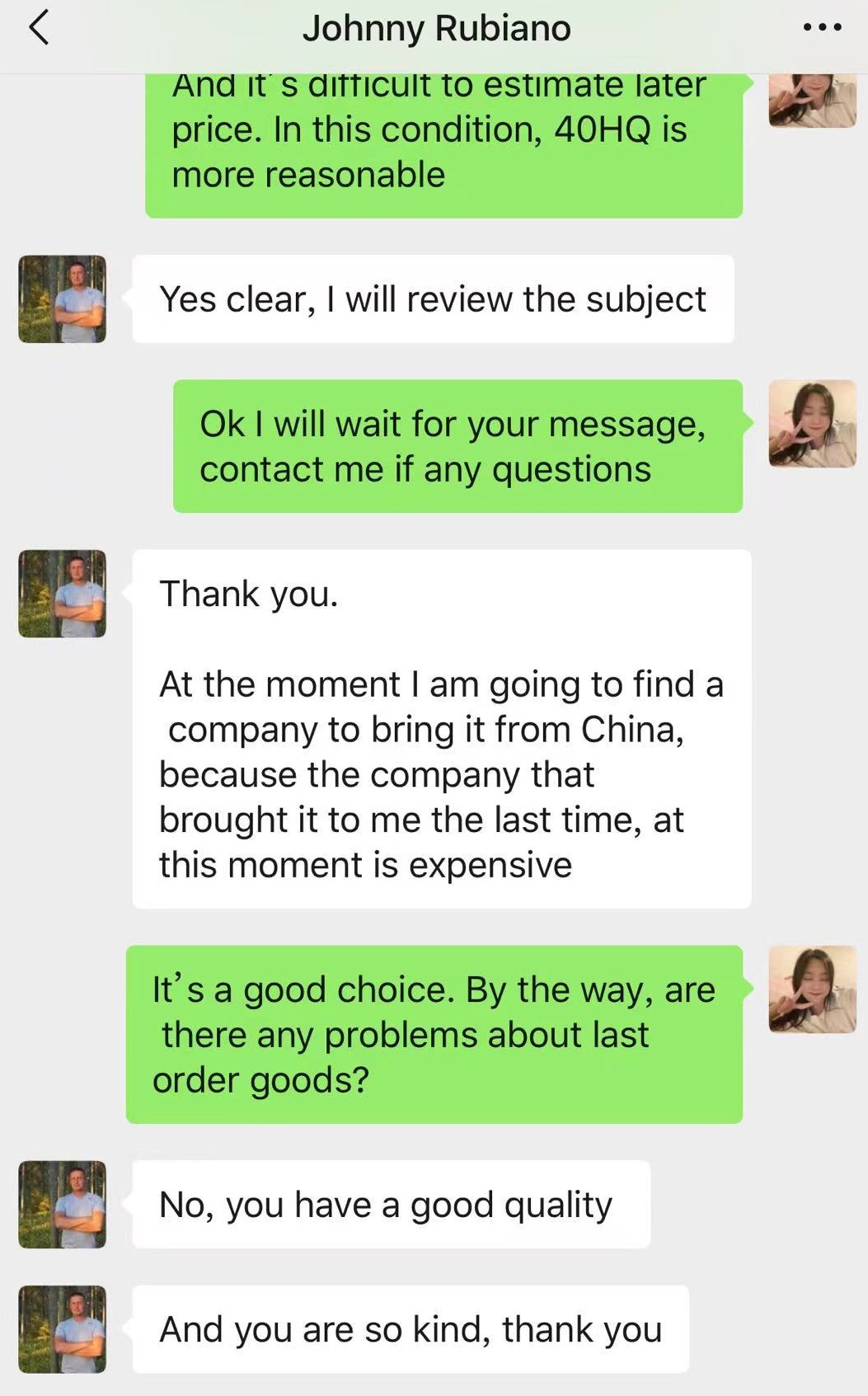
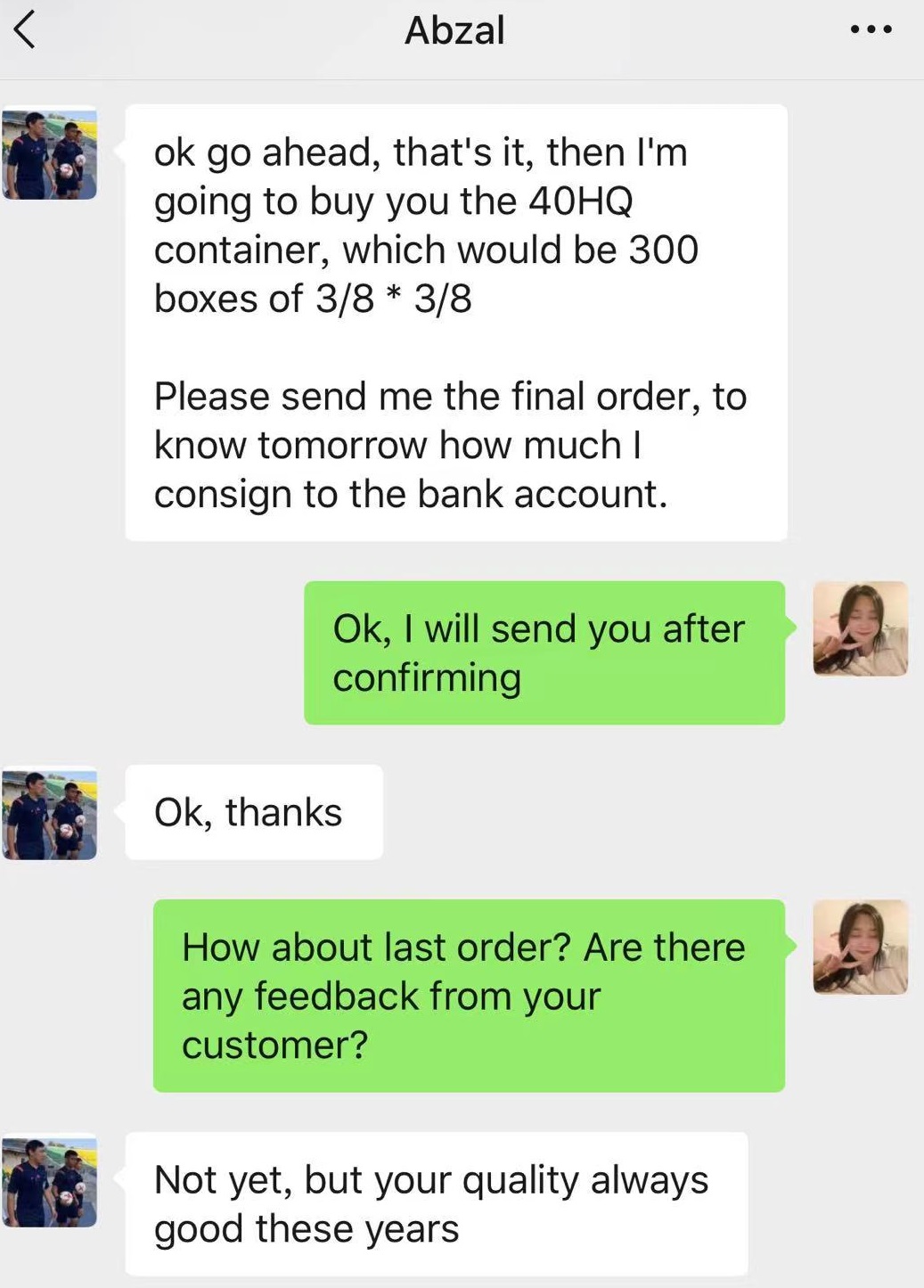
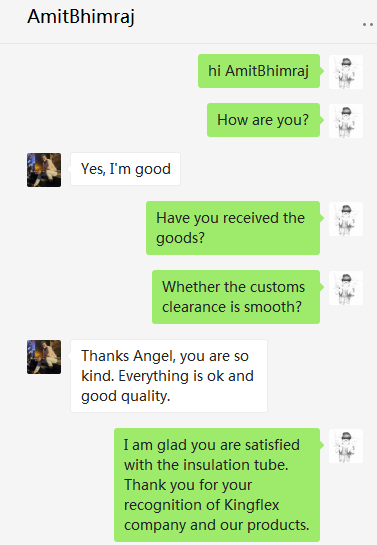
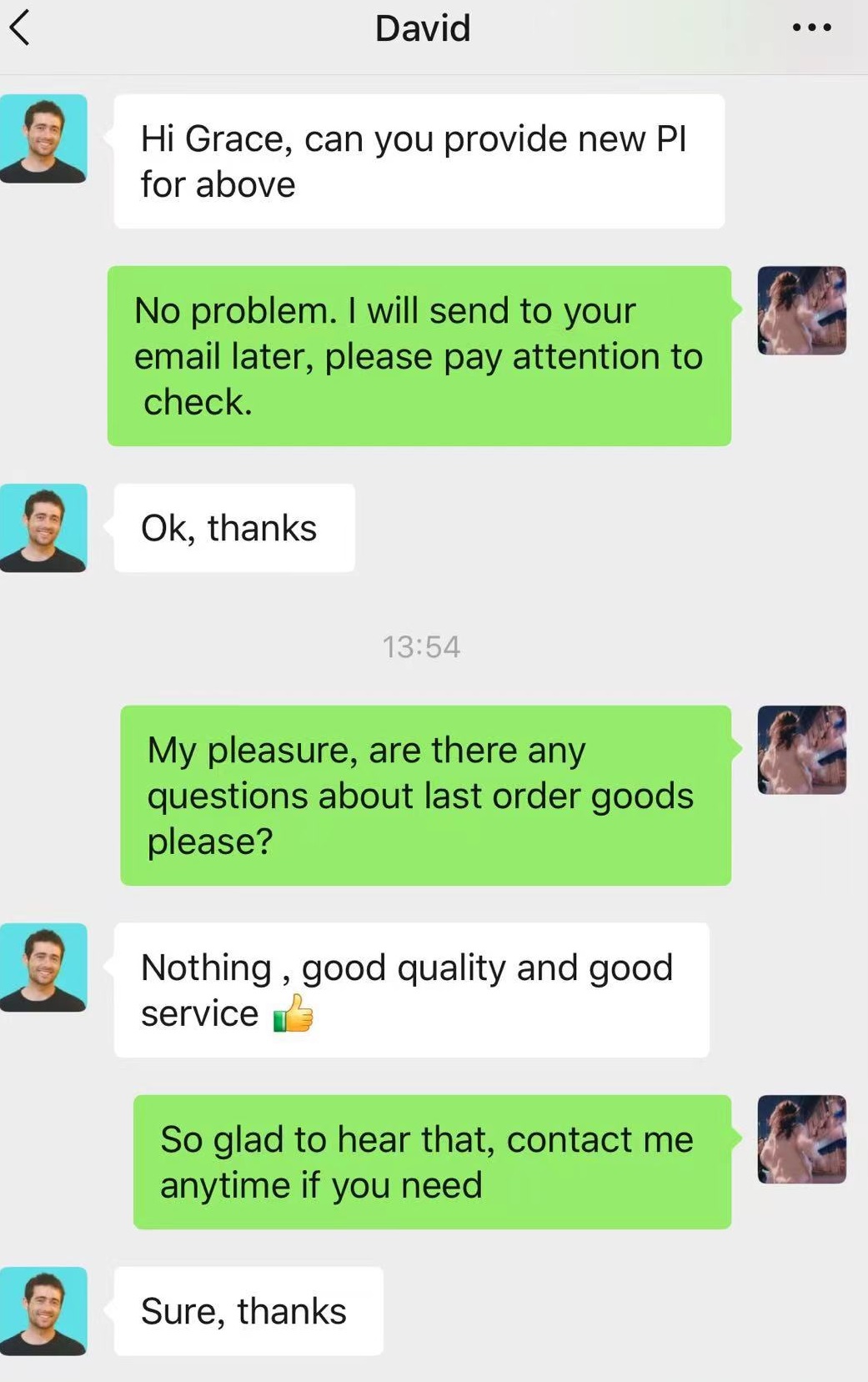
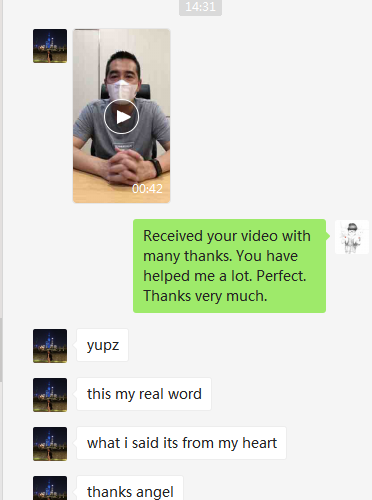
We maintain communication channels and detailed project tracking logs. Below are verified records of client order coordination, factory inspections, and shipment tracking:
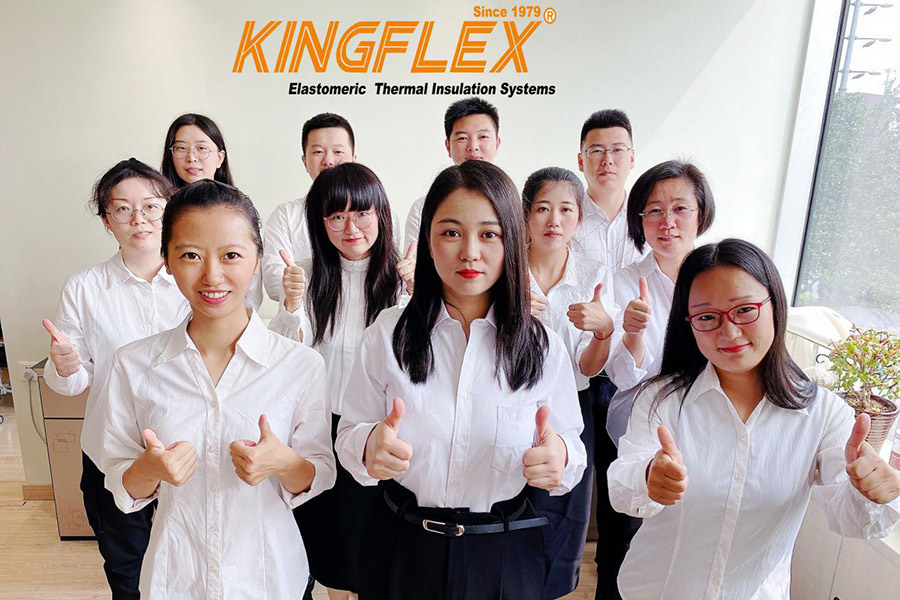
Our Global Team & Dedicated Support Structure
At Kingflex, we believe insulation requires close collaboration with engineering teams. From the preliminary design phase, our R&D and customer service representatives cooperate to verify wall thicknesses, heat gain formulas, and mechanical cladding specs.
This structural approach prevents onsite errors, reduces project delays, and ensures that the material performs as specified throughout its 10 to 15-year design life.
International Infrastructure Projects Portfolio
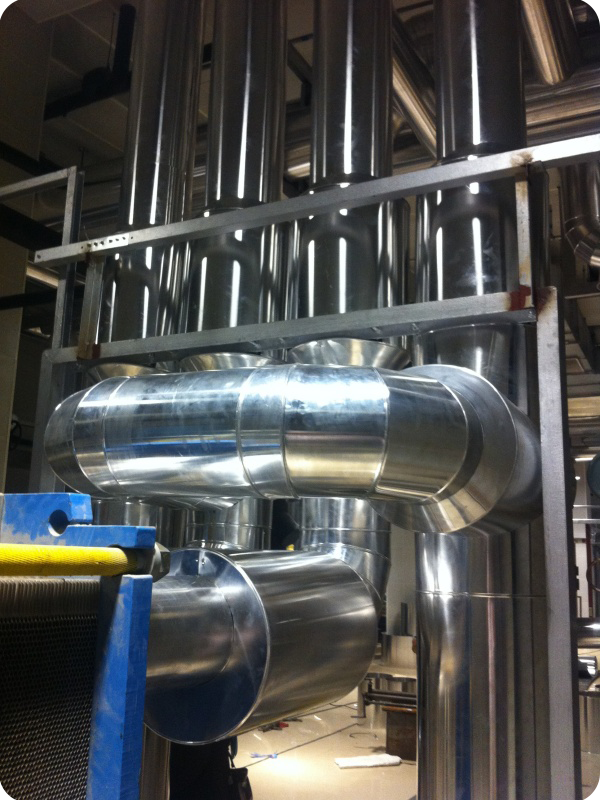
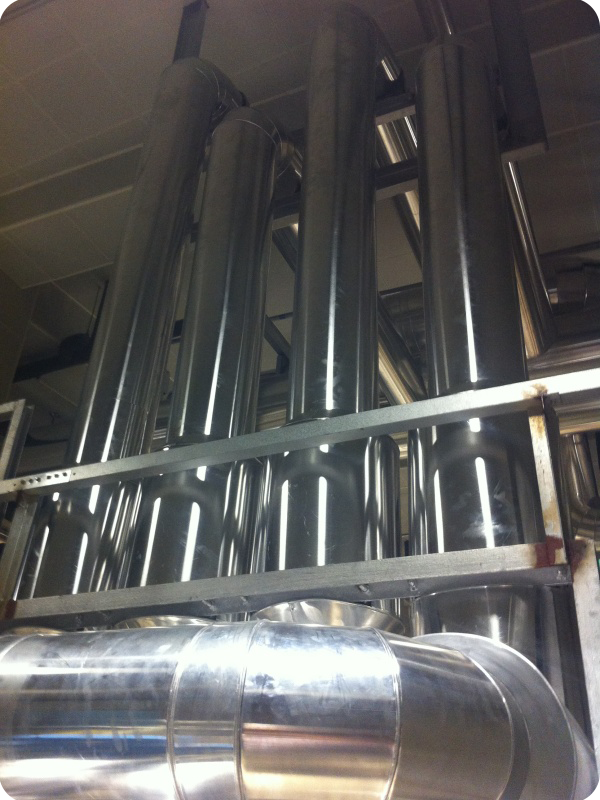
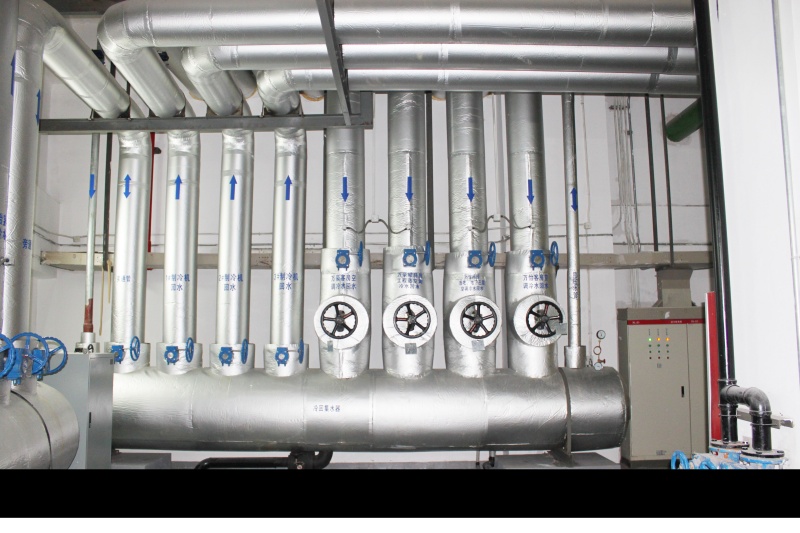
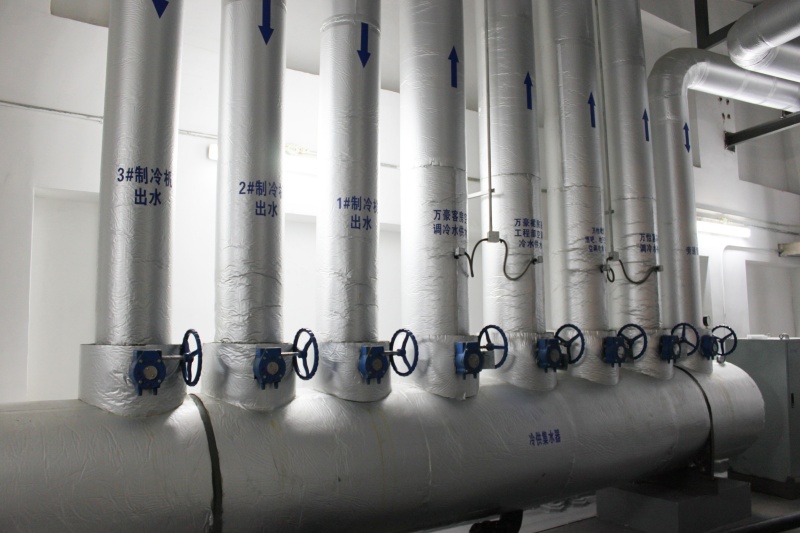
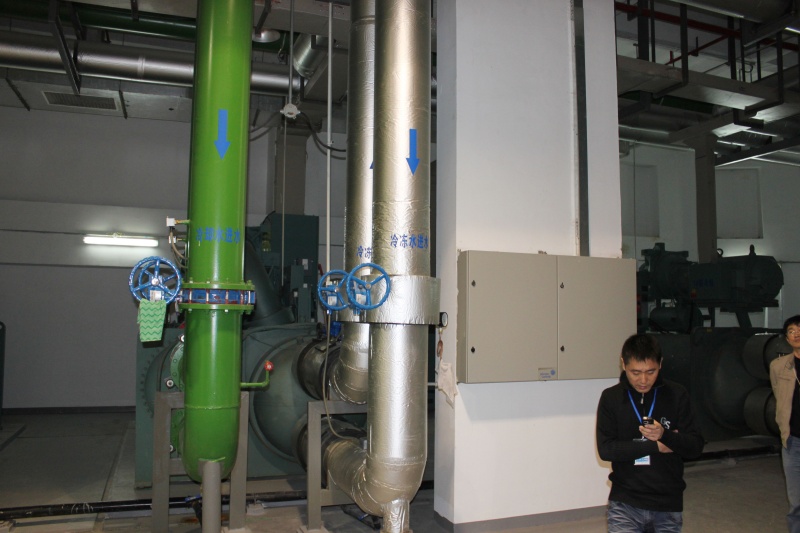
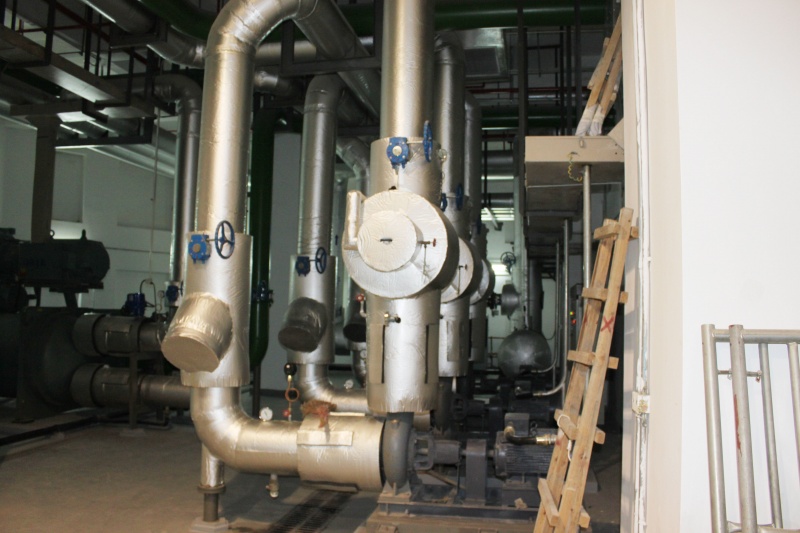
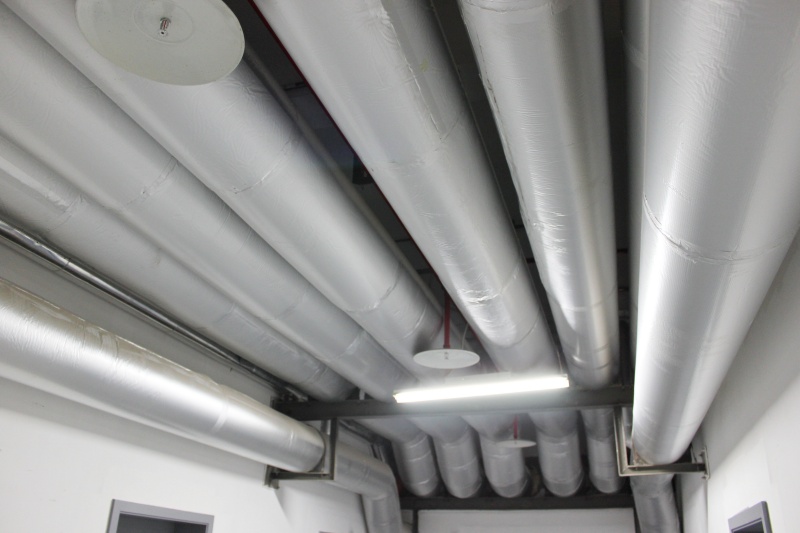
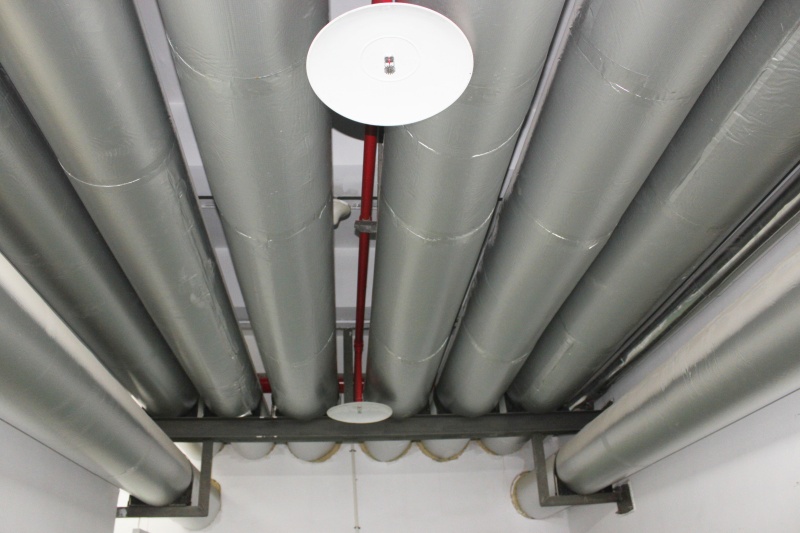
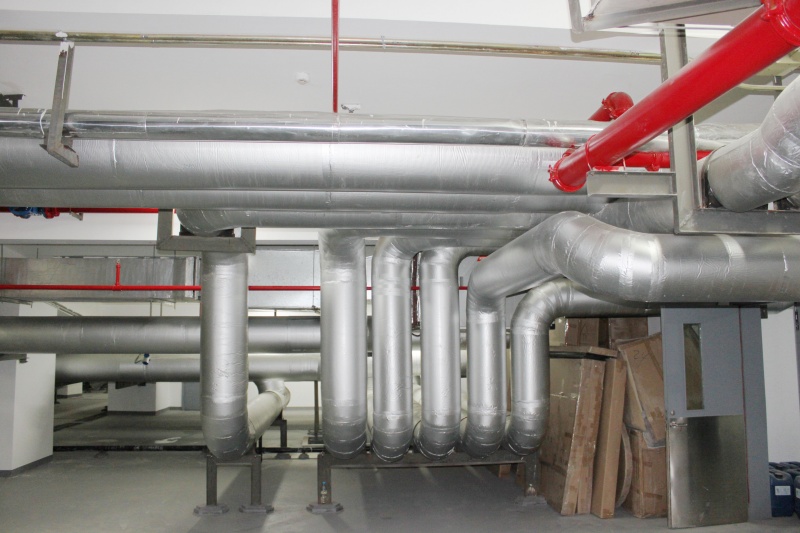
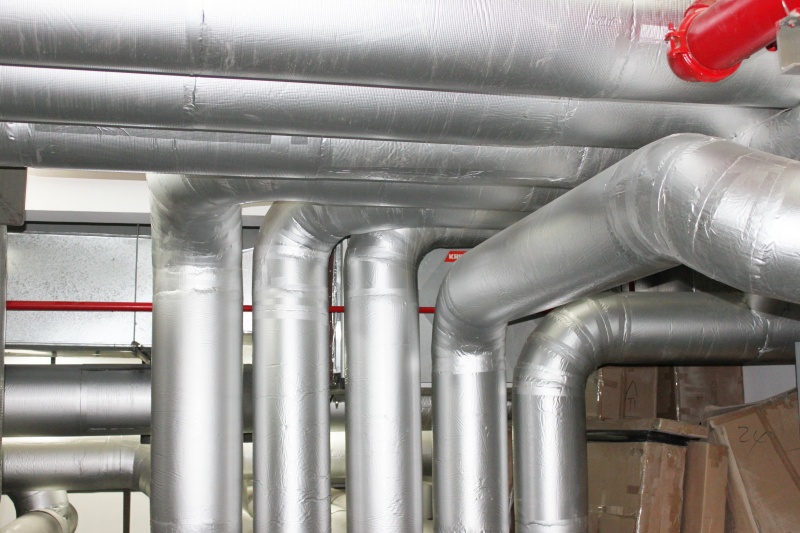
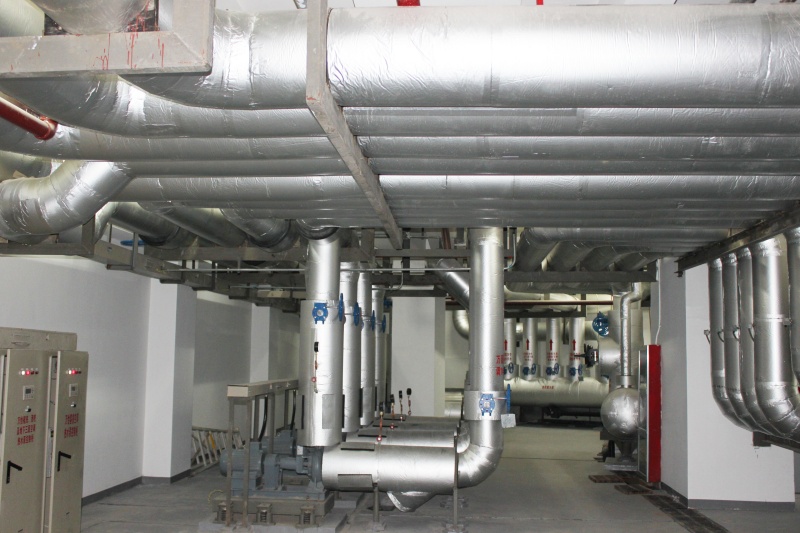
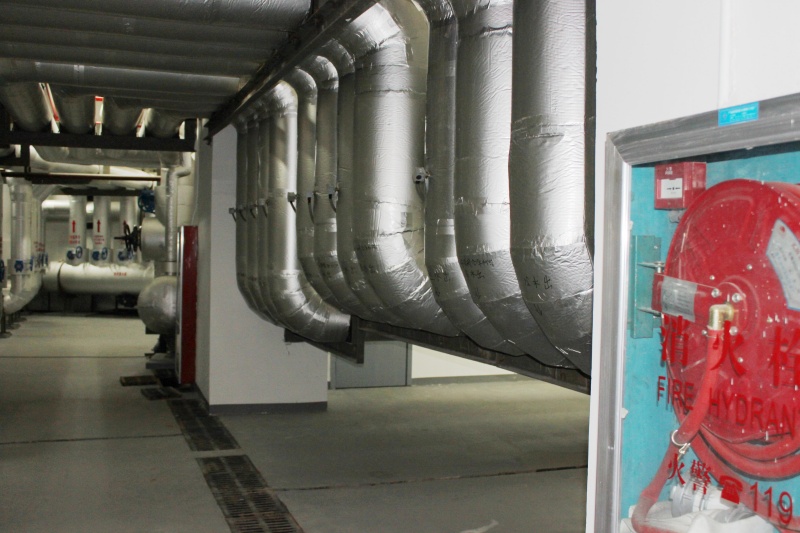
Our systems are deployed on large energy pipelines, district cooling systems, chemical storage yards, and cleanrooms worldwide.
Production Lines & Manufacturing Facilities
A visual overview of our production stages and raw material preparation, ensuring high density and uniform cell structure in every batch.
Detailed Q&A (FAQ) & Engineering Guidelines
Q1: What is elastomeric rubber foam insulation used for?
It is mainly used for HVAC ducts, refrigeration and air conditioning pipework, architectural insulation systems, industrial process pipes, and cryogenic/low-temperature tank systems. Its primary function is to prevent condensation, control heat transfer, and damp acoustic vibration.
Q2: Is Kingflex rubber foam insulation fire resistant?
Yes. Kingflex rubber foam insulation contains built-in fire-retardant chemistry that makes it self-extinguishing when exposed to fire. It complies with major international safety codes, including BS 476 Part 7 Class 1/Class 0, CE, UL94, and ASTM.
Q3: What is the primary difference between rubber foam and rock wool insulation?
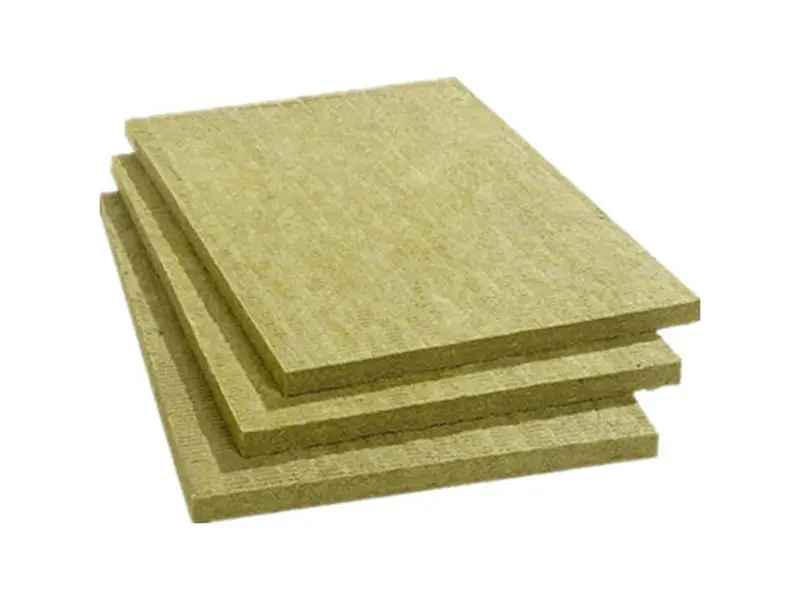
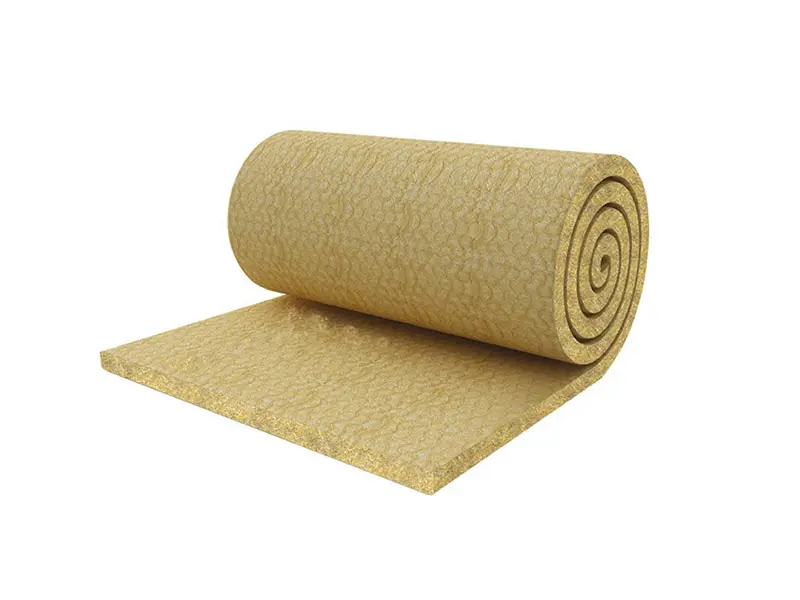
Rubber foam is a flexible, closed-cell, moisture-proof material, making it ideal for refrigeration, cold piping, and HVAC duct systems where preventing vapor transmission is critical. Rock wool is a fibrous material with high temperature resistance, making it more suitable for high-heat steam piping and fire barrier applications.
Q4: Do you provide customized insulation products (OEM/ODM)?
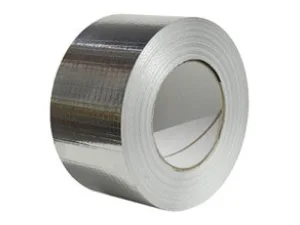
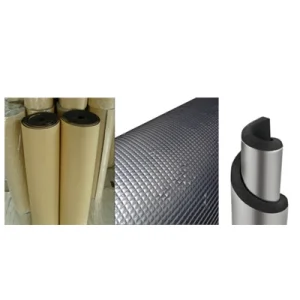
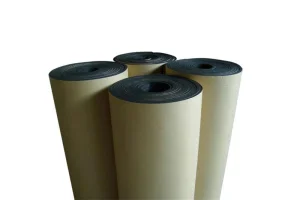
Yes. We offer OEM and ODM services. We customize dimensions, sheet thicknesses, tube inner diameters, density ratings, and face barriers (such as aluminum foil or self-adhesive backings) to match specific project requirements.
Q5: What certifications do your products carry?
Our products have passed BS 476, CE, REACH, ROHS, UL94, and ASTM standards. These certified properties ensure that our materials meet regulatory and safety requirements across global construction and petrochemical projects.
Q6: Does Kingflex have a system for product batch traceability?
Yes. We maintain complete production line batch records. Each shipment is tied to raw material inputs, testing logs, and vulcanization times, providing traceability for large-scale industrial projects.
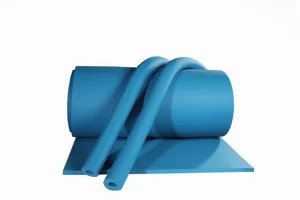
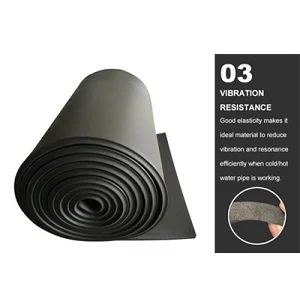
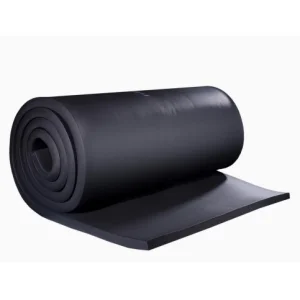
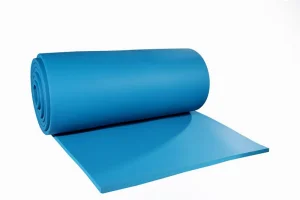
Q7: What thickness range of Rubber foam insulation sheet rolls can you produce?
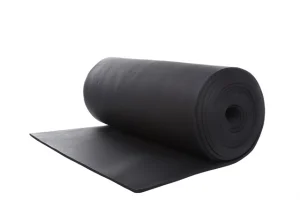
Our continuous vulcanization process produces thicknesses from 6mm up to 50mm. This wide range enables engineers to select the optimal thickness to meet design requirements and prevent condensation.
Q8: What is the expected service life of rubber foam pipes and boards?
When installed according to specifications, Kingflex rubber foam insulation has a service life of approximately 10 to 15 years, depending on ambient environmental factors, UV exposure levels, and mechanical protection.
Q9: How does Alkadiene rubber foam perform in Ultra-Low Temperature (ULT) environments?
Unlike standard elastomeric rubber, which can become brittle at low temperatures, our Alkadiene-modified rubber foam maintains its flexibility at temperatures down to -200°C. This flexibility helps the insulation withstand the thermal contraction and expansion of metal pipelines without cracking.
Q10: Why is a closed-cell ratio of over 98% critical for cryogenic applications?
A high closed-cell ratio ensures that the insulation cells are sealed off from one another. This prevents liquid water and vapor from penetrating the material, maintaining a stable thermal conductivity even in high-humidity conditions.
Q11: Can Kingflex insulation sheets be combined with external protective cladding?
Yes. For outdoor installations or harsh industrial environments, we recommend protecting the rubber foam with aluminum cladding, glass cloth jackets, or UV-resistant coatings to prevent mechanical wear and UV degradation.
Q12: How does Kingflex assist global EPC contractors with project design?
Our technical support team provides thermal calculations using insulation software (calculating heat flow, temperature drops, and dew points). We also offer installation guides and drawings to help EPC contractors optimize material use.
 Kingflex