Direct sourcing pricelists and custom quotes from Dacheng's leading automatic manufacturing lines.
Unlocking extreme thermodynamic stability, durability, and moisture protection in modern mechanical architectures.
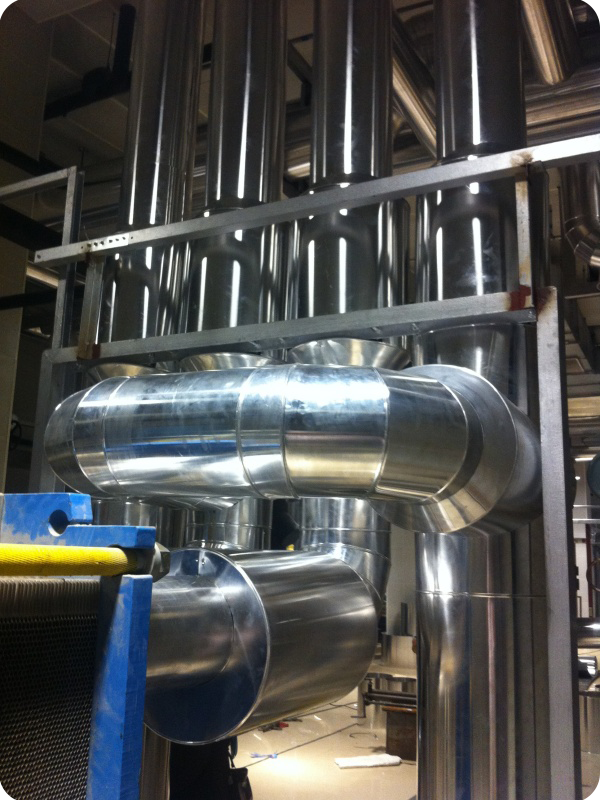
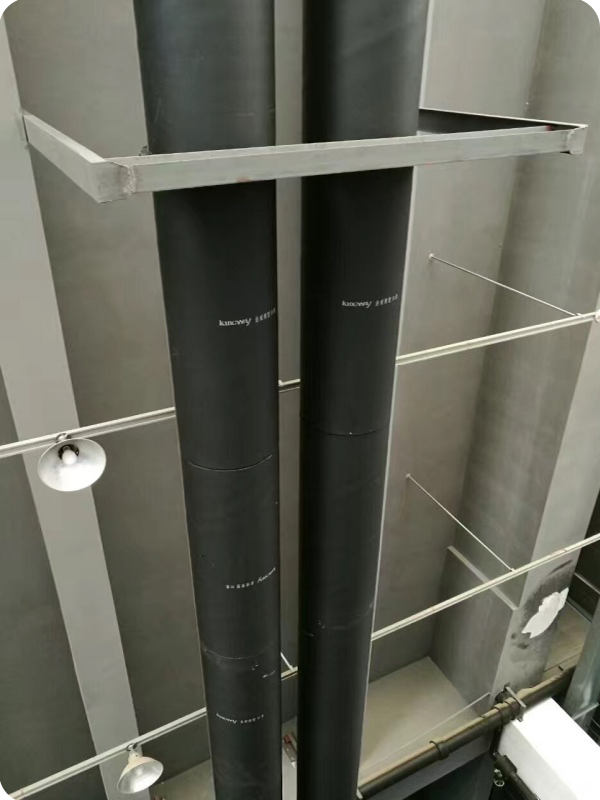
In the contemporary landscape of high-performance building services, heavy industry, and HVAC design, standard insulation materials frequently succumb to atmospheric moisture intrusion, mechanical damage, and ultraviolet degradation. Flex Clad Insulation represents the next technological step—a pre-engineered, multi-ply clad elastomeric system that combines the structural resilience of heavy-duty metal jacketing with the exceptional flexibility, low thermal conductivity, and inherent moisture barrier properties of closed-cell NBR/PVC synthetic rubber foam.
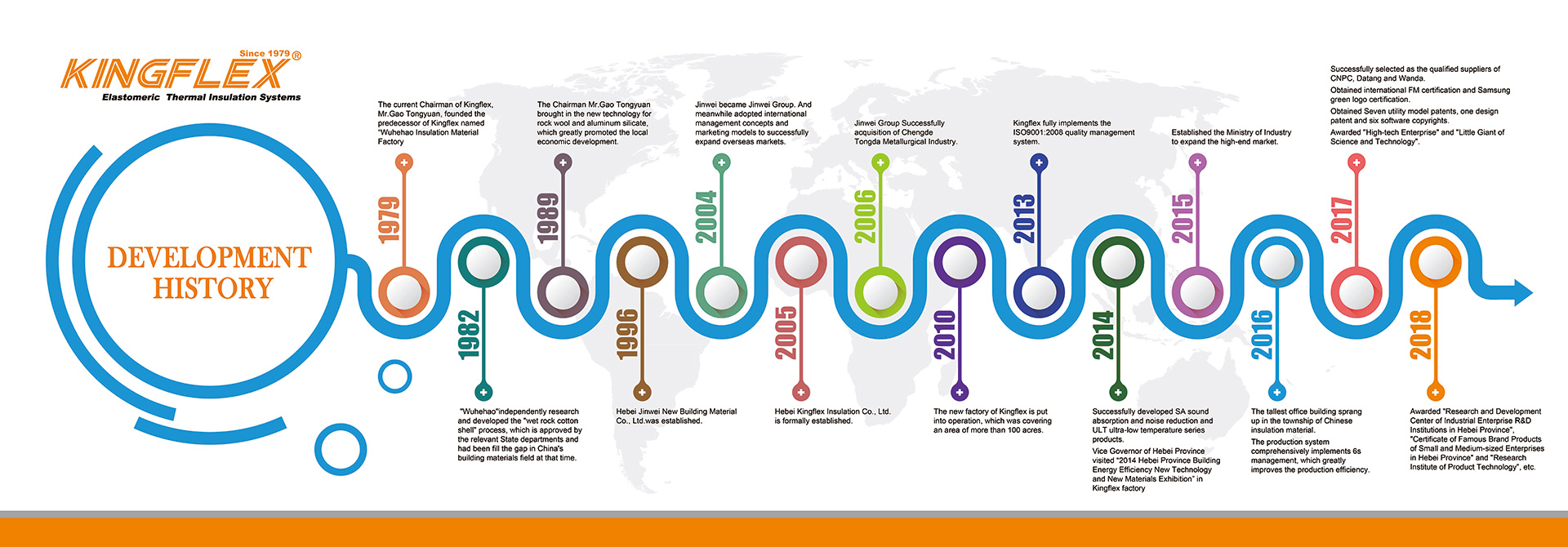
As a global leader in elastomeric technologies, Kingflex Insulation Co., Ltd. addresses critical insulation failure pathways. Our engineered solutions mitigate the risk of Corrosion Under Insulation (CUI), a multi-billion dollar threat across chemical plants, offshore oil platforms, and HVAC infrastructure. By combining physical protection shields directly with elastomeric cores, our Flex Clad design eliminates the need for field cladding fabrication, reducing on-site installation labor costs while maintaining long-term thermodynamic efficiency.
How Kingflex delivers cost, reliability, and technical advantages from Dacheng's green-building material capital.
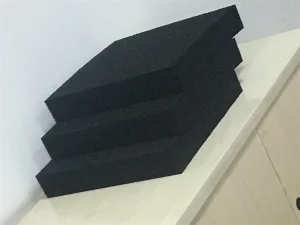
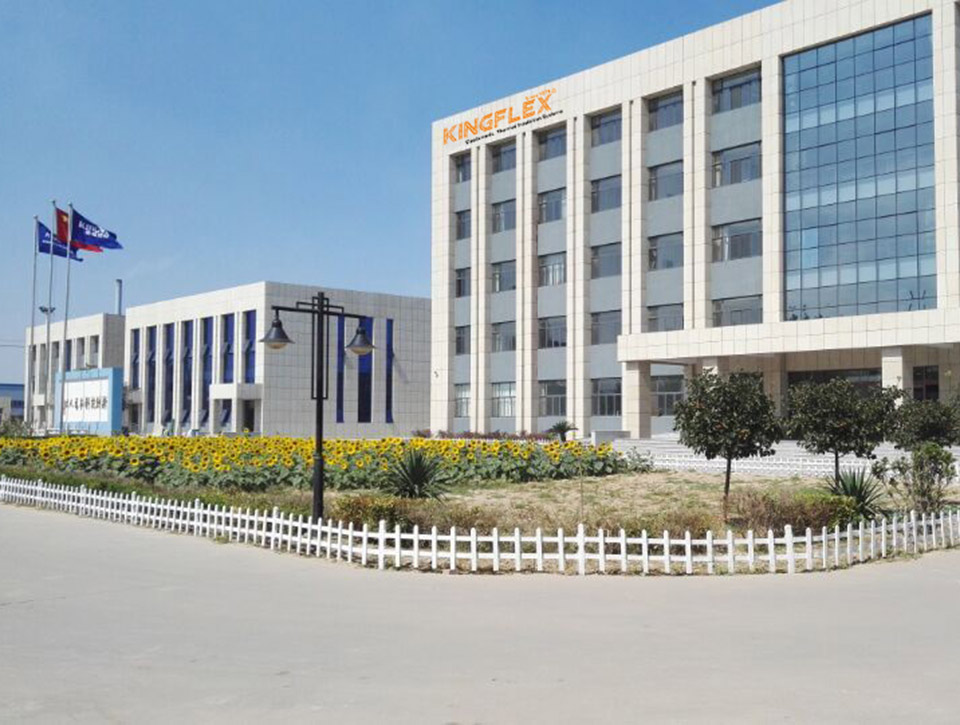
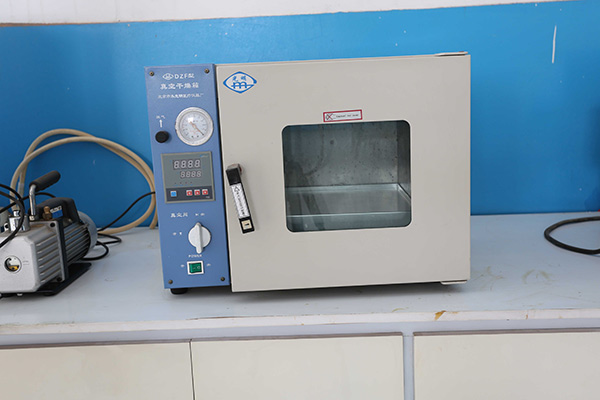
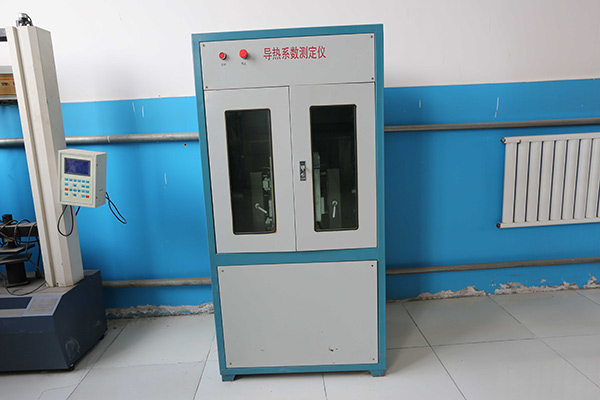
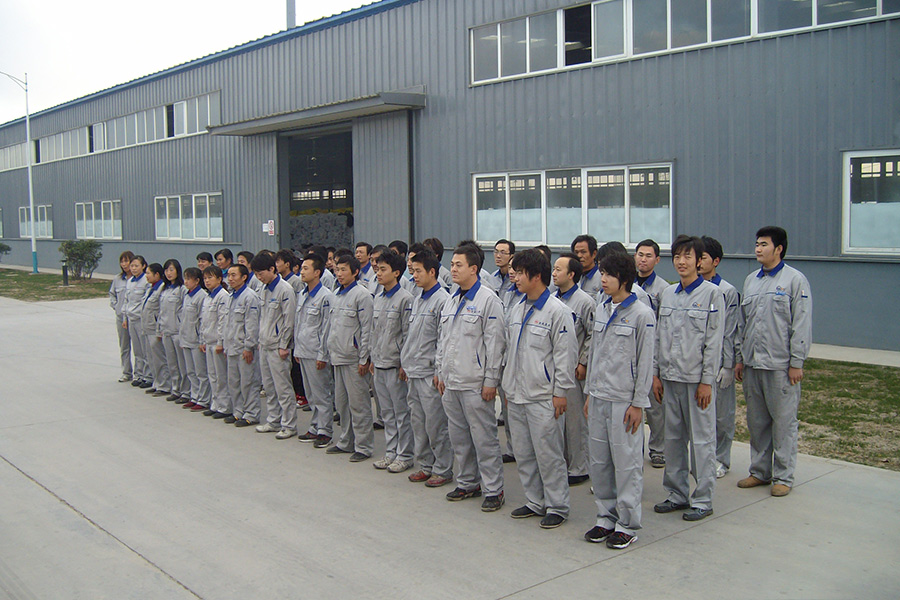
Kingflex operates 5 large-scale automated assembly lines. Our factory design integrates raw material compounding, continuous extrusion foaming, and precision laminating in a unified ecosystem, achieving high structural uniformity.
As a designated production enterprise certified by the Ministry of Energy, the Ministry of Electric Power, and the Ministry of Chemical Industry, our products comply with high national and international regulatory standards.
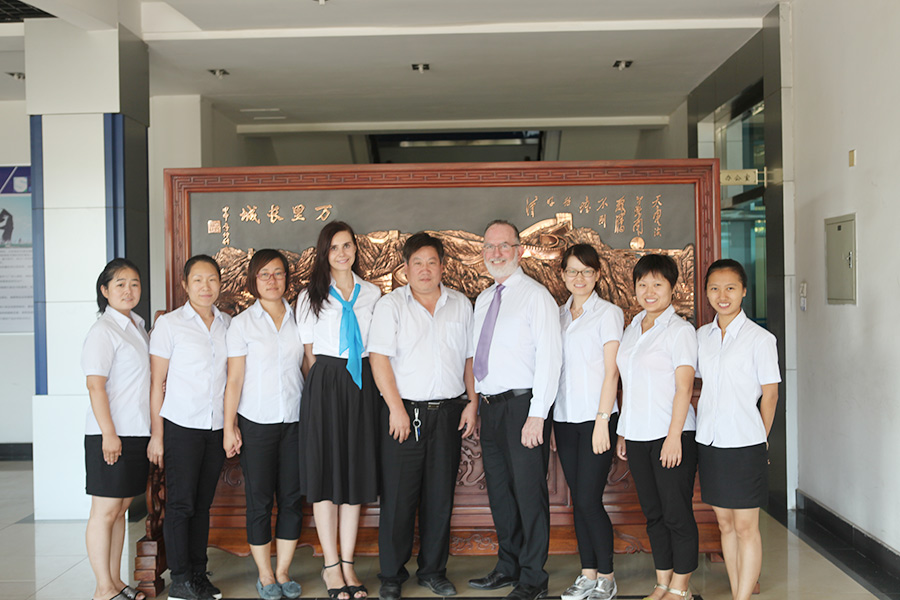
For over 16 years, Kingflex has exported to more than 66 countries. We maintain strategic reserves of raw chemicals to shield international clients from bulk market price fluctuations.


Uncompromising material metrics for extreme mechanical applications.
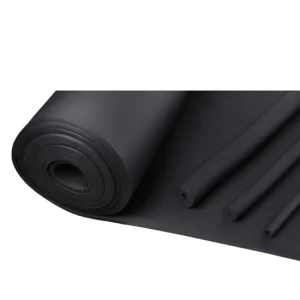
The core insulation layer of Kingflex Flex Clad material is formulated using a blend of Nitrile Butadiene Rubber (NBR) and Polyvinyl Chloride (PVC), creating a highly cross-linked closed-cell micro-structure. To provide detailed information on its properties, here are the standard dimensions and physical parameters:
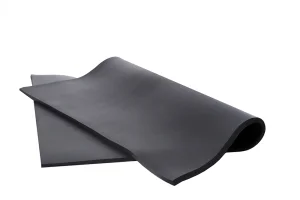
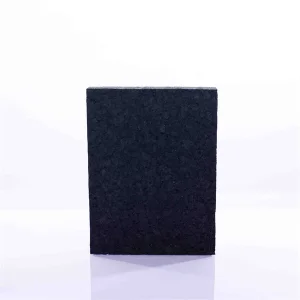
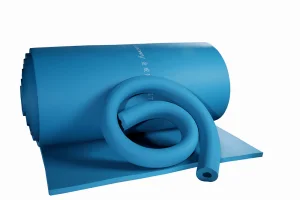
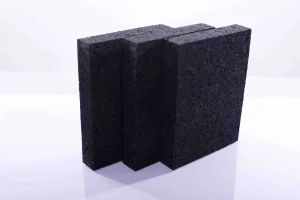
Material Structure: High-grade NBR/PVC closed-cell elastomer
Thickness Range: 6mm to 50mm (custom thickness available)
Material Density: 40 - 55 kg/m³
Service Temperature Limits: -40℃ up to 105℃
Mechanical Resilience: Compression recovery value ≥ 80%
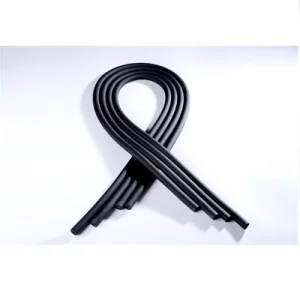
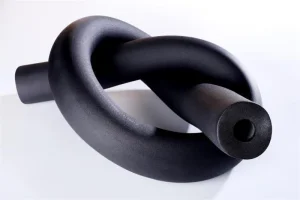
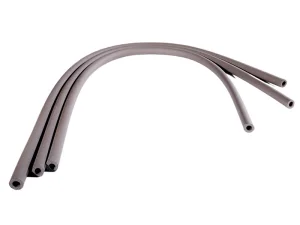
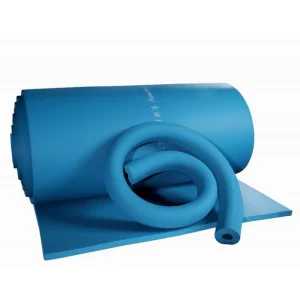
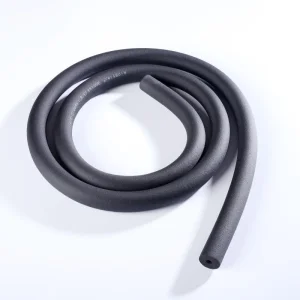
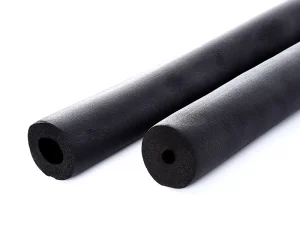
Material Structure: Closed-cell tubing for pipelines
Wall Thickness: 9mm to 40mm
Inner Diameter (ID): 6mm to 114mm
Thermal Conductivity: Highly competitive, long-term stable values
Moisture Resistance: High μ factor to prevent water vapor absorption
We are actively transitioning our material recipes toward environmentally safe formulations. In addition to standard NBR/PVC elastomer models, our R&D team (comprising 8 professional engineers) has engineered two core technical modifications:


Solving complex environmental challenges in construction, industrial systems, and marine structures.
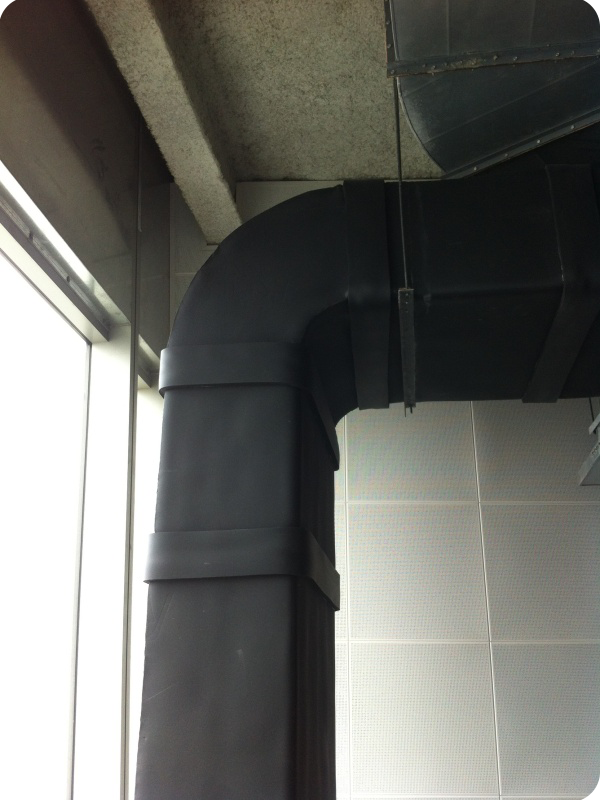
Condensation control in commercial buildings. Flex Clad sheeting prevents moisture collection on exterior surfaces, stopping mold growth and keeping ventilation systems clean.
Excellent thermal management for steam pipelines and process facilities. Our cladding material resists chemical splashes, oil exposure, and outdoor weathering.
For cryogenic systems, our specialized low-temperature elastomeric foam maintains structural integrity without turning brittle, preventing thermal leaks.
Our solutions have been implemented across diverse locations, including commercial buildings in the Middle East requiring high UV resistance, and industrial chemical processing plants in Northern Europe facing sub-zero temperatures. The dynamic structural elasticity of our NBR/PVC core provides mechanical protection against pipeline expansion, contraction, and mechanical vibrations.


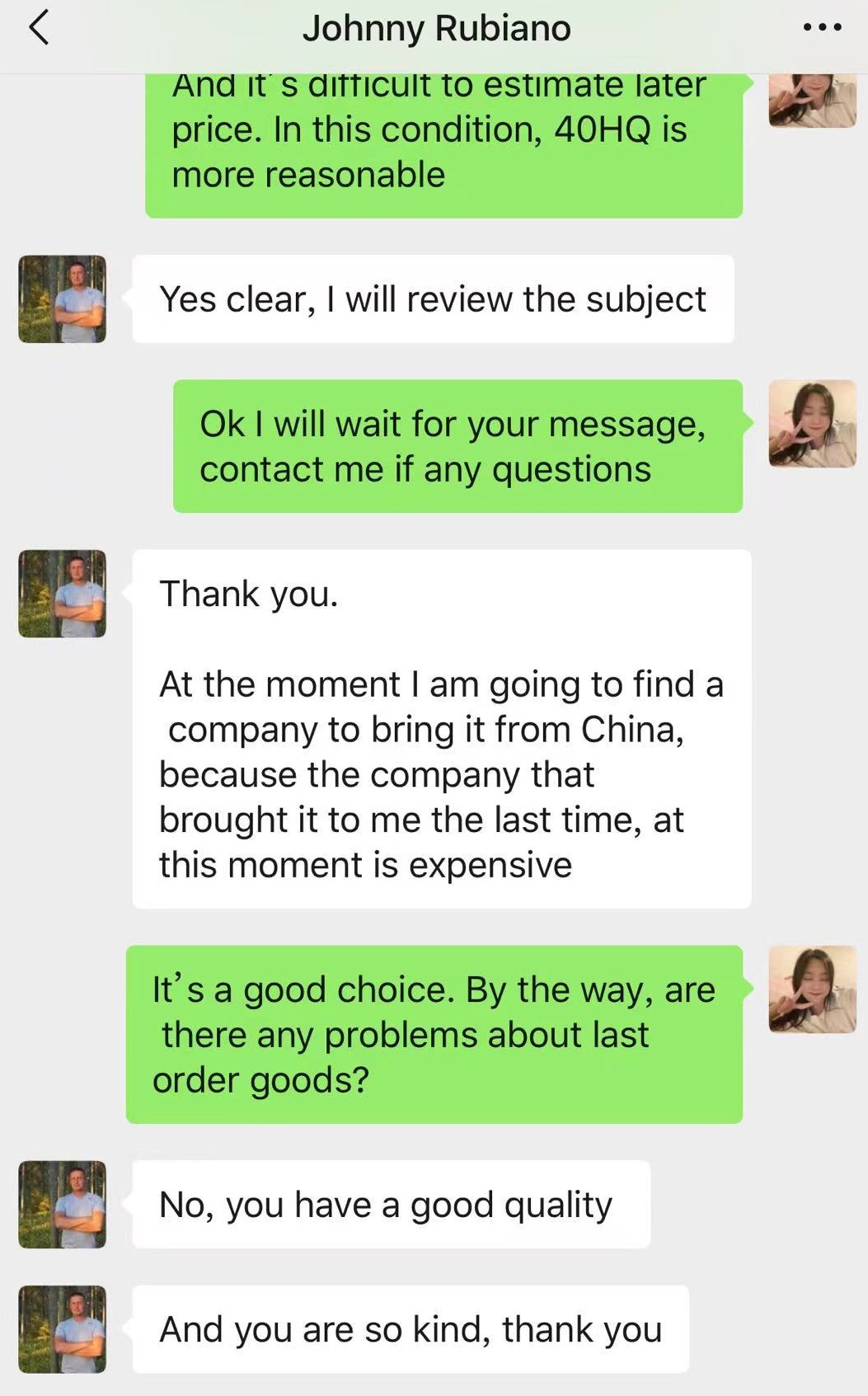
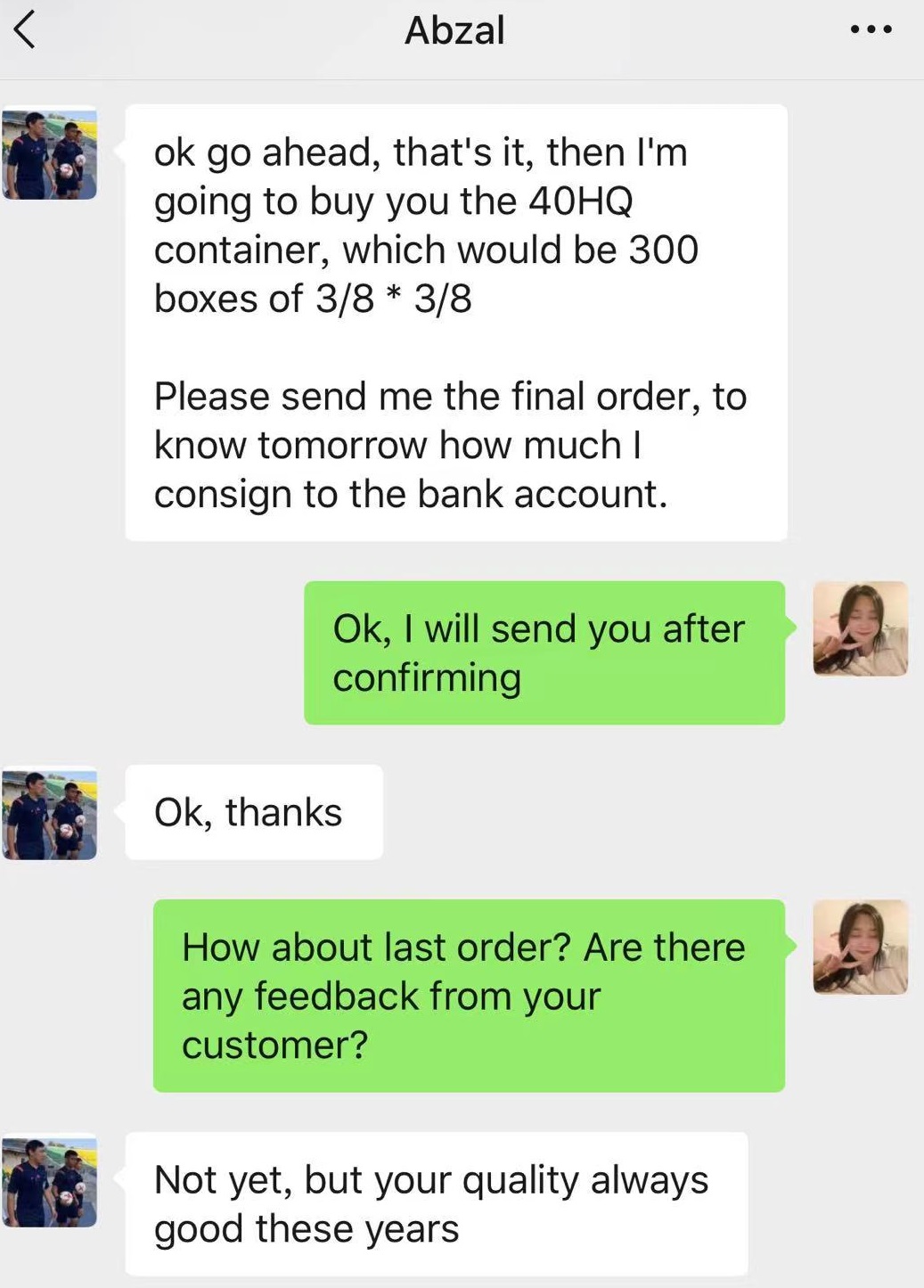
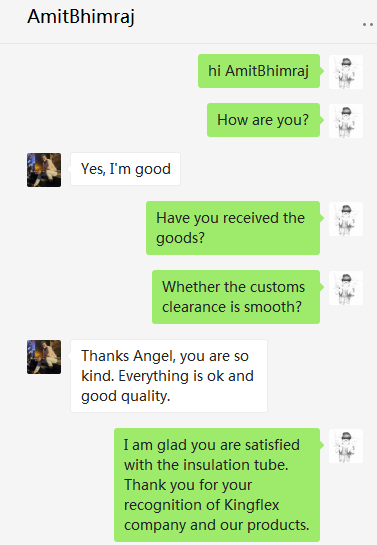
Direct performance records showing long-term field stability and client satisfaction.


Certifications for seamless integration into municipal and industrial building codes worldwide.
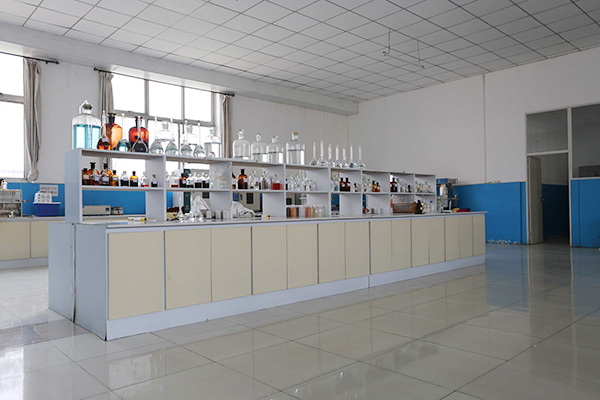
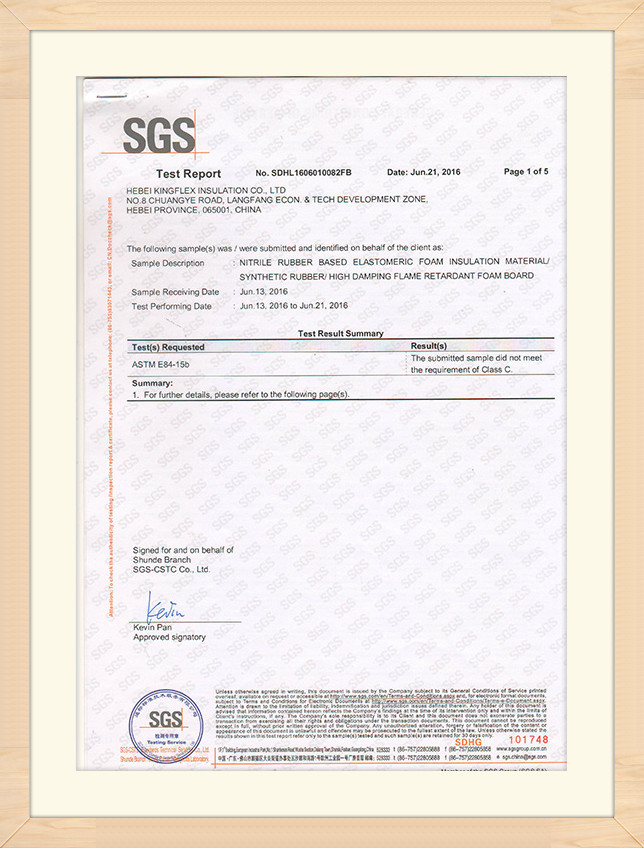
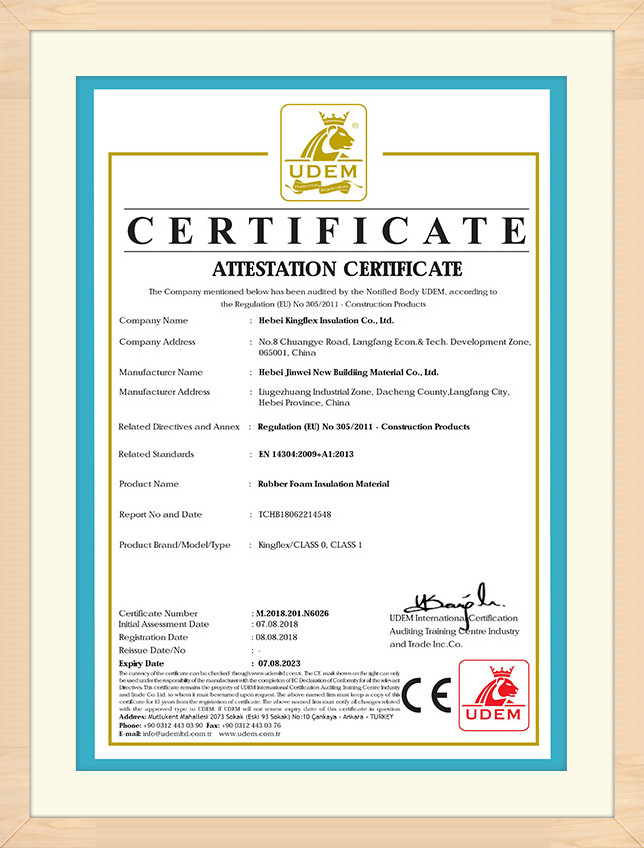
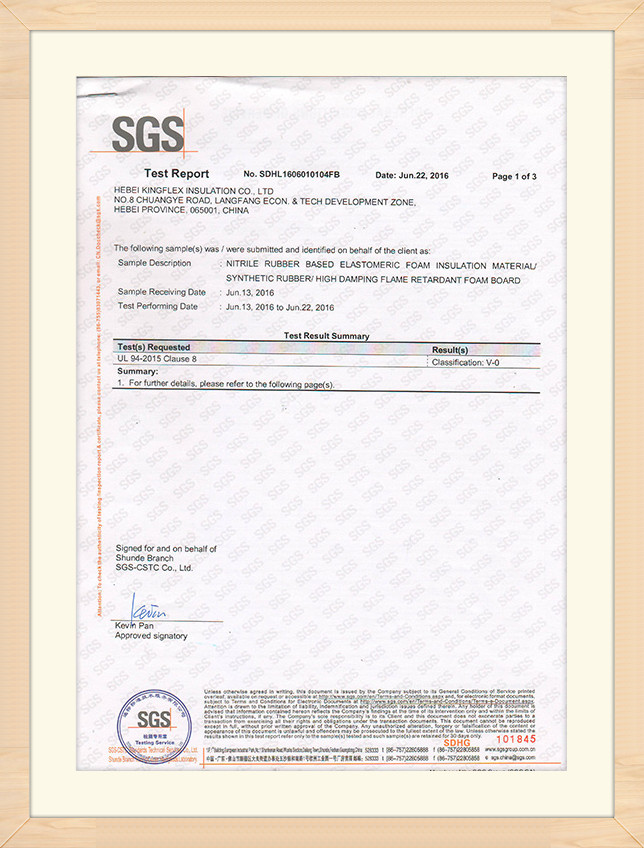
Global architectural standards require reliable proof of chemical stability and fire performance. Kingflex products undergo third-party lab testing, meeting international certification standards to ensure project compliance:
Certified to BS 476 (Part 6 and 7 Class 0/Class 1) and UL94 flammability ratings. Designed to self-extinguish without releasing high amounts of dense, black smoke.
Meets European Union REACH and RoHS regulations, ensuring the material is free from polybrominated diphenyl ethers (PBDEs), lead, and asbestos fibers.
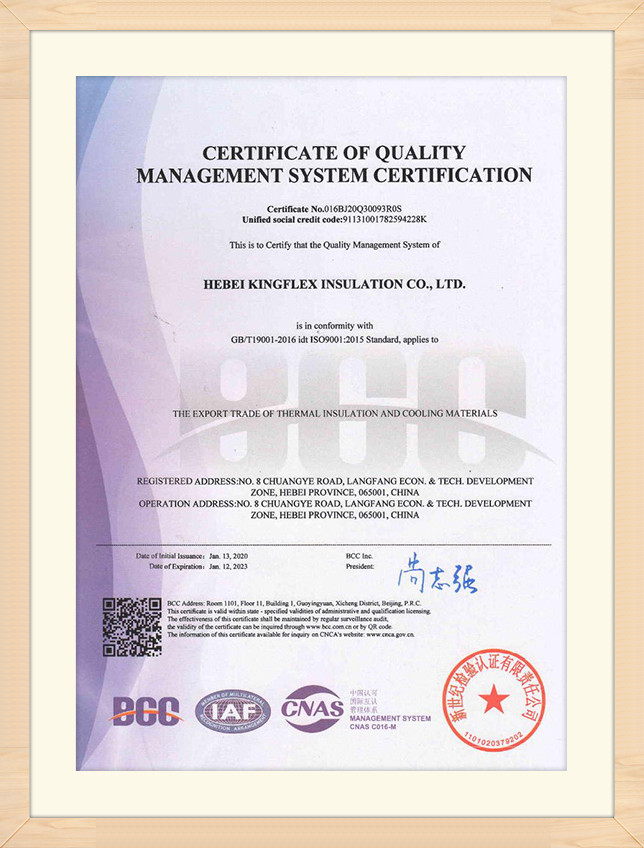
Manufactured under ISO 9001 and ISO 14001 frameworks. Every batch features tracking codes to trace raw material lots back to our Dacheng plant.
Expert insights on elastomeric rubber foam insulation properties, specifications, and applications.
What is elastomeric rubber foam insulation used for?
It is mainly used for HVAC ducts, air conditioning pipes, building thermal insulation, industrial pipeline cold insulation, and sound insulation.
Is Kingflex rubber foam insulation fire resistant?
Yes, our rubber foam insulation products are fire retardant, meeting global safety standards (such as BS 476 and UL94) for architectural and heavy industrial projects.
What is the difference between rubber foam and rock wool insulation?
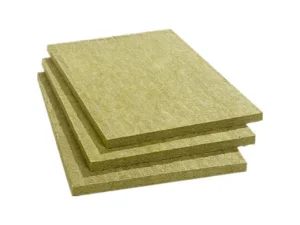
Rubber foam is flexible, closed-cell, and moisture-proof, making it ideal for condensation control in HVAC and chilled water systems. Rock wool is highly temperature-resistant and fireproof, suited for high-temperature steam lines and industrial furnace systems.
Do you provide customized insulation products?
Yes, we support OEM/ODM services, allowing adjustments in thickness, inner diameter, cladding systems, and adhesive backings to meet project requirements.
What certifications do your products have?
Our products have passed BS 476, CE, REACH, ROHS, UL94, ASTM, and other international certifications, ensuring compliance with global building codes.
Do Kingflex products have traceability?
Yes, all Kingflex production runs are assigned a tracking code, linking the finished product back to raw chemical testing records.
What thickness of rubber foam insulation sheet rolls can you produce?
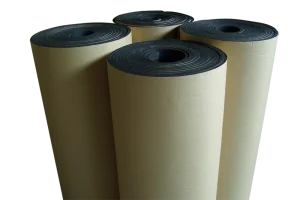
Our advanced extrusion machinery can produce sheet rolls in thicknesses ranging from 6mm to 50mm.
What is the service life of rubber plastic pipes and boards?
Under standard operating conditions and with proper installation, Kingflex products provide a service life of 10 to 15 years.
Explore our full range of flexible cryogenic, self-adhesive, and high-density acoustic insulation rolls.