China Foam Pipe Insulation Glue Factory & Quotes

High-Performance Elastomeric Adhesives & Advanced Vapor-Seal Insulation Systems for Global Industrial Infrastructure

Global Industrial Overview

The Science of Seamless Bonding: Foam Pipe Insulation Glue in Modern HVAC/R

In mechanical insulation, a system is only as robust as its weakest seam. Closed-cell elastomeric rubber foam (NBR/PVC) has become the global standard for industrial piping, chilled water lines, and HVAC duct systems. However, to maintain the structural integrity of the vapor barrier, specialized foam pipe insulation glue (contact adhesive) is vital. Standard off-the-shelf structural adhesives fail because of plasticizer migration, temperature fluctuations, and chemical incompatibility.

True professional-grade insulation glue works by chemically welding NBR/PVC structures. Once cured, the adhesive layer maintains a vapor transmission resistance equivalent to or higher than the insulation itself ($\mu \geq 10,000$). This ensures a continuous, hermetic seal that prevents ambient humidity from migrating to cold pipe surfaces, mitigating the costly risk of Corrosion Under Insulation (CUI).
Globally, strict regulatory frameworks like the EU's REACH and RoHS, alongside US LEED v4 building specifications, have shifted the industry away from toxic, high-solvent formulations. Modern manufacturing facilities focus on developing high-solids chloroprene adhesives that reduce volatile organic compound (VOC) emissions without compromising green strength or tack time.

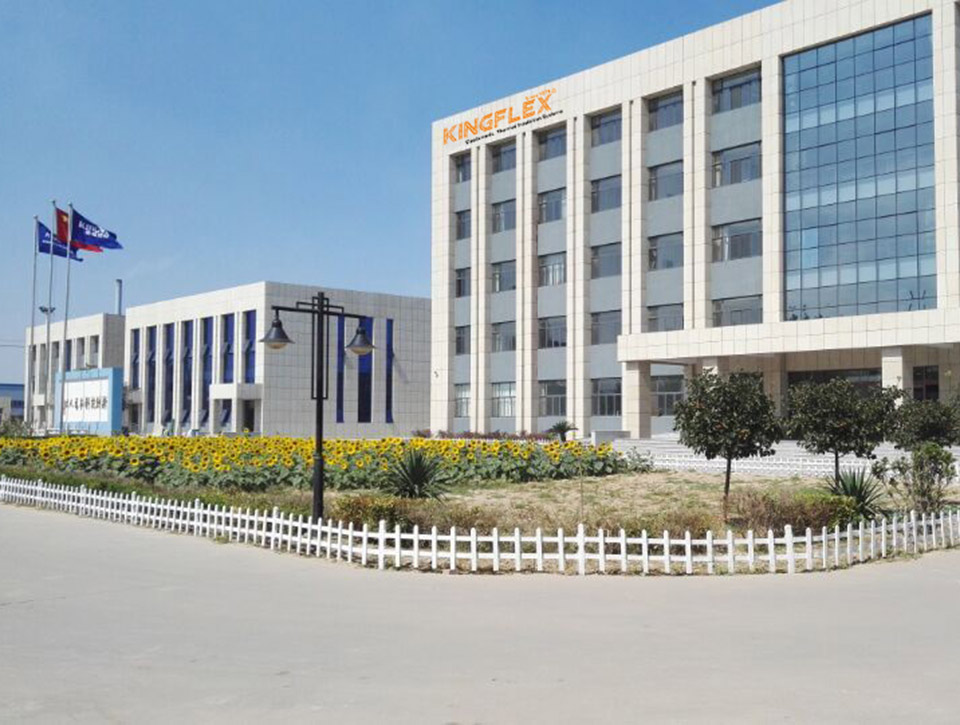
Kingflex Advanced Factory Processing
Technical Roadmap & Trends

Innovative Formulation Roadmaps: Balancing Fire Safety and Adhesion Strength

The technical evolution of elastomeric insulation adhesives follows three critical dimensions: thermal stability limits, curing kinetics, and fire behavior. High-performance projects require adhesives that operate stably within a range of -40°C to +105°C (and down to -200°C in cryogenic processes using specialized multi-layer vapor barrier designs).

Additionally, modern adhesives must match the flame-retardant properties of insulation materials. Systems built with Class 0 (BS 476 Part 6 & 7) or Class V-0 (UL94) rated foams require self-extinguishing adhesives that do not fuel flame spread or generate dense, toxic smoke. R&D divisions are actively introducing inorganic synergists and halogen-free fire retardants directly into chloroprene-polymer chains.

Performance Metric Solvent-Based Adhesives (Industrial Standard) Water-Based Adhesives (Eco-Alternative)
VOC Content Moderate to High (typically <250 g/L for low-VOC versions) Very Low / Zero VOC (<5 g/L)
Open/Tack Time 3 - 10 Minutes (Fast installation turnover) 15 - 35 Minutes (Slower drying)
Temperature Range -50°C to +105°C (Stable under high thermal shock) -20°C to +80°C (Standard operations)
Chemical Resistance Excellent resistance to humidity, acids, and ozone Good moisture resistance; sensitive to constant immersion
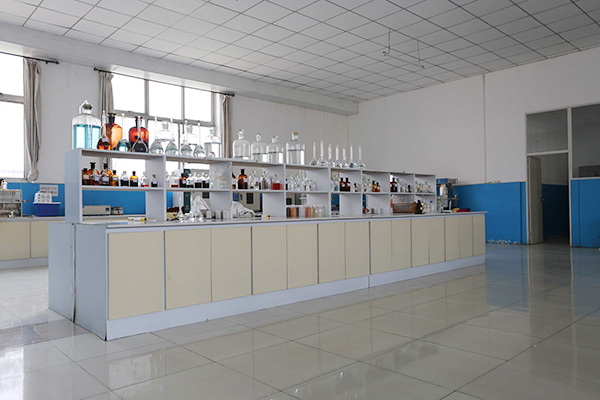
Kingflex Automated Research Facility

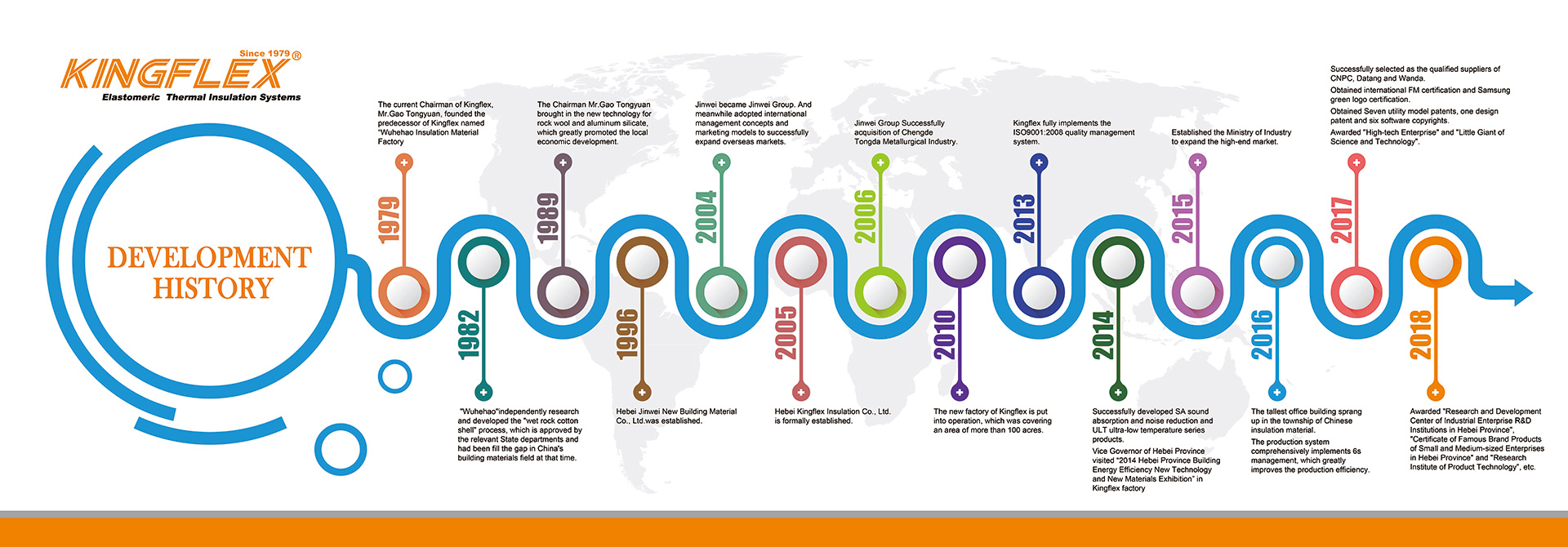
40+ Years of Manufacturing Excellence

Kingflex Insulation Co., Ltd. is a leading manufacturing and trading combo for thermal and cold insulation systems.

1979
Group Founded
600K+
Annual Capacity (m³)
66+
Exporting Countries
5
Automatic Lines

Our Heritage & Industrial Footprint

Established by the Jinwei Group (which carries more than 40 years of industrial history starting in 1979), Kingflex was the pioneering thermal insulation manufacturer north of the Yangtze River. Today, our advanced production base in Dacheng, China—a designated capital of green building materials—operates with energy conservation at its core.

With an annual capacity exceeding 600,000 cubic meters, Kingflex has been appointed as a designated manufacturing enterprise by the Ministry of Energy, the Ministry of Electric Power, and the Ministry of Chemical Industry. We provide a full lifecycle of services, including project-specific consultation, structural R&D, customized manufacturing, onsite installation guidance, and global post-sale service.

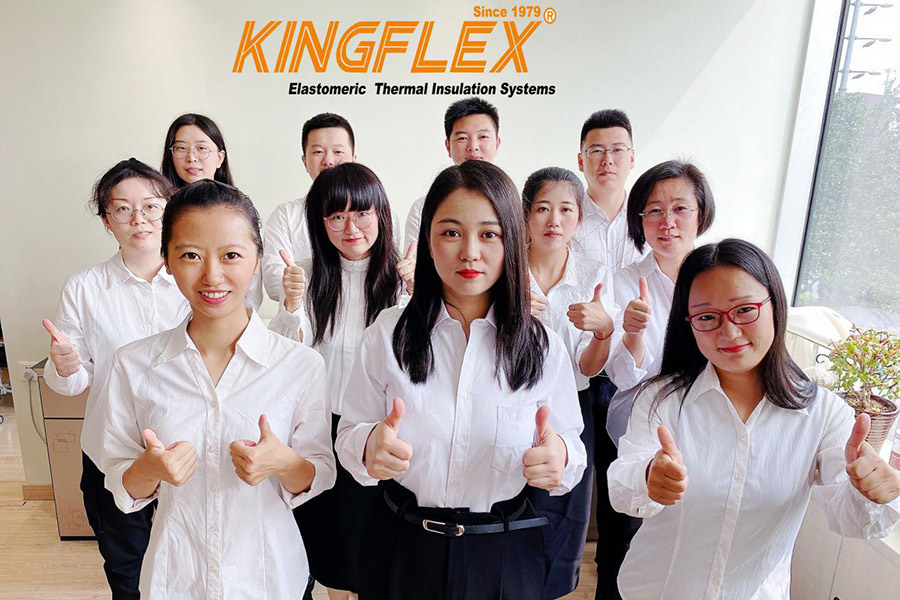
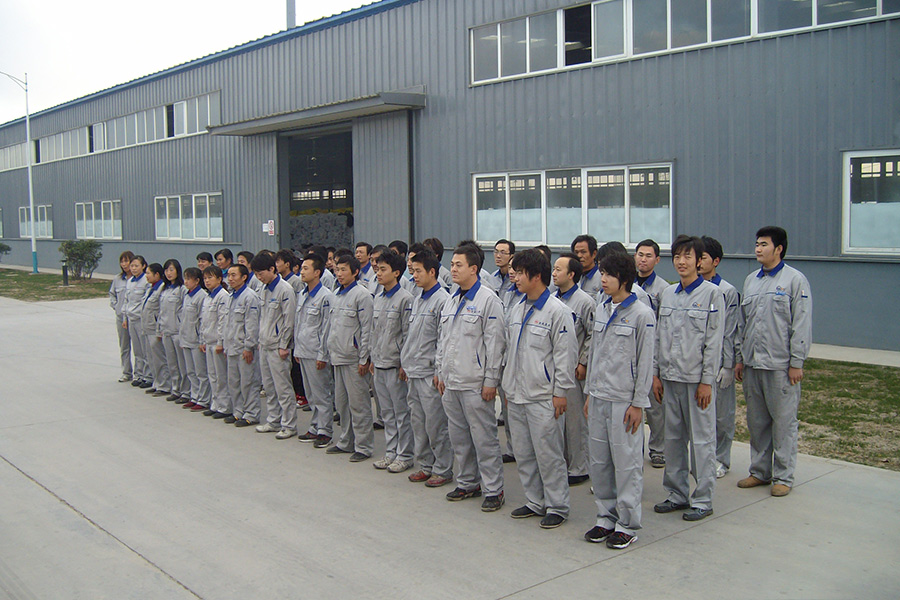
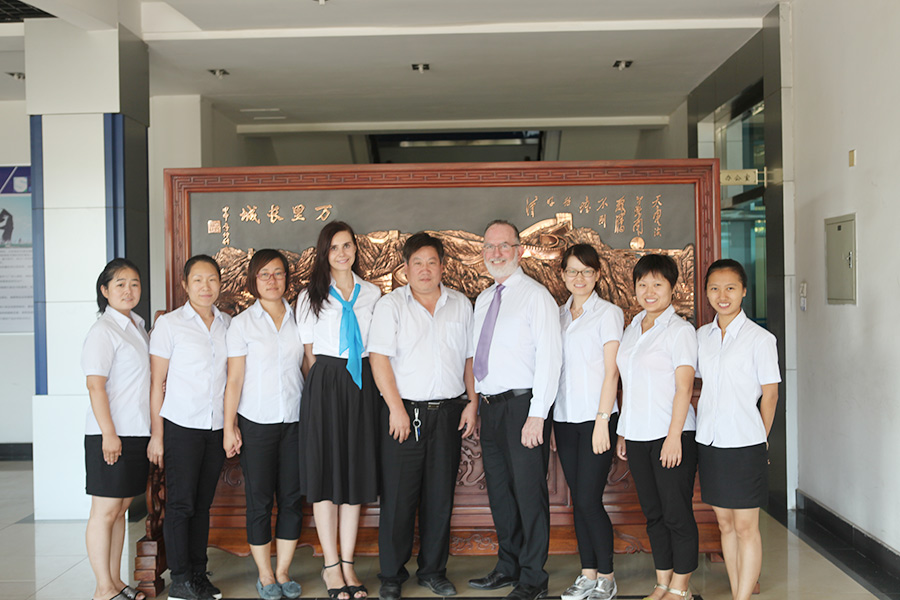
Kingflex Technical and Operations Team

R&D Innovation & International Certifications

Tested, proven, and certified to meet the highest safety, environmental, and thermal requirements globally.

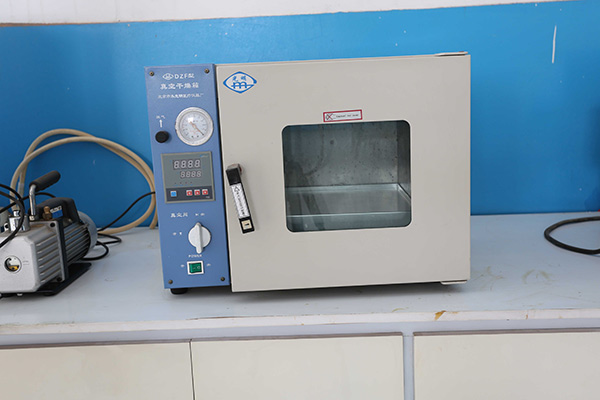
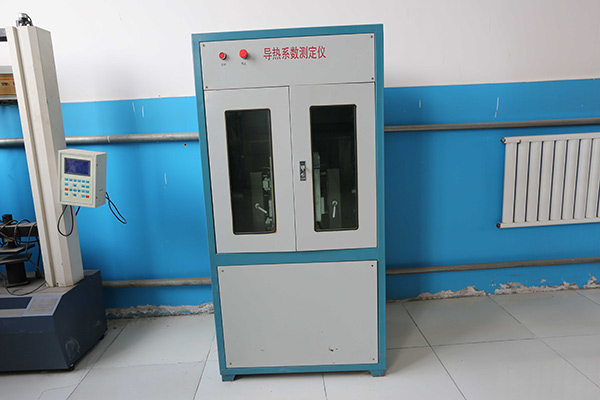
R&D Material Analysis

Material Density & Cell Structure Analysis

We verify that closed-cell ratios remain above 98% to guarantee optimal thermal resistance over decades of continuous use.

Flame Retardant Testing

Flame Retardant & Smoke Density Testing

Adhesives and rubber foams are cross-examined to meet global fire safety requirements, ensuring self-extinguishing behavior.

Tensile Strength Verification

Shear and Adhesion Tensile Strength Verification

Ensuring the adhesive seam remains solid under extreme expansion, contraction, and high temperature cycling.

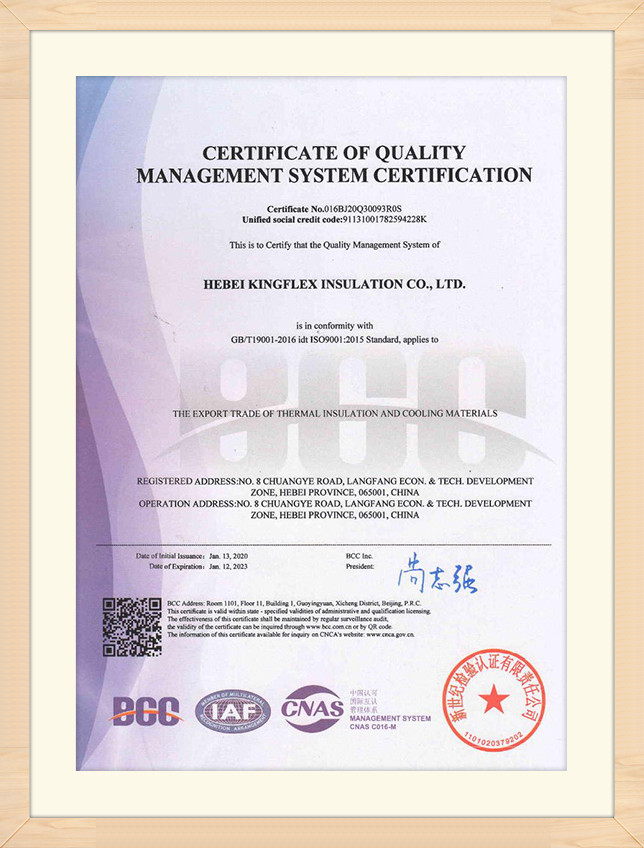
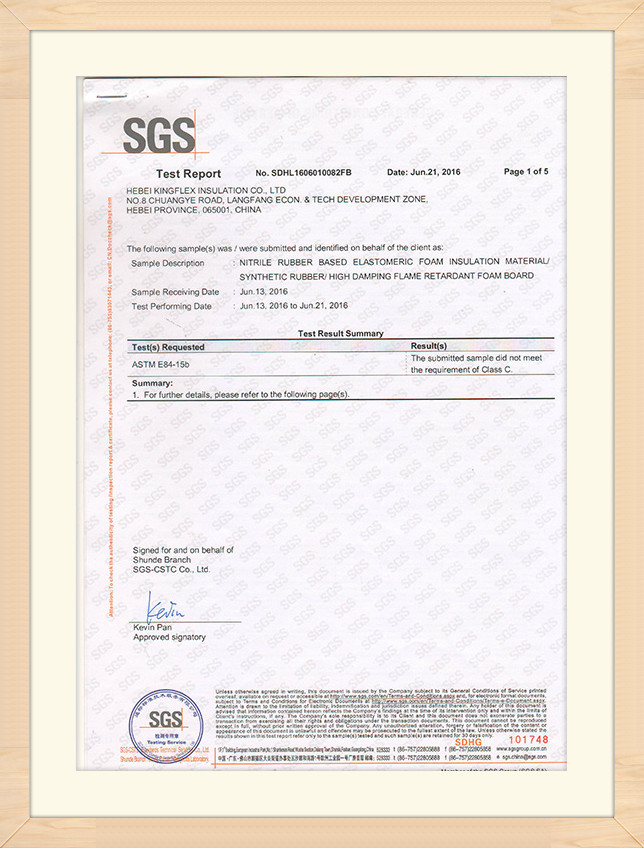
Full Compliance & Traceable Quality Control

At Kingflex, we believe in complete traceability. Every batch of rubber foam insulation and corresponding adhesive glue undergoes strict internal control protocols. Our engineering team, comprising 8 professional R&D engineers, constantly refines raw material polymer ratios (NBR and PVC blends) to achieve stable performance across diverse climates.

Our solutions comply with the industry's most rigorous international standards, including:

  • BS 476 (Parts 6 & 7): Class 0 fire rating compliance for high-occupancy commercial structures.
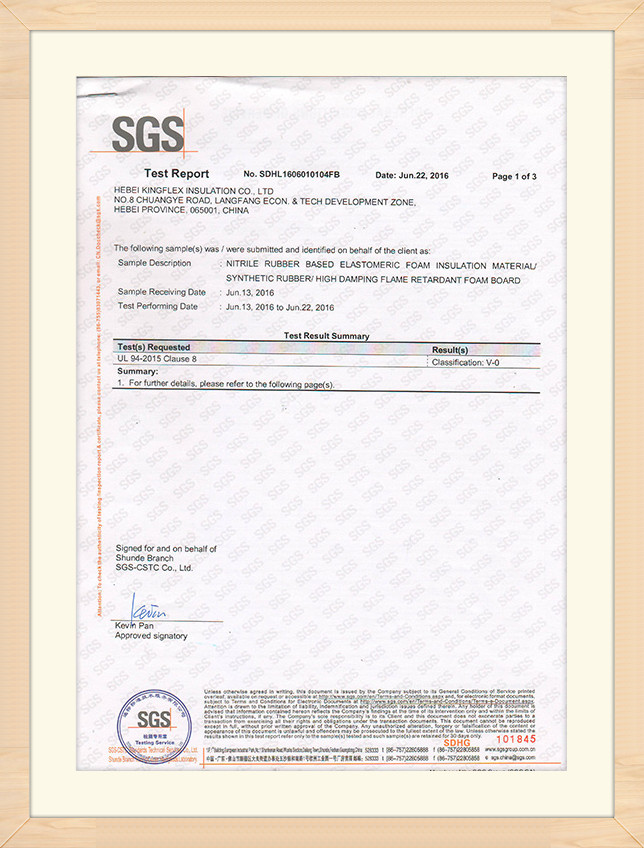
  • UL94 & ASTM E84: Verification of flame spread index <25 and smoke developed index <50.
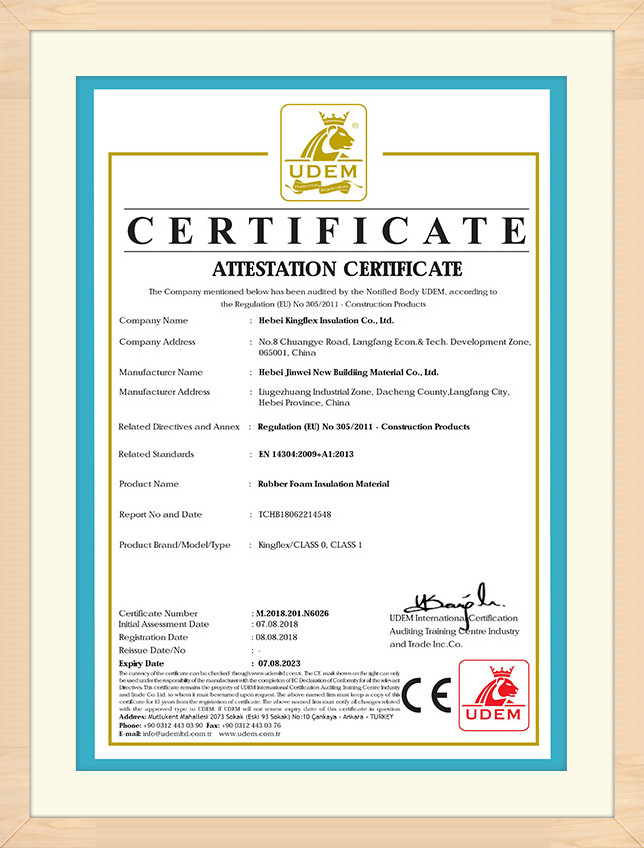
  • CE, RoHS & REACH: Guaranteeing absolute freedom from restricted hazardous heavy metals and volatile plasticizers.
Certificate 1
Certificate 2
Certificate 3
Certificate 4

Global Project Deployments & System Case Studies

Real-world validation of Kingflex insulation systems across residential, industrial, and high-tech cleanroom projects.

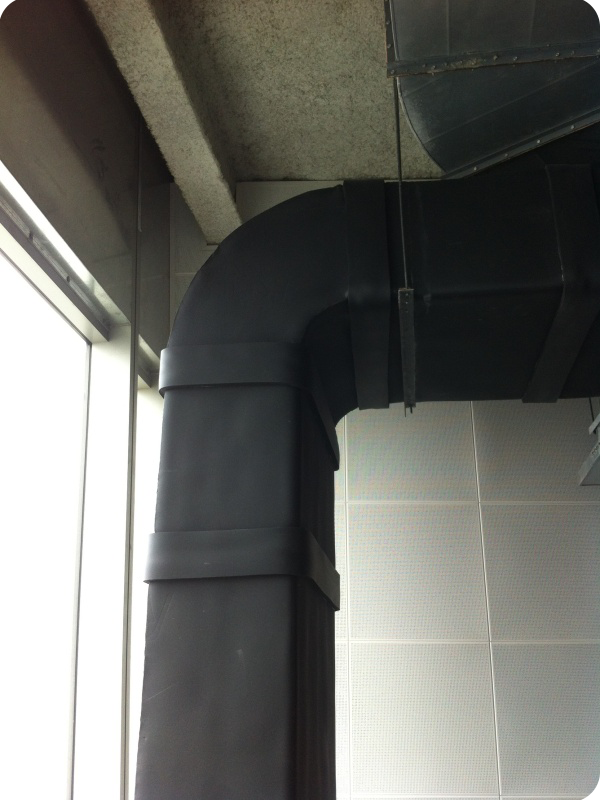
HVAC Ductwork Installation
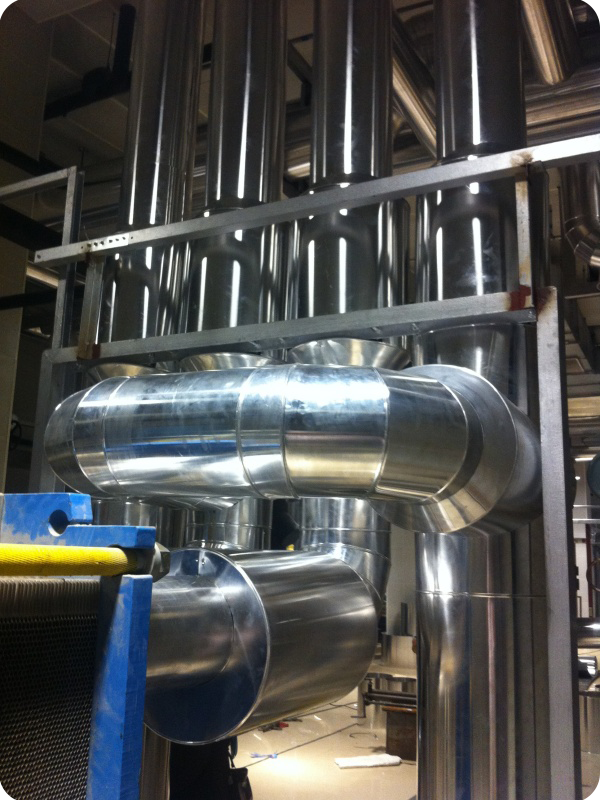
Industrial Pipe Cladding

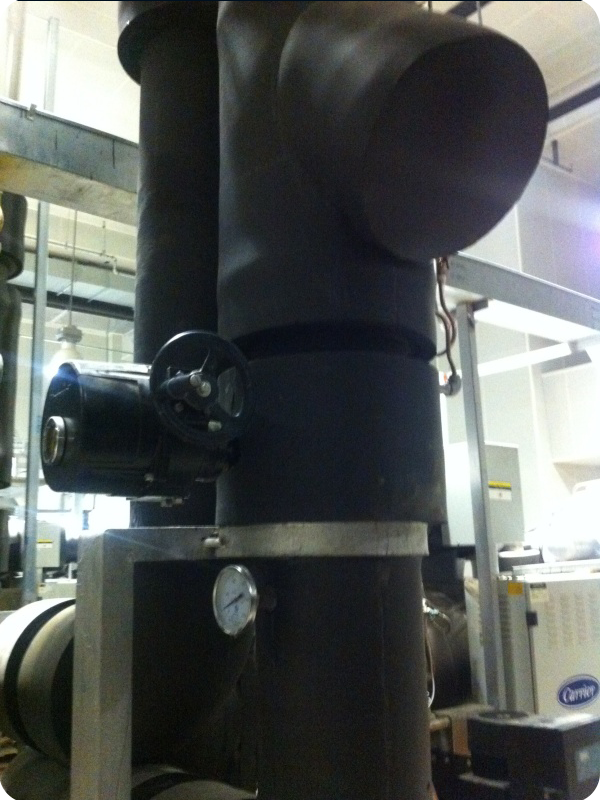
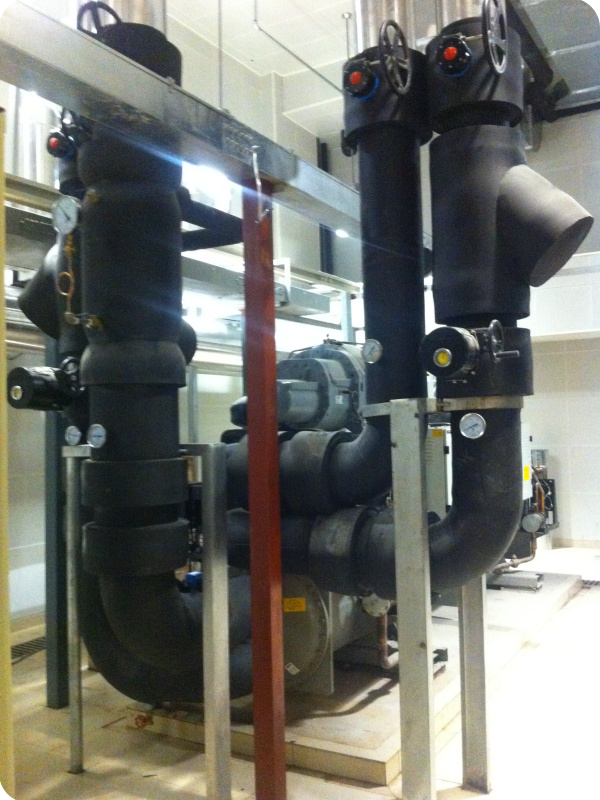
High-Velocity Commercial HVAC & Mechanical Water Piping

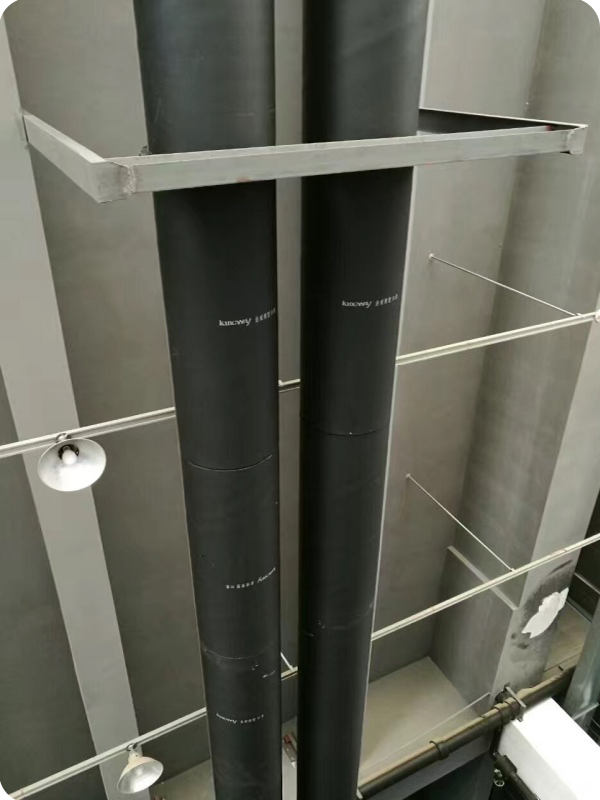
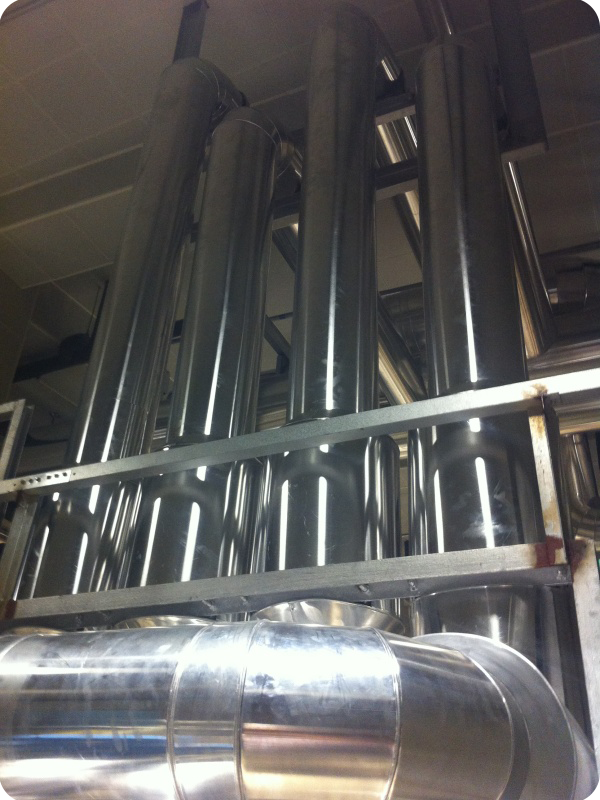
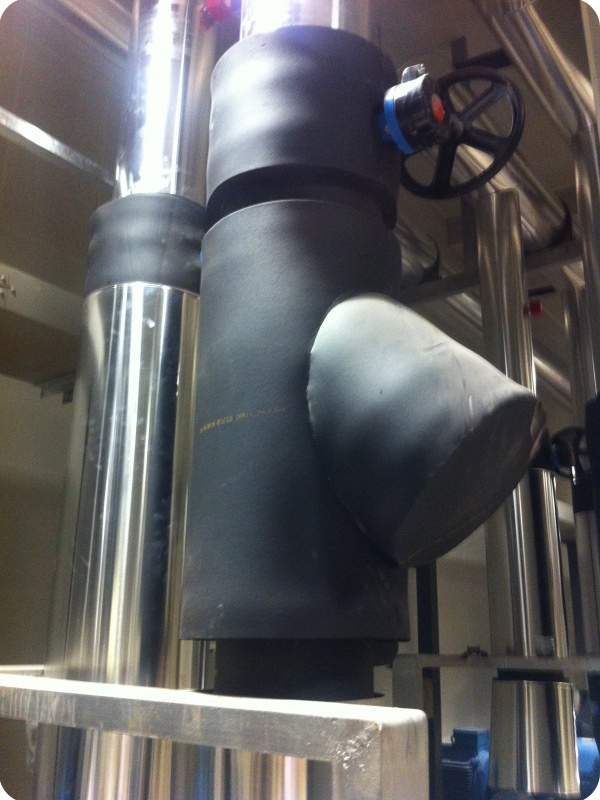
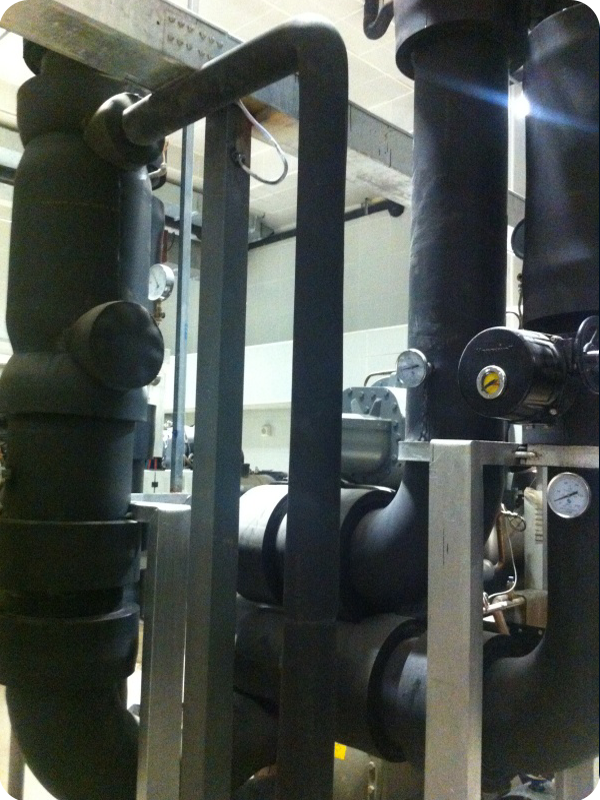
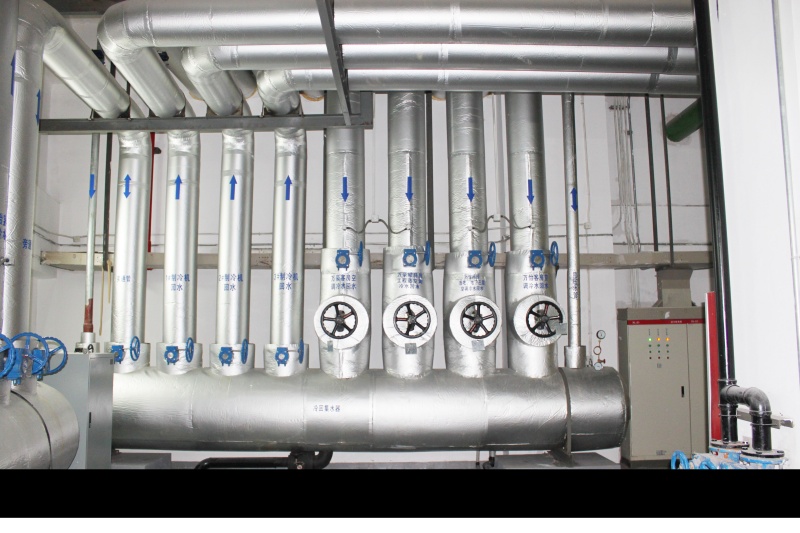
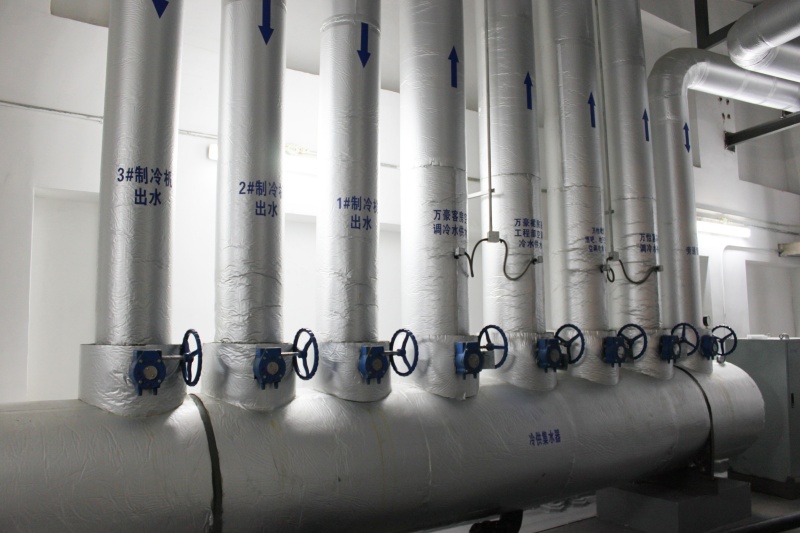
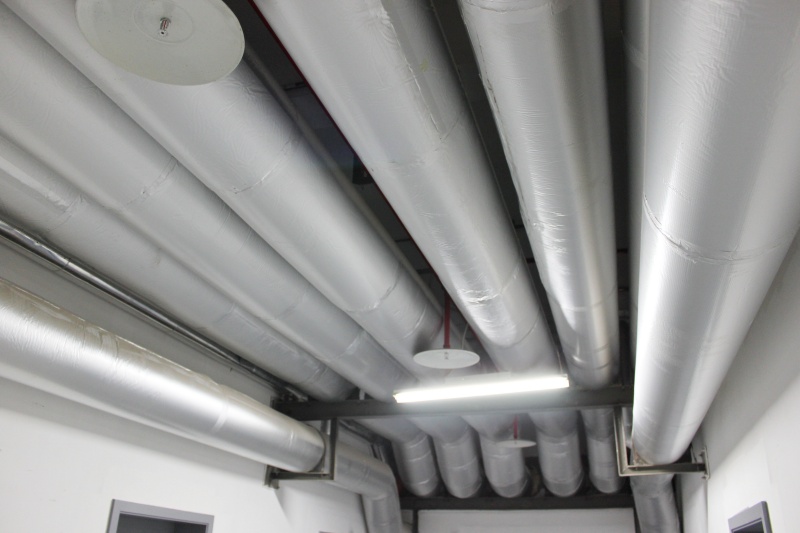
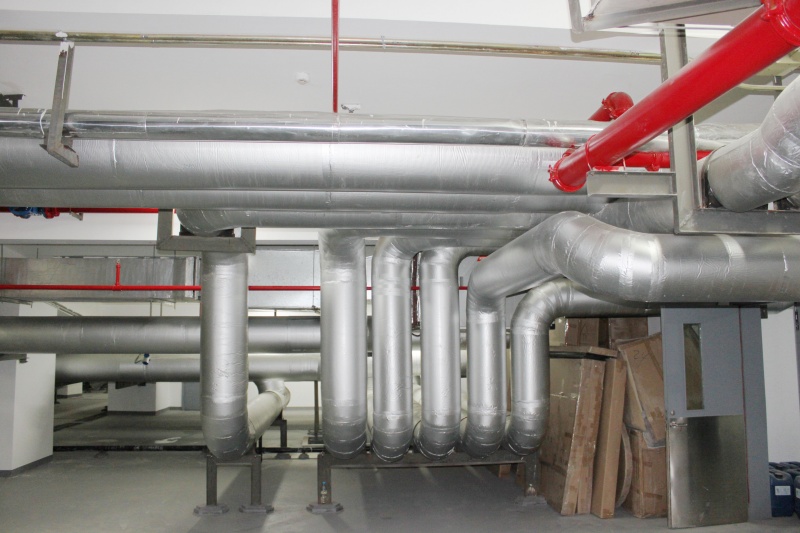
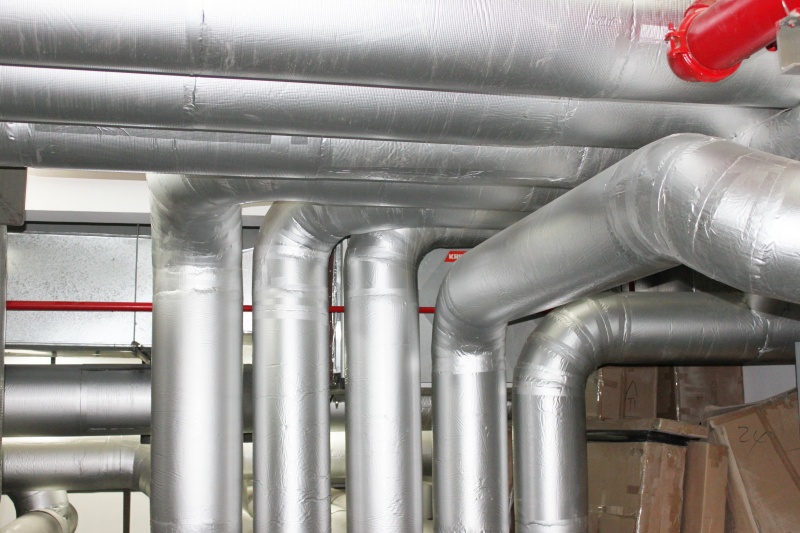
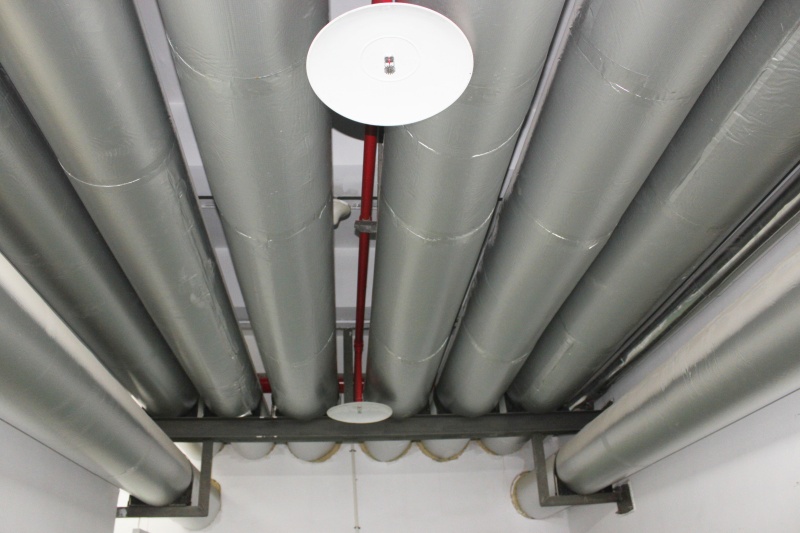
Complete encapsulation of chilled water piping arrays using NBR/PVC sheets bonded with high-shear insulation adhesive. The application guarantees absolute condensation control and energy loss reduction.

Cryogenic Piping Insulation
Cleanroom HVAC system

Petrochemical & Cryogenic Process Lines

Flexible cryogenic elastomer structures engineered for temperatures below -150°C. Multilayer joints are vapor-sealed using custom-formulated non-cracking low-temp adhesives to prevent structural embrittlement.

Professional Installation Standard: Sealing the System

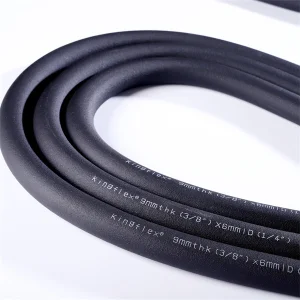
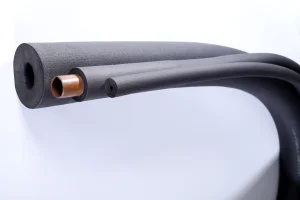
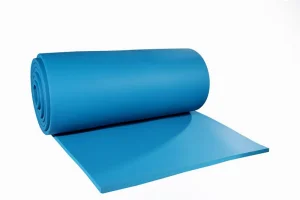
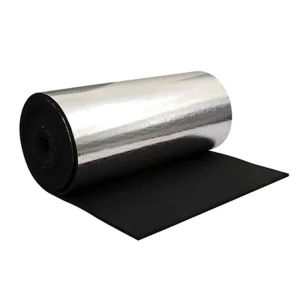
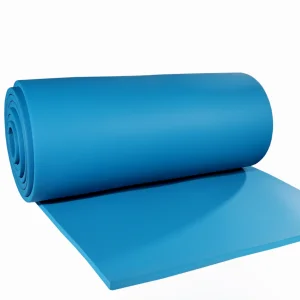
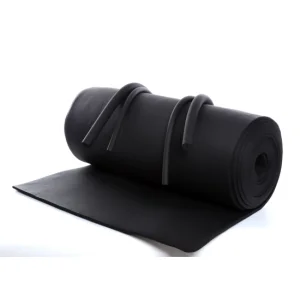
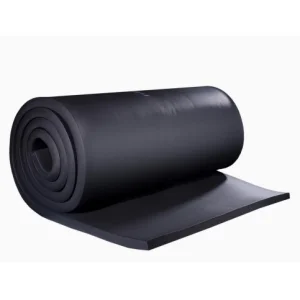
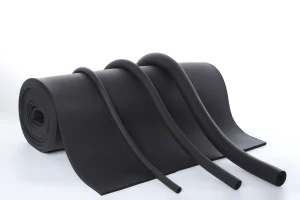
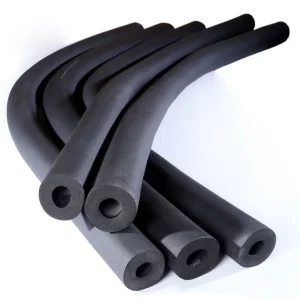
Proper physical installation determines the lifetime performance of the insulation. When installing Black Rubber Foam Insulation Pipes and Sheets, installers must adhere to the following sequence:

  1. Surface Preparation: Clean all metal and elastomer surfaces thoroughly, ensuring they are free of dust, grease, rust, and moisture.
  2. Glue Application: Apply a thin, even coat of Kingflex adhesive to both mating surfaces. Do not pool adhesive.
  3. Open Time (Tack Test): Wait until the adhesive film is touch-dry but slightly tacky (typically 3 to 10 minutes depending on atmospheric humidity).
  4. Bonding: Join the surfaces with firm, uniform pressure along the entire seam line. Never stretch the foam during jointing; press the seams together slightly compressed.
Applying adhesive to seam Seam compression joint Vapor seal check Completed pipe run

Material Specifications Quick Guide

  • Material Polymer Base NBR/PVC Blend
  • Density Range 40 - 55 kg/m³
  • Thermal Conductivity ($\lambda$) ≤ 0.034 W/(m·K) at 0°C
  • Moisture Resistance ($\mu$-factor) ≥ 10,000 (Closed Cell)
  • Fire Rating Compliance BS 476 Class 0, UL94 V-0
  • Compatible Glue Base Chloroprene Rubber

Technical Roadmap & Future Outlook

Pioneering next-generation eco-friendly adhesives and intelligent thermal management solutions.

Phase 1: Ultra-Low VOC Adhesives

Transitioning the industrial core adhesive formula to zero-VOC water-based acrylic polymers. The system aligns with global LEED v4.1 certifications, eliminating exposure to hazardous air pollutants during closed HVAC installation.

Phase 2: Nano-Engineered Thermal Barriers

Integrating graphene and silica aerogel matrices into our elastomeric rubber foam sheets. This structural advancement lowers thermal conductivity down to $\lambda \leq 0.028 \text{ W/(m·K)}$, allowing thinner profiles for equivalent thermal resistance.

Phase 3: High-Tack Cold Chain Adhesives

Developing specialized contact glues designed to cure efficiently under high-humidity and low-temperature settings (down to 0°C), minimizing installation downtime in operational cold storages.

Phase 4: Circular Lifecycle Systems

Collaborating with building demolition programs to introduce clean chemical recycling of decommissioned NBR/PVC foams and glues, transforming waste back into high-performance industrial raw materials.

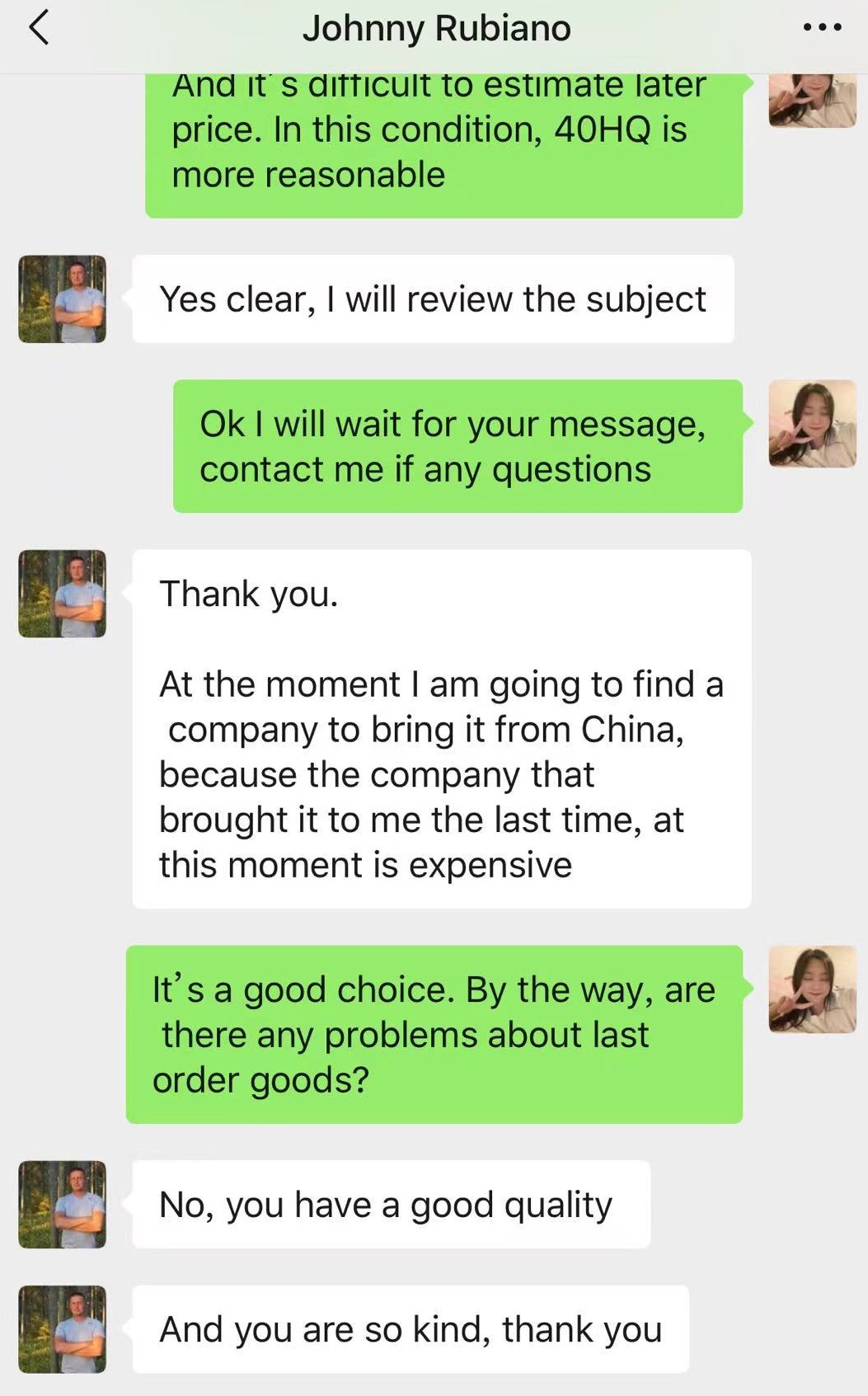
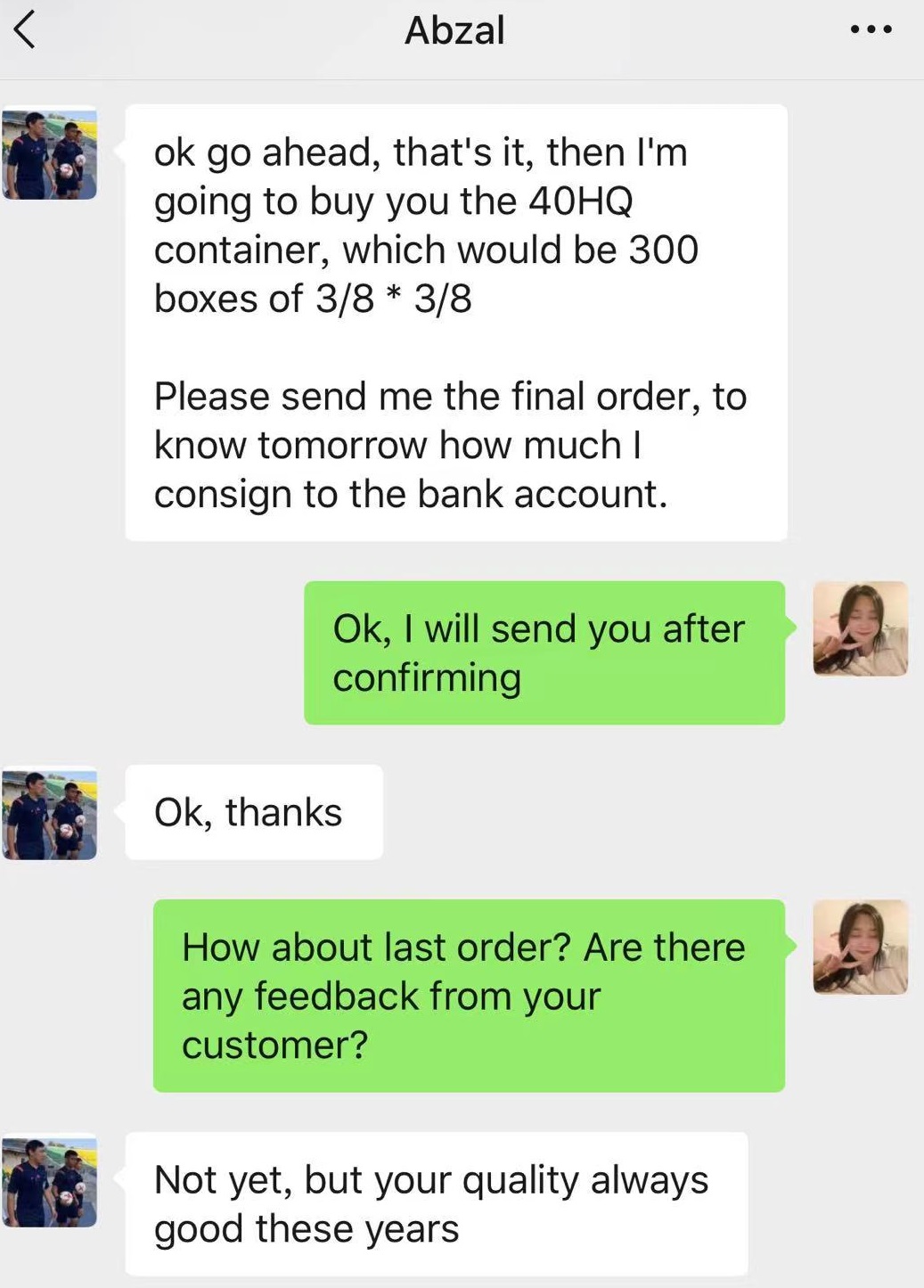
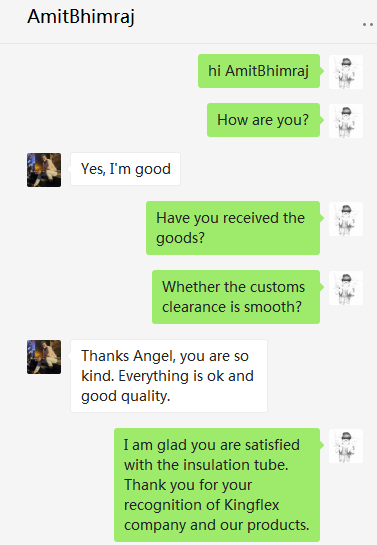
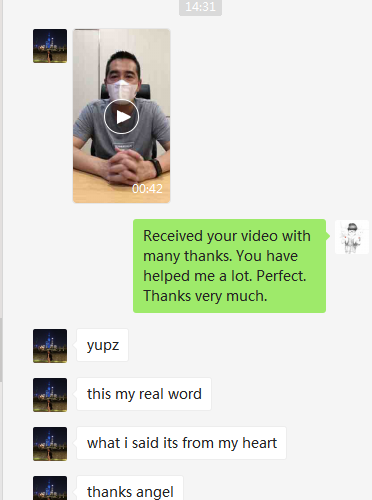
What Our Customers Say

Direct communication and ongoing positive feedback from our international industrial clients.

Client Operations

Industrial Procurement Director

HVAC Systems Engineering (Singapore)

"We have specified Kingflex closed-cell insulation and high-performance adhesives across three major data center builds. The seal strength is outstanding, preventing any condensation issues under 100% relative humidity. The documentation and traceability reports are complete."

Client Project Manager

Cryogenic Operations Lead

Liquefied Gas Logistics (Middle East)

"Their flexible low-temperature insulation systems stand up to harsh industrial environments. The custom adhesive formulations we ordered showed excellent elasticity even under extreme thermal stress. Excellent communication from the R&D team."

Verification of Client Feedback & Project Alignment

Customer Communication Check
Order Status Discussion
System Specification Check
Export Dispatch Logs
Technical Query Chat Logs

Expert Q&A: Performance, Selection, and Installation

Technical guidance and field-proven recommendations for using elastomeric foams and pipe insulation adhesives.

Q1: What is elastomeric rubber foam insulation used for?

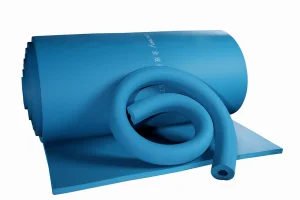
It is mainly utilized for HVAC ducts, mechanical chilled and hot water pipes, building thermal insulation systems, industrial process pipeline cold insulation, and high-performance sound absorption panels.

Q2: Is Kingflex rubber foam insulation fire resistant?

Yes, Kingflex rubber foam insulation features built-in flame retardants, allowing it to meet safety standards like BS 476 Class 0, UL94 V-0, and ASTM E84, ensuring self-extinguishing behavior and low smoke development.

Q3: What is the difference between rubber foam and rock wool insulation?

Rubber foam is a highly flexible, closed-cell material that is inherently moisture-resistant, making it perfect for condensation control on chilled pipes and HVAC ducts. Rock wool is a high-density, fibrous open-cell material with excellent high-temperature resistance, designed primarily for high-temp steam pipes and heavy fire barriers.

Q4: Do you provide customized insulation products and OEM services?

Yes. As a factory-direct manufacturer with five automated assembly lines, we support full OEM and ODM services, allowing customization of sheet thickness, pipe diameters, density parameters, color coatings, and adhesive backings.

Q5: What certifications do your products carry?

Our complete insulation product line is verified by international bodies, carrying certifications including BS 476, CE, REACH, RoHS, UL94, and ASTM, ensuring smooth compliance approvals globally.

Q6: Do Kingflex products have traceability?

Yes. Every batch of our rubber foam tubes, sheets, and adhesives features print marking and production tracking logs to ensure absolute quality control and reliable project performance audits.

Q7: What thickness ranges of rubber foam insulation rolls can you manufacture?

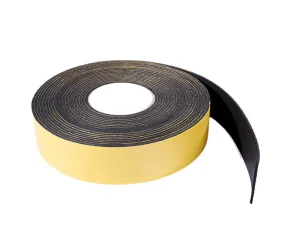
We can manufacture continuous roll sheets in thicknesses ranging from 6mm to 50mm, with custom roll widths and pre-applied adhesive or aluminum foil claddings.

Q8: What is the typical design life of Kingflex pipe insulation and sheets?

When installed using our professional-grade adhesives and according to standard guidelines, Kingflex systems perform reliably for 10 to 15 years in typical outdoor applications, and even longer when shielded within indoor utility spaces.

Industrial Gallery: Inside Our Production System

Take a closer look at our raw material synthesis, testing lines, and packaging systems.

Production Step 1
Production Step 2
Production Step 3
Production Step 4
Production Step 5
Production Step 6
Production Step 7
Production Step 8