Global Duct Insulation Industry & Glass Cloth Facing Market
In modern industrial and commercial infrastructure, energy efficiency and safety are non-negotiable criteria. Glass Cloth for Duct Insulation has emerged as the definitive global standard for enclosing, reinforcing, and sealing thermal systems. The worldwide push for sustainable construction and green buildings (underwritten by standards like LEED and BREEAM) has significantly elevated the performance metrics required for duct insulations.
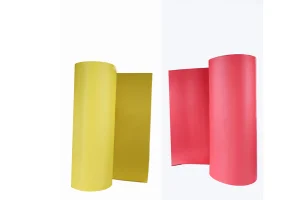
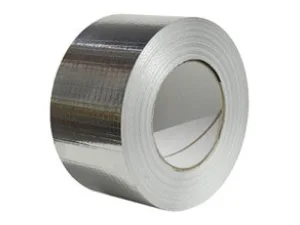
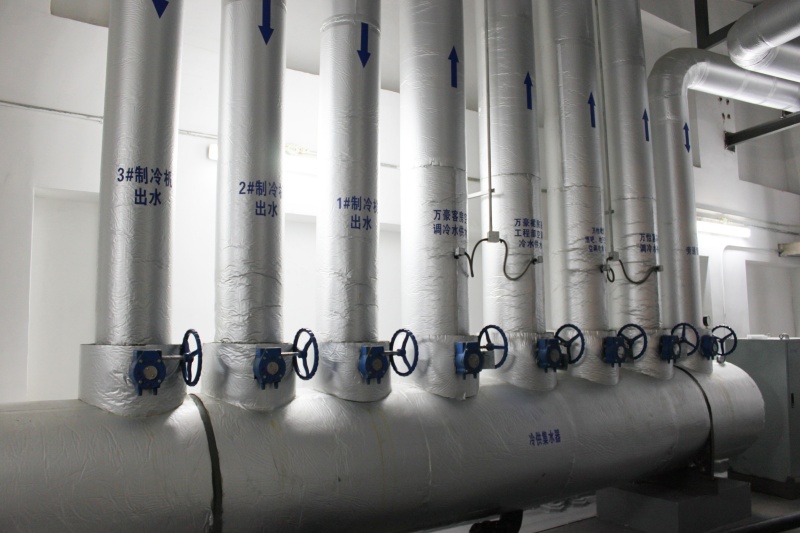
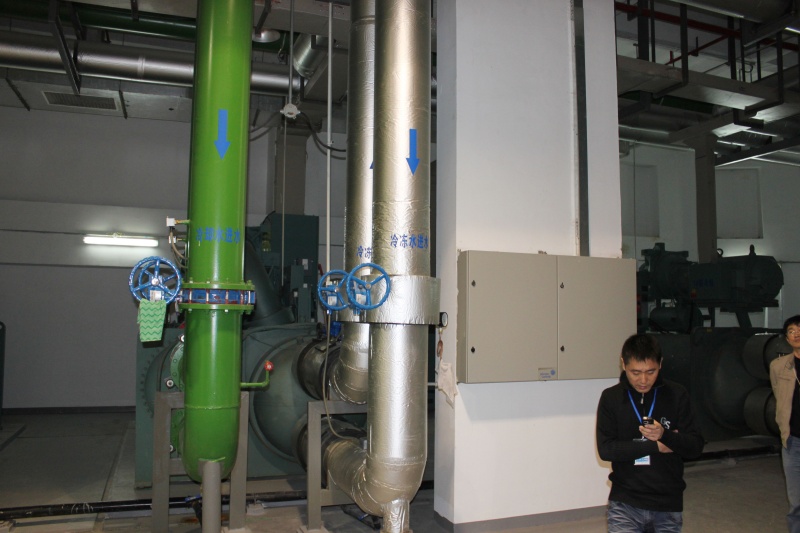
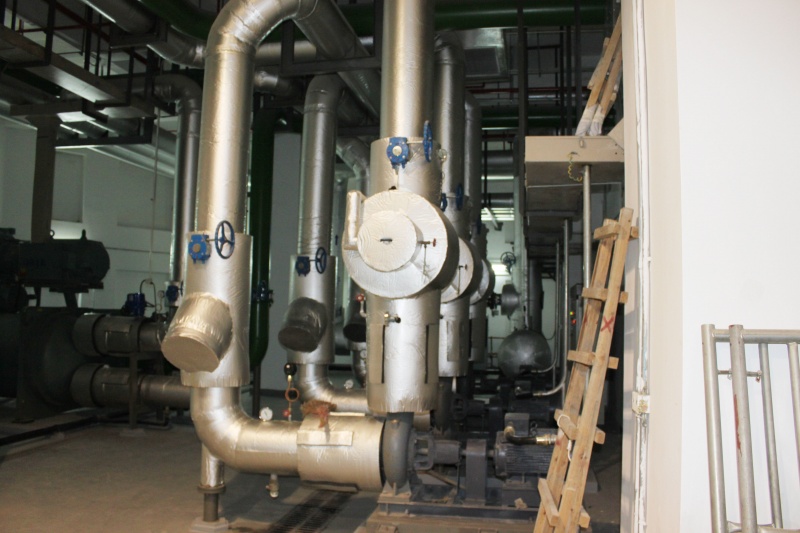
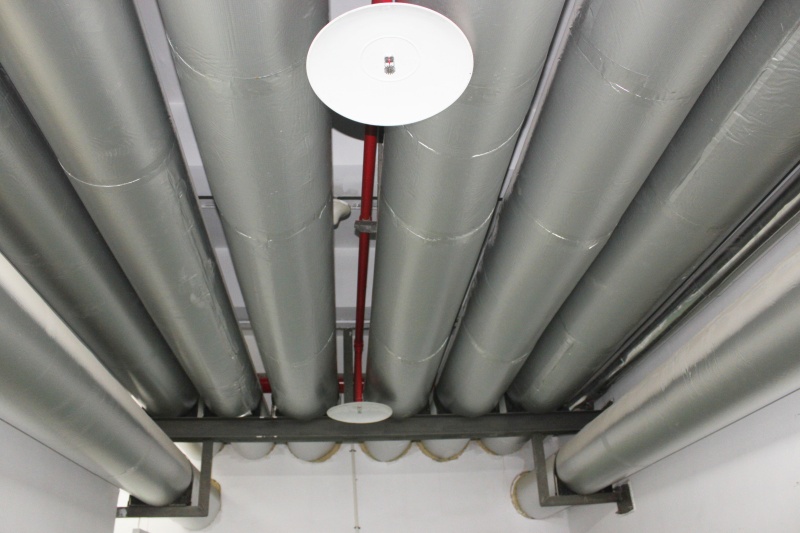
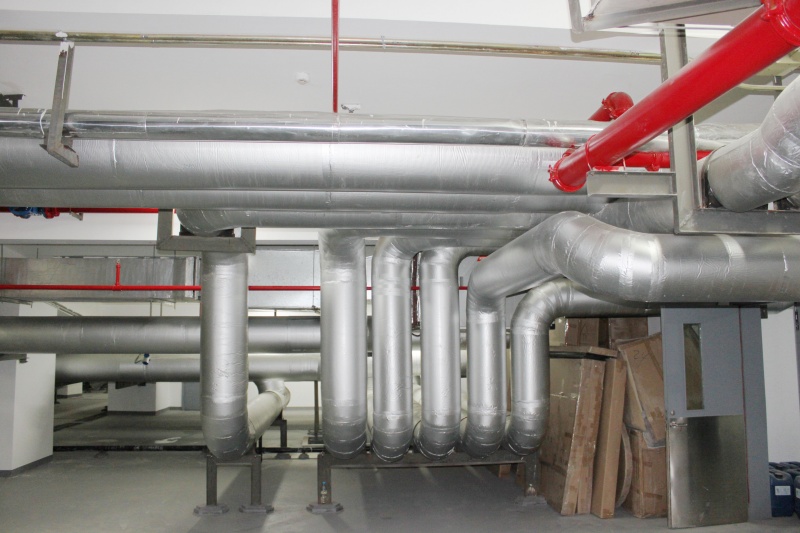
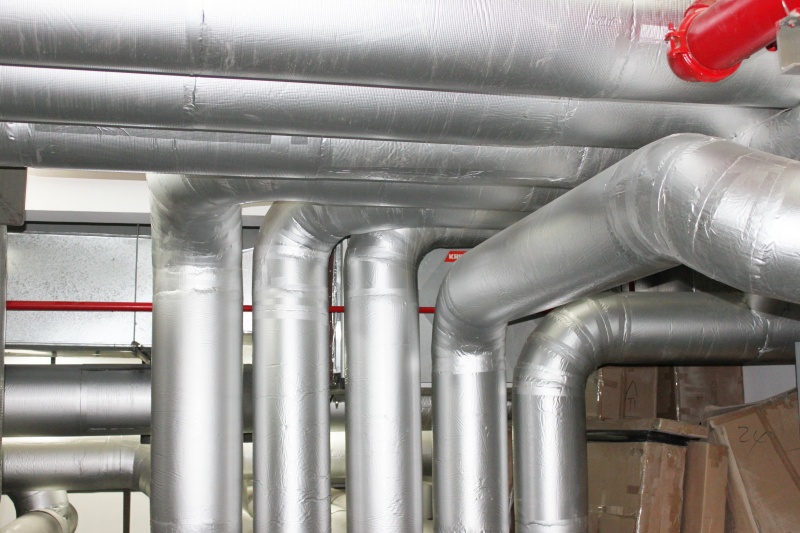
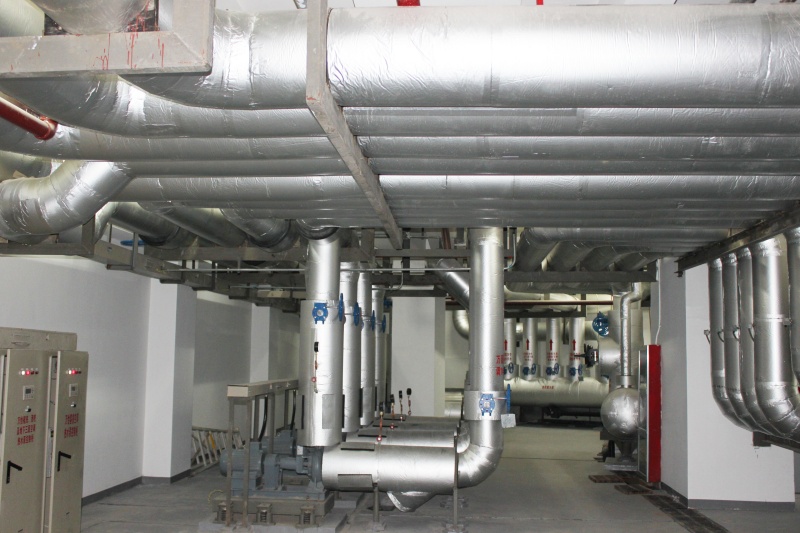
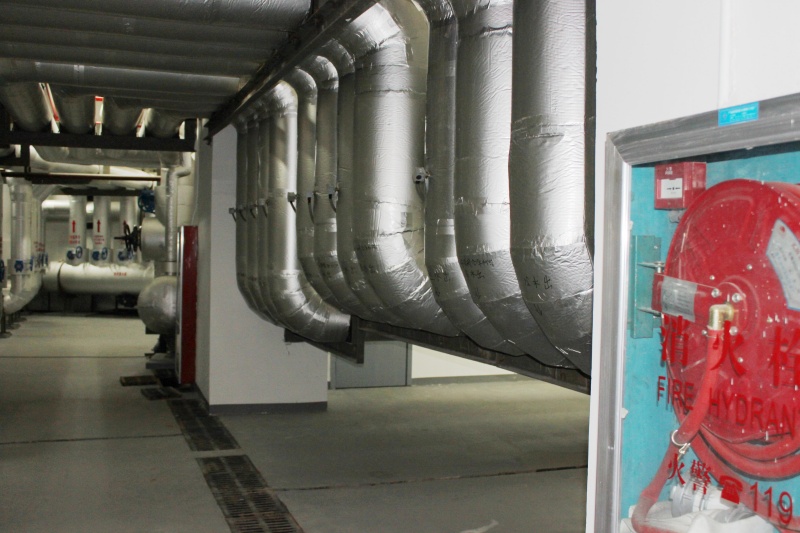
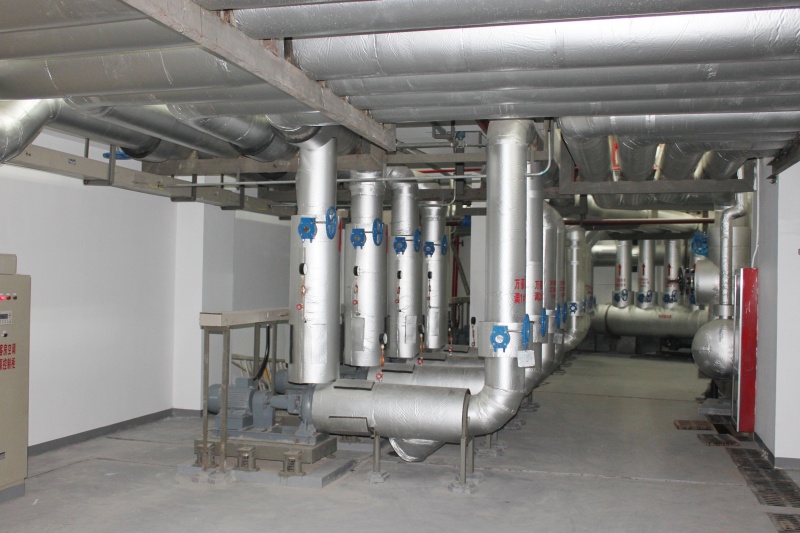
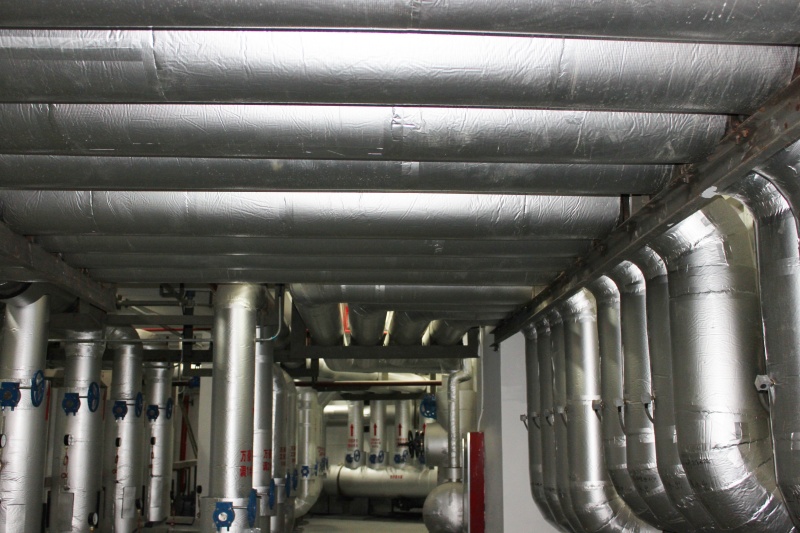
HVAC air handling units (AHUs), ventilation ducts, and process systems in chemical, maritime, and residential projects are exposed to severe conditions. Glass fiber fabric, laminated with aluminum foil or composite rubber foams, acts as a high-density protective barrier. It effectively prevents condensation, resists mechanical wear, blocks vapor ingress, and guarantees fire safety across high-velocity thermal paths.
Industrial developers and MEP (Mechanical, Electrical, and Plumbing) contractors demand high tensile strength glass cloth that remains structurally sound between extreme temperatures, preventing heat transfer and minimizing acoustic radiation.
Our Corporate Infrastructure & Production Capacity
Pioneering energy-saving building materials with advanced manufacturing scale and certified processes.
600,000+
Annual Capacity (m³)
40+
Years of Heritage
5
Auto Assembly Lines
230+
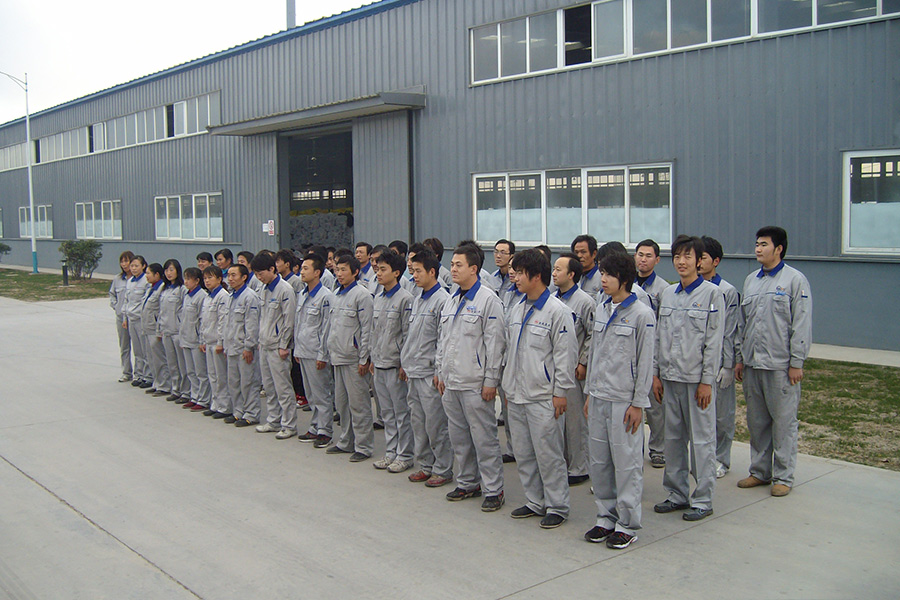
Skilled Workers
Our Corporate Heritage & Evolution
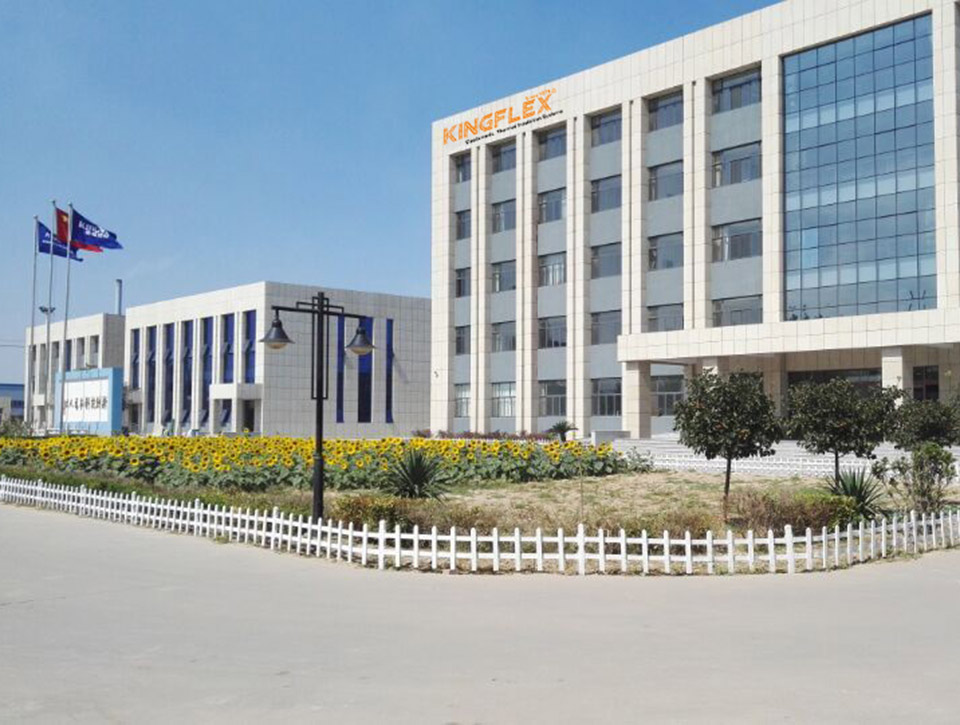
Kingflex Insulation Co., Ltd. is a professional manufacturing and trading combo for thermal insulation products. Our research, development, and primary production divisions are strategically located in Dacheng, China—widely recognized as the national capital of green-building materials. We are an energy-saving, environmentally friendly enterprise concentrating on research, development, production, and global sales.
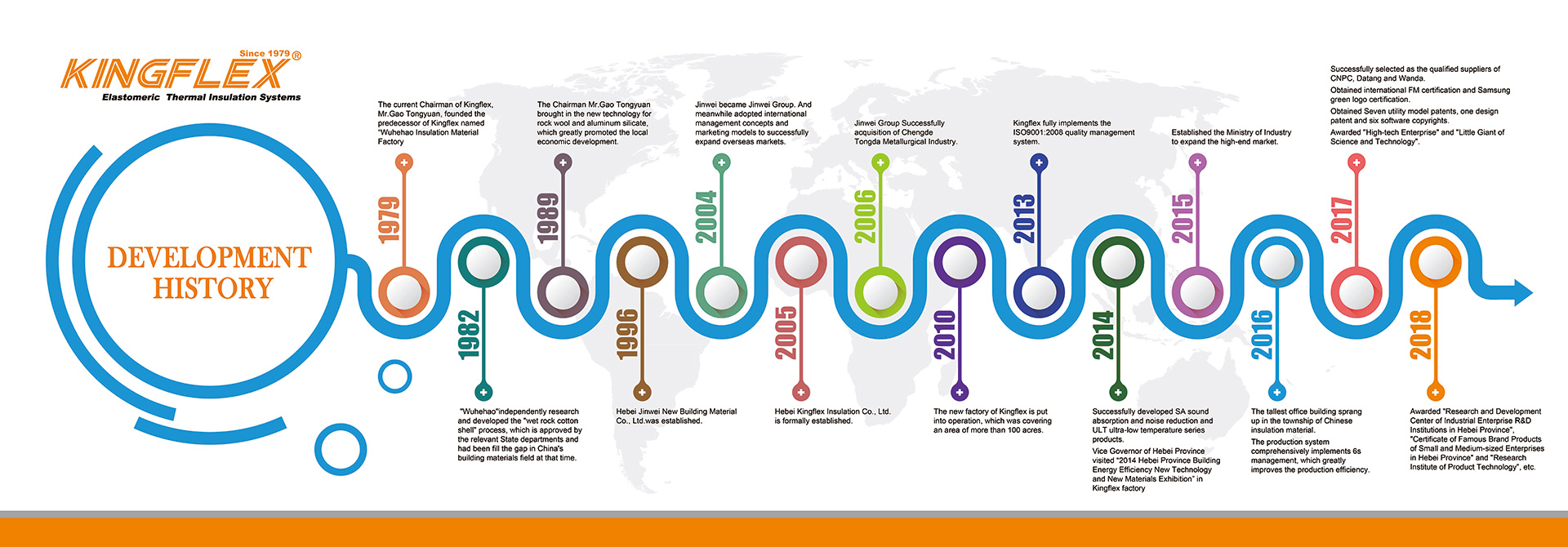
Our roots trace back to the Jinwei Group, which boasts a history of more than 40 years. Established in 1979, the Jinwei Group was the first manufacturer of thermal insulation materials north of the Yangtze River. Over four decades, this group has fostered cutting-edge engineering processes and raw material integrations that keep our factories at the pinnacle of efficiency.
Today, Kingflex operates as a designated supplier authorized by the Chinese Ministry of Energy, the Ministry of Electric Power, and the Ministry of Chemical Industry. This high level of domestic recognition reflects our compliance with strict national standards, laying the foundation for our international export success.
Our R&D Depth & Expert Engineering Team
Innovating to lead the development of the global building materials industry through scientific formulation and rigid quality checks.
Scientific Human Capital
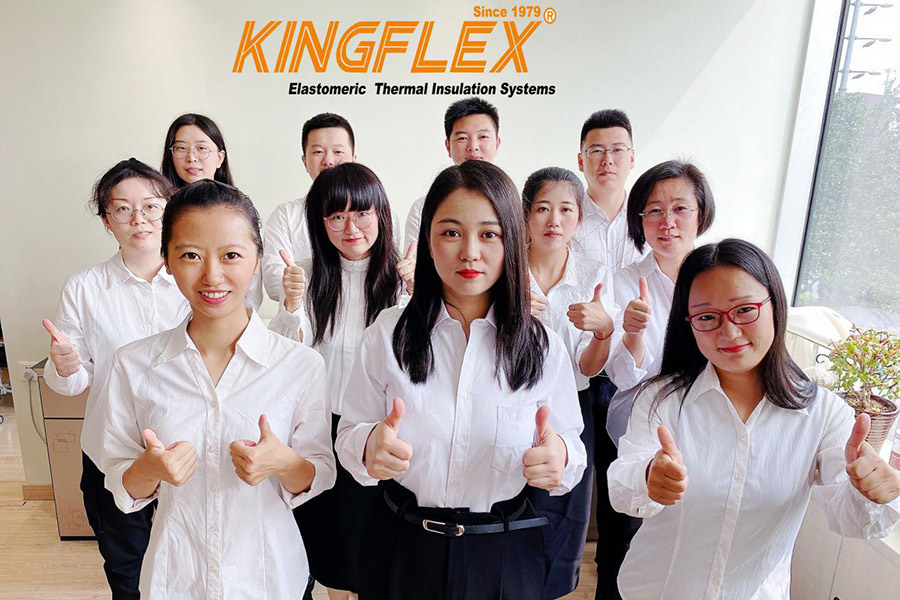
Our workforce forms the backbone of Kingflex. We host 8 highly professional, dedicated R&D engineers, 6 experienced international sales representatives, and over 230 technical workers. Our R&D division focuses specifically on advancing physical properties like thermal conductivity reduction, flame retardancy improvements, and high-tensile glass cloth lamination techniques.
Global Export Footprint
In the past 16 years, Kingflex thermal insulation products have been exported to more than sixty-six countries all over the world. Our deep understanding of overseas regulatory frameworks allows us to custom-engineer insulation barriers that comply with localized building codes across Europe, the Americas, Southeast Asia, and the Middle East.
Integrated Solutions Provider
Rather than acting as a simple vendor, Kingflex is an integrated solutions provider. We supply comprehensive energy-saving solutions that cover thermal insulation, cold conservation, and sound reduction. Our service portfolio ranges from consultation and manufacturing to detailed installation guidance and responsive post-sale support.
State-of-the-Art R&D Center & Testing Lab
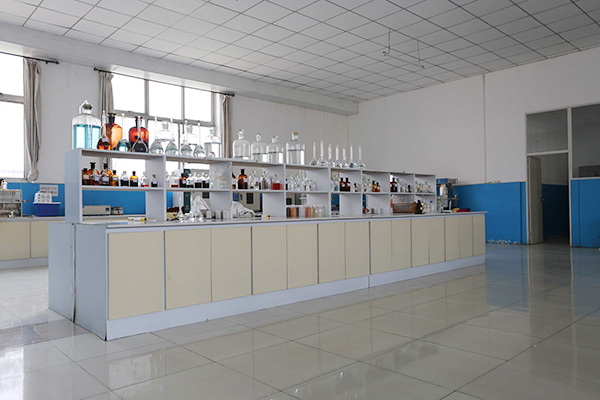
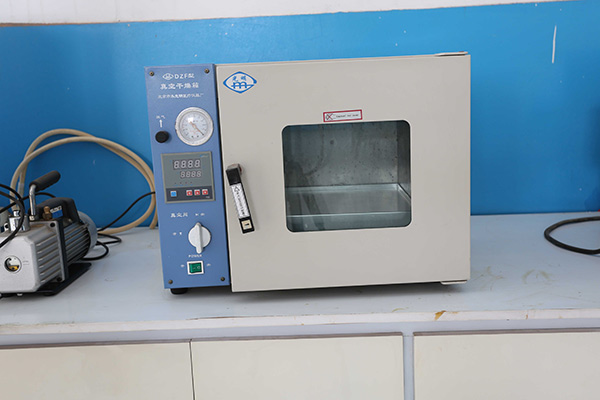
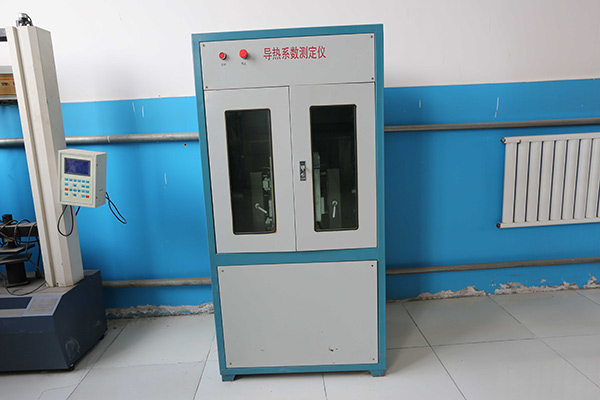
Our dedicated laboratory constantly evaluates the performance of elastomeric foams and glass cloth facings. In these testing chambers, materials undergo severe flame exposure, mechanical shear testing, aging tests, and thermal resistance checks. By laminating glass cloth directly onto elastomeric rubber structures, we create composites that resist mechanical damage during installation and operations.
Homogeneous Foaming: Closed-cell structures exceeding 98% for minimal moisture diffusion.
Lamination Control: High-adhesion bonding of glass fiber cloth and aluminum foil prevents delamination over long-term cycles.
Traceable Batches: Complete product traceability from raw chemical input to delivery container.
Kingflex Standard Dimensions & Technical Specifications
Accurate physical parameters, operational limits, and dimensional ranges of our core elastomeric insulation products.
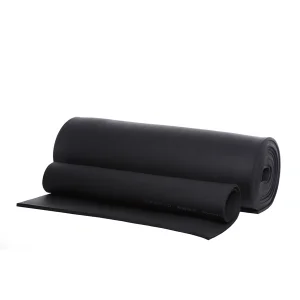
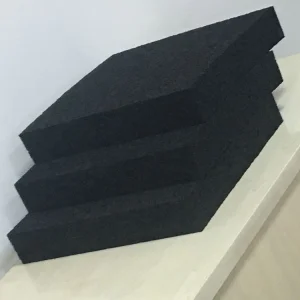
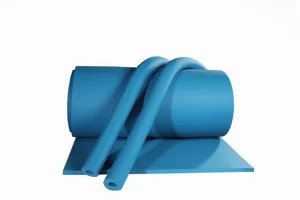
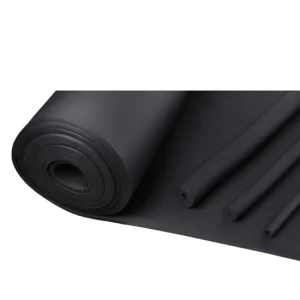
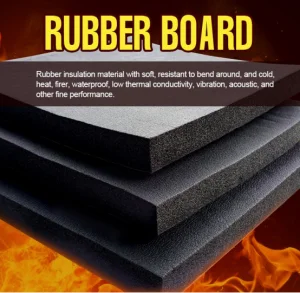
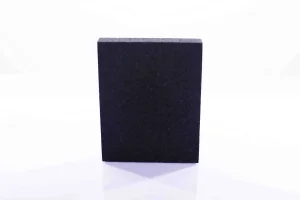
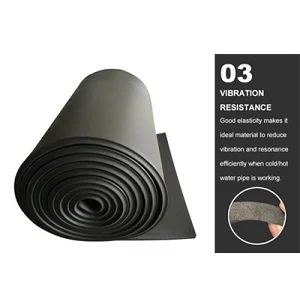
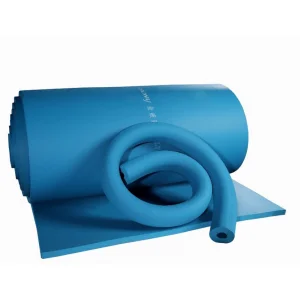
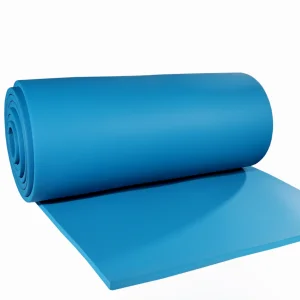
Black Rubber Foam Insulation Sheet Roll
Engineered from premium NBR/PVC elastomeric matrixes, our sheet rolls are formulated to deliver highly uniform cell walls, maximizing thermal capture and stabilizing performance under variable environment stress.
Parameters
Specifications & Range
Material Composition
NBR / PVC Elastomeric Base
Available Thickness
6mm to 50mm
Core Density
40 to 55 kg/m³
Service Temperature Limit
-40℃ to 105℃
Closed Cell Rate
≥ 98%
Compression Resilience
≥ 80%
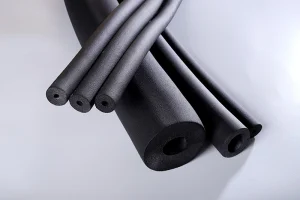
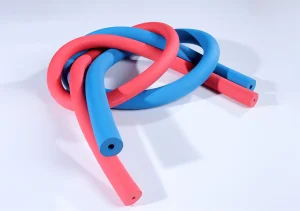
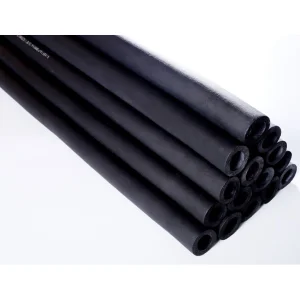
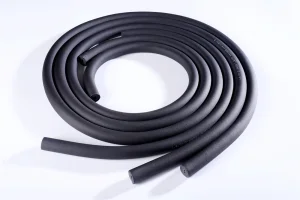
Black Rubber Foam Insulation Pipe / Tube
Manufactured using advanced extrusion technology, our insulation pipes provide perfect concentric geometry, facilitating fast slip-on installation and ensuring seamless joint fits on complex copper or steel runs.
Parameters
Specifications & Range
Material Composition
NBR / PVC Elastomeric Base
Wall Thickness
9mm to 40mm
Inner Diameter (ID)
6mm to 114mm
Core Density
40 to 55 kg/m³
Service Temperature Limit
-40℃ to 105℃
Process Enhancement
Professional internal pipe spraying
Localized Application Fields & Factory Advantages
Discover how Kingflex delivers reliable thermal containment across commercial, residential, marine, and industrial sectors worldwide.
1. Central HVAC Duct Wrapping
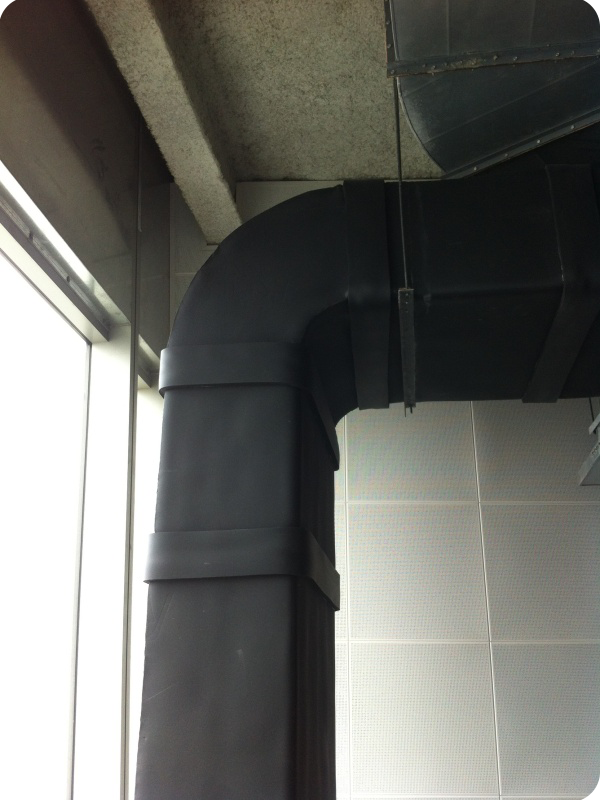
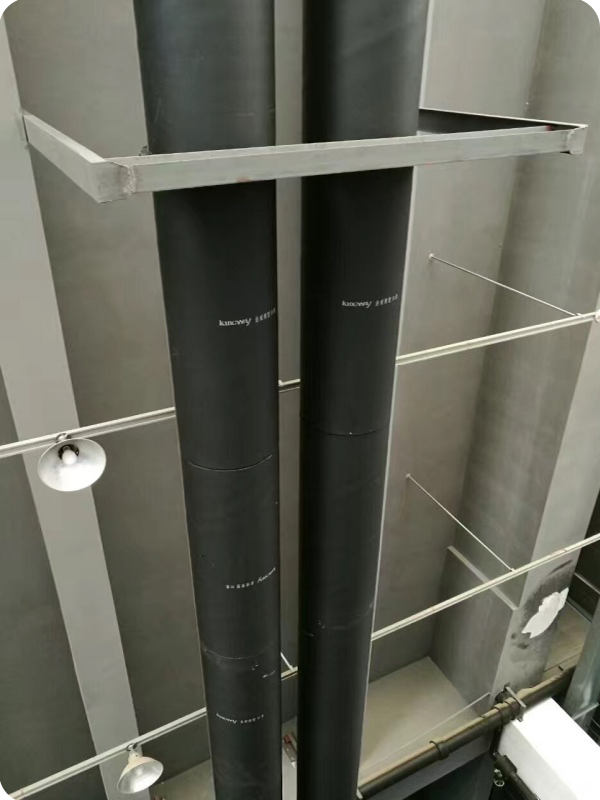
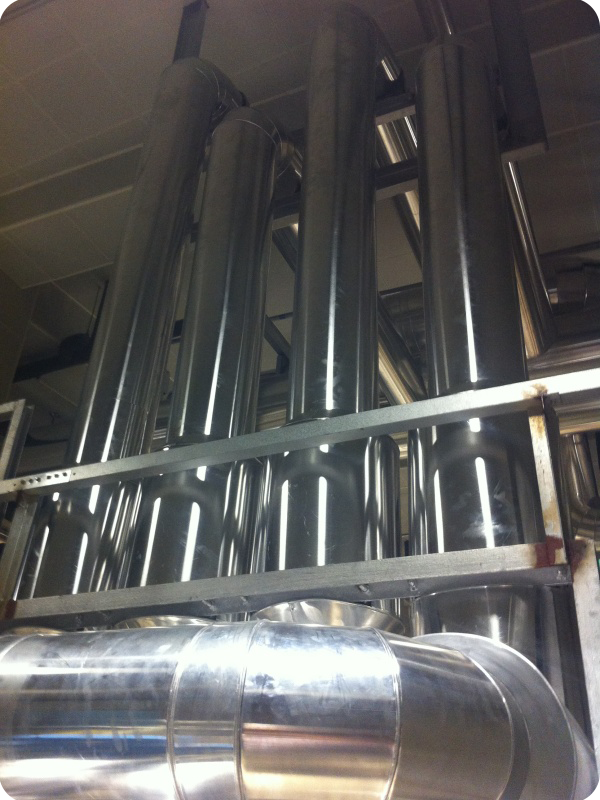
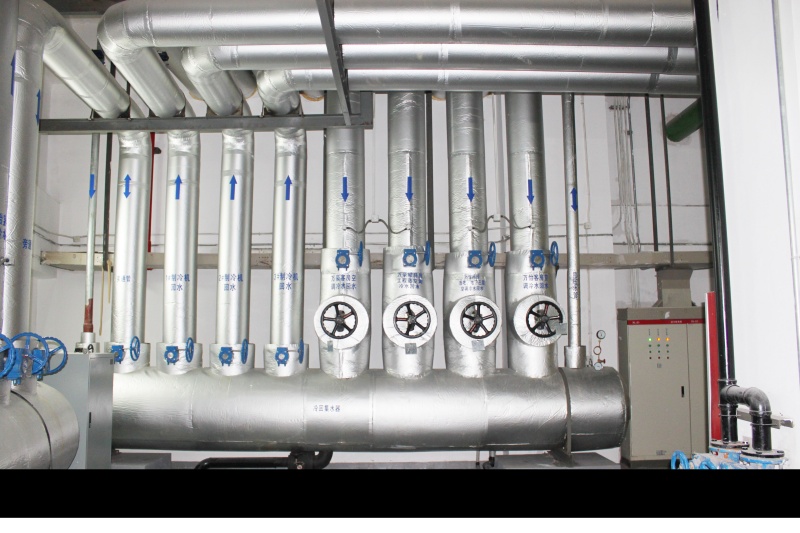
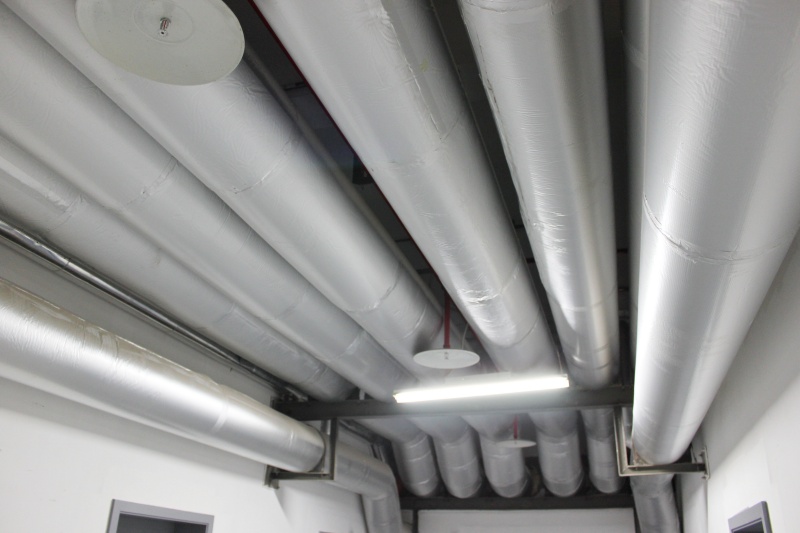
In large-scale commercial buildings, hotels, malls, and hospital structures, central air conditioning ducts are prone to high energy loss and condensation. The integration of glass cloth faced elastomeric foam sheets around air ducts blocks moisture absorption, reduces vibration-induced noise, and prevents cold energy leakage.
2. Cold Chain & Cryogenic Pipeline Systems
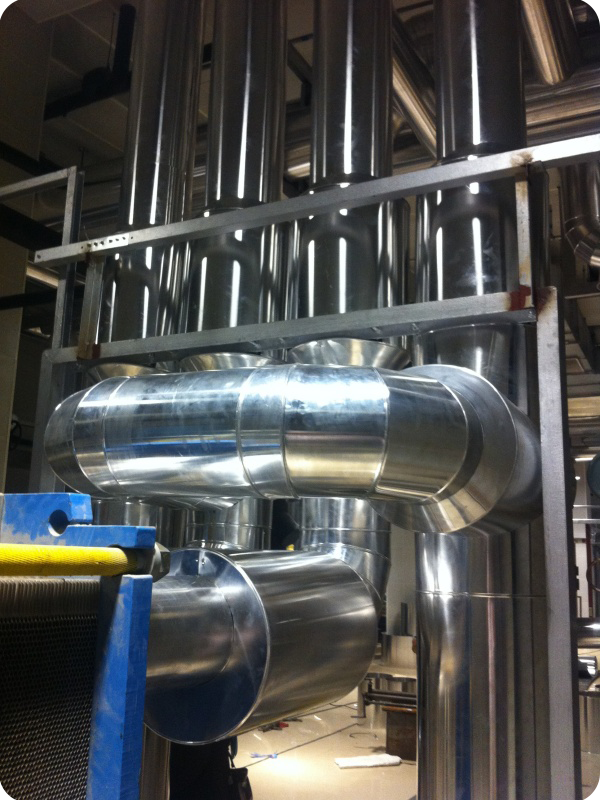
For industrial processing, liquefied natural gas (LNG), and cold-chain facilities, pipeline operating temperatures plummet. Kingflex cryogenic rubber foam insulation systems, clad in glass cloth, provide a durable defense against mechanical impact, thermal stress, and atmospheric moisture intrusion.
3. Marine & Maritime Vessels
Engine rooms, cabins, and ventilation lines on maritime vessels face constant humidity and saline corrosion. Using glass cloth for duct insulation provides mechanical protection and resistance to chemical corrosion, maintaining structural integrity under marine conditions.
4. Petrochemical Process Piping
In refineries and chemical plants, process piping carries volatile media. Our high-density, fire-retardant insulation shells with high compression resilience absorb mechanical shocks, withstand hot steam cycles, and lower chemical degradation risks.
5. High-Rise Commercial Acoustics
Open-cell acoustic formulations absorb high and mid-frequency noise, dampening fan hums, structure-borne sound transmission, and high-velocity turbulence inside complex duct geometries.
6. Residential Solar & Hot Water Systems
Outdoor plumbing is vulnerable to frost, solar UV, and thermal dissipation. Our elastomeric sleeves reduce heat loss in solar loop pipelines, optimizing energy yields and preventing freeze-induced pipe ruptures.
Why Procurement Officers Source from China Factories
The global insulation supply chain relies heavily on Chinese manufacturing due to its efficiency, localized supply networks, and production scale. Kingflex is at the center of this industrial ecosystem, offering several advantages:
Scale Efficiency: We operate 5 automated production lines, enabling continuous runs that reduce overhead and provide competitive pricing for large B2B orders.
Raw Material Supply: Located in the Dacheng industrial cluster, we have direct access to rubber, PVC, glass fiber yarns, and packaging materials, which minimizes transit times and costs.
Flexible OEM/ODM Customization: We offer customizable solutions for wall thickness (6mm to 50mm), tube inner diameters (6mm to 114mm), and tailored lamination with glass cloth or aluminum foils to meet unique project specifications.
Global Standards Compliance & Client Verification
Our materials comply with major global safety codes, and we maintain transparent communication with our international partners.
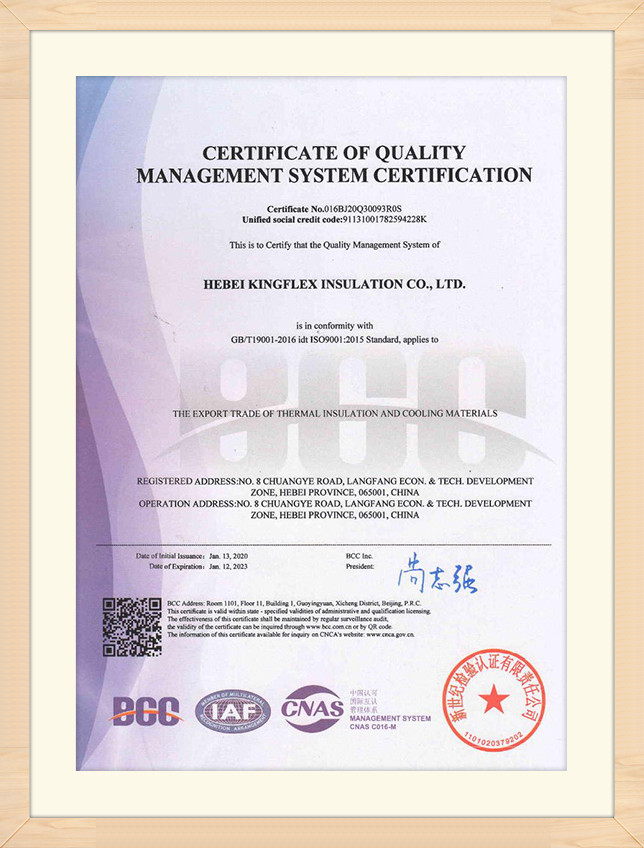
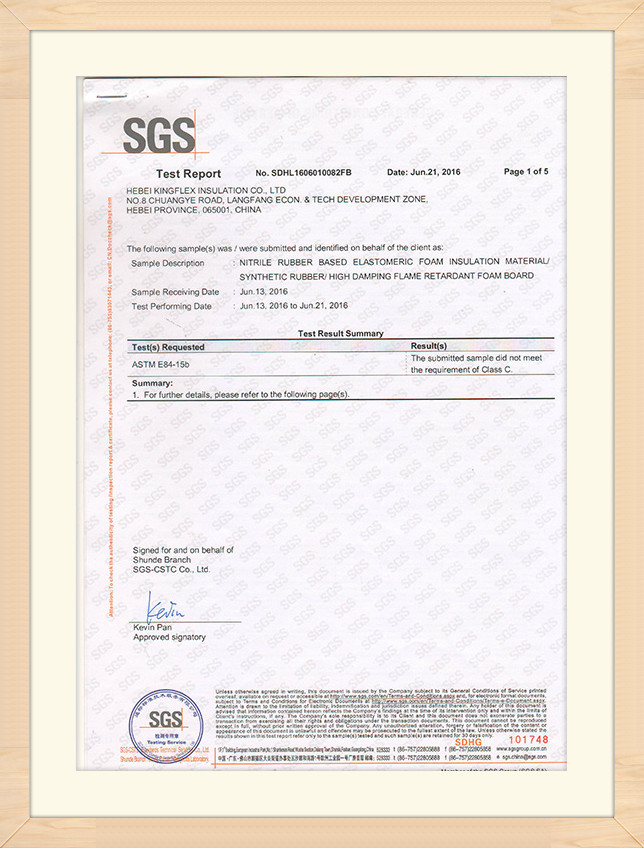
Rigorous Certifications for Critical Environments
For international projects, compliance is a prerequisite. Kingflex products undergo regular testing by third-party bureaus to achieve and maintain key global certifications:
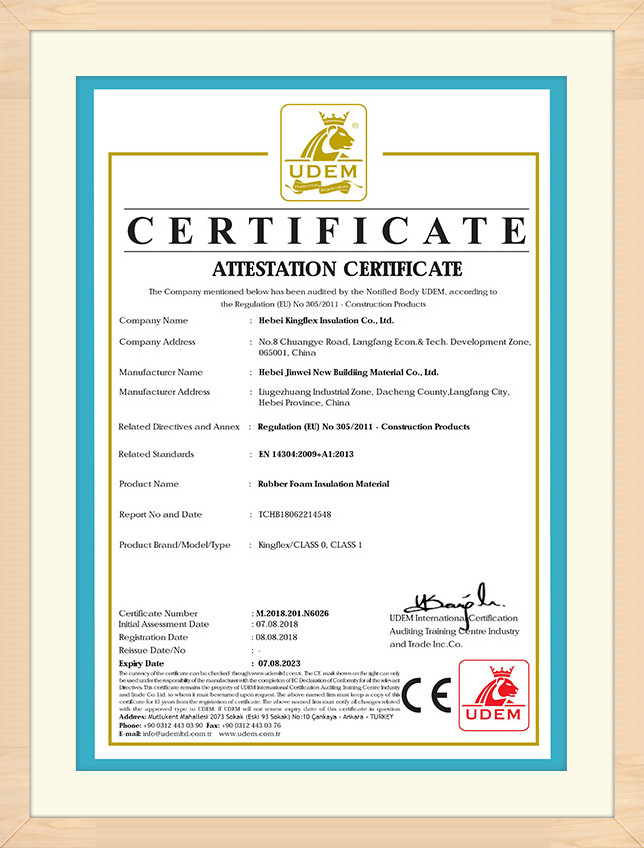
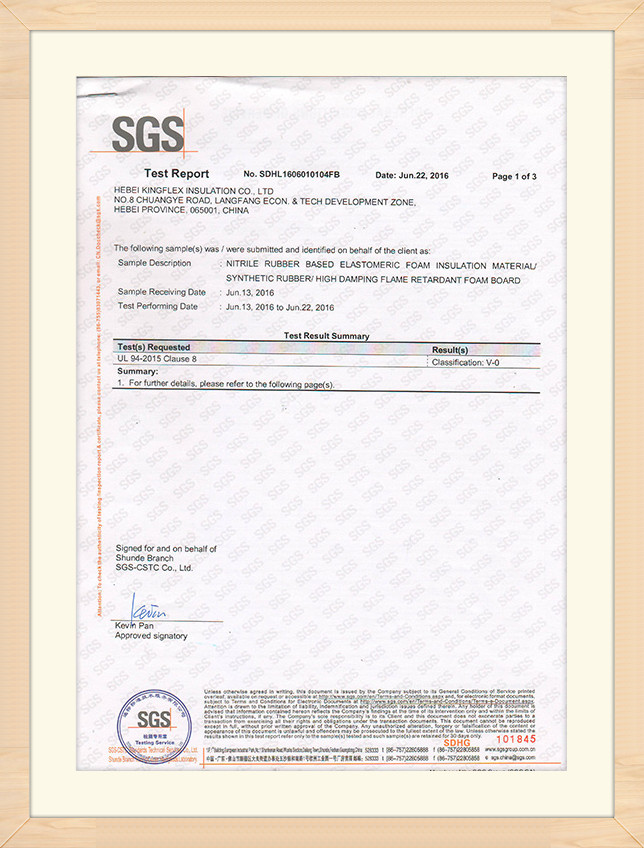
Fire Safety (BS 476, UL94, CE): Class 0/Class 1 ratings verify self-extinguishing behavior and low smoke toxicity.
Environmental Directives (REACH & RoHS): Formulated without halogenated fire retardants or heavy metals.
ASTM Engineering Standards: Meets global specifications for thermal conductivity, water vapor permeability, and dimensional stability.
Global Partnerships & Client Verification
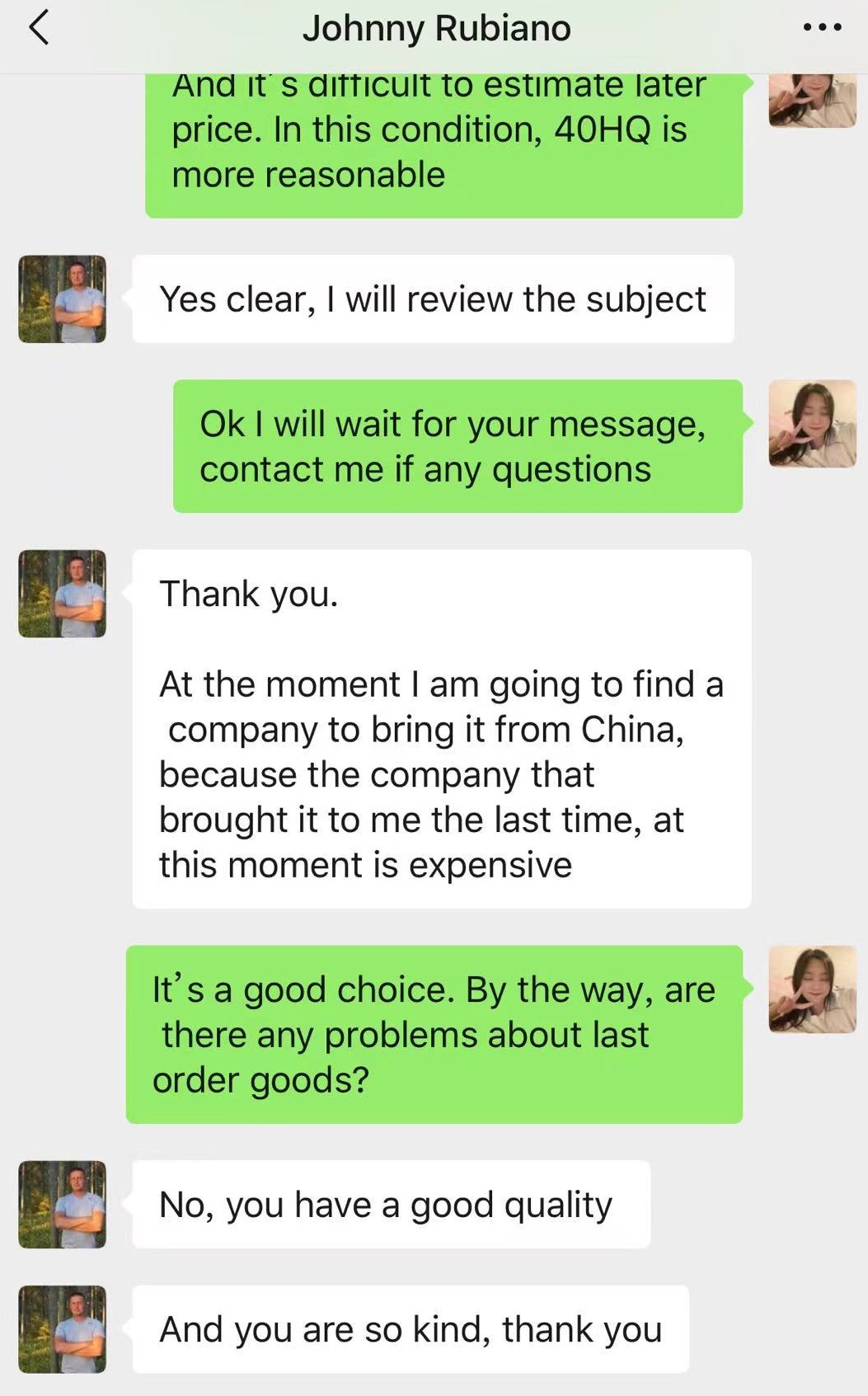
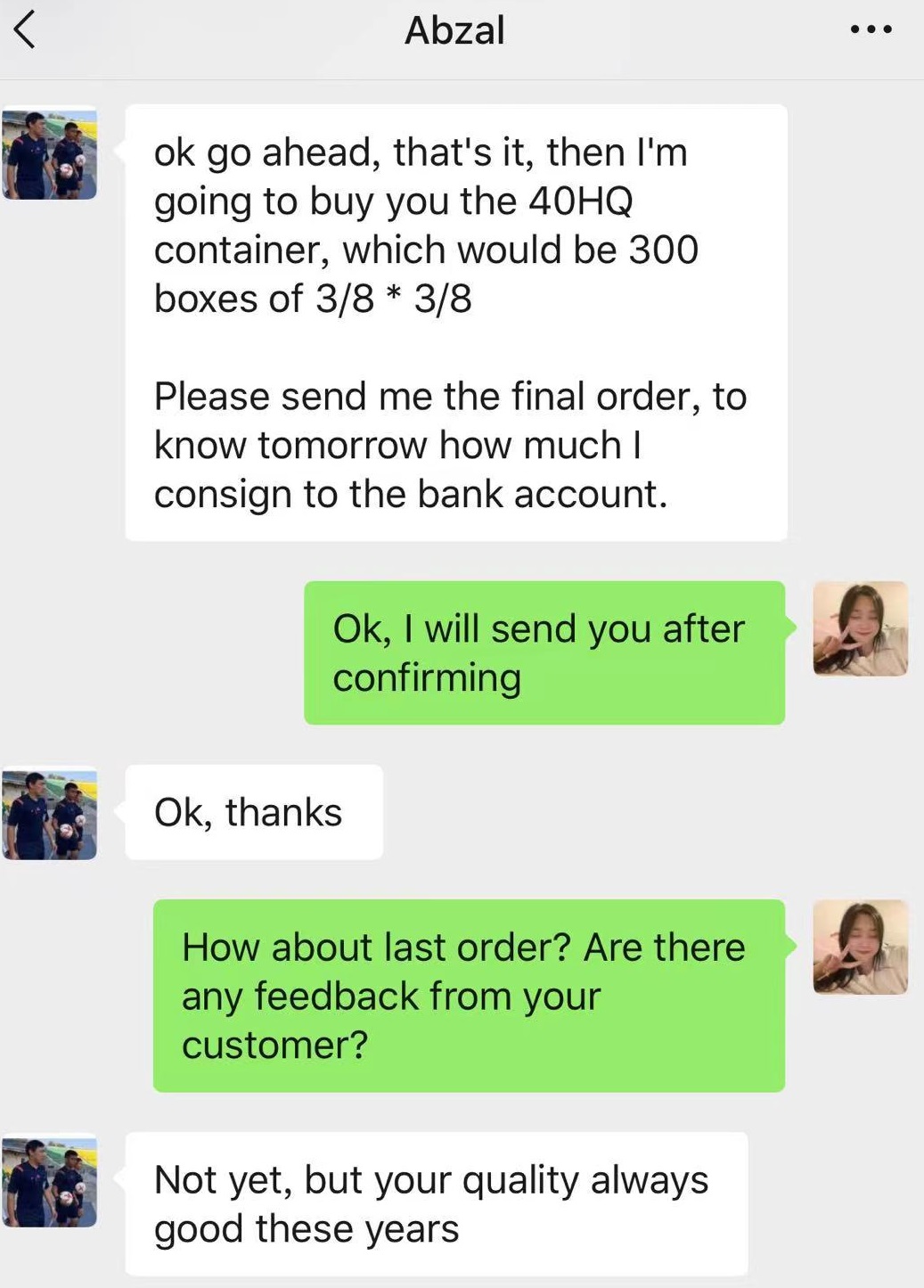
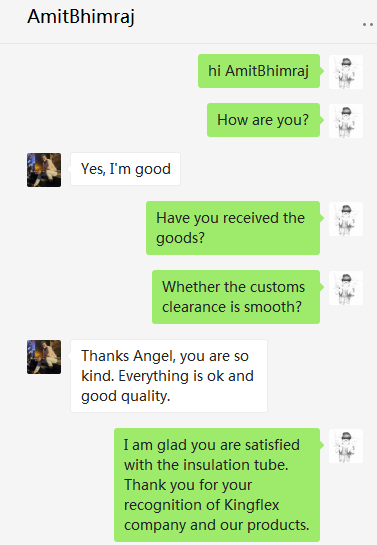
We work closely with structural developers, project managers, and insulation distributors worldwide. We maintain communication throughout the procurement cycle, from technical design reviews to logistics coordination.
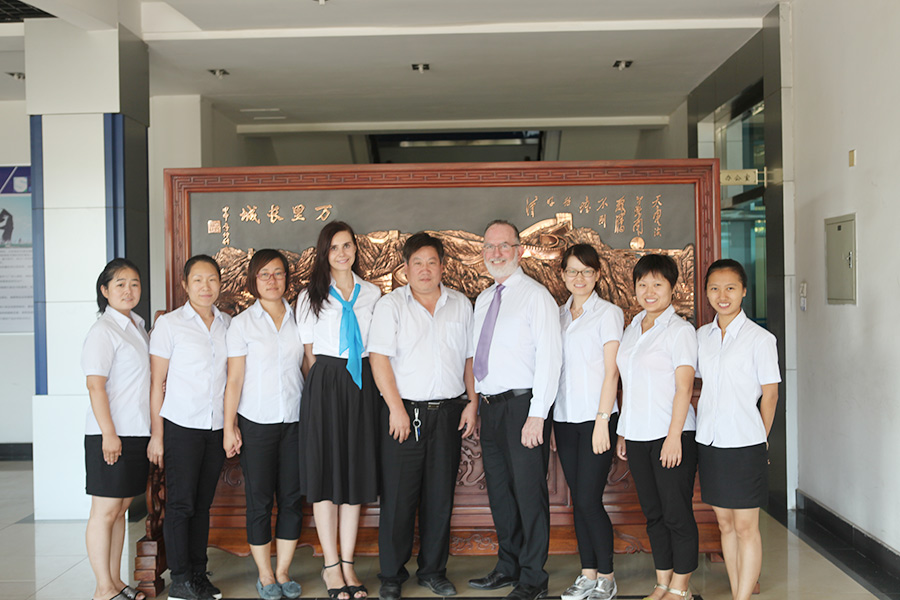
Our international clients regularly visit our manufacturing facility in Dacheng to audit our raw material processing and product QA workflows. These visits help confirm our production capacity, quality control, and export packaging readiness, building long-term confidence in our solutions.
Our Production Process & Projects
Visual highlights of our automated manufacturing lines, quality control steps, and real-world project applications.
Automated Manufacturing Operations
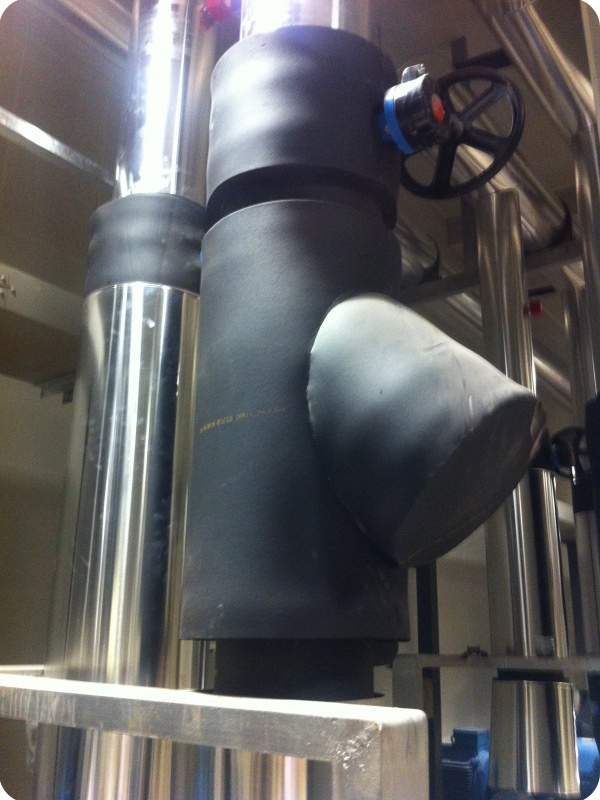
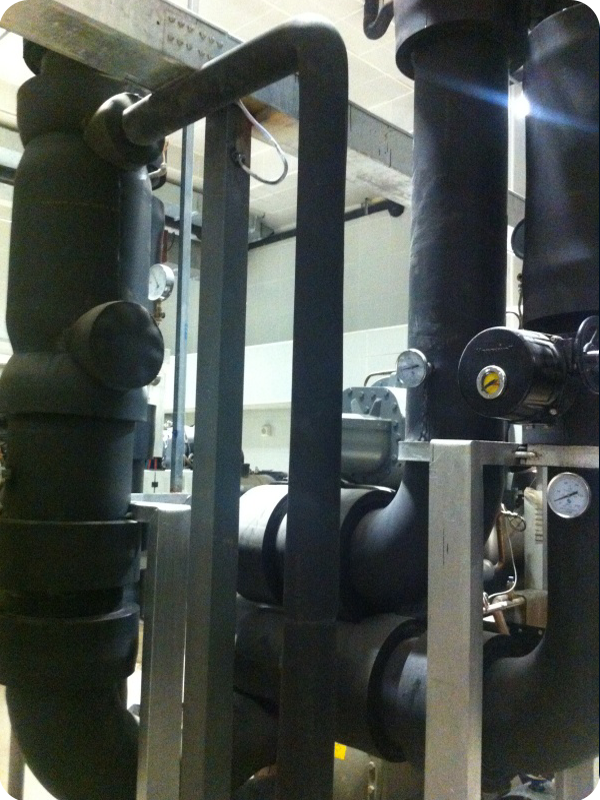
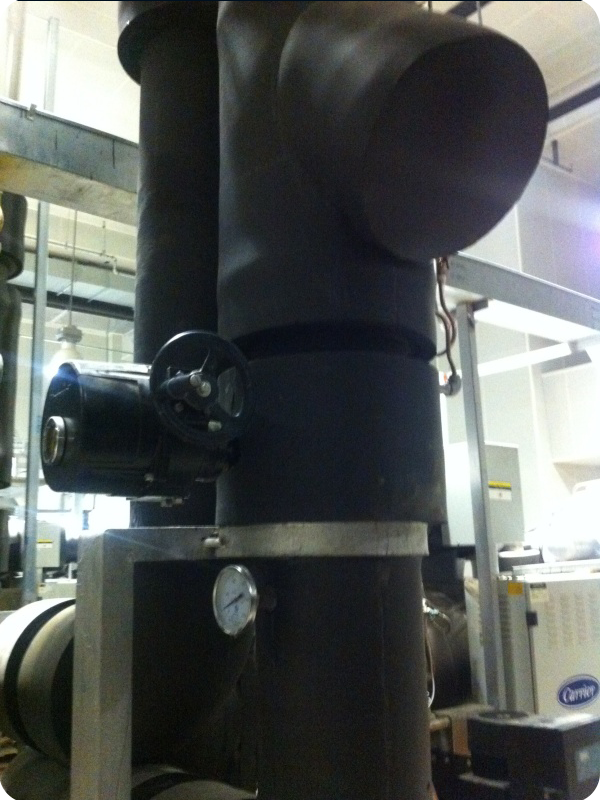
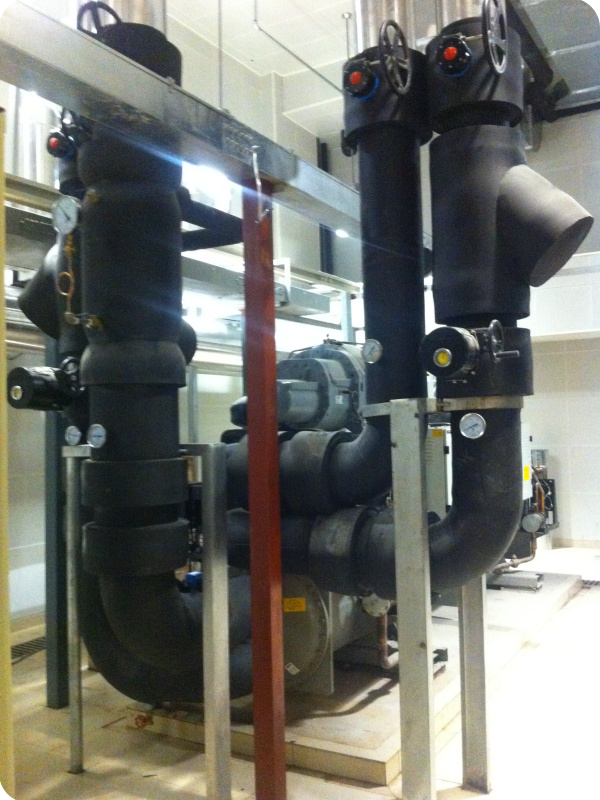
Global Construction Site Installations
B2B Purchasing & Technical FAQs
Technical specifications, application guidelines, and procurement queries answered by our engineering department.
Q1: What is elastomeric rubber foam insulation used for?
It is mainly used for HVAC ducts, air conditioning pipes, building thermal insulation, industrial pipeline cold insulation, and sound insulation. By adding a glass cloth outer facing, you add physical protection and vapor protection, making it ideal for high-humidity environments.
Q2: Is Kingflex rubber foam insulation fire resistant?
Yes, our rubber foam insulation products are fire retardant, meeting fire safety standards for building and industrial projects, including BS 476, UL94, and CE ratings.
Q3: What is the difference between rubber foam and rock wool insulation?
Rubber foam is flexible, closed-cell, and moisture-proof, suitable for HVAC and building insulation. Rock wool is high-temperature resistant and fireproof, suitable for industrial high-temperature steam pipeline insulation.
Q4: Do you provide customized insulation products?
Yes, we support complete OEM/ODM services, allowing adjustments to wall thickness, inner diameter, colored jackets, or specialty glass cloth lamination to meet specific project needs.
Q5: What certifications do your products have?
Our products have passed BS 476, CE, REACH, ROHS, UL94, ASTM, and other international certifications, ensuring product quality and compliance with global standards.
Q6: Does Kingflex products have traceability?
Yes. We maintain clear batch numbering on our products, allowing full traceability from raw materials to manufacturing runs for quality assurance purposes.
Q7: What thickness of Rubber foam insulation sheet roll can you produce?
We can produce rolls in thicknesses ranging from 6mm to 50mm, providing solutions for standard building insulation as well as thick industrial cladding.
Q8: What is the service life of rubber plastic pipe and board?
Under standard operational environments, our materials have a service life of approximately 10 to 15 years, maintaining consistent thermal resistance and structure throughout.
Full Rubber Foam & Specialty Cryogenic Catalog
Technical insulation solutions engineered for low-temperature applications, mechanical protection, and sound absorption.
 Kingflex