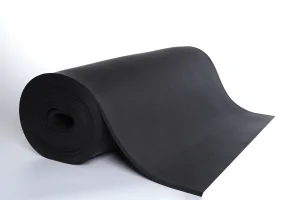
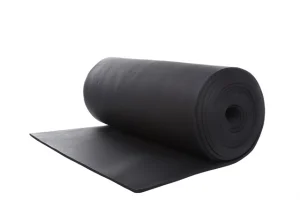
China Glass Wool Insulation Blanket with FSK Factories & Pricelist

Premium Thermal Control & Vapor Protection Solutions for Industrial & Commercial HVAC Systems

About the Industry Leader: Kingflex Insulation

Decades of manufacturing expertise, delivering certified global energy-saving solutions.

šŸ¢

Our Company

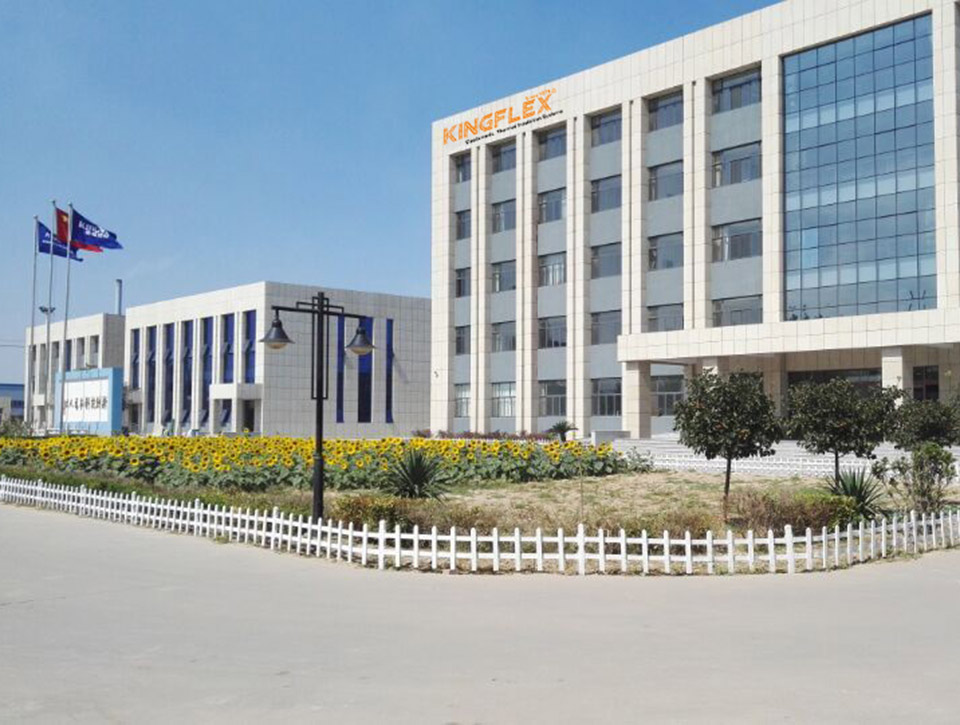
Kingflex Insulation Co., Ltd. is a professional manufacturing and trading combo for thermal insulation products. Located in Dacheng, China—the well-known capital of green building materials—our research, development, and production facility is an energy-saving, environmentally friendly enterprise concentrating on research, development, production, and sales.

ā³

Our History

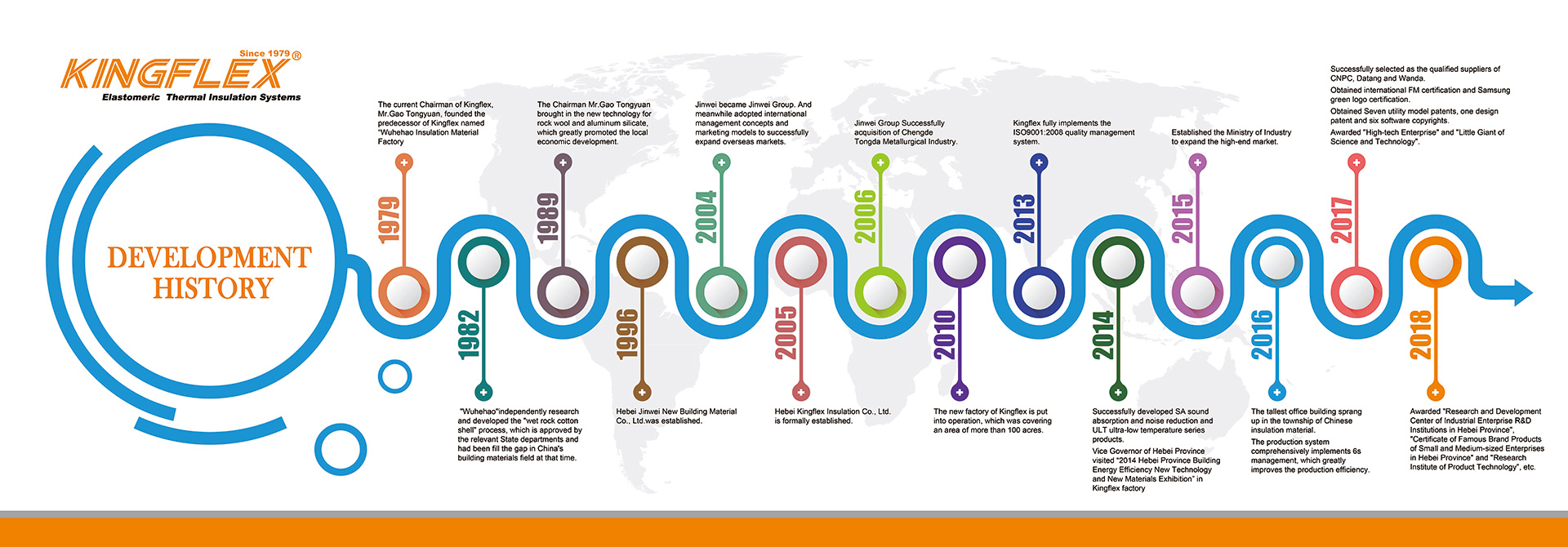
Established by the Jinwei Group, which boasts a rich history of over 40 years, Kingflex builds on legacy expertise. The Kingway Group, established in 1979, was the pioneer manufacturer of thermal insulation materials north of the Yangtze River, laying a solid foundation for industrial innovation.

šŸ‘„

Our Team

Our collaborative force drives success. Kingflex has 8 professional R&D engineers, 6 dedicated international sales managers, and 230 highly skilled production line operators working in unison to provide consistently first-class service and technical consultation.

Kingflex Factory Facility

Production & Global Capacity

Currently, Kingflex runs 5 large-scale automatic assembly lines with an annual capacity exceeding 600,000 cubic meters. Officially designated by the Ministry of Energy, the Ministry of Electric Power, and the Ministry of Chemical Industry, our products are exported to over 66 countries globally.

Our Responsibility

We supply global clients with integrated insulation systems. From high-temp glass wool to elastomeric cold insulation and noise-reduction sheets, Kingflex offers structural, eco-friendly systems designed for long-term thermal security.

Deep Dive: Glass Wool Insulation Blanket with FSK

Understanding the chemistry, structure, and superior vapor barrier performance of Foil-Scrim-Kraft laminated glass wool.

When engineering modern commercial HVAC systems, thermal efficiency and moisture management are inseparable. China Glass Wool Insulation Blanket with FSK (Foil-Scrim-Kraft) represents the pinnacle of multi-layered thermal defense. Glass wool itself consists of long, inorganic glass fibers bonded together using a thermosetting resin, trapping millions of microscopic air pockets that restrict heat transfer.

However, glass fiber alone is susceptible to ambient moisture. When humid air enters the fiber matrix and hits cold duct surfaces, condensation occurs, causing thermal degradation, mold growth, and rust. This is where the FSK facing acts as a critical technological element:

  • Foil (Aluminum): Provides the primary vapor barrier, reflecting over 95% of radiant heat and preventing humidity penetration.
  • Scrim (Fiberglass Yarn Grid): Reinforces the foil, providing high tensile strength and puncture resistance during shipping and installation.
  • Kraft Paper: Serves as the substrate layer, allowing clean adhesion to the glass wool blanket and enhancing durability.

By preventing moisture vapor transmission, the FSK envelope ensures the glass wool retains its low thermal conductivity (Ī» ≤ 0.034-0.042 W/mĀ·K) throughout the lifecycle of the system.

Key Technical parameters

  • Raw Material: High-purity silica sand, recycled glass cullet.
  • Standard Densities: 16kg/m³ to 48kg/m³
  • Operating Temperatures: -120°C up to 400°C
  • Vapor Permeability: ≤ 0.02 perm (FSK facing)
  • Fire Rating: Class A (Non-combustible)
Specification Parameter Lightweight / Commercial Grade Medium Industrial Grade Heavy Duty / Acoustic Grade
Density (kg/m³) 16 - 24 kg/m³ 32 - 40 kg/m³ 48 - 64 kg/m³
Thermal Conductivity (W/m·K at 25°C) 0.039 - 0.042 0.036 - 0.038 0.033 - 0.035
Tensile Strength (Facing) ≄ 120 N ≄ 150 N ≄ 180 N
Fire Classification Class A1 / Class 0 Class A1 / Class 0 Class A1 / Class 0
Typical Applications HVAC duct wrapping, residential roofs Industrial piping, mechanical rooms Power stations, soundproof walls
40+
Years Industry Legacy
600K+
Annual Capacity (m³)
66+
Countries Exported
98%
Closed Cell Foam Integrity

Localized Application Scenarios

How regional climates and distinct regulatory environments dictate specific insulation engineering.

🌓

Tropical HVAC Systems (Southeast Asia & GCC)

In high-humidity and high-temperature environments, the vapor barrier performance of FSK is tested to its limits. In regions like Singapore, Vietnam, or Saudi Arabia, local building codes mandate extreme vapor sealing to prevent condensation on chilled water pipes and HVAC ductwork. Glass wool blankets with reinforced FSK facing prevent condensation-induced ceiling damage and save massive cooling energy costs.

ā„ļø

Northern Europe & North America Industrial Plants

Cold climates prioritize heat preservation rather than condensation prevention. For district heating pipelines and manufacturing installations, heavy-density glass wool blankets with FSK retain heat and protect systems from freezing temperatures. The reflective foil layer returns radiant heat back to the pipes, optimizing thermodynamic efficiency.

šŸ—ļø

Commercial High-Rises & Public Infrastructure

In major airports, shopping malls, and medical complexes, acoustic insulation and fire safety are paramount. Laminated glass wool blankets provide a double benefit: the fiber matrix absorbs sound reflections within the air ducting, while the non-combustible FSK foil ensures that flame spread and smoke development ratings comply with global safety limits (BS 476, ASTM E84).

Technology Roadmap & Future Outlook

The path to next-generation thermal management: Bio-binders, advanced coatings, and circular economy integration.

🌱 Formaldehyde-Free Bio-Binders

Traditional glass wool relies on phenol-formaldehyde binders. The industry roadmap points toward starch-derived natural binders, eliminating volatile organic compound (VOC) emissions during production and life cycle. Kingflex is tracking these developments to offer increasingly eco-friendly thermal solutions.

šŸ›”ļø Multi-Layer Nano-Foil Facings

Future iterations of FSK include incorporating nanotech protective coatings onto the aluminum foil. These coatings resist highly corrosive industrial atmospheres (such as chemical processing plants or marine offshore platforms) without adding weight or compromising flexibility.

šŸ”„ Recycled Glass Cullet Loops

Decarbonizing industrial manufacturing requires closed-loop circular systems. Our future logistics focus aims to increase the post-consumer recycled glass content to over 70%, drastically decreasing the carbon footprint associated with glass melting ovens.

Chinese Supply Chain Resilience & Cost-Efficiency

Why sourcing from Dacheng, China guarantees stability, strict quality standards, and optimized pricing.

Sourcing your thermal insulation projects from Dacheng, China provides unique structural advantages. Dacheng operates as the designated global center for green construction materials. This clustering effect ensures that raw materials—such as raw quartz sand, recycled glass, and aluminum FSK membranes—are sourced locally within a 50km radius.

This localized supply chain results in:

  • Reduced Logistics Overhead: Consolidated material flow results in lower raw material acquisition costs, which are directly passed to customers in our Pricelist.
  • Unmatched Capacity: Kingflex's 5 automated lines can output bulk orders rapidly, reducing average lead times from months to weeks.
  • Energy System Synergies: Operating with direct government power grid priorities, our plants are structured to maintain continuous run-times, preventing supply bottlenecks during global peak seasons.
Dacheng Green Building Materials Hub

Standard Product Specs & Application Guidelines

Reviewing dimensions, physical characteristics, and installation applications from the Kingflex database.

šŸ“ Standard Dimensions

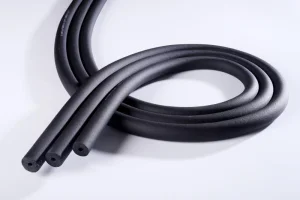
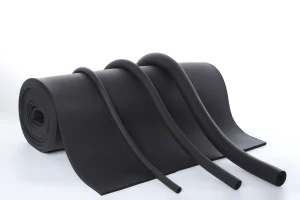
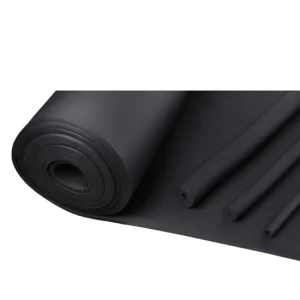
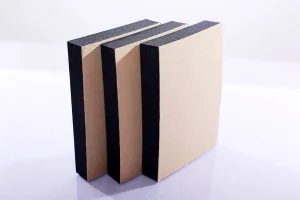
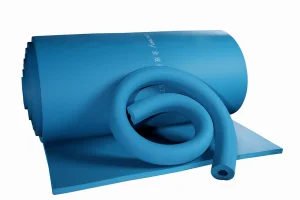
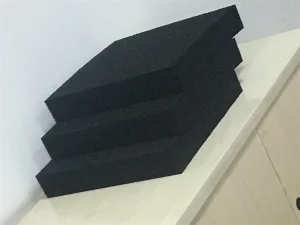
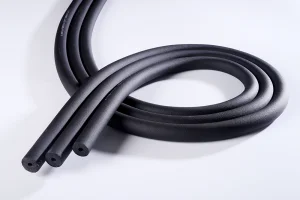
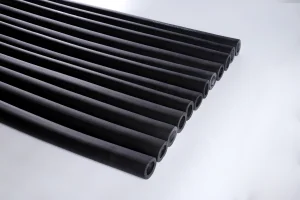
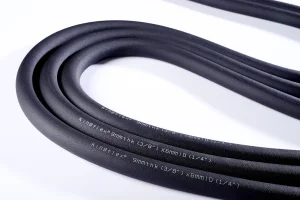
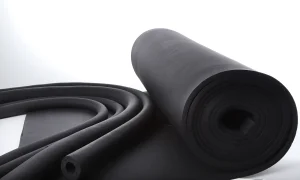
Material base: High-performance NBR/PVC and Glass Fiber systems.
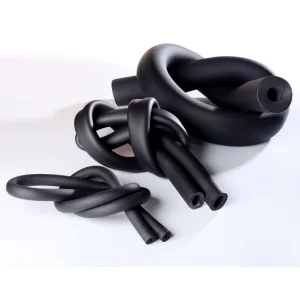
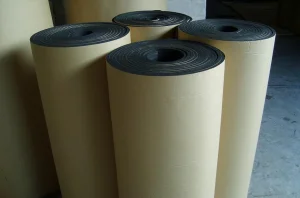
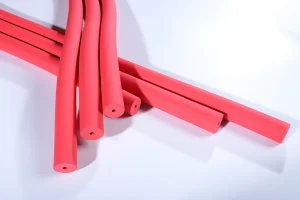
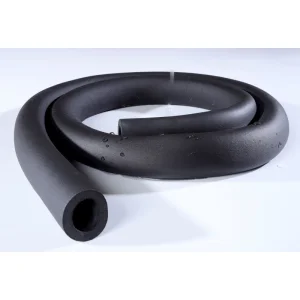
Thickness range: 6mm to 50mm for sheet rolls; 9mm to 40mm for pipe profiles.
Density envelope: 40 to 55 kg/m³ for elastomeric options, up to 48+ kg/m³ for heavy glass wool blankets.
Service Temperatures: Ranges safely from -40ā„ƒ to 105ā„ƒ (elastomeric) and up to 400ā„ƒ (glass wool).

šŸ›”ļø Key Advantages

1. Even foam cell formation with closed-cell structures exceeding 98% for elastomeric systems.
2. Long-term thermal conductivity values remain stable under heavy humidity loads.
3. Compression resilience rates over 80% prevent squishing and degradation.
4. Active flame retardant additives lead to self-extinguishing features off-fire.

šŸ¢ Main Applications

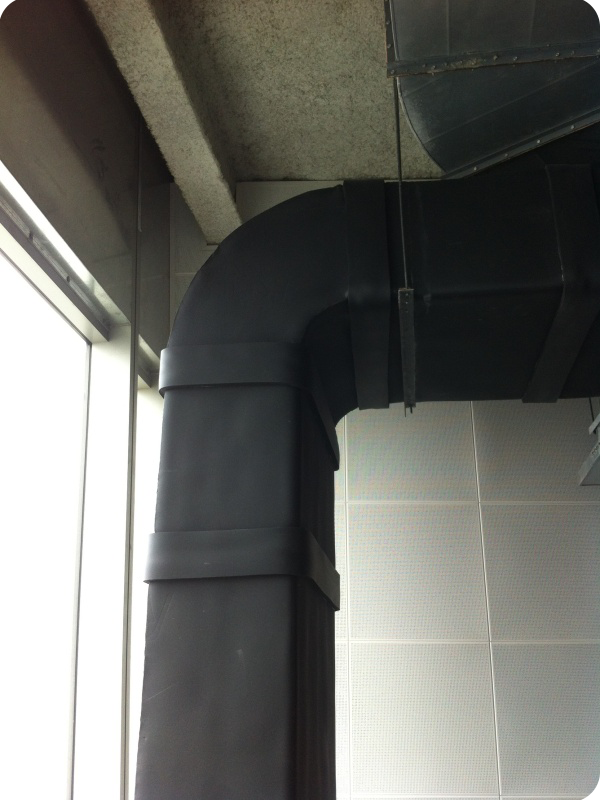
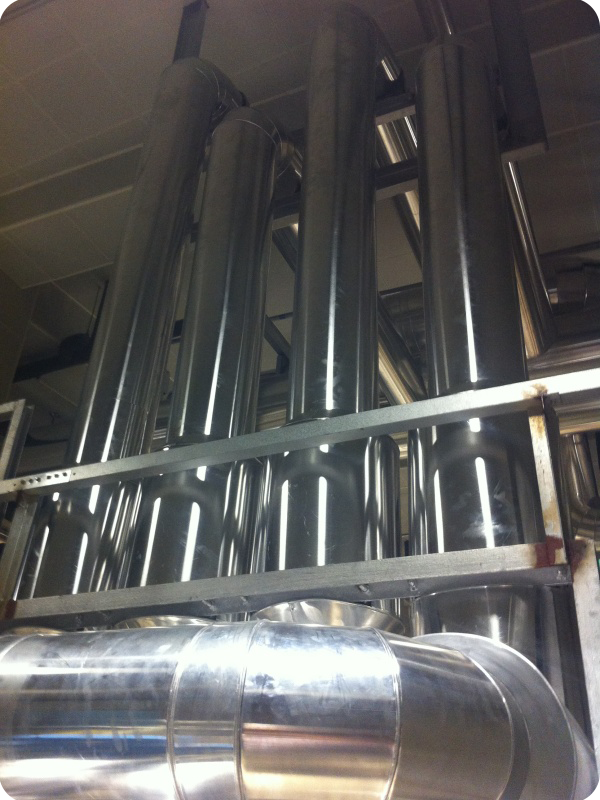
HVAC Ducts: Condensation prevention for building ventilation ducts.
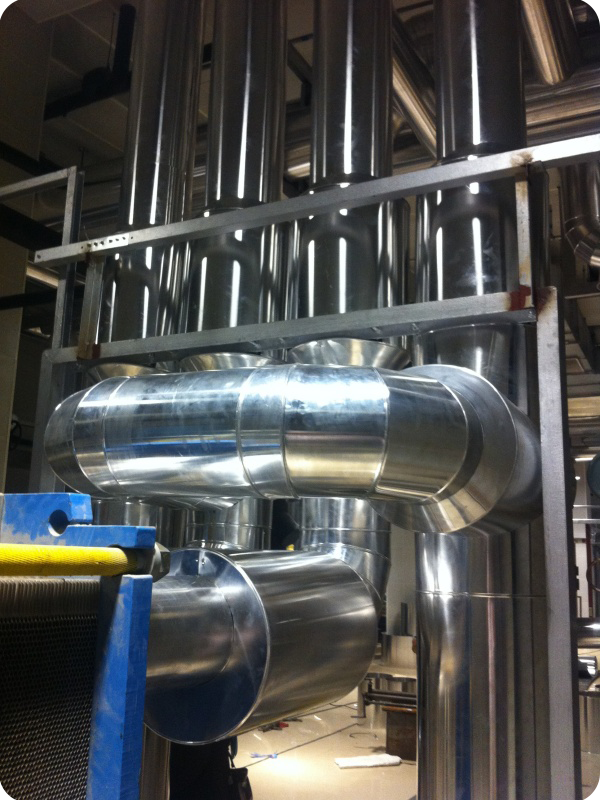
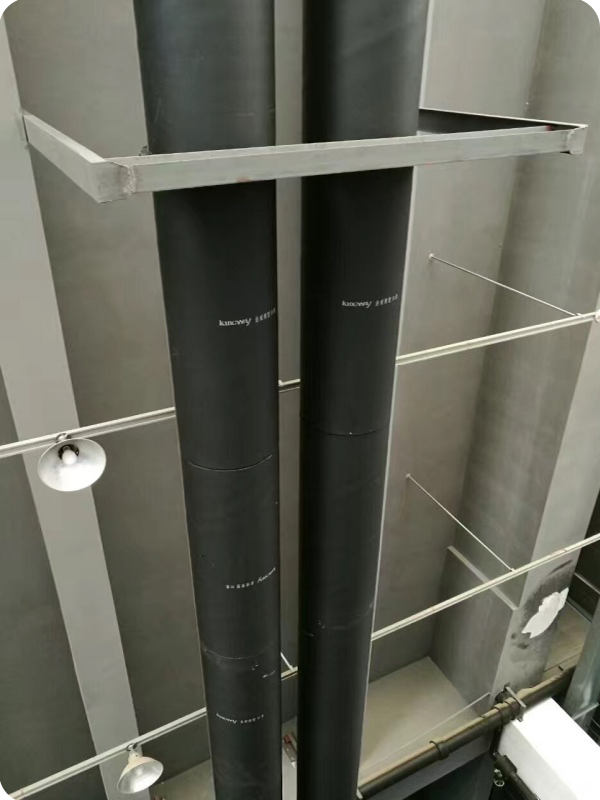
Industrial Plants: Storage tank envelopes and chemical process lines.
Transit & Cold Storage: Internal insulation for train carriages and commercial cold rooms.
Acoustic Dampening: Machine rooms, hotels, and retail structures.

Global Standards Compliance & Certifications

Engineered to meet the stringent regulatory requirements of international construction and marine applications.

Building safety codes leave no room for compromise. To support project specifications worldwide, Kingflex maintains a strict quality management system that ensures our insulation blankets match top-tier structural standards:

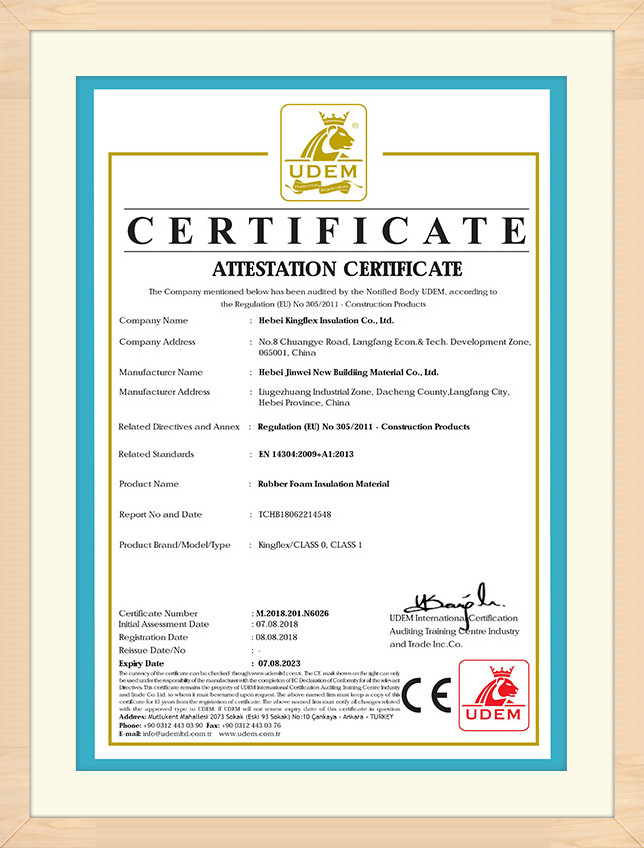
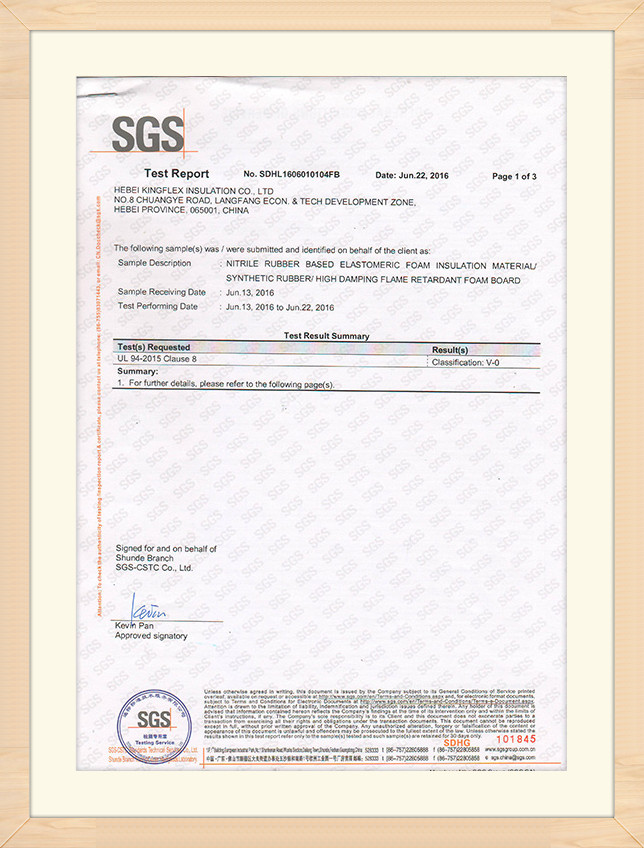
  • Fire Performance: Complies with BS 476 (Parts 6 & 7), achieving Class 0 ratings. Meets UL94 and ASTM E84 standard requirements.
  • Environmental & Safety: Tested under REACH and RoHS regulations, ensuring zero heavy metals or harmful emissions in delicate interior systems.
  • Quality Assurance: Complete tracking and traceability throughout our automated assembly lines.
CE Certificate
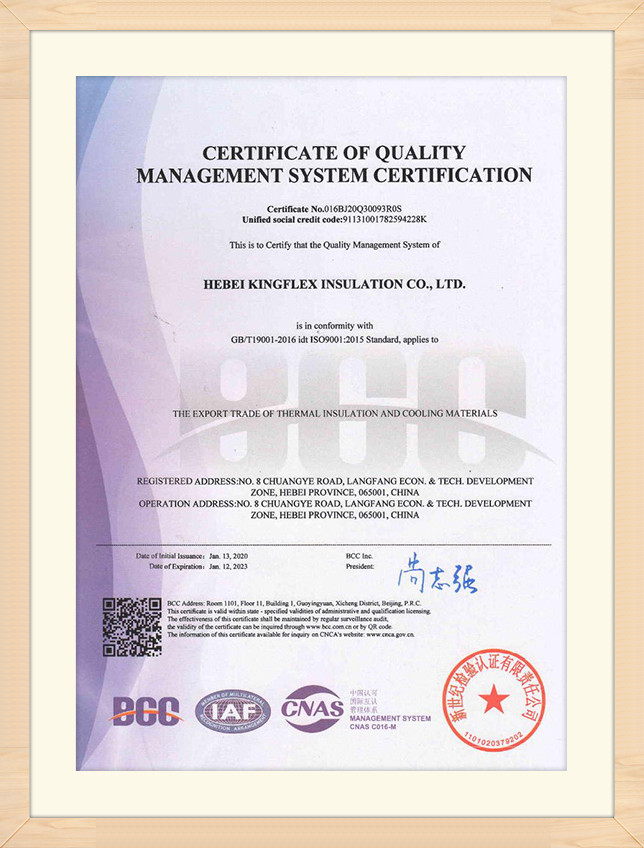
ISO Certification
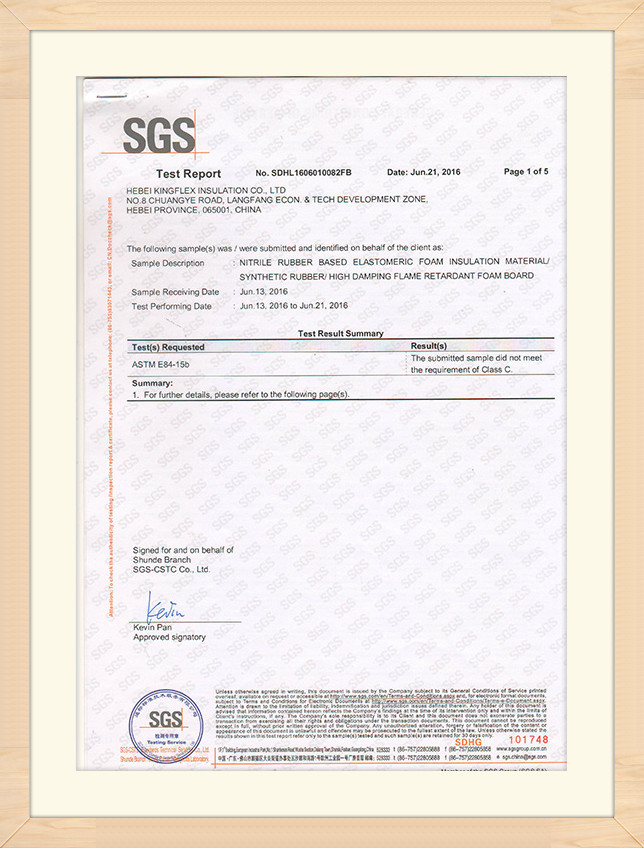
Testing Report
ASTM Compliance

Frequently Asked Questions

Providing clear answers to core technical questions asked by project engineers and supply chain managers.

Q1: What is elastomeric rubber foam insulation used for?

A1: It is mainly used for HVAC ducts, air conditioning pipes, building thermal insulation, industrial pipeline cold insulation, and sound insulation.

Q2: Is Kingflex rubber foam insulation fire resistant?

A2: Yes, our rubber foam insulation products are fire retardant, which meets the safety standards of global building and industrial projects.

Q3: What is the difference between rubber foam and rock wool insulation?

A3: Rubber foam is flexible, closed-cell, and moisture-proof, suitable for HVAC and building insulation. Rock wool is high-temperature resistant and fireproof, suitable for industrial high-temperature pipeline insulation.

Q4: Do you provide customized insulation products?

A4: Yes, we support OEM service to meet different density, thickness, and facing requirements (including FSK and AL foil facing) for unique project needs.

Q5: What certifications do your products have?

A5: Our products have passed BS 476, CE, REACH, ROHS, UL94, ASTM, and other international certifications, ensuring product quality and compliance with global standards.

Q6: Does Kingflex products have traceability?

A6: Yes, Kingflex products have strict lot traceability from the raw material batch to the final extruded roll or pipe.

Q7: What thickness of Rubber foam insulation sheet roll can you produce?

A7: We can produce sheet rolls ranging from 6mm to 50mm thickness.

Q8: What is the service life of rubber plastic pipe and board?

A8: Under normal operating conditions and proper installation, the service life is about 10 to 15 years.
R & D Facilities & Client Projects

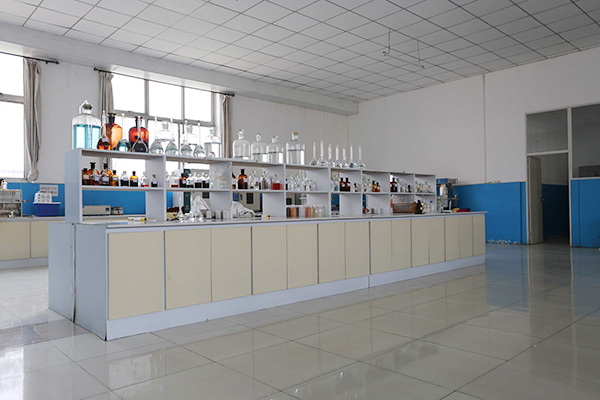
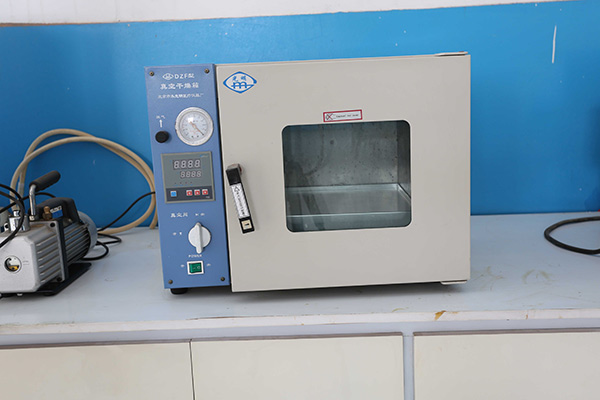
A visual look into our laboratory facilities and localized project installations across sixty-six countries.

R&D Lab Testing
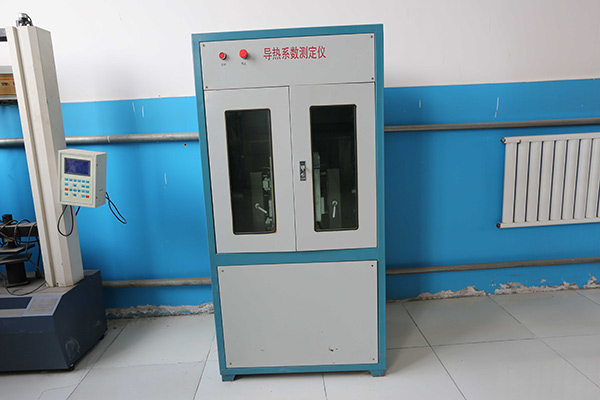
Thermal Conductivity Testing
Density Measurement

Real-world Application Gallery

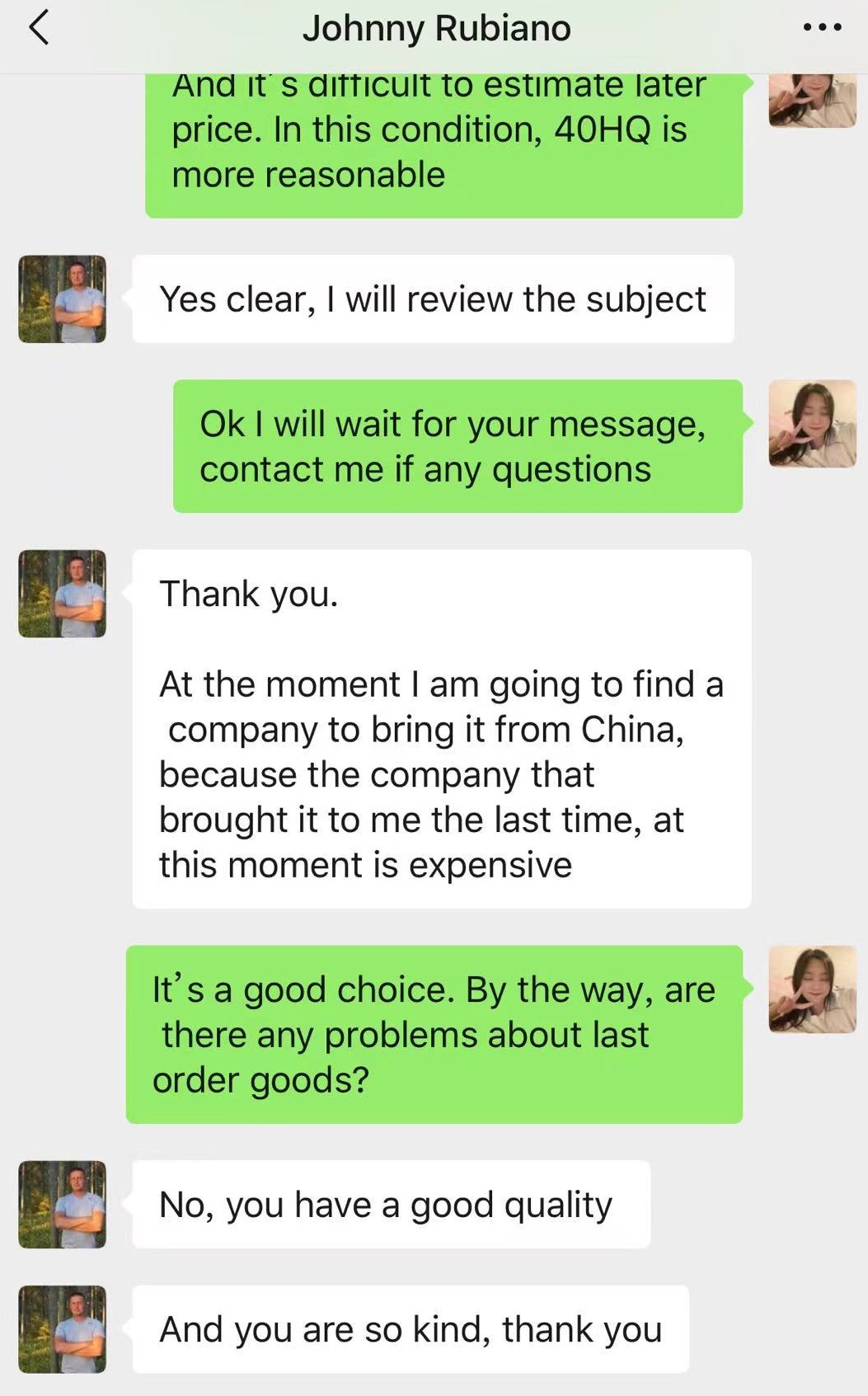
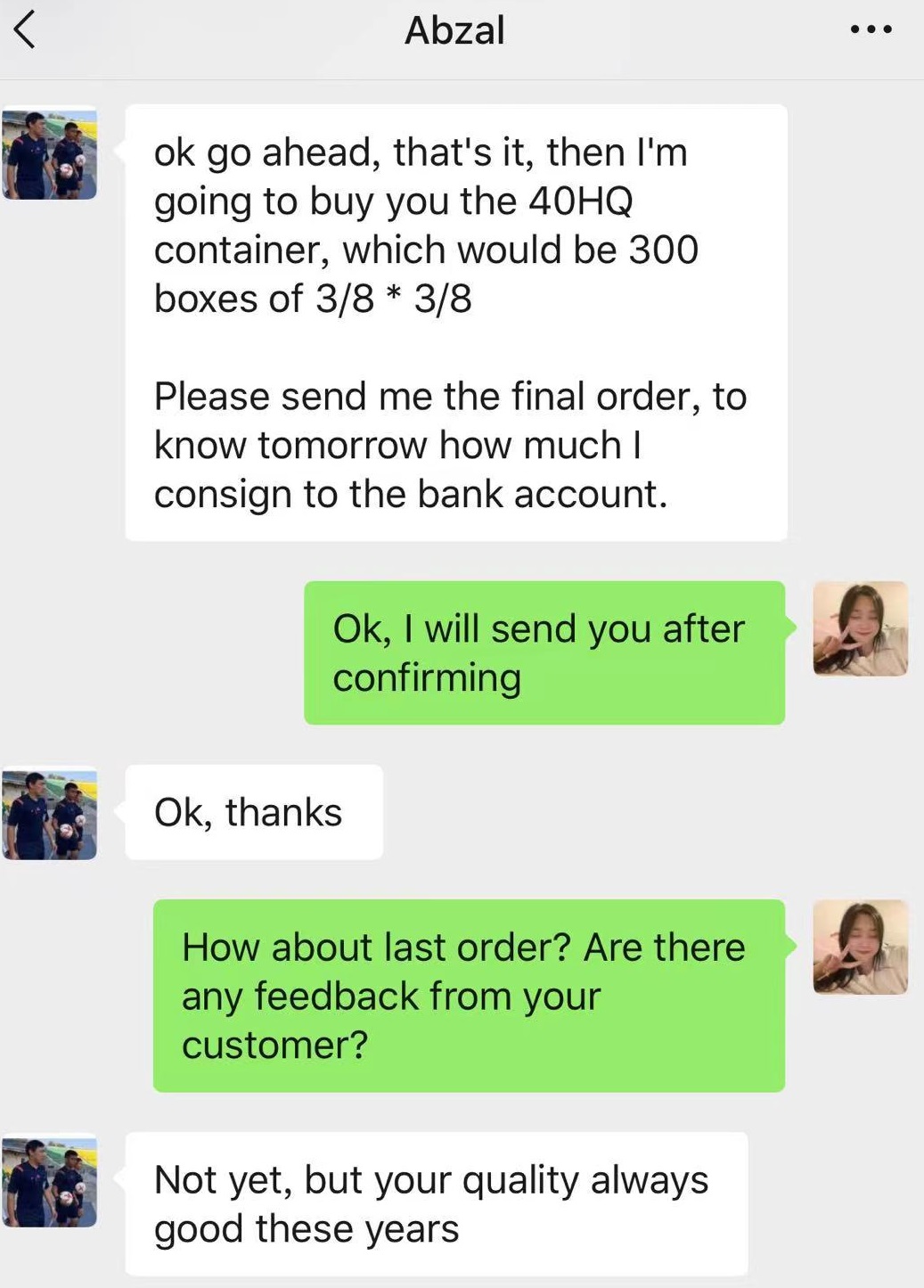
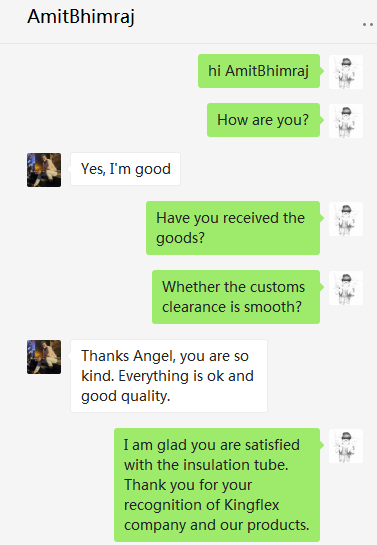
Global Partnership Feedback