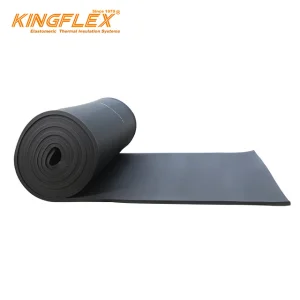
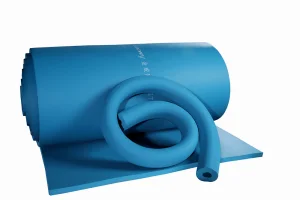
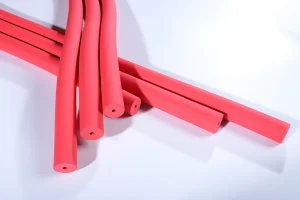
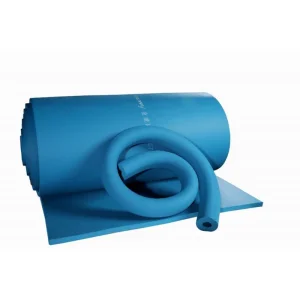
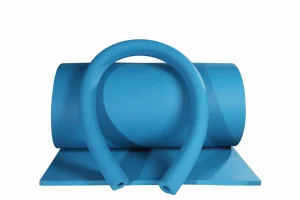
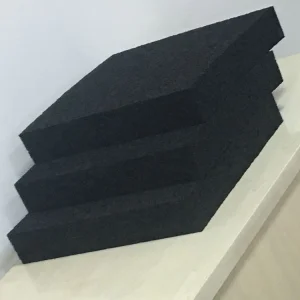
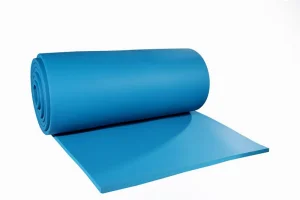
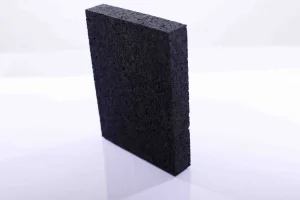
Direct procurement from Kingflex's advanced continuous production lines. Engineering grade thermal barriers built for severe environmental stressors.
Nitrile Butadiene Rubber (NBR), dynamically blended with Polyvinyl Chloride (PVC), forms the foundation of modern high-performance elastomeric insulation. From a thermodynamic perspective, the thermal efficiency of any insulation material is determined by its ability to retard conduction, convection, and radiation. The core metric defining this performance is the Thermal Conductivity Coefficient ($\lambda$ or $k$-value).
Our engineered NBR/PVC elastomeric matrix yields a thermal conductivity of $\le 0.034 \text{ W/(m}\cdot\text{K)}$ at $0^\circ\text{C}$. This ultra-low value is achieved through a meticulously controlled cell nucleation process. Convection within the material is effectively minimized because our continuous foaming lines achieve a closed-cell ratio exceeding 98%. By trapping dry air inside micro-cells whose diameter ranges between 50 and 150 micrometers, convection pathways are virtually eliminated.
By limiting internal gas cell sizes beneath the threshold of thermal convective currents, heat transfer remains strictly governed by conduction through the gaseous medium, maintaining a stable thermal barrier.
With a moisture diffusion index ($\mu$-value) of $\ge 10,000$, our NBR insulation repels environmental water ingress, protecting the system against degradation of its thermal conductivity profile over decades.
Calibrated at a structural density of $40 - 55 \text{ kg/m}^3$, our foam maintains the ideal ratio between polymeric solid mass and voids, neutralizing solid thermal bridging.
For MEP consultants, HVAC designers, and procurement managers in cold-chain logistics, power generation, and commercial building sectors, insulation failure is not an option. Moisture penetration in pipeline insulation leads to Corrosion Under Insulation (CUI), structural line failures, and exponential energy losses.
When selecting a global supply partner, engineers look beyond raw pricing. The critical factors are certified flame-retardant compliance (such as BS 476 Part 7 Class 1 or ASTM E84 Class A ratings), stability under high relative humidity, and dimensional integrity under cyclic thermal loads ranging from $-40^\circ\text{C}$ to $+105^\circ\text{C}$ (and down to $-200^\circ\text{C}$ for specialized cryogenic applications).
Kingflex addresses these strict international demands. Over the past 16 years, our products have successfully insulated hundreds of kilometers of chilled water pipelines, cleanroom air ducts, chemical transport lines, and heavy-duty steam lines in over 66 countries.
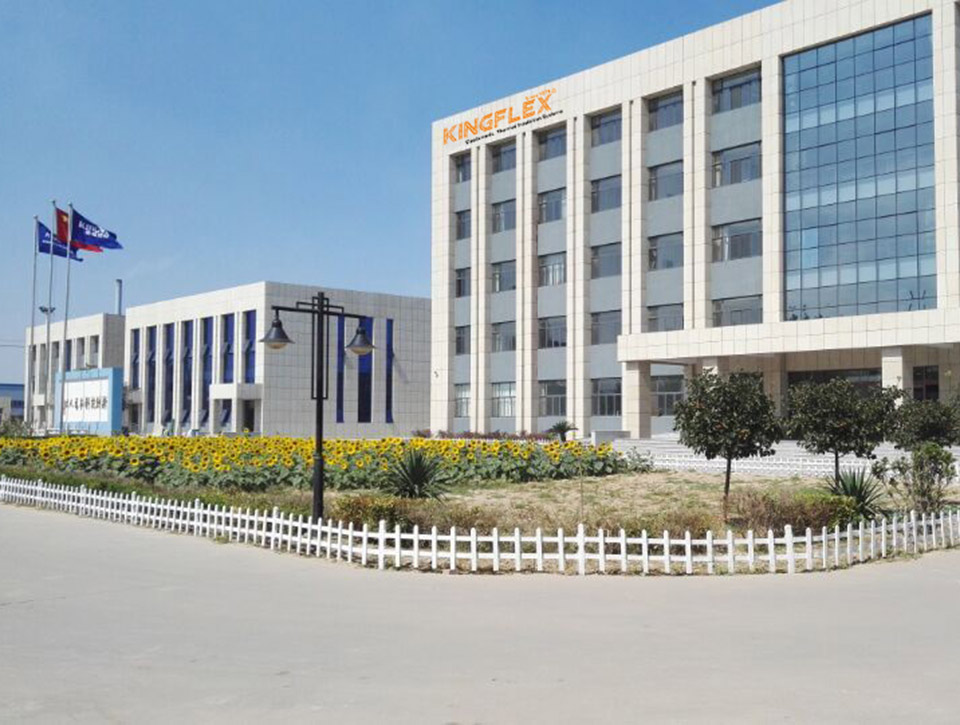
Located in Dacheng, China—the globally recognized capital of energy-saving building materials—our production base represents the pinnacle of modern manufacturing efficiency.
Kingflex houses 5 large automatic continuous assembly lines, generating an annual capacity exceeding 600,000 cubic meters. This scale allows us to fulfill large infrastructure demands without compromising quality or timeline.
Our geographic position in Dacheng allows us to source raw polymers, plasticizers, and foaming agents through direct regional supply loops. This buffer reduces lead times, insulates procurement costs from international raw material spikes, and enables us to maintain a highly stable pricing model for global contractors.
As a designated energy-saving enterprise by the Ministry of Chemical Industry, our manufacturing process reduces emission footprints. Waste materials are re-polymerized or recycled into acoustic underlays, aligning with LEED and carbon-neutral corporate mandates.
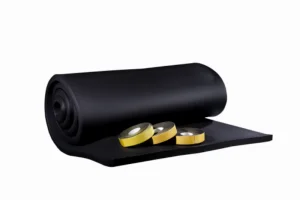
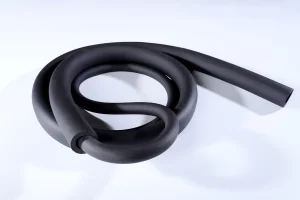
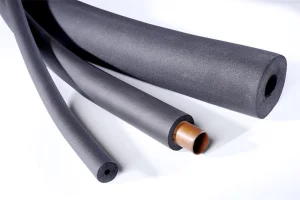
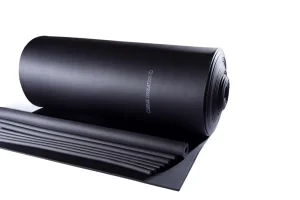
Our NBR/PVC elastomeric products are designed to meet diverse mechanical engineering requirements. We maintain strict compliance with global testing methodologies.
| Property / Characteristic | NBR/PVC Sheet Rolls | NBR/PVC Insulation Tubes / Pipes | Test Standard Reference |
|---|---|---|---|
| Base Material Matrix | Nitrile Butadiene Rubber / Polyvinyl Chloride | Nitrile Butadiene Rubber / Polyvinyl Chloride | ASTM D1667 / ISO 1923 |
| Thermal Conductivity Coefficient ($\lambda$) | $\le 0.034 \text{ W/(m}\cdot\text{K)}$ at $0^\circ\text{C}$ | $\le 0.034 \text{ W/(m}\cdot\text{K)}$ at $0^\circ\text{C}$ | ASTM C518 / GB/T 10294 |
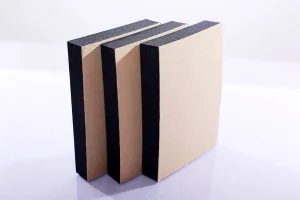
| Thickness Dimensions | 6mm, 9mm, 13mm, 15mm, 19mm, 25mm, 32mm, 50mm | 9mm, 13mm, 19mm, 25mm, 32mm, 40mm | EN 823 / ASTM C209 |
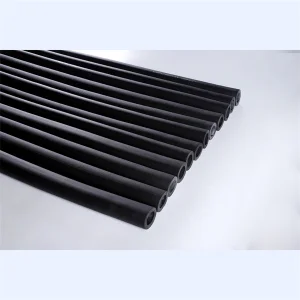
| Inside Diameter (ID) Range | N/A (Flat sheet rolls with self-adhesive options) | 6mm up to 114mm (Standard piping sizes) | EN 13467 |
| Structural Density | 40 - 55 $\text{kg/m}^3$ | 40 - 55 $\text{kg/m}^3$ | ASTM D1622 / ISO 845 |
| Service Temperature Range | $-40^\circ\text{C}$ to $+105^\circ\text{C}$ (Cryogenic line down to $-200^\circ\text{C}$) | $-40^\circ\text{C}$ to $+105^\circ\text{C}$ (Cryogenic line down to $-200^\circ\text{C}$) | EN 14707 / ASTM C411 |
| Moisture Resistance Factor ($\mu$) | $\ge 10,000$ (Highly resistant to vapor diffusion) | $\ge 10,000$ (Highly resistant to vapor diffusion) | EN 12086 / ASTM E96 |
| Fire Classification | Class 0 / Class 1 / BS 476 Part 7 / UL 94 V-0 | Class 0 / Class 1 / BS 476 Part 7 / UL 94 V-0 | BS 476 Part 6 & 7 / UL 94 |
| Compression Resilience Rate | $\ge 80\%$ recovery under cyclic compression | $\ge 80\%$ recovery under cyclic compression | ASTM D1056 |


Our NBR/PVC elastomeric thermal solutions provide high thermal isolation and prevent condensation across varied mechanical applications.
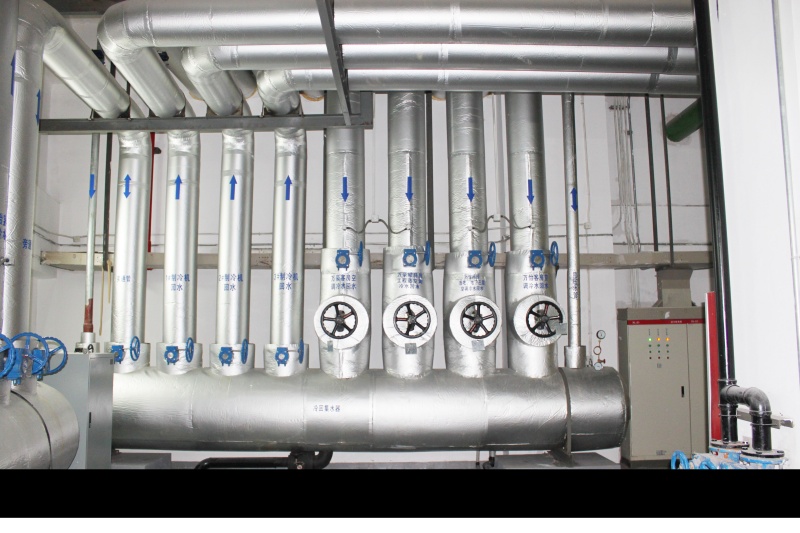
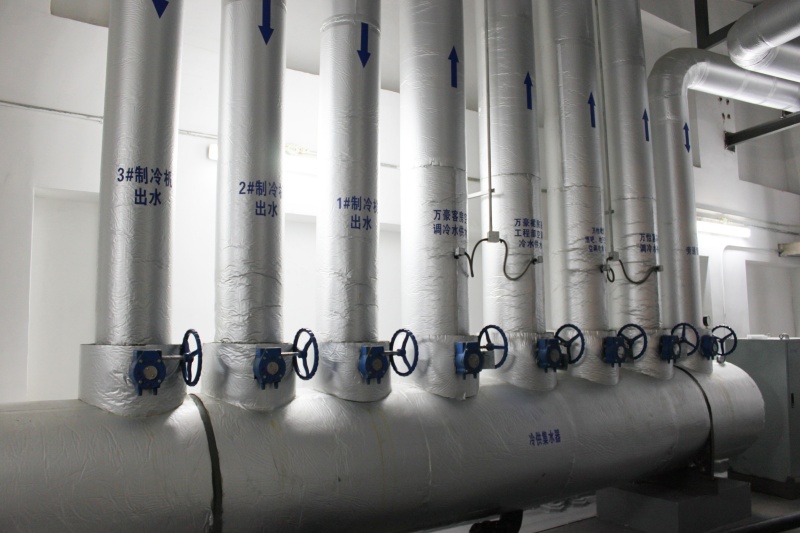
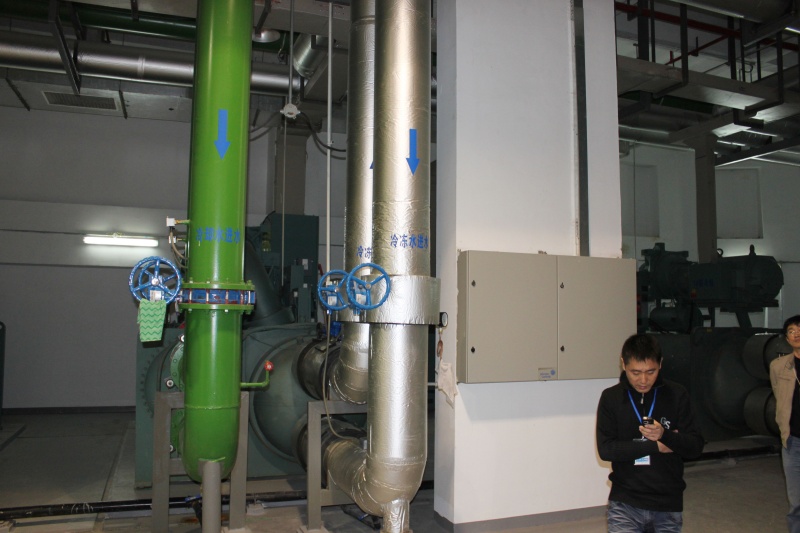
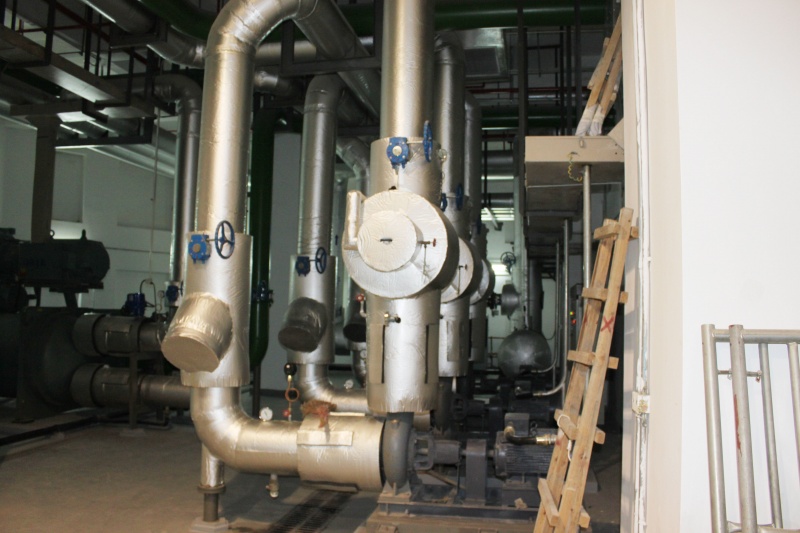
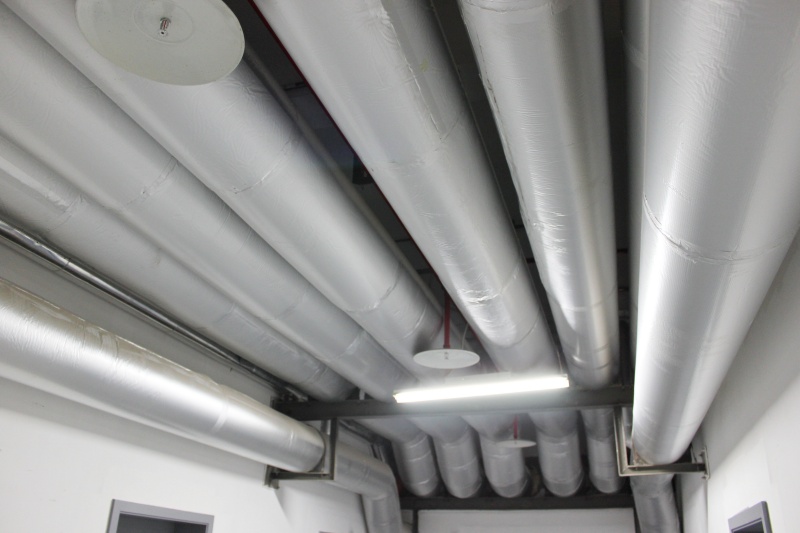
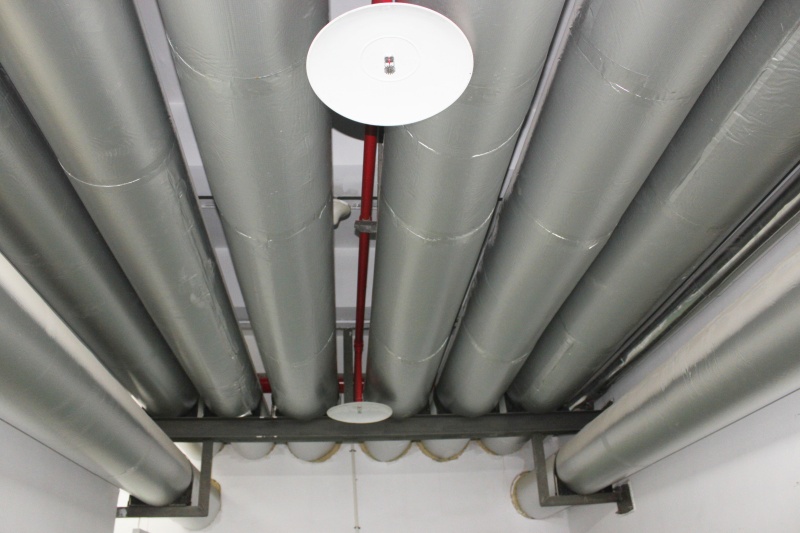
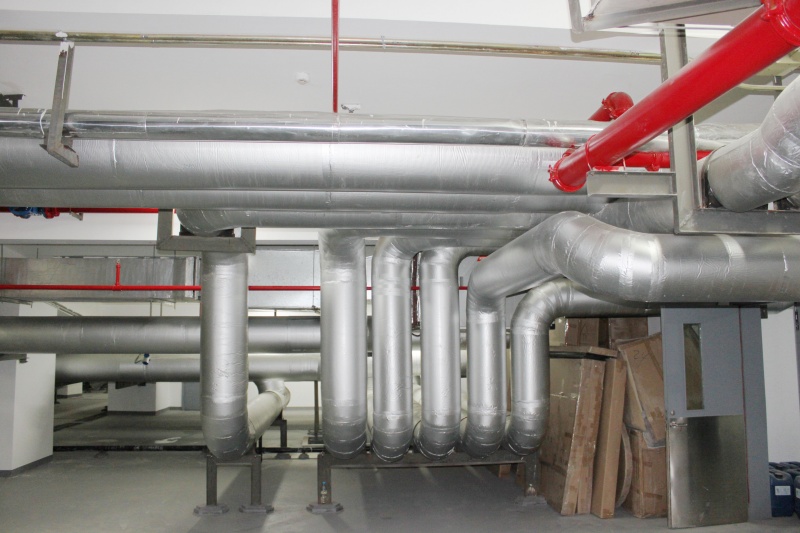
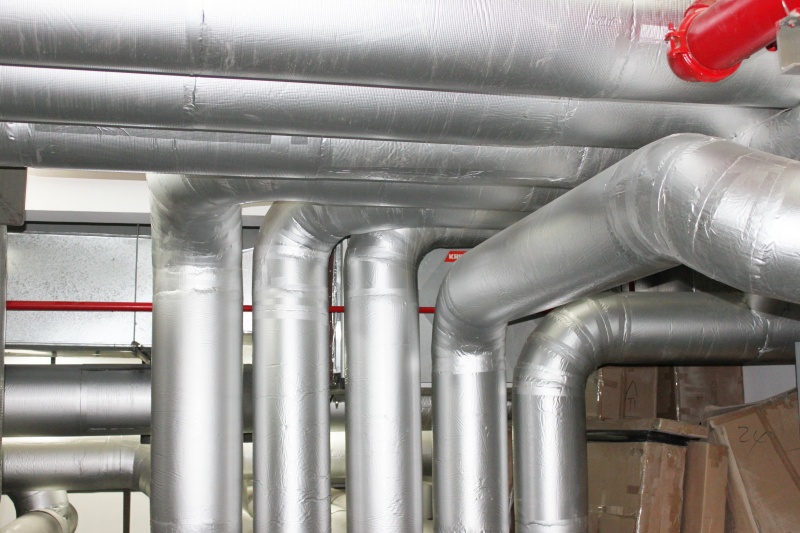
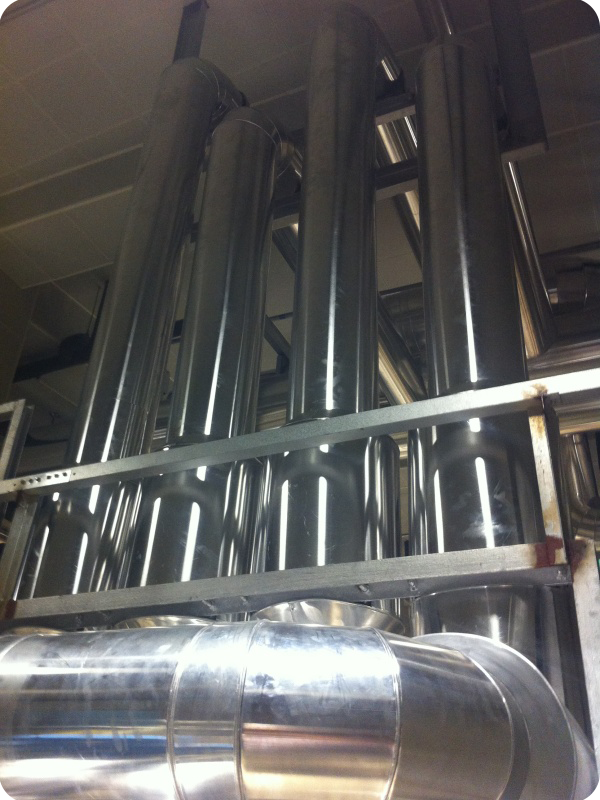
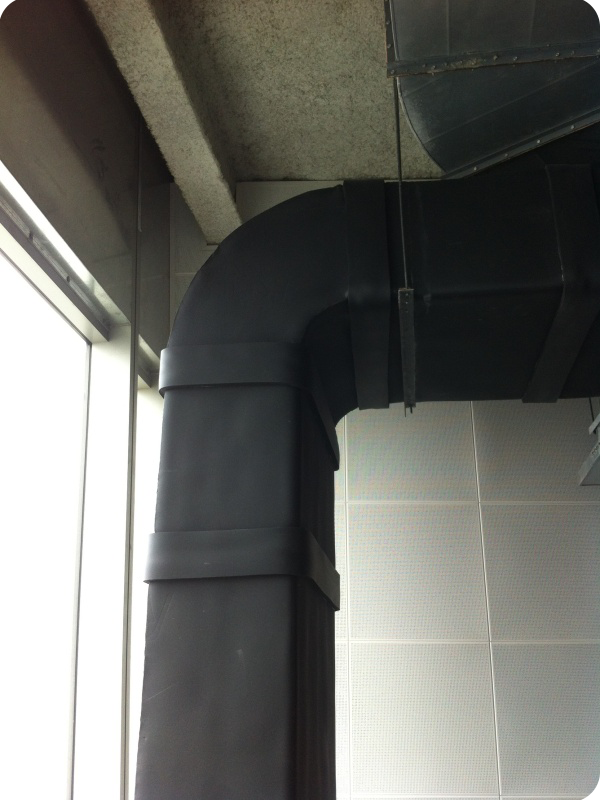
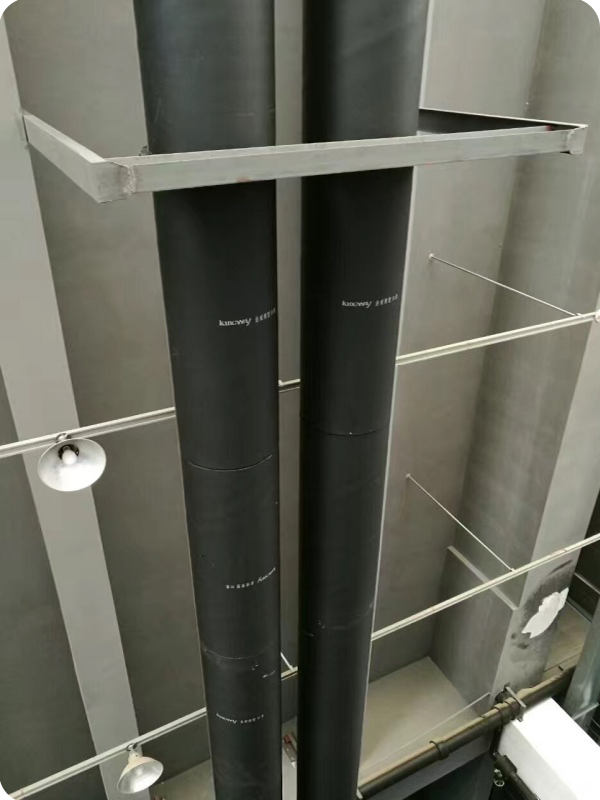
Perfect for insulating large air distribution ducts, indoor split units, and chiller pipe loops. Low thermal conductivity prevents thermal bridging and energy leaks in public complexes, airports, and hospitals.
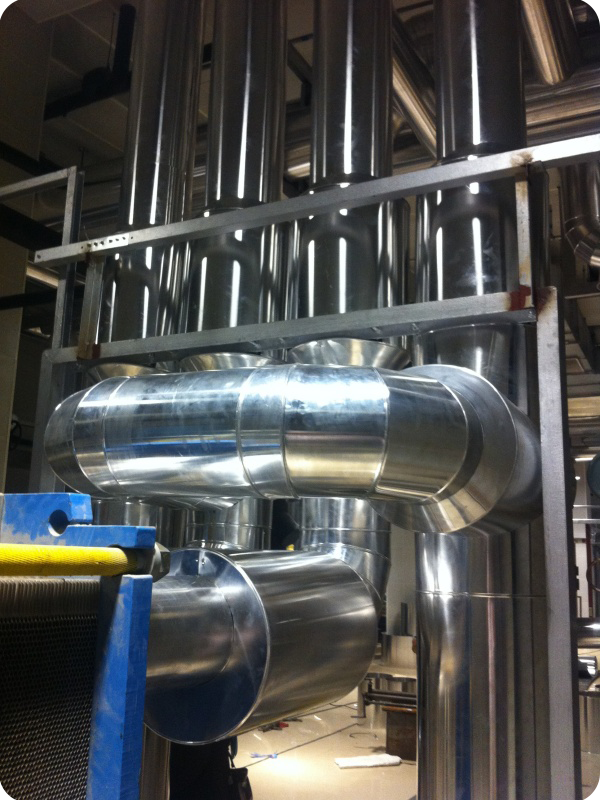
Specifically engineered NBR variants serve low-temperature pipelines transporting LNG, ethylene, or liquid nitrogen. Remains flexible and crack-resistant down to extreme sub-zero levels.
Guards pipelines in chemical, petrochemical, and power generation facilities. Resists chemical exposure, acidic gases, and environmental degradation.


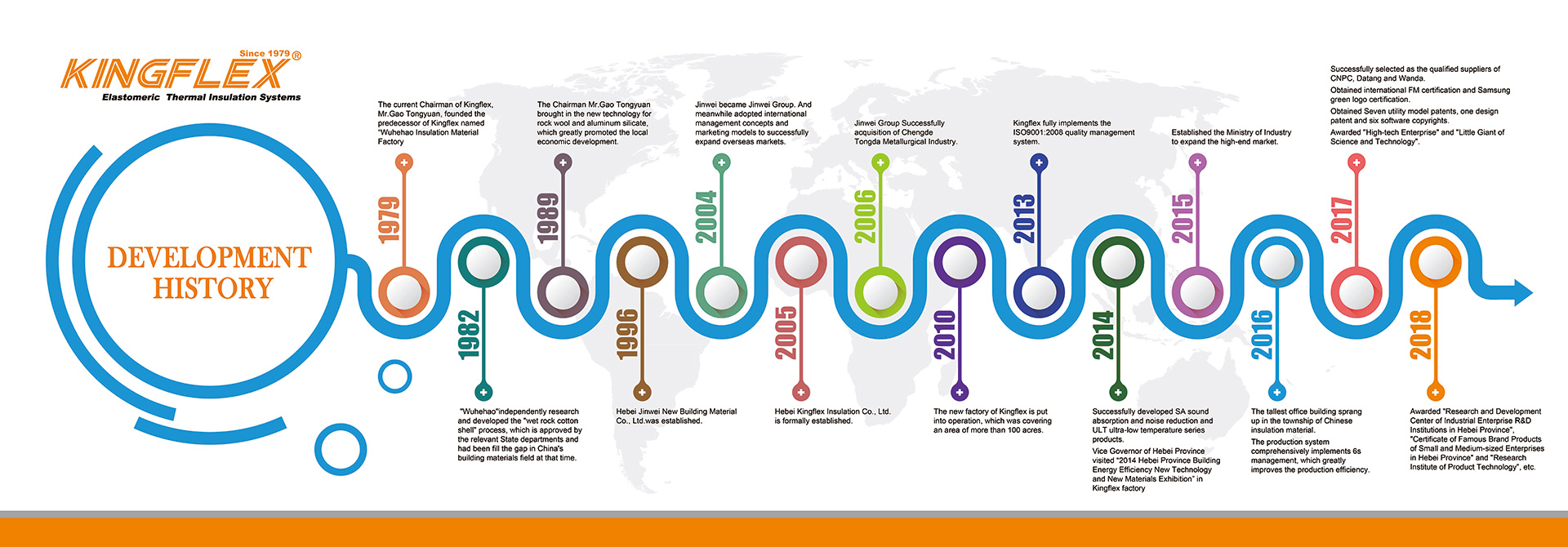
Founded by the Jinwei Group (which has over 40 years of history since its start in 1979), Kingflex is a pioneer in the thermal insulation field. We were the first thermal insulation manufacturer established north of the Yangtze River in China.
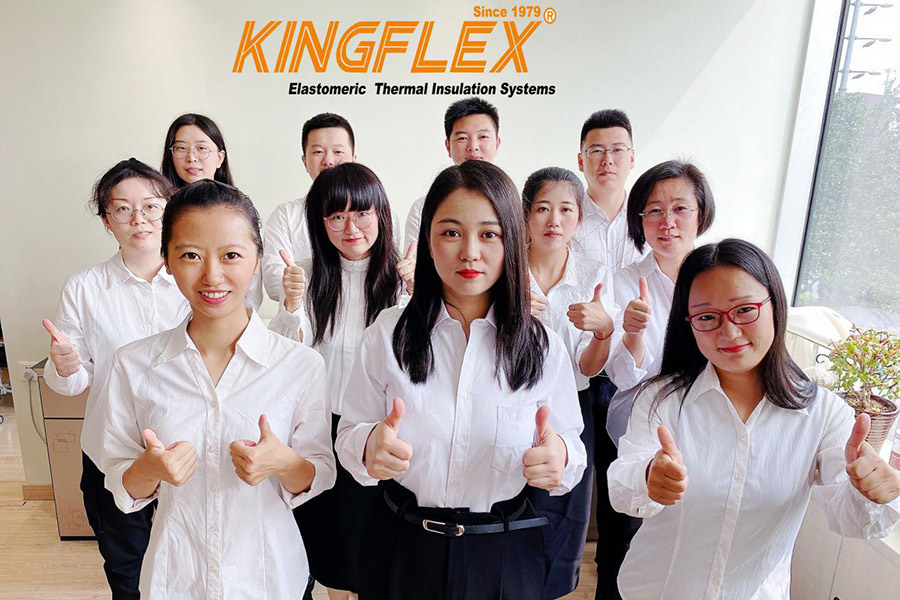
Our dedicated Research and Development department is staffed by 8 senior engineers. We work alongside 6 international technical sales specialists and 230 production personnel to maintain our high manufacturing standards.
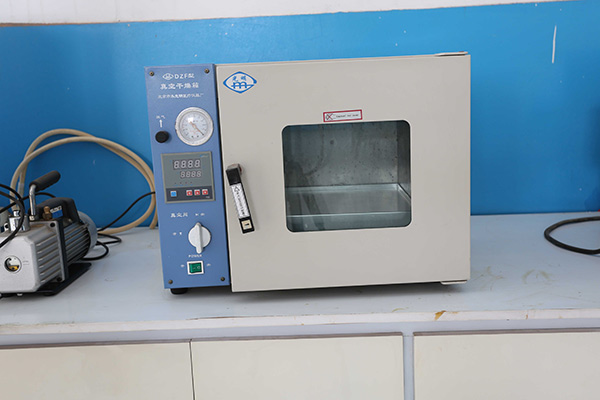
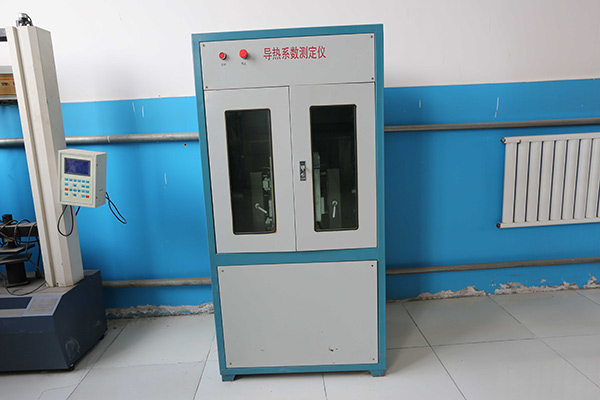
We work to develop materials that deliver low thermal conductivity, high mechanical strength, and environmental compatibility. Every batch of NBR/PVC elastomer goes through physical testing before it is approved for global shipping.


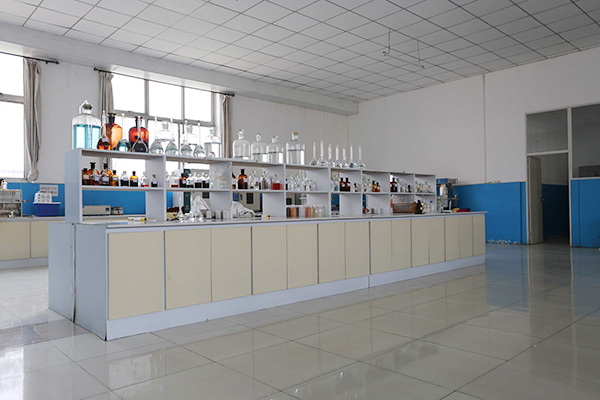
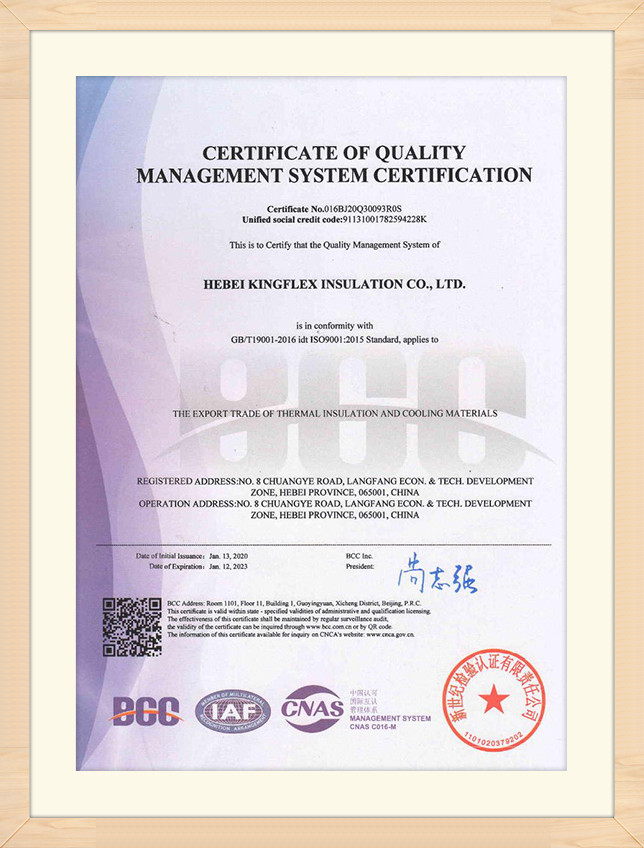
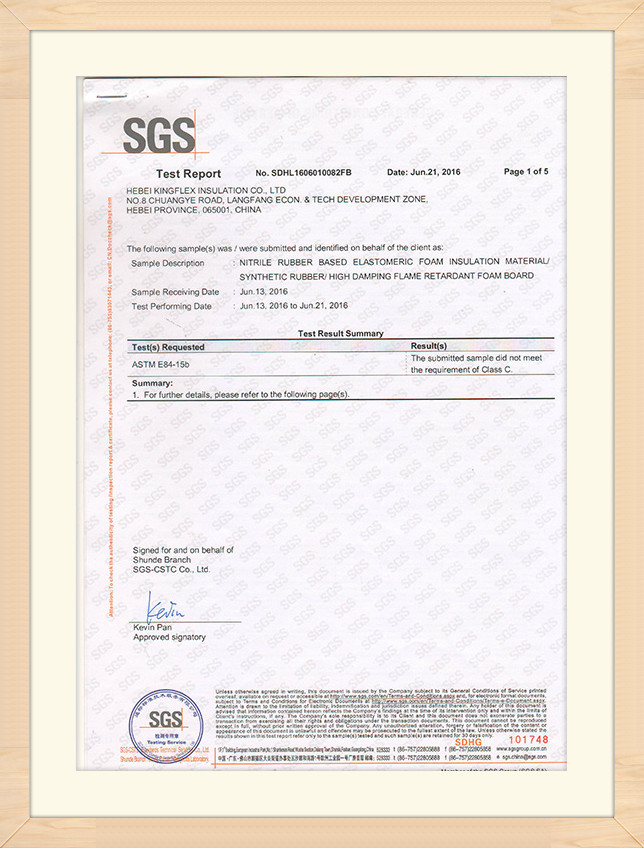
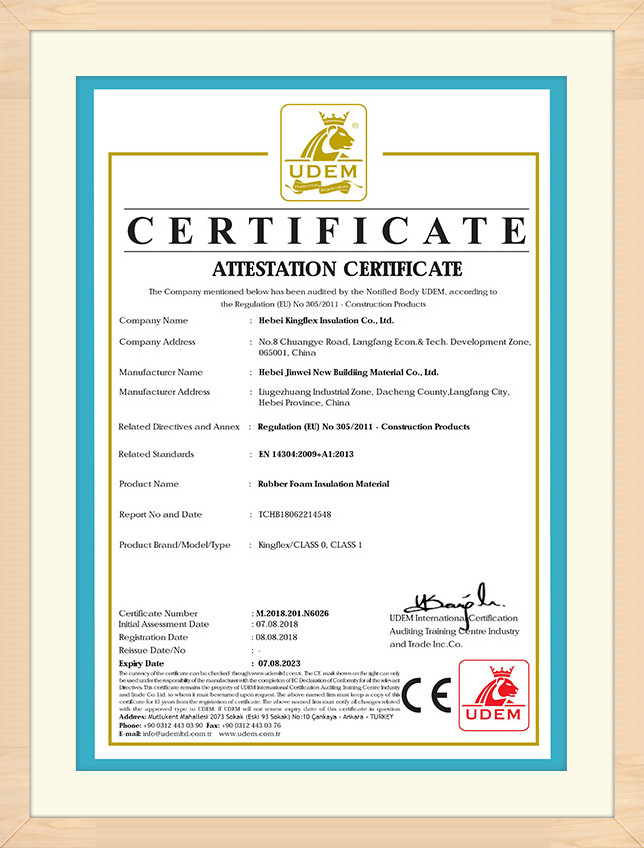
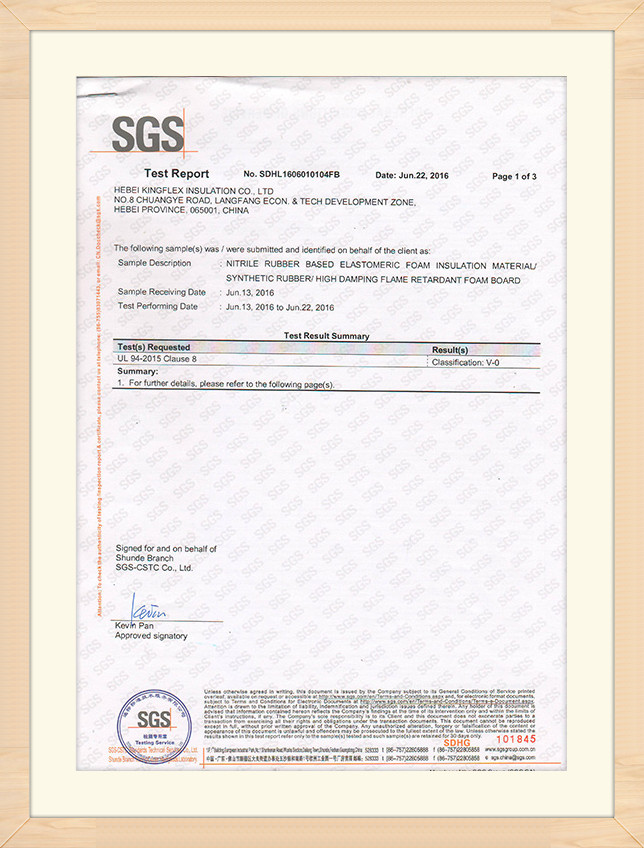
We submit our elastomeric materials to third-party labs to verify performance and compliance with global safety codes.


We provide full transparency for our materials. Kingflex products feature built-in batch traceability. Scan QR codes on our packaging to access raw material logs, formulation metrics, and QA test sheets.
We work closely with global design institutes and contractors. From project design to shipping logistics, our engineering sales team assists with thermal calculations, thickness selection for condensation prevention, and fire compliance.
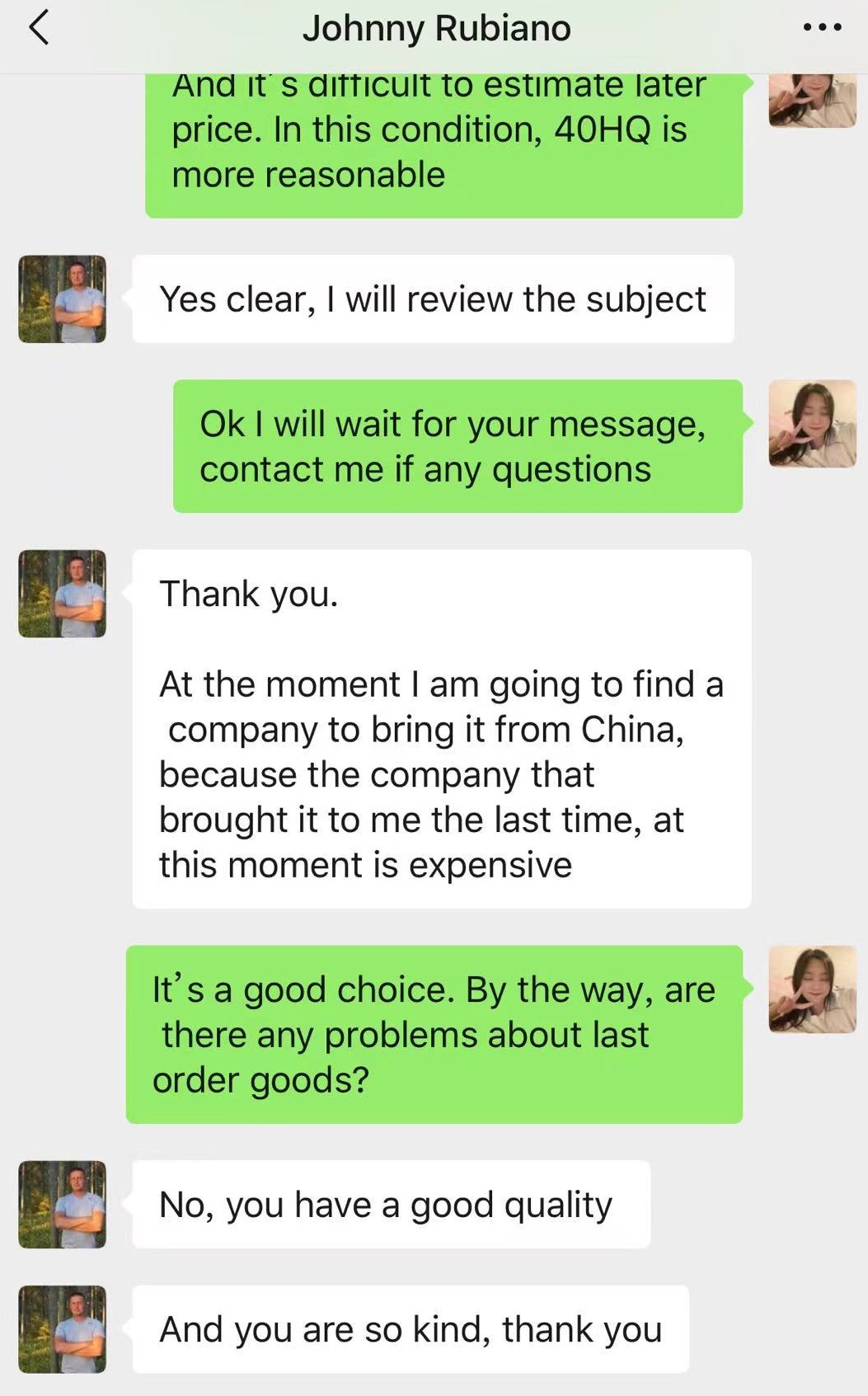
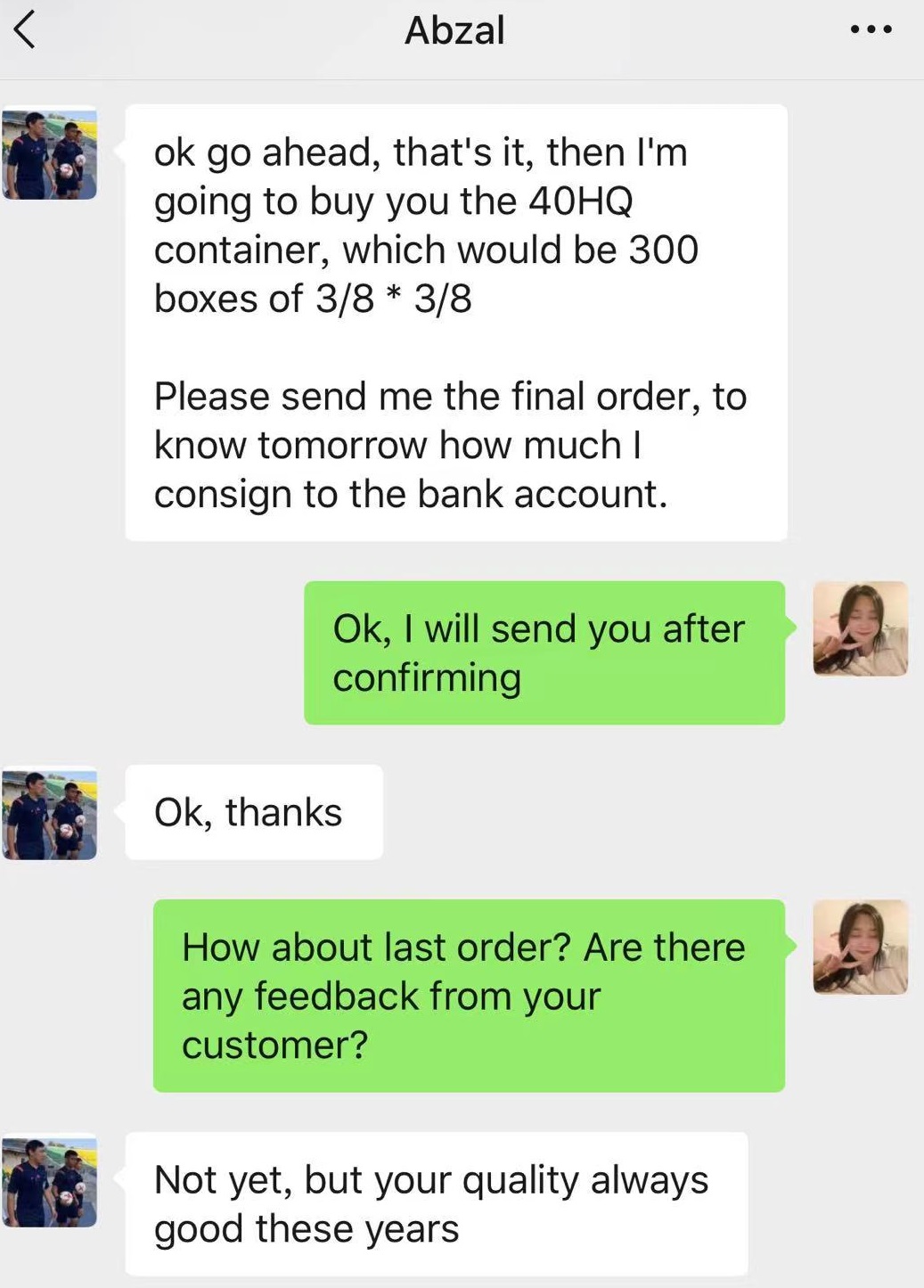
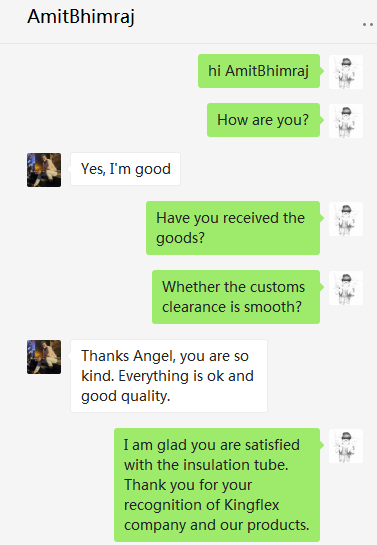
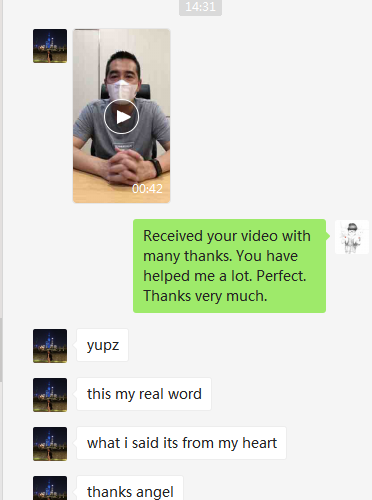
The adjoining communication logs reflect our focus on precise specifications, showing real-time feedback and design consultations with international partners.
A portfolio of projects insulated with Kingflex NBR/PVC elastomeric systems across commercial, HVAC, and industrial sectors.


Answers to common engineering questions regarding the thermodynamic properties, installation, and performance of NBR/PVC elastomers.
Our thermal conductivity ($\le 0.034 \text{ W/(m}\cdot\text{K)}$ at $0^\circ\text{C}$) is determined by the size and distribution of our micro-closed cells. Trapping dry air inside these tiny pockets limits convective heat transfer, while optimizing density prevents solid-state conduction.
Water has a thermal conductivity of $\approx 0.6 \text{ W/(m}\cdot\text{K)}$, which is much higher than dry insulation. Liquid ingress degrades thermal performance. With a water vapor resistance factor ($\mu \ge 10,000$), our closed-cell matrix prevents moisture penetration, protecting the system's thermal performance over time.
Yes. Our insulation contains flame-retardant additives. It meets BS 476 Part 6 & 7 (Class 0 and Class 1 ratings) and UL 94 V-0 flame ratings. It is self-extinguishing and will not carry flame.
NBR/PVC is flexible, has a closed-cell structure, and resists moisture, making it ideal for HVAC and cryogenic lines. Rock wool is fire-resistant and stands up to high temperatures, making it a good fit for high-heat industrial pipes.
Yes. We offer customized thicknesses (6mm to 50mm) and specific inside diameters (6mm to 114mm), as well as self-adhesive and foil-faced options.
Every production run has a unique batch ID. Laser-printed markings on the material link back to factory QC sheets, processing temperatures, and density test logs.
Installed correctly and protected from direct weathering, our NBR/PVC foam has a service life of 10 to 15 years.
A density of $40 - 55 \text{ kg/m}^3$ balances thermal insulating properties with mechanical strength. This density helps the foam resist tears, withstand foot traffic, and maintain its shape around pipe fittings.
We offer halogen-free, eco-friendly configurations of NBR insulation. These meet REACH and RoHS directives and emit minimal smoke in a fire, making them suitable for marine and cleanroom settings.
Keep boxed or wrapped rolls and pipes in dry, covered storage, away from direct sunlight. Avoid crushing the boxes to ensure the elastomeric cells recover fully when unpacked.
Select from our range of insulation materials, certified to international standards for thermal and acoustic performance.
A look at our plant operations, logistics, and material handling systems that support our distribution network.


Get in touch with Kingflex's engineering team for custom configurations, thermal calculations, and factory-direct pricing for your project.
Contact Our Technical Department