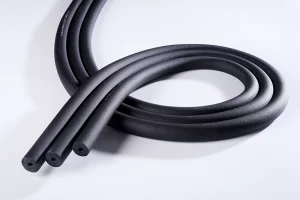
6. Frequently Asked Questions (FAQ)
Detailed technical answers regarding the application, compliance, and properties of Kingflex non-flammable insulation.
Q1: What is elastomeric rubber foam insulation used for?
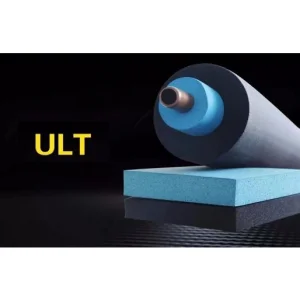
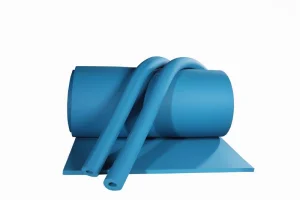
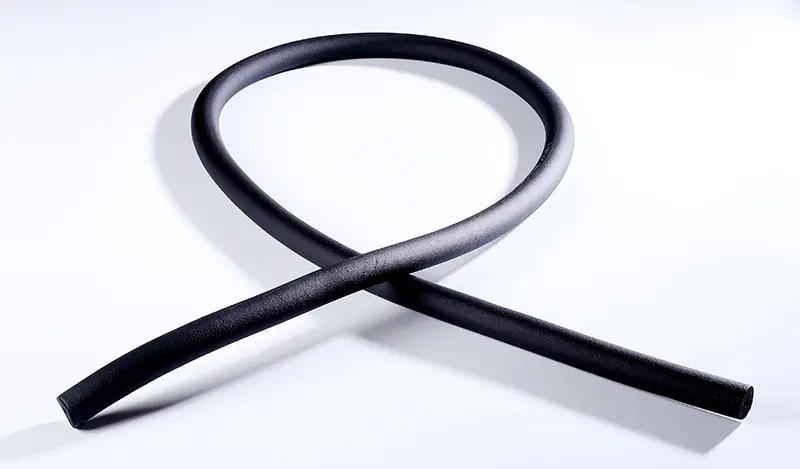
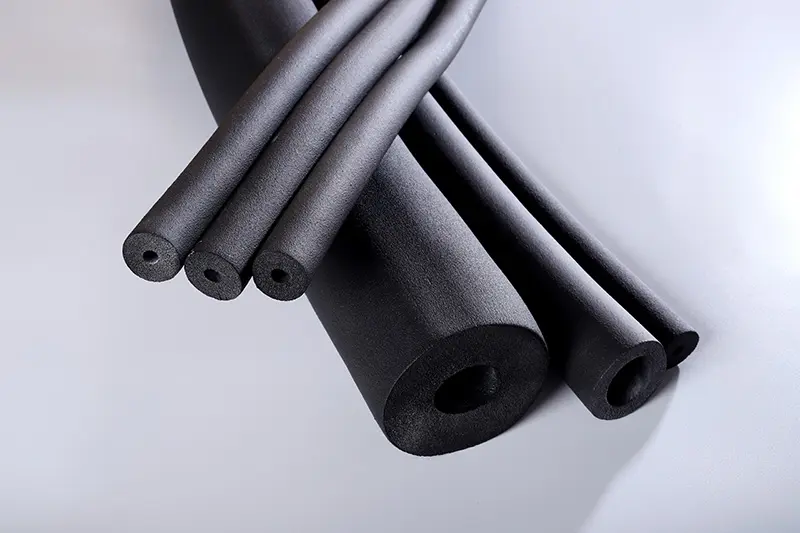
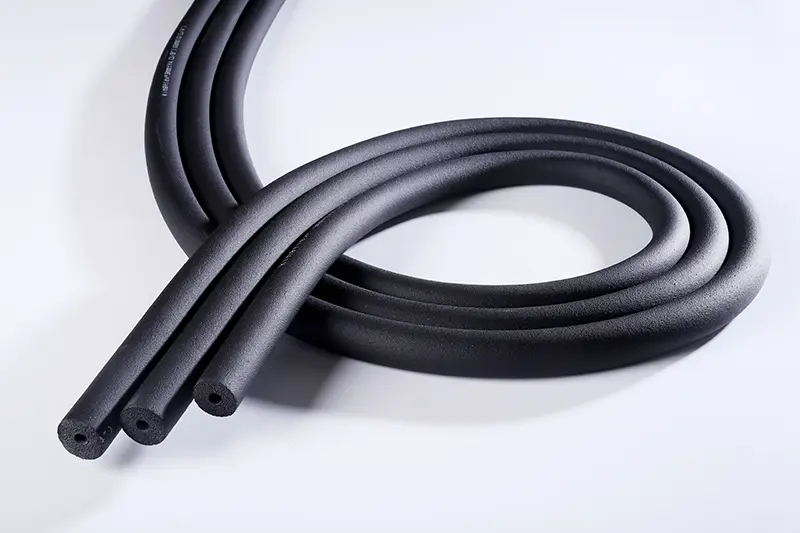
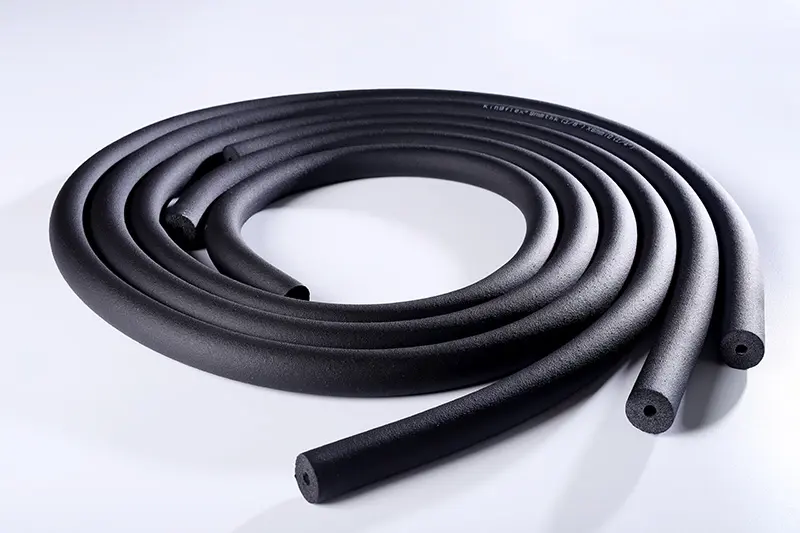
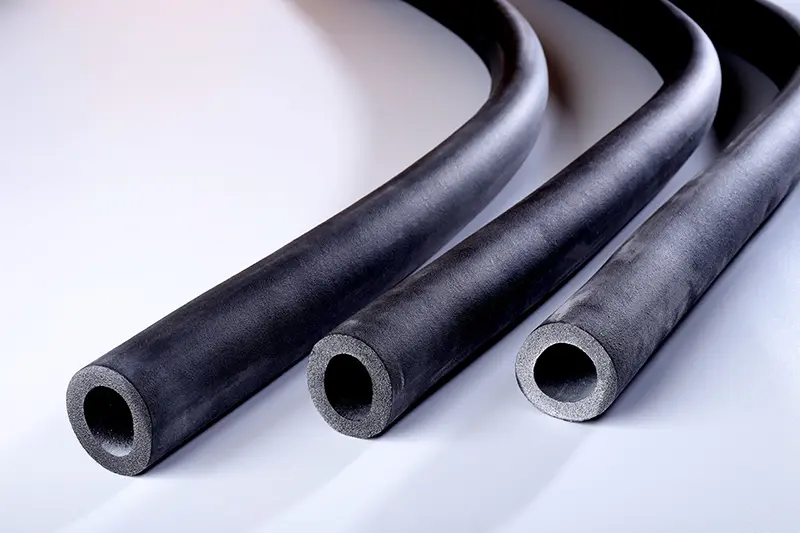
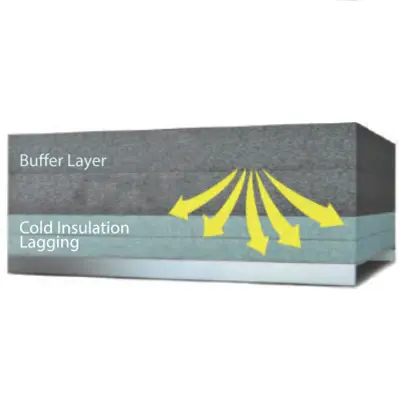
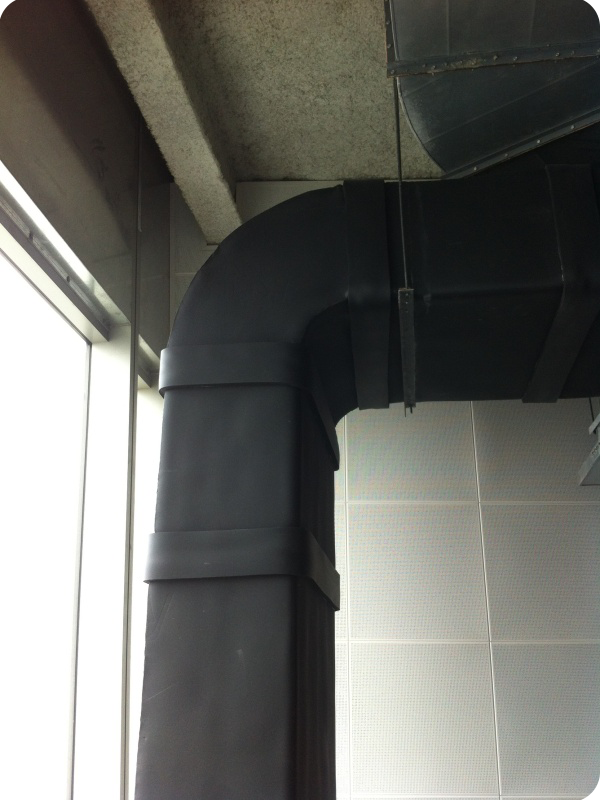
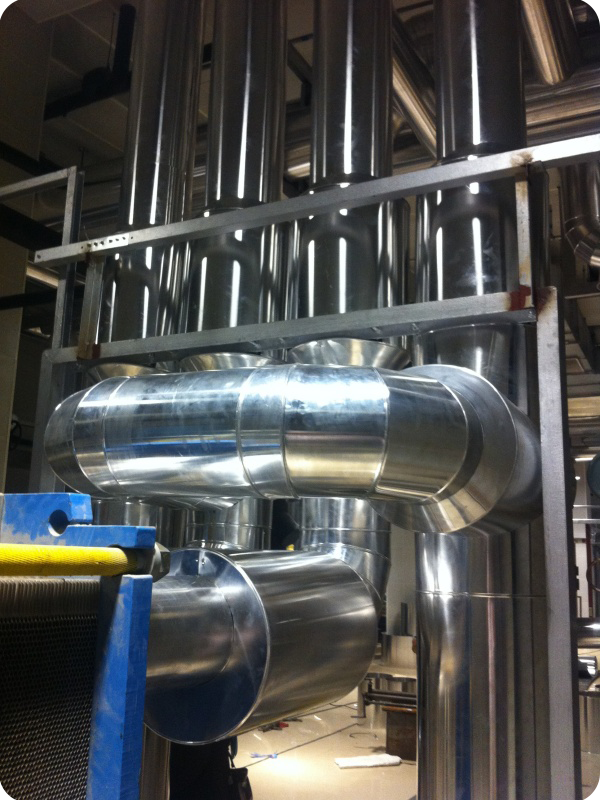
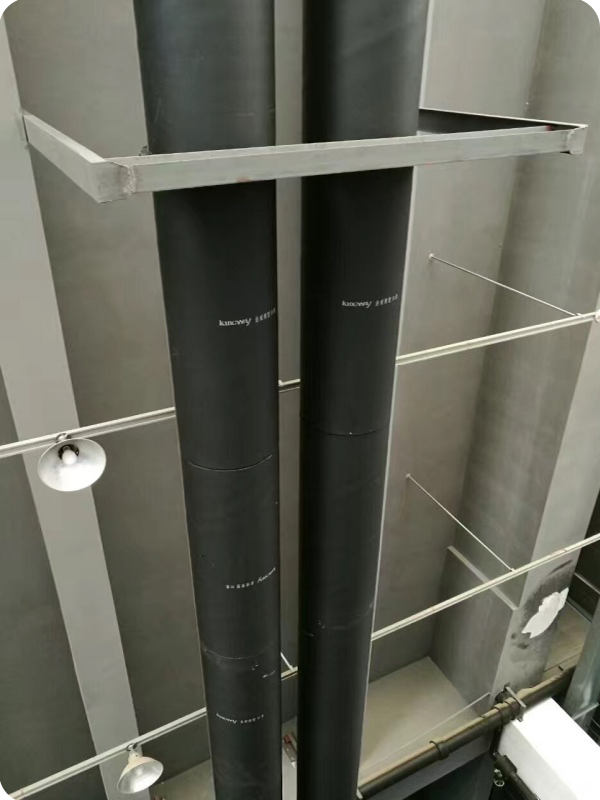
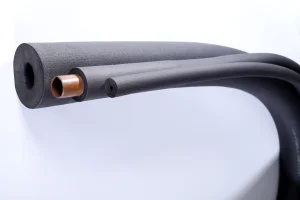
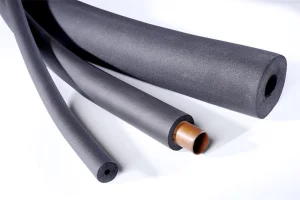
Elastomeric rubber foam is a flexible, closed-cell insulation material with low thermal conductivity. It is primarily used to control heat flow and prevent condensation on commercial HVAC systems, refrigeration units, process piping, and hot/cold water lines. Because of its closed-cell structure, it acts as an integrated vapor barrier, making it suitable for high-humidity environments and cryogenic applications down to -200°C.
Q2: Is Kingflex rubber foam insulation fire resistant?
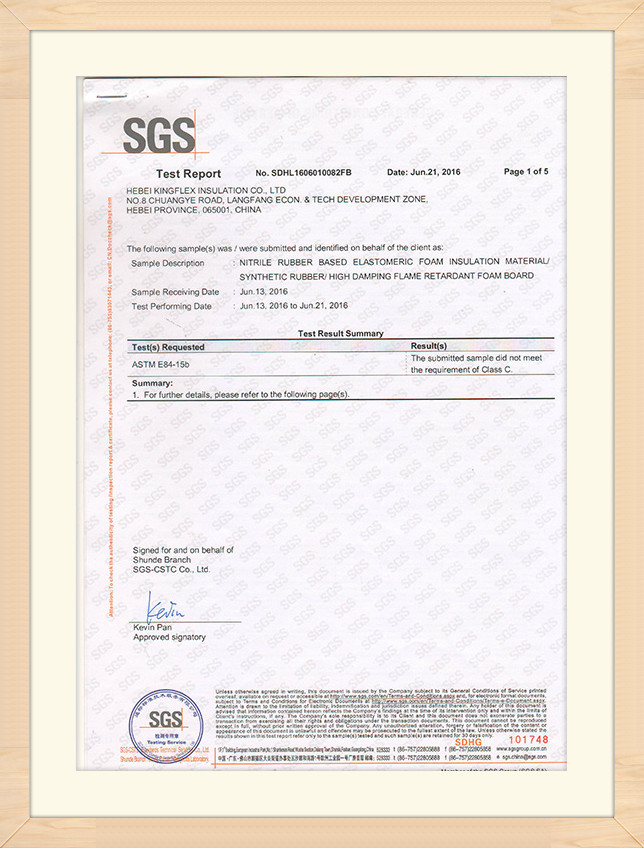
Yes, Kingflex rubber foam insulation is formulated with active flame retardants that help resist ignition. It meets key fire safety standards, achieving a Class 0 rating under BS 476 Part 6 & 7 and a Class A rating under ASTM E84 (flame spread index < 25, smoke developed index < 50). In a fire, it is self-extinguishing and helps prevent flame propagation along piping and duct networks.
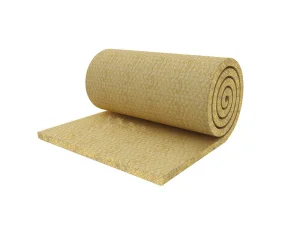
Q3: What is the difference between rubber foam and rock wool insulation?
The primary differences lie in material composition, temperature limits, and moisture resistance:
• Rubber Foam: A flexible, closed-cell NBR/PVC elastomer. It offers high resistance to water vapor transmission without requiring an external barrier, making it ideal for HVAC, refrigeration, and cold-conservation lines (-200°C to 105°C).
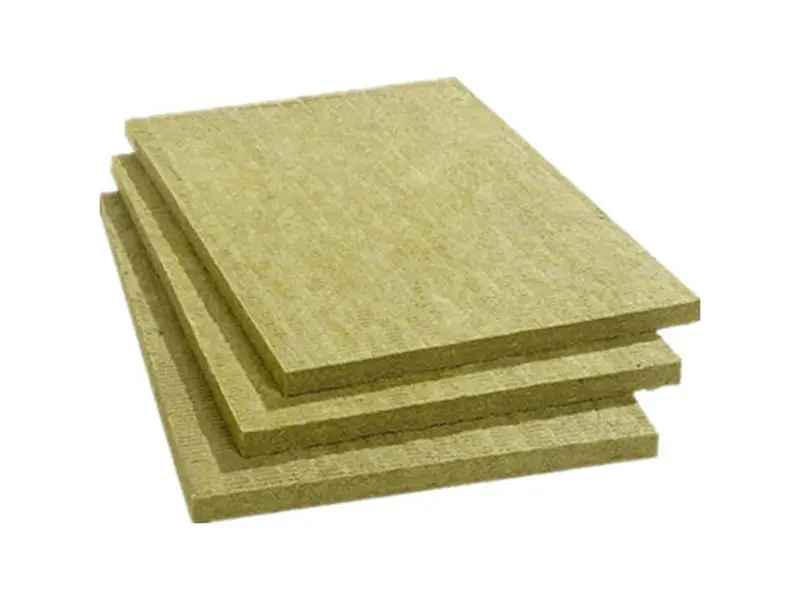
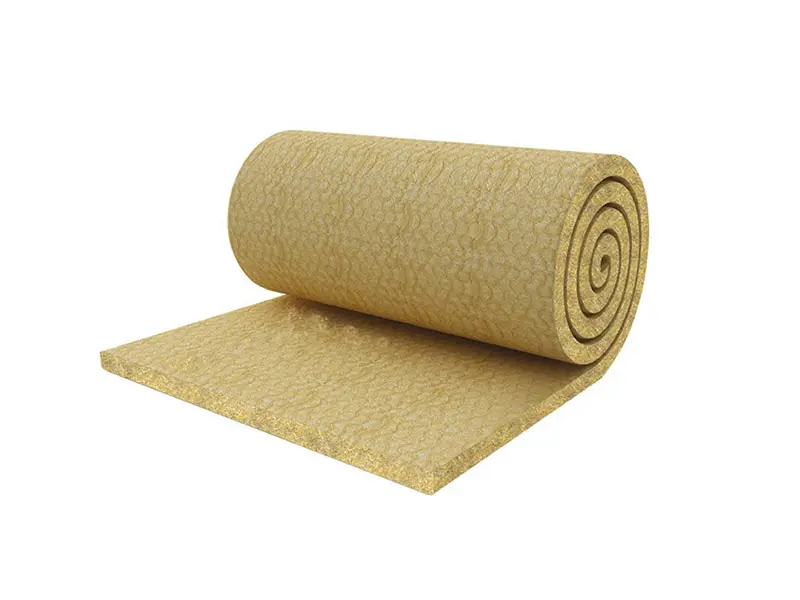
• Rock Wool: An open-fiber mineral insulation spun from basalt rock. It has a high service temperature (up to 650°C) and is non-combustible (Class A1), making it suitable for high-temperature steam pipes and structural fire barriers.
Q4: Do you provide customized insulation products?
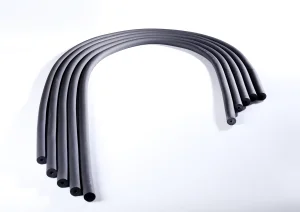
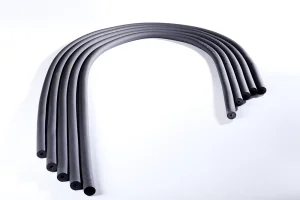
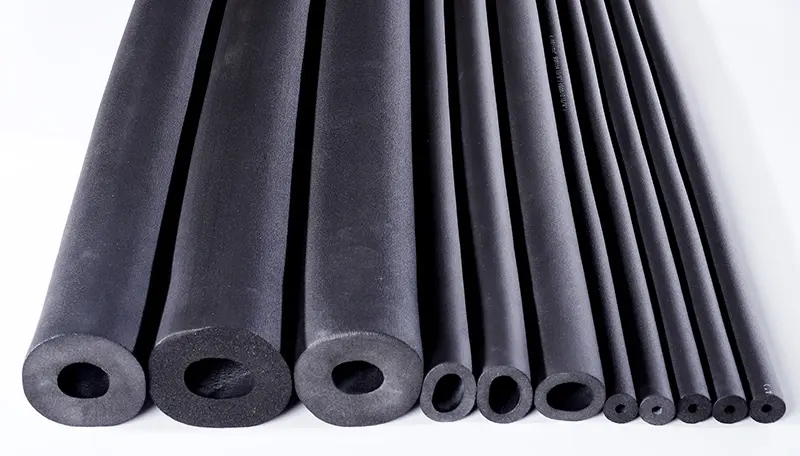
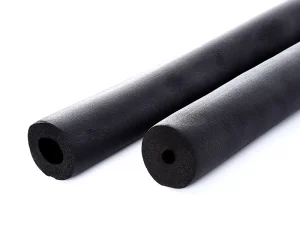
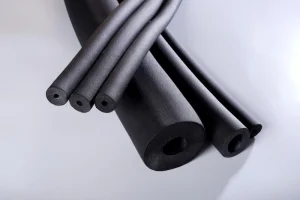
Yes, we provide full OEM and ODM services. We customize dimensions, sheet thicknesses (ranging from 6mm to 50mm), pipe inner diameters (from 6mm to 114mm), density levels, and facing materials (such as aluminum foil or self-adhesive backings) to meet specific project specifications.
Q5: What certifications do your products have?
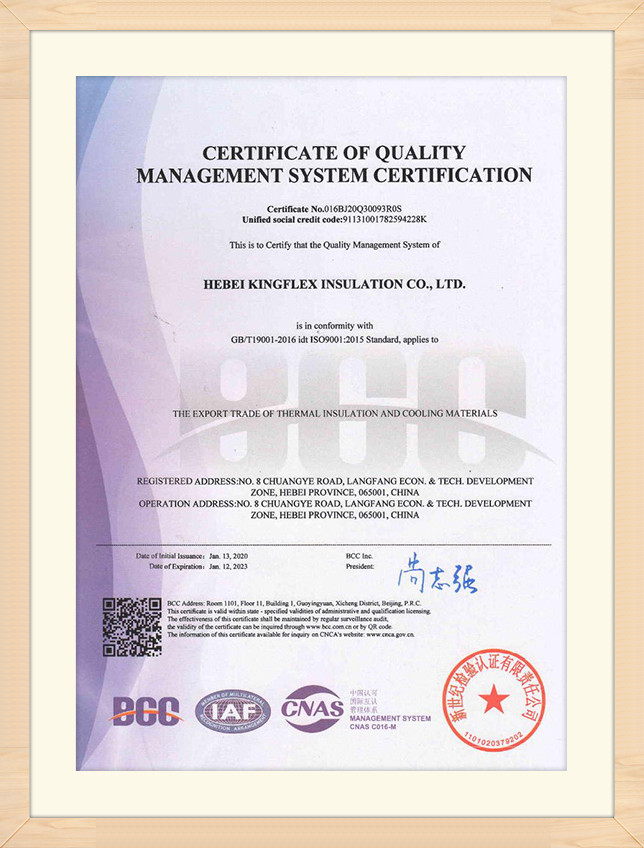
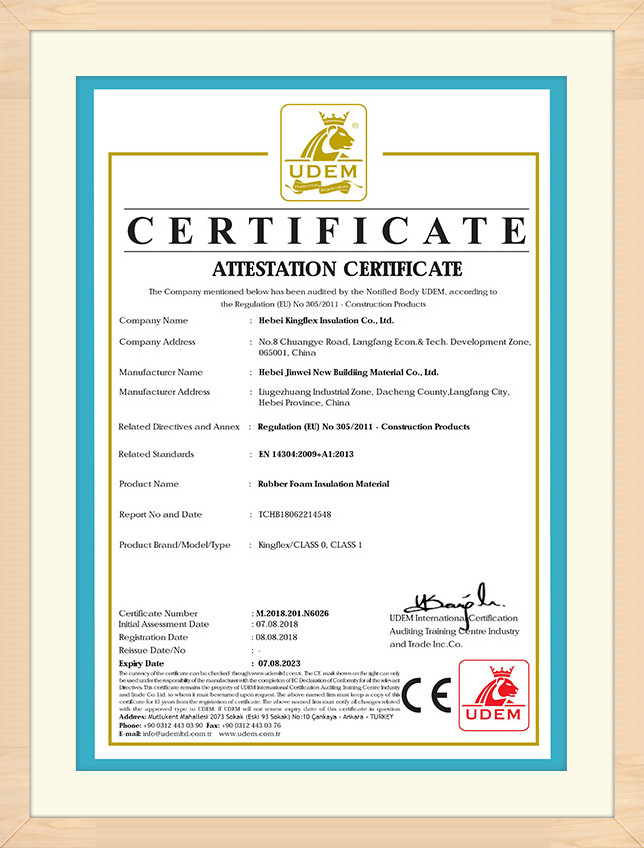
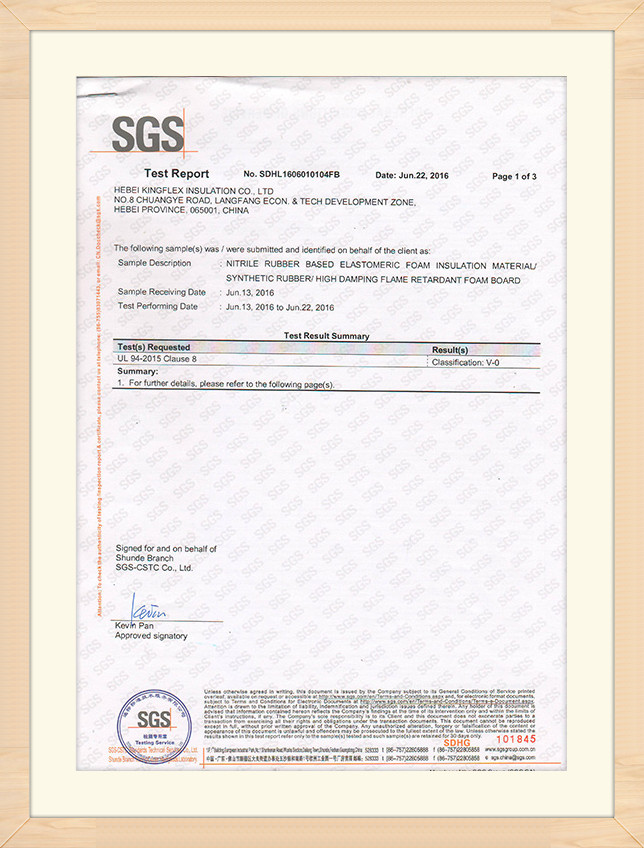
Our products carry international certifications including BS 476, CE, REACH, RoHS, UL 94, and ASTM. These certifications verify that our materials meet global standards for fire safety, environmental impact, and chemical safety.
Q6: Does Kingflex products have traceability?
Yes, traceability is integrated into our manufacturing process. Each production run is coded with batch numbers, timestamp records, raw material receipts, and quality control test logs. This tracking system allows us to trace any field performance variance back to its specific production run.
Q7: What thickness of Rubber foam insulation sheet roll can you produce?
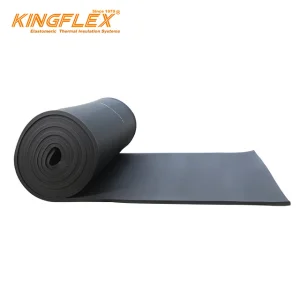
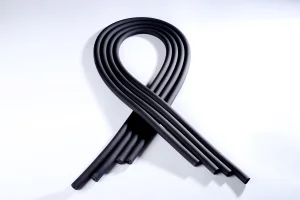
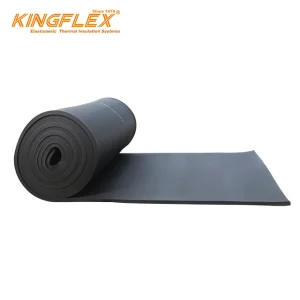
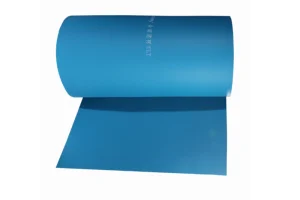
We manufacture elastomeric rubber foam sheets in thicknesses ranging from 6mm to 50mm. Standard thicknesses include 6mm, 9mm, 13mm, 19mm, 25mm, 32mm, 40mm, and 50mm. These varying thicknesses help engineers meet specific thermal efficiency and condensation control requirements.
Q8: What is the service life of rubber plastic pipe and board?
Under typical operating conditions and with proper installation, Kingflex rubber foam insulation has an expected service life of 10 to 15 years. Factors such as exposure to UV radiation, outdoor weathering, mechanical wear, and chemical exposure can affect its longevity. We recommend using protective coatings or weather-resistant jacketing for outdoor installations.
 Kingflex