Industry Whitepaper: The Evolution and Economics of Roof Insulation
In modern architecture and structural design, the roof stands as the primary boundary facing solar radiation, ambient heat shifts, and structural environmental stresses. According to studies on building energy footprints, up to 35% of thermal energy exchange happens through uninsulated or poorly designed roofs. In commercial, petrochemical, storage, and civil buildings, establishing a durable thermal envelope is critical to mitigating operational expenses, ensuring systemic process consistency, and satisfying green energy mandates such as LEED, BREEAM, and ESG benchmarks.
The Shift Toward Closed-Cell Elastomeric Systems
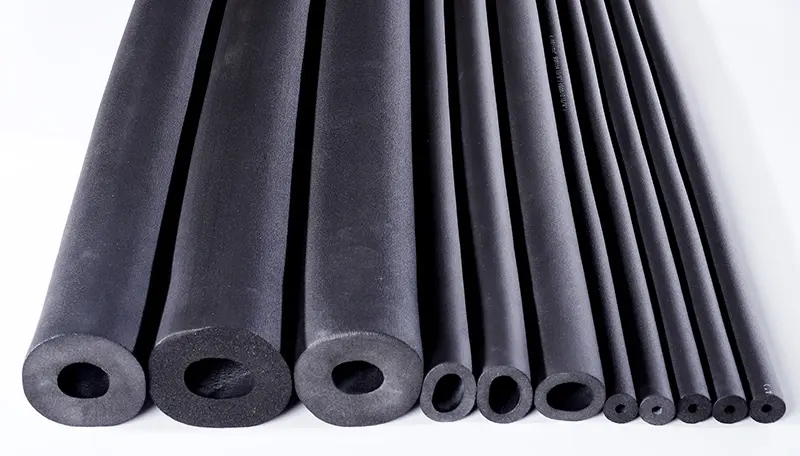
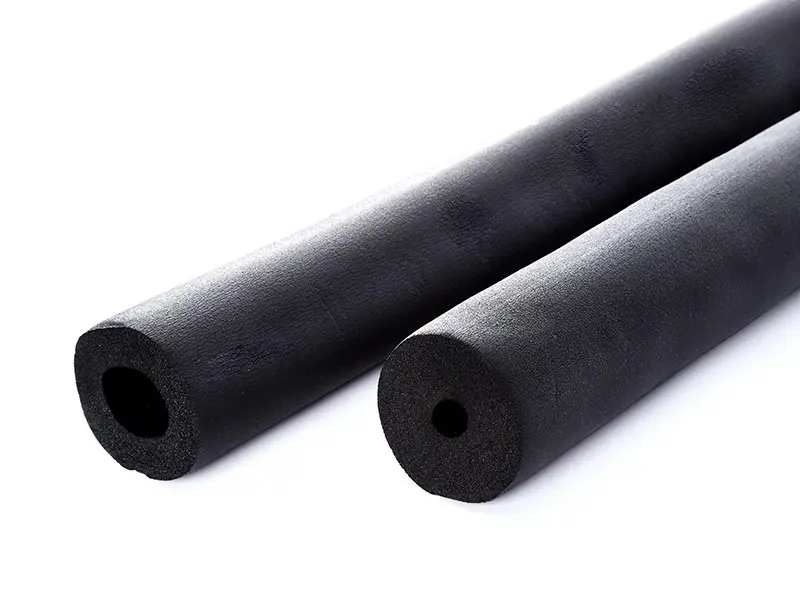
Historically, roofing systems relied heavily on traditional fibrous blankets, mineral wool, or cellular plastics. While these materials offered standard thermal resistance, their susceptibility to moisture infiltration, degradation under cycling temperatures, and fiber erosion presented long-term liabilities. The integration of closed-cell elastomeric rubber foam insulation (derived from optimized NBR/PVC blends) has transformed standard building envelopes.
The closed-cell configuration features millions of independent micro-pores that lock in static air. This yields an exceptionally low thermal conductivity ($\le 0.034$ W/m·K at 0°C) and acts as a built-in vapor barrier. Unlike open-cell media, NBR/PVC structures exhibit high resistance to moisture vapor diffusion ($\mu \ge 10,000$). This ensures the material maintains its target thermal performance even in high-humidity climates or under structural roof condensation risks.
Key Research Consensus: Closed-cell elastomeric insulation functions as both thermal barrier and moisture blocker. Eliminating separate vapor barrier components simplifies roof engineering, reduces mechanical installation times, and minimizes moisture-related roof deck degradation.
Macro Global Sourcing Needs: R-Value, Durability, and Compliance
Procurement departments and engineering firms managing commercial projects require suppliers capable of matching rigorous performance specifications. When securing factory direct agreements out of China, buyers focus on three pillars:
R-Value Stability: Materials must resist shrinkage, outgassing, and cellular collapse. Consistent cell sizing keeps K-factor performance stable over a service lifespan of 10 to 15 years.
Certified Fire Safety Compliance: Commercial building envelopes must conform to strict local building codes. Materials must achieve recognized fire safety ratings, including BS 476 Part 6 & 7 Class 0, UL 94 V-0, and ASTM E84 smoke propagation metrics.
Supply Reliability and Volume Capabilities: Large infrastructure, warehousing, and HVAC pipelines demand prompt, high-volume production. Supplier facilities must utilize advanced extrusion and continuous vulcanization processes to maintain consistent mechanical tolerances.
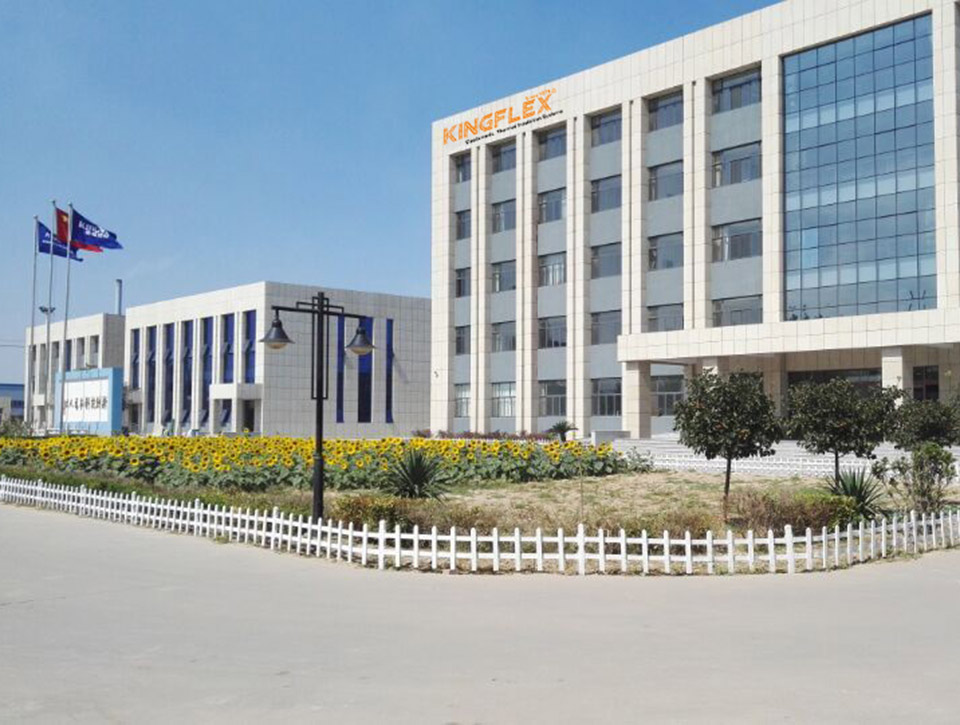
Kingflex Insulation Co., Ltd. is a specialized, integrated manufacturer and trade complex focused on high-efficiency thermal, cold-service, and acoustic insulation products. Our R&D and production facilities are based in Dacheng, China—a major hub for green-building material manufacturing. Operating under a core philosophy of energy conservation, carbon reduction, and ecological stewardship, Kingflex provides project support spanning pre-production consulting, dedicated R&D, customized system design, installation support, and responsive post-sale services.
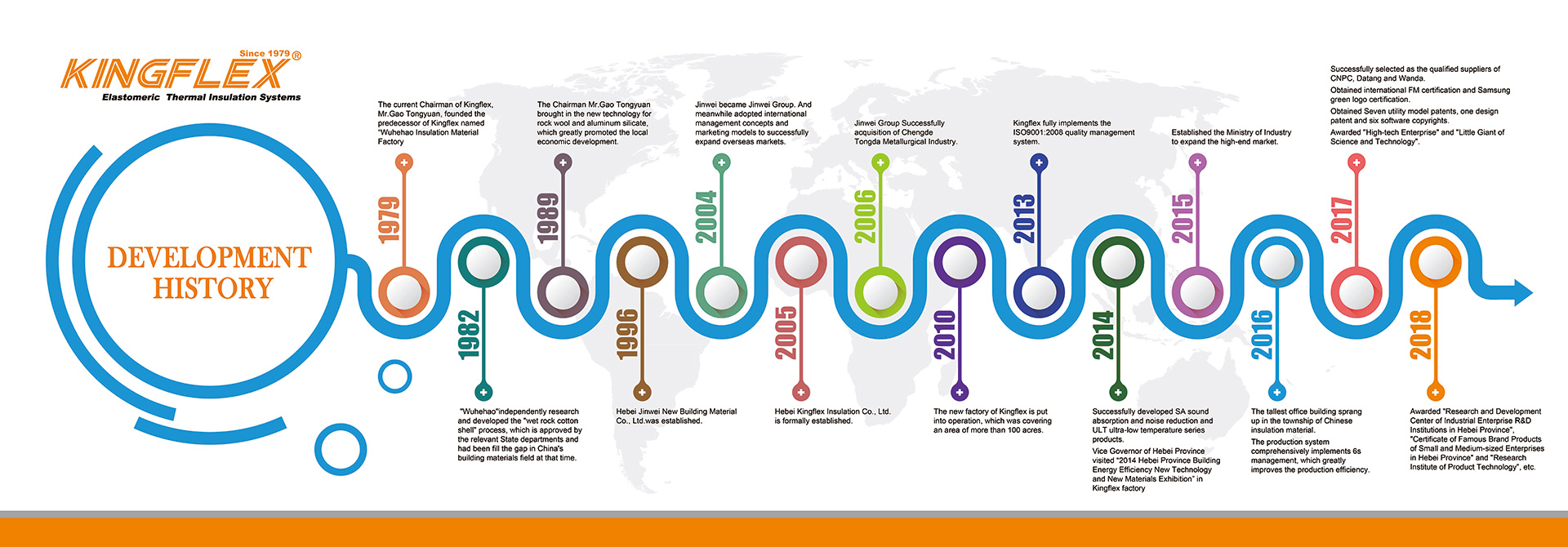
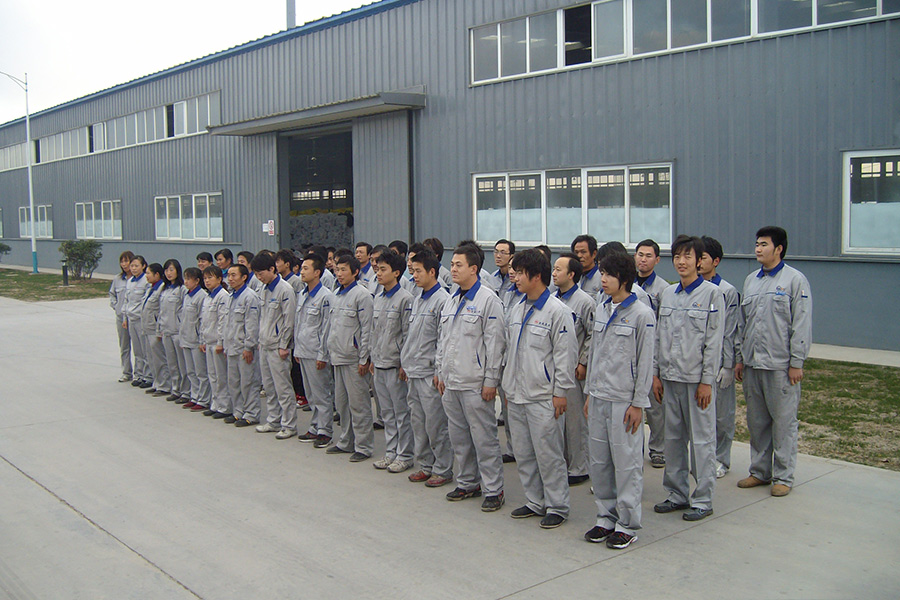
Founded under the umbrella of the Jinwei Group—established in 1979 as the pioneer manufacturer of thermal insulation materials north of the Yangtze River—Kingflex carries forward over 40 years of structural material expertise. Today, the facility houses 5 large-scale automated assembly lines. Our production conforms to national quality mandates, and Kingflex is a designated supplier for the Ministry of Energy, the Ministry of Electric Power, and the Ministry of Chemical Industry.
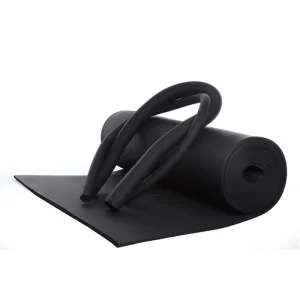
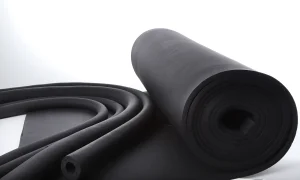
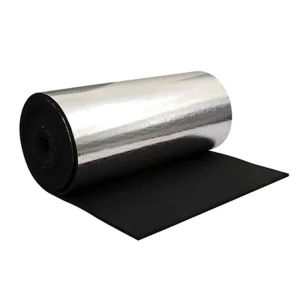
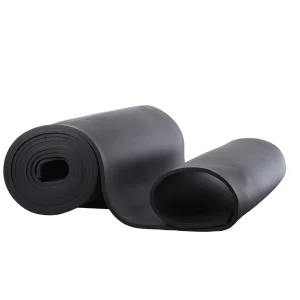
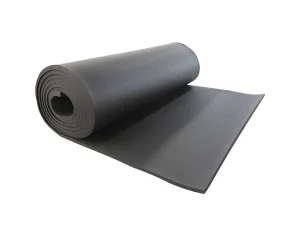
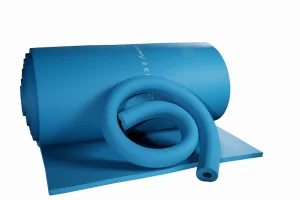
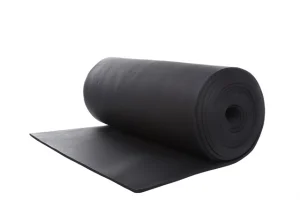
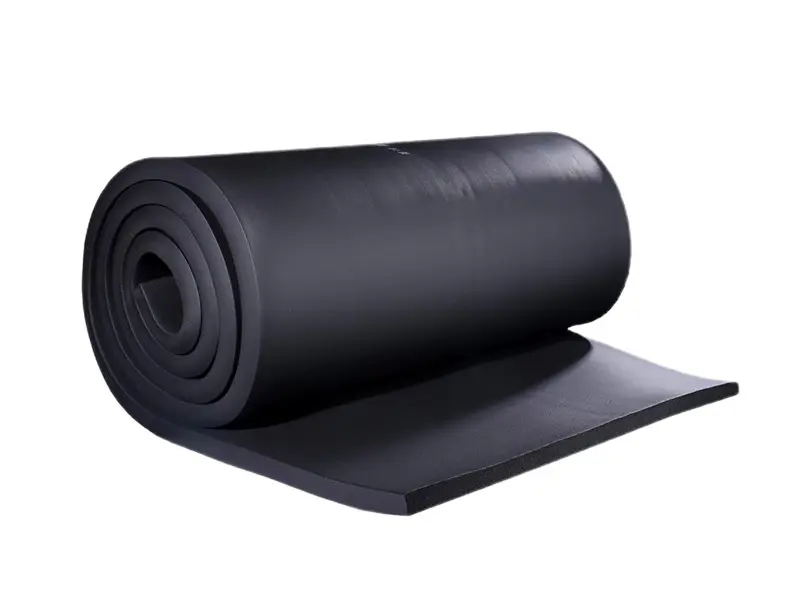
Black Rubber Foam Insulation Sheet Roll
Engineered for large-area applications, roof structural decks, flat underlayment spaces, and HVAC ducting panels.
Industrial Center Operations, Laboratory Testing & Shipping
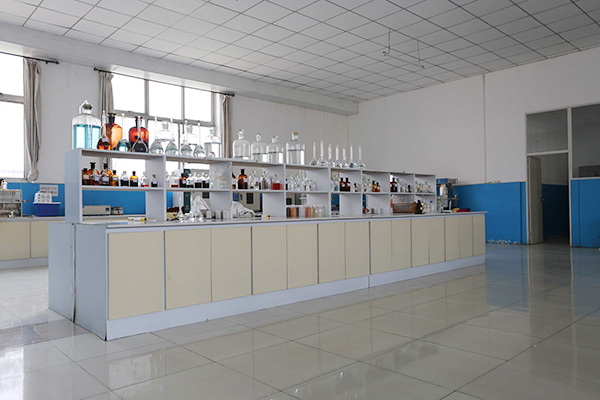
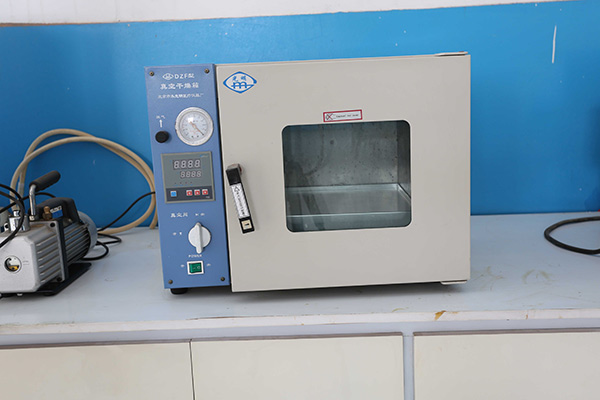
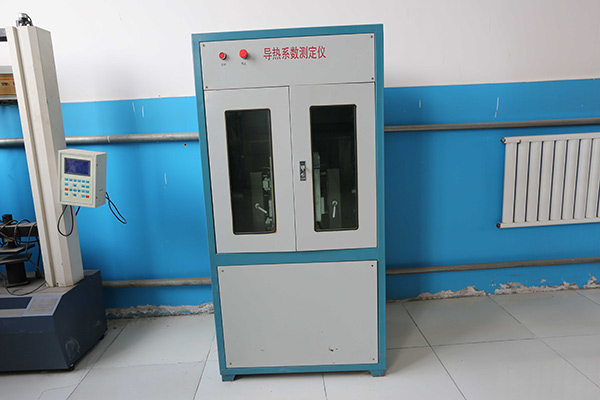
Our operations combine automated high-density extrusion line control with strict lab testing of cell uniformity, compression resilience, and mechanical strength. Below is a look at our manufacturing center, packaging processes, and laboratory facilities.
Systemic Insulation Solutions for Demanding Industries
Modern building structures require targeted insulation solutions to address specific thermal, moisture, and environmental challenges. Kingflex develops products tailored for three core applications:
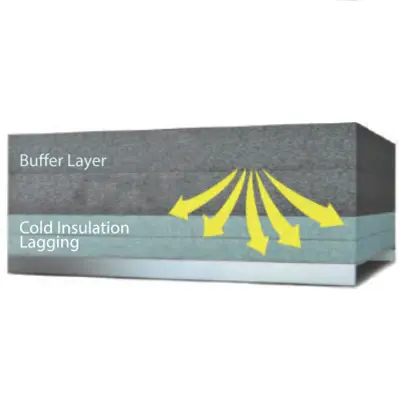
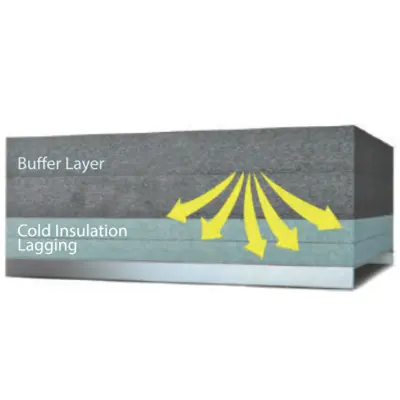
In low-slope metal and concrete roofing, temperature differentials can cause condensation, leading to structural corrosion, mold growth, and compromised indoor air quality. Kingflex elastomeric foam sheet rolls offer a high-performance alternative to traditional systems. Their low vapor permeability eliminates the need for separate poly-vapor films. Additionally, the viscoelastic polymer base dampens mechanical noise, building vibration, and environmental acoustic transmission (such as heavy rain and wind loads).
2. HVAC Air Distribution & Condensation Prevention
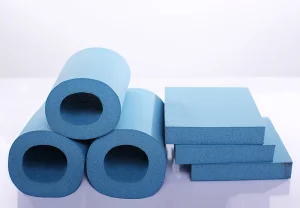
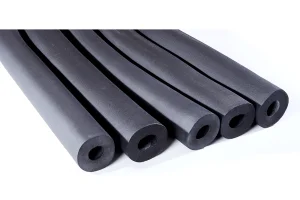
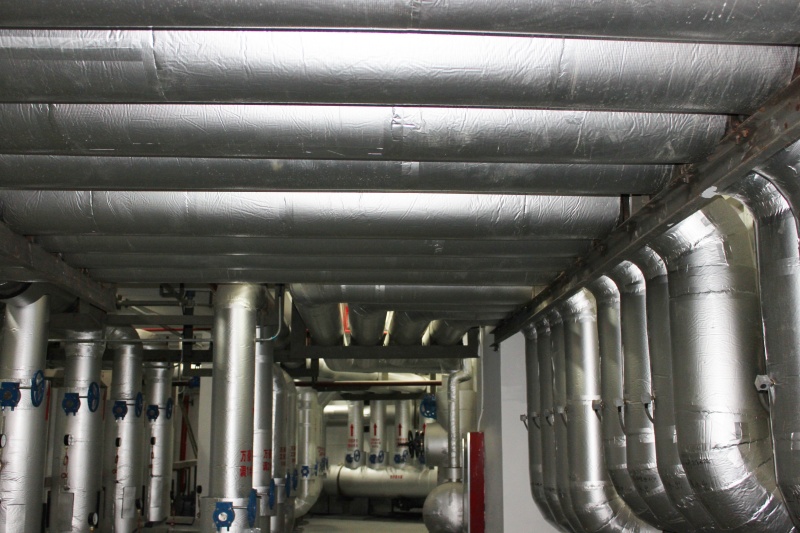
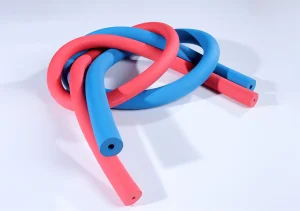
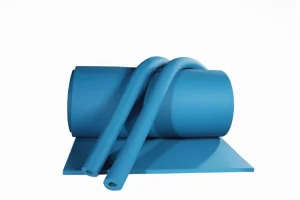
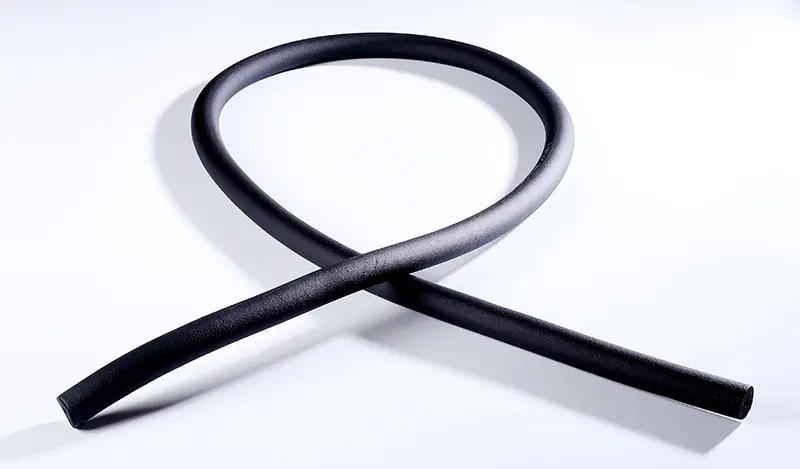
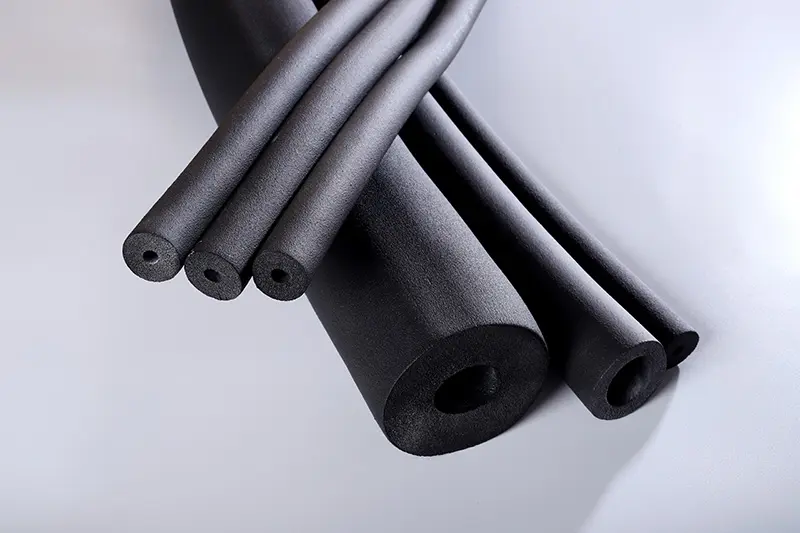
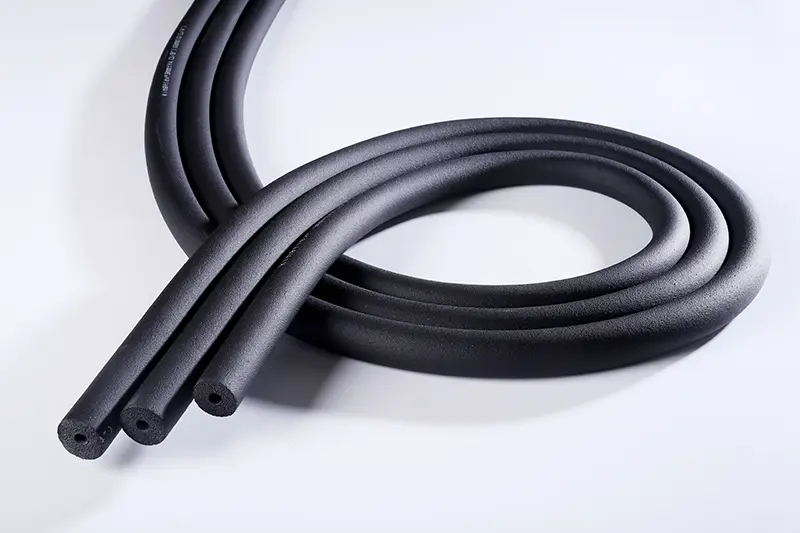
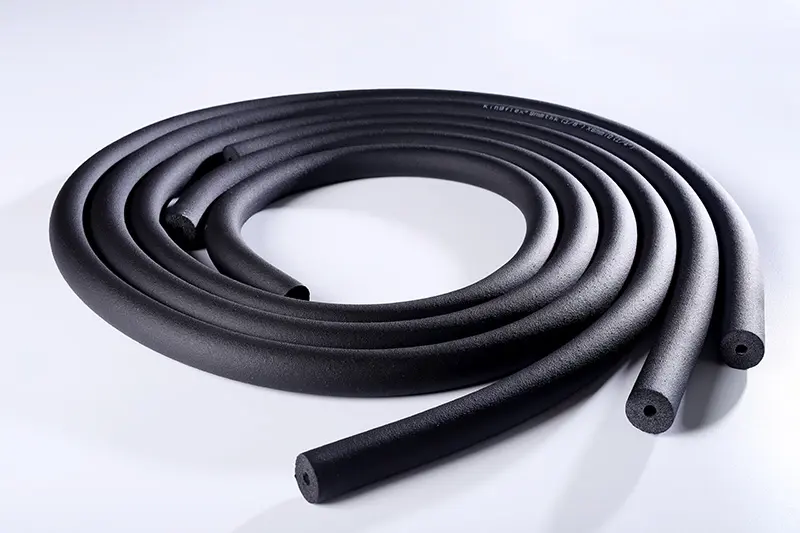
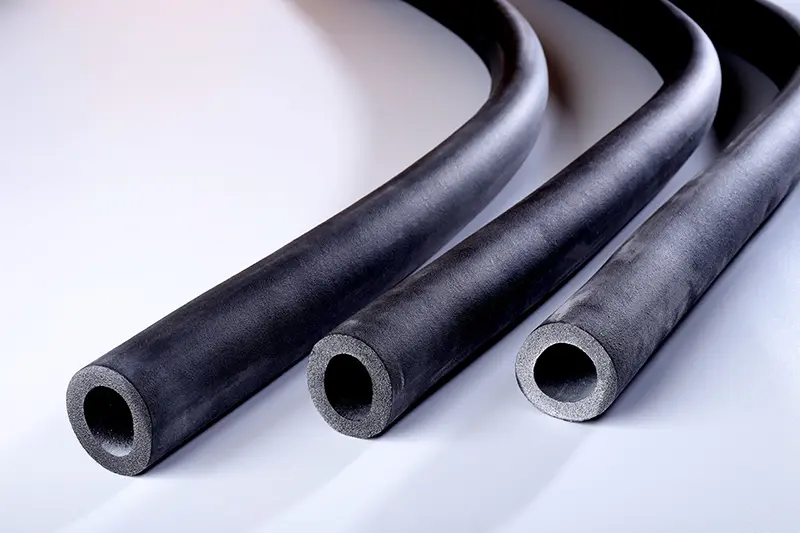
Chilled water systems, duct networks, and refrigerant lines require careful temperature management to maintain efficiency. Unprotected piping in high-humidity areas can sweat, causing water damage and reducing system performance. Kingflex elastomeric closed-cell tubes provide consistent thermal resistance to prevent condensation on cooling lines. The material also limits energy loss on high-temperature hydronic loops up to 105°C, ensuring HVAC networks deliver target thermal energy efficiently.
3. Cryogenic & Ultra-Low Temperature (ULT) Systems
Industrial applications, liquefied gas storage, pharmaceutical facilities, and cryogenic processing lines require high-performance insulation to manage extreme temperatures. At sub-zero and cryogenic temperatures, moisture migration can cause ice formation, which degrades insulation performance and can lead to structural damage. Kingflex Alkadiene and specialized cryogenic rubber foam insulation systems are engineered to remain flexible at extreme sub-zero temperatures, providing a durable thermal barrier that protects critical process piping.
Material Science Focus: The Advantage of Integrated Vulcanization
Our production facilities utilize continuous extrusion vulcanization lines. This process maintains precise control over cell expansion density ($40 - 55 \text{ kg/m}^3$), ensuring consistent thermal barrier properties across the entire sheet surface. This uniform structural density prevents thin spots that can lead to localized thermal bridging and condensation failures.
Global Compliance, Testing & Traceability
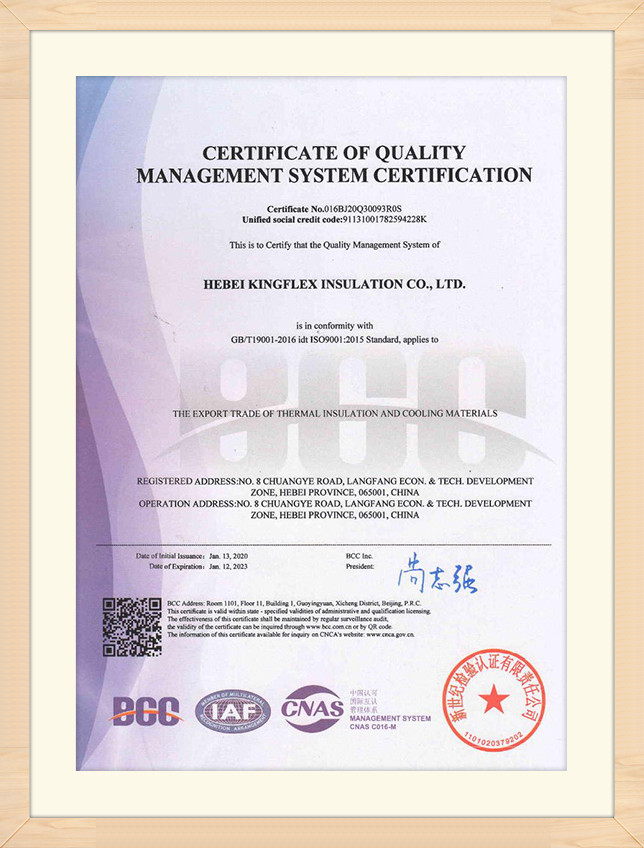
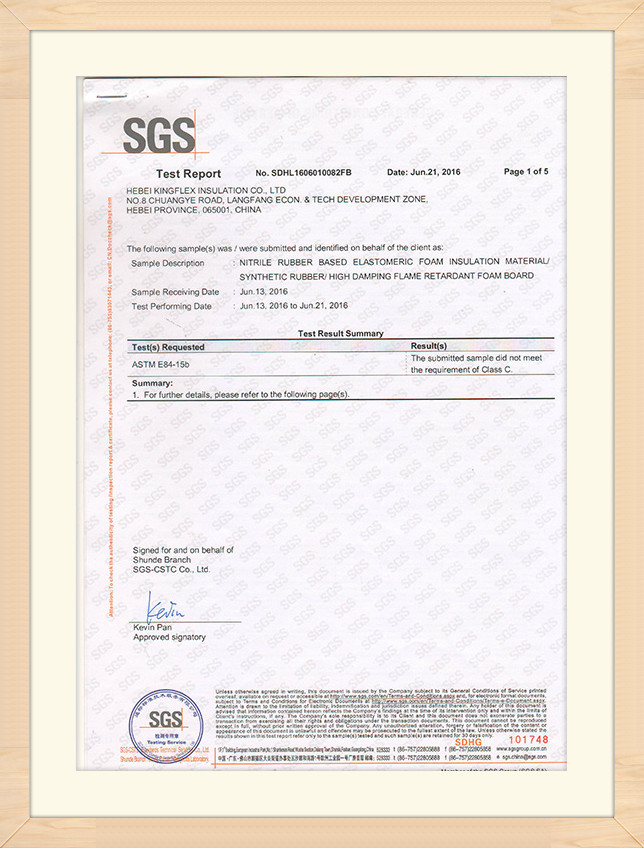
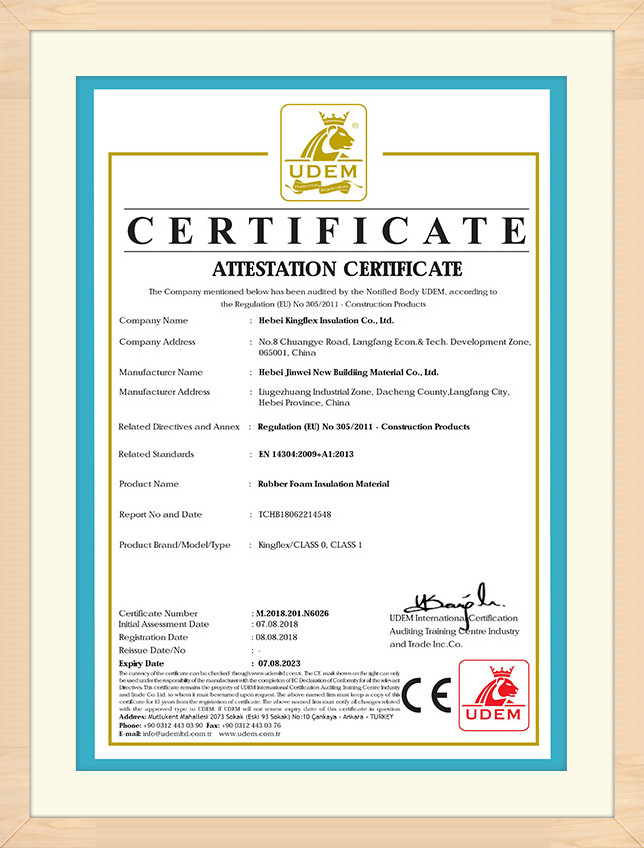
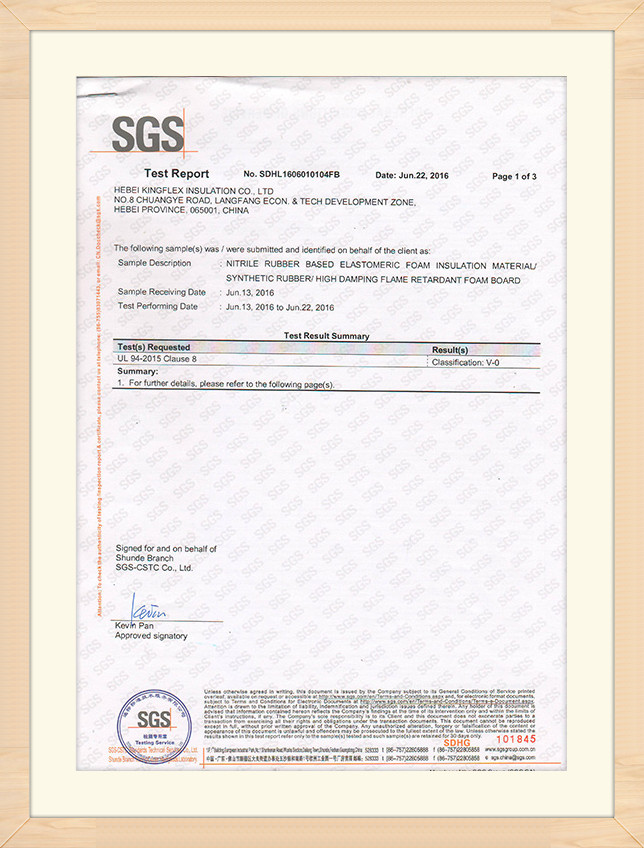
To support projects across North America, Europe, Asia-Pacific, and the Middle East, Kingflex maintains a comprehensive set of testing records and quality certifications. Each production run is fully traceable to raw material batches, mixing profiles, and quality verification logs.
Industrial Application Gallery & Global Procurement Support
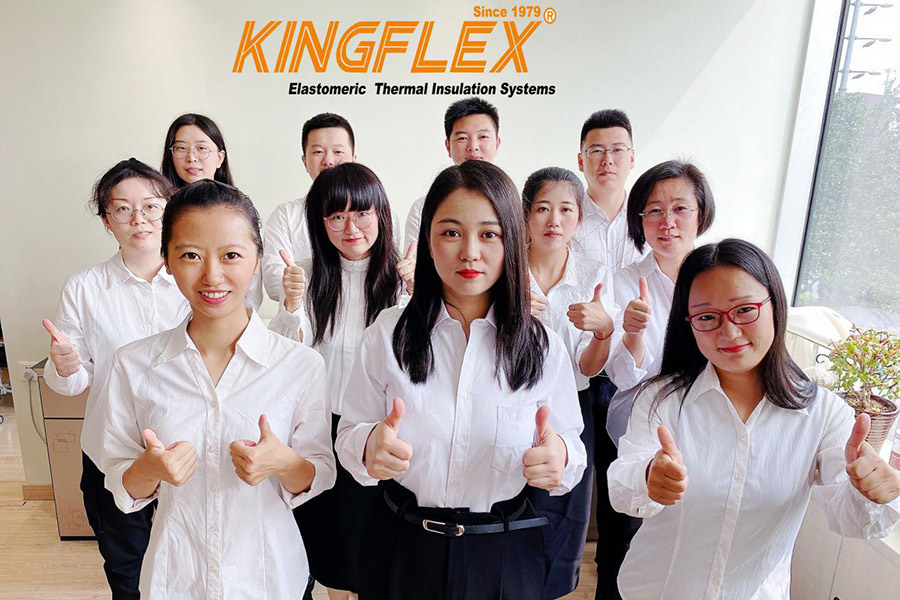
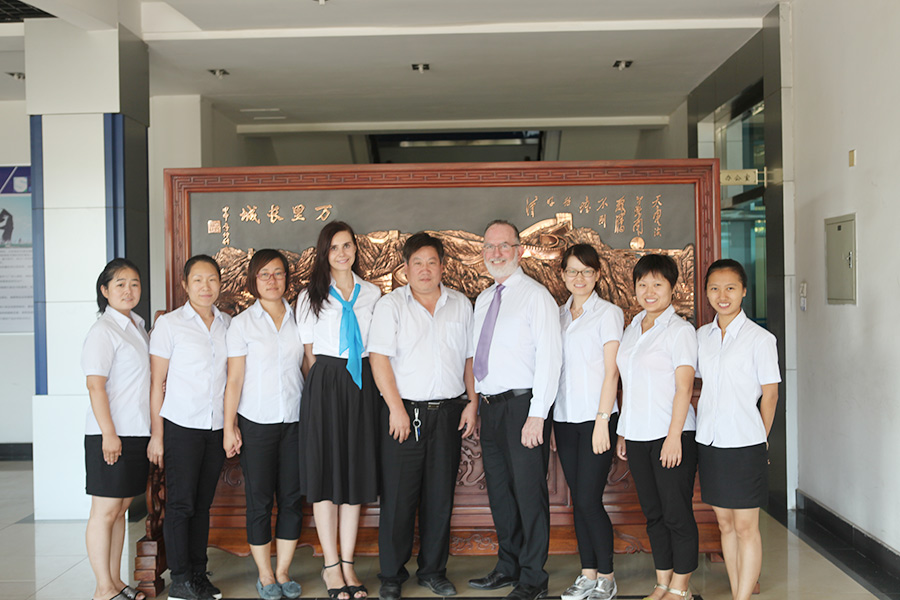
Our global support team provides responsive service from initial technical review through container shipping. The following galleries highlight verified project applications, site installations, and procurement communications.
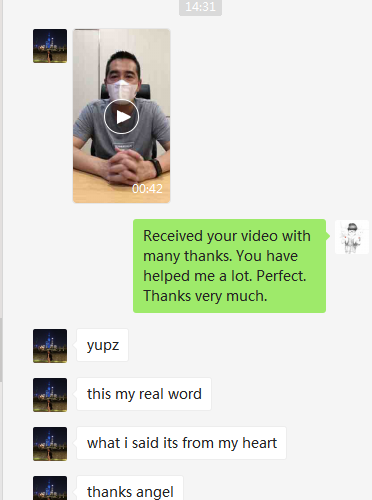
Verified Partner Communication & QC Sign-off
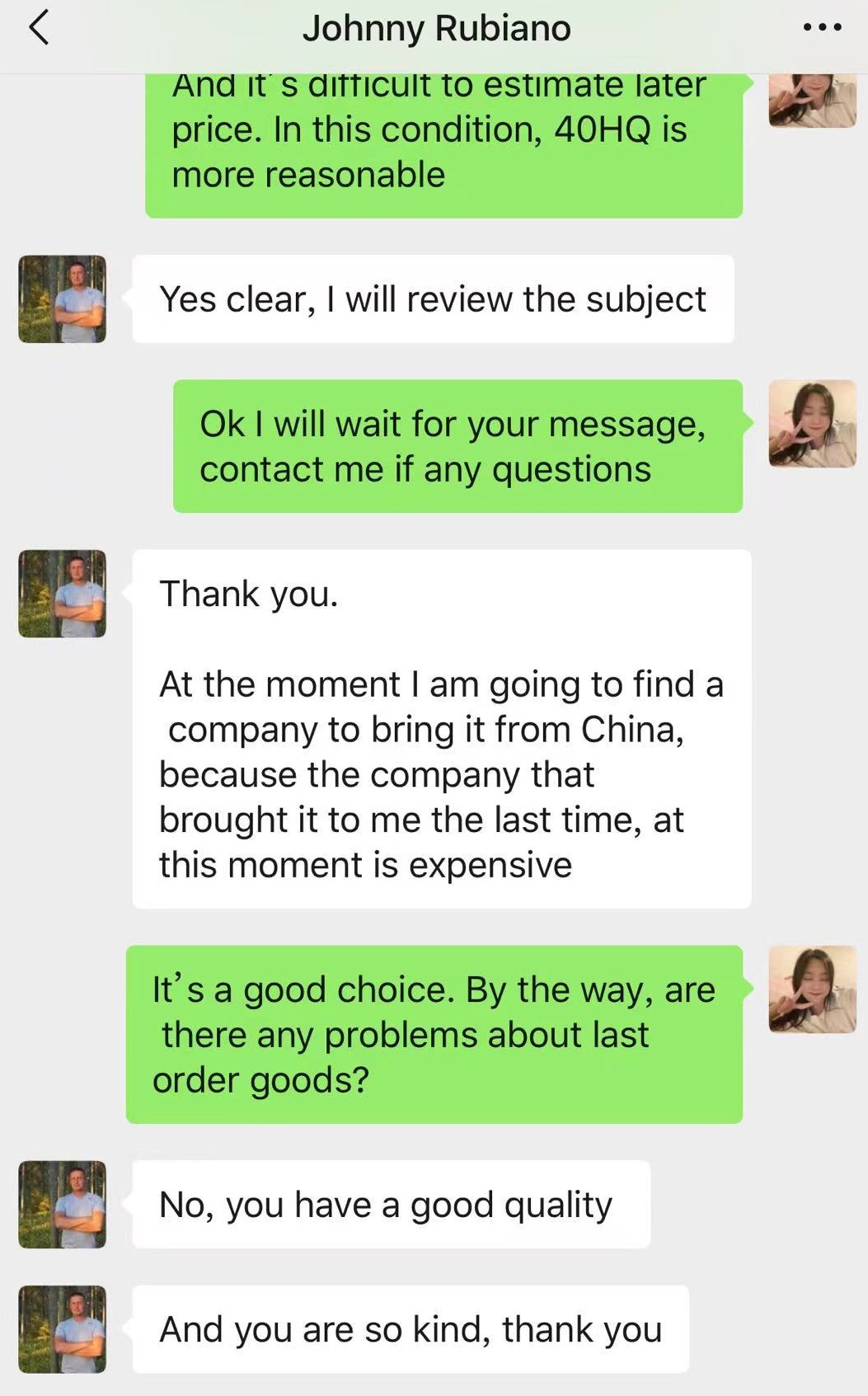
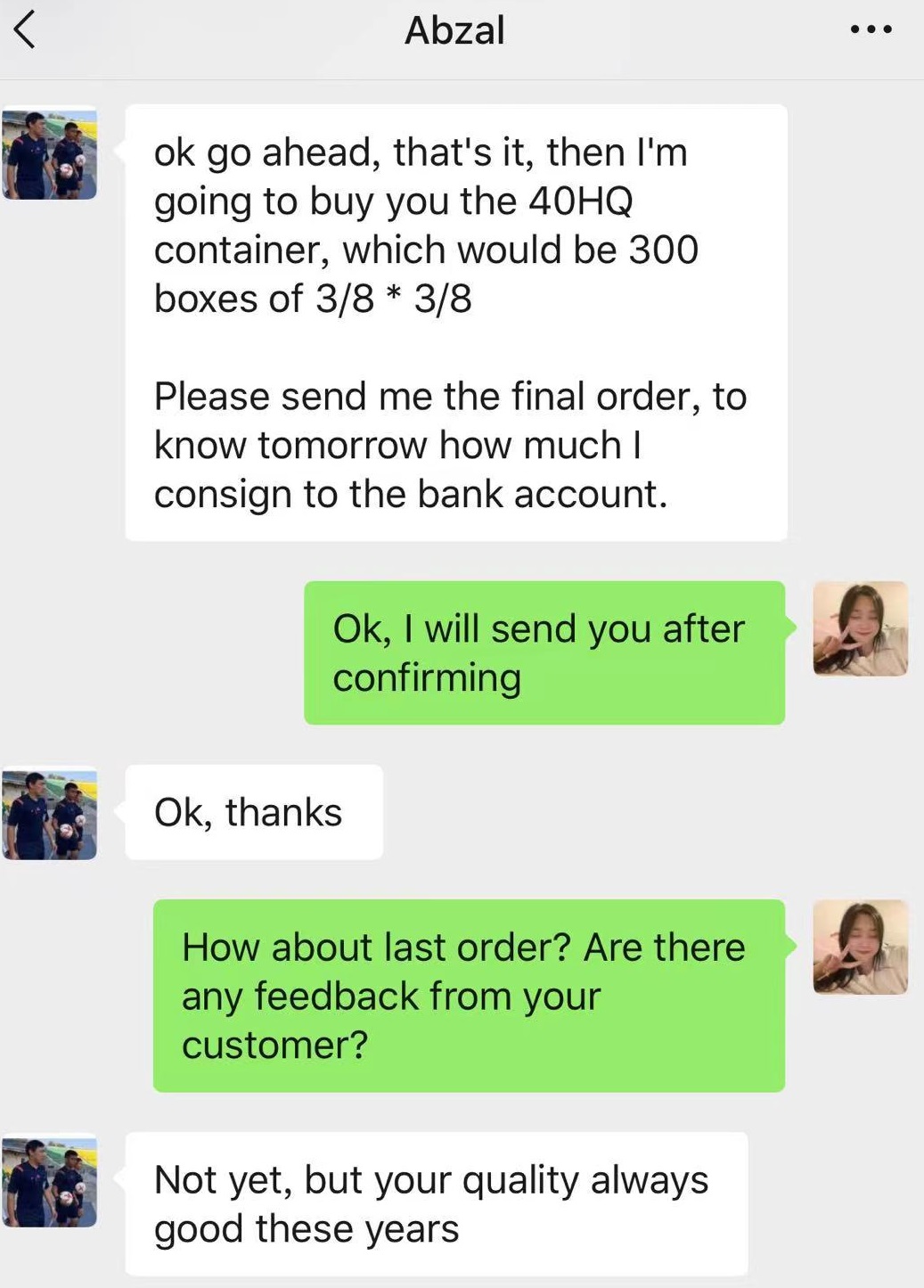
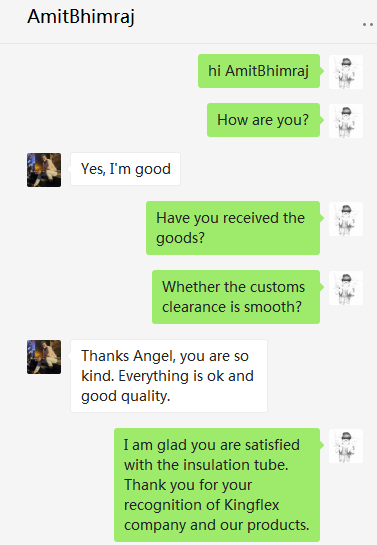
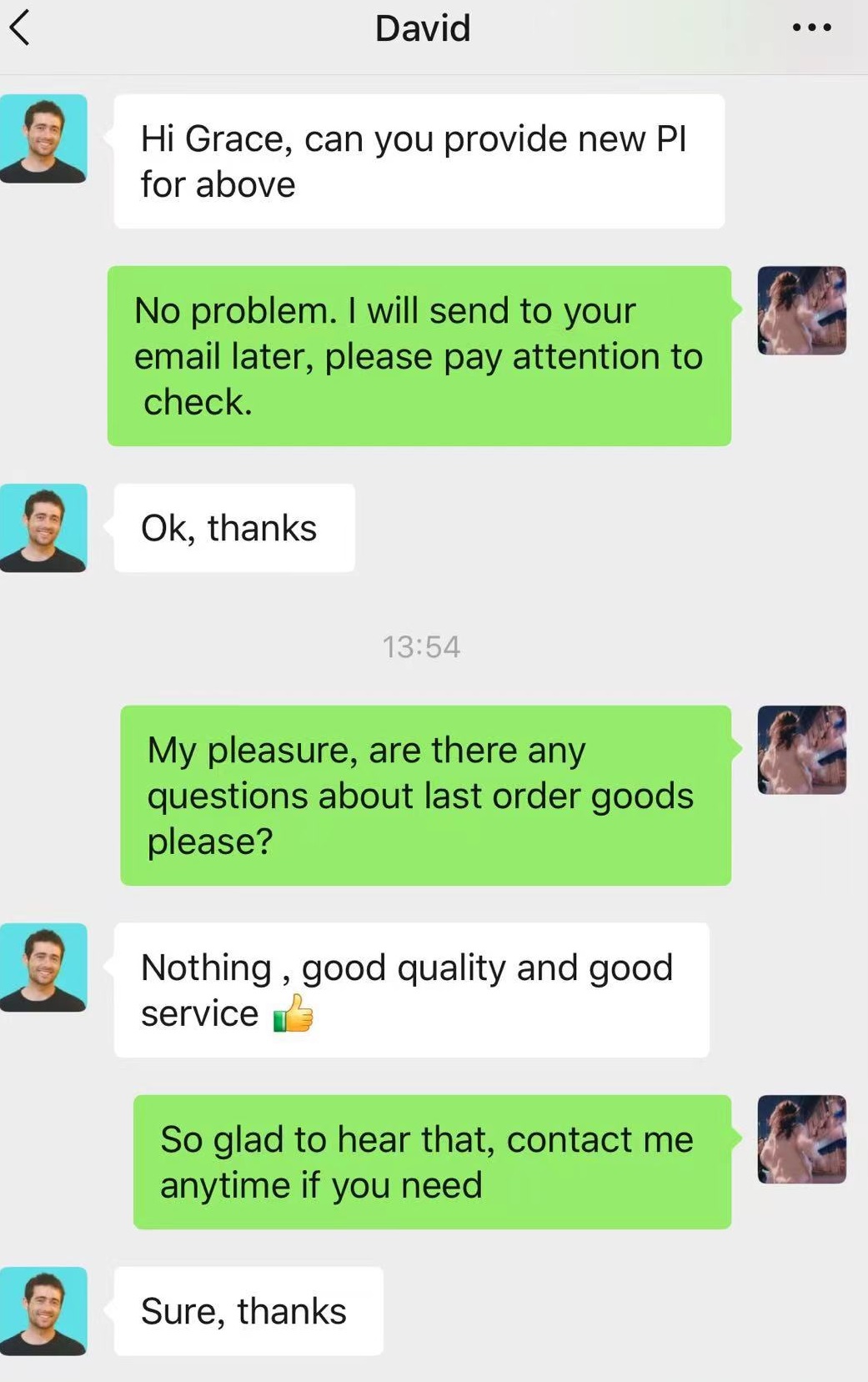
We work closely with clients to confirm order requirements, container logistics, and quality control steps. The following documentation records show typical pre-shipment approvals and orders ready for dispatch.
Project Installations & Field Performance
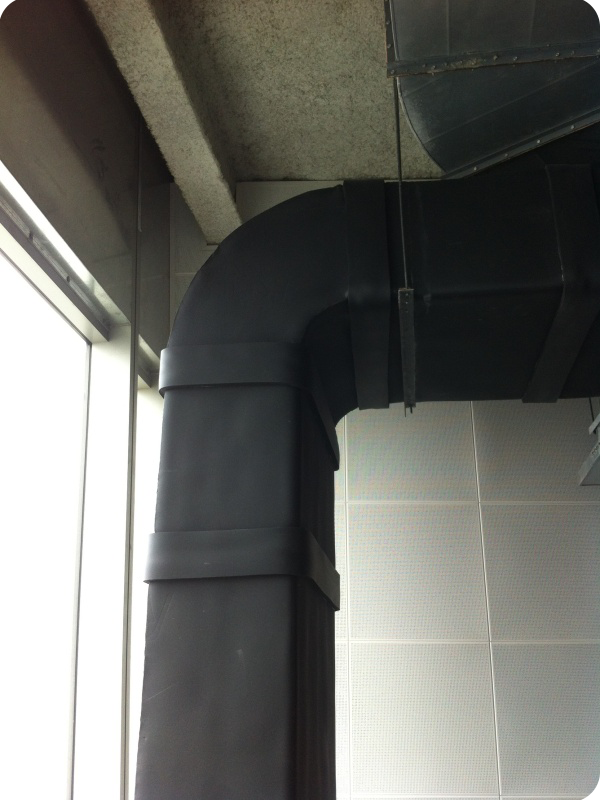
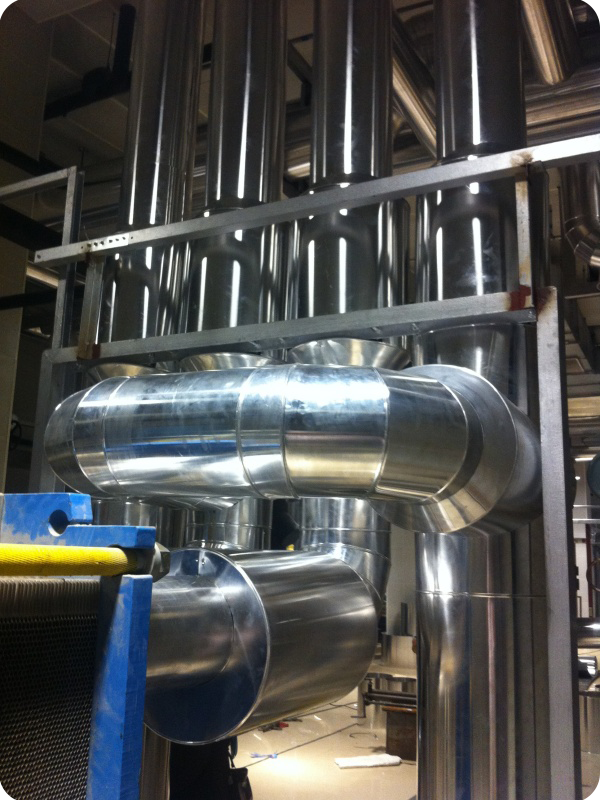
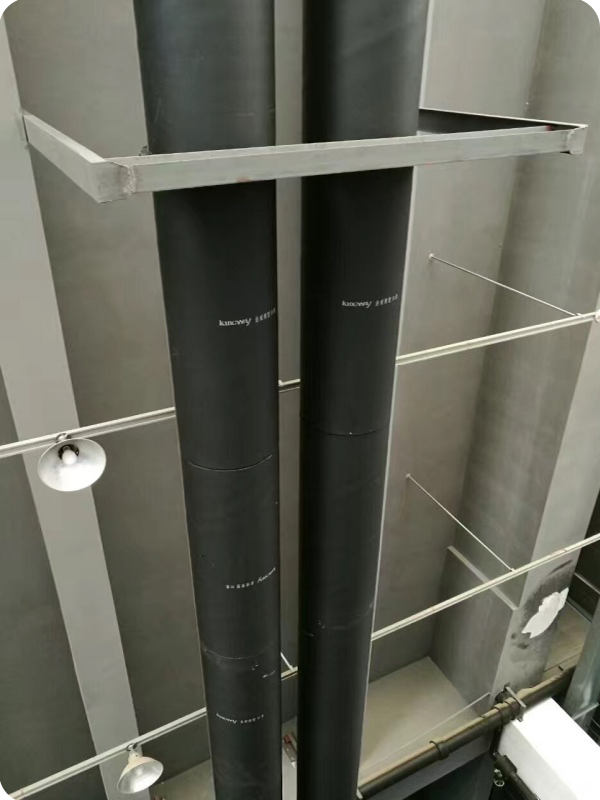
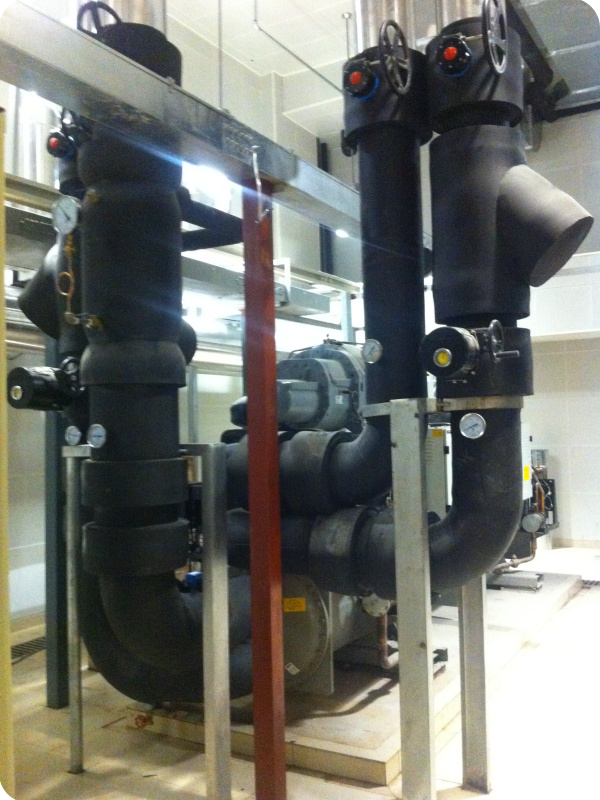
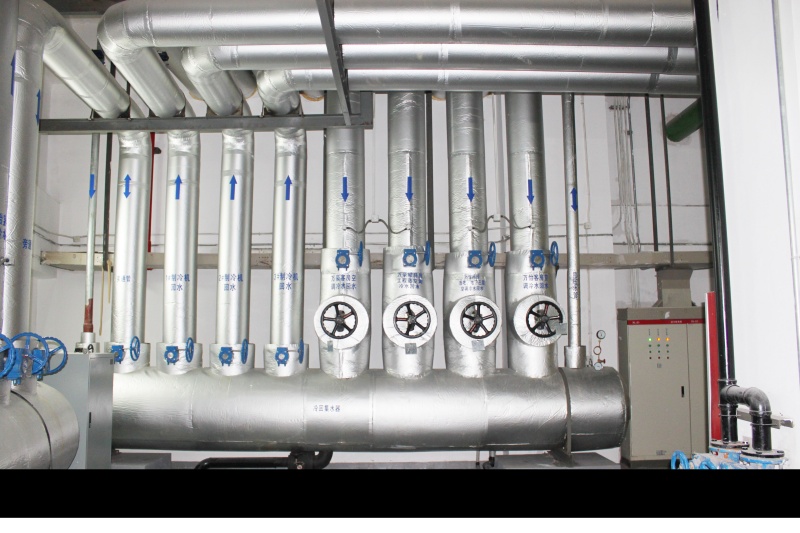
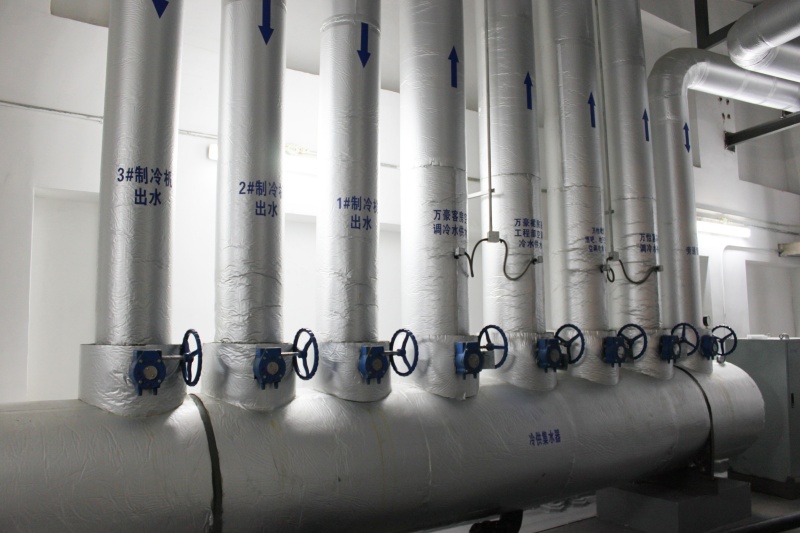
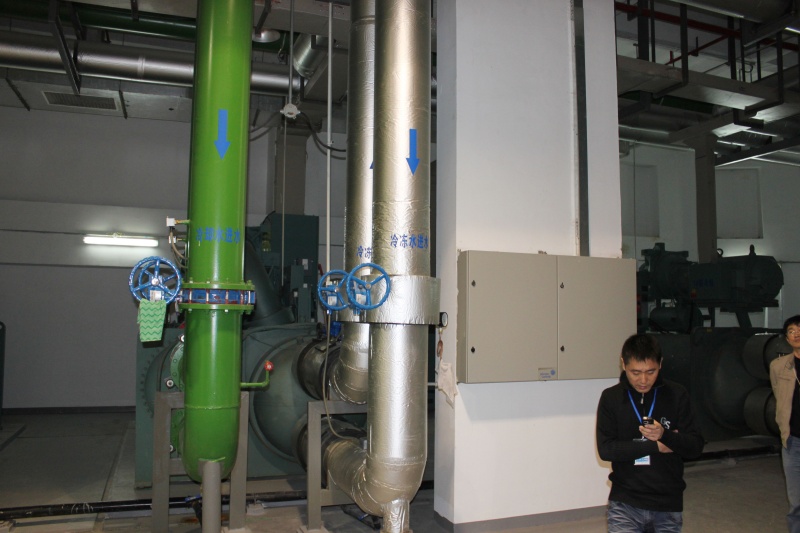
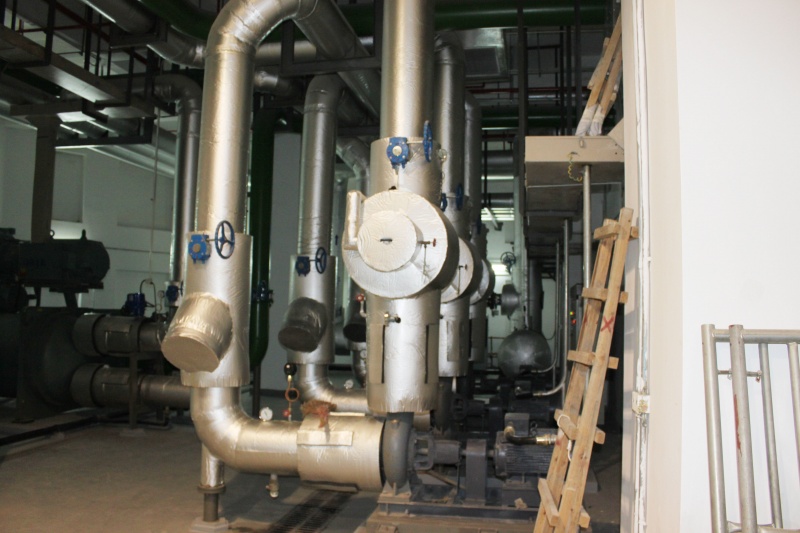
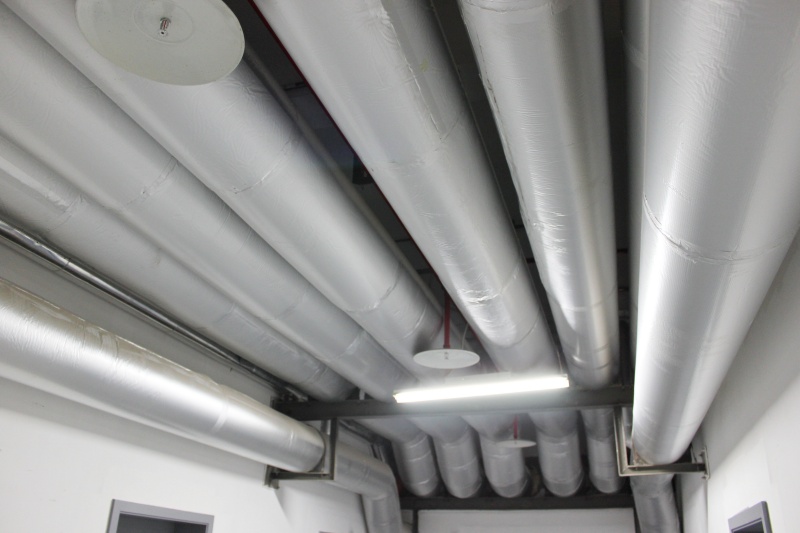
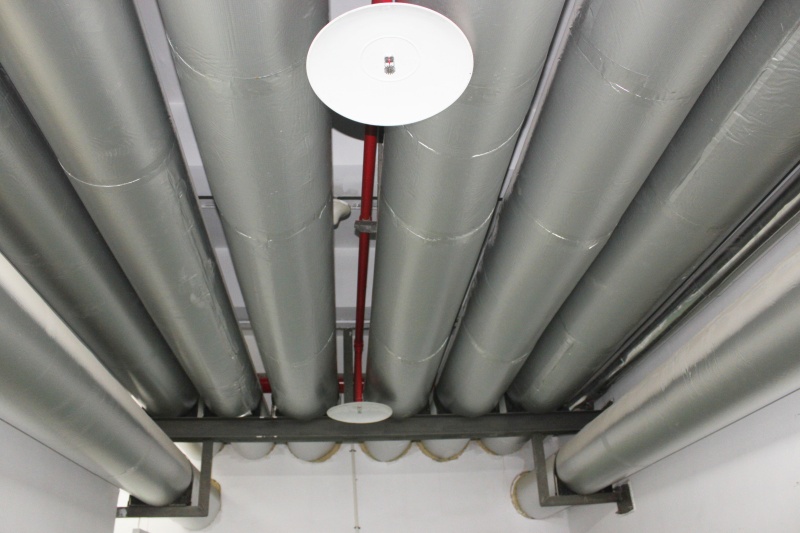
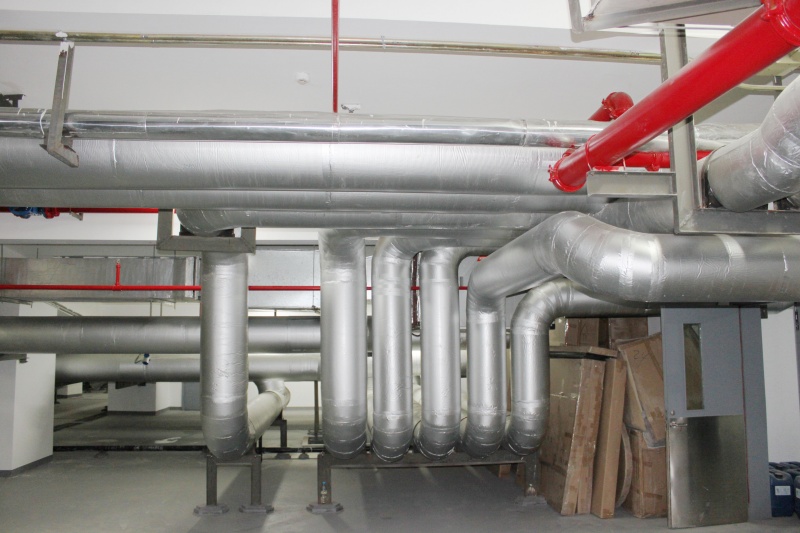
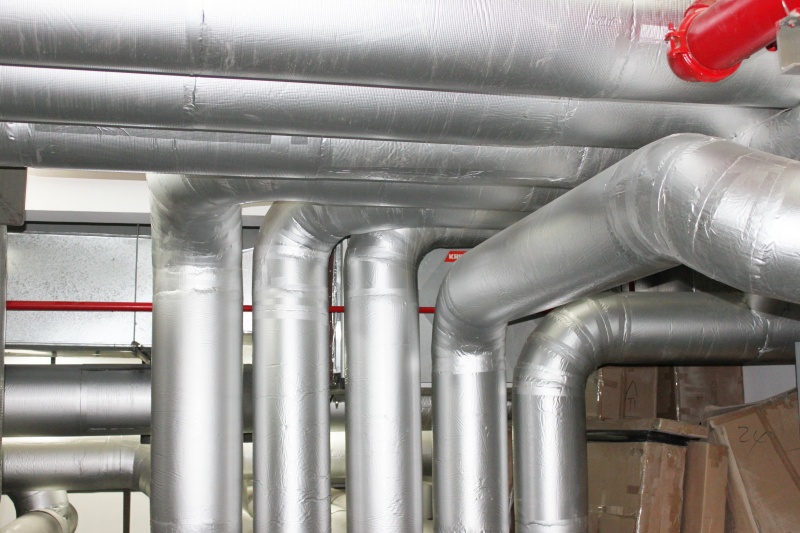
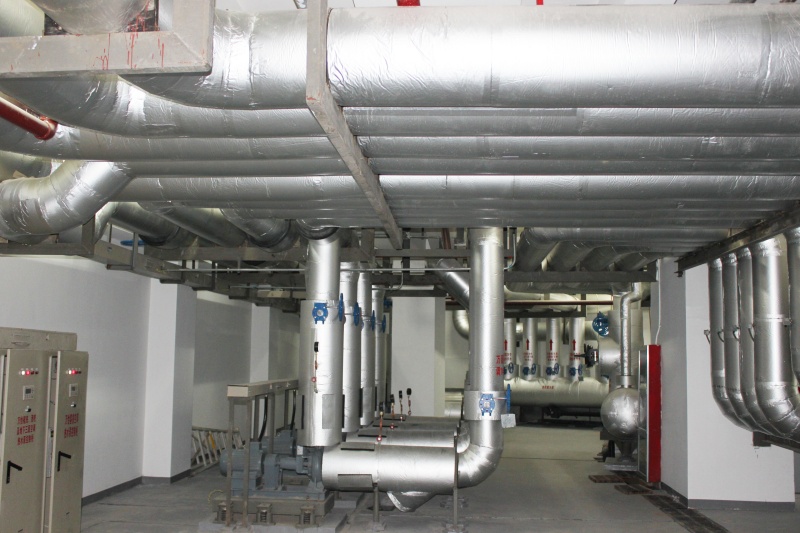
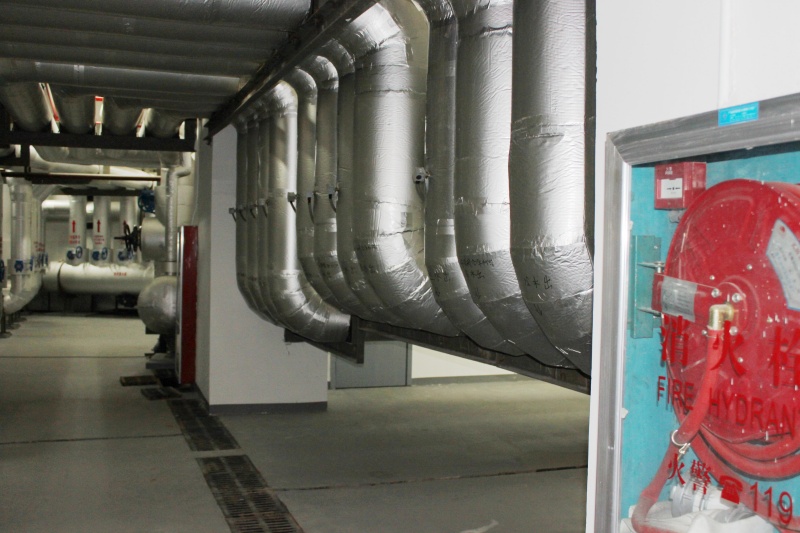
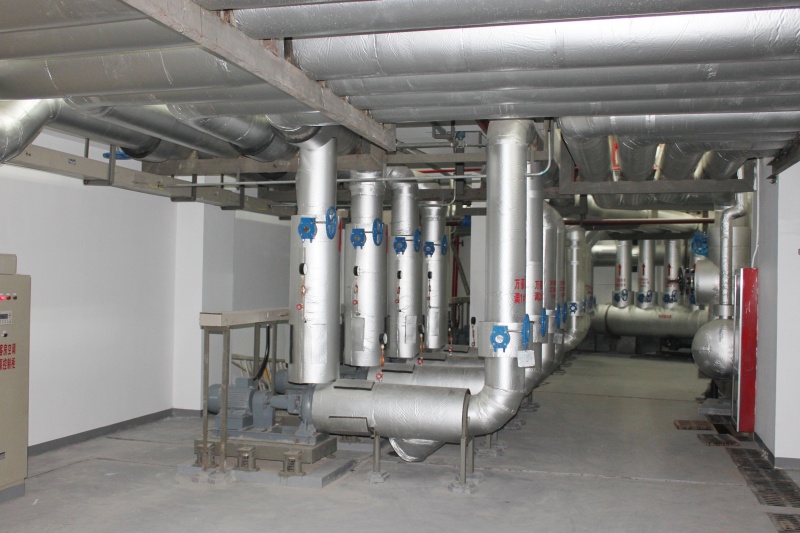
Kingflex materials are used in major HVAC systems, commercial roofing decks, cold storage facilities, and industrial process piping worldwide. These images show the materials in place on-site.
Our automated production line runs continuously, maintaining inventory of standard-size sheets, rolls, and tubes to allow prompt order processing.
Technical Roadmap & Future Outlook
The global insulation market is evolving rapidly in response to updated building regulations and changing chemical safety standards. Kingflex maintains an active research and development program to address these shifting requirements:
Low-Emissions and Low-GWP Foaming Processes
In response to international environmental regulations, our R&D team works to eliminate ozone-depleting blowing agents and halogenated flame retardants. We continue to refine our foaming processes to reduce environmental impact and lower global warming potential (GWP) across our product lines, while maintaining the physical insulation performance of the material.
Bio-based Elastomer Alternatives
We are studying the integration of bio-derived polymer precursors to substitute a portion of our petroleum-derived rubbers. This development path aims to reduce the embedded carbon footprint of our insulation products, helping project developers meet structural carbon reduction goals and earn LEED points for green building projects.
Foil Claddings & Weather Protection
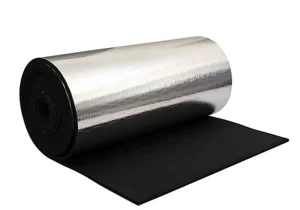
To extend the service life of our materials in outdoor and exposed environments, we develop protective claddings, including multi-layer aluminum foils and UV-resistant polymers. These options protect the base elastomeric material from UV degradation, mechanical impact, and chemical exposure in industrial and rooftop applications.
Technical Q&A - Kingflex Insulation Solutions
Find answers to common technical, applications, and logistics questions regarding our NBR/PVC elastomeric insulation materials.
Q1: What is elastomeric rubber foam insulation used for?
It is primarily used for HVAC duct wrapping, air conditioning chilled/hot piping, structural building thermal protection, industrial process line cold preservation, acoustic deck dampening, and low-temperature process pipe protection. The material's flexible, closed-cell structure makes it suitable for complex geometries where preventing condensation and thermal bridging is critical.
Q2: Is Kingflex rubber foam insulation fire resistant?
Yes. Kingflex rubber foam is engineered with flame retardants to meet international building safety standards. It achieves fire safety ratings including BS 476 Part 6 & 7 Class 0, and complies with UL 94 V-0 and ASTM E84, helping limit flame propagation and smoke density.
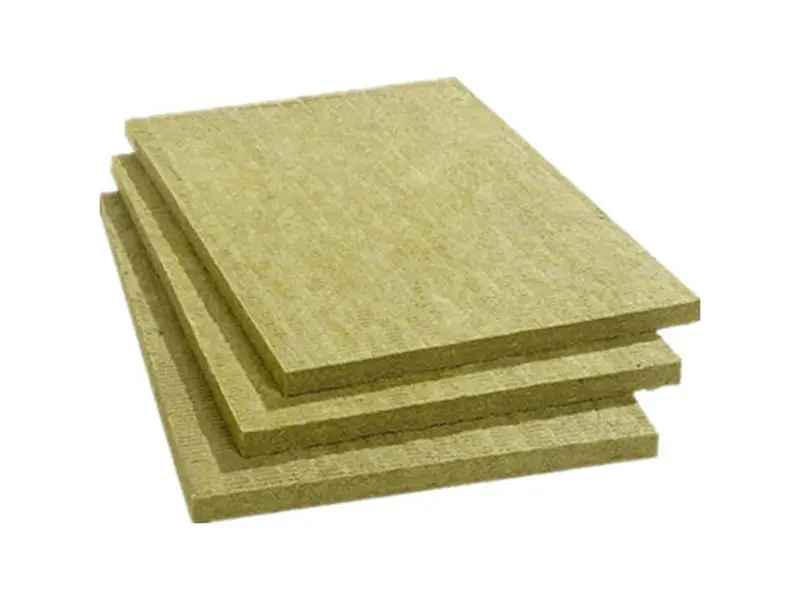
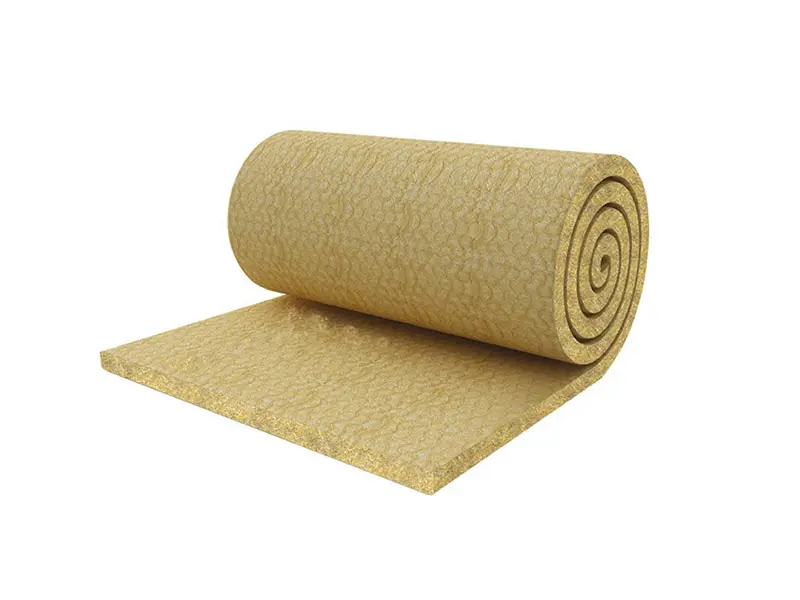
Q3: What is the difference between rubber foam and rock wool insulation?
Rubber foam is a flexible, closed-cell material that provides inherent moisture resistance, making it suitable for HVAC systems and cold-service lines where condensation control is key. Rock wool is a fibrous mineral insulation that handles high temperatures well and is used in industrial heat-retention piping and high-temperature fire stops.
Q4: Do you provide customized insulation products?
Yes. Kingflex supports custom thickness, density, and backing adjustments. We also offer factory cladding options (such as aluminum foil laminates) and custom dimensions to meet specific project design drawings.
Q5: What certifications do your products have?
Kingflex products have passed BS 476, CE, REACH, RoHS, UL 94, and ASTM verification. This ensures our materials comply with fire safety, environmental, and toxicity requirements across global markets.
Q6: Does Kingflex products have traceability?
Yes. Every production run is tracked from raw material mixing to the final box or roll, with records of density, thickness, thermal conductivity, and flame resistance testing to maintain consistent quality.
Q7: What thickness of Rubber foam insulation sheet roll can you produce?
We produce sheet roll thicknesses from 6mm to 50mm on our continuous extrusion lines, allowing thickness selection to match target R-value specifications.
Q8: What is the service life of rubber plastic pipe and board?
With correct installation and under standard environmental conditions, our elastomeric materials have an expected service life of 10 to 15 years.
Material Category Catalog
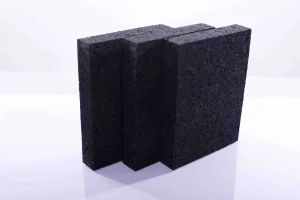
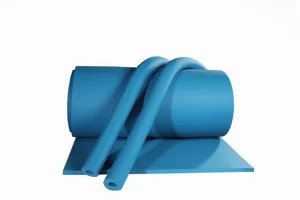
Explore our main insulation material lines for industrial, building, and process system applications.
 Kingflex