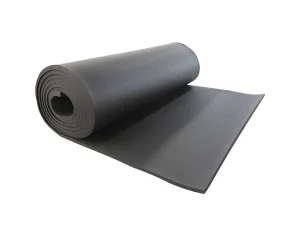
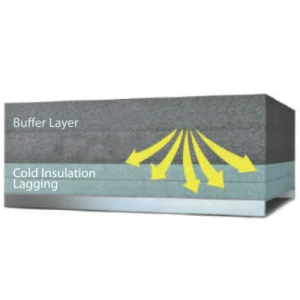
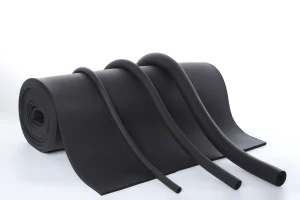
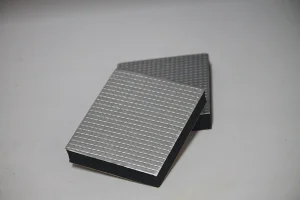
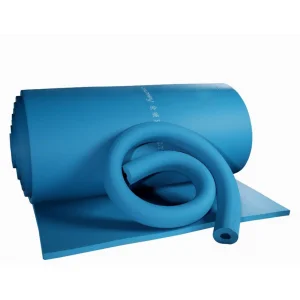
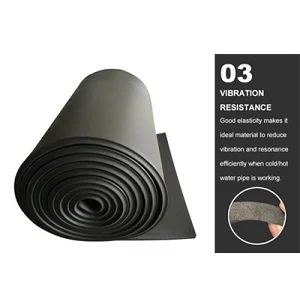
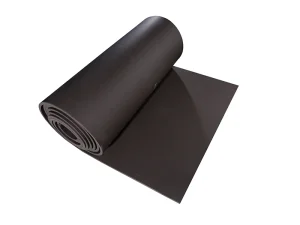
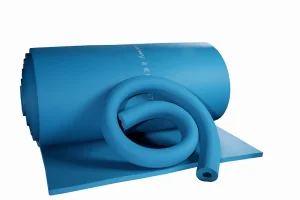
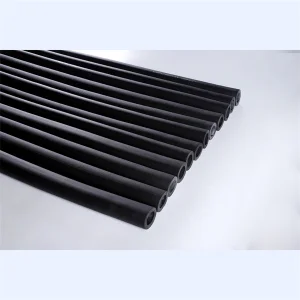
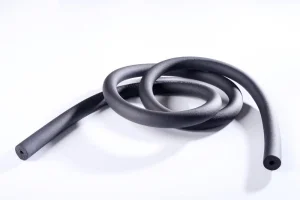
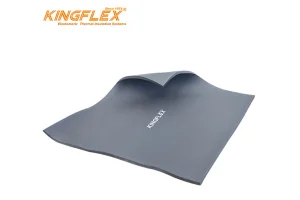
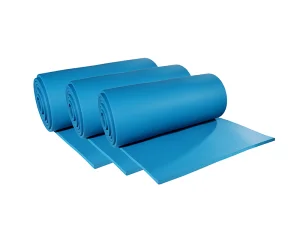
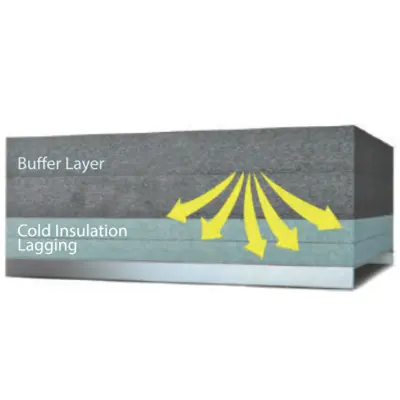
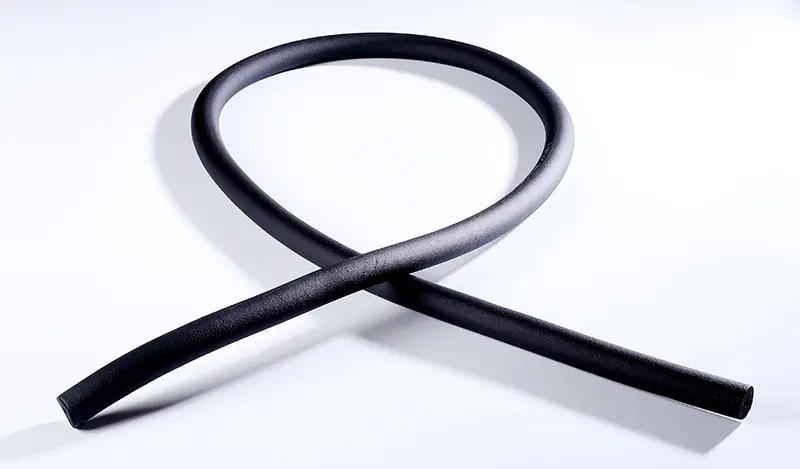
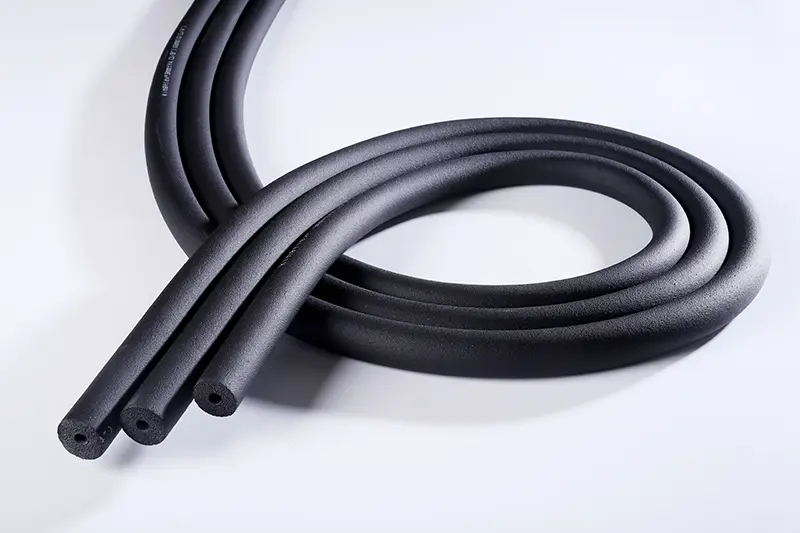
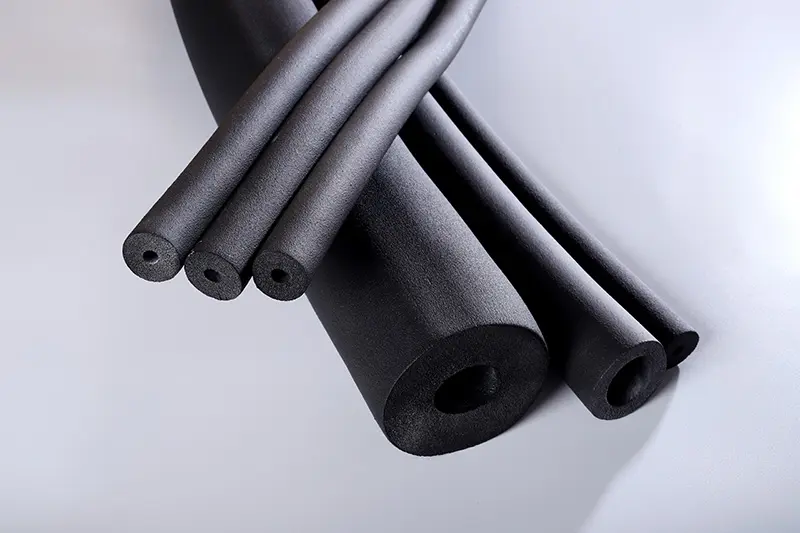
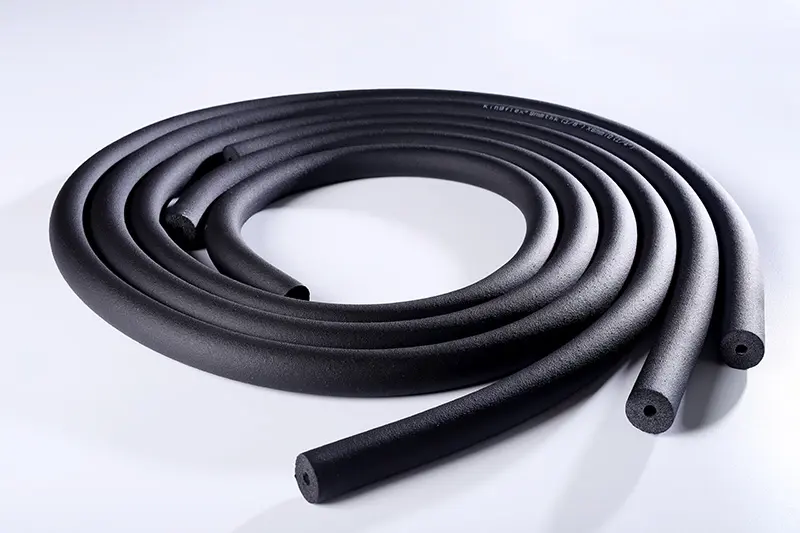
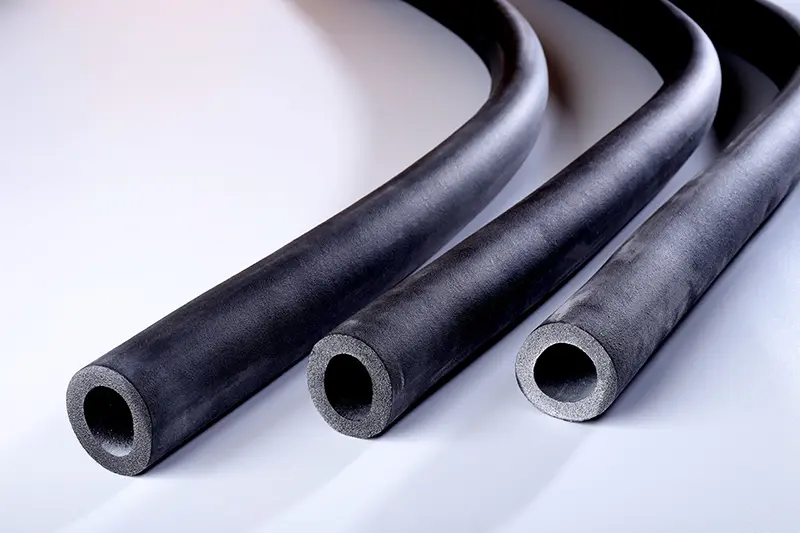
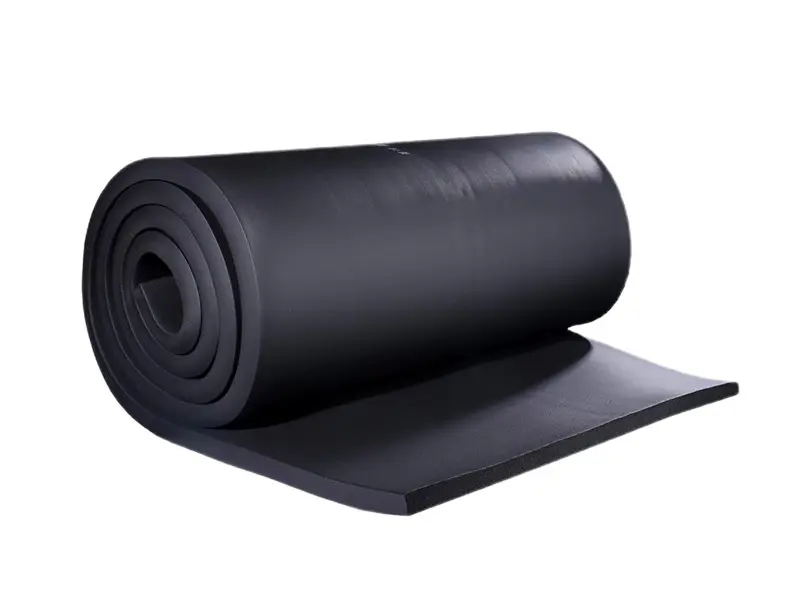
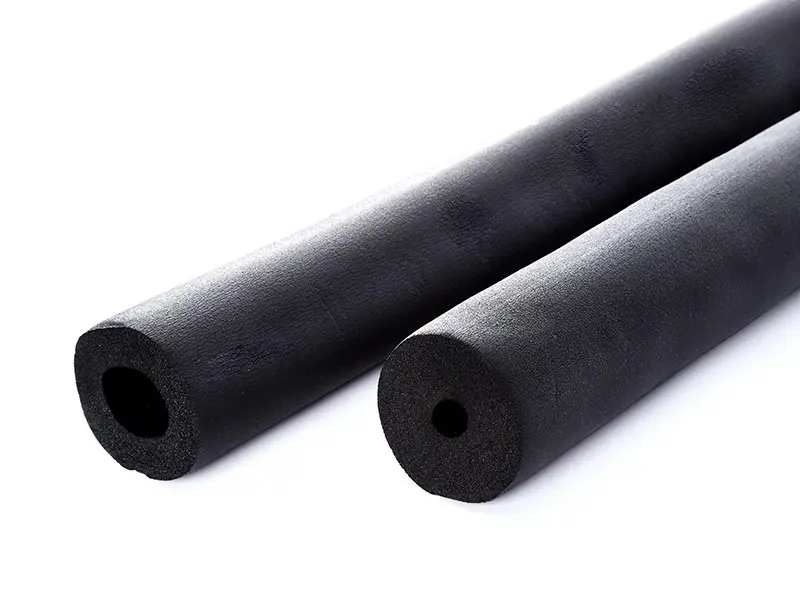
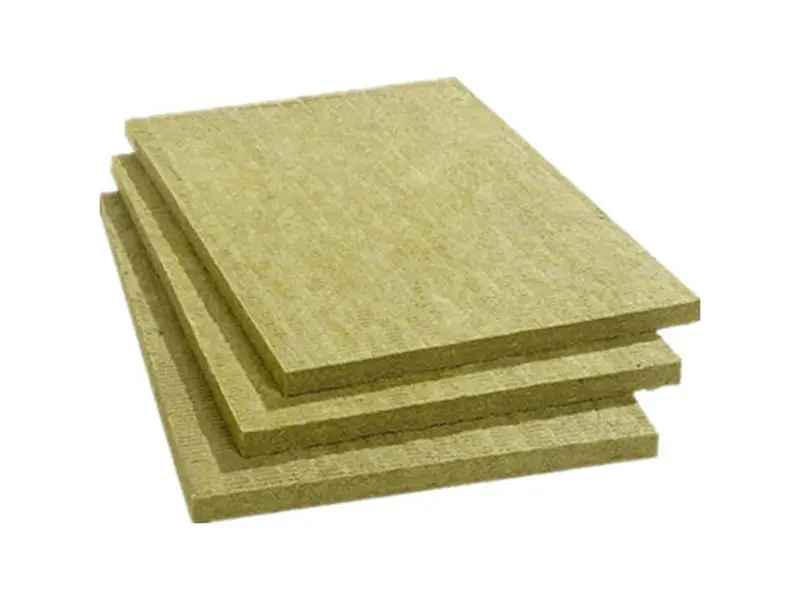
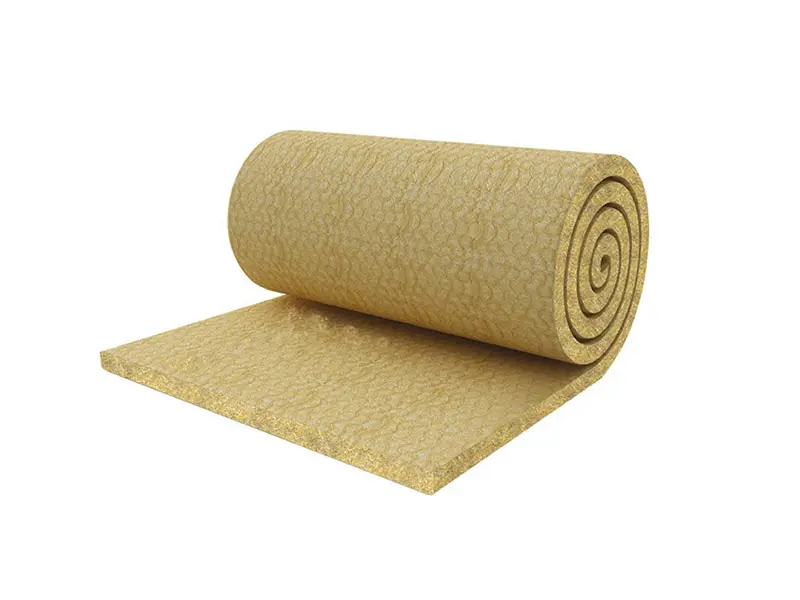
Explore our highly engineered closed-cell and elastomeric rubber foam sheets, built to mitigate low-to-mid frequency environmental noise and thermal transfer across demanding HVAC, architectural, and industrial setups.
In noise management and architectural acoustic system design, confusing sound insulation (blocking transmission) with sound absorption (absorbing reflection) is a critical engineering mistake. Each serves a distinct mathematical function in physical acoustic spaces:
Measures how effectively a partition blocks airborne sound. Closed-cell NBR/PVC elastomeric structures act as viscoelastic dampeners that convert acoustic wave energy into trace thermal heat, preventing structural resonance.
Determines the absorption capability of a surface. Porous surfaces damp reflections, while low-frequency acoustic energy requires highly resilient, dense micro-cellular matrix structures like Kingflex NBR foam sheets.
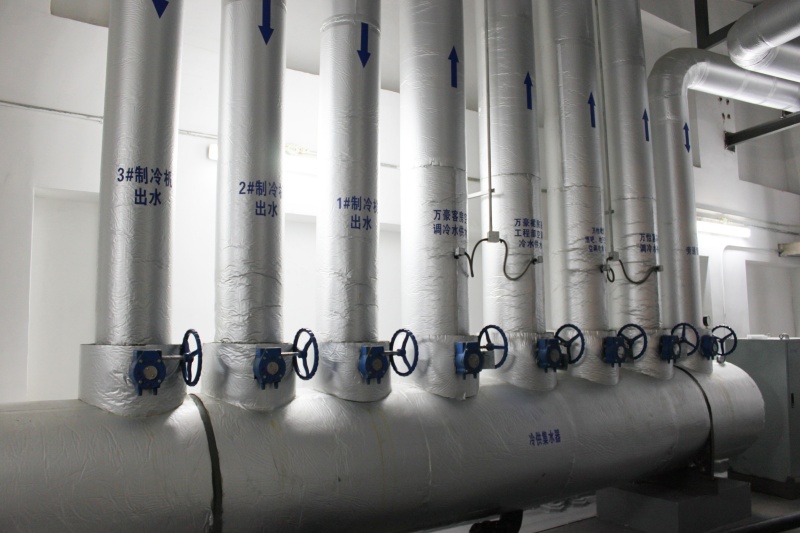
Evaluates the attenuation of mechanical impact sounds. Elastomeric rubber panels prevent structure-borne sound loops in HVAC units, piping systems, and industrial plant machinery.
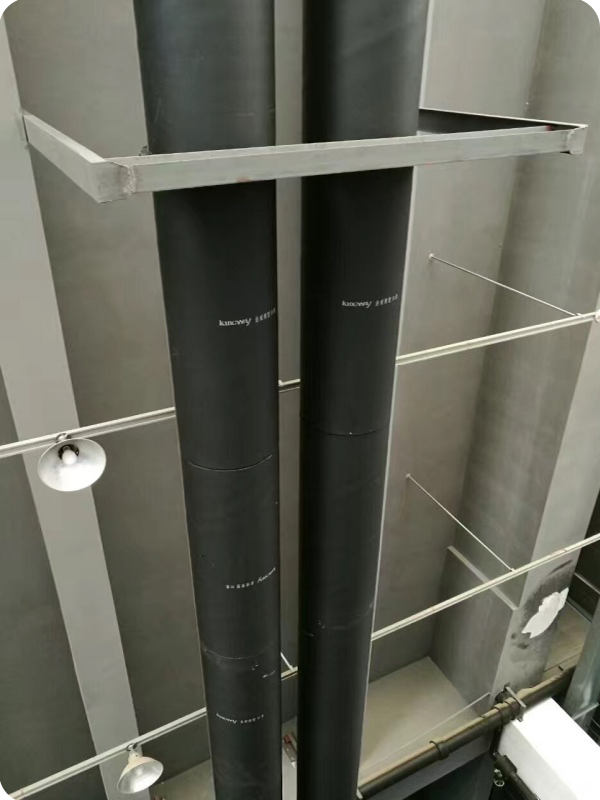
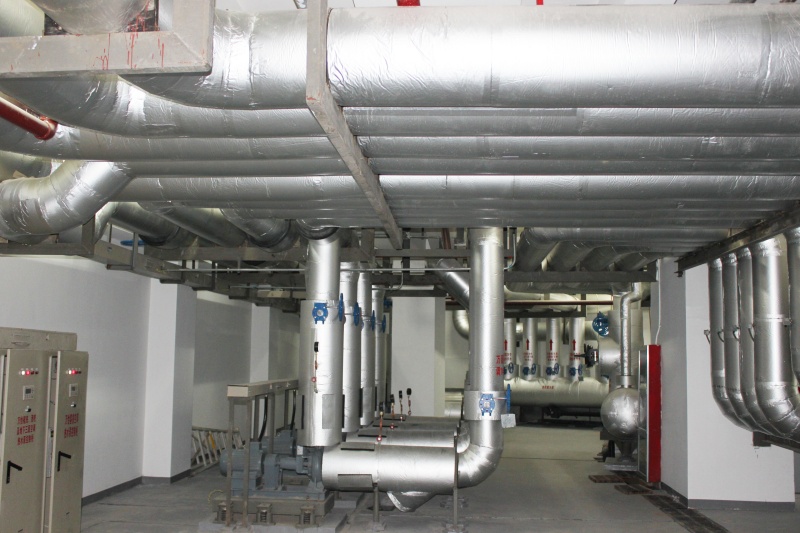
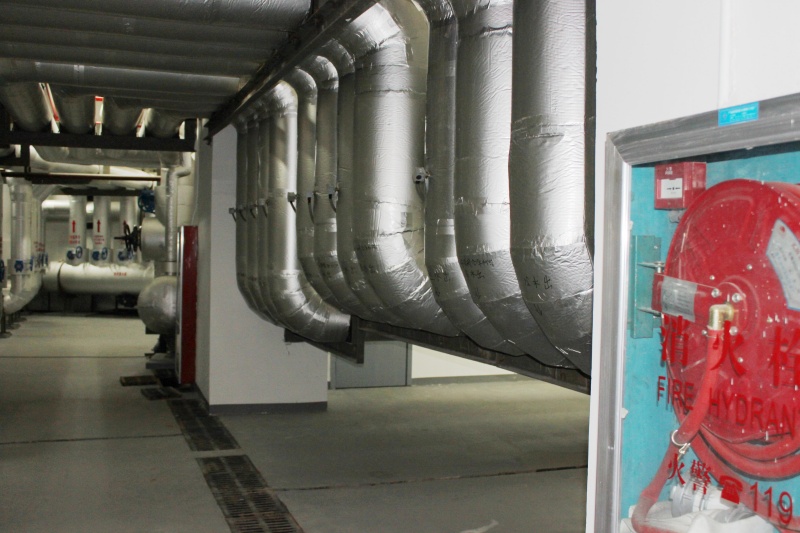
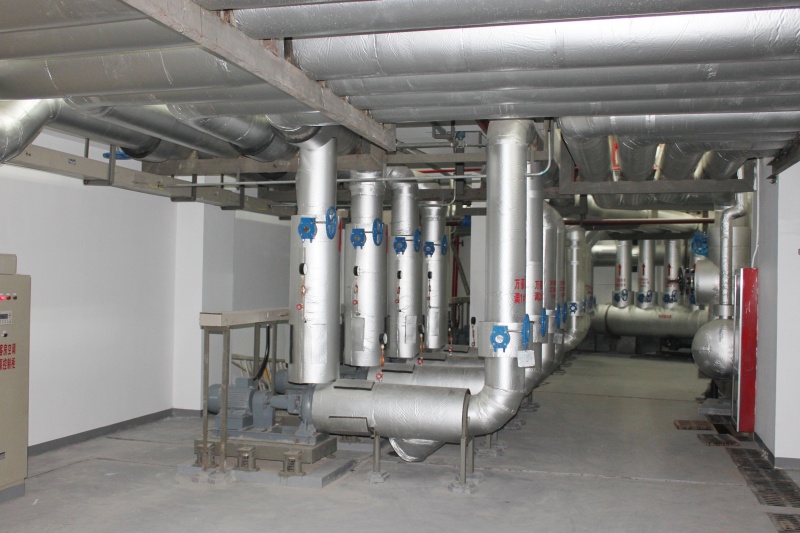
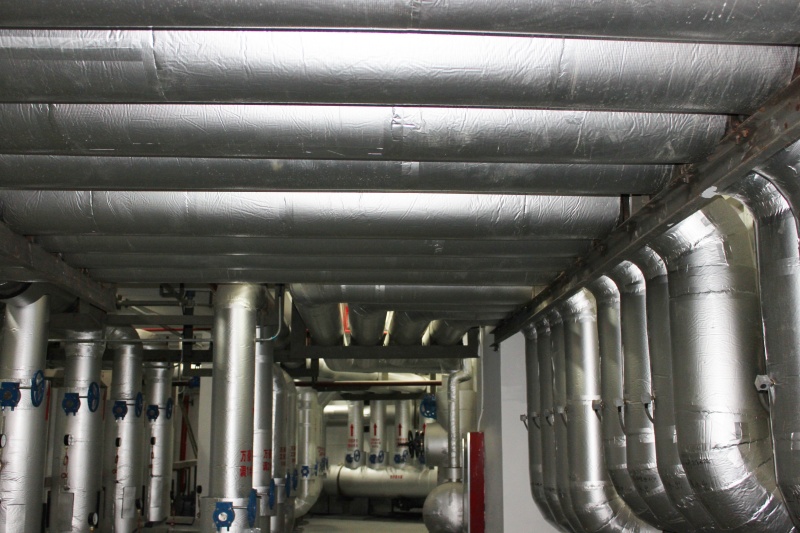
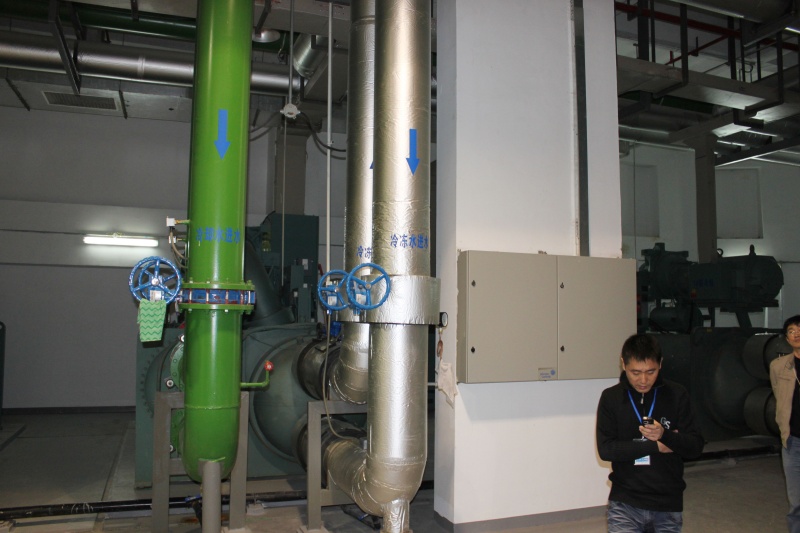
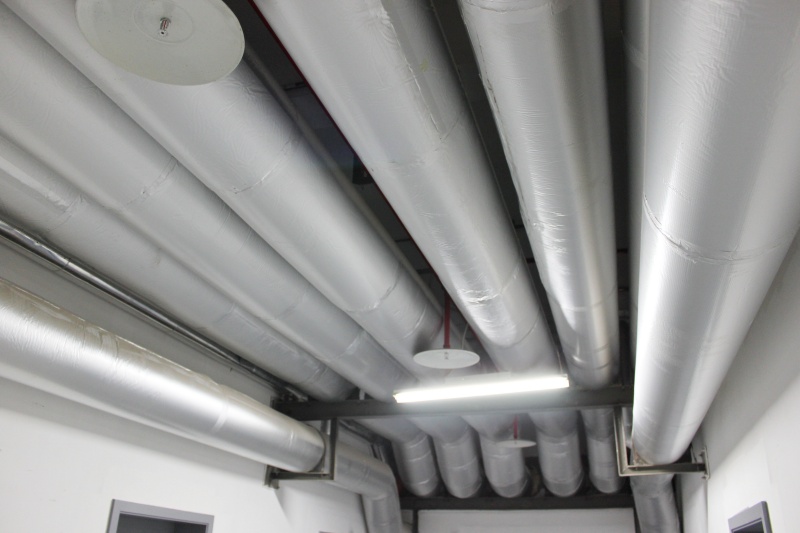
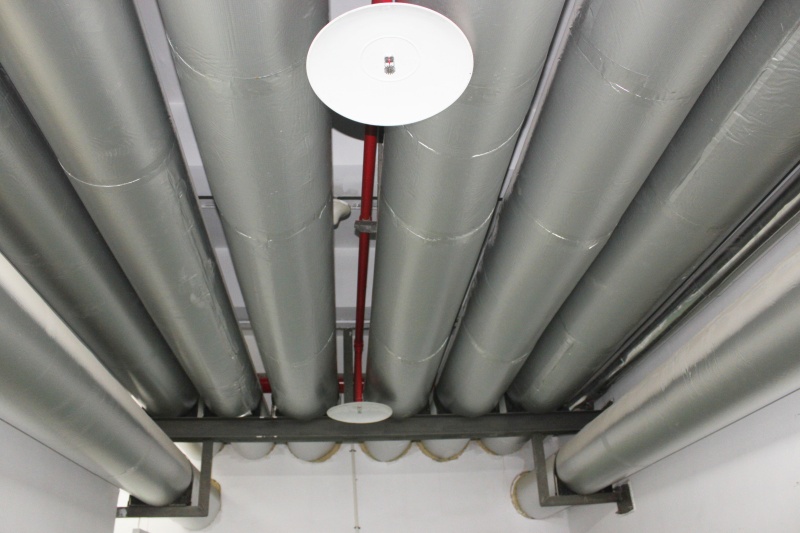
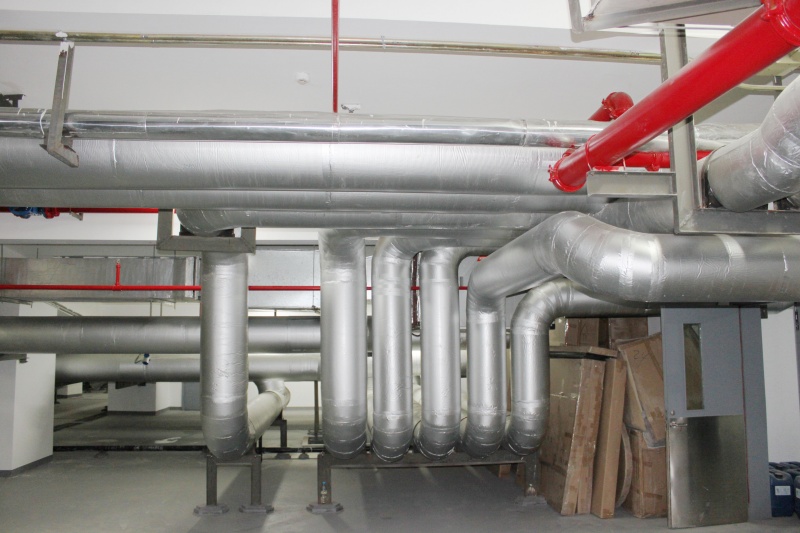
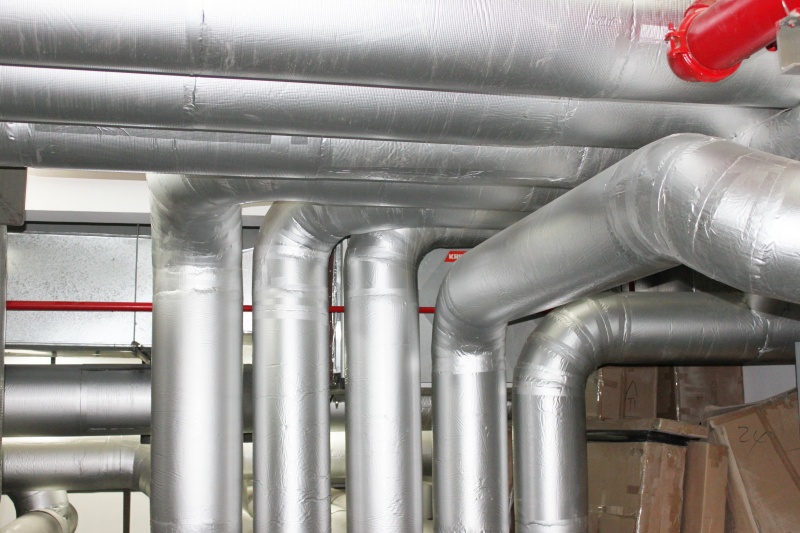
Uninsulated pipeline systems carry fluid noise and fan vibrations directly into occupied spaces, turning building walls into passive speakers. Incorporating Kingflex elastomeric sound insulation systems guarantees direct control of noise sources while satisfying thermal insulation demands in a single layout step.
From Dacheng—the world's green-building material capital—Kingflex delivers large-scale output, integrated manufacturing costs, and global logistics options.
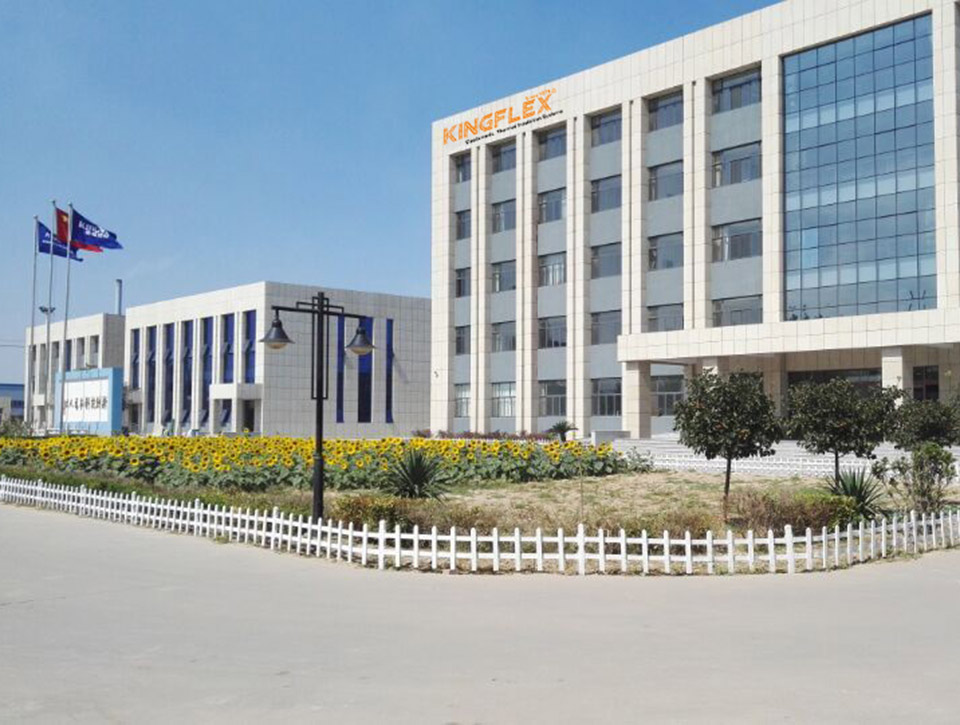
Kingflex Insulation Co., Ltd. operates in Dacheng, China—a hub that provides direct, local access to raw polymers, plasticizers, foaming agents, and flame-retardant chemicals. Our facility features five automated extrusion and continuous foaming lines. This keeps raw material transit costs minimal, maximizes quality control, and ensures shorter lead times compared to scattered producers. Our vertical integration and volume-based procurement model enable us to offer highly competitive pricing parameters for sound insulation sheet rolls and tubes.
A leading manufacturing and trading combo dedicated to high-performance thermal and acoustic systems.
Kingflex research development and production department is located in the well-known capital of green-building materials in Dacheng, China. It is an energy-saving, environmentally friendly enterprise concentrating on research, development, production, and sales. In operation, Kingflex takes energy saving and consumption reduction as its core concept. We provide insulation solutions via consultation, research and development, production, installation guidance, and post-sale service to lead the development of the global building materials industry.
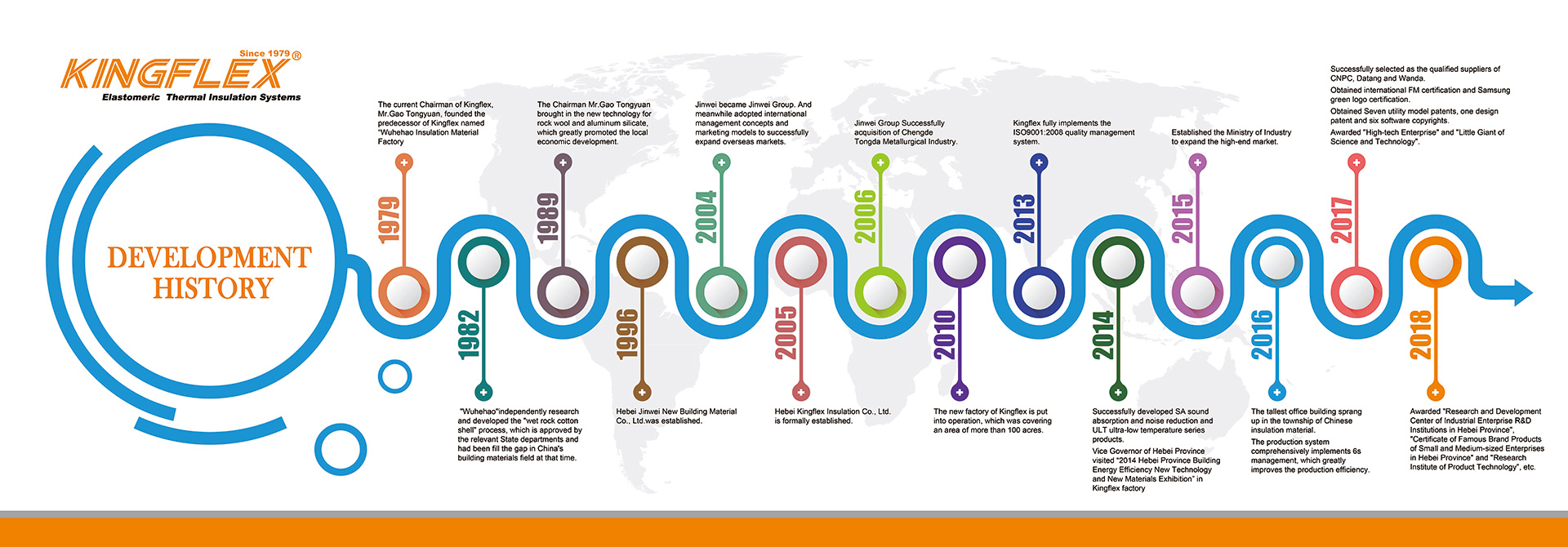
Jinwei Group established—pioneering thermal insulation north of the Yangtze River.
Accumulated research and development expertise in polymer foaming and elastomer curing.
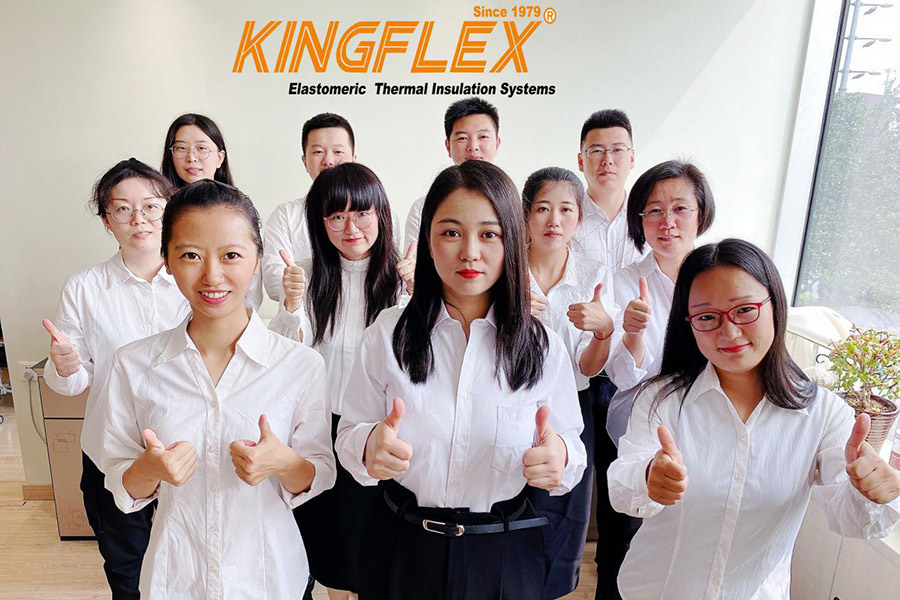
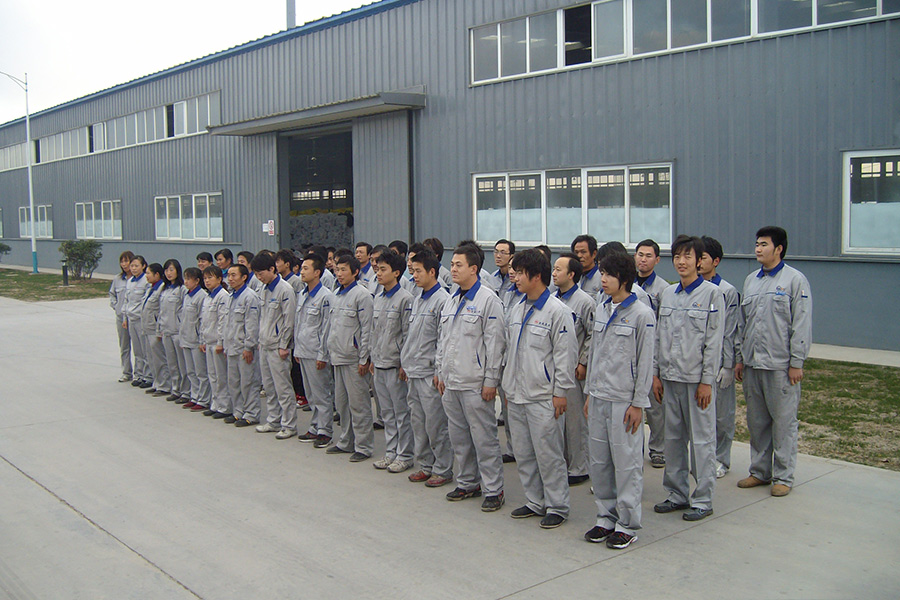
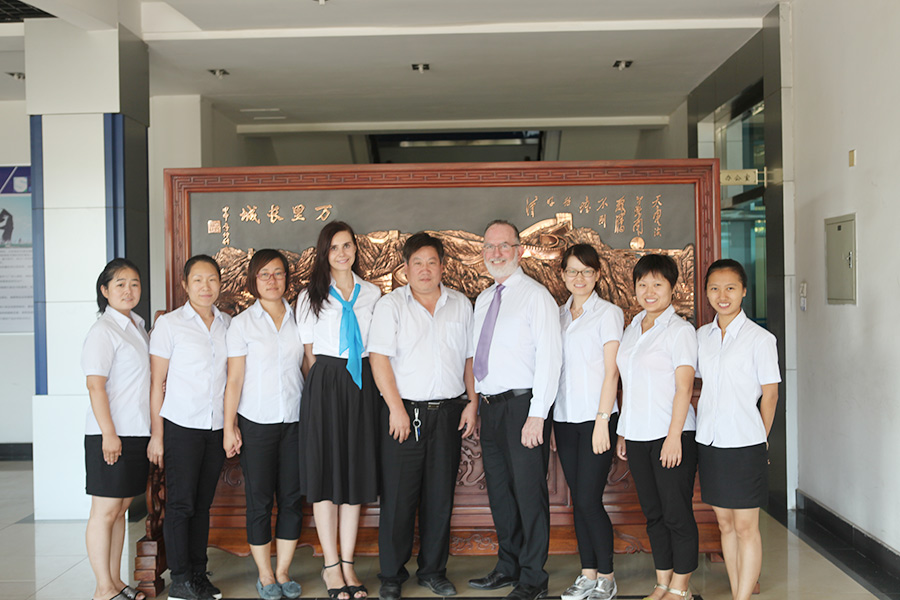
Our employees are amazing in their own right, but together they are what makes Kingflex such a rewarding place to work. The Kingflex team is a tight-knit, talented group with a shared vision of providing first-class service to our clients.
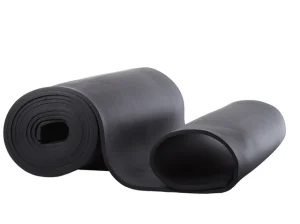
Kingflex elastomeric closed-cell insulation materials are optimized to achieve thermal and acoustic protection for pipes and structural assemblies. Below is our engineering baseline:
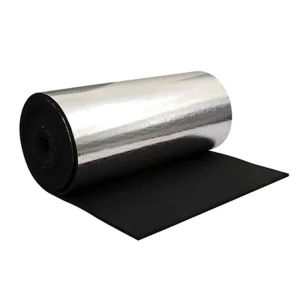
| Physical Property Parameters | Standard Sound Insulation Sheet Roll | Standard Sound Insulation Pipe |
|---|---|---|
| Primary Material Polymer | NBR/PVC Elastomer Formulation | NBR/PVC Elastomer Formulation |
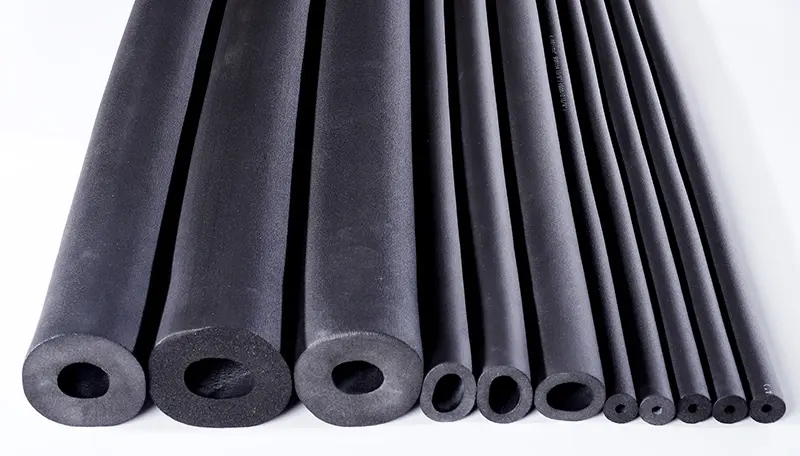
| Standard Thickness Ranges | 6mm to 50mm (Custom Available) | 9mm to 40mm (Internal Dia: 6mm-114mm) |
| Foamed Core Density | 40 - 55 kg/m³ | 40 - 55 kg/m³ |
| Closed-Cell Rate | > 98% | > 98% |
| Service Operating Temp | -40℃ to 105℃ (Cryogenic: Up to -196℃) | -40℃ to 105℃ |
| Thermal Conductivity (λ) | ≤ 0.034 W/(m·k) at 0℃ | ≤ 0.034 W/(m·k) at 0℃ |
| Elastic Recovery Rate | Compression Resilience > 80% | Compression Resilience > 80% |
| Water Vapor Permeability | Built-in Vapor Barrier (μ ≥ 7000) | Built-in Vapor Barrier (μ ≥ 7000) |
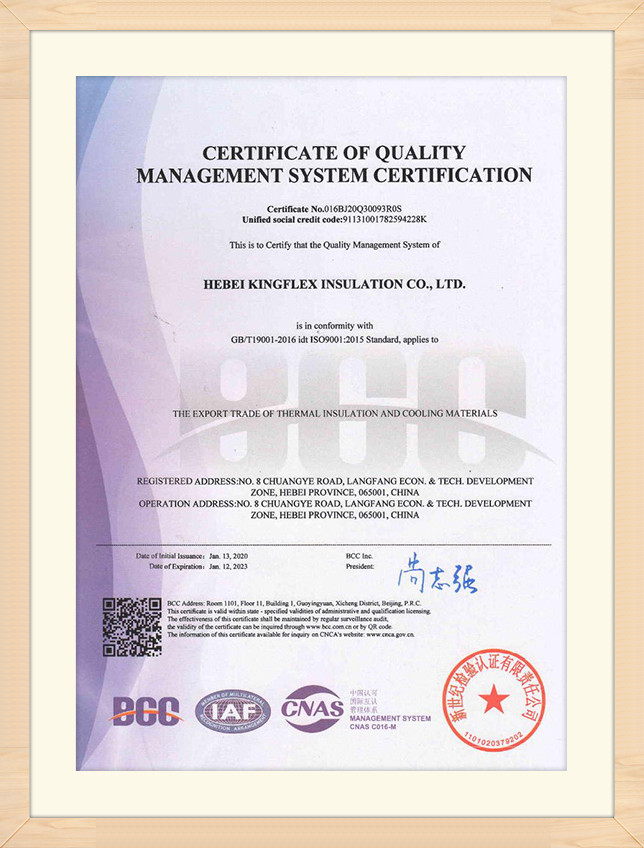
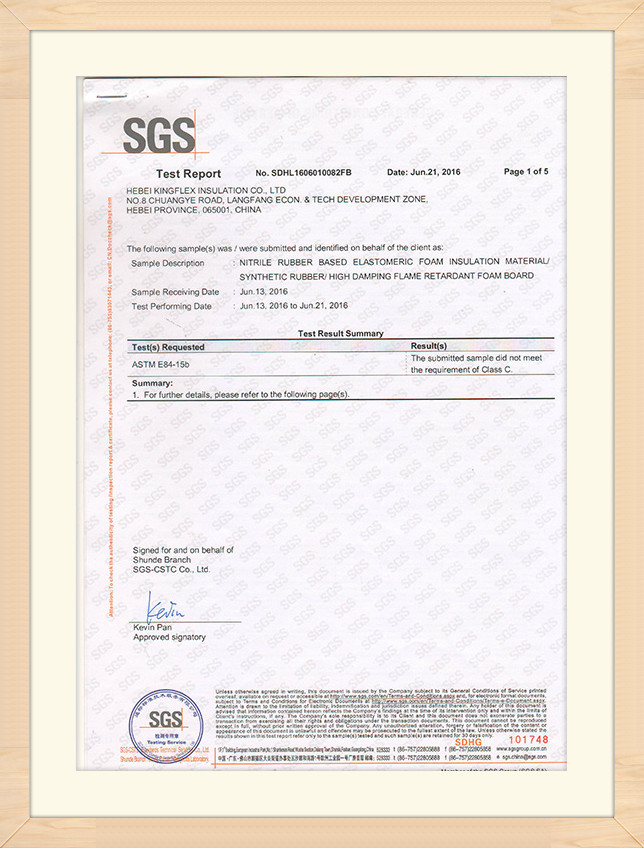
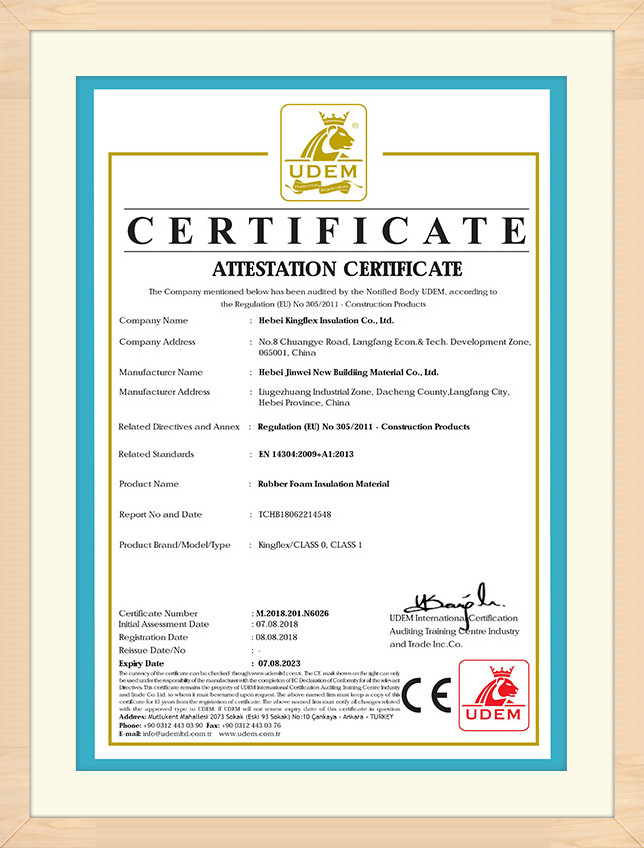
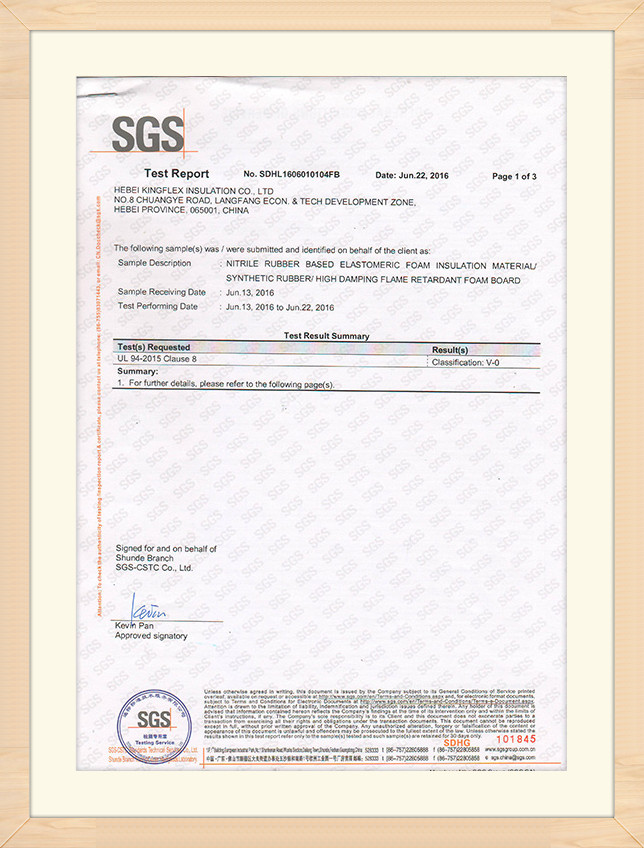
For international tier-1 mechanical contractors, design agencies, and material distributors, compliance is a prerequisite. Our products undergo third-party auditing to align with national and global building codes:
Tested under BS 476 Part 7 (Class 1), ASTM E84 (flame spread index < 25, smoke index < 50), and UL 94 (V-0 rating) for flame-retardant performance.
Halogen-Free, RoHS, and REACH certified. Prevents outgassing and toxic halogenated smoke emissions in enclosed configurations.
Integrated manufacturing software assigns specific batch identifiers to every product roll, providing end-to-end quality tracking from polymer recipe to final delivery.
Developing an accurate procurement budget for sound insulation sheets requires analyzing key market and design parameters:
Basic NBR/PVC combinations offer a strong baseline for standard applications. Specialized low-temperature systems or halogen-free requirements use custom polymer blends, adjusting baseline material pricing.
Adding reflective aluminum foil shields, self-adhesive backing, or glass cloth layers improves durability and protection, altering overall material quotes.
Full-container orders (FCL 20GP/40HQ) leverage optimized machinery setups and logistics rates, lowering unit costs compared to LCL orders.
Compressed vacuum packaging option minimizes shipping space, optimizing freight costs for international bulk transport.
To request a tailored quote, we recommend detailing your project's specific criteria: required thickness, target operating temperature, acoustic performance goals (e.g., STC target), fire safety class, and volume requirements. Our engineering team provides layout optimization and configuration support to keep project costs efficient.
Our solutions are deployed across large-scale commercial facilities, petrochemical plants, and transit systems worldwide.
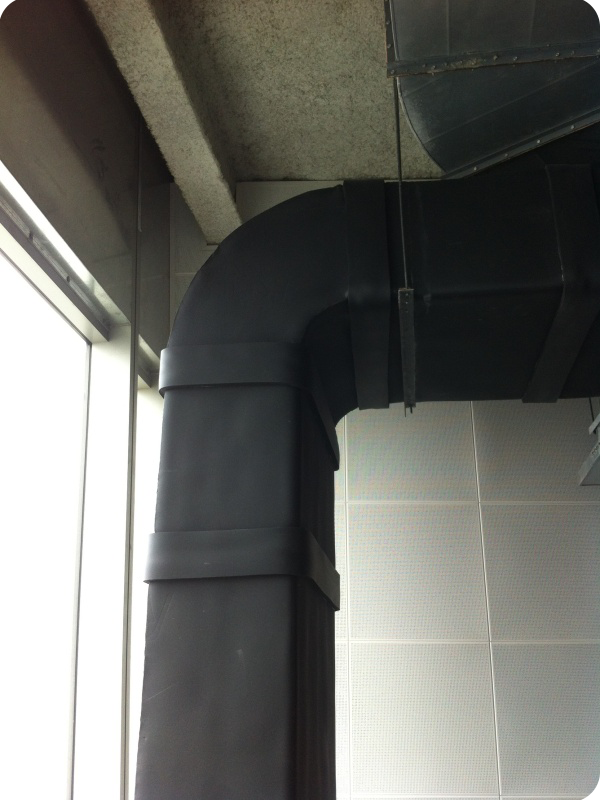
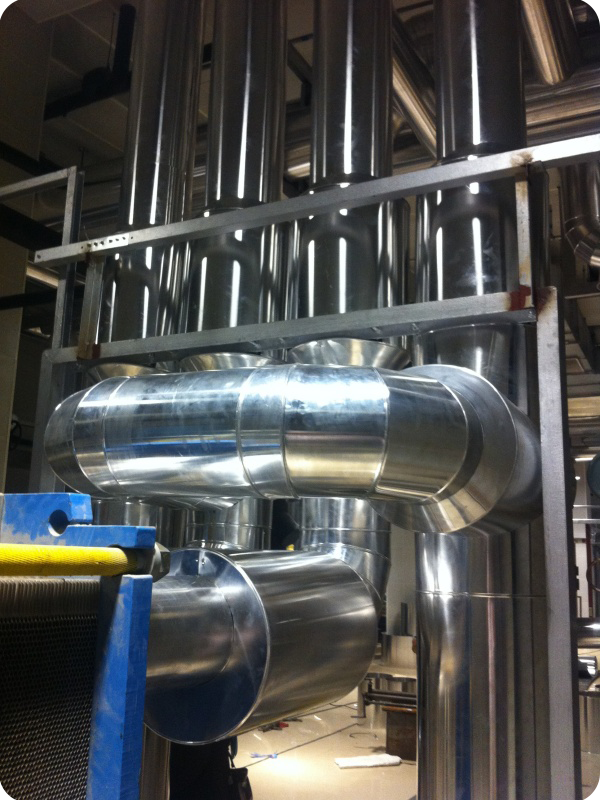
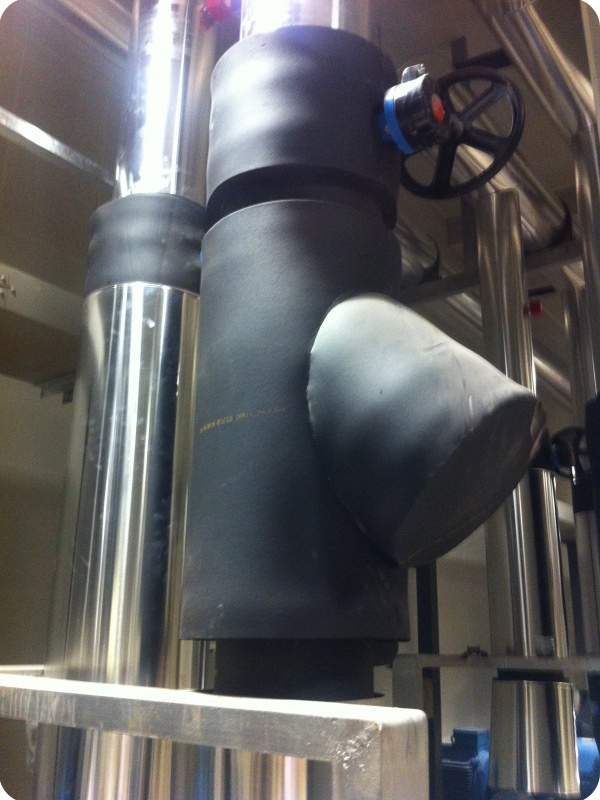
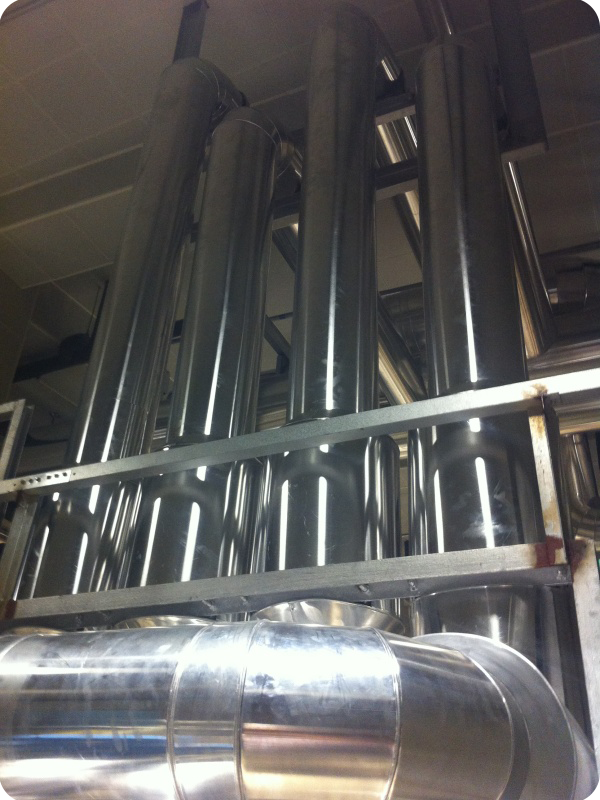
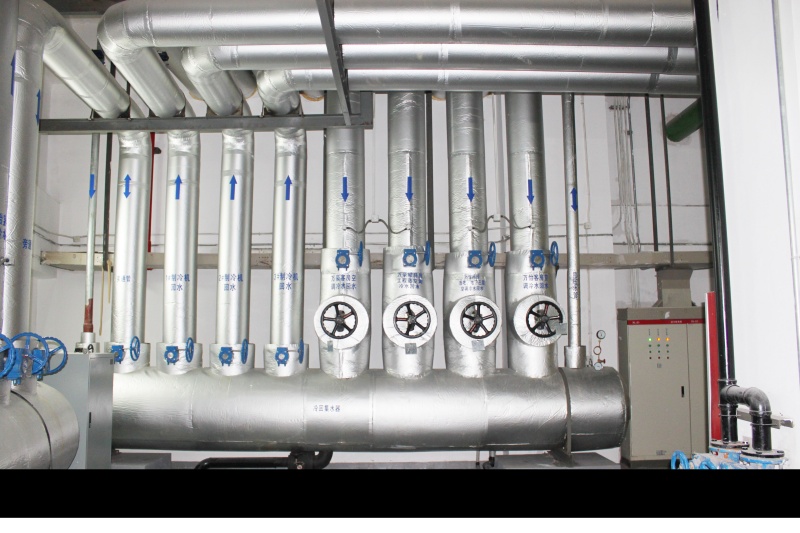
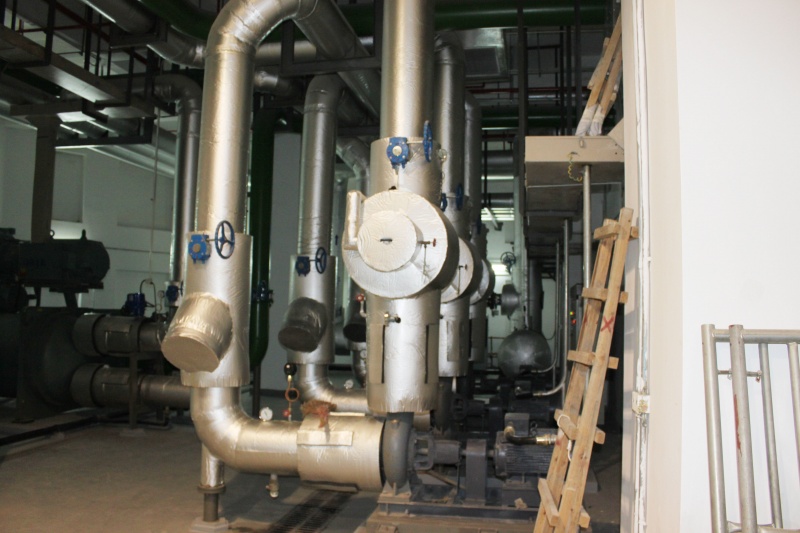
Our thermal and acoustic systems undergo on-site verification in demanding applications, including HVAC installations, pipeline systems, and industrial plant designs.
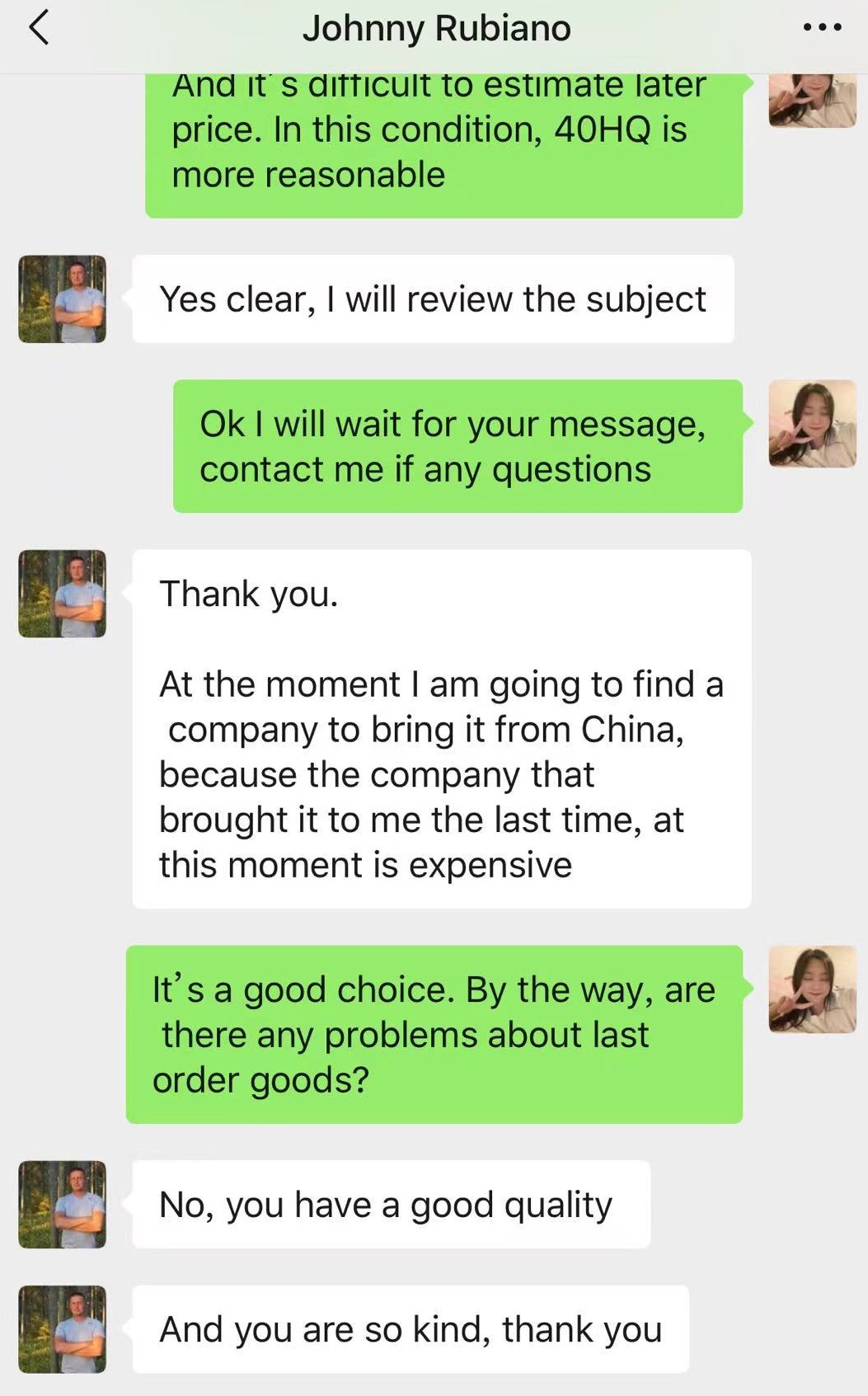
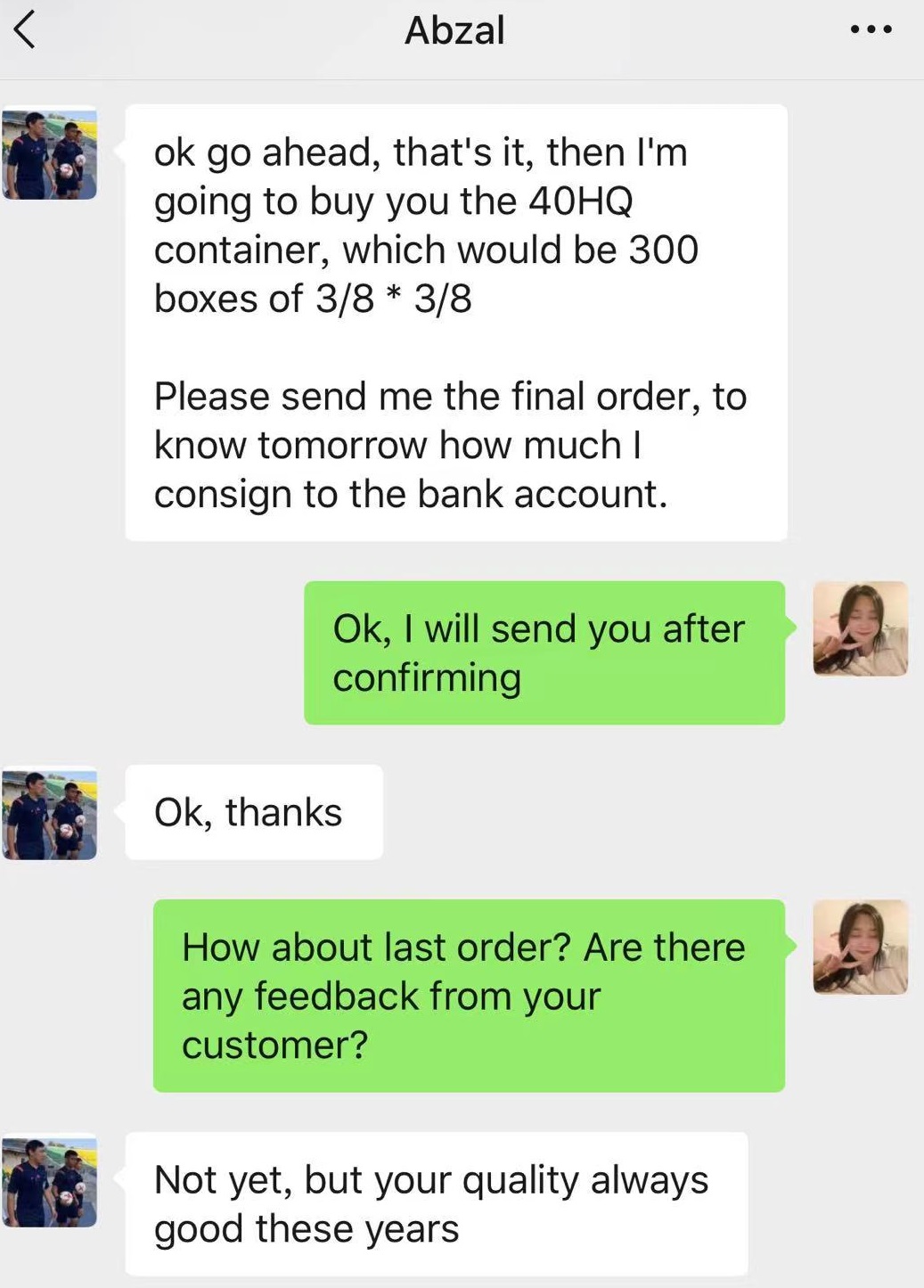
We work closely with global engineering procurement departments, coordinating technical specs, order requirements, and container shipments directly from our offices.
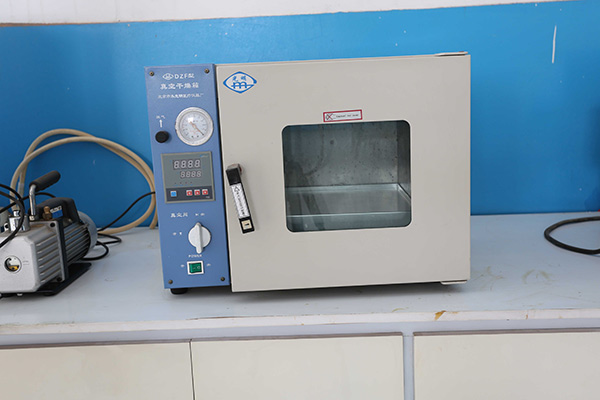
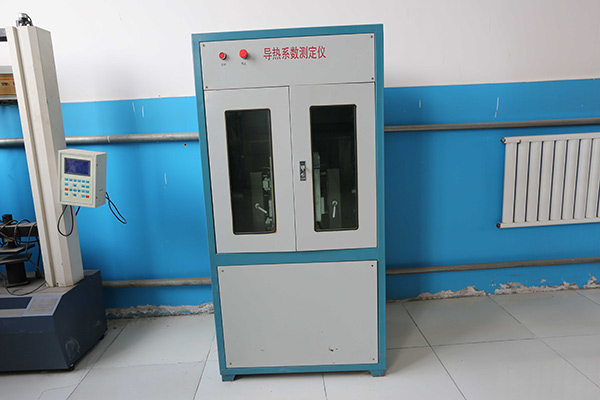
Our QC team monitors material processing, foaming density, thickness consistency, and packaging durability on our production lines.
Addressing engineering specifications, regulatory standards, and logistics parameters for industrial purchasing managers.
A look at our automated operations, processing lines, and packaging methods for secure international transit.
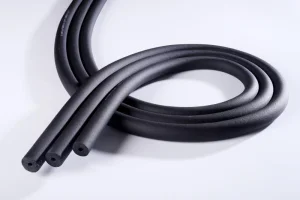
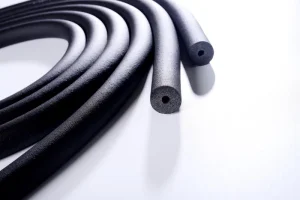
Explore our line of closed-cell elastomeric pipes, engineered to control thermal performance, prevent condensation, and dampen pipe vibration noise in plumbing and HVAC systems.