China Super Insulation Cryogenic Factories & Pricelist

Engineered B2B Cryogenic Thermal Solutions — From Global Infrastructure Pipelines to Ultra-Low Temperature Industrial Operations

Global Industrial Landscape & Cryogenic Demand Drivers

In modern high-performance engineering, thermal control is no longer just about heat retention; it is a critical requirement for maintaining system integrity under extreme thermodynamic conditions. The global cryogenic market is experiencing rapid expansion due to the rise of Liquefied Natural Gas (LNG) processing terminals, the expansion of liquid hydrogen fuel technology for aerospace applications, and the growing demand for ultra-low temperature storage in biomedical systems. Under these demanding environments, standard elastomeric foam insulation is pushed to its physical limits.

Cryogenic insulation must perform at temperatures as low as -196°C (-320°F). At these sub-zero levels, normal atmospheric moisture will aggressively migrate toward the cold surface. If the vapor barrier is compromised, water vapor will condense and freeze, leading to ice buildup. This ice destroys the material's thermal resistance, leading to rapid energy loss and structural pipe failure. To prevent this, system designers specify advanced closed-cell elastomers and composite cryogenic barriers.

The Transition to Super Cryogenic Insulation

Our research and development team at Kingflex has addressed these industry challenges by engineering materials with exceptionally high vapor resistance factors (high $\mu$-value) and ultra-fine, uniform cell walls. Conventional open-cell solutions struggle with liquid condensation and thermal transfer in the sub-zero zone. Our specialized Dolefin and Dienes flexible cryogenic elastomeric compounds retain high elasticity, structural resilience, and stable thermal conductivity ($\lambda$) over decades of service.

Integrating these advanced materials helps design engineers prevent corrosion under insulation (CUI)—one of the most expensive maintenance issues in petrochemical processing plants today. By preventing ambient moisture from contacting the carbon or stainless steel pipelines, our systems protect valuable infrastructure.

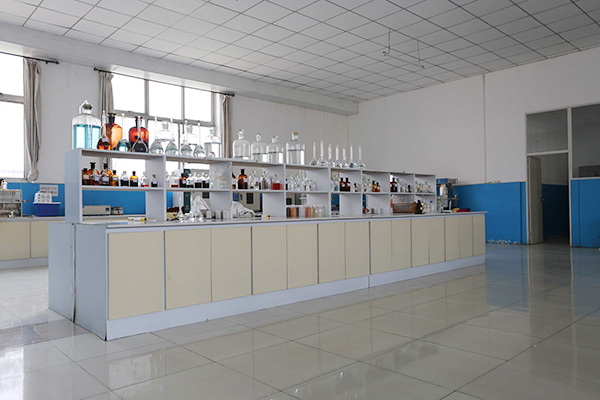
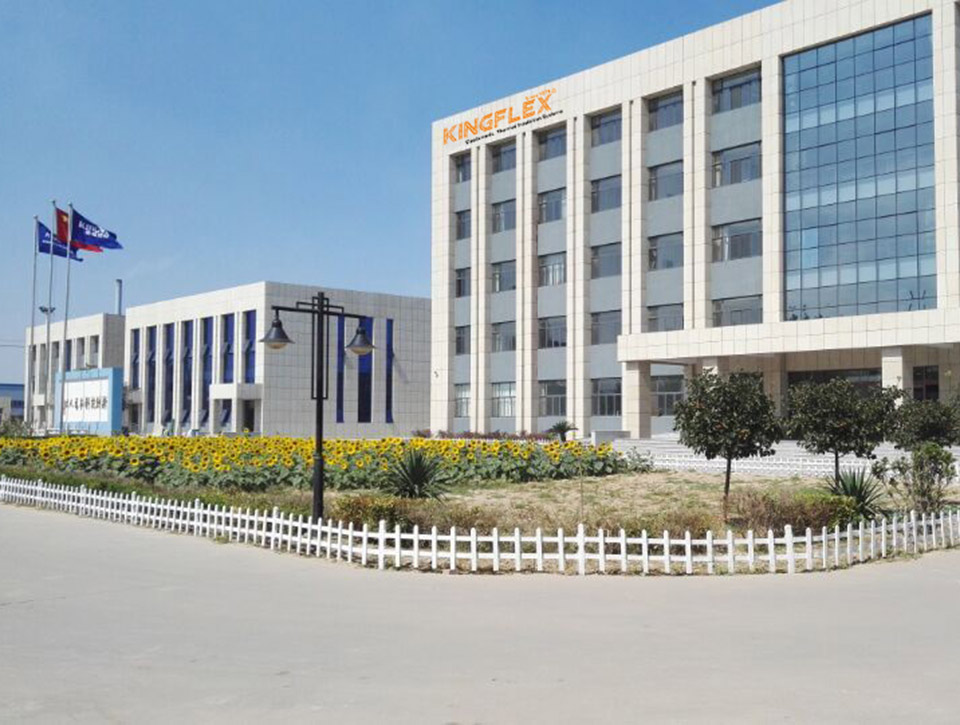
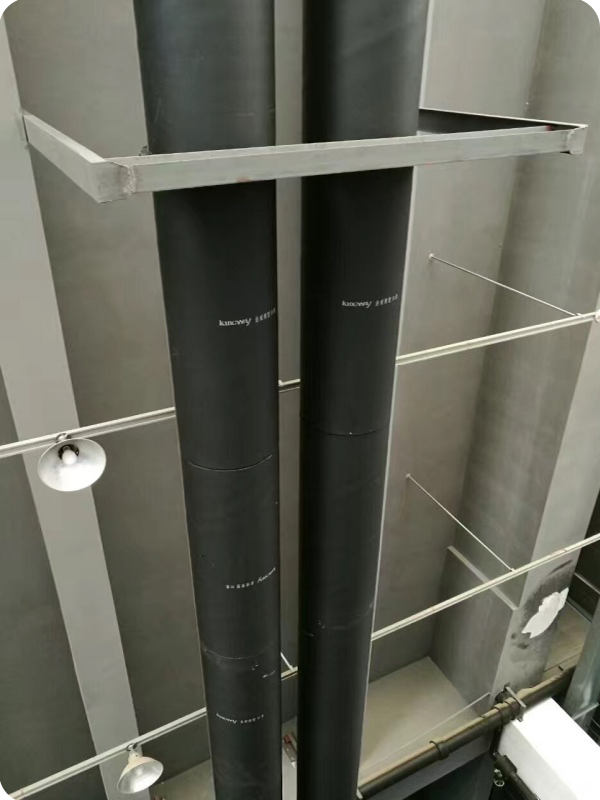
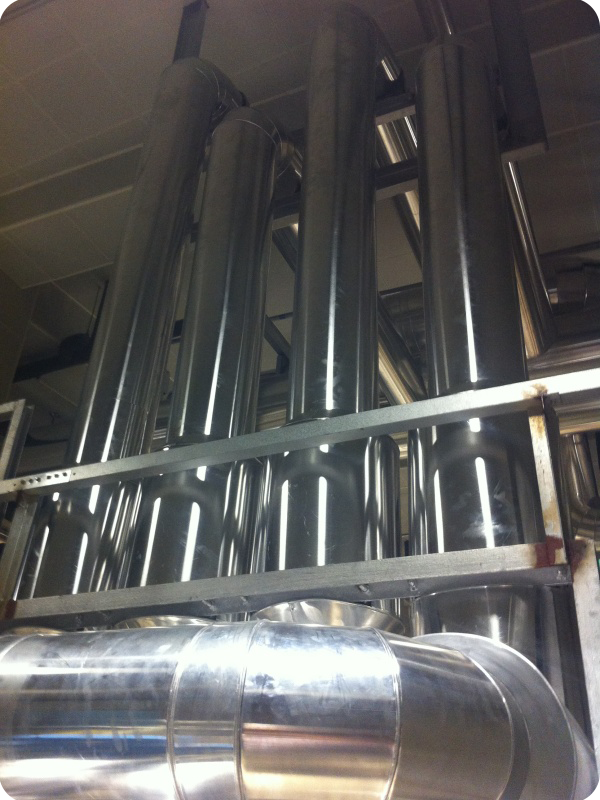
Kingflex Cryogenic Insulation Facility
High-Performance Cryogenic Insulation Facility

Advanced Material Comparison & Technical Specifications

Selecting the right insulation material requires analyzing several parameters: mechanical flexibility, chemical resistance, fire performance, and thermal conductivity under compression. Below is a professional comparison of the primary industrial systems designed for ultra-low temperature operations.

Thermal Insulation Material Service Temperature Range Thermal Conductivity ($\lambda$ at 0°C) Moisture Resistance Factor ($\mu$) Primary Applications
Kingflex Elastomeric Cryogenic NBR/PVC -40℃ to 105℃ (Extended down to -200℃ with barriers) ≤ 0.034 W/(m·k) ≥ 10,000 (Closed cell structure) HVAC, refrigeration, petrochemical pipelines, low temp storage
Dolefin / Dienes Cryogenic Compounds -200℃ to 125℃ ≤ 0.032 W/(m·k) ≥ 20,000 (Multi-layer vapor barrier) Ultra-low temperature systems, LNG carriers, petrochemical pipes
Industrial Rock Wool Blanket Up to 650℃ ≤ 0.040 W/(m·k) Open (requires external vapor jacket) High temperature process steam, fire protection, industrial boilers
Polyurethane Foam / PIR -180℃ to 120℃ ≤ 0.024 W/(m·k) Moderate (rigid cell structures) Cold chain logistics, refrigerated storage containers

Technical Advantages of Kingflex Closed-Cell Elastomerics

  • Superior Closed-Cell Density: Foams evenly and fully with a closed cell rate over 98%, providing reliable long-term thermal insulation.
  • Moisture & Water Vapor Resistance: Built-in resistance blocks water vapor ingress, eliminating the need for complex, multi-layered protective wraps in moderate applications.
  • Compression Resilience: Maintains over 80% recovery under compression, ensuring constant thickness and performance at pipe joints, hangers, and structural bends.
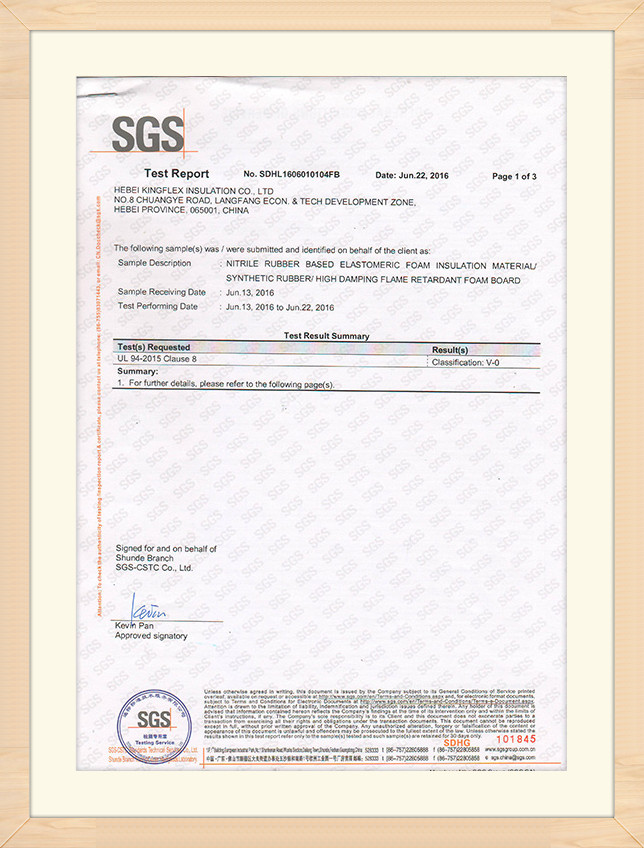
  • Advanced Fire Safety: Self-extinguishing behavior meeting BS 476 Part 7 Class 1 and UL94 V-0 certifications, preventing flame spread in critical machinery rooms.

40+ Years of Manufacturing Leadership: Kingflex & Jinwei Group

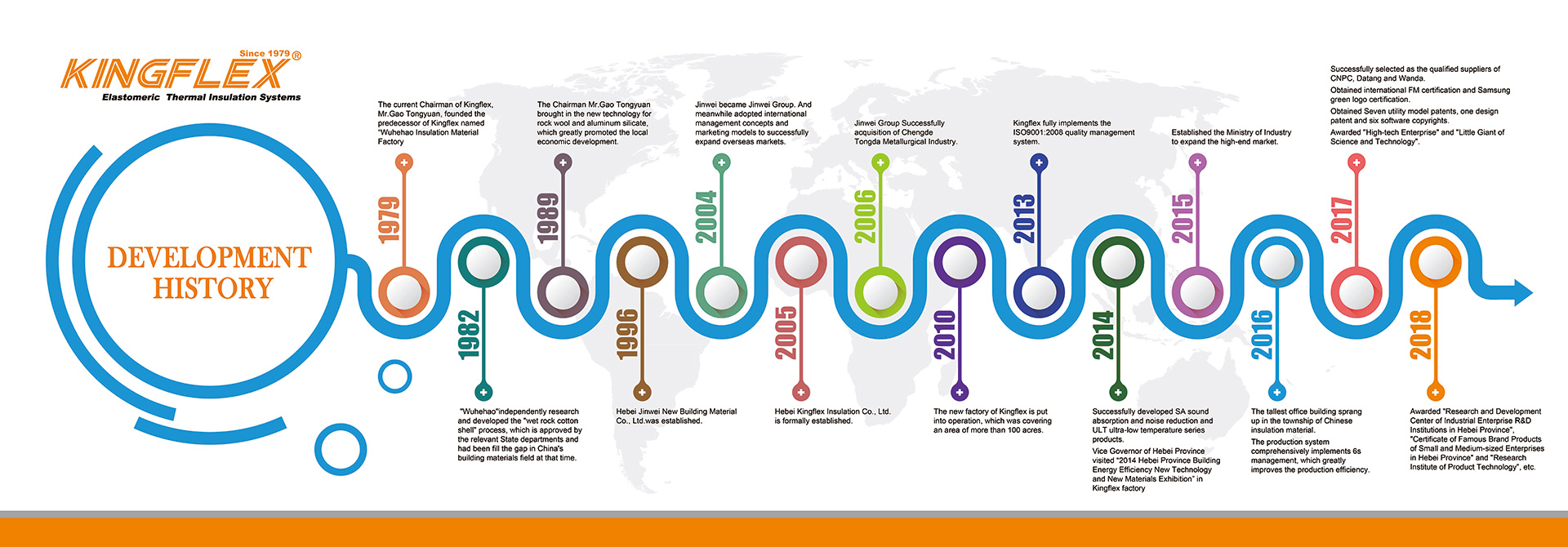
The strength of Kingflex Insulation Co., Ltd. comes from our deep industrial heritage. Established by the Jinwei Group, which has a history spanning more than 40 years since its founding in 1979, Kingway/Jinwei Group was the first thermal insulation manufacturer established north of the Yangtze River. Decades of continuous expansion and investment in materials science have positioned Kingflex as a leading technical manufacturer for industrial cold-insulation systems.

600,000+
Annual Capacity (m³)
5 Lines
Automated Assembly Lines
40+ Years
Industrial History
66+
Exporting Countries
Kingflex Manufacturing History
Est. 1979 - Industrial History
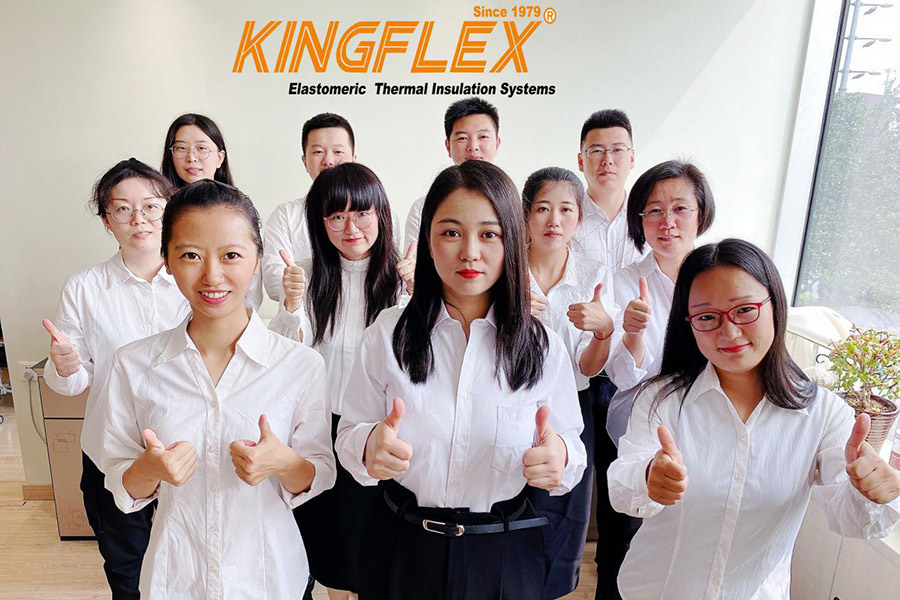
Kingflex Professional R&D Team
Expert Engineering Team
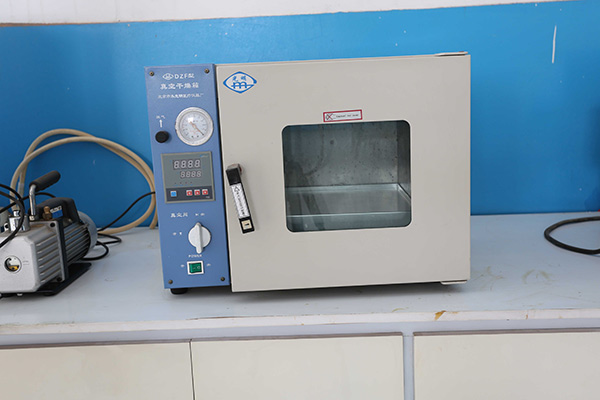
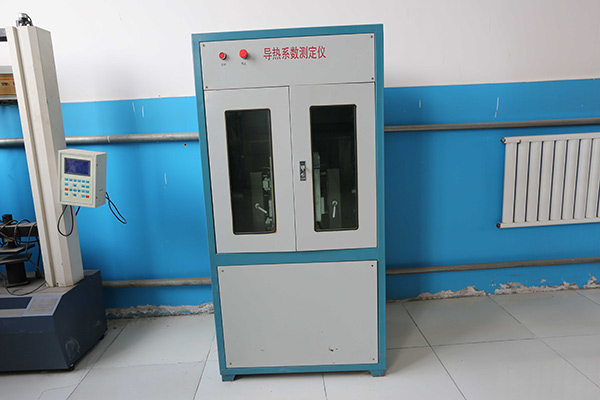
Modern Testing Facilities
State-of-the-art R&D Labs

Our corporate headquarters and main production plant are located in Dacheng, China—a well-known capital of green building materials. Kingflex operates as an energy-saving, environmentally friendly enterprise integrating R&D, production, sales, installation guidance, and technical after-sales support. We design complete systems rather than just selling standalone insulation products.

Our manufacturing facility runs 5 large automatic assembly lines, generating an annual capacity of over 600,000 cubic meters. Kingflex is recognized as a designated production enterprise by the Ministry of Energy, the Ministry of Electric Power, and the Ministry of Chemical Industry in China. This status reflects our strict commitment to quality control and engineering support.
Macro-Industry Solutions & Practical Application Scenarios

Modern engineering projects require specialized insulation solutions designed for their specific operating environments. Kingflex products are engineered to protect processes across several core sectors:
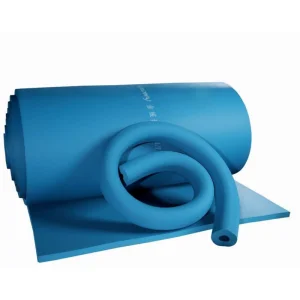
1. HVAC & Commercial Building HVAC Systems

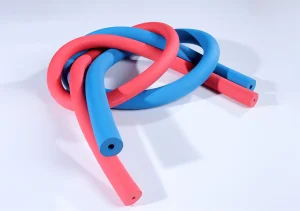
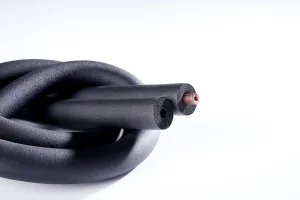
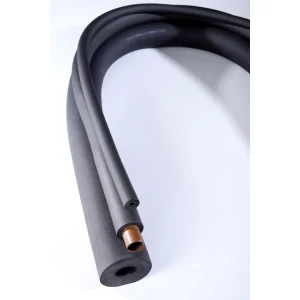
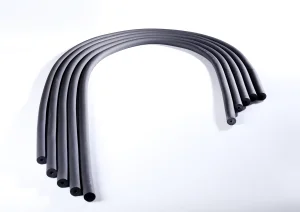
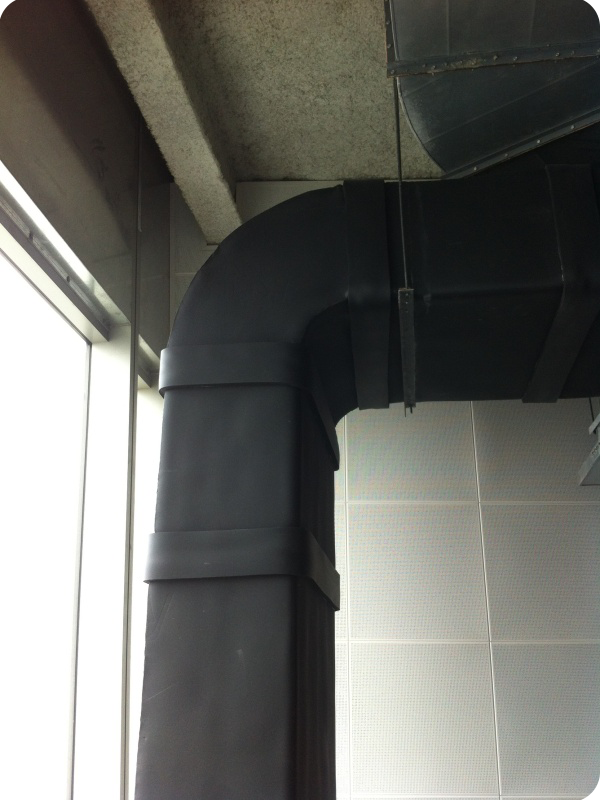
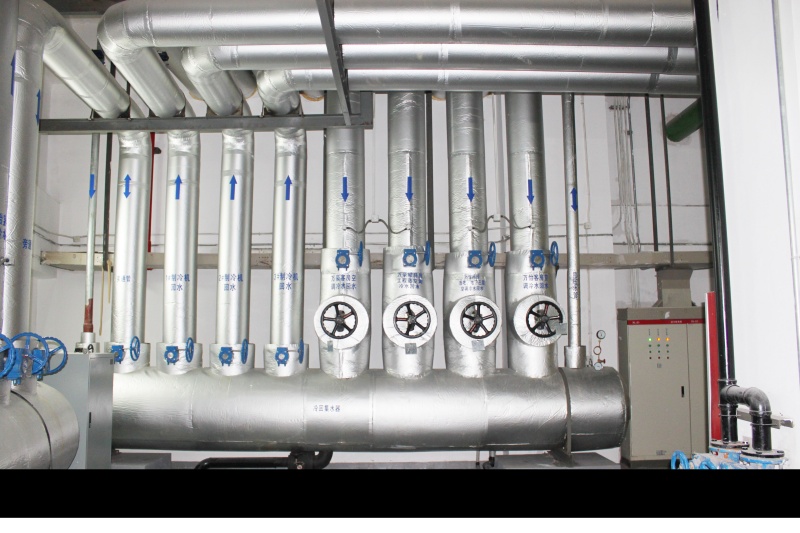
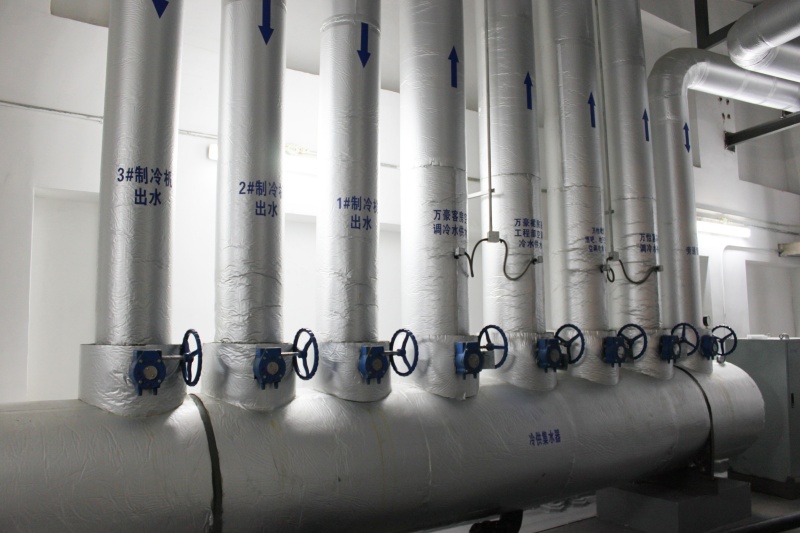
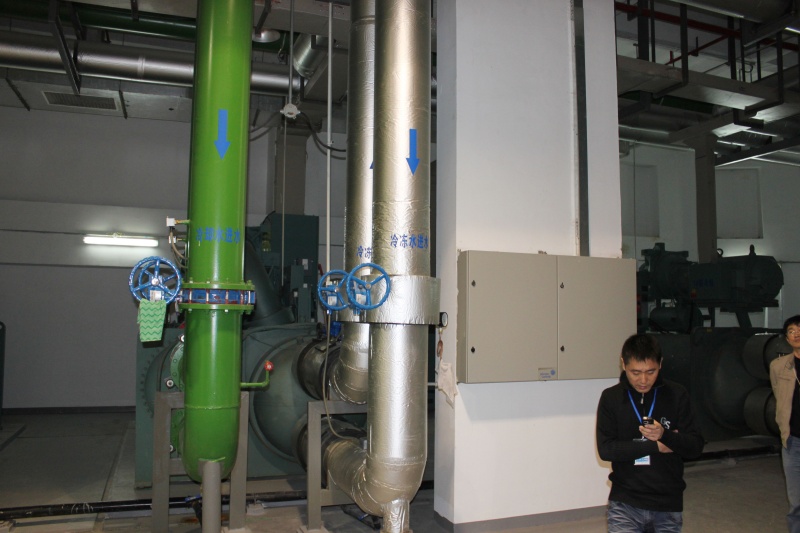
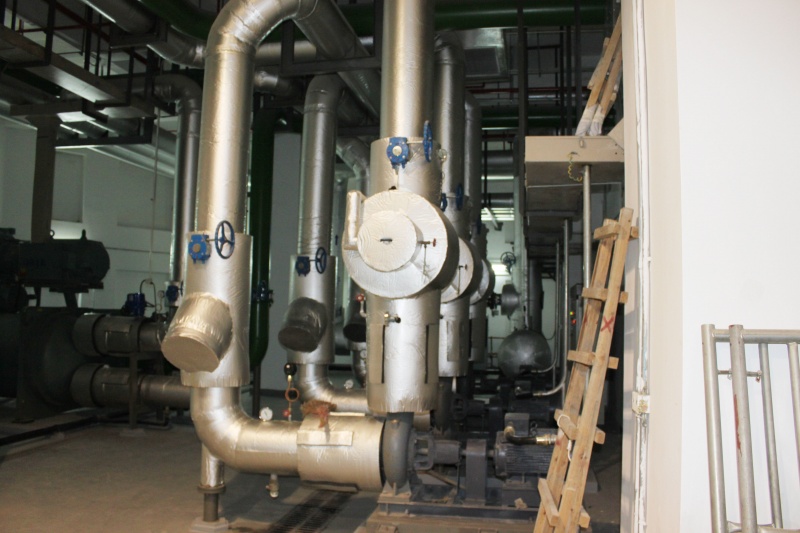
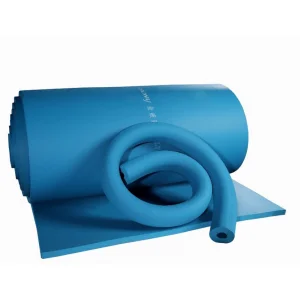
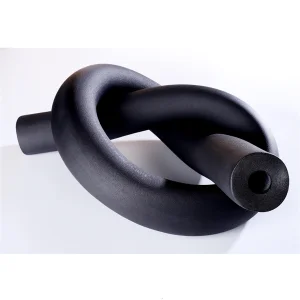
For large-scale commercial structures, HVAC systems consume a significant portion of operating energy. Installing Kingflex NBR/PVC rubber foam tubes on chilled water lines and air ducts prevents condensation, eliminates moisture damage to ceilings, and limits thermal losses to optimize building COP (Coefficient of Performance).
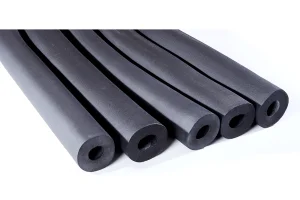
2. Petrochemical & Cryogenic Gas Terminals

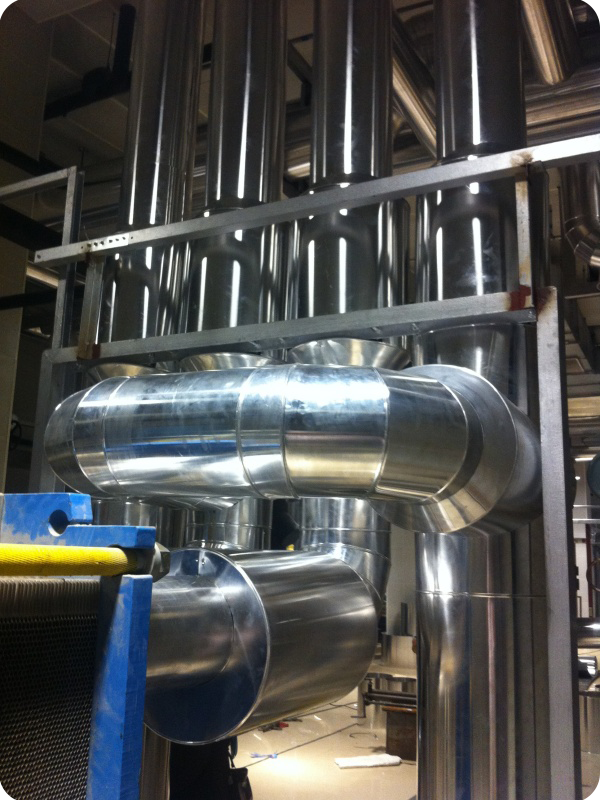
Our Dolefin flexible cryogenic insulation systems are designed for chemical process pipelines and liquid gas transport lines. Operating at extremely low temperatures, these lines require continuous vapor resistance to prevent ice formation on critical safety valves, manifolds, and storage vessel connections.

3. Sound & Vibration Management

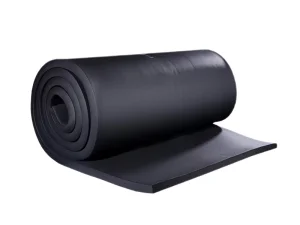
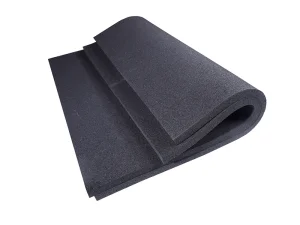
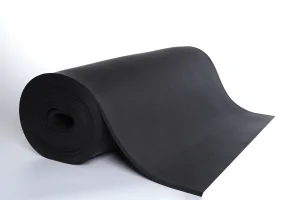
Heavy machinery, high-velocity air ducts, and industrial pump rooms generate significant acoustic energy. By using Kingflex flexible open-cell rubber foam sound-absorbing sheets, industrial sites can achieve thermal management and noise dampening within a single installation phase.
Kingflex R&D Process Control
Material Testing Laboratory

Global Standards Compliance & Project Case Studies

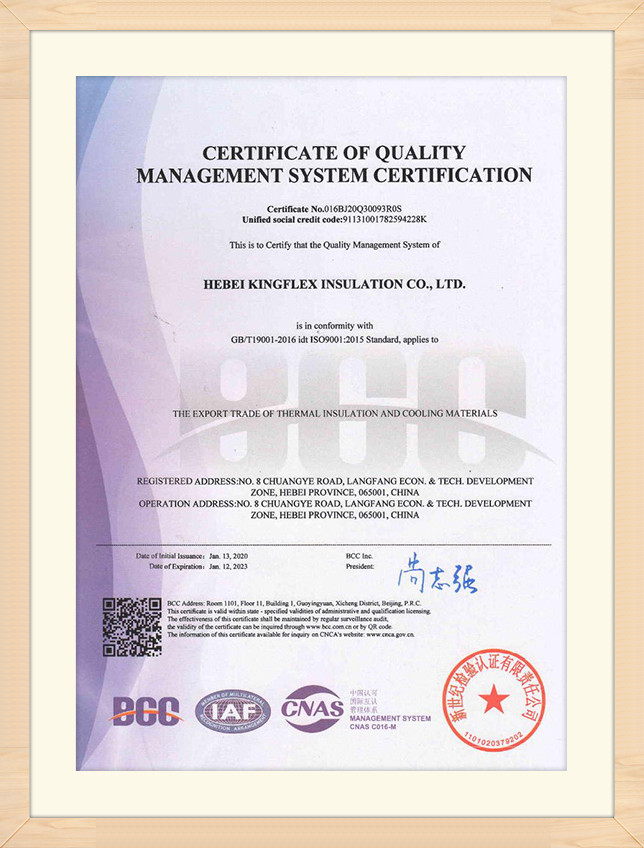
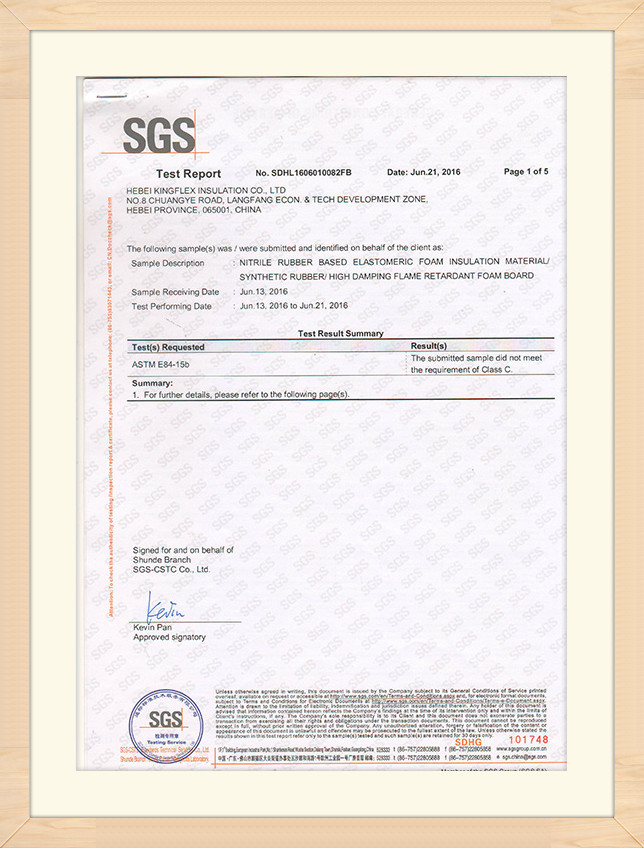
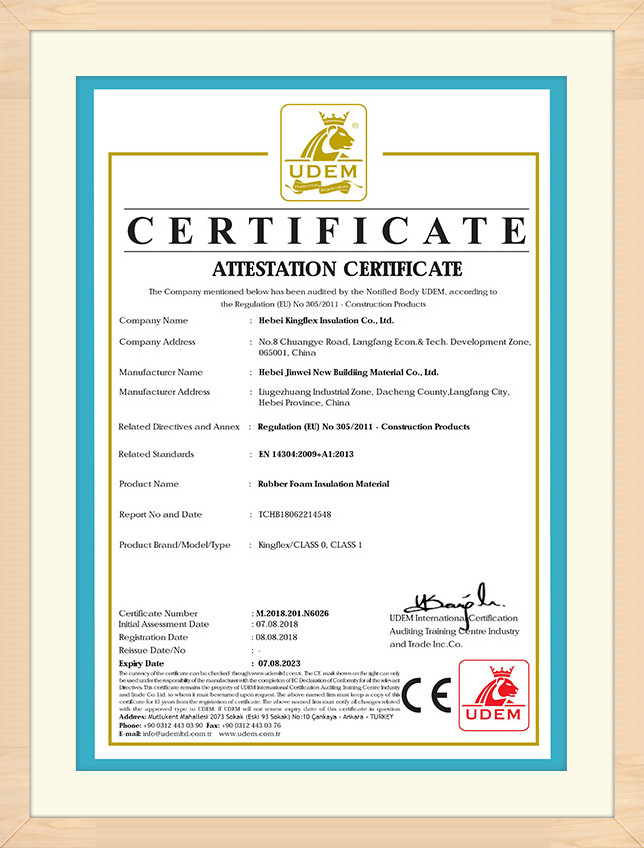
Industrial insulation must meet strict regional standards to comply with national safety and building codes. Kingflex insulation systems have been exported to more than 66 countries over the past 16 years, demonstrating compliance with major international testing and certification bodies:

ISO Certification
UL Certification
CE Mark Compliance
ASTM Certification

Our quality control systems ensure every batch of elastomeric foam meets standard densities and fire retardancy ratings, including BS 476 Class 0/Class 1, CE, REACH, RoHS, UL94, and ASTM. Full material traceability is standard for every shipment, providing our global clients with transparent quality documentation.

Client Verification & Project Performance Records

We work directly with contractors and engineers to ensure our products meet real-world project specifications. Below are documentation and testing logs showing the performance of our materials in actual field applications:

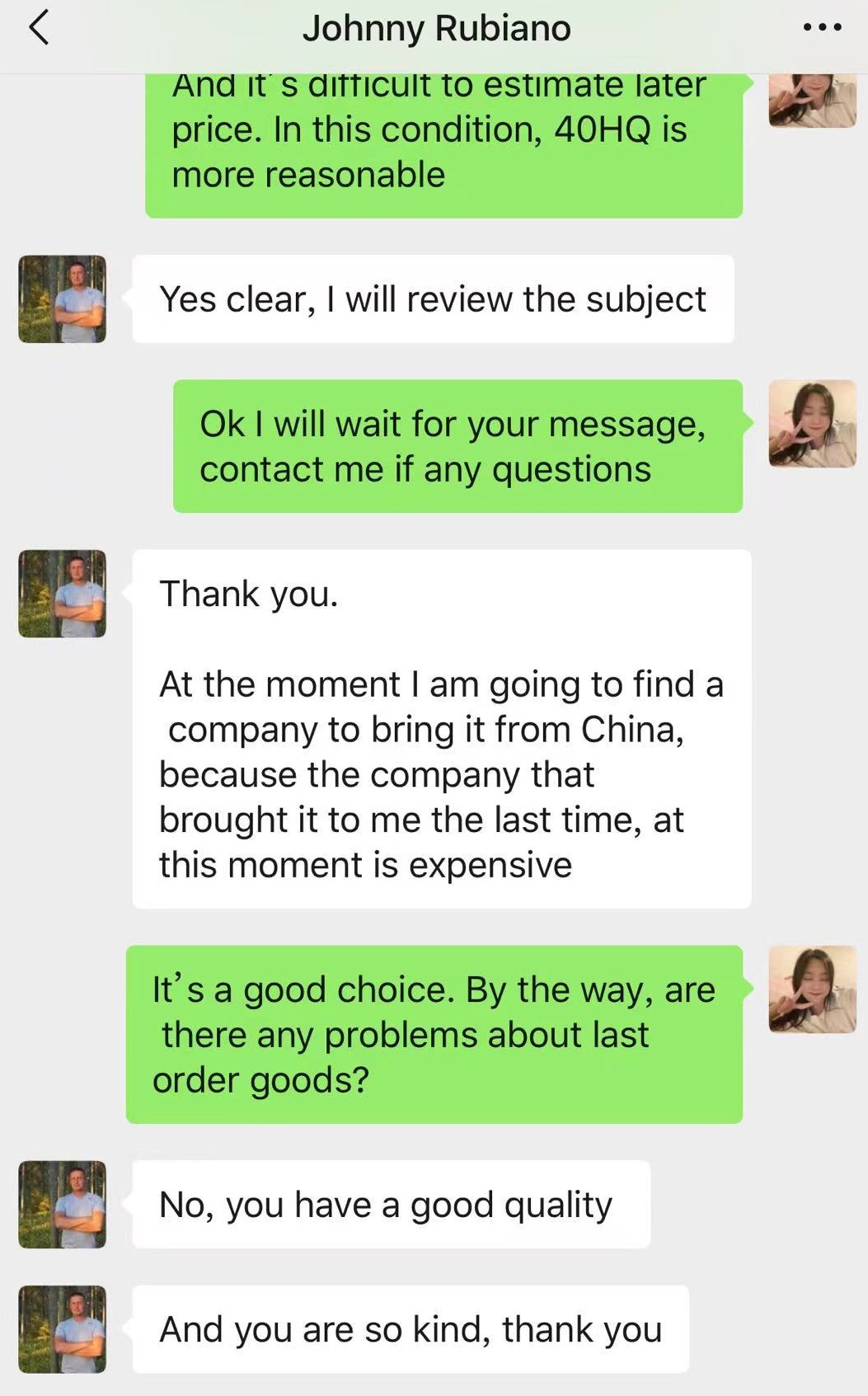
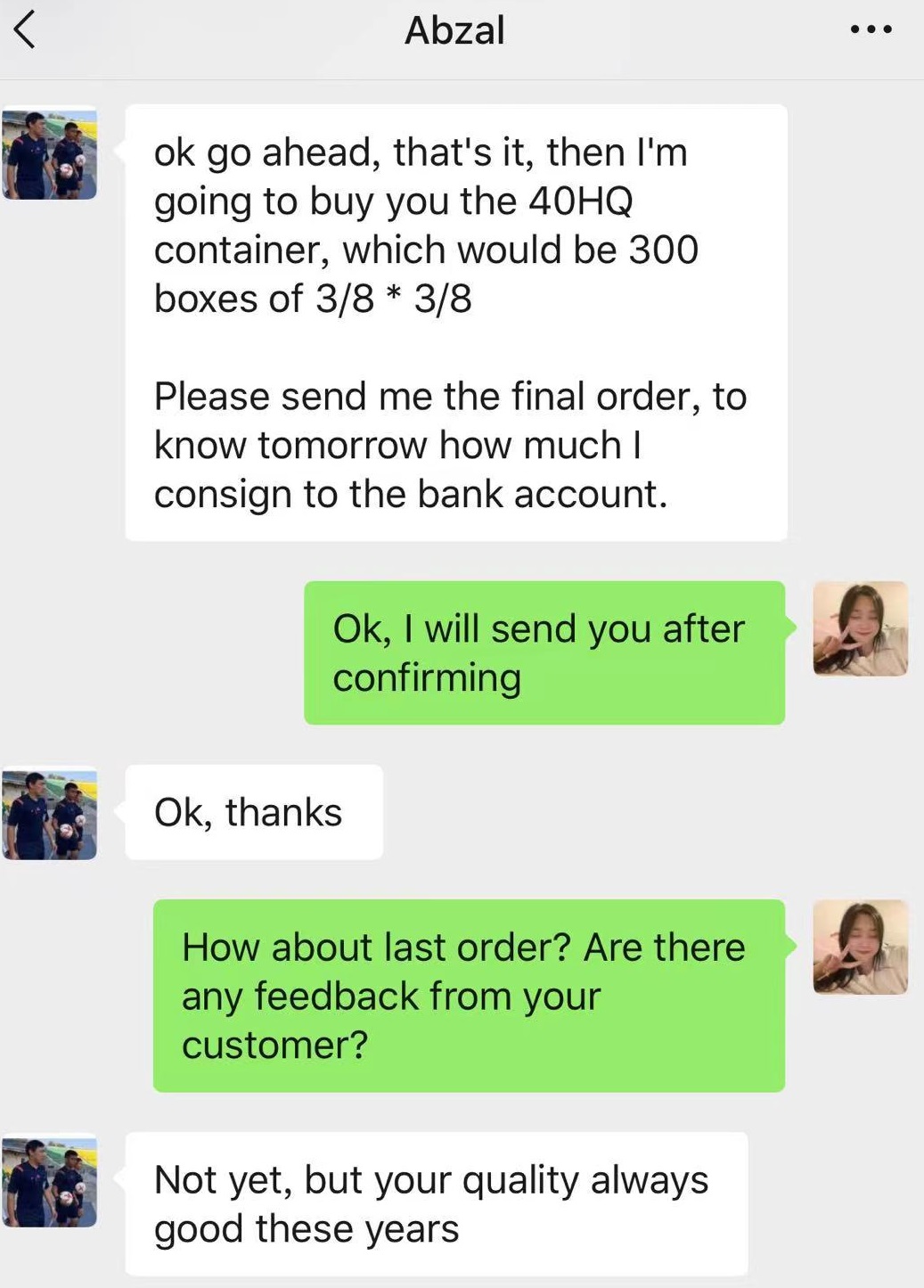
Order Verification and Packaging Log
Order Verification Logs
Quality Inspection Record
Logistics Shipping Container Loading
Global Delivery Verification

B2B Pricelist Strategy & Procurement Guidelines

Understanding pricing structures is essential for major project procurement. Cryogenic insulation costs depend on several core material specifications:

  • Material Formulation (NBR/PVC Base vs. Specialized Polypropylene/Dolefin Compounds): Standard elastomeric products offer cost-effective thermal control down to -40℃. Cryogenic temperatures below this threshold require specialized formulations to prevent cracking, which increases the material cost.
  • Thickness Selection (6mm up to 50mm): System designers must calculate the optimal thickness to prevent surface condensation based on ambient relative humidity and internal fluid temperatures. Selecting the correct thickness prevents over-specifying and controls material costs.
  • Outer Protective Jackets & Vapor Barriers: Multi-layer foil facings and polymer coatings shield the underlying insulation from physical impact, UV degradation, and water vapor ingress, extending the system's operational lifespan.

Direct Factory Advantage: Why Source from Kingflex?

By sourcing directly from Kingflex, B2B buyers access direct factory pricing that avoids intermediary trading fees. Our high-capacity automation lines allow us to maintain competitive pricing while delivering reliable material performance, ensuring high value for projects of all sizes.

Industrial FAQ & Engineering Technical Guide

Clear, direct answers to common technical and structural questions about cryogenic and elastomeric insulation systems.

What is elastomeric rubber foam insulation typically used for?
It is mainly used for HVAC ducts, air conditioning pipes, building thermal insulation, industrial pipeline cold insulation, and sound insulation.
Is Kingflex rubber foam insulation fire resistant?
Yes, our rubber foam insulation products are fire retardant, meeting standard safety regulations for commercial buildings and industrial facilities.
What is the difference between rubber foam and rock wool insulation?
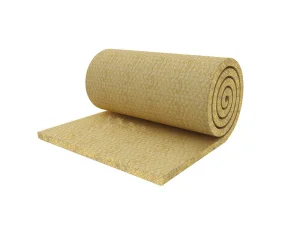
Rubber foam is flexible and closed-cell, making it highly resistant to moisture ingress and suitable for HVAC and cryogenic systems. Rock wool is high-temperature resistant and fireproof, making it suitable for hot-utility systems and fire protection barriers.
Do you provide customized insulation products?
Yes, we provide OEM services to support custom dimensions, thicknesses, and performance specifications based on individual project designs.
What certifications do your products carry?
Our products have passed BS 476, CE, REACH, ROHS, UL94, ASTM, and other international certifications, ensuring compliance with global regulatory standards.
Are Kingflex products fully traceable?
Yes, every batch of Kingflex products is documented with full raw material and manufacturing batch traceability records.
What thickness range of rubber foam insulation sheet rolls can you produce?
We can manufacture sheet rolls in thicknesses ranging from 6mm to 50mm.
What is the estimated service life of Kingflex rubber foam insulation?
With correct installation and standard operating conditions, the average service life is approximately 10 to 15 years.

Kingflex Projects & Installation Gallery

A review of our materials in diverse industrial installations, cold storage complexes, and processing terminals worldwide.

Industrial Installation Project 1
Industrial Installation Project 2
Industrial Installation Project 3
Industrial Installation Project 4
Production Processing Line 1
Production Processing Line 2
Production Processing Line 3
Production Processing Line 4