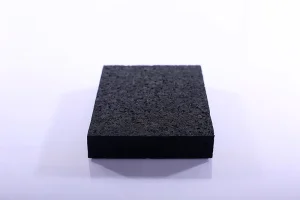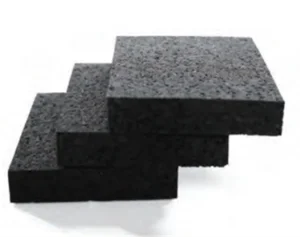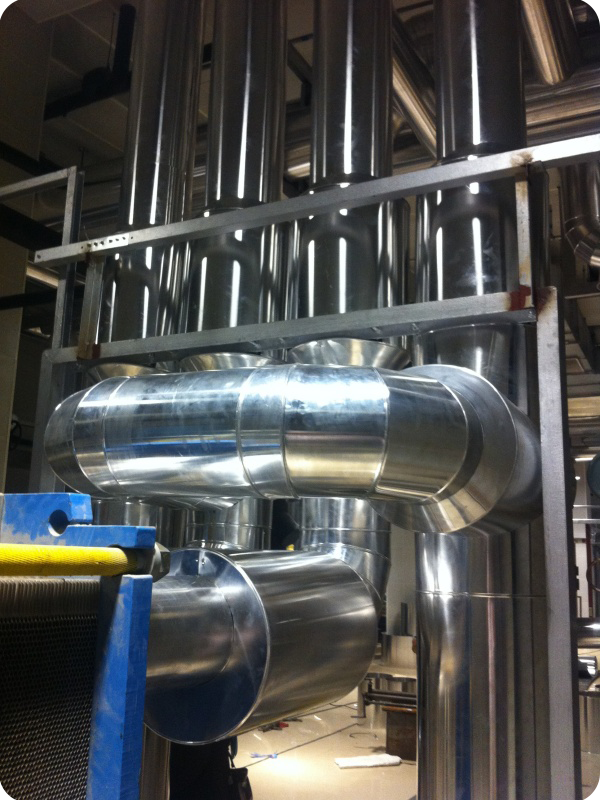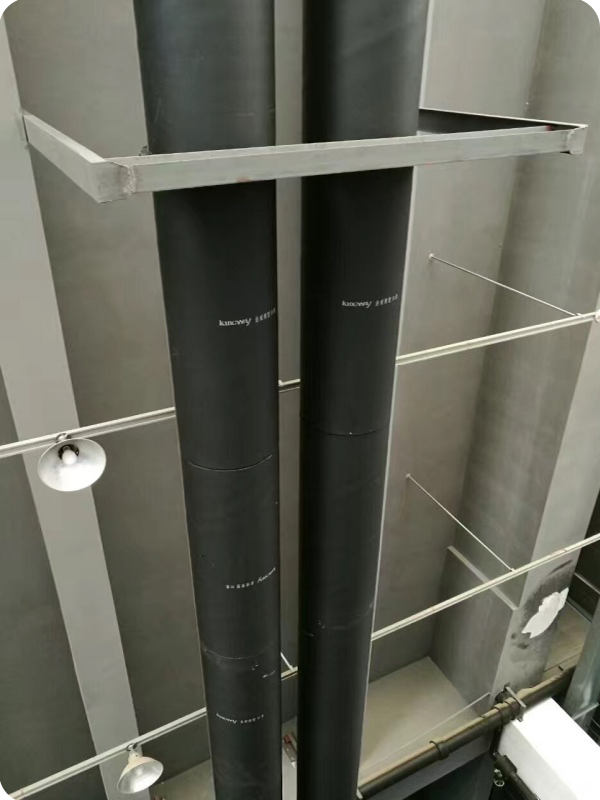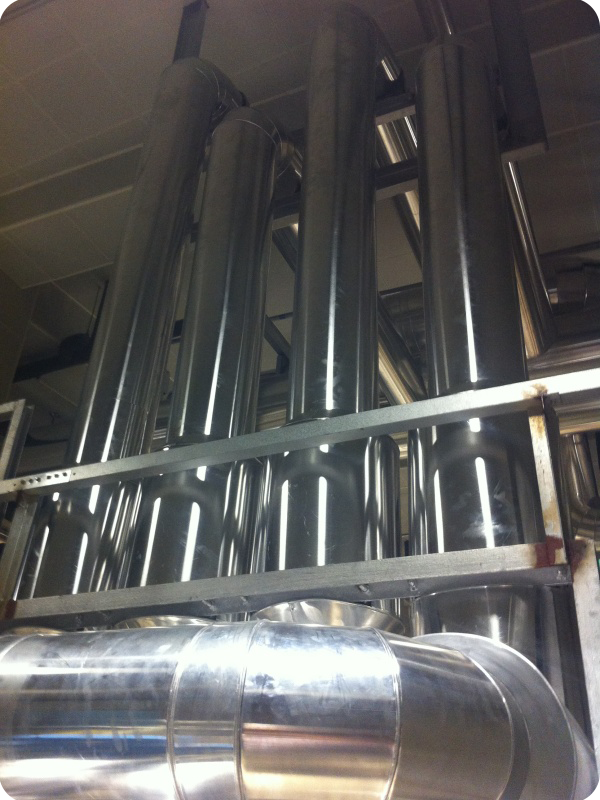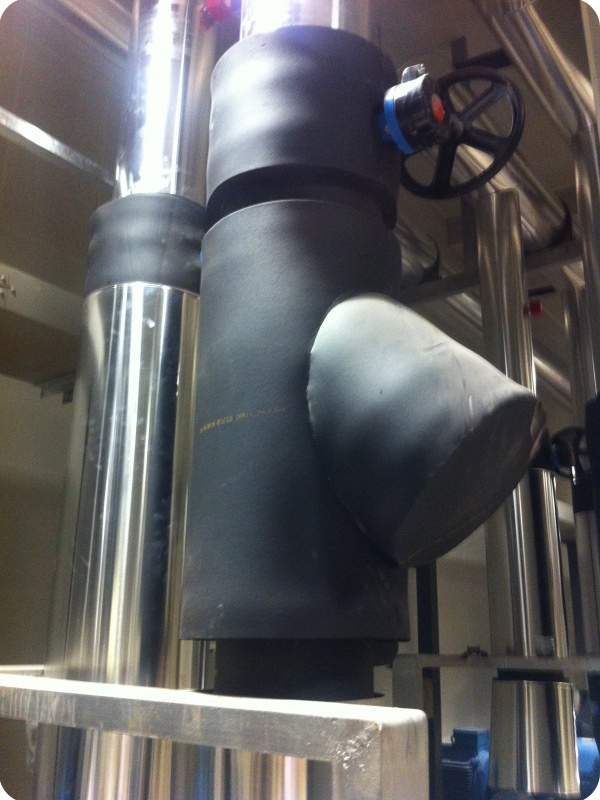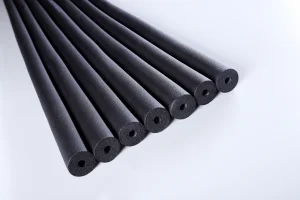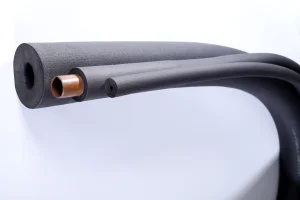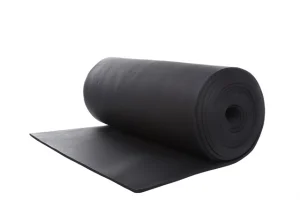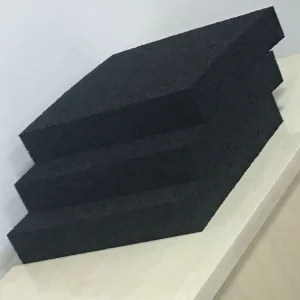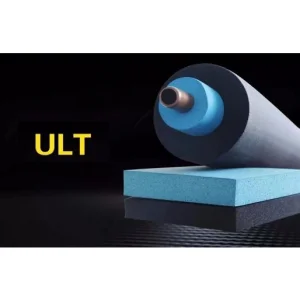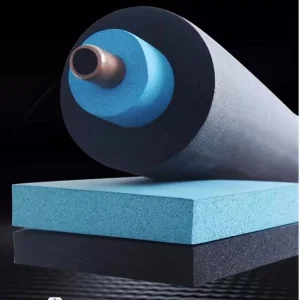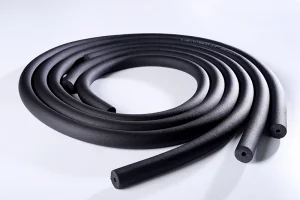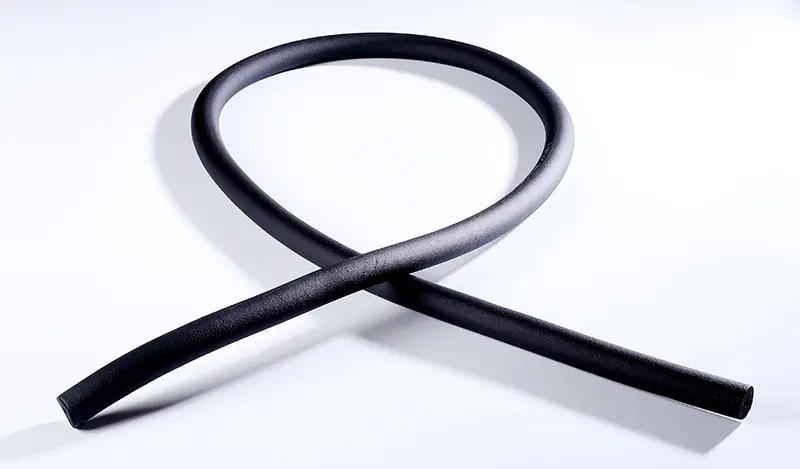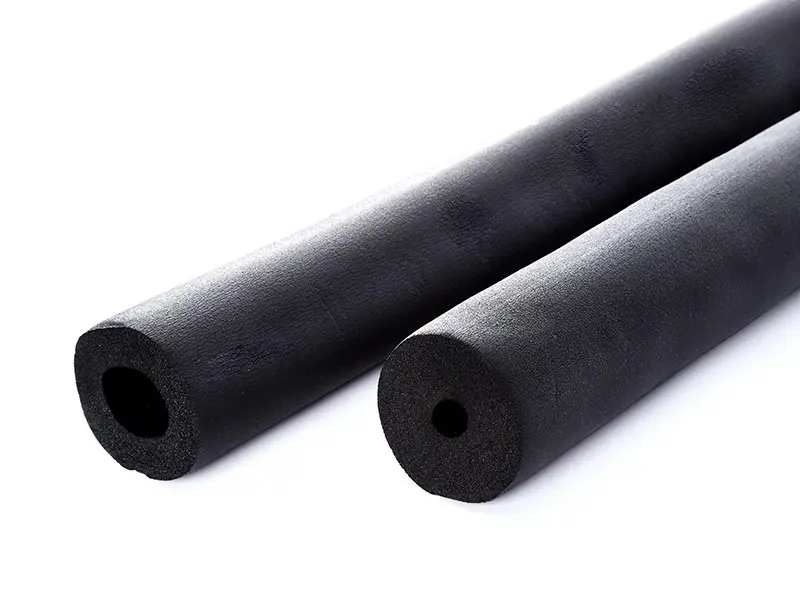
Direct supply from state-of-the-art production lines, providing premium energy savings and soundproofing performance.
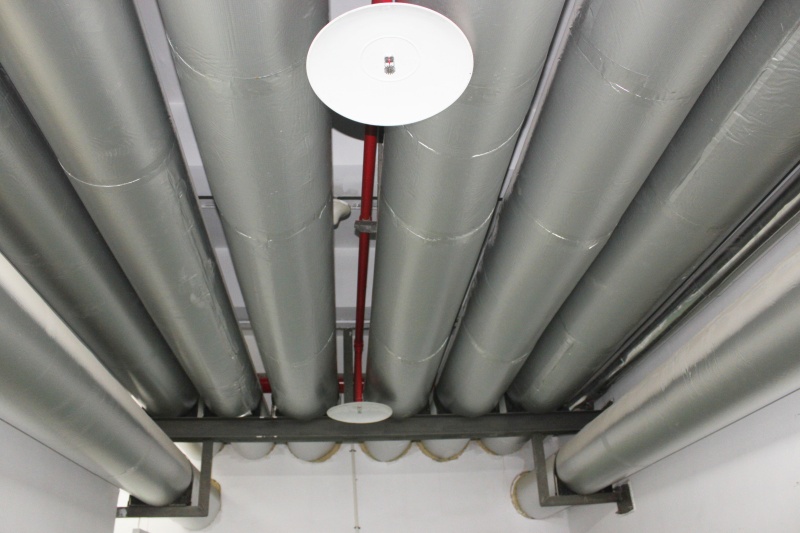
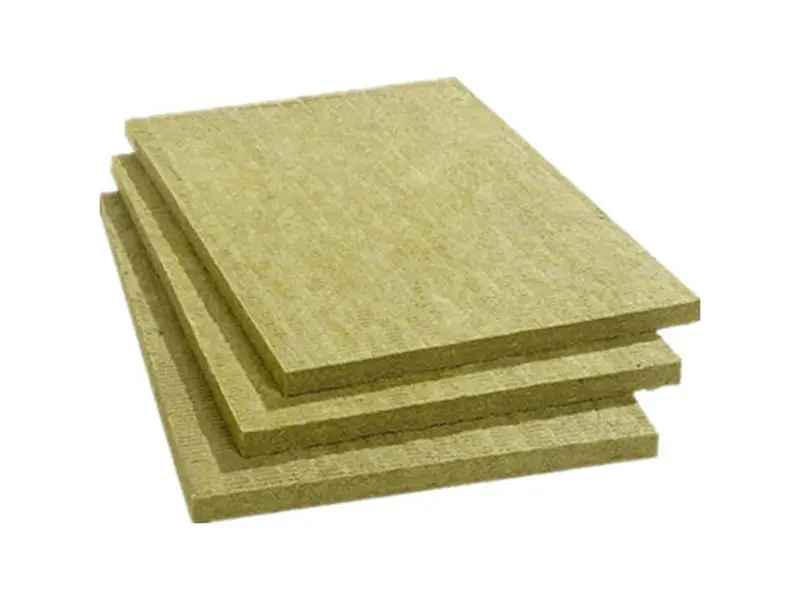
Exceptional noise cancellation indices, designed for ceiling grids and critical soundproofing zones.
Get Factory Quotes →
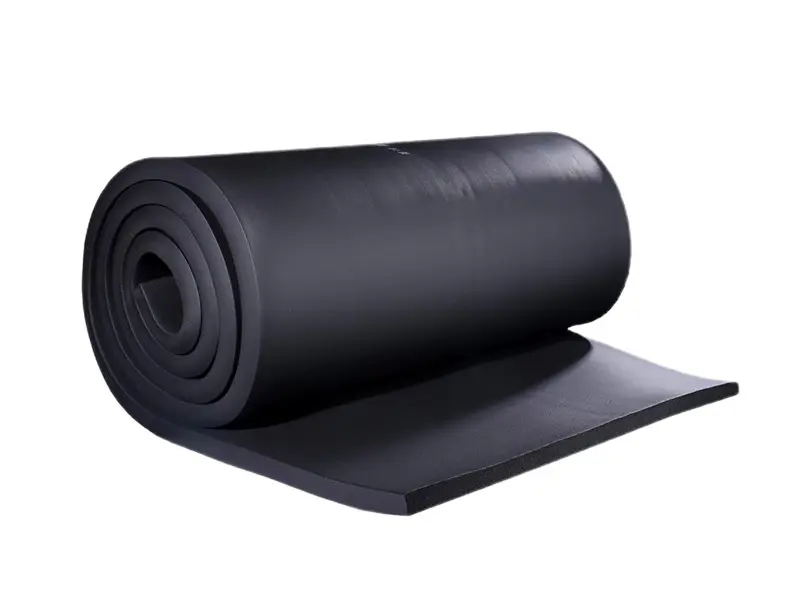
Specially engineered elastomeric compound maintaining flexibility down to sub-zero temperatures.
Get Factory Quotes →
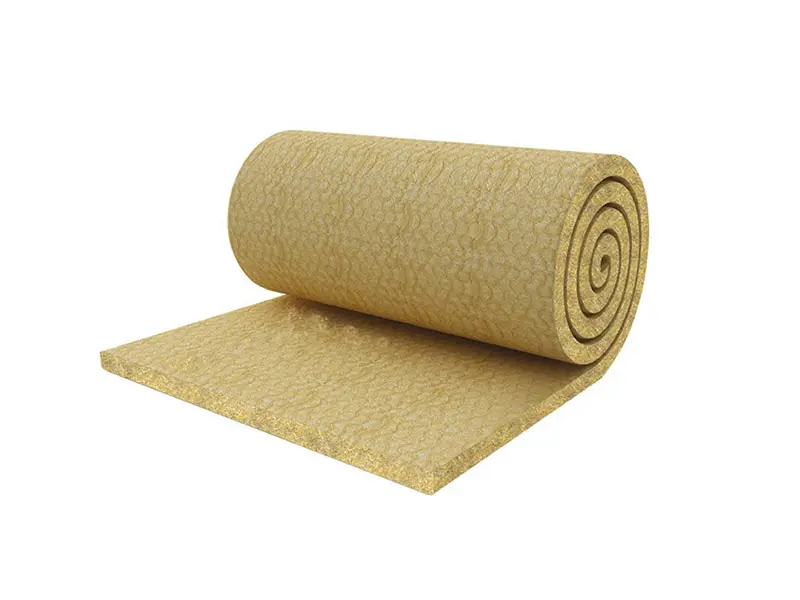
Dynamic open-cell matrices optimizing acoustics and light thermal containment parameters.
Get Factory Quotes →
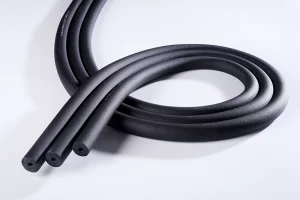
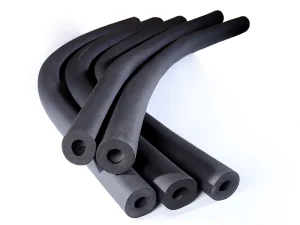
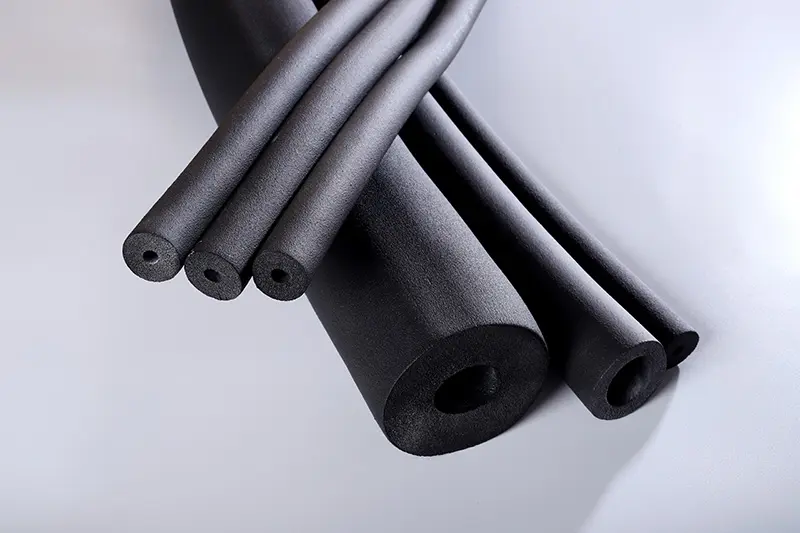
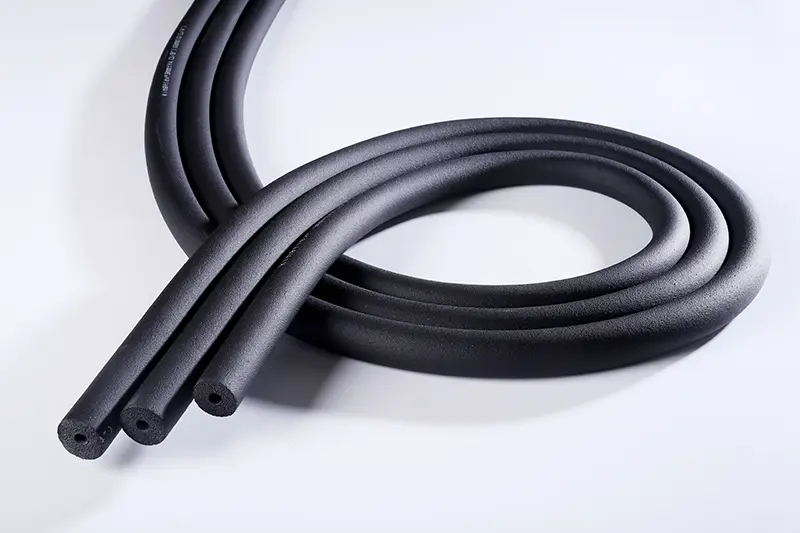
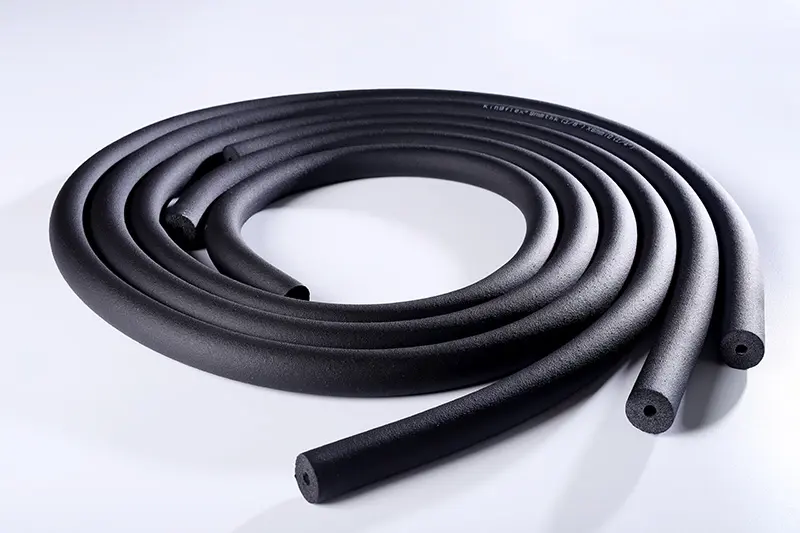
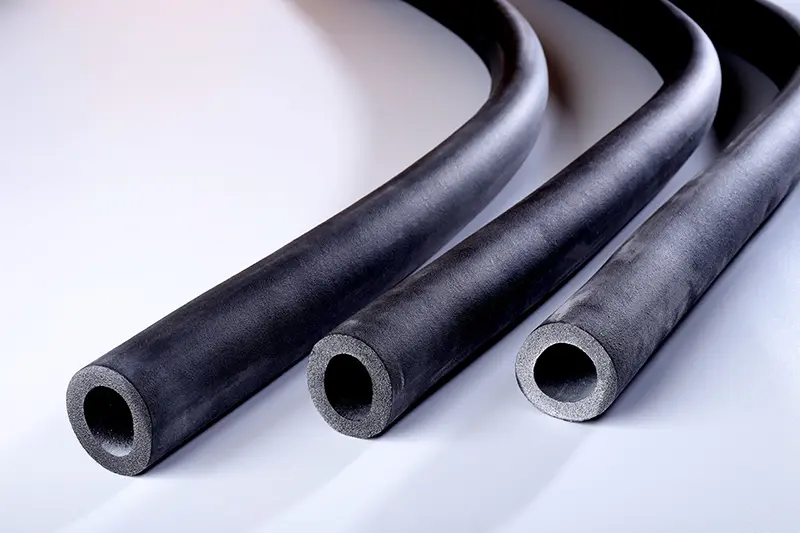
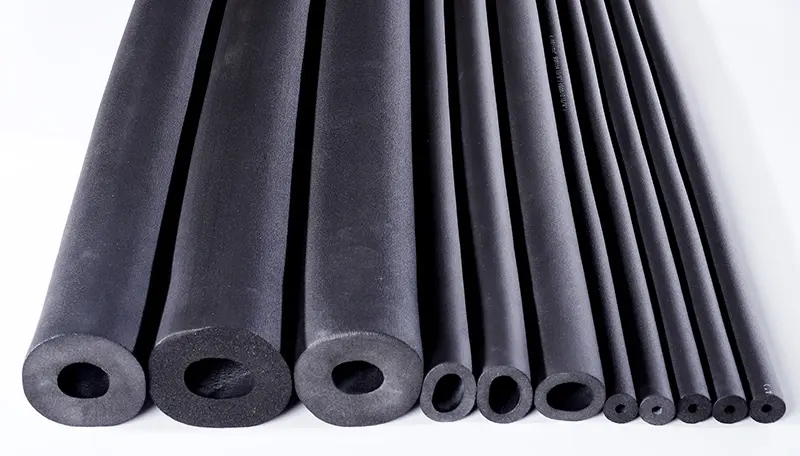
High elasticity tubing ensuring swift installation over complex pipe contours and elbows.
Get Factory Quotes →
Closed-cell design preventing external moisture infiltration in chilled line operations.
Get Factory Quotes →
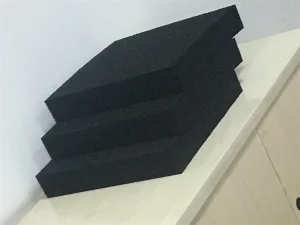
Dual-purpose panels addressing thermal energy losses and low-frequency resonance.
Get Factory Quotes →
Optimized for industrial cold containment down to deep cryogenic ranges.
Get Factory Quotes →
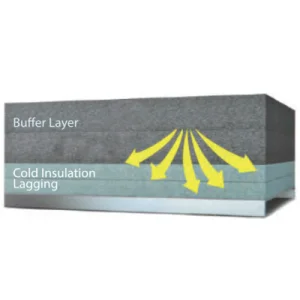
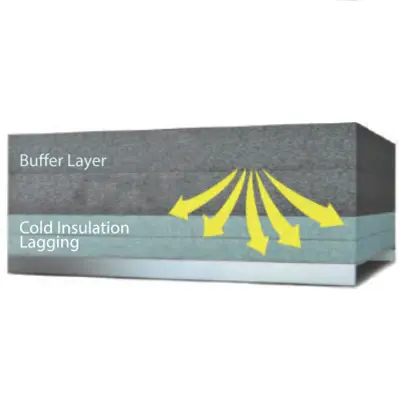
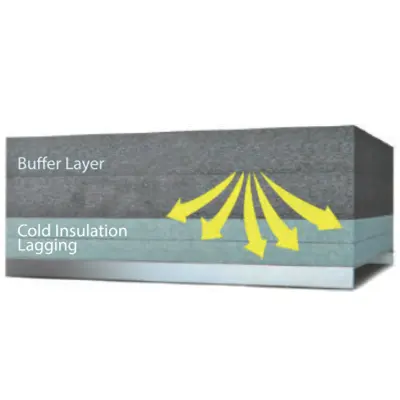
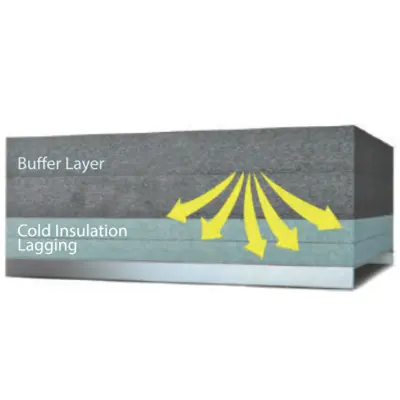
Multi-layered composite system engineered for LNG processing and industrial storage.
Get Factory Quotes →Malaysia’s rapid development in industrial parks, commercial complexes, LNG processing facilities, and semiconductor fabs has driven a surge in demand for high-performance insulation. Operating under a tropical climate with high humidity (>80% RH) and average temperatures ranging from 27°C to 32°C, industrial and commercial systems faces massive challenges regarding condensation, thermal energy loss, and structural corrosion (CUI).
Traditional open insulation configurations fail under high relative humidity, as air moisture penetrates the core, leading to liquid water accumulation. The thermal conductivity (λ) of water is about 24 times higher than that of dry air; moisture ingress degrades thermal efficiency.
Kingflex closed-cell elastomeric rubber foam insulation offers a solution. With a closed-cell rate exceeding 98%, our NBR/PVC panels and pipes provide an integrated vapor barrier. This prevents water vapor diffusion, keeping insulation systems dry and efficient.
Custom insulation architectures addressing complex industrial constraints, from HVAC systems to cryogenic processing plants.
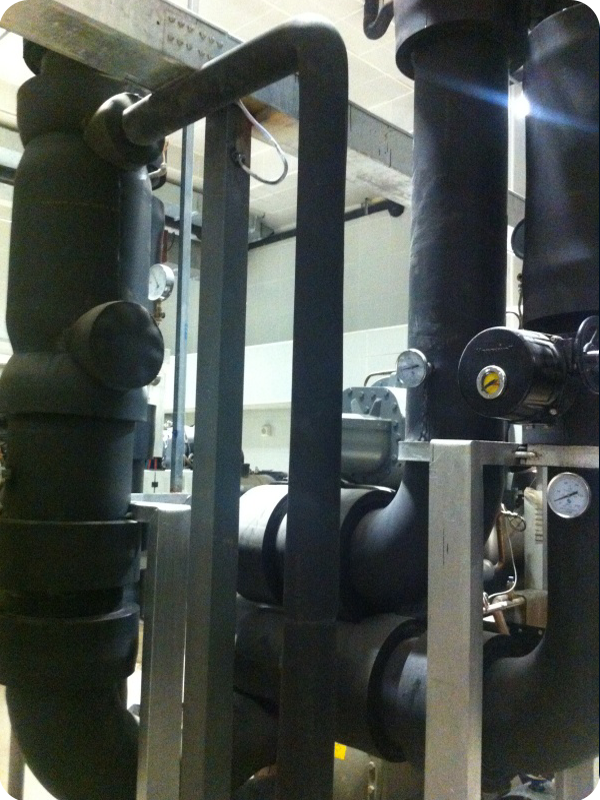
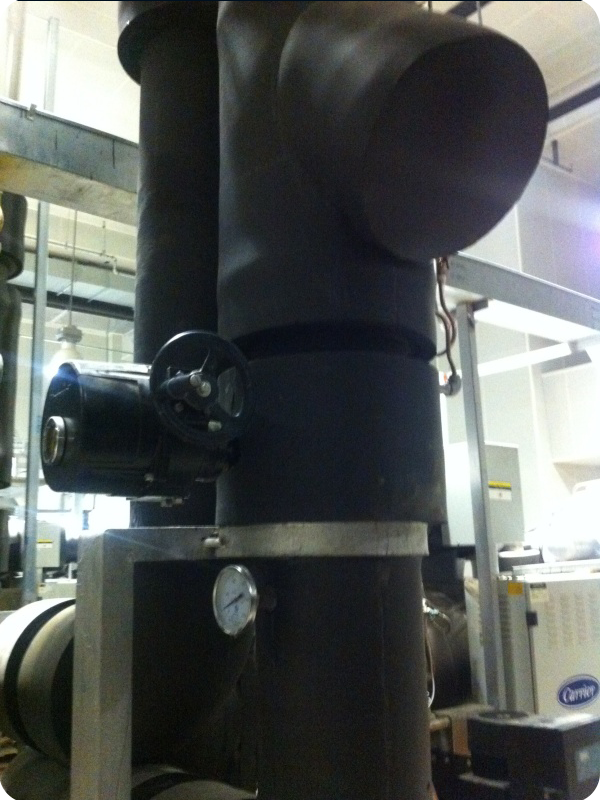
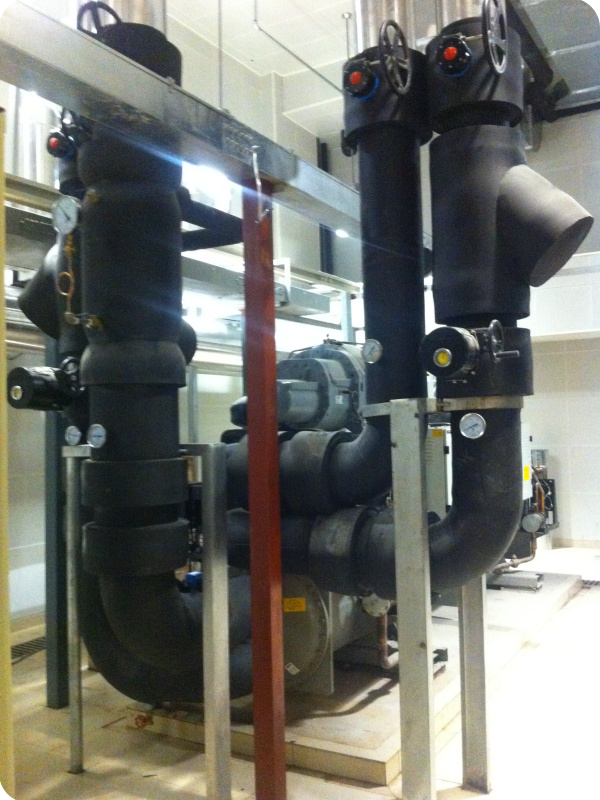
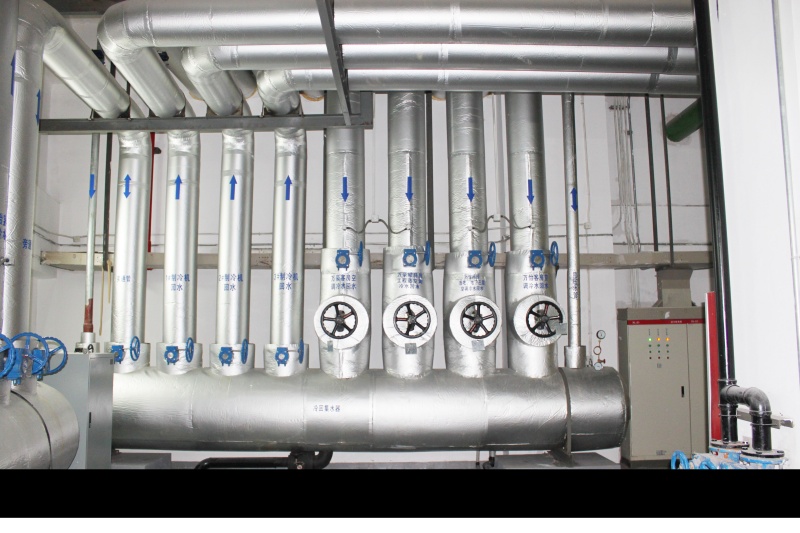
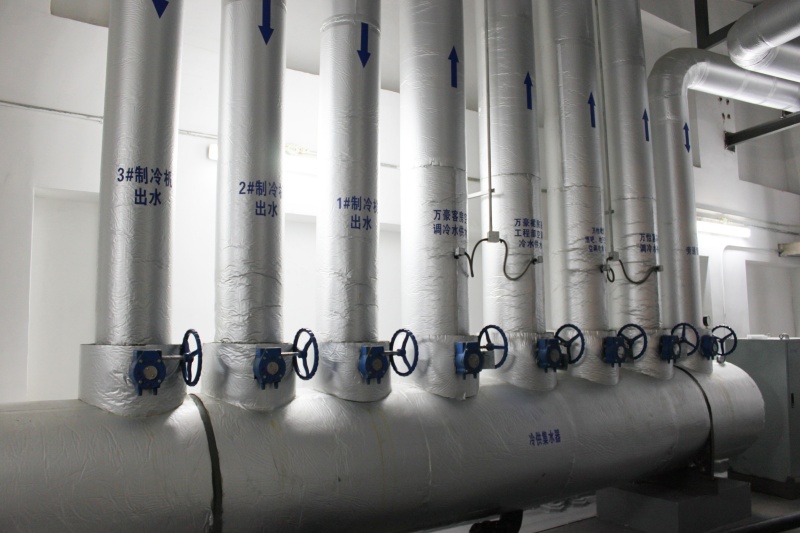
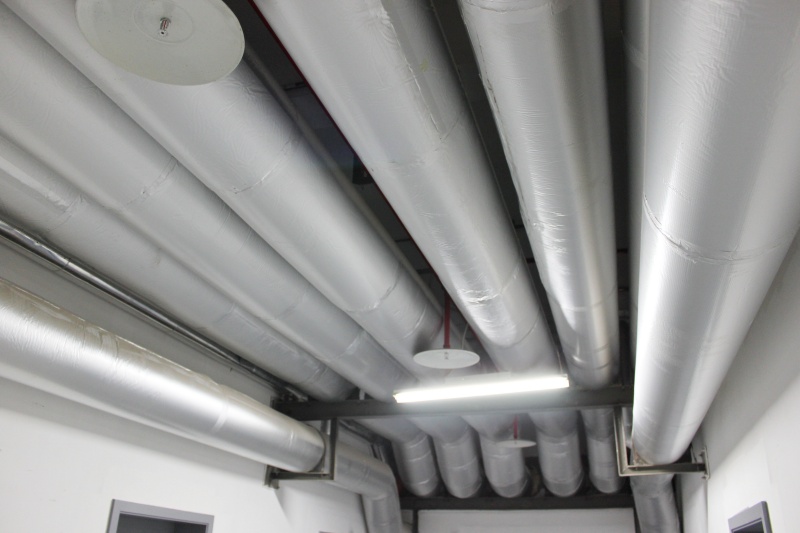
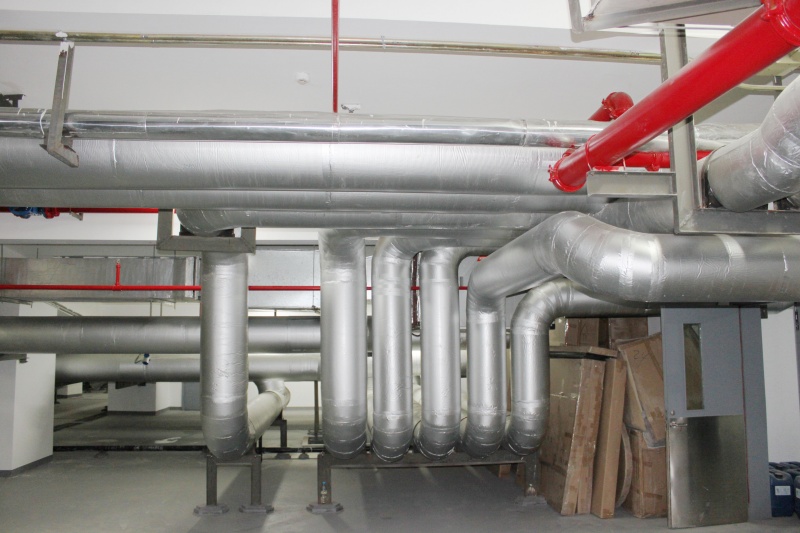
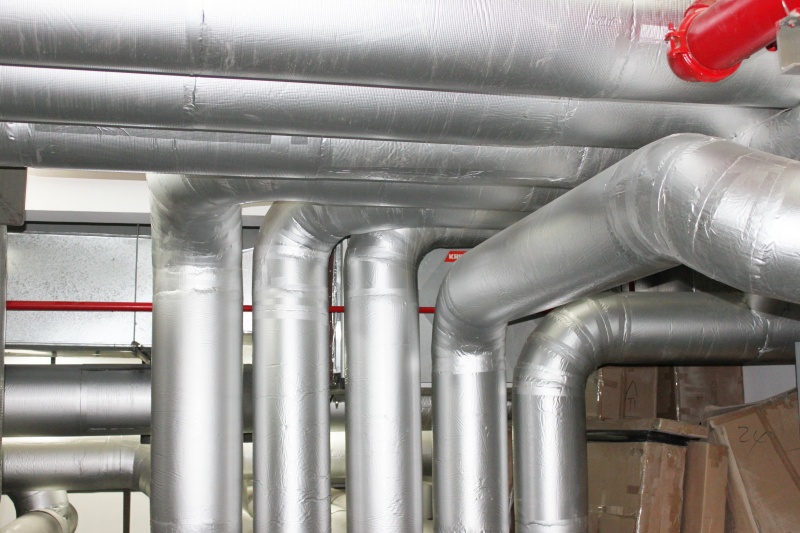
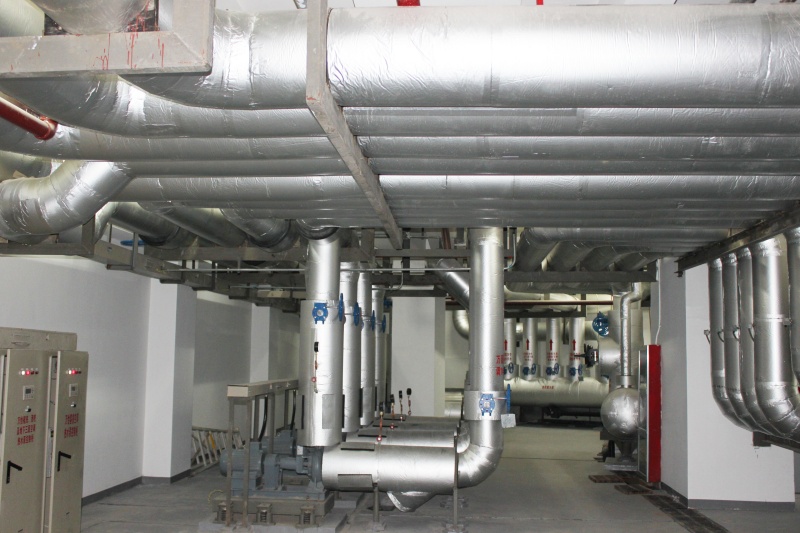
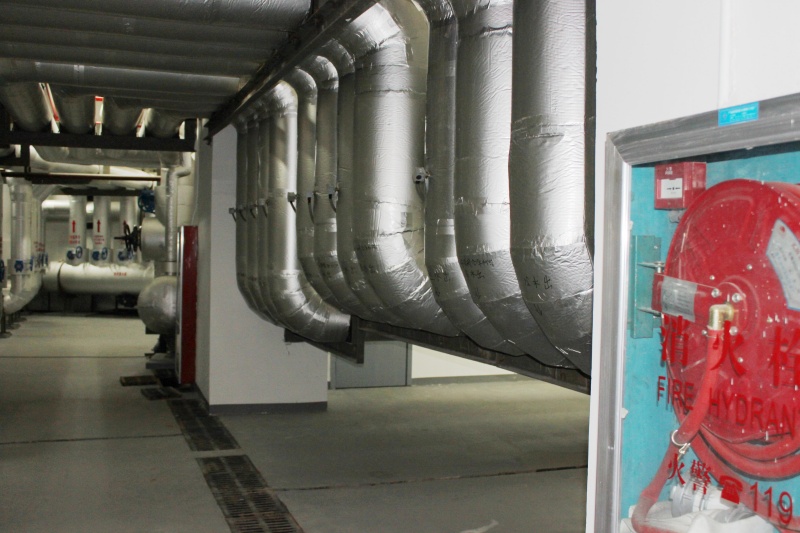
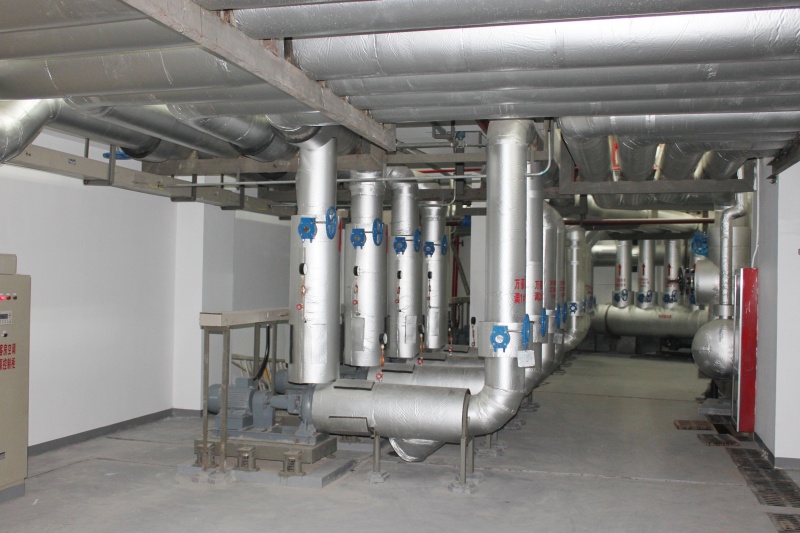
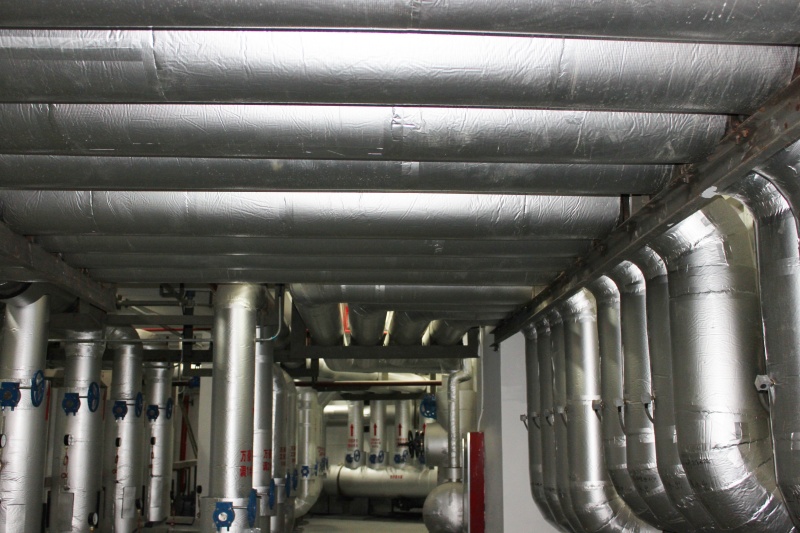
Tropical microclimates accelerate sweating on chilled water lines. Kingflex elastomeric tubing, featuring structural flexibility and high moisture resistance, prevents dripping, structural ceiling damage, and indoor mold growth.
Cryogenic applications down to -200°C require complex insulation. Kingflex cryogenic elastomeric composite setups eliminate structural cracks caused by thermal contraction, preserving thermodynamic safety in petrochemical corridors.
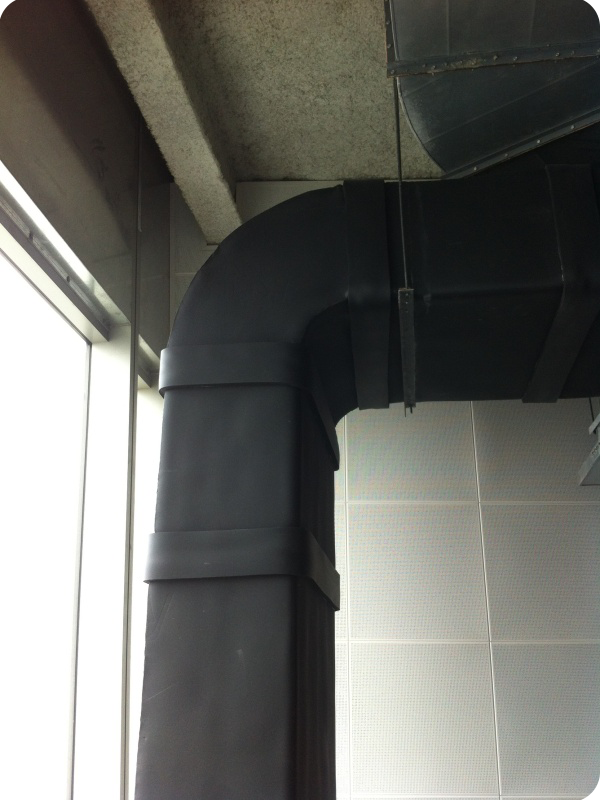
HVAC systems generate structural noise that travels through ducts. High-density acoustic panel inserts from Kingflex damp resonance, meeting noise criteria ratings in hospitals, auditoriums, and high-rise office towers.
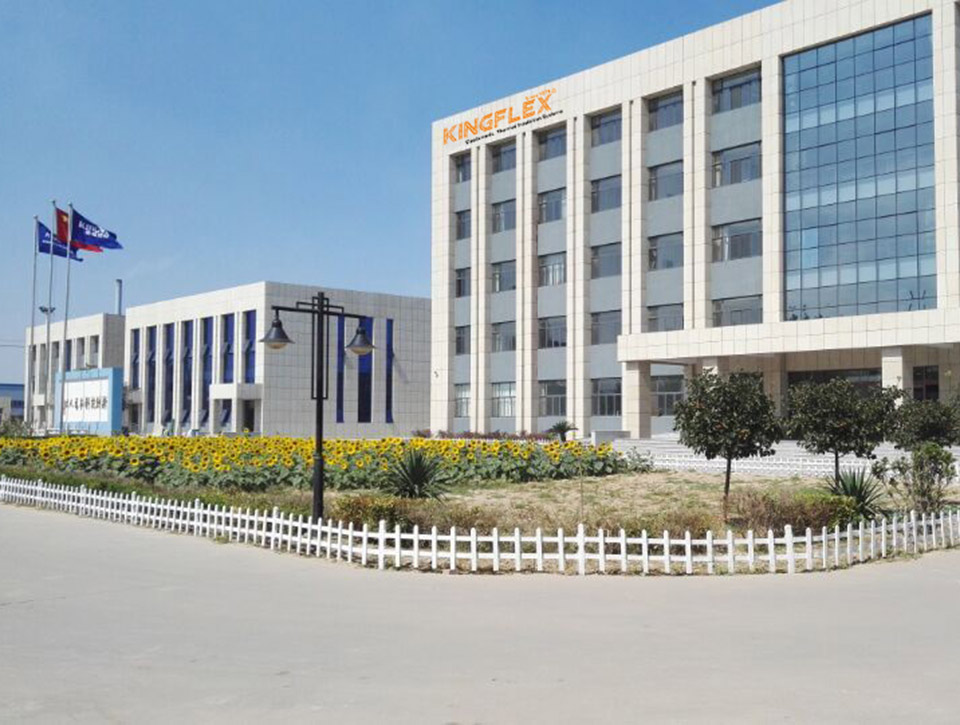
Kingflex Insulation Co., Ltd. is a specialized manufacturing and trading combo for thermal insulation products. Headquartered in Dacheng, China—a hub for green building materials—our facility integrates research, development, production, and global logistics.
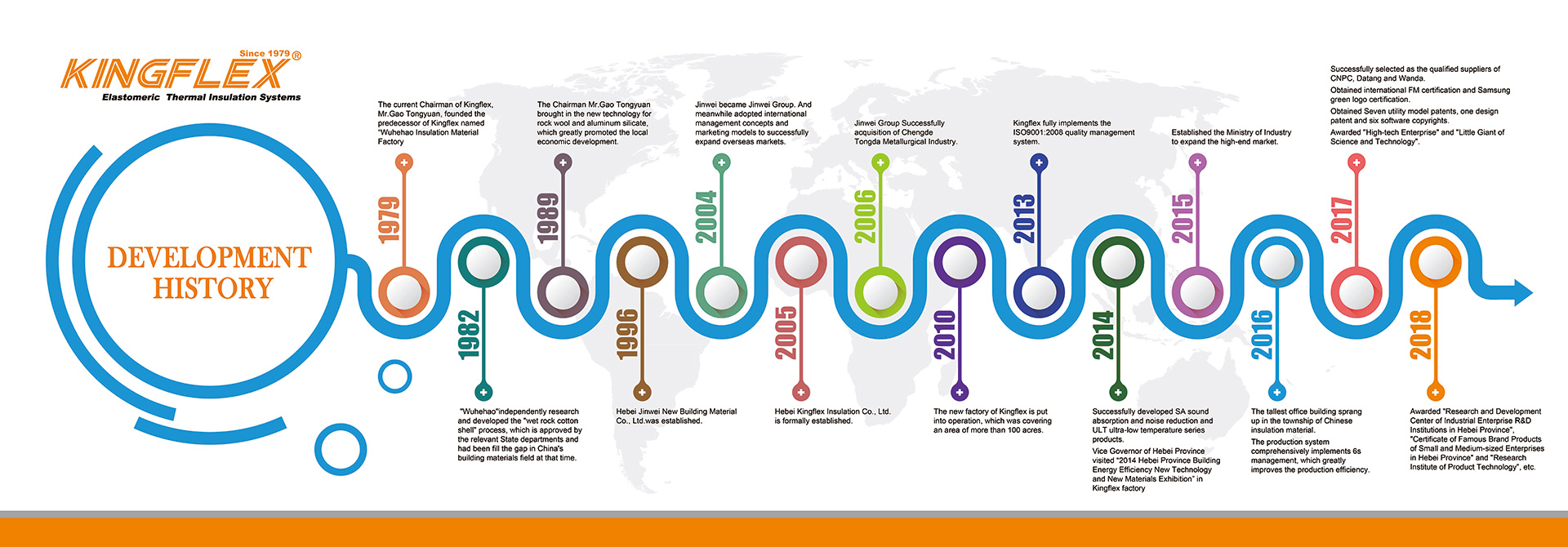
Established by the Jinwei Group, which carries a heritage dating back to 1979, we operated as the first manufacturer of thermal insulation materials north of the Yangtze River. Today, our 5 automated production lines yield a massive annual volume, positioning us to supply global megaprojects on schedule.
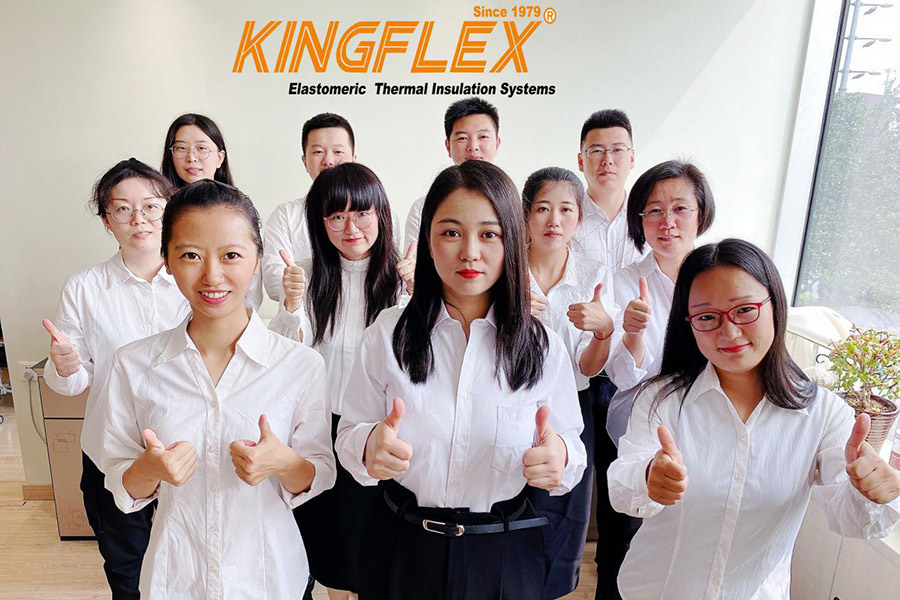
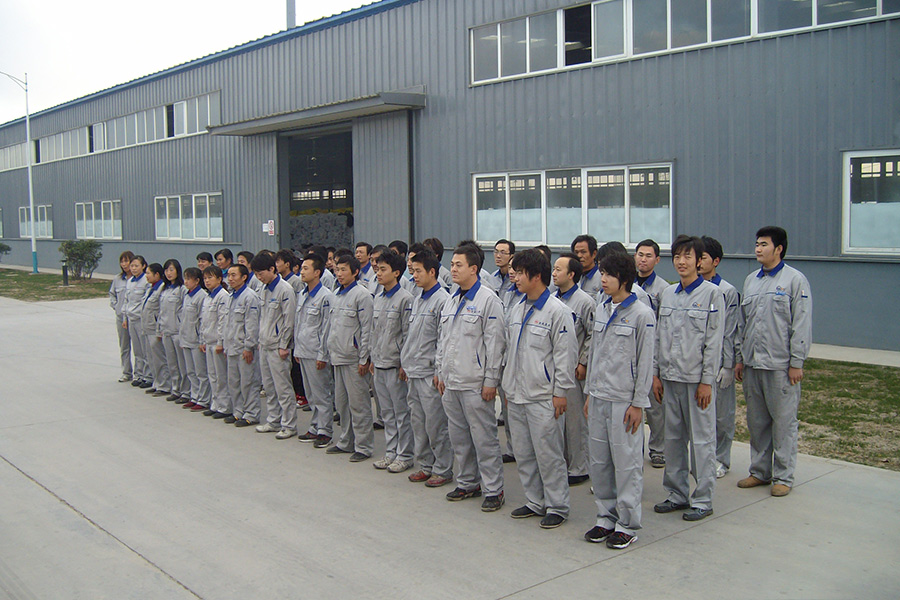
Our human capital drives our product performance. Kingflex relies on 8 professional chemical and material science engineers in our R&D Department, 6 certified international project sales consultants, and 230 technicians and operators.
Through collaboration, our engineering group works to improve flame-retardant performance and mechanical resilience. We support OEM requirements, modifying density, elasticity, and sheet dimensions to meet specific client specifications.
Evaluating material parameters to determine the appropriate thermal insulation strategy for industrial environments.
| Property Parameter | NBR/PVC Elastomeric Rubber Foam | Rock Wool Insulation Board | Glass Wool Insulation |
|---|---|---|---|
| Thermal Conductivity (λ) | ≤ 0.034 W/(m·K) at 0°C | ≤ 0.038 W/(m·K) at 25°C | ≤ 0.042 W/(m·K) at 25°C |
| Moisture Resistance factor (μ) | ≥ 10,000 (Closed-cell vapor seal) | Low (Requires external cladding) | Low (Susceptible to vapor ingress) |
| Temperature Limits | -40℃ to +105℃ (Ultra-low cryogenic custom available) | Up to 650℃ | Up to 350℃ |
| Fire Classification | Class 0 / Class 1 (BS 476 Part 6 & 7), UL94 V-0 | Class A1 Non-combustible | Class A1 Non-combustible |
| Structural Flexibility | Very High (Elastomeric compression recovery ≥ 80%) | Rigid / Semi-Rigid | Flexible Fiber Matrix |
In chilled water systems and air-conditioning ducts, warm, humid air naturally migrates toward cold surfaces. Fibrous insulations (such as rock wool or glass wool) have interstitial air voids. If their external protective jackets tear, water vapor can enter and condense within the material, reducing its thermal performance.
Kingflex elastomeric rubber foam utilizes a closed-cell structure. The cell walls serve as a barrier, preventing water vapor from penetrating even if the surface layer is punctured. This helps ensure consistent thermal performance over the system's lifespan.
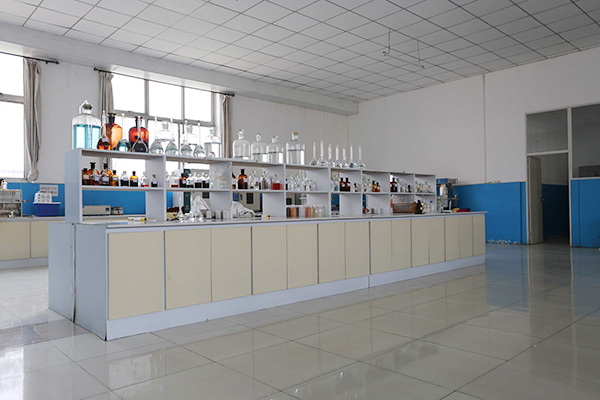
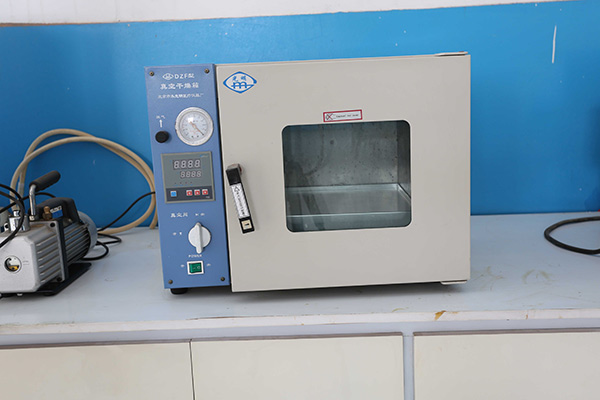
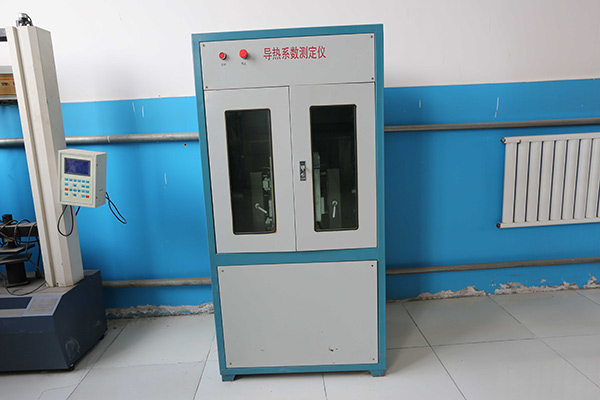
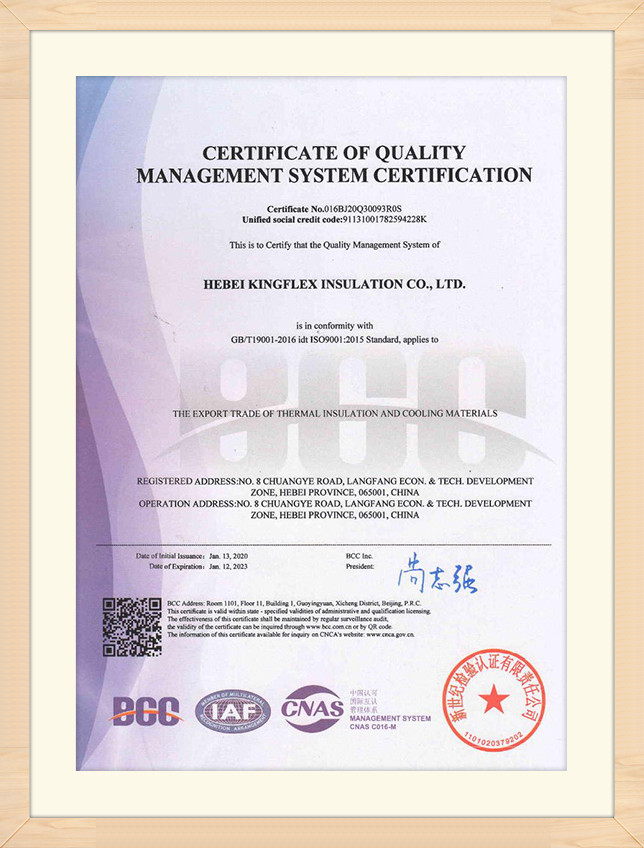
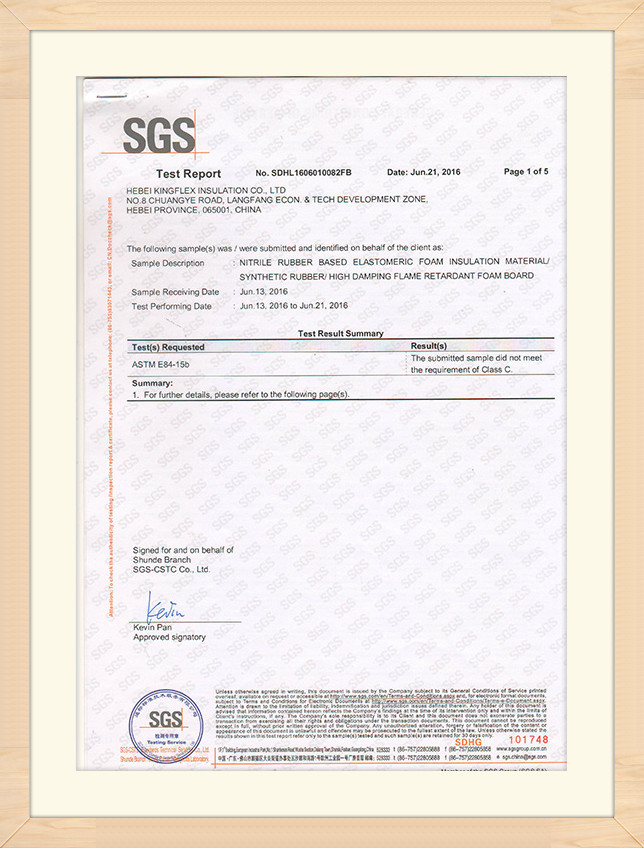
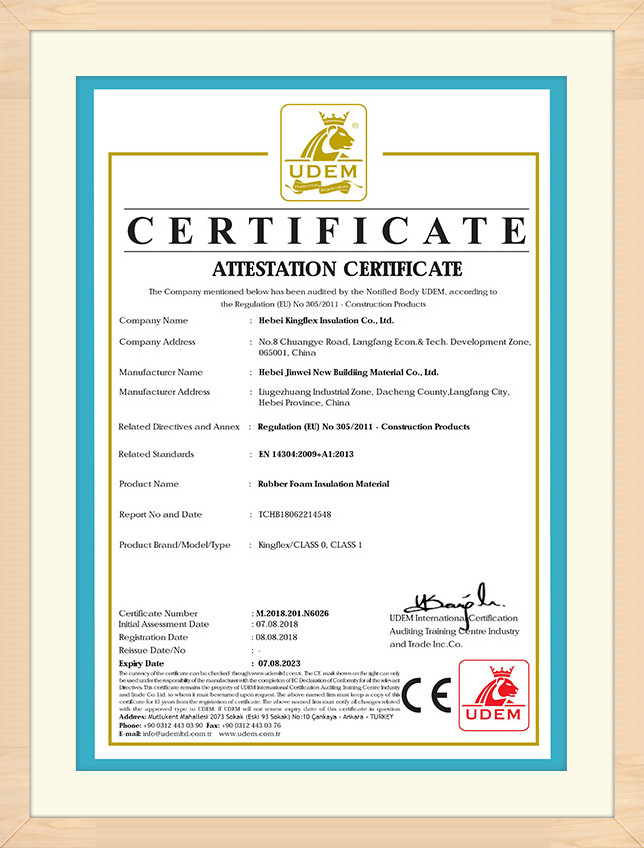
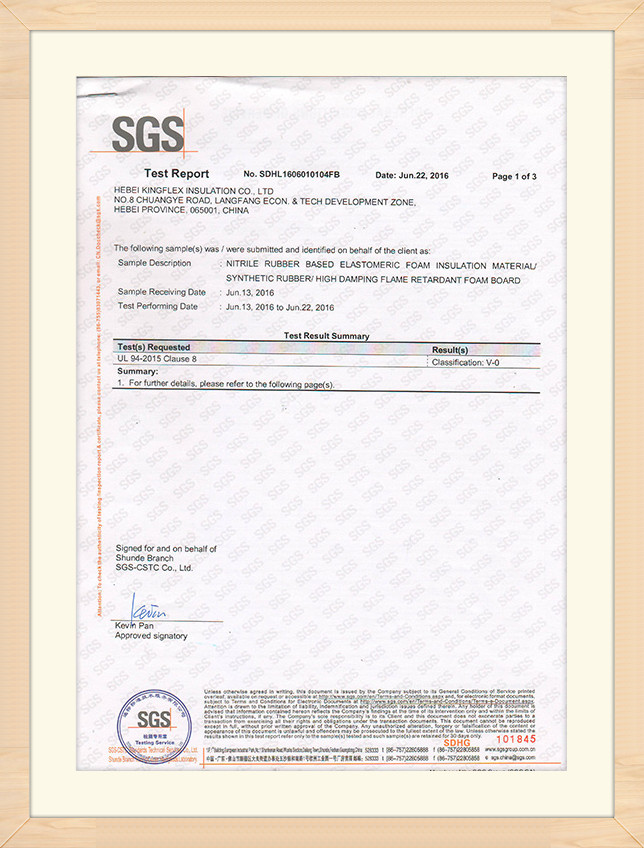
Demonstrated manufacturing capabilities backed by global third-party testing and quality certifications.
Kingflex operates 5 large-scale automated extrusion and foaming lines, producing over 600,000 cubic meters annually. This capacity allows us to meet high-volume demands from large-scale commercial and industrial construction projects.
We are a designated production enterprise certified by the Ministry of Energy, the Ministry of Electric Power, and the Ministry of Chemical Industry in China, serving domestic infrastructure projects and exporting to over 66 countries globally.
Our rubber foam insulation meets international building regulations and environmental directives, facilitating smooth local approvals in Malaysia (e.g., Bomba, SIRIM-equivalent testing standards).
Innovation directions in insulation material science, targeting lower energy usage and reduced environmental impact.
Developing next-generation elastomeric foams using plant-derived plasticizers and bio-polyols. This helps reduce VOC emissions, supporting green building standards like LEED and Green Building Index (GBI) in Malaysia.
Integrating silica aerogels into closed-cell rubber substrates to reduce thermal conductivity (λ) to ≤ 0.024 W/(m·K). This allows for thinner insulation profiles, saving space in tight service ducts.
Embedding sensing elements into cryogenic pipe jackets to detect micro-leaks or condensation. This enables preventative maintenance and helps prevent structural damage from corrosion under insulation (CUI).
Detailed performance parameters for our two main product lines: Sheet Rolls and Pipe Tubing.
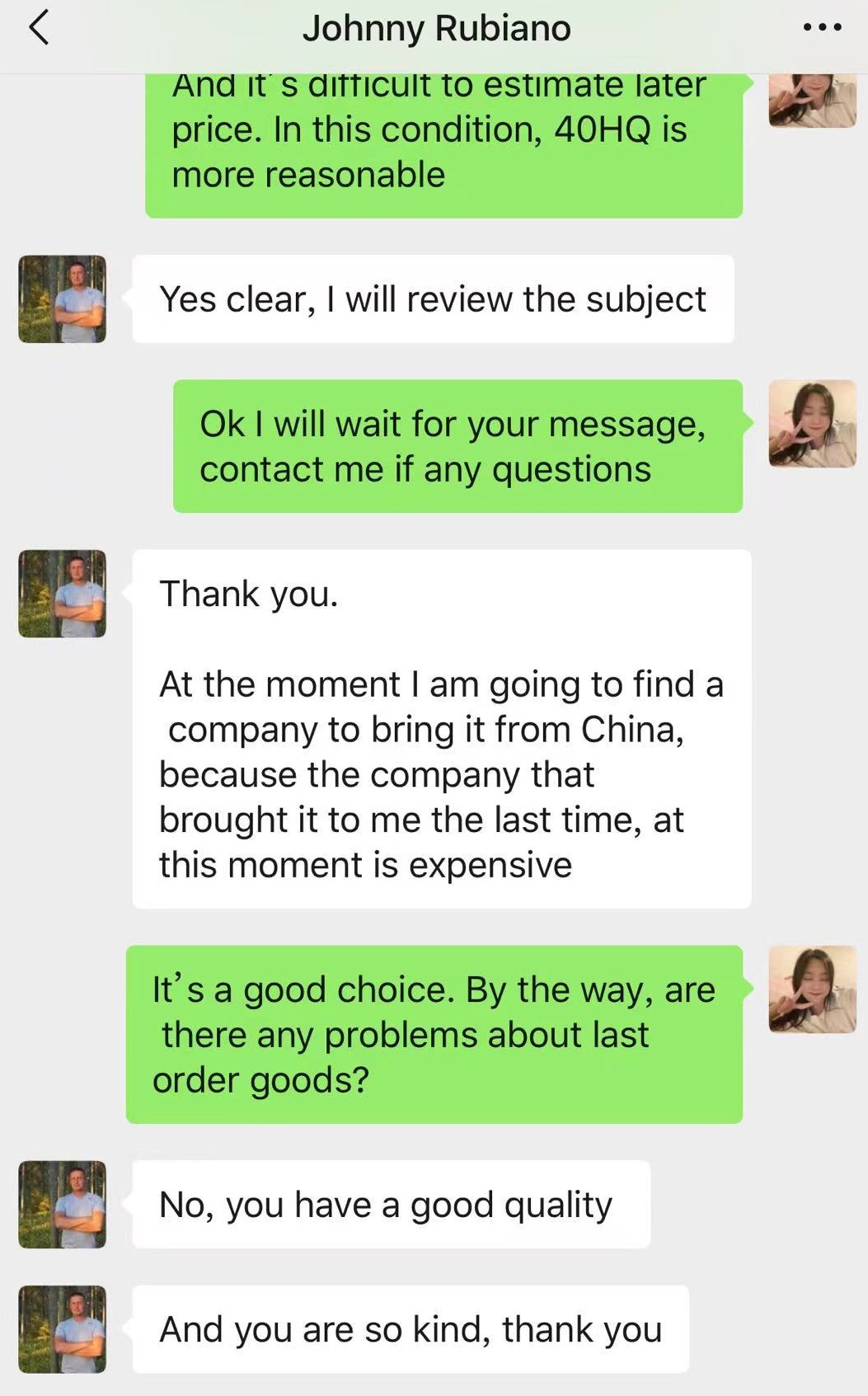
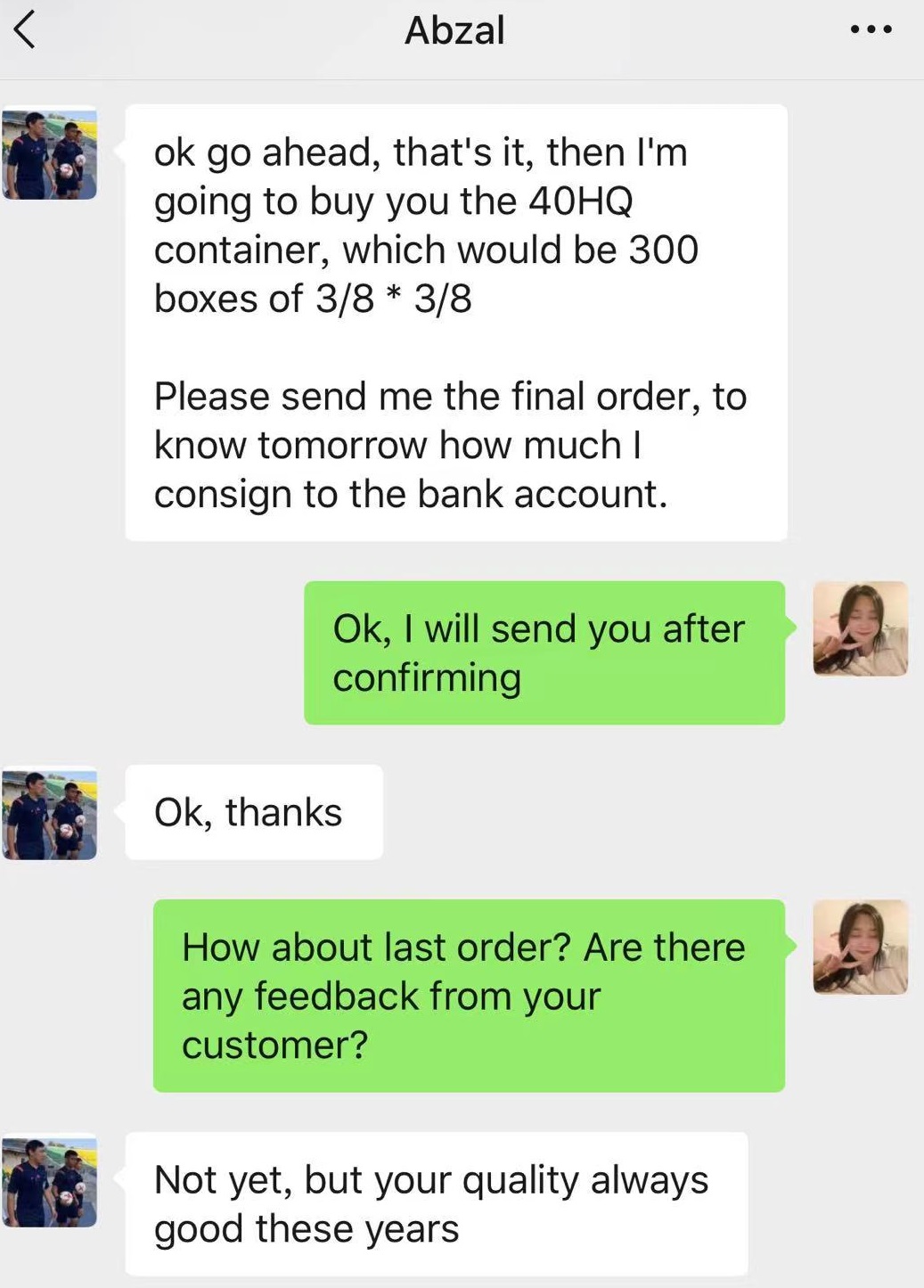
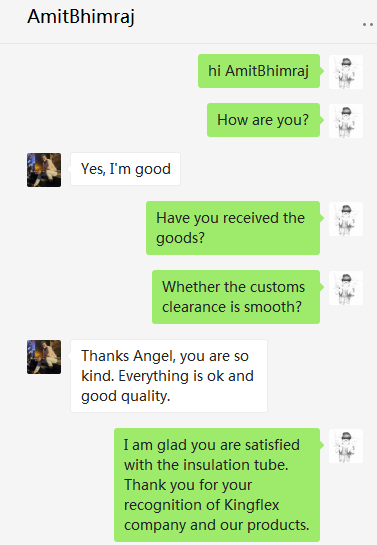
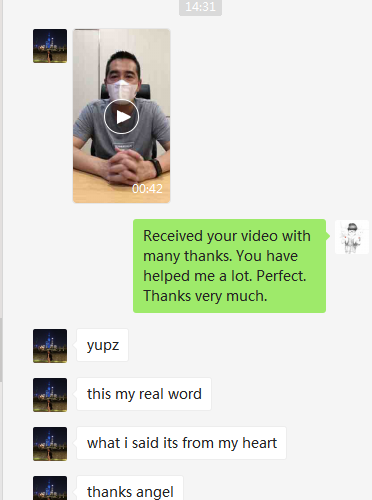
Verified communication records and supply logs demonstrating our transparency, quality control, and client relationships.
At Kingflex, we maintain transparency regarding order progression, laboratory testing, and shipping details. We provide real-time updates and documentation to our global clients, including partners in Malaysia, Singapore, and Australia.
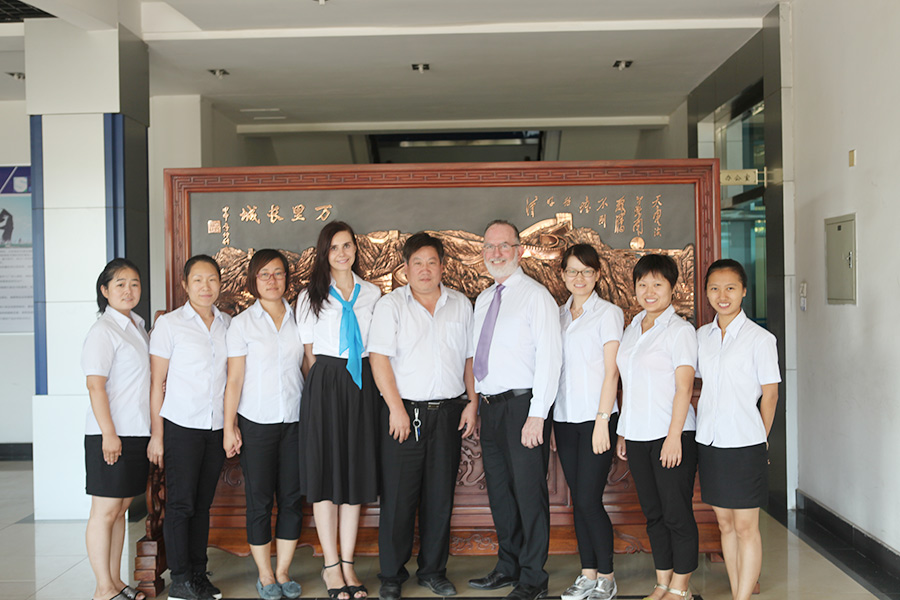
Global buyer delegation evaluating the automated packaging line.


Technical guidance and answers regarding elastomeric rubber foam and rock wool insulation performance.
It is mainly used for HVAC ducts, air conditioning piping, building envelope insulation, and cold/acoustic insulation on industrial and process pipelines. Its resistance to moisture vapor transmission makes it suitable for cold line systems where condensation control is critical.
Yes, our rubber foam insulation is formulated with flame retardants. It complies with safety standards including BS 476 (Part 6 Class 0 and Part 7 Class 1) and UL94 V-0, which helps it meet local building safety regulations in international markets.
Rubber foam is a flexible, closed-cell, moisture-resistant material suited for chilled water systems, HVAC ducts, and applications from -40°C to 105°C. Rock wool is a rigid, fibrous, non-combustible material capable of withstanding temperatures up to 650°C, making it suitable for high-temperature industrial pipelines and fire protection barriers.
Yes, we offer OEM services. We can adjust density (typically 40–55 kg/m³), wall thicknesses, inner diameters (ID) for pipes, and supply sheet rolls with self-adhesive backing or protective foil coatings to suit specific project needs.
Kingflex materials are certified under several standards, including BS 476, CE, REACH, RoHS, UL94, and ASTM. This documentation supports import compliance and project approval processes in global regions.
Yes, we implement batch coding on our production lines. Every production batch is traced from raw material intake through extrusion, curing, and packaging to maintain quality control.
We manufacture sheet rolls in thicknesses ranging from 6mm to 50mm, allowing engineering teams to specify the correct thickness based on condensation calculations.
When installed according to guidelines and shielded from direct UV exposure (or treated with outdoor protective coatings), our elastomeric products have a service life of approximately 10 to 15 years.
Explore our export-grade insulation products, available for direct shipment from the factory.
Heavy duty 40mm thickness for mechanical ventilation and air handling unit (AHU) chambers.
Get Factory Quotes →
Flexible rubber insulation pipes for copper HVAC lines, preventing condensation drip.
Get Factory Quotes →
High density closed-cell structure for building wall cavities and roof decks.
Get Factory Quotes →
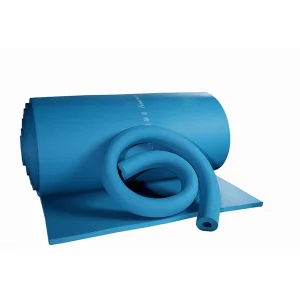
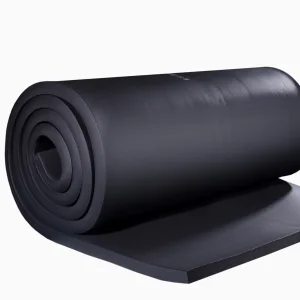
Customizable roll width with optional reinforcement foil layers for harsh environments.
Get Factory Quotes →
Targeted sound deadening properties, suitable for air compressor cabinets.
Get Factory Quotes →
Maintains structural stability and insulation properties at very low temperatures.
Get Factory Quotes →
Multiple-layer protection configuration for cryogenic transport and industrial process piping.
Get Factory Quotes →
Standard flexible sleeves for hot and cold water service lines in civil construction.
Get Factory Quotes →Comprehensive selection of elastomeric foam, rock wool, and glass wool insulation systems.