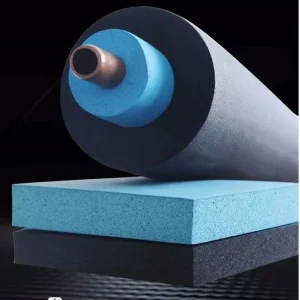
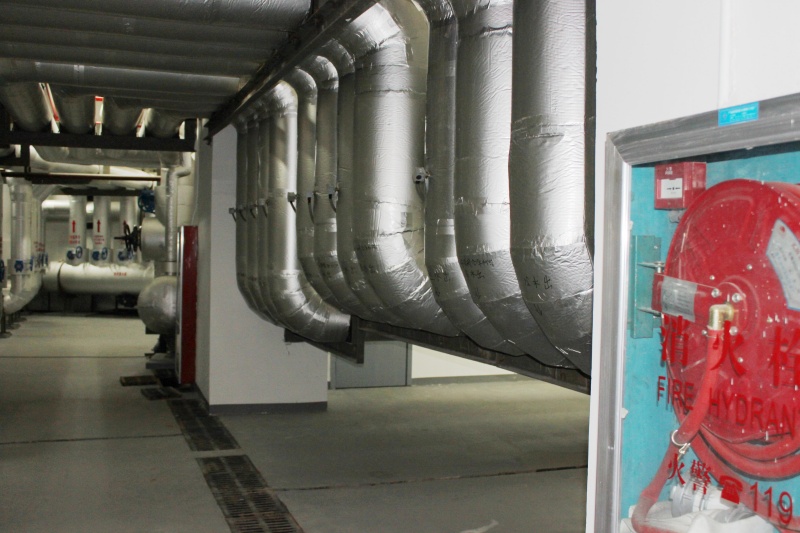
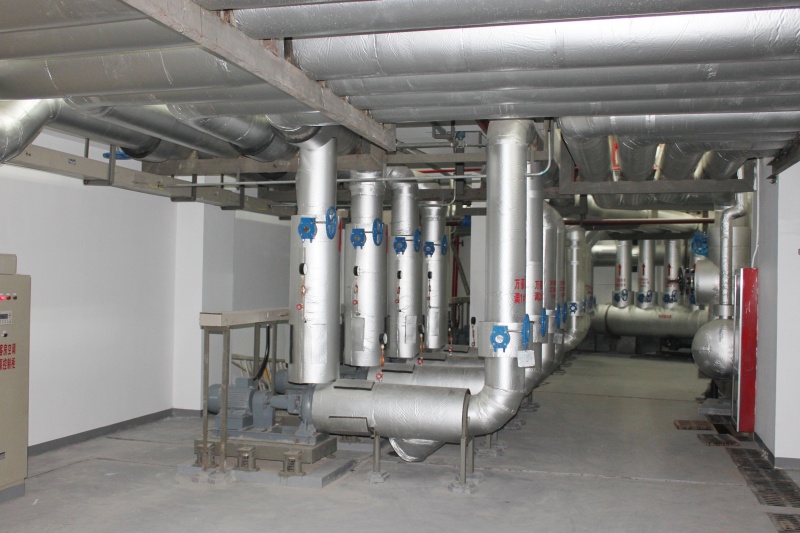
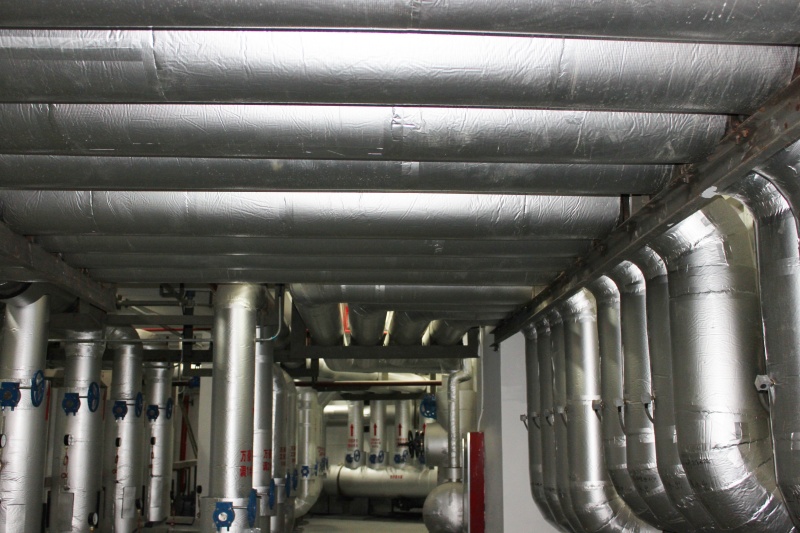
Explore our foundational range of elastomeric sheets, tubes, and performance-engineered vibration-dampening products manufactured to strict global standards.
Why modern structural insulation demands a pivot toward high-performance, closed-cell elastomeric technology.
As the international commercial sector targets strict net-zero thresholds, the thermal performance efficiency of building envelopes, chilled water pipelines, and HVAC ducts has shifted from a tertiary utility to a core engineering priority. In the current global economic landscape, thermal insulation sheets act as mechanical safeguards, mitigating energy transfer and eliminating condensation hazards that can lead to systemic structural failures or costly biological remediation (such as mold and mildew growth).
International updates like the European Energy Performance of Buildings Directive (EPBD) and ASHRAE 90.1 mandate higher thermal resistance values (R-values) with thinner, space-saving profiles. Premium elastomeric sheets offer superior K-factors within compressed spaces.
In cleanrooms, hospital ventilation, and high-occupancy civic projects, the risk of fiber shedding is a critical concern. Clean, dust-free NBR/PVC elastomeric rubber foams prevent particulate migration, offering a safer alternative to traditional fibrous media.
The expansion of the global LNG transport infrastructure, petrochemical processing plants, and biotechnology facilities requires reliable piping materials capable of functioning under cryogenic conditions. Specially engineered low-temperature elastomeric materials prevent standard thermal stress cracking down to -200°C.
A closer look at the physics of energy preservation and moisture barrier properties.
Elastomeric foam sheets are produced via a continuous extrusion process followed by controlled vulcanization and thermal expansion. By combining nitrile-butadiene rubber (NBR) with polyvinyl chloride (PVC) polymers, manufacturers yield a flexible, highly durable matrix characterized by micro-cells. The closed-cell rate of over 98% effectively locks dry air inside the structure, creating a permanent barrier to convection and moisture ingress.
A proven track record of technological innovation, engineering expertise, and global supply capacity.
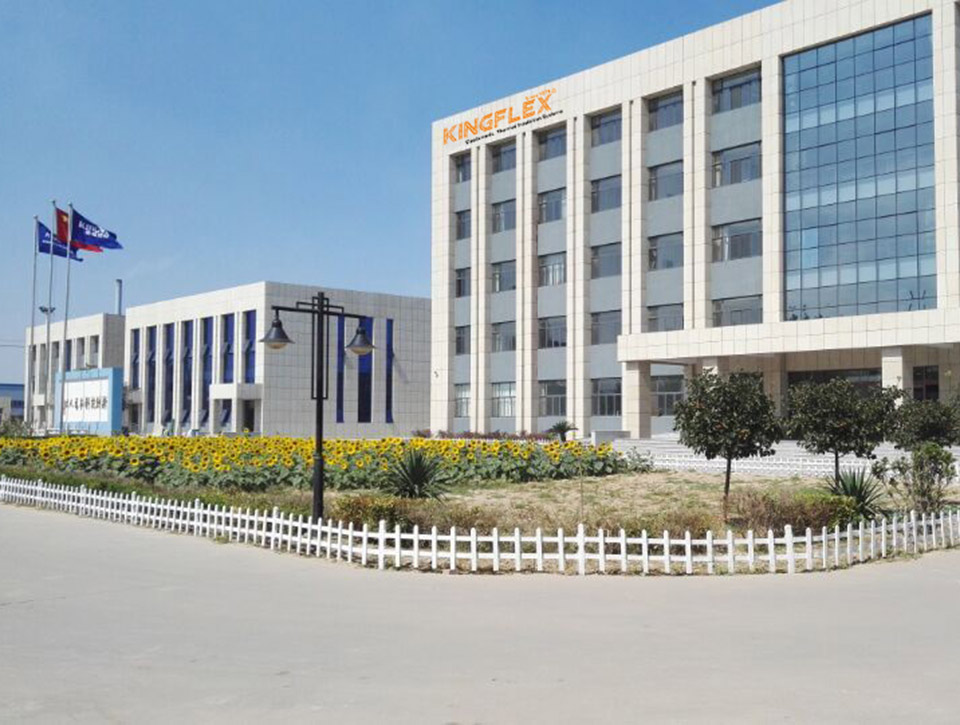
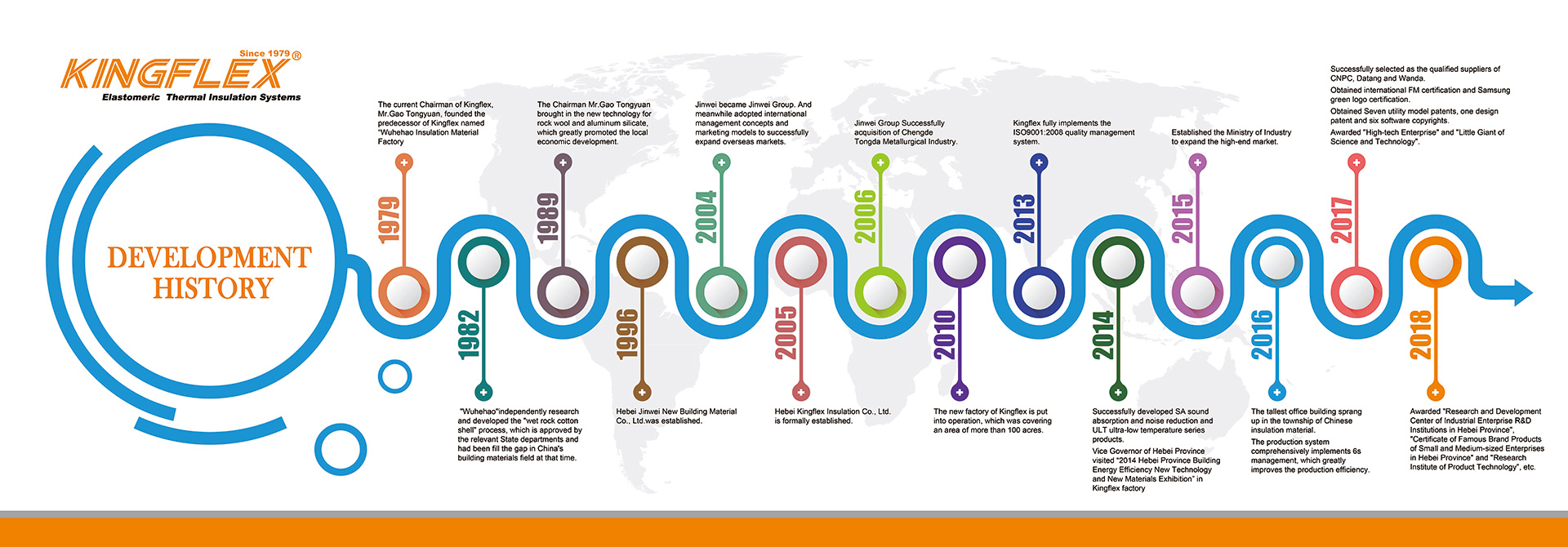
Established in 1979 under the Jinwei Group, Kingflex is a premier manufacturer of thermal insulation materials located north of the Yangtze River. Dacheng, China—known as the capital of green building materials—hosts our research, development, and advanced production base.
By prioritizing raw material purity, automated continuous vulcanization, and green energy conservation, Kingflex has evolved from a regional facility into an energy-saving enterprise. We provide comprehensive insulation solutions, spanning expert technical consultation, custom product design, supply chain logistics, and remote installation guidance for major industrial projects.
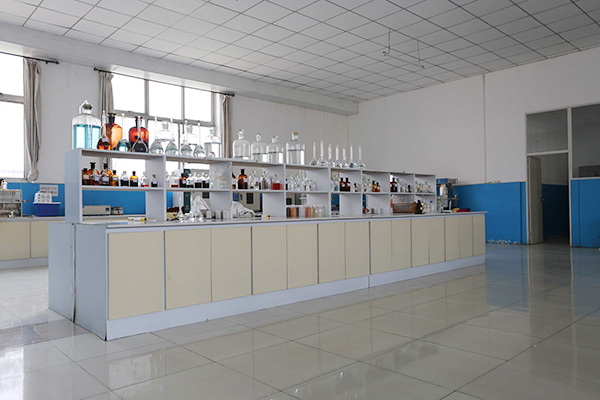
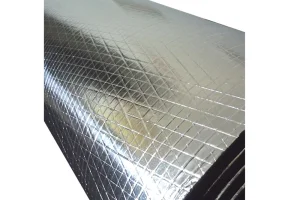
Our dedicated R&D facility houses 8 professional engineers and chemical specialists focused on customizing formulations for extreme temperatures. These efforts extend to developing foil-faced composites and custom density configurations (40-55 kg/m³) tailored for high-humidity environments.


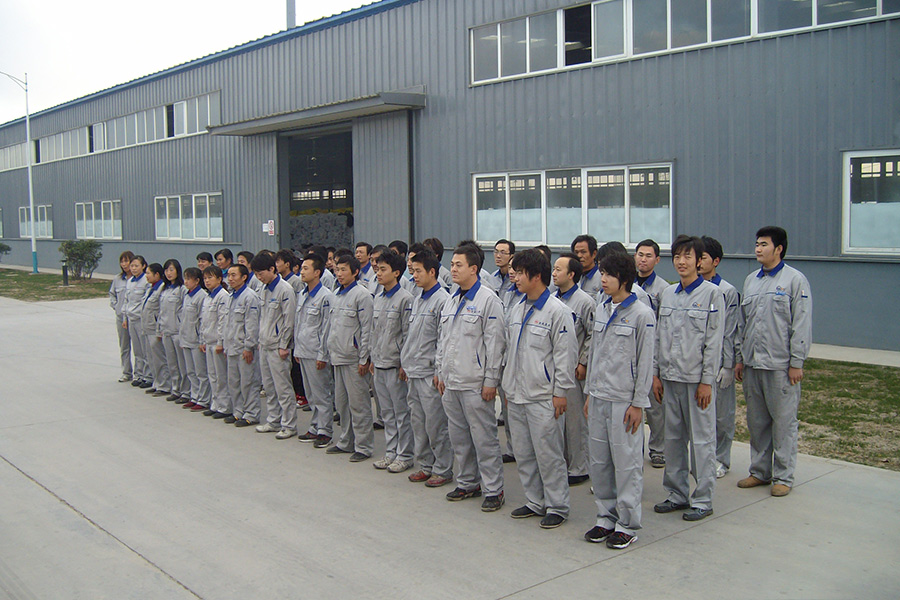
Backed by a staff of 6 professional international sales specialists and 230 production workers, Kingflex ensures seamless transaction processing, container load optimization, and comprehensive documentation compliance for customs clearance in over sixty-six countries.
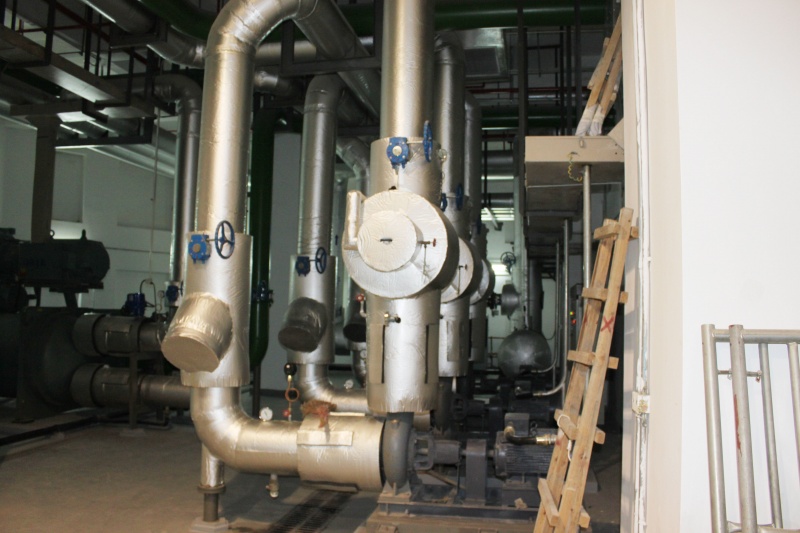

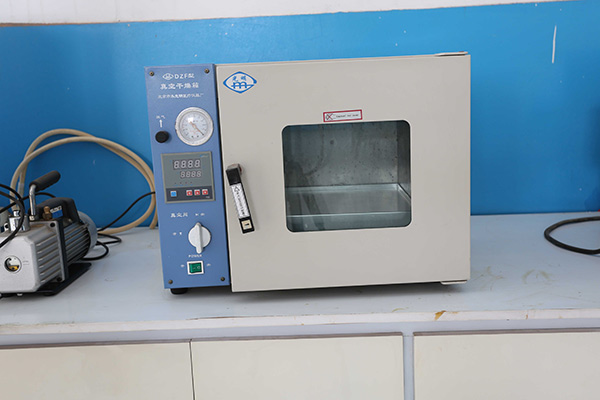
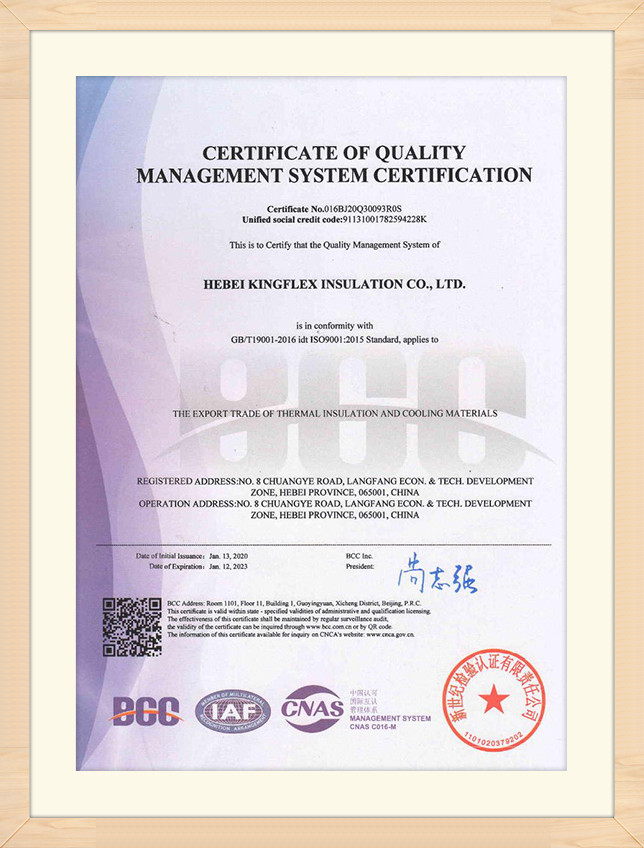
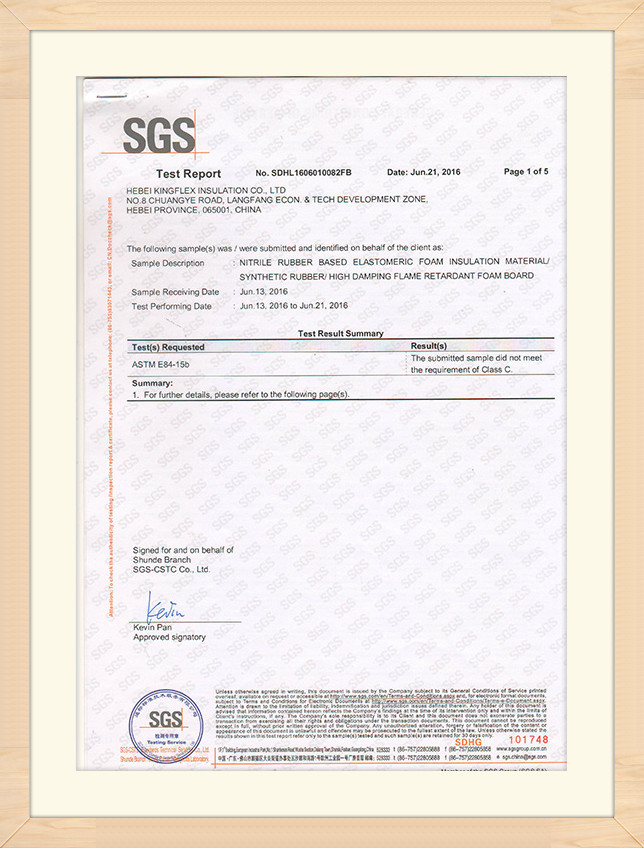
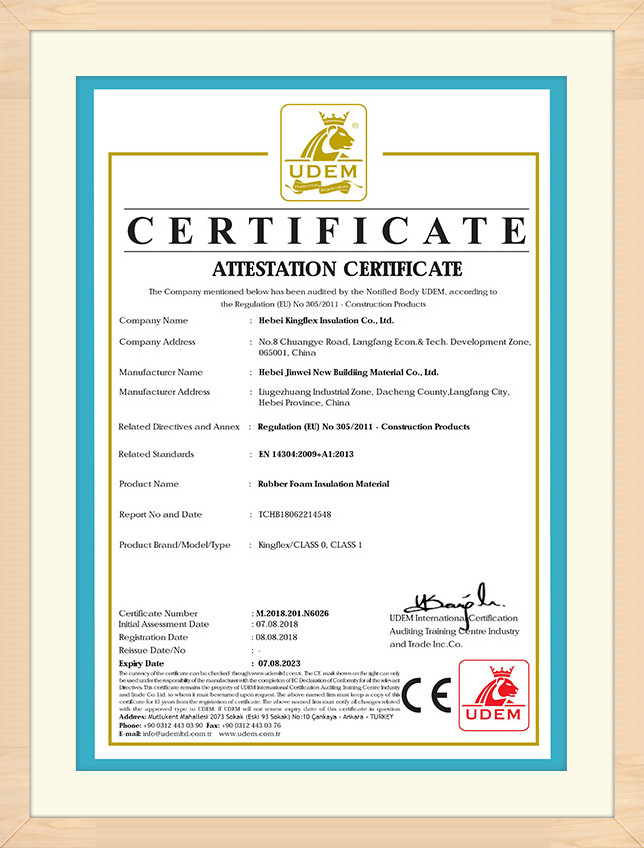
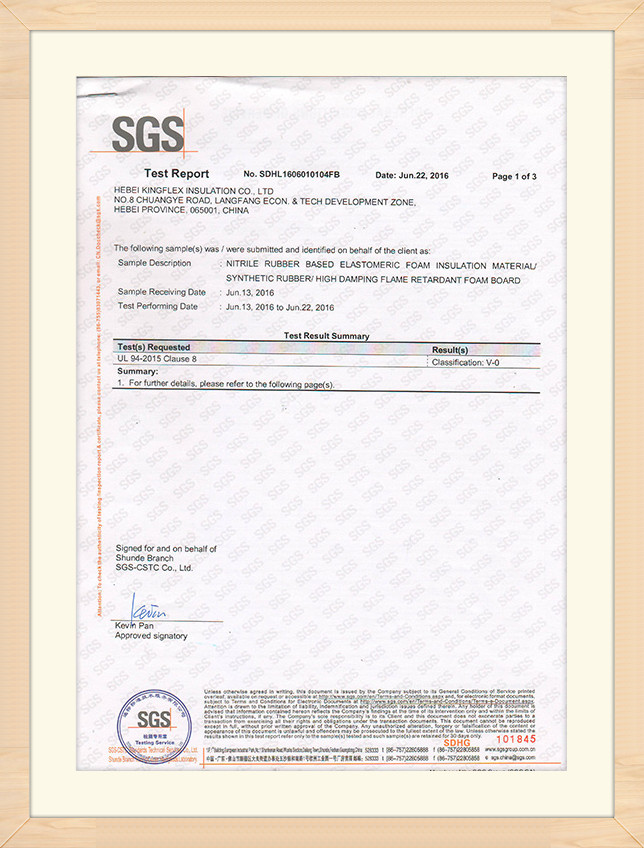
Our quality management systems meet the requirements of international certification bodies, including BS 476, CE, REACH, RoHS, UL94, and ASTM. Every batch is trackable back to raw material supply records for complete transparency.


How automation, geographical positioning, and ecosystem integration optimize bulk procurement.
Global procurement teams must balance three key priorities: technical compliance, pricing stability, and delivery reliability. The Kingflex Dacheng manufacturing complex utilizes Factory 4.0 technologies to systematically optimize these parameters for our distribution partners.
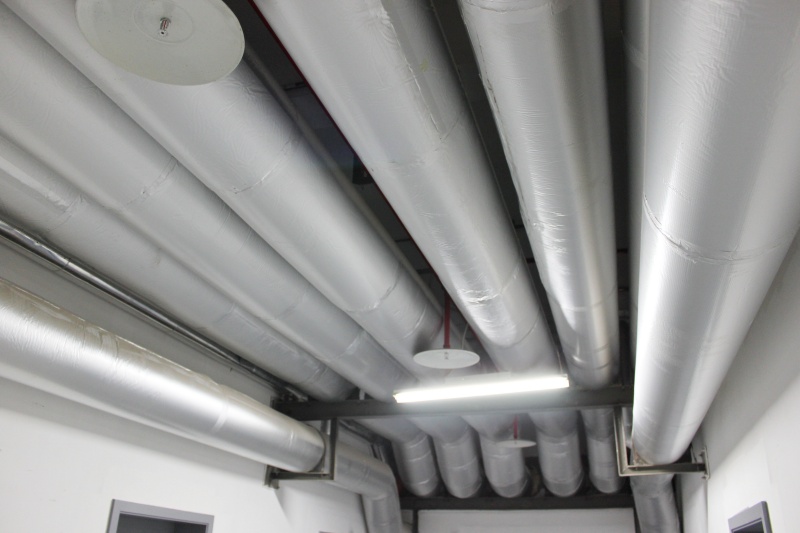
Our location in Dacheng provides direct access to high-quality chemical feedstocks, local energy grids, and specialized manufacturing equipment. This concentration of resources minimizes local transport costs and insulates our pricing from raw material supply shocks.
Proximity to deepwater ocean ports enables flexible shipping options, shorter container transit times, and lower inland logistics costs. This helps global distributors maintain leaner safety stocks without risking stockouts.
Versatile energy conservation solutions across commercial, industrial, and infrastructure projects.
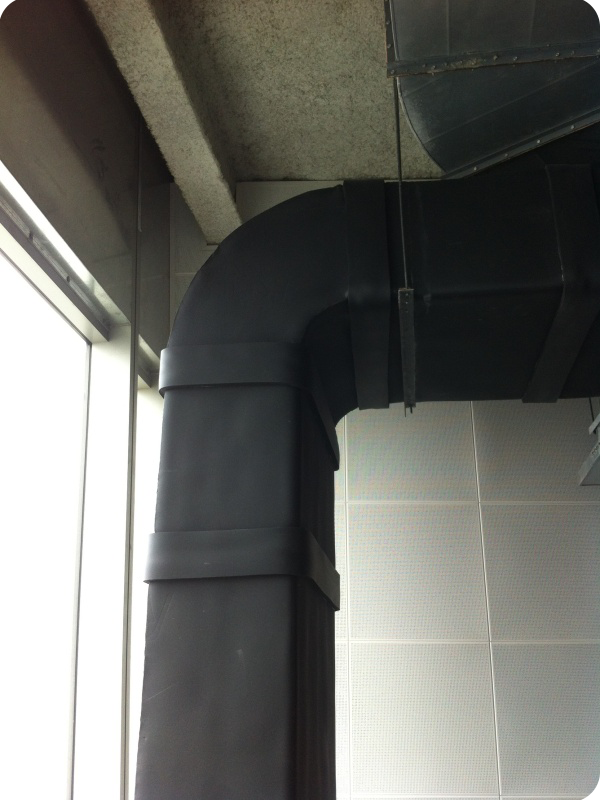
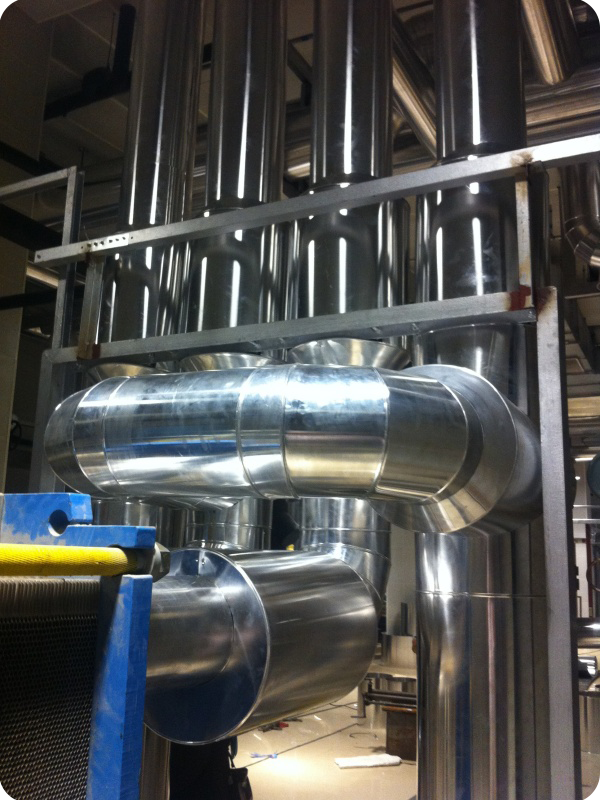
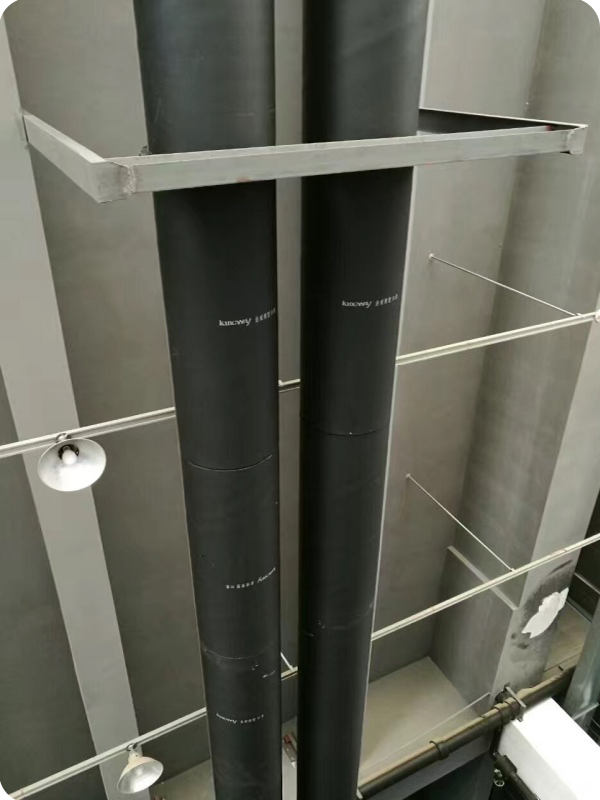
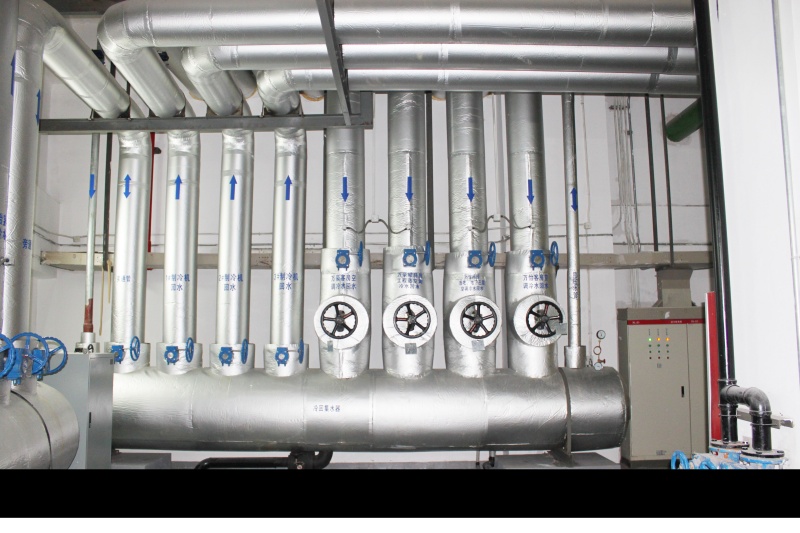
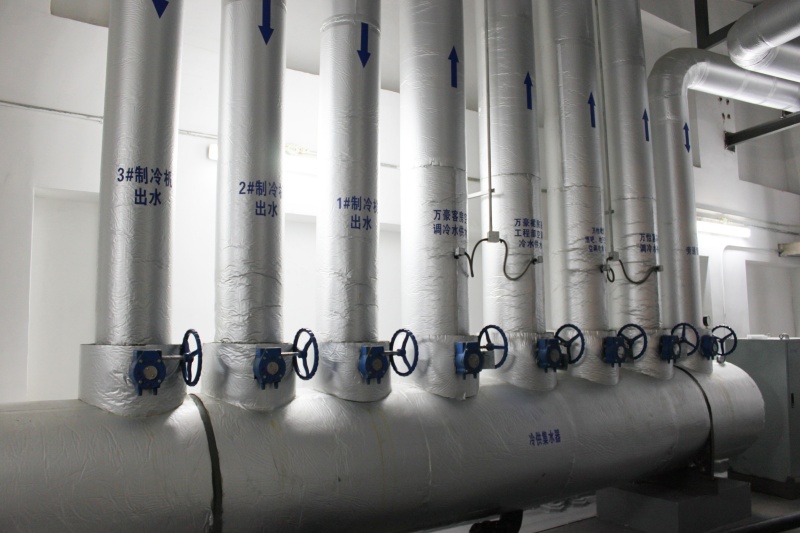
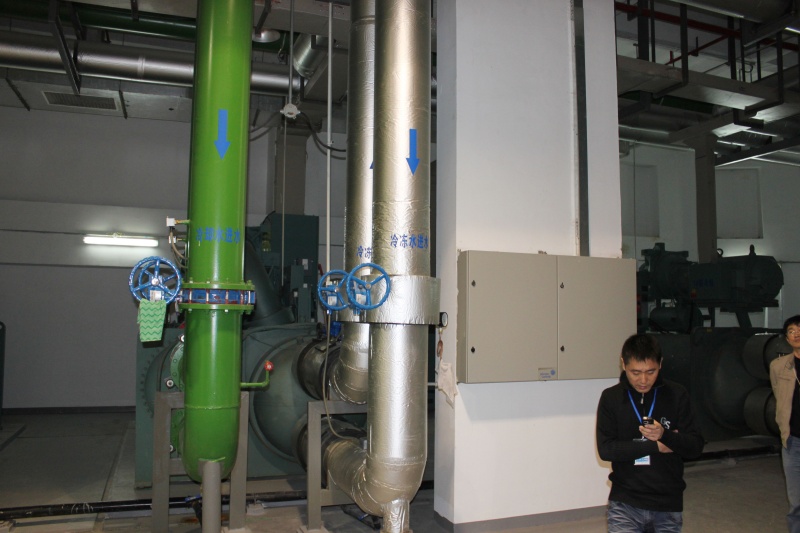
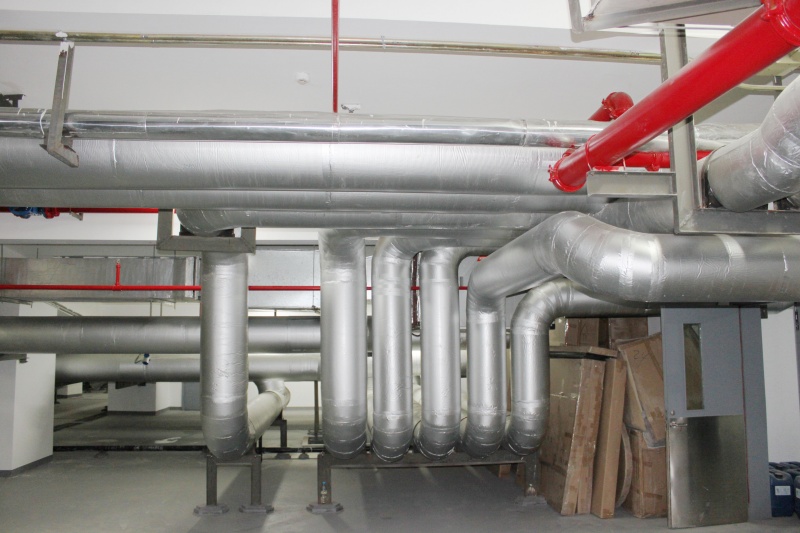
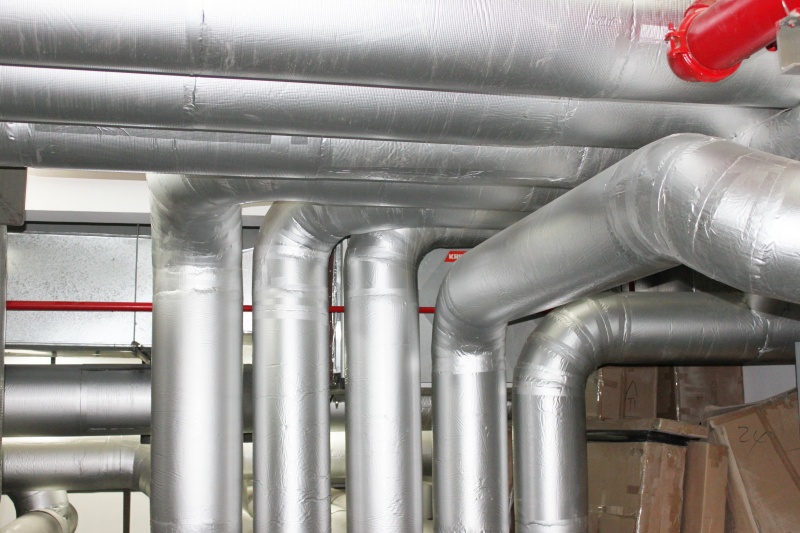
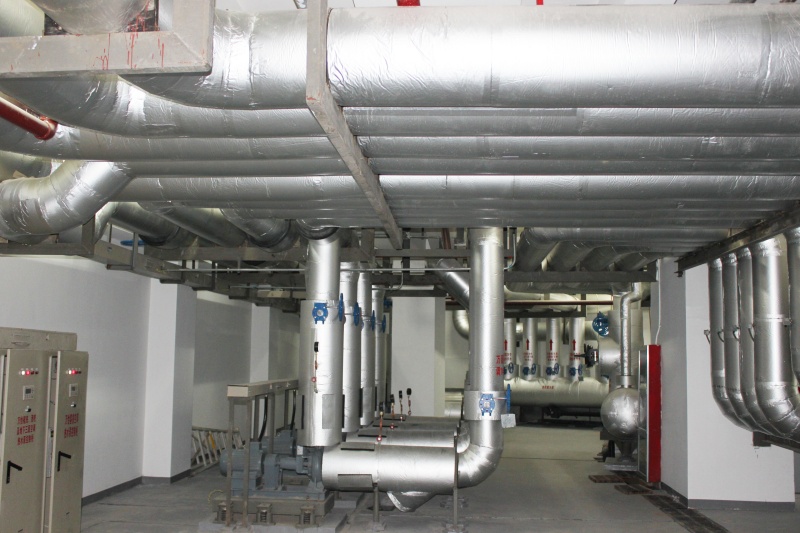
Excellent for supply and return air duct lining, mechanical equipment enclosures, and chilled water pipes. Prevents condensation drip damage to suspended ceilings while reducing energy losses in transit.
Provides critical thermal insulation for steam pipe manifolds, chemical storage tanks, and heat exchangers. Resists ambient moisture and protects metallic pipelines from corrosion under insulation (CUI).
Engineered to handle ultra-low temperatures down to -200°C for liquified natural gas (LNG) pipelines, cleanrooms, and cryogenic systems in the pharmaceutical industry.
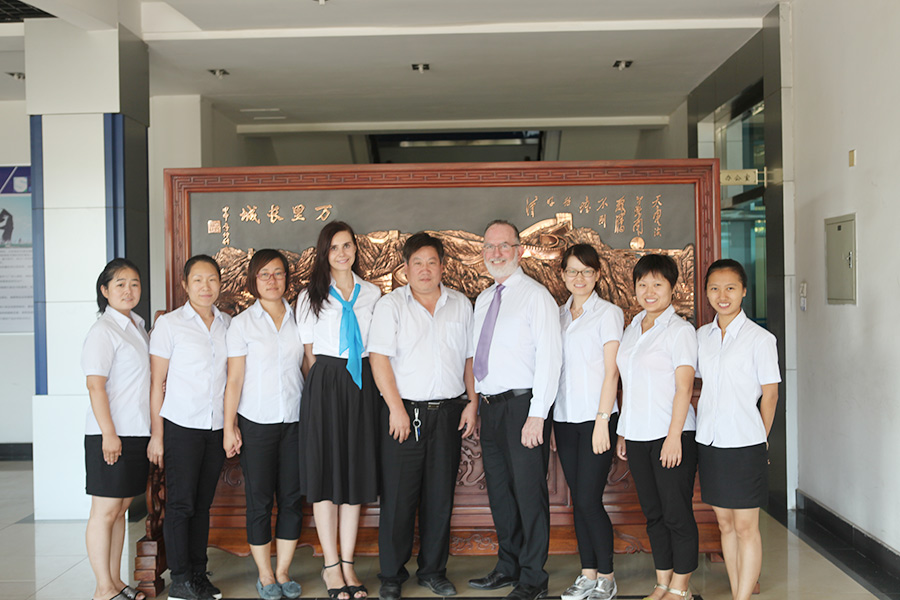
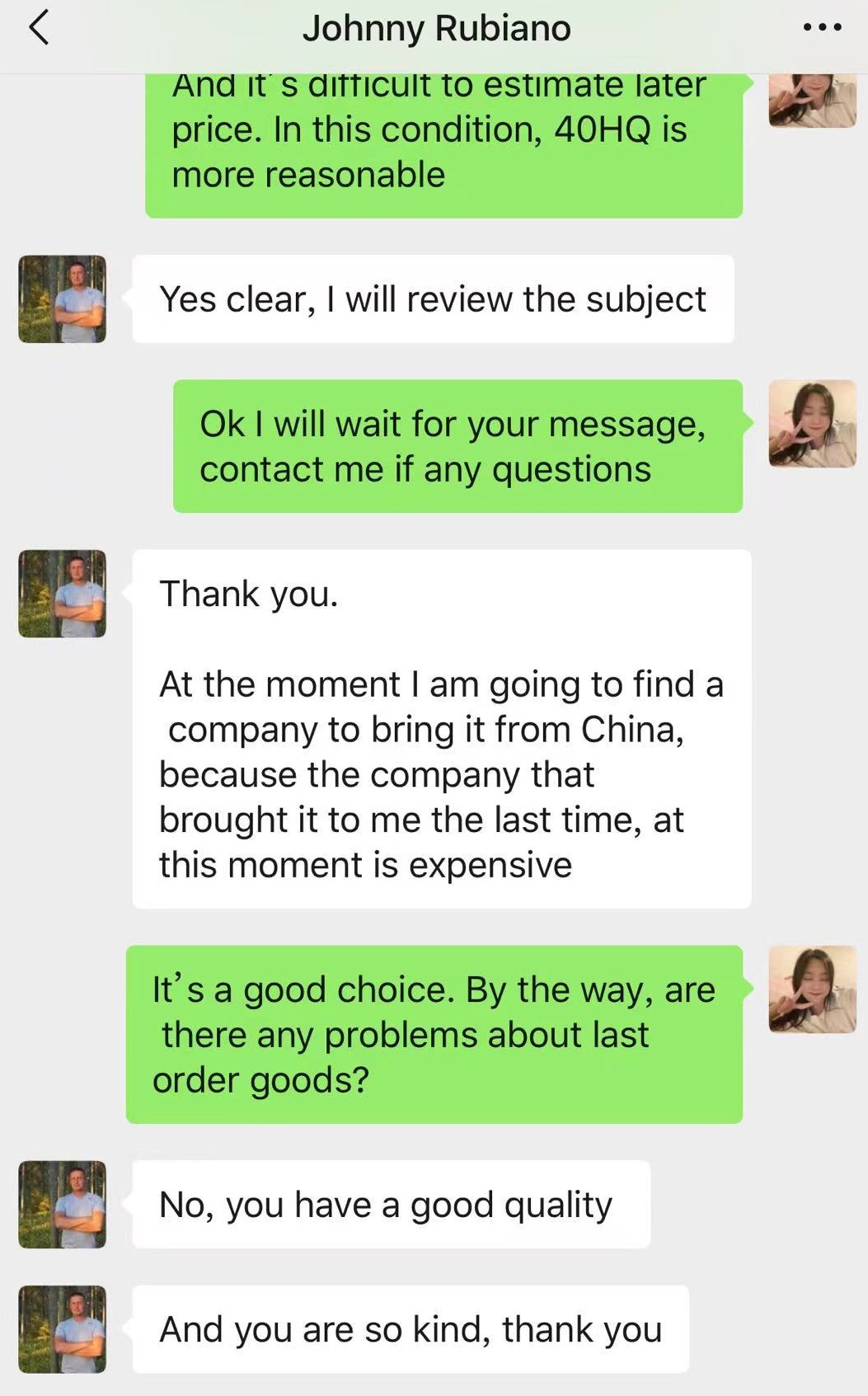
Our export operations are supported by positive feedback and consistent demand from engineers, contractors, and project managers worldwide.


Detailed performance parameters for Kingflex elastomeric materials.
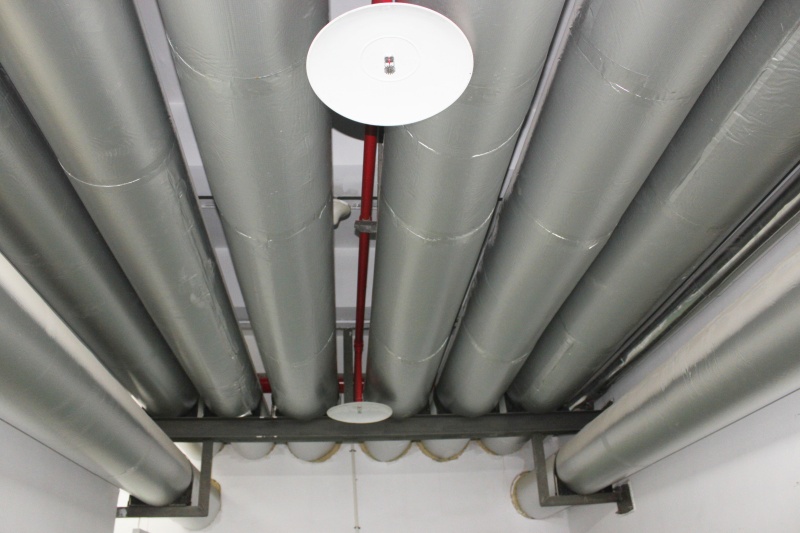
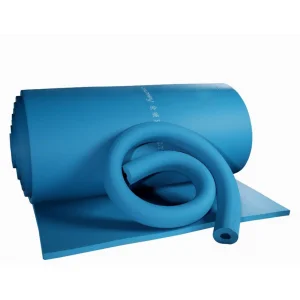
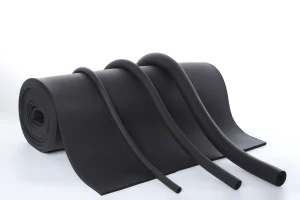
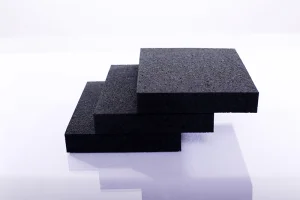
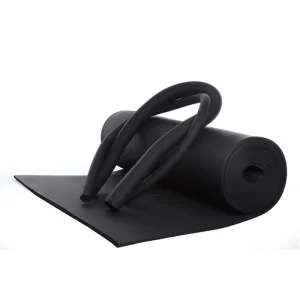
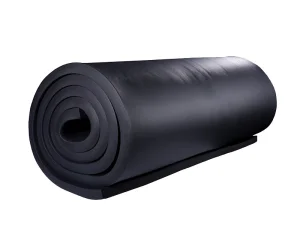
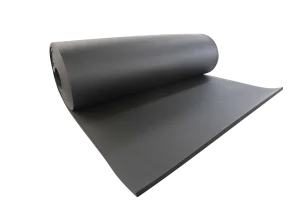
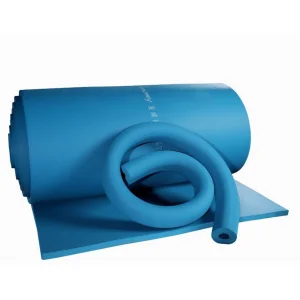
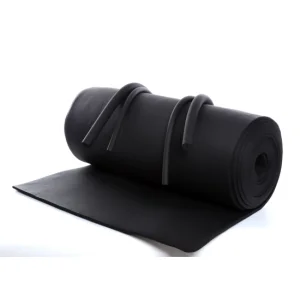
Designed for large flat surfaces, ductwork, and wide-diameter pipelines, providing robust energy savings and moisture control.
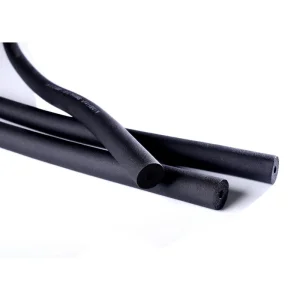
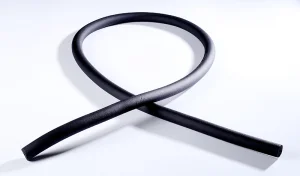
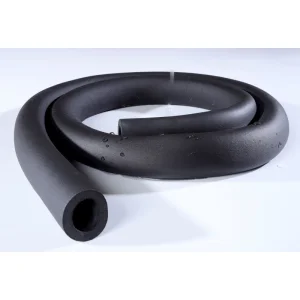
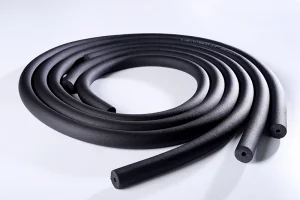
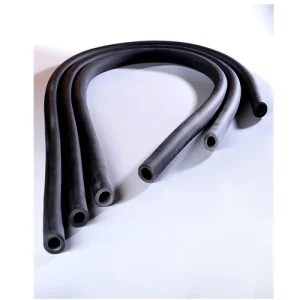
Pre-formed tubular insulation designed for quick installation on copper refrigeration lines and iron plumbing pipes.


Explore our highly specialized thermal foils, ultra-low temperature cryogenic materials, and industrial rock wool blankets.
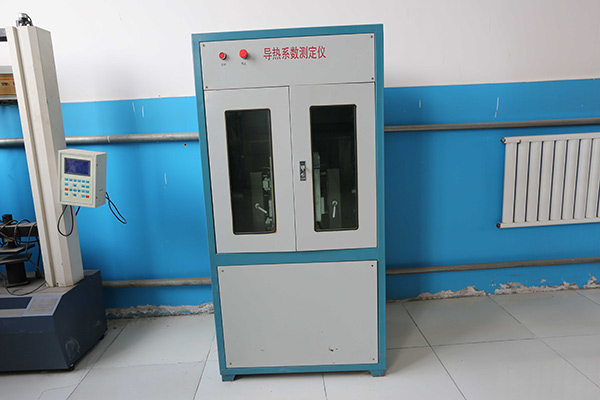
A visual overview of our manufacturing processes, including raw material processing, quality checks, and final packaging.


Find quick answers to common questions about specifications, ordering, and material applications.
It is primarily used for insulating HVAC ducts, air conditioning piping, commercial and residential building envelopes, industrial process lines, and cryogenic pipelines. Its closed-cell structure helps prevent condensation and reduces heat transfer.
Yes, our rubber foam products are formulated to be flame retardant, meeting international safety standards such as BS 476 (Class 0/1), UL94, and ASTM. They are designed to self-extinguish when the source of ignition is removed.
Rubber foam is a flexible, closed-cell material that offers high moisture resistance, making it suitable for cold systems, chilled piping, and HVAC lines. Rock wool is a fibrous material that handles much higher temperatures, making it a common choice for high-heat industrial pipes and fireproofing.
Yes, we offer comprehensive OEM and ODM services. We can customize dimensions, thicknesses, densities, and outer protective layers (such as aluminum foil or self-adhesive backings) to suit specific project needs.
Our products are certified to BS 476, CE, REACH, RoHS, UL94, and ASTM standards. This verification helps ensure compliance with international building codes and industrial engineering requirements.
Yes. Every production run undergoes quality control testing and is assigned a unique batch number, allowing us to trace products from raw materials to final shipment.
We produce sheet rolls in thicknesses ranging from 6mm to 50mm, accommodating a wide range of thermal requirements.
When installed correctly and maintained under standard operating conditions, our elastomeric rubber foam sheets and pipes have a service life of 10 to 15 years.