Wholesale High Heat Range Insulation Supplier & Suppliers

Pioneering Next-Generation Thermal Protection & Elastomeric Solutions for Global Heavy Industry and Process Engineering

High Heat Range Insulation in Macro-Industry Solutions

Addressing the challenges of energy transition, thermal losses, and strict emissions targets in modern process engineering.

In the era of rapid global industrialization and decarbonization, optimizing thermodynamic systems is no longer just a cost-saving measure; it is a regulatory imperative. High heat range insulation stands as the primary defense against thermal degradation, energy loss, and system inefficiencies in heavy manufacturing, petrochemical refining, power generation, and commercial HVAC building systems. By maintaining precise operational temperatures, industrial-grade closed-cell elastomeric foams and advanced insulation structures directly mitigate Scope 1 emissions.

For major supply chains, the selection of an insulation supplier requires consideration of thermodynamics under extreme cyclic conditions. High heat range environments typically feature significant temperature differentials, where materials are subjected to intense thermal expansion and contraction. Standard insulation materials often degrade under these stresses, leading to structural micro-cracking and loss of thermal resistance. Modern elastomeric composites, pioneered by leaders like Kingflex Insulation Co., Ltd., are designed to maintain physical flexibility and chemical stability across dynamic temperature gradients, ensuring long-term thermal management.

Optimized Thermal Transmittance

Achieving minimum thermal conductivity (λ-value) under high-temperature loads. This prevents heat dispersion and minimizes the auxiliary energy required to maintain process temperatures.

Corrosion Under Insulation (CUI) Prevention

By using closed-cell structures with low water absorption factors, our insulation products prevent moisture ingress, eliminating the risk of hidden structural rust on piping.

Enhanced Fire Safety & Low Smoke

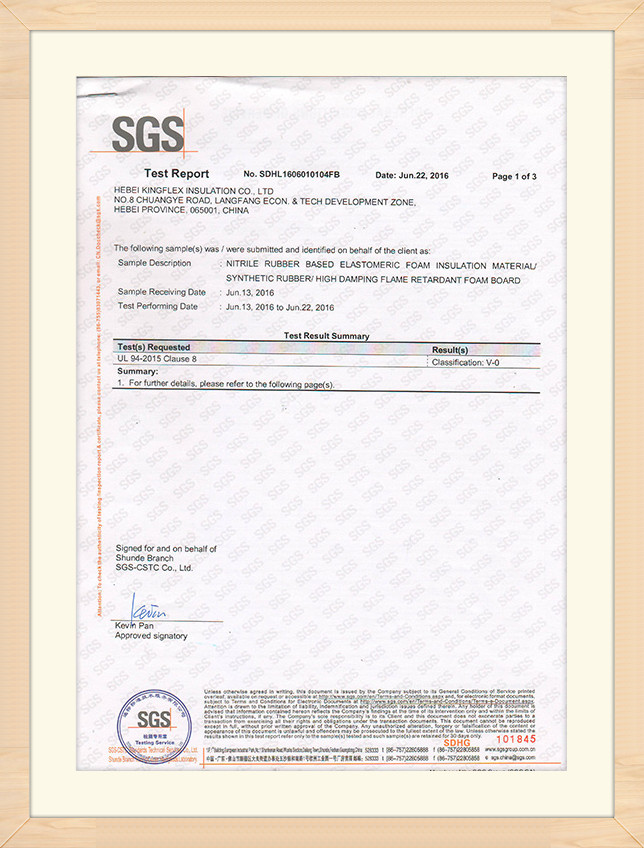
High-grade flame-retardant nitrile foam blends achieve international classifications such as BS 476, Class 0, and UL94, ensuring safety in densely populated commercial sectors.
40+ Years

Group Industrial Heritage

600,000+ m³

Annual Production Capacity

66+ Countries

Global Export Network

5 Lines

Automatic Assembly Systems

Global Commercial & Industrial Status

Expanding Horizons in Thermal Energy Efficiency

The demand for high-temperature and cryogenic elastomeric materials has experienced significant growth. Modern processing facilities in North America, Europe, and the Asia-Pacific region are upgrading old fiberglass and mineral wool systems to high-performance elastomeric thermal barriers. Unlike fiber-based products, closed-cell rubber foams do not release airborne particulate matter, making them suitable for sterile environments such as pharmaceutical labs, microelectronics factories, and commercial healthcare facilities.

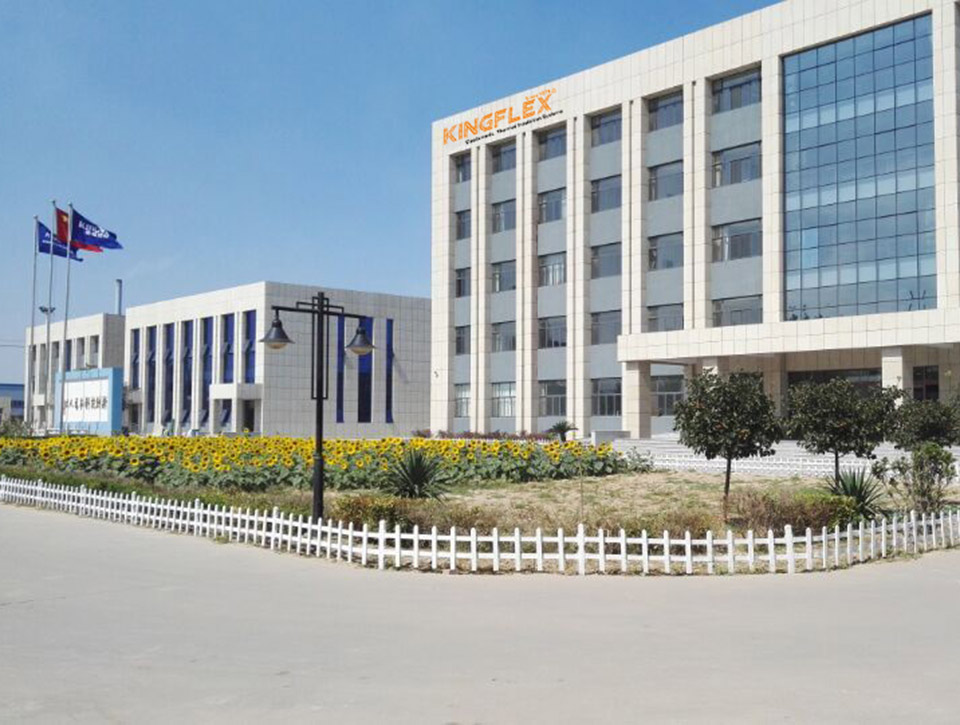
As a major wholesale partner, Kingflex Insulation Co., Ltd. addresses the global supply chain's need for consistent product performance. From our manufacturing facility in Dacheng, China—a hub for green building materials—we distribute certified thermal solutions designed for chemical plants, commercial HVAC structures, and ultra-low temperature cryogenic environments. With active export operations extending across 66 countries, we adapt our logistics, product sizing, and thermal specifications to align with regional installation practices and performance criteria.
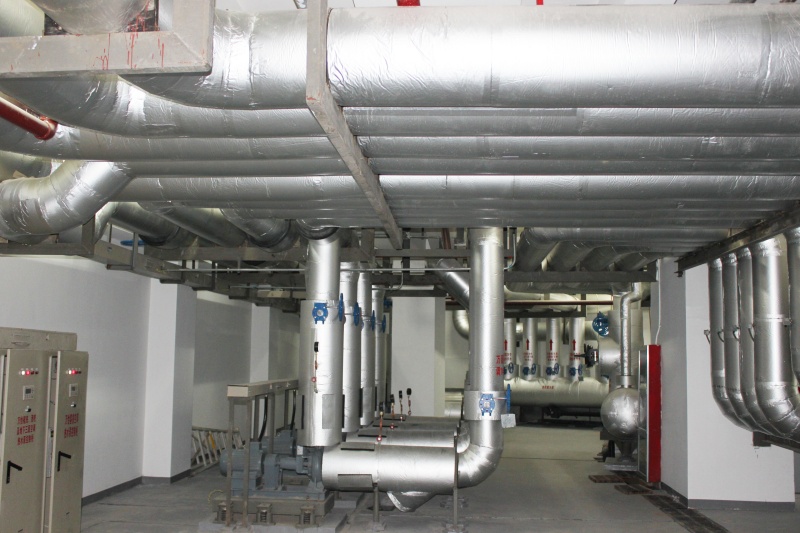
Kingflex Manufacturing Facility
Standard Product Parameters & Performance Details

Below is a comparative breakdown of our core elastomeric foam offerings, designed for process pipelines and sheet-wrapped equipment.

Product Category Primary Material Base Operational Temp. Range Closed Cell Rate Standard Densities Key Applications
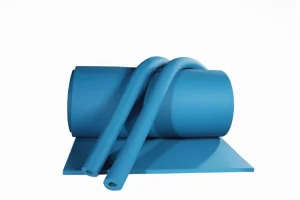
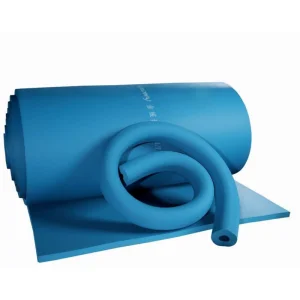
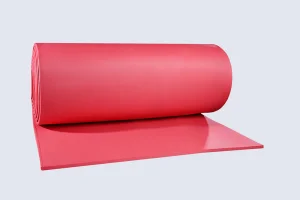
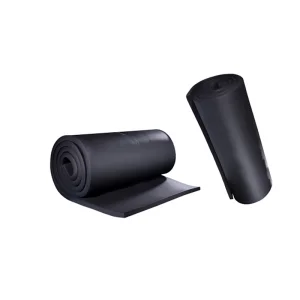
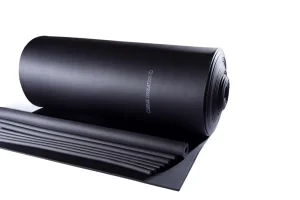
Black Rubber Foam Sheet Roll Premium NBR / PVC Blend -40℃ to 105℃ > 98% 40 - 55 kg/m³ Air ducts, large-diameter piping, equipment storage tanks.
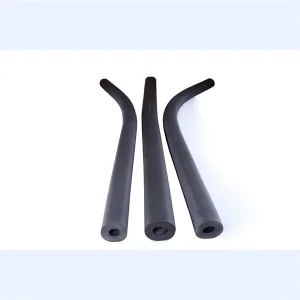
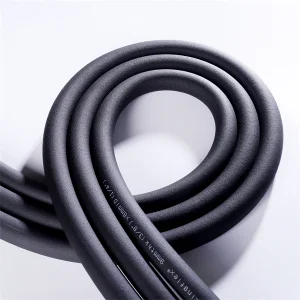
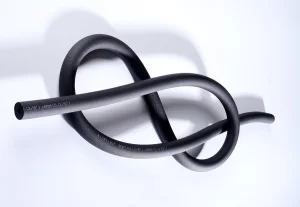
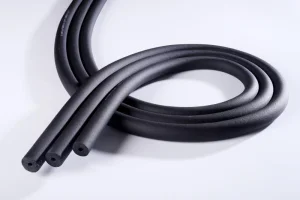
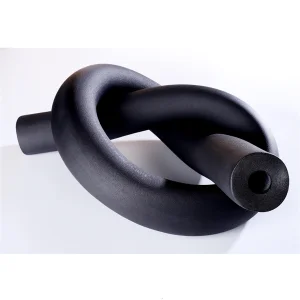
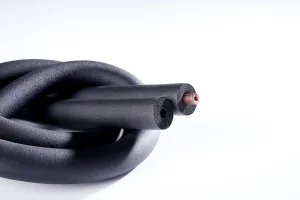
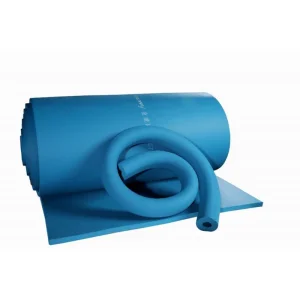
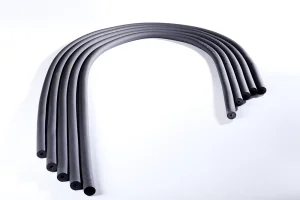
Black Rubber Foam Insulation Pipe Flexible Elastomeric Foam -40℃ to 105℃ > 98% 40 - 55 kg/m³ Chilled/hot water pipes, HVAC system cooling loops, plumbing.
Cryogenic Rubber Foam Insulation Elastomeric ULT Compound -200℃ to 125℃ > 99% 50 - 65 kg/m³ Ultra-low temperature systems, LNG transfer lines, ethylene plants.
Fire Retardant Nitrile Foam Tube Modified Nitrile Rubber -50℃ to 110℃ > 98% 45 - 55 kg/m³ High-risk fire-safety zones, marine transit, public buildings.

Comprehensive Advantage of the Closed-Cell Matrix

The performance of Kingflex elastomeric insulation is rooted in its microscopic composition. Traditional glass wool and mineral rock wool possess open interstitial cavities that allow air and water vapor to circulate. When exposed to temperature differentials, moisture condenses inside the fiber layers, raising the thermal conductivity and rendering the insulation less effective.
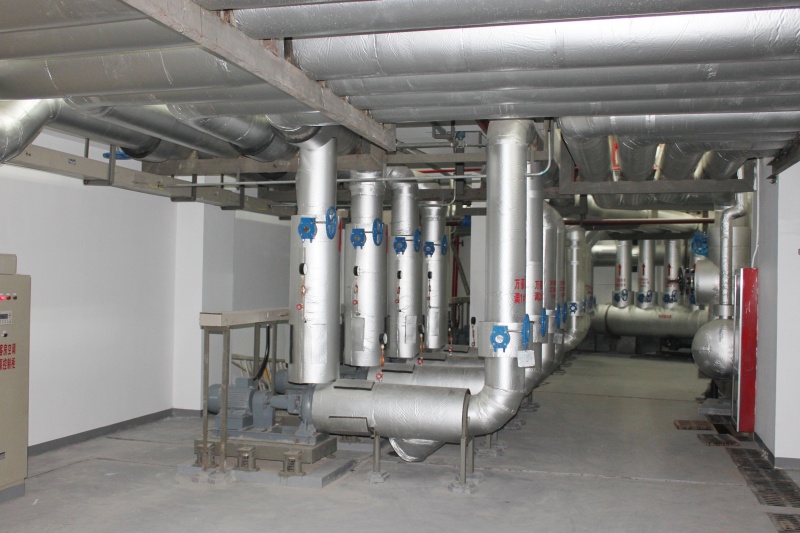
Our NBR/PVC closed-cell matrix encapsulates gas pockets within independent cells. This structure offers a built-in water vapor barrier, removing the need for an external jacket in standard applications. With compression resilience exceeding 80%, the material withstands physical stress during installation, maintaining its target thickness and thermal performance over its operational lifespan of 10 to 15 years.

Localized Application Scenarios & Engineering Practices

How global industries integrate our high heat range and cold insulation solutions into actual facility designs.

1. District Heating & Steam Pipelines

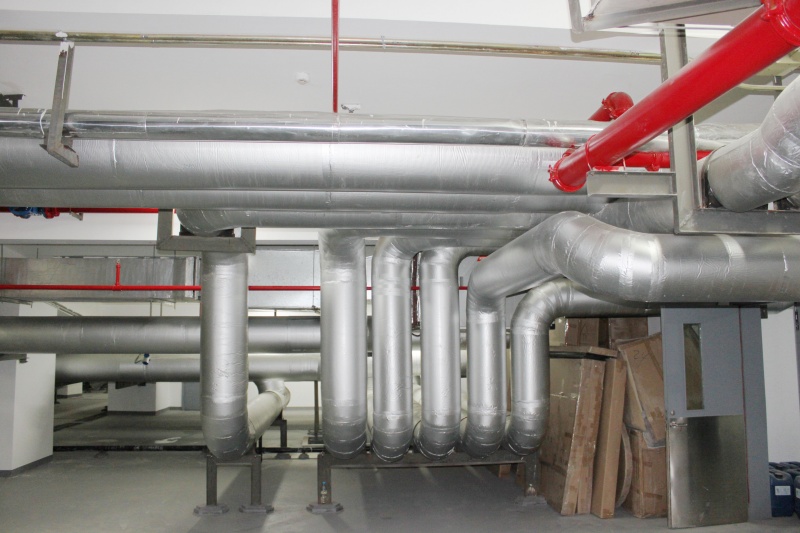
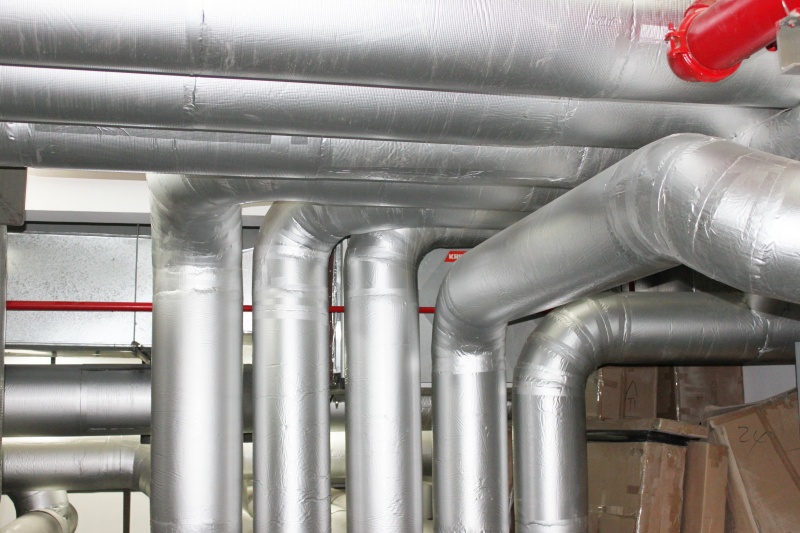
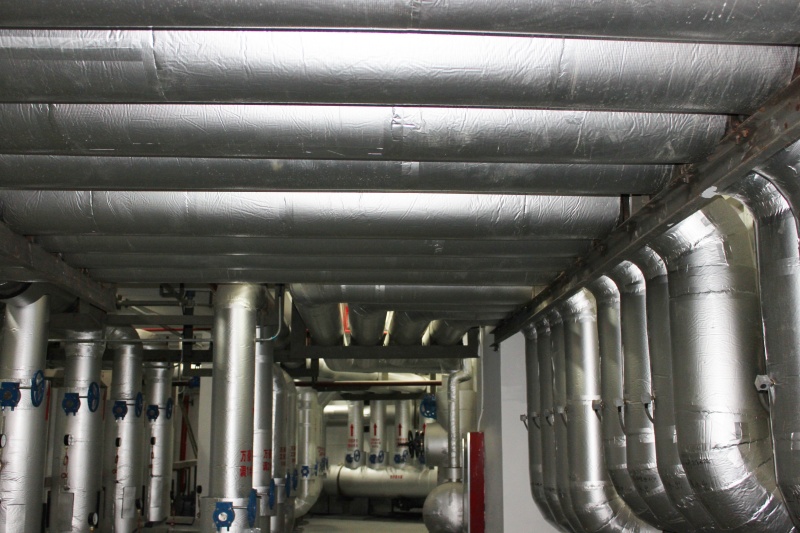
In municipal heating systems, primary piping carries steam and high-temperature water through underground conduits. Standard fiberglass wrap is vulnerable to moisture ingress from groundwater, which degrades its performance. By layering high-temperature closed-cell elastomeric tubing over the pipelines, operators can minimize heat loss and prevent corrosion under insulation (CUI), ensuring reliable energy delivery across the municipal network.

2. Commercial HVAC & Variable Refrigerant Flow

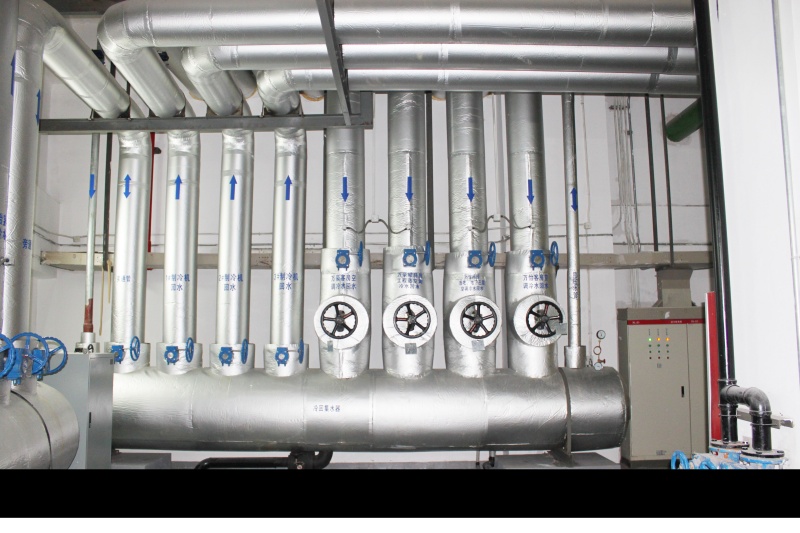
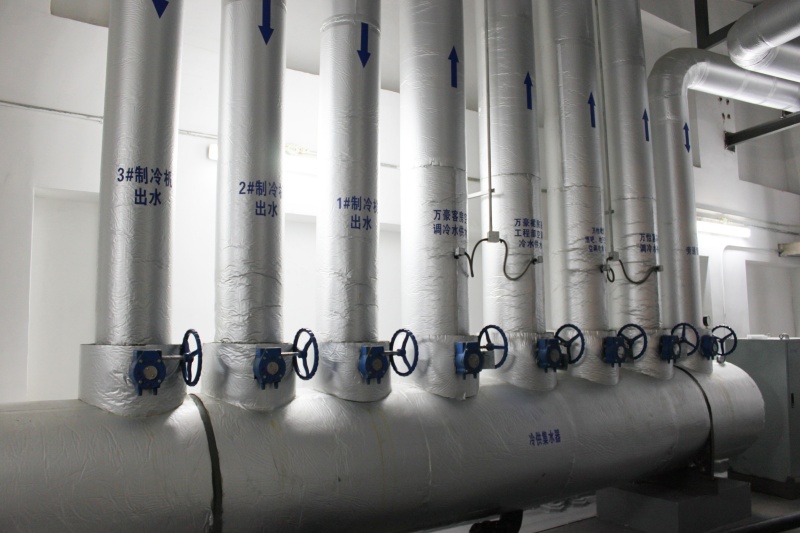
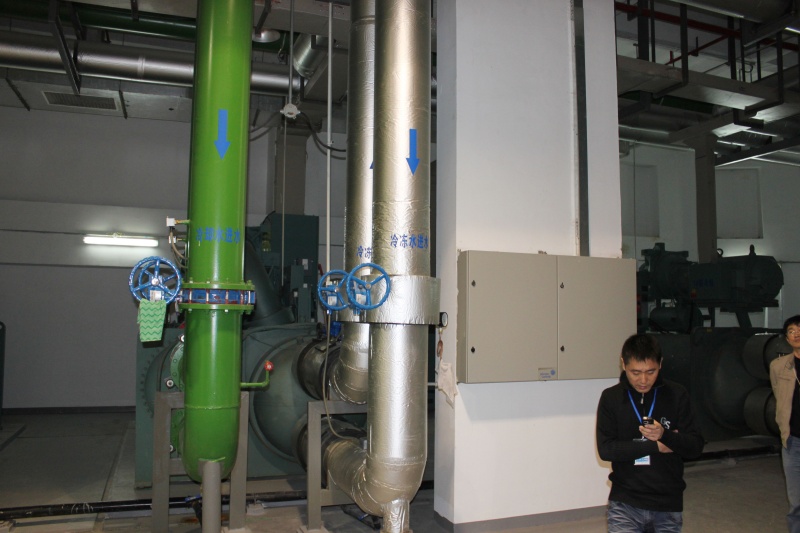
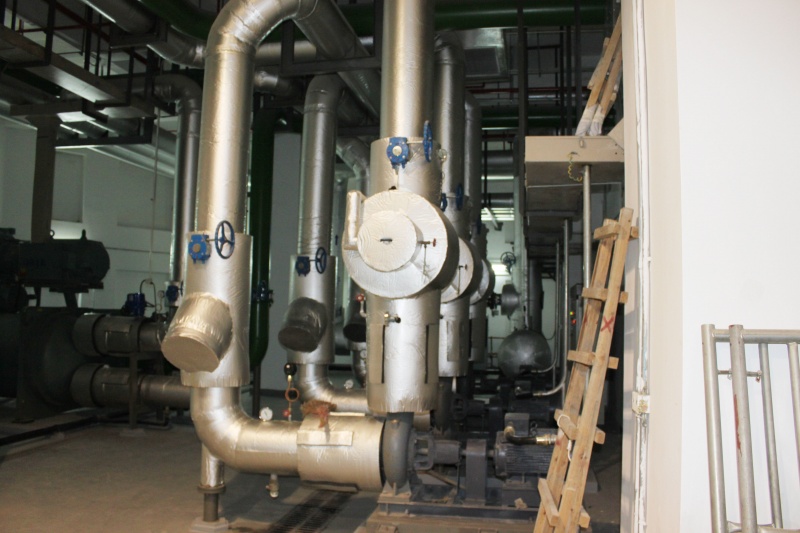
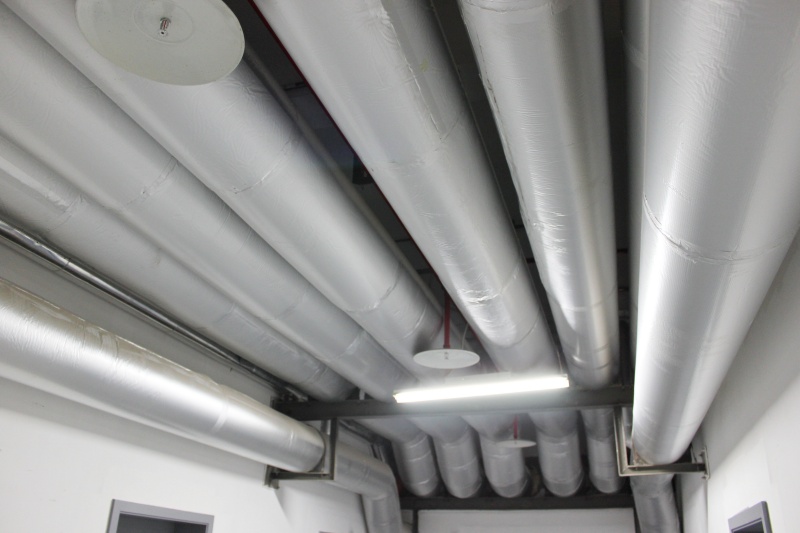
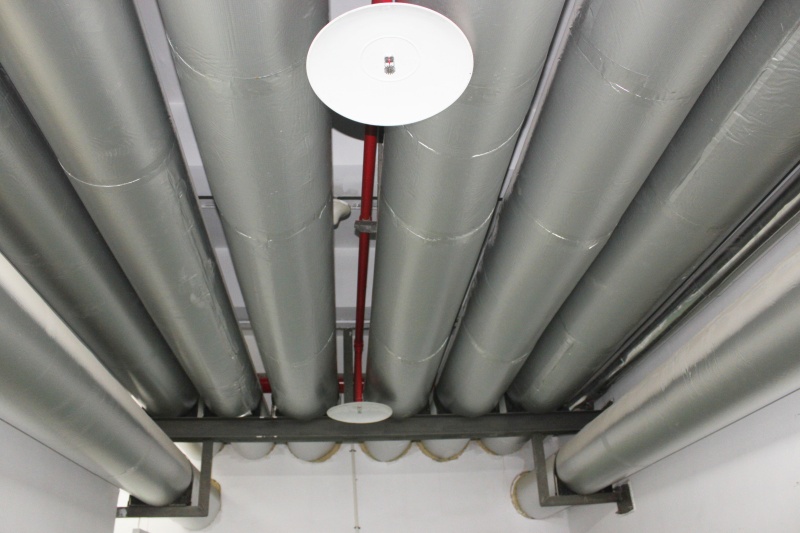
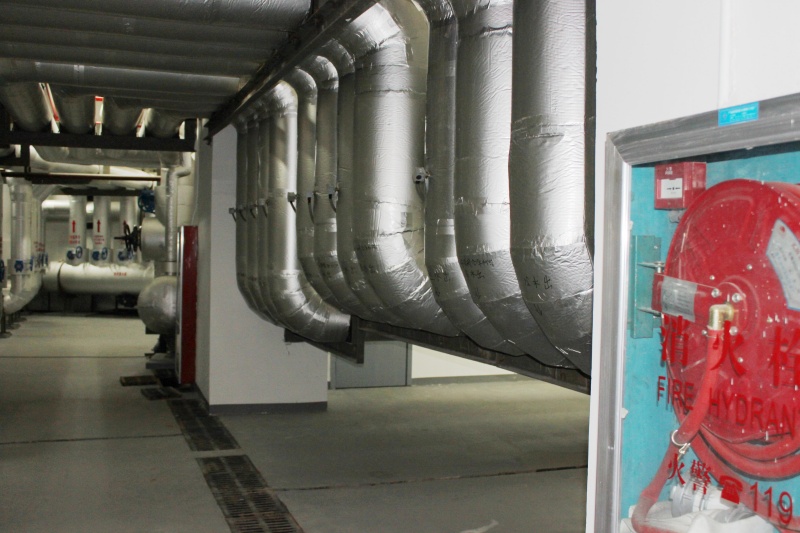
Large-scale office complexes, hospitals, and shopping centers rely on complex VRF and chilled water systems to manage indoor climates. Condensation on these pipes can lead to water damage in building interiors and promote mold growth. Kingflex flexible elastomeric tubes provide continuous insulation with clean joints, maintaining temperature stability and preventing condensation in high-humidity areas.
3. Cryogenic Processing & ULT Environments

Liquefied natural gas (LNG) terminals and chemical plants operate at temperatures well below freezing, sometimes reaching -160°C or lower. At these temperatures, conventional insulation materials can freeze and crack, allowing ice build-up that damages structural supports. The Kingflex Dolefin and cryogenic rubber foam ranges maintain flexibility at ultra-low temperatures, absorbing structural vibrations while preventing thermal energy gains.
For architectural projects requiring high load-bearing and fire-resistant performance, integrating rock wool board and thermal insulation blankets with elastomeric wraps creates a composite system. This combination offers high thermal insulation, sound absorption, and fire protection. It is frequently applied in mechanical rooms, ventilation shafts, and high-occupancy public buildings.

Industrial Heritage & R&D Excellence

A history of innovation in energy efficiency, backed by Jinwei Group's forty-year manufacturing legacy.

Jinwei Group Historical Facility

Our Strategic Journey

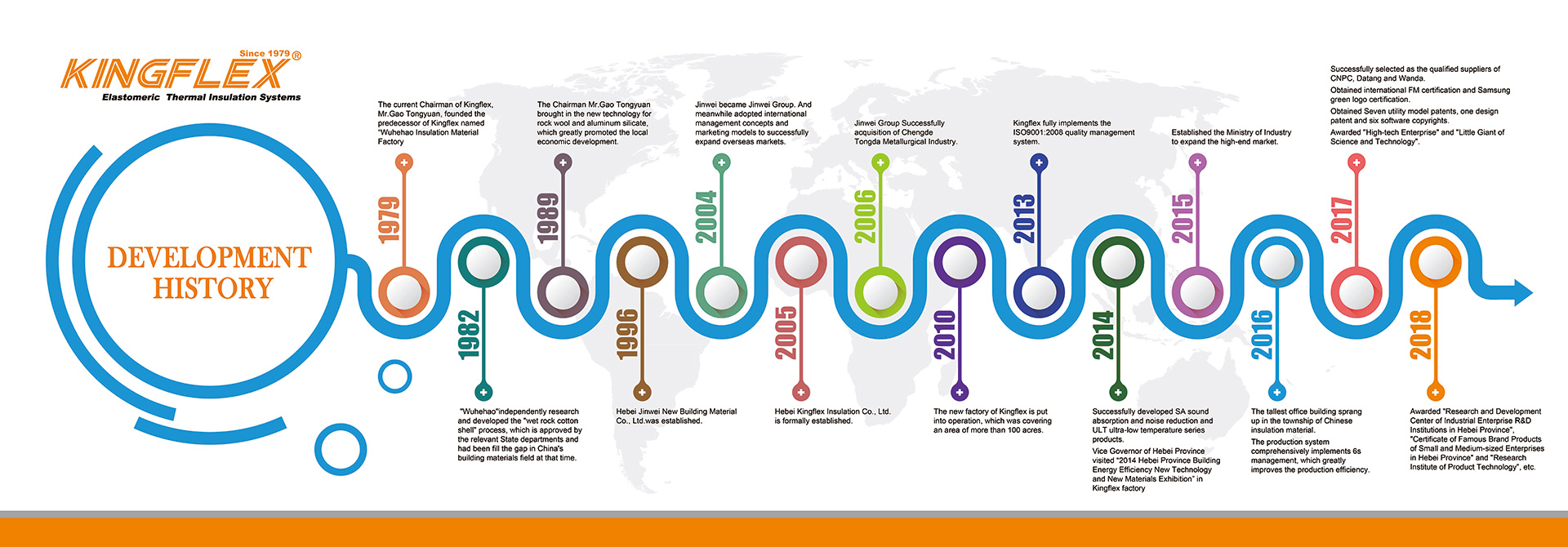
Established by the Jinwei Group, which brings over 40 years of industrial history since its founding in 1979, Kingflex was built on a foundation of thermal insulation research. As the first manufacturer of thermal insulation materials north of the Yangtze River, Jinwei Group established production standards that helped shape the regional industry.
Today, Kingflex operates as a manufacturing and trading combo, focusing on energy conservation and consumption reduction. Our R&D department features 8 professional engineers dedicated to improving the closed-cell structure and thermal limits of our elastomeric foams. Supported by a workforce of 230 production specialists, we manufacture consistent, high-performing insulation materials.
1979

Establishment of Jinwei Group, pioneering thermal material production in northern China.

2008

Launch of dedicated international export operations, introducing Kingflex products to global markets.
Present

Operating 5 automated lines with over 600,000 m³ capacity, supplying thermal solutions to 66+ countries.

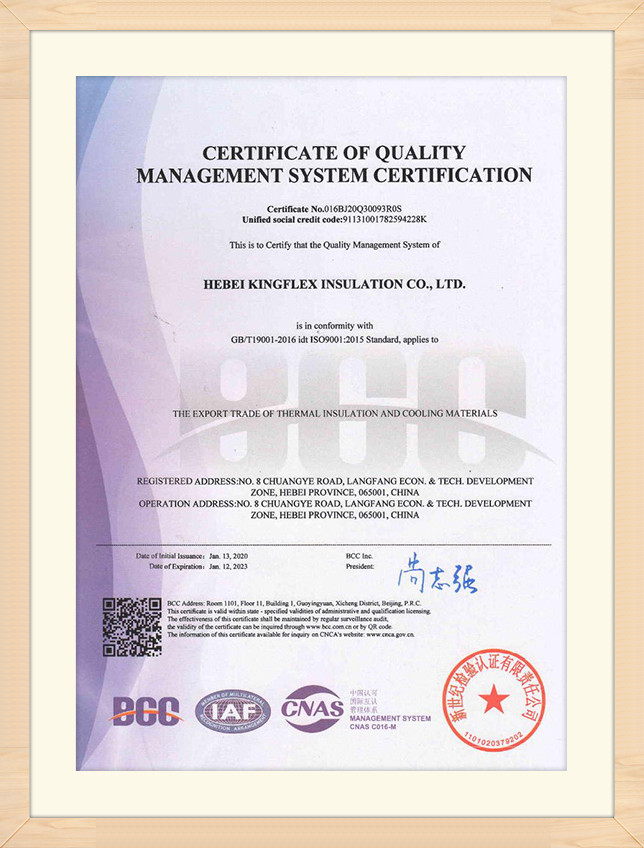
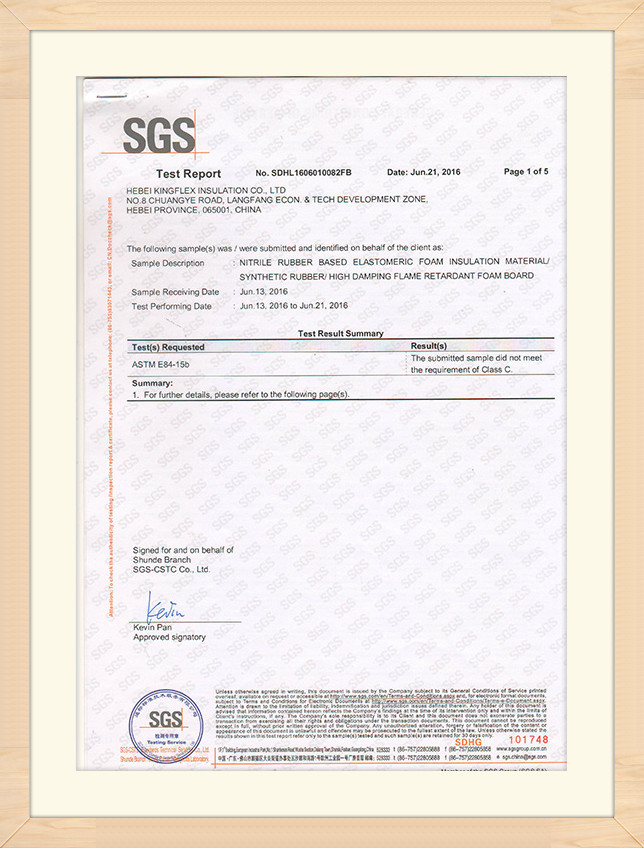
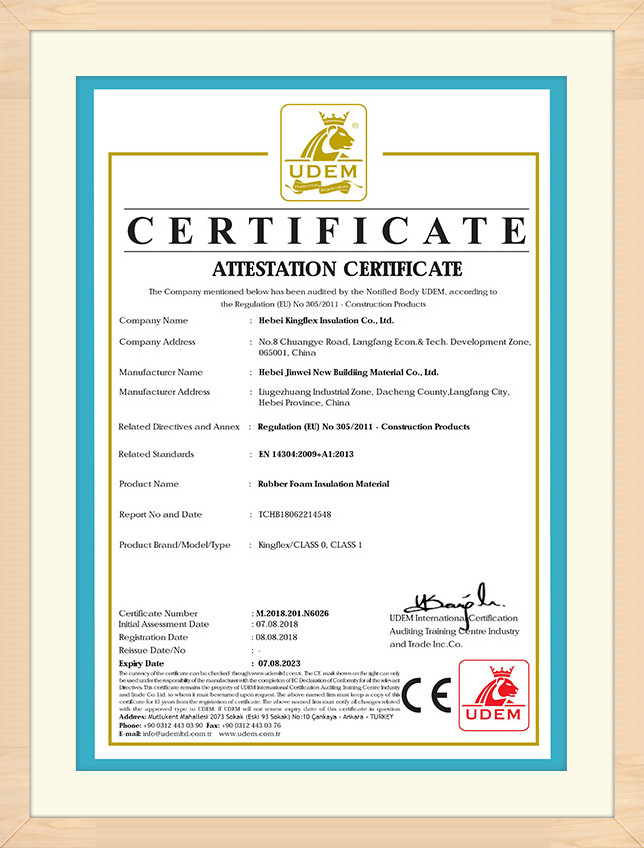
International Certifications & Verification

Our products undergo third-party evaluation to ensure alignment with international build safety, environmental, and fire protection regulations.

Technical Roadmap & Future Outlook

Developing sustainable, high-performance thermal insulation solutions for the future.

The field of thermal insulation is shifting toward low-emission manufacturing and smarter material designs. Our research team is currently focusing on three key developments in our next-generation product roadmap:

Eco-Friendly Blowing Agents

Transitioning our closed-cell foaming processes to use blowing agents with zero Ozone Depletion Potential (ODP) and low Global Warming Potential (GWP), meeting strict global environmental regulations.

Extended Thermal Ranges

Modifying polymer matrices to extend the operating limits of our flexible elastomeric foams. This aims to cover temperatures up to 150°C without material degradation or structural collapse.

Bio-Based Raw Materials

Researching the incorporation of renewable, bio-based monomers into our traditional NBR/PVC polymer formulations to reduce reliance on petroleum-derived components.

By focusing on material science innovations, Kingflex aims to help industrial operations meet their sustainability targets. Our goal is to supply insulation materials that maintain long-term thermal efficiency, helping global facilities reduce operational energy consumption.
Customer Collaboration & Project Records

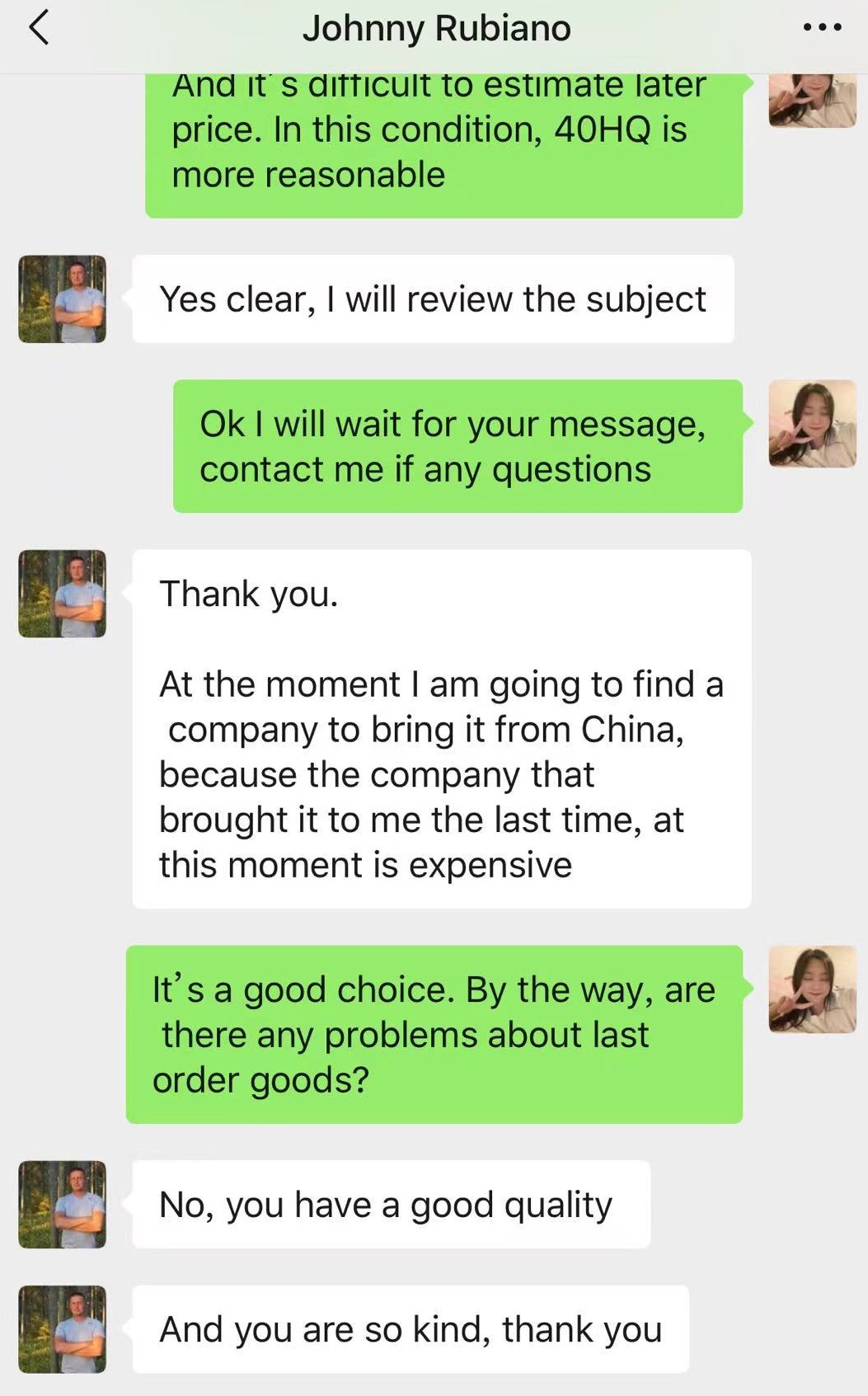
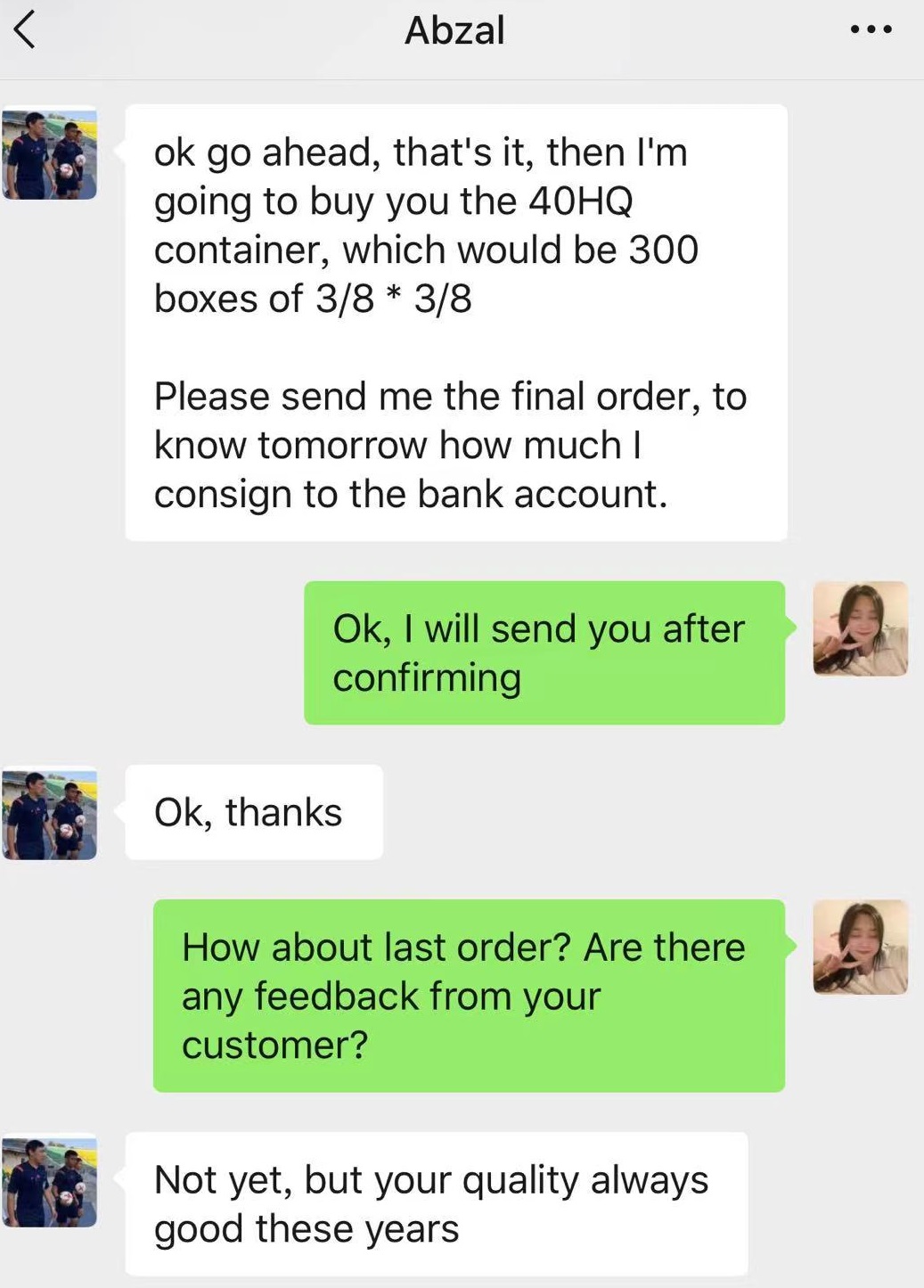
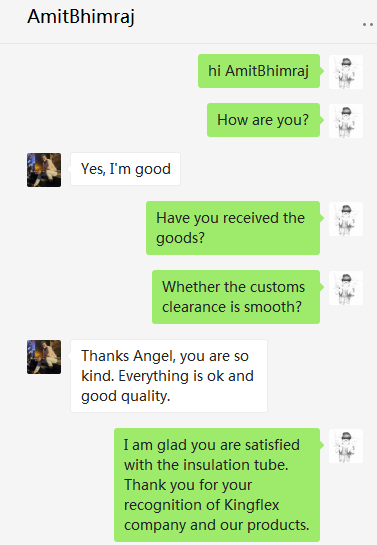
A look at customer feedback, performance approvals, and successfully completed installations around the world.

Frequently Asked Questions (FAQ)

Detailed technical answers regarding material properties, application limits, compliance, and custom ordering options.

Q1: What is elastomeric rubber foam insulation used for?

It is mainly used for HVAC ducts, air conditioning pipes, building thermal insulation, industrial pipeline cold insulation, and sound insulation. Its closed-cell structure prevents condensation on cold lines and reduces heat transfer in warm mechanical systems.

Q2: Is Kingflex rubber foam insulation fire resistant?

Yes, our rubber foam insulation products are fire retardant. They are designed to meet standard building safety codes, including BS 476 (Class 0/1) and UL94 flammability ratings, which helps prevent flame spread.

Q3: What is the difference between rubber foam and rock wool insulation?

Rubber foam is a flexible, closed-cell, moisture-proof material well-suited for HVAC, chilled lines, and moderate thermal systems. Rock wool is an open-fiber mineral material that excels in high-temperature fire stops and thermal barriers, though it requires a separate vapor jacket to prevent moisture absorption.

Q4: Do you provide customized insulation products?

Yes, we provide OEM services to meet specific project dimensions, wall thicknesses, color preferences, and density requirements. Custom orders can be coordinated directly with our technical sales team.

Q5: What certifications do your products have?

Our products hold several international certifications, including BS 476, CE, REACH, RoHS, UL94, and ASTM. This documentation ensures compliance with major construction and environmental safety standards globally.

Q6: Does Kingflex products have traceability?

Yes, all Kingflex production runs are cataloged. Batch numbers printed on our packaging allow for traceability from raw materials through the manufacturing process to final distribution.

Q7: What thickness of Rubber foam insulation sheet roll can you produce?

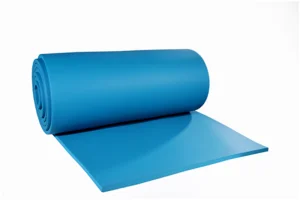
We produce sheet rolls in thicknesses ranging from 6mm to 50mm, allowing developers to select the appropriate thickness based on regional thermal requirements and condensation limits.

Q8: What is the typical service life of your rubber foam pipes and boards?

When installed according to specifications and maintained under standard operating conditions, our elastomeric materials have an operational service life of approximately 10 to 15 years.

Industrial Production & Field Installations

A gallery demonstrating our volume manufacturing capabilities and various configuration profiles.