Industrial Whitepaper

Wholesale Pipe Insulation Installation Guide:
Expert Insights from Leading Manufacturers & Suppliers
Comprehensive engineering solutions for HVAC systems, cryogenic pipelines, acoustic dampening, and advanced energy conservation applications worldwide.

Executive Overview

Global Macro Industry Energy-Saving Solutions

Modern industrial and commercial projects operate under increasingly stringent energy performance frameworks. In the global effort to reduce carbon footprints, the thermal efficiency of mechanical systems—specifically HVAC, water distribution, and process pipelines—stands as a critical focal point. As a leading specialized manufacturer, Kingflex Insulation Co., Ltd. offers customized elastomeric rubber foam insulation configurations designed to combat condensation, minimize thermal loss, and deliver reliable sound dampening.

Optimizing mechanical systems requires a dual-focus design: selecting high-performance insulating materials and ensuring exact installation. Faulty installation techniques often nullify the benefits of superior thermal conductivity ratings. This whitepaper serves as an authoritative guide for contractors, design engineers, and commercial distributors. It details best practices for deploying closed-cell NBR/PVC elastomeric rubber foam, cryogenic insulation systems, and mineral fiber boards across complex industrial environments.

By establishing a unified workflow that covers research, production, engineering layout, and field installation, Kingflex bridges the gap between material specification and field application. We ensure our materials deliver expected lifetime efficiency in environments ranging from sub-zero cryogenic systems to hot-water industrial lines.

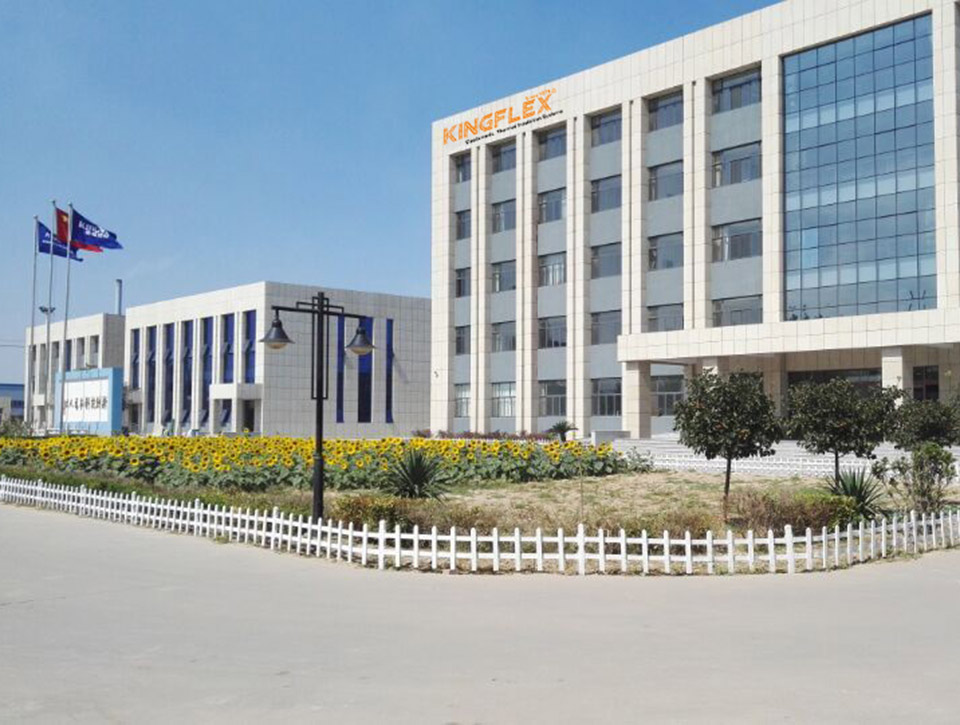
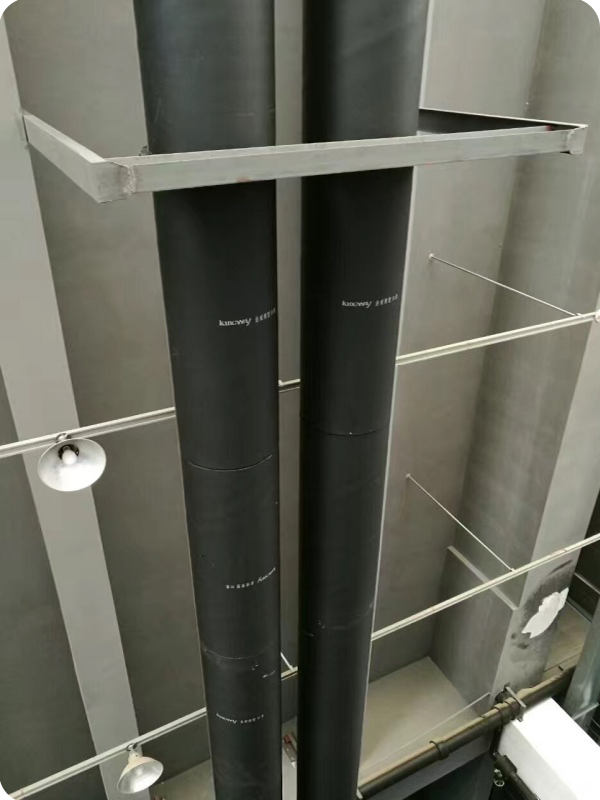
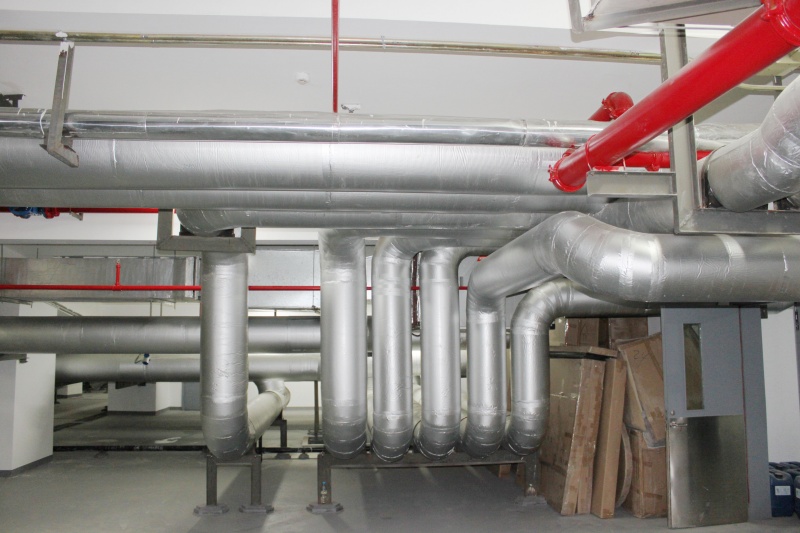
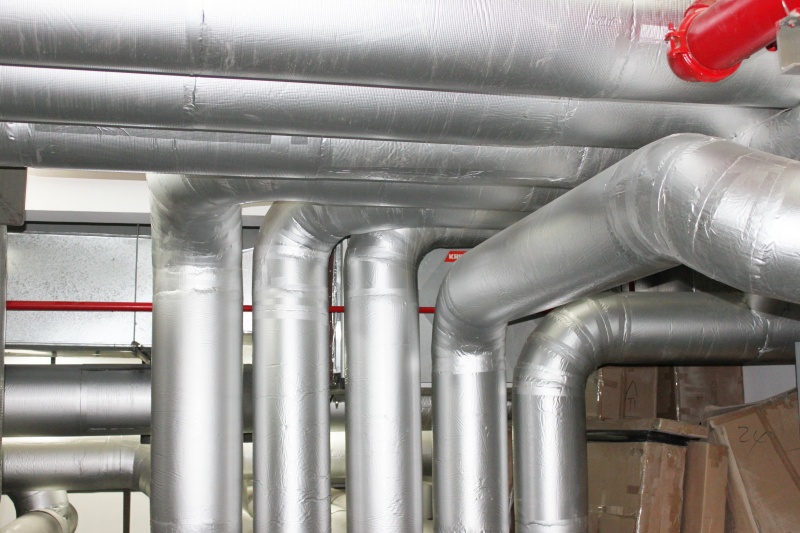
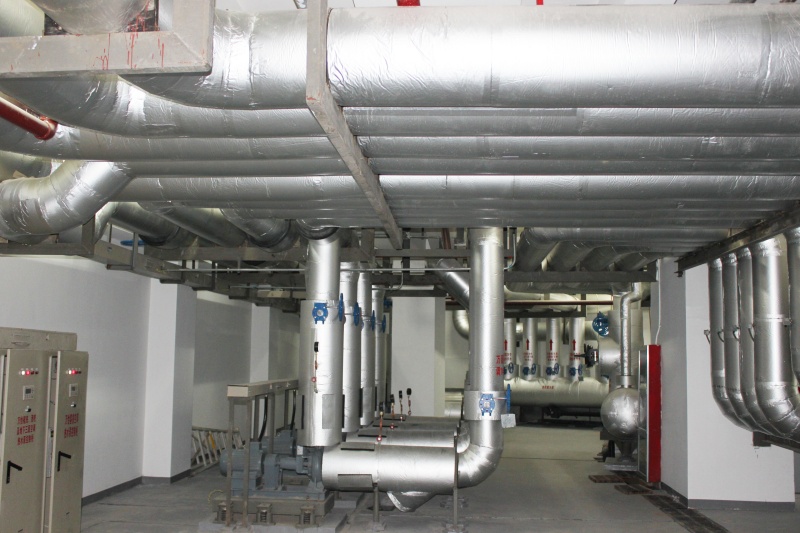
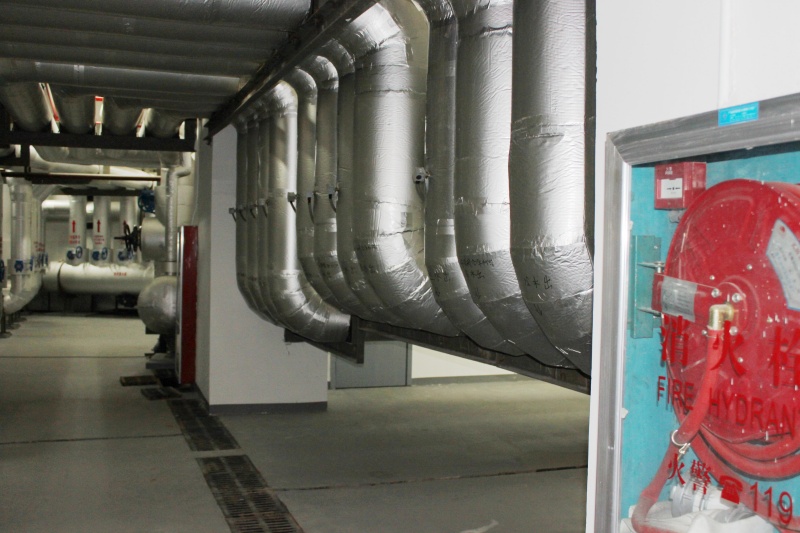
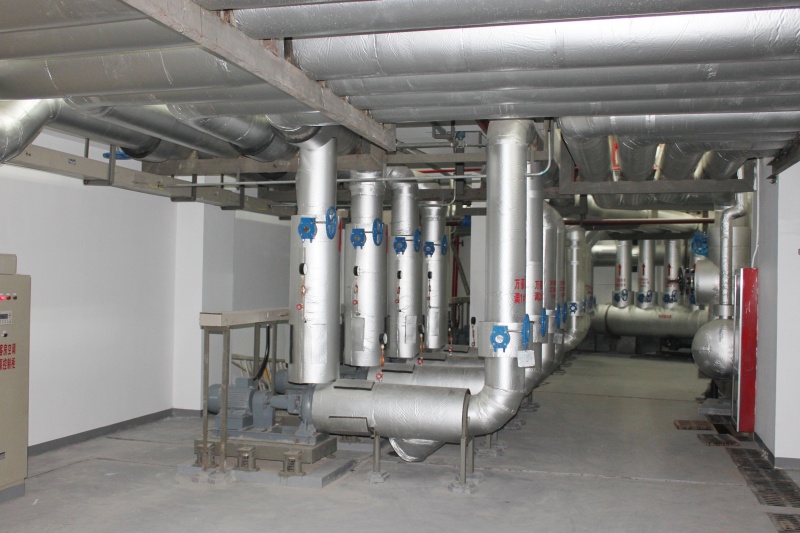
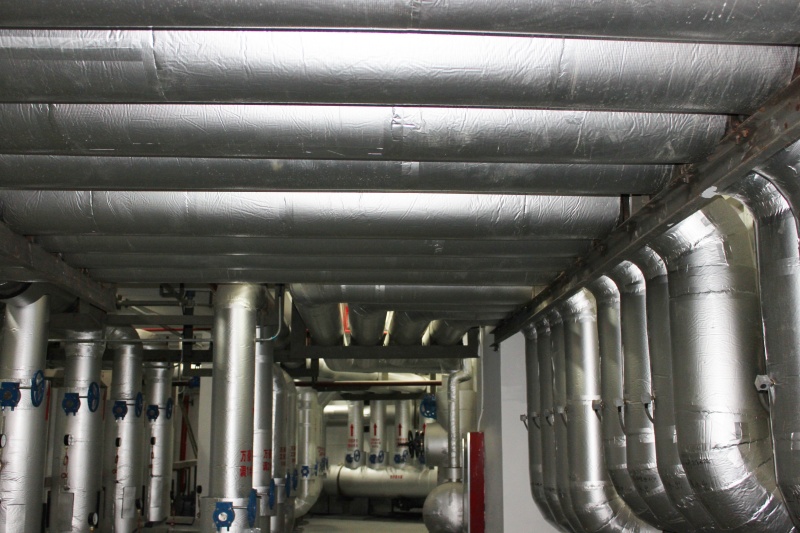
Industrial Pipe Insulation Project Site
40+
Years Industry History
600K+
Annual Capacity (m³)
66+
Countries Exported To
98%
Closed-Cell Ratio
E-E-A-T Credentials

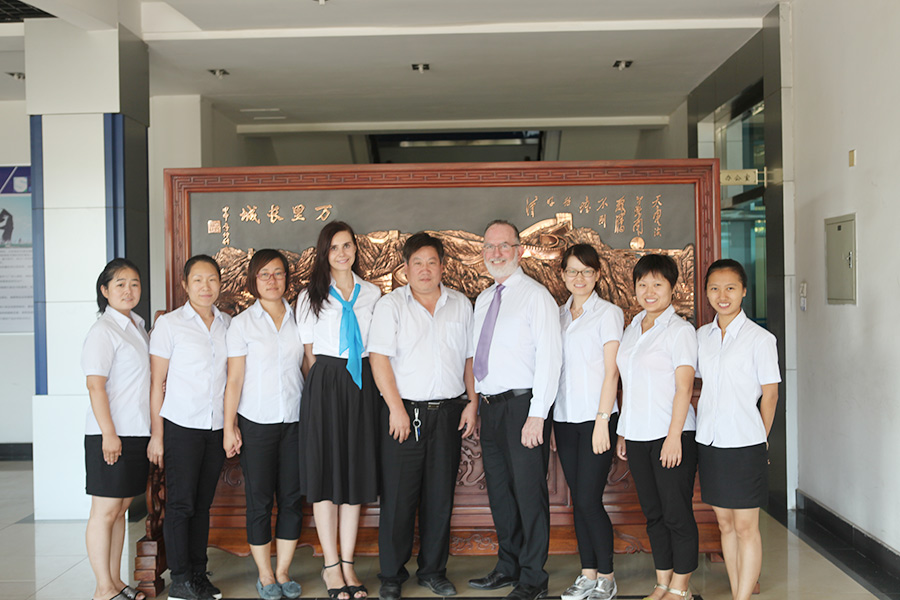
Engineered with Integrity: Our History & Team

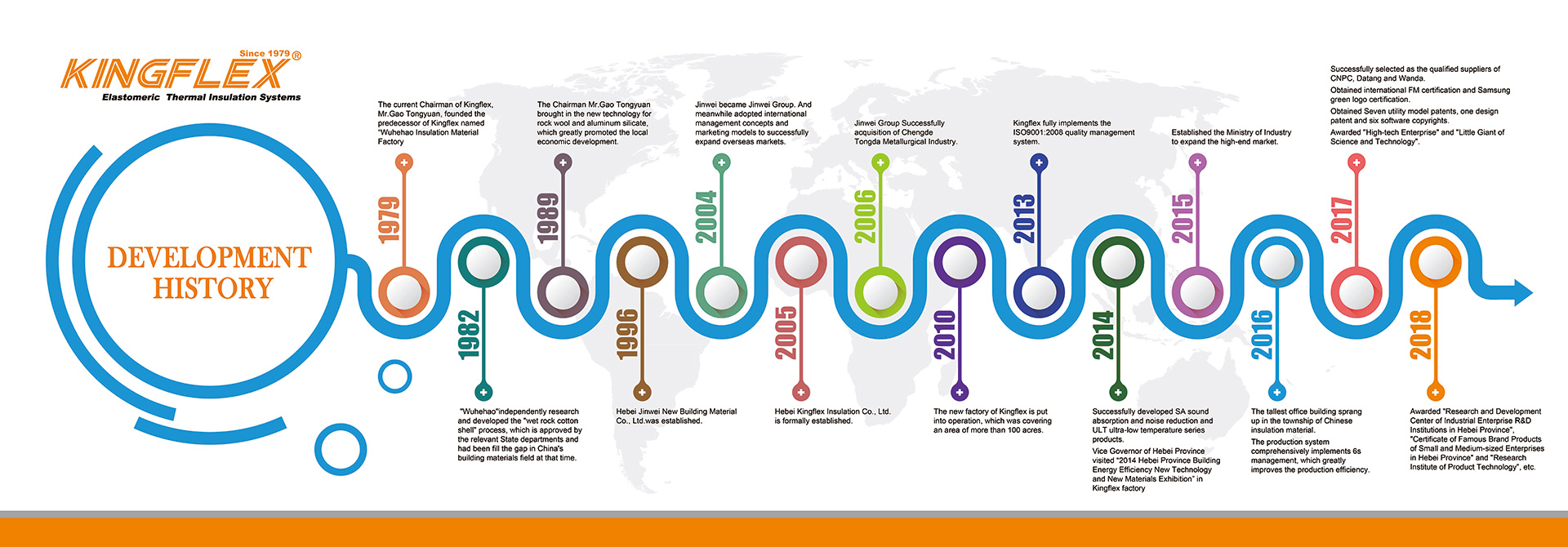
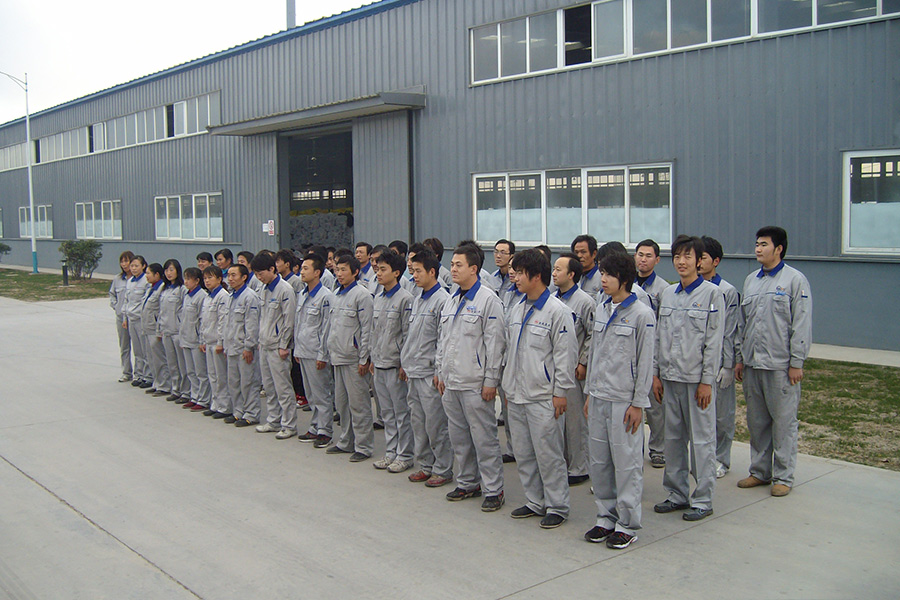
Founded by the Jinwei Group, which boasts a heritage spanning more than 40 years since its establishment in 1979, Kingflex holds a historically prominent position as the first thermal insulation manufacturer established north of the Yangtze River. Operating out of Dacheng, China—a region internationally recognized as the capital of green building materials—our production base is dedicated to green, energy-saving, and environmentally friendly manufacturing technologies.

Our operation integrates consulting, research and development, custom production, and post-sale installation supervision. With 8 professional R&D engineers, 6 international sales consultants, and a dedicated production force of over 230 technicians, Kingflex consistently delivers premium thermal control systems. Our facility operates 5 large-scale automatic production lines, allowing us to maintain a reliable supply chain for large infrastructure projects globally.

We are a designated production enterprise certified by the Ministry of Energy, the Ministry of Electric Power, and the Ministry of Chemical Industry in China. This recognition demonstrates our adherence to strict regulatory standards and our capability to meet complex engineering demands.

Kingflex Manufacturing Facility

Premium Insulation Specifications

Detailed performance parameters for Kingflex Black Rubber Foam and elastomeric solutions.

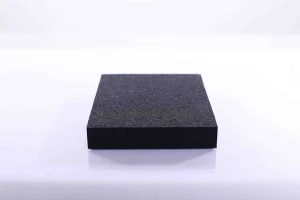
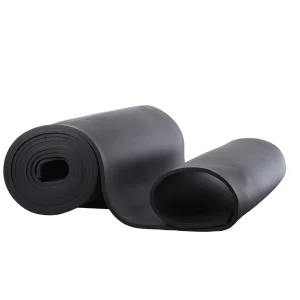
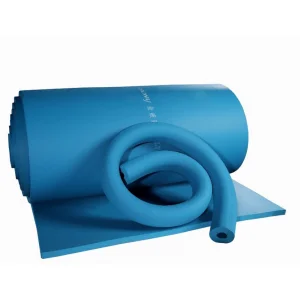
Black Rubber Foam Insulation Sheet Roll

Designed for large-diameter pipelines, ventilation ductwork, and flat equipment surfaces. Offers high versatility and resistance to mechanical wear.

  • Material Formulation: Nitrile-Butadiene Rubber & Polyvinyl Chloride (NBR/PVC) blend.
  • Standard Thicknesses: 6mm to 50mm.
  • Density Range: 40 to 55 kg/m³.
  • Service Temperature: -40℃ to 105℃.
  • Closed-Cell Rate: >98% for long-term resistance to moisture intrusion.

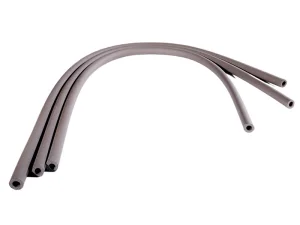
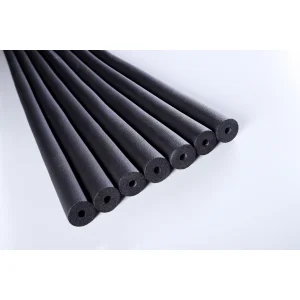
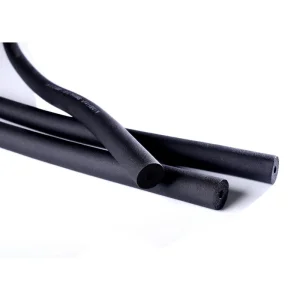
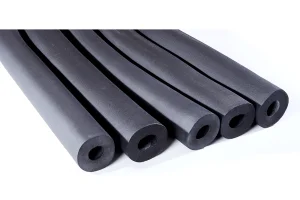
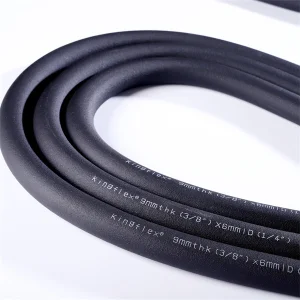
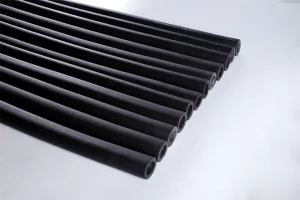
Black Rubber Foam Insulation Pipe

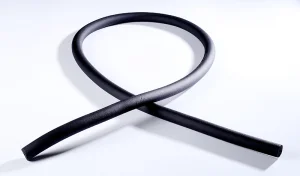
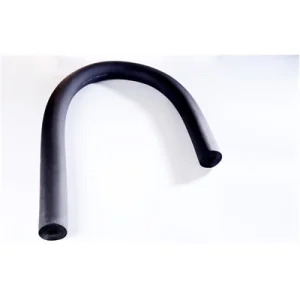
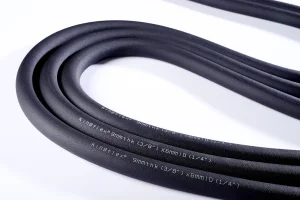
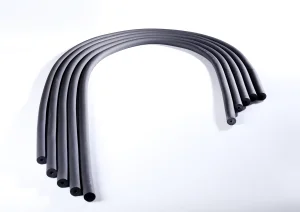
Pre-formed cylindrical profiles engineered for quick installation over standard copper, steel, and plastic lines. Simplifies installation on elbows and tees.

  • Material Base: Premium NBR/PVC elastomer.
  • Wall Thicknesses: 9mm to 40mm.
  • Internal Diameter (ID): 6mm to 114mm.
  • Compression Resilience: >80% recovery under mechanical pressure.
  • Key Benefit: Reduces the risk of pipeline freezing and condensation buildup.
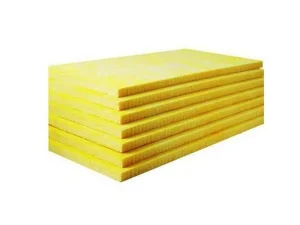
Performance Metric NBR/PVC Elastomeric Foam Fiberglass Wool Board Rock Wool Blanket
Thermal Conductivity (0℃) ≤ 0.034 W/(m·K) ≤ 0.038 W/(m·K) ≤ 0.040 W/(m·K)
Moisture Resistance (µ) ≥ 10,000 (Built-in Vapor Barrier) Low (Requires Outer Jacket) Low (Requires Outer Jacket)
Temperature Limit -40℃ to 105℃ Up to 250℃ Up to 650℃
Flame Spread Rating Class 0 / Class 1 (BS 476) Non-combustible Non-combustible
Flexibility & Fit Excellent, self-conforming Semi-rigid, cuts with utility tools Rigid or flexible wrapping

Professional Pipe Insulation Installation Guide

An engineering walkthrough for installing closed-cell elastomeric foam to ensure maximum lifetime thermal efficiency.

Step 1

Surface Preparation & Sizing

Ensure the target metal piping is completely clean, dry, and free of rust, grease, or dirt. Measure the outer diameter of the pipe and match it to the corresponding internal diameter (ID) of the Kingflex elastomeric sleeve. *Never stretch* the sleeve over a pipe; stretching reduces wall thickness, which compromises thermal performance and leads to condensation.

Step 2

Sleeve Application

For new pipe runs, slide the unslit Kingflex tubing over the piping segments before joining them. For existing pipelines, slit the insulation tube lengthwise using a sharp utility knife. Apply a thin, even coat of Kingflex contact adhesive to both slit edges. Allow the adhesive to become tacky (typically 3–8 minutes) before pressing the edges together from the ends inward.

Step 3

Joint Sealing & Stress Relief

Butt joint seams must be securely sealed. Apply adhesive to the butt ends of adjacent tubes, press them firmly together, and seal the joint using 50mm-wide Kingflex self-adhesive foam tape. Ensure that piping hangers and supports clamp on the outside of the insulation using rigid support shields. Clamping directly onto the foam compresses it, creating a thermal bridge.

Critical Condensation Control calculations:

To prevent condensation in high-humidity areas, the insulation thickness must be calculated based on the ambient dry-bulb temperature, relative humidity, pipe design temperature, and the thermal conductivity of the insulation. Closed-cell NBR/PVC foam does not require an external vapor barrier because its closed-cell structure blocks moisture vapor throughout the material's thickness. This ensures stable thermal conductivity even in humid environments.

R&D Lab & Certification Assets

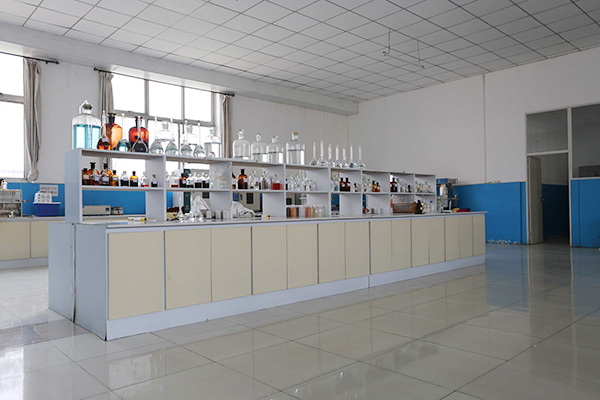
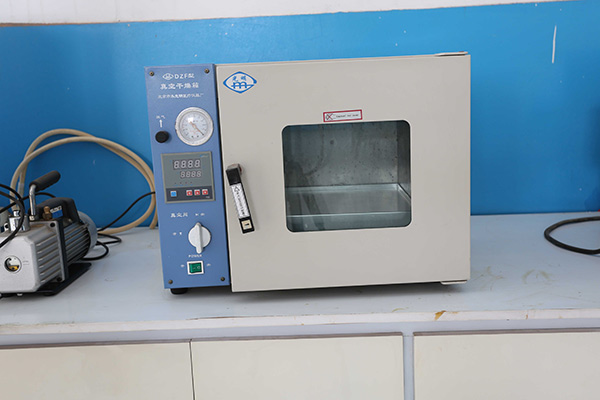
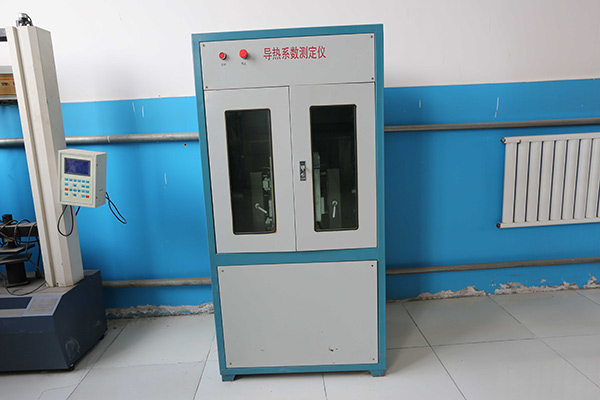
Our laboratories monitor manufacturing consistency to maintain compliance with international standards.

Kingflex R&D Facility 1
Kingflex R&D Facility 2
Kingflex R&D Facility 3
Kingflex Certificates
Kingflex Quality Testing
Kingflex Compliance Documents
Kingflex System Approvals
Kingflex Quality Certificates

Industrial Application Scenarios

How engineering groups apply Kingflex elastomeric systems across major sectors.

HVAC & Chilled Water Lines

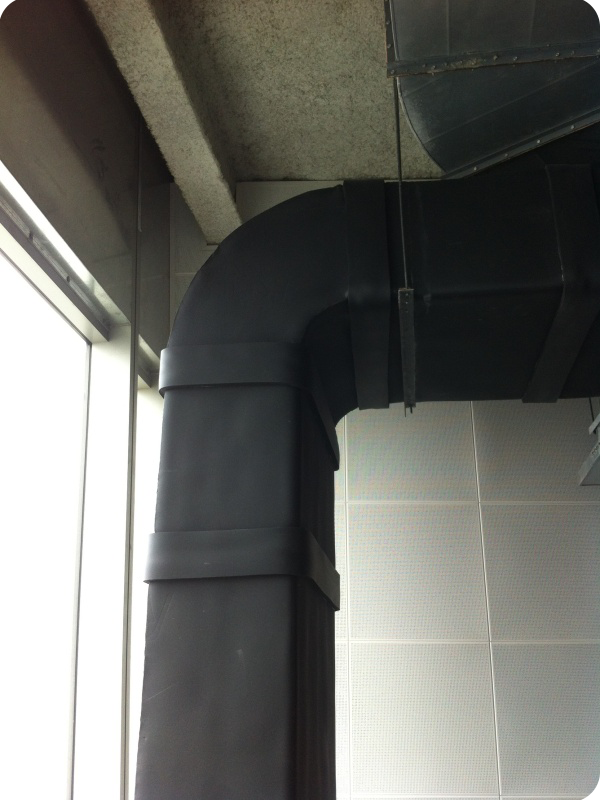
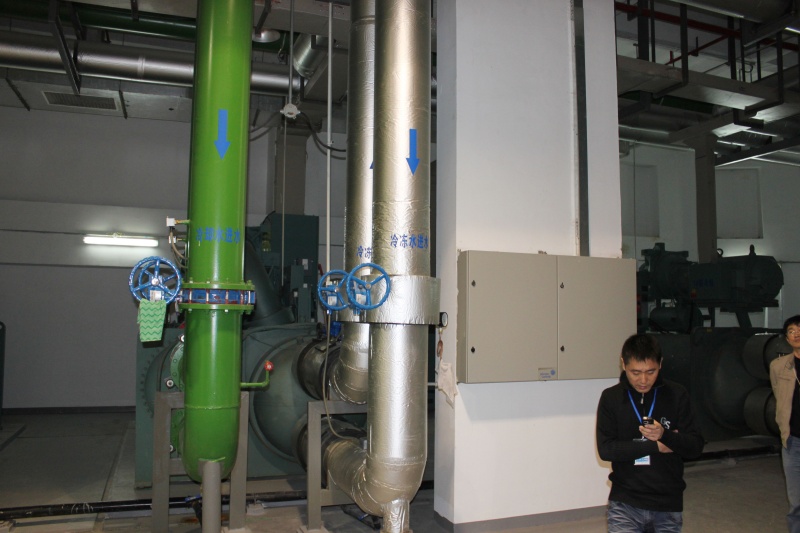
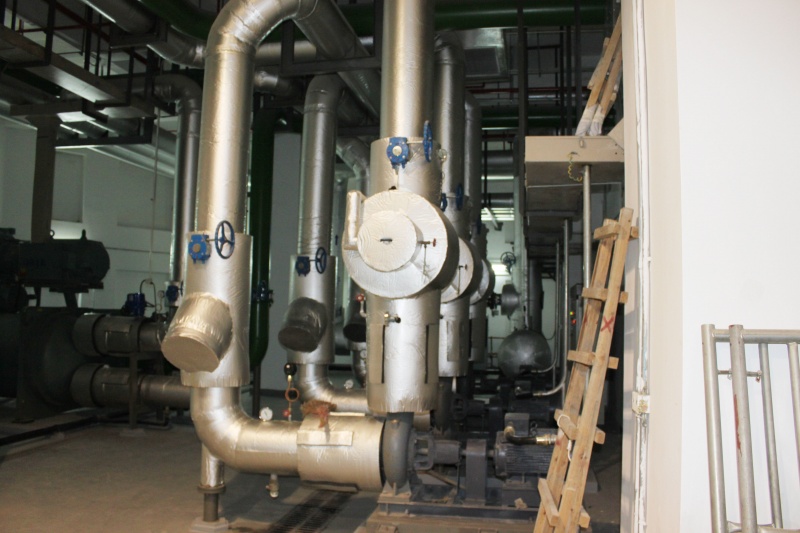
Condensation on chilled water pipes can lead to water damage, structural mold, and reduced efficiency. The closed-cell structure of Kingflex NBR/PVC prevents vapor transfer and controls condensation on HVAC lines without requiring external jackets, keeping installations dry and efficient.

Cryogenic & Low Temp Systems

Industrial cryogenic storage and liquified gas lines operate at temperatures down to -200℃. In these setups, standard materials can quickly freeze and crack. Kingflex Cryogenic elastomeric formulations maintain flexibility and protect low-temperature pipelines from extreme thermal shock and frost buildup.

Chemical Process Pipelines

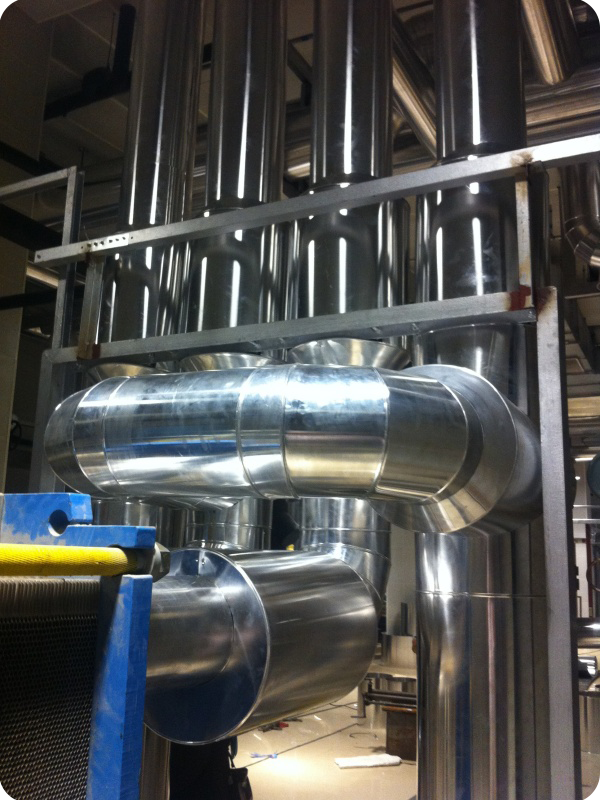
Corrosion under insulation (CUI) is a common failure point in chemical processing plants. Kingflex NBR/PVC is formulated to resist acidic and alkaline environments. Its tight surface skin prevents corrosive moisture and chemical vapors from reaching the underlying steel piping, protecting against CUI.

Global Project Case Studies

On-site documentation of Kingflex materials deployed in commercial, infrastructure, and heavy industrial systems.

Commercial HVAC Installation
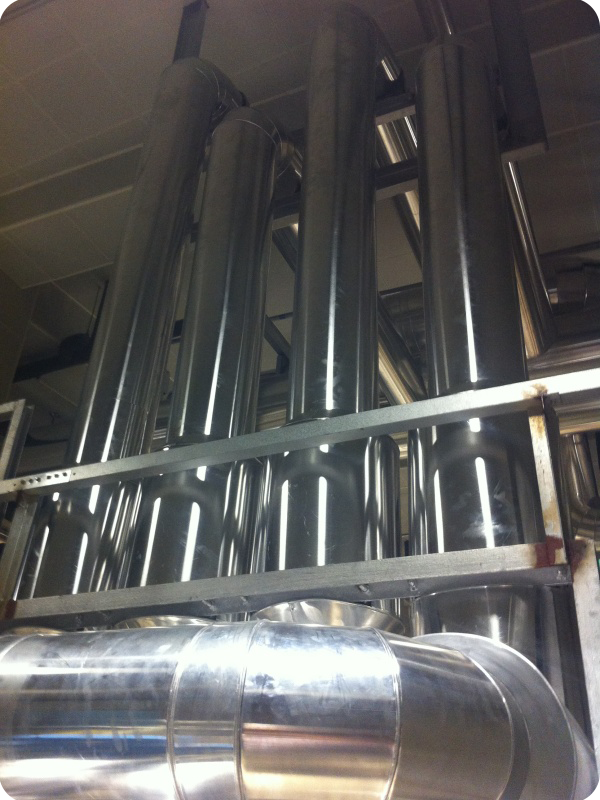
Industrial Duct Insulation
Cold Chain Infrastructure
Plant Process Piping Insulation
District Cooling Network
Central Air Unit Insulation
Refrigeration Line Setup
Cleanroom HVAC System
Industrial Steam Pipe Wrapping
Acoustic Panel System
Boiler Feed Insulation
HVAC Ductwork Installation
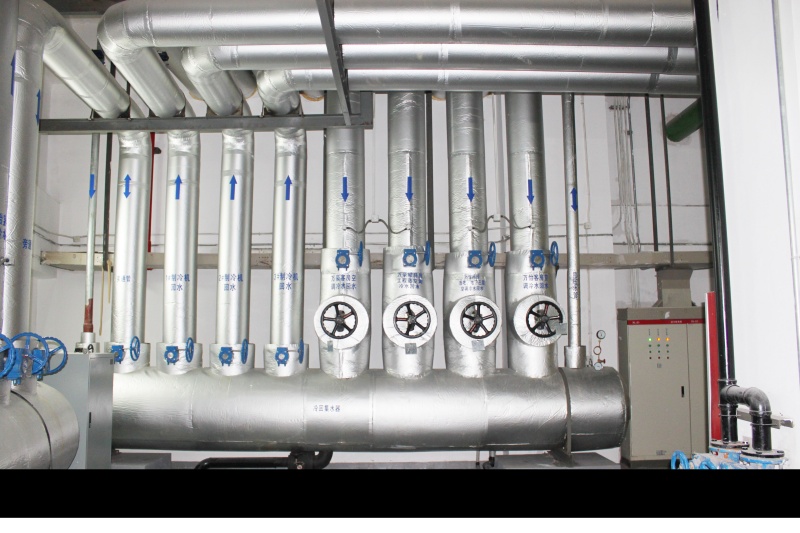
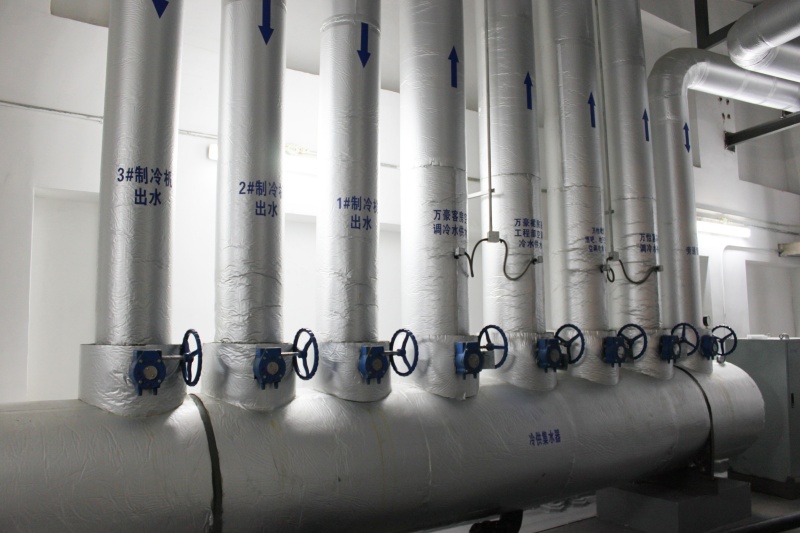
Chilled Water Headers
Large Plant Insulation Works
Heavy Cryogenic Pipe Setup
High Temp Boiler Line Insulation
Compliance & Quality

Global Standardization & Quality Control

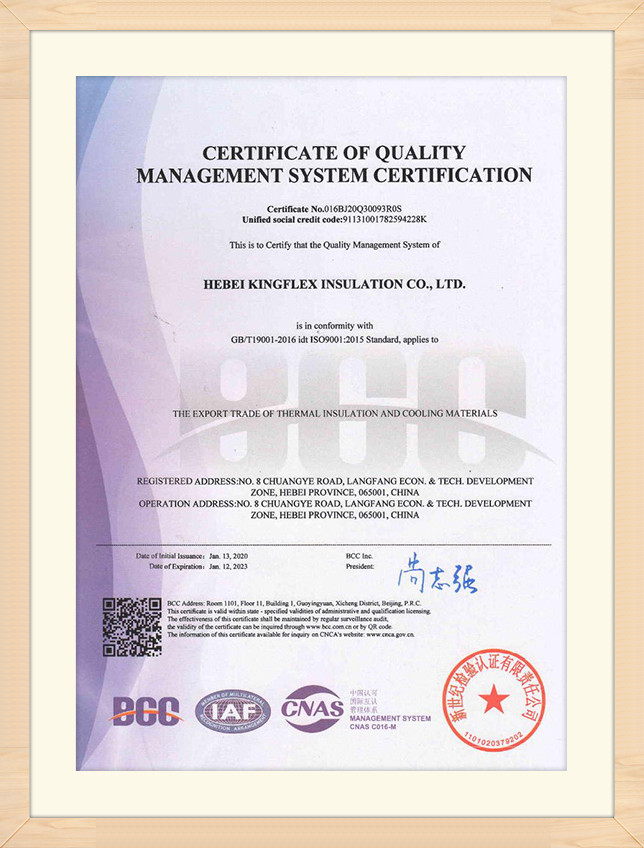
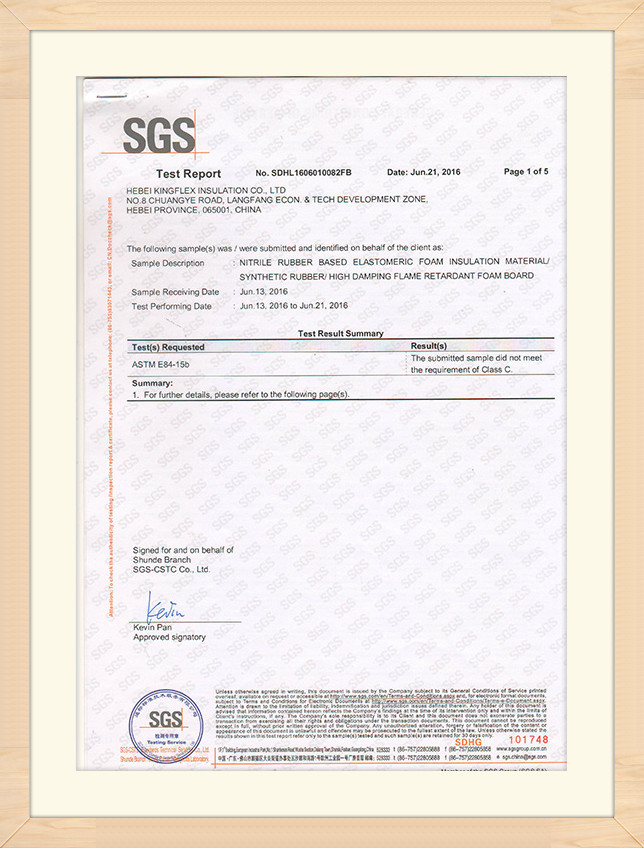
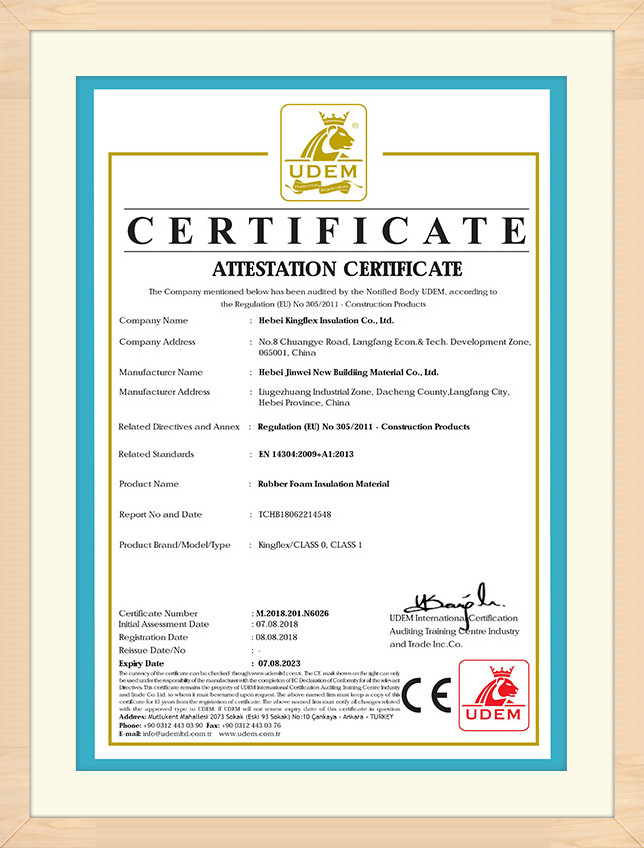
Exporting mechanical products globally requires alignment with international building codes and fire safety regulations. Kingflex closed-cell elastomeric systems undergo testing to verify compliance with major global certification bodies.

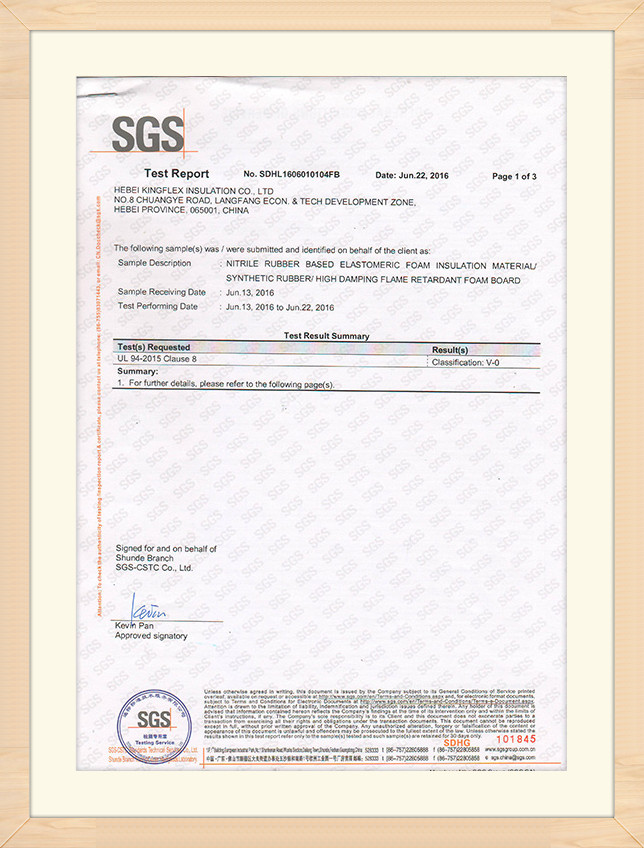
Our products conform to the fire-performance classifications of BS 476 Class 0 and Class 1, demonstrating low flame spread and minimal heat release. They are certified to meet CE, REACH, RoHS, UL94 (V-0 rating), and ASTM standards, verifying that the materials are suitable for high-density public facilities, including hospitals, airports, and data centers.

Every production batch is traceable back to its raw material source. This tracking helps ensure consistent performance and supports quality control across commercial and industrial projects.

Kingflex Quality Testing Lab

Expert Q&A: Technical FAQ

Detailed answers to common engineering questions regarding elastomeric rubber foam insulation.

Q1: What is elastomeric rubber foam insulation used for?
It is primarily used for insulating HVAC ductwork, commercial air conditioning lines, chilled water piping, industrial process piping, and low-temperature cryogenic systems. Its closed-cell structure prevents moisture condensation and controls thermal transfer.
Q2: Is Kingflex rubber foam insulation fire resistant?
Yes, our NBR/PVC elastomeric formulations are fire retardant. They meet BS 476 Class 0 and Class 1, and UL94 V-0 flame spread ratings, making them suitable for commercial structures with strict fire-safety guidelines.
Q3: What is the difference between rubber foam and rock wool insulation?
Elastomeric rubber foam is a flexible, closed-cell material with high resistance to moisture vapor, making it ideal for cold lines, condensation control, and HVAC systems. Rock wool is a rigid, open-fiber material that withstands higher temperatures (up to 650℃), making it better suited for high-temperature steam lines and heavy industrial fire protection.
Q4: Do you provide customized insulation products?
Yes, we provide full OEM and customized services. This includes manufacturing tubes and sheets to specific thicknesses, internal diameters, densities, and adding specialized surface claddings like aluminum foil or self-adhesive backings.
Q5: What certifications do your products have?
Our products hold BS 476, CE, REACH, RoHS, UL94, and ASTM certifications, helping them meet regulatory compliance requirements for major global regions.
Q6: Does Kingflex products have traceability?
Yes, we implement batch tracking across all five of our automated assembly lines. Every shipment can be traced back to its raw material component tests and production run.
Q7: What thickness of Rubber foam insulation sheet roll can you produce?
We manufacture elastomeric foam rolls in thicknesses ranging from 6mm to 50mm, allowing developers to choose the correct dimensions for their specific ambient conditions.
Q8: What is the service life of rubber plastic pipe and board?
When installed correctly according to specifications, Kingflex elastomeric insulation has an expected service life of 10 to 15 years, depending on environmental exposure and chemical contact.
Future Innovation

Research Roadmap & Sustainability Goals

Next-generation insulation focuses on environmental compatibility and fire safety. Kingflex is committed to phasing out halogenated flame retardants in favor of eco-friendly, halogen-free elastomeric options that release minimal smoke and toxins in a fire.

Additionally, our R&D efforts aim to improve the insulation's thermal resistance factor while keeping the material thin. This helps projects save space and meet green building criteria like LEED and BREEAM. By refining our manufacturing processes, we continue to lower the embodied carbon of our thermal insulation products.

Future R&D Roadmap