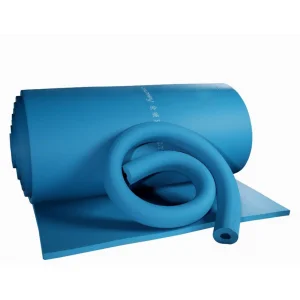
Wholesale Return Air Duct Insulation Manufacturers & Factory

Premium Elastomeric & Acoustic Thermal Insulation Solutions for Global Industrial and HVAC Applications

40+
Years Industry History
600,000m³
Annual Capacity
66+
Global Export Markets
98%+
Closed-cell Ratio

Global Commercial & Industrial HVAC Market Status

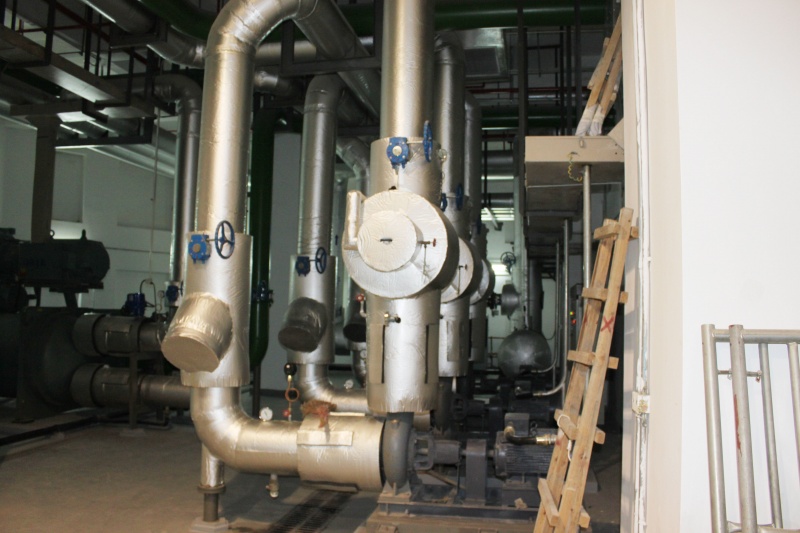
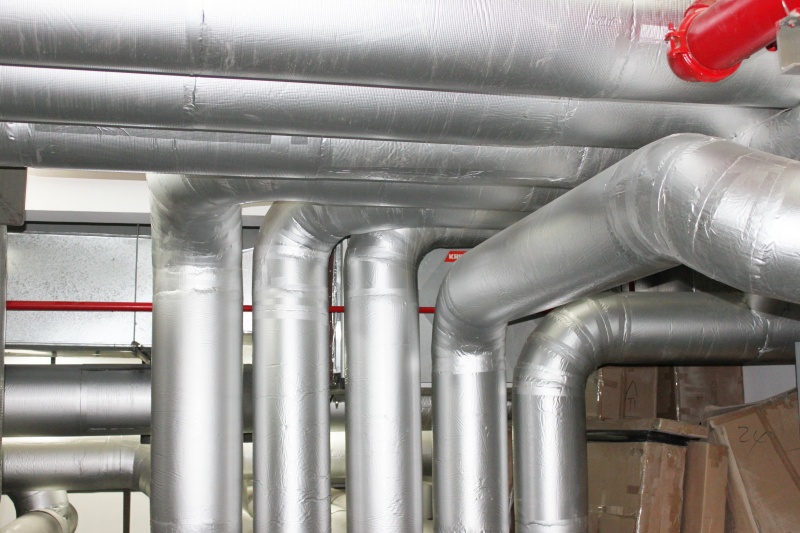
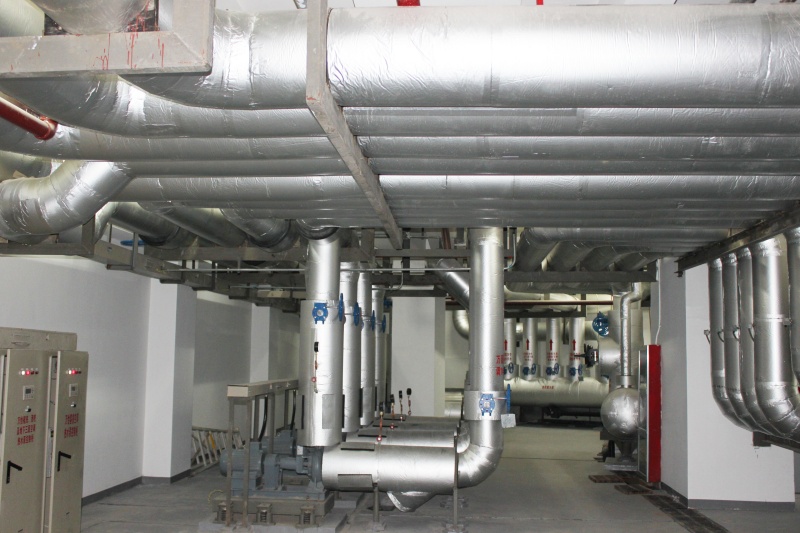
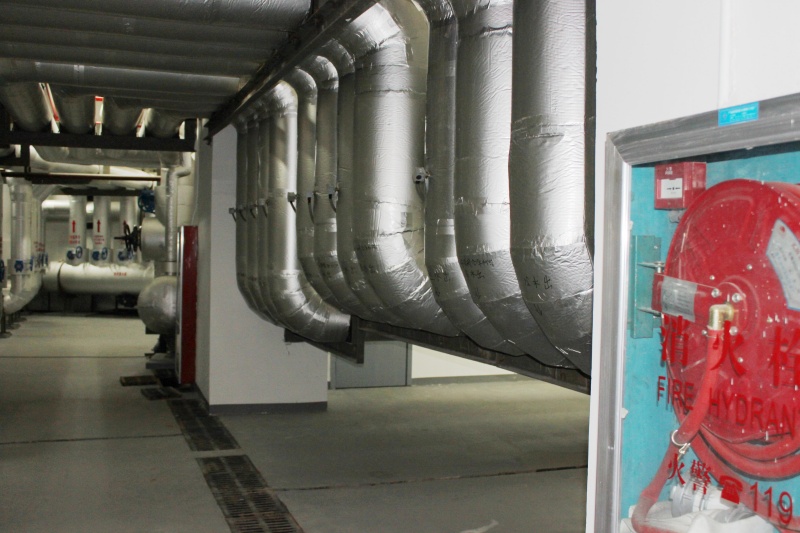
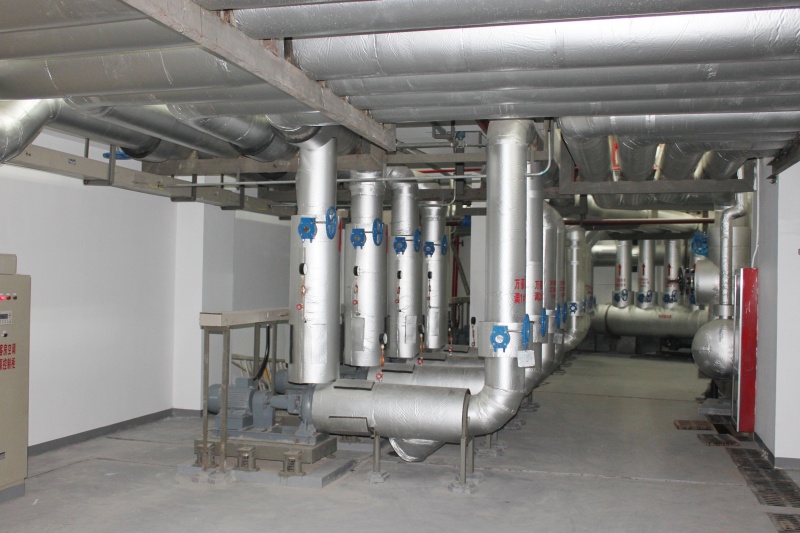
In modern industrial and commercial facilities, HVAC (Heating, Ventilation, and Air Conditioning) efficiency constitutes a critical pillar of environmental sustainability and operational cost control. Among the various system components, the return air duct plays an indispensable role. While return air is often assumed to require less thermal protection than supply ducting due to smaller temperature differentials relative to conditioned indoor spaces, failure to insulate return ducts leads to significant thermal gains or losses through non-conditioned structural plenums and crawlspaces.

Recent shifts in the global building regulatory frameworks (such as ASHRAE 90.1, EU EPBD, and domestic green building certification schemes like LEED and BREEAM) have made thermal insulation on return air ducts mandatory in many commercial scenarios. Uninsulated ducts passing through hot ceiling voids in tropical regions absorb sensible heat, forcing chilling units to consume up to 15% to 25% more energy to re-cool returned air. Globally, key industrial players are shifting toward high-durability, elastomeric closed-cell foam solutions to replace traditional mineral fibers, avoiding common structural vulnerabilities such as moisture absorption, dust accumulation, and fiber shredding.

Did You Know?

Thermal bridging in uninsulated plenum spaces can elevate return air temperature by up to 3°C to 5°C before it reaches the Air Handling Unit (AHU), directly increasing the electrical load on central centrifugal chillers.

Acoustic Containment Requirement

Cross-talk and aerodynamic fan noise readily propagate backward via return paths. Deploying high-density NBR/PVC elastomeric composite structures dampens sound wavelengths within the range of 125 Hz to 2000 Hz.

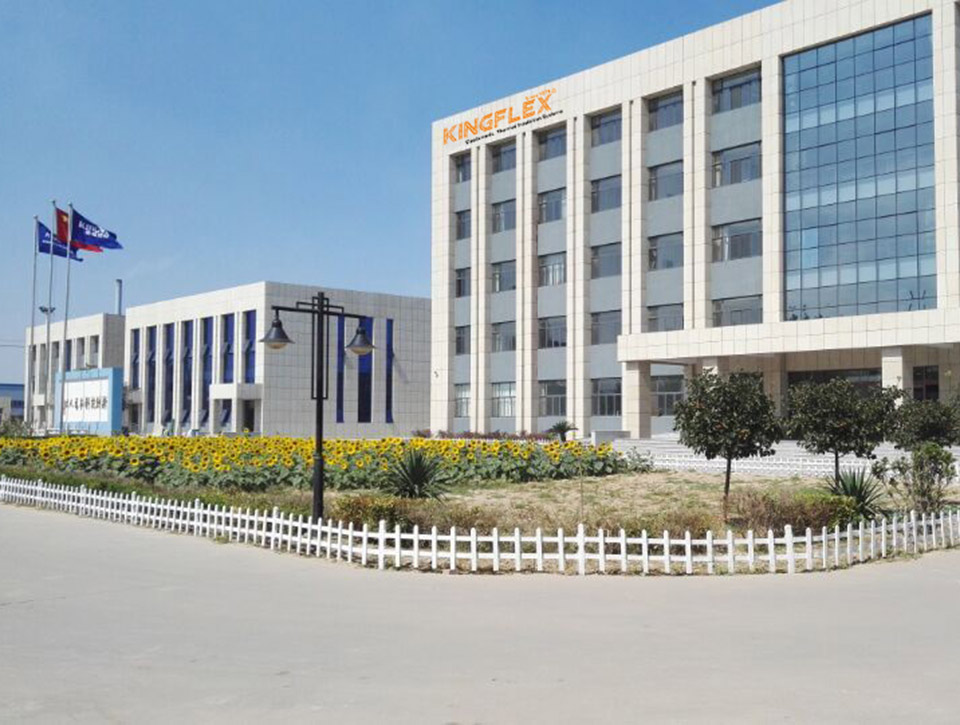
Kingflex Modern Manufacturing Facility

China Factory Efficiency & Global Supply Capacity

As a leading combo of research, development, and advanced manufacturing, Kingflex Insulation Co., Ltd. operates in Dacheng, China—historically recognized as the capital of green-building materials. China's industrial clusters for thermal and acoustic materials provide unmatched supply-chain depth. Our factory integrates vertical raw material sourcing, automated polymer mixing, continuous high-pressure extrusion foaming, and computer-controlled curing processes.

With 5 massive automatic assembly lines producing over 600,000 cubic meters annually, we are a designated supplier approved by the Ministry of Energy, the Ministry of Electric Power, and the Ministry of Chemical Industry. This high-efficiency manufacturing pipeline guarantees consistent density, precise thickness control (ranging from 6mm up to 50mm), and uniform micro closed-cell structures. By mitigating localized defects and structural inconsistencies common in manual foaming operations, our automated plants lower manufacturing overheads while delivering premium-tier products worldwide at competitive wholesale price points.
Technical Specifications & Material Configurations

Engineered to comply with stringent global safety, thermal conductivity, and fire protection requirements.

Performance Parameter NBR/PVC Elastomeric Rubber Foam Rock Wool Insulation Board Test Standard / Certification
Thermal Conductivity (λ) ≤ 0.034 W/(m·k) at 0°C ≤ 0.044 W/(m·k) at 70°C ASTM C518 / GB/T 10294
Density 40 - 55 kg/m³ 60 - 150 kg/m³ ASTM D1622
Service Temp. Range -40°C to +105°C (Cryogenic down to -200°C) Up to +650°C ASTM C411
Moisture Resistance Factor (μ) ≥ 10,000 (Built-in vapor barrier) Hydrophobic grade available BS EN 12086 / DIN 52615
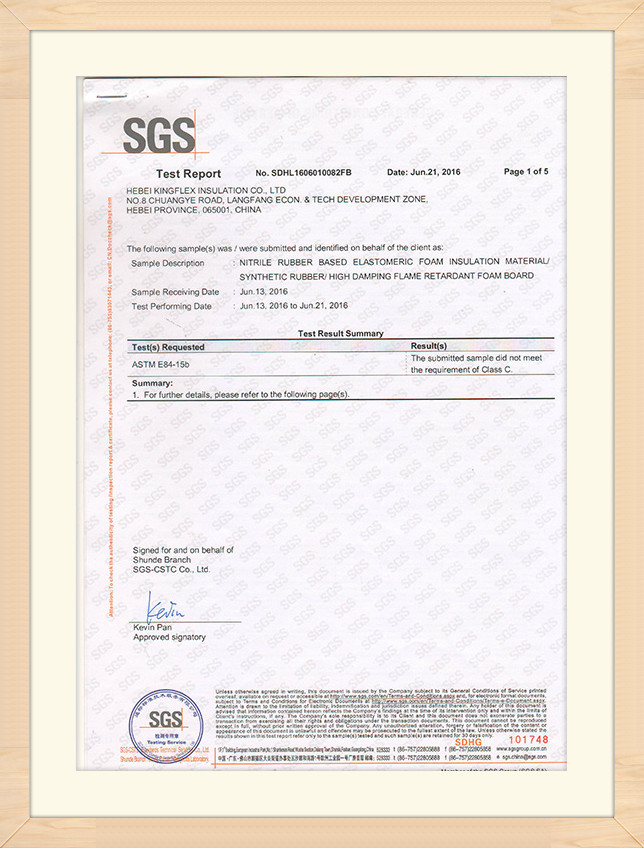
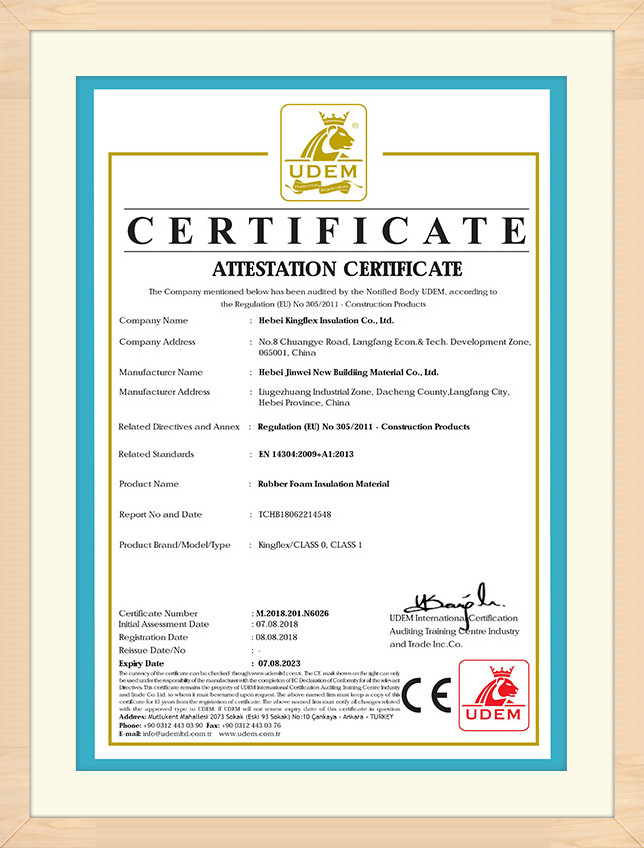
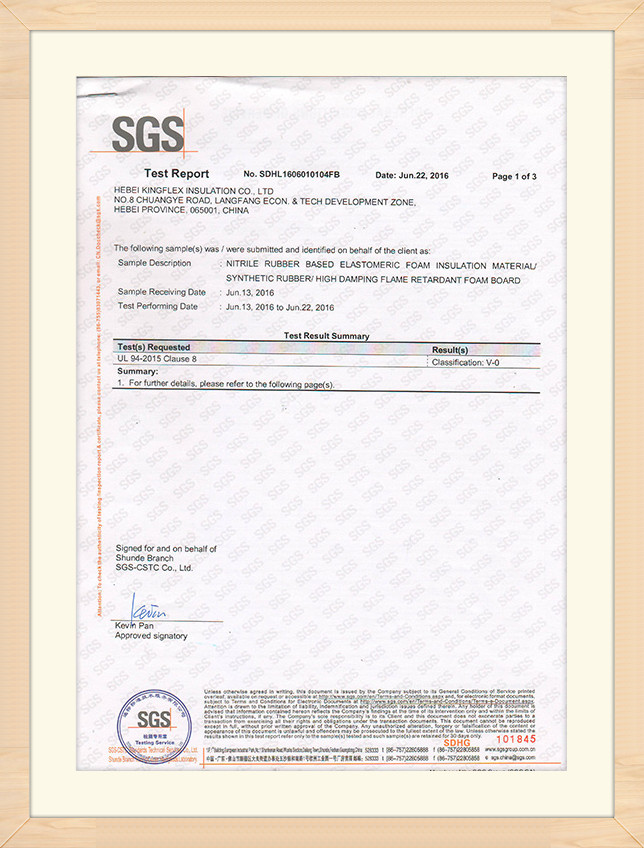
Fire Safety Rating Class 0 / Class 1, Self-extinguishing Non-combustible (Class A1) BS 476 Part 6 & 7 / UL 94
Environmental Compliance CFC/HCFC Free, Zero ODP, Low VOC Bio-soluble fibers, asbestos-free REACH, RoHS, LEED compliant

Localized Application Scenarios

How engineering requirements dictate material selection across varying global climates and projects.

Cleanrooms & High-Tech Labs

In microelectronics fabrication and pharmaceutical processing, airborne particulates are highly restricted. Traditional fiber insulation is prone to shedding under high-velocity return airflow. Elastomeric closed-cell structures present a completely non-shedding, dust-free exterior and interior surface profile, maintaining critical ISO class cleanroom standards.

Data Center Cold/Hot Aisles

Modern high-density data centers utilize hot/cold aisle containment systems. The air returned to CRAC units is often elevated to 35°C or higher. Our high-density acoustic rubber foam insulation acts as a thermal thermal shield, preventing structural heat bleeding back into cold aisles while dampening structural blade-server acoustic hums.

Coastal & High-Humidity Zones

HVAC return air duct systems in coastal regions suffer from severe condensation problems caused by high relative humidity levels. Moisture entry rapidly degrades fiberglass insulation, causing mold growth. Our NBR/PVC closed-cell foam insulation has a high moisture resistance factor (μ ≥ 10,000), eliminating the need for separate vapor barriers.

Rigorous R&D, Production Control, and Global Accreditation

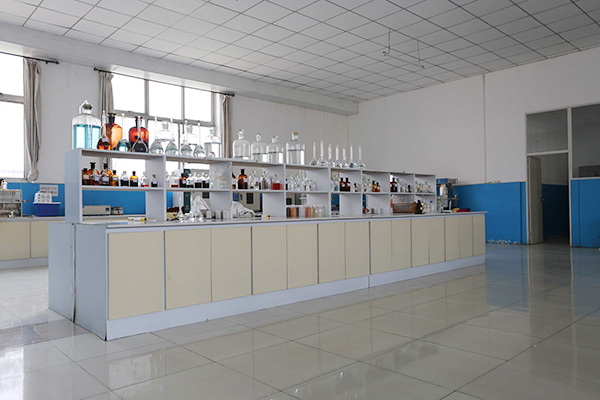
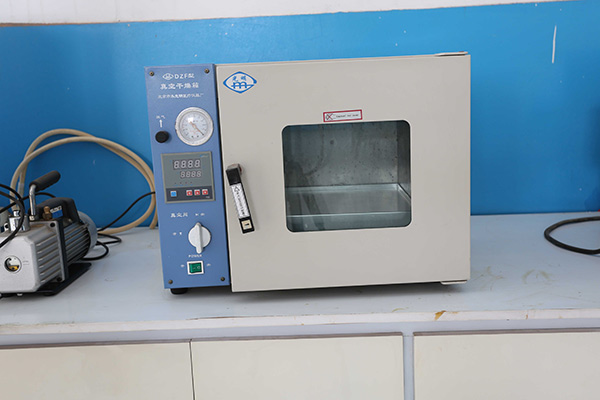
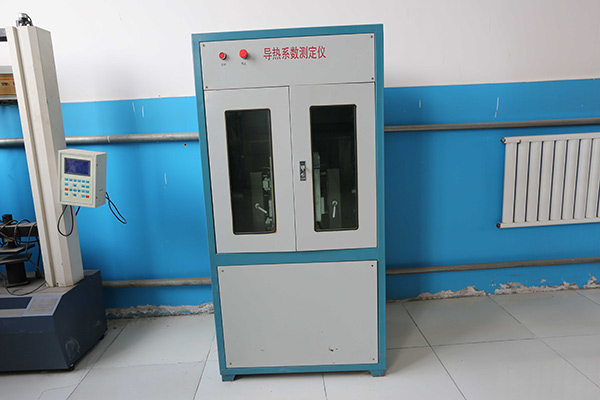
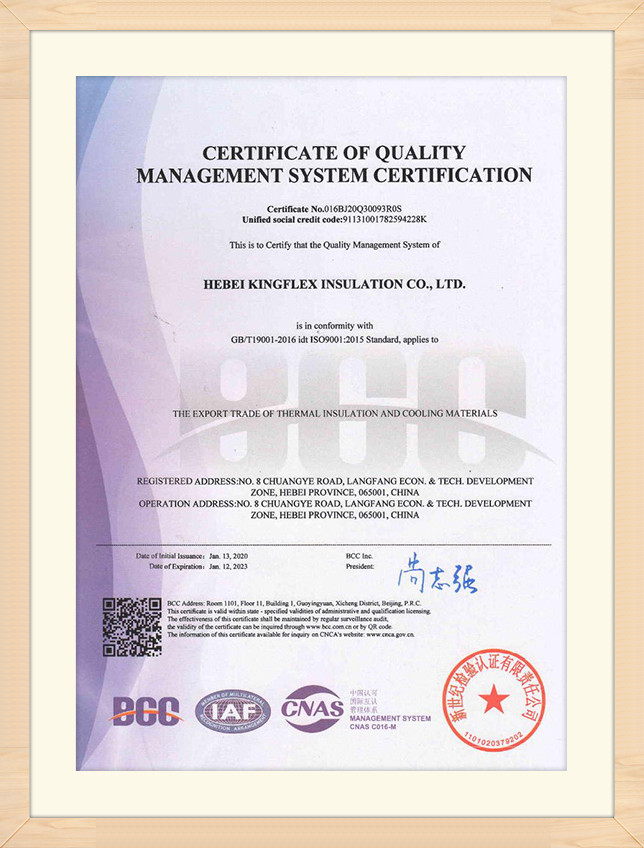
Supported by Jinwei Group's 40-year legacy, we operate a dedicated R&D hub comprising 8 professional senior engineers, 6 international customer managers, and 230 technicians.

Our Certificates

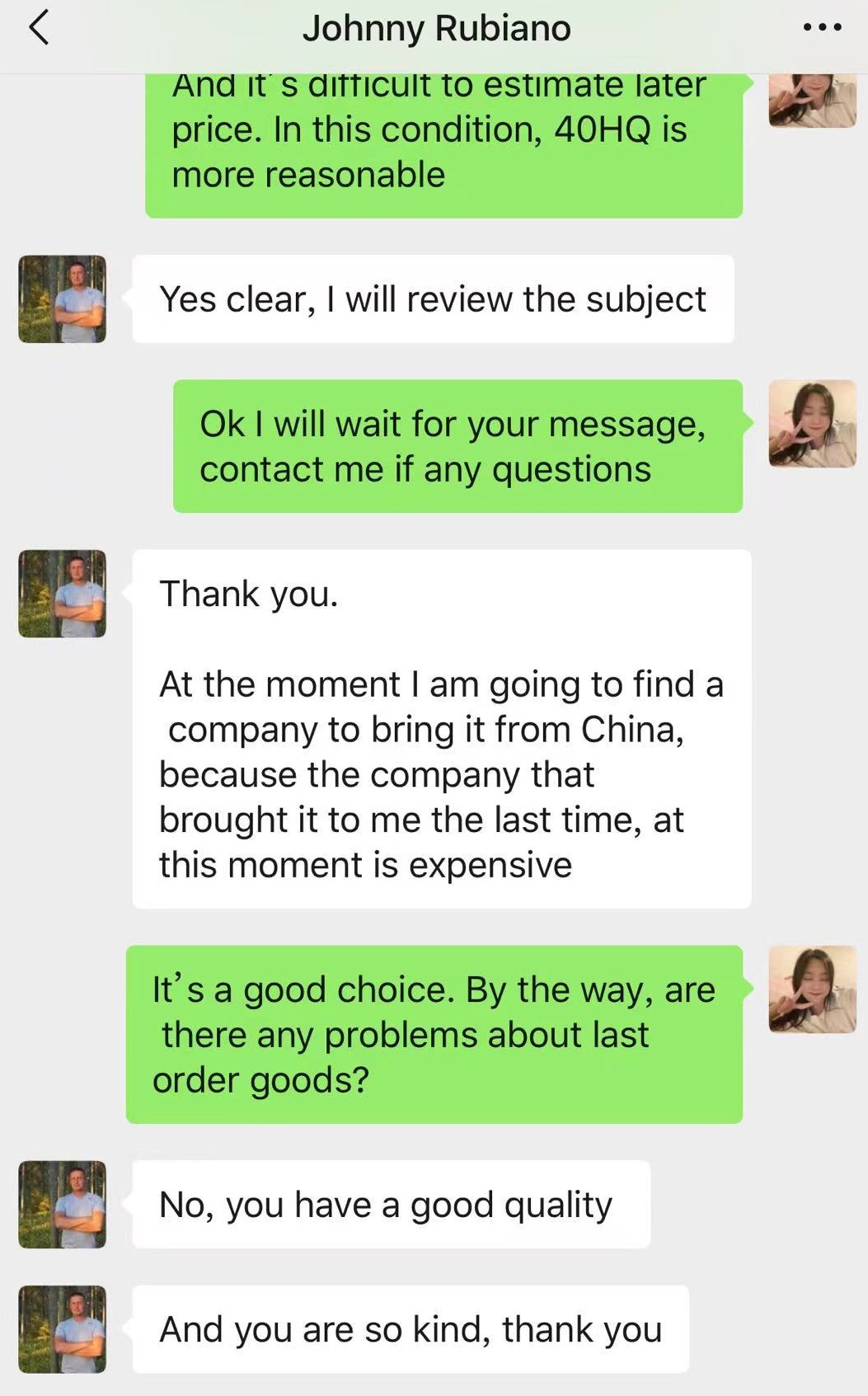
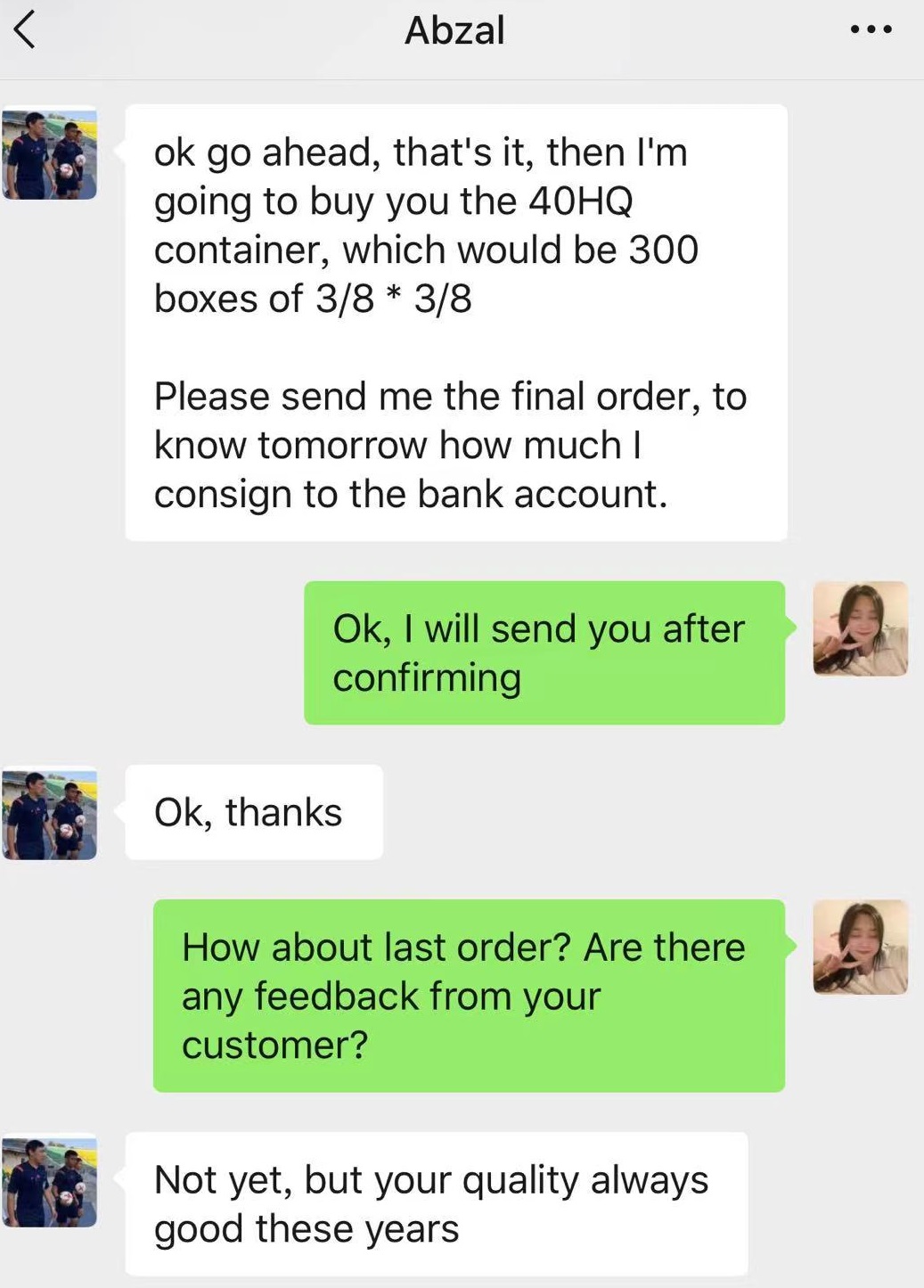
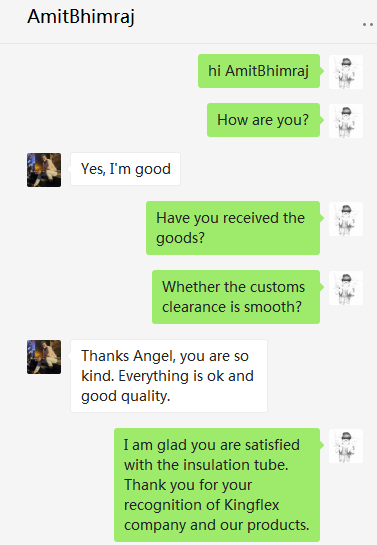
Customer Interactions & Project Feedback

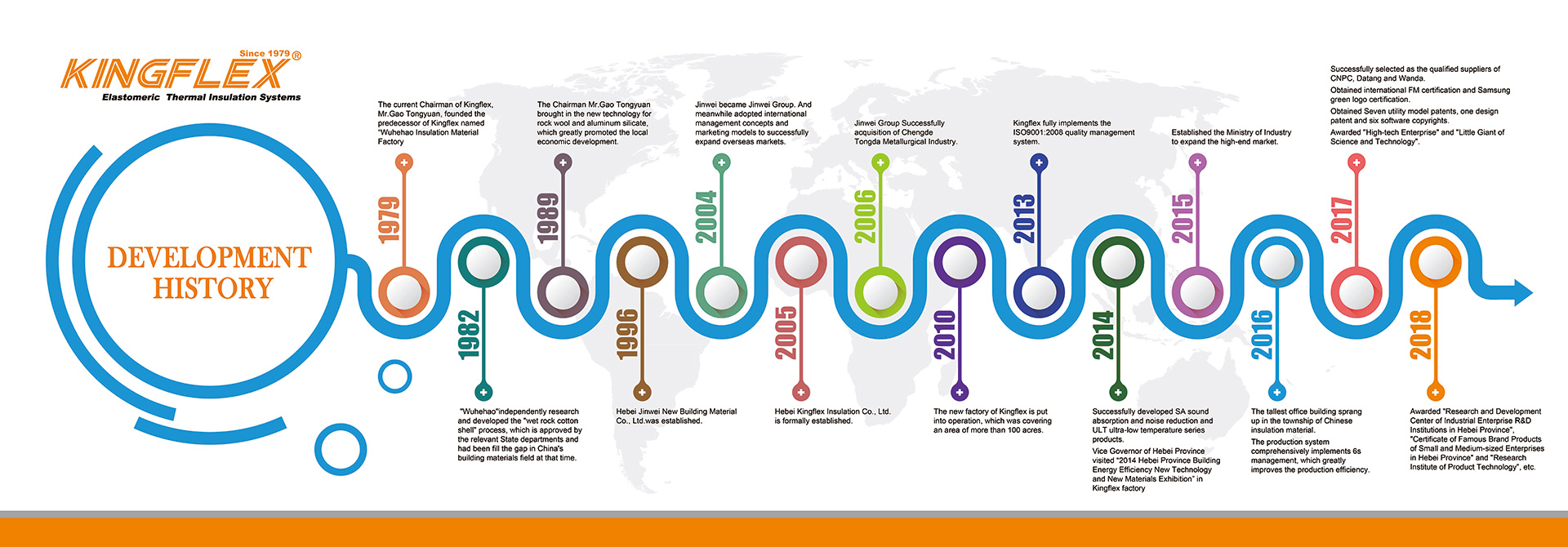
A Legacy of Quality: The Jinwei Group (Since 1979)

Our operational capability is rooted in a rich historical foundation. Kingflex was established by the Jinwei Group, an enterprise with a storied history spanning more than 40 years. Established in 1979, the Jinwei Group was the first manufacturer of thermal insulation materials located north of the Yangtze River.
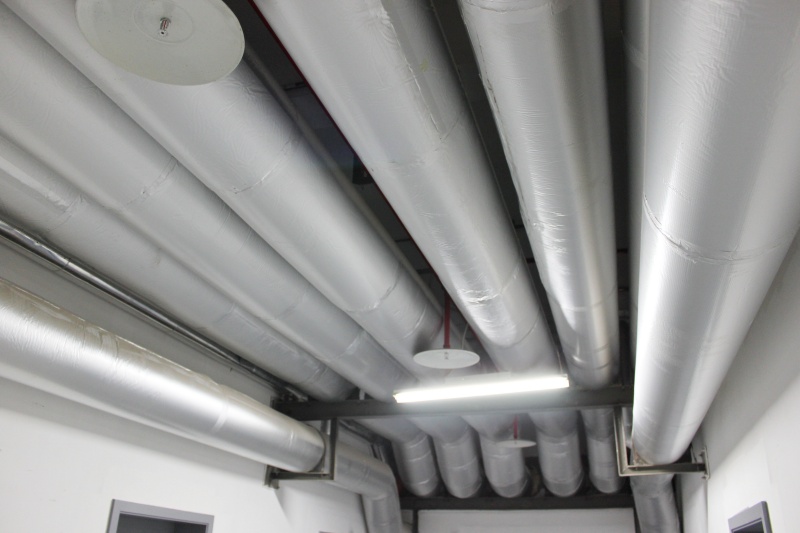
Over the decades, we have continuously introduced progressive extrusion, foaming, and quality inspection equipment. This solid foundation has allowed us to support high-scale international infrastructure construction. Today, our engineering team works alongside global industrial buyers, mechanical engineers, and designers to provide bespoke solutions designed to endure harsh thermal cycling without early degradation.

Jinwei Group Historic Production Facility Our Skilled Technical Labor Force

Global Projects & Structural Integrations

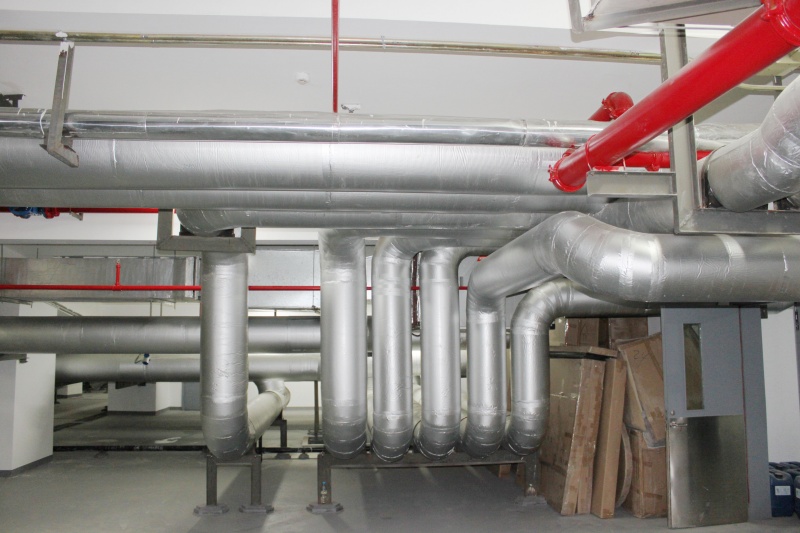
Visual highlights showcasing site integration, installation neatness, and commercial operations.

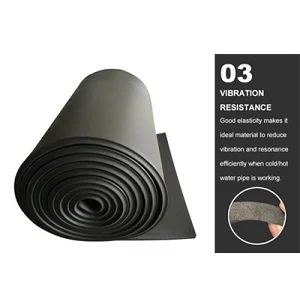
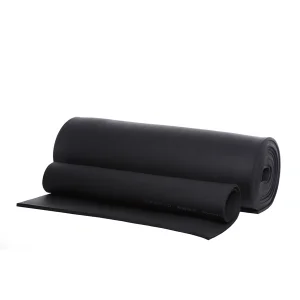
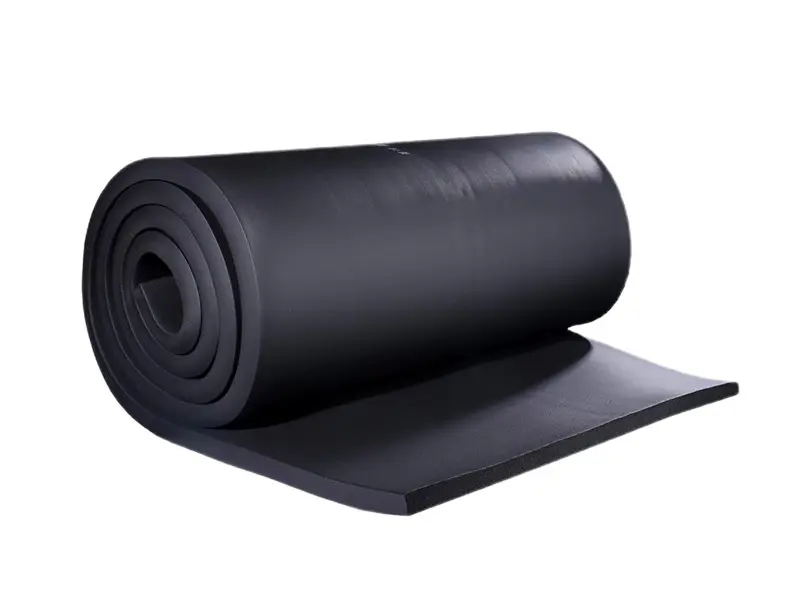
Black Rubber Foam Insulation Sheet Roll Details

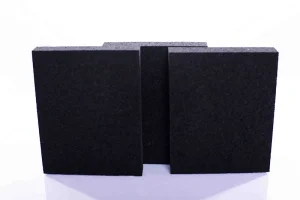
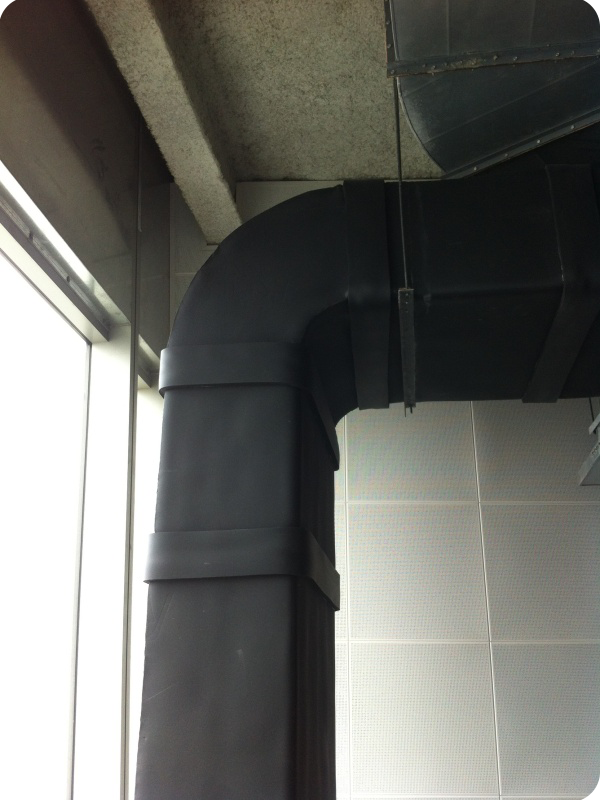
Our elastomeric NBR/PVC sheets are structured specifically for return air wraps and duct lining. The even micro-cell formulation ensures uniform thermal resistance and structural flexibility, fitting tight corners and complex rectangular geometry without cracking.

  • Material Chemistry: Nitrile Butadiene Rubber / Polyvinyl Chloride (NBR/PVC) polymer blend.
  • Available Thicknesses: Continuous range from 6mm up to 50mm.
  • Standard Core Density: 40 kg/m³ to 55 kg/m³ for optimal thermal-acoustic equilibrium.
  • Temperature Compatibility: -40°C to +105°C continuous.
  • Key Benefits: Evens out thermal gradients, exhibits high compression resilience (>80%), self-extinguishes, and features built-in resistance to vapor propagation.

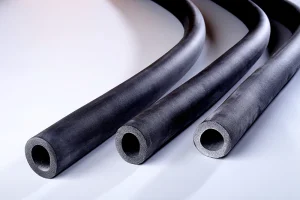
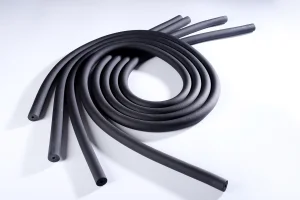
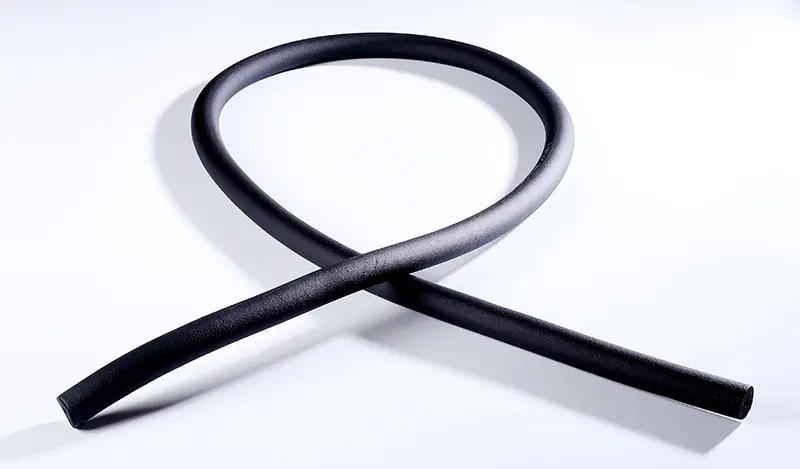
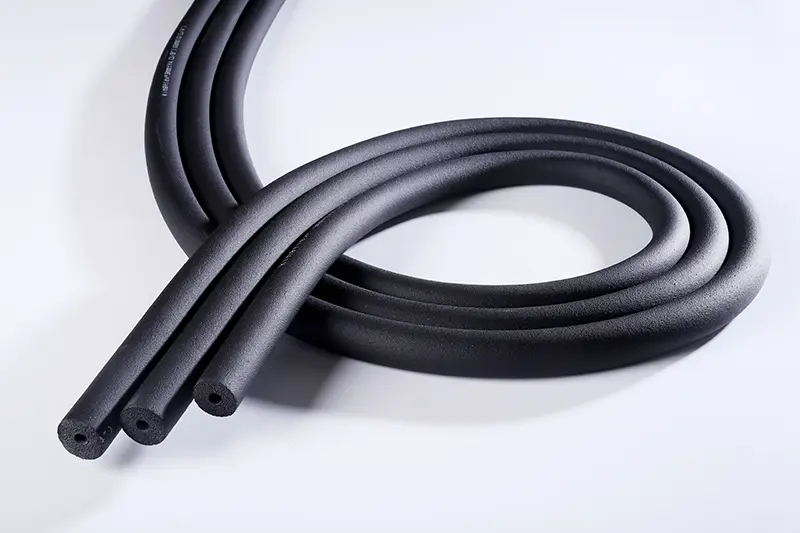
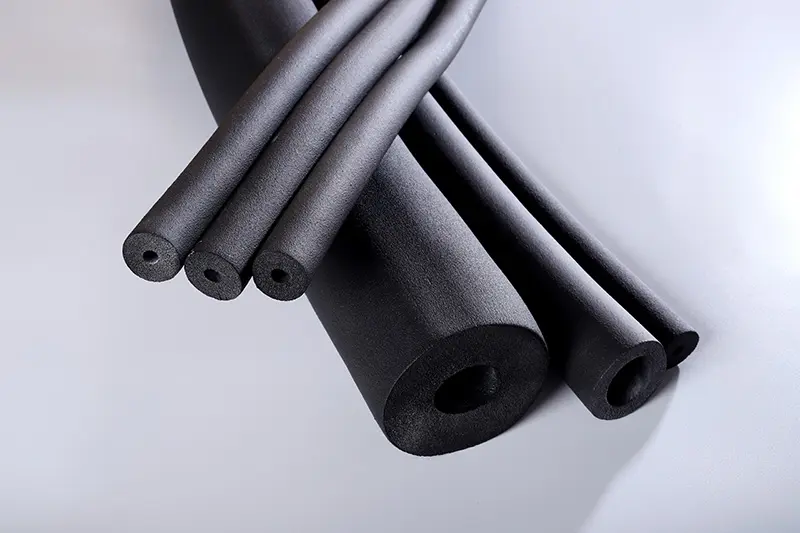
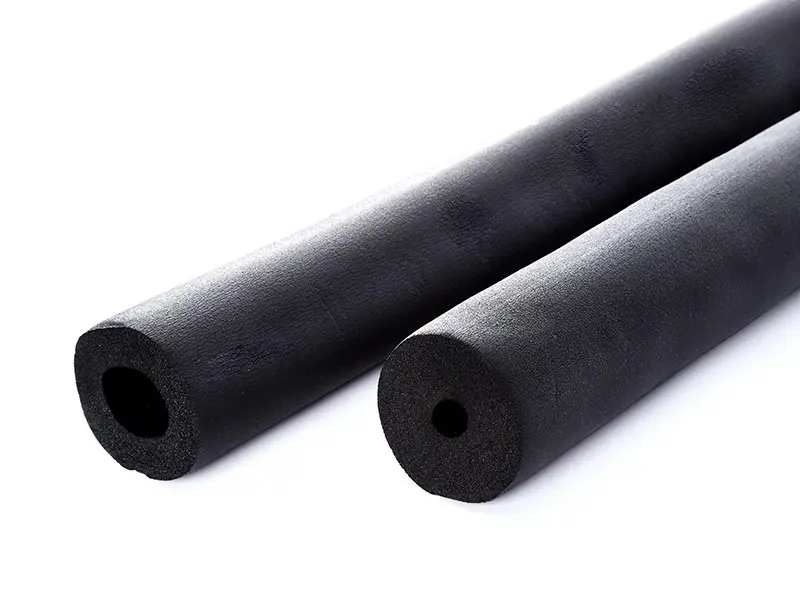
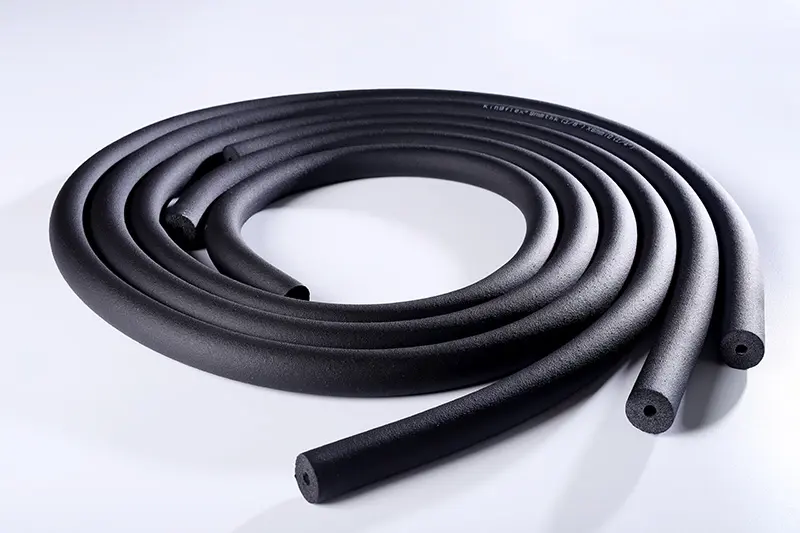
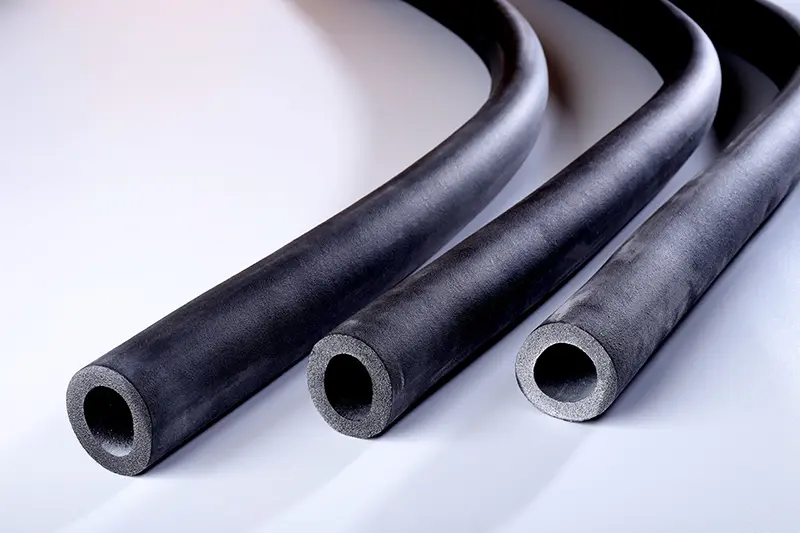
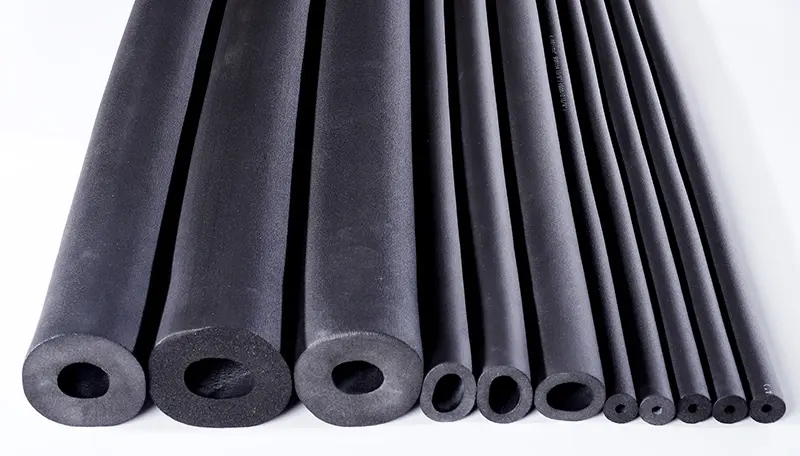
Black Rubber Foam Insulation Pipe Details

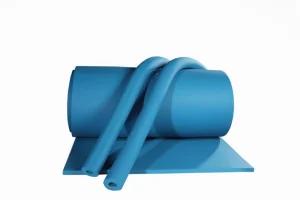
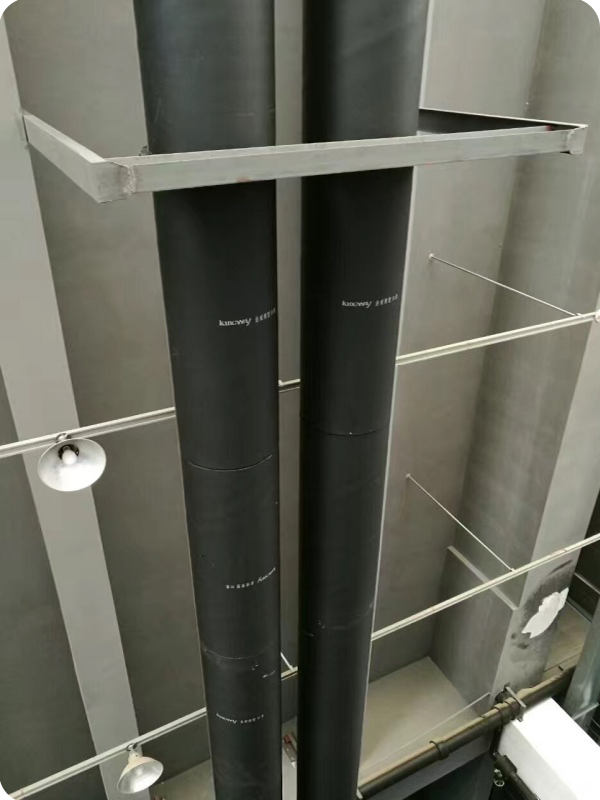
Designed for integration over rounded return lines, bypass circuits, and secondary HVAC routing lines, these tubular profiles allow for quick slit-and-glue applications.

  • Applicable Diameters (ID): 6mm up to 114mm inner diameter lines.
  • Standard Wall Thicknesses: 9mm, 13mm, 19mm, 25mm, 32mm, and 40mm.
  • Coating Uniformity: Extruded via computerized spray tooling to guarantee consistent structural shell density.
  • Primary Applications: Condensation prevention on chilled lines, reduction of copper/steel pipe freezing risk, and system decibel level attenuation.

Product Surface Finishes & Textures

Frequently Asked Questions

Clear, authoritative technical answers regarding duct insulation application, standards, and installation.

Q1: What is elastomeric rubber foam insulation used for?
It is mainly used for HVAC ducts, air conditioning pipes, building thermal insulation, industrial pipeline cold insulation, and sound insulation. Its closed-cell structure prevents moisture ingress, making it highly effective at preventing surface condensation.
Q2: Is Kingflex rubber foam insulation fire resistant?
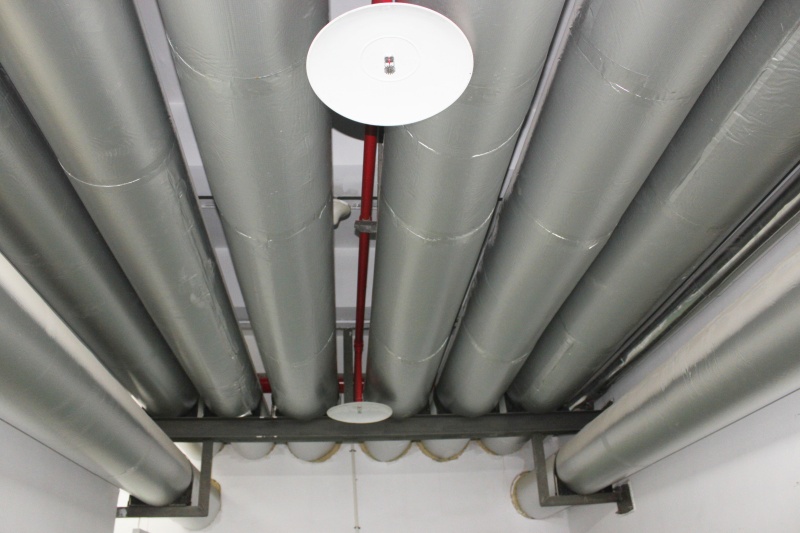
Yes, our rubber foam insulation products are flame retardant, meeting BS 476 (Class 0 and Class 1), UL94, and other international safety standards. They are self-extinguishing and do not drip fire droplets during thermal combustion events.
Q3: What is the difference between rubber foam and rock wool insulation?
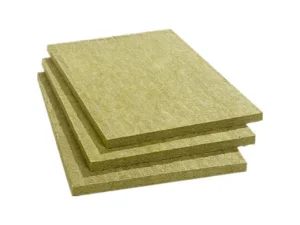
Rubber foam is flexible, closed-cell, and highly moisture-proof, which is optimal for refrigeration, HVAC air ducts, and anti-condensation applications. Rock wool is high-temperature resistant and fireproof, suitable for high-temperature steam lines and industrial furnace wall applications.
Q4: Do you provide customized insulation products?
Yes, we provide full OEM and ODM services. We can customize density, wall thickness, sheet widths, self-adhesive backing options, and external protective foils (such as aluminum cladding) to meet exact engineering project requirements.
Q5: What certifications do your products have?
Our products have passed BS 476, CE, REACH, ROHS, UL94, ASTM, and various regional fire safety and chemical emission checks, ensuring compliance with environmental and code requirements globally.
Q6: Does Kingflex products have traceability?
Yes. Every production run has associated batch tracking codes, enabling traceability from raw material entry through blending, extrusion, curing, packaging, and dispatch.
Q7: What thickness of Rubber foam insulation sheet roll can you produce?
Our manufacturing configuration allows for continuous roll widths producing sheet thicknesses from 6mm up to 50mm.
Q8: What is the service life of rubber plastic pipe and board?
Under typical operating conditions and correct installation guidelines, the service life ranges from 10 to 15 years. Standard indoor setups shielded from UV rays can exceed this lifespan.