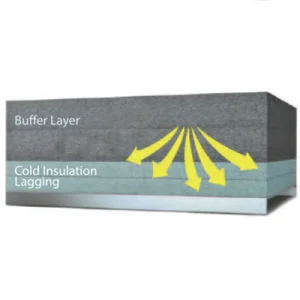
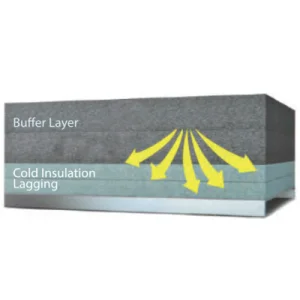
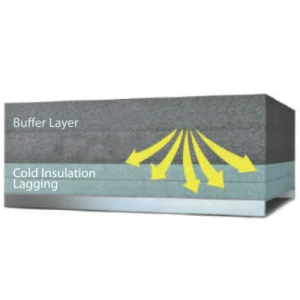
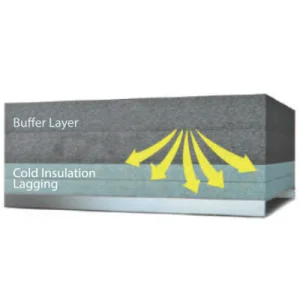
Premium low-temperature thermal protection systems optimized for severe desert environments, high relative humidity differentials, and sub-zero liquid gas processes.
Analyzing how Saudi Arabia's dry, high-temperature environment drives the need for state-of-the-art cryogenic insulation barriers.
Riyadh features a hot desert climate (BWh) where ambient summer temperatures frequently surpass 50°C. In industrial settings, processing cold liquids—such as liquid oxygen (-183°C), liquid nitrogen (-196°C), or liquefied natural gas (-162°C)—creates an immense temperature differential of up to 250°C across a few centimeters of insulation.
Standard insulation materials fail under these conditions. The relentless thermal drive pushes ambient moisture inward toward the cold substrate. Left unchecked, this moisture condenses, freezes, expands, and destroys the insulation material's physical structure, leading to Corrosion Under Insulation (CUI), structural pipeline damage, and high energy costs.
Under the Saudi Vision 2030 framework, Riyadh is expanding its petrochemical, manufacturing, and pharmaceutical sectors. Massive projects like the King Abdullah Financial District (KAFD) utilize highly efficient district cooling networks to optimize energy usage.
Additionally, Saudi Arabia is investing in carbon capture, transport systems, and hydrogen storage. Each of these applications requires custom, heavy-duty cryogenic systems. Implementing high-performance insulation helps local operators satisfy SASO (Saudi Standards, Metrology and Quality Organization) regulations and HCIS safety mandates.
Annual Capacity (m³)
Exporting Countries
Years of Legacy
Cryogenic Performance
Our commitment to engineering excellence: comparing performance criteria for sub-zero thermal barriers.
Modern cryogenic design demands low thermal conductivity (k-value) combined with a high water vapor resistance factor (μ). The table below details how Kingflex elastomeric systems compare to traditional open-cell materials like mineral wool in extreme cold applications.
| Performance Indicator | Kingflex Cryogenic Elastomeric Foam | Conventional Rock/Glass Wool | Polyurethane Foam (PUF) |
|---|---|---|---|
| Operating Temperature Limit | -200°C to +105°C | -190°C to +650°C (requires vapor barrier) | -180°C to +110°C |
| Thermal Conductivity (at 0°C) | ≤ 0.034 W/(m·K) | ≤ 0.040 W/(m·K) | ≤ 0.028 W/(m·K) (initial) |
| Water Vapor Permeability (μ) | ≥ 10,000 (Built-in Vapor Barrier) | 0 (Requires external jacket protection) | ≥ 2,000 (Requires vapor barrier) |
| Flexibility & Vibration Resistance | Excellent, absorbs physical stresses | Poor, prone to settling and dusting | Rigid, prone to cracking in freeze cycles |
| Fire Safety Rating | BS 476 Class 0 / UL 94 V-0 | Class A1 Non-combustible | Class B2/B3 (Prone to toxic smoke) |
As global industries prioritize decarbonization, the demand for liquid hydrogen (LH2) containment systems is rising. Because liquid hydrogen must be stored at -253°C, traditional single-layer insulation systems are insufficient. The future technology roadmap centers on hybrid multi-layer setups combining aerogels with flexible elastomeric rubber cores. These hybrid systems minimize thermal bridging while preventing physical cracks caused by extreme contraction in pipe networks.
Combining cost-effective manufacturing, high production capacity, and reliable international logistics to keep your projects on schedule.
Our production base features 5 fully automated assembly lines with an annual output exceeding 600,000 cubic meters. This large capacity allows us to fulfill large orders for major infrastructure projects without delays.
Buying directly from our manufacturing facility in Dacheng, China, helps bypass middleman markups. This makes our pricing highly competitive while maintaining excellent build quality.
We manage shipping routes from Chinese ports directly to King Abdulaziz Port in Dammam and Jeddah Islamic Port, coordinating rail and truck transit to dry ports and industrial zones in Riyadh.
Combining 40 years of manufacturing experience with modern thermal engineering.
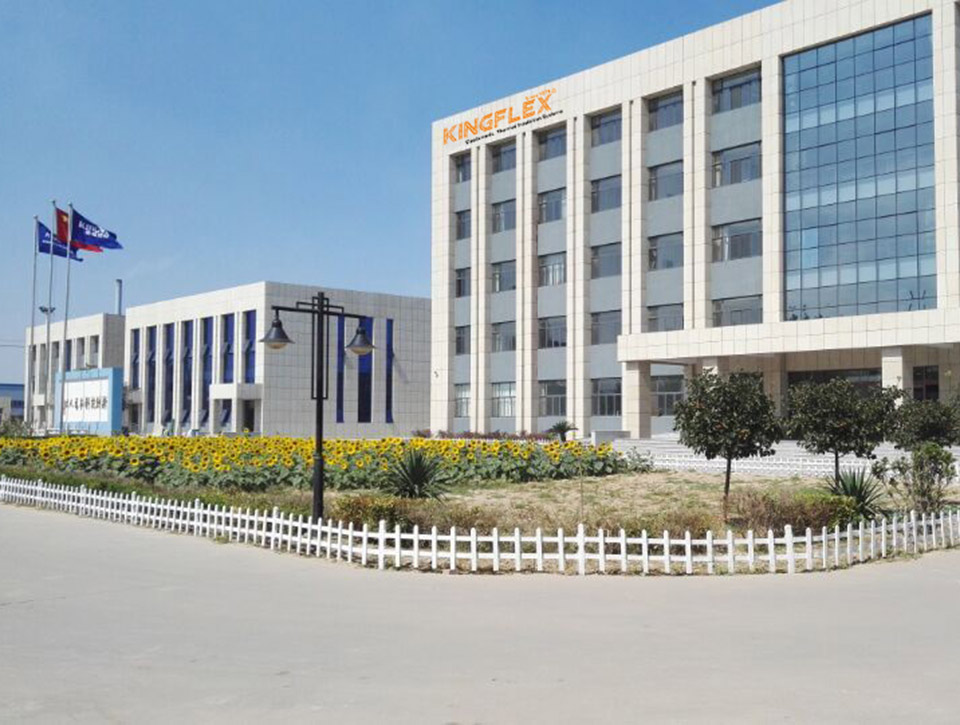
Kingflex Insulation Co., Ltd. is an established manufacturing and trading group specializing in advanced thermal insulation products. Our research, development, and manufacturing divisions are based in Dacheng, China—a major hub for green building materials. We operate as an eco-conscious enterprise focused on the development, production, and distribution of energy-saving systems.
We design our insulation solutions around energy savings and emissions reduction. From project consultation and custom R&D to manufacturing, installation guidance, and after-sales support, we supply modern insulation systems to energy and building sectors worldwide.
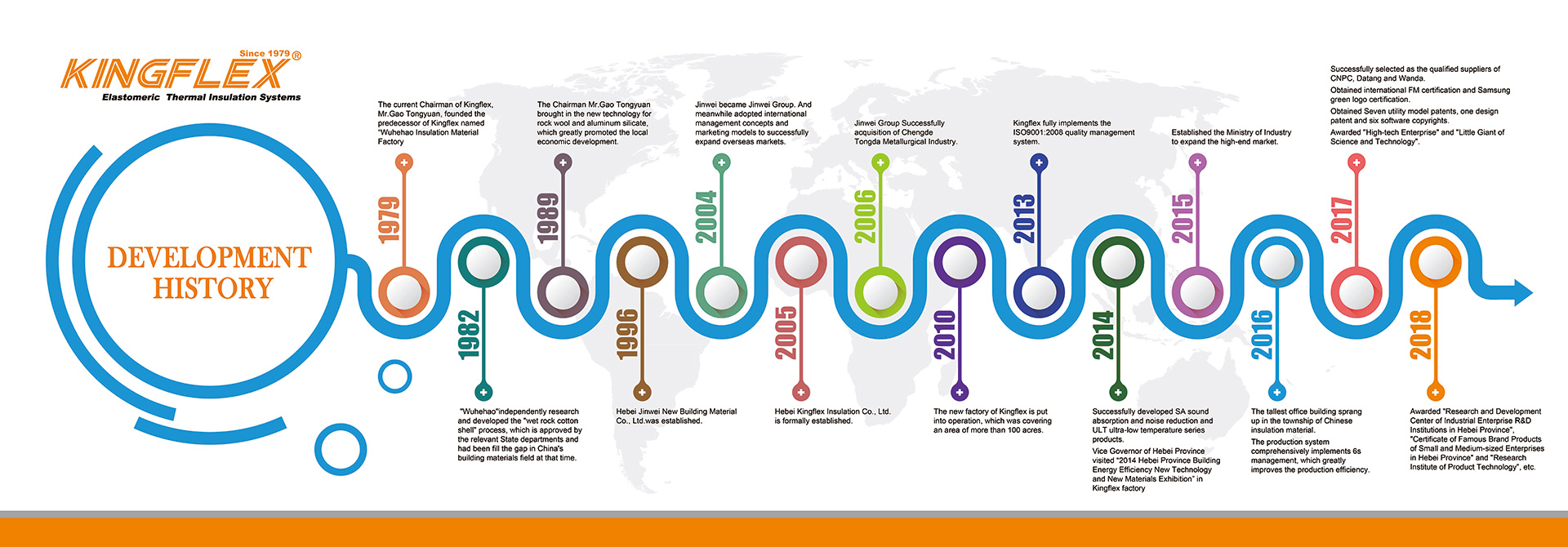
Kingflex was established by the Jinwei Group, which has more than 40 years of industry experience. Founded in 1979, the group was the first major manufacturer of thermal insulation materials in northern China, helping shape the region's modern manufacturing standards.
Backed by experienced thermal insulation engineers and internationally recognized compliance certificates.
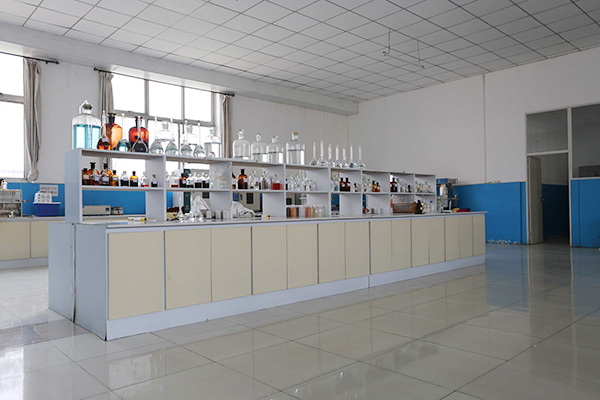
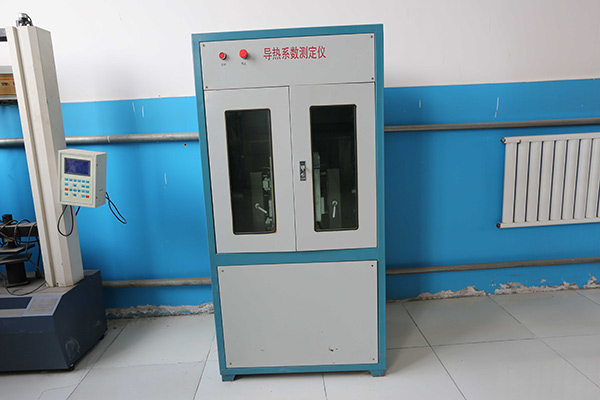
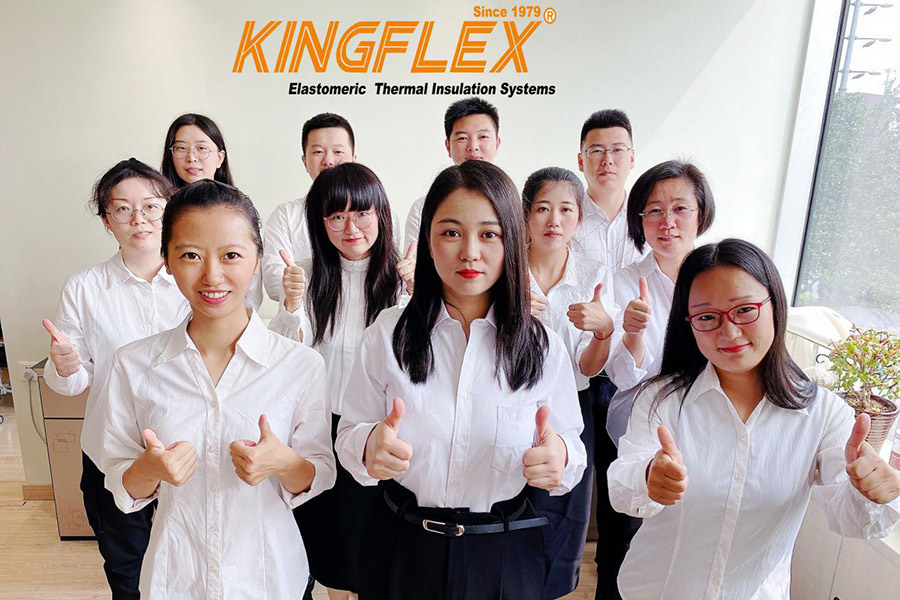
Our teams work closely to deliver consistent service and high product quality for global projects. The Kingflex R&D division includes 8 professional thermal engineers who continuous improve our formulations to withstand temperatures as low as -200°C.
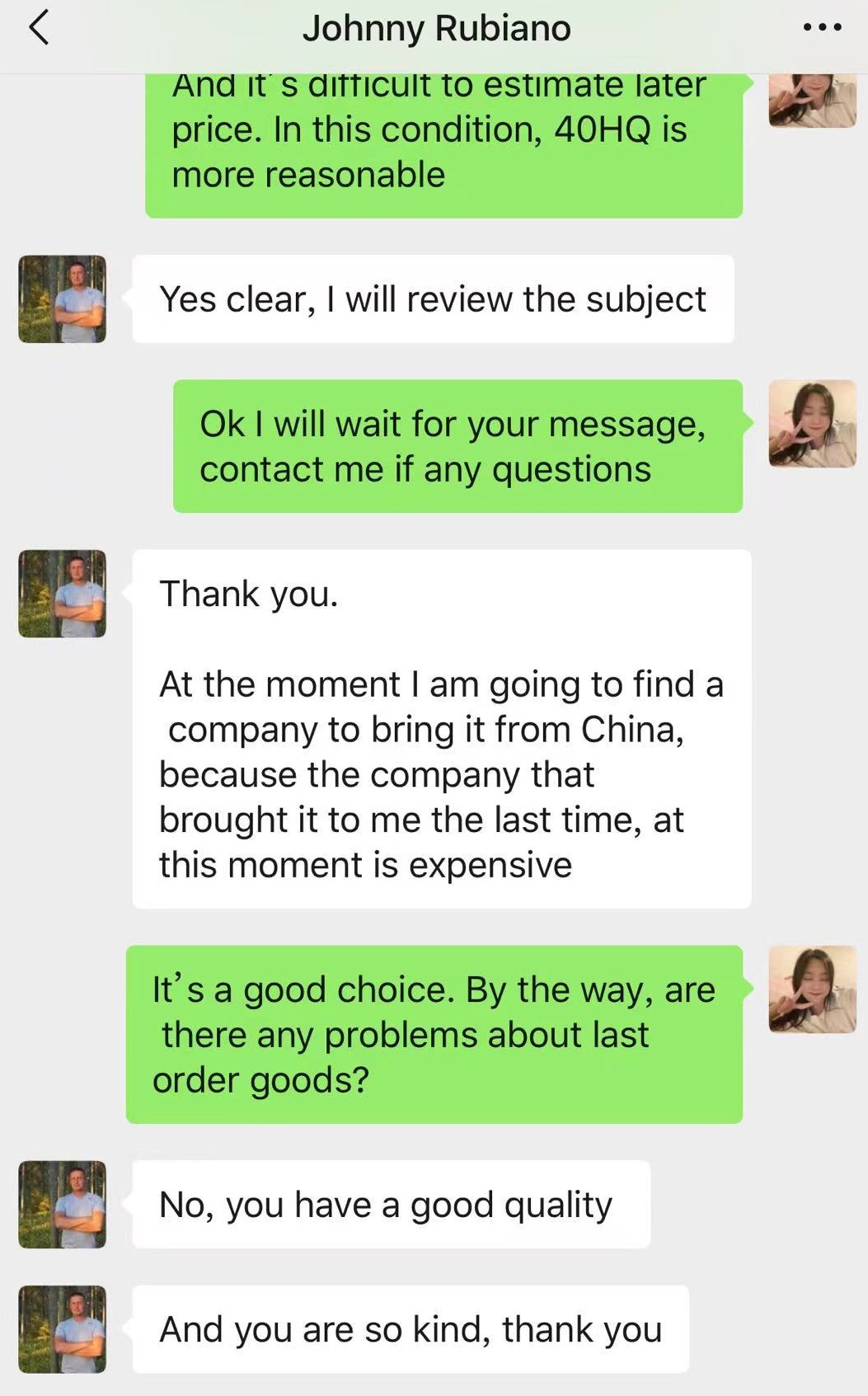
Our sales and support department consists of 6 dedicated international sales managers, supported by a production workforce of 230 technicians and operators across our automated lines.


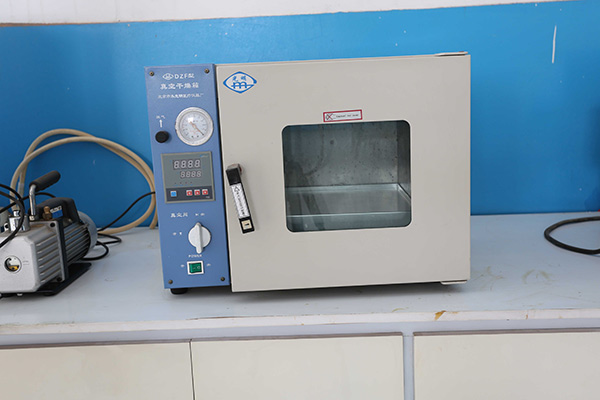
Our products carry batch numbers for tracking from raw material intake to final delivery. This allows full quality tracing for large-scale energy projects in the Middle East and worldwide.
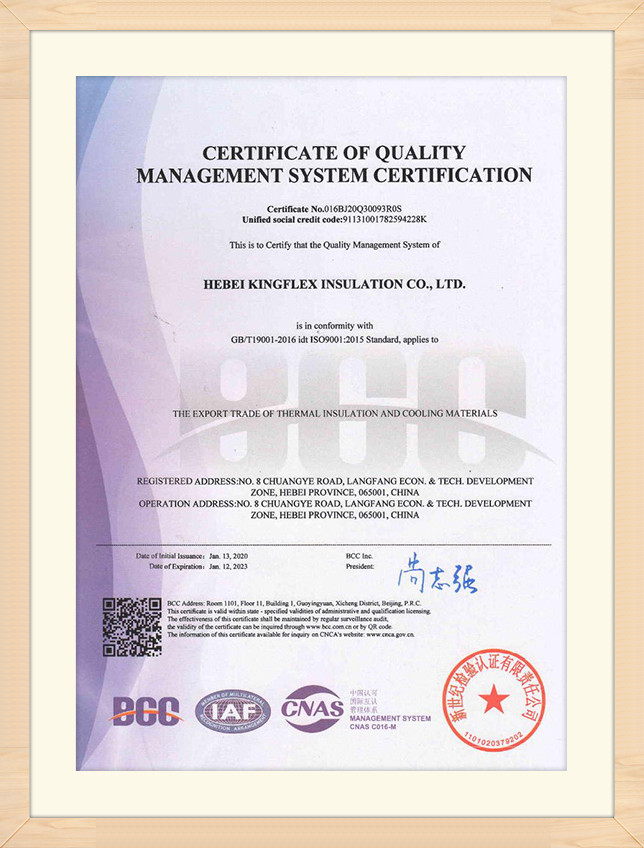
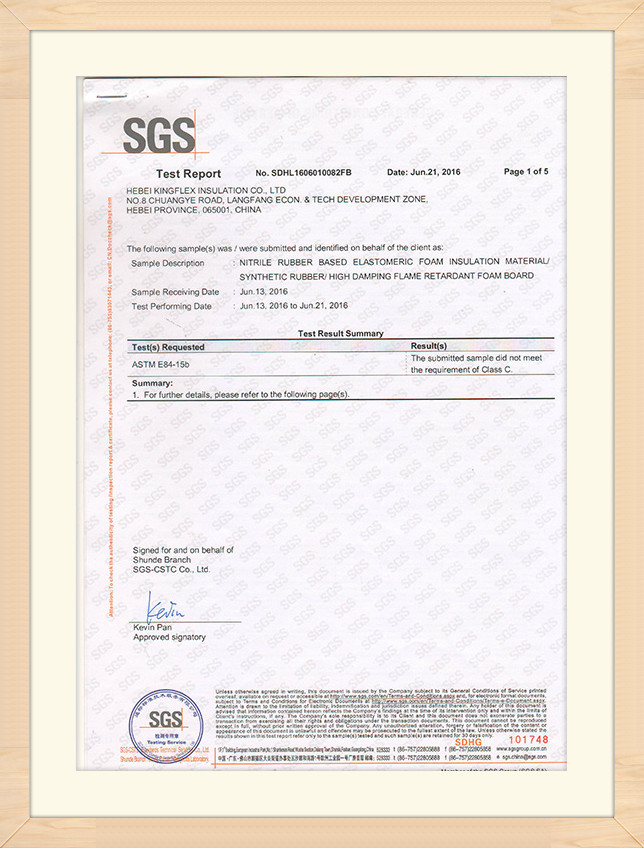
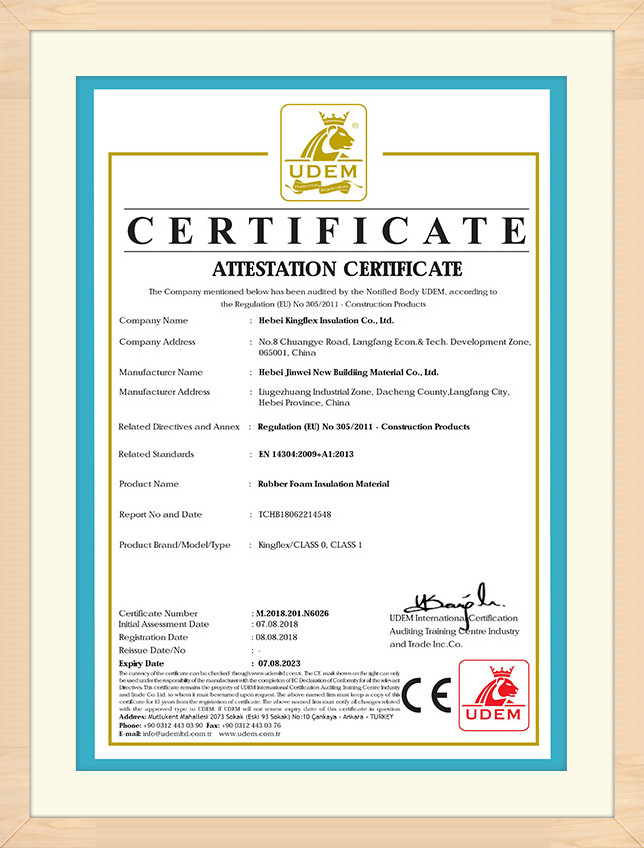
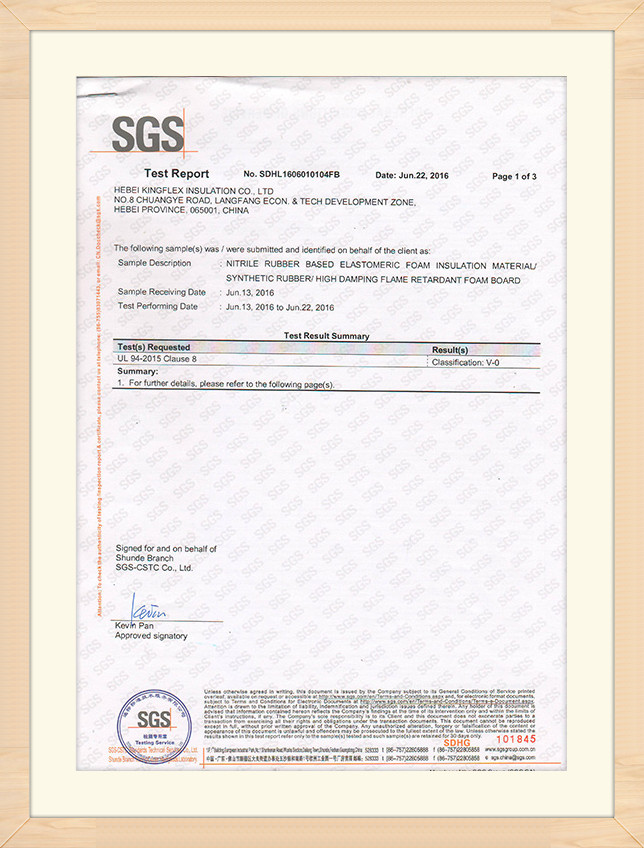
Kingflex insulation materials hold international certifications verifying they meet safety, performance, and environmental standards:
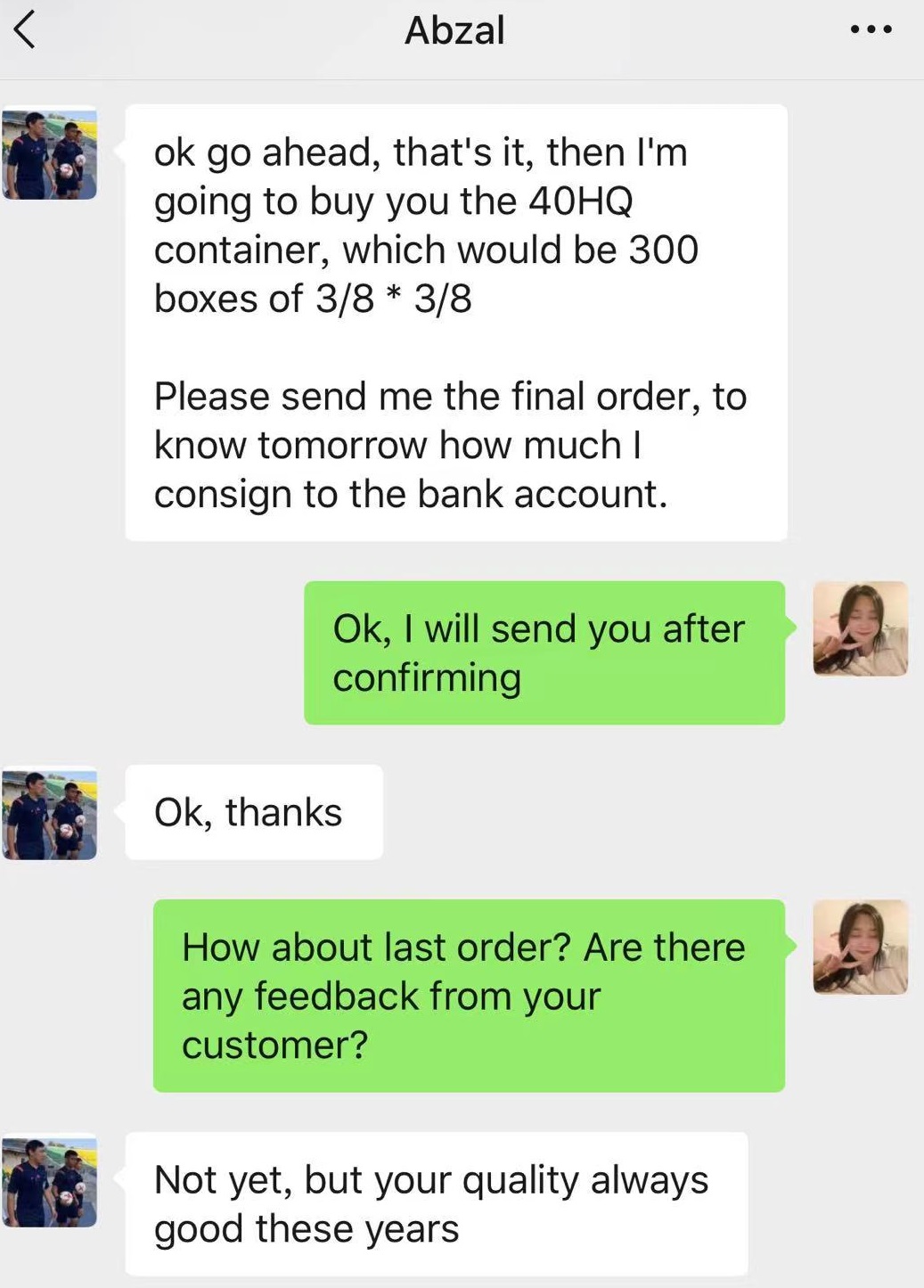


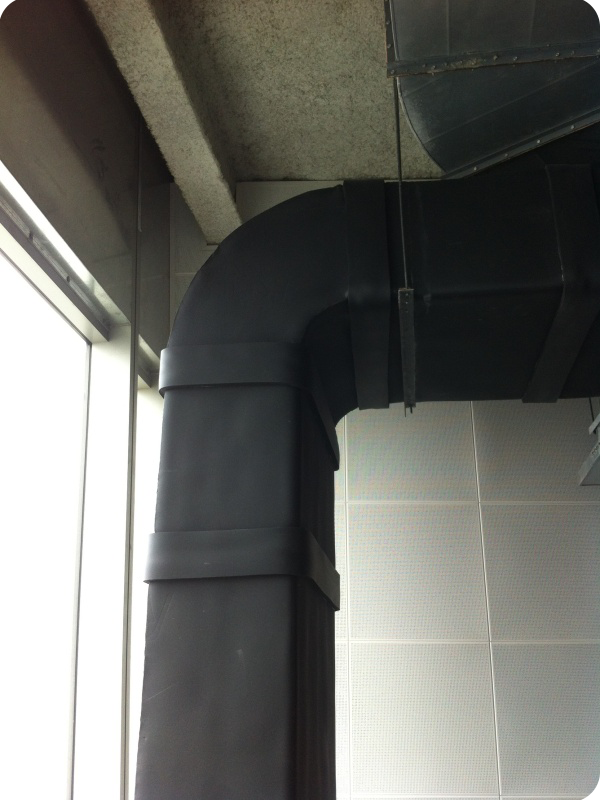
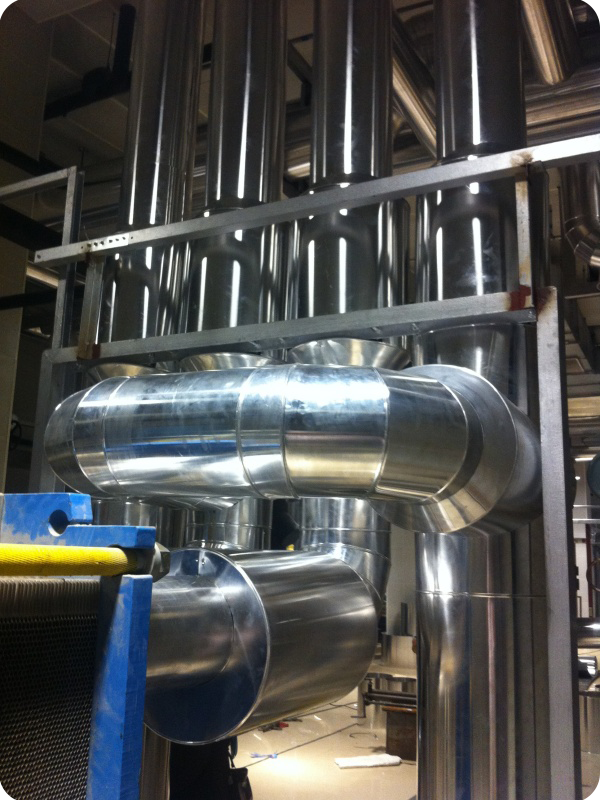
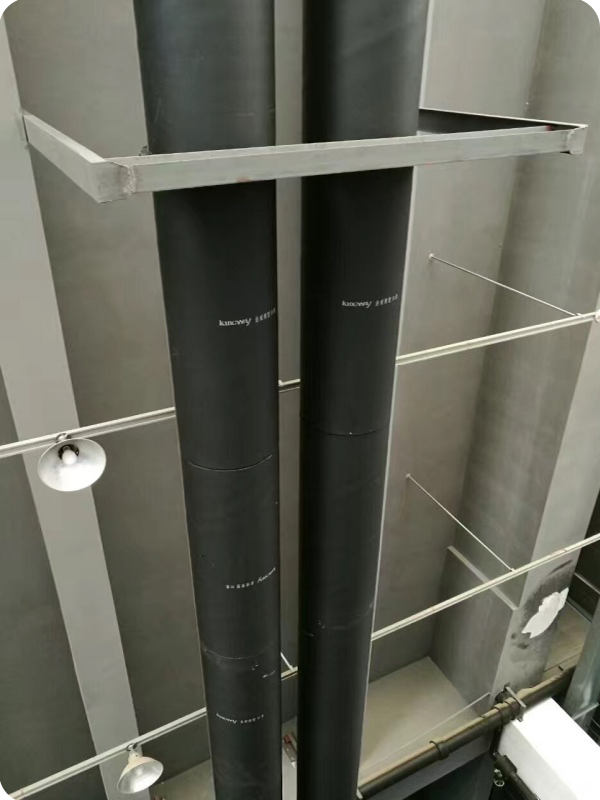
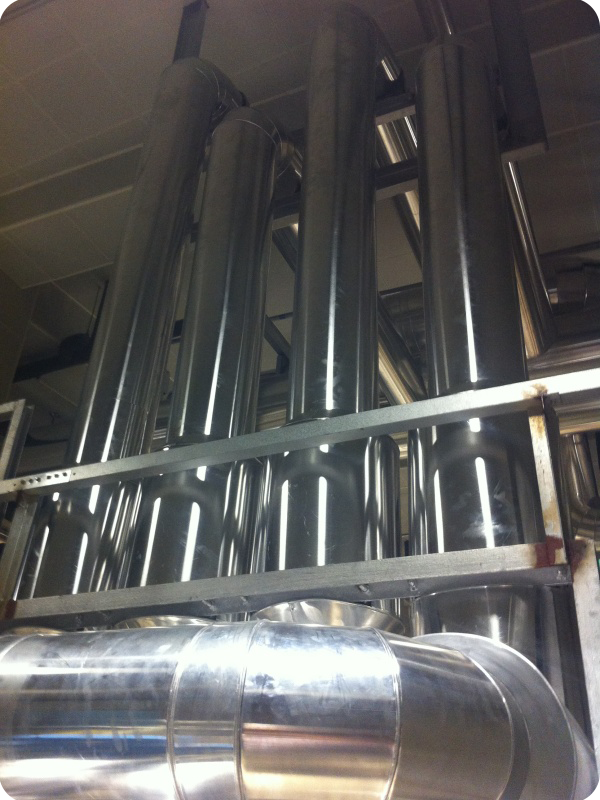
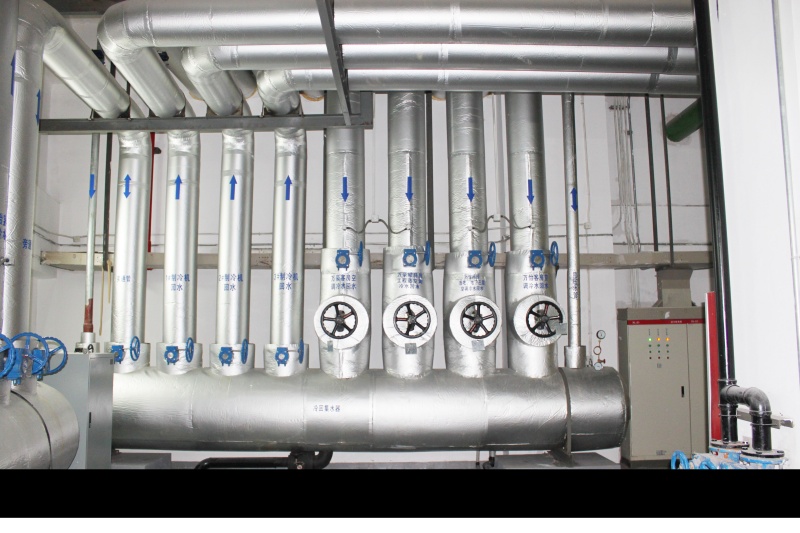
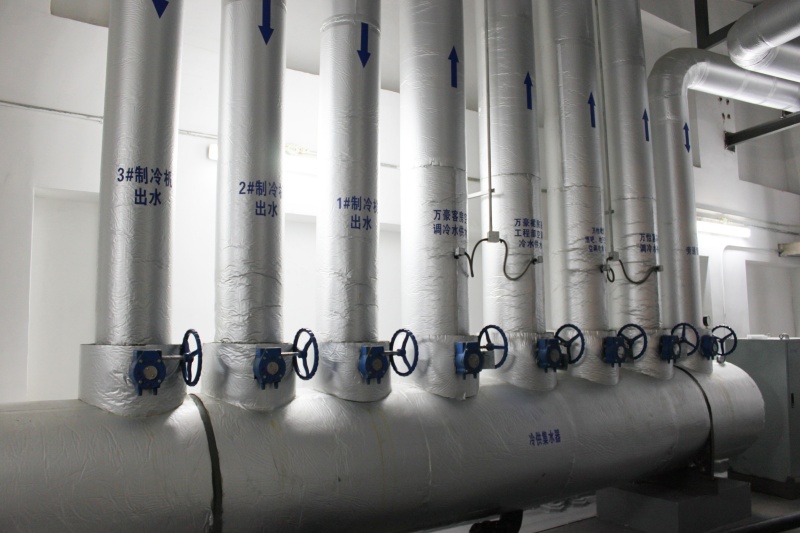
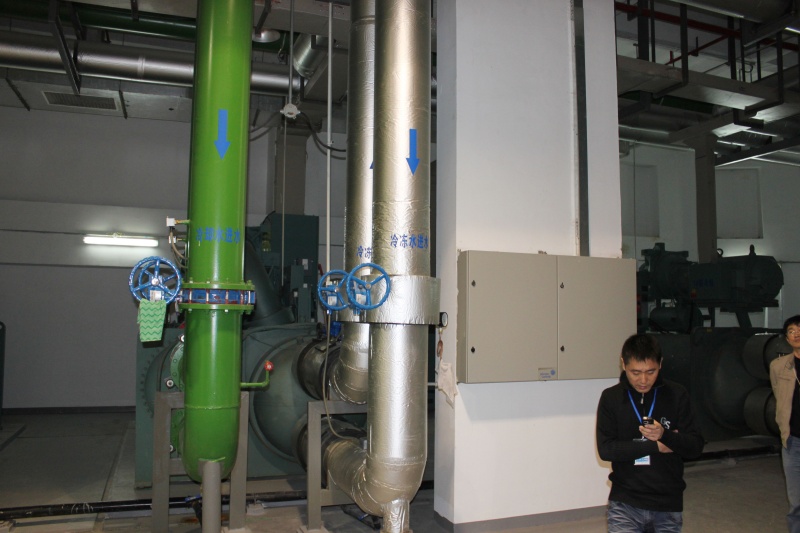
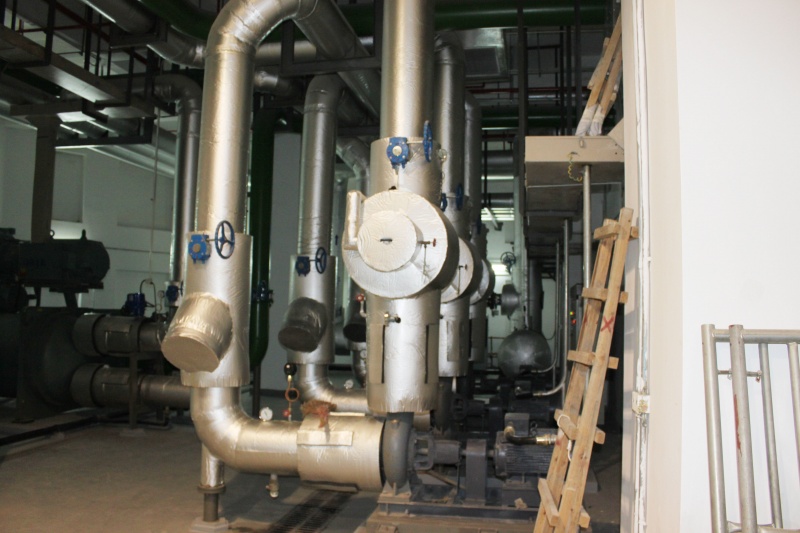
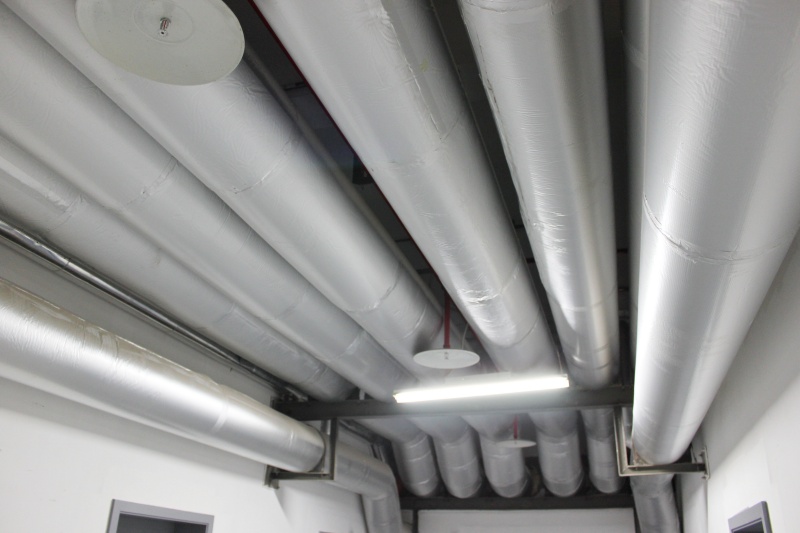
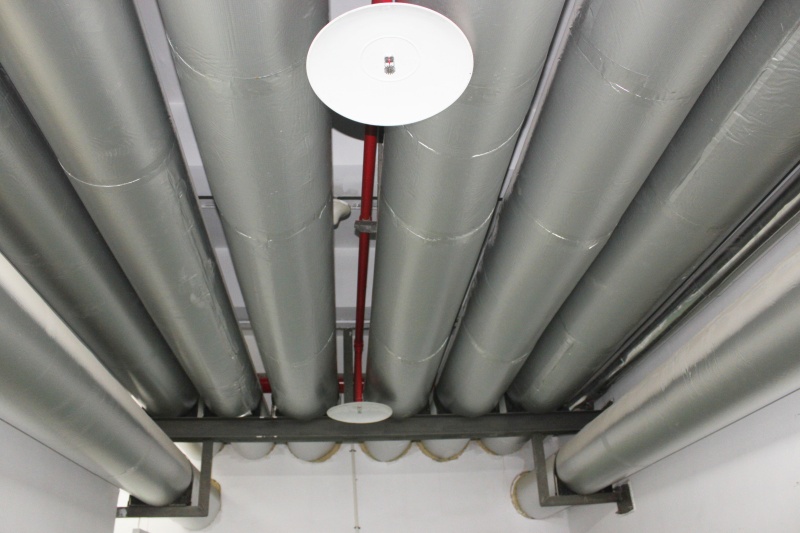
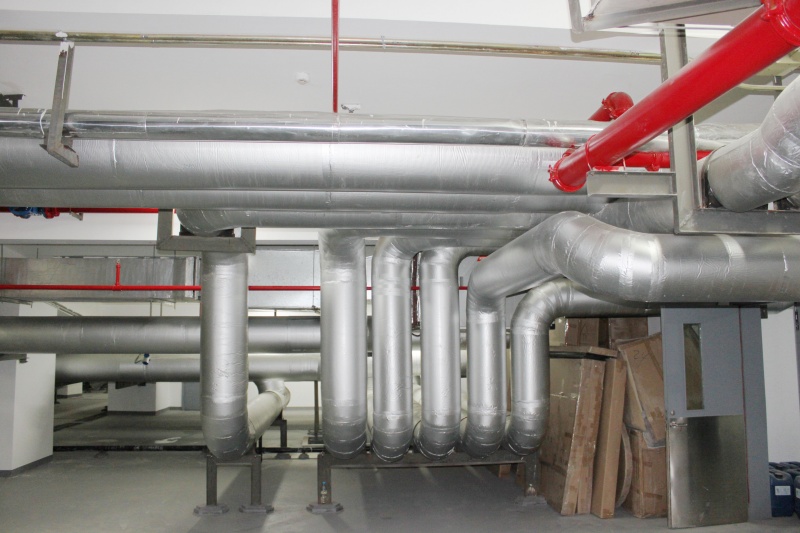
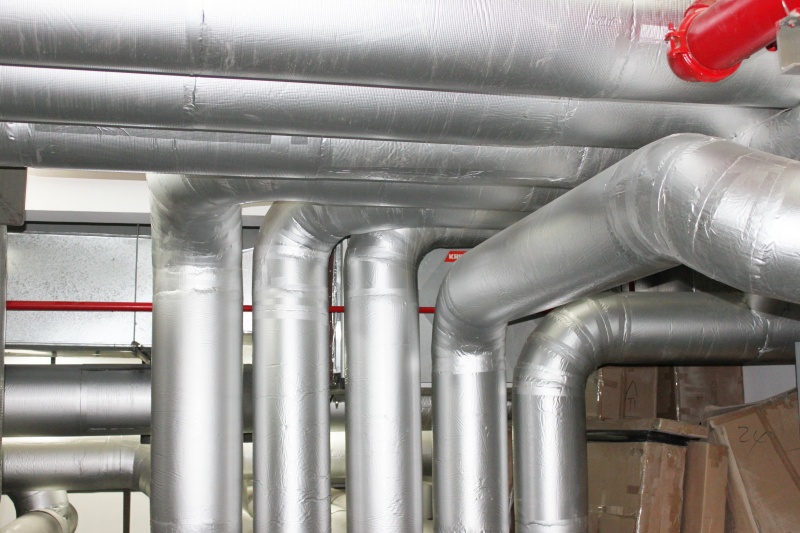
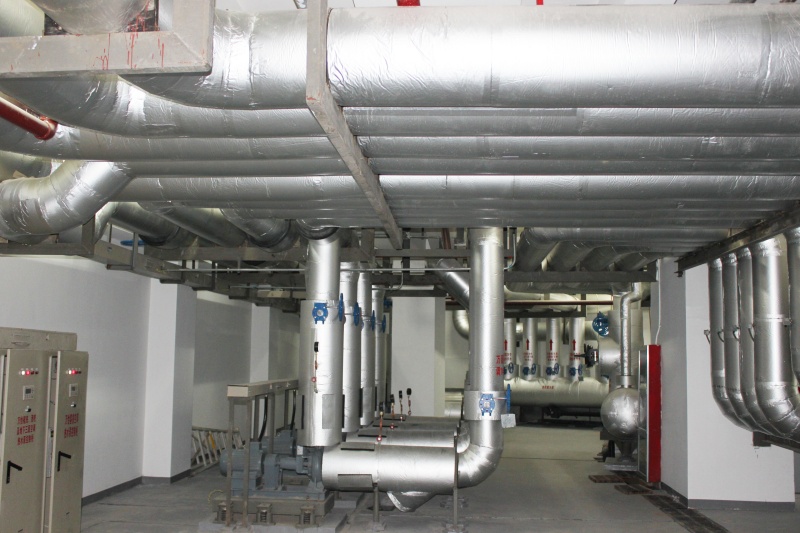
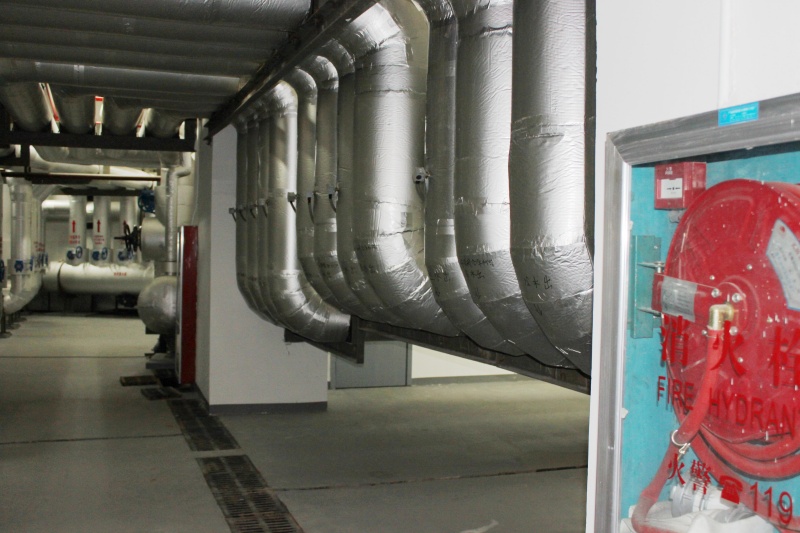
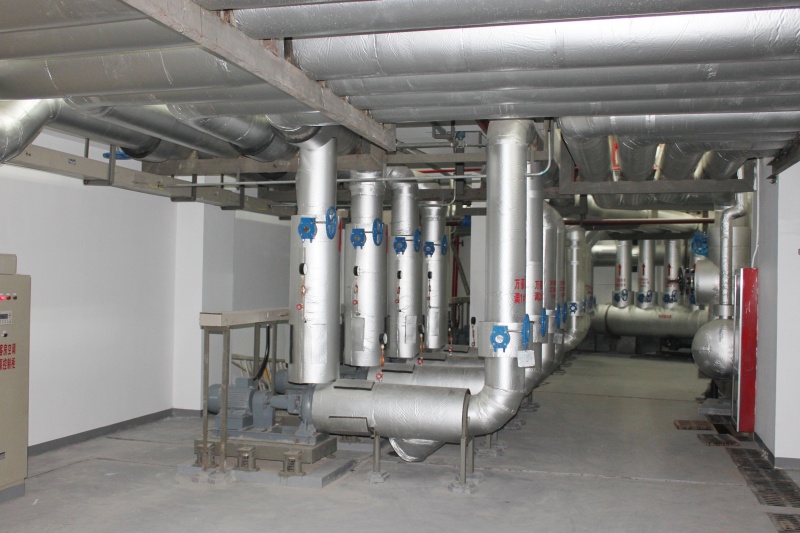
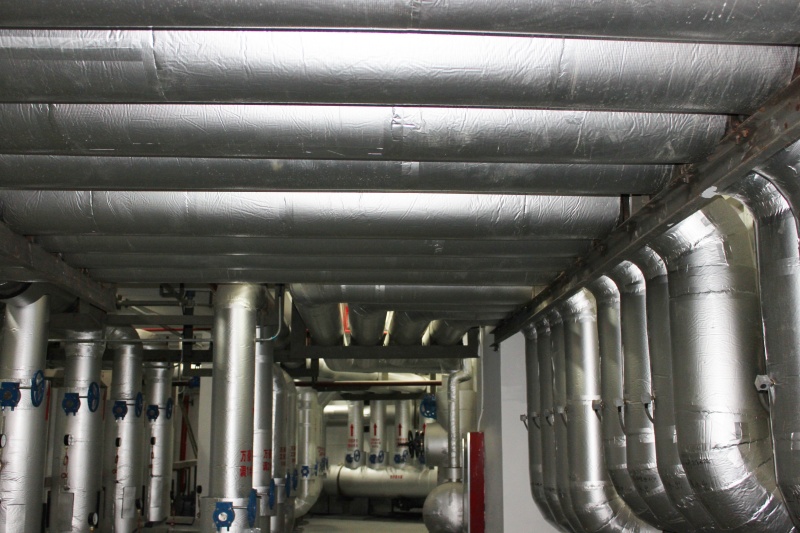
Photos from project sites using Kingflex elastomeric insulation systems on large piping networks.
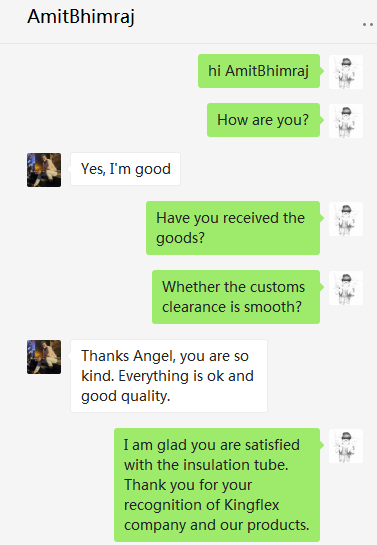


Direct communication and technical coordination with engineering and procurement teams.
We work closely with project consultants and mechanical engineers globally. We supply detailed product submittals, material compliance data, and test reports to support project approvals.
Our team assists throughout the process, from matching project specifications to coordinating shipping schedules for Middle East projects.


Engineering standards for pipe insulation and elastomeric sheet products.
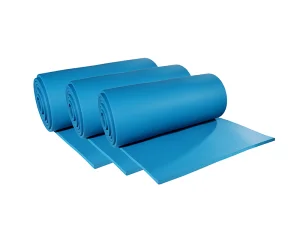
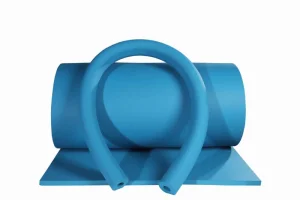
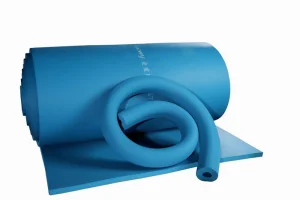
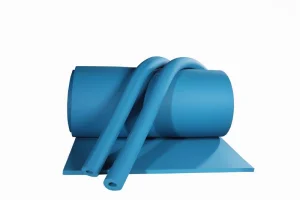
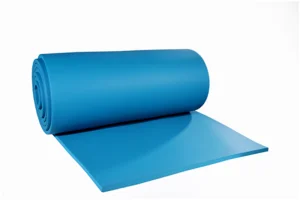
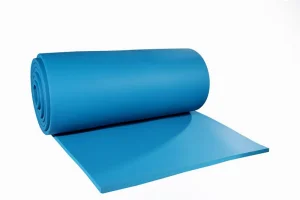
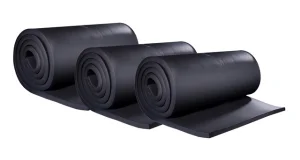
This closed-cell elastomeric sheet is formulated for large-diameter pipelines, storage tanks, and duct systems. Its flexible structure conforms to curved surfaces, reducing gaps that can lead to thermal bridging.
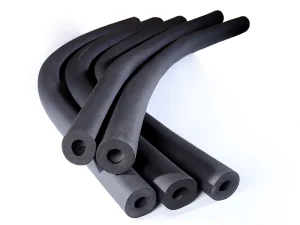
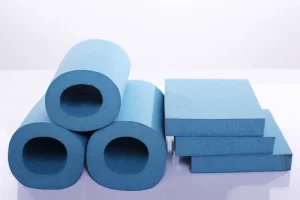
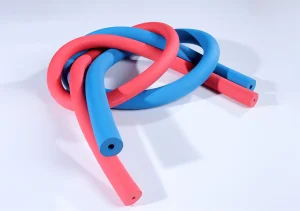
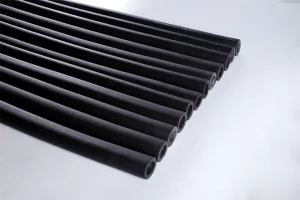
Extruded elastomeric sleeves designed for copper and steel pipe runs. Our manufacturing process ensures uniform wall thickness and concentricity, providing consistent thermal resistance across the pipeline.
A comprehensive selection of cryogenic, heat-resistant, and high-density elastomeric materials designed for industrial facilities in Riyadh.
Retained legacy products and material variations available for direct order.
Answers to common questions from engineers and procurement teams regarding cold system insulation.
A1: It is primarily used for HVAC ducts, air conditioning lines, cold process piping, refrigeration units, and low-temperature industrial system insulation. In environments like Riyadh, it helps prevent condensation on cold piping systems by providing thermal resistance and a built-in moisture barrier.
A2: Yes, our elastomeric products contain flame-retardant additives. They meet Class 0 and Class 1 standards (BS 476 Part 6/7) and achieve V-0/V-1 flammability classifications under UL94, aligning with Saudi Aramco and civil defense safety standards.
A3: Rubber foam is a flexible, closed-cell material that prevents moisture vapor transmission without requiring an external vapor jacket. This makes it suitable for cold pipelines and condensation control. Rock wool is an open-cell, fibrous material that withstands higher temperatures but requires an external vapor barrier to prevent moisture absorption in cold applications.
A4: Yes, we provide OEM services. We can adjust the wall thickness (up to 50mm), customize inner diameters for non-standard pipelines, and supply pre-cut configurations for valves, elbows, and flanges.
A5: Our materials are tested and certified to BS 476, CE, REACH, RoHS, UL94, and ASTM standards, confirming they meet thermal performance and safety specifications for international markets.
A6: Yes. Each batch is marked with a unique tracking code. This allows us to trace raw materials, production line conditions, and quality testing history for every order.
A7: We manufacture single-layer elastomeric sheet rolls in thicknesses ranging from 6mm to 50mm. For thicker applications, materials can be layered using compatible cryogenic adhesives.
A8: When installed according to manufacturer guidelines, Kingflex systems have an expected operational life of 10 to 15 years in typical industrial environments.

Get in touch with our engineering team for technical parameter reviews, localized project pricing, or custom submittal packages.
Send Inquiry Now