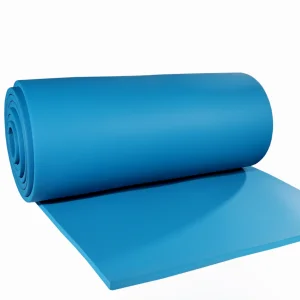
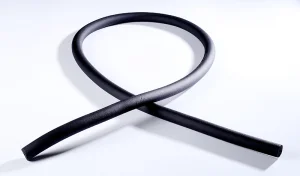
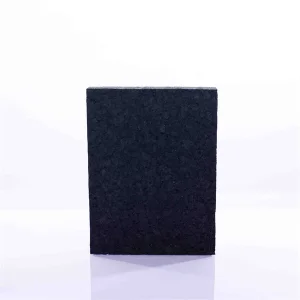
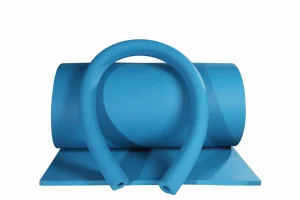
China Elastomeric Foam Insulation Manufacturers & Quotes

Empowering Global Clean Energy and Process Systems with Next-Generation Closed-Cell Thermal Technology

Executive Brief

The Crucial Role of Elastomeric Insulation in Modern Industry

As global energy efficiency directives tighten, industrial and commercial HVAC systems demand increasingly robust insulation materials. Elastomeric foam insulation has emerged as the premier solution for preventing condensation, minimizing thermal transfer, and dampening acoustic transmission across diverse settings.

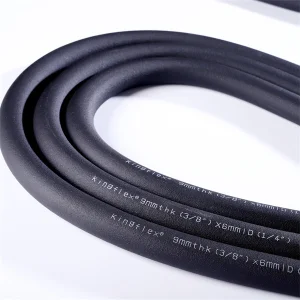
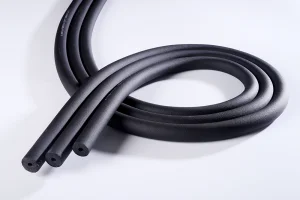
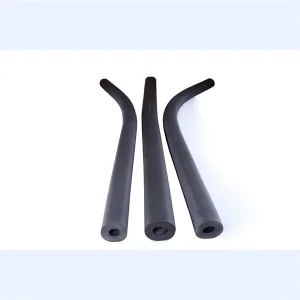
Engineered from synthetic elastomer matrices—principally Nitrile Butadiene Rubber (NBR) combined with Polyvinyl Chloride (PVC)—this material features a uniform, highly concentrated closed-cell structure. By trapping air in millions of micro-cells, it provides excellent thermal insulation, while its low water absorption rate ensures long-term performance even in challenging, humid environments.

Whether controlling heat gain on HVAC chilled water systems or managing cryogenic temperatures in liquid hydrocarbon processes, elastomeric foam plays a key role in reducing carbon emissions and protecting industrial assets.

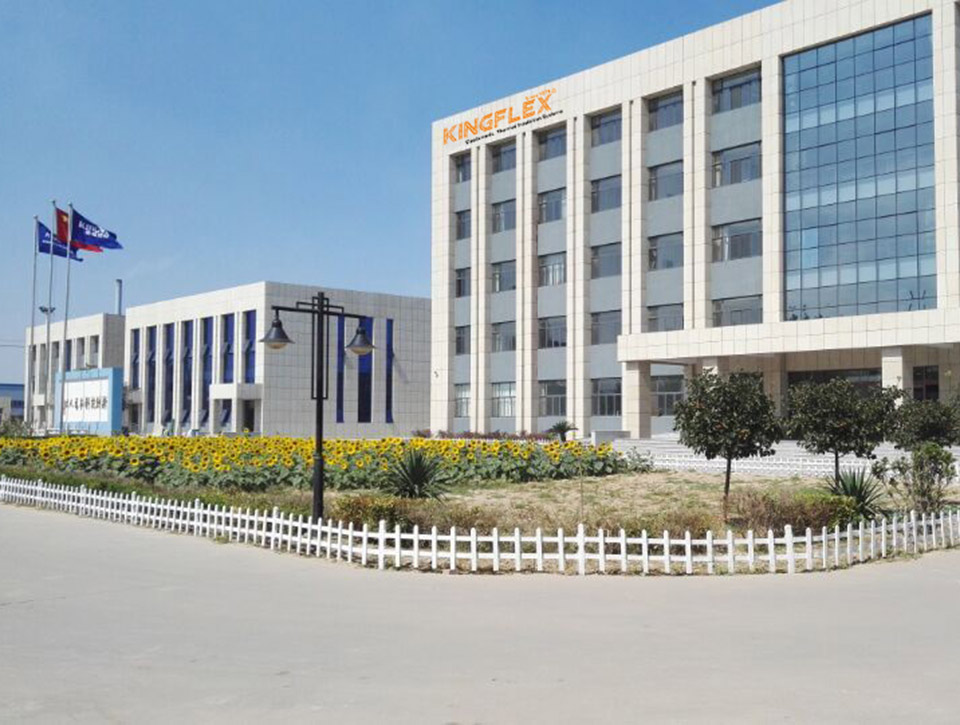
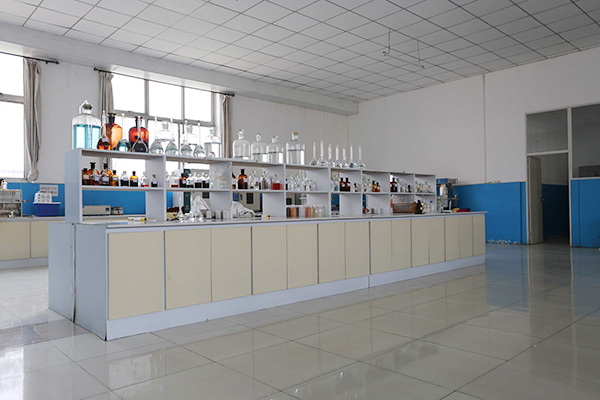
Kingflex Industrial Plant Overview
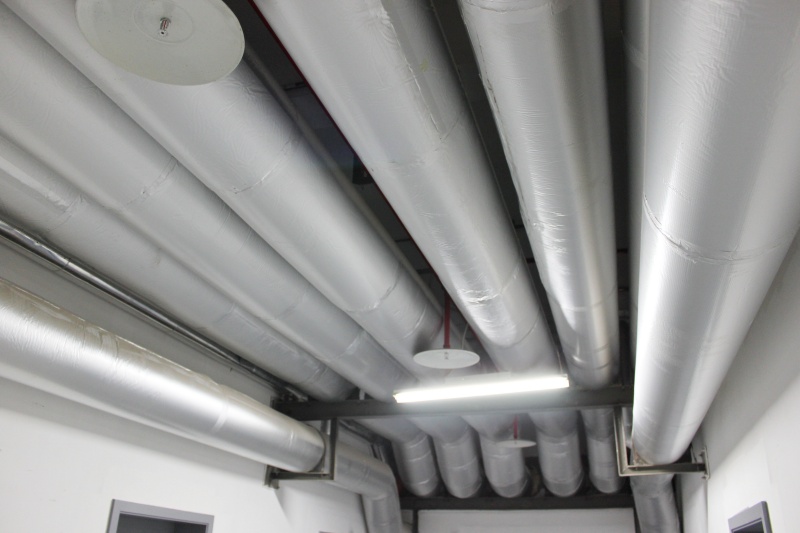
Global Infrastructure Status

Meeting International Requirements in Commercial & Industrial Systems

Modern engineering projects operate across regional boundaries, requiring materials that comply with international safety, energy, and environmental standards. Our elastomeric solutions are designed to satisfy these global benchmarks:

  • Thermal Efficiency: Formulated to meet ASTM C534 specifications, ensuring consistent thermal conductivity (λ ≤ 0.034 W/m·K at 0°C).
  • Fire Safety: Achieves critical ratings including Class 0 & Class 1 under BS 476, and V-0 rating in UL 94 flammability tests, limiting flame spread and smoke development.
  • Environmental Compliance: Fully compliant with EU REACH and RoHS regulations. Formulated without halogenated compounds or heavy metals, making it safe for green building programs like LEED.

From the high-ambient humidity of Southeast Asia to the cold regions of Northern Europe, our closed-cell technology provides reliable condensation control, preventing moisture ingress that can lead to corrosion under insulation (CUI) and compromise system integrity.

Why Closed-Cell Density Matters

Our formulation achieves a closed-cell rate exceeding 98%. This high concentration of individual cell walls resists water vapor transmission, eliminating the need for separate vapor barriers in most applications.

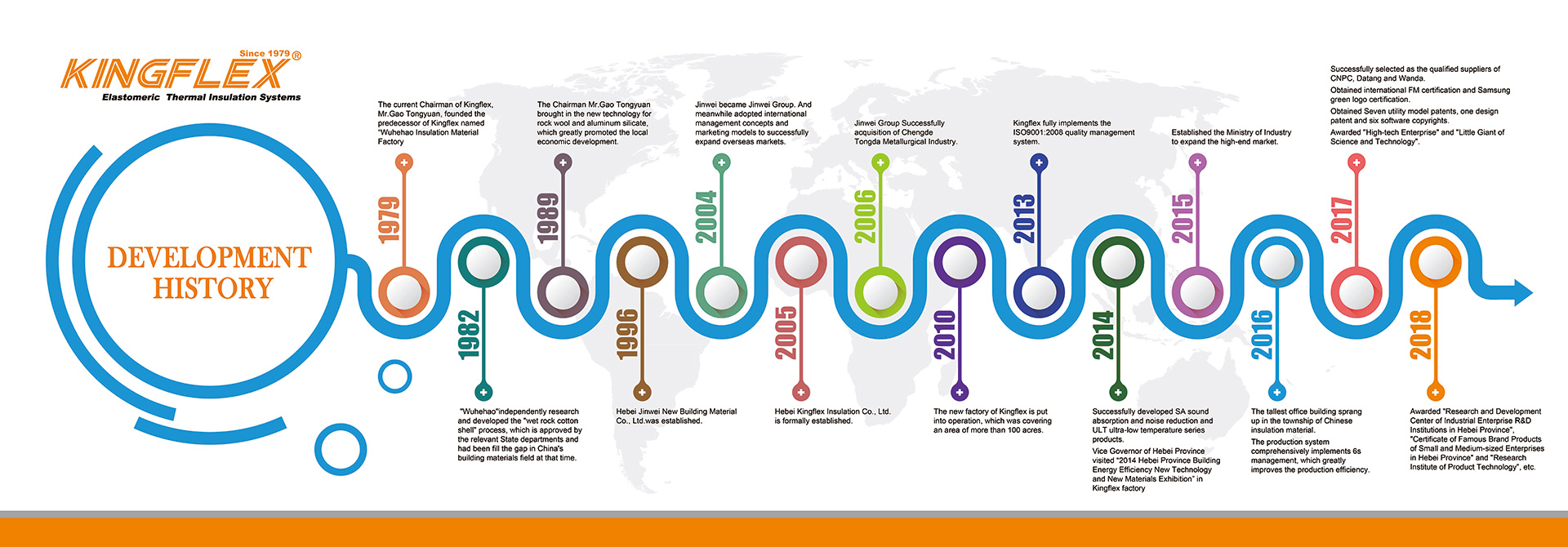
Kingflex Quality History
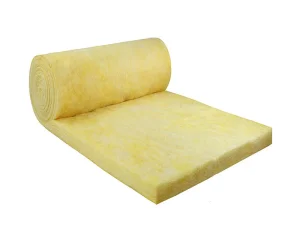
Industrial Scale & Production Capacity

Backed by decades of experience within the Jinwei Group (founded in 1979), Kingflex Insulation Co., Ltd. continues to advance manufacturing techniques in Dacheng, China.
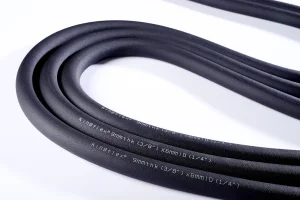
40+ Years of Expertise

Established by the Jinwei Group, we were among the earliest thermal insulation manufacturers in Northern China, providing a foundation for our current technical capabilities.

600,000 m³ Annual Output

Operating 5 automated assembly lines, our facility is recognized by national energy and chemical ministries for high-volume, consistent production.

Global Export Footprint

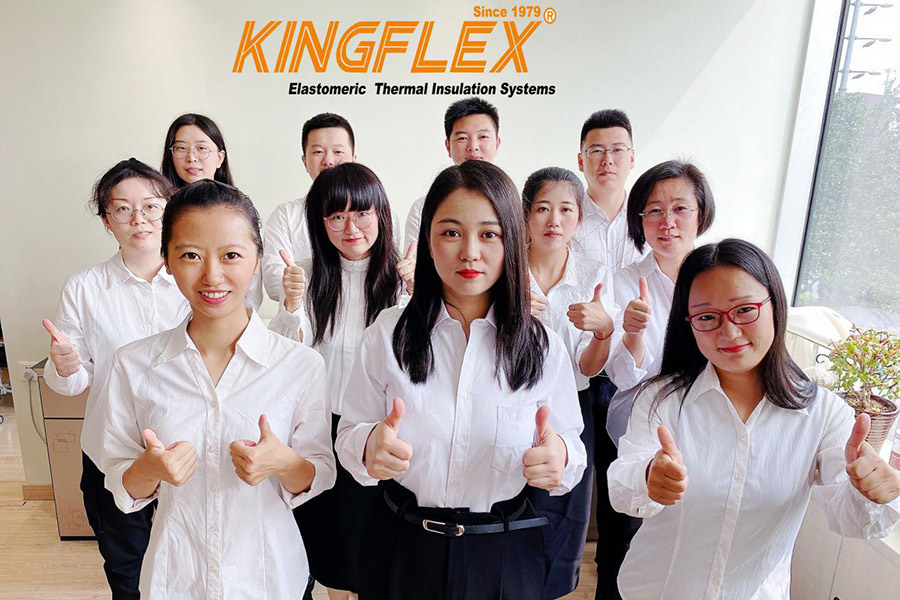
Our products are exported to over 66 countries, supported by international sales departments and an engineering R&D group of 8 dedicated specialists.

5
Automatic Lines
230+
Production Workers
8
R&D Engineers
66+
Export Destinations

Technical Specifications & Design Criteria

Understanding the engineering metrics and chemical performance profile of Kingflex Elastomeric Materials.
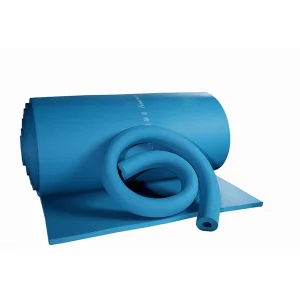
Property Metric NBR/PVC Elastomeric Rubber Foam Cryogenic Grade Systems Testing Methods Standard
Operating Temperature Range -40°C to +105°C -200°C to +125°C ASTM C534 / EN 14706
Thermal Conductivity (λ) ≤ 0.034 W/m·K (at 0°C) ≤ 0.031 W/m·K (at -100°C) ASTM C177 / EN 12667
Water Vapor Permeability (μ) ≥ 10,000 ≥ 20,000 ASTM E96 / EN 12086
Density Range 40 - 55 kg/m³ 60 - 80 kg/m³ ASTM D1622
Fire Behavior / Rating Class 0 & Class 1, UL94 V-0 Flame Retardant, Low Smoke BS 476 Part 6/7, UL 94
Compression Resilience ≥ 80% recovery High density resilience ASTM D1056

Nitrile Rubber (NBR) vs. Polyvinyl Chloride (PVC) Blend

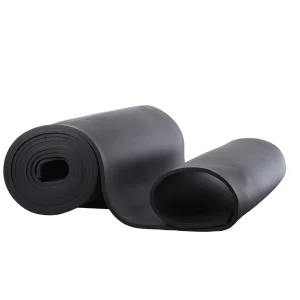
Our insulation products use a optimized NBR/PVC ratio. NBR (Nitrile-butadiene rubber) provides elasticity and oil resistance, ensuring flexibility at low temperatures. PVC (Polyvinyl chloride) enhances flame retardancy and resistance to atmospheric aging, ozone, and UV radiation.

By vulcanizing these raw components into a uniform cell structure, we achieve a material that resists degradation under common environmental and mechanical stresses.

"The density distribution of Kingflex elastomeric sheeting remains uniform across the entire sheet thickness. This prevents localized heat transfer zones and reduces the risk of surface condensation."
- Head of Quality Control, Kingflex R&D Division
Industrial Applications & Case Studies

Proven performance across major energy, industrial, and commercial projects globally.

HVAC & Cleanroom Systems

Designed for dust-free environments, including pharmaceuticals, hospitals, and microelectronics facilities, where fibrous shedding must be avoided.

Our material is fiber-free and resistant to mold growth, meeting severe indoor air quality requirements.

Cryogenic & Low Temp Processing

Specialized cryogenic elastomeric insulation handles extreme temperatures down to -200°C. Typically specified for liquid natural gas (LNG) terminals and chemical processing piping.

Designed to manage high thermal shock and mechanical contraction at low temperatures.

District Cooling Networks

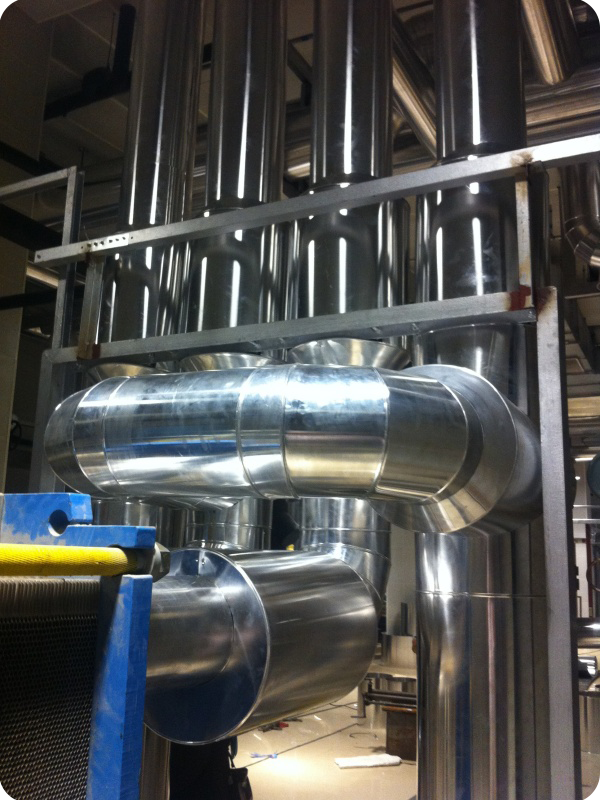
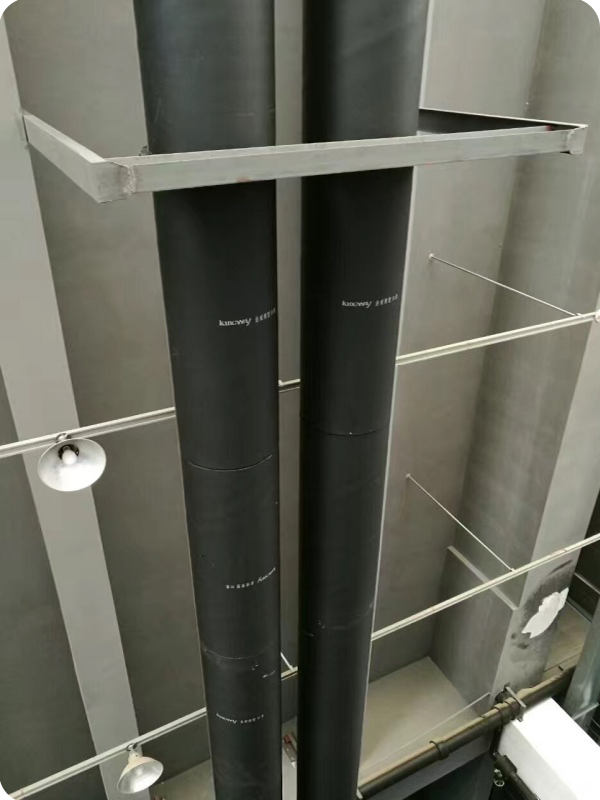
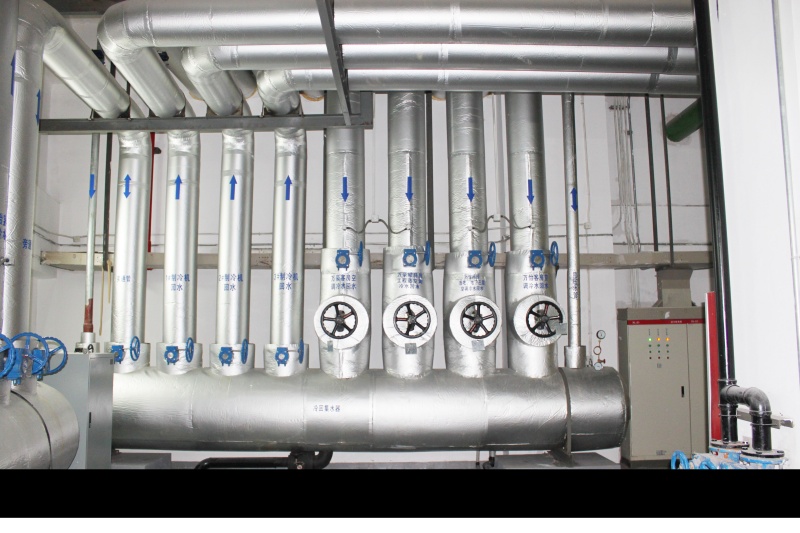
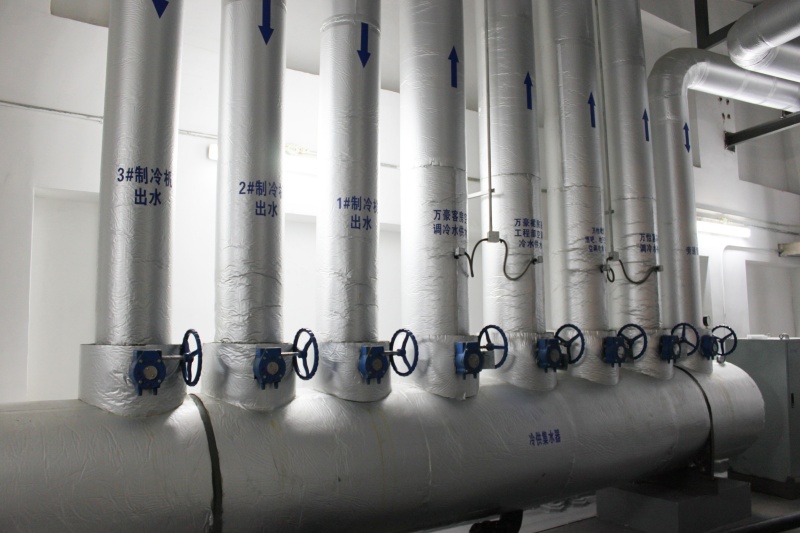
Large chilled-water distribution systems in district cooling networks face high ambient heat. Our closed-cell pipe insulation helps prevent condensation and energy loss over long pipeline distances.

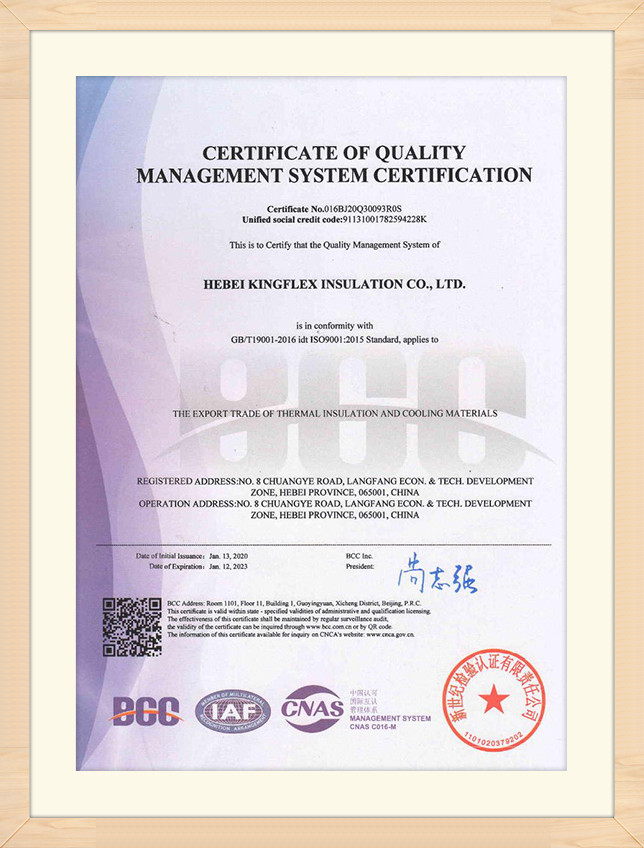
Certifications & Verification

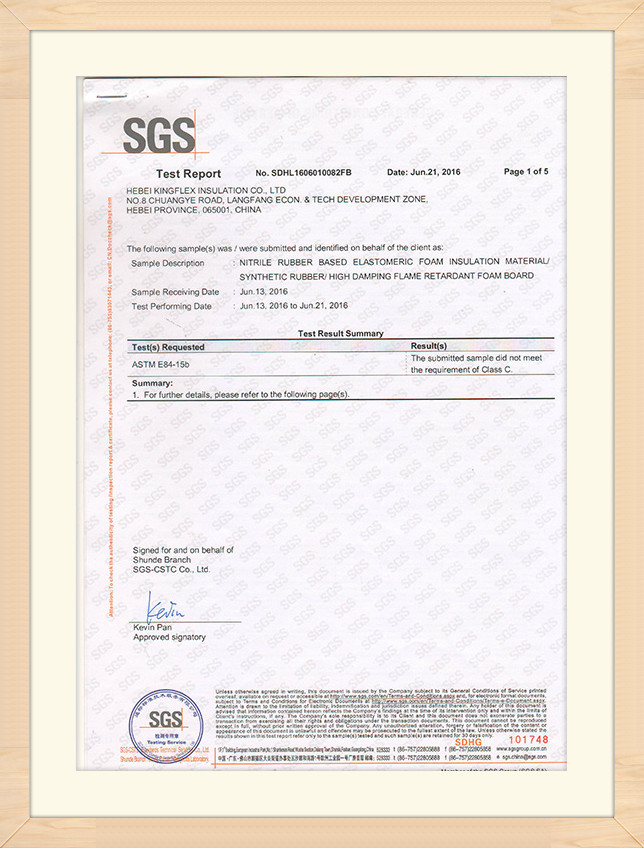
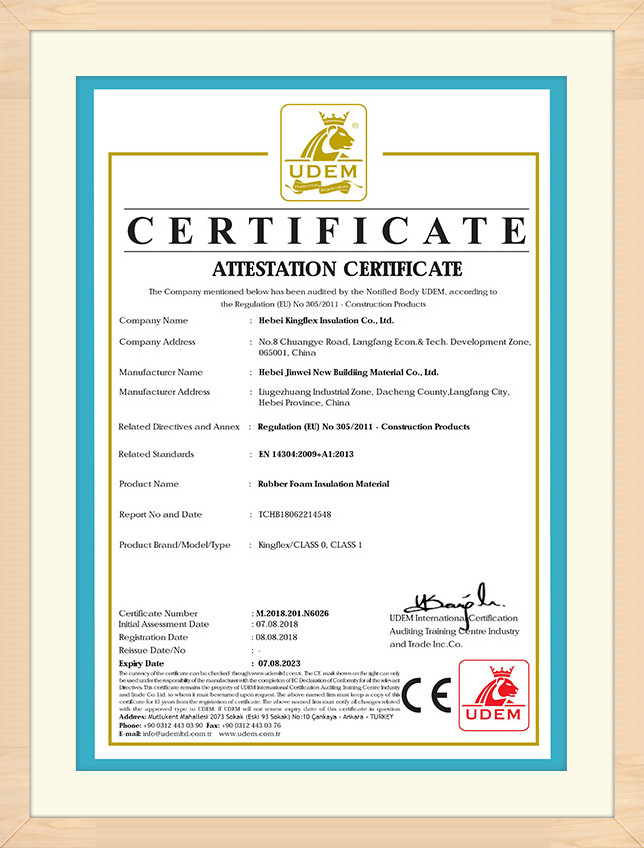
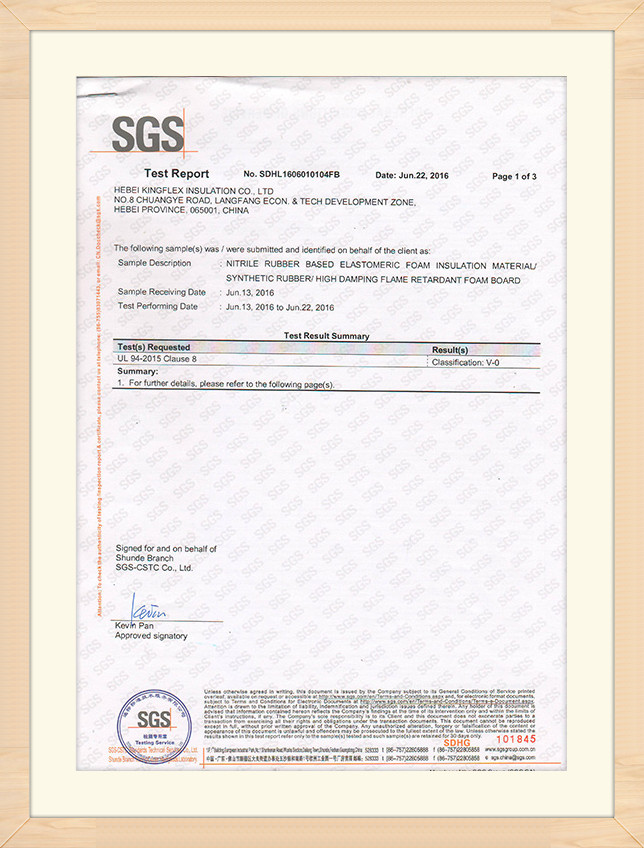
Our production facilities maintain compliance with global quality and safety standards. Kingflex products carry approvals from international testing organizations, including:
  • BS 476 Parts 6 & 7: Class 0 and Class 1 classification for fire propagation and surface spread of flame.
  • ASTM E84: Meets standard 25/50 flame spread and smoke developed indices.
  • UL 94 flammability standard: Achieves V-0 rating.

Project Snapshots & Technical Execution

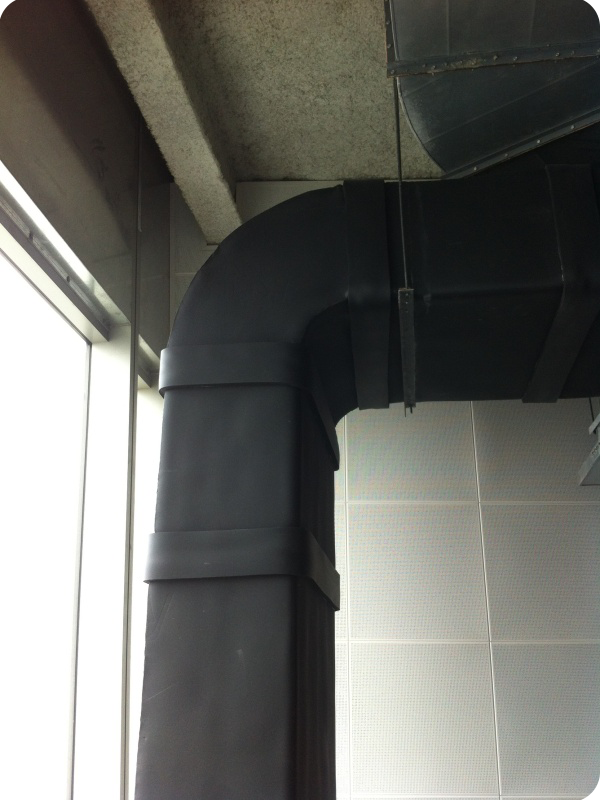
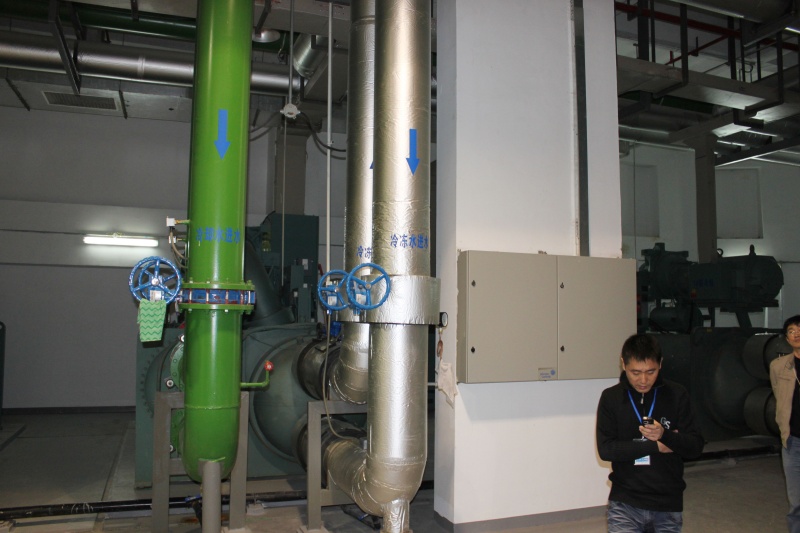
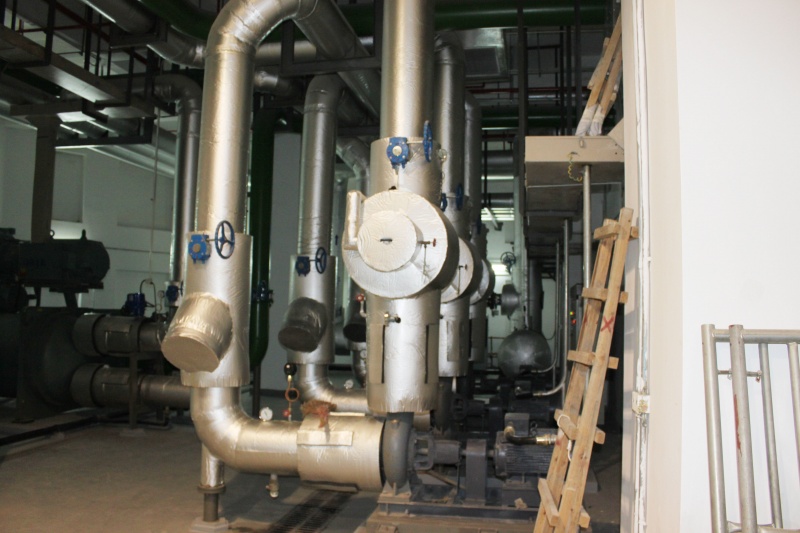
We work closely with global design institutes and mechanical contractors to supply materials for demanding specifications. Key project phases include insulation thickness calculations to prevent condensation based on ambient relative humidity and temperature.

Technology Roadmap 2025-2030

The Next Generation of Elastomeric Foams

Kingflex continues to invest in material science to improve thermal performance and sustainability. Our current R&D is focused on three main developmental tracks:
1. Nanocomposite Cell Structuring

By incorporating nano-additives into the raw rubber block, we aim to reduce cell sizes, which can lower thermal conductivity values at standard temperatures.

2. Halogen-Free Flame Retardants (HFFR)

Our research includes developing fire-retardant elastomeric formulations without halogenated additives. This helps meet strict non-toxic smoke regulations in marine and transit applications.

3. Bio-Sourced Raw Materials

We are investigating the use of bio-based elastomer precursors to reduce the carbon footprint of our manufacturing process, supporting global decarbonization goals.

Quality Documentation & Customer Trust

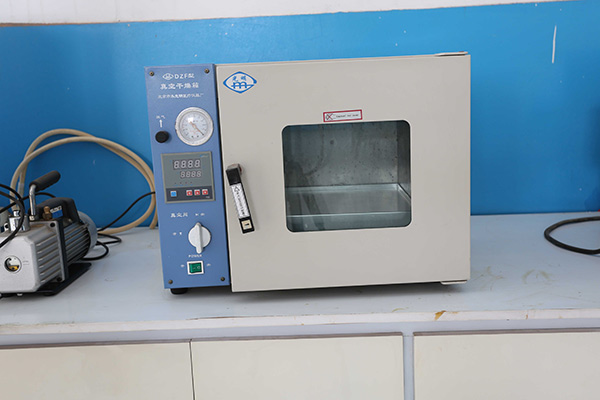
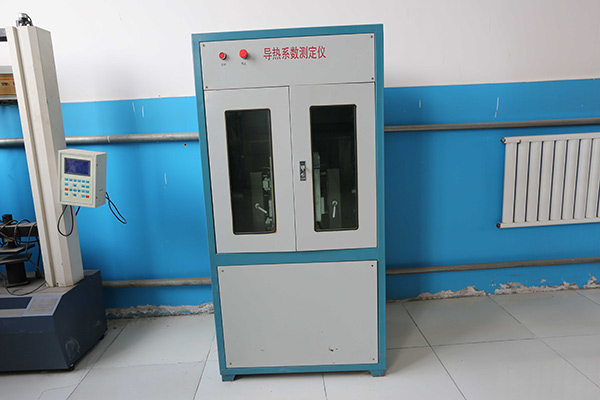
We provide full product traceability, from raw chemical compound validation through curing to final packaging, supporting quality verification on-site.

Every batch undergoes testing for density, cell morphology, fire rating, and thermal conductivity prior to shipping.

On-Site Installation Guidelines & Joint Detailing

Proper installation is essential for maintaining the performance of closed-cell elastomeric foam insulation systems.

1. Preparation & Cleaning

Ensure all pipe and duct surfaces are clean, dry, and free of rust or scale. Surfaces should be cleaned with an appropriate solvent before applying adhesives.

2. Adhesive Selection

Use contact adhesives formulated specifically for NBR/PVC elastomeric foams. Apply adhesive evenly to both surfaces and allow it to dry to a tack-free state before bonding.

3. Compression Joints

Always install elastomeric tubes and sheets under slight compression rather than tension. Stretched material can pull apart at seams over time, compromising the vapor seal.

Frequently Asked Questions

Technical and logistical insights from our engineers.

Q1: What is elastomeric rubber foam insulation used for?
It is mainly used for HVAC ducts, air conditioning pipes, building thermal insulation, industrial pipeline cold insulation, and sound insulation. Its closed-cell structure prevents condensation on chilled surfaces and minimizes heat transfer.
Q2: Is Kingflex rubber foam insulation fire resistant?
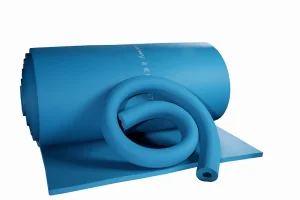
Yes, our rubber foam products are fire retardant, meeting fire safety standards such as BS 476 (Class 0 and Class 1) and UL 94 V-0 ratings, making them suitable for commercial and industrial projects.
Q3: What is the difference between rubber foam and rock wool insulation?
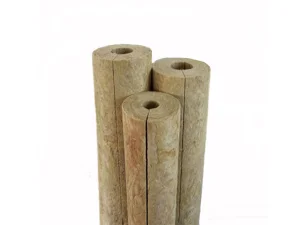
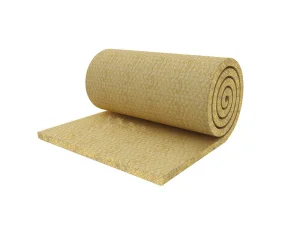
Rubber foam is flexible, closed-cell, and moisture-proof, which is ideal for cold-insulated pipelines and HVAC systems to control condensation. Rock wool is high-temperature resistant and fireproof, suitable for high-temperature steam lines and industrial furnace systems.
Q4: Do you provide customized insulation products?
Yes, we provide OEM services. We can customize density, wall thickness, inner diameter, color, and adhesive backing to meet specific project design requirements.
Q5: What certifications do your products have?
Our products hold certifications including BS 476, CE, REACH, RoHS, UL 94, and ASTM, ensuring compliance with building and industrial regulations in major global regions.
Q6: Do Kingflex products have traceability?
Yes, we maintain a batch code traceability system. Every shipment is linked to specific manufacturing records, raw material batches, and quality control test logs.
Q7: What thickness of rubber foam insulation sheet roll can you produce?
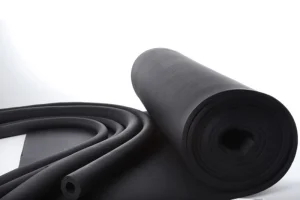
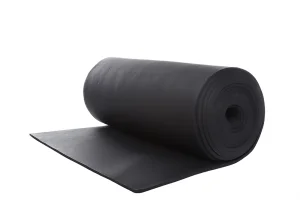
Our standard sheet production range is from 6mm to 50mm in thickness. Custom layered options are available for specialized cryogenic systems.
Q8: What is the service life of rubber plastic pipes and boards?
Under standard operating conditions and proper installation, the expected service life is 10 to 15 years, depending on environmental factors like UV exposure and mechanical stress.