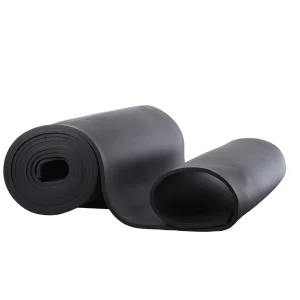
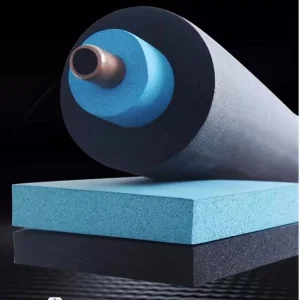
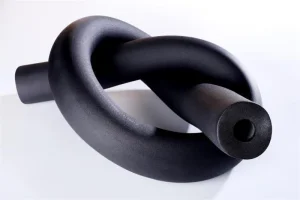
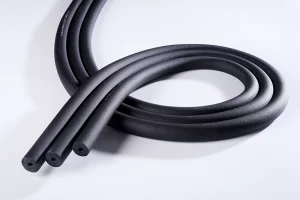
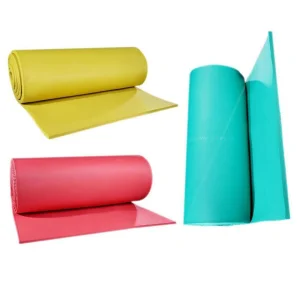
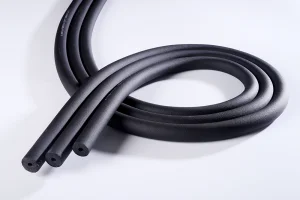
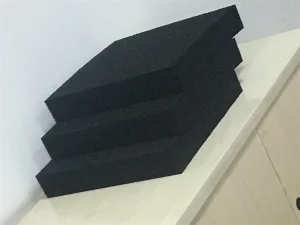
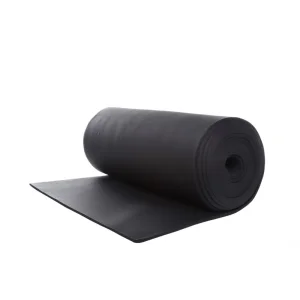
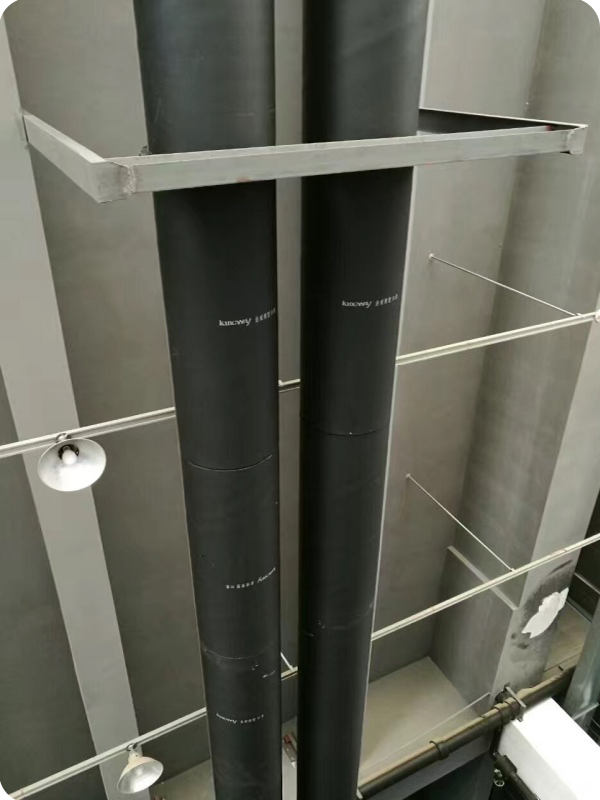
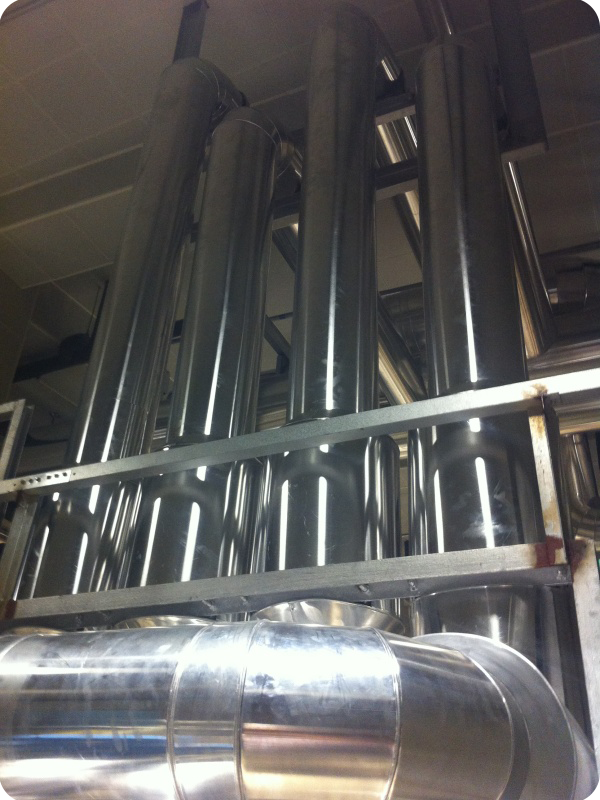
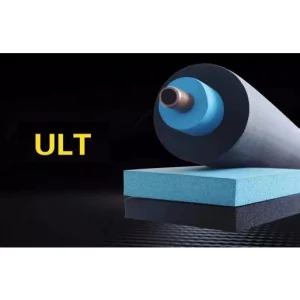
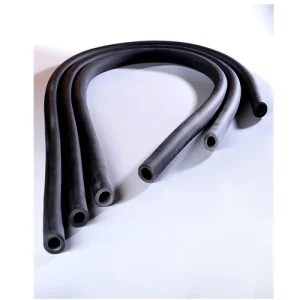
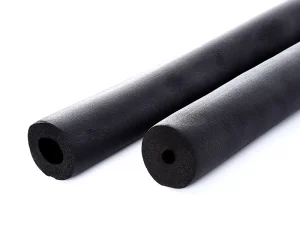
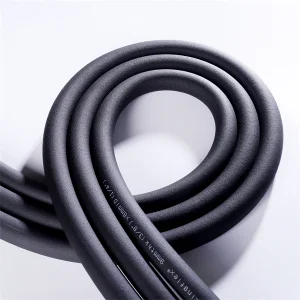
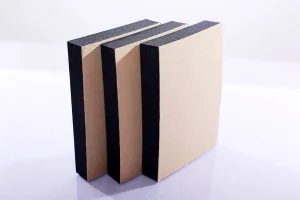
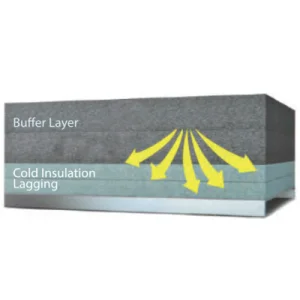
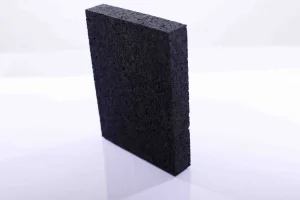
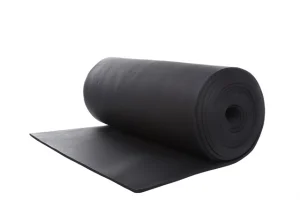
Engineered thermal barriers designed to optimize system efficiency, reduce energy loss, and prevent thermal bridging.
Understanding the critical demands of thermal envelope design, condensation mitigation, and code compliance in heavy installations.
Modern building codes like ASHRAE 90.1, IECC, and the EU's Energy Performance of Buildings Directive (EPBD) require high R-values and minimal leakage in exterior mechanical systems. Poorly insulated exterior ductwork accounted for over 25% of commercial HVAC energy losses globally in the past decade.
High relative humidity and fluctuating temperatures pose a constant threat to outdoor air handling systems. Standard porous insulation absorbs moisture, reducing its efficiency. The closed-cell nitrile-butadiene rubber (NBR) base of elastomeric foam has a built-in water vapor retarder, ensuring dry operations without additional vapor barrier jackets.
Traditional fibrous insulation types trap moisture against galvanized duct surfaces, initiating dynamic galvanic corrosion. Closed-cell elastomers do not wick water, effectively isolating the substrate from atmospheric oxidization, saving operators hundreds of thousands in structural remediation costs.
Established as a key industrial core manufacturer under the Kingway (Jinwei) Group, leading thermal solutions since 1979.
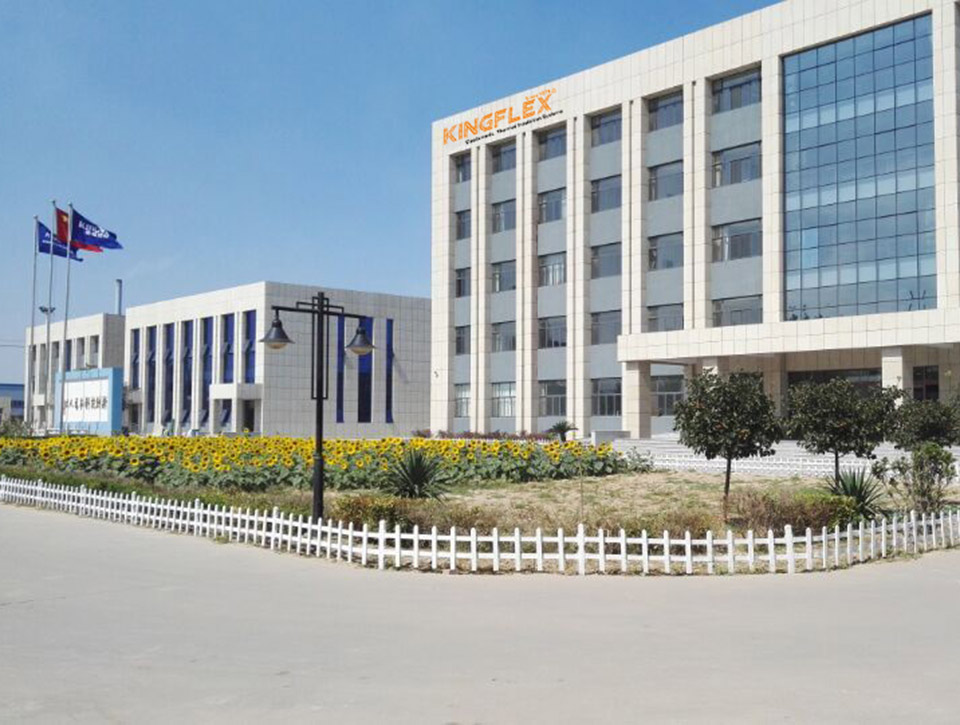
Kingflex Insulation Co., Ltd. represents a highly integrated manufacturing and trading powerhouse, offering advanced thermal, cryogenic, and noise-damping systems globally. Located within China's green-building materials capital in Dacheng, Kingflex aligns all manufacturing protocols around the fundamental values of energy-efficiency and carbon minimization.
Rooted in the historical success of the Jinwei Group (Kingway Group)—established in 1979 as the first modern insulation manufacturer north of the Yangtze River—Kingflex has inherited over 40 years of precision material production experience. We do not just sell materials; we formulate custom thermal envelope insulation designs, from site analysis to engineering drawings, installation guidelines, and lifetime performance tracking.
Operating state-of-the-art continuous vulcanization and foaming lines, we sustain a production volume exceeding 600,000 cubic meters annually, making us a key supplier for the Ministries of Energy, Electric Power, and Chemical Industry.
Our dedicated R&D division has 8 highly qualified materials scientists and engineers, continuously innovating low-density matrices, halogen-free fire retardants, and cryogenic formulations that withstand cryogenic limits down to -196℃.
Through our dedicated 6-member international sales team and deep freight pathways, we distribute certified materials to over 66 countries, ensuring standard compliance, customs processing support, and on-time site arrival.
Empirical values defining thermal resistance, chemical stability, and environmental tolerances of our elastomeric line.
| Property | NBR/PVC Elastomeric Sheet Roll | Elastomeric Pipe Insulation | Cryogenic System Formulation |
|---|---|---|---|
| Thermal Conductivity (λ) | ≤ 0.034 W/(m·K) at 0°C | ≤ 0.033 W/(m·K) at 0°C | ≤ 0.021 W/(m·K) at -165°C |
| Service Temperature Range | -40°C to +105°C | -40°C to +105°C | -200°C to +125°C |
| Moisture Resistance (μ-value) | ≥ 10,000 (Built-in Vapor Barrier) | ≥ 10,000 (Dense Outer Skin) | ≥ 20,000 (Co-extruded Foil Layers) |
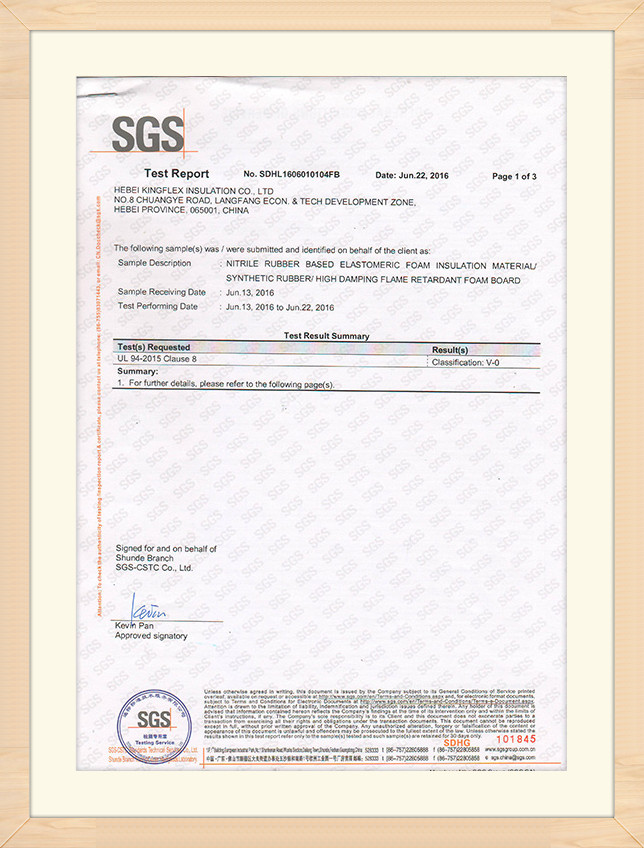
| Flammability Rating | Class 0 / Class 1 (BS 476), V-0 (UL94) | Class 1 (BS 476 Pt 7), ASTM E84 25/50 | BS 476 Part 6 & 7, Class 0 Rated |
| Density | 40 to 55 kg/m³ | 40 to 55 kg/m³ | 55 to 70 kg/m³ |
| Ozone & UV Resistance | Excellent with Acrylic/Alu Jacketing | High polymer stability | Multi-barrier cladding protection |
How our manufacturing cluster achieves cost optimization without compromising engineering standards.
Located in the Dacheng material cluster, our facility has direct access to primary petrochemical outputs (acrylonitrile, butadiene, and vinyl monomers). This eliminates intermediate logistics costs, reducing raw material procurement times by 70% compared to Western manufacturers.
We deploy continuous extrusion line ovens utilizing high-pressure nitrogen gas injection systems. This provides a more uniform foam cell geometry and consistent thickness tolerances (±0.5mm) compared to batch molding operations.
Close proximity to major international ports (such as Tianjin Port) allows us to facilitate bulk container loading, dry shipping optimization, and automated export customs clearing, providing highly competitive FOB/CIF terms.
Tailoring elastomeric systems to meet complex climate demands, structural restrictions, and environmental criteria.
In coastal refineries, water purification plants, and marine environments, high saline air accelerating oxidation is a constant hazard. Our closed-cell rubber NBR structure resists salt mist corrosion and prevents moisture ingress, keeping exterior air ducts dry.
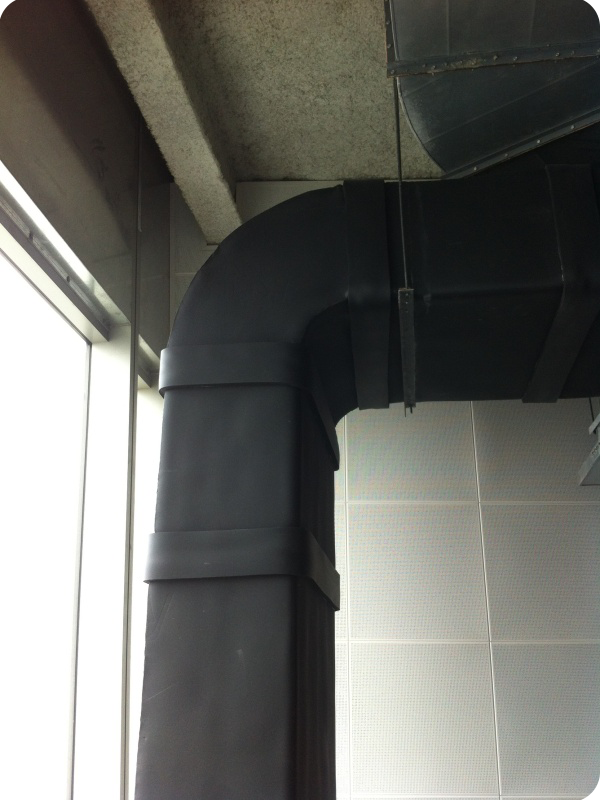
Large-scale commercial installations, including shopping centers, corporate headquarters, and medical centers, utilize massive outdoor air supply duct networks. Kingflex sheets reduce noise transmission (acting as sound absorbers) and maintain chilled air temperature profiles over long duct runs.
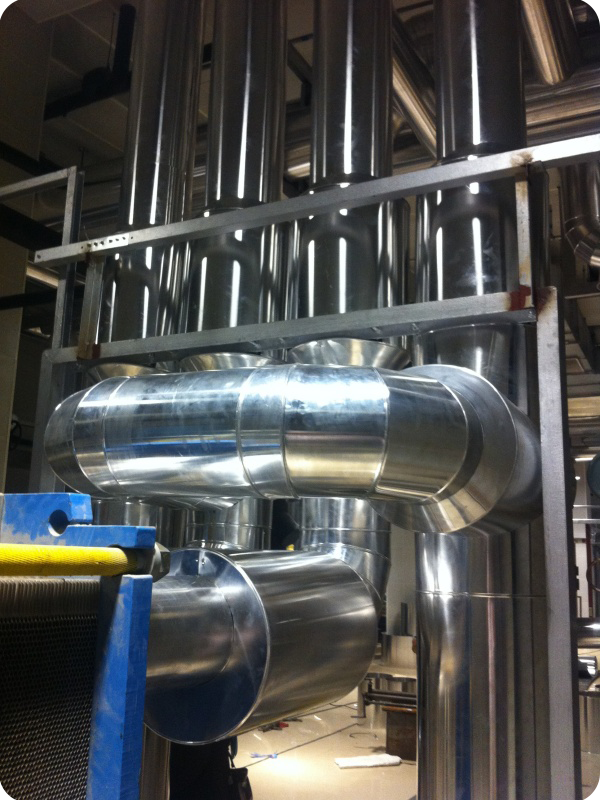
Our specialized cryogenic insulation systems prevent boil-off gas losses in LNG pipelines, ethylene plants, and pharmaceutical storage units. It resists structural cracking at temperatures as low as -196°C.


Our commitment to rigorous testing, environmental responsibility, and international quality certifications.
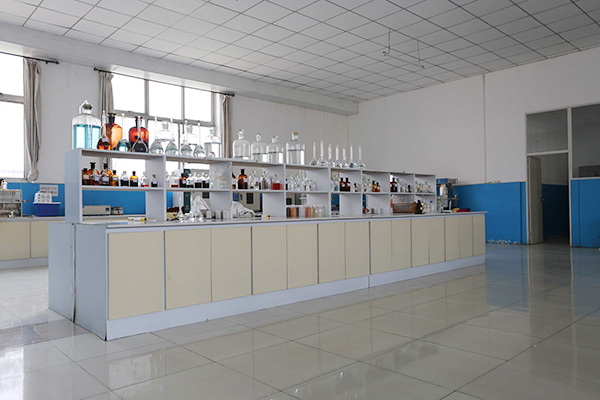
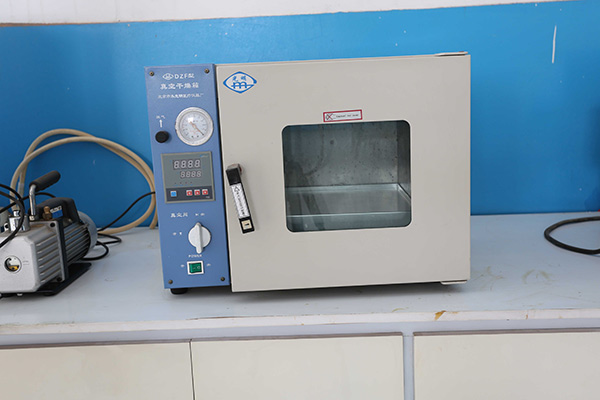
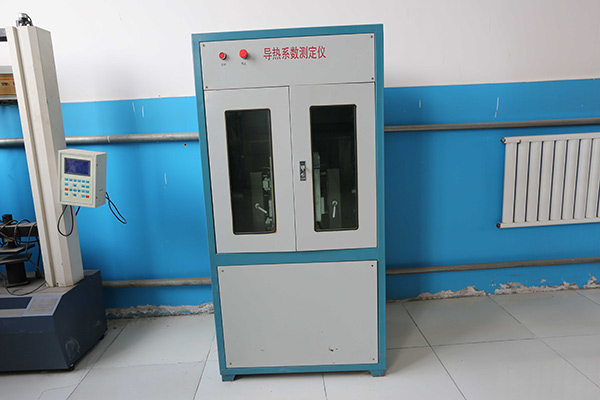
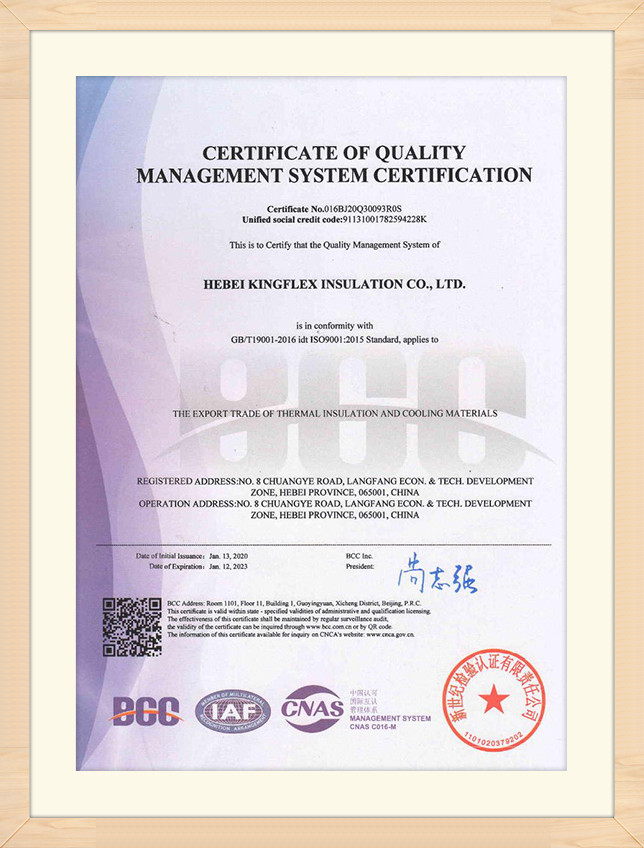
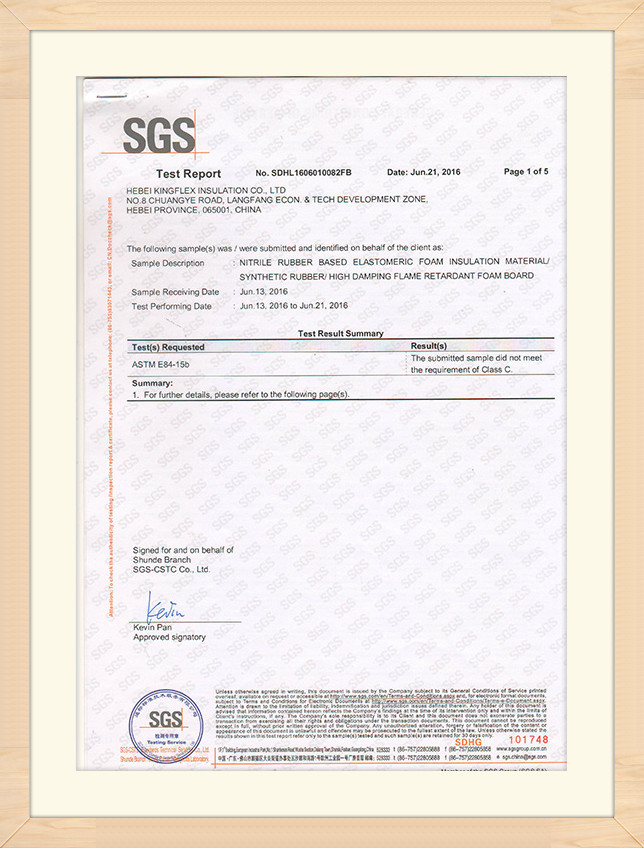
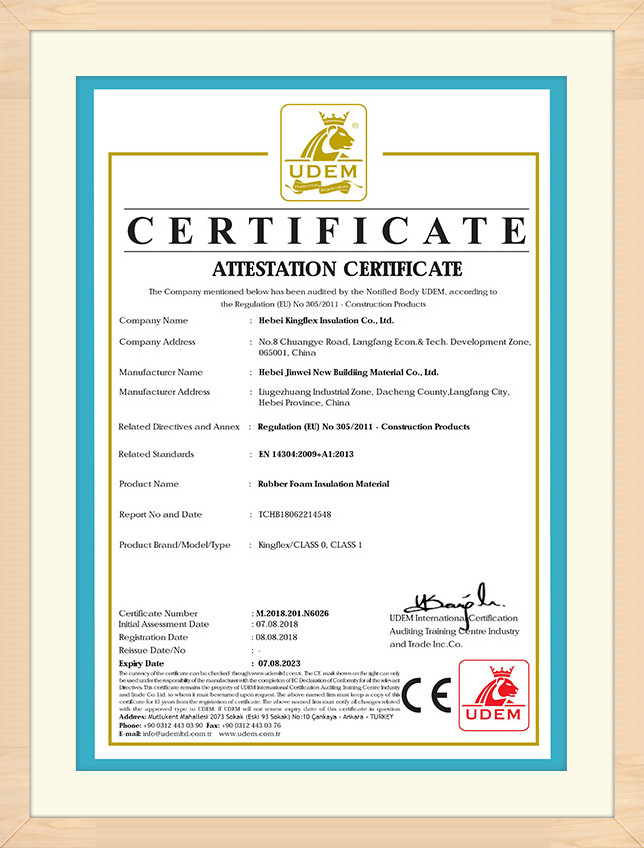
Kingflex insulation materials are subjected to rigorous testing programs in international laboratories to meet safety, building, and performance requirements across jurisdictions:
An objective, data-driven comparison analyzing the physical and thermodynamic benefits of rubber foam over mineral wools.
Fibrous Insulation: High open porosity leads to quick moisture uptake in high humidity. Water ingress increases thermal conductivity (water λ is ~0.6 W/mK), which can degrade insulation performance.
Kingflex Elastomeric: The closed-cell structure (>98% cell density) prevents moisture migration. This maintains stable thermal conductivity over a 15-year operational lifecycle.
Fibrous Insulation: Air velocities inside ventilation systems can detach fibers, carrying fine particulate matter into building supply air, presenting potential challenges for cleanrooms and hospital HVAC systems.
Kingflex Elastomeric: Solid polymer foam structures do not release fibers or hazardous dust particles, preserving indoor air quality (IAQ) and keeping system components clean.
Fibrous Insulation: Lacks high compressibility and is prone to fracturing. Difficult to apply to irregular duct fittings, valves, flanges, and tight radial bends, which can lead to thermal bridging.
Kingflex Elastomeric: High elastic recovery (>80%) allows the material to wrap tightly around irregular duct profiles, elbows, and valves. This ensures a continuous insulation envelope without gaps.
Standard parameters and configurations of our core product lines.
Technical and procurement insights regarding Kingflex elastomeric insulation products.
Engineered products optimized for extreme operating temperatures and demanding environmental conditions.
Partner with China's leading elastomeric manufacturer for your next commercial project.