Engineering Whitepaper: Passive Fire Protection for Plastic Piping Systems
Technical analysis of NBR/PVC elastomeric fire wraps, safety codes, and manufacturing optimization.
The Criticality of PVC Piping Fire Isolation
Polyvinyl Chloride (PVC) pipes are widely integrated into modern building projects due to cost-efficiency, chemical resilience, and ease of installation. However, in the event of a commercial building fire, non-insulated PVC pipes soften, melt, and collapse within minutes. This leaves open penetrations through fire-rated walls and floor assemblies, allowing toxic gases, smoke, and live flames to spread rapidly across adjacent fire compartments. Implementing high-performance fire wraps acts as an intumescent barrier that seals these gaps when temperatures soar.
Elastomeric Science & Intumescent Action
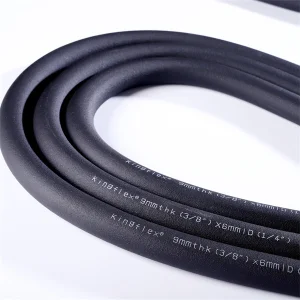
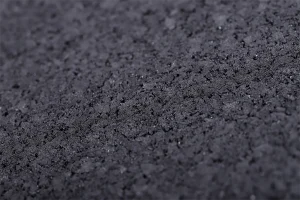
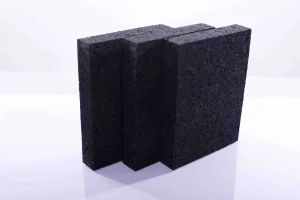
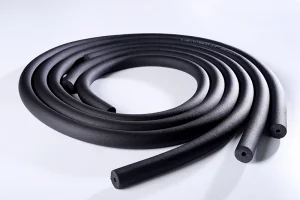
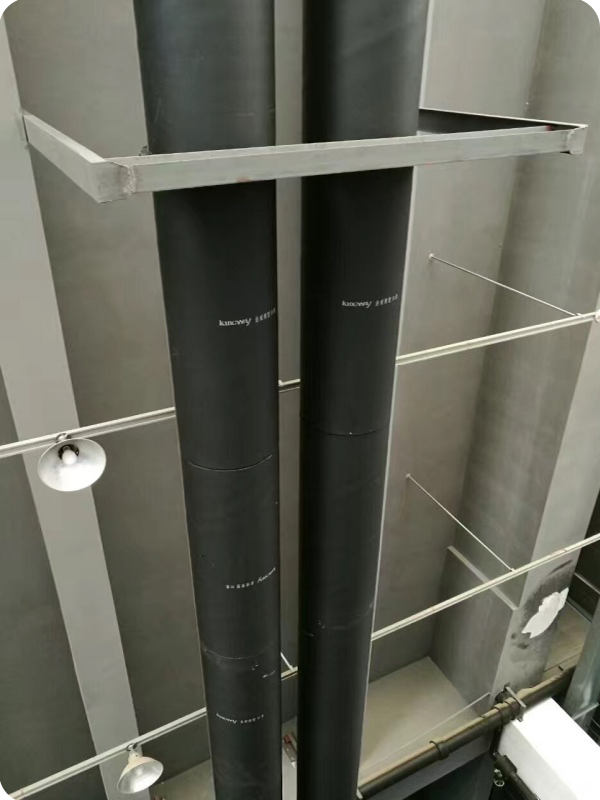
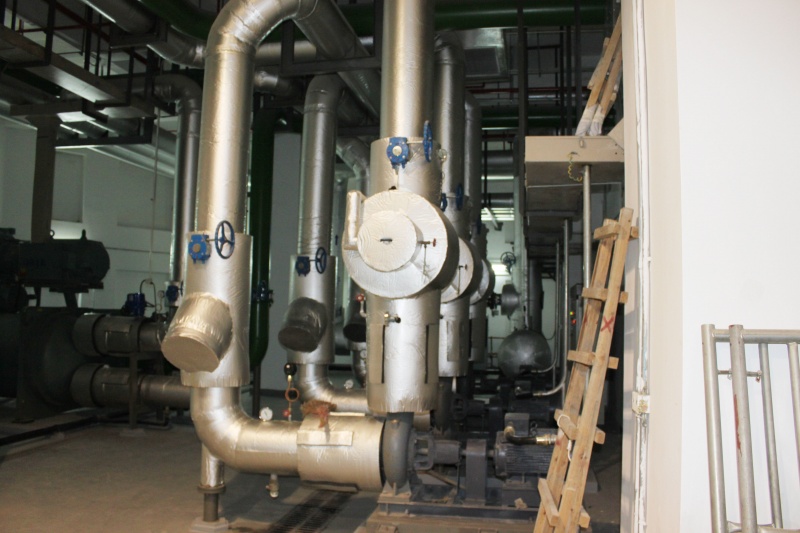
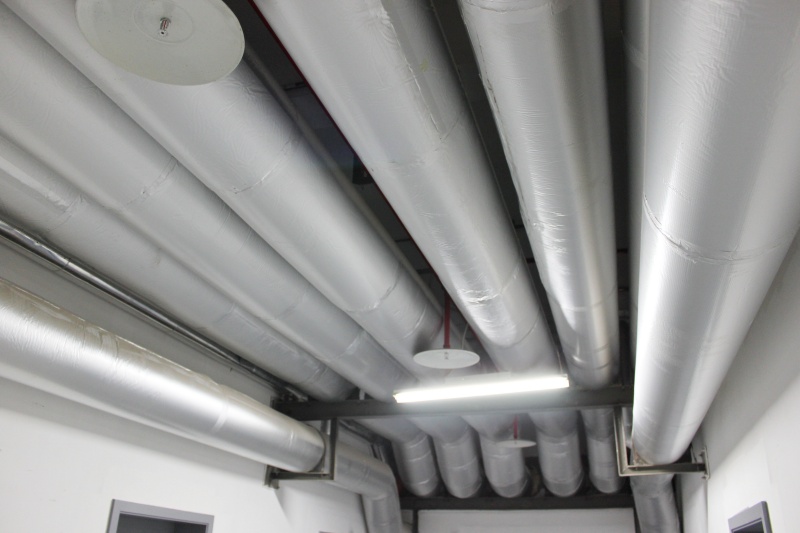
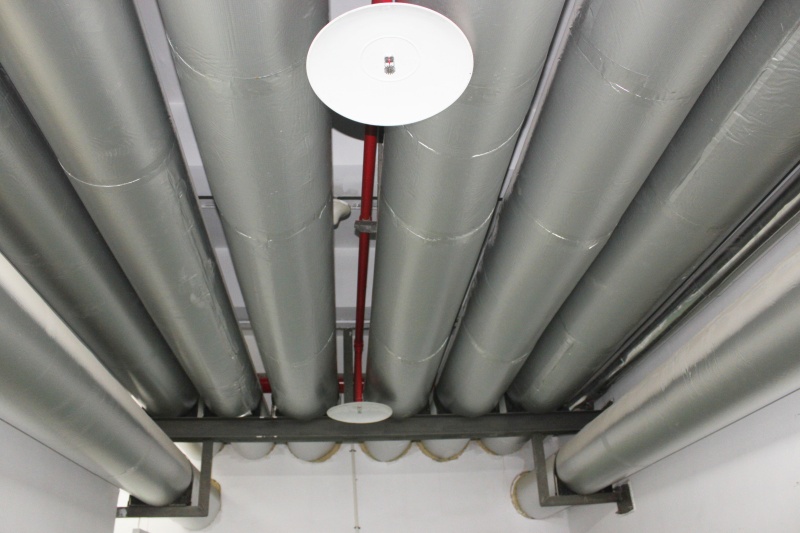
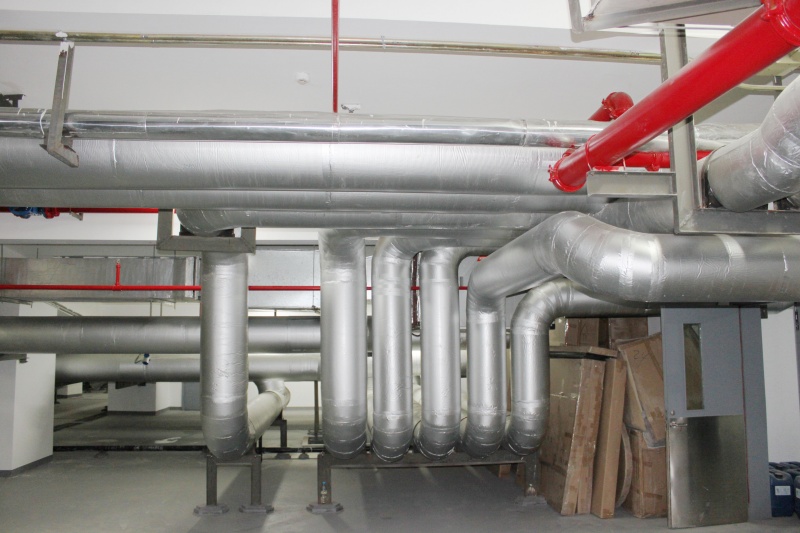
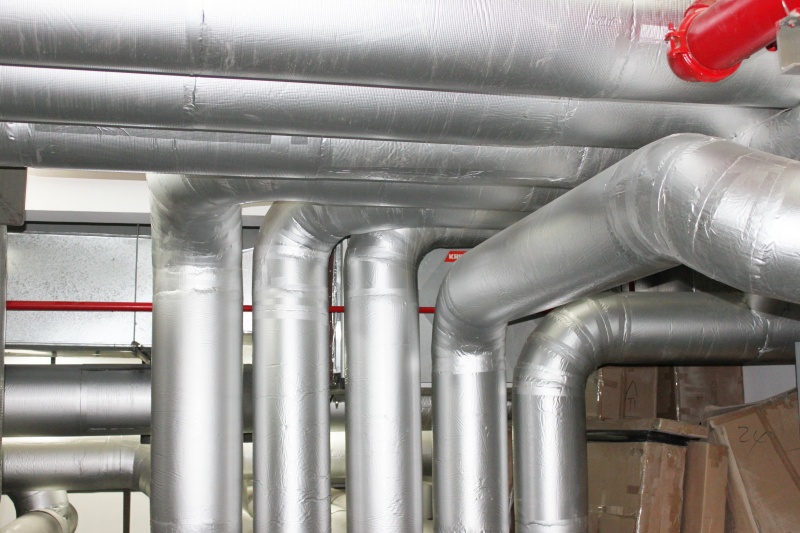
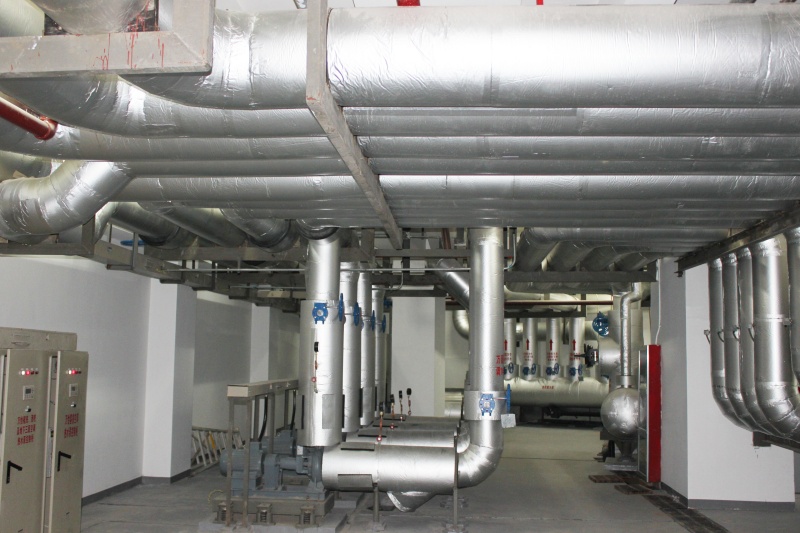
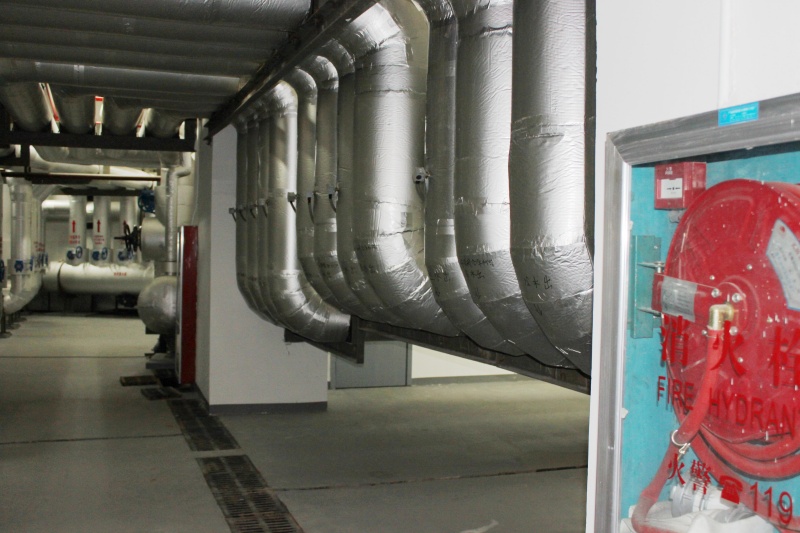
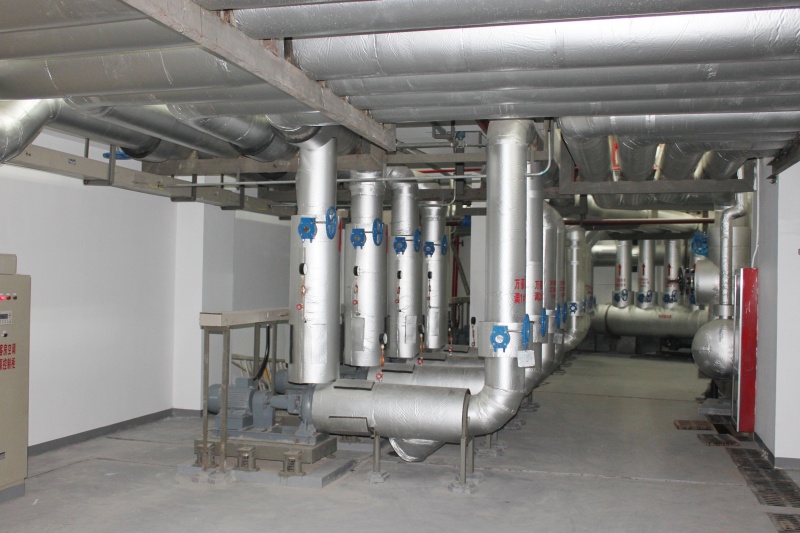
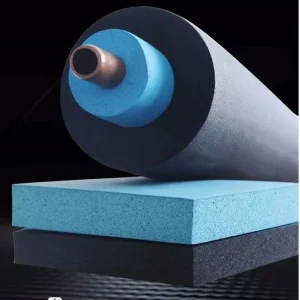
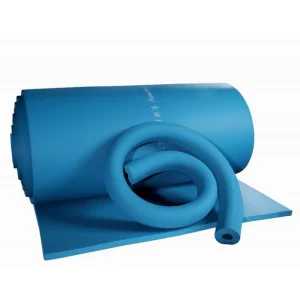
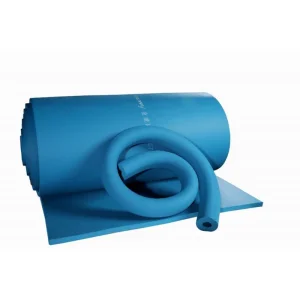
Kingflex elastomeric NBR/PVC thermal insulation plays a dual role in modern piping structures. It provides outstanding closed-cell thermal efficiency (preventing condensation and energy loss) while achieving high self-extinguishing ratings under UL 94, BS 476, and ASTM guidelines. The polymer matrix structure features built-in flame retardants that expand under extreme heat, forming a carbonaceous char layer. This layer restricts oxygen delivery to the burning plastic surface and maintains structural isolation during fire propagation.
Why System Design Demands Specialized PVC Wrap Solutions
Standard insulation wraps designed for steel or copper pipes cannot be directly cross-applied to PVC assemblies without analyzing thermal degradation factors. Metallic pipelines conduct heat but do not lose physical shape or puncture easily under minor mechanical stresses. PVC, on the other hand, exhibits rapid mechanical deformation at temperatures exceeding 70°C. Kingflex engineers have formulated high-performance closed-cell elastomeric wraps with customized density parameters (ranging from 40 to 55 kg/m³) to provide sufficient structural resistance, keeping the pipeline stable prior to intumescent activation during thermal events.
"Modern mechanical, electrical, and plumbing engineering relies on multi-barrier security. The right fire wrap system acts as both a continuous vapor retarder to prevent thermal energy loss and a structural passive fire defense."
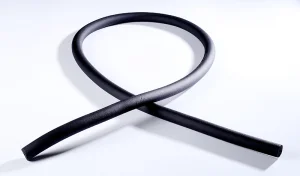
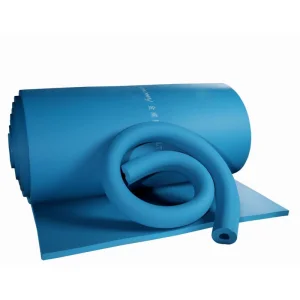
Across North America, Europe, and Asia-Pacific, structural safety regulations have tightened significantly. High-occupancy facilities, industrial cleanrooms, data centers, and marine structures require advanced piping system insulation. PVC pipes, widely used for gray water disposal, chemical venting, and drainage lines, must be wrapped with passive fire containment barriers at every fire wall partition. By using Kingflex's NBR/PVC elastomeric wraps, mechanical contractors install a single system that resolves thermal insulation, vapor barrier creation, noise mitigation, and fire spread protection simultaneously.
China Supply Chain Resilience & Manufacturing Power
A look inside Kingflex's advanced production capacity, historical legacy, and global logistics networks.
40+
Years Industry Heritage
600,000+
Annual Capacity (m³)
5
Auto Production Lines
66+
Export Destinations
Our Factory Profile & Global Commitment
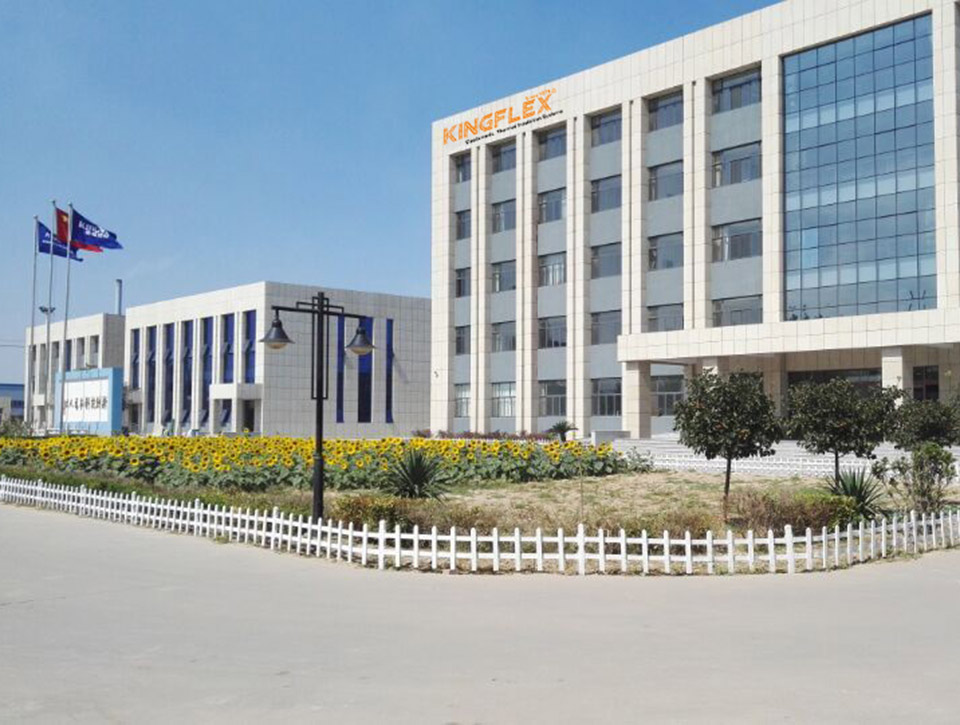
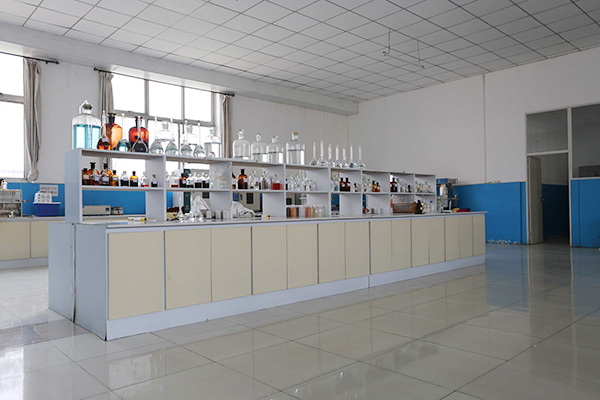
Kingflex Insulation Co., Ltd. is a premier manufacturing and trading setup for professional thermal and acoustic insulation products. Our core research, development, and high-efficiency manufacturing facilities are situated in Dacheng, China—historically recognized as the capital of green-building materials. As an energy-saving, environmentally conscious enterprise, Kingflex integrates green production with energy conservation and reduction metrics.
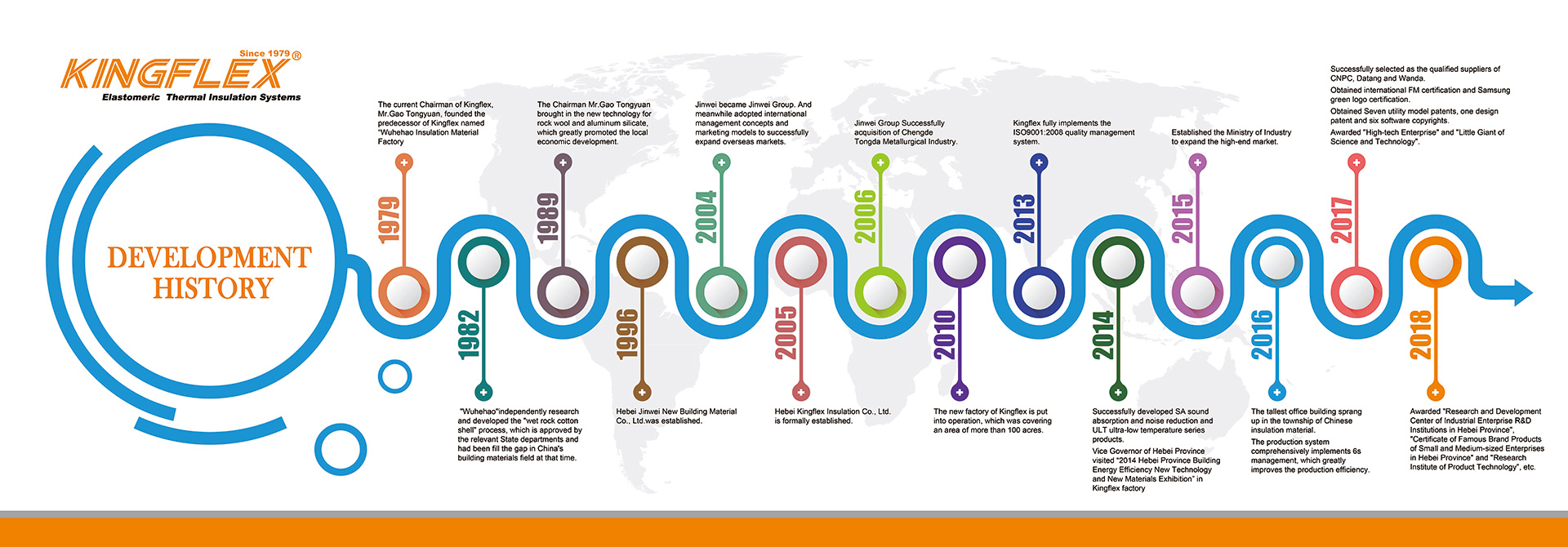
Established under the parent umbrella of the Jinwei Group, which traces its history back to 1979, Kingflex benefits from over 40 years of manufacturing experience. We were the first thermal insulation manufacturer established north of the Yangtze River. Today, our factory is designated as a production enterprise for major projects by the Ministry of Energy, the Ministry of Electric Power, and the Ministry of Chemical Industry.
Our Professional Workforce & Production Assets
Expert R&D Team
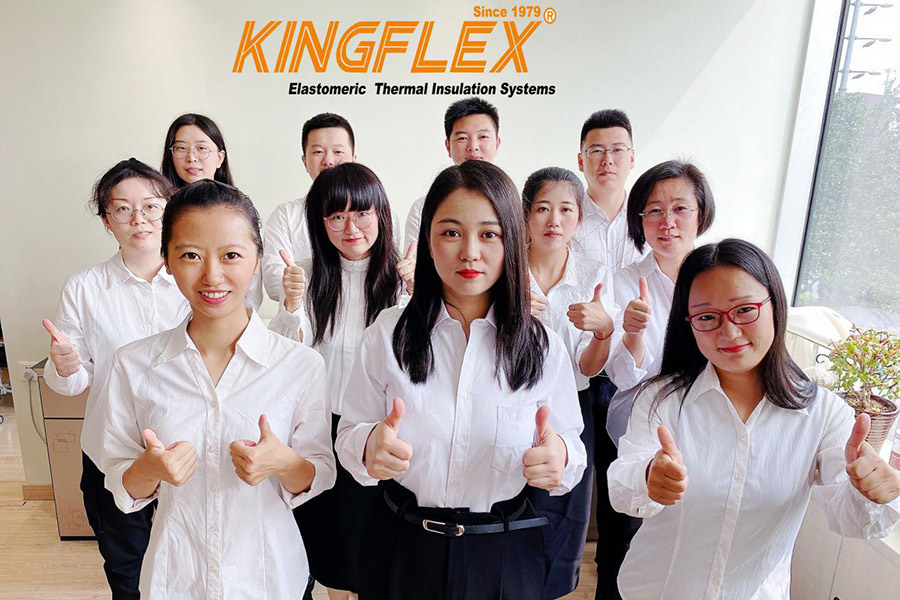
Our team includes 8 professional design and chemical formulation engineers in our dedicated R&D department, consistently innovating new elastomer formulations and fire-retardant structures.
Advanced Manufacturing Lines
Operating 5 large-scale, automated production lines ensures high precision, uniform foam cells, consistent quality, and an annual production capacity exceeding 600,000 cubic meters.
Global Commercial Support
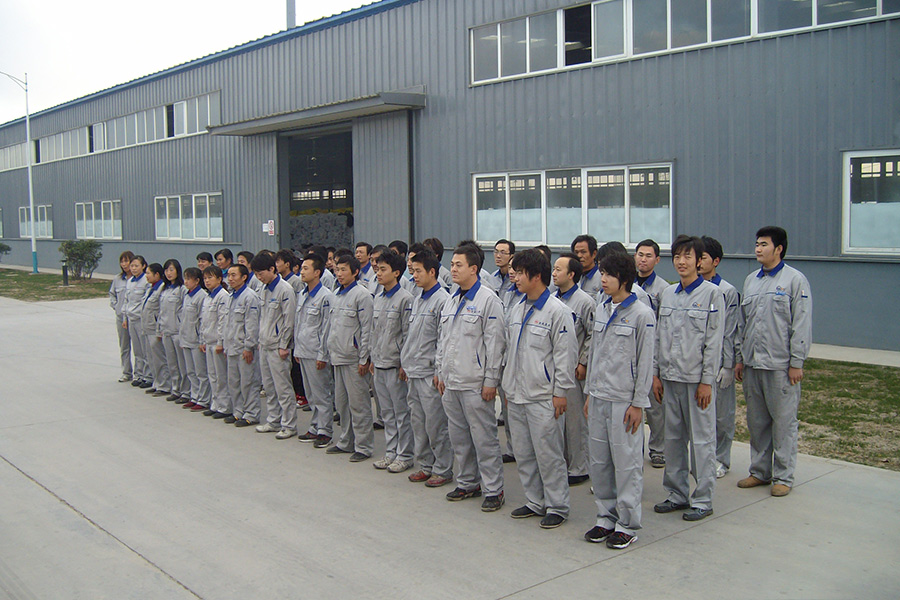
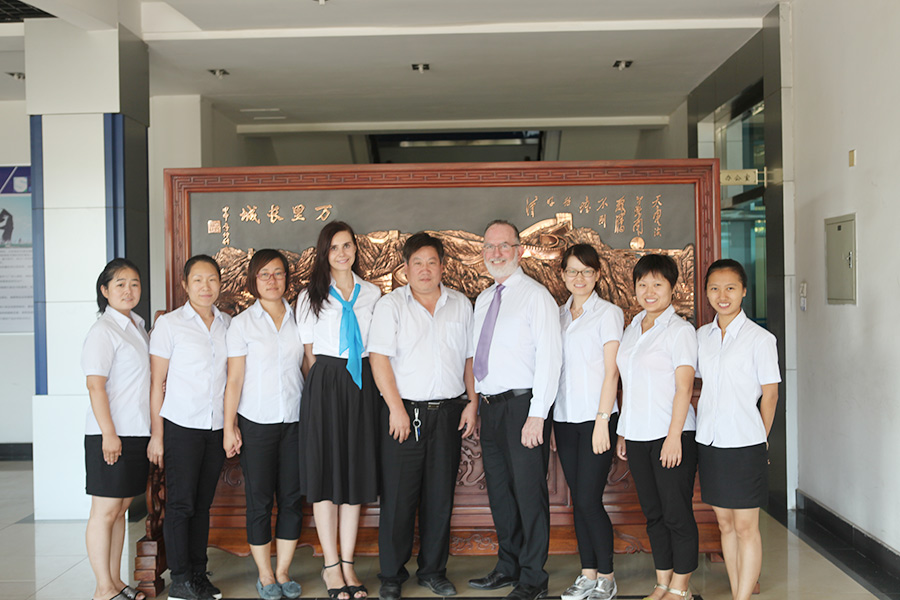
Our team of 6 international sales managers and over 230 production workers guarantees on-time delivery, tailored OEM capabilities, and professional after-sales support globally.
Specific field configurations where our fire wrap insulation maintains thermal performance and protects PVC pipes.
🏢
Central HVAC Air Ducts & Cold Water Lines
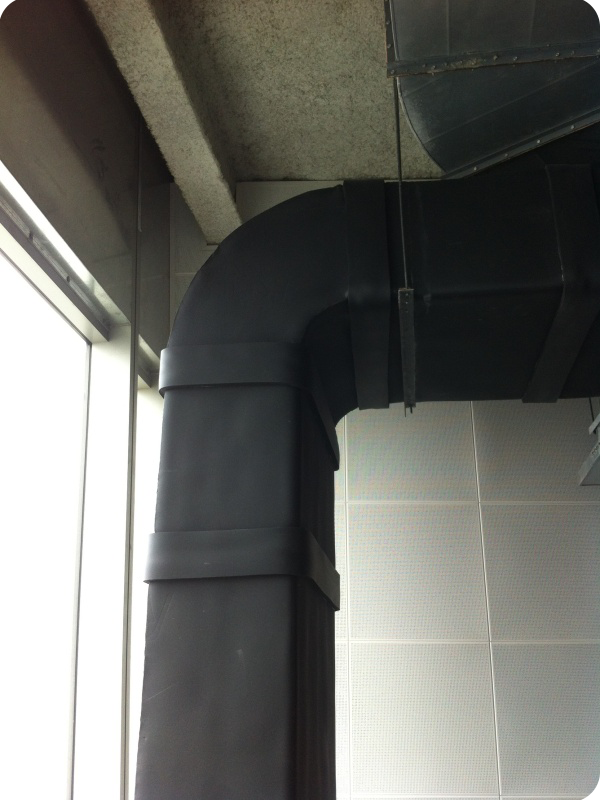
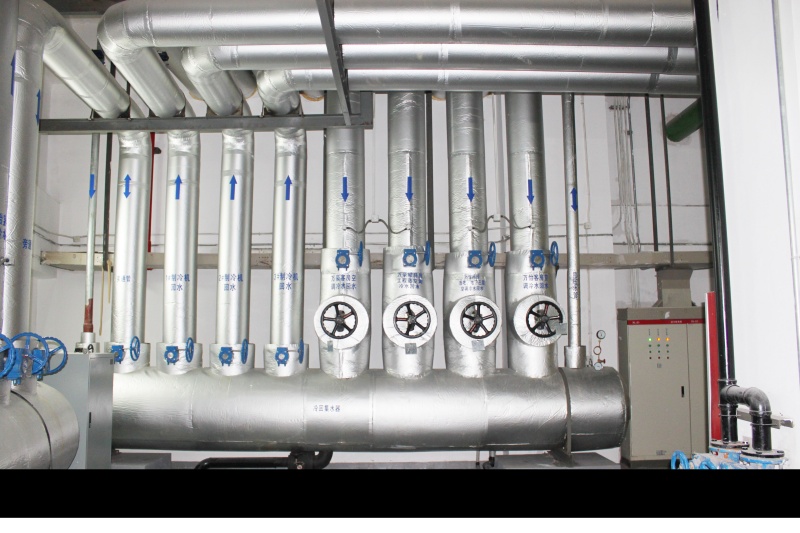
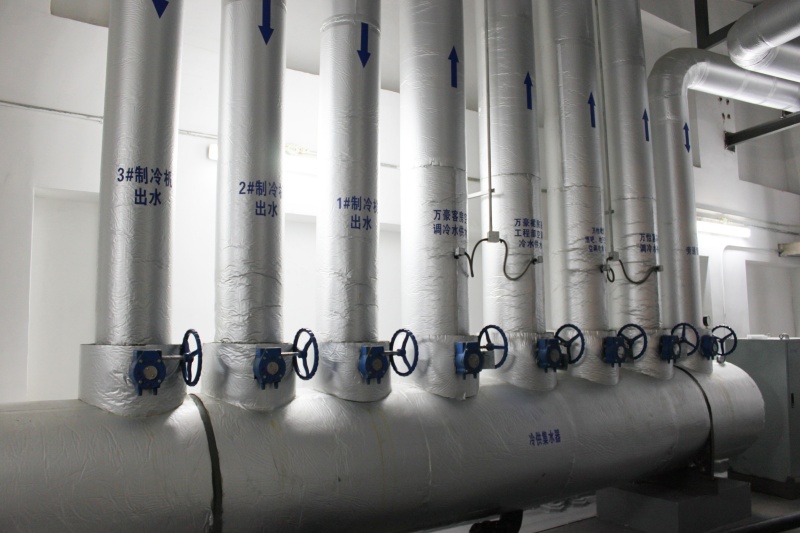
In high-density commercial complexes, central HVAC systems run extensively behind walls. Kingflex wraps prevent condensation forming on external pipe surfaces while meeting building codes for smoke index values.
🏥
Acoustic Isolation in Healthcare Facilities
Hospital drainage PVC pipes can transmit noise from wastewater movement. Our flexible elastomeric foam dampens structure-borne vibration and cuts down sound transmission, maintaining quiet patient rooms.
🏭
Chemical Plant Process Piping
PVC lines carrying corrosive chemicals must be protected against external heat sources and mechanical impact. Our NBR/PVC foam wraps feature high chemical resilience, resisting oil, grease, and ozone degradation.
Detailed Application Breakdown for Mechanical Engineers
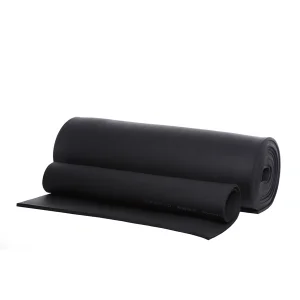
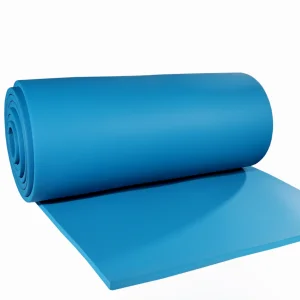
When routing PVC pipelines through fire barriers, structural joints, or ceiling voids, specifying the correct insulation thickness is crucial. Our standard NBR/PVC sheets range from 6mm to 50mm, letting designers optimize insulation thickness relative to ambient relative humidity and fluid design parameters. For deep cryogenic processes, we also offer ultra-low temperature cryogenic insulation systems to prevent structural embrittlement of polymer pipelines.
Global Certifications & Code Compliance
Verified testing to assure reliable, long-term performance across global regulatory environments.
Meeting Rigid Global Fire Safety standards
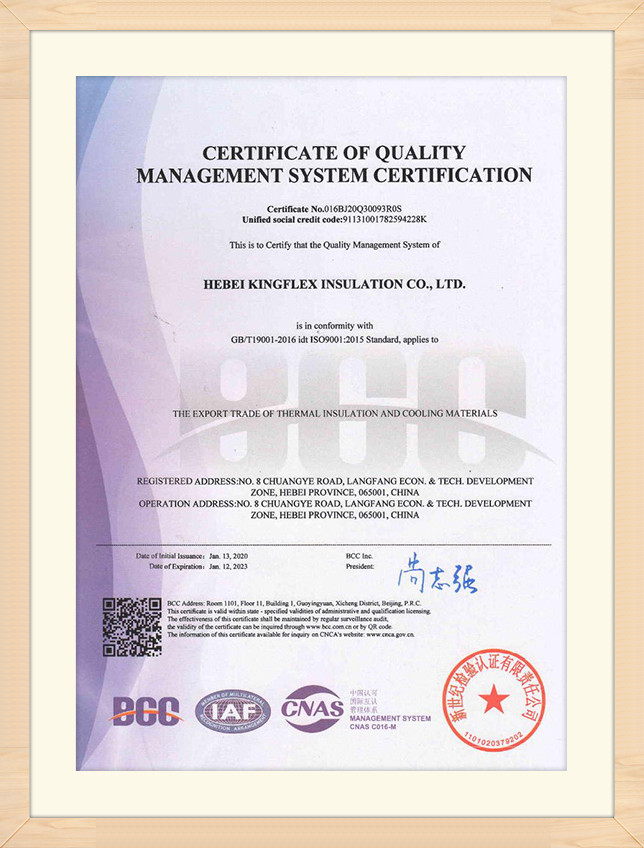
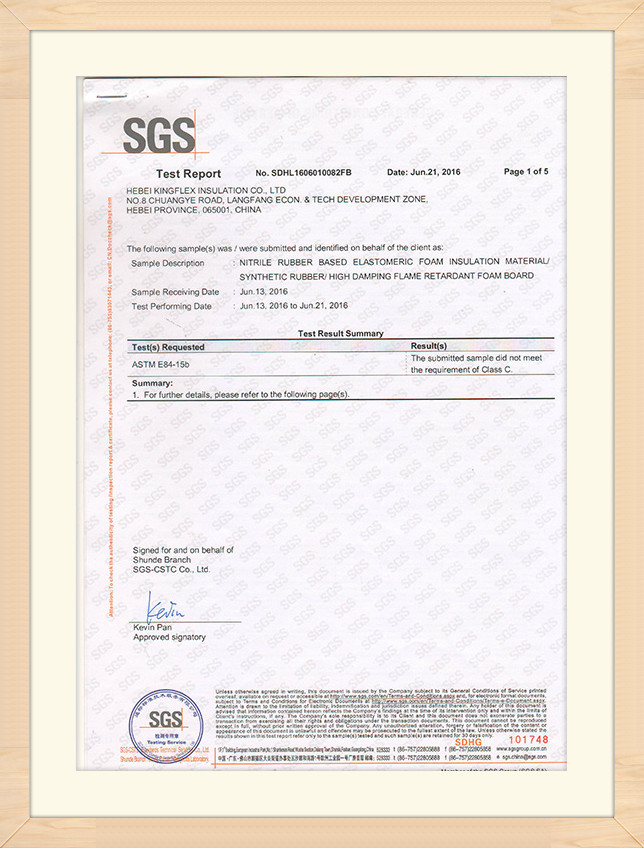
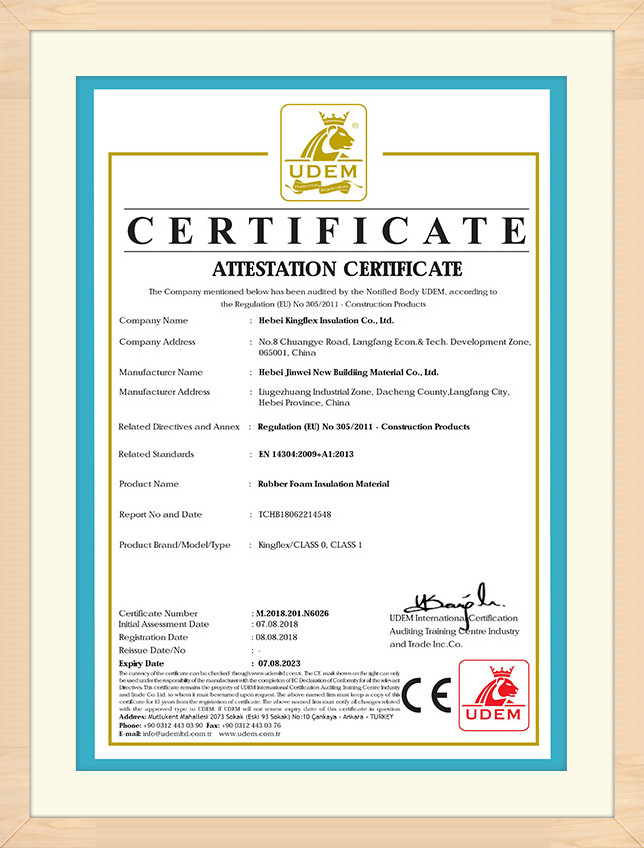
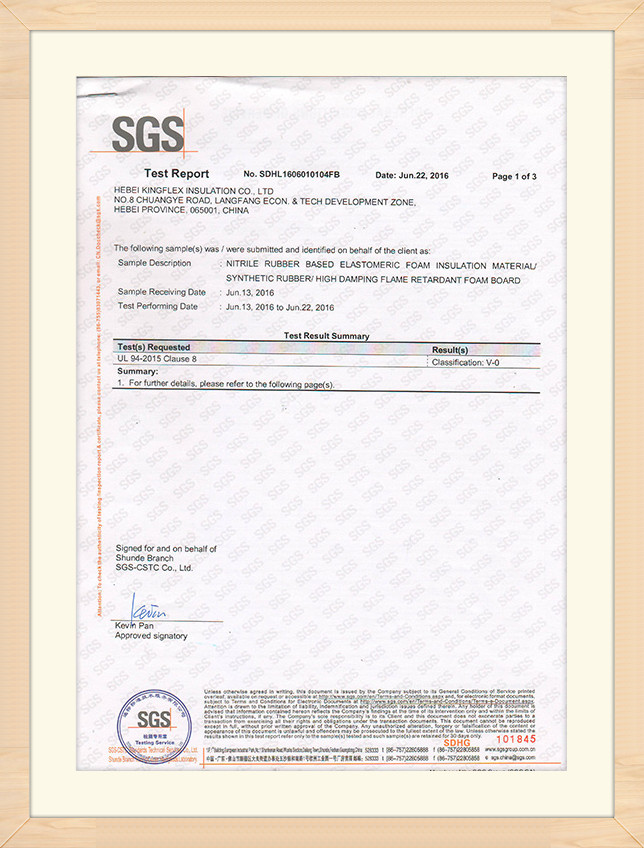
Building safety inspectors require independent test reports before verifying a building's mechanical and electrical systems. Kingflex insulation products have passed rigorous test protocols globally, verifying chemical safety, mechanical strength, and fire-spread resistance.
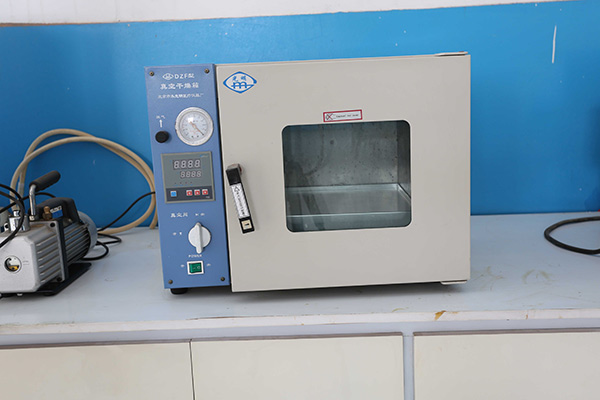
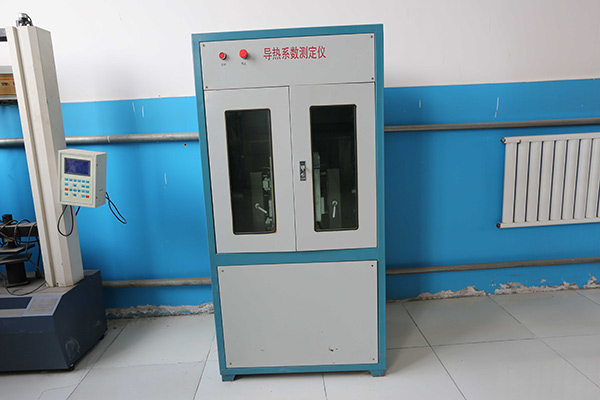
Our solutions have been tested against key fire standards, including BS 476 (Class 0 and Class 1), UL 94 (V-0 Flammability Standard), ASTM E84, as well as ecological compliance guidelines like CE, REACH, and RoHS. This global coverage guarantees that importing our wraps supports local regulatory approvals.
R&D Roadmap & Green Insulation Trends
Adapting insulation chemistry to support carbon neutrality and meet low-emission building standards.
🌱
Halogen-Free Elastomer Development
To reduce corrosive smoke emissions, Kingflex is expanding its range of eco-friendly halogen-free elastomeric sheets. These wraps eliminate chlorine and bromine components while maintaining fire performance.
🔬
Nanocomposite Cellular Intumescence
By integrating carbon nanotubes and silicate nanoplatelets, our next-generation cellular structures are designed to form a stronger protective char layer under fire conditions.
📉
Low VOC Indoor Air Safety
We target low indoor VOC output across all formulations, helping projects qualify for environmental assessments like LEED and BREEAM globally.
Proven Quality Control and Customer Feedback
Traceable manufacturing processes backed by project site success and global logistics verification.
Strict Traceability & QA Logs
Every production batch is assigned a unique tracking number, linking it to the raw material inputs and quality inspections. Customers can request certificate verification data for any shipment.
Customer Approvals & Site Verification
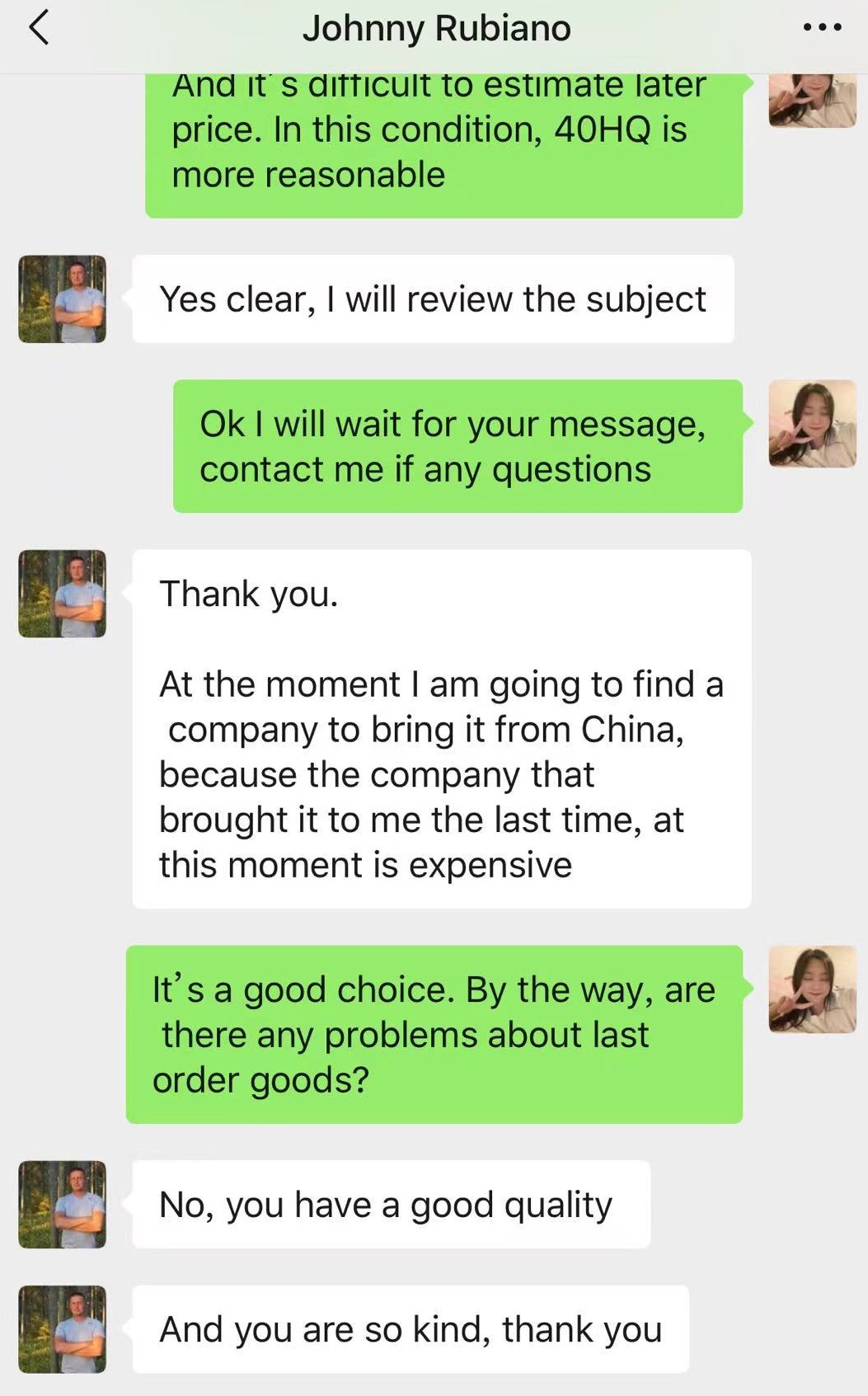
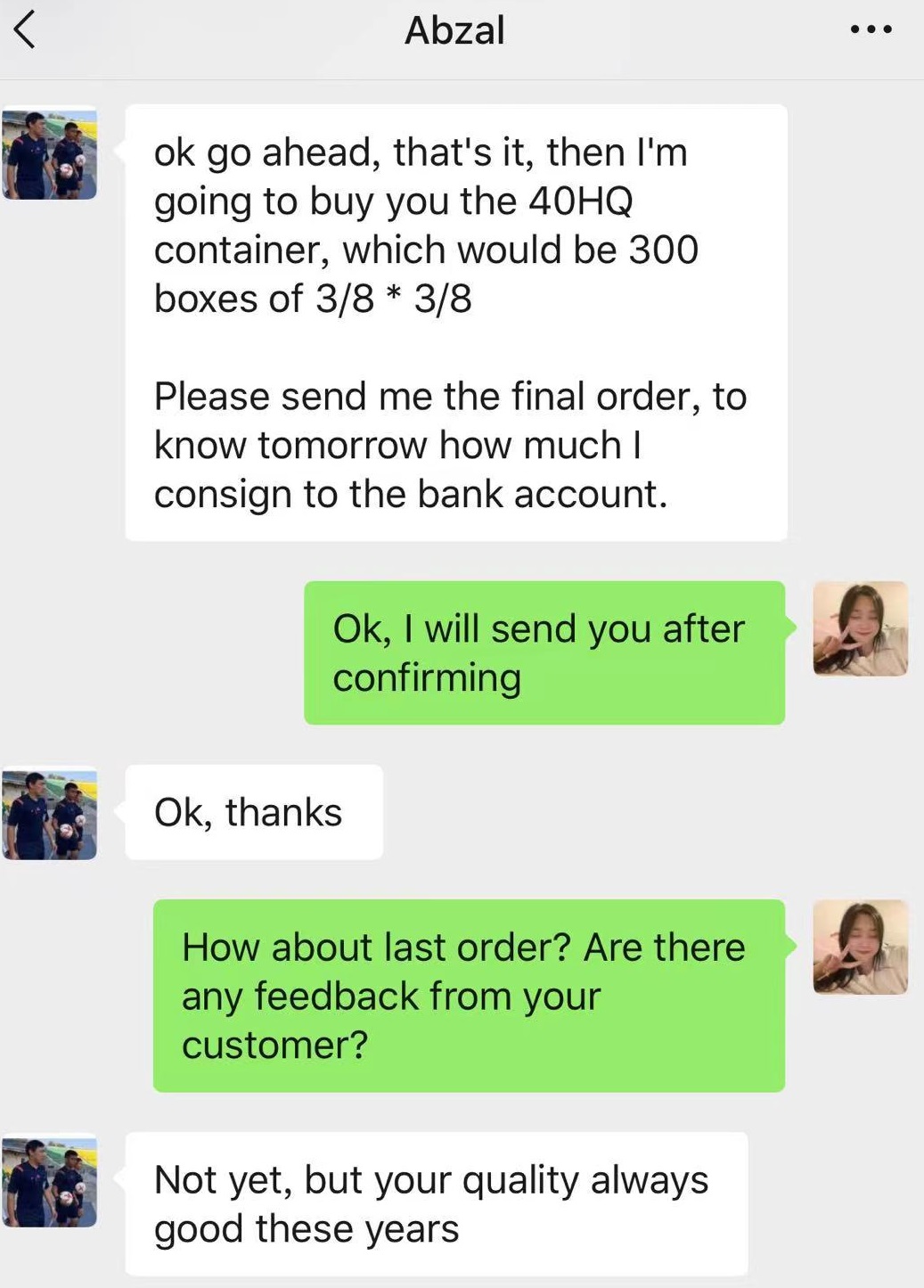
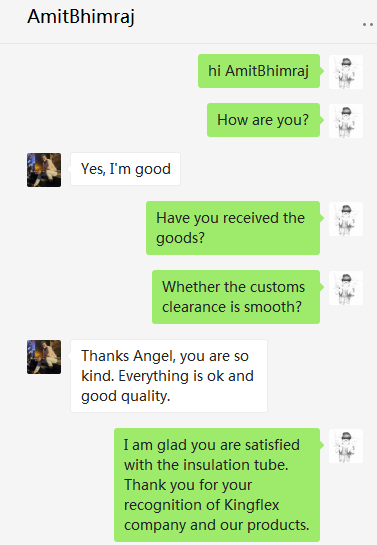
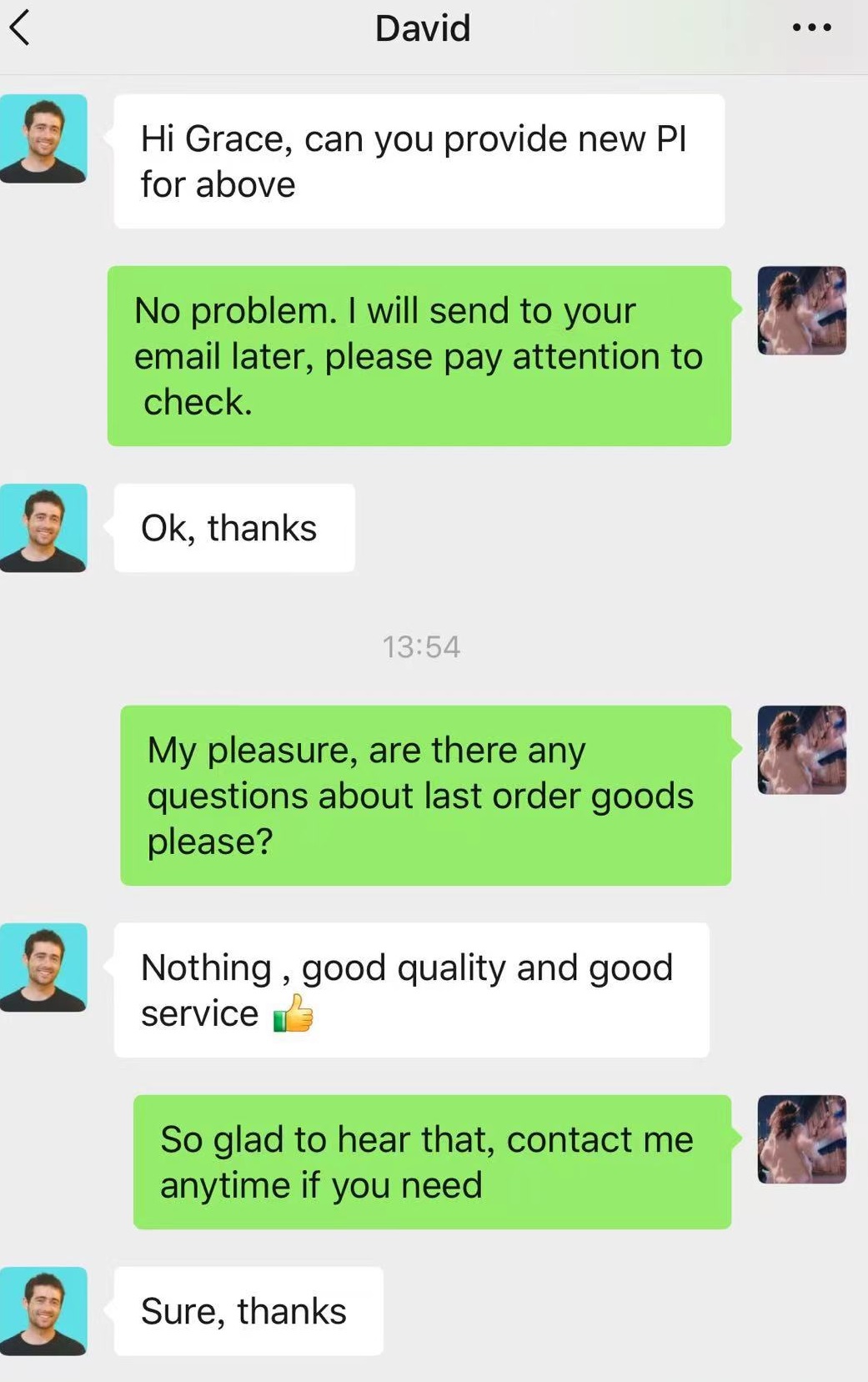
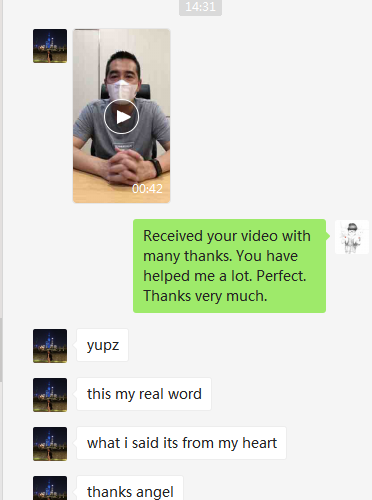
We work closely with global buyers, verifying specs via chat updates, visual reports, and video tours before the containers leave Dacheng.
Project Dispatch Inspection & Packing
Field Deployment Reference Gallery
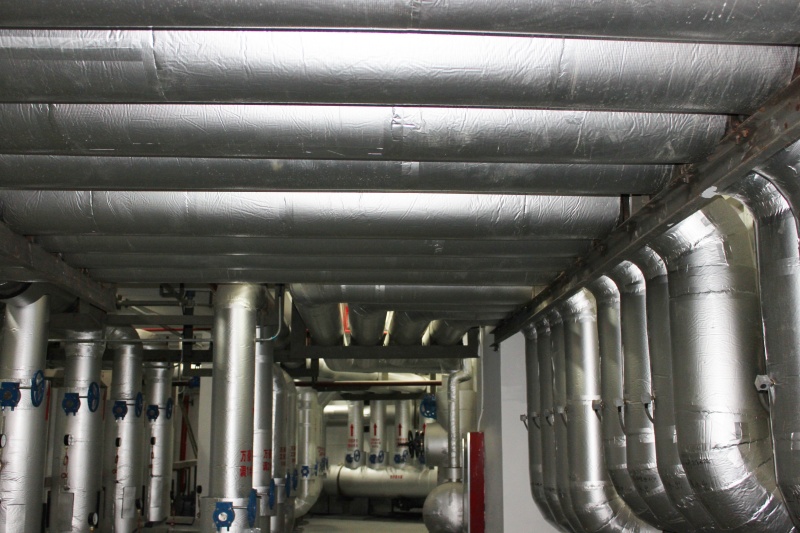
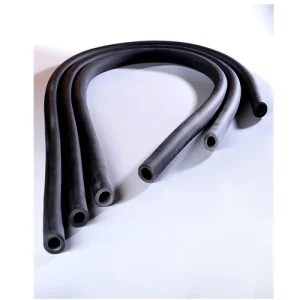
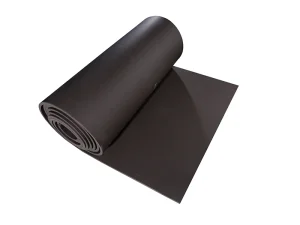
Kingflex elastomeric thermal insulation boards, rolls, and pipes installed on global mechanical projects.
Expert Q&A - Fire Wraps & Elastomeric Insulation
Technical guidance and answers to common queries for mechanical engineers, designers, and site managers.
❓ Q1: What is elastomeric rubber foam insulation used for?
It is primarily used for HVAC ducts, air conditioning piping systems, building thermal insulation, cold/chilled water line containment, and industrial pipeline acoustics. The closed-cell material acts as both an effective vapor barrier and a consistent thermal insulator.
❓ Q2: Is Kingflex rubber foam insulation fire resistant?
Yes. Kingflex rubber foam materials are formulated with fire retardants, enabling them to meet BS 476 Class 0/1, UL 94 V-0, and ASTM E84 requirements. They are self-extinguishing and resist flame spread in mechanical penetrations.
❓ Q3: What is the difference between rubber foam and rock wool insulation?
Rubber foam is flexible, features a closed-cell, moisture-proof structure, and is ideal for HVAC, plumbing condensation control, and medium temperature piping. Rock wool is a fibrous material with high-temperature resistance, suited for high-temperature industrial steam pipes and heavy fire barrier fills.
❓ Q4: Do you provide customized insulation products?
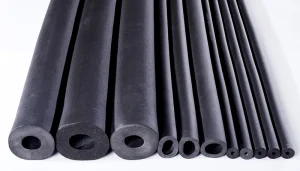
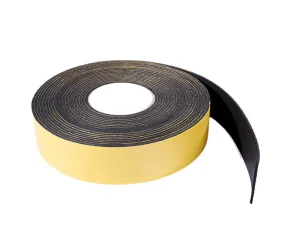
Yes, we provide full OEM and ODM services. We adjust thickness, inner diameter, roll dimensions, density, adhesive backing, and branding to meet your project specifications.
❓ Q5: What certifications do your products have?
Our products have passed BS 476, CE, REACH, RoHS, UL 94, ASTM, and other international standard certifications, ensuring compliance with global building codes.
❓ Q6: Does Kingflex products have traceability?
Yes, all Kingflex products are batch-tracked. Each delivery includes batch numbers linked directly to raw materials and QC inspection records.
❓ Q7: What thickness of Rubber foam insulation sheet roll can you produce?
We manufacture flat sheet rolls in thicknesses ranging from 6mm to 50mm, matching various mechanical and environmental designs.
❓ Q8: What is the service life of rubber plastic pipe and board?
When installed correctly, our rubber-plastic insulation products have a service life of approximately 10 to 15 years in typical indoor and outdoor conditions.
❓ Q9: How do NBR/PVC wraps protect PVC pipes during a fire?
When exposed to heat, the intumescent components in the wrap expand to form a durable char layer. This expansion closes the gap left by the melting PVC pipe, maintaining the integrity of the fire-rated wall or floor partition.
❓ Q10: How do you prevent corrosion under insulation (CUI) with PVC pipes?
Our closed-cell structure (≥98%) prevents moisture ingress and condensation, which keeps the pipe surface dry. The NBR/PVC material is also chemically inert, preventing chemical reactions with the pipe wall.
Order Processing & Material Specifications
Select from our product catalog and request customized quotes from our sales team.
 Kingflex