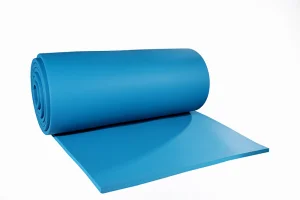
Engineered for architectural, commercial HVAC, petrochemical systems, and extreme cryogenic piping networks.
In modern industrial operations, thermal management is not merely a mechanism to prevent heat loss—it is a critical lever for energy efficiency, occupational safety, carbon abatement, and system reliability. Industrial installations across the petrochemical, HVAC, LNG, power generation, and aerospace sectors run on extremely volatile thermal spectrums, demanding pipeline insulation that can withstand everything from intense solar loading to severe cryogenic conditions.
While high-temperature lines (such as steam pipes and process channels) face risks like thermal degradation, metal expansion, and high-energy radiation heat losses, low-temperature systems face an even trickier adversary: vapor ingress. In cryogenic lines reaching down to -200°C, the temperature differential is so extreme that atmospheric moisture rapidly migrates toward the cold pipe surface. If the insulation material does not possess a high vapor resistance factor (μ-factor), moisture will infiltrate the cellular matrix, freeze, expand, and completely destroy the thermal performance, causing Corrosion Under Insulation (CUI).
To solve these dual challenges, industry specifiers globally are moving away from traditional fibrous materials in low-to-medium temperature applications and adopting highly cross-linked closed-cell NBR/PVC elastomeric rubber foams. The structural uniformity of these materials limits heat transfer through conduction, convection, and radiation.
Specially synthesized elastomer blends designed to maintain elasticity and prevent cracking at LNG storage temperatures.
Stable carbonaceous matrices that prevent thermal breakdown on hot water lines, dual-temperature processes, and steam condensate systems.
Fully closed-cell structure with a high water vapor transmission resistance index, eliminating the need for separate external vapor jackets.
For international engineering firms and procurement managers, purchasing industrial insulation demands a careful balance of high technical performance and low cost of ownership. The Dacheng region in Hebei Province, China, has become the global hub of green building materials and thermal insulation production.
By leveraging Dacheng's deep supply chain network, Kingflex Insulation Co., Ltd. offers an integrated manufacturing model that reduces cost, optimizes formulation chemistry, and speeds up production lead times.
Direct sourcing of NBR (Nitrile Butadiene Rubber) polymers and PVC stabilizing agents within a 50km radius eliminates long supply lines and cushions against volatile raw material markets.
Operating 5 large automatic continuous foaming lines with an annual capacity of over 600,000 cubic meters allows us to handle large-scale commercial orders without delays.
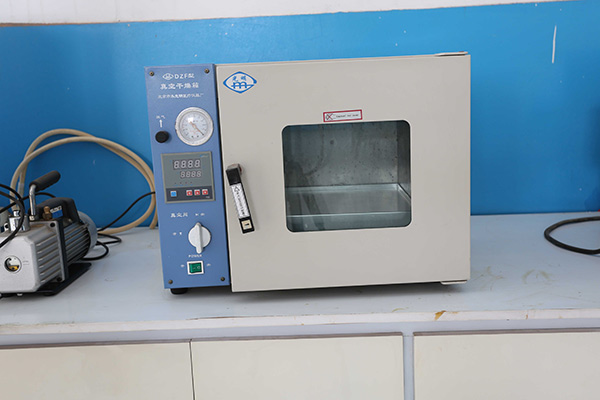
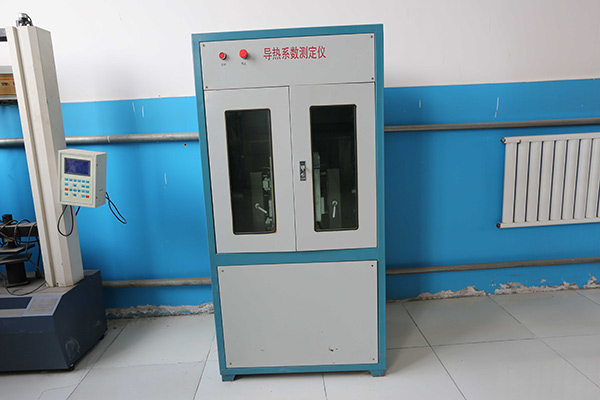
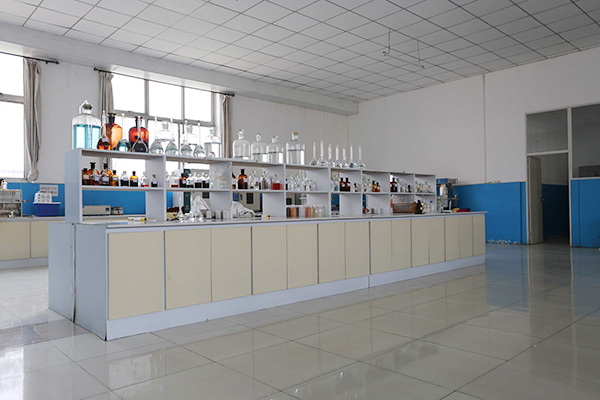
In-house laboratories verify thermal conductivity (λ), oxygen index values, smoke density profiles, and cellular density parameters for every production run to ensure compliance with global standards.
Dacheng's shift toward low-carbon manufacturing aligns with global clean-energy initiatives. Our factory uses advanced clean-fuel technologies and modern closed-loop waste heat recovery systems. This significantly reduces the carbon footprint per cubic meter of finished NBR/PVC elastomeric foam.
Selecting insulation materials requires comparing performance criteria. The table below highlights the physical, thermal, and mechanical differences between elastomeric rubber foam and traditional fibrous glass or rock wool.
| Performance Metrics | Kingflex Elastomeric NBR/PVC Foam | High-Density Glass Wool | Industrial Rock Wool |
|---|---|---|---|
| Operating Temperature Range | -40°C to +105°C (Cryogenic variants down to -200°C) | -120°C to +400°C | Ambient up to +650°C |
| Thermal Conductivity (at 0°C) | ≤ 0.034 W/(m·K) (Highly stable) | ≤ 0.038 W/(m·K) (Degrades if wet) | ≤ 0.040 W/(m·K) (Degrades if wet) |
| Moisture Permeability / μ-factor | Closed-Cell Matrix (μ ≥ 10,000) | Open-Fiber System (Requires vapor barrier) | Open-Fiber System (High susceptibility to CUI) |
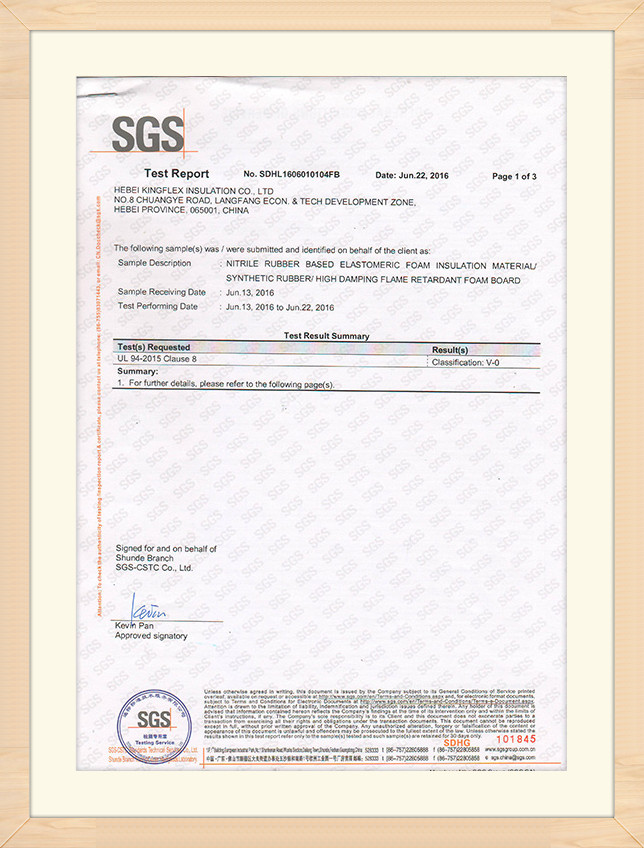
| Fire Reaction Ratings | BS 476 Part 7 Class 1, UL94 V-0, ASTM E84 Class A | Non-combustible | Non-combustible |
| Density Parameters | 40 - 55 kg/m³ (Lightweight, low structural load) | 64 - 96 kg/m³ | 100 - 150 kg/m³ |
| Flexibility & Installation Ease | Excellent elasticity, fits complex pipe shapes easily | Semi-rigid, requires wrapping and mechanical straps | Rigid, high installation dust, prone to breakage |
Figure 1: Automated continuous vulcanization and foaming production line inside Kingflex factory.
Industrial insulation needs change depending on the installation site. Kingflex closed-cell rubber foam products are designed to perform reliably in a variety of industrial environments:
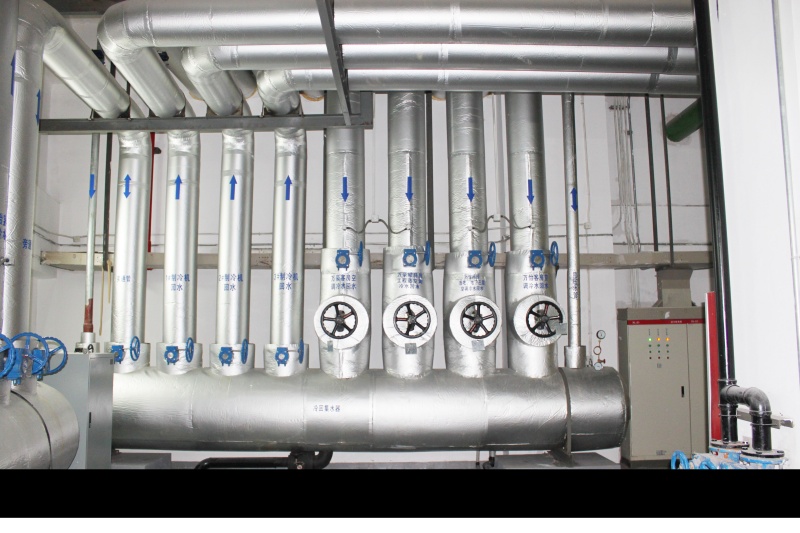
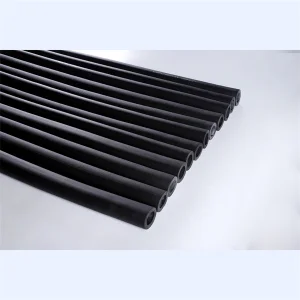
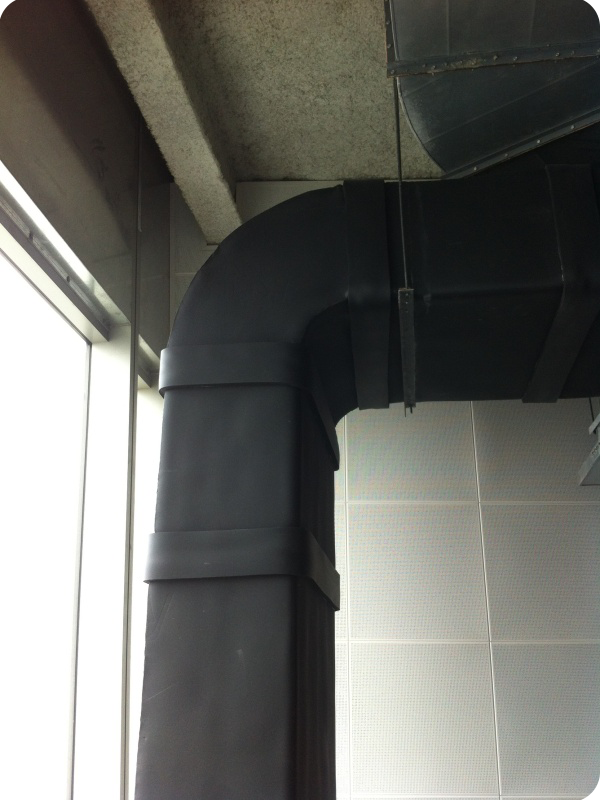
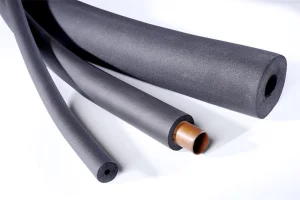
Chilled water lines in tropical climates face high ambient humidity and risk of sweating. Kingflex closed-cell elastomeric tubing seals out moisture to prevent condensation, drippage, and water damage to ceiling structures.
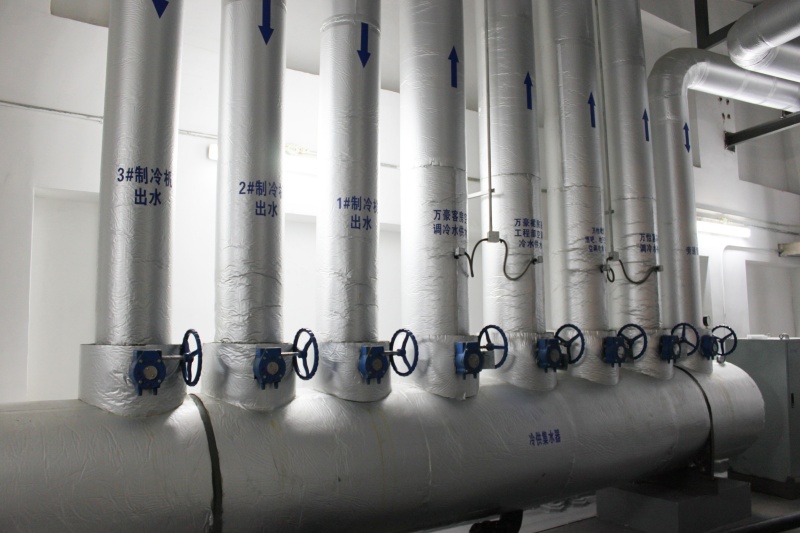
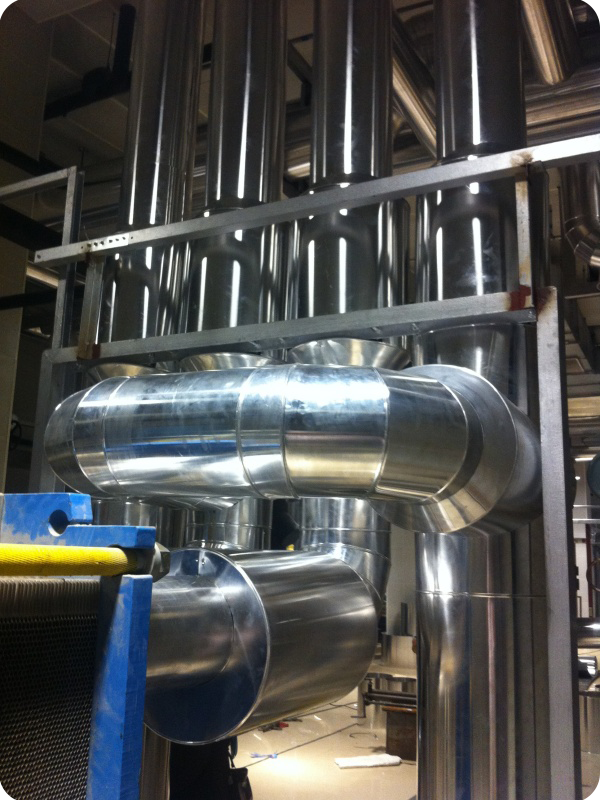
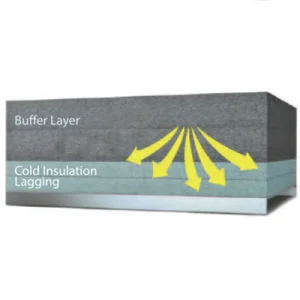
Cryogenic terminals at -200°C need specialized insulation systems to prevent extreme cold loss. Multi-layered Kingflex cryogenic insulation boards limit thermal conduction while remaining flexible enough to handle structural expansion and contraction.
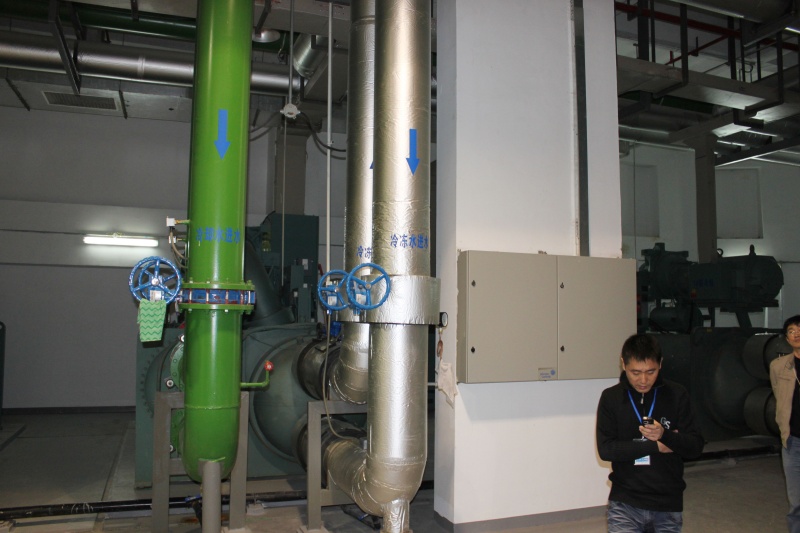
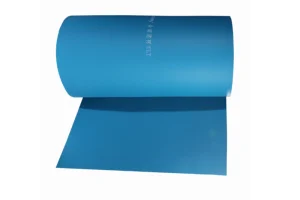
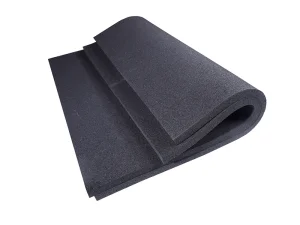
In plant utility rooms, mechanical vibrations from pumps and high-velocity gas lines create high-frequency noise pollution. Our dense, sound-absorbing foam sheets serve as dual thermal-acoustic barriers to protect worker health.
Figure 2: Quality verification checks on elastomeric sheet tensile strength and cell structure uniformity.
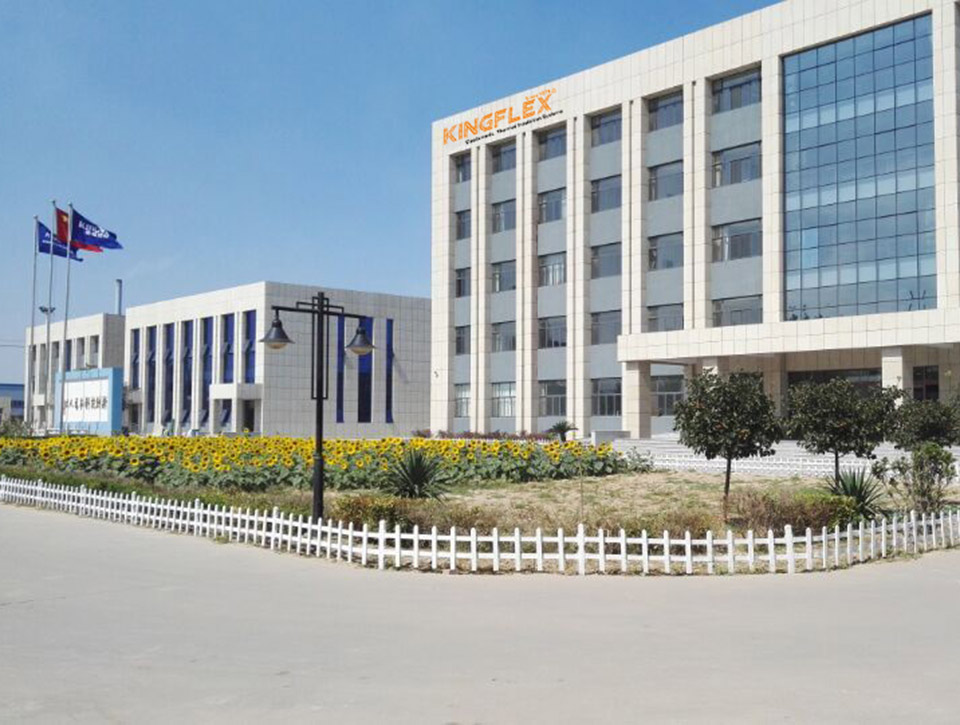
Kingflex Insulation Co., Ltd. is a professional manufacturing and trading combo for thermal insulation products. Kingflex research development and production department is located in the well-known capital of green-building materials in Dacheng, China. We are an energy-saving, environmentally friendly enterprise focused on the research, development, production, and sale of advanced insulation materials.
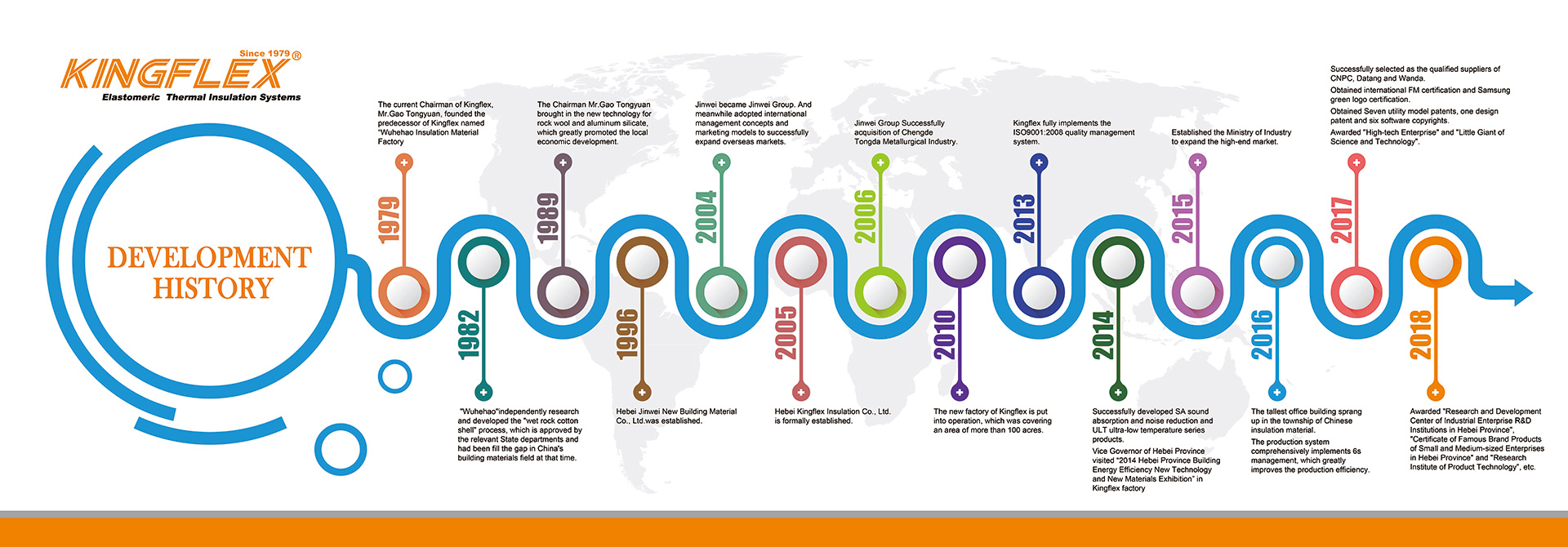
Established by the Jinwei Group, which possesses more than 40 years of industry history (established in 1979, the group was the first thermal insulation manufacturer north of the Yangtze River), Kingflex has grown from regional roots into a global player.
Our facility features 5 large automatic assembly lines, delivering an annual production capacity of over 600,000 cubic meters. We are a designated production enterprise certified by the Ministry of Energy, the Ministry of Electric Power, and the Ministry of Chemical Industry.
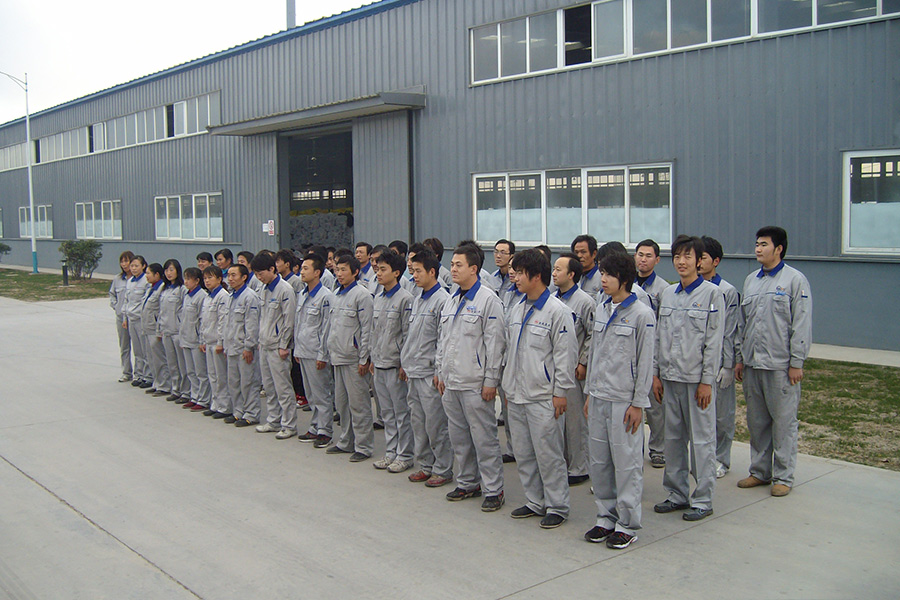
Our team includes 8 professional engineers in our R&D Department, 6 dedicated international sales managers, and 230 skilled production workers, all committed to delivering first-class service to our clients.
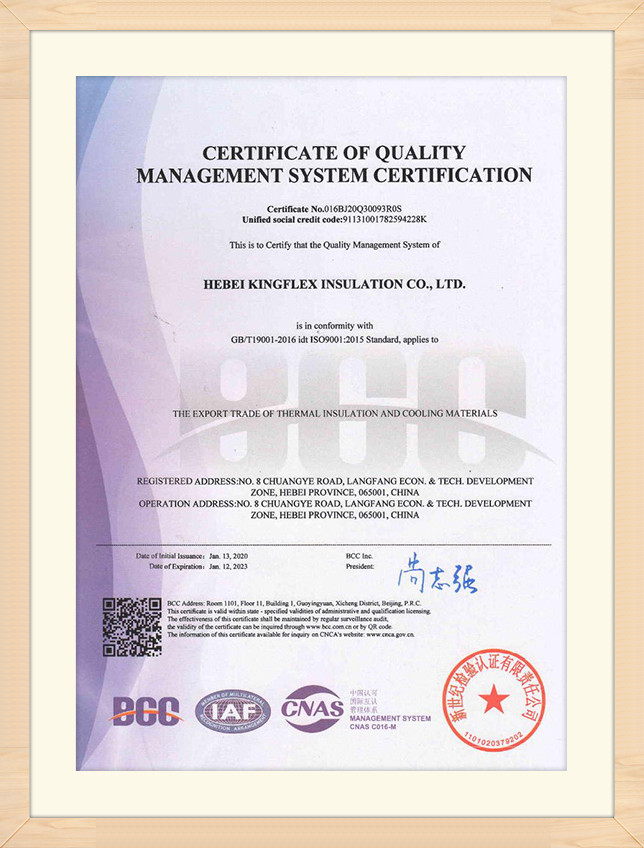
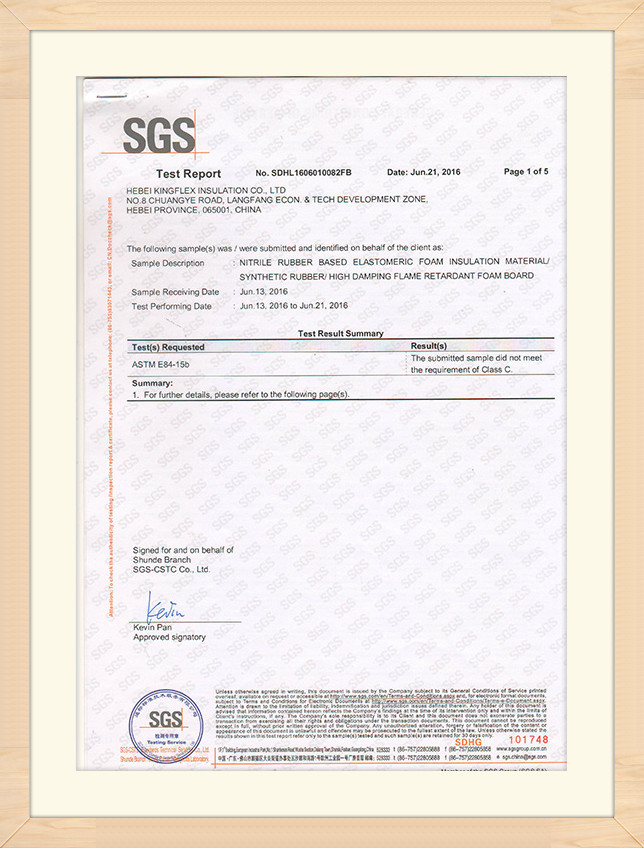
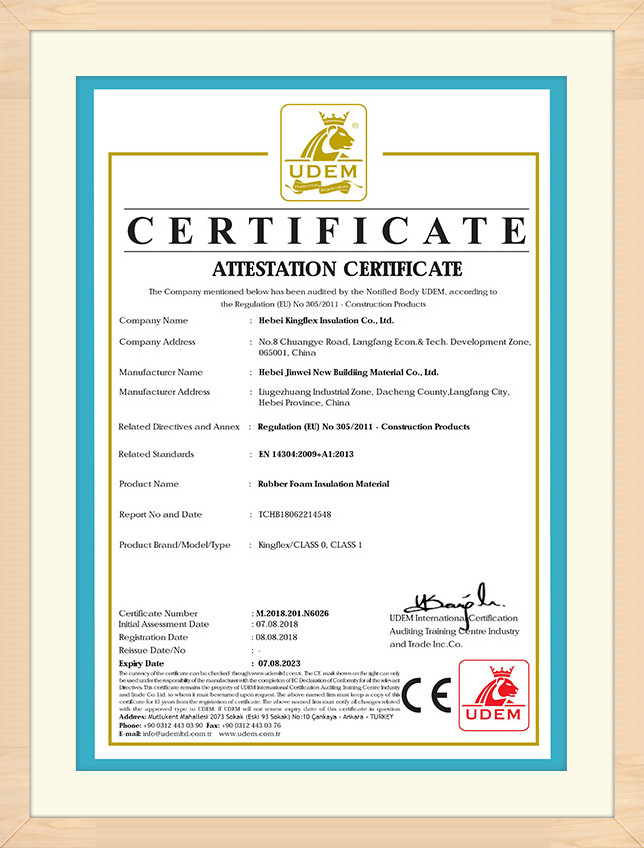
We maintain strict quality control. Our products are certified under BS 476, CE, REACH, RoHS, UL94, and ASTM. This ensures our insulation meets global environmental and fire safety regulations.
Industrial procurement managers evaluate insulation based on more than just the initial price per meter. Total Cost of Ownership (TCO) includes the long-term energy savings, installation speed, maintenance costs, and durability.
When evaluating high-temperature and cryogenic elastomeric insulation pricelists, key commercial factors include:
Selecting the correct thickness is critical. Insufficient insulation leads to energy loss or condensation, while excessive thickness adds unnecessary material and shipping costs. Our technical sales team provides engineering calculations based on ASTM C680.
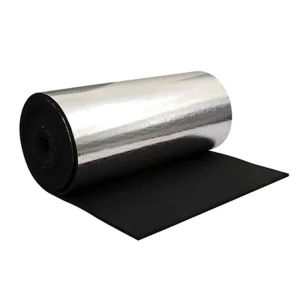
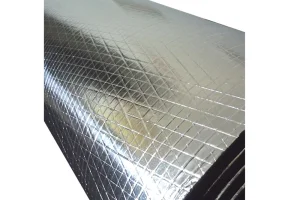
For outdoor piping exposed to weathering, mechanical abuse, or high UV index exposure, we recommend aluminum foil laminated insulation sheets. This eliminates the need for field metal jacketing, saving time and labor.
Because insulation is high-volume but lightweight, shipping costs can represent a large portion of the overall budget. We offer compressed roll packaging and optimized nesting sizes for NBR tubes to maximize container space and reduce ocean freight costs.
To ensure product quality and peace of mind, all Kingflex shipments include clear manufacturing batch numbers, material certificates, and quality checks. This ensures complete traceability for demanding industrial projects.
Over the past 16 years, our insulation solutions have been exported to 66 countries for commercial and industrial construction.
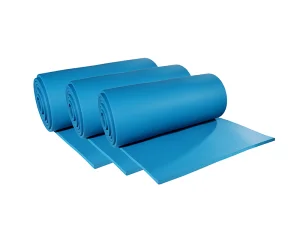
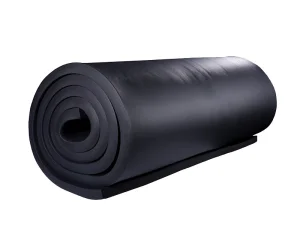
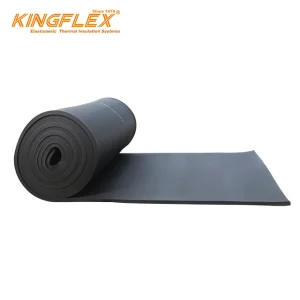
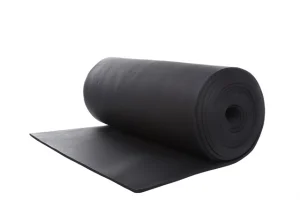
Material: NBR/PVC Premium Elastomeric Blend
Thickness Options: 6mm to 50mm
Density Range: 40-55 kg/m³
Operating Range: -40°C to +105°C
Features: Low thermal conductivity, uniform cell structuring, self-extinguishing flame retardant properties, and high compression recovery (over 80%).
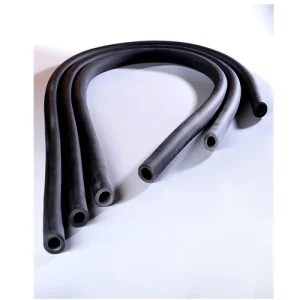
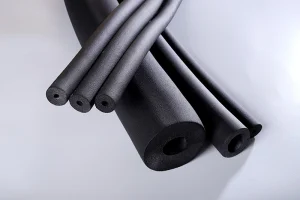
Material: Pre-Formed NBR/PVC Tubing
Thickness Options: 9mm to 40mm
Inner Diameter (ID): 6mm to 114mm
Standard Density: 40-55 kg/m³
Features: Pre-slit option, flexible slip-on installation, protects copper pipe networks, and helps reduce freezing and cracking risks.
We work closely with global engineering procurement professionals to meet international regulatory standards.
Answers to key engineering, safety, and logistical questions about elastomer insulation systems.
Laminated boards, anti-aging tubes, and specialized cryogenic insulation options.
An inside look at our advanced manufacturing lines and raw material processing.