Engineering Guide: How to Install Pipe Insulation Foam
Detailed technical methodologies, material behaviors, and precision application steps for commercial HVAC and plumbing systems.
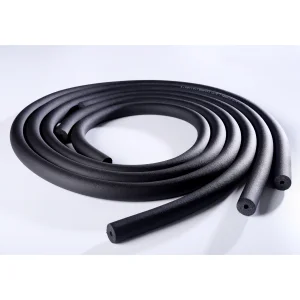
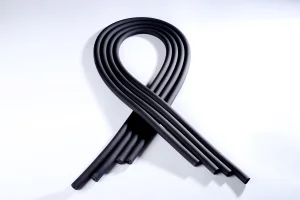
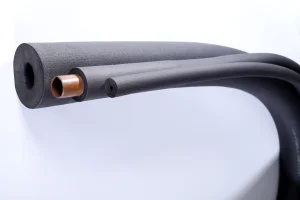
Installing pipe insulation foam (specifically closed-cell NBR/PVC elastomeric foam) is a crucial measure for preventing condensation, minimizing thermal transmittance, and safeguarding pipes from extreme ambient factors. Improper installation can yield voids, allowing ambient moisture to bypass the barrier, settle on the cold metal surface, and trigger corrosion under insulation (CUI) alongside rapid thermal leakage.
Step 1: Prep and Environmental Control
Before application, ensure the host pipe surface is clean, dry, and free of dust, grease, rust, or solvent residues. Clean metal surfaces using a fast-drying solvent. Ambient temperatures during installation should optimally fall between 40°F (4°C) and 100°F (38°C) to maintain proper adhesive tack. Application on running hot systems is strictly discouraged.
Step 2: Measuring & Sizing Precision
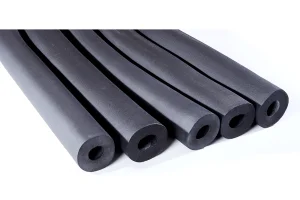
Determine the precise Outer Diameter (OD) of the pipe structure and match it to the Internal Diameter (ID) of the Kingflex insulation tube. Using matching sizes is paramount: oversizing results in stagnant air pockets prone to condensation cycles; undersizing stretches the foam, compromising the closed-cell matrix and reducing the thickness of the insulation layer.
Pro Tip: Avoid Compressive Stress
Always cut elastomeric foam slightly longer than the actual pipe length (approx. 1/8" to 1/4" extra per foot). When installed, push the ends together to put the material under light compression. This guarantees a tight, gap-free seal even when the pipes undergo thermal contraction.
Step 3: Slitting and Applying Adhesive
For existing piping systems, slit the foam tube longitudinally with a sharp utility knife. Apply a thin, even coat of Kingflex contact adhesive to both cut edges. Let the adhesive touch-dry (until it ceases to transfer to a dry finger, typically 3 to 10 minutes depending on humidity). Press the seam firmly together, starting from the outer ends and moving inward.
Step 4: Mitering Joints, Bends, and Valves
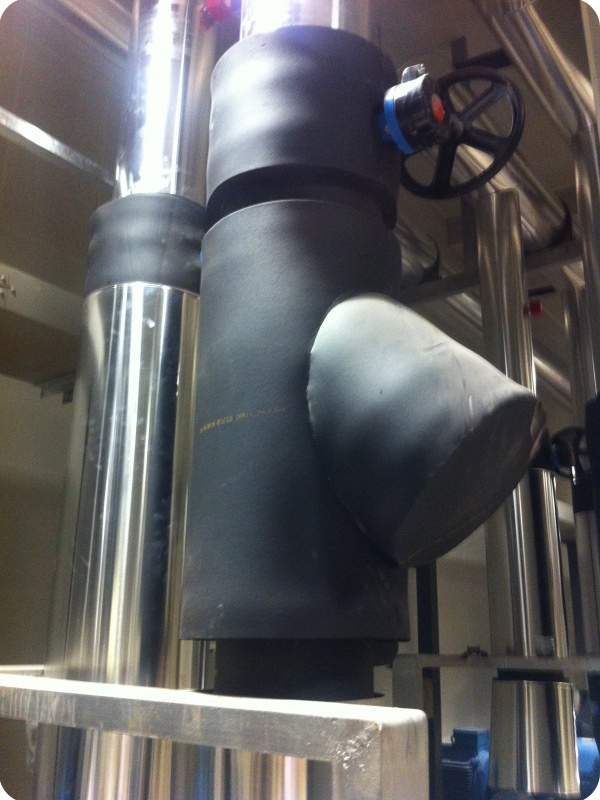
For elbows and T-junctions, avoid bending the foam tubes aggressively, as this collapses the inner thickness. Instead, fabricate mitered joints using 45-degree or 90-degree template cuts. Join the pieces with contact adhesive. Seal all butt ends directly to the metal pipe surface at regular intervals (typically every 12 to 18 feet) to segment the system. This isolates potential leaks.
High-performance material physical properties designed for heavy-duty industrial and commercial project demands.
Property
NBR/PVC Elastomeric Foam Pipe Specification
Test Standard Reference
Density Range
40 - 55 kg/m³
ASTM D1622 / ISO 845
Thermal Conductivity (K-Value)
≤ 0.034 W/(m·k) at 0°C (32°F)
ASTM C518 / ISO 8301
Service Temperature Limits
-40°C to +105°C (-40°F to 221°F)
ASTM C411
Water Vapor Permeability
μ-factor ≥ 10,000 (Moisture Resistance Factor)
BS EN 12086 / ASTM E96
Fire Safety Rating
Class 0 / Class 1 / BS 476 Part 7; V-0 Rating
BS 476 / UL 94 / EN 13501-1
Compression Resilience
≥ 80% Recovery Rate
ASTM D1056
Localized Application Scenarios
Tailored high-efficiency performance adapted for unique environmental challenges across diverse global sectors.
Tropical High-Humidity Coastal HVAC
In hot, high-humidity coastal zones (such as Southeast Asia, Gulf regions, and Central America), standard insulation fails due to continuous moisture ingress. Kingflex NBR/PVC closed-cell foam, boasting a water vapor permeability factor exceeding 10,000, blocks ambient vapor to prevent condensation on chilled-water lines and keep indoor environments safe from structural dampness.
Sub-Zero Cryogenic Processes
For chemical and low-temperature industrial facilities operating in sub-zero regimes, insulation cracking is a major concern. Kingflex's low-temperature elastomeric formulations maintain flexibility down to -40°C, absorbing thermal shocks and preventing micro-fissures that allow moisture ingress and localized pipe corrosion.
High-Density Urban Cleanrooms
Cleanroom environments within advanced pharmaceutical and semiconductor factories demand fiber-free air pathways. Kingflex closed-cell foams do not shed particulate matter, ensuring Class 100 cleanroom compatibility. Their low VOC emissions also help maintain the air purity levels required in these facilities.
About Kingflex & Jinwei Group
A legacy of quality and innovation in green insulation technology.
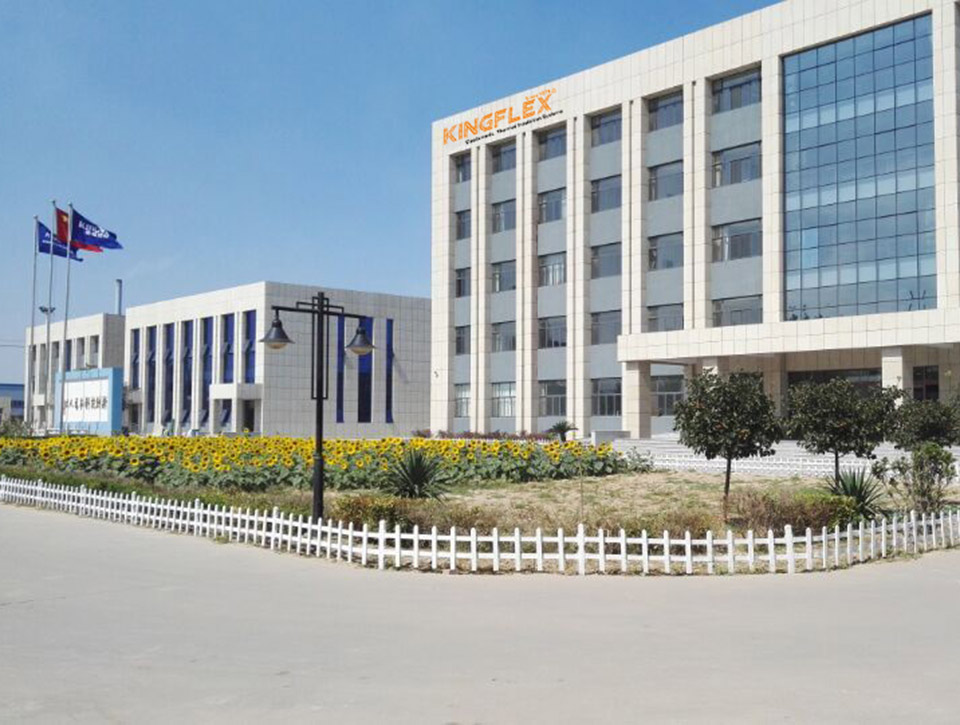
Kingflex Insulation Co., Ltd. is a leading manufacturing and trading combo specializing in thermal insulation products. Our R&D and manufacturing hub is located in Dacheng, China—a well-known hub for eco-friendly building materials. As an energy-saving, environmentally conscious enterprise, Kingflex integrates R&D, advanced manufacturing, and global distribution. In operation, Kingflex prioritizes energy conservation and carbon footprint reduction. We provide end-to-end insulation solutions—from technical consulting and R&D to installation guidance and aftermarket service—driving sustainability across the global building materials market.
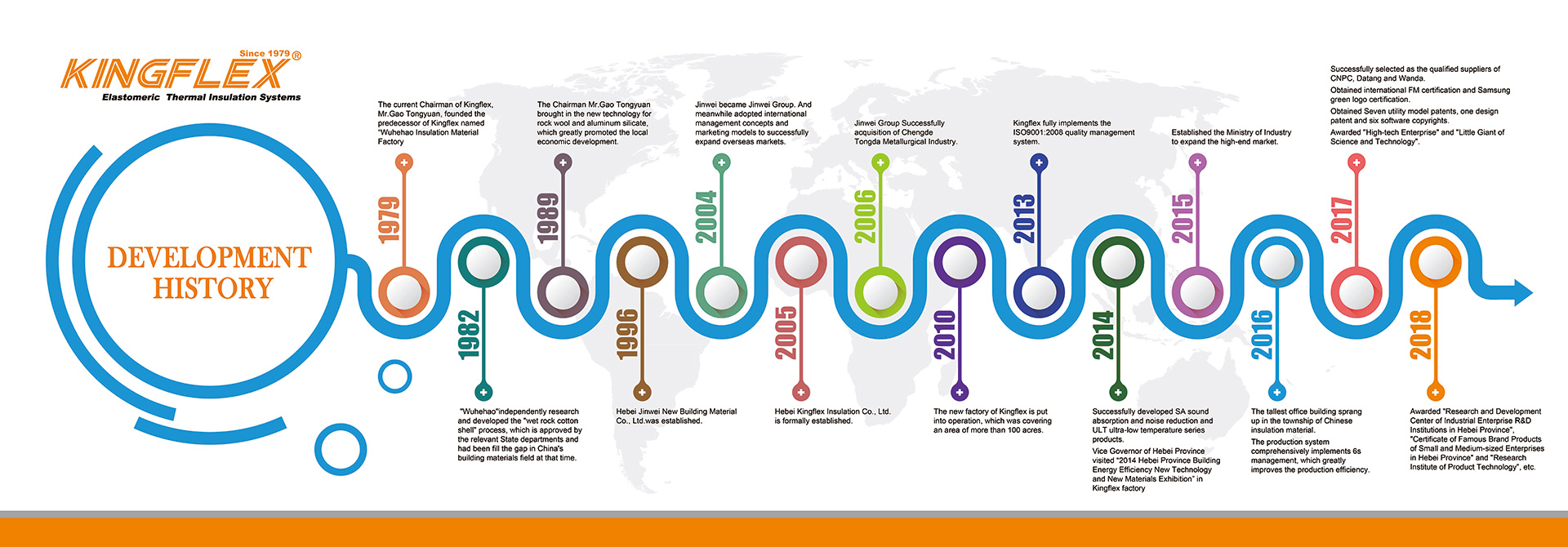
Kingflex was established by Jinwei Group, which has over 40 years of industry experience. Founded in 1979, Jinwei Group was the first manufacturer of thermal insulation materials north of the Yangtze River. Backed by this deep heritage, Kingflex continues to deliver reliable insulation systems for complex projects worldwide.
600,000+
m³ Annual Capacity
5
Auto Assembly Lines
40+
Years Experience
66+
Export Countries
Our Global Project Footprint & Factory Operations
At present, Kingflex operates five large automated assembly lines, achieving an annual capacity of over 600,000 cubic meters. These high-volume operations have earned us designations as a qualified supplier by China's Ministry of Energy, Ministry of Electric Power, and Ministry of Chemical Industry. Our products are exported to over 66 countries across North America, the European Union, Southeast Asia, and the Middle East, serving industries ranging from construction and HVAC to aerospace and petroleum processing.
Supply Chain Resilience & Efficiency Advantages
How Kingflex optimizes logistics and manufacturing variables to deliver consistent value to the global market.
Operating from Dacheng, China—the geographic epicentre of regional green-building material production—Kingflex benefits from highly integrated supply chains. Raw materials like nitrile rubber, PVC resins, and specialized flame retardants are sourced from local chemical hubs, insulating our production lines from global shipping volatility and port delays.
1. Vertically Integrated Logistics
Our proximity to Tianjin Port and major regional expressways enables efficient container packing and swift transport. This streamlined routing minimizes transit times for critical international construction projects.
2. Automated Quality Control
Automated extrusion lines use real-time thickness monitors and density sensors to maintain uniformity across batches. This systematic approach reduces raw material waste and keeps production yields high.
3. High Volume Economies of Scale
With an annual capacity of 600,000 cubic meters, Kingflex maintains competitive pricing even during raw material price swings, offering stable costs for long-term contract developments.
Technical Roadmap & Future Outlook
Adapting insulation technology for emerging challenges in sustainable building and industrial design.
As regulations tighten around carbon neutrality and ozone depletion, the insulation industry is evolving beyond traditional petrochemical formulations. Kingflex is committed to developing sustainable, long-lasting insulation solutions that meet these new demands.
Bio-based Elastomers & Recyclable PVC Blends
Kingflex's active R&D roadmap focuses on incorporating bio-derived polymers into our foam matrix, reducing reliance on fossil fuels. We are also designing closed-cell structures that are easier to recycle at the end of their service life, helping clients meet circular economy requirements.
Smart Insulation Systems
In response to the rise of Industrial IoT (IIoT), Kingflex is experimenting with embedding flexible temperature and moisture sensors directly into our pipe insulation foam. These smart systems monitor pipe conditions in real-time, helping facilities detect insulation failure or corrosion under insulation (CUI) before it leads to system downtime.
International Certifications & QA Compliance
Meeting rigorous global testing standards to ensure reliable product performance on-site.
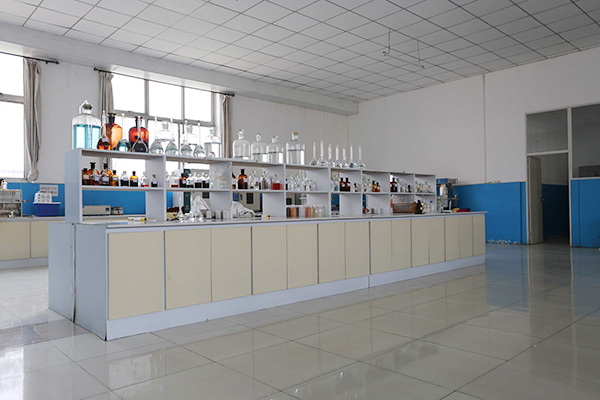
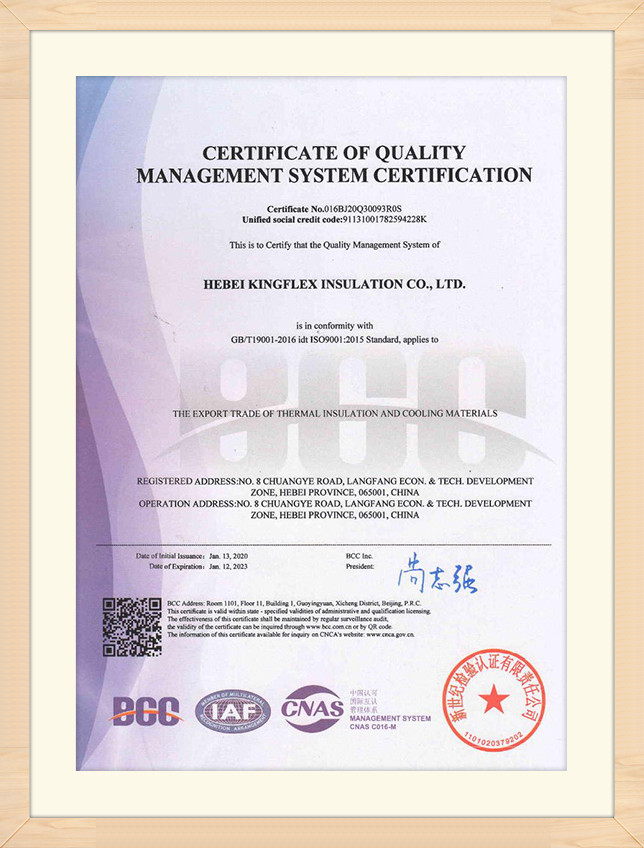
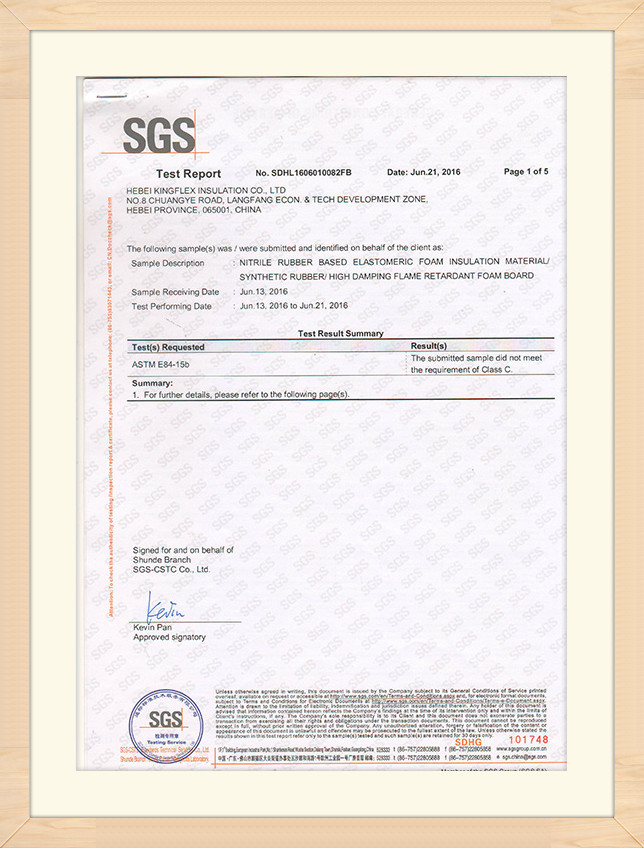
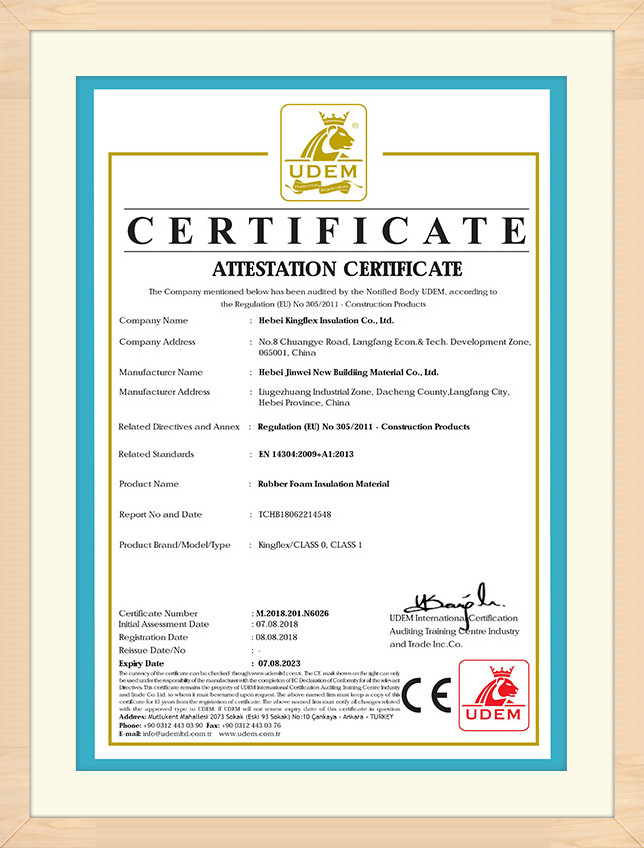
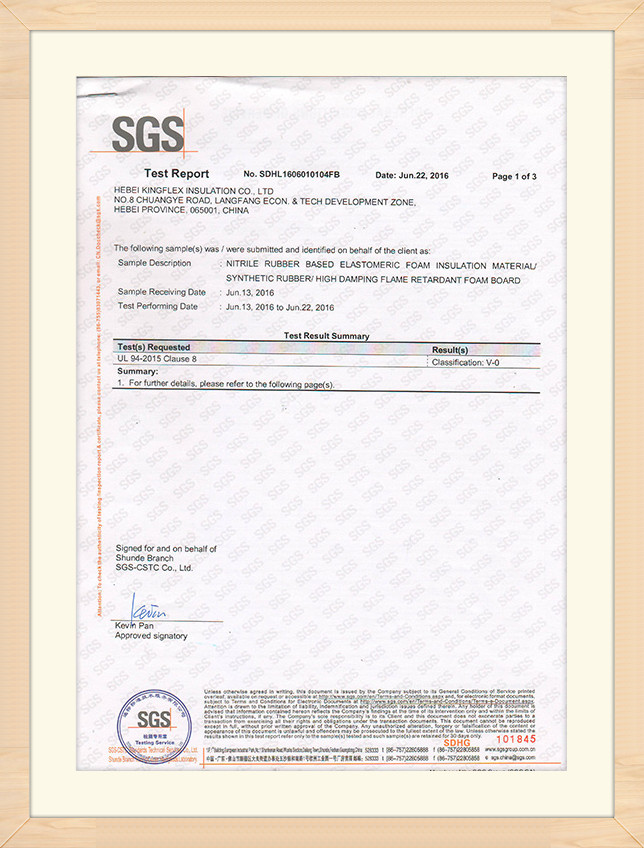
Our commitment to quality is backed by comprehensive testing and certification. Kingflex NBR/PVC insulation products comply with major global standards, including BS 476, CE, REACH, RoHS, UL94, and ASTM. Every batch is traceable back to its production run, ensuring consistent material quality and compliance for high-spec commercial and industrial builds.
Global Projects & Structural Installations
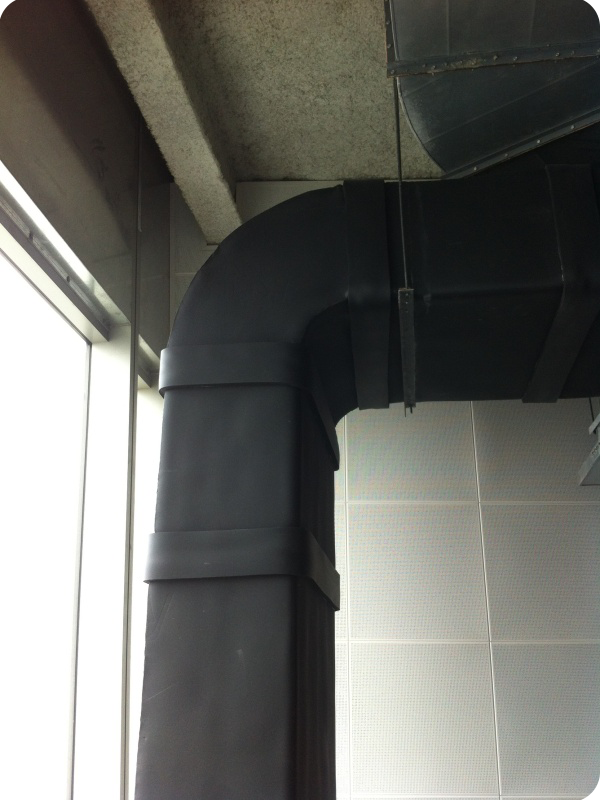
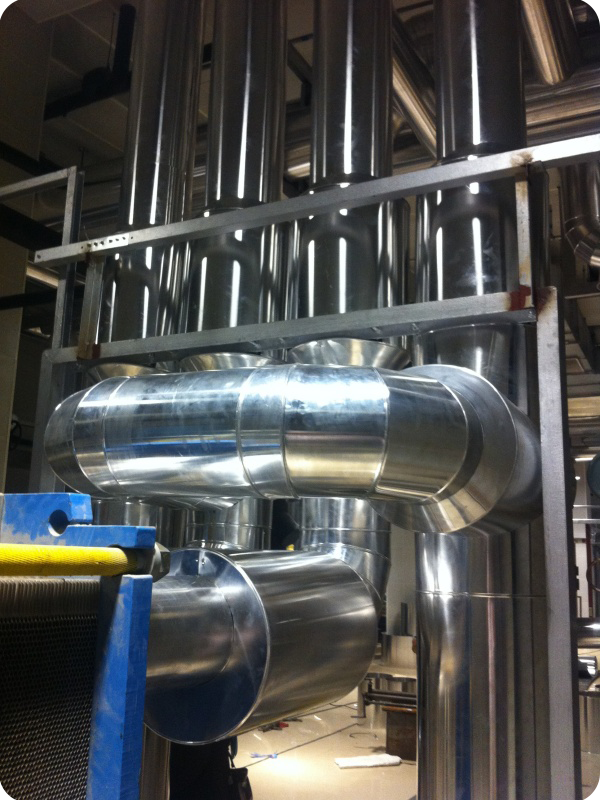
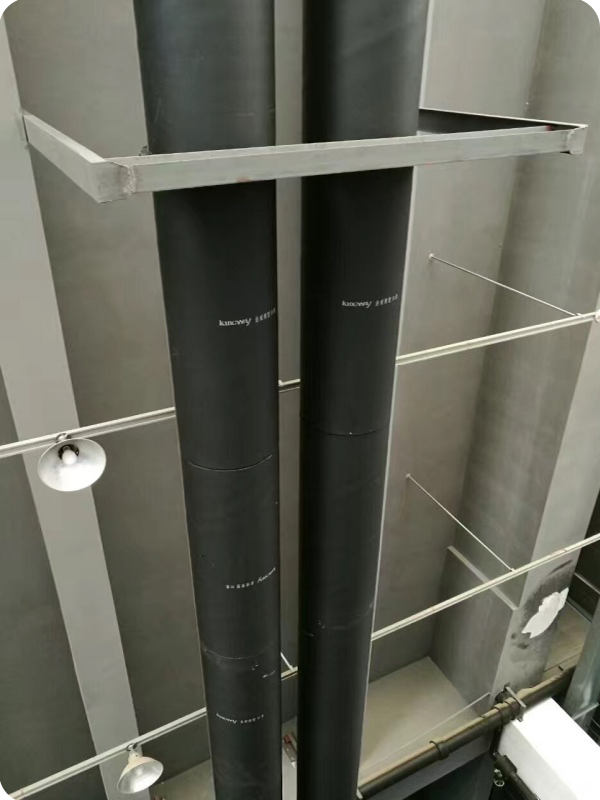
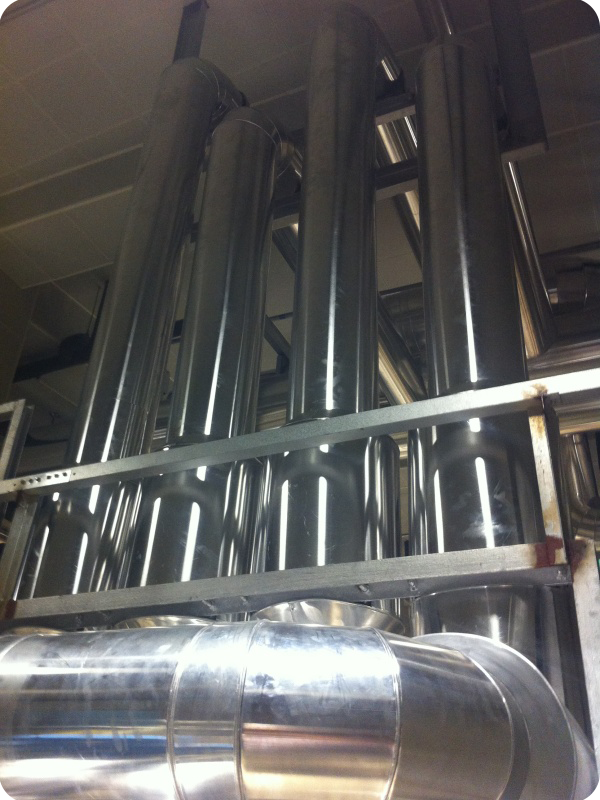
Explore our project installations across major industrial, commercial, and HVAC systems worldwide.
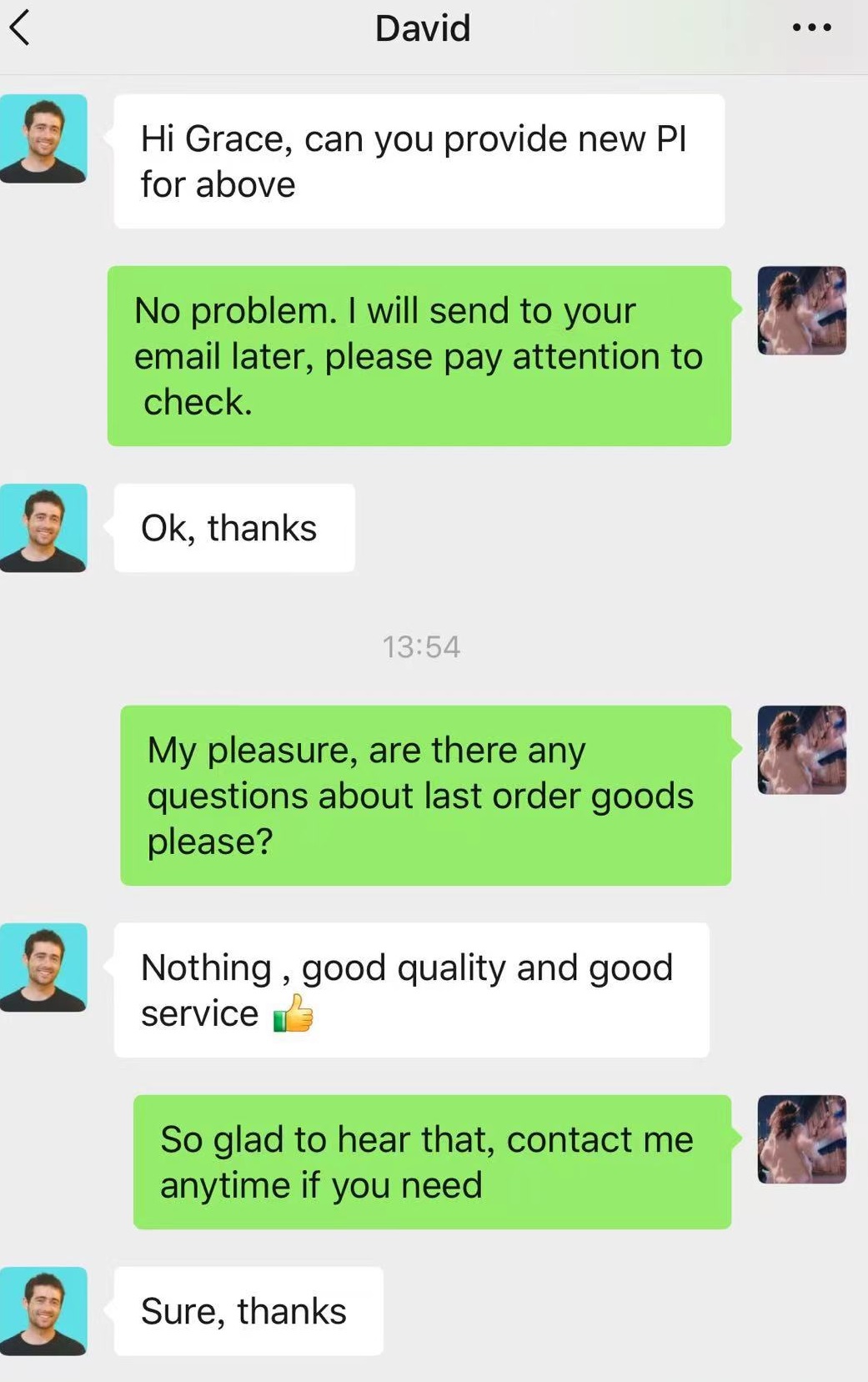
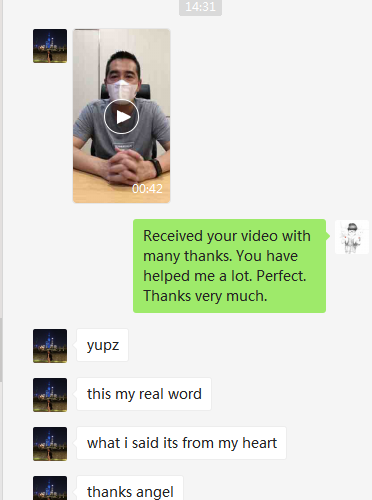
Customer Satisfaction & Communication
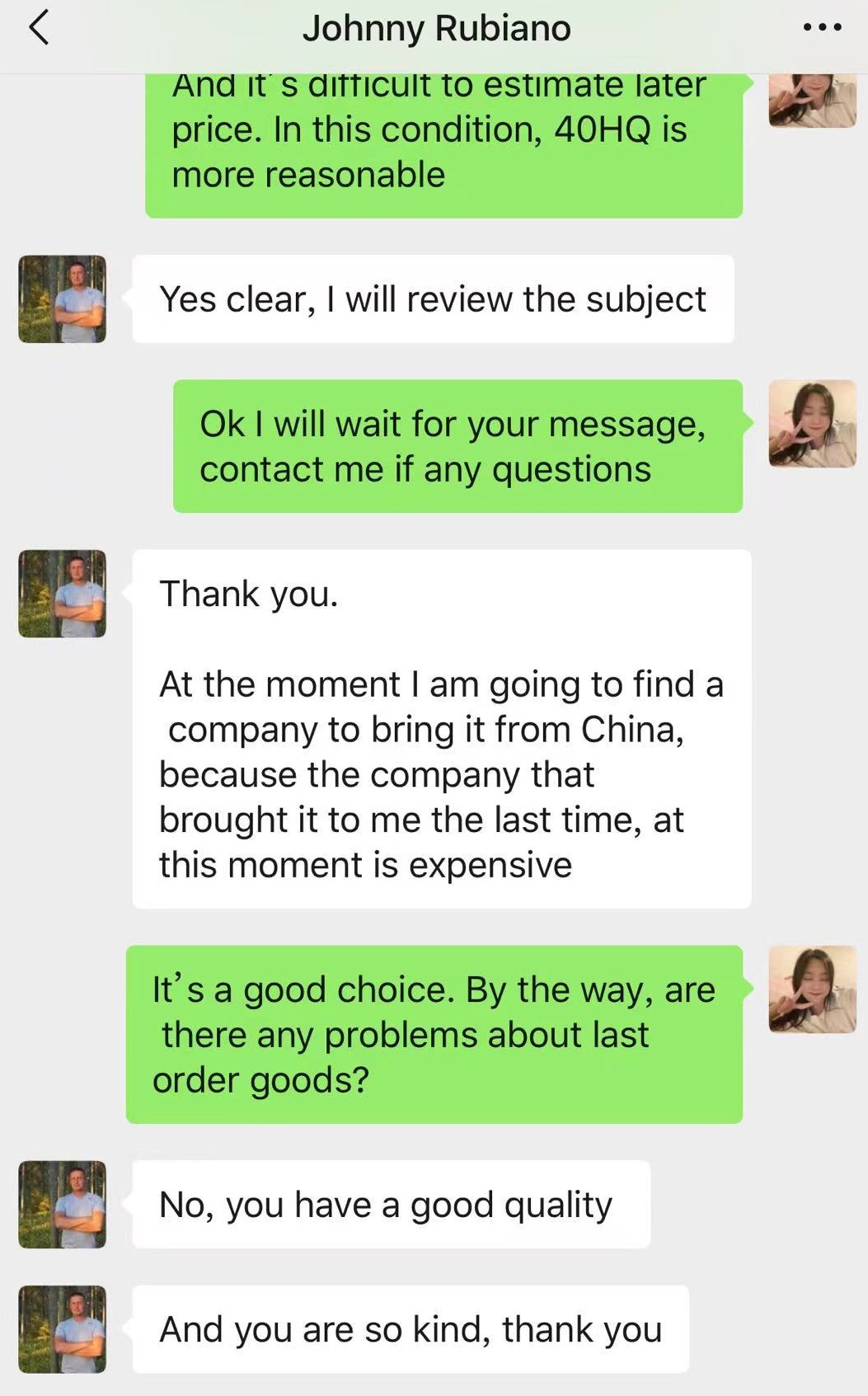
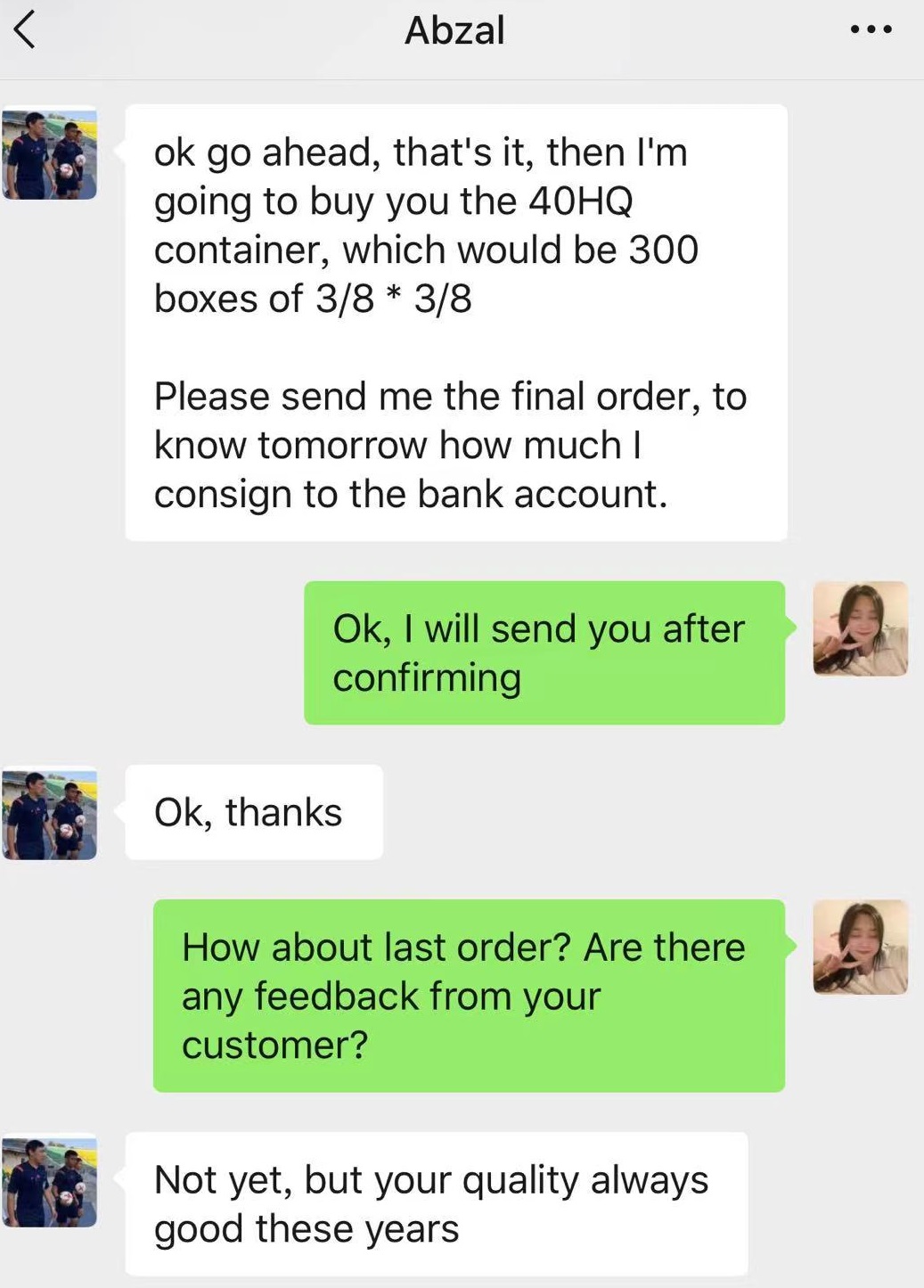
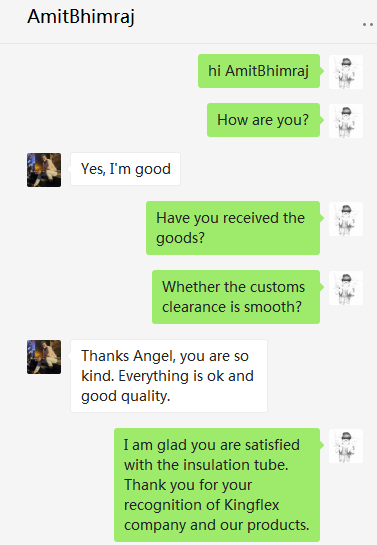
Direct feedback and order verifications demonstrating our commitment to reliable service.
Kingflex Product Lines & Specifications
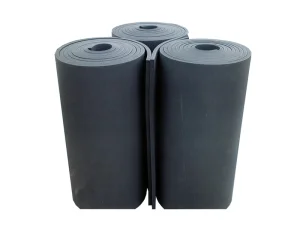
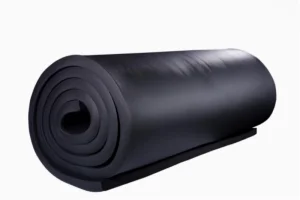
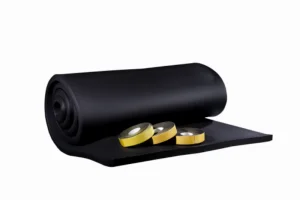
Key dimensions and properties for our standard sheets, rolls, and pre-slit pipe insulation.
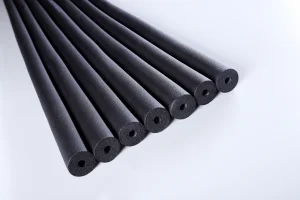
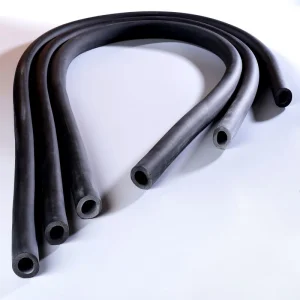
Key Benefit: Pre-formed profile designed to slide easily onto pipelines, reducing installation time.
Frequently Asked Questions
Common questions regarding installation, performance, and sourcing of Kingflex insulation foam.
Q1: What are the main applications for elastomeric rubber foam insulation?
A1: It is primarily used to insulate HVAC ductwork, commercial refrigeration lines, heating and plumbing pipes, and process piping in industrial facilities to control heat transfer, prevent condensation, and dampen acoustics.
Q2: Is Kingflex rubber foam insulation fire retardant?
A2: Yes, our formulations are self-extinguishing and meet major international fire safety standards, including Class 0 and Class 1 ratings under BS 476, and UL94 V-0 requirements.
Q3: How does closed-cell rubber foam compare to rock wool insulation?
A3: Rubber foam is highly flexible, moisture-resistant, and has a high water vapor resistance factor (μ-factor), making it ideal for cooling lines and HVAC systems where condensation is a concern. Rock wool is better suited for high-temperature industrial steam lines due to its high melting point and thermal stability at extreme temperatures.
Q4: Can Kingflex products be customized for specific project requirements?
A4: Yes, we offer OEM services to tailor thickness (6mm to 50mm), inner diameters, and lengths to meet specific project needs.
Q5: Which certifications do your insulation products carry?
A5: Kingflex products are certified under BS 476, CE, REACH, RoHS, UL94, and ASTM standards, ensuring compliance with global building codes and safety regulations.
Q6: Are Kingflex insulation products fully traceable?
A6: Yes, we implement batch tracking across our production runs. Every shipment is traceable back to its raw material inputs and quality check logs for QA verification.
Q7: What is the typical service life of NBR/PVC elastomeric insulation?
A7: Under normal operating conditions and when installed according to manufacturer guidelines, our insulation systems typically deliver a service life of 10 to 15 years.
Sourcing & Sizing Range
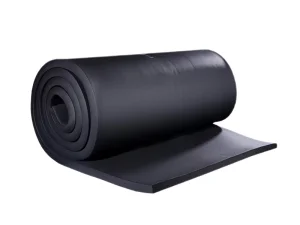
Our complete product range of flexible closed-cell tubes, pipes, and rolls.
 Kingflex