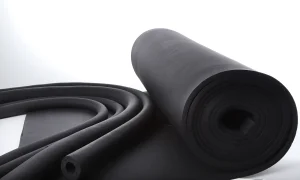
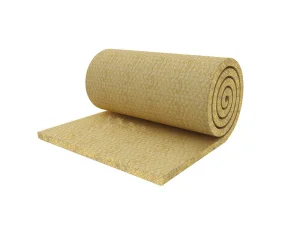
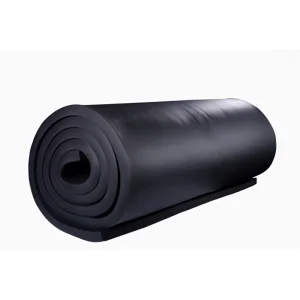
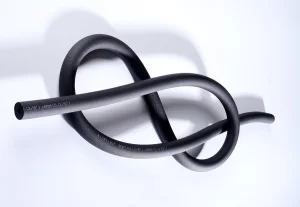
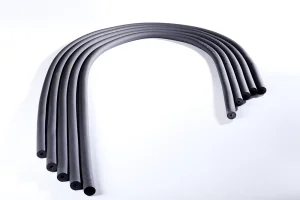
Premium closed-cell elastomeric and thermal system components for high-reliability energy sectors.
Analyzing thermal efficiency, CUI management, and sustainability in energy pipelines.
In midstream liquefaction and storage, maintaining thermal stability is essential. Minimizing "Boil-Off Gas" (BOG) requires high-performance cryogenic insulation. Without specialized closed-cell thermal systems, ambient thermal energy leaks through joints and valves, causing gas expansion and critical pipeline over-pressurization.
Corrosion Under Insulation (CUI) remains one of the costliest integrity issues in petrochemical refining. Permeable open-cell structures trap atmospheric moisture, volatile compounds, and salt spray against metal surfaces, accelerating oxidative failure. Closed-cell rubber foam forms an impermeable vapor barrier that keeps dry surfaces protected.
Industrial operations focus heavily on Scope 1 and Scope 2 emission footprints. Uninsulated valves, flanges, and structural pipe supports release immense thermal energy to the atmosphere. Upgrading to high-density elastomeric materials provides up to an 85% reduction in local heat emissions, accelerating the return on capital investment.
Annual Production Capacity
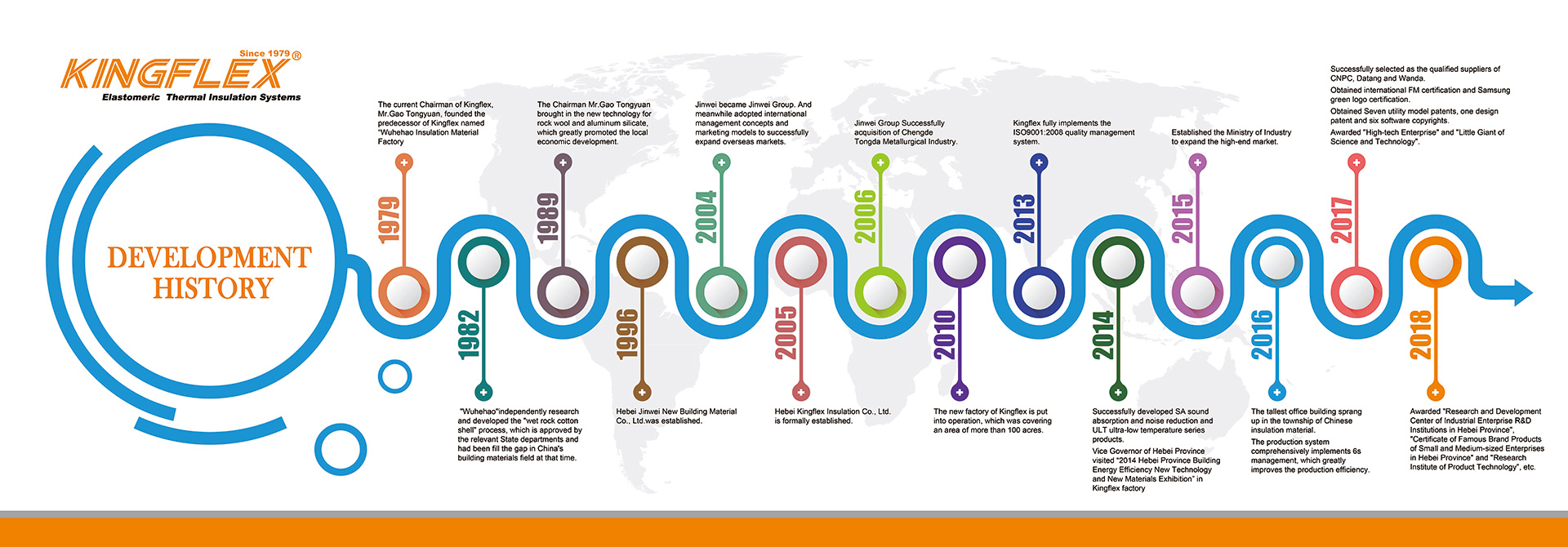
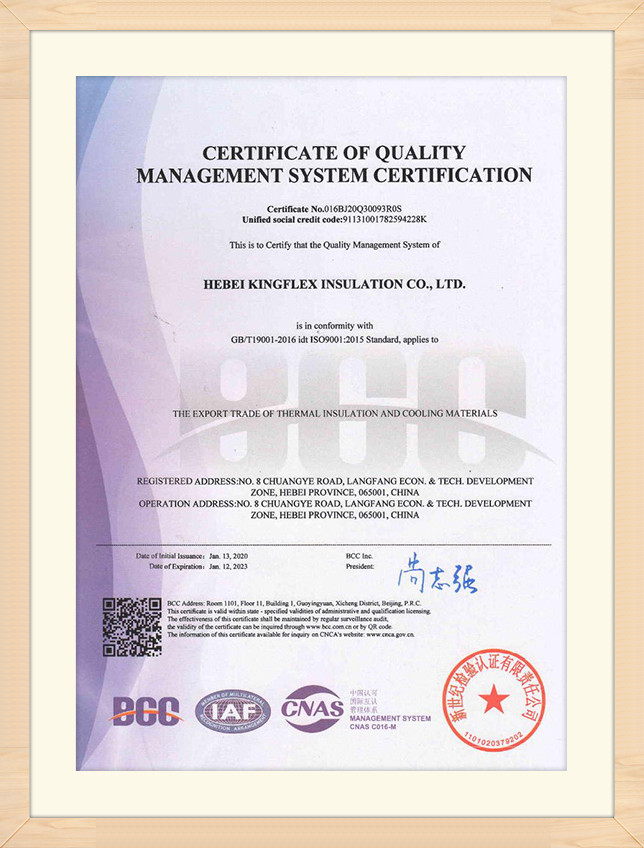
Corporate Heritage & Trust
Global Export Network
Closed-Cell Uniform Ratio
At the core of Kingflex NBR/PVC elastomeric rubber foam's performance is a manufacturing process that yields a closed-cell ratio exceeding 98%. This cellular structure traps microscopic dry air pockets, ensuring stable thermal conductivity (λ ≤ 0.033 W/m·K at 0°C).
By blending Nitrile Butadiene Rubber (NBR) and Polyvinyl Chloride (PVC), our research team has achieved an optimal balance between structural flexibility, oil/grease resistance, and mechanical durability. This makes our tubes and sheets highly resilient to atmospheric exposure in petrochemical facilities.
Furthermore, the built-in water vapor diffusion barrier (μ ≥ 10,000) prevents moisture migration even in high-humidity offshore marine environments, eliminating the need for separate vapor jackets.
Tailored applications across upstream extraction, midstream transport, and downstream refining.
| Industry Segment | Thermal Requirement | Recommended Kingflex System | Primary Benefit |
|---|---|---|---|
| Upstream Offshore FPSO | High salt spray, extreme vibration, fluctuating temperatures | NBR/PVC Closed-cell sheet rolls with high-density outer cladding | Corrosion protection, salt air barrier, noise reduction |
| Midstream LNG Pipelines | Ultra-low temperatures down to -196°C | Cryogenic elastomeric thermal system & multi-layer composite foam | Prevents BOG (Boil-Off Gas) and structural ice build-up |
| Downstream Refining Units | High fire safety regulations, continuous heat exposure | Class 0 / Class 1 fire-retardant rubber foam & Rock wool blankets | Low flame spread index, system integrity under thermal stress |
| HVAC & Water Utilities | Condensation prevention & ambient climate control | Flexible rubber foam insulation tubes & green rubber foam rolls | Anti-condensation, zero-halogen formulation options |
A legacy of thermal engineering excellence, research, and environmental responsibility.
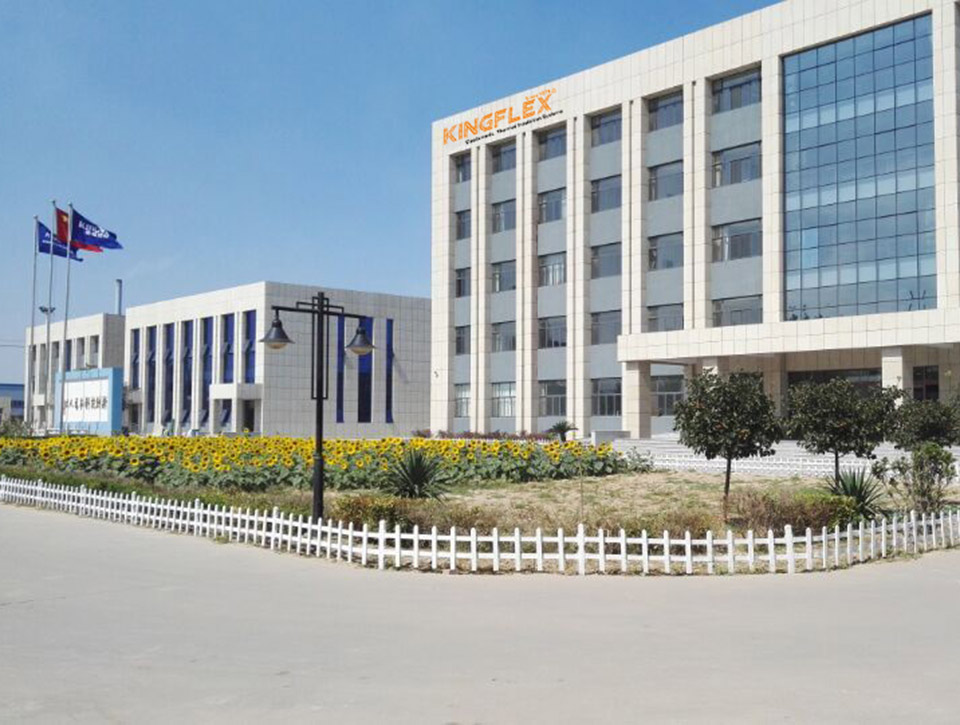
Kingflex currently operates 5 large-scale, automated production lines with an annual output capacity exceeding 600,000 cubic meters. We are a designated production enterprise approved by the Ministry of Energy, the Ministry of Electric Power, and the Ministry of Chemical Industry in China, ensuring high-volume capacity and reliable supply chains.
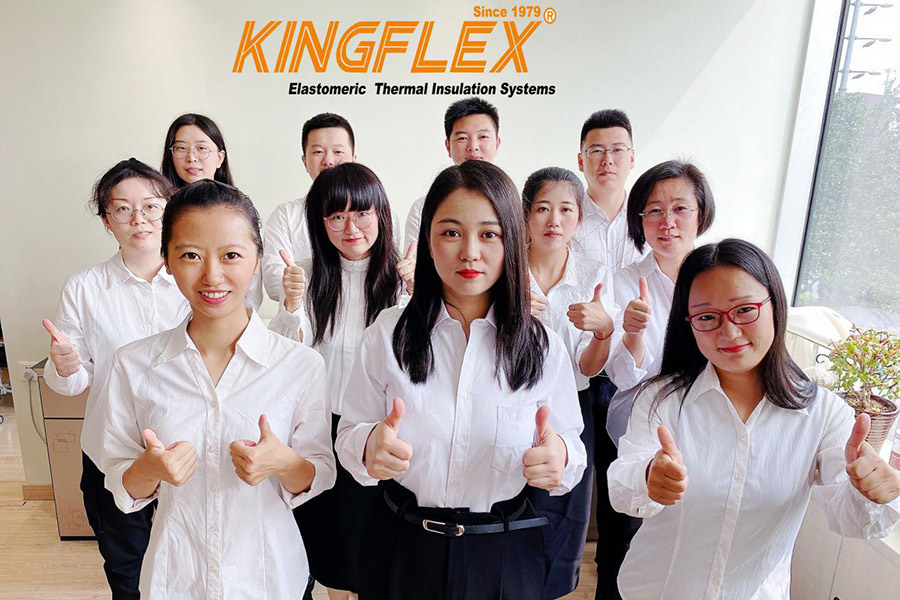
Our operation relies on teamwork and engineering expertise. The Kingflex R&D department features 8 professional materials science engineers, supported by 6 international sales specialists and 230 skilled production technicians, all working together to deliver quality customer service.
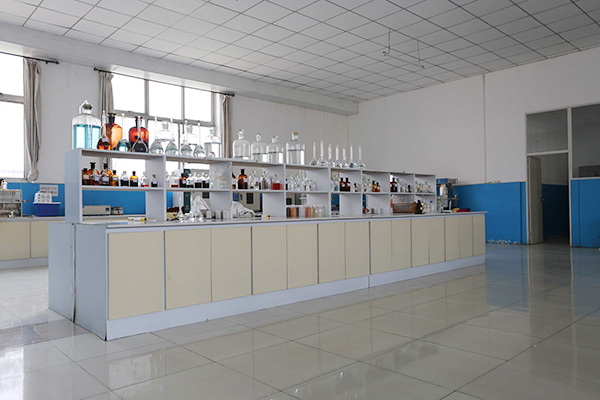
We implement a comprehensive traceability system for all raw materials and end products. Our product line is manufactured to comply with international regulations and carries verified certifications including BS 476, CE, REACH, RoHS, UL94, and ASTM standards.
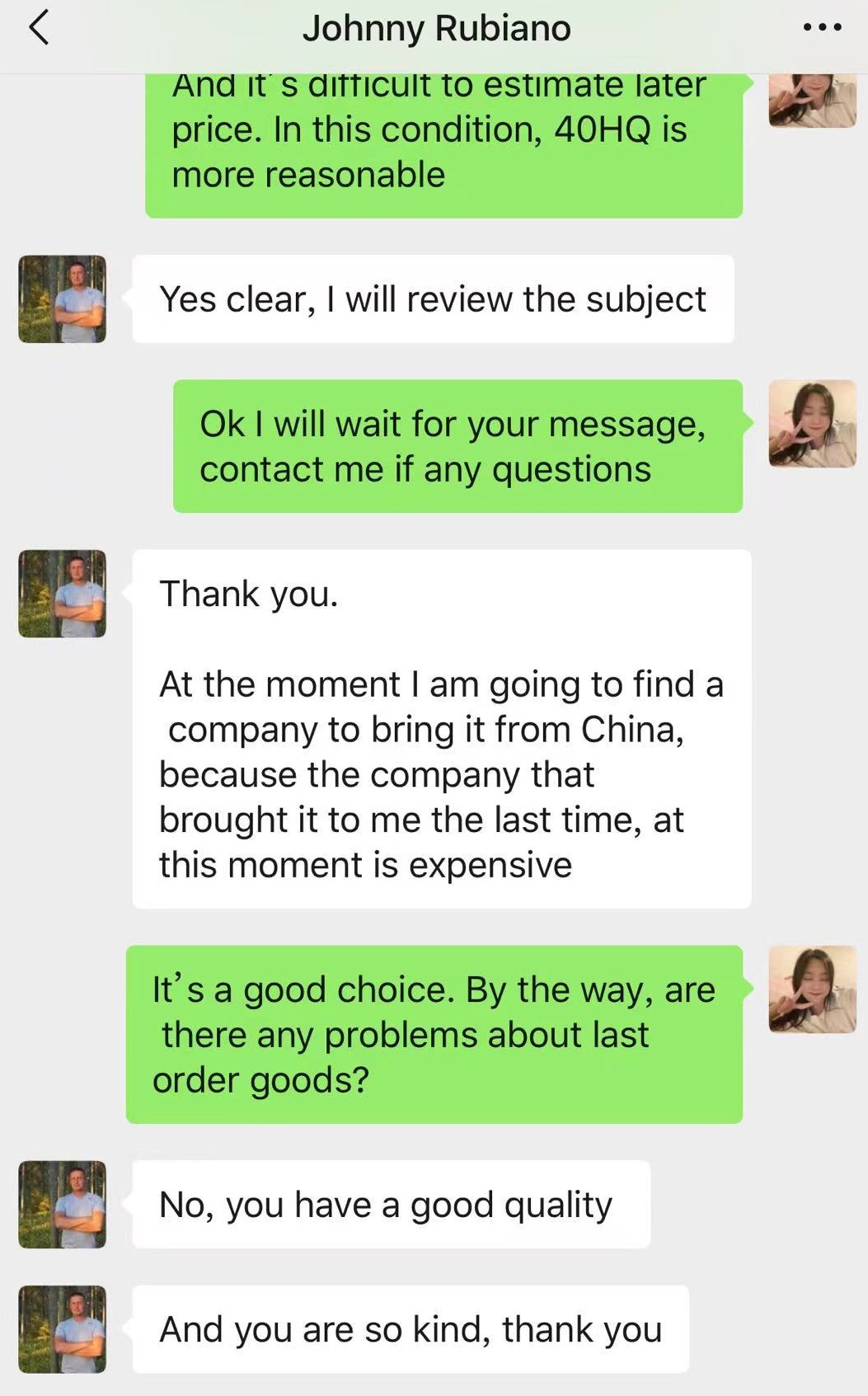
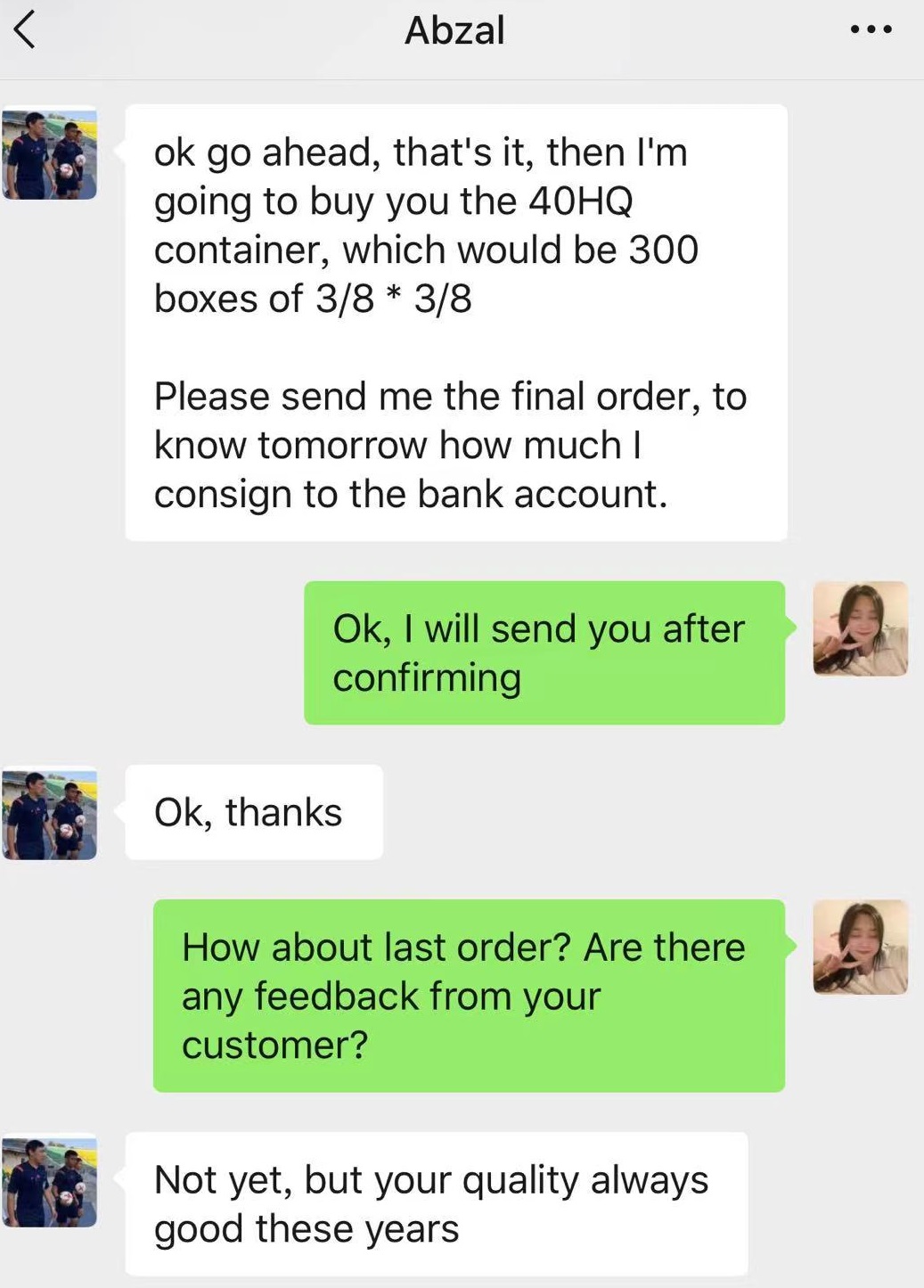
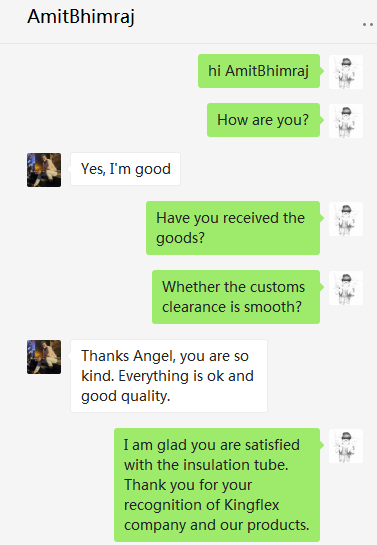
Direct interactions showing our ongoing commitement to product quality and client communication.
Detailed dimensions and applications for projects and global supply chains.
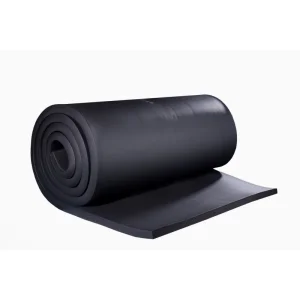
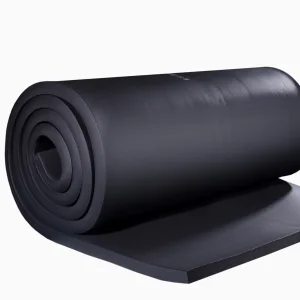
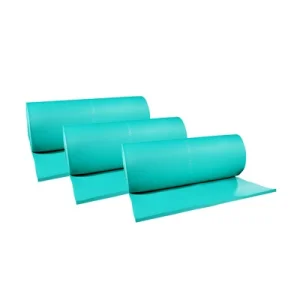
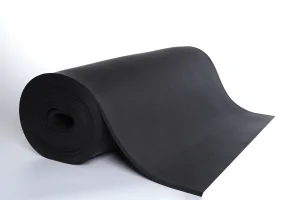
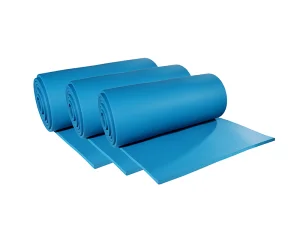
Material: Premium NBR/PVC blend
Available Thicknesses: 6mm to 50mm
Core Density Range: 40 - 55 kg/m³
Service Temperature: -40°C to 105°C
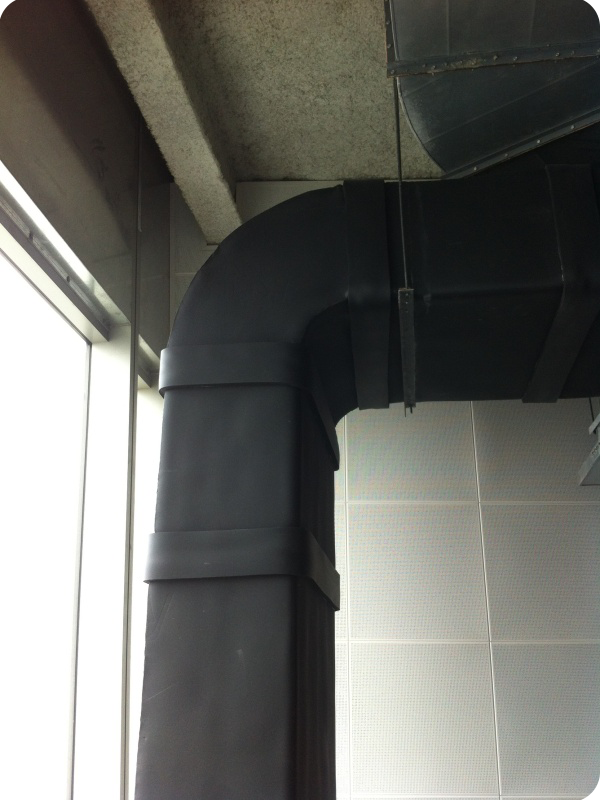
Ideal for HVAC duct wrapping, large-scale storage tank shells, industrial equipment, noise-reduction enclosures, and civil structural insulation systems requiring low vapor permeability.
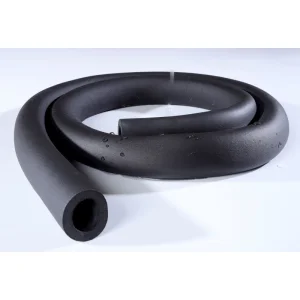
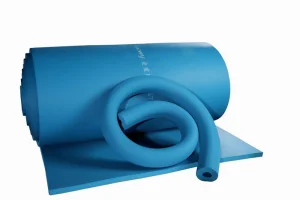
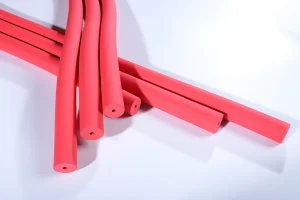
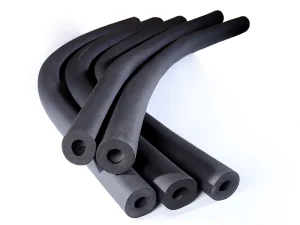
Material: Premium NBR/PVC blend
Available Thicknesses: 9mm to 40mm
Inner Diameter (ID): 6mm to 114mm
Service Temperature: -40°C to 105°C
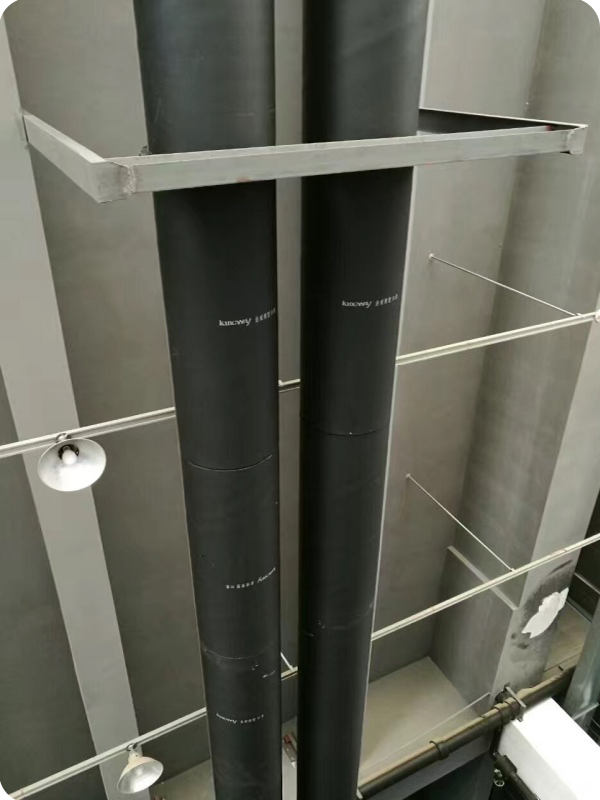
Designed for central air-conditioning piping, hot and cold water distribution pipes, petrochemical process piping, solar water systems, and plumbing installations prone to freezing or energy loss.
Pioneering next-generation insulation systems for green transition and high-temp hydrocarbons.
By infusing silica aerogels into the elastomer matrix, we aim to lower thermal conductivity to under 0.024 W/m·K. This will allow for thinner insulation profiles, reducing space requirements in offshore FPSO decks and plant piping systems.
We are researching moisture-sensing indicator layers that change capacitance or resistance when water enters. This will help plant managers pinpoint insulation breaches and schedule preventive maintenance, reducing costs.
To support global carbon-neutral goals, our product development team is working on incorporating bio-derived rubbers and halogen-free fire retardants. This will reduce environmental impact while maintaining flame protection and durability.
Addressing engineering questions regarding installation, performance, and material specifications.
A1: It is primarily used for HVAC ducts, commercial and residential air conditioning pipelines, building insulation systems, and industrial pipe insulation for hot/cold process lines and sound reduction.
A2: Yes, our products are engineered with flame-retardant additives to meet international safety standards (e.g., BS 476 Class 0 and Class 1, UL94, and ASTM), ensuring self-extinguishing behavior and low smoke toxicity.
A3: Rubber foam is a flexible, closed-cell, moisture-proof material suitable for low-to-medium temperature applications and condensation prevention. Rock wool is a high-temperature resistant, fibrous material best suited for high-heat industrial steam piping and fire-rated barriers.
A4: Yes, we offer comprehensive OEM and ODM services. We can adjust the thickness, inner diameter, color, density, and backing adhesives to match specific project requirements.
A5: Our products have passed BS 476, CE, REACH, RoHS, UL94, ASTM, and other international certifications, ensuring compliance with environmental and industrial safety regulations worldwide.
A6: Yes, every production run is coded. This allows us to track raw materials, processing parameters, and QA checks, providing transparent traceability from factory to project site.
A7: We can manufacture rubber foam sheet rolls in thicknesses ranging from 6mm to 50mm, accommodating a wide range of thermal resistance specifications.
A8: In standard applications and with proper installation, our materials typically have a service life of 10 to 15 years, maintaining thermal efficiency throughout their life cycle.
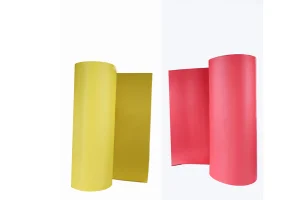
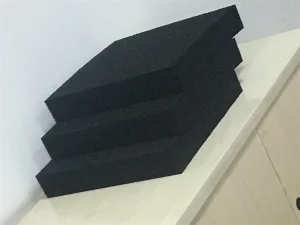
Extended catalog including high-density sheets, rolls, rock wool blankets, and specialty industrial items.