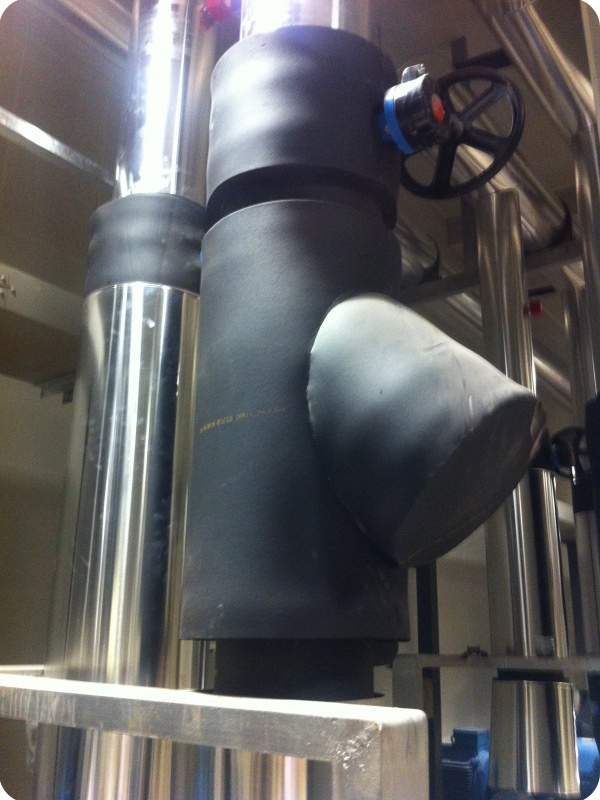
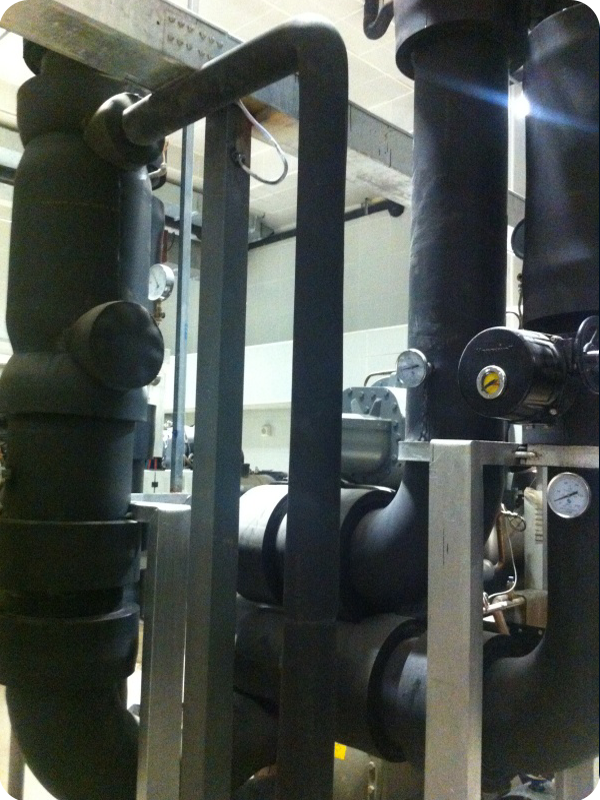
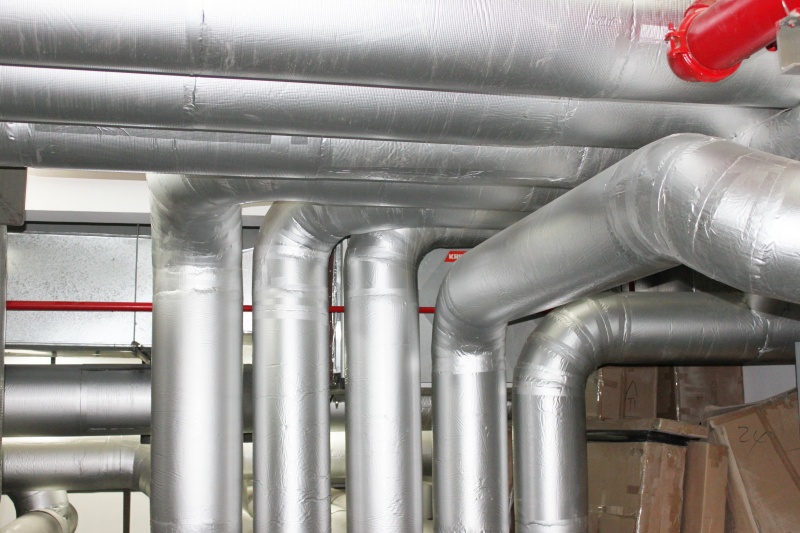
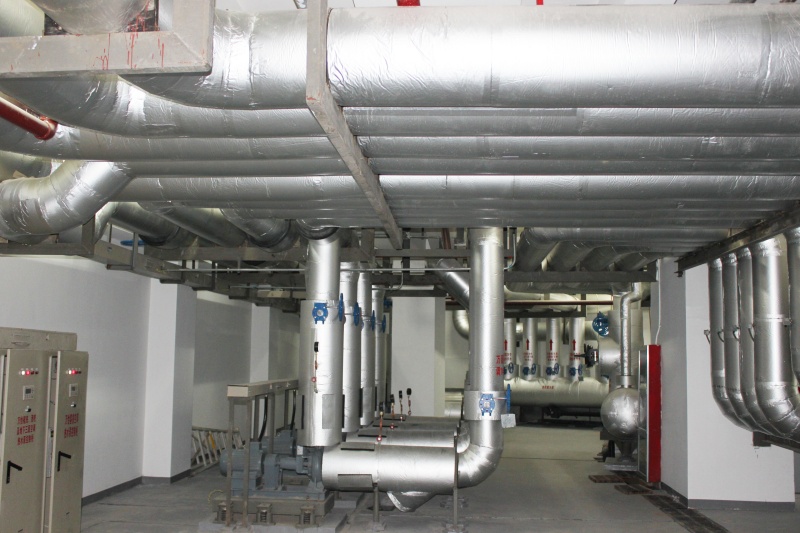
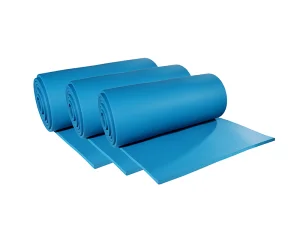
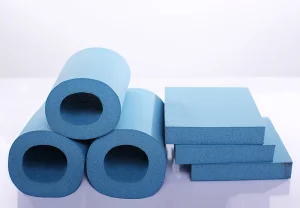
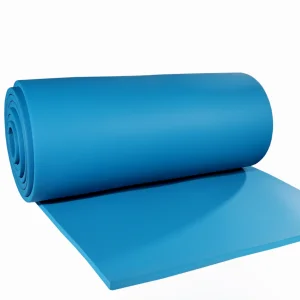
The modern HVAC, process engineering, and pipeline infrastructure landscapes demand highly reliable solutions to address key operational metrics: energy efficiency, condensation mitigation, mechanical integrity, and structural longevity. According to global energy consumption studies, improperly insulated or uninsulated pipeline networks are responsible for substantial operational expenditure (OPEX) inflation through continuous thermal loss or heat gain.
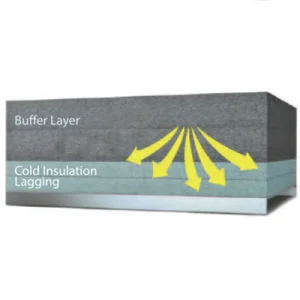
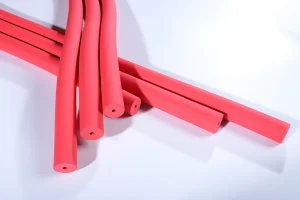
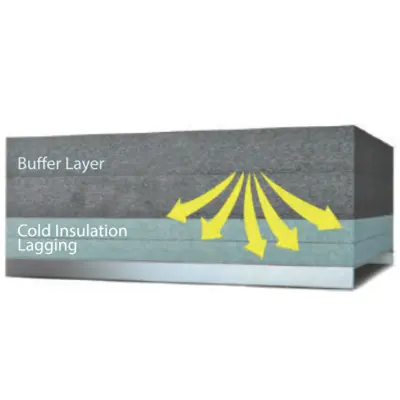
In chilled water systems, HVAC ducts, and refrigeration lines, thermal gradients drive moisture towards the cold pipe surface. Without a high-integrity vapor barrier and low thermal conductivity, water vapor accumulates inside the material, degrading thermal performance and triggering Corrosion Under Insulation (CUI). Our range of flexible NBR/PVC (Nitrile Butadiene Rubber/Polyvinyl Chloride) elastomeric materials directly prevents this degradation.
For low-temperature systems, cryogenic applications, and heavy industrial applications, maintaining structural reliability requires a closed-cell micro-porous structure. This structure prevents moisture ingress, manages temperature control, and lowers carbon emissions in line with worldwide industrial targets.
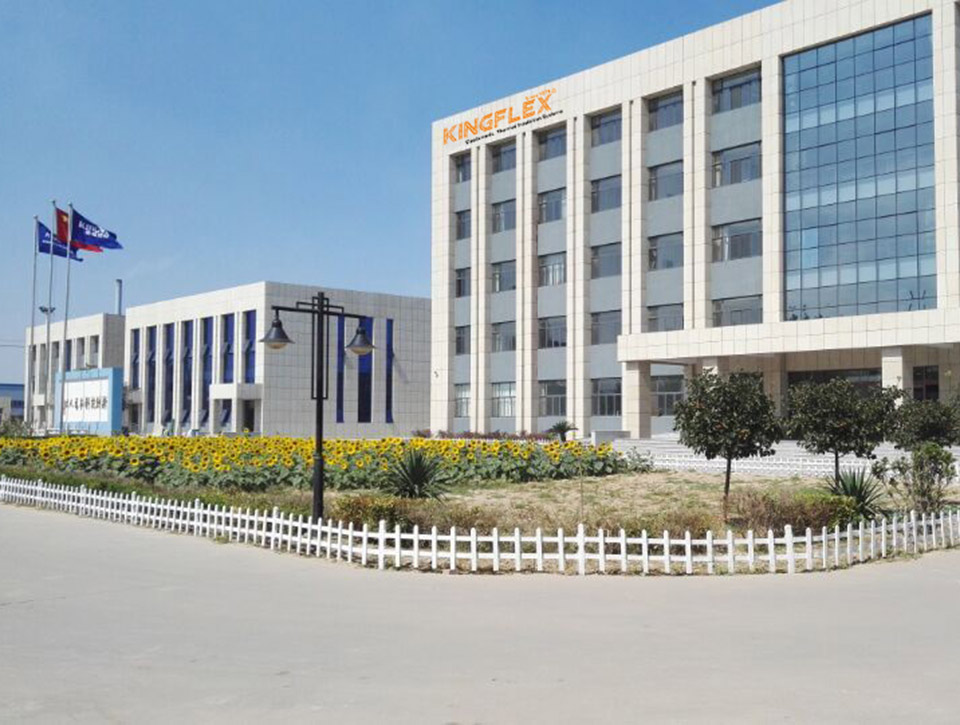
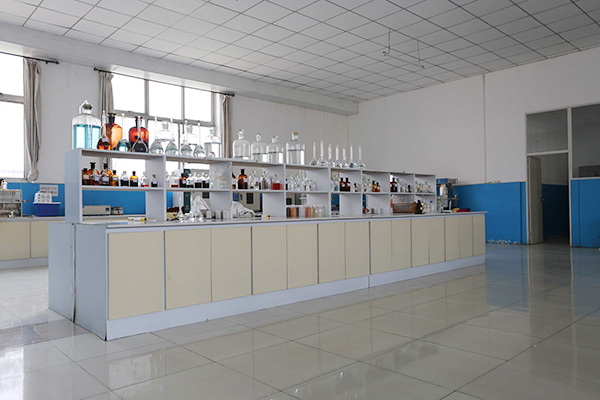
China's green building material manufacturing capital, Dacheng, serves as the base for advanced global research, development, and supply-chain logistics. By grouping raw chemical supplies, advanced extrusion equipment, and quality control systems in one hub, factories achieve high efficiency and consistent product quality.
Our manufacturing complex uses five advanced automated assembly lines. This system outputs over 600,000 cubic meters annually, ensuring steady supply for large-scale international infrastructure projects. Automated extrusion, temperature control, and precision slicing ensure consistent product density, wall thickness, and cell structure across every run.
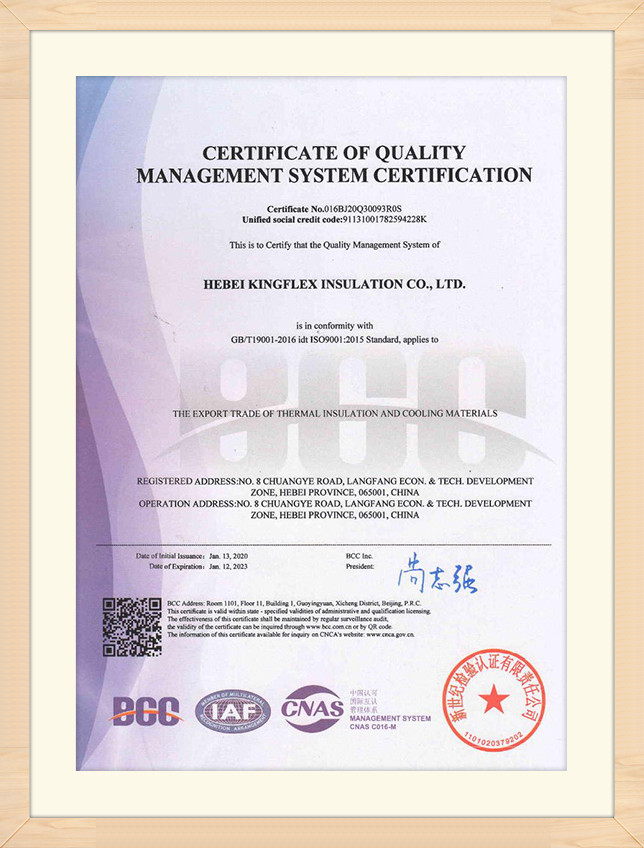
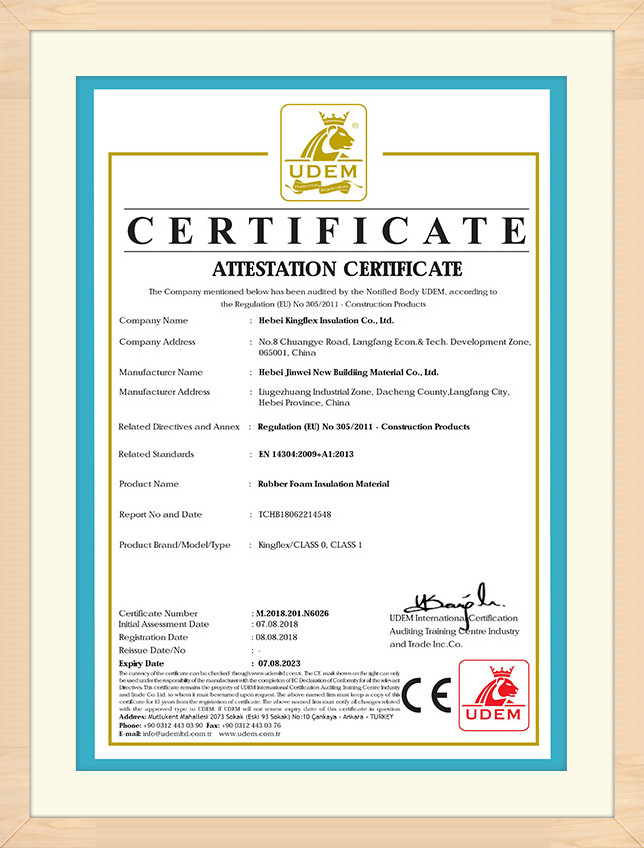
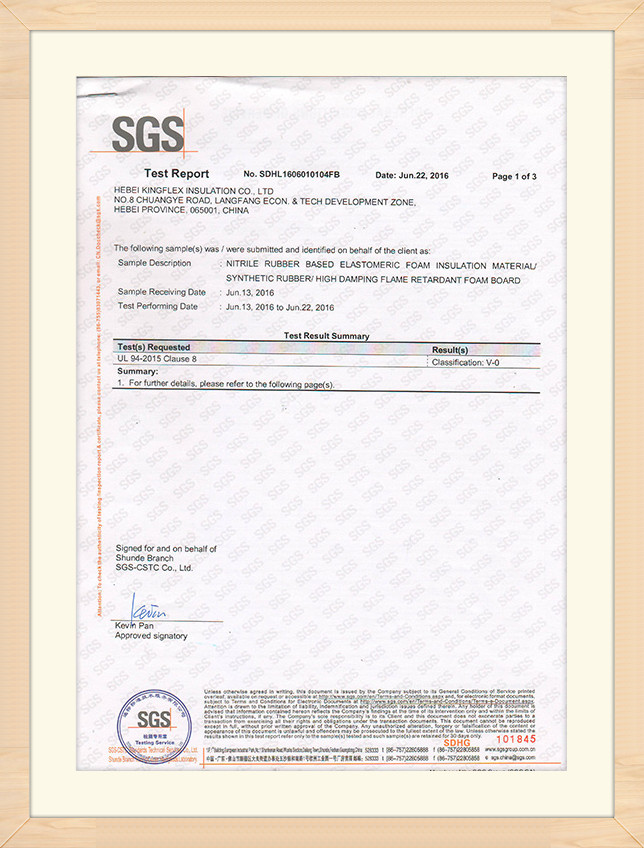
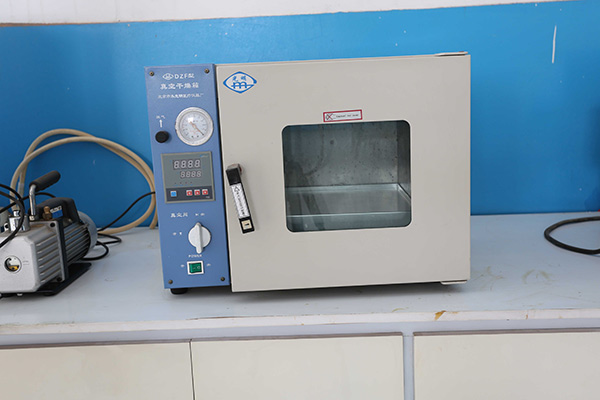
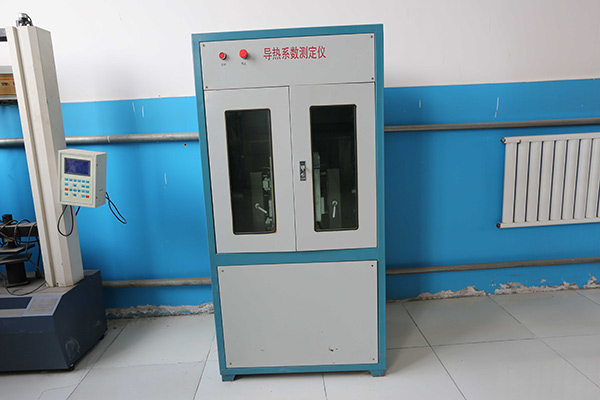
This systematic process ensures that Kingflex rubber foam products comply with demanding worldwide standards, including BS 476, CE, REACH, ROHS, UL94, and ASTM. This reliability makes Kingflex a designated manufacturing provider for the Ministry of Energy, Ministry of Electric Power, and Ministry of Chemical Industry.
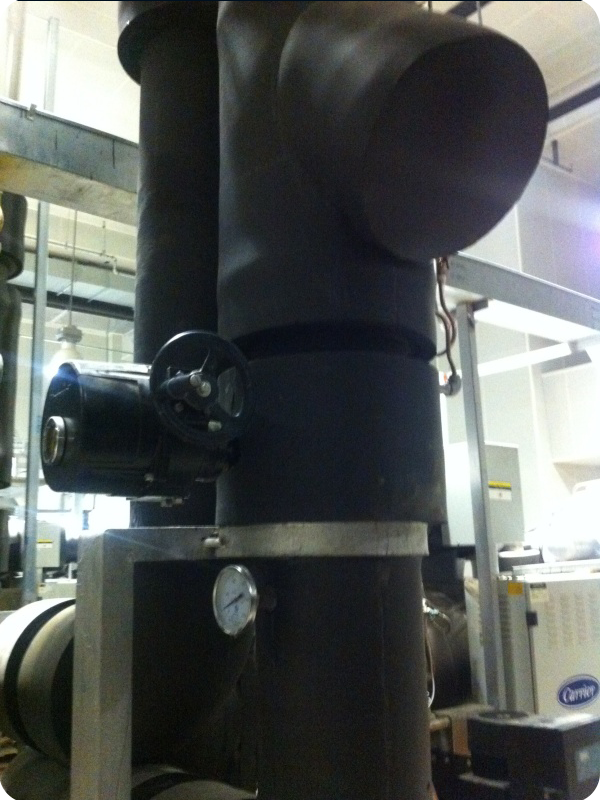
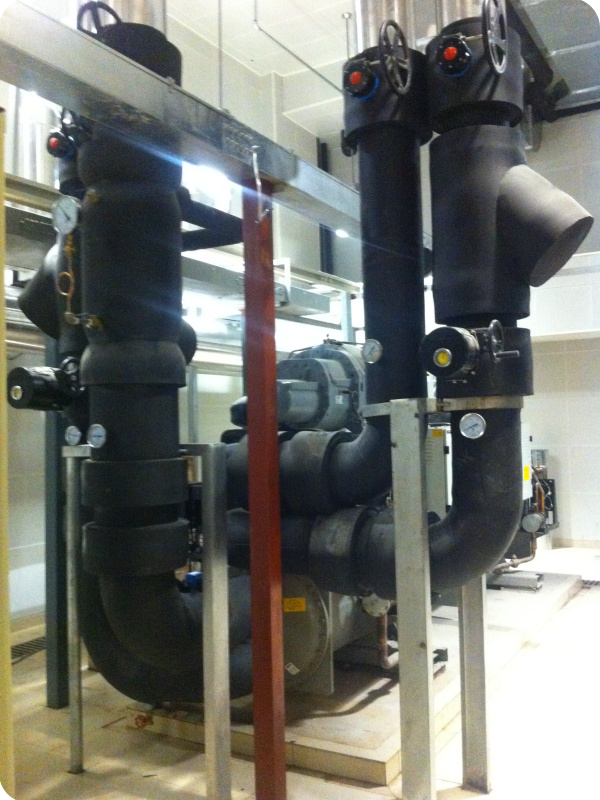
Selecting the correct material specification is critical for preventing heat transfer, condensation, and corrosion. The physical properties of our primary product variants are detailed below:
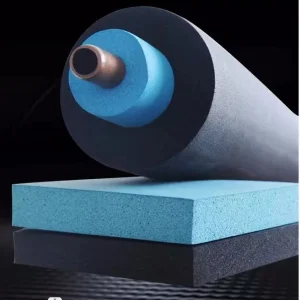
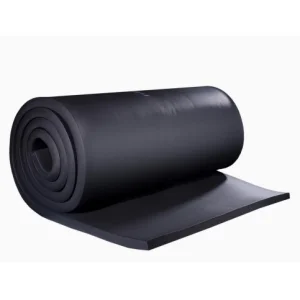
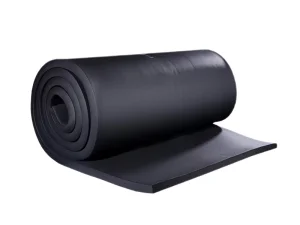
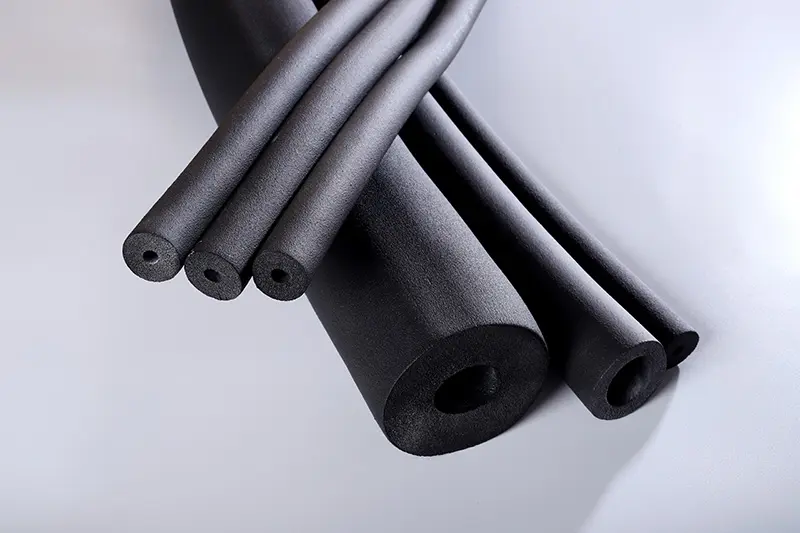
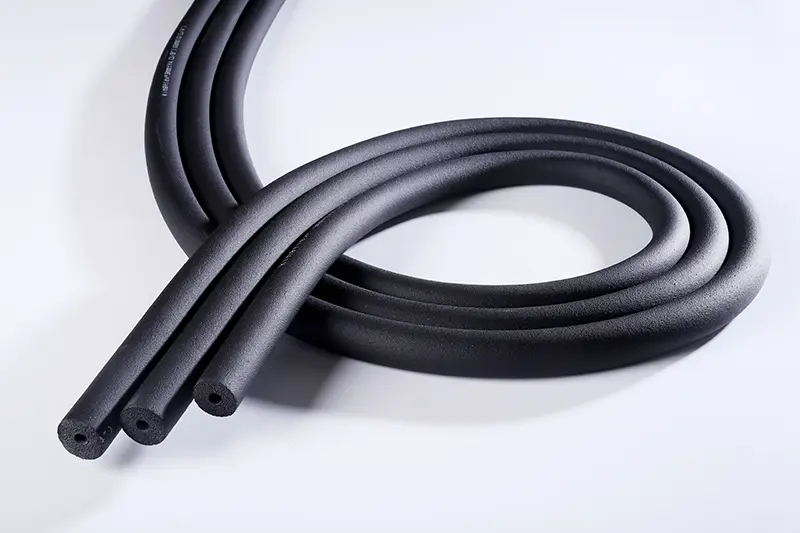
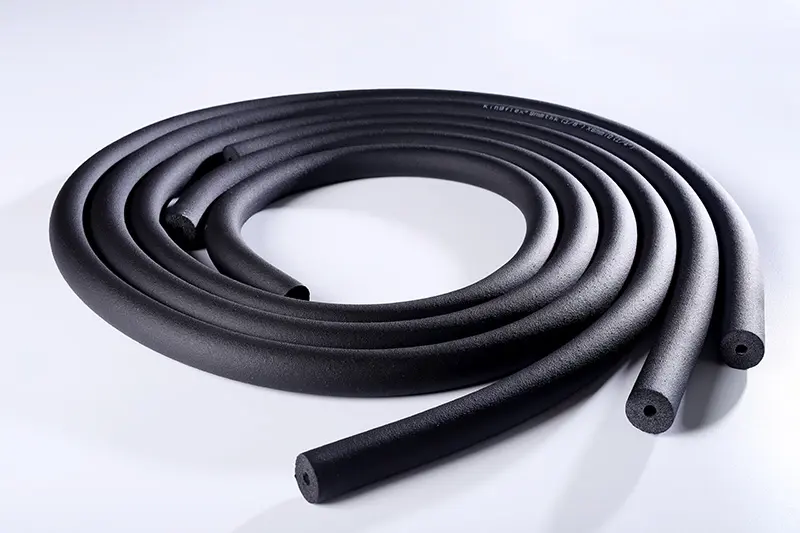
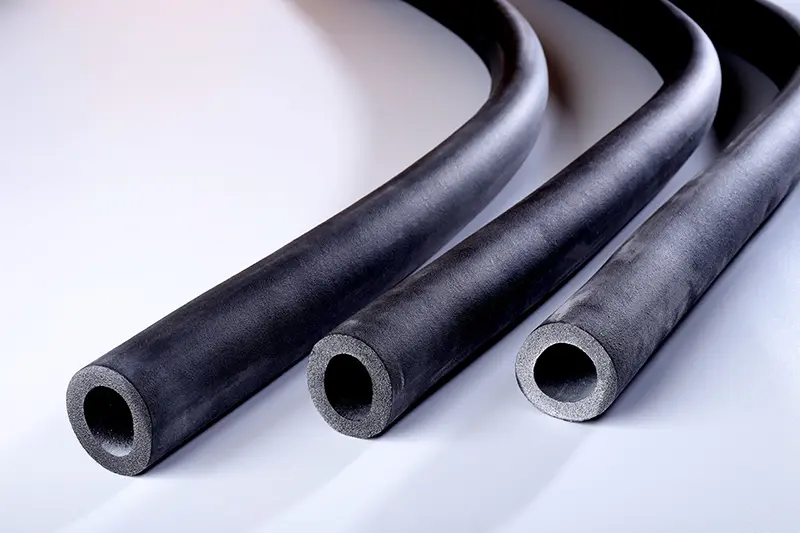
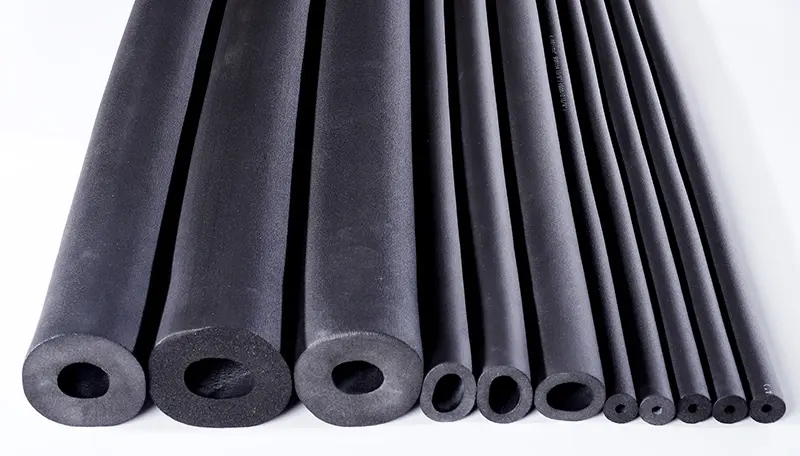
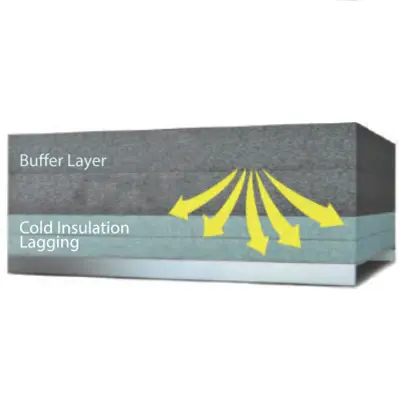
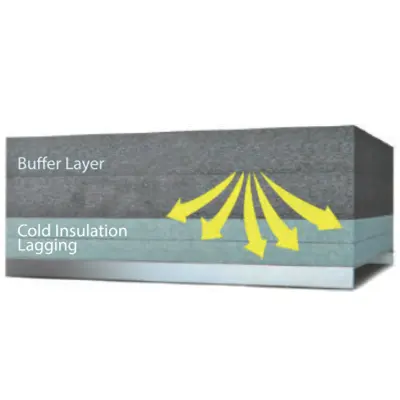
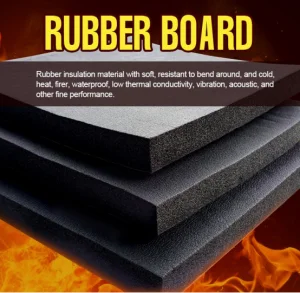
Key Performance Advantages: Even, high closed-cell structure; low moisture absorption; stable thermal conductivity; flame retardant; self-extinguishes upon fire source removal.
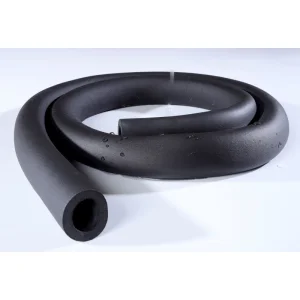
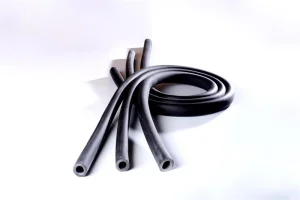
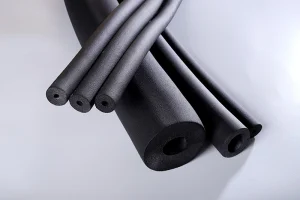
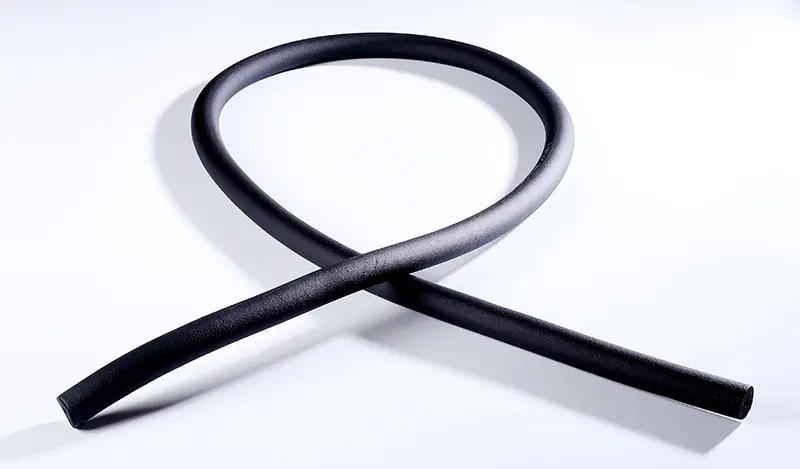
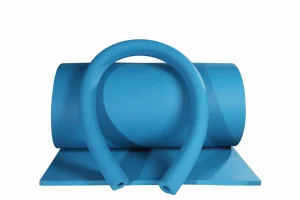
Key Performance Advantages: Professional pipe-spraying lines ensure uniform walls. Greatly reduces pipe freezing and cracking risks under stress.
| Insulation Parameter | NBR/PVC Elastomeric Foam | Rock Wool / Glass Wool | Polyethylene (PE) Foam |
|---|---|---|---|
| Thermal Conductivity (λ) | ≤ 0.034 W/(m·k) at 0℃ | ≤ 0.038 W/(m·k) at 25℃ | ≤ 0.039 W/(m·k) at 0℃ |
| Vapor Permeability Coefficient | ≥ 1.5 × 10¹⁰ (High barrier) | Permeable (Requires jacket) | ≥ 8.0 × 10⁹ (Medium barrier) |
| Fire Safety Classification | Class 0 / Class 1 (BS 476) | Non-combustible (Class A) | Combustible (Class B2/B3) |
| Elasticity & Flexibility | High (No cracking) | Rigid / Fibrous (Dust hazard) | Medium |
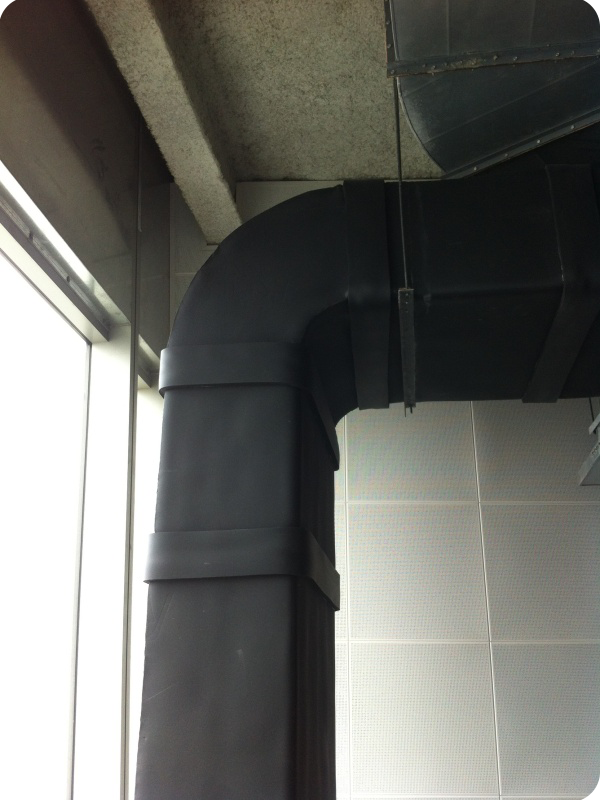
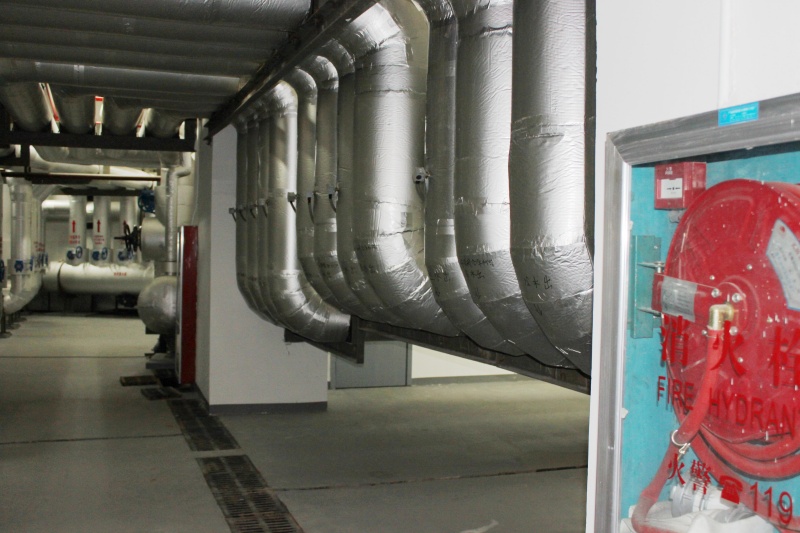
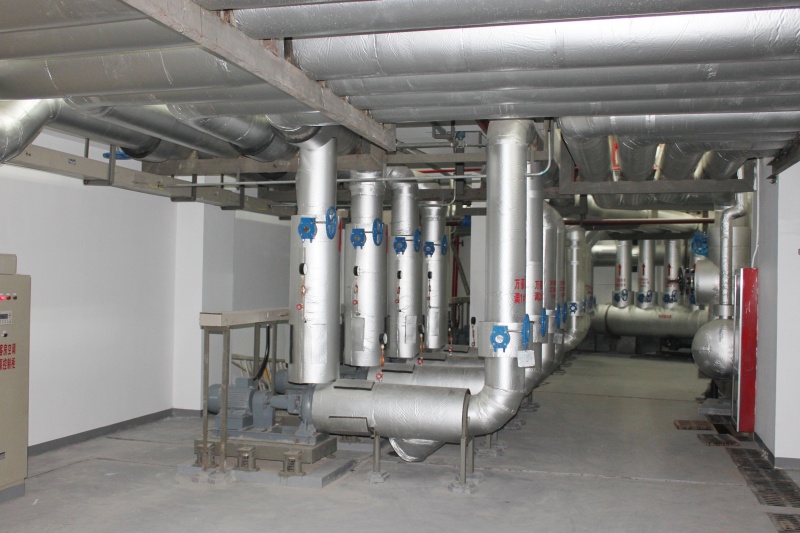
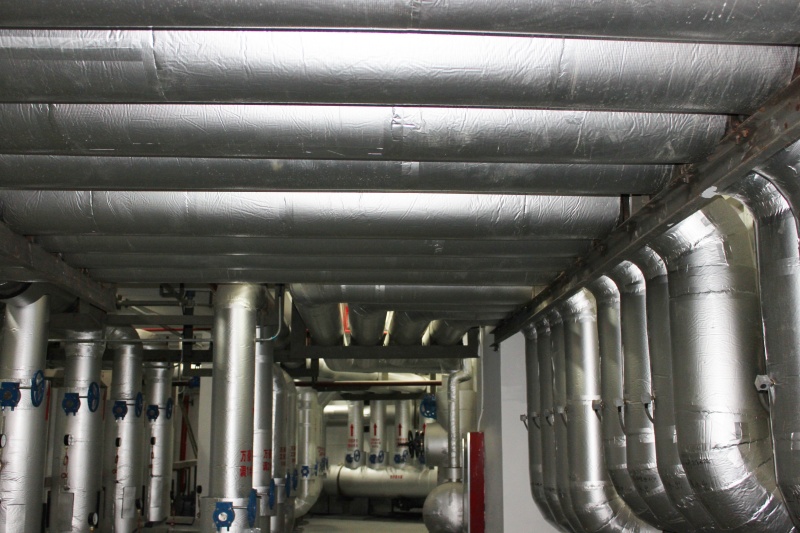
Provides thermal insulation for supply/return air ducts, cold water piping, and condensate drain lines. Effectively prevents surface condensation, preserving indoor building integrity and reducing energy load.
Specifically formulated to handle cryogenic systems and gas transport piping down to low temperatures. Preserves thermal states and prevents freezing under harsh conditions.
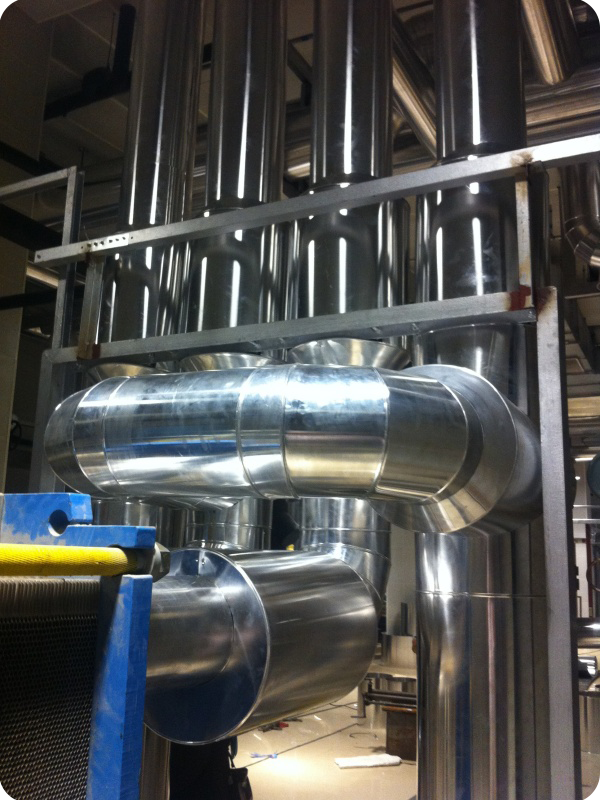
Perfect for chemical processing lines, high-pressure steam distribution, and fluid tanks. Offers high resistance to chemical aging and mechanical stress.
International industrial procurement teams require complete product traceability and third-party certifications to minimize field failure risk. In thermal insulation, compliance with ASTM standards and European fire ratings is essential. Products must demonstrate testing for smoke toxicity and flame spread index to meet modern building codes.
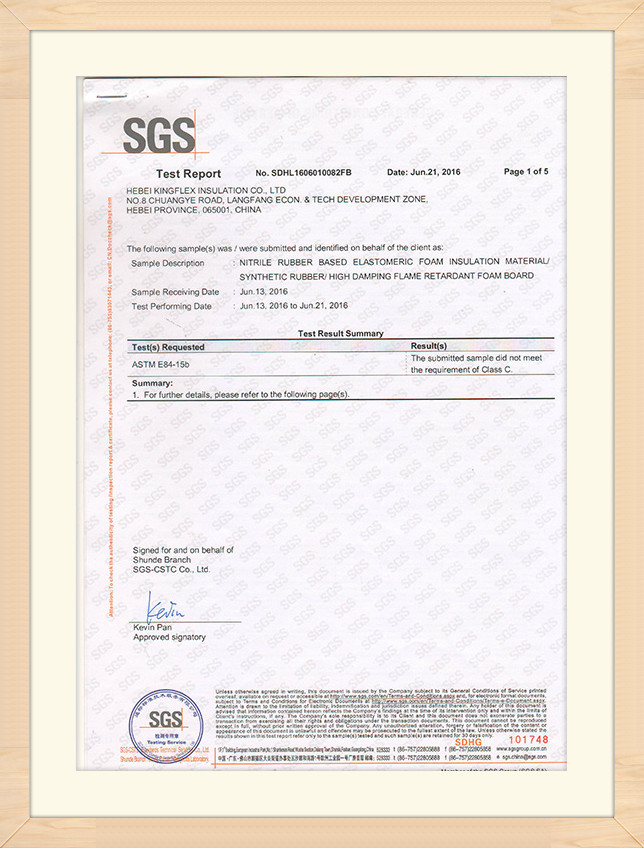
Kingflex insulation products are certified to meet major international standards. This comprehensive compliance enables easy integration into specifications across North America, the UK, Europe, the Middle East, and Southeast Asia. We provide complete documentation and test reports for every batch.
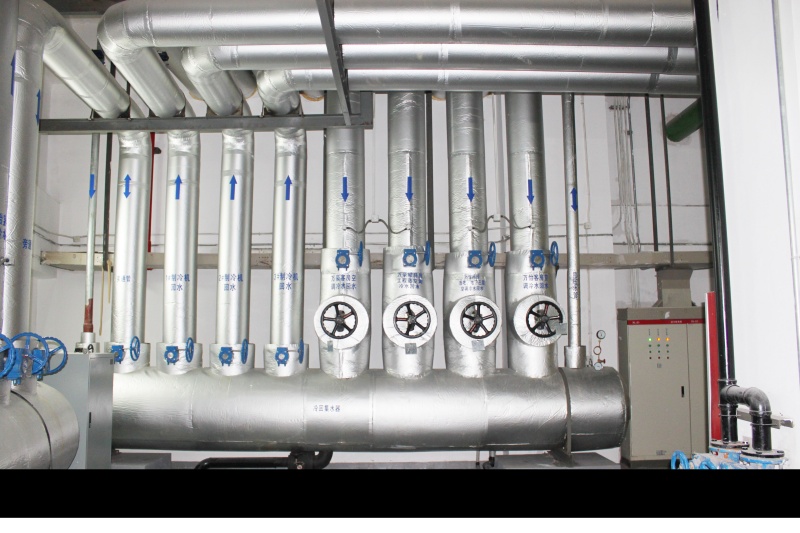
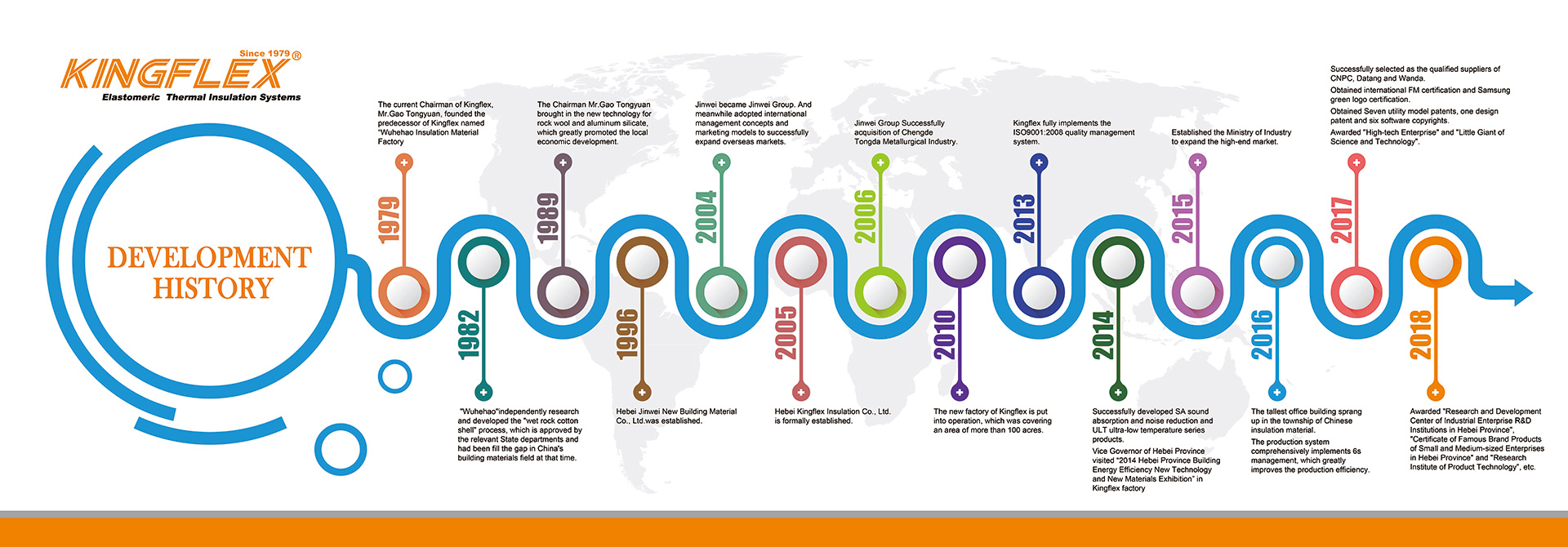
Kingflex Insulation Co., Ltd. is a dedicated manufacturing and trading group for high-efficiency thermal insulation. Built by the Jinwei Group, which dates back to 1979, Kingflex holds over 40 years of industry experience. Jinwei Group was the first thermal insulation manufacturer established north of the Yangtze River, paving the way for advanced production in Dacheng.
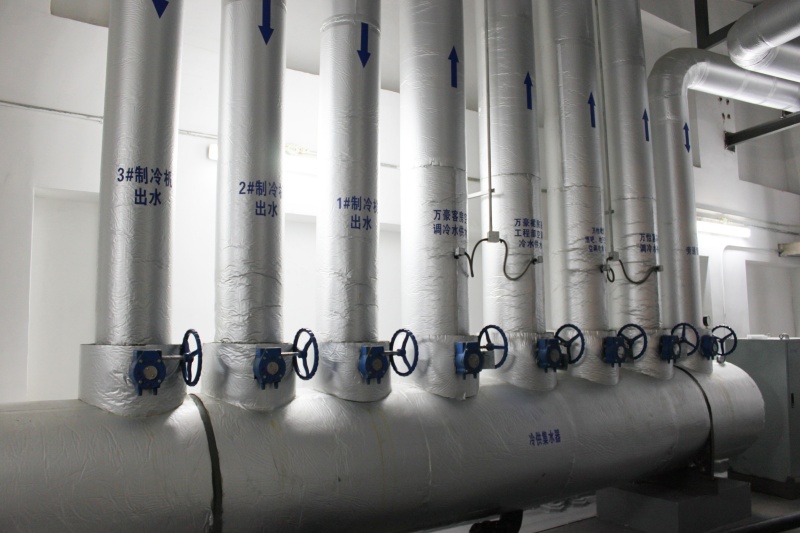
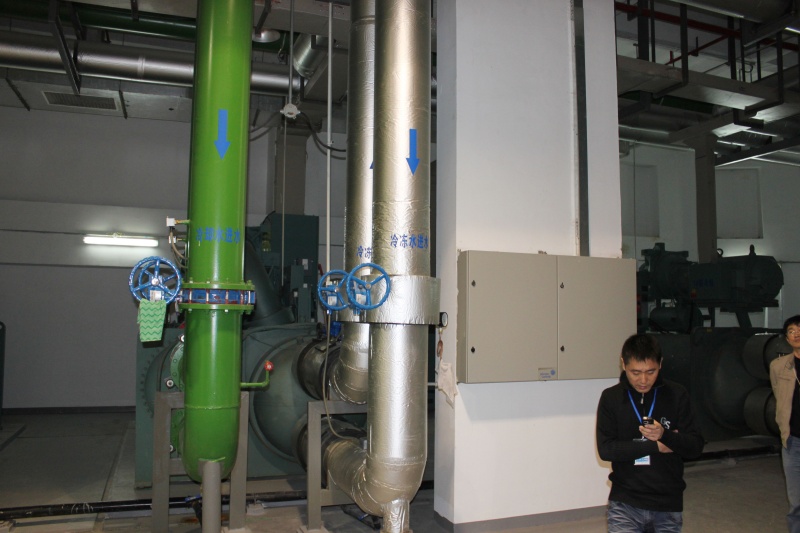
We provide comprehensive solutions across all stages of project execution: from initial consultation, R&D, and custom production to installation guidance and post-sale technical support.
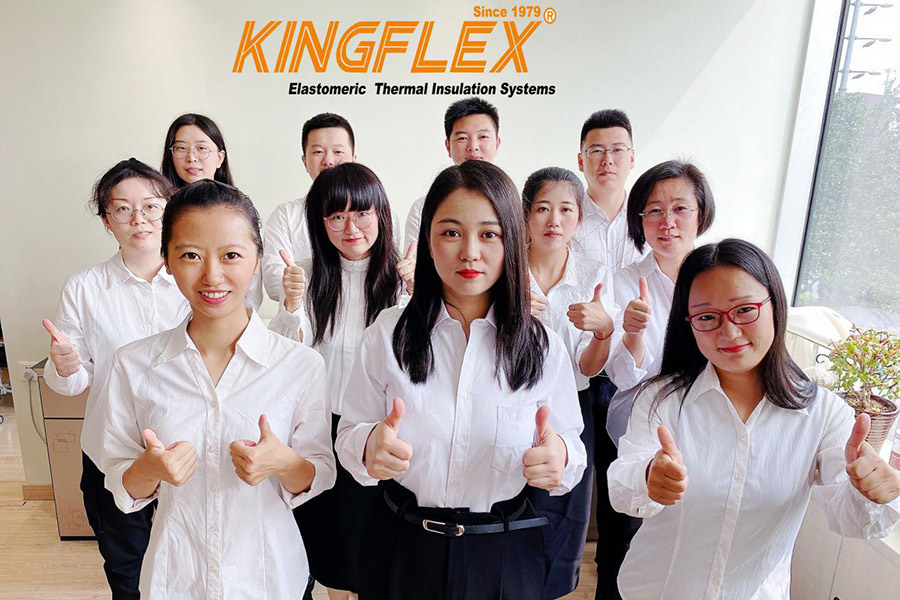
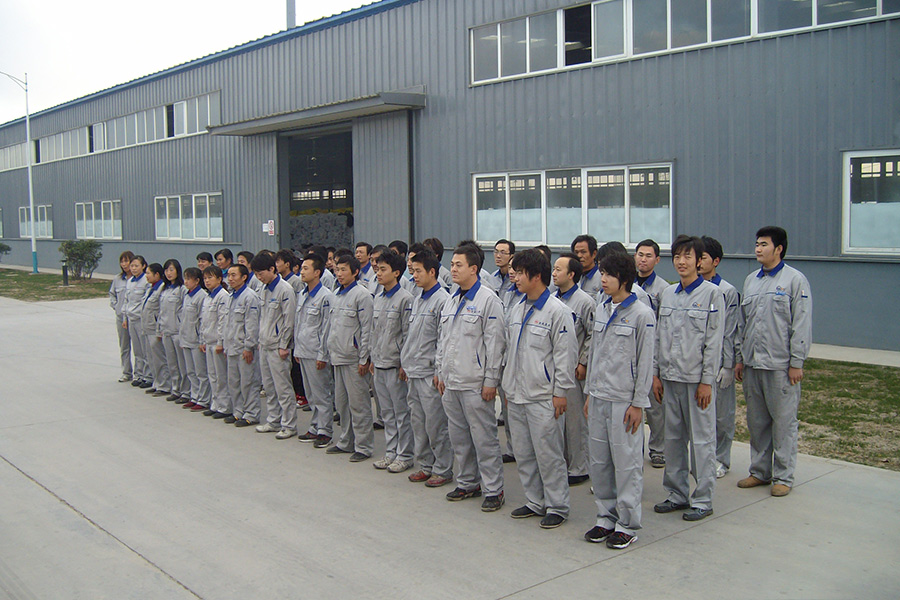
Our employees drive our operational success. Kingflex maintains a dedicated, highly skilled team focused on providing top-tier service for our global clients.
Our engineering and sales operations include:
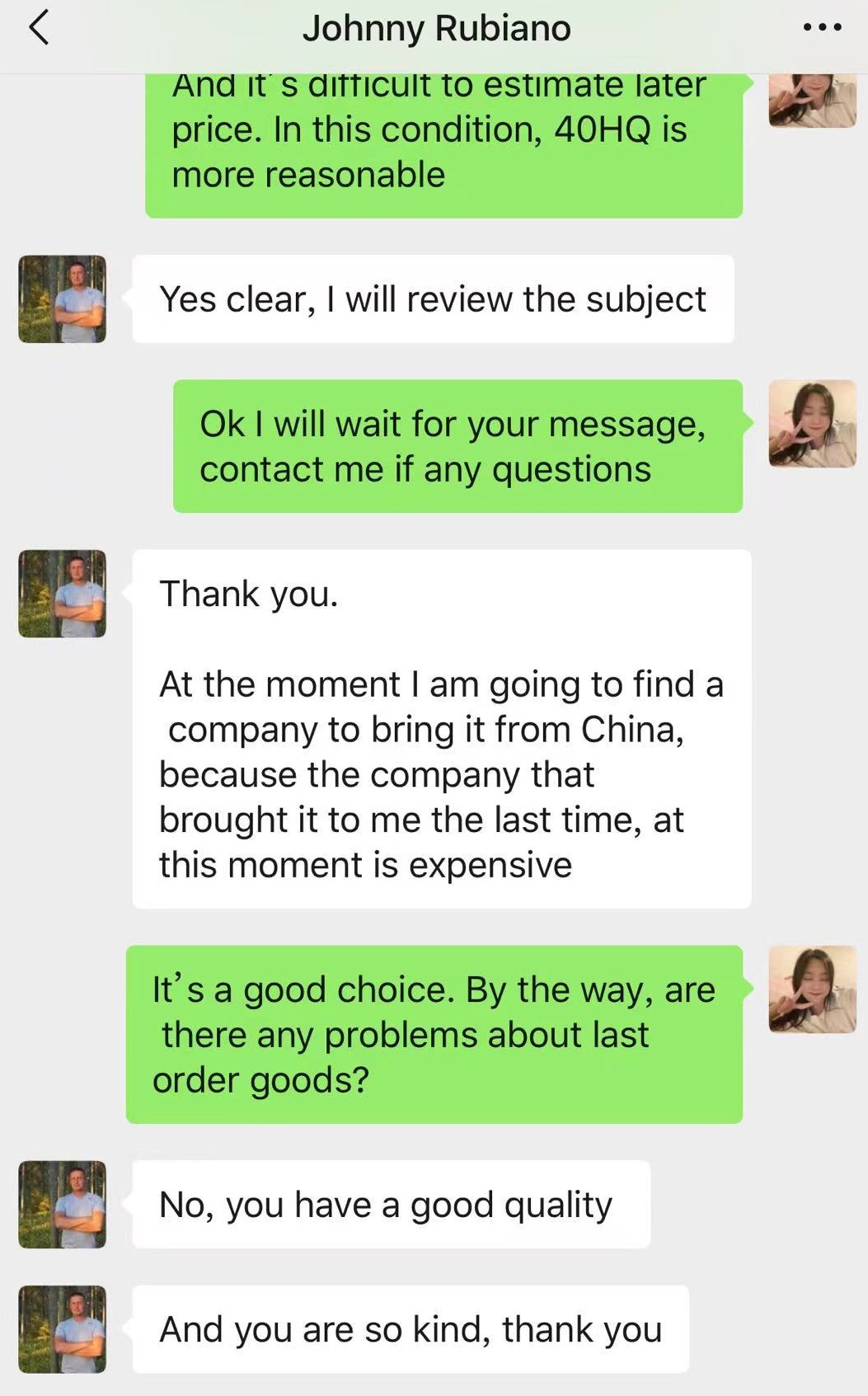
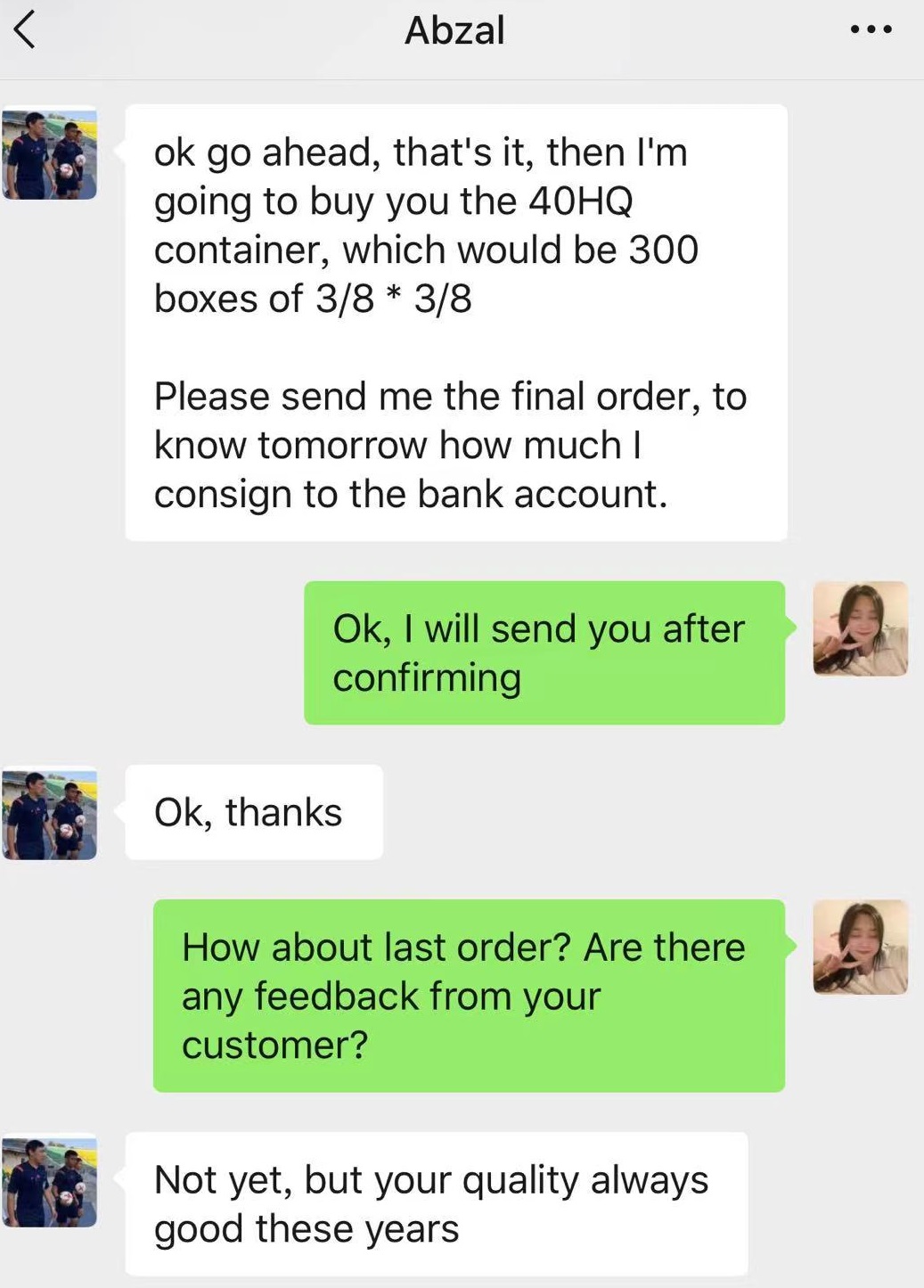
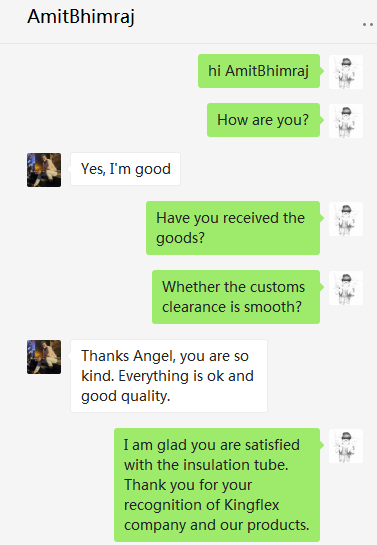
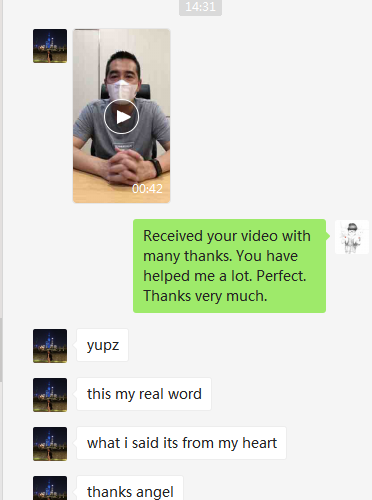
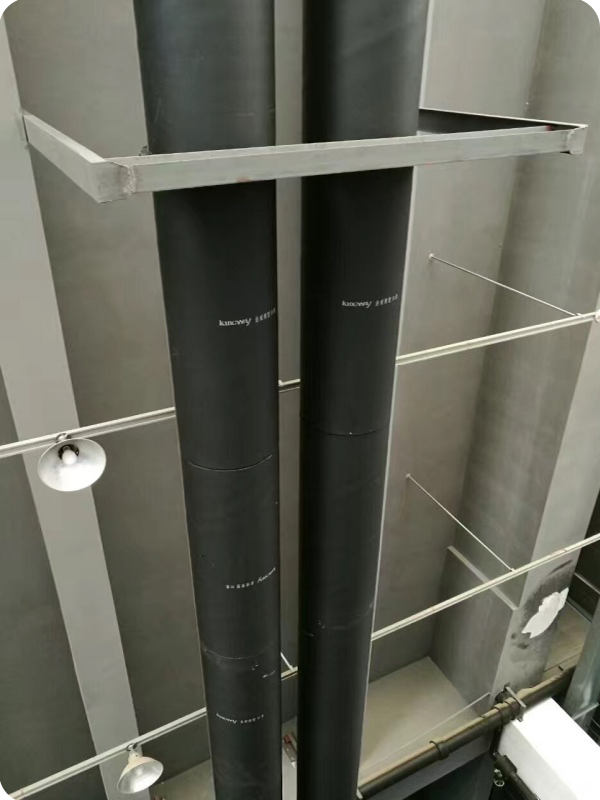
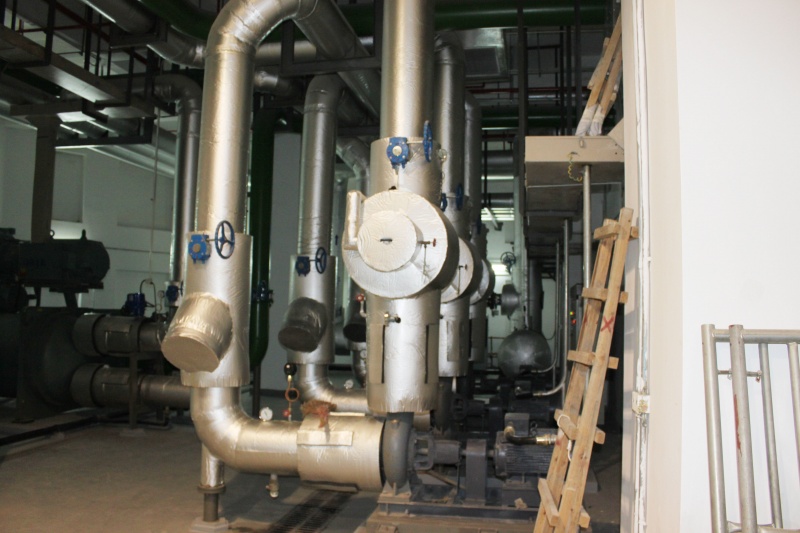
Real project screenshots, site photos, and customer feedback. Kingflex products perform under demanding industrial environments.
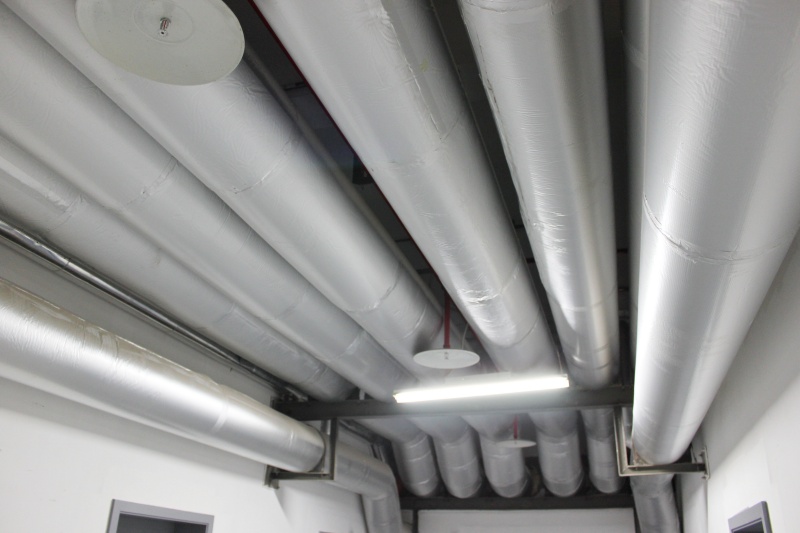


Elastomeric rubber foam insulation is primarily used for insulating HVAC ducts, central air conditioning pipes, building envelopes, industrial process lines, cold storage pipelines, and acoustic sound dampening. Its closed-cell design prevents condensation on chilled water pipes and minimizes thermal loss on warm conduits.
Yes, Kingflex rubber foam insulation products are flame retardant. Our products are formulated to meet key building safety standards, including BS 476 (Class 0 and Class 1) and UL94 (V-0 classification). They are self-extinguishing and do not support active flame spread.
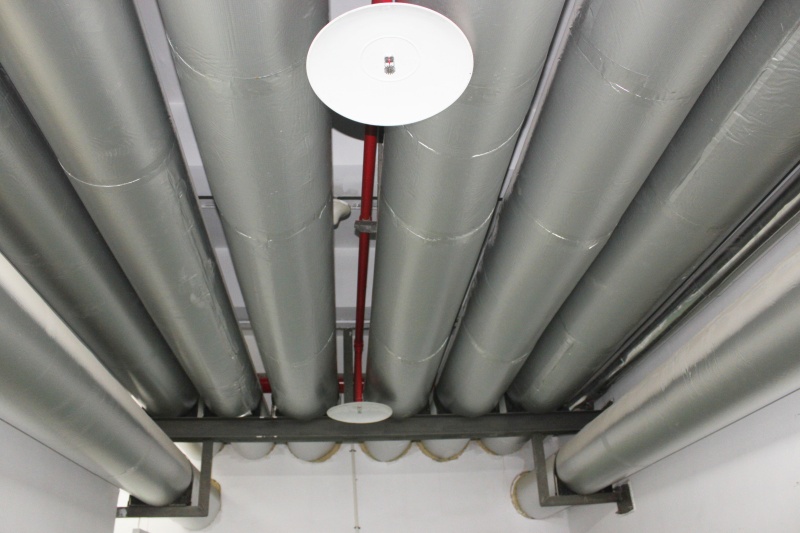
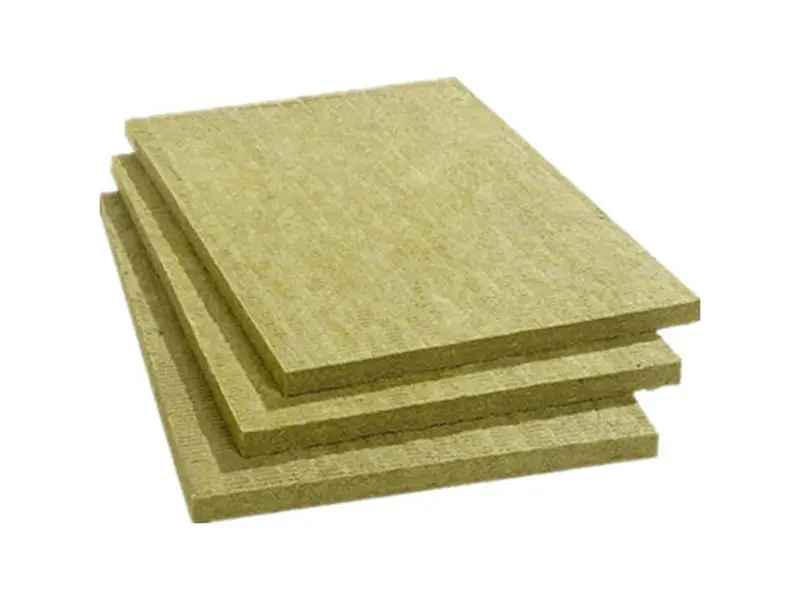
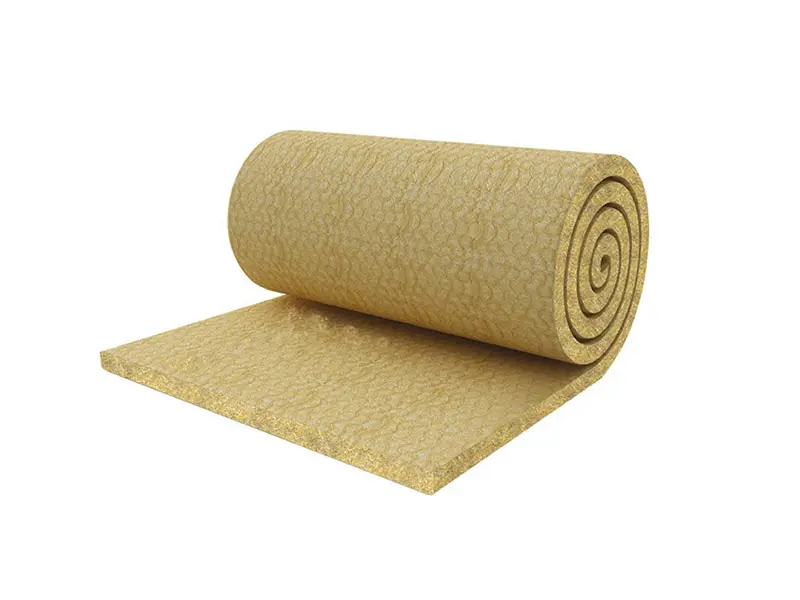
Rubber foam is flexible, closed-cell, and moisture-proof, making it ideal for HVAC, plumbing, and cold insulation applications. Rock wool is a fibrous material with high temperature resistance, making it suitable for high-heat industrial applications, process piping above 150°C, and structural fire protection.
Yes, we support comprehensive OEM/ODM services. We can customize dimensions, colors, densities, adhesive backings, and exterior coatings to match specific project requirements.
Our products comply with BS 476, CE, REACH, ROHS, UL94, and ASTM. This compliance ensures our materials meet rigorous safety and quality standards worldwide.
Yes. Every shipment includes batch tracking numbers, quality inspection certificates, and raw material sourcing records, ensuring full traceability from factory floor to job site.
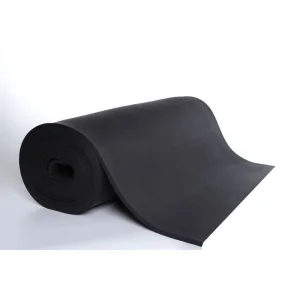
We produce sheet rolls in thicknesses ranging from 6mm to 50mm, allowing you to select the appropriate level of insulation for your project's thermal design.
When properly installed and maintained under standard operating conditions, Kingflex rubber foam insulation has a service life of approximately 10 to 15 years.
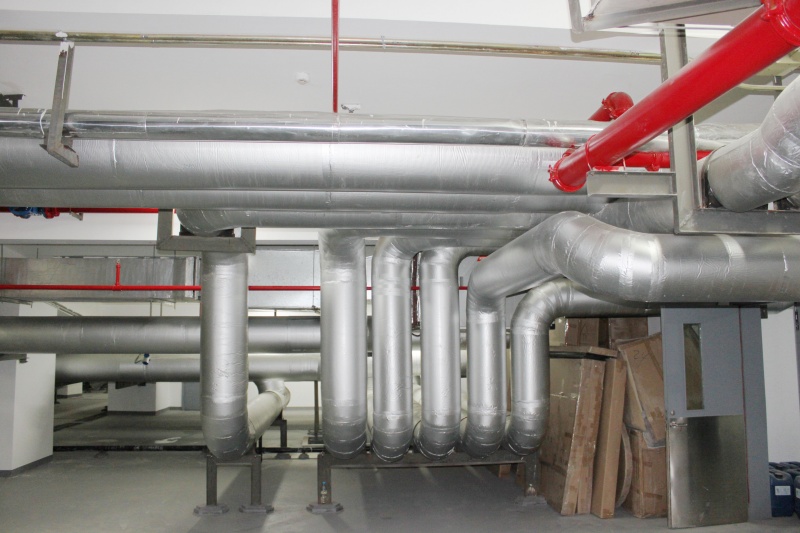
When engineering high-capacity industrial thermal preservation systems, purchasing officers must look beyond simple unit costs to consider the Total Cost of Ownership (TCO). Physical factors like the water vapor transmission rate (WVTR), thermal aging index, mechanical tensile strength, and resistance to ultraviolet degradation are critical for maintaining insulation performance over time.
Corrosion Under Insulation (CUI) remains a leading cause of pipeline failure in the petrochemical and process industries. Standard open-cell insulation systems, such as mineral wool, can act as a sponge if the outer cladding fails, trapping water against the pipe surface. Kingflex's closed-cell structure (>98%) limits moisture ingress, keeping the underlying steel dry even in high-humidity coastal and industrial areas.
For HVAC applications, chilled water lines typically run between 4°C and 7°C. When ambient humidity is high, moisture will condense on the outer surface of cold pipes if the insulation thickness is insufficient. The resulting condensation can ruin ceiling tiles, promote mold growth, and reduce energy efficiency. Using the Kingflex thickness calculator, engineers can determine the correct wall thickness (from 9mm to 50mm) needed to prevent condensation based on local relative humidity and dry-bulb temperatures.
In modern multi-story buildings, fire safety compliance is a critical requirement. Our elastomeric materials are engineered with halogen-free flame retardants, allowing them to achieve Class 0 ratings under BS 476. They produce low levels of smoke and prevent flame propagation through vertical pipe penetrations. Additionally, our NBR/PVC matrix does not release fibers, helping to maintain clean air in hospitals, educational facilities, and cleanrooms.