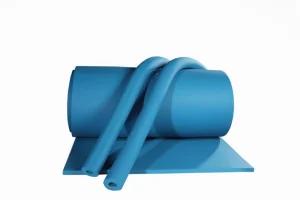
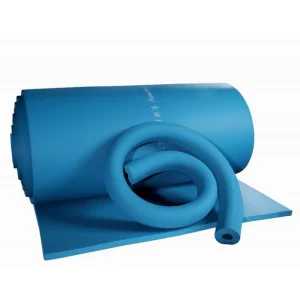
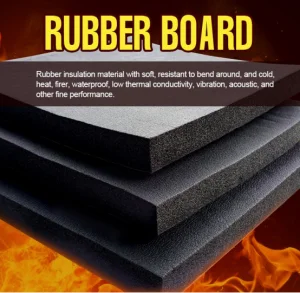
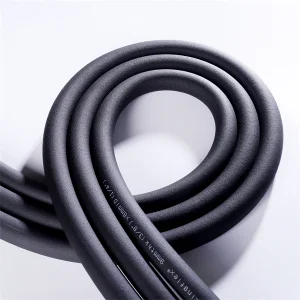
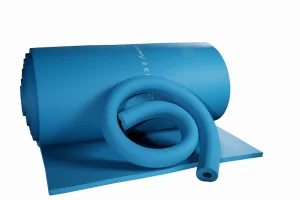
China Rubber Foam Insulation Tube With Blue Color Factories & Quotes
The definitive guide to sourcing premium blue-colored closed-cell elastomeric thermal insulation pipes for commercial HVAC, cryogenic installations, and sustainable energy infrastructures.
40+
Years of Industrial History (Est. 1979)
600,000+
Annual Capacity (m³)
66+
Global Countries Exported
98%
Closed-Cell Micro-Structure Rate
Premium Thermal & Cryogenic Insulation Solutions
Engineered elastomeric foam pipes and sheet rolls manufactured to international specifications including BS 476, CE, REACH, and UL94.
1. Industrial Status of Colored Elastomeric Foam Insulation
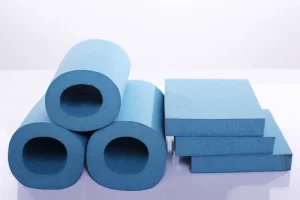
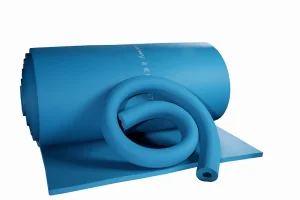
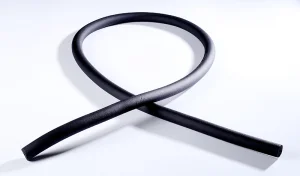
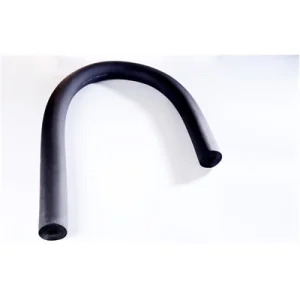
Modern mechanical systems require visual verification, thermal protection, and fire safety systems designed to scale. Globally, the demand for elastomeric rubber foam insulation has moved beyond traditional black tubing. China Rubber Foam Insulation Tubes with Blue Color represent a massive evolutionary step. Sourced primarily by HVAC planners, industrial designers, and MEP (Mechanical, Electrical, Plumbing) contractors, these blue-colored tubes serve as an immediate physical identifier for chilled water piping, supply lines, and low-temperature fluid conveyance.
In mega-projects across North America, Europe, and the Middle East, the integration of colored insulation eliminates labeling overheads and reduces maintenance errors. By specifying a high-performance NBR/PVC blend with built-in color-coding, engineers ensure both maximum thermal efficiency (with thermal conductivity values $\le 0.034$ W/m·K) and absolute clarity on the industrial floor or commercial ceiling.
"Color-coded insulation is no longer just a visual preference. It has become a foundational best practice for multi-stage HVAC zoning and cryogenic safety management, significantly reducing human error in complex process plants."
2. Market Growth Trends and the Shift to Colored Elastomeric Systems
The international thermal insulation market is shifting rapidly towards high-density, environmentally stable, and fire-resistant materials. The global elastomeric foam market is projected to grow at a CAGR of 6.2% over the next decade. Key factors driving this trend include:
Energy Conservation Mandates: Global commitments to zero-carbon footprints are putting strict limits on thermal loss in structural piping systems.
The Indoor Air Quality (IAQ) Focus: Unlike fiberglass or rock wool, NBR/PVC elastomeric foam is dust-free and fiber-free, preventing particulate discharge in commercial spaces like hospitals and chip manufacturing facilities.
Integrated Vapor Barriers: Because of the closed-cell matrix (>98% closed cells), there is no need for external vapor jackets, greatly reducing structural corrosion under insulation (CUI).
Legacy of Engineering: Kingflex Insulation
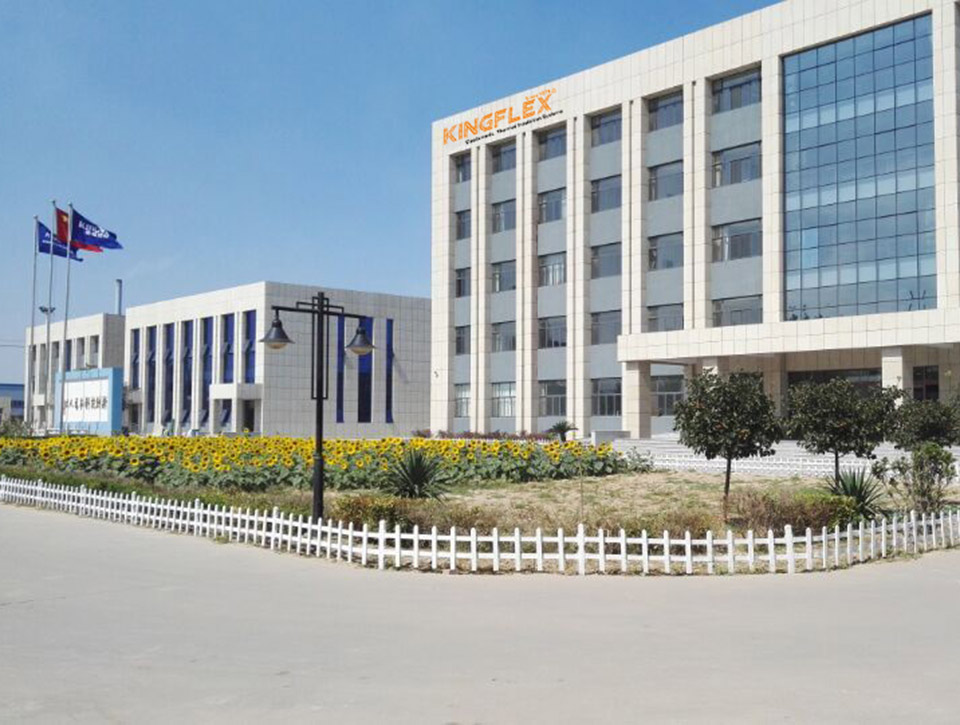
Kingflex Insulation Co., Ltd. is a professional manufacturing and trading combo for thermal insulation products. Located in Dacheng, China—widely recognized as the capital of green building materials—Kingflex is an energy-saving, environmentally friendly enterprise focused on the research, development, production, and sales of high-performance elastomeric foam systems.
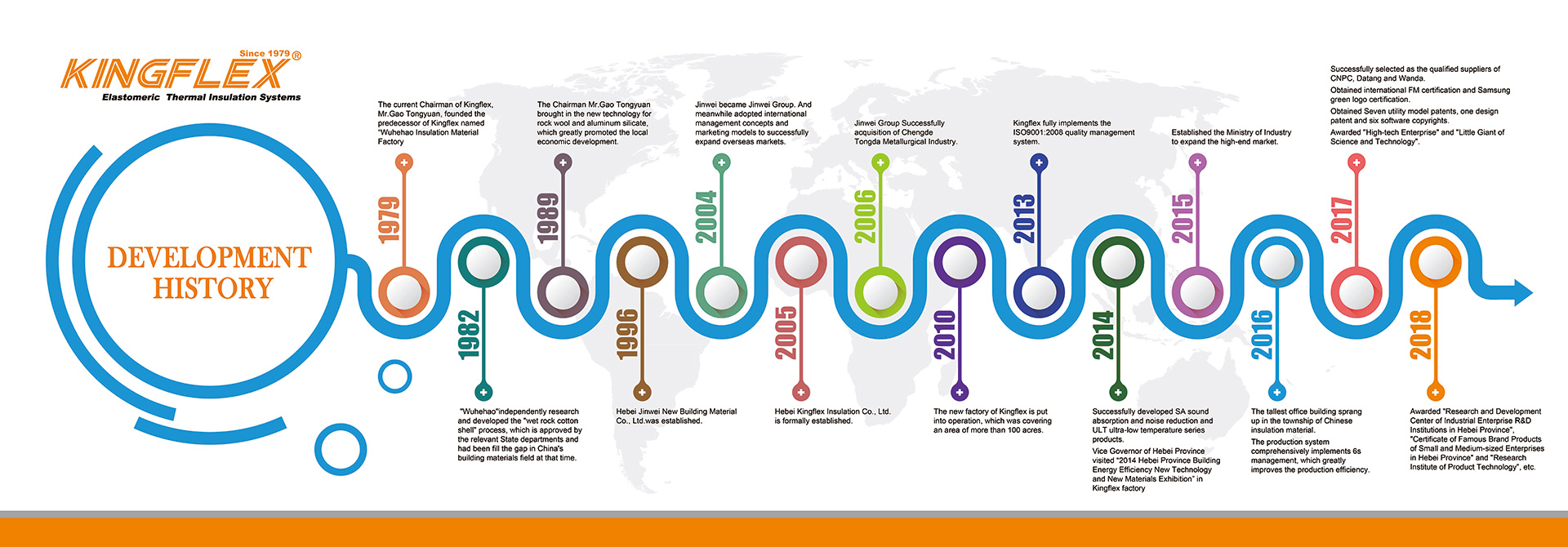
Established by the Jinwei Group, which holds more than 40 years of industrial history since its founding in 1979, Kingflex was the first manufacturer of thermal insulation materials north of the Yangtze River. Today, the enterprise operates with energy saving and consumption reduction as its core concept.
Elastomeric Tube Structural Specifications
Engineered NBR/PVC closed-cell structures for stable thermal resistance across wide service temperatures.
Feature / Parameter
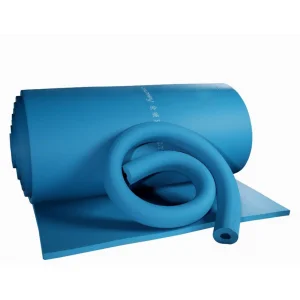
Kingflex Standard Sheet Roll Specification
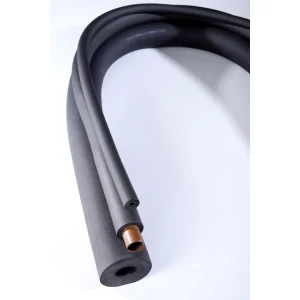
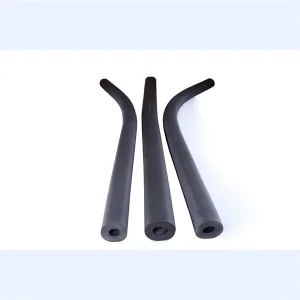
Kingflex Standard Pipe Specification
Base Polymer
NBR (Nitrile Butadiene Rubber) / PVC Blend
NBR (Nitrile Butadiene Rubber) / PVC Blend
Available Thickness
6mm to 50mm
9mm to 40mm
Inner Diameter (ID)
N/A (Roll format)
6mm to 114mm
Material Density
40 - 55 kg/m³
40 - 55 kg/m³
Service Temp. Range
-40℃ to 105℃
-40℃ to 105℃
Closed-Cell Rate
> 98%
> 98%
Compression Resilience
Over 80%
Over 80%
Vapor Permeability Coeff.
$\mu \ge 10,000$ (High resistance)
$\mu \ge 10,000$ (High resistance)
Flammability Rating
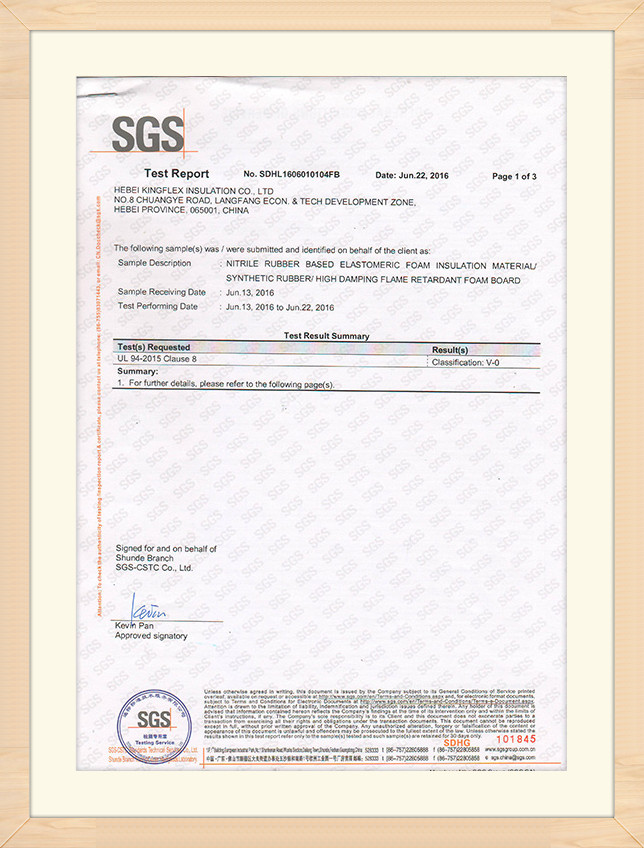
Class 0 (BS 476 Part 6/7) / UL94 V-0
Class 0 (BS 476 Part 6/7) / UL94 V-0
3. Thermodynamic Characteristics & Material Chemistry of NBR/PVC
The core of Kingflex's engineering success lies in the balance of its elastomeric chemistry. Natural and synthetic elastomers like Nitrile Butadiene Rubber (NBR) are copolymerized with Polyvinyl Chloride (PVC) under controlled micro-foaming environments. This reaction creates an extremely fine, closed-cell grid.
Unlike open-cell sponges, where moisture easily compromises the air pockets, our closed-cell matrix locks dry air inside. Air is a poor conductor of heat ($\approx 0.024$ W/m·K at room temperature). Because the cells are tiny and completely sealed off from each other, convection within the foam is prevented, keeping thermal conductivity consistently low over long periods.
Mitigating Condensation & Corrosion Under Insulation (CUI)
Condensation is a major risk in cold-water piping, especially in warm, humid climates. When warm ambient air meets a cold pipe, water vapor condenses, leading to dripping ceilings, mold growth, and corrosion under insulation (CUI).
To prevent this, the material must resist water vapor transmission. Kingflex's NBR/PVC structure features an exceptionally high moisture resistance factor (mu-value $\ge 10,000$). This means the material acts as its own vapor barrier, maintaining its thermal resistance without needing extra protective foils or coatings.
4. Operational History and Industrial Growth
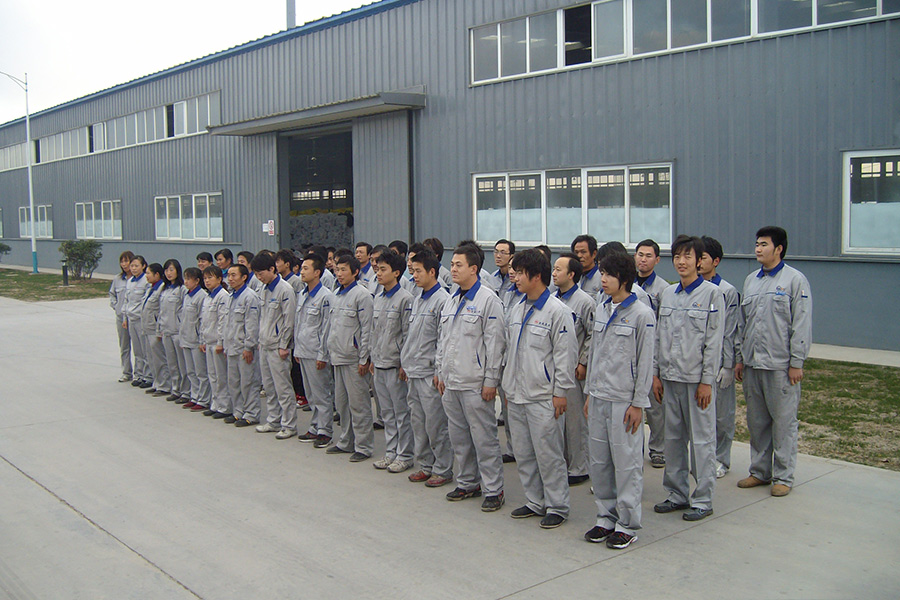
Kingflex's development is rooted in the history of northern China's industrial expansion. The Jinwei Group began manufacturing in 1979, pioneering insulation production north of the Yangtze River. The company has evolved from a local factory into a major global supplier with 5 large automated assembly lines.
This automated system ensures uniform cell size, smooth surface skins, and precise control over wall thickness—critical parameters when supplying tight-tolerance materials for defense, aerospace, chemical processing, and HVAC construction. With an annual output exceeding 600,000 cubic meters, Kingflex maintains reliable lead times for high-volume international sourcing.
Diverse Multi-Industry Application Scenarios
How our elastomeric products solve engineering challenges in key industrial sectors.
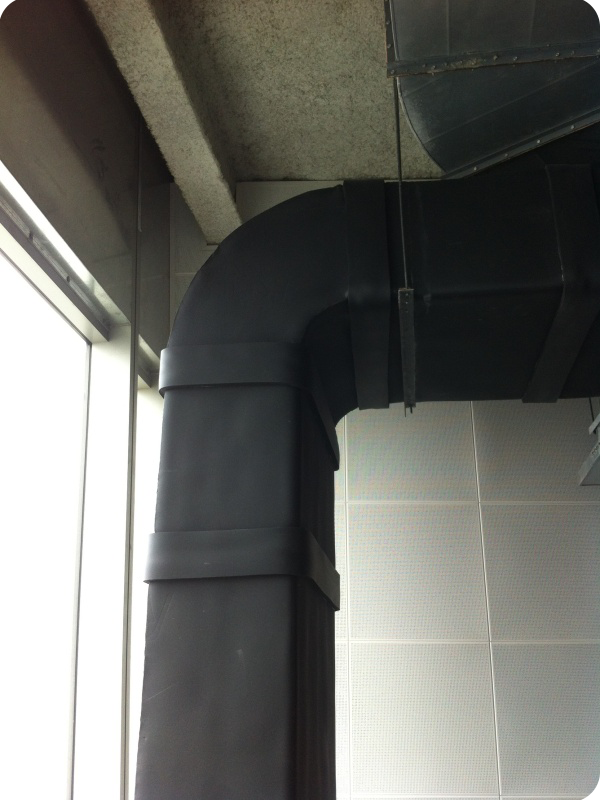
HVAC & Ductwork
Used extensively on central air conditioning chilled/hot water pipes, air duct systems, and condensate lines. The blue color signals cold water lines instantly, making inspection and repairs straightforward for maintenance crews.
Cryogenic & Ultra-Low Temp
Designed for liquid nitrogen, chilled carbon dioxide, and LNG transport lines. The flexible, high-density foam resists structural cracking and maintains its shape under extreme temperature fluctuations down to -40℃ (and custom systems for lower ranges).
Industrial Processing
Used in chemical, petroleum, power, and pharmaceutical plants to insulate steam pipes, process lines, and large storage tanks. These materials prevent thermal energy loss and protect workers from high surface temperatures.
Rigorous Certification & Testing Protocols
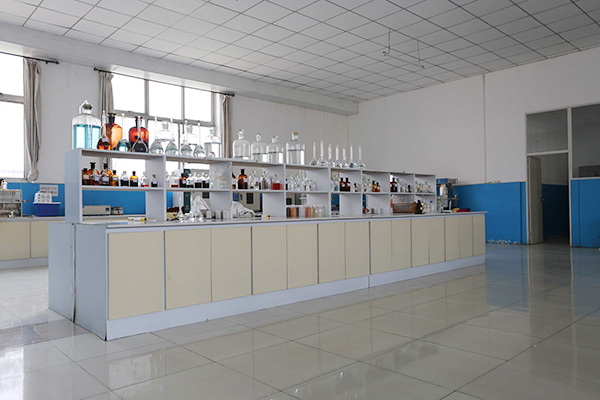
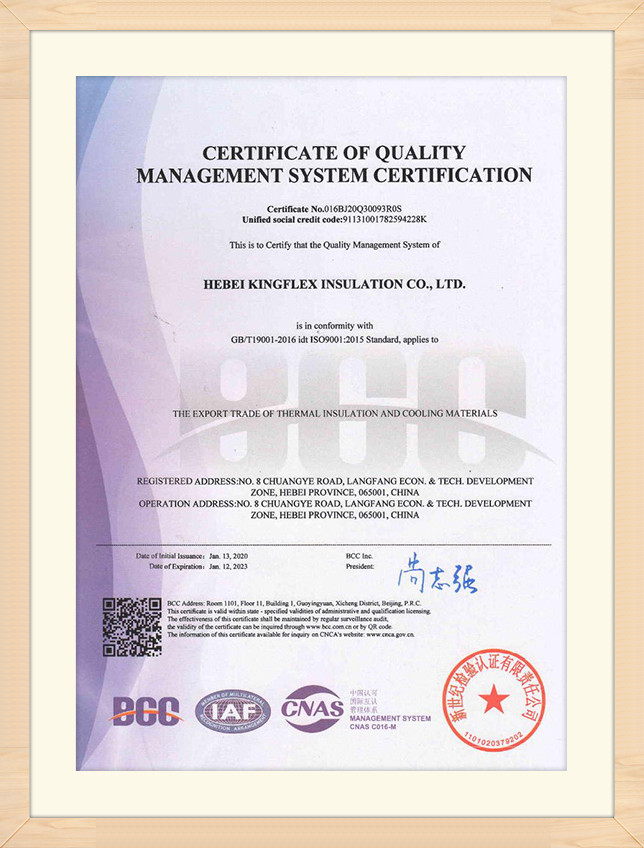
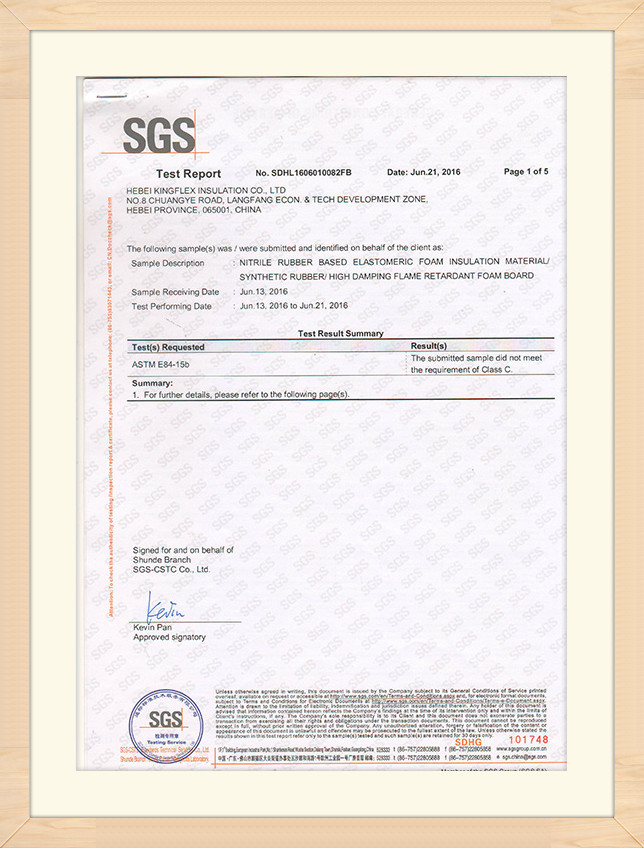
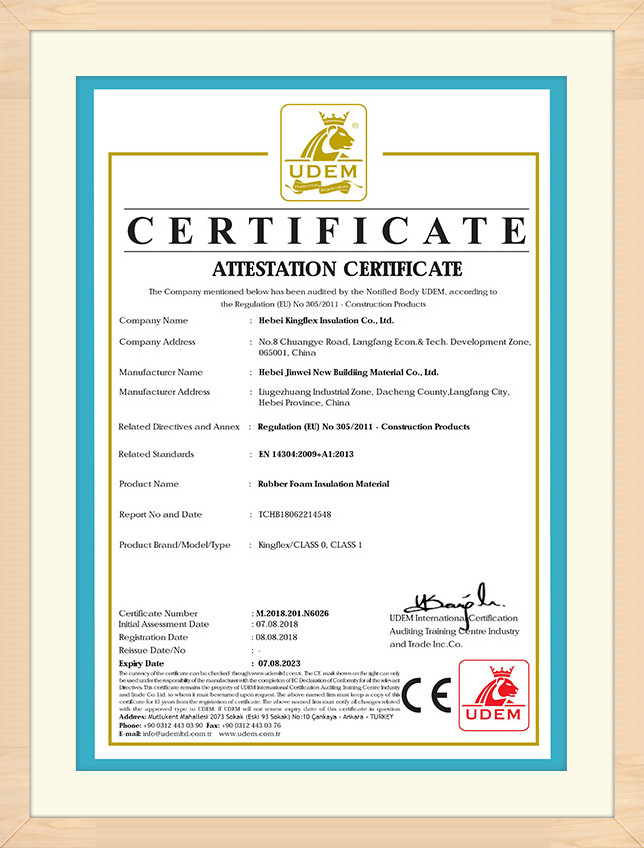
For global projects, compliance with local fire safety and environmental codes is essential. Kingflex products undergo regular, independent laboratory testing to confirm their performance specs:
BS 476 Part 6 & 7: Class 0 fire rating, confirming low flame spread and minimal heat contribution.
UL94 V-0 Certification: Ensures self-extinguishing behavior and no flaming droplets.
REACH & RoHS: Free from toxic polybrominated biphenyls and heavy metals, meeting strict European environmental standards.
ASTM Standards: Validated water vapor transmission and long-term thermal resistance.
5. Future Trends: Non-Halogen Foaming and Bio-Elastomers
The insulation industry is continually adapting to new environmental standards. Halogenated flame retardants, long a staple in plastic foam manufacturing, face tighter restrictions due to their environmental persistence. Kingflex's R&D department is focused on three main research areas:
Halogen-Free Elastomeric Compounds (HFFR)
These formulations replace traditional chlorine- and bromine-based fire retardants with inorganic metal hydrates like Alumina Trihydrate (ATH) and Magnesium Hydroxide (MDH). When exposed to heat, these compounds release clean water vapor, cooling the material and diluting combustible gases without releasing acid smoke.
Incorporating Bio-Based Polymers
To lower the carbon footprint of NBR/PVC production, we are testing the use of vegetable-oil-derived plasticizers and natural rubber additives to substitute fossil-fuel components while keeping all mechanical and thermal properties intact.
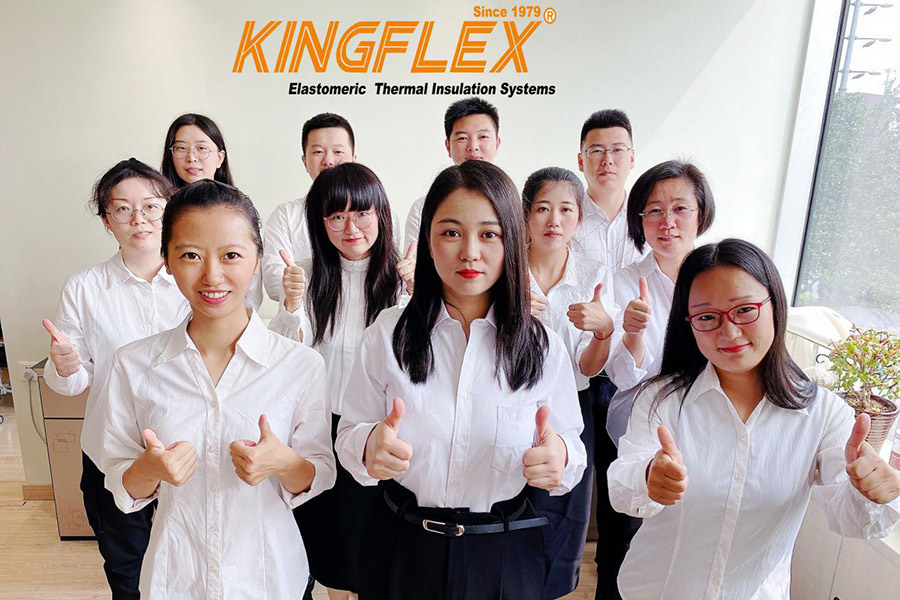
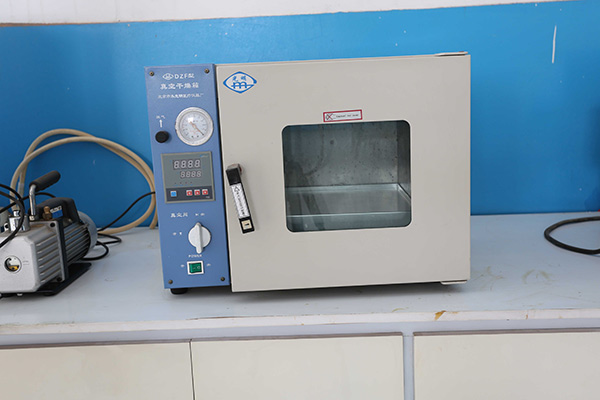
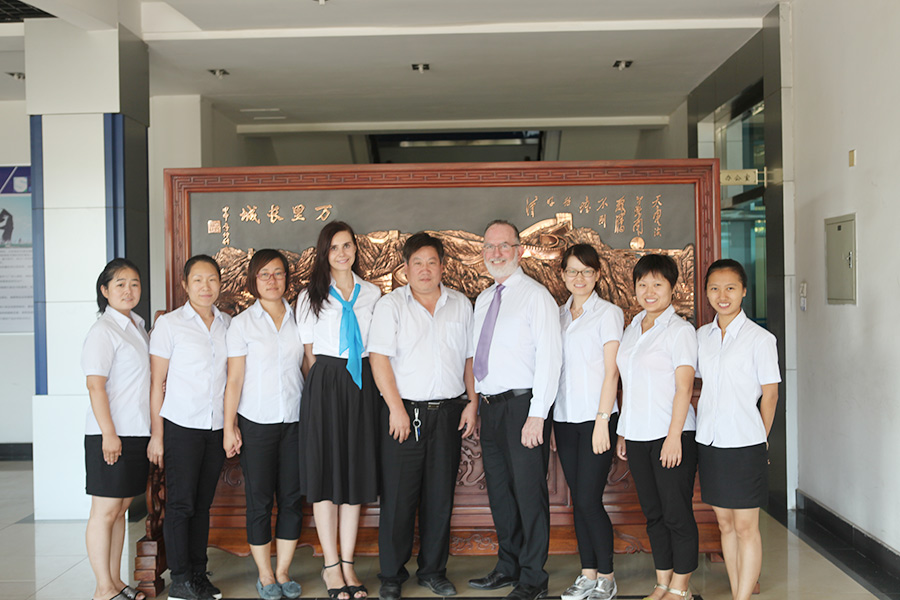
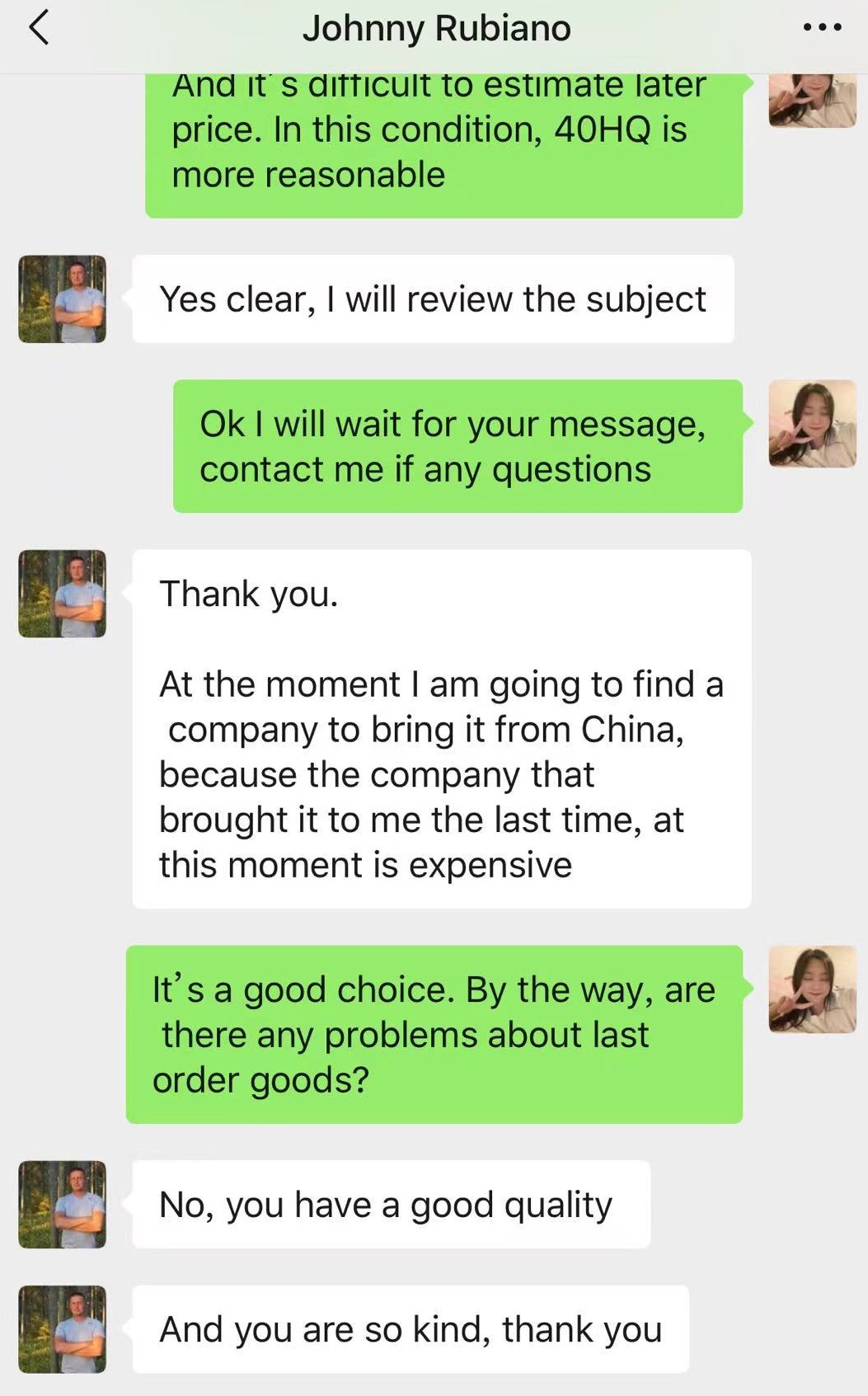
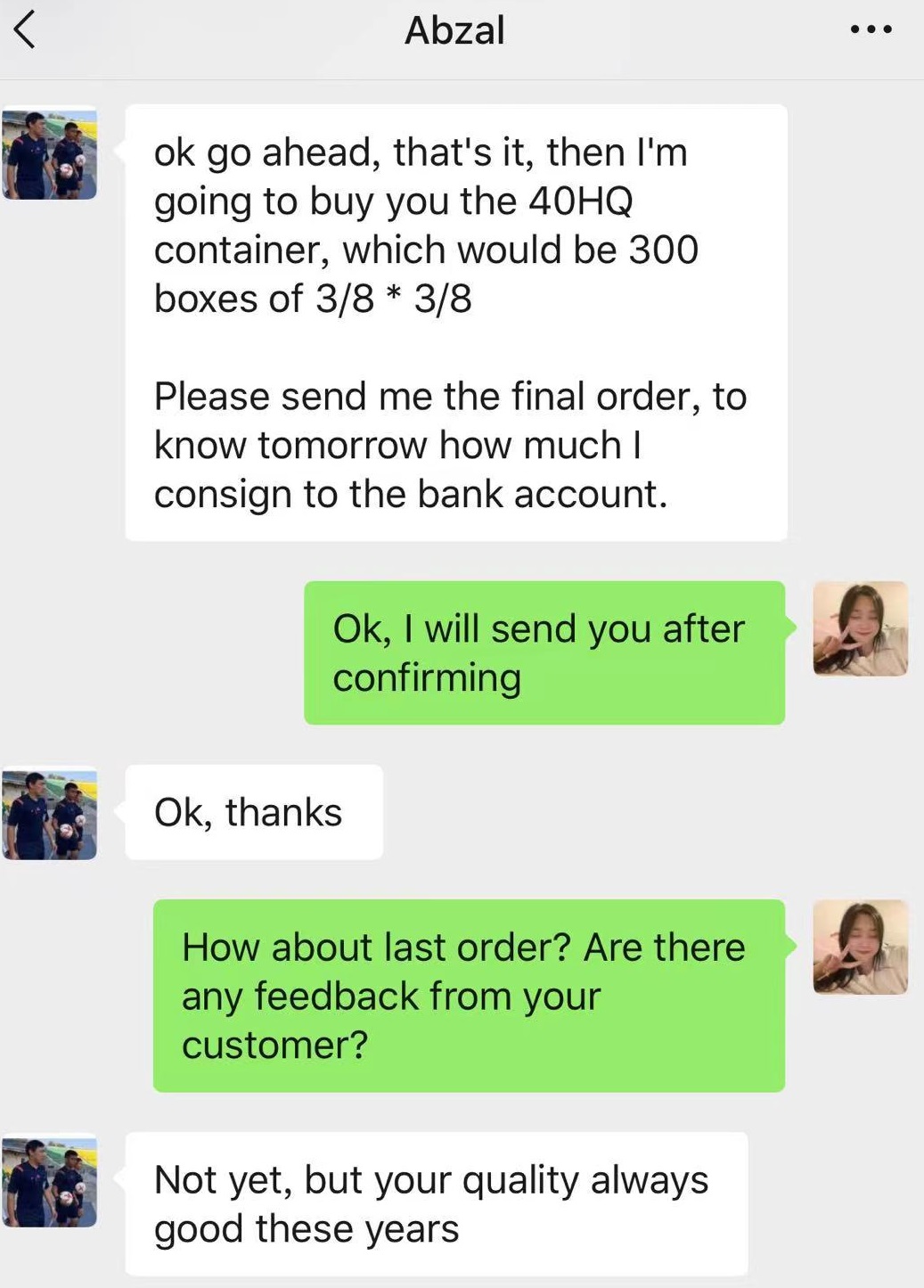
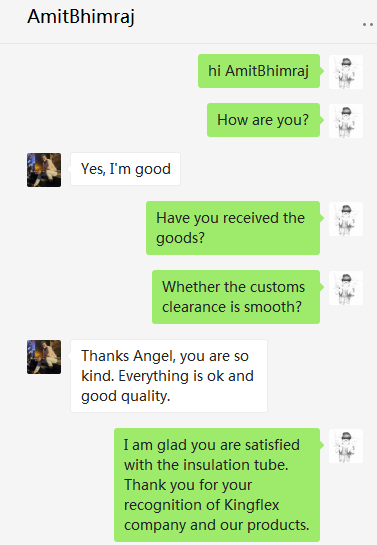
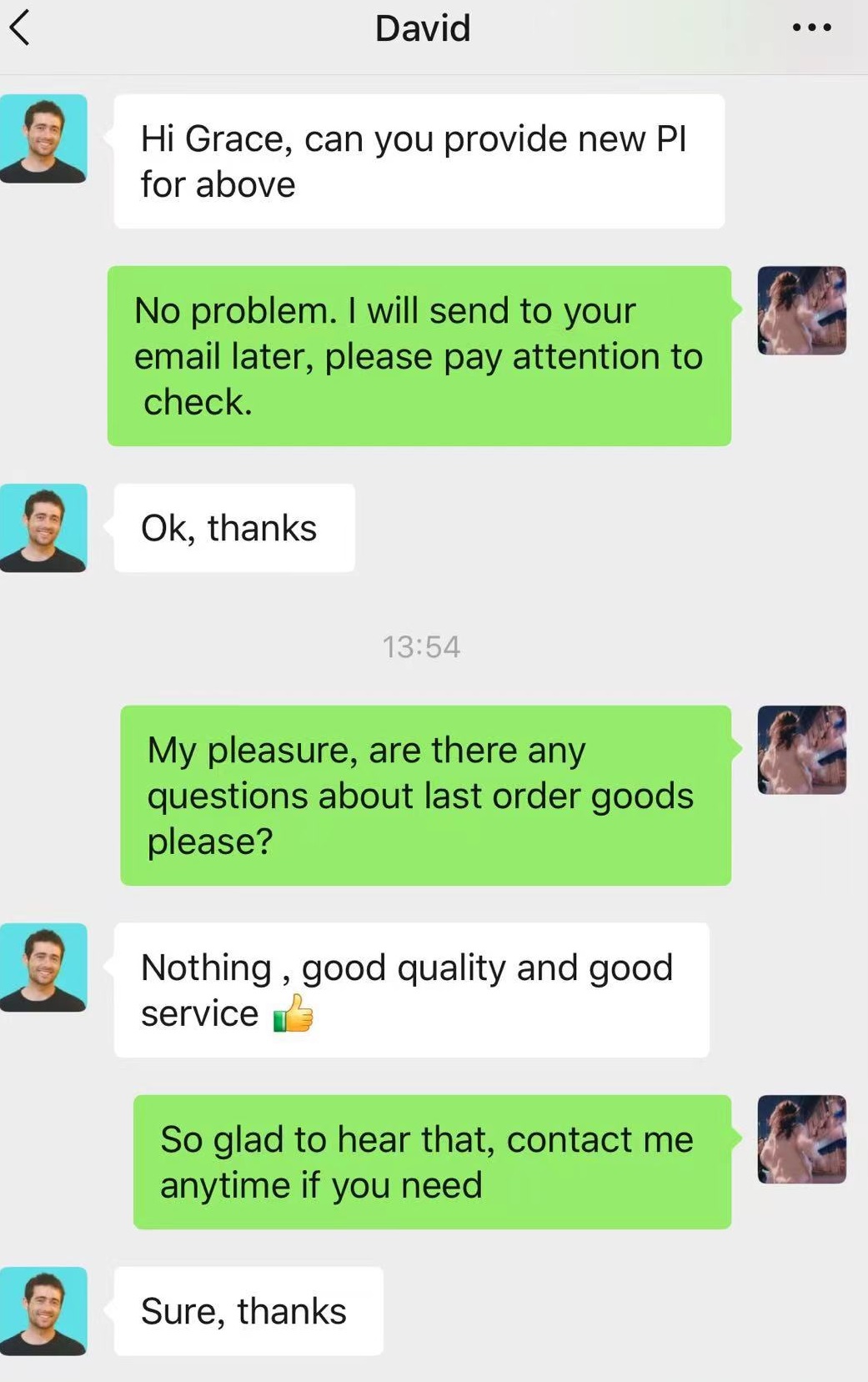
Quality Inspections & Client Collaborations
Providing clear traceability and verifying engineering compliance through our regular client support channels.
Technical & Sourcing FAQ
Answers to common engineering and commercial questions from procurement managers and engineers.
Q1: What is elastomeric rubber foam insulation used for?
It is primarily used for central HVAC ducts, chilled/hot air conditioning pipes, commercial building thermal insulation, industrial process cold lines, and sound absorption setups.
Q2: Is Kingflex rubber foam insulation fire resistant?
Yes. Our rubber foam insulation is formulated with flame retardants, meeting major fire safety standards such as BS 476 Class 0, UL94 V-0, and ASTM flammability criteria.
Q3: What is the difference between rubber foam and rock wool insulation?
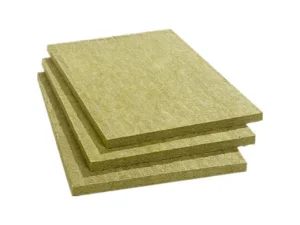
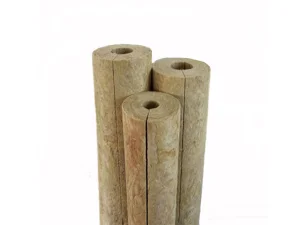
Rubber foam is flexible, has a closed-cell, moisture-proof structure, and is ideal for HVAC and cold-water pipes to prevent condensation. Rock wool is a fibrous material with high-temperature resistance, making it suitable for industrial high-temperature steam lines and structural fire walls.
Q4: Do you provide customized insulation products?
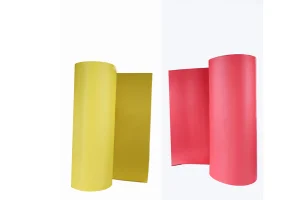
Yes, we provide full OEM and ODM services. We can customize dimensions, thicknesses (up to 50mm), inner diameters, densities, and colors (such as blue and red for zoning) to match specific project requirements.
Q5: What certifications do your products have?
Our products have passed CE, BS 476 Part 6 & 7, REACH, RoHS, UL94, and ASTM testing, ensuring compliance with environmental, toxicological, and safety standards globally.
Q6: Do Kingflex products have traceability?
Yes. Each production run has a batch code printed on the packaging or material surface. This allows us to trace raw materials, production line conditions, and QA inspection reports.
Q7: What thickness of rubber foam insulation sheet rolls can you produce?
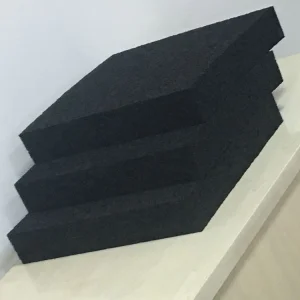
We manufacture flexible sheets and rolls in thicknesses ranging from 6mm to 50mm.
Q8: What is the expected service life of these rubber plastic pipes and boards?
When installed correctly in standard indoor or protected outdoor environments (with paint or jacketing), the typical service life ranges from 10 to 15 years, maintaining steady thermal resistance throughout.
Q9: Why choose blue colored insulation tubes instead of standard black?
Blue insulation is used to easily identify cold water supply and chilled HVAC return lines. This simplifies maintenance, cuts down on piping identification costs, and meets strict industrial color-coding guidelines.
Standard Projects & Testing Gallery
Visual evidence of our manufacturing processes, testing chambers, and finished product inventories.
Industrial Sourcing & Specifications Guide
Explore our full line of elastomeric materials, rock wool, and soundproofing options available directly from our manufacturing facilities.
 Kingflex