Explore our top-tier industrial thermal and acoustic insulation range designed for demanding global HVAC, industrial, and building operations.
The global industrial and commercial construction sectors are undergoing a paradigm shift driven by stringent energy efficiency regulations, net-zero greenhouse gas commitments, and modern building codes such as ASHRAE 90.1 and EN 14304. In this scenario, closed-cell elastomeric rubber foam insulation has emerged as a key technology for thermal efficiency, mechanical resilience, and long-term acoustic performance.
Unlike traditional open-fibrous insulation materials, elastomeric foam (primarily NBR/PVC-based copolymer structures) integrates a built-in water vapor barrier. This structural feature offers high resistance to moisture ingress, preventing condensation in chilled water systems, HVAC ductwork, and process cooling applications. Liquid transport, chemical manufacturing, and LNG (Liquefied Natural Gas) distribution require cryogenic structural integrity, which makes low-temperature flexible foam systems critical to operations.
Furthermore, urban expansion and strict building acoustic regulations require materials that combine sound dampening and thermal efficiency. Continuous vulcanization manufacturing technologies now allow factories to modify cellular structures, creating specialized soundproof products suitable for mechanical room walls, acoustic linings, and high-density industrial sound barriers.
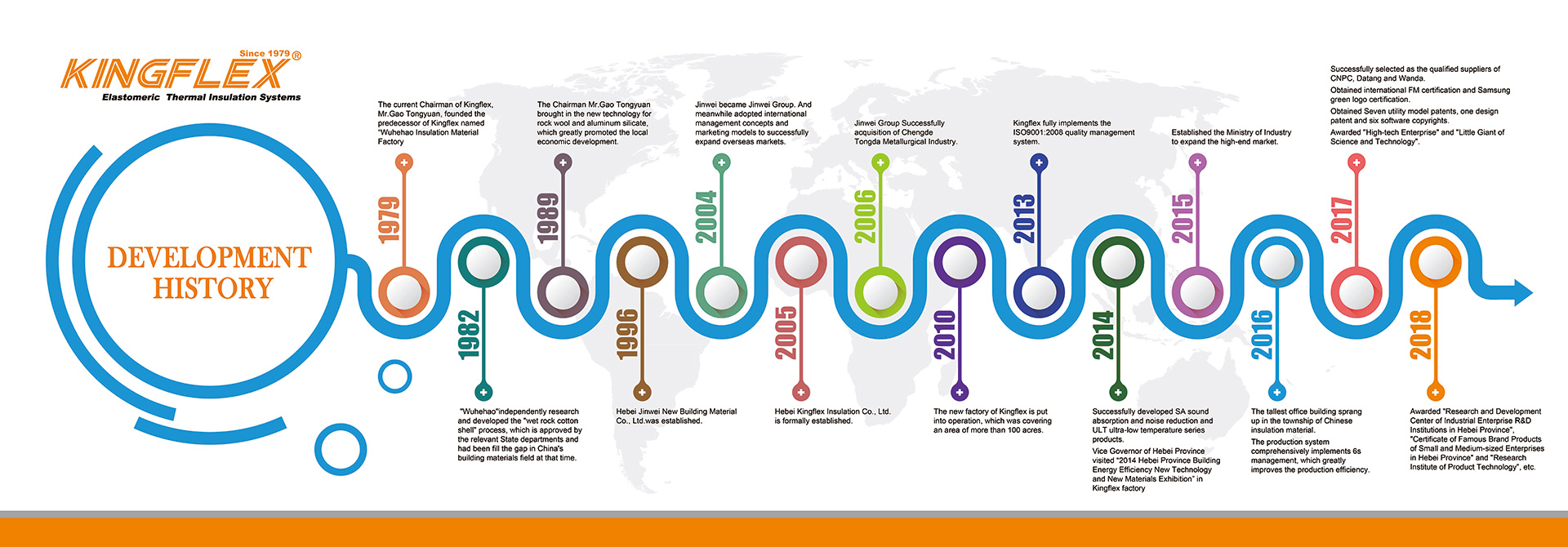
Built on a foundation established by the Jinwei Group since 1979, delivering global thermal control solutions from the capital of green-building materials.
As the first manufacturer of thermal insulation materials north of the Yangtze River, we leverage over 40 years of continuous manufacturing lineage.
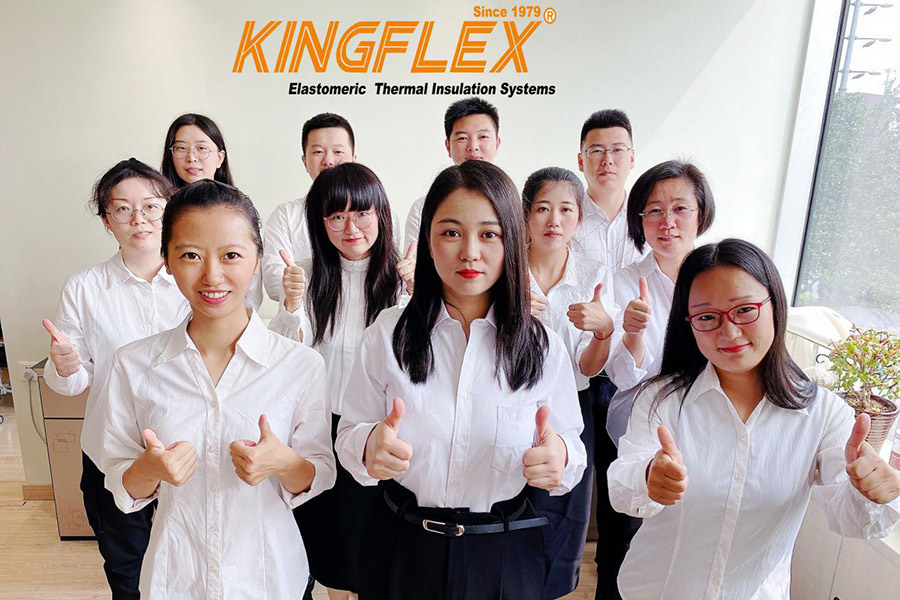
Our organization is driven by 8 expert R&D engineers, 6 international sales consultants, and 230 production specialists.
With 5 automatic assembly lines, we are a designated manufacturer for China's Ministry of Energy, Power, and Chemical Industry.
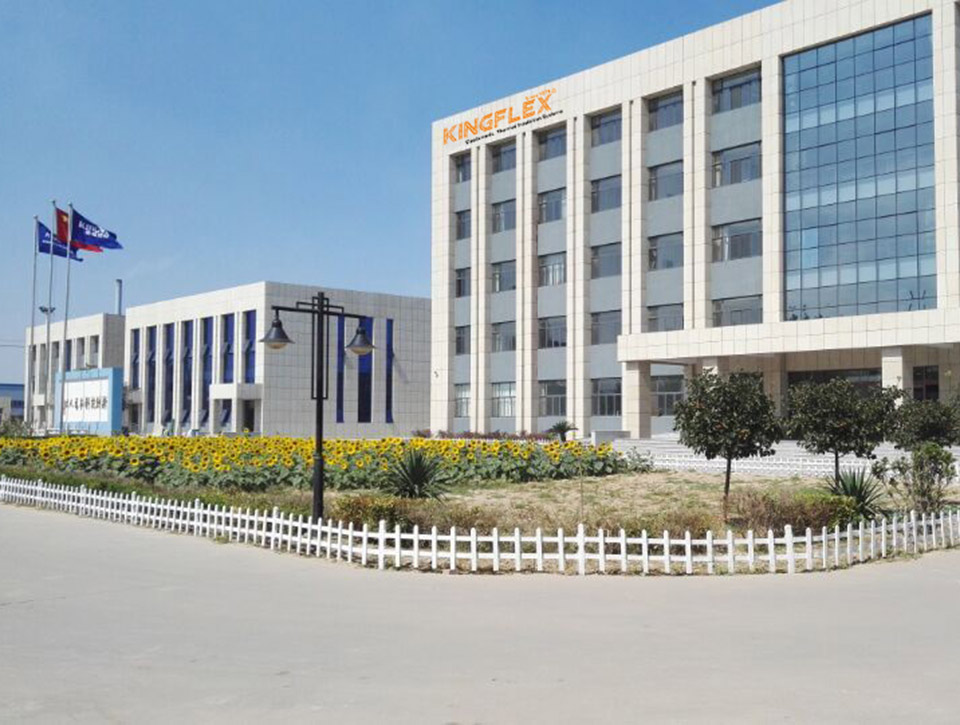
Located in Dacheng, China—the capital of green-building materials—Kingflex Insulation Co., Ltd. operates a combined manufacturing and trading setup for advanced thermal insulation. Our R&D division focuses on enhancing the chemical properties of elastomeric foam, improving flame retardancy, and minimizing VOC emissions.
Our core mission is to supply energy-saving insulation systems globally. By providing end-to-end technical consulting, customization, installation support, and after-sales service, we serve building and industrial projects across 66+ countries.
Dacheng's industrial concentration provides deep supply chain advantages for manufacturing thermal insulation. This localized network integrates raw material suppliers, packaging manufacturers, logistics networks, and technical colleges. This enables fast turnarounds on custom orders and reduces overall production costs.
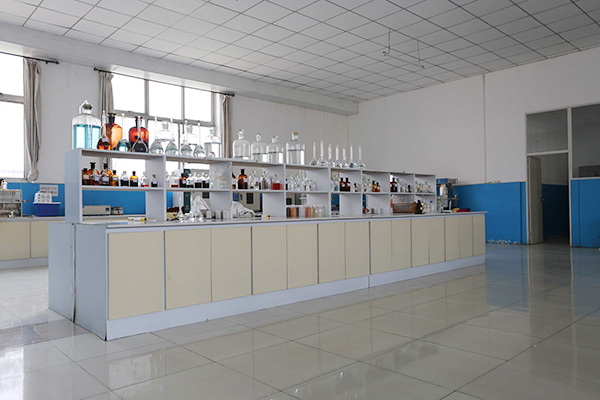
At Kingflex, we utilize advanced continuous vulcanization technology to ensure uniform foaming, stable density, and a closed-cell rate exceeding 98%. By using automated chemical dosing systems, we control key parameters like thermal conductivity and moisture resistance, ensuring consistency across high-volume production runs.
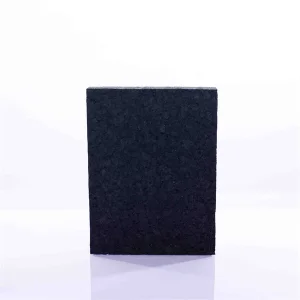
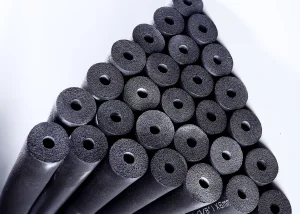
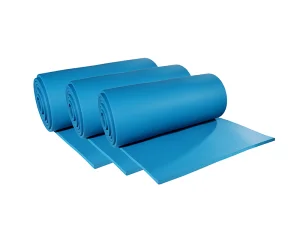
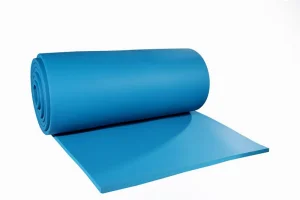
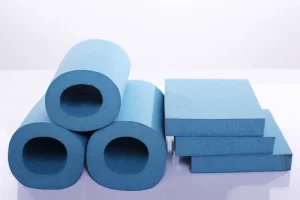
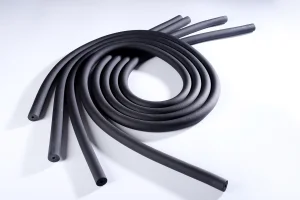
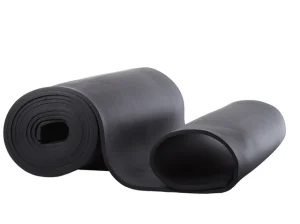
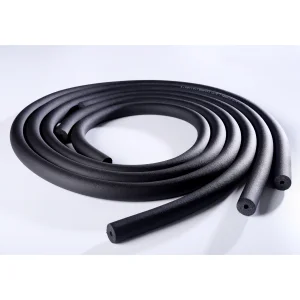
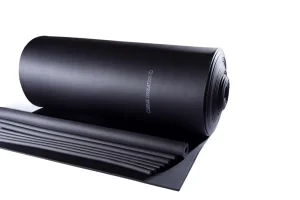
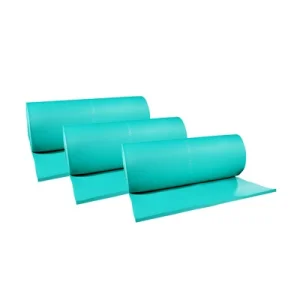
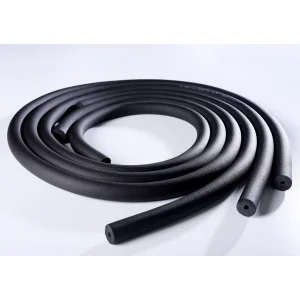
Review the technical parameters of our primary product lines: Elastomeric Sheet Rolls and Extruded Insulation Pipes.
| Thickness | 6mm - 50mm |
| Density Range | 40 - 55 kg/m³ |
| Operating Temp | -40℃ to 105℃ |
| Closed-Cell Rate | ≥ 98% |
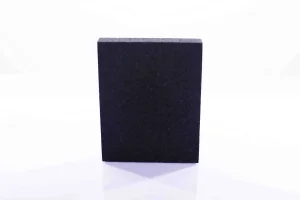
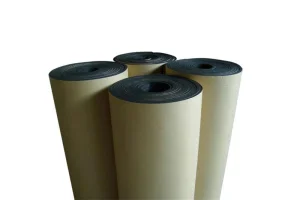
Features an even cell structure with low thermal conductivity. It is flame retardant, self-extinguishing, and has high moisture resistance, making it suitable for large ducts, flat surfaces, and irregular tank shapes.
HVAC systems, green roof structures, basement thermal and acoustic barriers, industrial storage tanks, and transportation carriages.
| Thickness | 9mm - 40mm |
| Inner Diameter | 6mm - 114mm |
| Operating Temp | -40℃ to 105℃ |
| Compression Resilience | ≥ 80% |
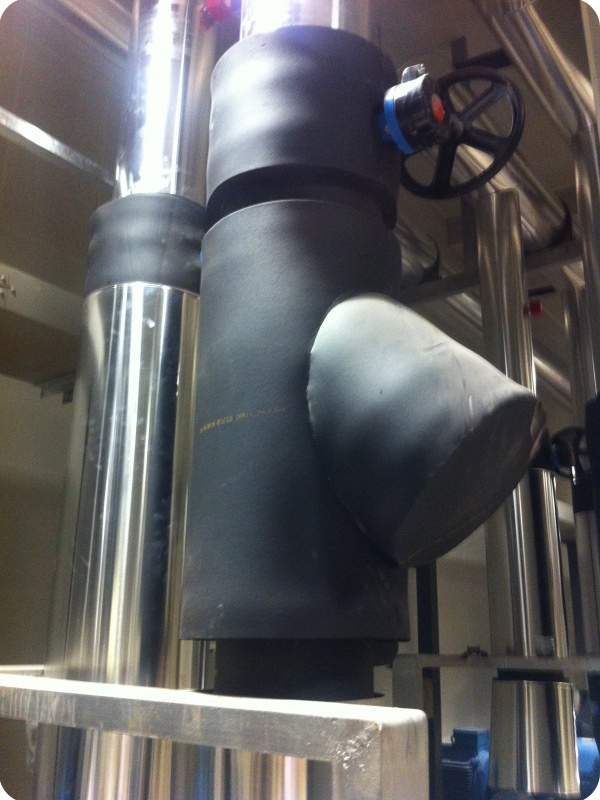
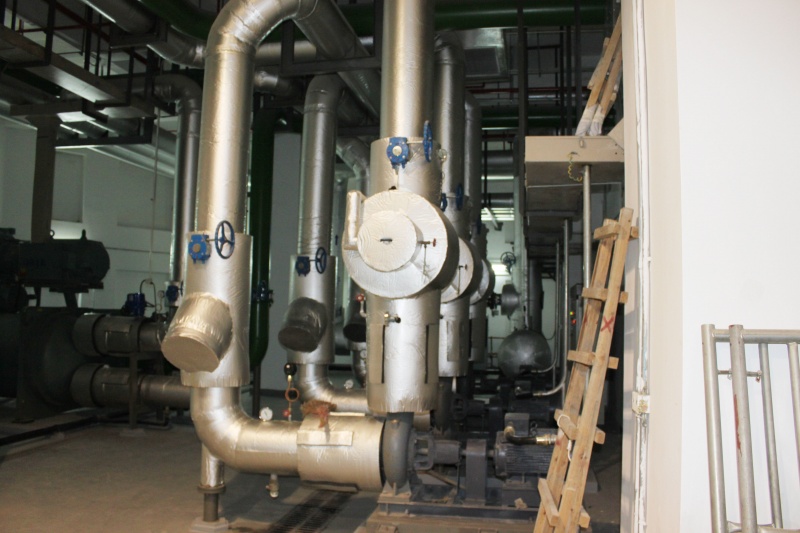
Designed for piping applications, this material uses a spray-extrusion process to ensure consistent wall thickness. It reduces the risk of pipe freezing, corrosion under insulation (CUI), and energy losses.
Central air conditioning chilled water lines, domestic hot water routing, process steam pipes, solar thermal systems, and chemical process piping.
From standard building systems to advanced industrial processes, Kingflex products deliver consistent performance in diverse environments.
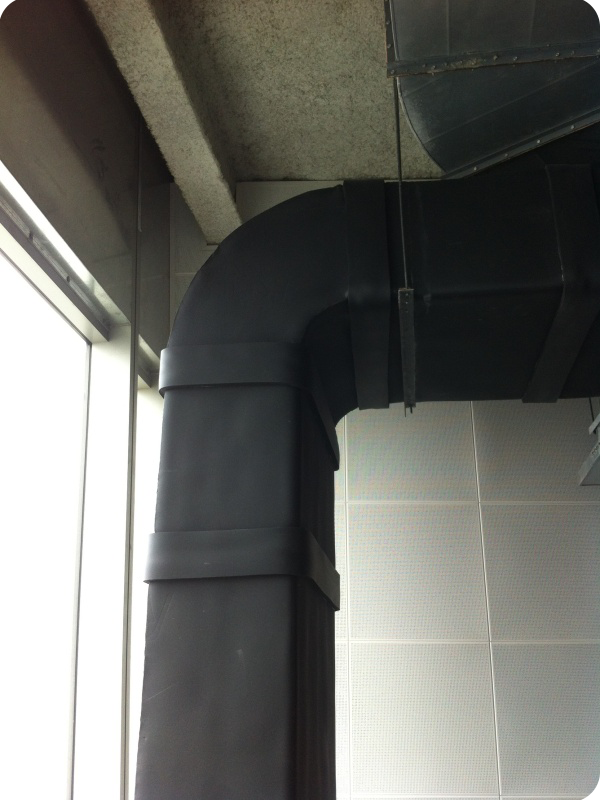
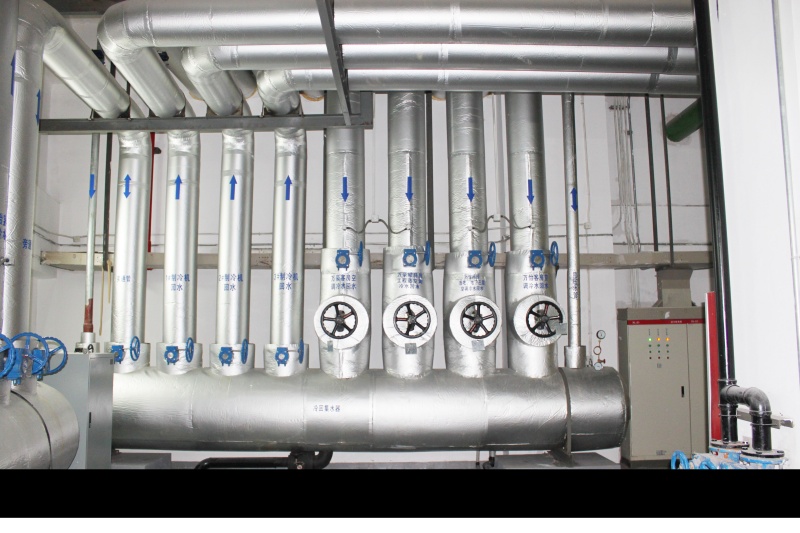
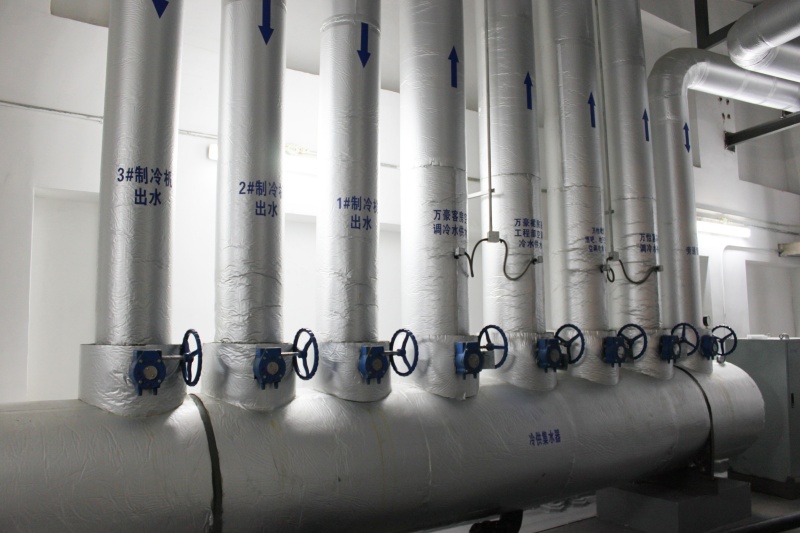
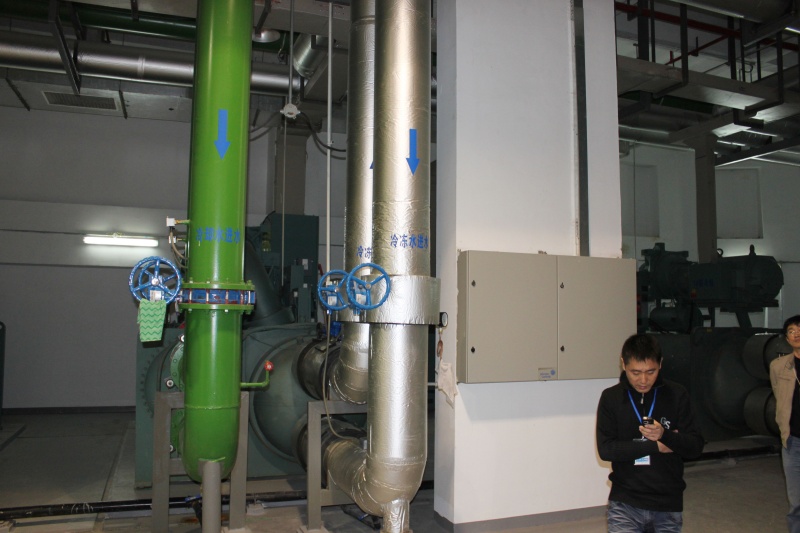
Widely used in commercial shopping centers, hotels, and healthcare facilities to insulate air ducts and chilled water pipes. The closed-cell structure prevents condensation, protecting drywalls and ceiling structures from water damage and mold growth.
Protects chemical, petrochemical, and manufacturing process lines. With an operating temperature range of up to 105℃, it reduces thermal loss, prevents corrosion under insulation (CUI), and enhances overall process efficiency.
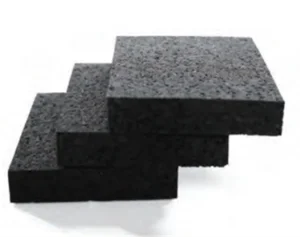
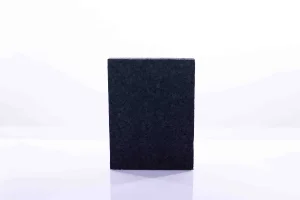
Open-cell variations are engineered to absorb noise in equipment rooms, generator enclosures, and recording studios. These sheets reduce airborne sound transmission and mechanical vibration in heavy machinery setups.
Designed for liquid gas piping, LNG processing, and cold-chain logistics. Specialized cryogenic formulations remain flexible at sub-zero temperatures, preventing stress cracking and thermal contraction failure.
Meets strict fire and smoke safety standards (BS 476 Part 6 & 7, UL94 V-0 class), making it suitable for high-occupancy environments like airports, subways, railway hubs, and public hospitals.
The lightweight construction, mechanical resilience, and resistance to environmental stress make it a practical choice for insulation in marine vessels, railway carriages, and specialized automotive systems.


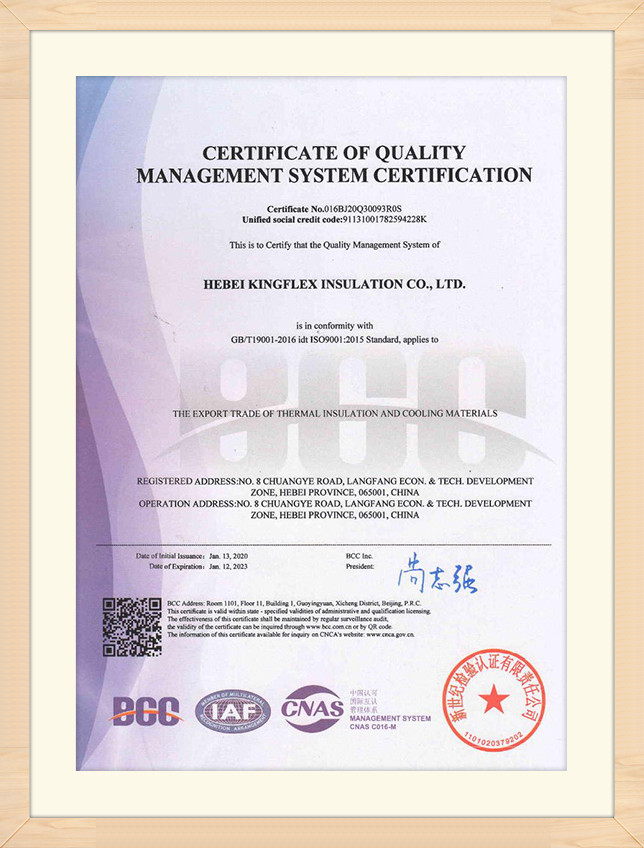
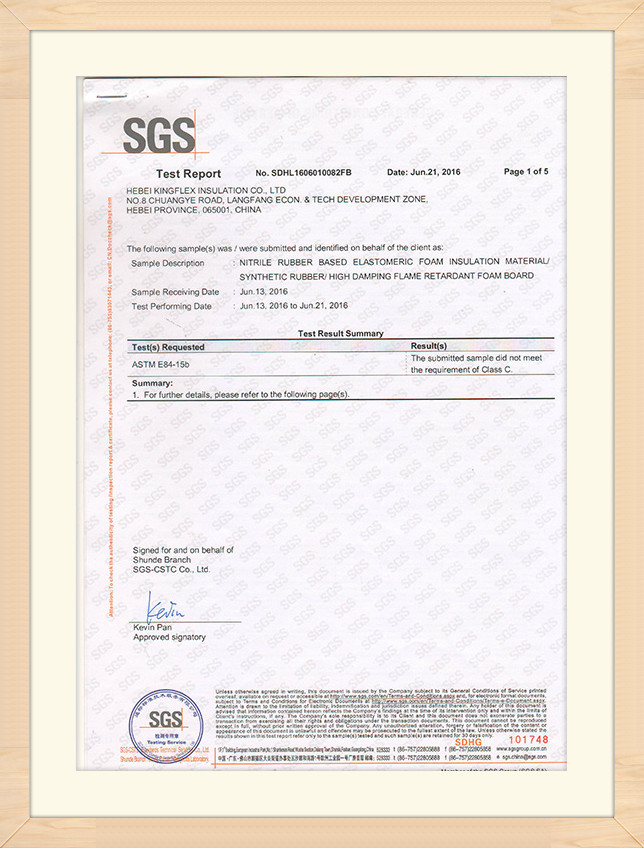
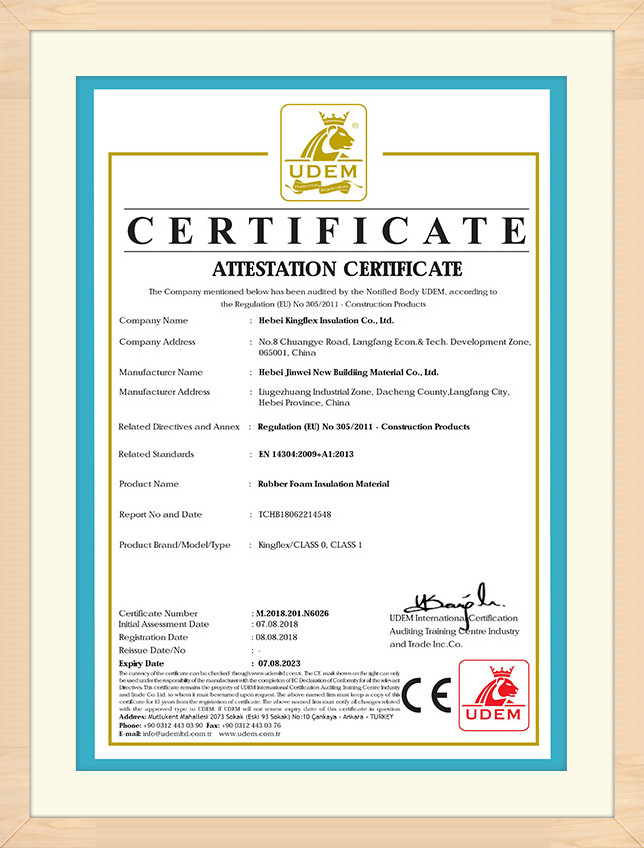
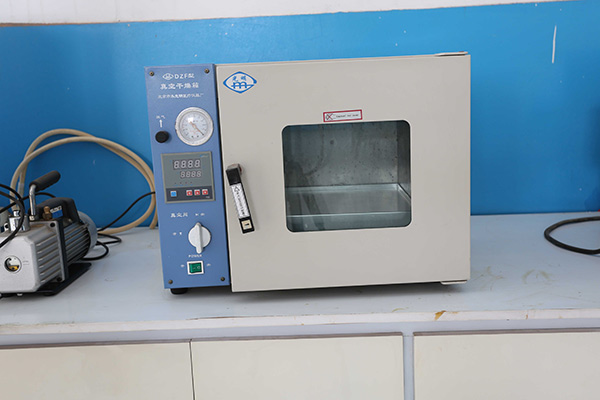
Kingflex operates under a quality management framework designed to meet international standards. We understand that design engineers, procurement heads, and builders require verified proof of material safety and performance.
Our NBR/PVC closed-cell products are certified to meet major international performance standards, ensuring compliance for global building and infrastructure projects:
Every production batch is traceable through individual lot markers and factory records, allowing project managers to trace materials back to their raw material inputs and quality control metrics.
Understanding how environmental policies, chemical innovations, and material engineering are shaping the next generation of insulation systems.
As green building standards focus on indoor air quality, the demand for halogen-free insulation is growing. Future product cycles prioritize polymer matrices that do not release halogenated gases during combustion.
Using foaming technologies with Zero Ozone Depletion Potential (ODP) and Global Warming Potential (GWP) of less than 1. This helps projects achieve higher points in rating systems like LEED, BREEAM, and DGNB.
Incorporating sensors within insulation structures allows for real-time monitoring of thermal leaks and moisture buildup. This data feeds directly into building management systems (BMS), reducing long-term maintenance costs.
Managing logistics for large-volume insulation orders requires careful coordination of shipping container space. Because elastomeric rubber foam has low weight relative to its volume, shipping costs are largely determined by volume. To optimize space, our logistics team utilizes compression packaging techniques for our sheet rolls, allowing for higher density within standard cargo containers.
We coordinate directly with international shipping lines from Tianjin and Qingdao ports to offer flexible incoterms (FOB, CIF, CFR, DDP). Our procurement department assists customers with custom clearances, certificate of origin paperwork, and local import regulations to ensure a smooth delivery process.
Customization options for density, thickness, color, and adhesive backing to meet specific project needs.
Comprehensive documentation and testing reports are provided for quality assurance and compliance reviews.
Durable outer packaging designed to protect product shapes during sea transport and handling.
Get detailed, technical answers to common questions about elastomeric rubber foam materials, certifications, and applications.
Select from our specialized solutions, including self-adhesive sheets, flexible piping, and cryogenic thermal systems.