Engineered to prevent heat gain/loss, control condensation, and resist moisture intrusion in critical infrastructure.
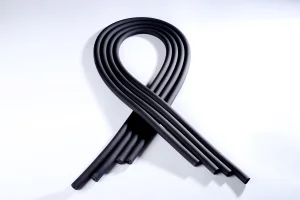
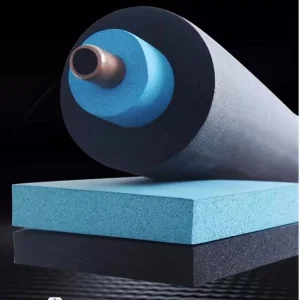
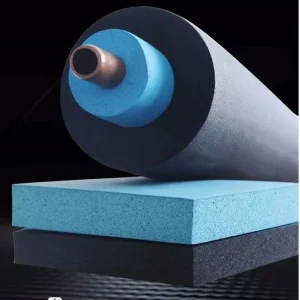
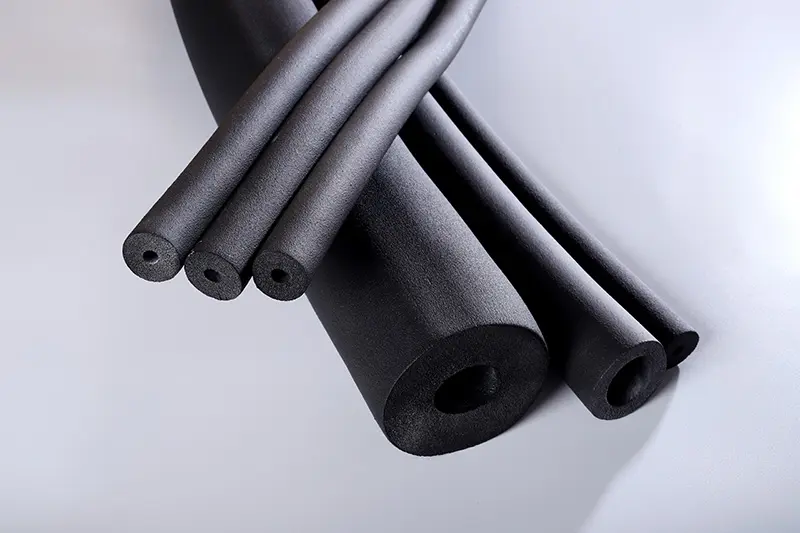
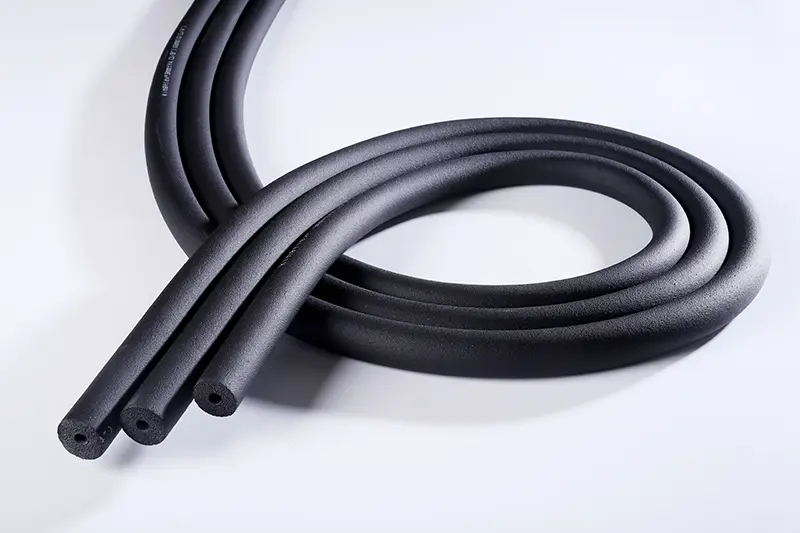
High-precision micro-bore NBR/PVC elastomeric tube for localized heat insulation and condensation control.
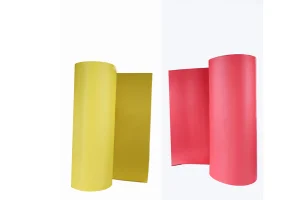
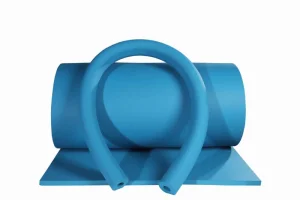
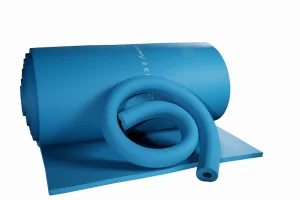
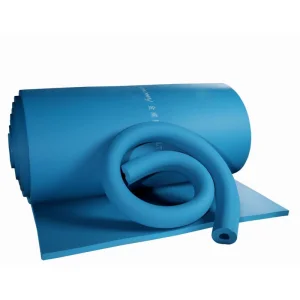
Versatile, high-density colored thermal sheets providing mechanical identification and structural insulation.
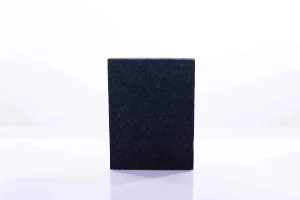
Ultrathin acoustic barrier lining utilizing structural damping to block high and medium-frequency pipe resonance.
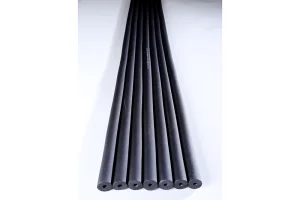
A wide range of industrial configurations for air ducts, standard plumbing lines, and equipment enclosures.
Specially developed cryogenic elastomeric composite designed to maintain flexibility down to extreme temperature ranges.
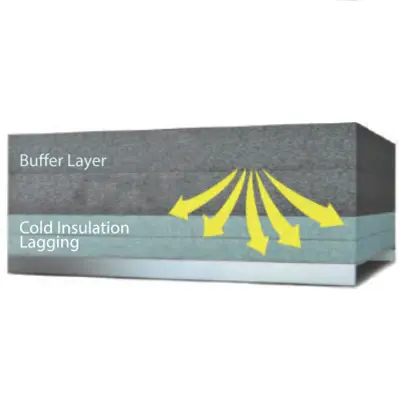
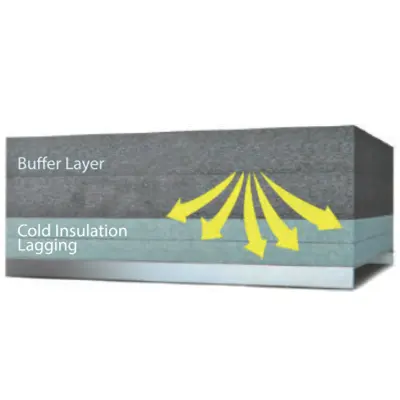
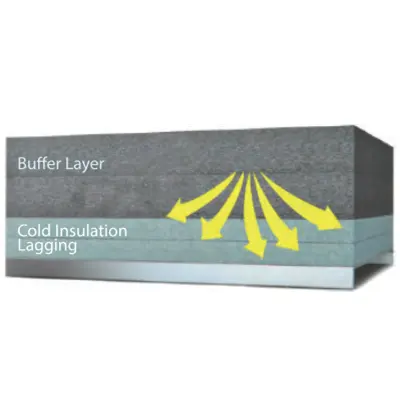
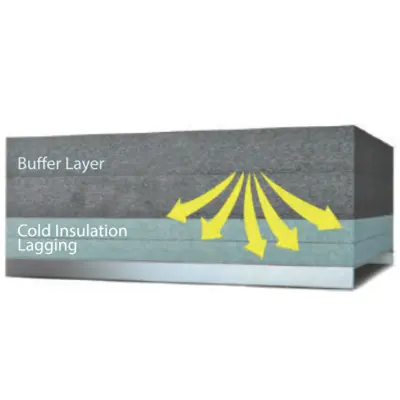
Proprietary sub-zero multi-layer piping solutions protecting chilled ammonia and LNG processing plants.
Integrated vapor barrier pipeline insulation offering dual-protection against stress corrosion cracking.
Industry-standard pre-slit and sleeve tubular insulation featuring robust thermal conductivity coefficients.
In modern HVAC engineering and high-precision process industries, energy efficiency and moisture control are critical. In commercial architecture, municipal energy networks, petrochemical installations, and cryogenic logistics, insulation is no longer just a passive cladding choice—it is a vital component of thermodynamic system design.
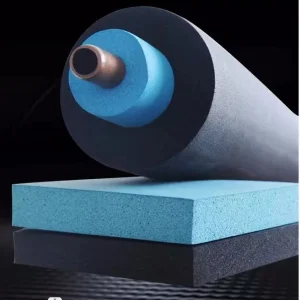
Elastomeric tubular sleeve insulation is at the forefront of this technology. Composed of high-grade Nitrile Butadiene Rubber (NBR) and Polyvinyl Chloride (PVC) co-polymer matrices, these materials provide closed-cell isolation. This structure prevents water vapor from penetrating, which in turn stops condensation and guards against pipe corrosion, while significantly reducing convective and conductive energy loss.
With global green building standards like LEED, BREEAM, and DGNB requiring strict thermal performance and low chemical emissions, using certified elastomeric systems is key to meeting sustainability goals and cutting project energy costs.
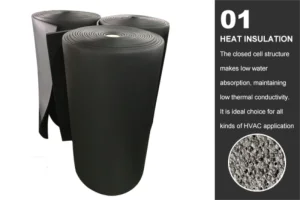
A system's thermodynamic efficiency depends on the continuous integrity of its vapor barrier. Standard fibrous insulation materials rely on secondary jackets to keep moisture out. However, closed-cell NBR/PVC structures contain millions of sealed micro-cells that act as built-in vapor barriers, maintaining thermal conductivity even in humid environments.
Understanding the cellular structure and thermodynamic metrics that drive modern HVAC performance.
The micro-cellular architecture prevents air convection and water vapor migration. By sealing gaseous nitrogen pockets inside the rubber polymer, we achieve a long-lasting, stable thermal conductivity profile.
With an average λ value of ≤ 0.034 W/(m·K) at 0°C, this composite reduces heat transfer between the fluid line and ambient environment, keeping energy loss to a minimum.
A moisture diffusion factor (μ) exceeding 10,000 ensures that water vapor is blocked. This helps prevent Condensation Under Insulation (CUI) and protects metallic lines from oxidizing.
Maintains physical flexibility and structural integrity across working temperatures from -40°C up to +105°C. Specialty cryogenic designs extend these capabilities to ultra-low temperatures.
| Thermal Standard Metric | Kingflex Standard Spec | Testing Reference Method | Typical Engineering Application Benefit |
|---|---|---|---|
| Density range | 40 - 55 kg/m³ | ASTM D1622 | Optimal ratio between mechanical toughness and air trapping. |
| Thermal Conductivity (λ) | ≤ 0.034 W/m·K at 0°C | ASTM C518 / ISO 8301 | High energy savings and minimized heat absorption in cold water lines. |
| Water Vapor Permeability | μ ≥ 10,000 | EN 12086 / ASTM E96 | Eliminates the need for external vapor barrier foils in typical indoor installations. |
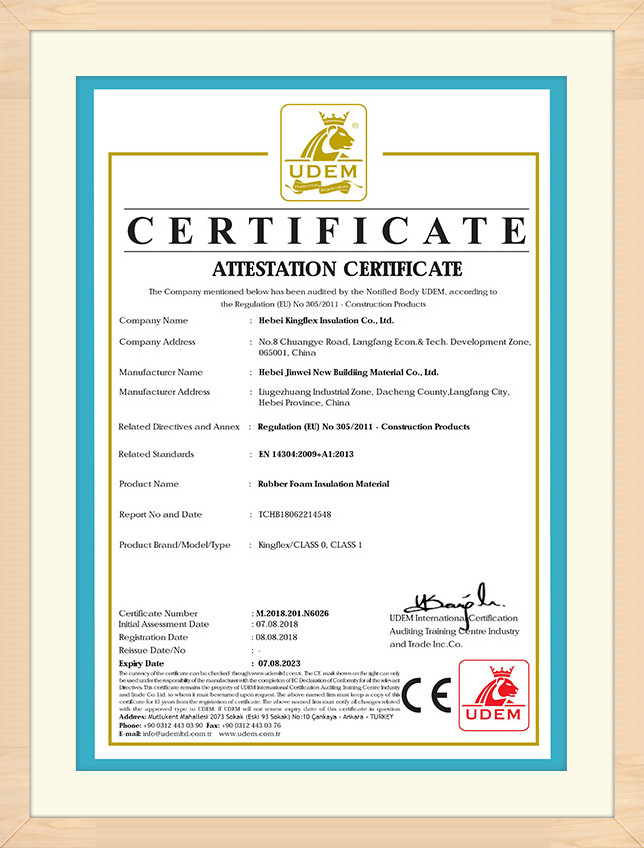
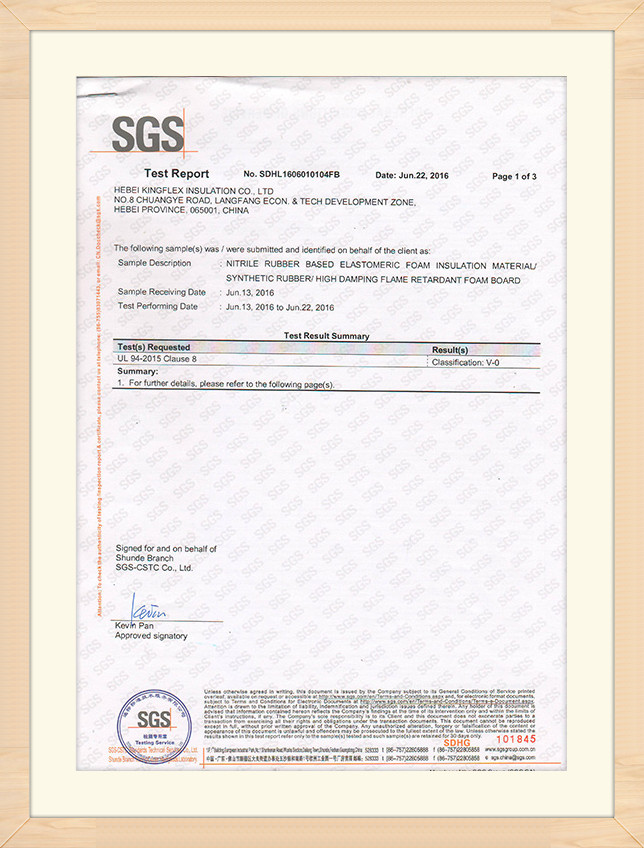
| Fire Safety Rating | Class 0 / Class 1 / V-0 | BS 476 Part 6 & 7 / UL 94 | Self-extinguishing material prevents flame spread in structural cavities. |
| Dimensional Shrinkage | ≤ 5% at maximum service limit | ASTM C548 | Guarantees tight, secure joins along longitudinal slits. |
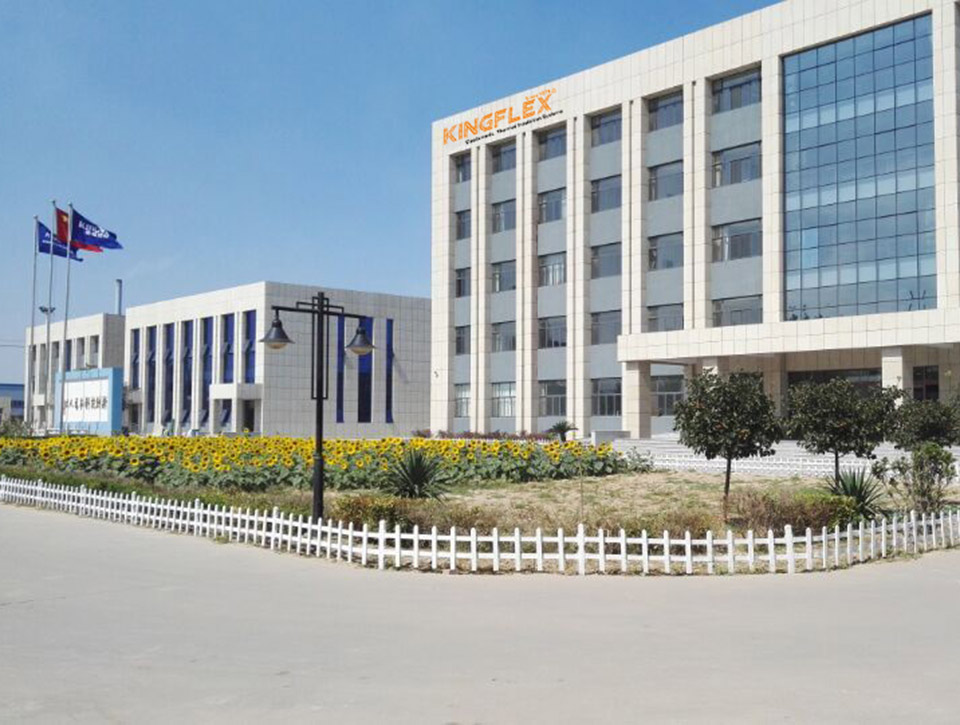
Kingflex Insulation Co., Ltd. is a leading manufacturer and trader specializing in high-performance thermal insulation products. Located in Dacheng, China—a well-known hub for green building materials—the company focuses on energy-efficient and environmentally friendly production.
In operation, Kingflex prioritizes energy savings and consumption reduction as core principles. We offer comprehensive insulation solutions through expert consultation, research and development, manufacturing, installation guidance, and dedicated post-sale service.
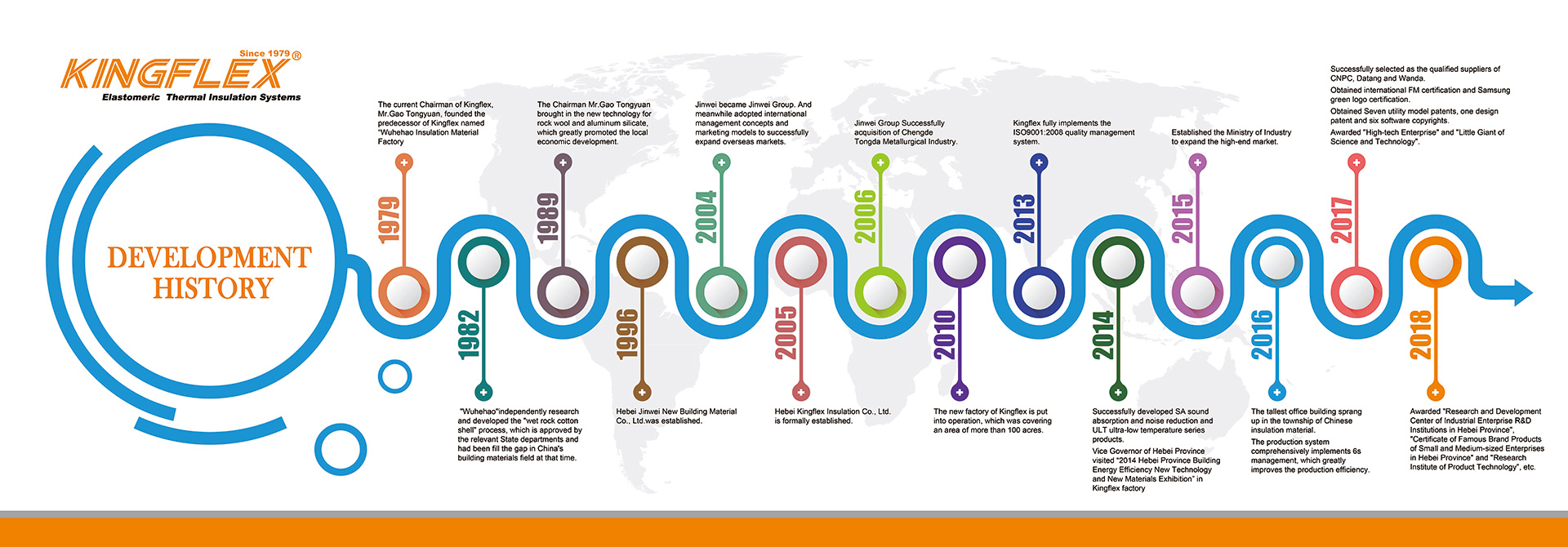
Kingflex was established by Jinwei Group, which has more than 40 years of history. Founded in 1979, Jinwei Group was the first manufacturer of thermal insulation materials north of the Yangtze River, paving the way for advanced elastomeric production in the region.
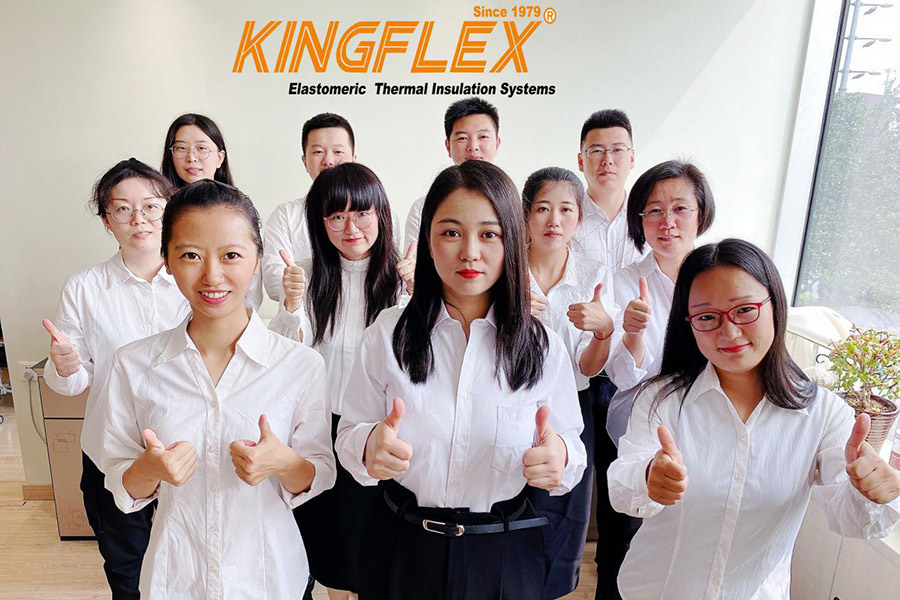
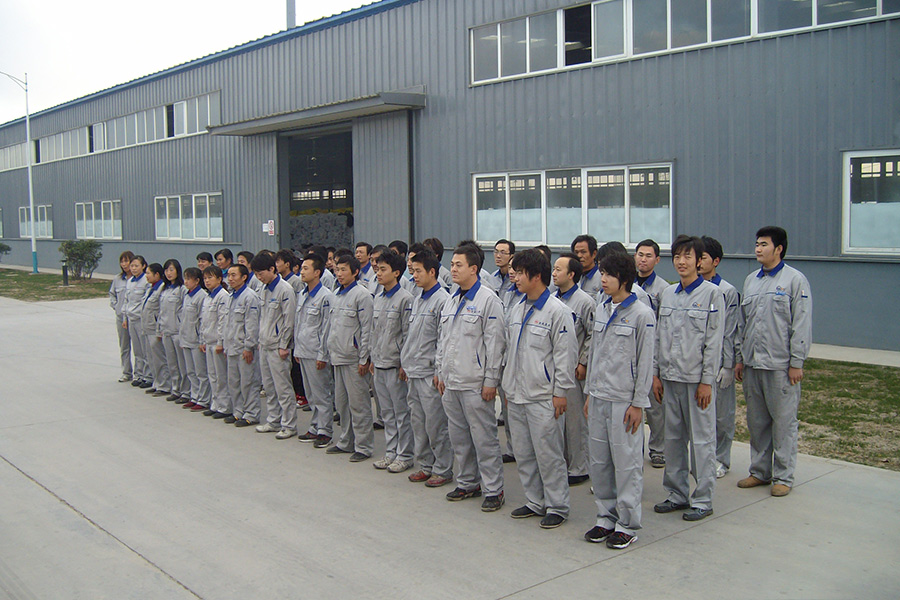
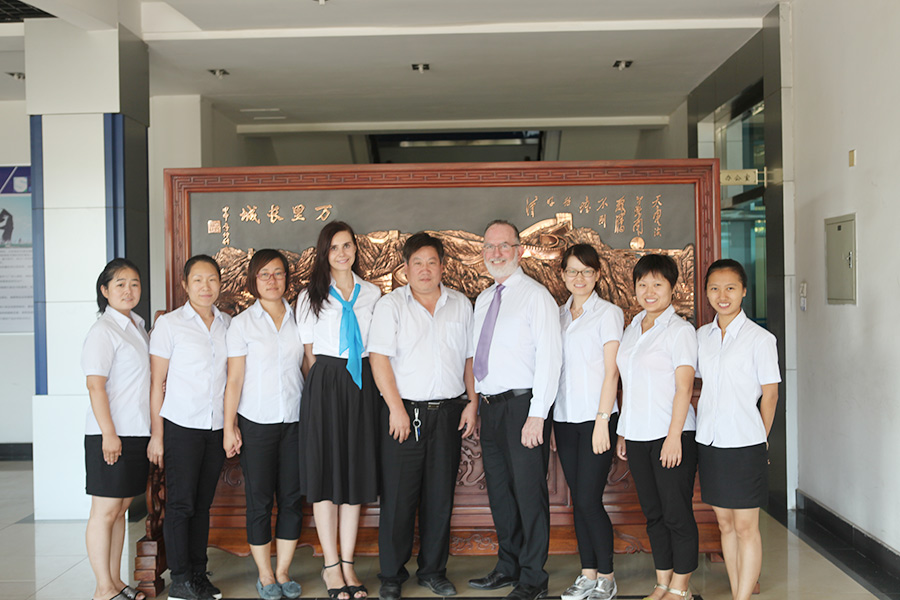
Our employees are exceptional professionals, but their collaborative work is what makes Kingflex a rewarding and innovative workplace. The Kingflex team is a tight-knit, talented group focused on delivering top-tier service and product consistency to our global clients.
Our technical department includes eight specialized R&D engineers, six international sales representatives, and 230 production staff members. This team ensures that our co-polymer blends are regularly optimized, keeping us ahead of changing regulatory and environmental demands.
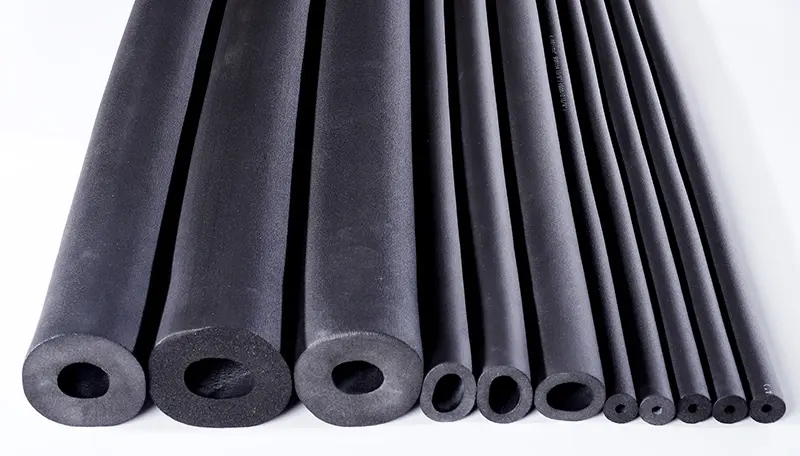
Comprehensive sizes and configurations designed for direct fit in standard industrial and commercial piping setups.
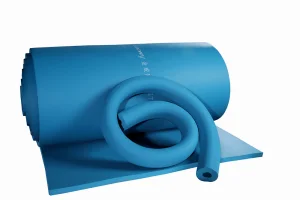
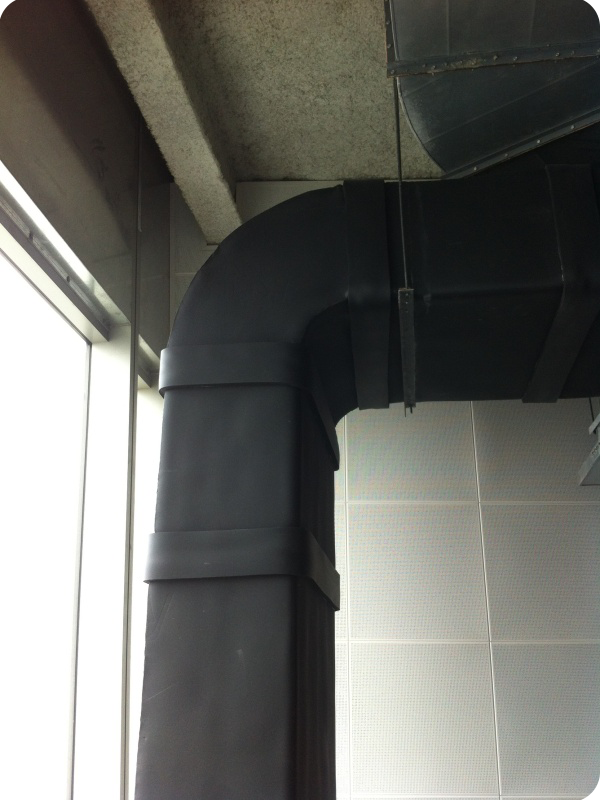
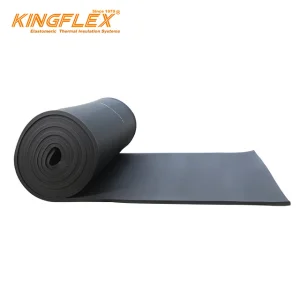
Perfect for large-diameter ductwork, mechanical chambers, and storage tanks. This material offers a flexible solution that resists physical tearing and simplifies installation on irregular profiles.


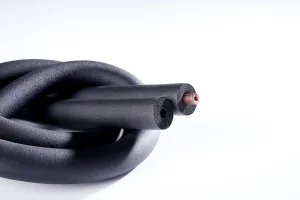
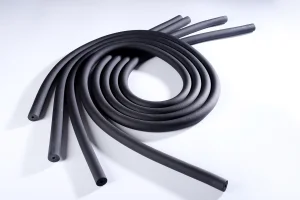
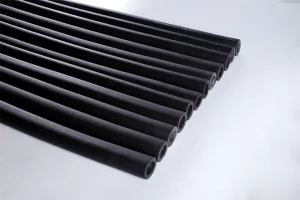
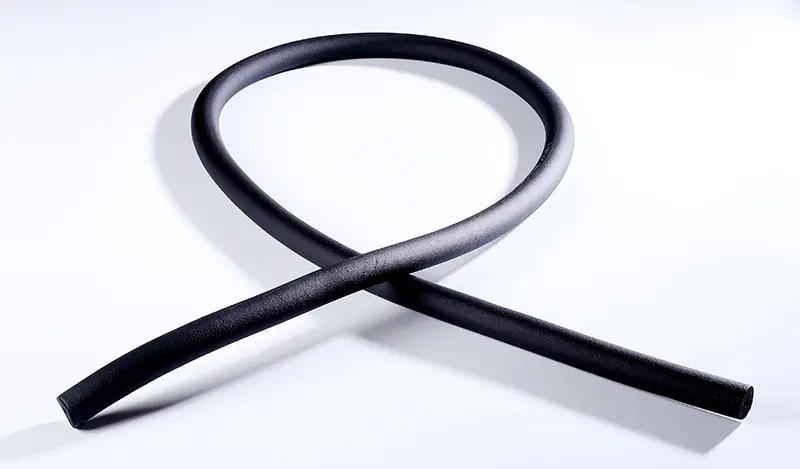
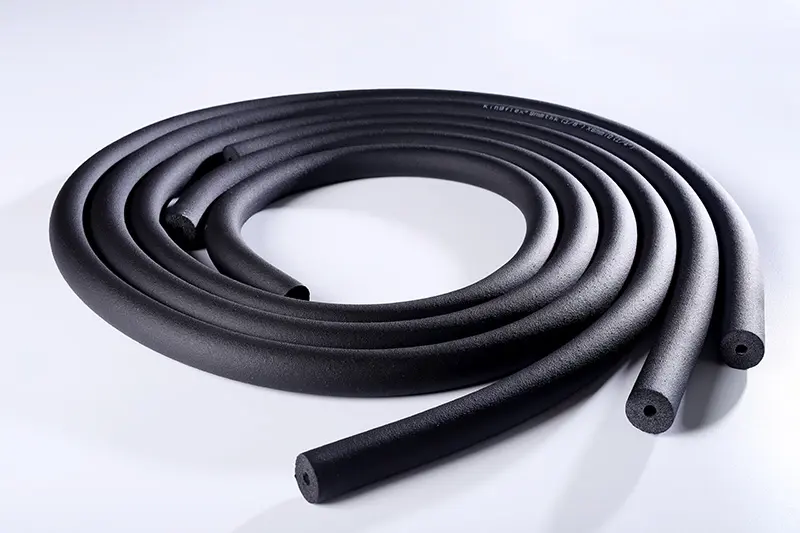
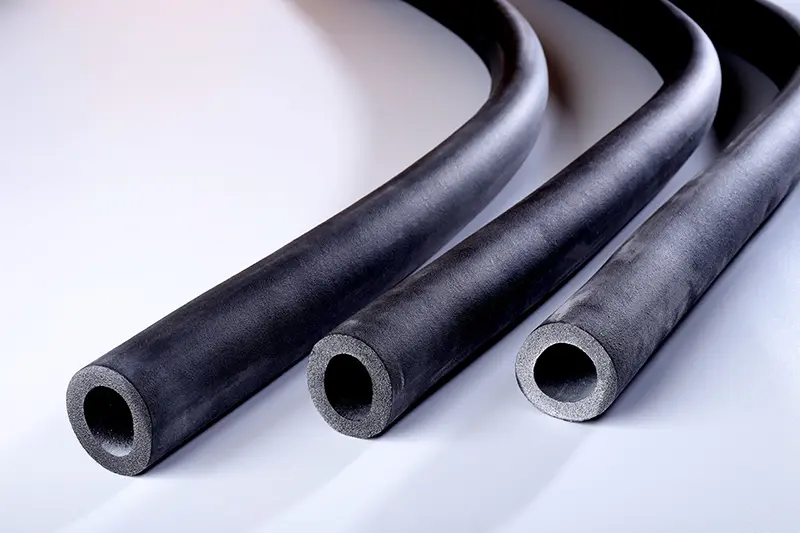
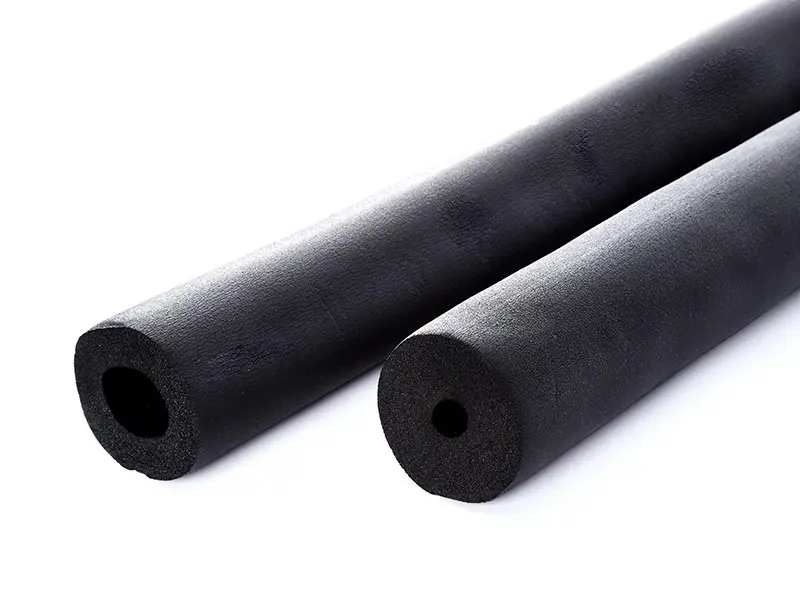
Pre-extruded sleeves designed to fit standard copper and steel pipe sizes. The flexible structure makes it easy to slide onto pipes before connection, or to slip over installed lines by slitting the tube longitudinally.
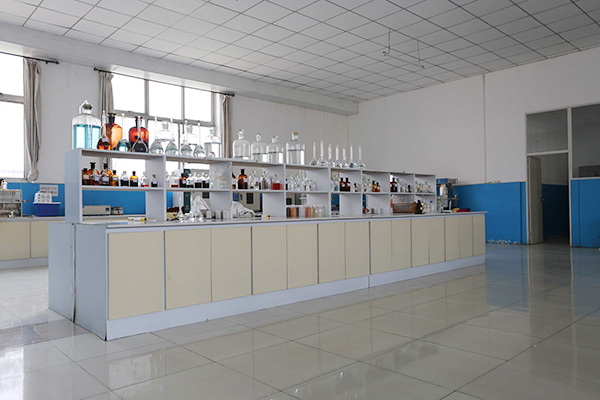
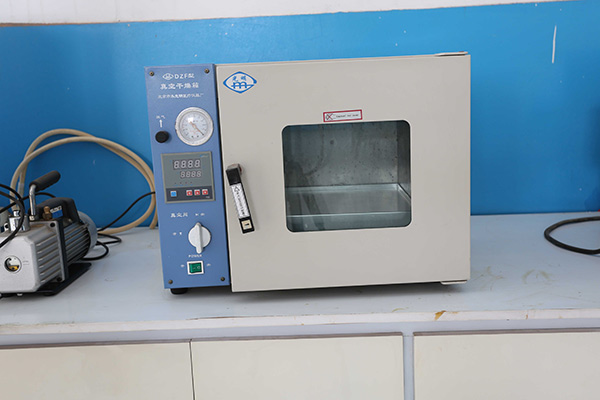
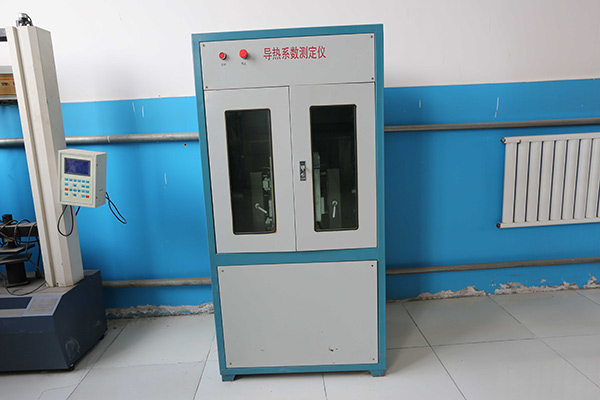
Our ISO-certified manufacturing process relies on automated lines and standard laboratory testing to ensure reliable thermal performance.


How engineering consultants select and apply Kingflex elastomeric systems across demanding sectors.
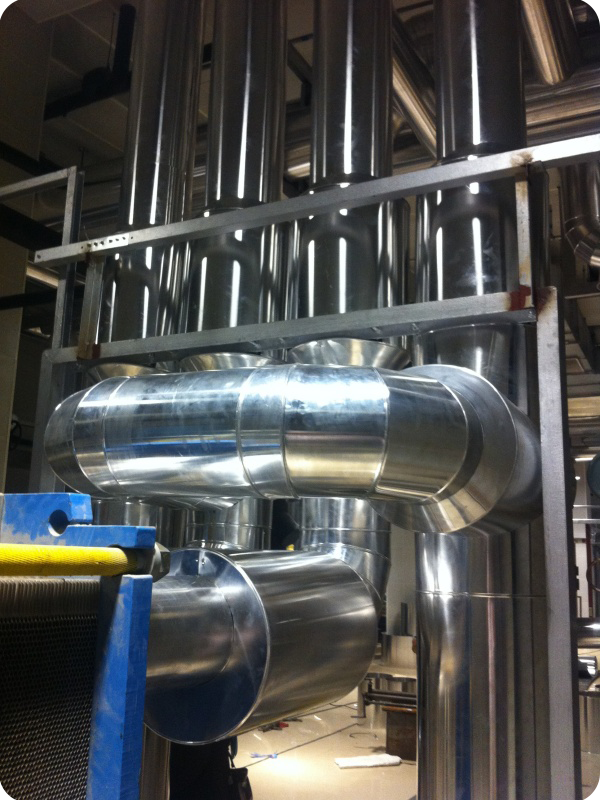
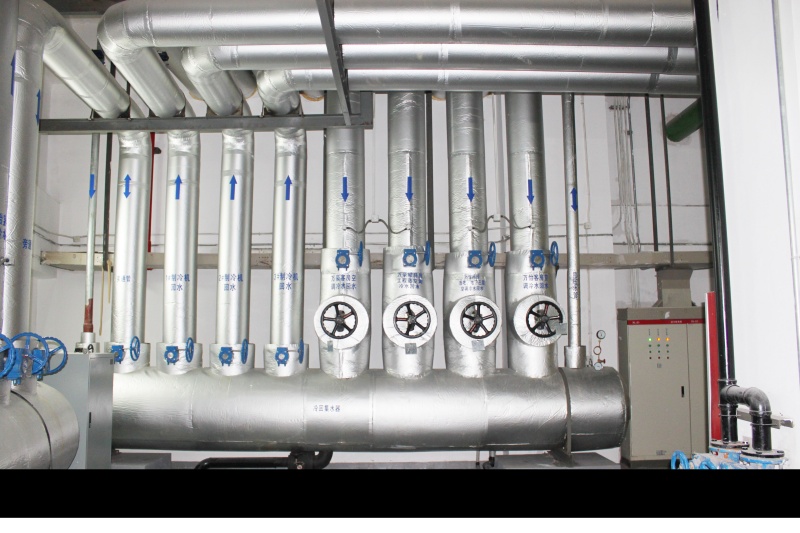
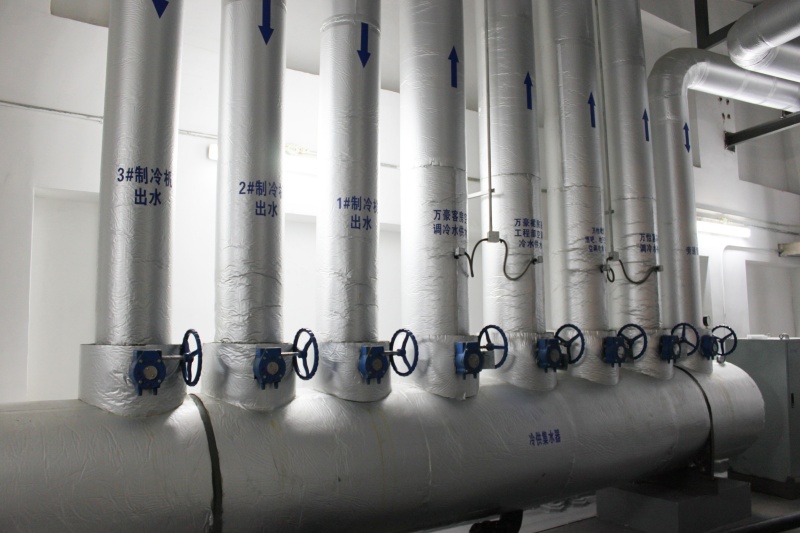
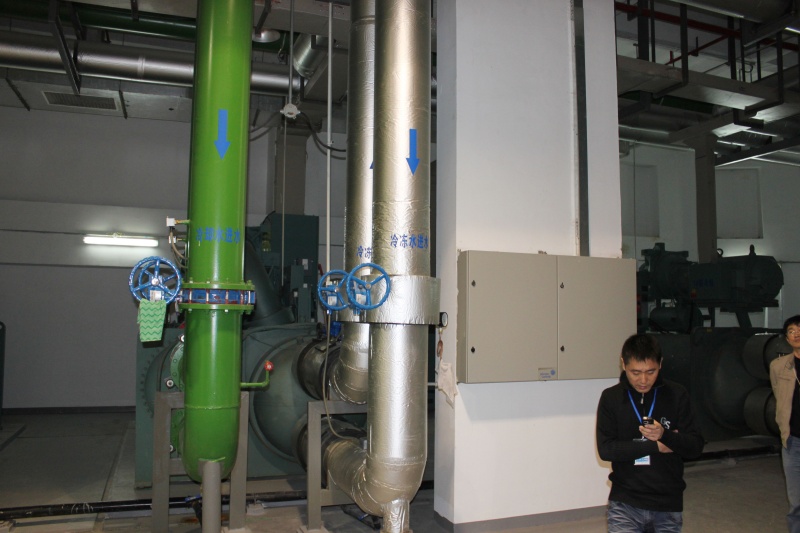
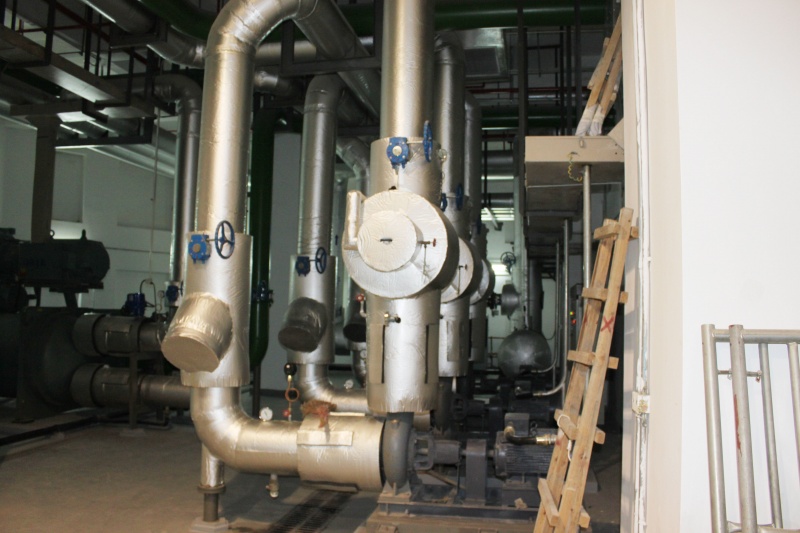
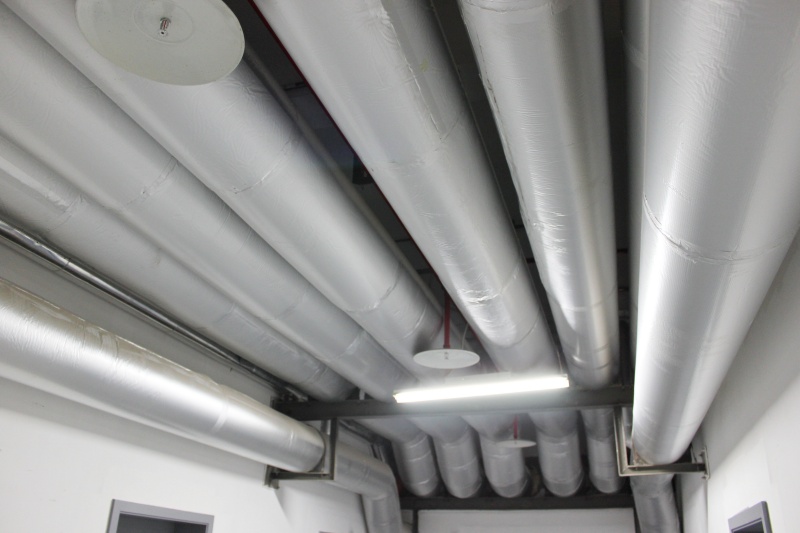
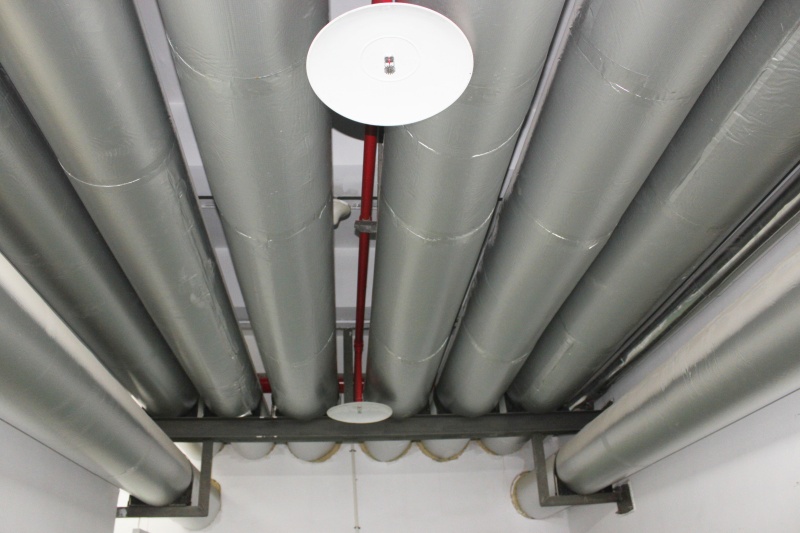
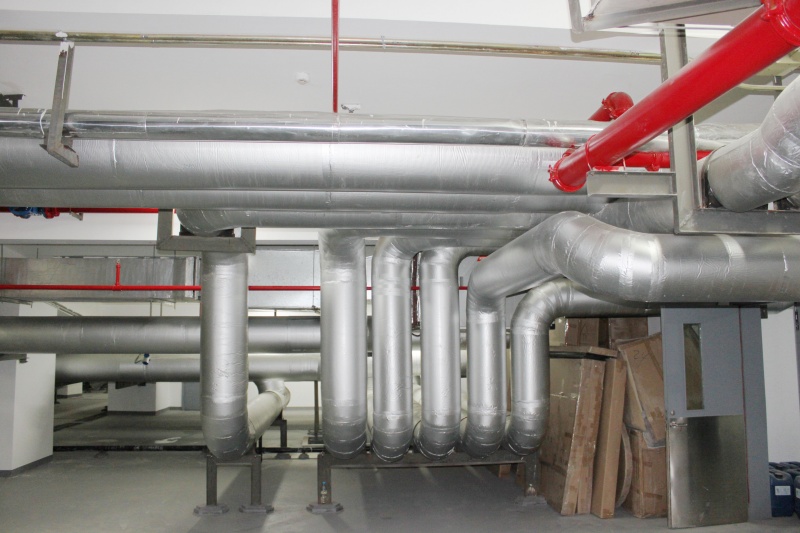
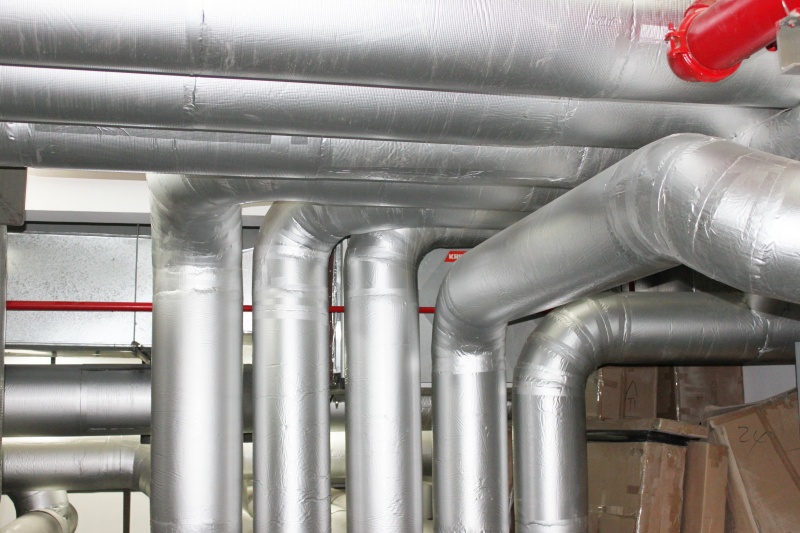
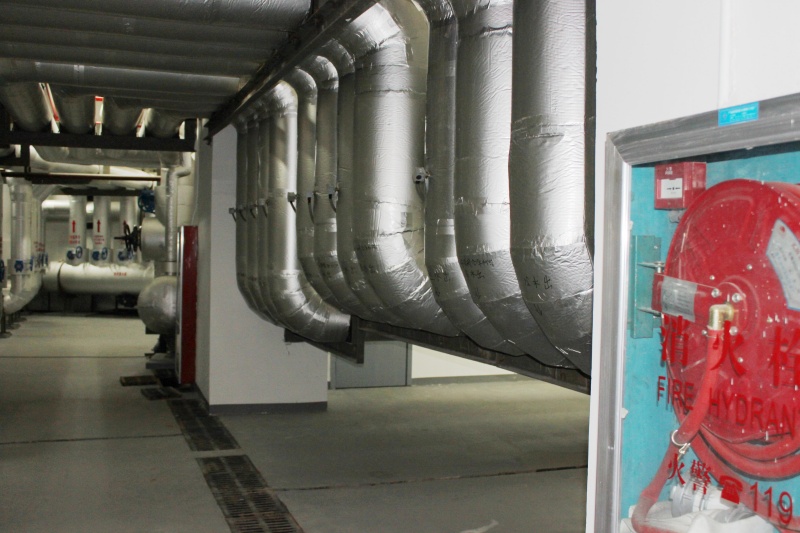
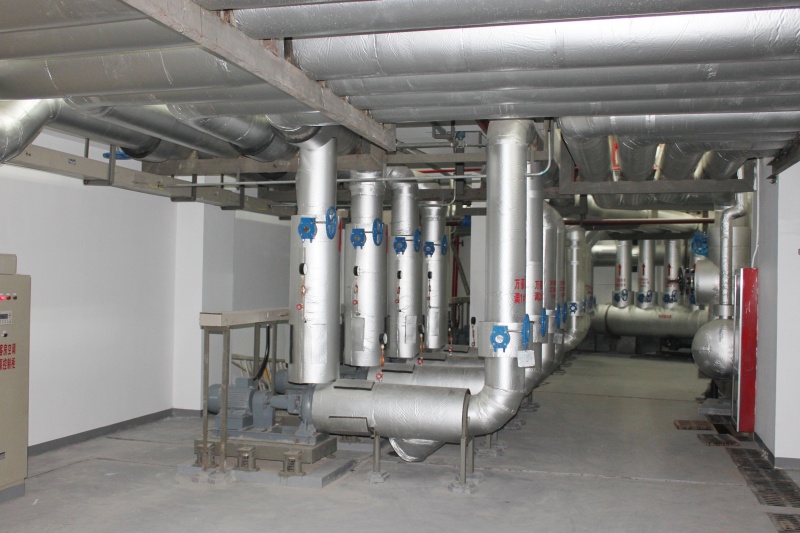
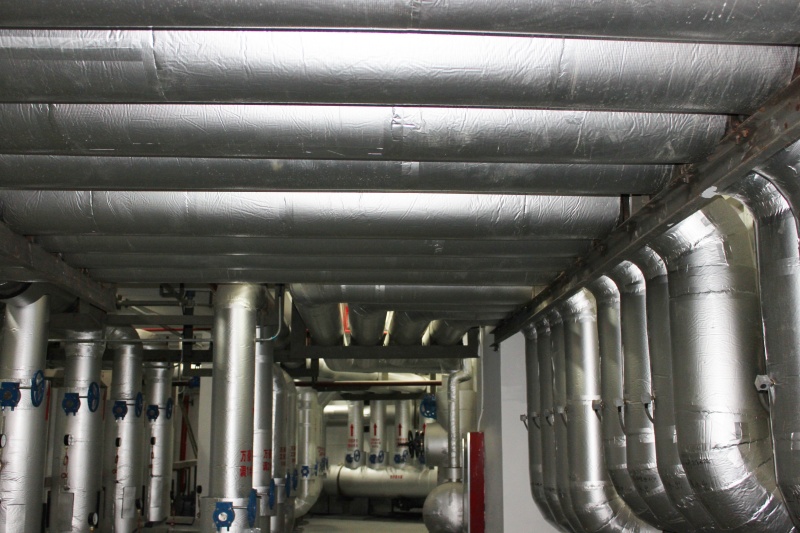
Specifically used to wrap chilled water supply lines, condensate drains, and return duct networks. It prevents dew-point moisture buildup in warm, humid ceiling voids.
Controls temperatures along pipes carrying process materials. The elastomer resists dilute acids, oils, and general chemicals, protecting against environmental degradation.
Specialized low-temperature systems protect liquid natural gas (LNG), industrial nitrogen, and LPG pipes. It keeps lines flexible and minimizes heat gain at temperatures as low as -200°C.
Its structural elasticity dampens noise in metal pipes. Wrapping wastewater and rainwater pipes with our 6mm sound barrier helps mute fluid movement sounds in luxury housing and hospital corridors.
Our insulation is trusted in over 66 countries for commercial developments, chemical complexes, and heavy infrastructure.


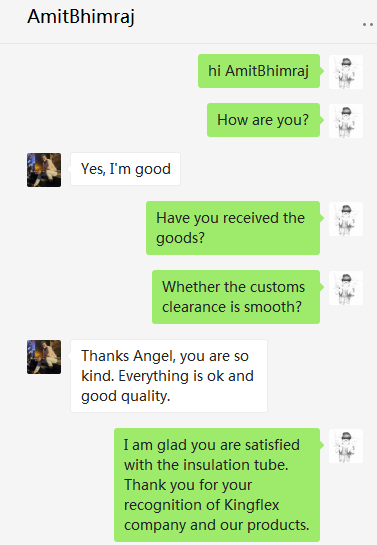
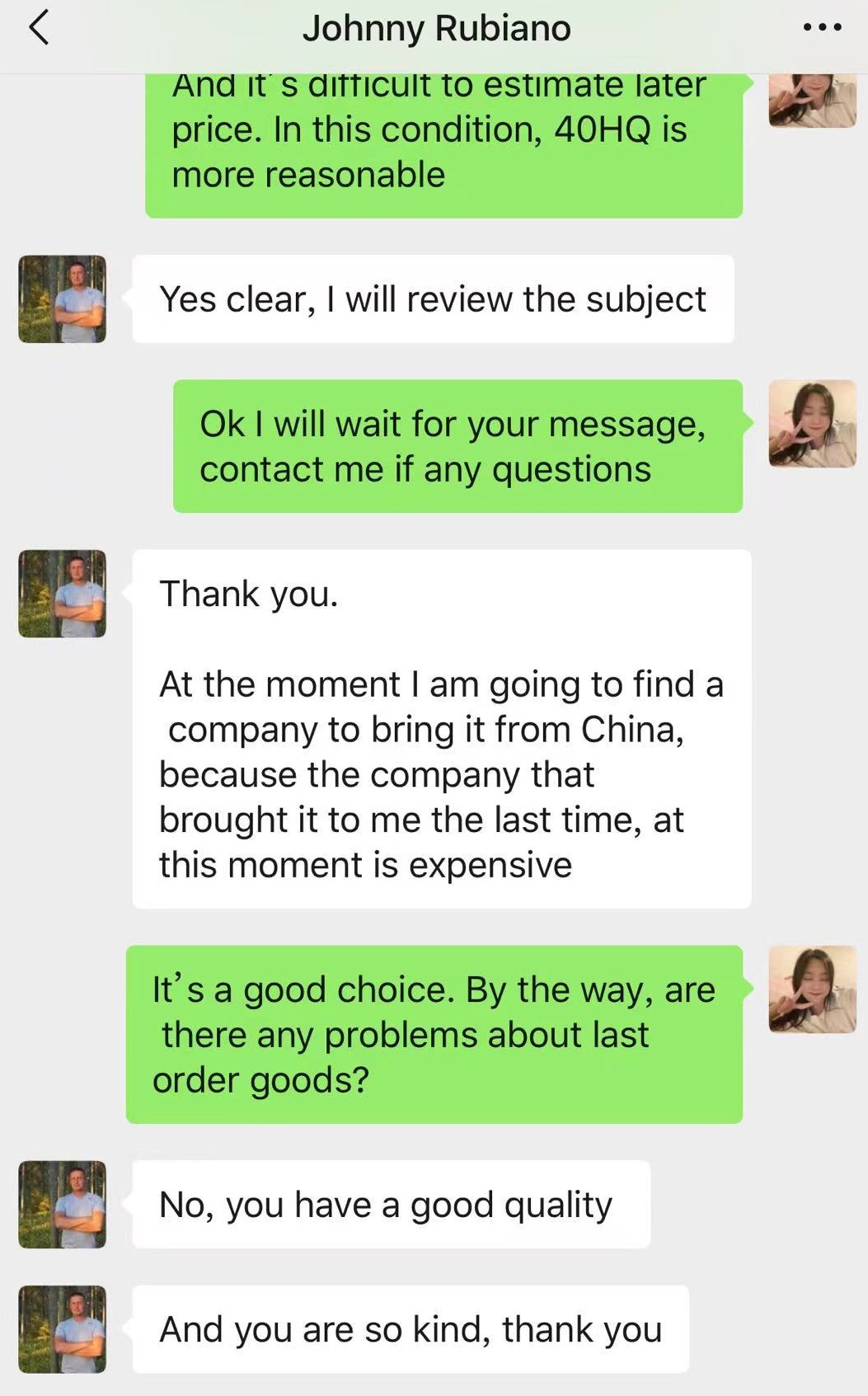
We maintain close, collaborative communication with global builders, HVAC mechanical groups, and import-export brokers. By providing instant support and material certificates, we ensure that projects keep running smoothly.
These chat records and workflow notes illustrate our transparent logistics, showing how we keep international supply lines moving on schedule.


Detailed answers from our senior engineering team on materials, fire protection, and installation guidelines.
It is mainly used for HVAC ducts, air conditioning pipes, building thermal insulation, and industrial pipeline cold and sound insulation. Its closed-cell structure makes it particularly effective in refrigeration systems where condensation control is critical.
Yes, our rubber foam insulation products are fire retardant, meeting standard safety requirements for building and industrial projects. They comply with fire classifications like BS 476 (Class 0 and Class 1) and UL94 V-0 ratings, ensuring they are self-extinguishing and minimize smoke generation.
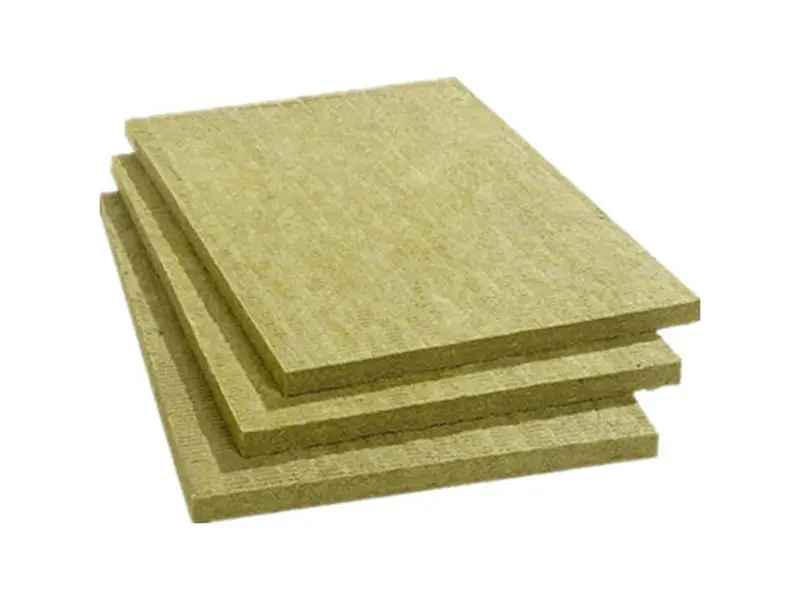
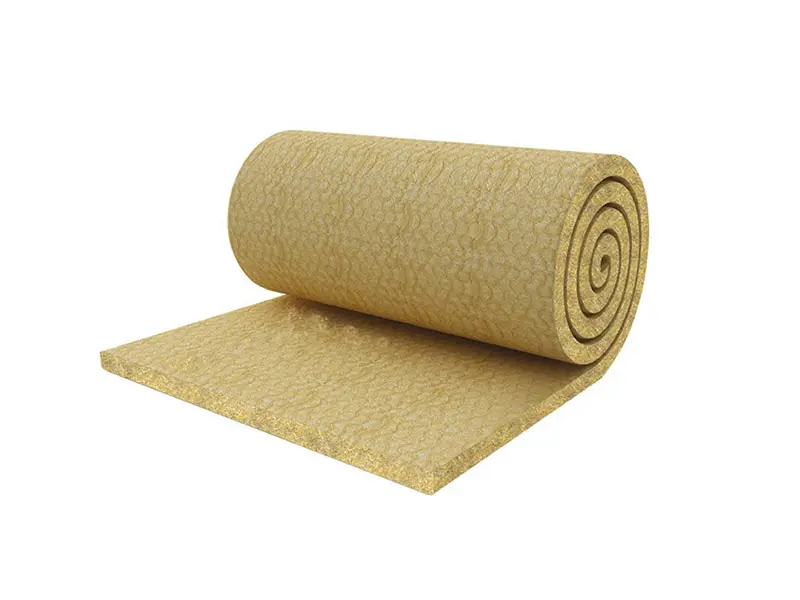
Rubber foam is flexible, has a closed-cell structure, and resists moisture, making it ideal for HVAC lines, cold storage, and plumbing to prevent condensation. Rock wool, on the other hand, is a fibrous material with high temperature resistance, making it suitable for industrial high-temperature steam lines and structural fire walls.
Yes, we provide comprehensive OEM services to meet specific project needs. We can customize dimensions, thicknesses, densities, interior diameters, and produce colored sheets or tubes to fit your technical design.
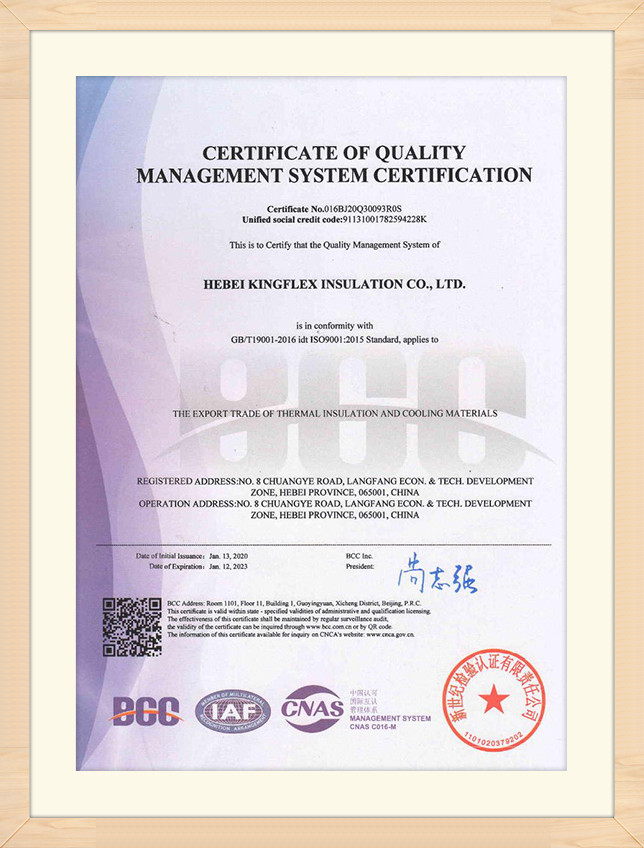
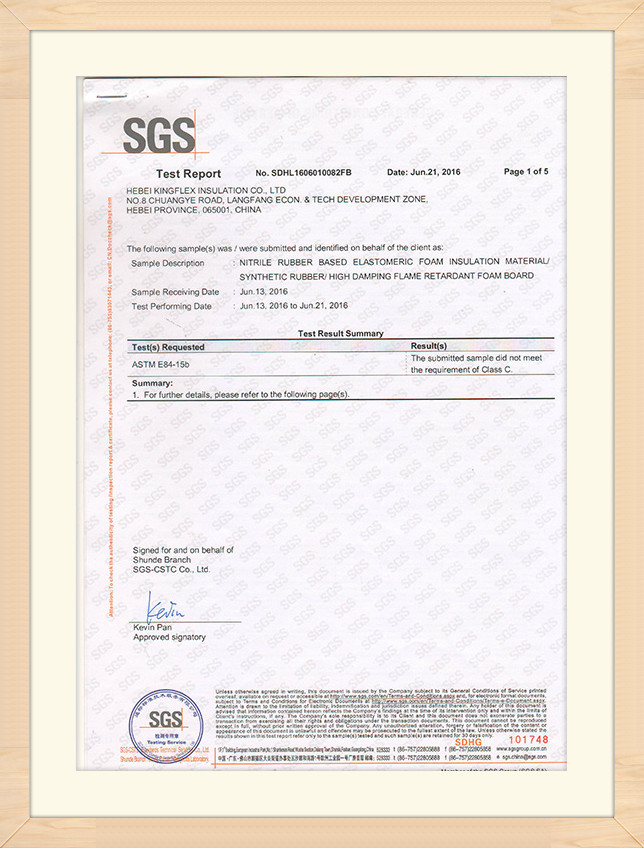
Our products have passed certifications including BS 476, CE, REACH, RoHS, UL94, and ASTM. This ensures compliance with quality, environmental safety, and structural building codes worldwide.
Yes, we use a comprehensive tracking system. Each batch of raw materials and finished products receives a unique tracking code, ensuring quality control from our raw material processing through to shipment.
We can manufacture thicknesses from 6mm up to 50mm, allowing us to cover diverse industrial requirements, from thin acoustic sheets to thick thermal insulation on large cold lines.
Under typical operating conditions and with proper installation, our products have a service life of 10 to 15 years. Using protective coatings or metal cladding in outdoor environments can extend this lifespan further.
Our packaging systems protect materials during shipping, ensuring that NBR/PVC cell structures arrive intact.


High-performance designs developed for low temperature, sound dampening, and specialty industrial applications.
Premium elastomeric barriers engineered to handle thermal contractions in liquid nitrogen and gas systems.
Reliable cold-line protection that reduces energy loss and prevents external moisture from freezing on pipes.
Co-polymer structures designed for the complex requirements of chemical processing plant piping.
High-density rubber-plastic composite sleeves built to perform in sub-zero marine and cold-chain settings.
High-performance insulation that prevents cracking under extreme thermal shifts in gas terminals.
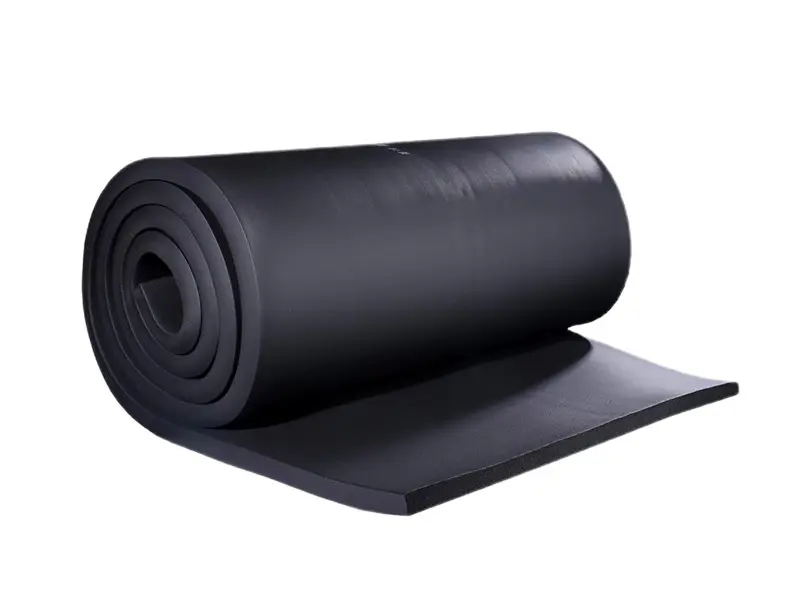
Flat insulation sheets designed to wrap large air ducts, air handling units, and mechanical tanks.
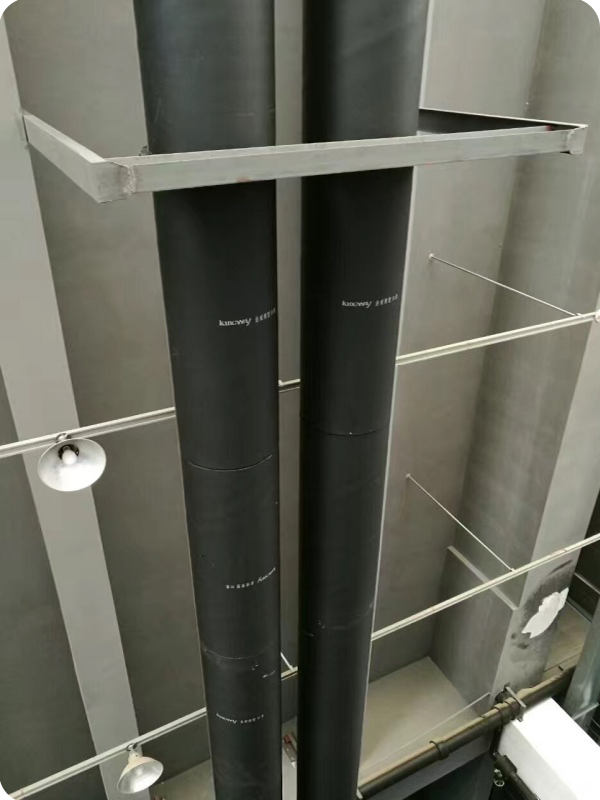
Kingflex NBR/PVC sleeve insulation tubes, providing standard condensation control for domestic water pipes.
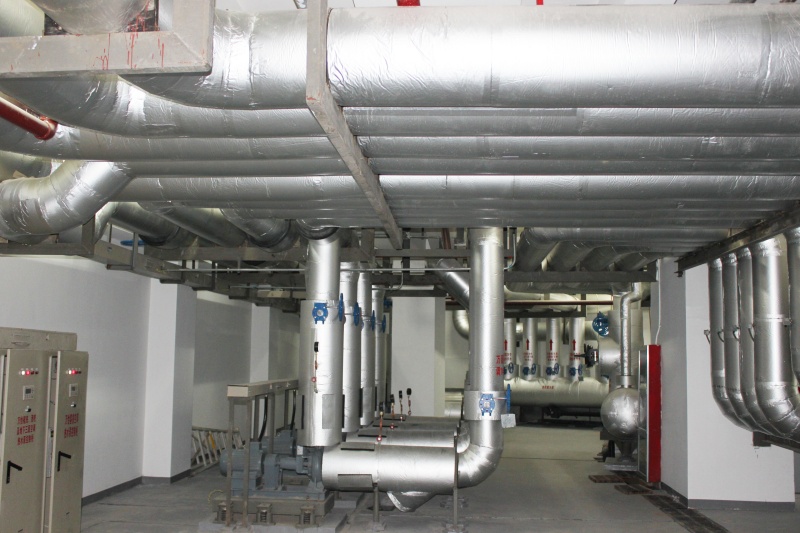
A versatile NBR/PVC co-polymer sleeve pipe insulation designed for fast installation and long-term thermal efficiency.
Further architectural and industrial configurations engineered to meet international safety and environmental regulations.
Premium pre-formed pipe sleeves featuring high flexibility and clean installation details.
Designed to prevent corrosion under insulation (CUI) on stainless and carbon steel pipes.
Flexible, vibration-absorbing sleeve pipes suitable for dynamic mechanical setups.
Standard closed-cell pipe insulation designed to control moisture on copper lines.
Co-polymer blend designed to simplify installation and provide thermal insulation on long line runs.
Specifically designed for residential and commercial split air conditioner installations.
Comprehensive insulating system options engineered for complex pipe routing in industrial plants.
Sub-zero insulation material designed to resist micro-fissure damage under thermal stress.
Multi-layered insulation system designed for piping carrying liquid gas in maritime terminals.
Specialized sub-zero thermal insulation featuring a high vapor barrier factor for heavy industry.
High-temperature insulation board designed for ovens, furnace lining, and high-temp flues.
Flexible mineral fiber wraps designed to provide high-temperature fire blocking in structural cavities.
Closed-cell elastomeric sheet rolls designed for HVAC duct wrap, thermal chambers, and large piping.
Flexible, high-efficiency co-polymer tubes designed for commercial HVAC refrigeration piping.