TECHNICAL WHITEPAPER & PROCUREMENT GUIDE

China Vapour Barrier Sealing Tape Supplier & Pricelist

High-Performance Elastomeric Seals, Vapor Integrity Systems & Custom Manufacturing Solutions for Global HVAC & Cryogenic Projects

Moisture Control in Thermal Systems

Within mechanical insulation systems, the vapor barrier represents the critical shield against structural deterioration. In high-humidity environments or cryogenic installations, water vapor possesses a natural tendency to migrate toward cold surfaces due to differential vapor pressure. If a vapor barrier is compromised, moisture infuses the insulation medium, accelerating thermal conductivity collapse, promoting corrosion under insulation (CUI), and triggering localized mold growth.

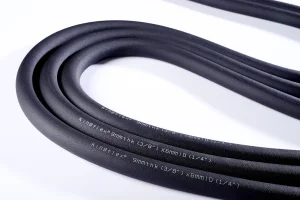
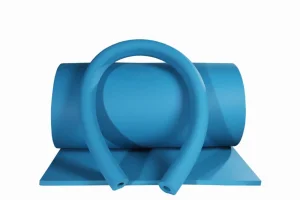
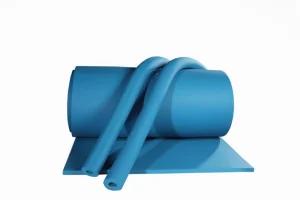
Vapour barrier sealing tape serves as the system's primary continuous seal. Applied over structural joints, circumferential seams, and longitudinal overlaps of NBR/PVC elastomeric rubber foam sheets or pipelines, these specialized tapes must maintain an extremely low water vapor permeance rating (perm rating). This ensures a hermetic, moisture-tight envelope that preserves the thermal properties of the underlying insulation for years.

Why Ordinary Tapes Fail

Standard adhesive tapes degrade rapidly under environmental cycling. The combination of temperature swings (ranging from -40℃ to 105℃) and relentless moisture pressure causes adhesive delamination, leaving joint seams vulnerable. Engineered NBR-PVC based sealing tapes are formulated with advanced acrylic or rubber-based pressure-sensitive adhesives (PSA) designed to crosslink and cure directly to elastomeric substrates, ensuring structural integrity over decades.

Global Technological Trends & Industry Roadmaps

The structural evolution of insulation sealing systems is driven by stringent environmental codes, fire-safety mandates, and structural energy efficiency criteria.

1. Closed-Cell Optimization

Modern vapor barrier tapes are shifting toward integrated NBR/PVC synthetic matrices with closed-cell counts exceeding 98%. This high concentration of microscopic nitrogen bubbles provides inherent resistance to moisture migration, meaning even if the surface layer is scraped, the internal cells remain dry.

2. Stringent Fire-Safety Norms

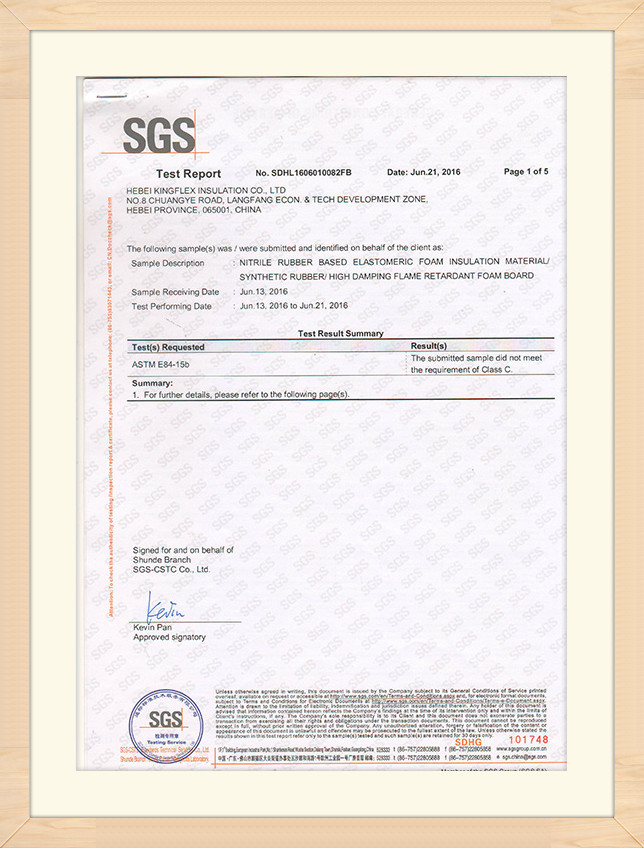
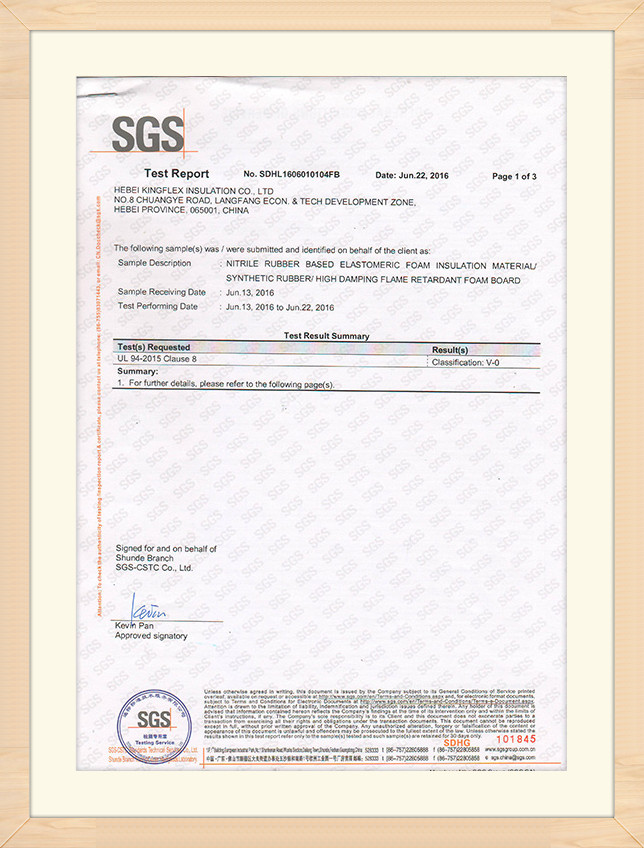
Compliance with global fire testing codes (such as BS 476 Part 6 & 7 Class 0, ASTM E84, and UL94 Class V-0) is now standard. Tapes must possess self-extinguishing flame-retardant properties to prevent the spread of fire along overhead ventilation ducts or pipeline systems.

3. Zero-VOC Acrylic Adhesives

Driven by LEED and green building certifications, the industry is transitioning away from solvent-based adhesives. High-performance, solvent-free acrylic polymers offer extreme tackiness while ensuring zero indoor chemical outgassing in hospital, school, and high-density residential designs.

Global Sourcing Strategy & Pricelist Drivers

Procuring vapour barrier sealing tapes directly from established Chinese manufacturers offers clear economic and customization advantages. However, navigating the cost matrix requires understanding key technical drivers that impact pricing structures:

Material Formulation Common Thickness Range Density Thresholds Primary Industrial Use Cases Price Index Factor
Standard NBR/PVC Foam Tape 3mm - 6mm 40 - 55 kg/m³ HVAC Duct Jointing, Residential AC Lines Baseline Economy
Aluminum Foil Coated Vapor Tape 0.05mm - 0.2mm Foil N/A (Metallic Composite) Cleanrooms, Medical Ventilation, High-Aesthetic Ducts Moderate Premium
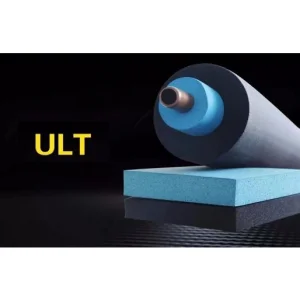
Closed-Cell Cryogenic System Tape 6mm - 12mm 50 - 65 kg/m³ Ultra-Low Temperature Pipelines, LNG Facilities High Tech Premium
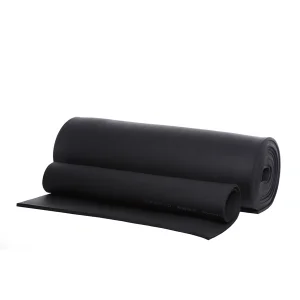
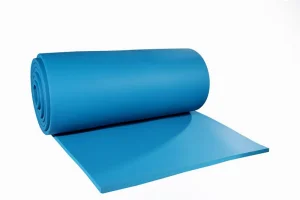
Self-Adhesive Rubber Sheet Rolls 6mm - 50mm 40 - 50 kg/m³ Basement, Plant room, Heavy HVAC Insulation Walls Volume Priced

When requesting quotes, industrial buyers must prioritize physical performance metrics over raw material cost per square meter. A low-quality tape with poor shear resistance will fail within years, resulting in system condensation, insulation degradation, and expensive remediation outages that far outweigh initial savings.

Kingflex Insulation Co., Ltd.
A professional manufacturing and trading combo for thermal insulation systems and moisture-tight sealing components.

5
Automatic Lines
600K+ m³
Annual Capacity
40+ Yrs
Group Heritage
66+
Export Countries

Corporate History & Strength

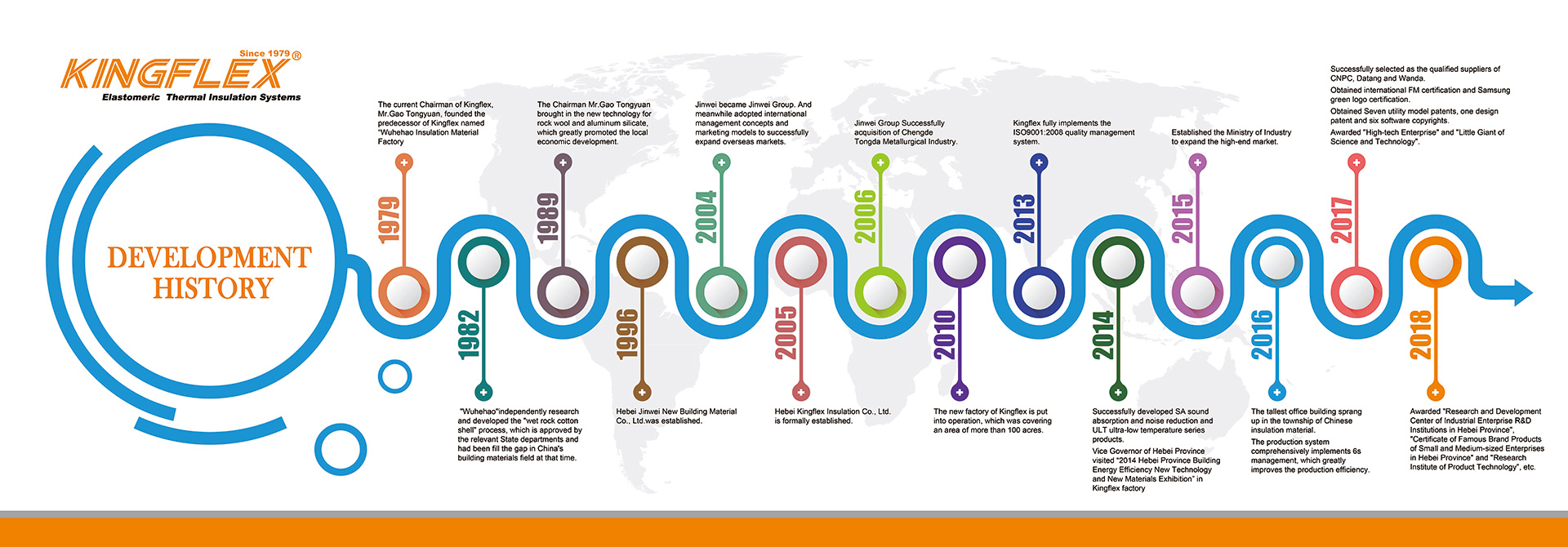
Established by the Jinwei Group (whose history dates back to 1979 as the pioneer of thermal insulation materials north of the Yangtze River), Kingflex has grown into an energy-saving, environmental-friendly enterprise focused on research, production, and worldwide distribution. Our main facility is situated in Dacheng, China—widely recognized as the green building materials capital.
R&D and Human Capital

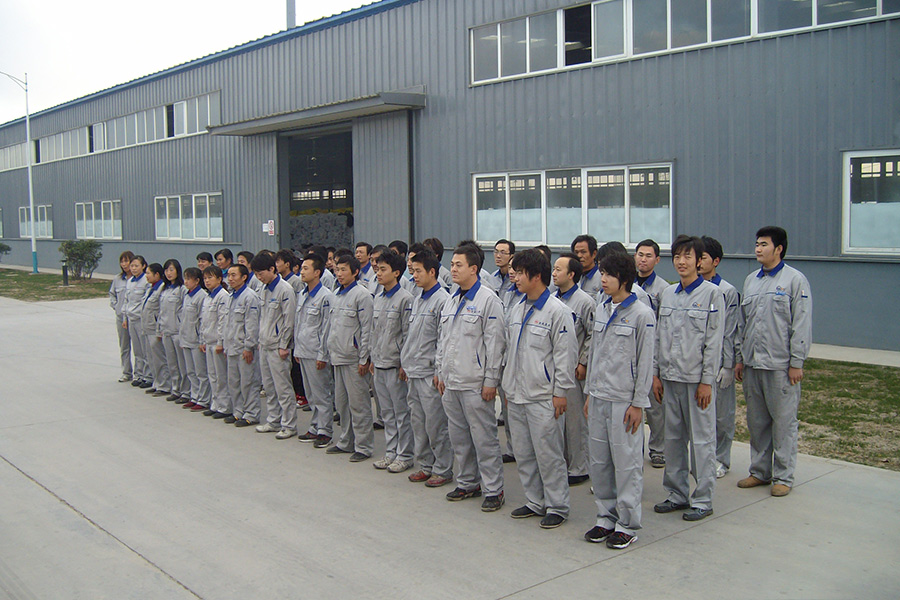
Our dedicated engineering department consists of 8 professional R&D engineers driving product formulation improvements, 6 international sales specialists handling logistics and customization protocols, and 230 skilled production workers managing our advanced high-speed extrusion lines.

Our Responsibility

We supply clients worldwide with integrated insulation solutions. Our systems are engineered to provide thermal insulation, cold preservation, and acoustic dampening across HVAC, petroleum, chemical, aerospace, and general construction projects.

Manufacturing Infrastructure & Certifications

High-speed machinery, strict QC testing, and international compliance verified by leading global test labs.

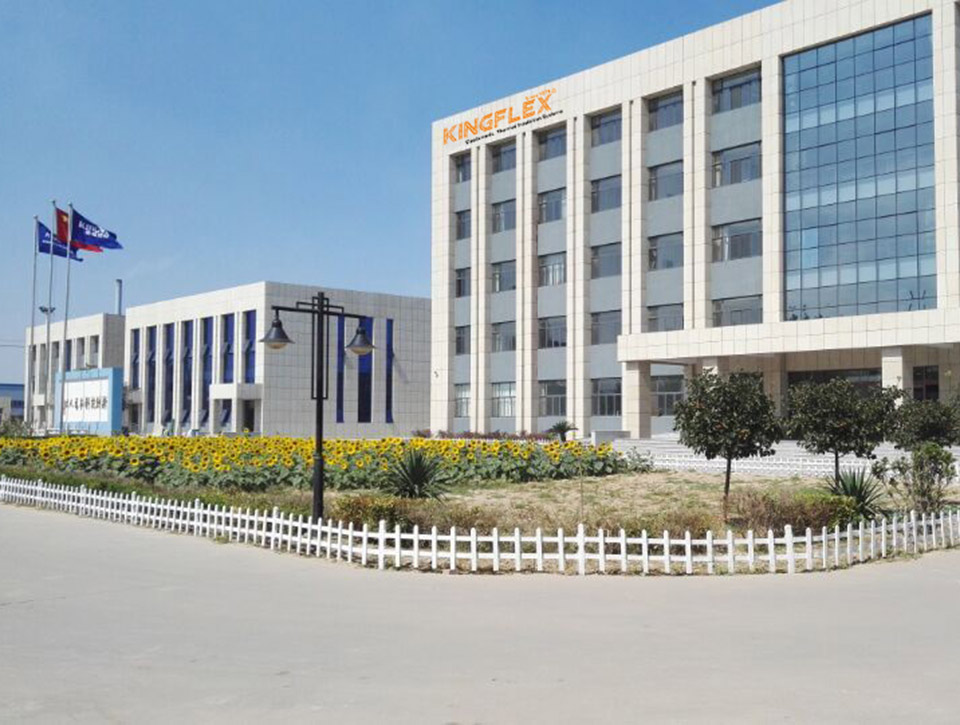
Kingflex Factory Facility
Main Manufacturing Site

Kingflex Material Extrusion Line
Extrusion Operations

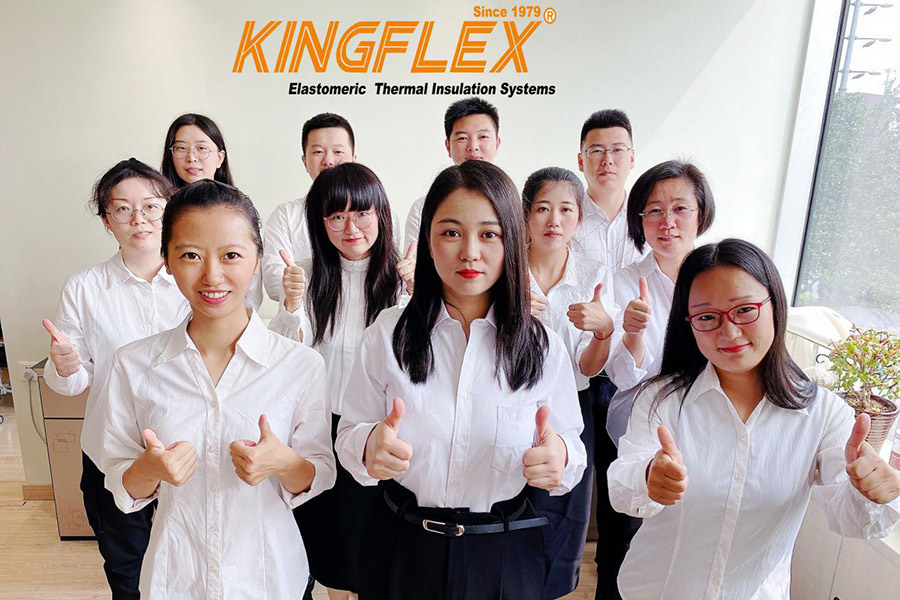
Kingflex Team Building
Engineering Department

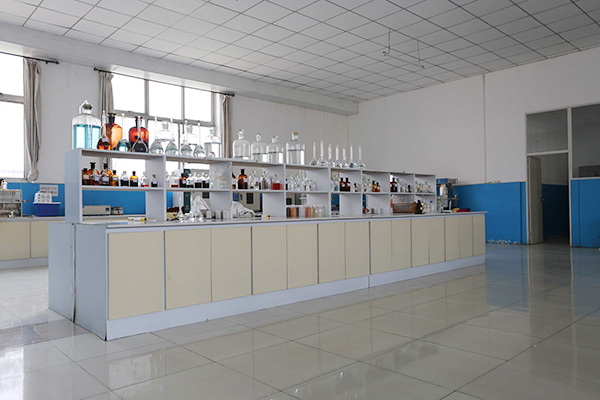
Kingflex Testing Center
R&D & Quality Control Lab

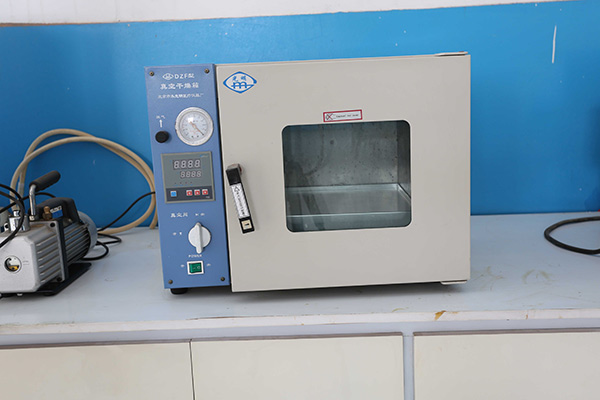
Testing Equipment

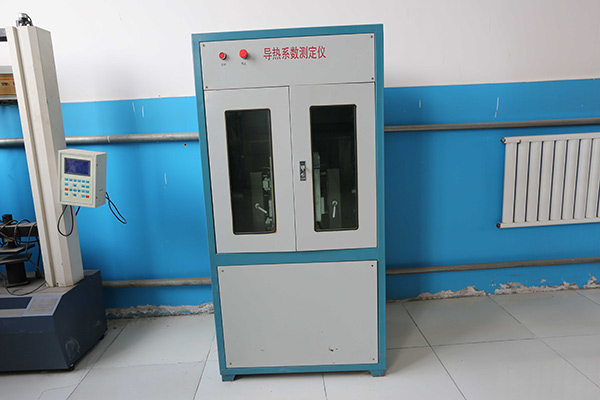
Thermal Conductivity Analysis

Cellular Foam Inspection

Microstructure Examination

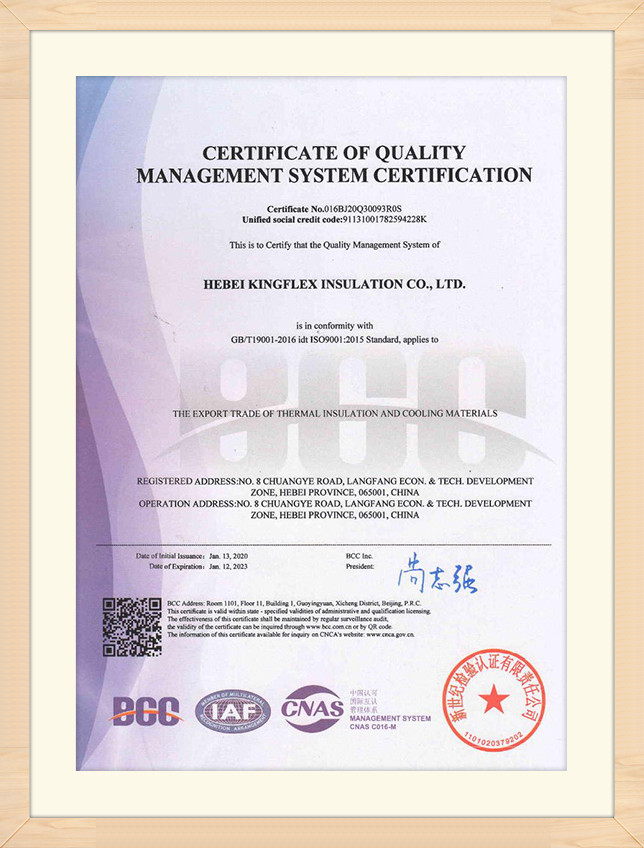
System Certificate A

ISO Quality Systems

System Certificate B

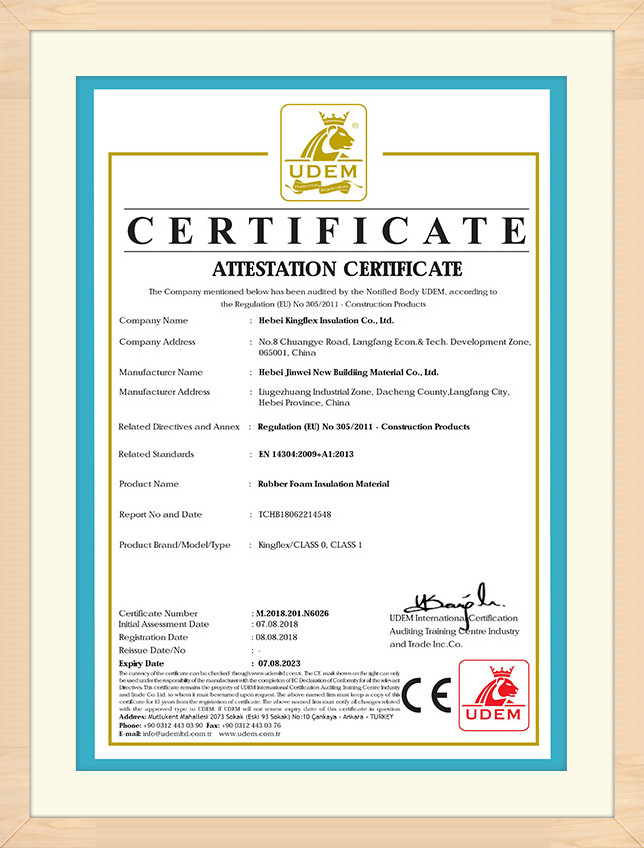
Environmental Directives

Testing Certificate C

BS 476 Standards Compliance

Testing Certificate D

FM / UL Listing Papers

Operations Cert

Eco-friendly Production License

Global Compliance Standards

International Export Passports

Product Dimensions & Engineering Benchmarks

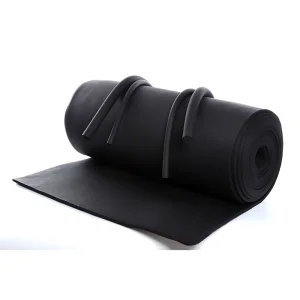
To support design calculations for mechanical systems, our elastomeric products are manufactured to rigorous specifications. Below are the key engineering metrics that define the performance of our insulation pipes and sheet rolls:

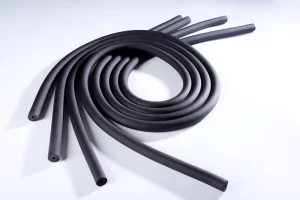
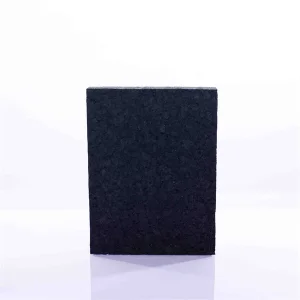
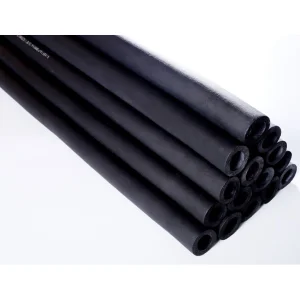
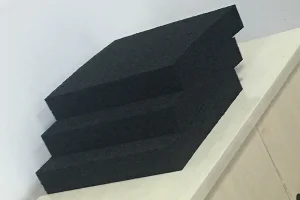
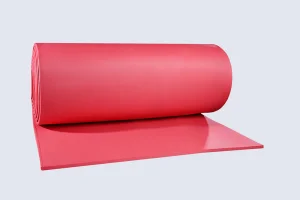
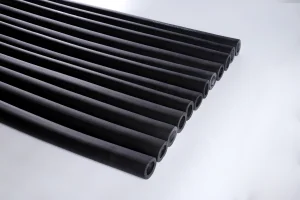
Parameters Black Rubber Foam Sheet Roll Black Rubber Foam Insulation Pipe
Material Composition Premium NBR/PVC synthetic elastomer matrix Premium NBR/PVC synthetic elastomer matrix
Available Thickness 6mm - 50mm 9mm - 40mm
Inside Diameter (ID) N/A 6mm - 114mm
Nominal Density 40 - 55 kg/m³ 40 - 55 kg/m³
Temperature Thresholds -40℃ to 105℃ -40℃ to 105℃
Closed-Cell Rate > 98% > 98%
Resilience Index Compression recovery > 80% Compression recovery > 80%

Core Advantages

  • Uniform Micro-Cellular Foaming: A closed-cell structure exceeding 98% ensures stable, low thermal conductivity and limits vapor transmission.
  • Long-Term Moisture Resistance: An high water vapor diffusion resistance factor (μ-value) ensures the product resists moisture ingress, even when exposed to humid climates.
  • Mechanical Resilience: Over 80% compression recovery allows the material to flex under pipe expansion and movement without splitting or tearing.
  • Self-Extinguishing Fire Performance: Specially formulated fire retardants prevent dripping, slow down heat release, and extinguish quickly in a fire.
  • Precision Adhesive Backing: Tapes feature a peel-and-stick backing that adheres immediately to clean metal, PVC, and elastomeric foam faces.

Project Applications & Global Distribution

From central district cooling systems to complex marine applications, Kingflex products provide reliable thermal control and vapor protection.

HVAC & Building Systems

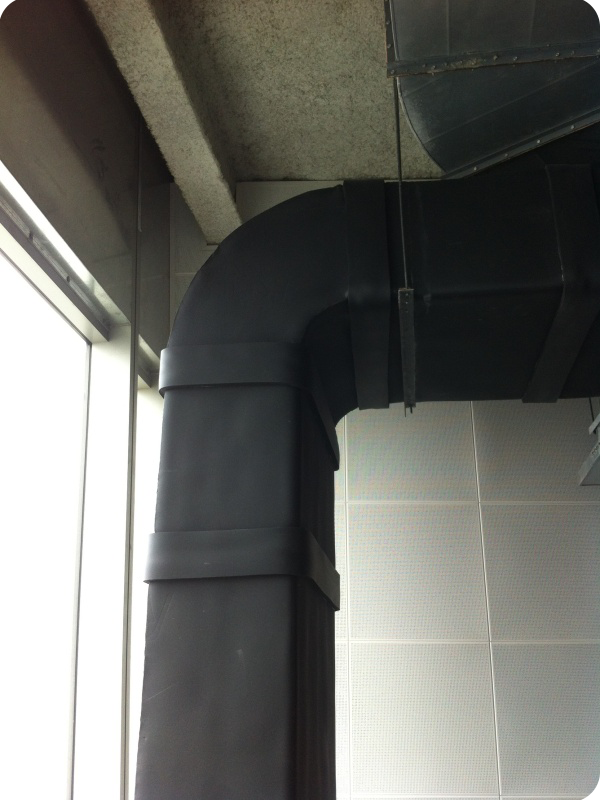
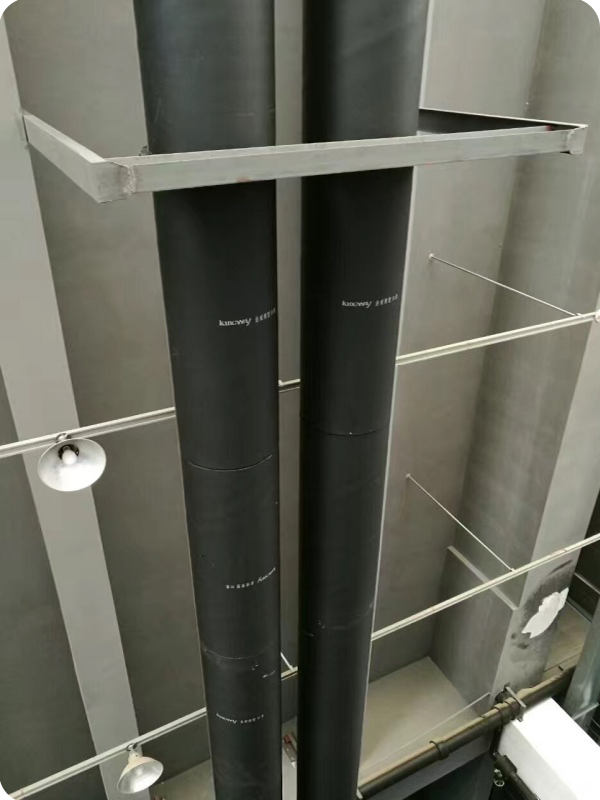
Used to wrap ductwork and chilled water lines in skyscrapers, airports, and malls. Our vapor-sealed solutions prevent sweating, condensation drip, and energy losses along overhead conduits.

Industrial & Cryogenic Processes

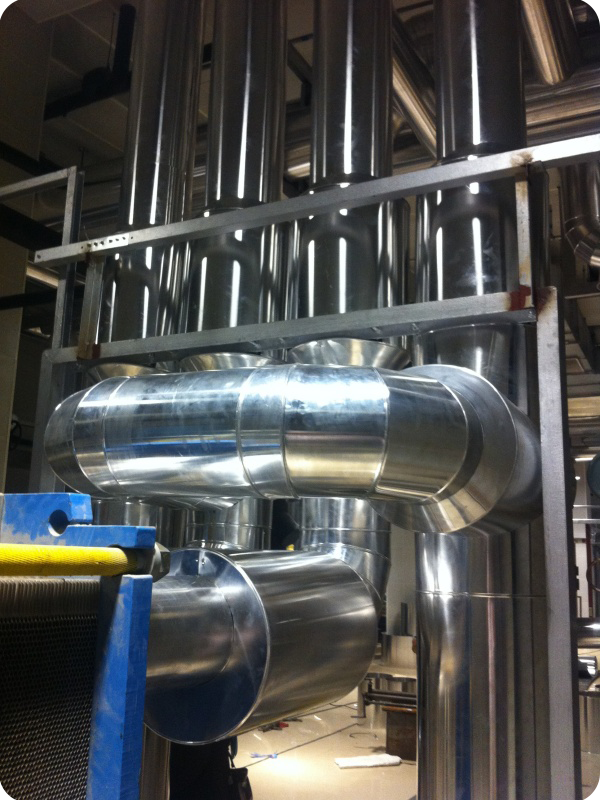
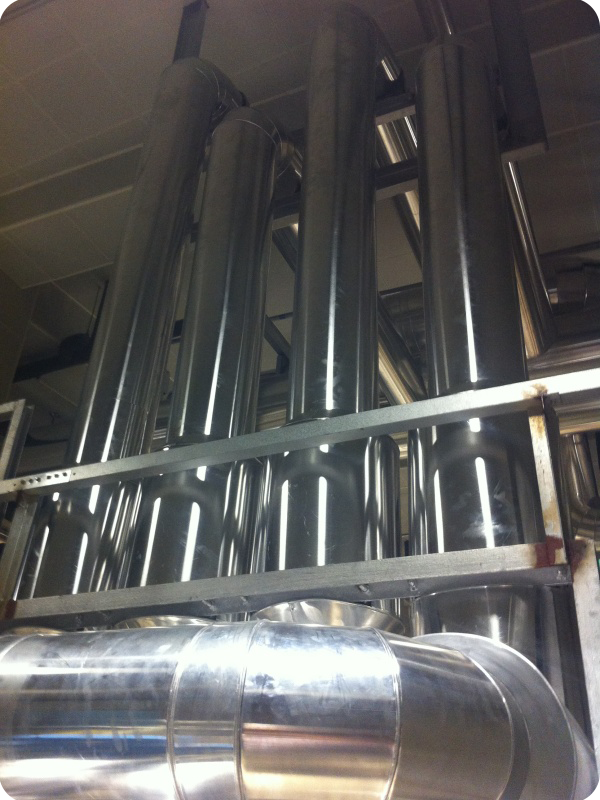
Provides critical insulation barriers on low-temperature industrial pipework, cryogenic process lines, LNG storage units, and chemical process tanks, protecting against condensation and freeze-thaw cracking.

Acoustic & Noise Control

Our open-cell soundproofing panels work alongside closed-cell vapor barriers to insulate mechanical plant rooms, engine compartments, and large chiller rooms, containing acoustic leakage.

Verified Performance in Global Projects

HVAC Pipe Insulation Project
Duct Work Wrapping Project
Industrial Cold Insulation
Large Commercial Project Site

Quality Control & Traceability

Every roll of Kingflex thermal insulation and vapor sealing tape is assigned a unique batch number, linking it to the specific production line, raw material feed, and QC technician responsible for the run.

Our raw material testing protocols verify synthetic monomer ratios, fire-retardant dispersion quality, and cell uniformity before production begins. Finished products undergo rigorous mechanical checks, including thermal conductivity tests using a heat flow meter, and aging chamber tests to verify peel resistance, adhesion strength, and vapor barrier performance.

Client Communication & Verification

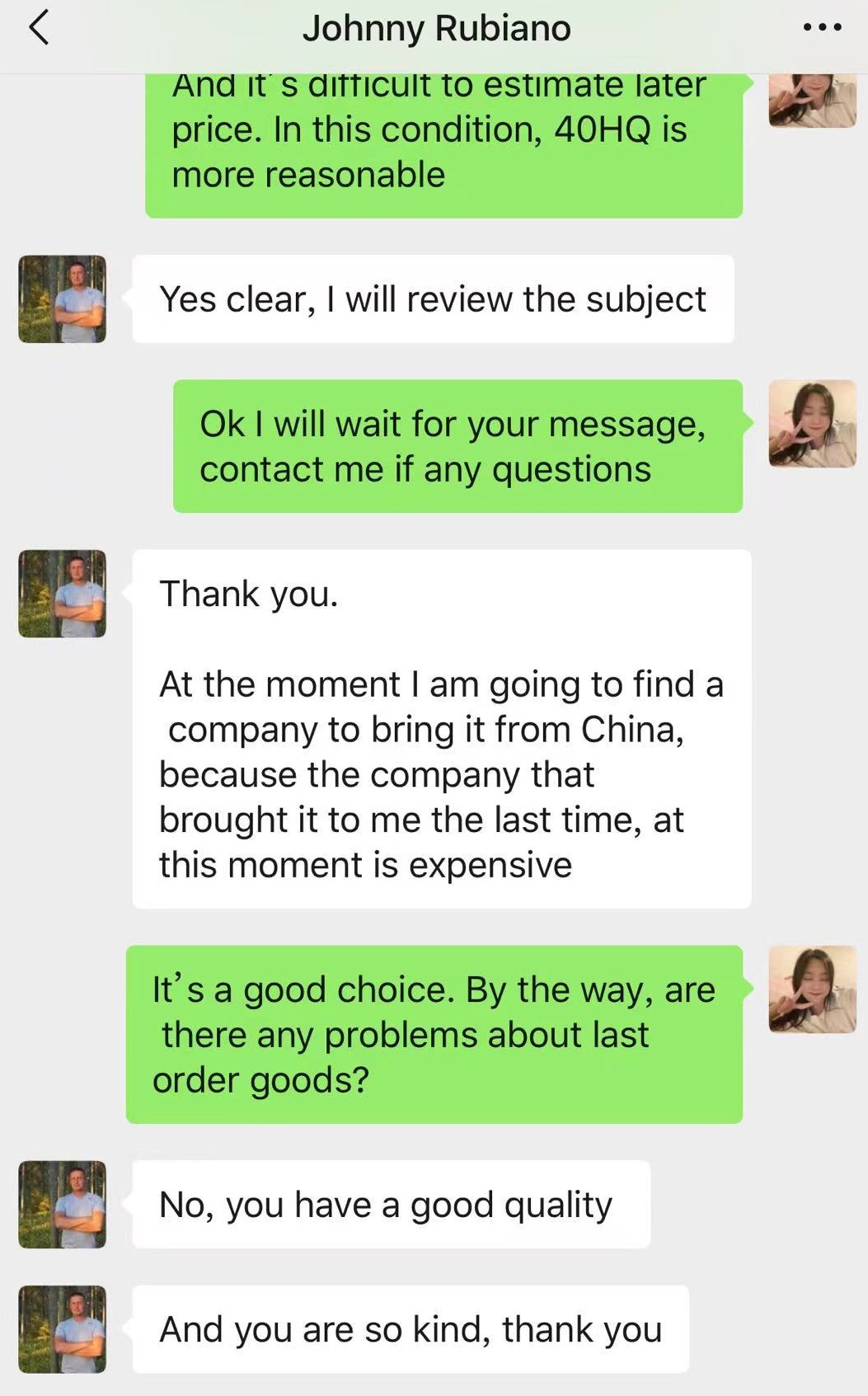
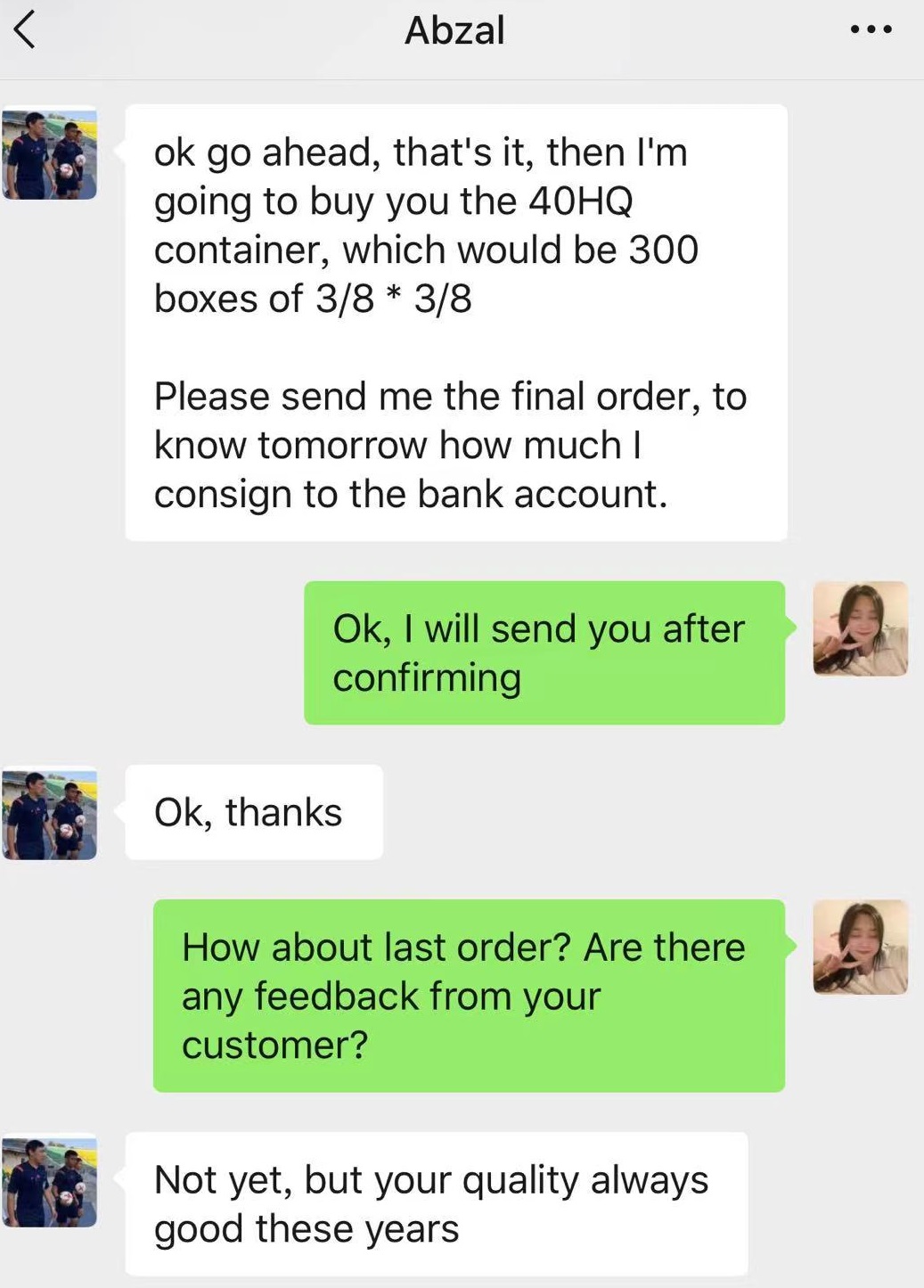
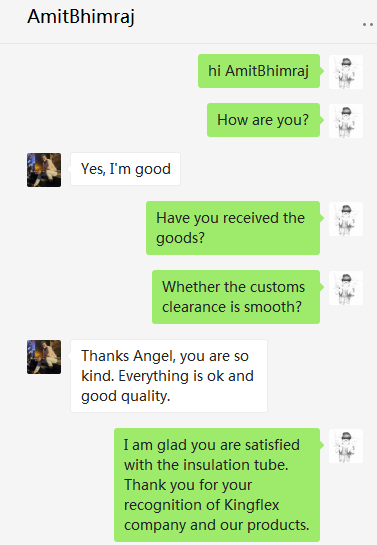
By working directly with international EPC contractors and mechanical distributors, we maintain clear communication from project planning through installation. We provide technical data sheets, fire test compliance records, and tailored guidance for challenging site conditions.

Client Communication Verification Engineering Team Verification

Verified Project Feedback

Order Traceability Documents Shipment Container Loading Verification
Final QA Signature Documents

Frequently Asked Questions

Essential technical and commercial information for engineers, specification writers, and procurement managers.

Q1: What is elastomeric rubber foam insulation used for?
A1: It is primarily used for HVAC duct wrapping, refrigerant pipe insulation, building envelope thermal control, and noise reduction across industrial and chemical process pipelines. It prevents surface condensation on cold pipelines and limits heat loss on warm lines.
Q2: Is Kingflex rubber foam insulation fire resistant?
A2: Yes, our elastomeric rubber foam insulation is formulated with halogenated fire retardants. This allows it to meet international standards such as BS 476 Part 6 & 7 Class 0, UL94 Class V-0, and ASTM E84, ensuring self-extinguishing performance in a fire.
Q3: What is the difference between rubber foam and rock wool insulation?
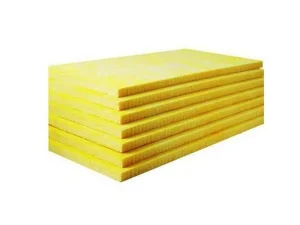
A3: Rubber foam features a flexible, closed-cell structure that resists water vapor migration, making it ideal for HVAC, refrigeration, and cold-line applications. Rock wool has an open, fibrous structure that offers excellent high-temperature limits and sound absorption, but it requires an external vapor barrier jacket to prevent moisture absorption.
Q4: Do you provide customized insulation products?
A4: Yes, we provide comprehensive OEM/ODM services. We can adjust density profiles, customize dimensions (including custom thicknesses, inner diameters, and widths), and offer self-adhesive or foil-faced backings to meet specific project guidelines.
Q5: What certifications do your products have?
A5: Kingflex products have passed CE, REACH, RoHS, UL94, ASTM, and BS 476 certifications. These tests confirm our products' thermal performance, environmental safety, and fire-resistant qualities.
Q6: Does Kingflex products have traceability?
A6: Yes. Each production run is cataloged with quality control tracking numbers. This lets us verify raw material batches, production conditions, and test results for every shipment.
Q7: What thickness of Rubber foam insulation sheet roll can you produce?
A7: Our standard sheet roll thicknesses range from 6mm to 50mm. We can customize sheet dimensions for large industrial or marine insulation specifications.
Q8: What is the service life of rubber plastic pipe and board?
A8: Under normal indoor or protected outdoor operating conditions, our elastomeric insulation systems provide a service life of 10 to 15 years, provided they are installed correctly and sealed with matching vapor barrier tapes.
Q9: Why is a specialized vapor barrier sealing tape necessary instead of generic adhesive tape?
A9: Specialized vapor barrier tape is formulated with NBR/PVC elastomeric backings and high-bond acrylic adhesives. This combination allows the tape to expand and contract with the insulation system while resisting moisture migration. Generic adhesive tapes can quickly delaminate under temperature cycling, exposing joint seams to moisture ingress.
Q10: How should the surfaces be prepared before applying the vapor sealing tape?
A10: Surfaces must be clean, dry, and free of dust, oils, or solvents. We recommend wiping the insulation surface with a clean cloth before application. Once positioned, firm pressure should be applied across the entire tape width to activate the pressure-sensitive adhesive.