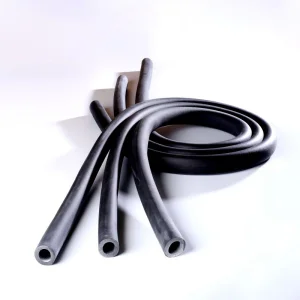
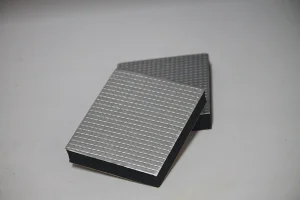
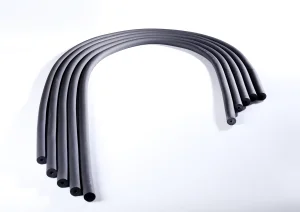
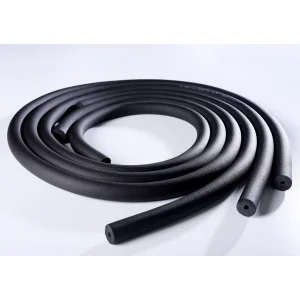
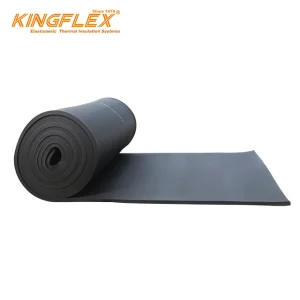
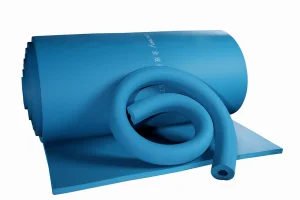
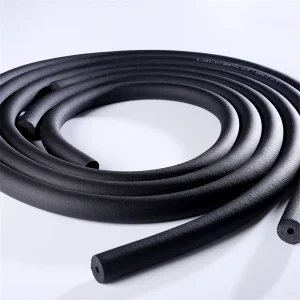
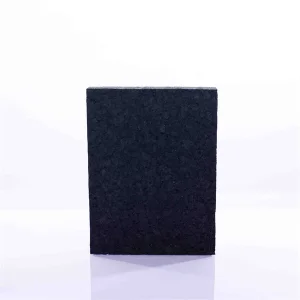
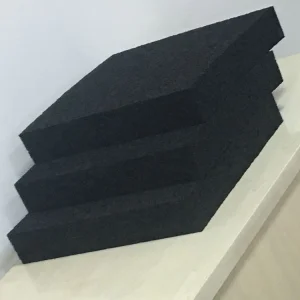
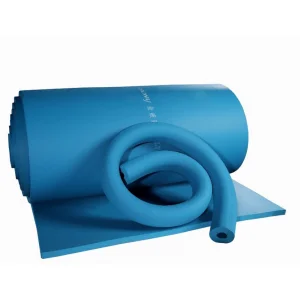
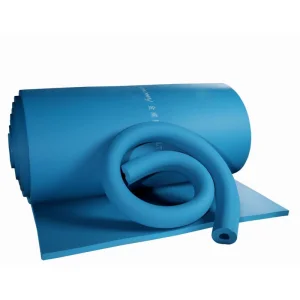
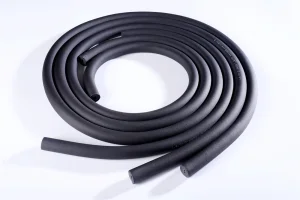
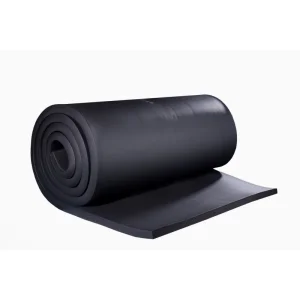
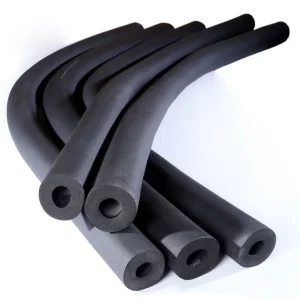
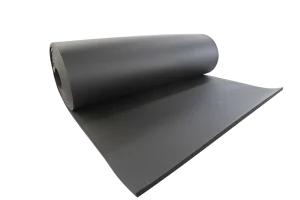
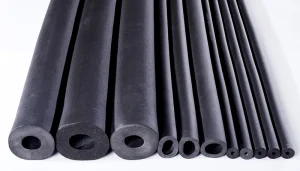
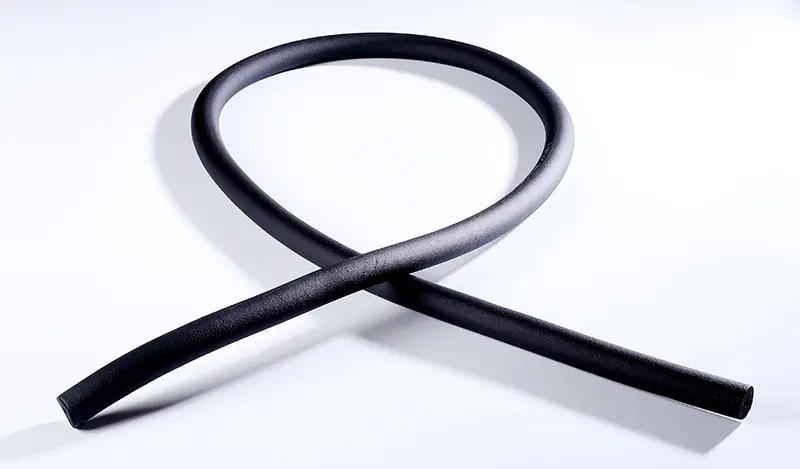
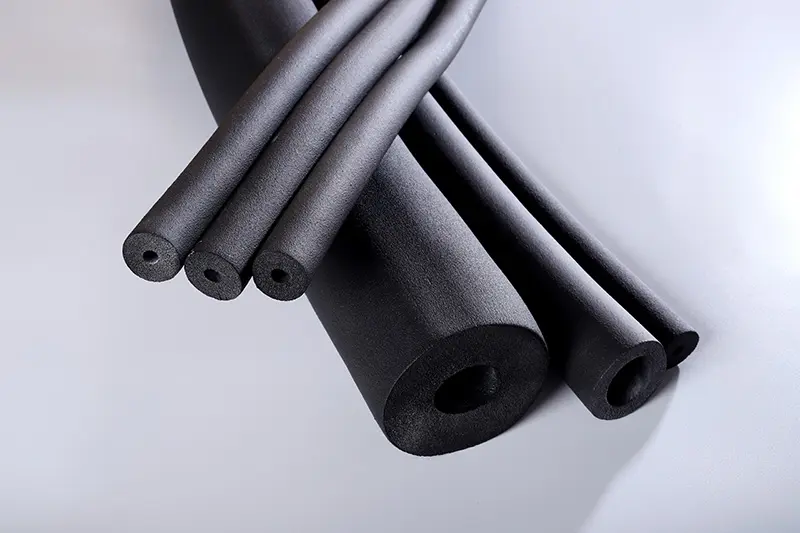
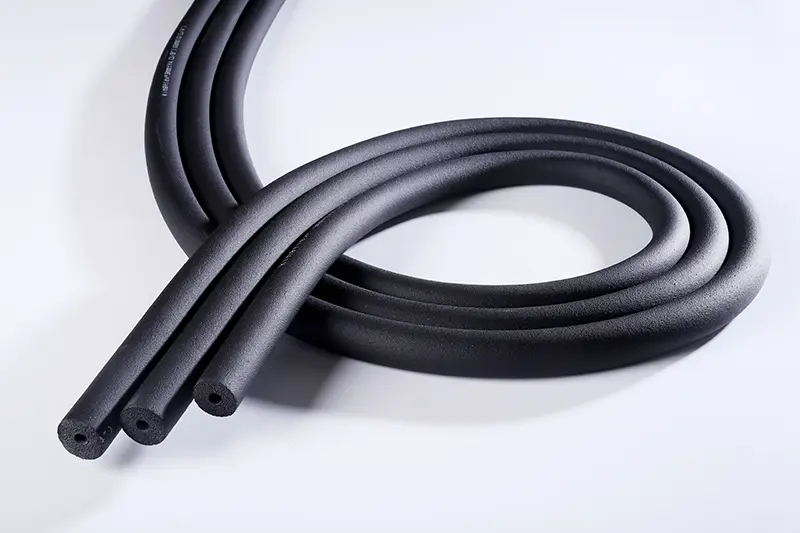
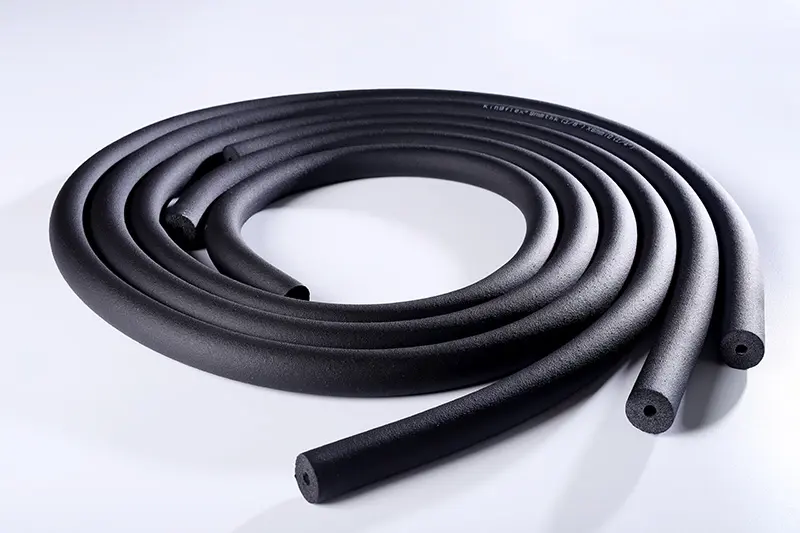
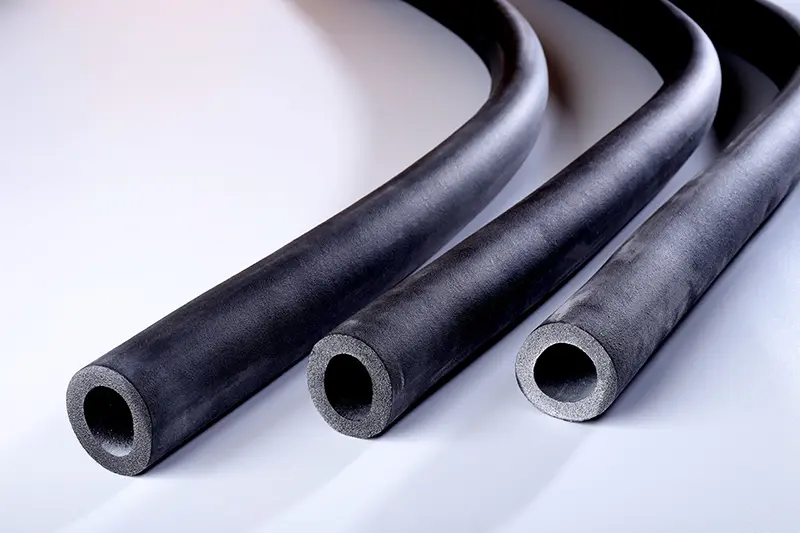
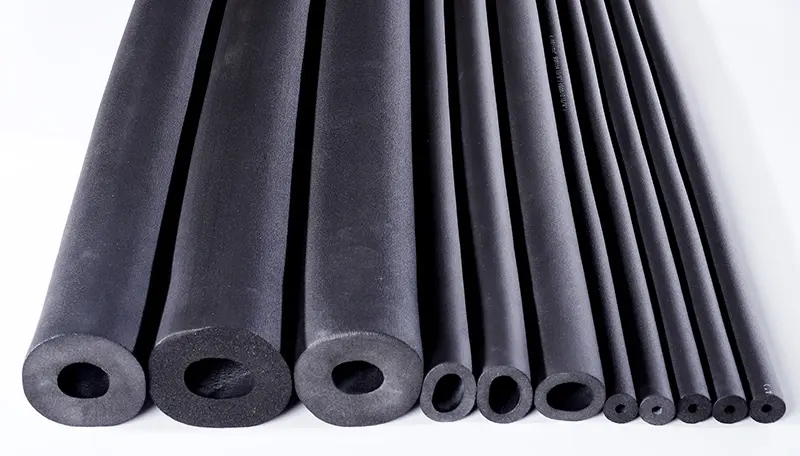
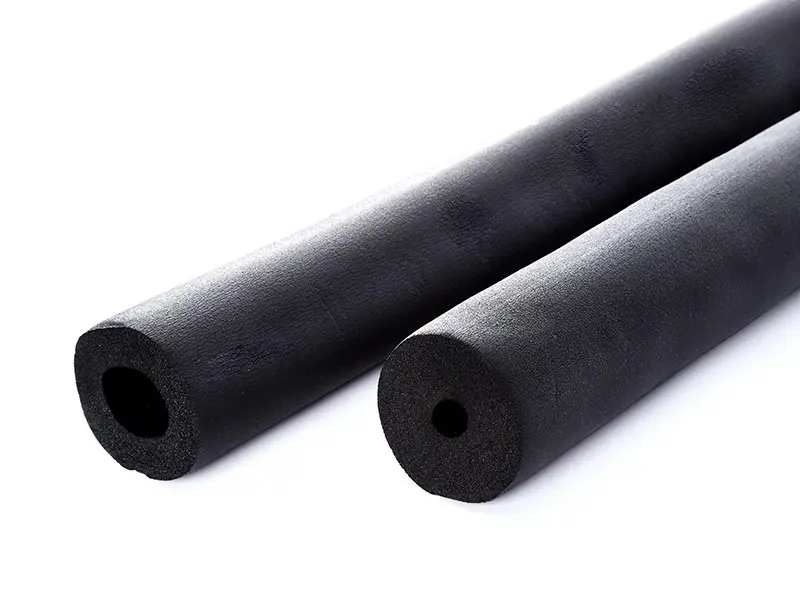
Wholesale Black Color Rubber Foam Insulation Tube Manufacturer & Factories
Global Supply of High-Performance NBR/PVC Closed-Cell Elastomeric Thermal Insulation Systems for Commercial HVAC, Cryogenic, and Industrial Engineering Projects.
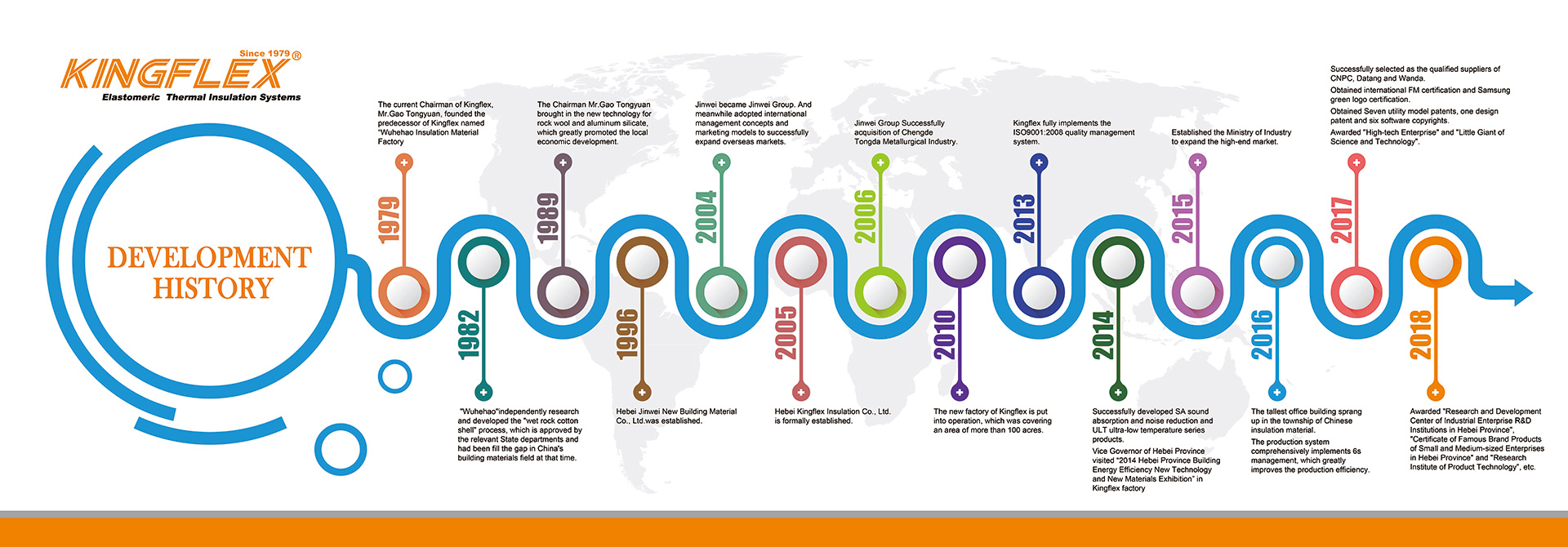
40+
Years Industry Heritage
600K+
Annual Capacity (m³)
5
Automatic Lines
66+
Countries Exported
Premium Elastomeric Insulation Series (Standard Selection)
1. The Evolution of Black Color Rubber Foam Insulation in Modern Industry
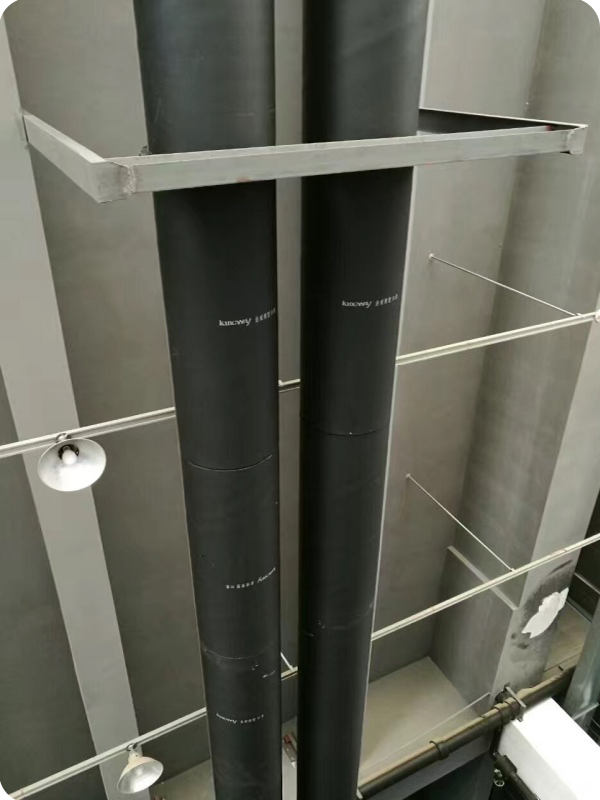
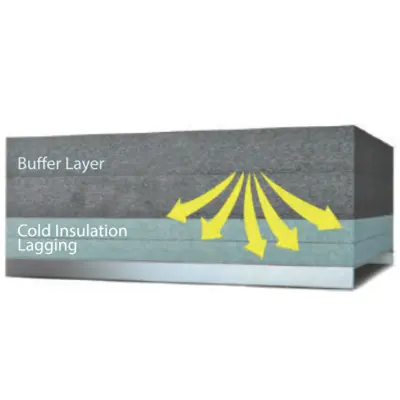
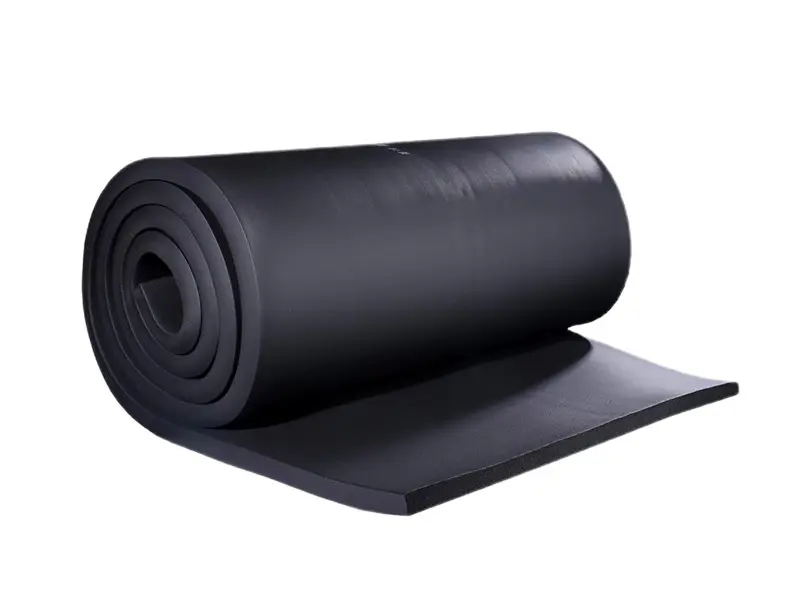
Thermal conservation and environmental micro-management are central to the modern commercial and industrial infrastructure sector. The black color rubber foam insulation tube stands as an engineering standard, engineered from synthesized Nitrile Butadiene Rubber (NBR) combined with Polyvinyl Chloride (PVC). This elastomeric matrix is optimized for applications requiring thermal defense, noise abatement, and moisture barrier performance.
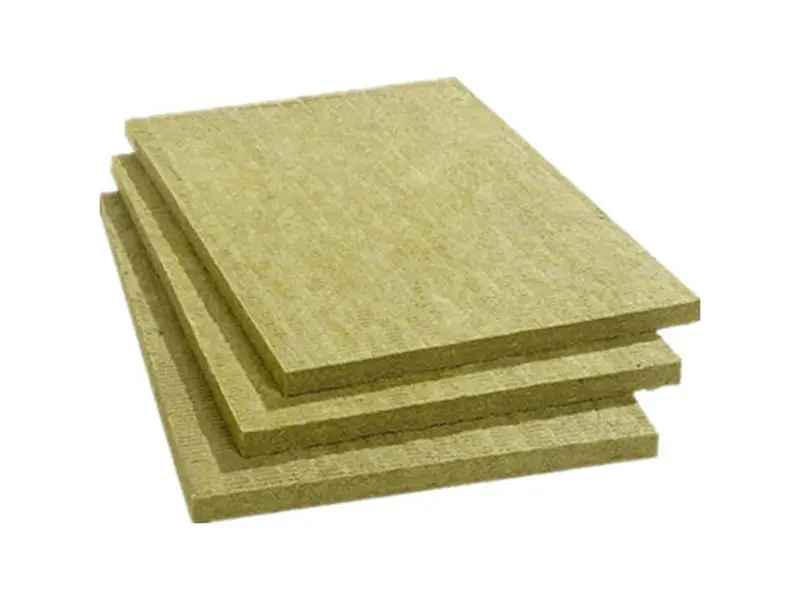
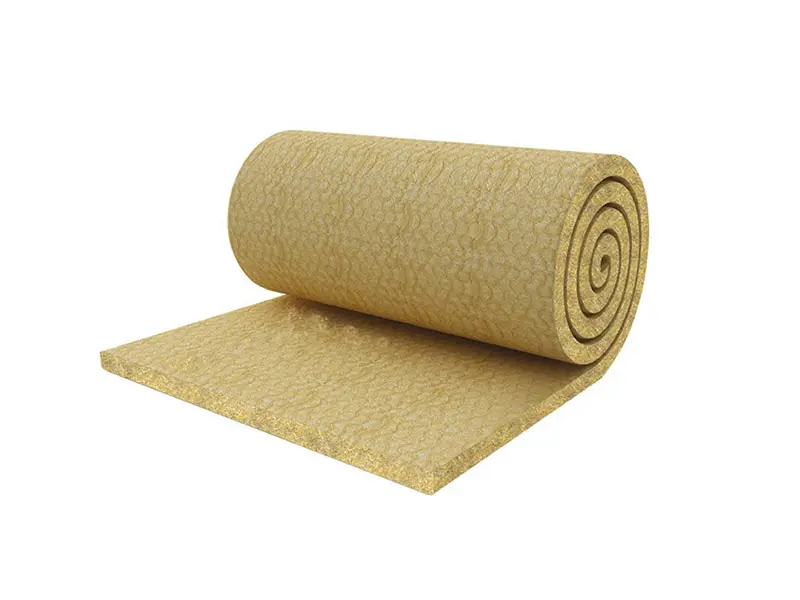
Historically, insulation relied heavily on fibrous structures such as glass wool or rock wool. While these materials remain valid for high-temperature applications, their open-pore structure makes them vulnerable to moisture vapor ingress. Once moisture penetrates an open-cell insulation material, its thermal conductivity ($\lambda$) rises exponentially because water conducts heat approximately 24 times faster than static air. The development of closed-cell elastomeric rubber foam solved this vulnerability by offering built-in moisture protection within a single material structure.
Closed-Cell Integrity
With an even, micro-cellular expansion rate exceeding 98%, our NBR/PVC matrix prevents moisture migration and guarantees long-term thermal efficiency.
Low Conductivity
Delivers a stable, low thermal conductivity rating ($\le 0.034$ W/m·K at $0^\circ\text{C}$), reducing energy losses across cold and hot lines.
Fire Safety Compliance
Engineered to meet BS 476, Class 0, and UL94 fire ratings, featuring self-extinguishing properties that prevent flame spread.
2. Global Industrial & Commercial HVAC Status
Urbanization, strict carbon-reduction policies, and the growth of data centers, pharmaceutical labs, and microelectronics facilities have elevated HVAC systems into critical assets. In these applications, preventing surface condensation is essential. Cold piping systems carrying chilled water typically operate at temperatures between $4^\circ\text{C}$ and $12^\circ\text{C}$. If the surrounding ambient air is warm and humid, water vapor will condense on the outer pipe surfaces.
Without proper insulation, this condensation leads to Corrosion Under Insulation (CUI), mold growth, and compromised indoor air quality (IAQ). Kingflex closed-cell rubber foam insulation provides a high resistance to moisture vapor diffusion ($\mu \ge 10,000$). This ensures the insulation remains dry, protecting the underlying steel or copper pipes from CUI for its entire service life.
3. Technical Specifications: Kingflex Product Standard Dimensions
Kingflex Black Rubber Foam Insulation Sheet & Roll Specification
Kingflex Black Rubber Foam Insulation Pipe Specification
Property
Value Range / Standard Reference
Material Composition
Premium NBR / PVC Elastomeric Base
Thickness Range
9mm to 40mm
Inner Diameter (ID) Range
6mm to 114mm
Density
40 to 55 kg/m³
Service Temperature Range
-40℃ to +105℃
Vapor Resistance Index ($\mu$)
$\ge 10,000$
Application Suitability
Chilled/Hot Water Pipes, Condensate Lines, Process Piping
4. Global Procurement Needs & Strategic Sourcing
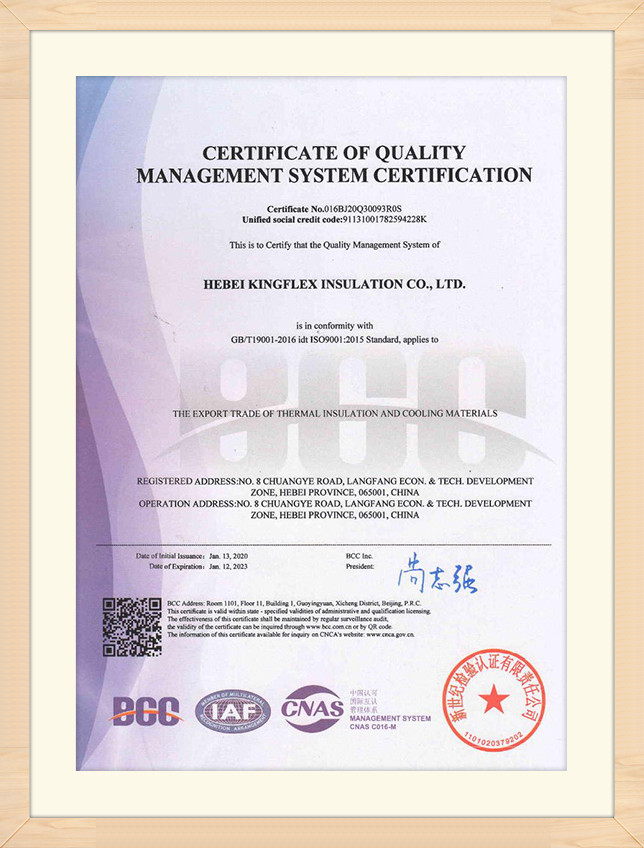
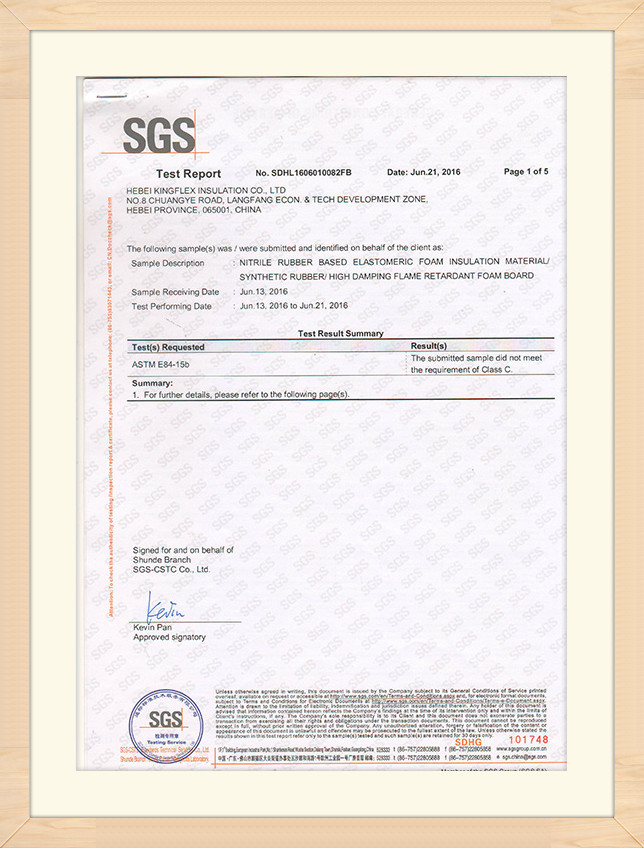
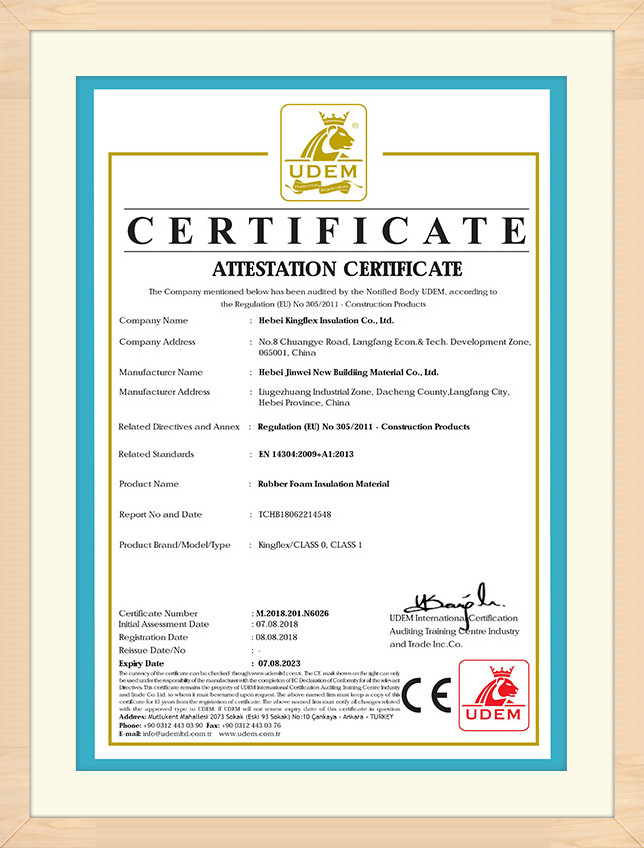
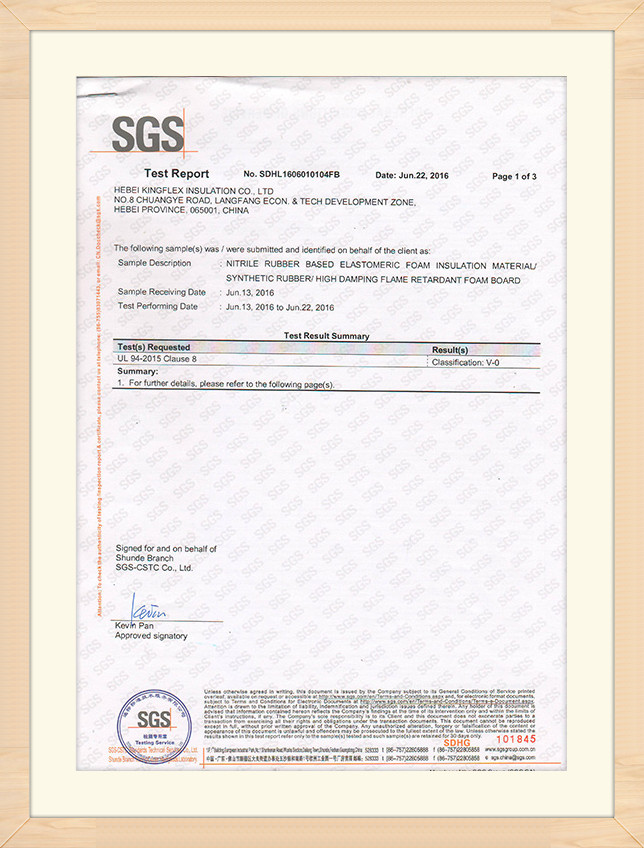
International engineering contractors, mechanical wholesalers, and procurement directors evaluate insulation materials based on total cost of ownership (TCO) and regulatory compliance. Kingflex products have passed rigorous certifications including BS 476, CE, REACH, RoHS, UL94, and ASTM. This ensures compliance with regional building codes from Europe to North America.
Our global supply chain logistics, backed by a production capacity of 600,000 cubic meters annually, allow us to meet tight delivery windows. This capacity helps prevent project delays on large-scale commercial developments, transport hubs, and industrial facilities.
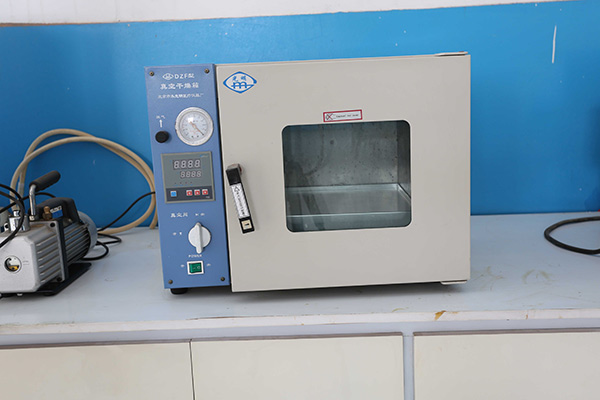
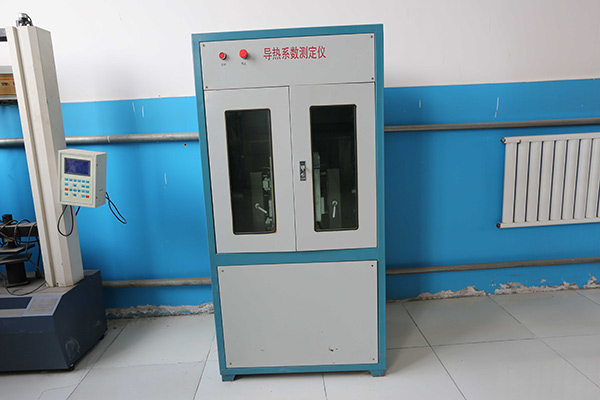
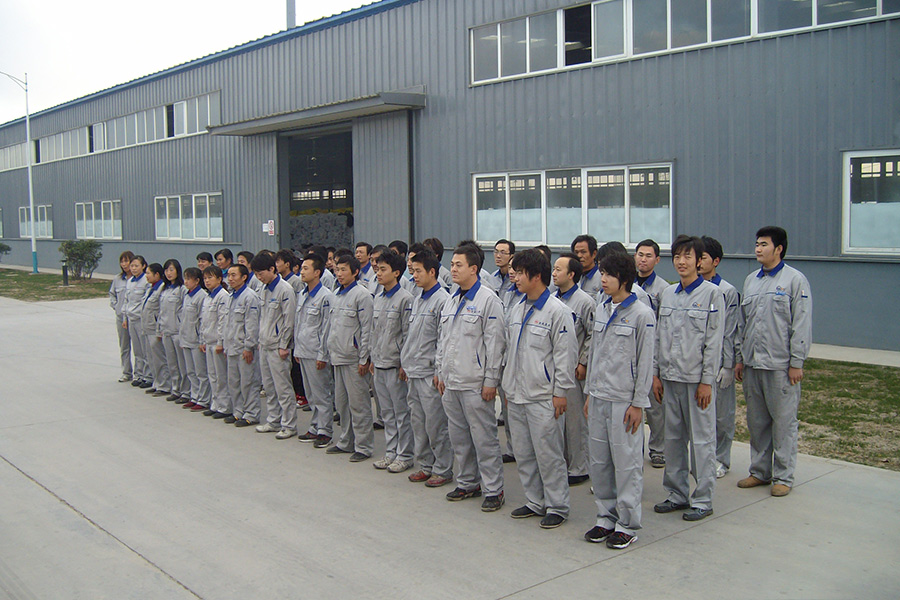
Factory Production & Material Science Facilities
5. China Factory 4.0: Supply Chain Resilience & Cost-Efficiency
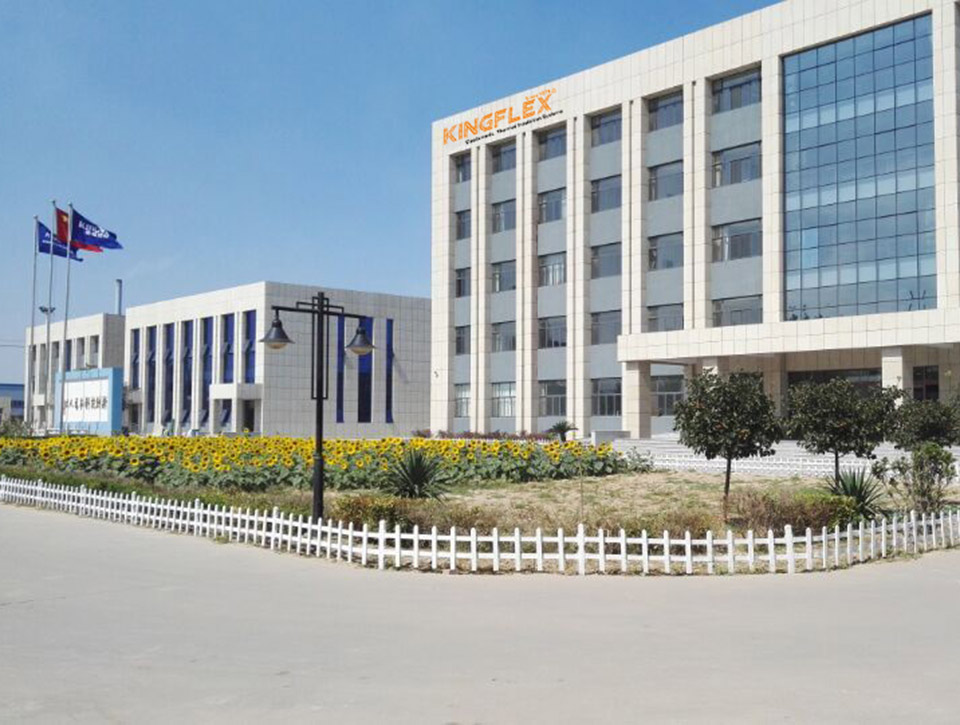
Located in Dacheng, China—a hub for green building materials—Kingflex operates five fully automated, high-speed continuous vulcanization extrusion lines. This setup enables consistent density, cell structure, and wall thickness across our entire production runs.
Our integration with local petrochemical supply chains ensures stable material pricing. Advanced process controls reduce energy consumption and scrap rates during manufacturing, allowing us to pass these cost savings on to our global distribution partners. This cost-efficiency makes Kingflex a highly competitive supplier in the global elastomeric insulation market.
NBR/PVC insulation performs reliably across diverse climate conditions and industrial environments:
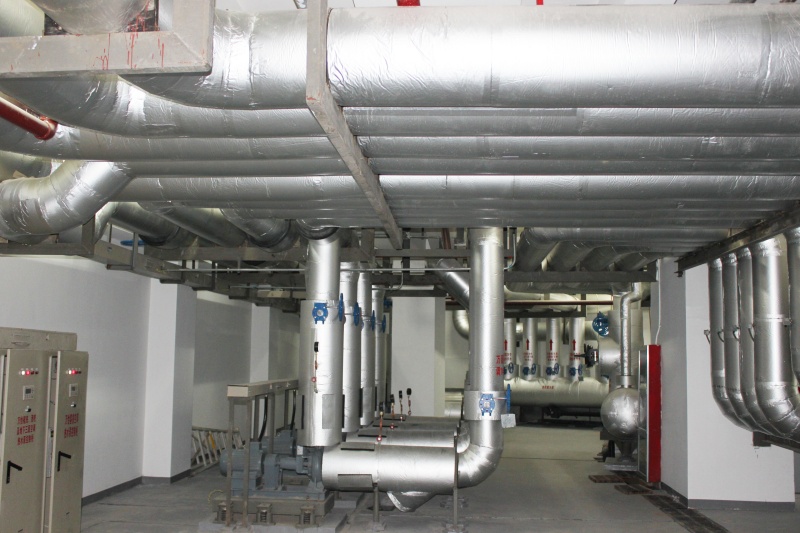
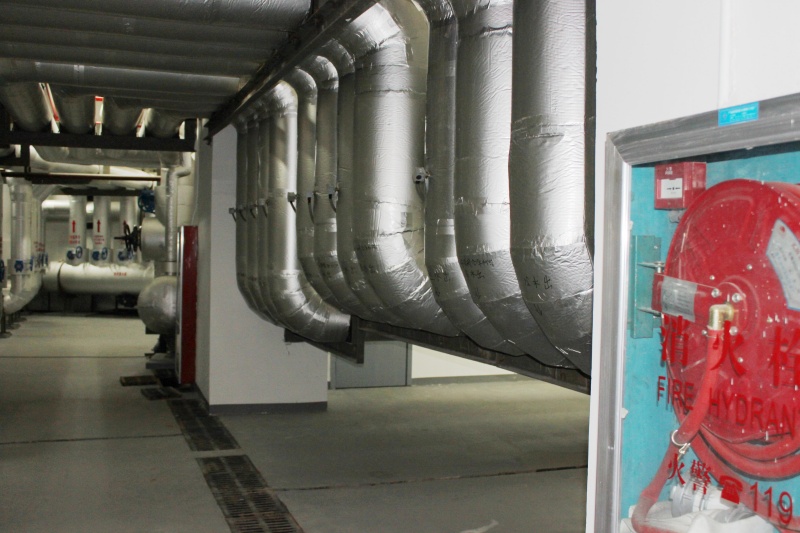
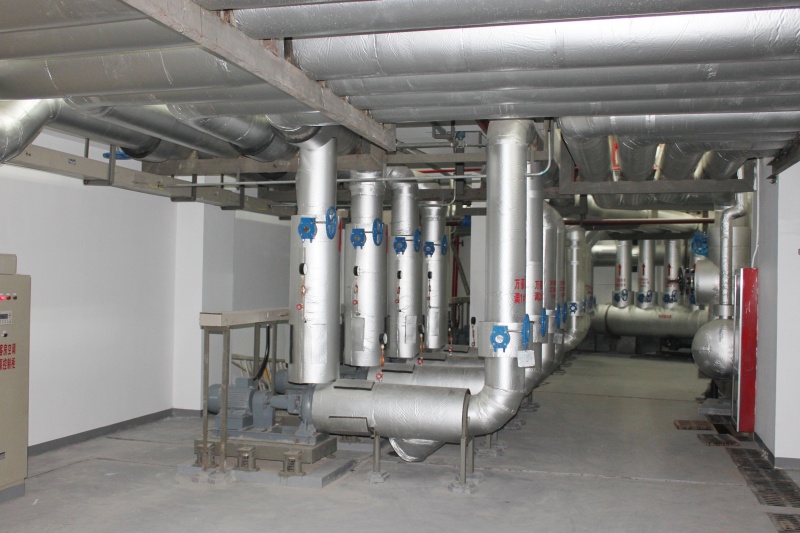
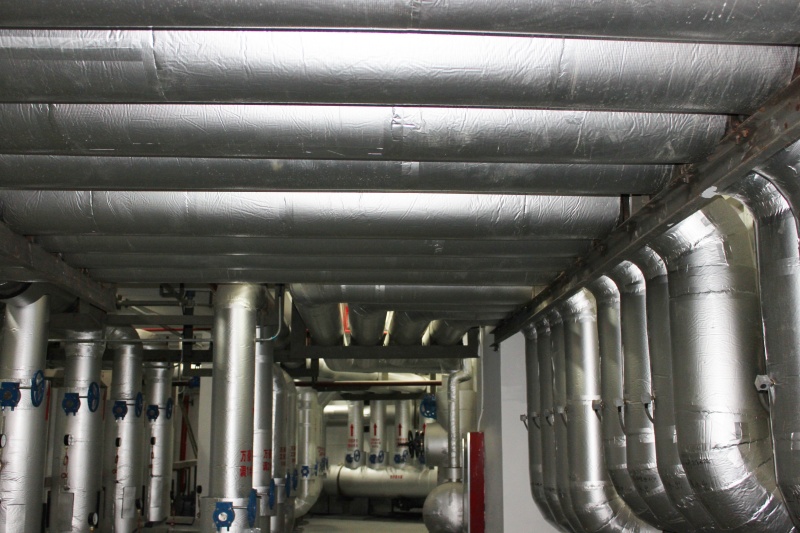
Commercial HVAC & District Cooling: Prevents condensation and drip damage in humid areas, helping to maintain indoor air quality in retail complexes, hospitals, and high-rise office towers.
Sub-Zero and Cryogenic Systems: Used in industrial refrigeration and food processing applications operating down to -40℃, preventing ice build-up and structural damage.
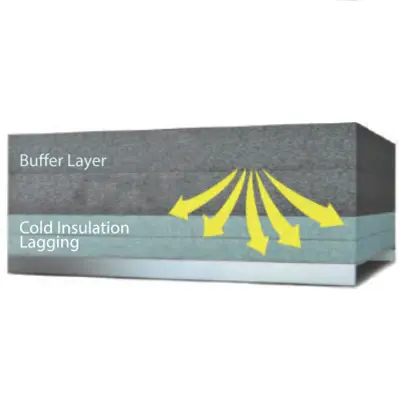
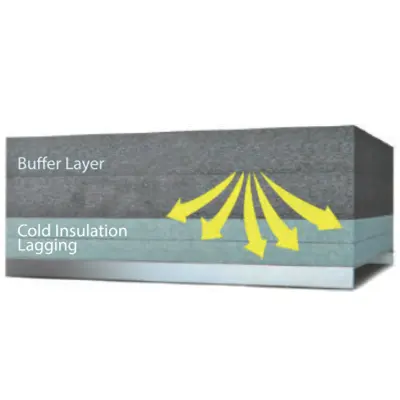
Acoustic Isolation: The elastomeric cell structure dampens structure-borne noise and fluid turbulence in pipelines, contributing to quieter building interiors.
Solar and Hot Water Piping: Withstands operating temperatures up to 105℃, minimizing thermal losses in outdoor installations.
7. Global Project Showcases and Compliance Certificates
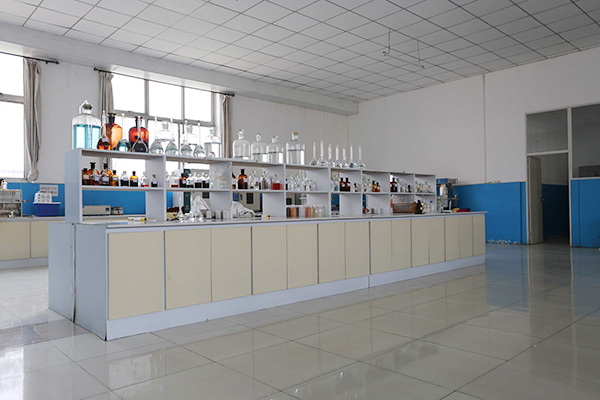
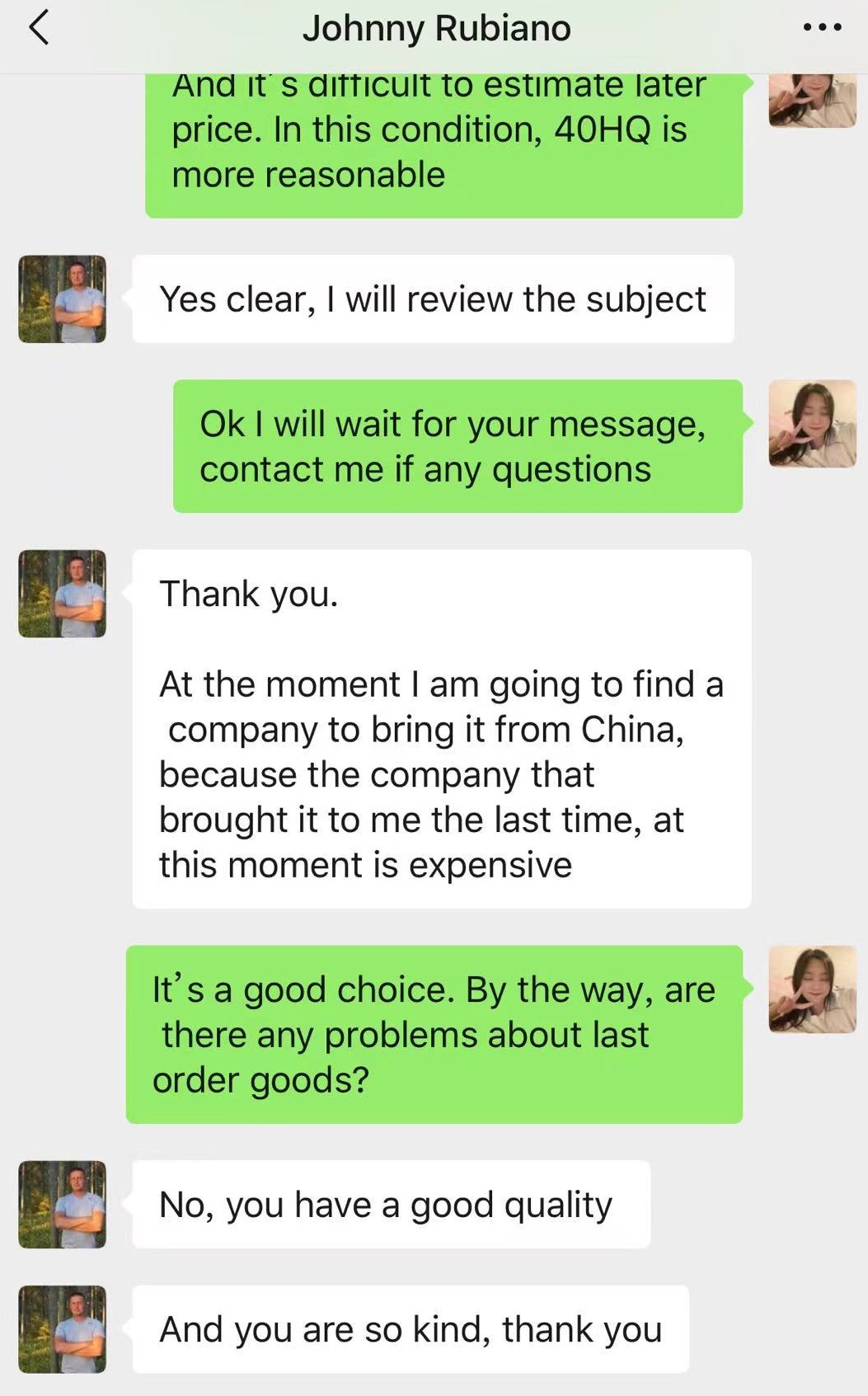
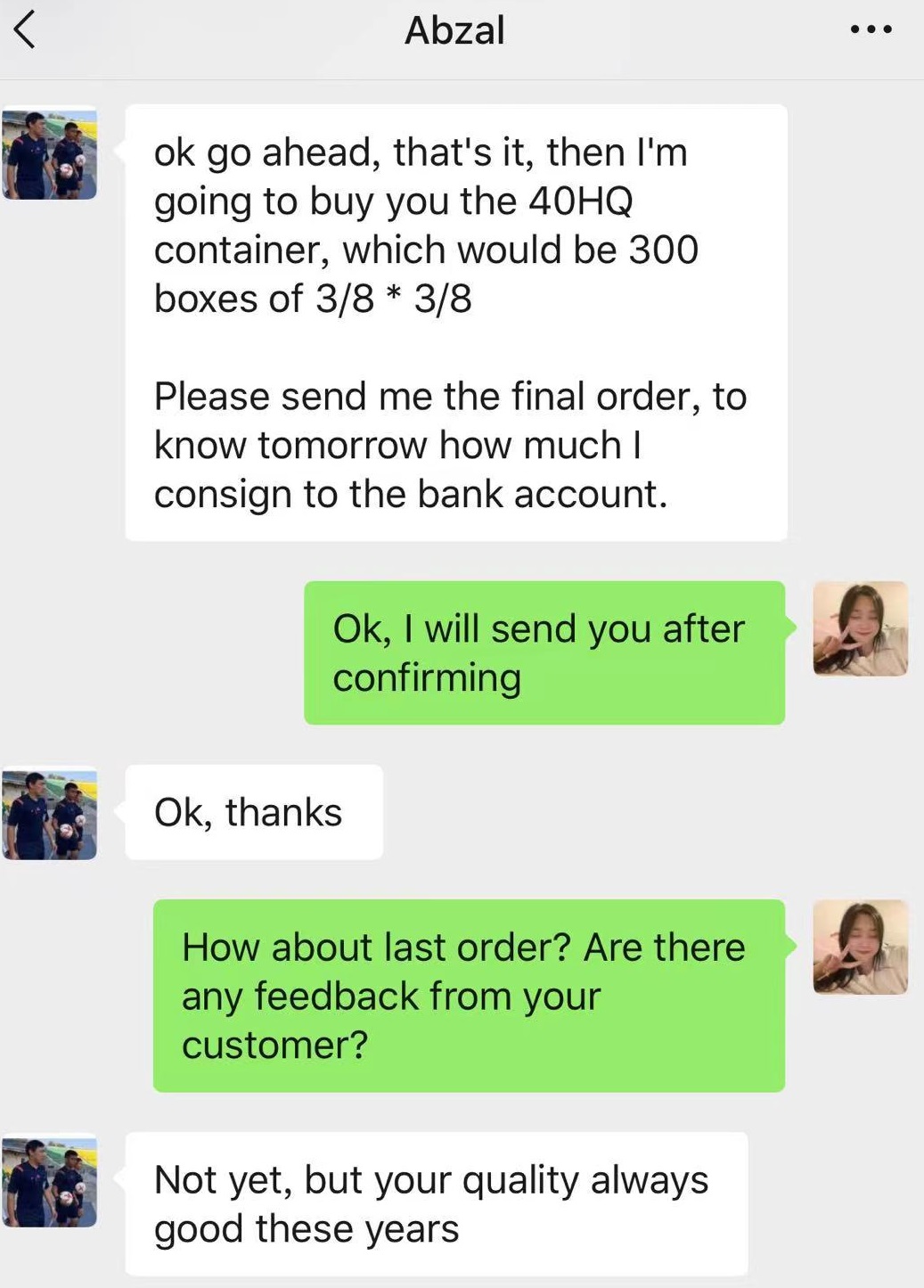
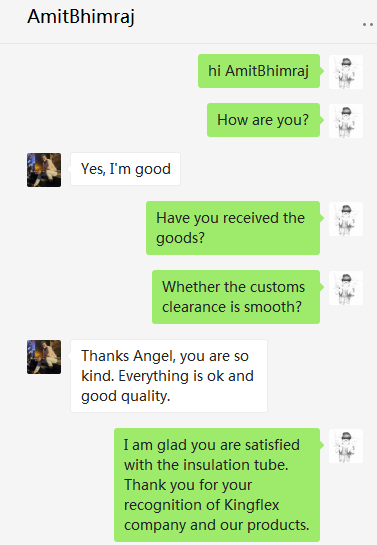
Kingflex materials are verified by third-party testing laboratories globally. Below are our official project records, certification papers, and direct customer feedback archives, showing our performance across international markets.
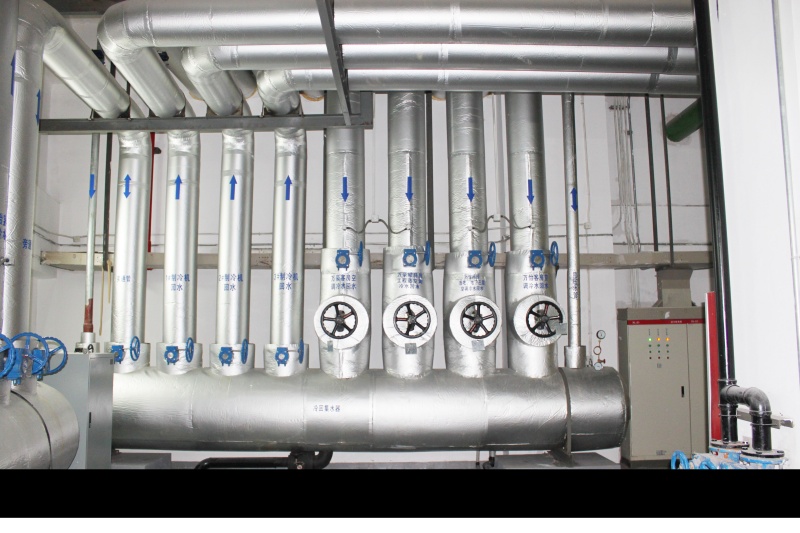
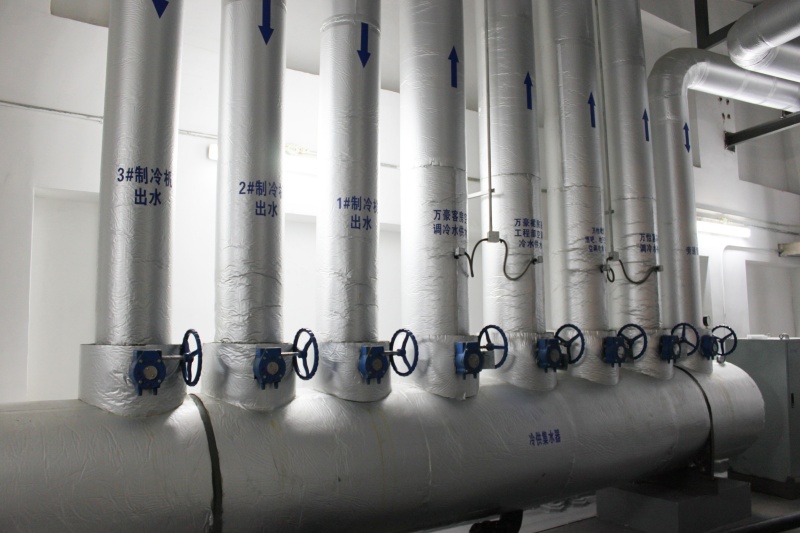
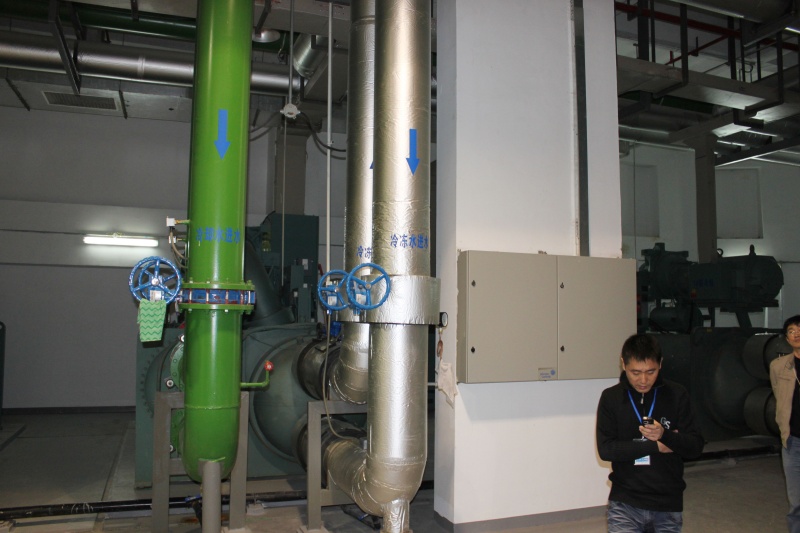
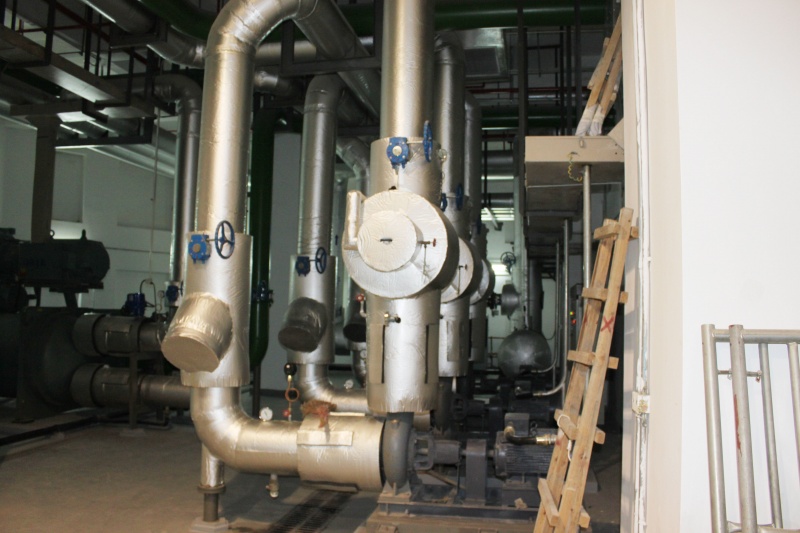
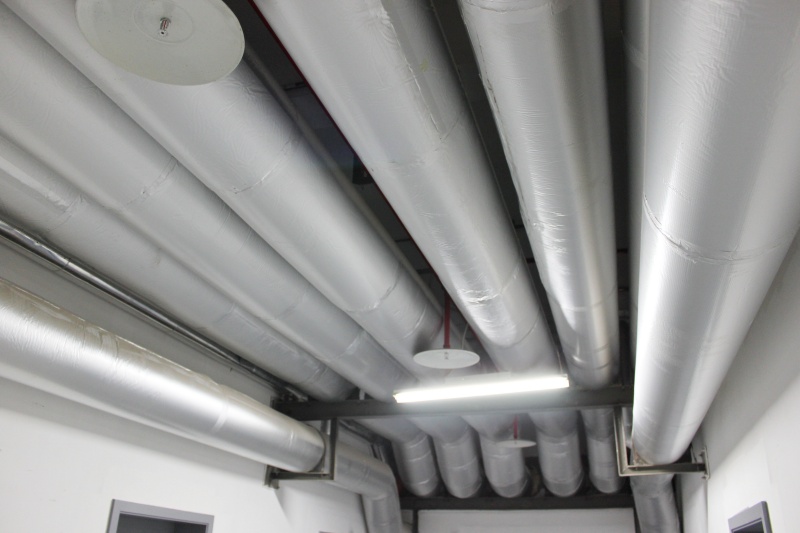
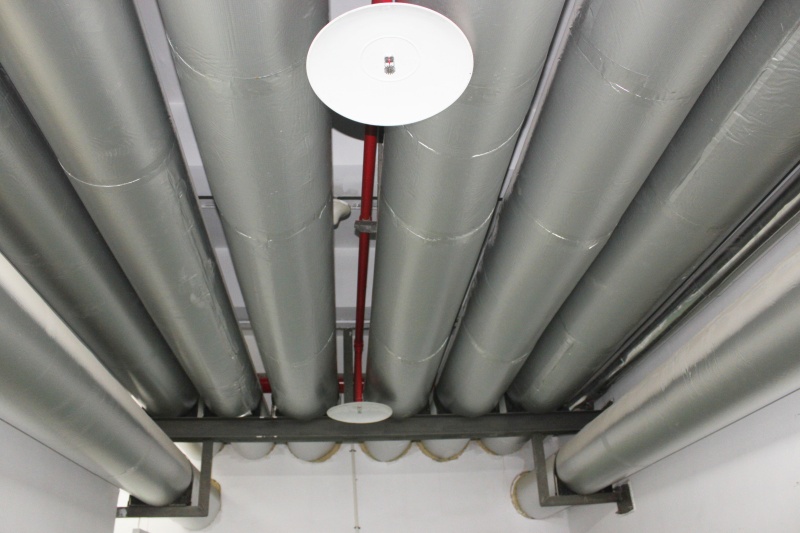
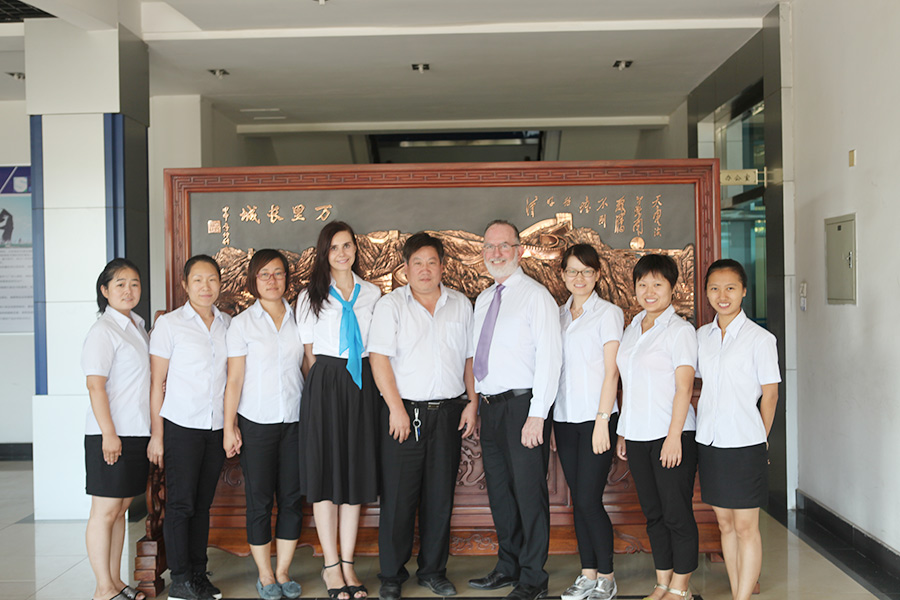
Direct Project Deployments & Site Inspections
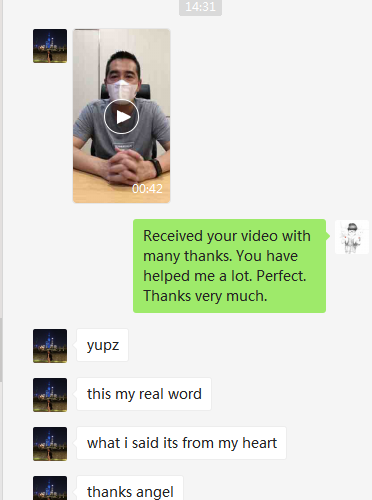
Global Partner Communications & Order Verification
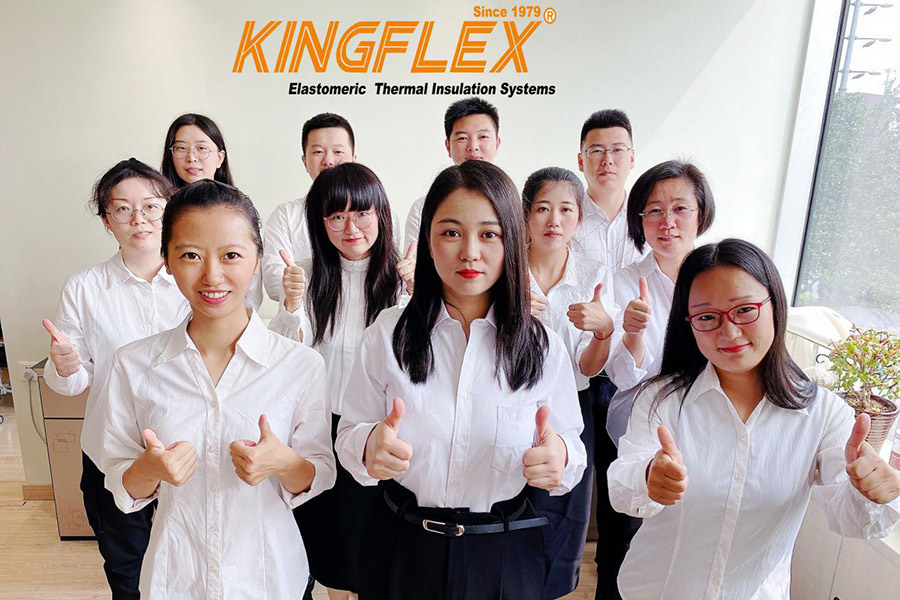
We work closely with engineering consultants, procurement firms, and distributors worldwide. Our technical support team assists with custom requests, performance calculations, and logistics planning to keep projects on schedule.
Frequently Asked Questions (FAQ)
Q1: What is elastomeric rubber foam insulation used for?
+
It is primarily used for commercial HVAC ductwork, hot and cold air conditioning lines, plumbing services, industrial pipeline cold insulation, sound dampening in engine rooms, and cryogenic containment systems to prevent condensation and optimize energy use.
Q2: Is Kingflex rubber foam insulation fire resistant?
+
Yes, our elastomeric rubber foam formulation contains fire-retardant additives. It meets BS 476 (Class 0 and Class 1), UL94 (V-0 rating), and ASTM E84 flame spread regulations, ensuring compliance with global building safety codes.
Q3: What is the difference between NBR/PVC rubber foam and rock wool insulation?
+
NBR/PVC rubber foam has a flexible, closed-cell structure with built-in moisture protection, making it highly effective for cold lines and HVAC installations. Rock wool has an open-cell, fibrous structure that offers excellent high-temperature resistance and fire protection, but requires an external vapor barrier to prevent moisture accumulation.
Q4: Do you provide customized dimensions and OEM branding services?
+
Yes. We support custom tube inner diameters, wall thicknesses, sheet dimensions, custom outer coatings (like aluminum foil or self-adhesive backings), and private OEM branding to meet specific project needs.
Q5: What certifications do Kingflex insulation products hold?
+
Our products are tested and certified to BS 476, CE, REACH, RoHS, UL94, and ASTM standards. This verification helps streamline the approval process with local building authorities.
Q6: Does Kingflex products have batch traceability?
+
Yes. Every production run is documented under our ISO 9001 quality management system. Batch numbers are printed directly on the material packaging, allowing us to trace raw material lots and manufacturing conditions if needed.
Q7: What thickness of rubber foam insulation sheets and rolls can you produce?
+
We manufacture sheets and rolls in thicknesses ranging from 6mm to 50mm. This range allows designers to specify the correct insulation thickness to prevent condensation in various local climates.
Q8: What is the typical service life of rubber foam insulation?
+
When properly installed and maintained under standard operating conditions (-40℃ to 105℃), our rubber foam insulation has a service life of 10 to 15 years, during which it maintains its structure and thermal performance.
Explore Our Full Industrial & HVAC Insulation Catalog
China NBR/PVC rubber foam insulation panel for sound absorption Manufacturers, Factory
 Kingflex