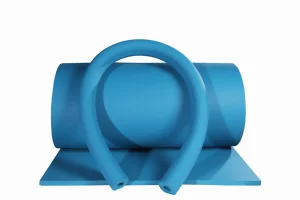
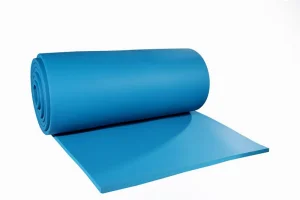
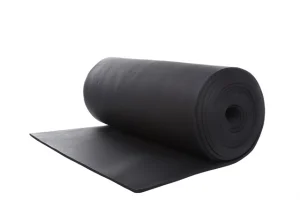
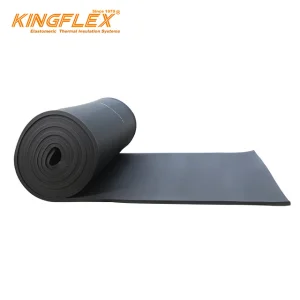
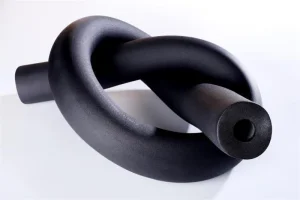
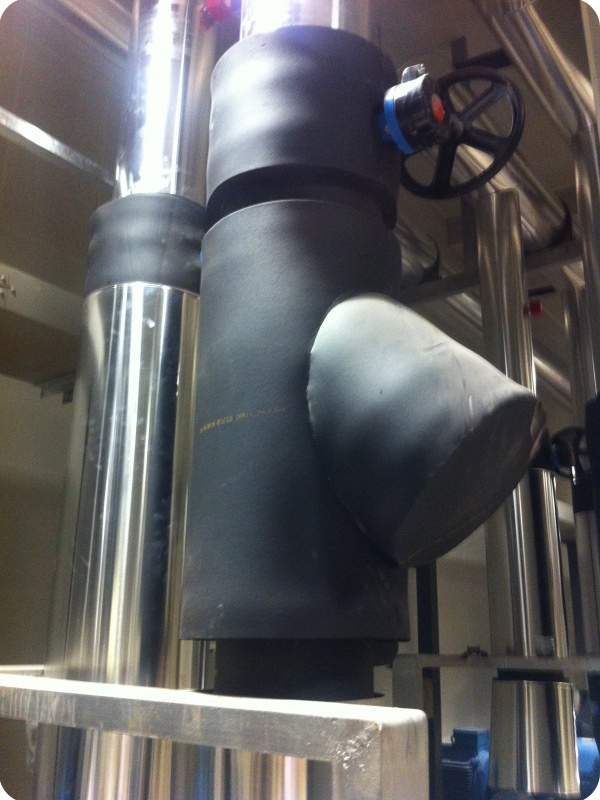
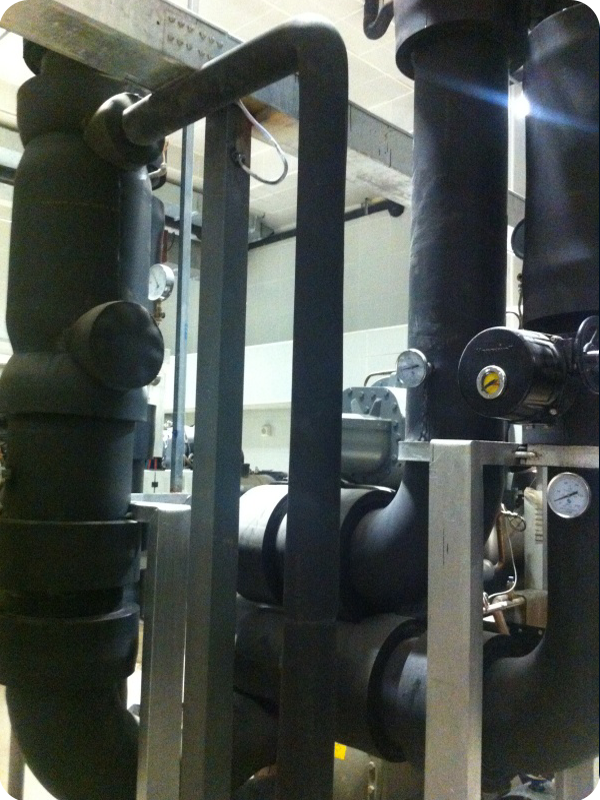
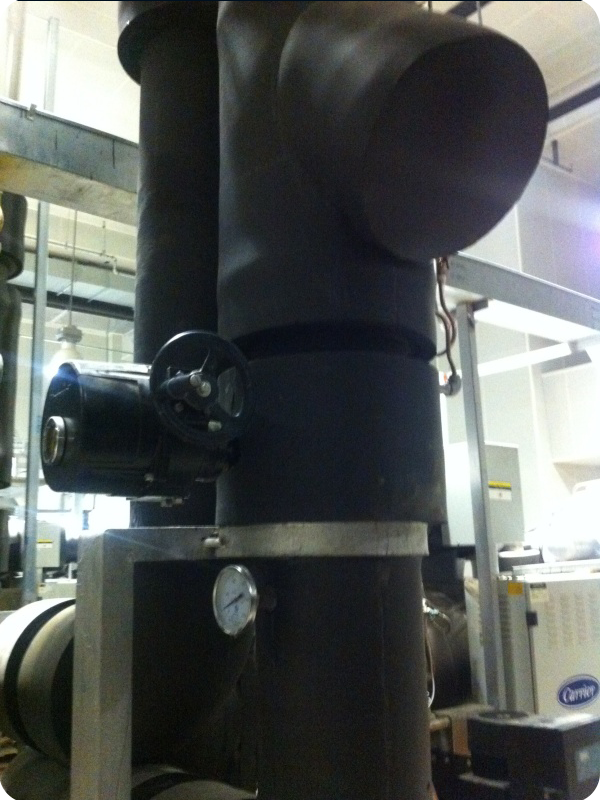
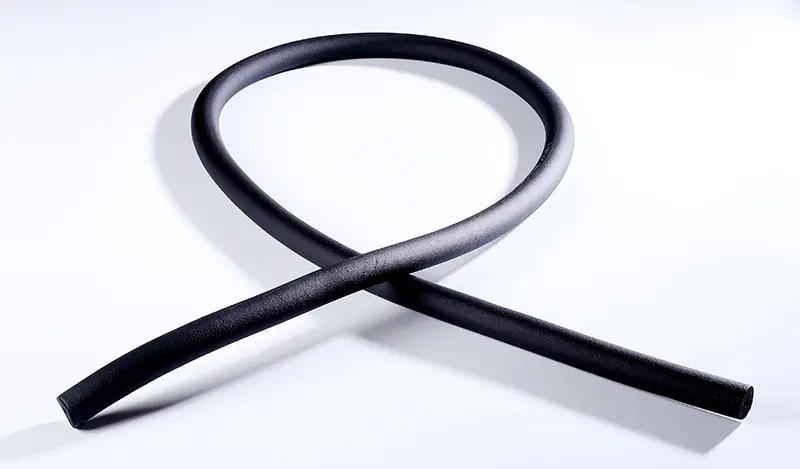
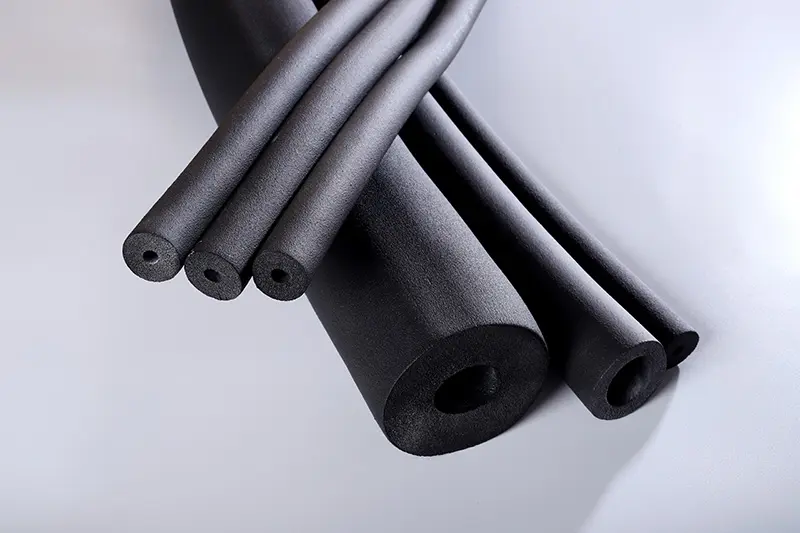
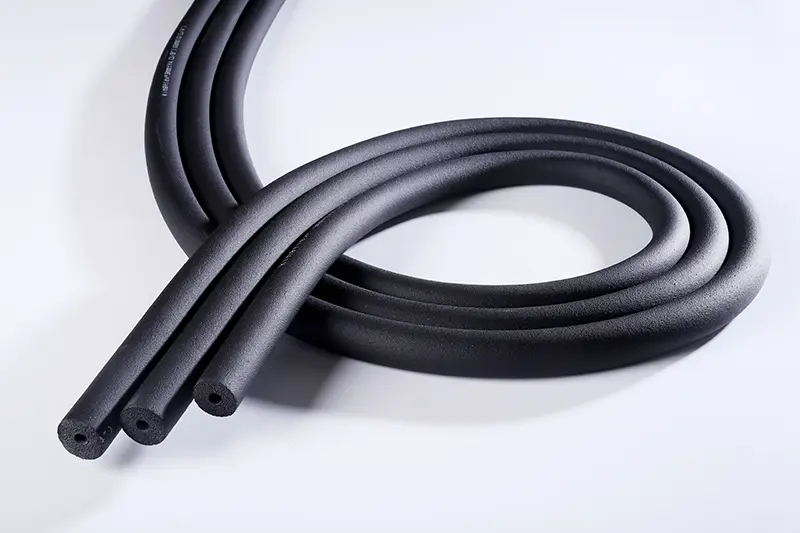
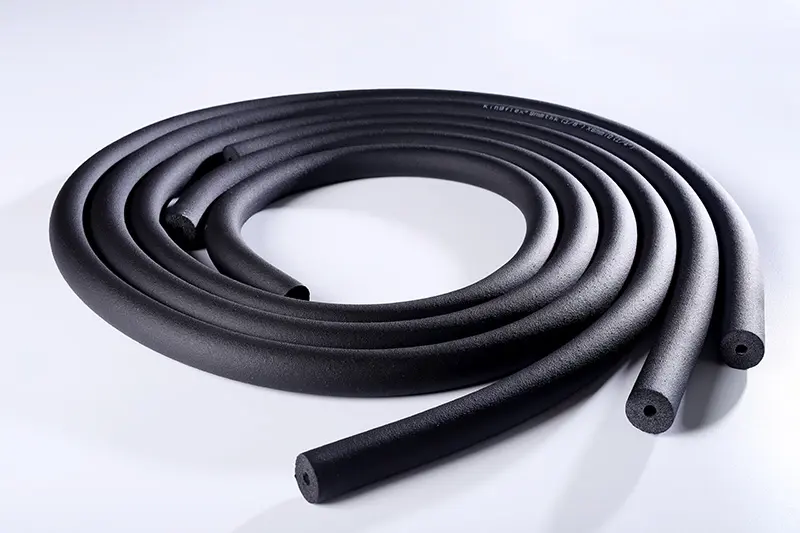
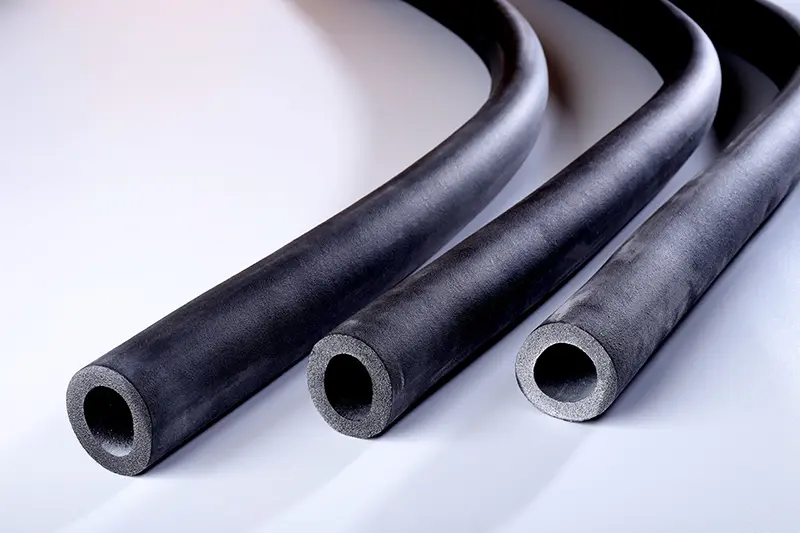
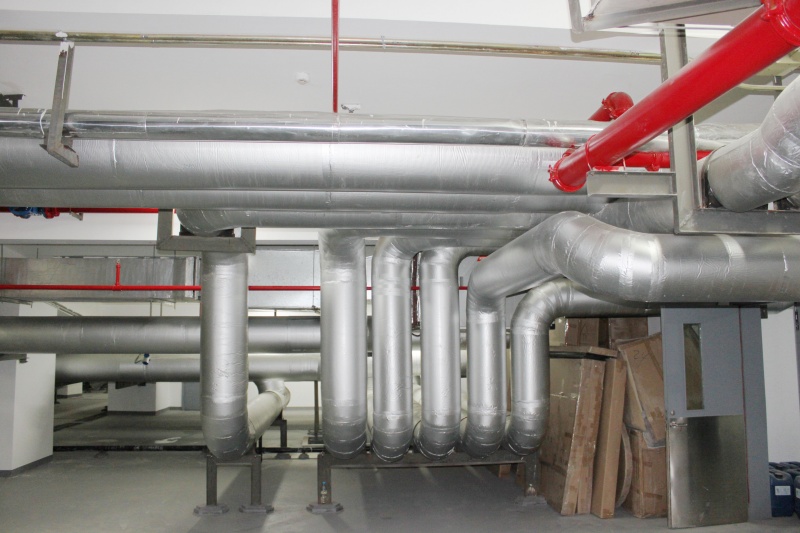
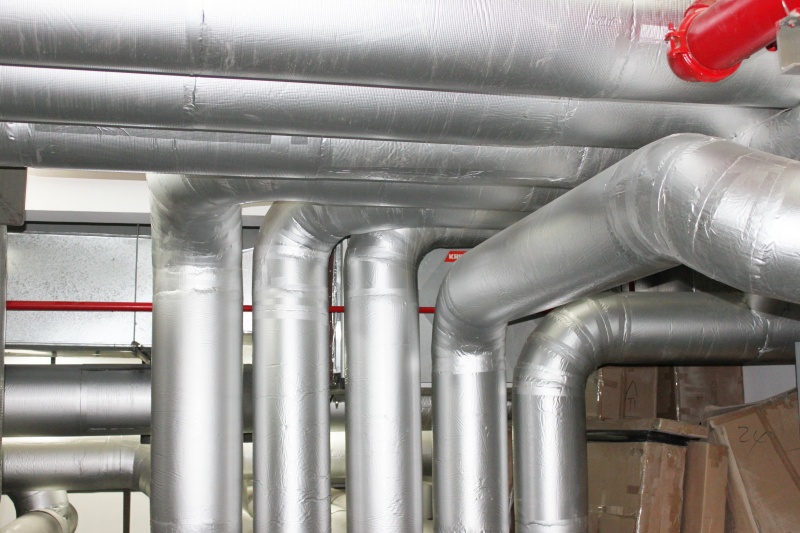
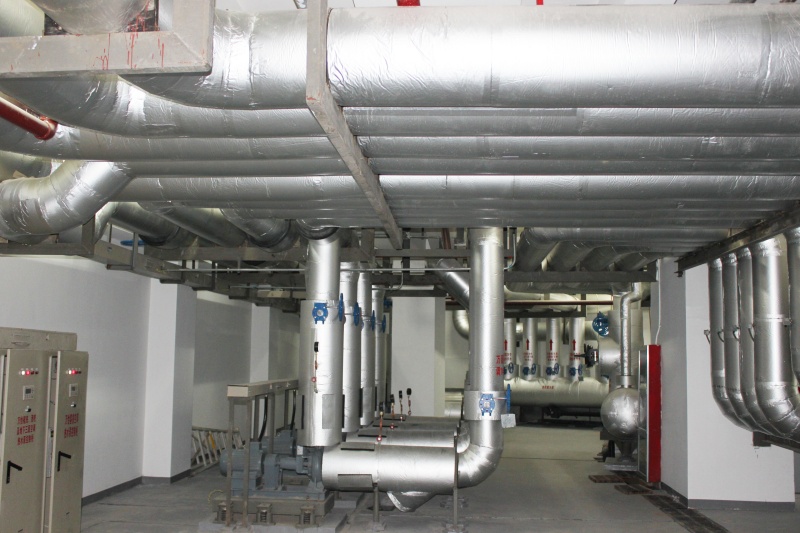
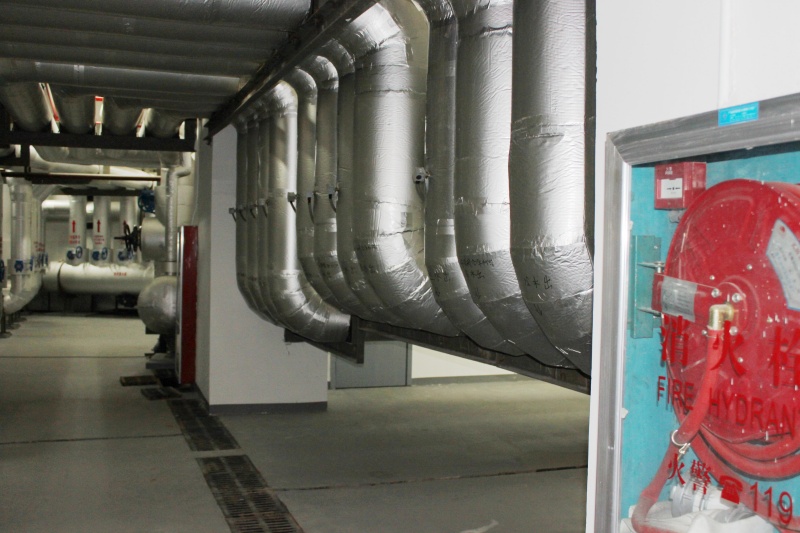
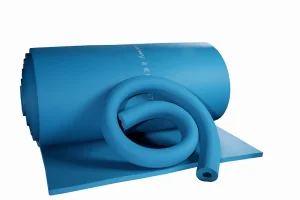
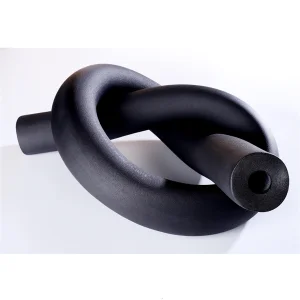
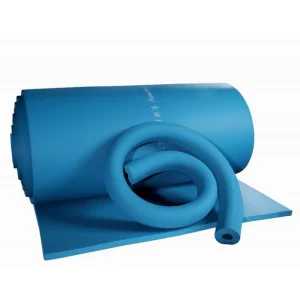
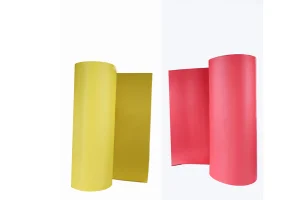
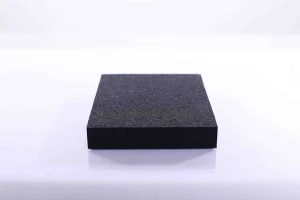
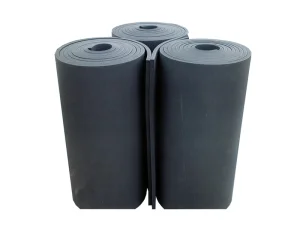
Explore our industrial elastomeric foams, ultra-low temperature cryogenic materials, and rigid thermal options.
A comprehensive analysis of thermal efficiency, vapor resistance, and material longevity in industrial environments.
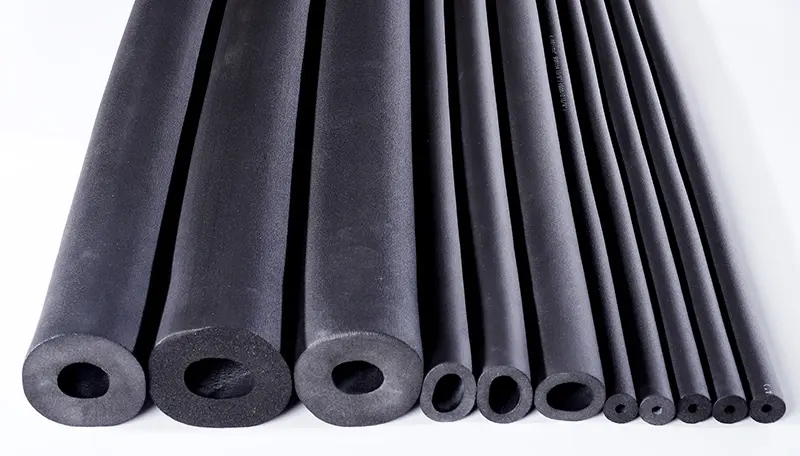
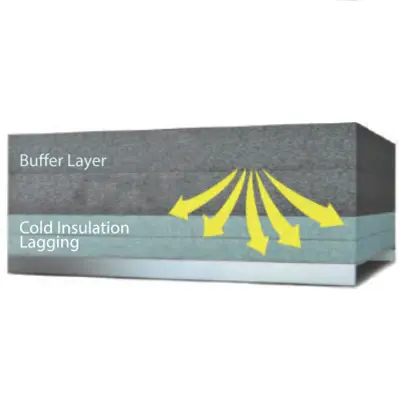
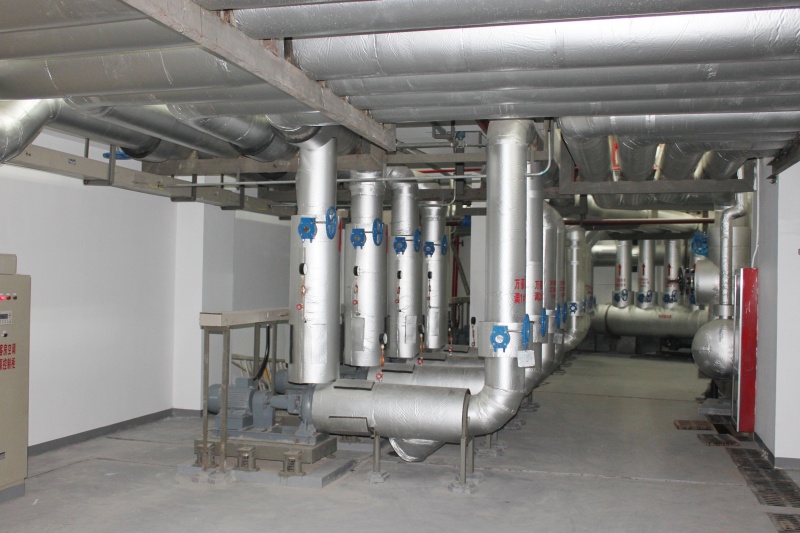
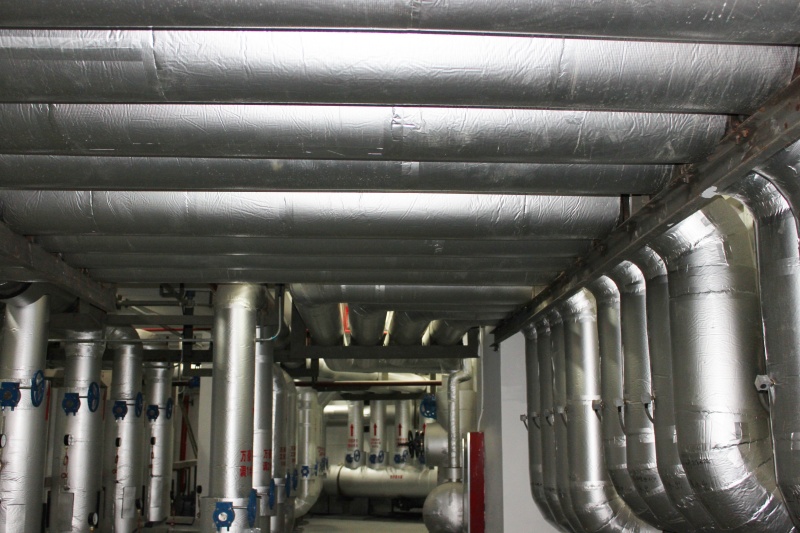
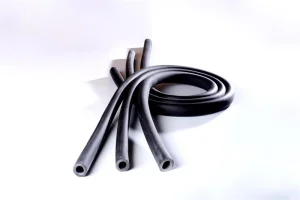
In modern industrial facilities, district energy systems, and HVAC configurations, the choice of pipe insulation direct impacts energy efficiency, operational security, and capital expenditures (CAPEX). Elastomeric foam insulation—synthesized from Nitrile Butadiene Rubber and Polyvinyl Chloride (NBR/PVC)—stands out due to its closed-cell architecture. Unlike open-cell products, our closed-cell configuration (exceeding 98% closed cells) provides a built-in vapor barrier that prevents moisture migration, mitigating the risk of Corrosion Under Insulation (CUI).
According to research in thermodynamics, heat transfer via conduction, convection, and radiation in piping networks accounts for up to 30% of energy loss if unmitigated. By maintaining a consistently low thermal conductivity ($\lambda \le 0.034 \text{ W/(m}\cdot\text{K)}$ at $0^\circ\text{C}$), our elastomeric solutions ensure minimal temperature drift. This technical stability is crucial for ultra-low temperature and cryogenic lines, where even minor thermal entry can cause phase changes, system shutdowns, or safety hazards.
Features an exceptional water vapor diffusion resistance factor ($\mu \ge 10,000$), ensuring the thermal core remains dry, preventing condensation and mold development on cold water systems.
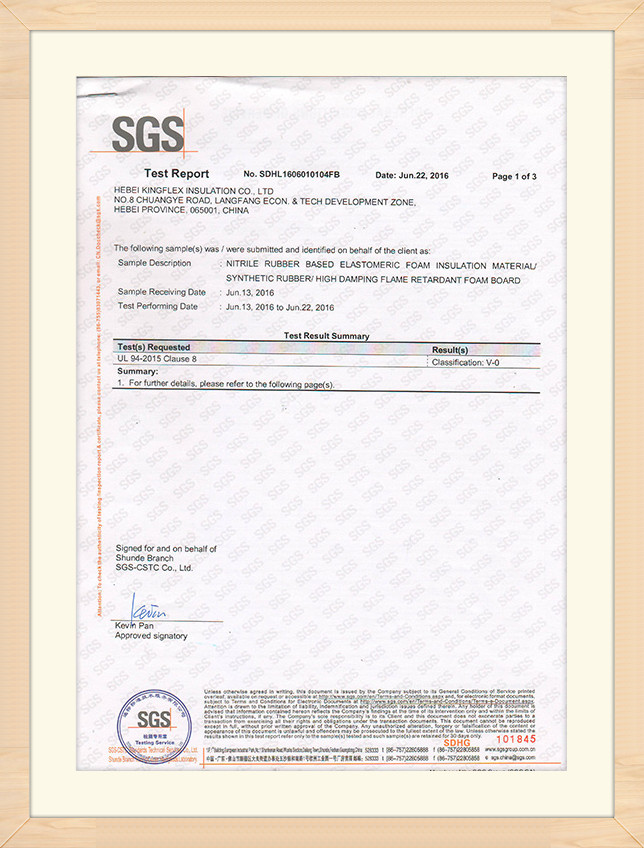
Engineered to meet stringent international standards (BS 476 Part 7 Class 1, UL94 V-0, and ASTM E84). Features self-extinguishing properties that prevent flame spread and toxic smoke generation.
Engineered for complex thermal conditions. Retains its elasticity at temperatures down to $-40^\circ\text{C}$ (standard) and $-200^\circ\text{C}$ (specialized cryogenic formulations) without cracking or structural breakdown.
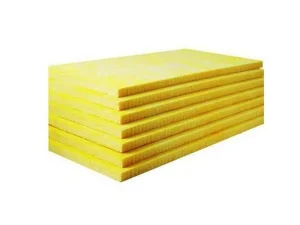
Technical parameters of NBR/PVC elastomeric rubber foam versus traditional rock wool and glass fiber wool.
| Performance Metrics | Kingflex Elastomeric NBR/PVC | Fiberglass Wool Board | Industrial Rock Wool |
|---|---|---|---|
| Operating Temperature Range | -40°C to +105°C (Up to -200°C for Cryogenic) | -120°C to +400°C | Up to +650°C |
| Thermal Conductivity ($\lambda$) | ≤ 0.034 W/m·K (at 0°C) | ≤ 0.038 W/m·K (at 25°C) | ≤ 0.040 W/m·K (at 25°C) |
| Moisture Permeance ($\mu$) | ≥ 10,000 (Closed-cell vapor barrier) | 1 (Requires external jacket wrap) | 1.2 (Requires external vapor barrier) |
| Flexibility & Installation | Excellent, highly flexible, self-adhesive options | Rigid / Semi-rigid | Rigid, high mechanical dust profile |
| Corrosion Under Insulation (CUI) | Extremely Low (Does not trap water) | Moderate to High | High if jacket integrity fails |
| Noise Attenuation (NRC) | Excellent sound damping (Acoustic structure) | Good high-frequency reduction | Excellent industrial sound isolation |
A professional manufacturing and trading combo for high-end thermal insulation products.
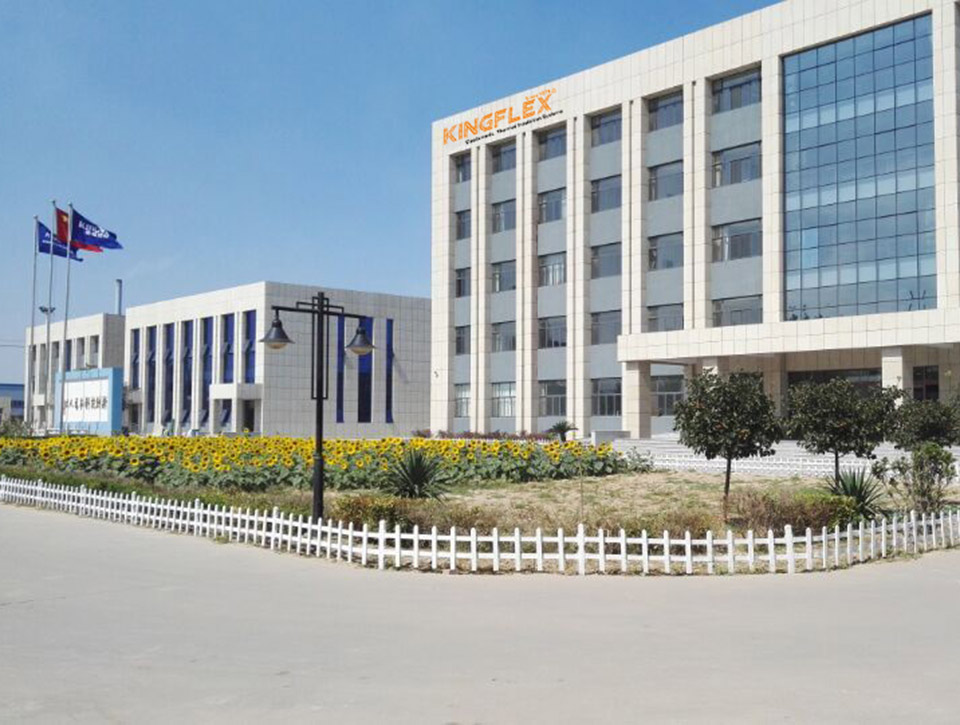
Kingflex research, development, and production departments are located in Dacheng, China—the capital of green-building materials. As an energy-saving, environmentally friendly enterprise, we consolidate R&D, production, sales, and post-sale technical guidance into an integrated service system.
Established by the Jinwei Group, which has over 40 years of history (founded in 1979 as the first manufacturer of thermal insulation materials north of the Yangtze River), Kingflex has become a recognized supplier for large-scale energy pipelines, HVAC units, and industrial setups.
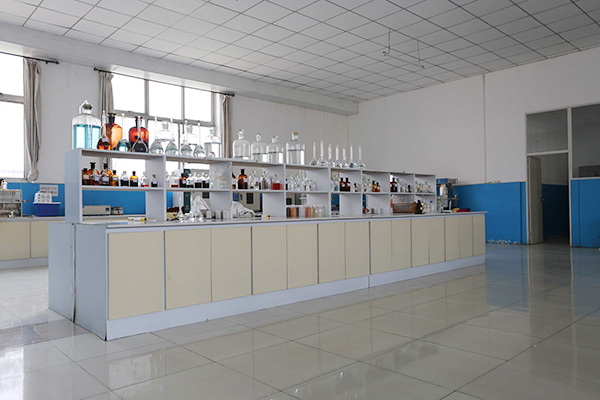
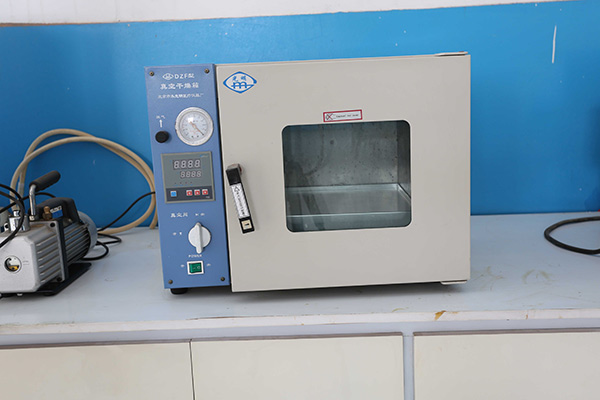
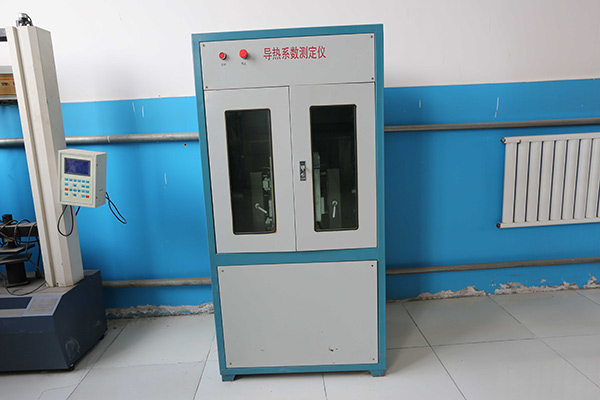
Our R&D team continuously tests formulations to improve fire ratings, flexibility, and thermal conductivity. With 8 dedicated engineers and 230 production workers, our facility operates under strict ISO protocols to maintain consistent production quality.
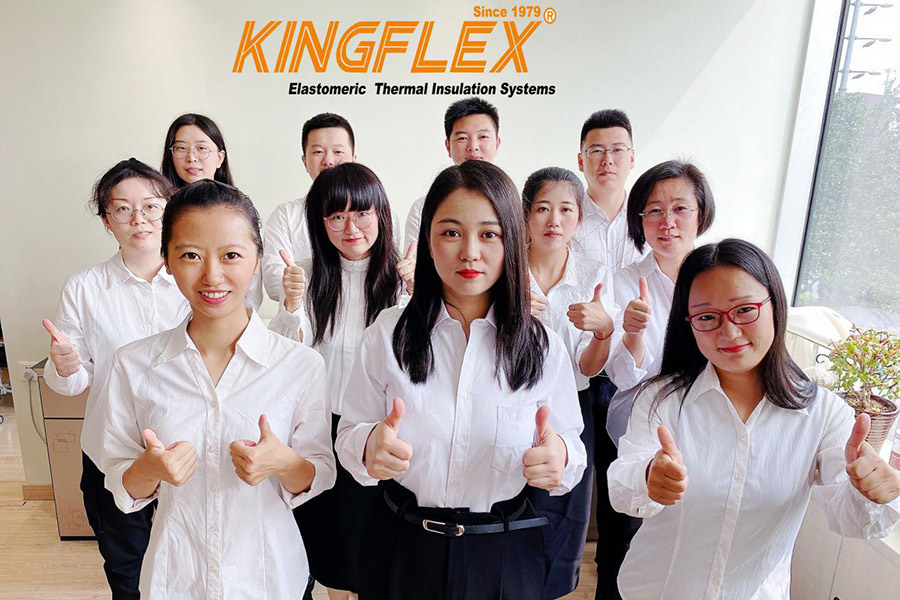
"Our employees are amazing individually, but together they make Kingflex a rewarding place to work. The Kingflex team is a tight-knit, talented group focused on providing first-class service to our clients." Supported by 6 international sales specialists, we offer continuous support from project design through delivery.
Addressing supply chain challenges, international certifications, and localization support for global projects.
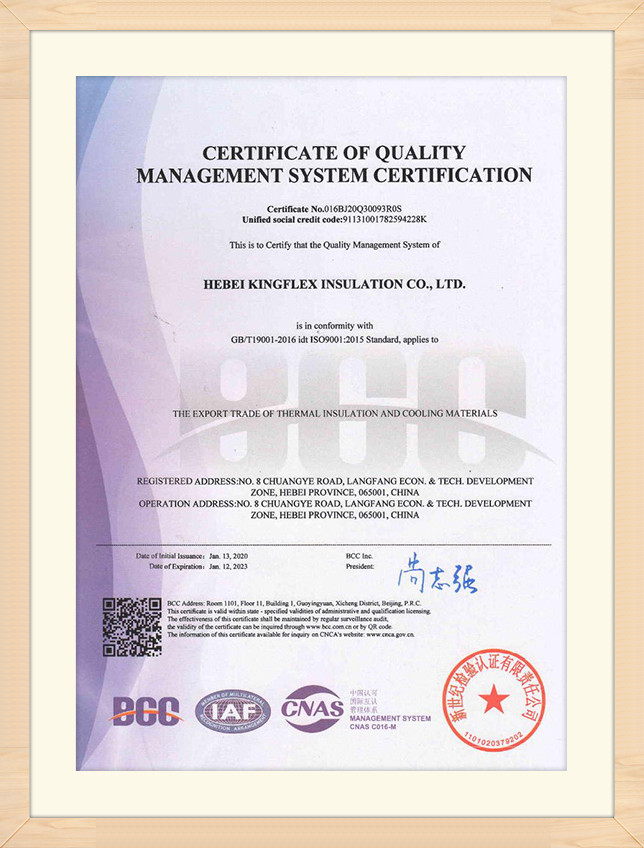
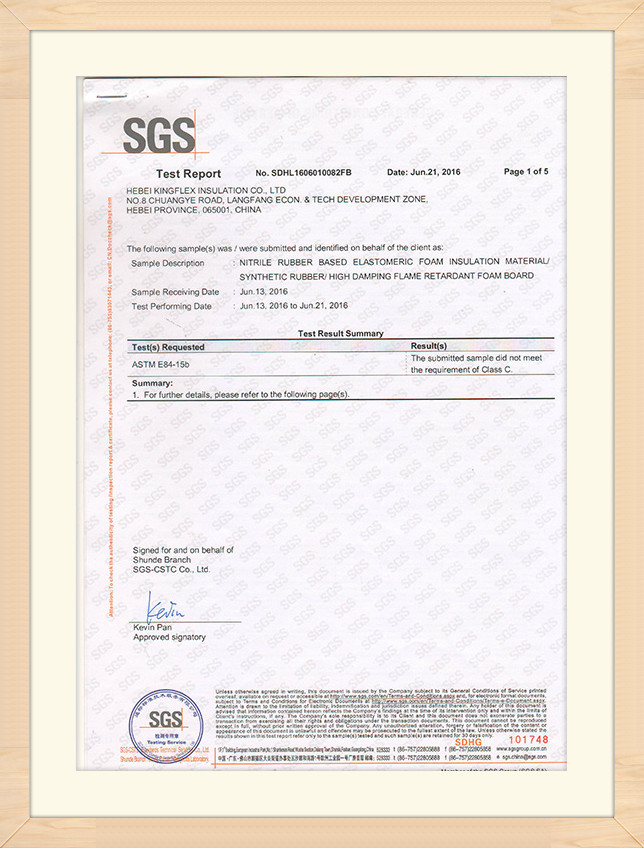
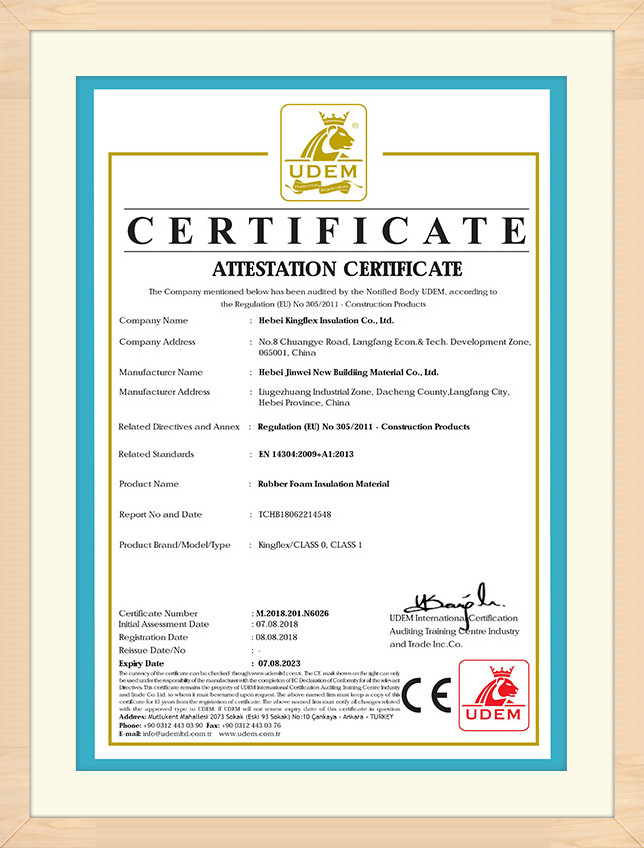
Our thermal and cryogenic solutions are tested and certified under BS 476, CE, REACH, RoHS, UL94, and ASTM standards, ensuring acceptance by inspectors and regulators worldwide.
Kingflex is a designated supplier for the Ministry of Energy, Ministry of Electric Power, and Ministry of Chemical Industry, demonstrating our reliability for national-level infrastructure.
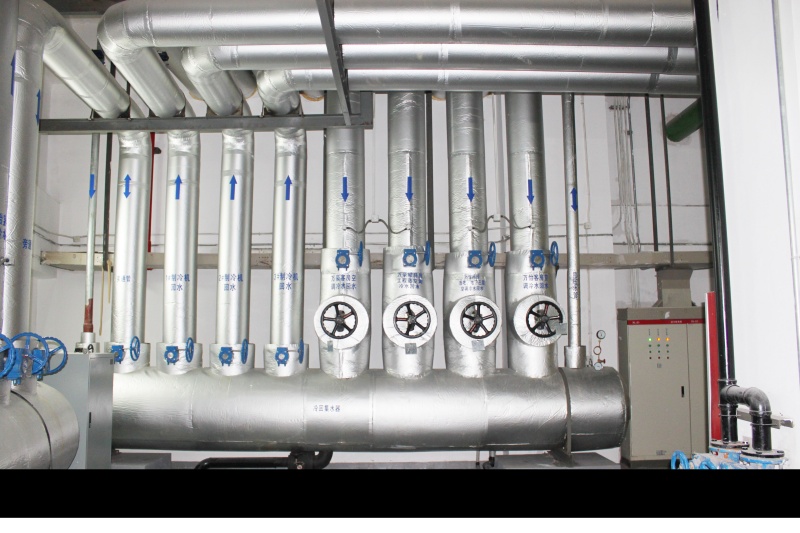
From chemical feedstock blending to curing and extruding, every production batch has full traceability. This process guarantees transparent QA/QC data for critical engineering projects.
Quality Cert 1
Quality Cert 2
Environmental Cert
Safety Compliance
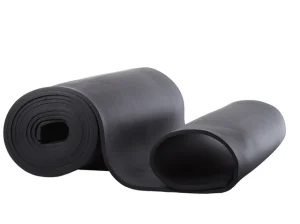
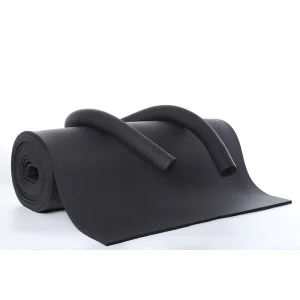
Standard dimensions and physical properties for black rubber foam insulation sheets and tubes.
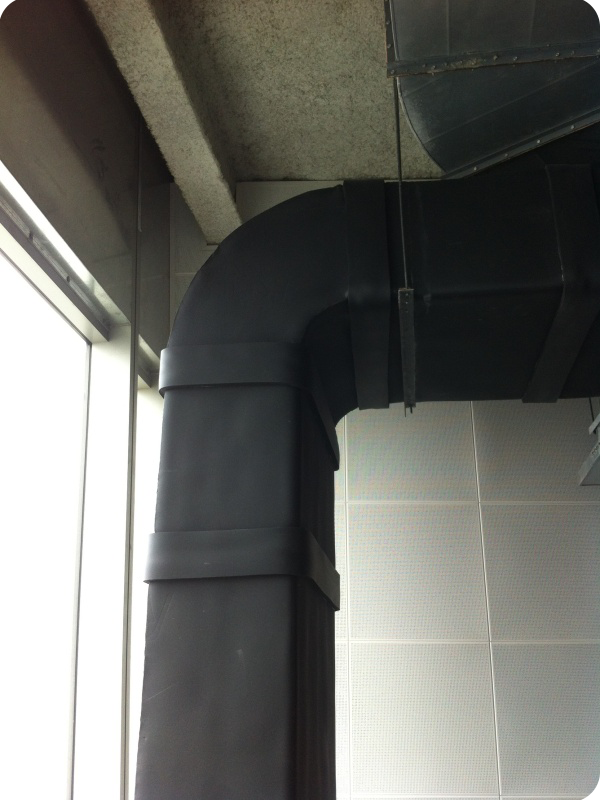
Ideal for large-diameter ducts, HVAC plenums, storage vessels, and low-temperature process tanks.
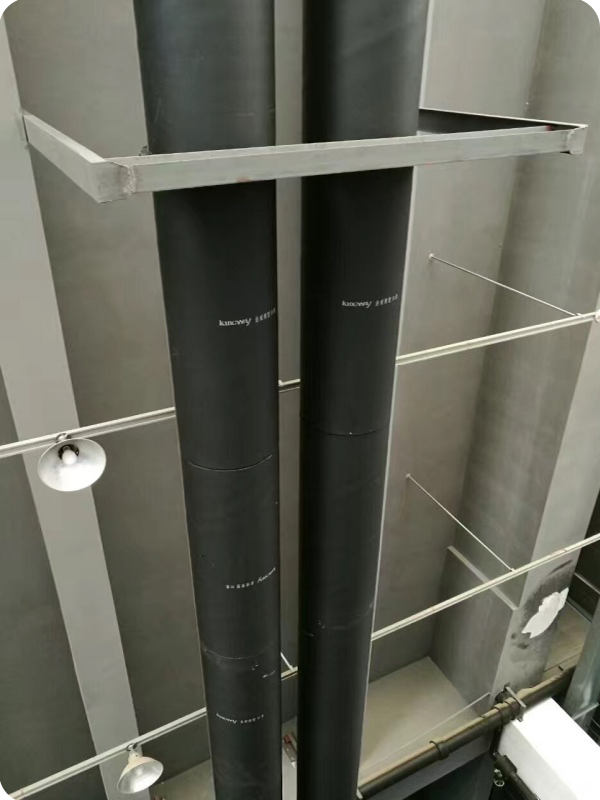
Designed for easy installation over copper, steel, and plastic piping networks to prevent freezing and condensation.
Specific designs for cryogenic systems, acoustic treatment, and aggressive industrial environments.
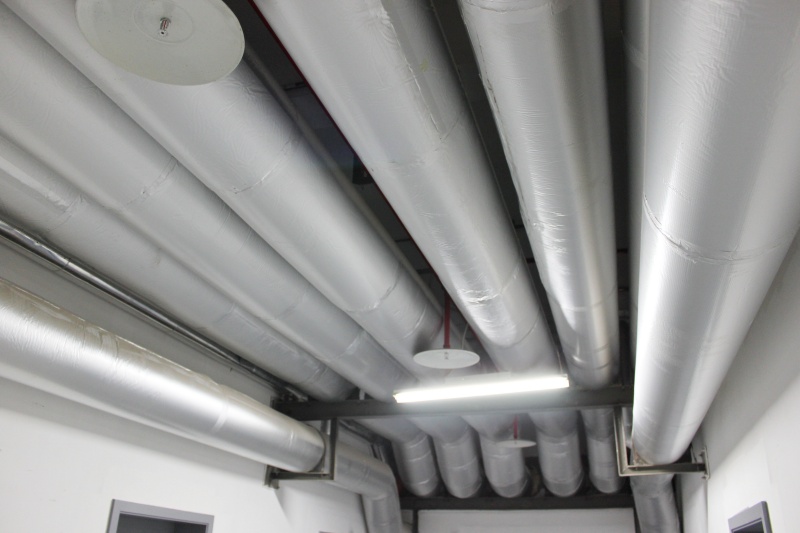
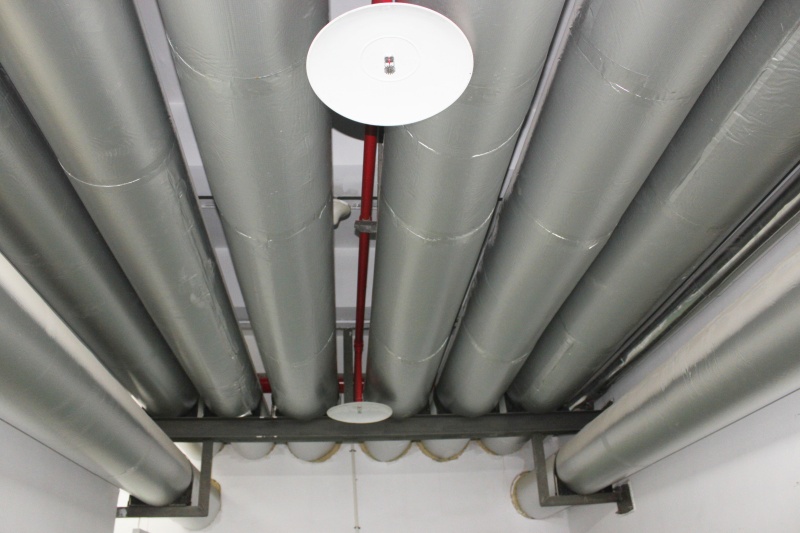
Proven reliability across diverse projects, including commercial structures, chemical processing plants, and HVAC systems.


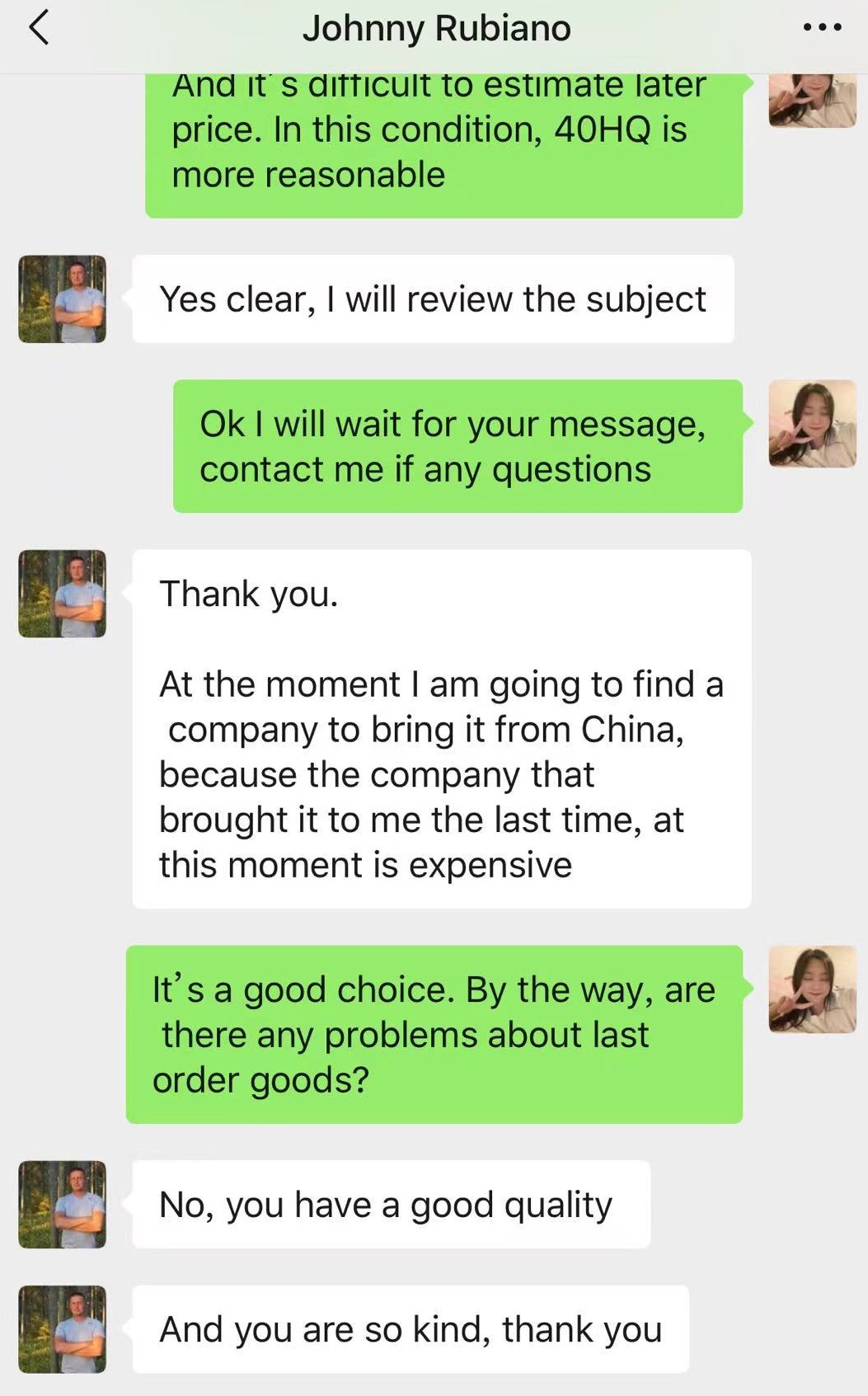
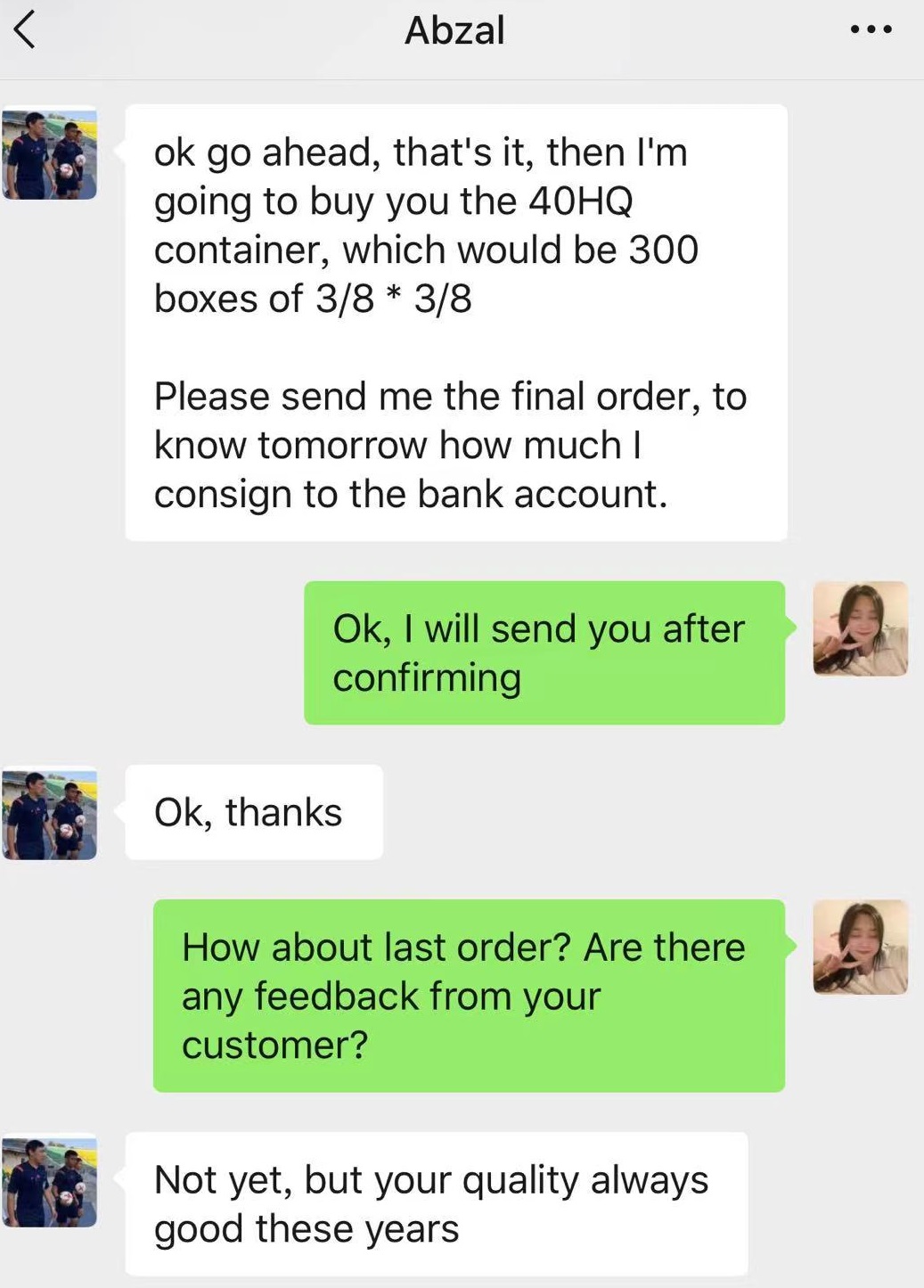
Transparency and verified communication with global procurement managers regarding logistics, testing, and specifications.
Strategic directions in sustainable construction, carbon neutrality, and advanced thermal design.
Global building standards, such as LEED, BREEAM, and DGNB, place emphasis on reducing carbon footprints and using low-VOC materials. Traditional insulation materials that release fibers or particulate matter are being replaced by dust-free, fiber-free closed-cell elastomeric options. Kingflex addresses this demand by manufacturing halogen-free, low-smoke materials that comply with strict indoor air quality (IAQ) regulations.
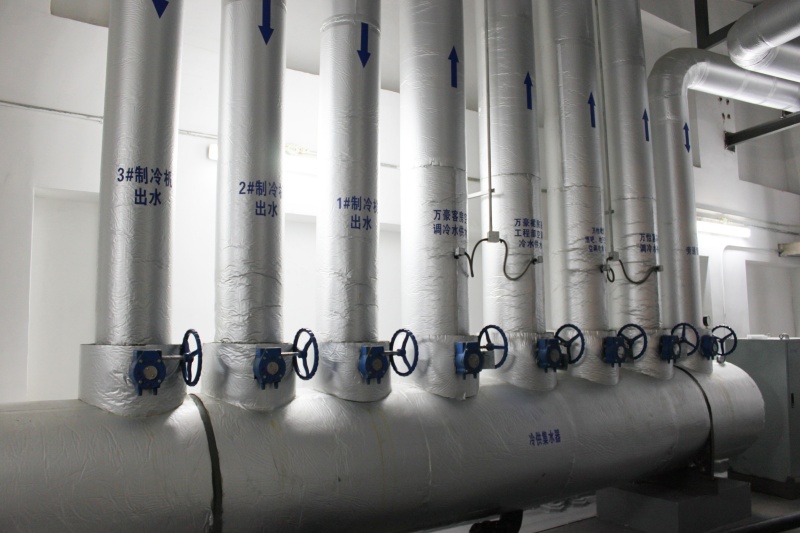
CUI is a major maintenance expense in the chemical and process industries. Condensation occurring on carbon steel pipes underneath an insulation layer leads to localized pitting corrosion. Our closed-cell elastomeric rubber foam inhibits moisture absorption, preventing water from reaching the pipe surface. By eliminating the necessity for periodic external protective coatings, this solution reduces long-term operational maintenance costs.
The growth of LNG facilities, hydrogen transportation networks, and cold chain logistics demands insulation systems that remain stable under thermal shock. Standard elastomeric foams become brittle at low temperatures. In response, Kingflex has developed a flexible cryogenic insulation series. Utilizing optimized cell geometry and density distribution, this system remains flexible down to $-200^\circ\text{C}$ to accommodate thermal movement.
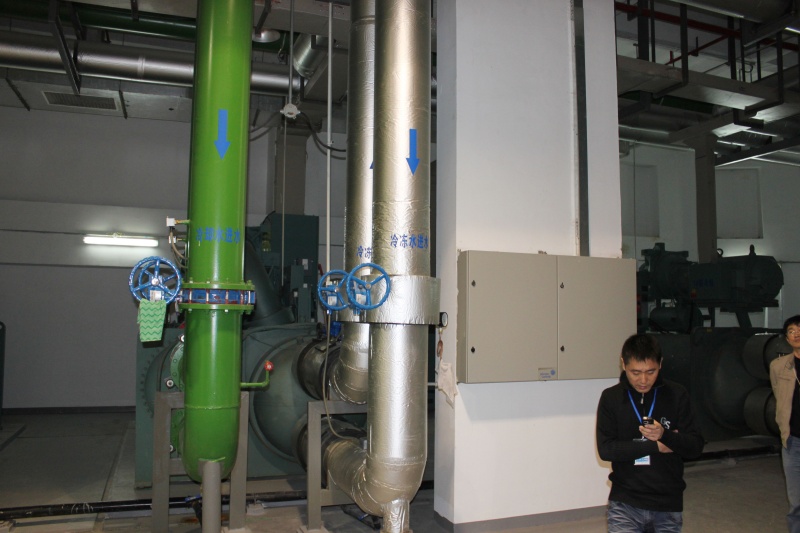
Automated manufacturing lines are essential for producing material with uniform thickness and density. Kingflex operates 5 large-scale automated assembly lines. Automated extrusion and curing processes minimize manual handling, ensuring uniform cell expansion. This control allows us to provide consistent products at scale for international distribution.
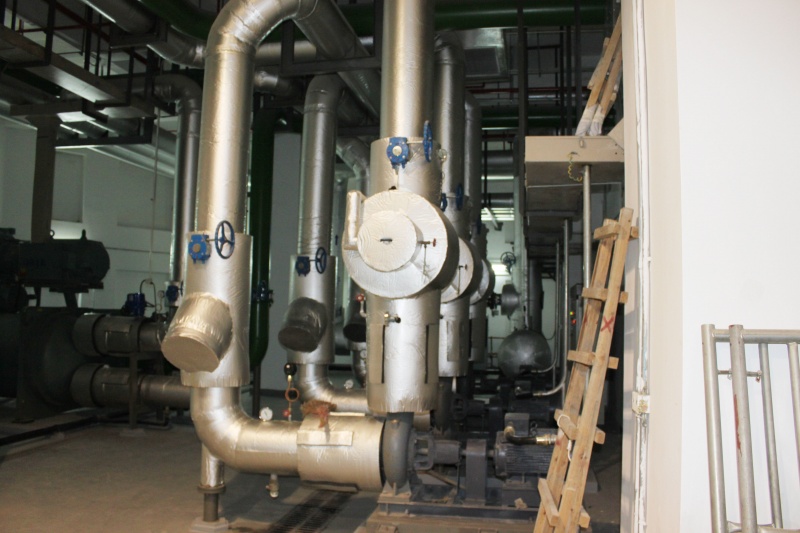
Technical answers to common questions about elastomeric foam insulation applications, fire safety, and installation.
It is primarily used for insulating HVAC ducts, air conditioning piping, building thermal envelopes, industrial pipelines, cold-water refrigeration systems, and acoustic absorption. Its closed-cell structure prevents moisture accumulation, making it suitable for high-humidity environments.
Yes, our rubber foam products are formulated with flame retardants to meet BS 476, UL94 (V-0 rating), and ASTM E84 safety standards. The self-extinguishing material minimizes fire propagation and smoke density during thermal events.
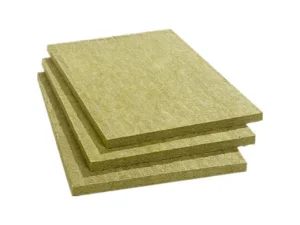
Rubber foam is a flexible, closed-cell material that offers high moisture-vapor resistance, making it ideal for cooling lines, condensation prevention, and general HVAC uses. Rock wool is a fibrous, open structure suited for high-temperature applications (up to 650°C) and structural fire protection, though it requires an external vapor barrier in wet or cold environments.
Yes, we offer comprehensive OEM services, including custom inner diameters (ID) for pipes, customized sheet thicknesses (from 6mm up to 50mm), self-adhesive backings, and aluminum foil protective laminations.
Our products are tested and certified under international standards including BS 476, CE, REACH, RoHS, UL94, and ASTM. Testing records and chemical compliance certificates are available upon request.
Yes, all manufactured batches are assigned a production code that links to manufacturing dates, formulation logs, and quality inspection reports to ensure accountability in high-specification installations.
We manufacture standard and custom sheet rolls in thicknesses ranging from 6mm to 50mm, allowing engineering projects to meet specific thermal resistance (R-value) targets.
Under normal operating conditions and when installed according to manufacturer guidelines, our elastomeric foam has an expected service life of 10 to 15 years before replacement is needed.
Explore our specialized industrial NBR/PVC sheets, acoustic damping panels, and high-density industrial pipes.