The Definitive Industrial Guide to Premium Fiberous and Closed-Cell Thermal Barriers for Global Mechanical & Civil Projects
Featured Insulation Systems (Part I)
Explore our core selection of performance-certified elastomeric NBR and high-temperature thermal barriers designed for critical temperature management.
1. Executive Summary: The Structural Shift in Thermal Insulation Design
In the modern landscape of civil engineering, industrial HVAC design, and cryogenic piping, selecting the optimal thermal insulation system is no longer merely a calculation of thermal resistance (R-value). Today’s infrastructure demands holistic material matrices that deliver mechanical stability, strict fire compliance, vapor drive control, sound attenuation, and long-term chemical durability.
This whitepaper provides an exhaustive technical analysis of Glass Wool Insulation Blankets and Elastomeric Rubber Foam Systems. By analyzing their chemical formulations, thermodynamic performance indices, structural differences, and global market pricing factors, we aim to equip procurement managers, engineering firms, and project developers with the critical knowledge needed to optimize system lifespan and return on investment (ROI).
Information Gain Insight: While traditional rock wool is favored for extreme high-temperature industrial furnaces, glass wool and closed-cell elastomeric rubber foam represent the most versatile, cost-effective, and moisture-resistant solutions for temperatures ranging from ultra-low cryogenic systems (-200°C) to standard high-temperature steam lines (up to 105°C for rubber and up to 400°C for specialized glass wool glass-fiber matrices).
2. Global Industrial Market Dynamics & Commercial Outlook
The global thermal insulation market is undergoing rapid growth, driven by stringent net-zero carbon initiatives, updated building codes (such as the EU's Energy Performance of Buildings Directive - EPBD), and the expansion of HVAC systems in urban centers throughout Asia, the Middle East, and Latin America.
Glass wool insulation blankets—manufactured by drawing molten borosilicate glass into long, interlaced fibers—remain the cornerstone of commercial roofing, drywall insulation, and acoustic absorption. Simultaneously, NBR/PVC elastomeric rubber foam insulation is dominating HVAC chilled water pipes, solar hot water lines, and cryogenic operations due to its intrinsic vapor barrier property and high moisture resistance.
Acoustic Environmental Control: The rapid expansion of hospitals, data centers, and multi-tenant high-rises has made acoustic absorption sheets vital.
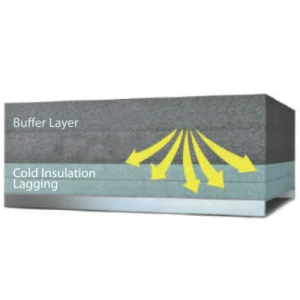
Corrosion Under Insulation (CUI) Mitigation: Closed-cell structures stop water vapor from settling on metallic pipes, eliminating structural failure risks.
3. Materials Science: Fiber Glass Wool vs. Elastomeric Rubber Foam
Understanding the microstructural physics of these materials is crucial for making the right specification choice:
Glass Wool Insulation Blanket
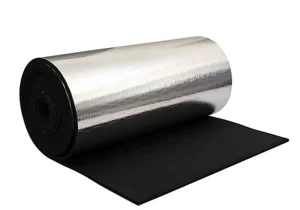
Glass wool features an open, fibrous structure. Air molecules are trapped within the dense glass fiber web, reducing convective heat transfer. Standard configurations include foil facings (FSK or aluminum foil) to act as a vapor barrier and protect the glass fibers from physical wear. Its structural flexibility makes it highly adaptable to large cylindrical storage tanks, irregularly shaped industrial machinery, and HVAC rectangular plenums.
NBR/PVC Elastomeric Rubber Foam
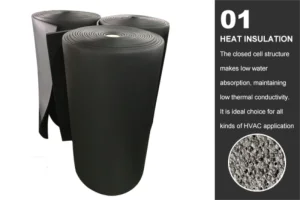
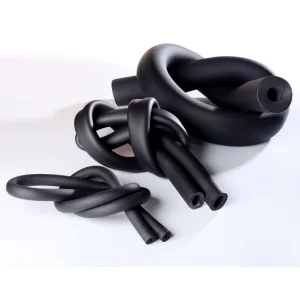
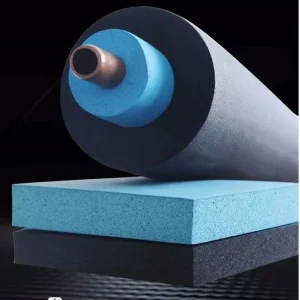
Formulated through a precise blend of Nitrile Butadiene Rubber (NBR) and Polyvinyl Chloride (PVC), elastomeric foam relies on a closed-cell matrix (exceeding 98% closed cells). Each micro-cell isolates dry air, maintaining a low thermal conductivity ($\lambda \approx 0.035$ W/m·K at 20°C). Since each cell is completely closed, water cannot penetrate, giving the material a high water vapor diffusion resistance factor ($\mu \geq 10,000$).
Material Parameter
Glass Wool Blanket (Typical)
Kingflex NBR/PVC Rubber Foam
Primary Structure
Fibrous, Open-Cell (requires vapor barrier)
Fully Closed-Cell (98%+ closed-cell rate)
Density Range
12 kg/m³ to 96 kg/m³
40 kg/m³ to 55 kg/m³
Thermal Conductivity ($\lambda$)
0.032 - 0.040 W/m·K (at 20°C)
≤ 0.035 W/m·K (at 0°C)
Service Temperature Limit
-120°C to +400°C
-40°C to +105°C (Cryogenic variants down to -200°C)
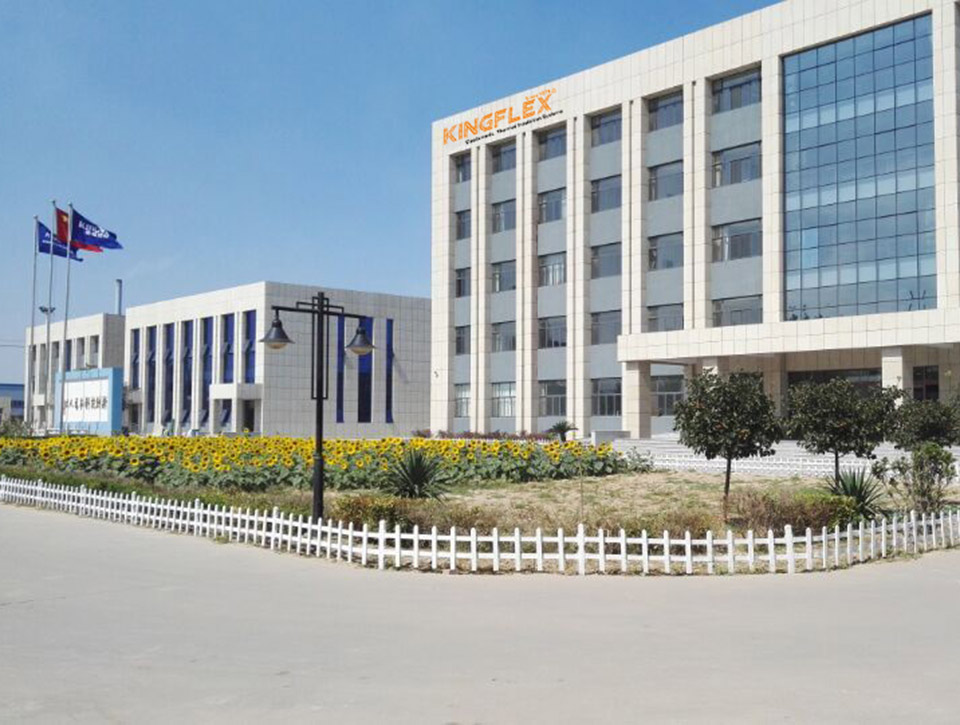
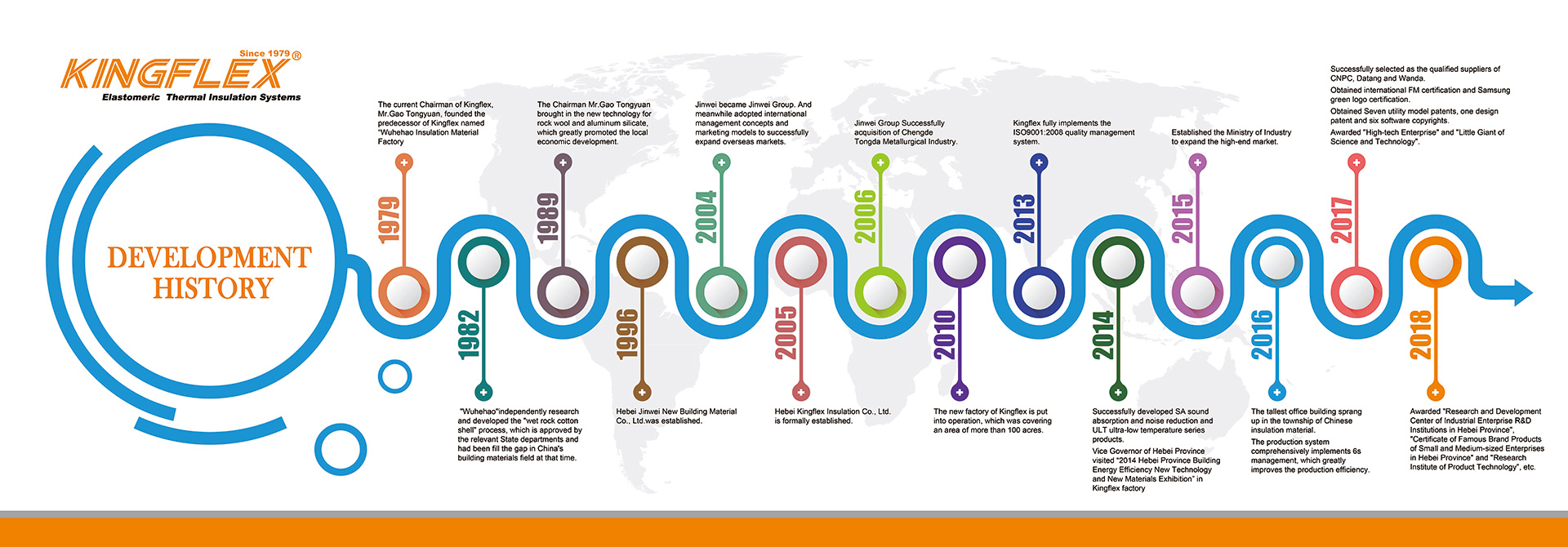
Established by the Jinwei Group, which carries a rich manufacturing history dating back to 1979, Kingflex Insulation Co., Ltd. has grown into one of China's premier developers of energy-saving materials. Headquartered in Dacheng—the green building materials capital of Northern China—Kingflex operates as a fully integrated manufacturing, research, and international trading company.
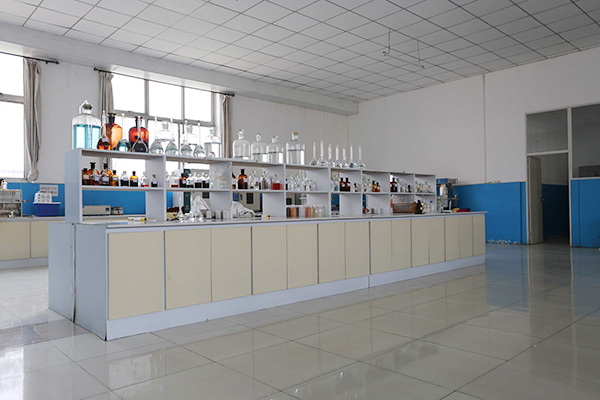
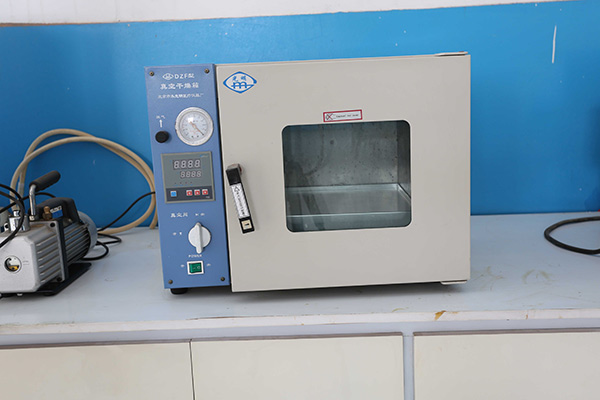
With 5 advanced, automated production lines and a workforce of 230 skilled production professionals, Kingflex boasts an annual output capacity of over 600,000 cubic meters. Our R&D department is led by 8 specialized materials engineers who work continuously on improving thermal performance, raising flame-retardant limits, and engineering ultra-flexible cryogenic barriers.
5. Product Specifications: Standard Dimensions & Technical Limits
To help engineering teams specify the correct product sizes for blueprints, the standard dimensions and parameters for Kingflex elastomeric and glass wool materials are organized below:
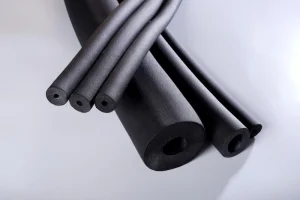
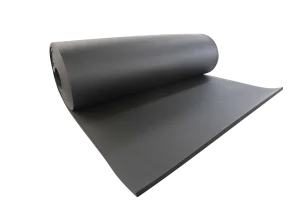
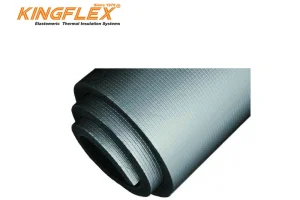
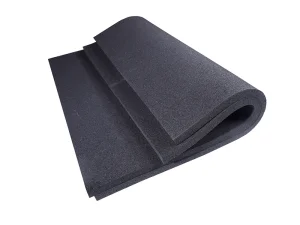
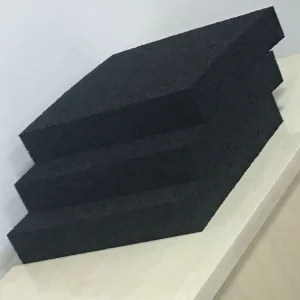
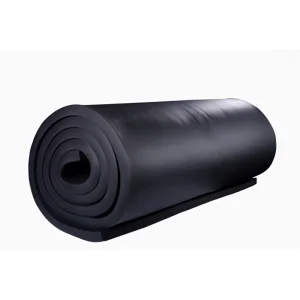
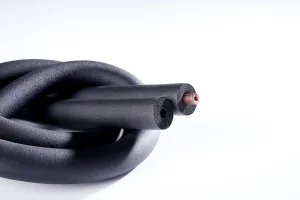
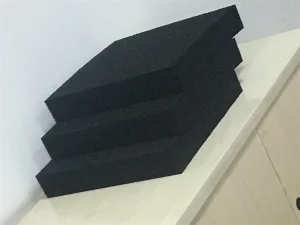
Black Rubber Foam Insulation Sheet Rolls & Pipes
Material Base: Premium NBR/PVC elastomer compound.
Sheet Roll Thickness: 6mm, 9mm, 13mm, 15mm, 19mm, 25mm, 32mm, 40mm, up to 50mm.
Pipe Internal Diameter (ID): 6mm to 114mm (accommodating standard copper and steel pipes).
Density: 40 to 55 kg/m³ (optimized for thermal retention and flexibility).
Operating Temperature Range: -40°C to +105°C (-40°F to 221°F).
Water Vapor Diffusion Factor (μ): ≥ 10,000.
6. Global Compliance, Certifications, and Quality Management
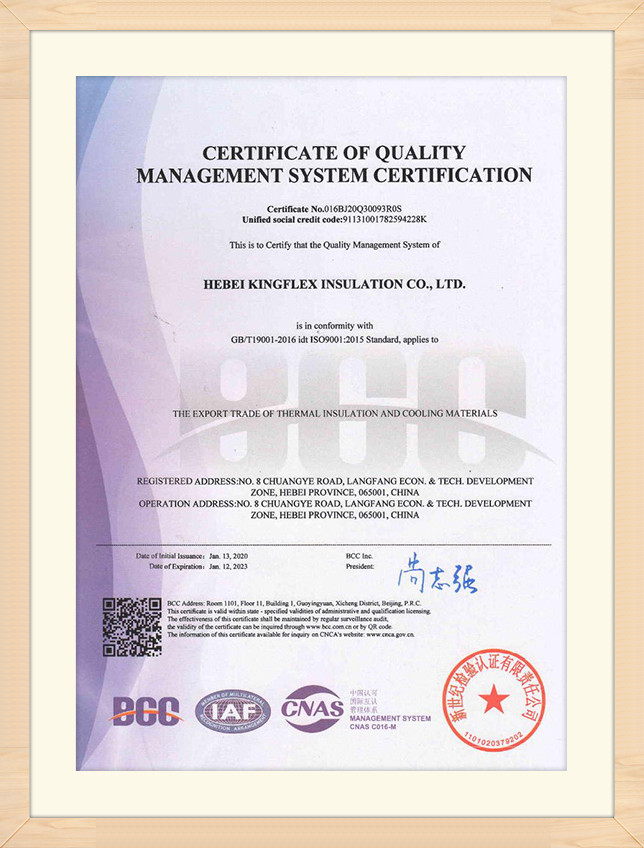
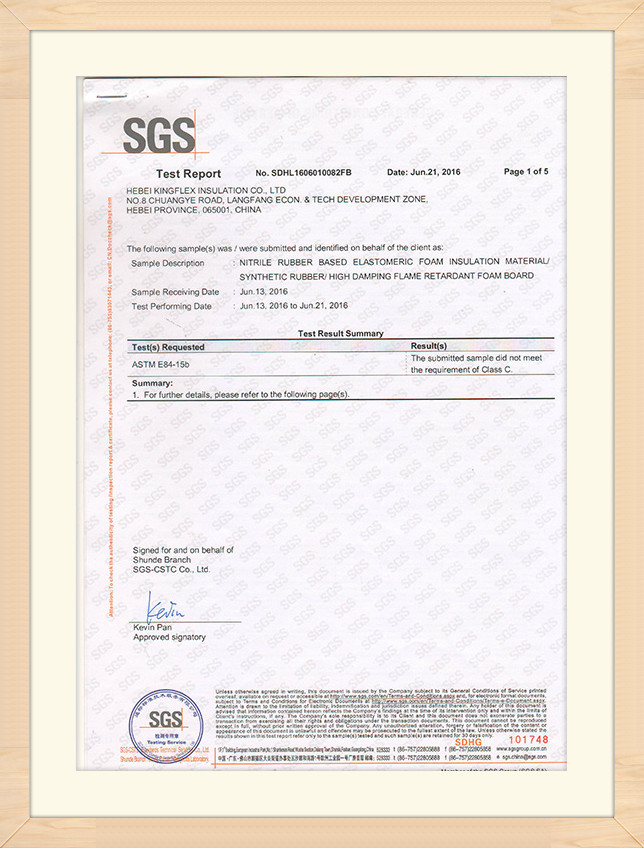
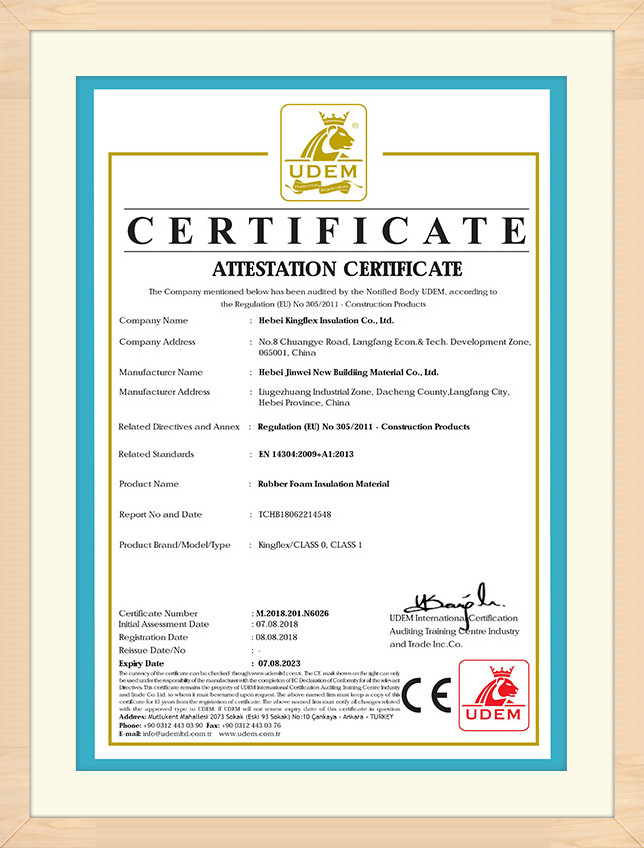
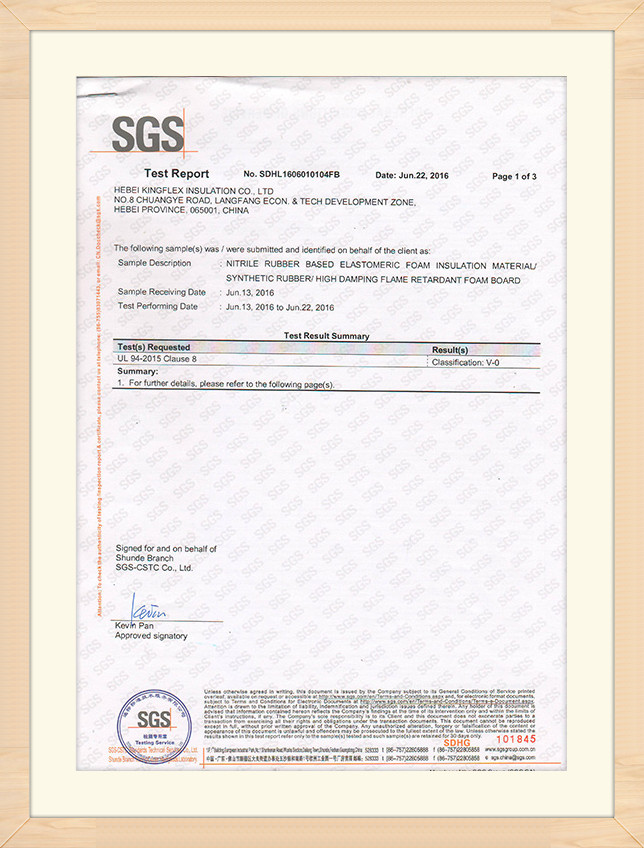
To maintain our status as a trusted global supplier for high-spec engineering projects, Kingflex materials undergo regular, third-party testing in accordance with international building standards.
Our production processes and products conform to:
BS 476 (Fire Tests on Building Materials)CE Certification (EN 14304 compliant)UL 94 (Standard for Safety of Flammability)REACH ComplianceRoHS Environmental DirectivesASTM E84 (Surface Burning Characteristics)
7. Real-world Project Implementations & Case Studies
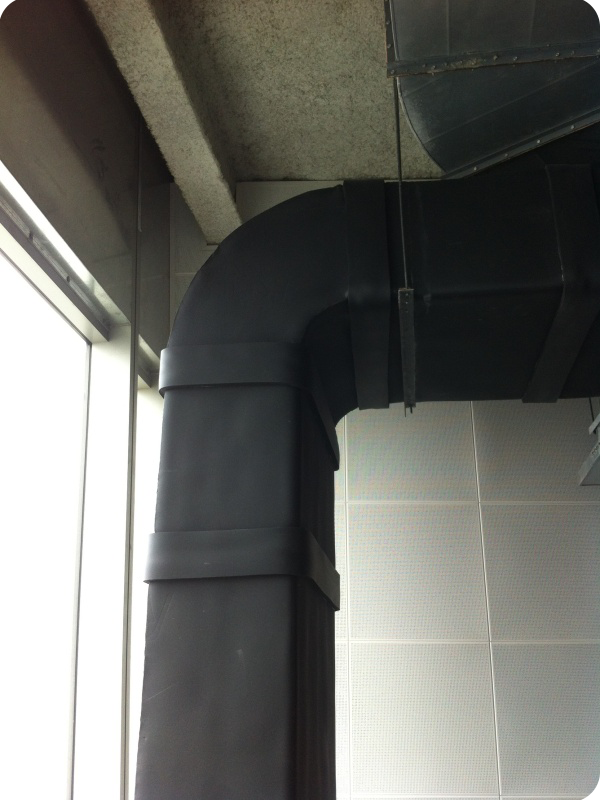
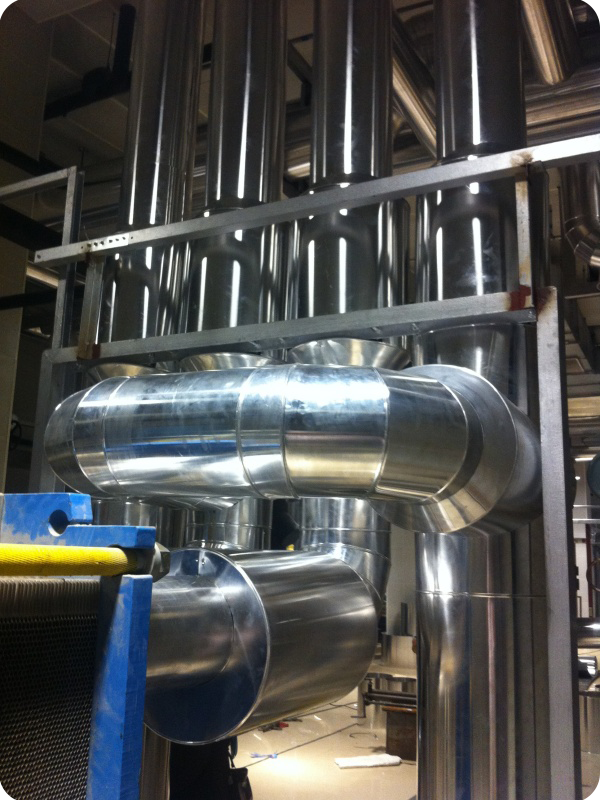
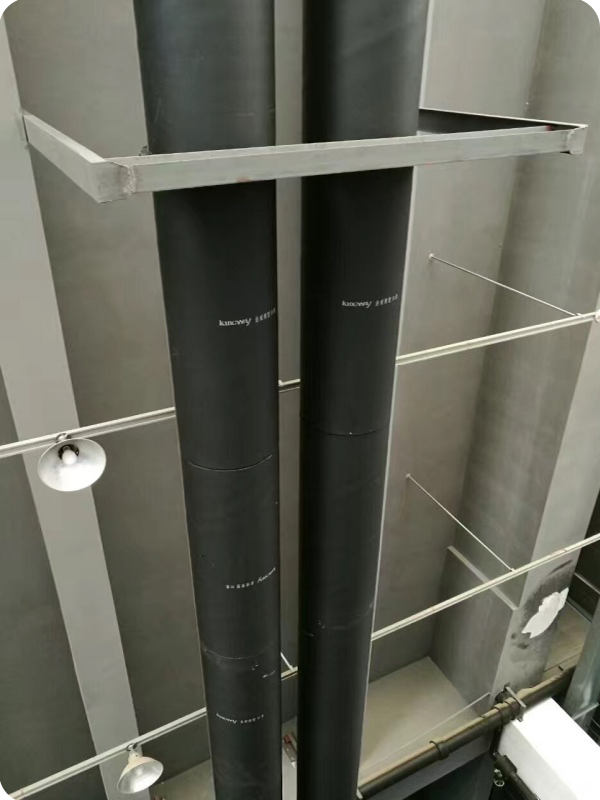
From massive district cooling networks in the Middle East to cold-chain pharmaceutical warehousing in Northern Europe, Kingflex systems are installed globally to secure thermal efficiency. Our materials are specified in:
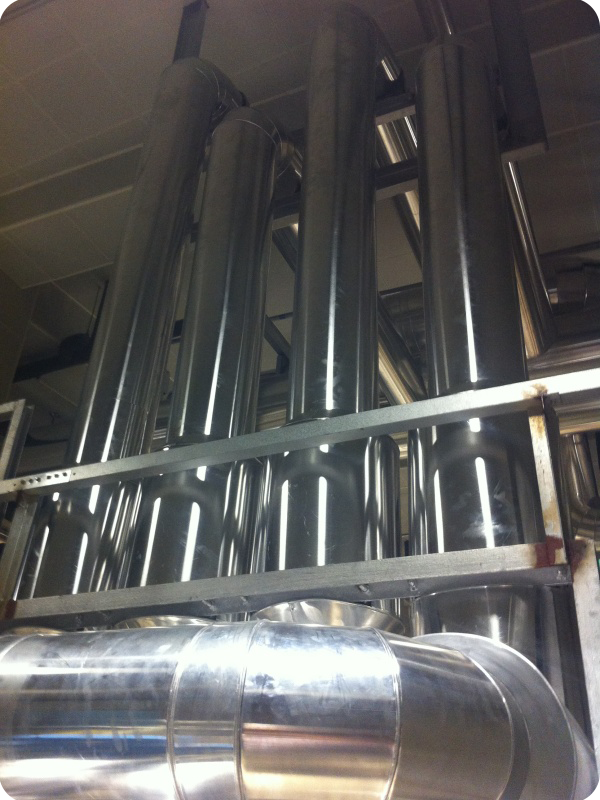
HVAC Air Distribution & Ducting: Applied as internal lining and external wrap to prevent condensation on sheet metal surfaces, extending duct lifespans and improving indoor air quality.
Cryogenic Pipeline Management: Specialized multi-layered elastomeric foam wraps protect LNG pipelines from extreme cold loss, preventing ambient moisture from crystallizing and cracking the pipe surface.
High-Temperature Steam lines: Foil-faced glass wool blankets wrapped around primary steam distribution circuits, minimizing energy loss.
When sourcing glass wool blankets and rubber foam insulation on a wholesale basis, pricing is determined by several core variables. Knowing these variables helps procurement officers optimize material specifications for their budgets:
Density Matching: Higher density glass wool (e.g., 80 kg/m³ vs 24 kg/m³) provides superior acoustic attenuation and compressive resistance but increases raw material cost.
Vapor Facing Configurations: Simple blankets are lowest in cost. Adding reinforced FSK (Foil-Scrim-Kraft) or heavy-duty alu-clad laminate surfaces increases resistance to physical damage and UV degradation, which adds a premium to the base price.
Logistics and Packaging Density: Glass wool blankets can be compressed and shipped in vacuum-packed rolls to maximize container space, lowering freight costs. Conversely, closed-cell rubber foam sheets cannot be heavily compressed without damaging their micro-cell structure, making container space efficiency a critical shipping factor.
Procurement Tip: Partnering directly with integrated manufacturers like Kingflex allows for customized tube and sheet dimensions. Tailoring products to your exact requirements minimizes scrap rate and labor costs during site installation.
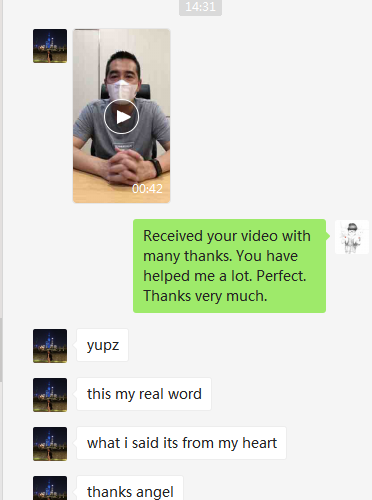
9. Customer Testimonials & International Correspondence
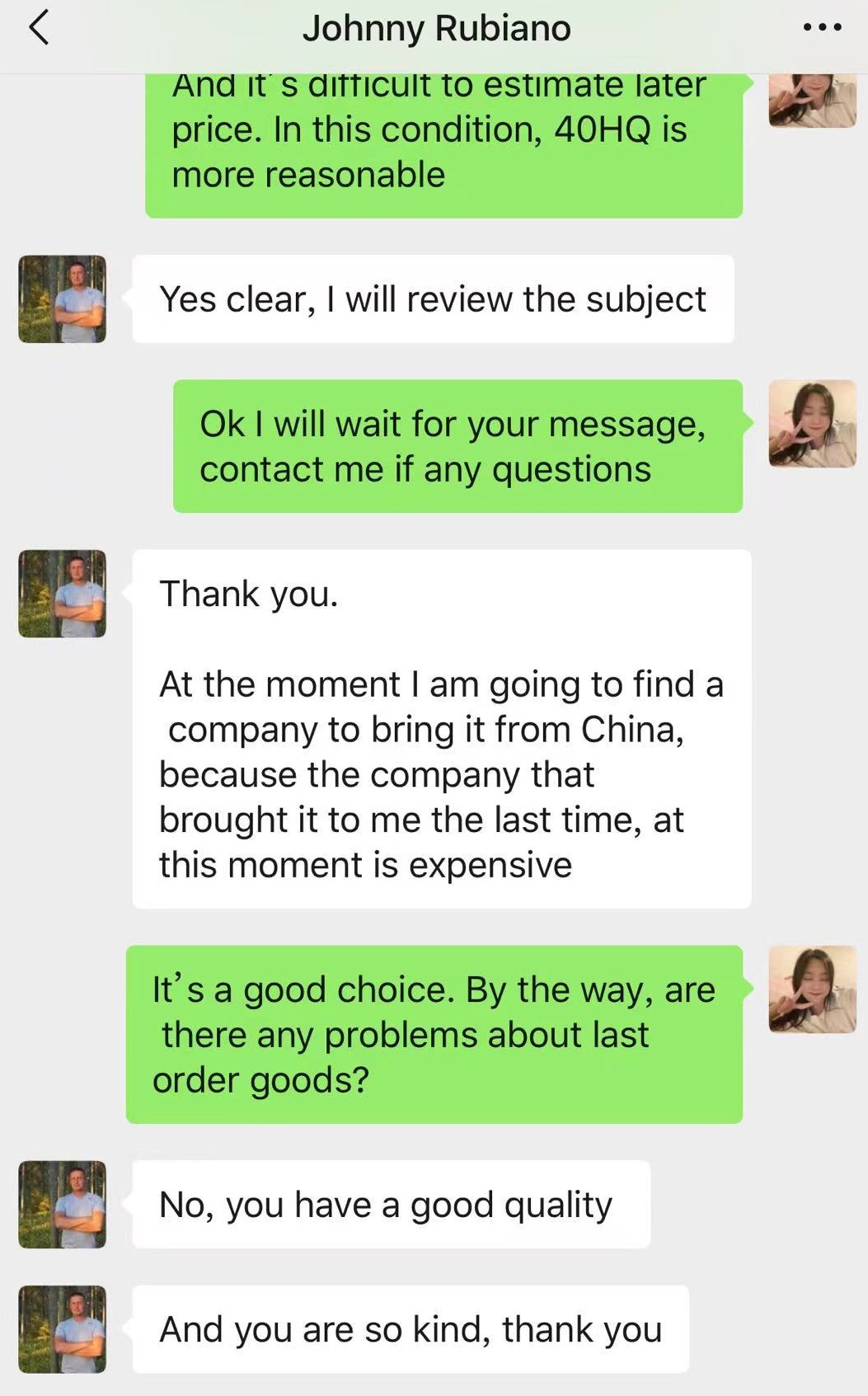
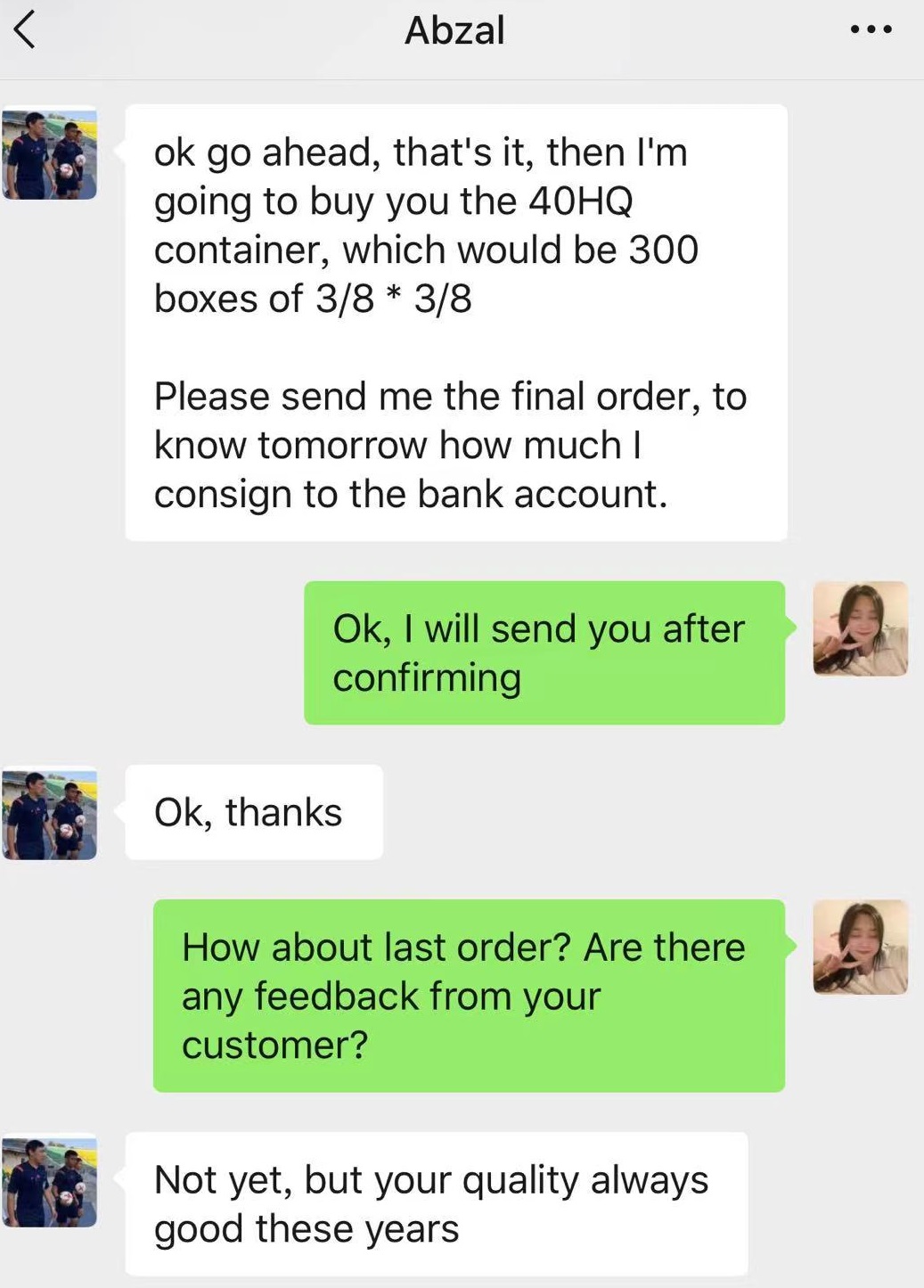
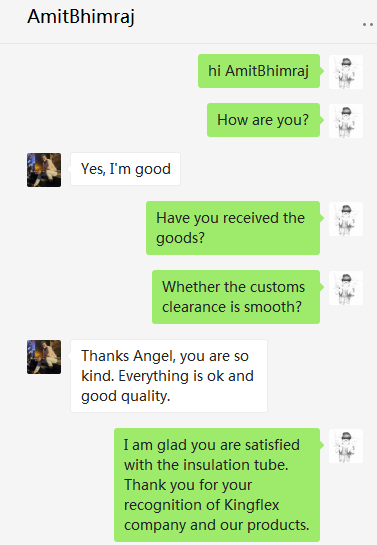
Our international customer base appreciates Kingflex's commitment to quality control and prompt logistical coordination. Here are verified communications and chat screenshots demonstrating our collaboration with international buyers:
10. Technical Q&A Directory (FAQ)
Q1: What is elastomeric rubber foam insulation used for?
A1: It is primarily used for HVAC duct wrap, air conditioning chilled water pipes, civil building thermal insulation, industrial cold-temperature pipeline insulation, and acoustic absorption systems.
Q2: Is Kingflex rubber foam insulation fire resistant?
A2: Yes, our elastomeric compounds are formulated with flame retardants. They are certified self-extinguishing and meet rigorous international standards such as BS 476, UL 94, and CE Class 0/1.
Q3: What is the fundamental difference between rubber foam and rock wool/glass wool insulation?
A3: Rubber foam is a flexible, closed-cell, moisture-proof barrier ideal for medium temperature systems (-40°C to +105°C) and HVAC chilled water lines. Rock wool and glass wool are fibrous, open-cell materials designed for high-temperature resistance and acoustic environments. Open-cell glass wool requires a vapor barrier (like aluminum foil) to prevent moisture entry.
Q4: Do you provide customized insulation products?
A4: Yes, we provide full OEM and ODM services. We customize dimensions, sheet thicknesses, tube internal diameters, densities, and lamination surfaces to match project requirements.
Q5: What certifications do your products hold?
A5: Kingflex products are tested and certified under BS 476, CE, REACH, ROHS, UL94, and ASTM standards, ensuring compliance with global building codes.
Q6: Does Kingflex products have traceability?
A6: Yes, all shipments are coded with batch production numbers. This provides trace verification from raw material synthesis to processing, packaging, and shipping.
Q7: What thickness range of Rubber foam insulation sheet roll can you produce?
A7: Our standard extrusion processes manufacture sheets from 6mm up to 50mm in thickness. Custom thick layers can also be engineered.
Q8: What is the typical service life of rubber plastic pipes and boards?
A8: When installed according to manufacturer guidelines, Kingflex rubber foam retains its structural integrity and insulation efficiency for 10 to 15 years.
Featured Insulation Systems (Part II)
Discover more specialized structural insulations, soundproof sheets, open-cell foams, and high-density tubing options.
 Kingflex