Wholesale Hot Air Duct Insulation Manufacturer & Supplier

Premium Closed-Cell NBR/PVC & Elastomeric Thermal Systems for Commercial HVAC, Industrial Ductwork, and Global Energy Infrastructure

Industrial Whitepaper: Optimization & Thermodynamics of Hot Air Duct Insulation

A comprehensive analysis of thermal efficiency, acoustic insulation, and environmental parameters in global commercial and industrial HVAC design.

Thermal Integrity

Minimizing heat transfer (λ ≤ 0.034 W/m·K) across heavy industrial duct runs, reducing dynamic load offsets on central heating units.

Condensation Control

Preventing localized condensation points by employing high-density closed-cell elastomers (water vapor barrier resistance μ ≥ 10,000).

Acoustic Damping

Targeting structural system resonance and fluid air noises inside commercial supply lines using open-cell sound dissipation technologies.

Macro Industrial Demands and Thermal Compliance

Modern building codes, including ASHRAE 90.1, EU Energy Performance of Buildings Directive (EPBD), and localized green building standards, require thermal losses in air distribution ducts to be kept to an absolute minimum. Historically, hot air ducts were left uninsulated or wrapped in low-density fibrous batts, which degraded under humidity cycles and caused significant energy losses. Today, closed-cell elastomeric rubber foam insulation is preferred for hot air ducts operating up to 105°C due to its combined moisture barrier, low thermal conductivity, and ease of installation.

Expert Insight: According to thermal diagnostics, uninsulated or poorly insulated hot air ducts can lose up to 35% of thermal energy during delivery runs. Specifying a closed-cell elastomer with consistent wall thickness reduces this loss to less than 4% under extreme delta-T conditions.

Acoustic Engineering in Modern Ventilation

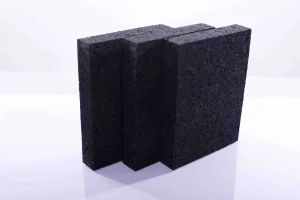
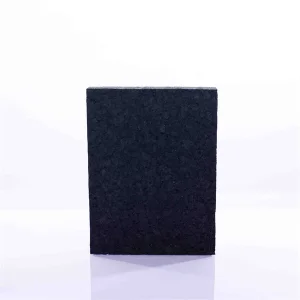
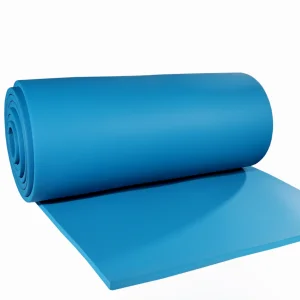
Modern high-velocity commercial and industrial HVAC systems generate sound levels that can disrupt working environments. Attenuating this sound within the ductwork is critical. Kingflex open-cell rubber foam board acts as a sound-absorbing barrier, dampening fan motor hum and high-velocity air whistling. Combining external closed-cell thermal insulation with inner acoustic liners ensures compliance with international building acoustics standards while protecting air quality by eliminating fiber shedding.
600K+
Annual Capacity (m³)
40+
Years Industry Heritage
66+
Countries Exported To
98%
Closed-Cell Rate

About Kingflex Insulation Co., Ltd.
A trusted global supplier of advanced thermal and acoustic insulation systems.

Corporate History and R&D Capabilities

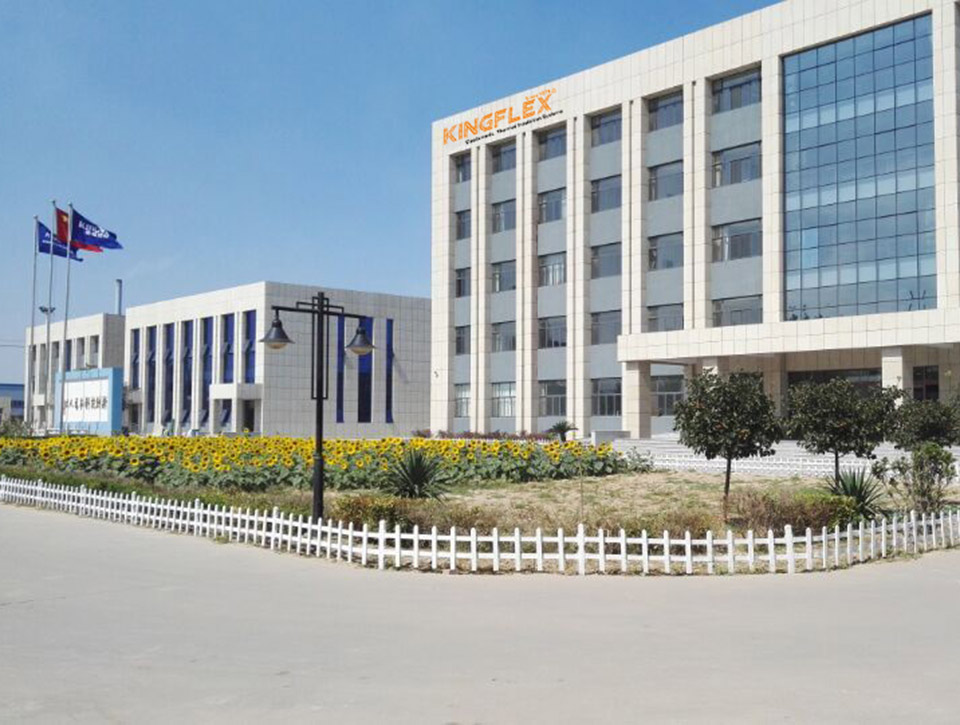
Kingflex Insulation Co., Ltd. is a professional manufacturing and trading combo for thermal insulation products. Our R&D and production facilities are based in Dacheng, China, a hub for energy-saving, eco-friendly green building materials.
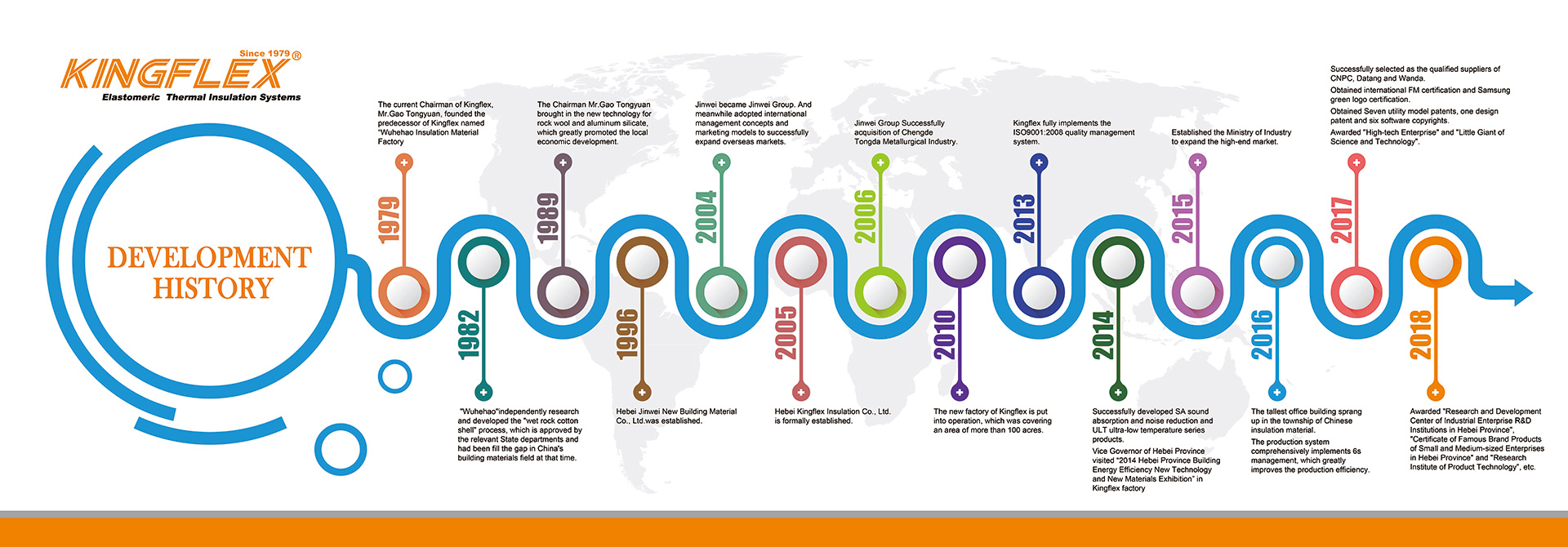
Established by the Jinwei Group, which possesses over 40 years of industry experience since its founding in 1979, Kingflex has grown to become the first manufacturer of thermal insulation materials north of the Yangtze River. Today, we focus on helping customers reduce energy consumption and manage emissions.
We provide full-service solutions, from initial technical consulting and product development to custom manufacturing, installation guidance, and dedicated post-sale support.

Kingflex Factory Operations
Automated Manufacturing Line

Modern Production Facilities

Kingflex operates five high-capacity automated production lines, yielding an annual capacity of over 600,000 cubic meters. This scale has earned us designated supplier status from the Chinese Ministry of Energy, Ministry of Electric Power, and Ministry of Chemical Industry.
Our team includes eight dedicated R&D engineers, six international sales representatives, and 230 manufacturing specialists. Together, we work to ensure our products meet the standards of diverse markets worldwide.

Technical Matrix: Black Rubber Foam Insulation

Examine the mechanical properties, dimensional limits, and performance characteristics of our NBR/PVC elastomer range.

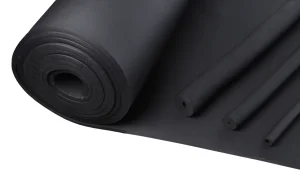
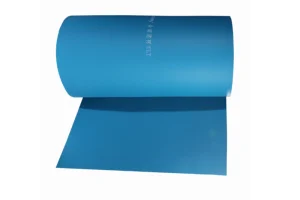
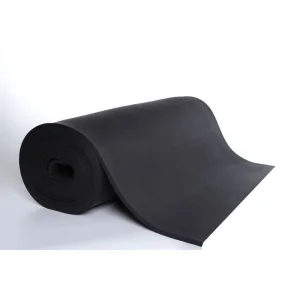
Black Rubber Foam Insulation Sheet Roll

Material: NBR/PVC

Specially developed for duct lining and large-diameter process pipes. The flat layout ensures seamless joint lines and quick installation.

Property Standard Value
Thickness 6mm to 50mm
Density 40 - 55 kg/m³
Service Temp. Range -40°C to 105°C
Closed Cell Rate ≥ 98%
Compression Resilience ≥ 80%

Primary Applications: Air conditioning ducts, roof insulation, mechanical rooms, transport carriages, and industrial chemical process piping.

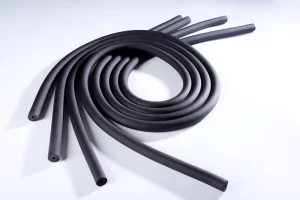
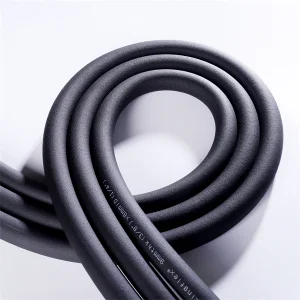
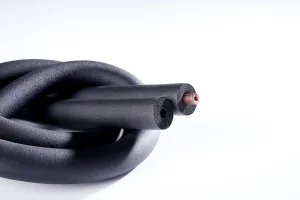
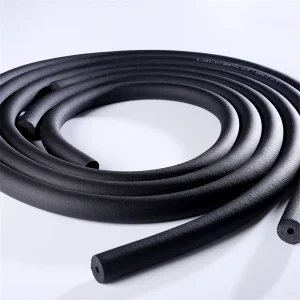
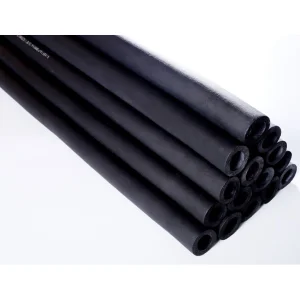
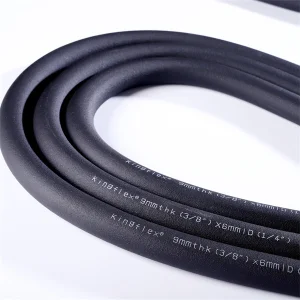
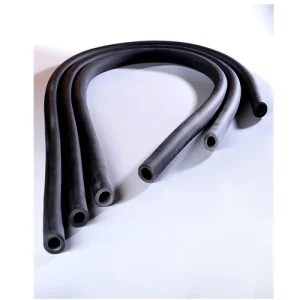
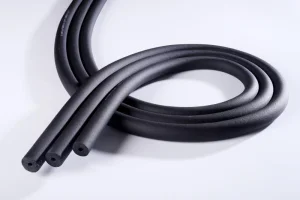
Black Rubber Foam Insulation Pipe

Material: NBR/PVC

Prefit tubular insulation designed for pipes, offering reliable moisture control and protection against freezing.

Property Standard Value
Wall Thickness 9mm to 40mm
Inner Diameter (ID) 6mm to 114mm
Density 40 - 55 kg/m³
Thermal Conductivity Low (≤0.034 W/m·K at 0°C)
Flexibility High elastomeric memory

Primary Applications: HVAC condensate lines, hot water systems, refrigeration pipelines, and industrial pipe networks.

Global Standards & Compliance Assurance

Certifications verifying fire protection, material safety, and performance reliability across global regions.

Fire Protection Compliance

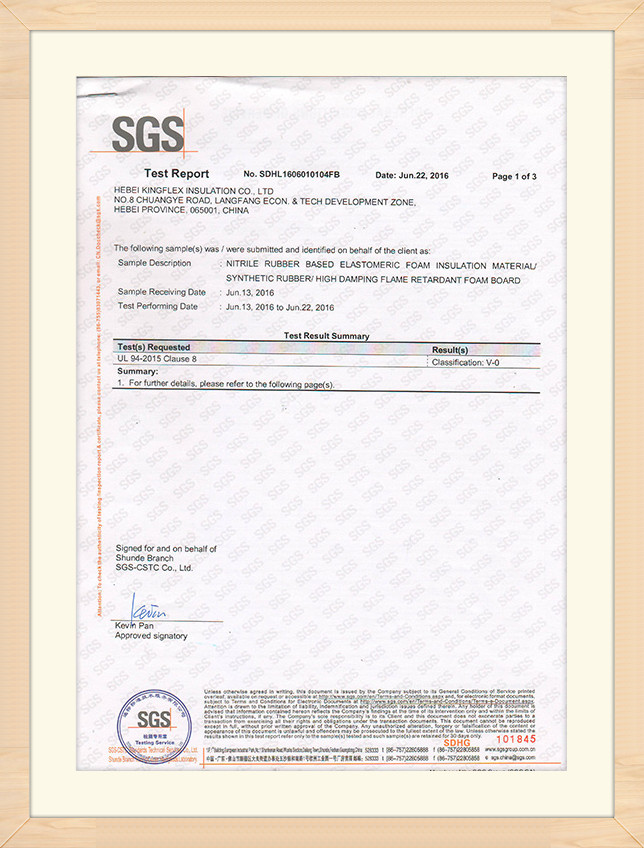
Kingflex insulation is fire retardant and self-extinguishing. Our materials carry ratings under BS 476, UL 94, and international building safety codes.
Environmental Safety

Certified free of ozone-depleting substances, our products comply with REACH and RoHS regulations, making them suitable for cleanrooms and public facilities.

Performance Certification

Every shipment is tested under ASTM standards to verify thermal performance, vapor barrier stability, and physical durability.

Quality Verification and R&D

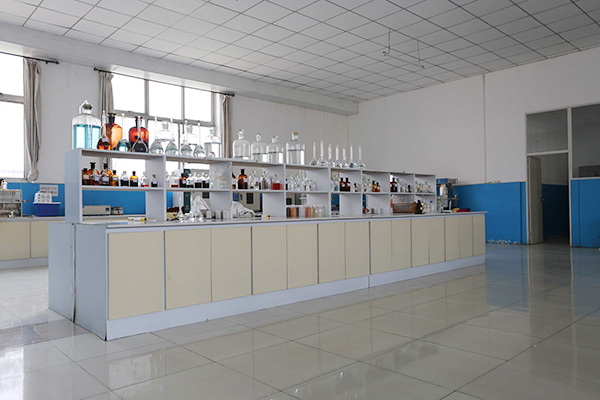
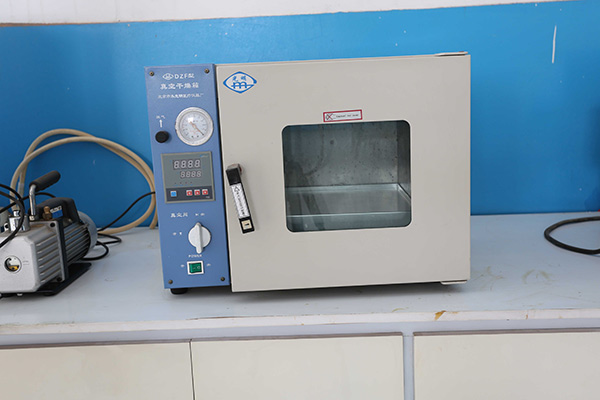
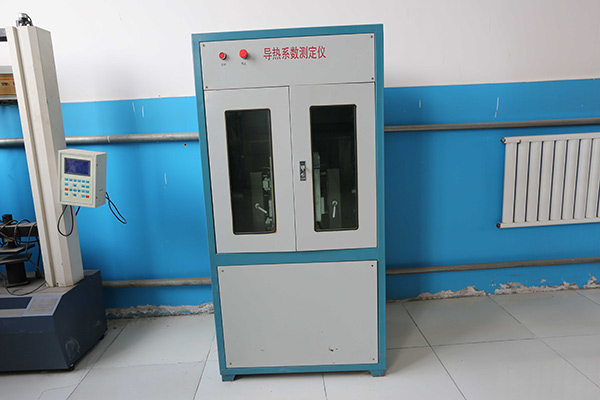
R&D Quality Lab Testing
Material Flame Resistance Test
Elastomeric Density Verification
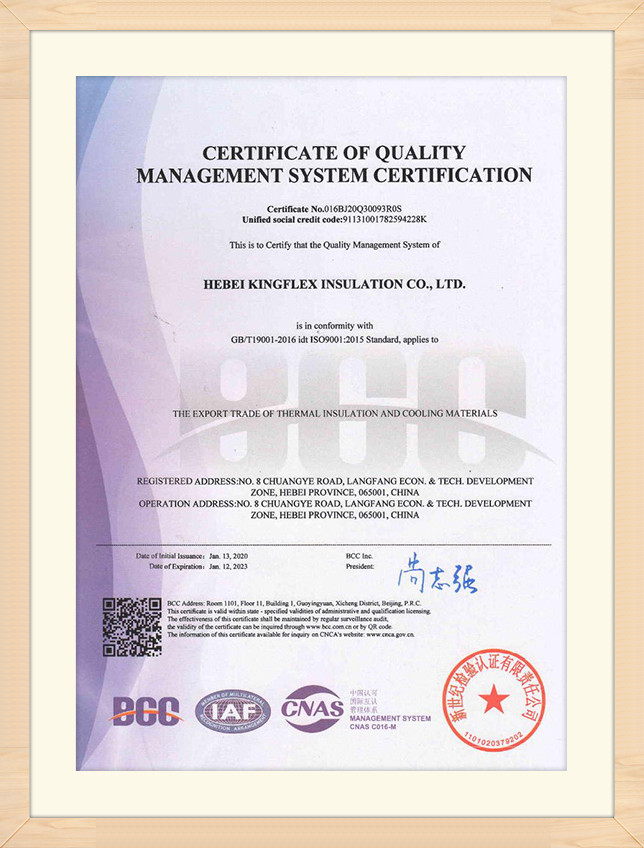
ISO Certification
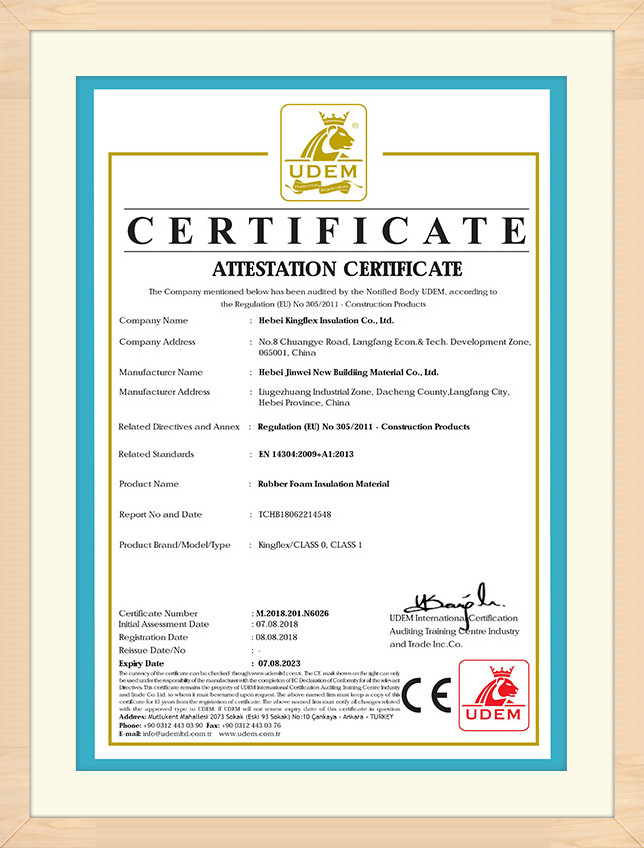
CE Mark Certificate
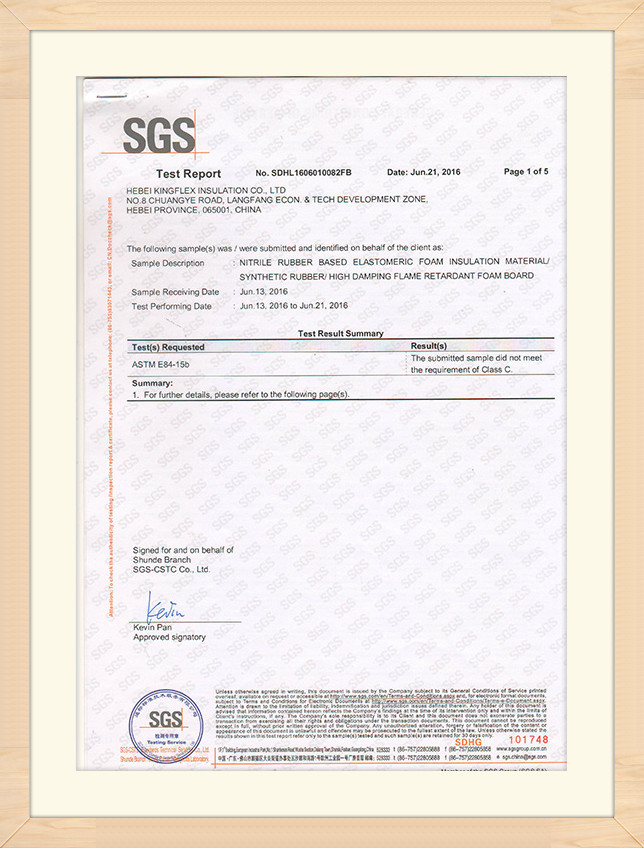
Flame Test Certification Document
Eco Compliance Sheet

Engineering Roadmap & Material Innovations

Our ongoing initiatives for improving insulation performance, processing chemistry, and thermal properties.

Phase 1: Materials

Advanced Polymeric Matrixing

Improving NBR/PVC polymer formulations to raise fire resistance limits and lower thermal aging effects under continuous thermal loads.

Phase 2: R&D

Nanotech Additives

Integrating nano-scale additives to limit cell wall thickness variance, improving both flexibility and structural density.

Phase 3: Sustainability

Green Manufacturing

Lowering chemical processing emissions and expanding post-consumer recycling options for our elastomeric materials.

Global Project Installations & Client Partnerships

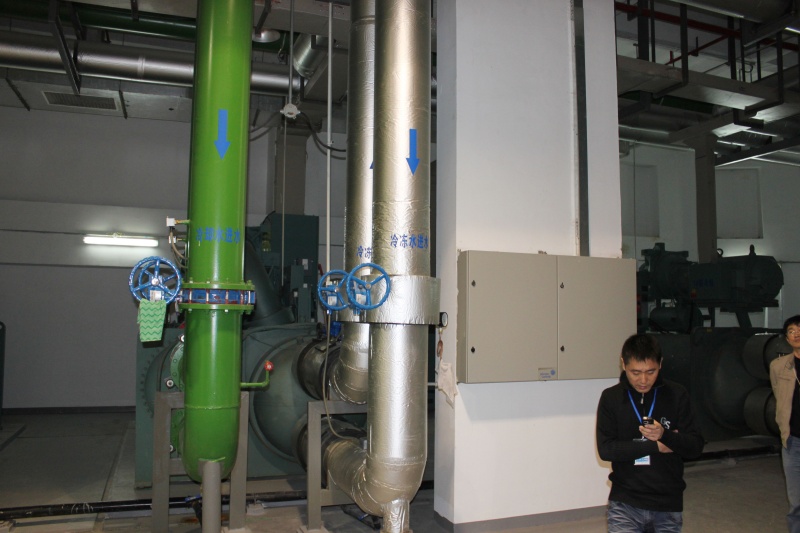
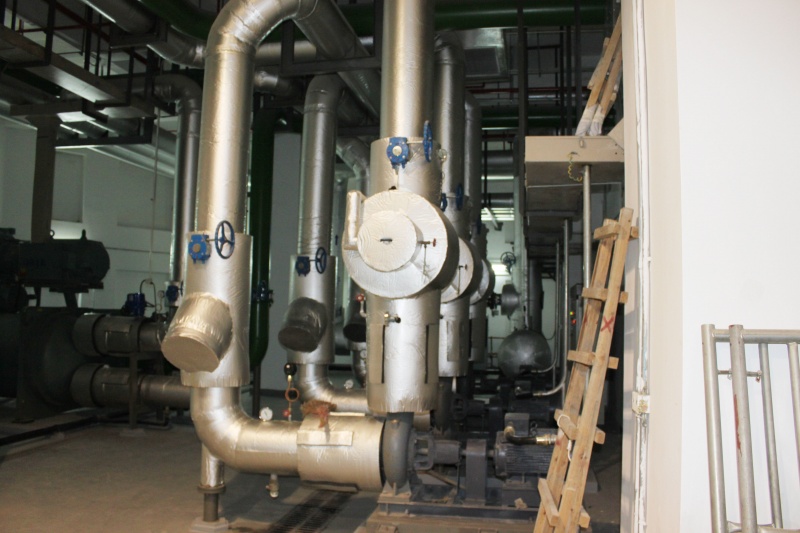
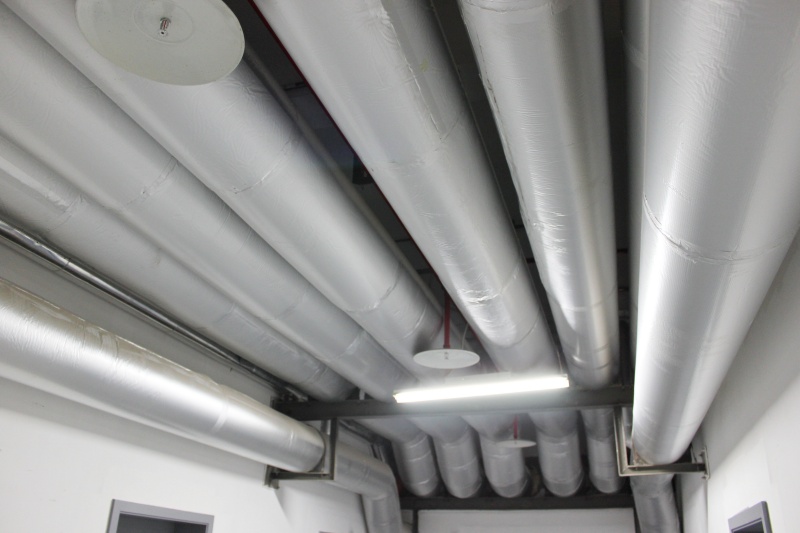
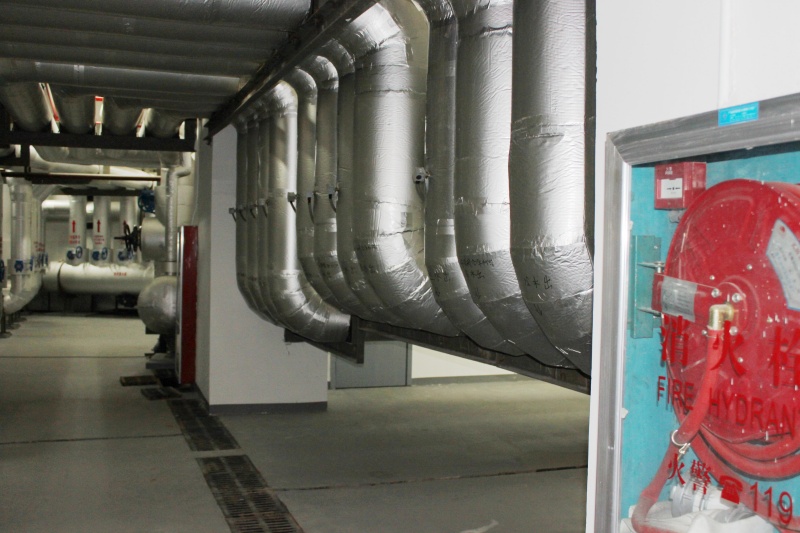
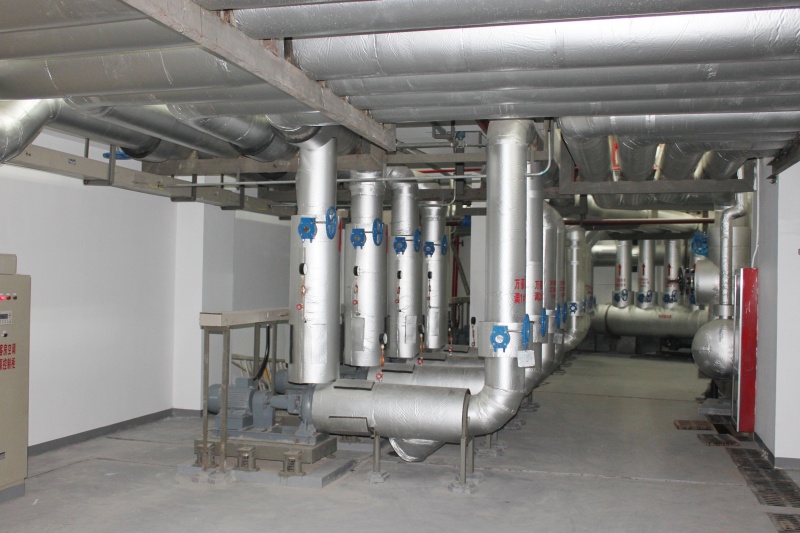
Kingflex insulation systems protect commercial HVAC ducts and industrial pipe runs across the globe.
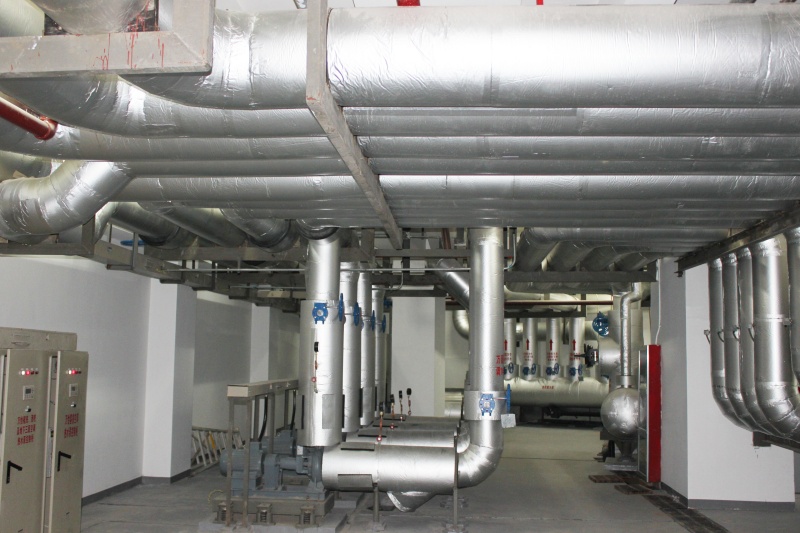
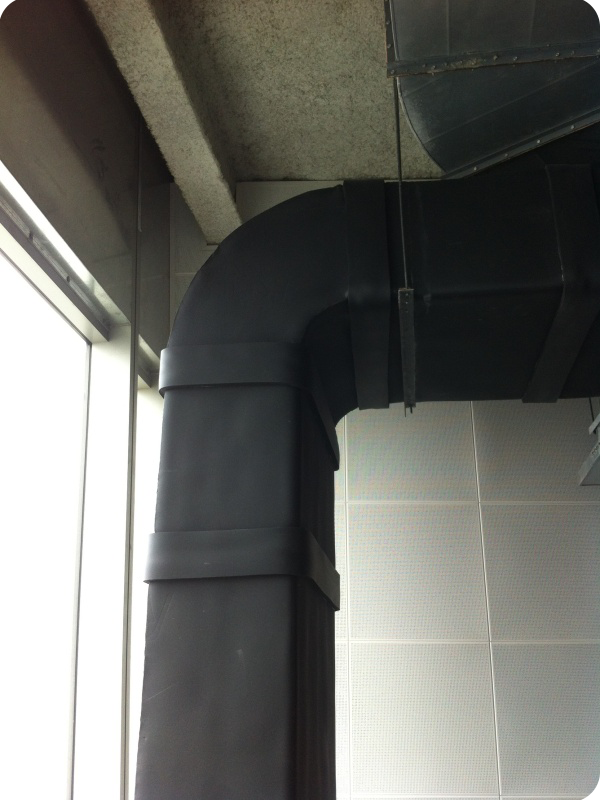
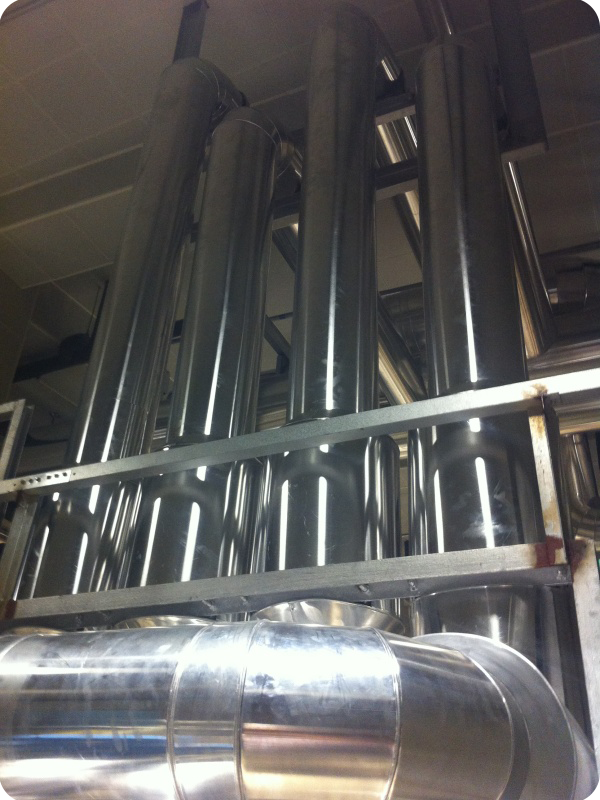
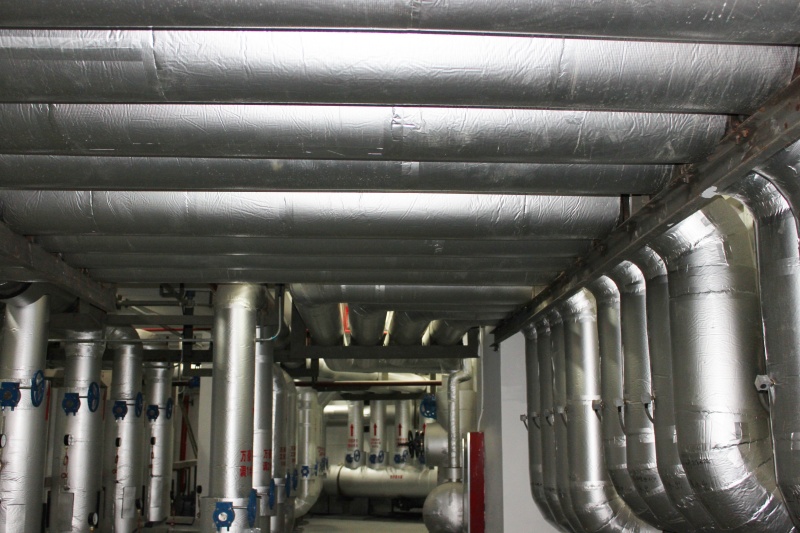
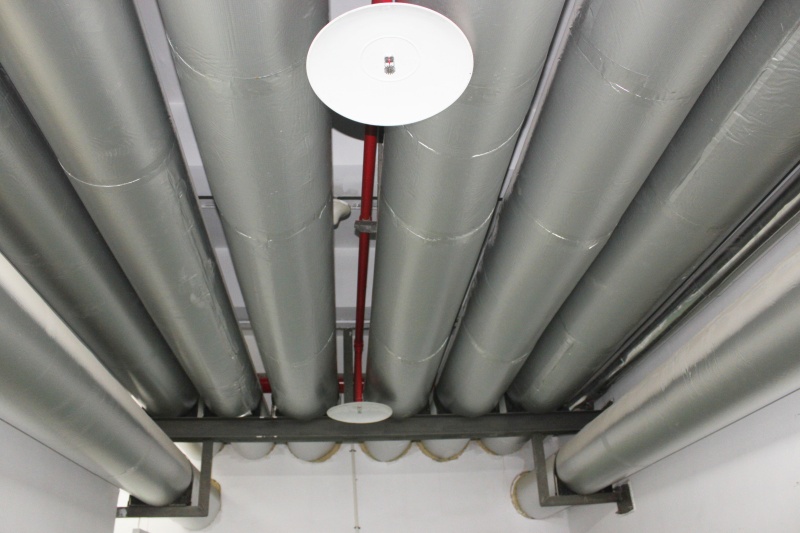
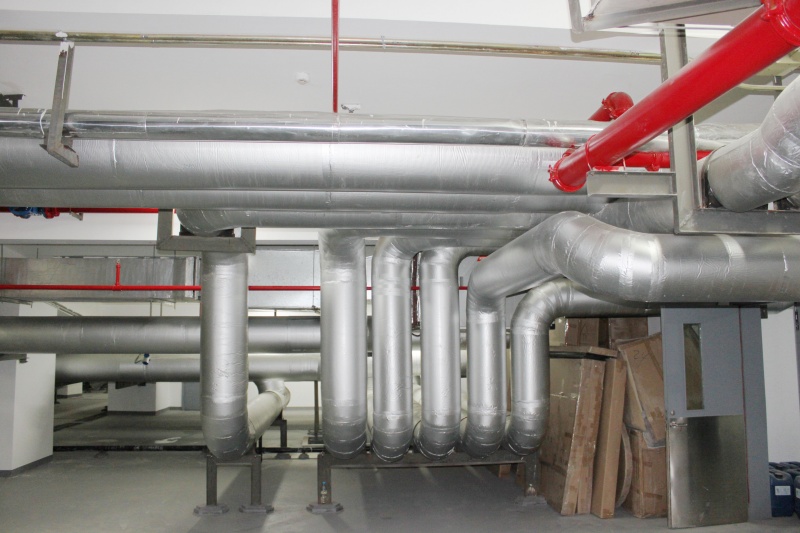
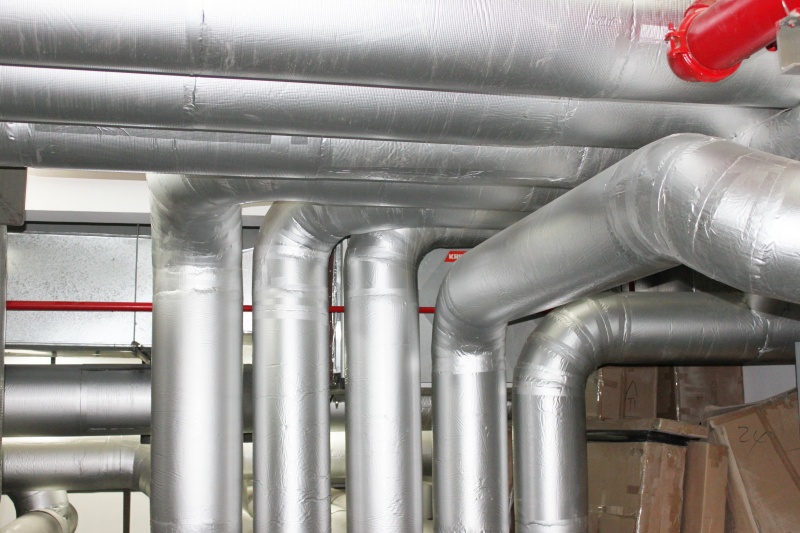
Industrial Air Duct Installation
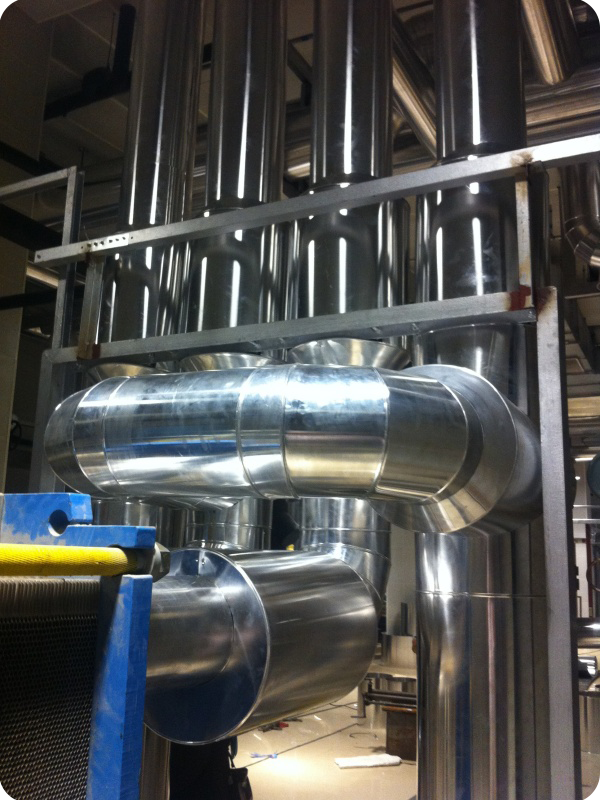
HVAC Pipe Line Insulation
Closed Cell Sheet Installation
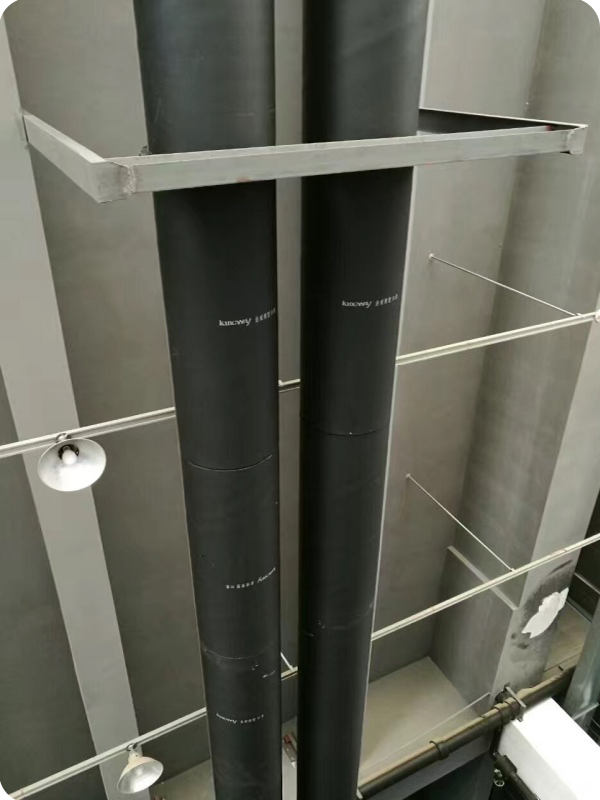
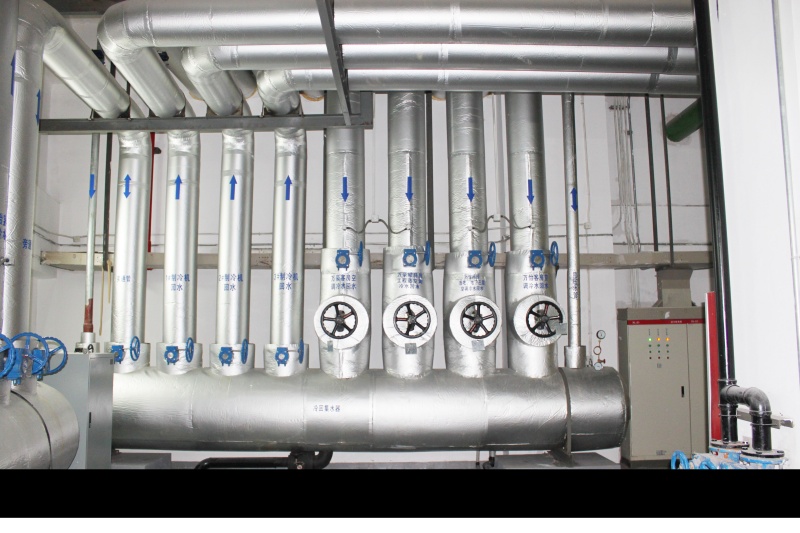
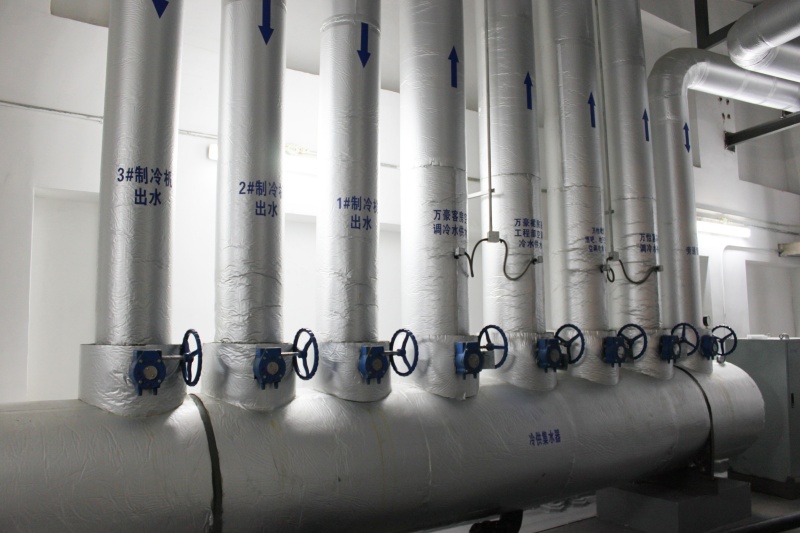
Chilled Water System Insulation

Customer Communication & Quality Approvals

Direct communication and technical approvals with our international engineering partners.

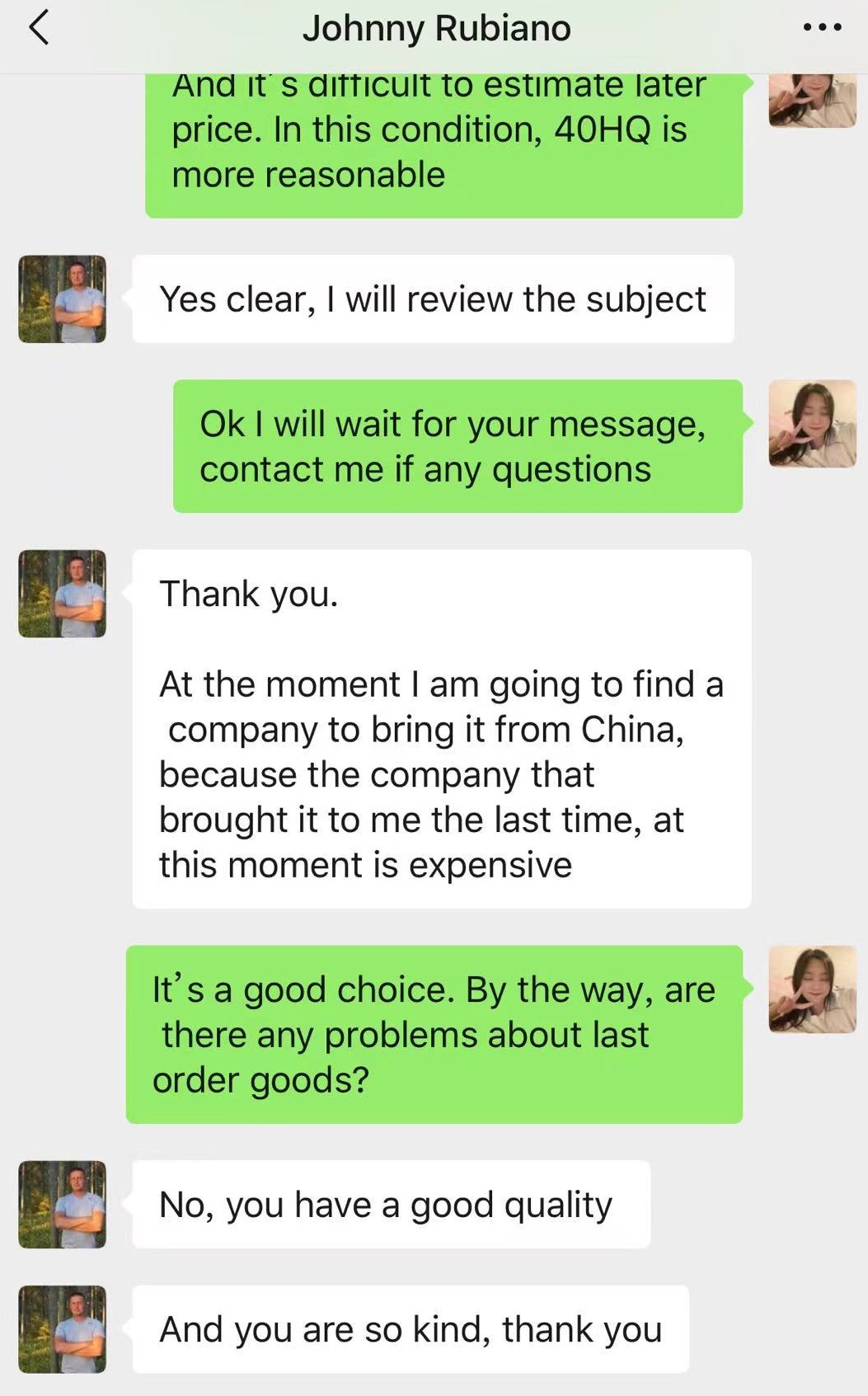
Client Communication Screenshot 1
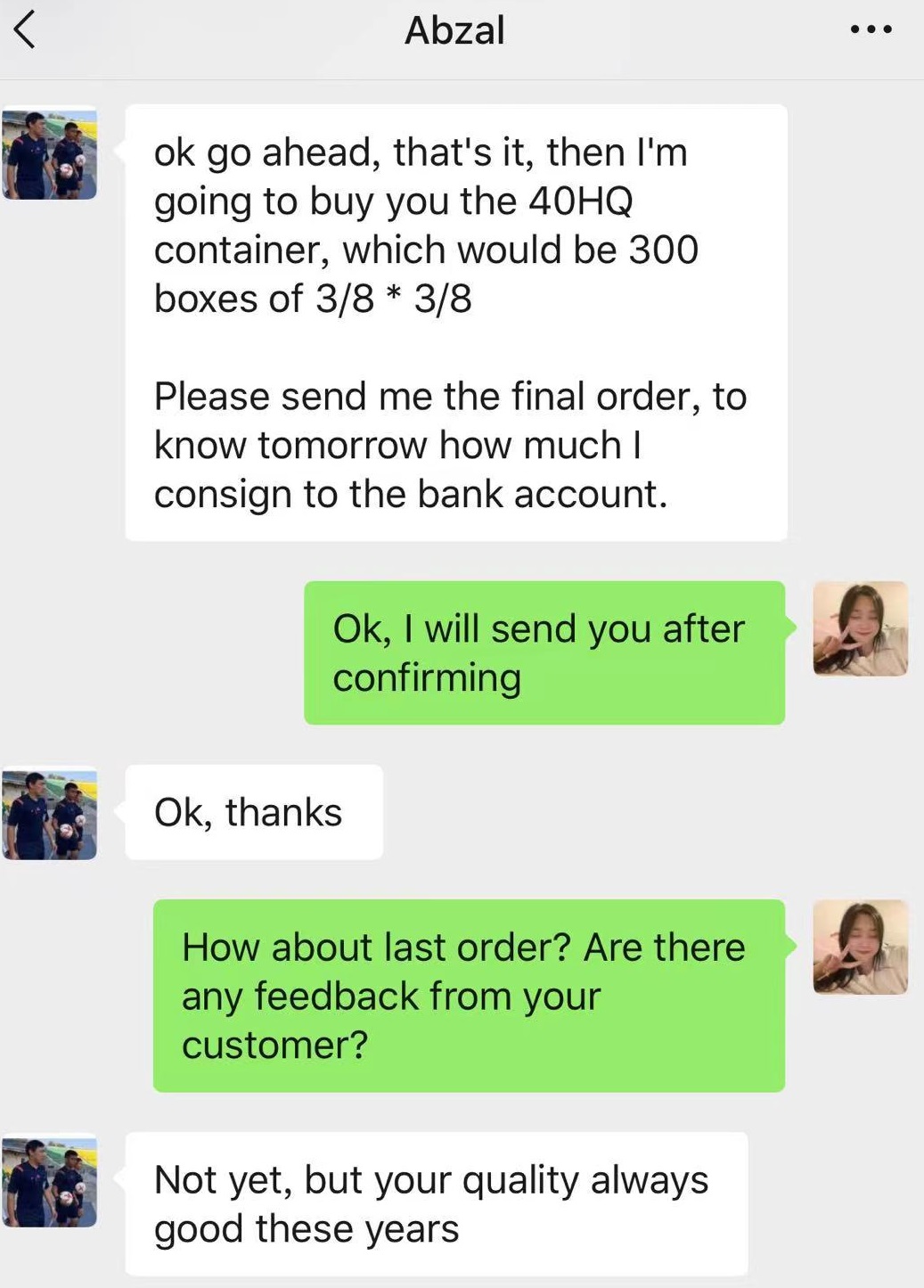
Client Communication Screenshot 2
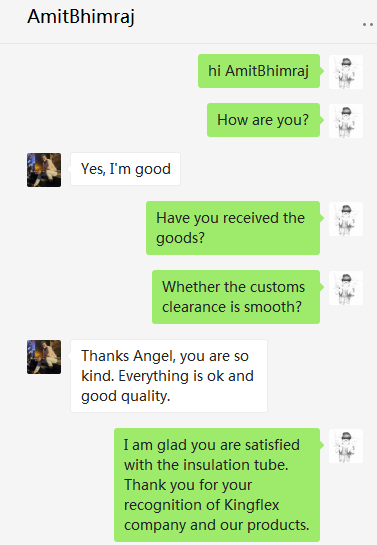
Client Communication Screenshot 3
Client Communication Screenshot 4
Client Communication Screenshot 5
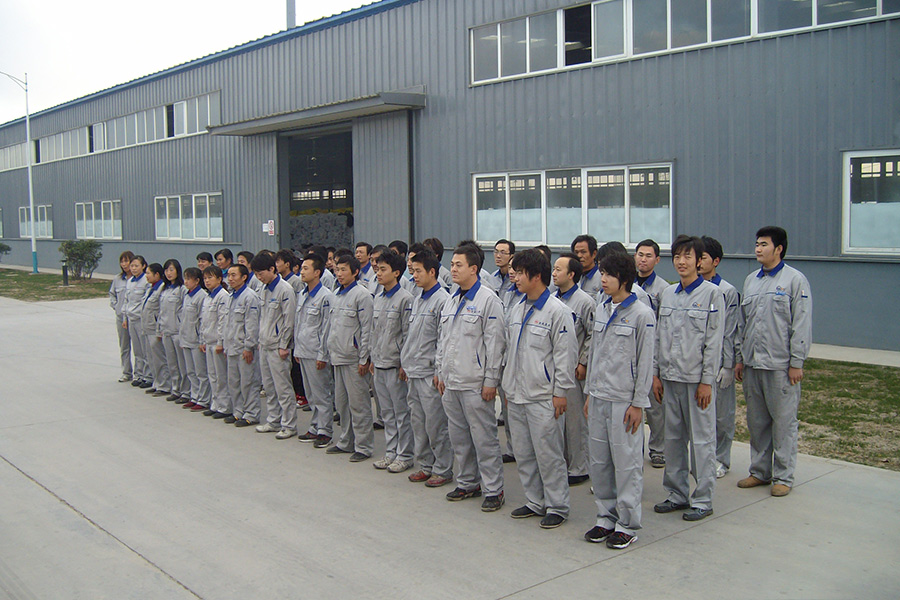
Factory Visit Group Photo
R&D Team Evaluation Session
Finished Insulation Sheet Roll Storage
Warehouse Pipeline Stocking
Production Batch Verification
Logistics Pipe Packings
Export Container Loading 1
Export Container Loading 2
Export Container Loading 3
Export Container Loading 4
Export Container Loading 5
Global Shipping Center Storage 1
Global Shipping Center Storage 2
Global Shipping Center Storage 3

Expert FAQ

Technical answers to common questions about elastomeric rubber foam insulation.

Q1: What are the primary applications of elastomeric rubber foam insulation?

It is primarily specified for insulation in HVAC ductwork, commercial air conditioning lines, structural building thermal envelopes, industrial piping, and sound-damping installations in noise-sensitive spaces.

Q2: Does Kingflex rubber foam insulation meet fire safety standards?
Yes, our rubber foam insulation is fire-retardant and self-extinguishing, satisfying BS 476, UL 94, and other international safety requirements for commercial and industrial structures.

Q3: What is the differences between rubber foam and rock wool insulation?

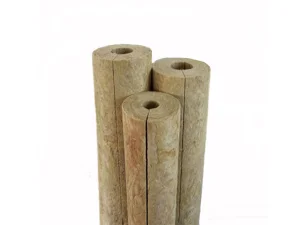
Rubber foam features a flexible, closed-cell structure that acts as a moisture barrier, ideal for HVAC systems and condensation control. Rock wool is a high-density mineral fiber that excels in high-temperature industrial piping and fire-stopping applications.

Q4: Does Kingflex provide customized insulation products?
Yes, we offer complete OEM support, allowing customization of thicknesses, inner diameters, density profiles, and laminations to match specific project parameters.

Q5: What certifications do Kingflex products carry?

Our products carry certifications including BS 476, CE, REACH, RoHS, UL 94, and ASTM. This ensures compliance with regulatory codes in major global markets.

Q6: Are Kingflex materials traceable through the manufacturing cycle?

Yes, we maintain traceability for all manufacturing runs, tracking raw material batches, quality test results, and final packaging records.

Q7: What thickness limits can you produce for rubber foam sheet rolls?

We manufacture rubber foam sheets in thicknesses ranging from 6mm up to 50mm, accommodating a wide range of thermal requirements.

Q8: What is the estimated service life of Kingflex rubber foam pipes and boards?

Under standard operating conditions and with proper installation, Kingflex products provide a service life of 10 to 15 years.