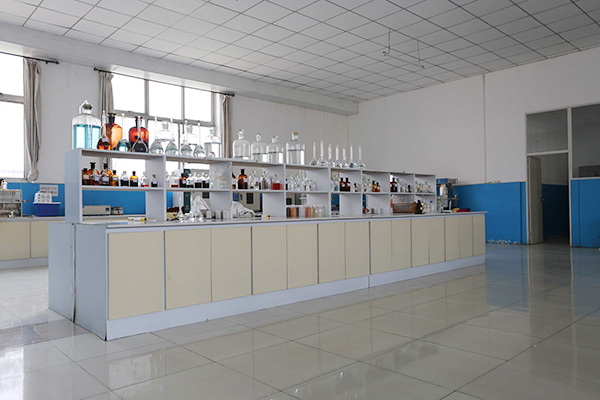
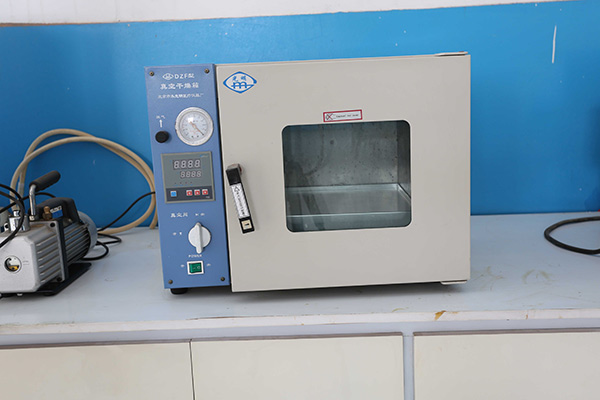
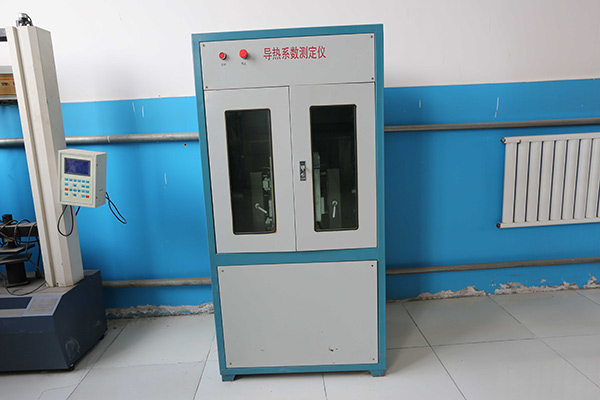
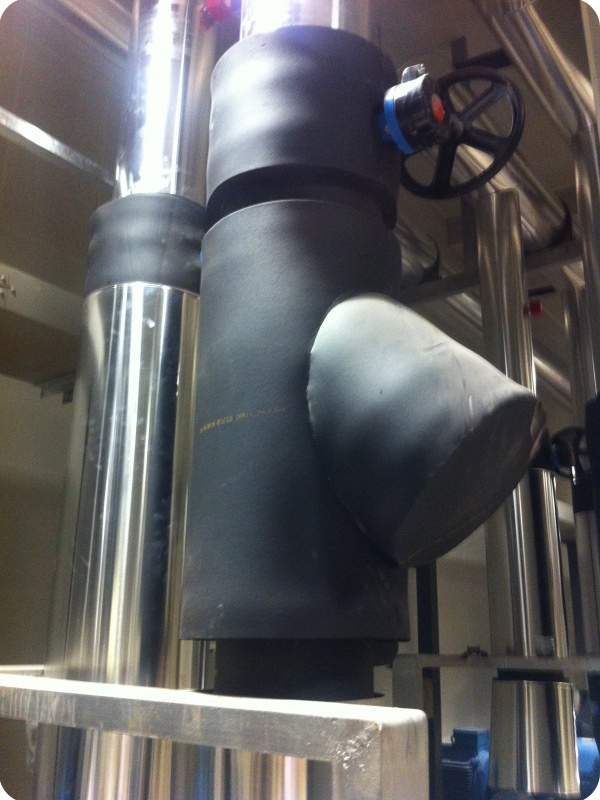
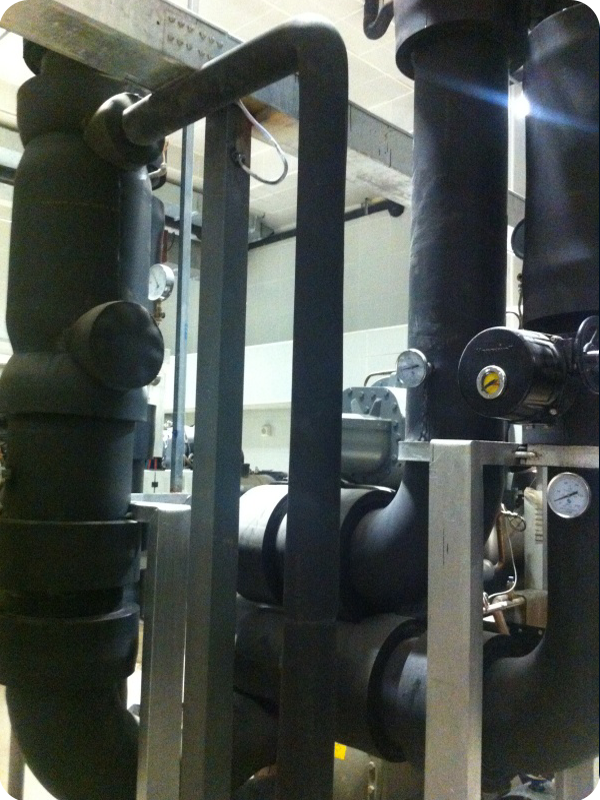
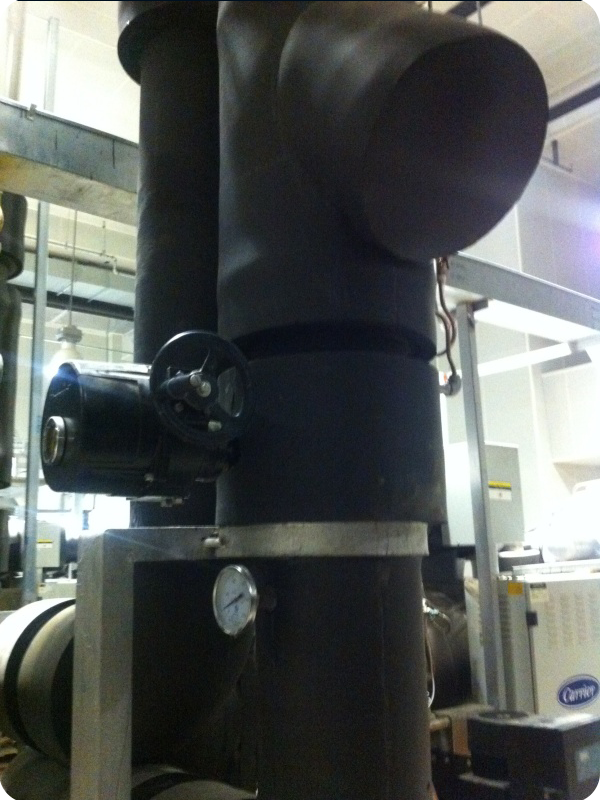
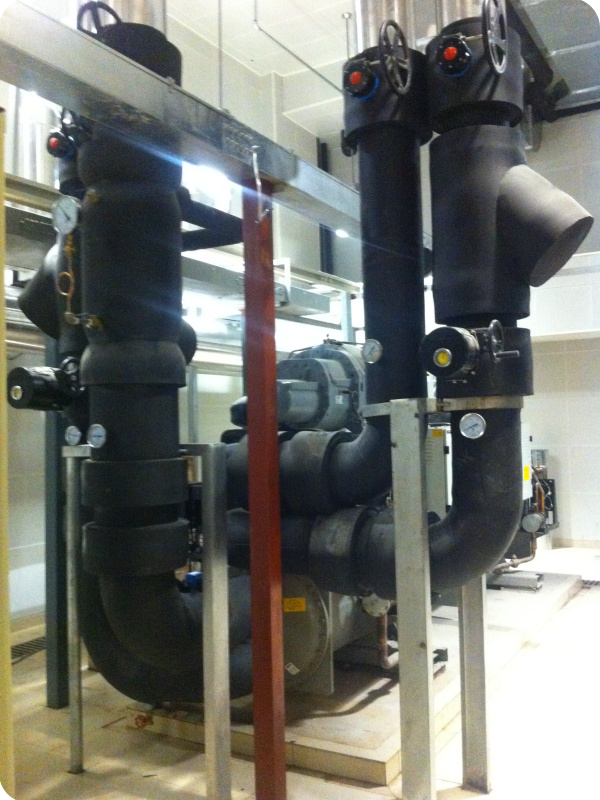
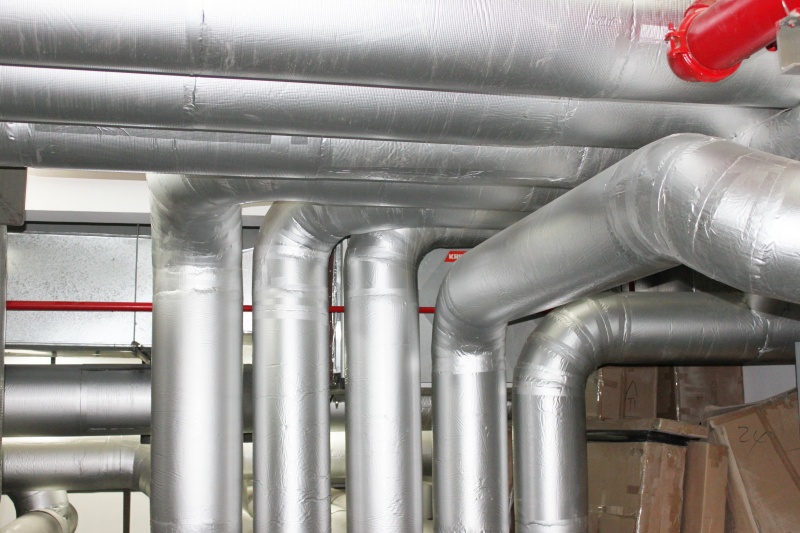
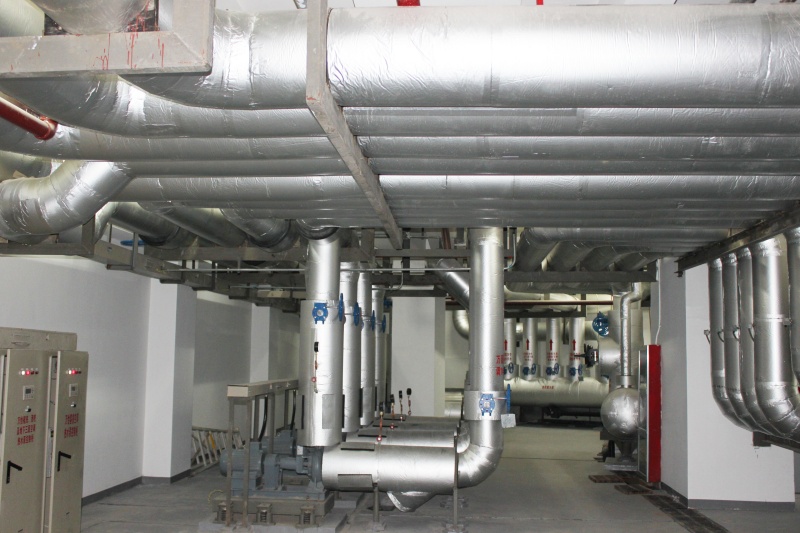
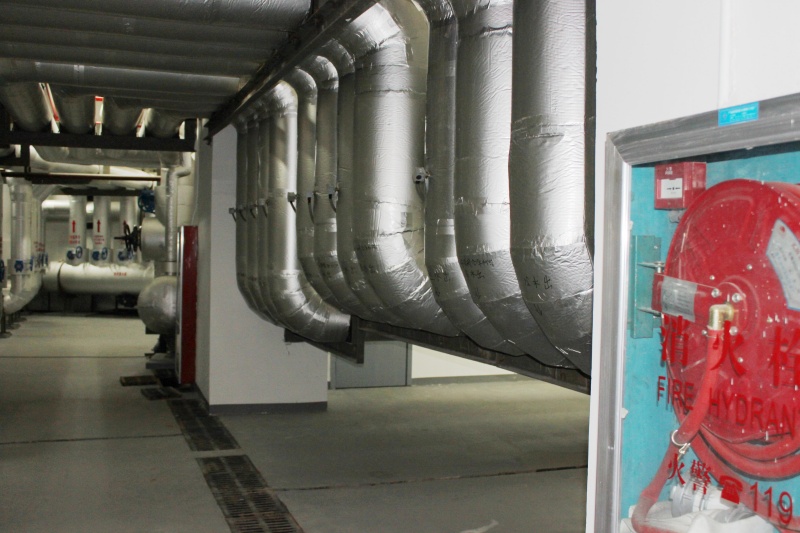
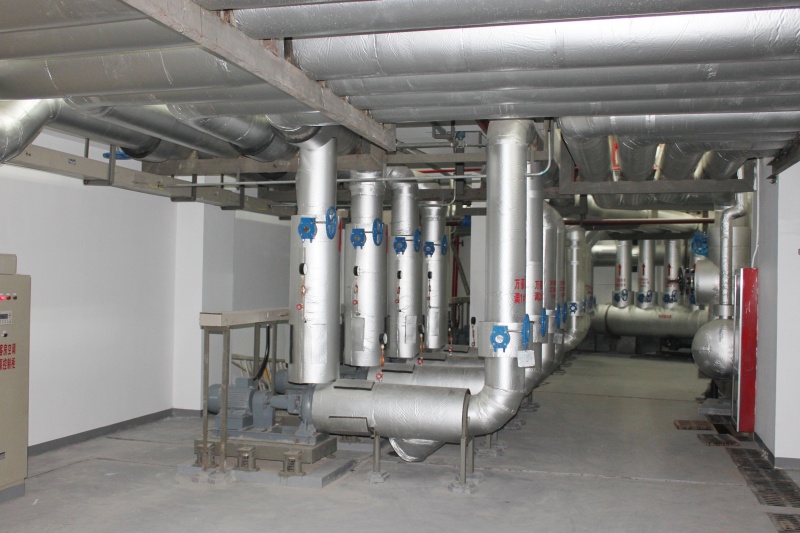
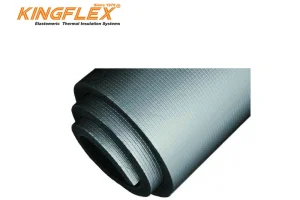
Direct from our state-of-the-art manufacturing facility. Engineered for industrial, commercial HVAC, and extreme low-temperature cryogenic systems.
In modern industrial architectural engineering, 1,000 square feet (92.9 square meters) represents a critical benchmark unit. This area measurement acts as the standard baseline for thermodynamic design, mechanical calculation, and mass-procurement scaling. Whether optimizing data centers, processing plants, or district HVAC networks, calculating costs and technical requirements per 1,000 sq ft allows mechanical engineers and procurement officers to establish precise thermal baselines.
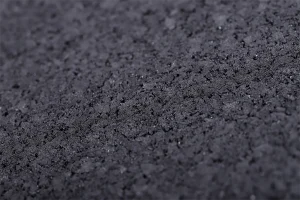
When planning wholesale procurement, calculating thermal performance across 1,000 sq ft is vital to ensure mechanical optimization. An NBR/PVC elastomeric rubber foam system deployed over this surface area handles heat transfer dynamically, minimizing localized thermal bridging. Calculating thickness (from 6mm to 50mm) relative to 1,000 sq ft enables precise material usage modeling, minimizing waste and optimizing the project's return on investment (ROI).
Serves as the standard design unit for HVAC calculations, heat load assessments, and commercial acoustic treatment layouts globally.
Facilitates clear comparisons between elastomeric foam, rock wool, and fiberglass, allowing purchasing managers to calculate total landed costs easily.
Allows precise pallet and container loading calculations, helping align mill-direct shipping schedules with on-site installation timelines.
The global industrial insulation market is undergoing a rapid transition driven by stringent energy efficiency mandates, decarbonization goals, and the expansion of high-tech production facilities like semiconductor fabs and LNG processing terminals. In the past, construction models favored traditional fiberglass or open-cell designs. Today, the industry prioritizes advanced closed-cell elastomers and specialized rock wool systems that offer long-term thermal reliability and moisture resistance.
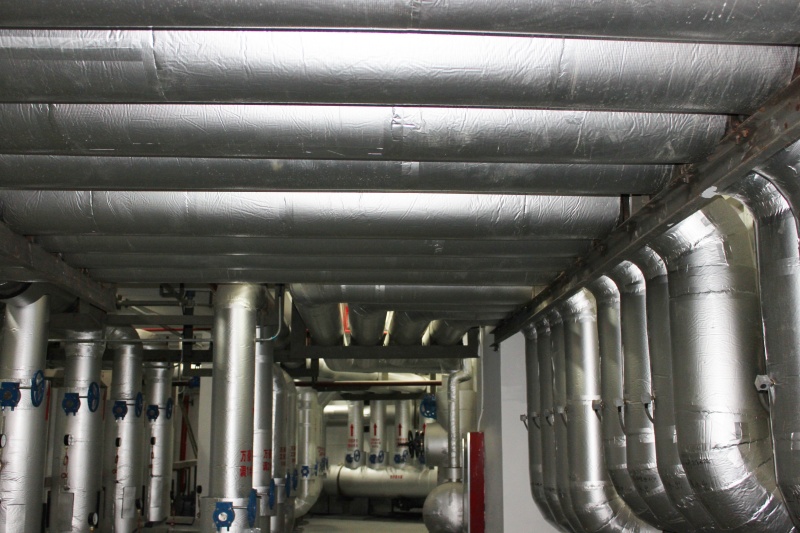
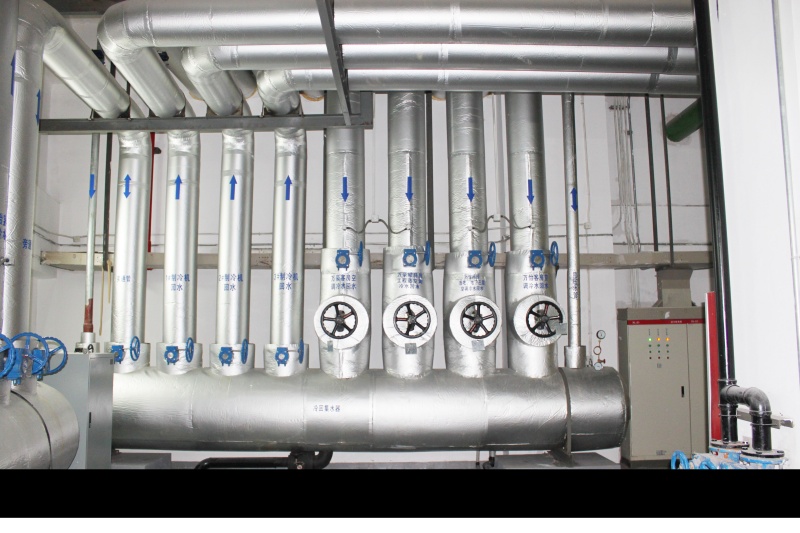
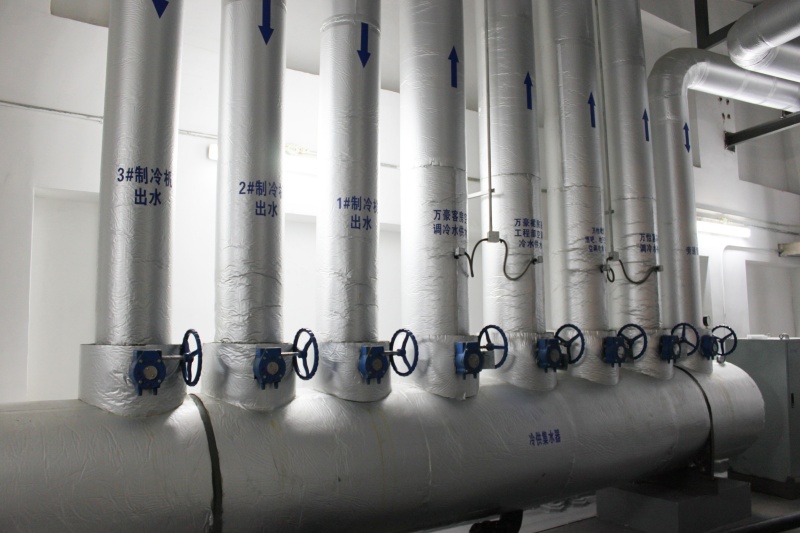
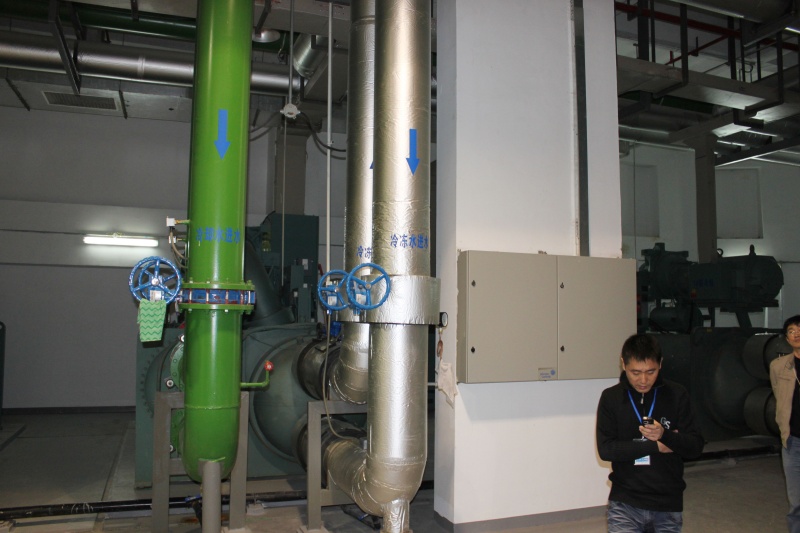
First, the surge in HVAC technology integration within tropical and sub-tropical regions has heightened the risk of structural condensation. When humid air contacts uninsulated or poorly insulated chilled water pipes, condensation forms, which can lead to mold growth and structure damage. High-performance NBR/PVC elastomeric rubber foam sheets and tubes block vapor transmission, preventing condensation and preserving indoor air quality.
Second, the global transition to clean energy has driven demand for cryogenic insulation systems. Projects operating at ultra-low temperatures—such as liquid nitrogen pipelines and LNG terminals—require advanced flexible cryogenic systems. These materials must remain flexible at sub-zero temperatures (down to -200°C) without cracking, protecting critical infrastructure from thermal shock.
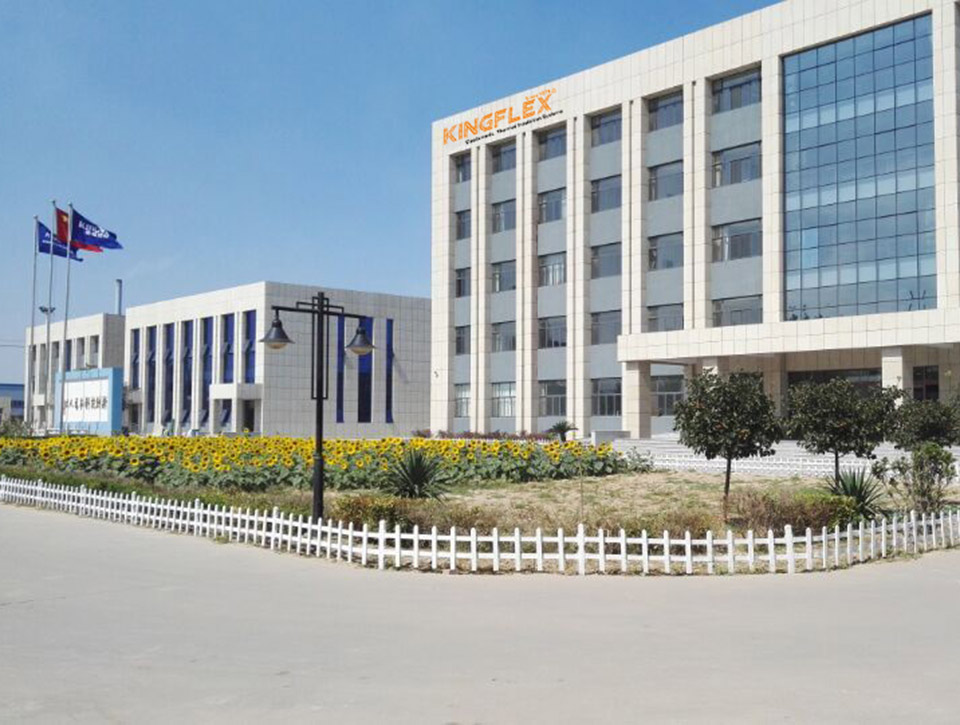
Kingflex Insulation Co., Ltd. is a premier manufacturer and trade vendor specializing in advanced thermal and acoustic insulation materials. Headquartered in Dacheng, China—a hub for green building materials R&D and production—we focus on creating energy-saving, environmentally friendly insulation systems.

Our operation centers on energy conservation and consumption reduction. From initial consultation and custom material research to production, installation guidance, and dedicated post-sale support, we deliver end-to-end insulation systems designed to meet the demands of modern infrastructure projects.
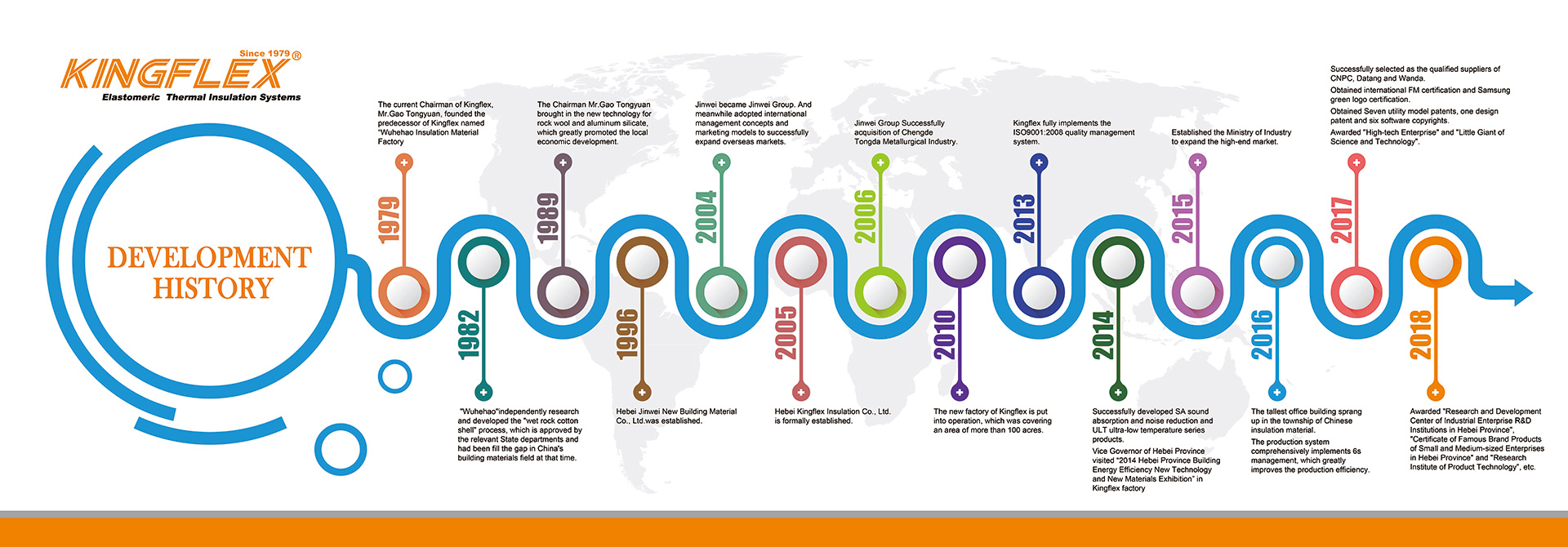
Kingflex was established by the Jinwei Group (also known as the Kingway Group), which has a manufacturing history dating back to 1979. As the first major manufacturer of thermal insulation materials north of the Yangtze River, our group has spent over 40 years testing, refining, and scaling thermal performance systems for global markets.
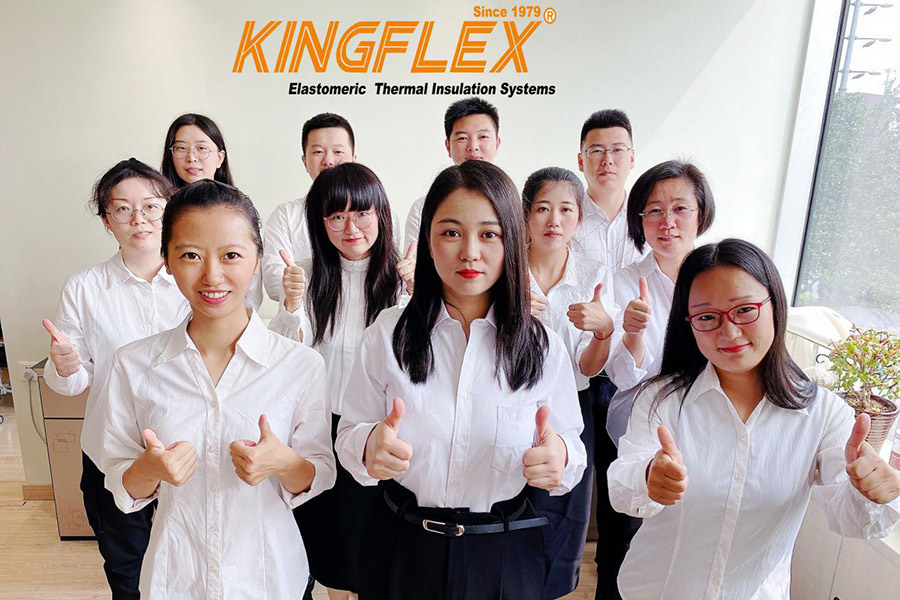
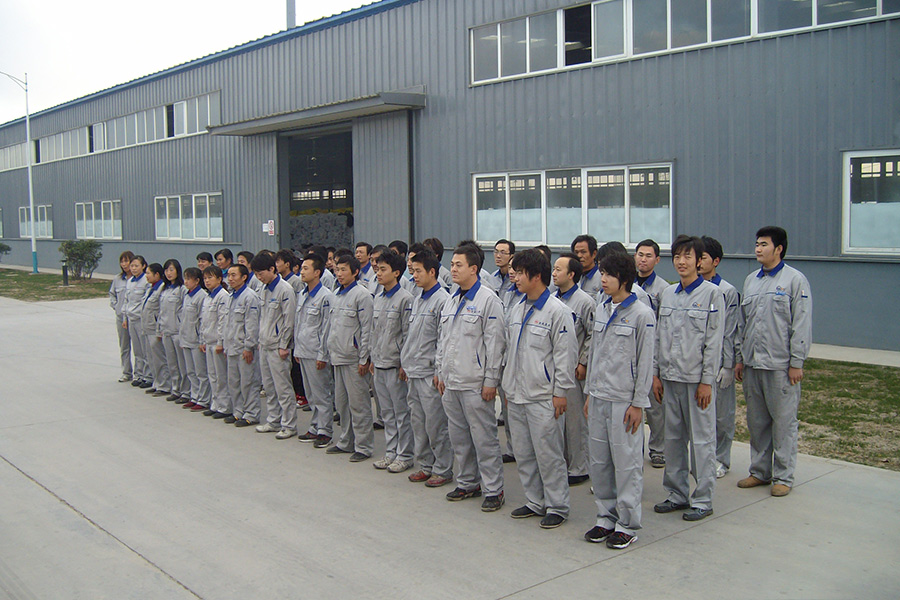
Our workforce combines advanced engineering expertise with scalable production capacity. The Kingflex R&D department features eight professional engineers focused on material science, alongside a dedicated international sales team and 230 skilled production professionals.
Our facility runs five automated assembly lines, delivering an annual production capacity of over 600,000 cubic meters. This scale has earned Kingflex designated supplier status from major national energy and chemical ministries, ensuring reliable support for large-scale projects.
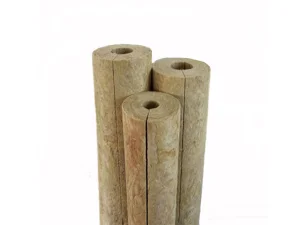
Selecting the right insulation material requires a clear understanding of its physical properties under operating conditions. Closed-cell elastomeric NBR/PVC foam is widely used for HVAC and moderate industrial pipelines, while mineral rock wool remains the standard for high-temperature and structural fire walls. The table below compares the key physical properties of these materials:
| Physical Property | Elastomeric NBR/PVC Foam (Kingflex Standard) | Rock Wool Insulation (High Temp) |
|---|---|---|
| Cellular Structure | Closed-cell (Rate > 98%) | Fibrous Open-cell |
| Thermal Conductivity (λ) | ≤ 0.034 W/(m·K) at 0°C | ≤ 0.040 W/(m·K) at 25°C |
| Service Temperature Range | -40°C to +105°C (Specialized types down to -200°C) | Up to +650°C |
| Moisture Resistance (μ) | ≥ 10,000 (Built-in vapor barrier) | Low (Requires external vapor barrier jacket) |
| Fire Rating Standards | Class 0 / Class 1 (BS 476), UL94 V-0, ASTM | Non-combustible (Class A1, ASTM E136) |
| Density | 40 - 55 kg/m³ | 60 - 150 kg/m³ |
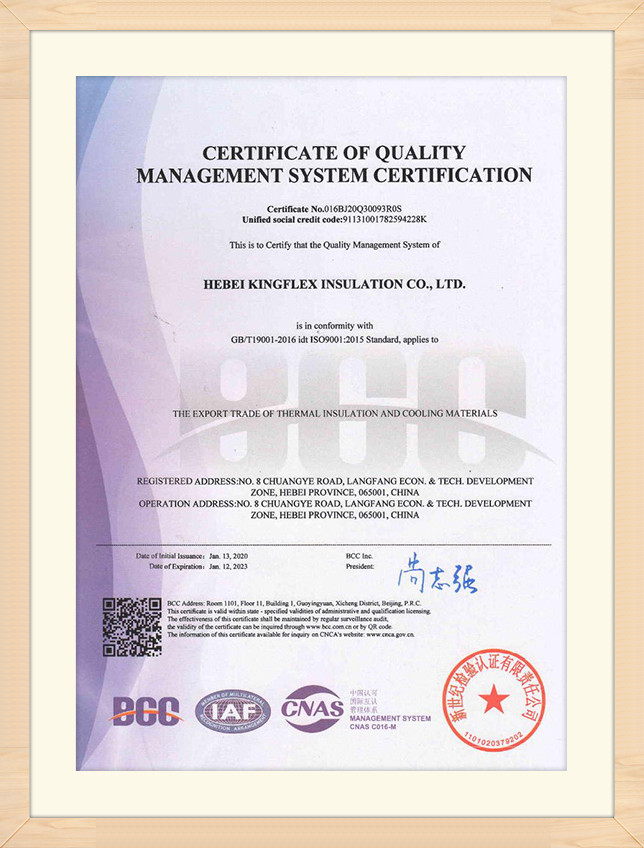
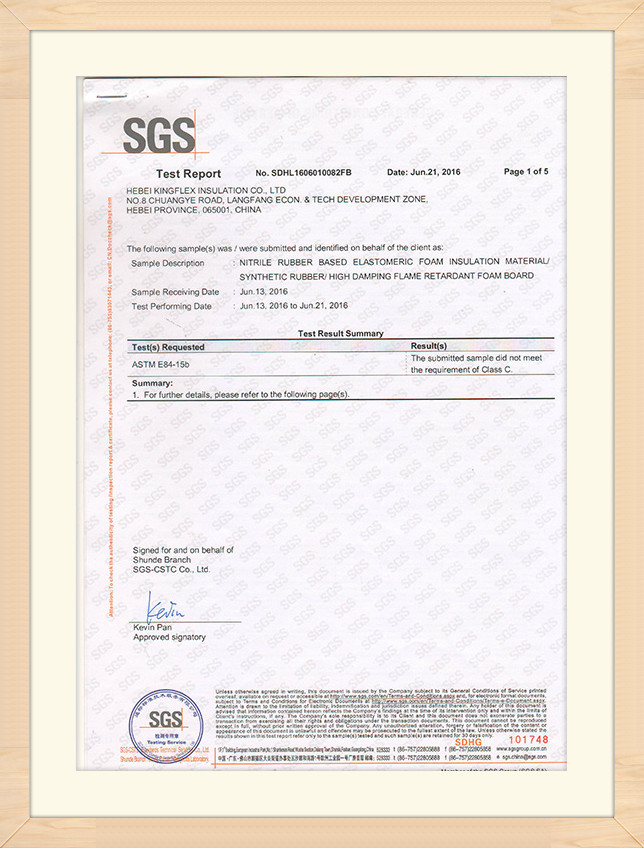
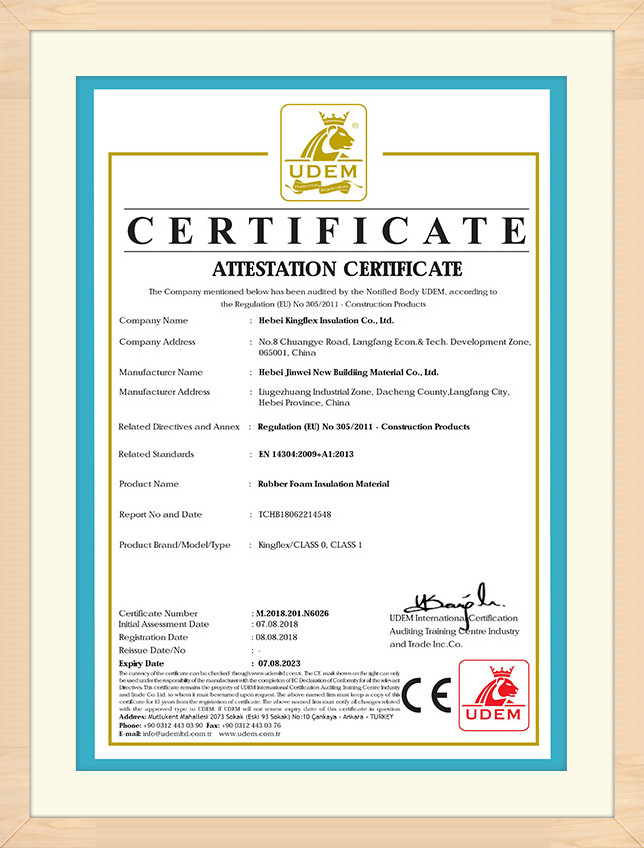
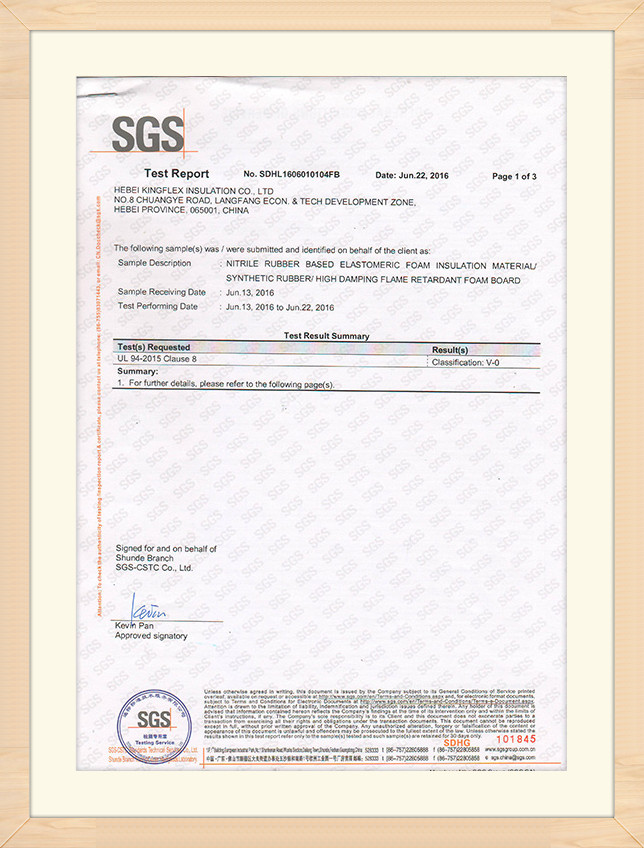
Kingflex products are manufactured under strict quality control processes. Our materials carry certifications from international compliance bodies, including BS 476 (Parts 6 & 7), CE, REACH, RoHS, UL94, and ASTM. These standards ensure our insulation performs safely and reliably in demanding commercial and industrial environments.
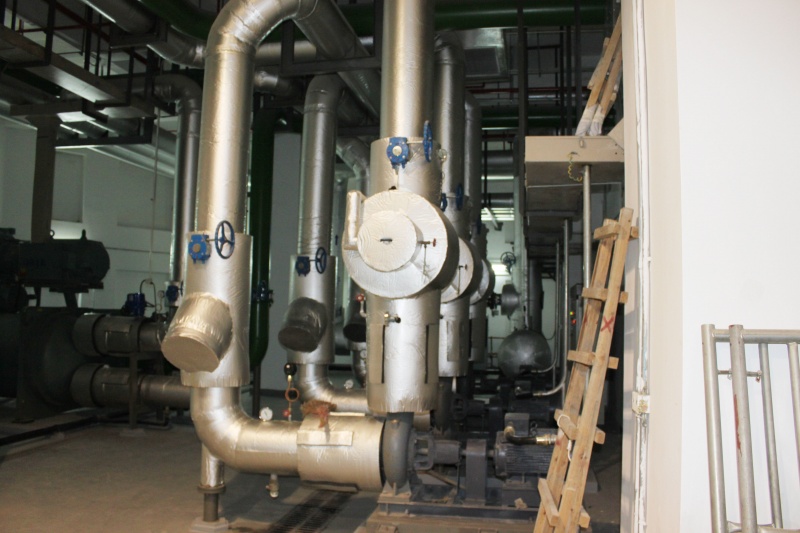
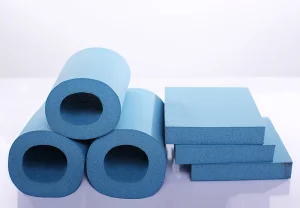
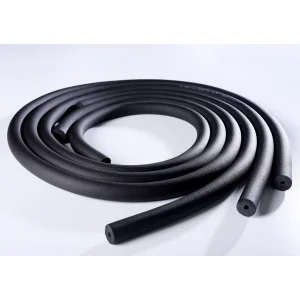
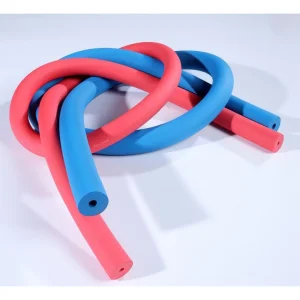
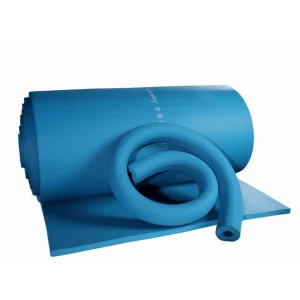
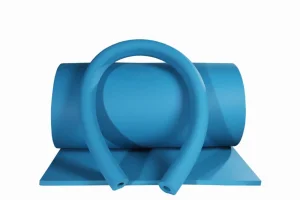
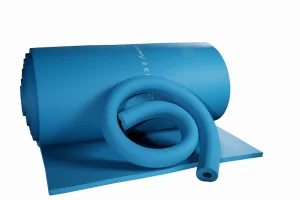
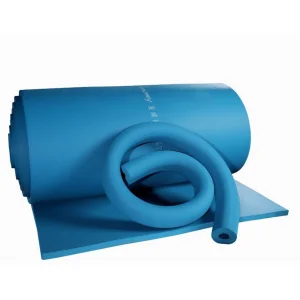
We supply two main types of elastomeric rubber foam insulation, customized for different mechanical installations:
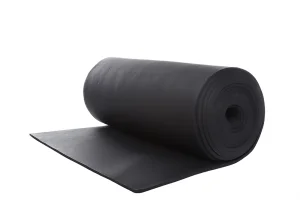
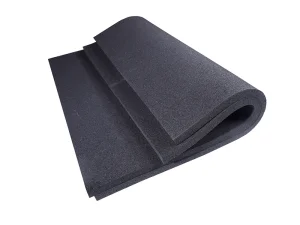
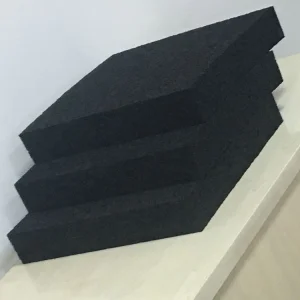
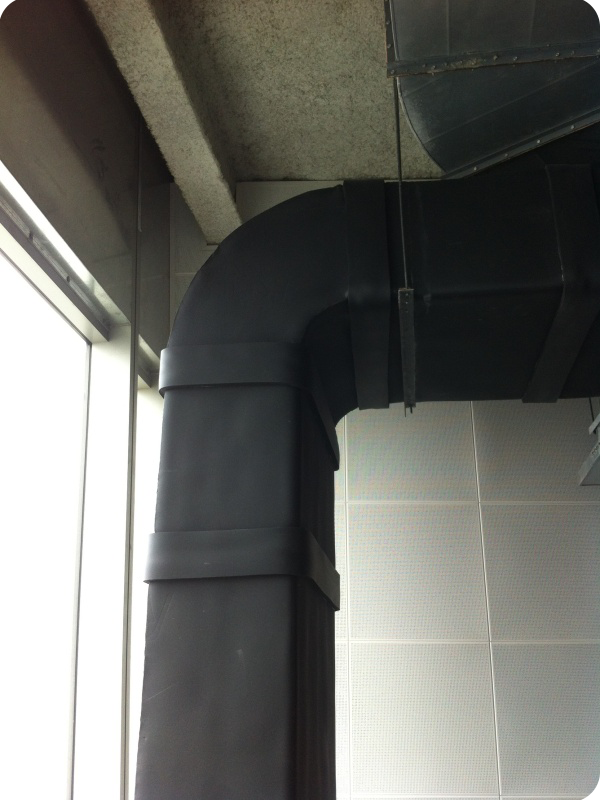
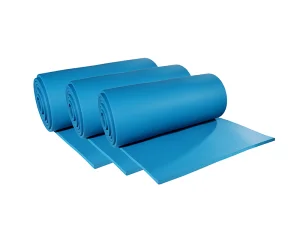
Designed for large flat surfaces, rectangular air ducts, large-diameter piping, tanks, and structural walls. The sheet format provides seamless coverage with minimal joints, reducing the risk of localized heat gain.
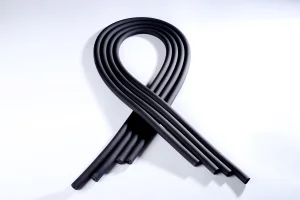
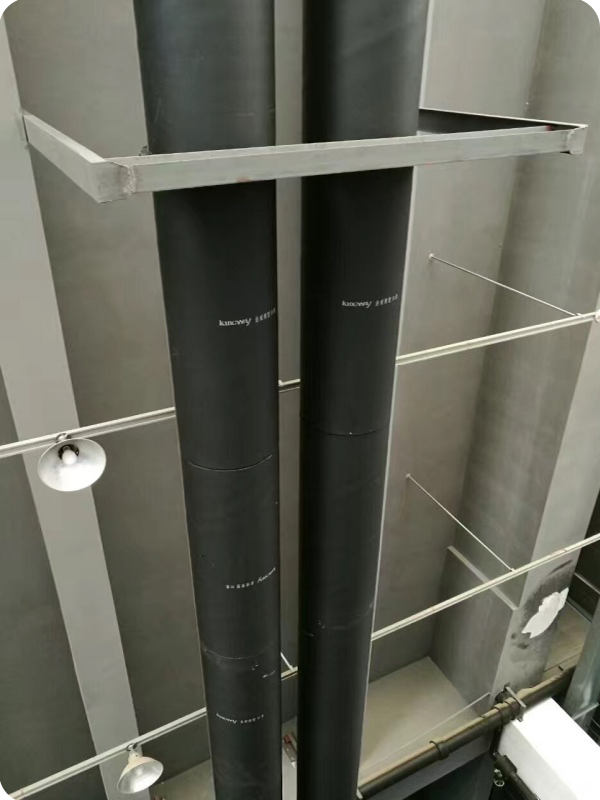
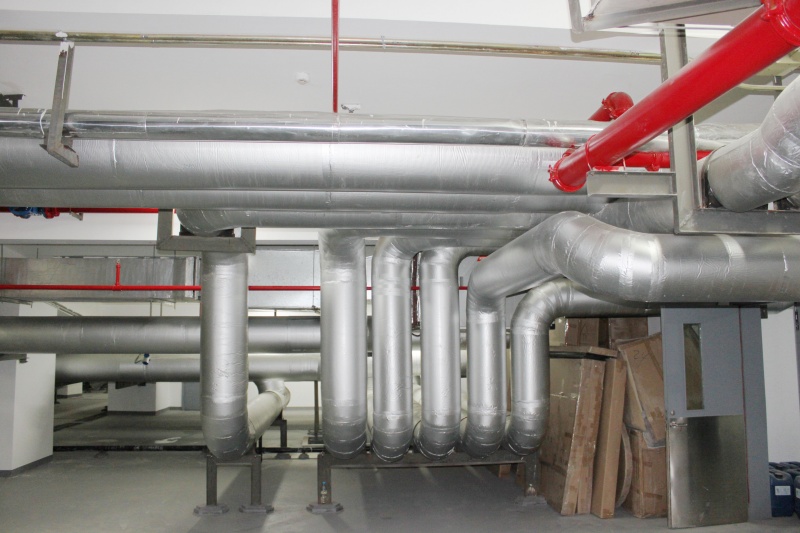
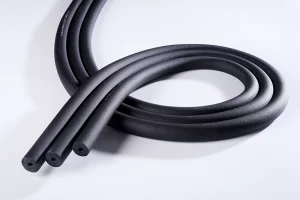
Specifically extruded to fit standard pipe sizes, these tubes slide onto piping during installation or can be slit and sealed for retrofitting. Ideal for HVAC lines, copper refrigeration tubing, and hot/cold water loops.
Industrial insulation operates under diverse environmental conditions worldwide. We design tailored solutions to meet specific regional and application demands:
In high-humidity areas, chilled water lines are highly susceptible to condensation. Applying Kingflex closed-cell elastomer prevents moisture accumulation, protecting ceiling voids and structural elements from water damage and mold.
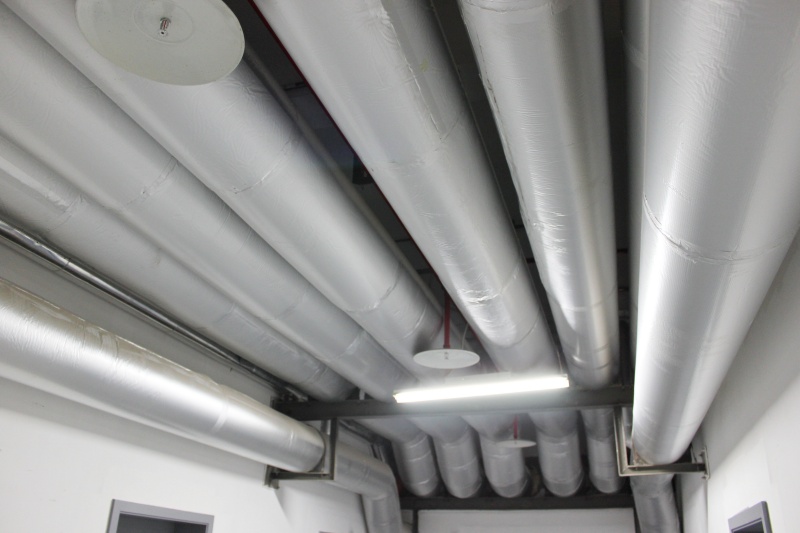
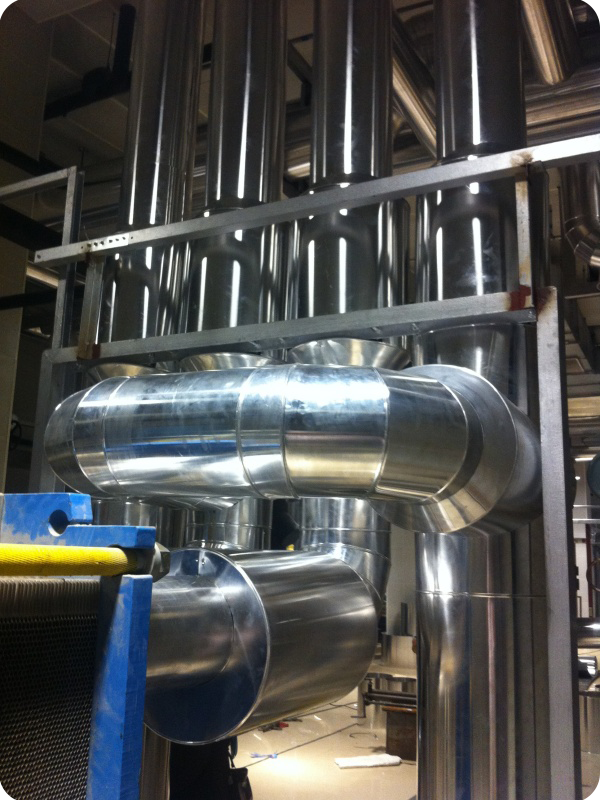
Ultra-low temperature projects, including liquid oxygen pipelines, require specialized multi-layered cryogenic insulation. Our flexible elastomer designs resist cracking from extreme thermal contraction, maintaining a reliable barrier against ambient heat.
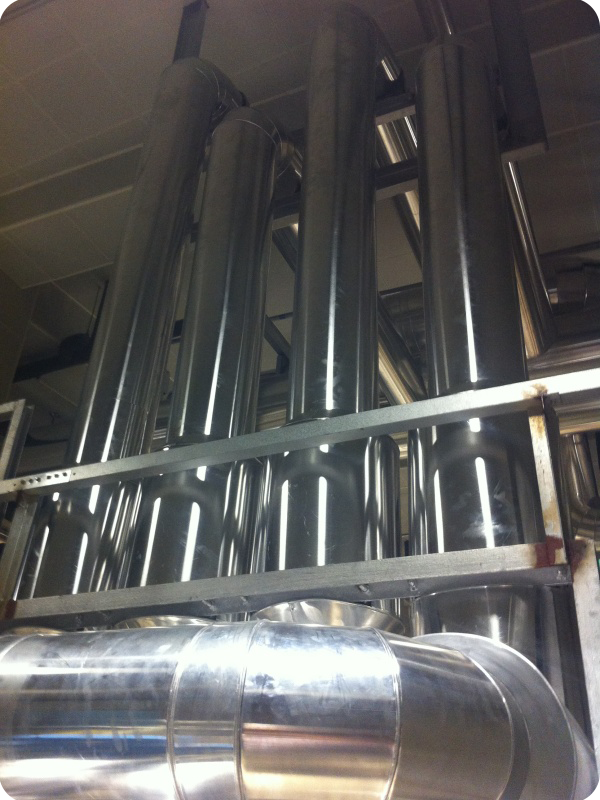
Chemical processing plants often route pipelines outdoors, exposing them to UV, ozone, and weather extremes. Our outdoor systems feature protective cladding to resist environmental degradation while maintaining process temperatures.
Our systems are used globally in commercial, defense, chemical, and aerospace projects, helping operators manage energy loss and reduce structural thermal stress.
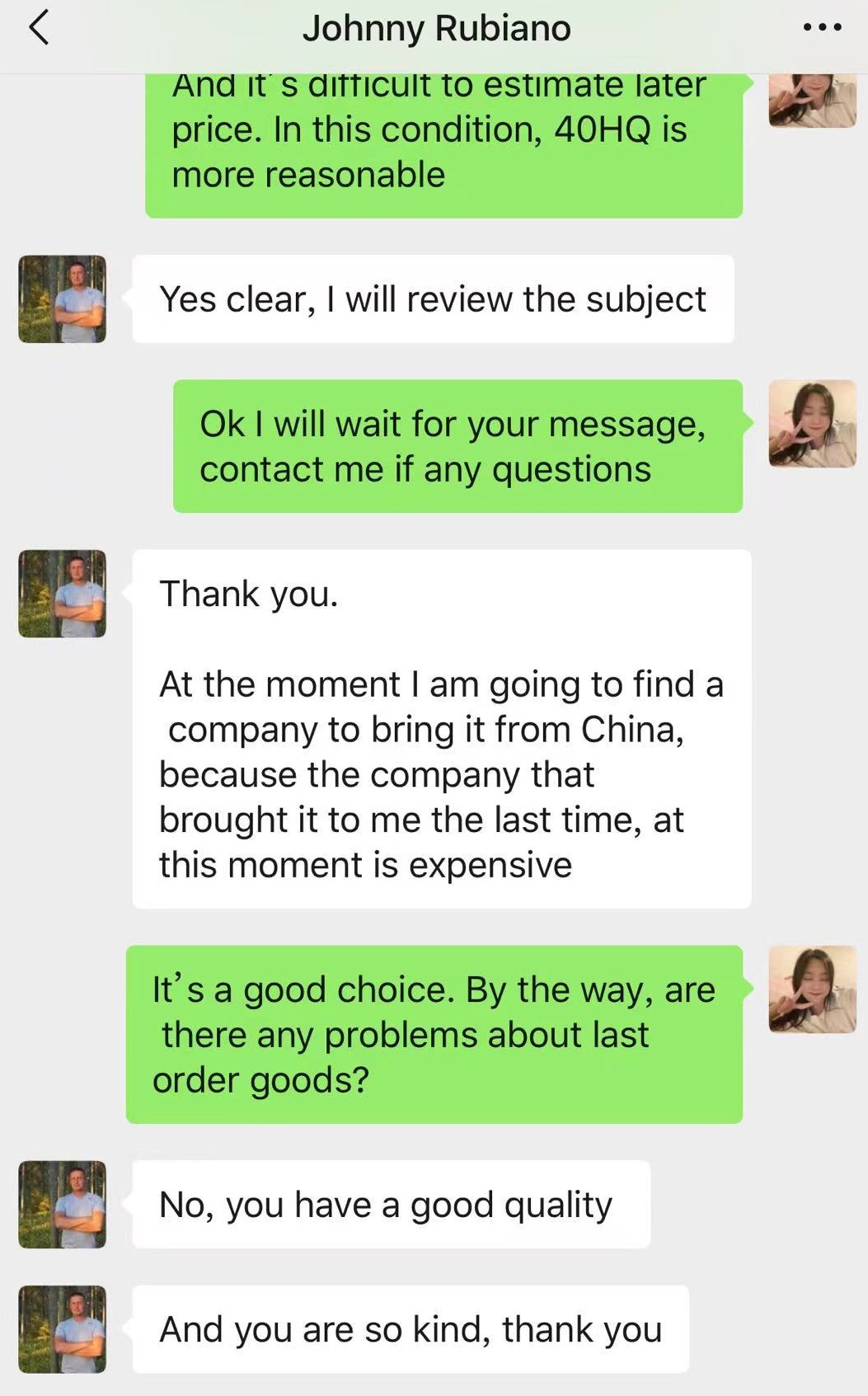
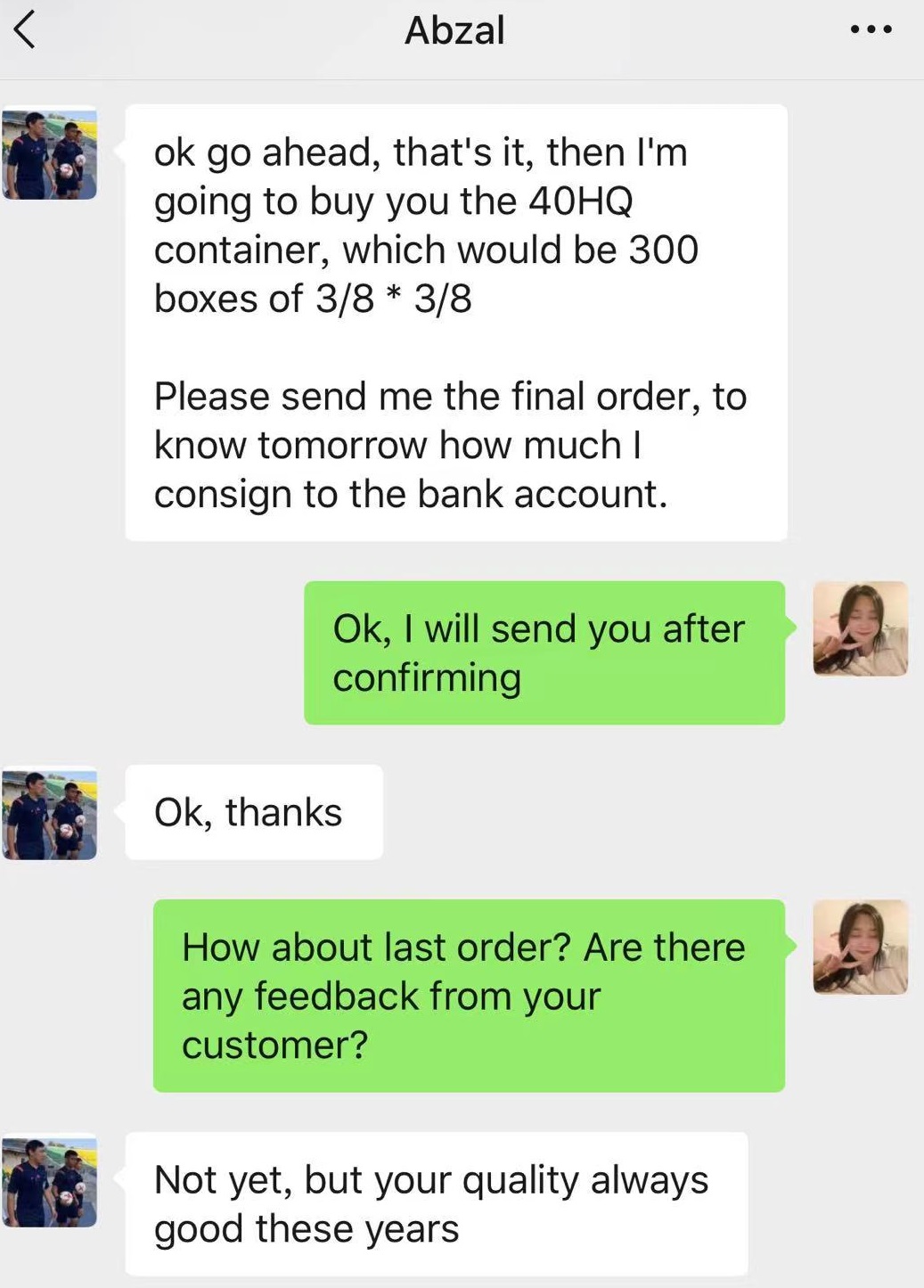
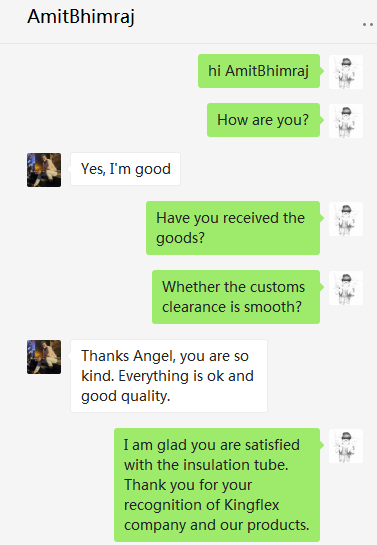
We emphasize transparency and verification at every stage of the procurement process. Our project support teams work closely with global buyers to verify physical specifications before shipping. The following chat records demonstrate our standard process for client coordination, sample validation, and order tracking:
The insulation industry is moving toward more sustainable chemistry and circular manufacturing. Kingflex is actively researching bio-based raw materials to reduce reliance on petroleum derivatives. Our product development roadmap focuses on three main goals:
Developing foaming processes with zero Ozone Depletion Potential (ODP) and Global Warming Potential (GWP) < 1, helping projects meet LEED and BREEAM certifications.
Testing aerogel-infused rubber foam to achieve thermal conductivity levels below 0.020 W/(m·K), allowing for thinner profiles in tight spaces.
Designing programs to collect and recycle clean elastomer offcuts from installation sites, converting them back into raw manufacturing stock.
Our Dacheng facility features five automated production lines designed to ensure uniform cell structure and consistent density across high-volume orders.
Technical answers to common questions about our products, customization options, and installation:
Our complete catalog includes rock wool materials, specialized aluminum-foil-faced sheets, and low-temperature elastomeric systems designed for demanding projects.