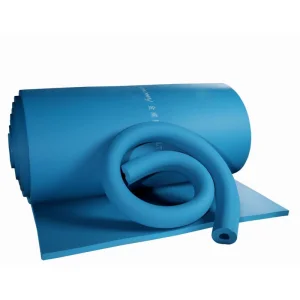
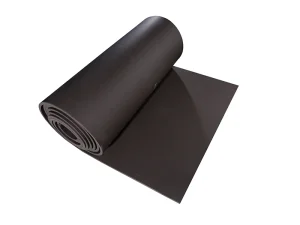
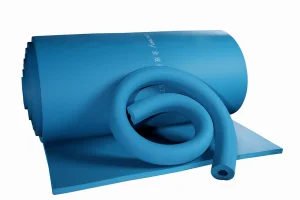
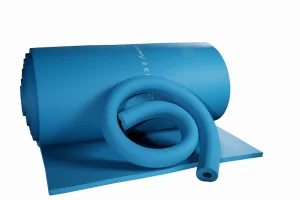
Explore our core product lineup engineered for premium heat shielding, anti-condensation protection, and ultra-low temperature cryogenic line insulation.
In modern construction, commercial real estate, and processing plants, HVAC systems constitute up to 40% of a building's overall energy consumption. Proper thermal insulation is not merely a method to prevent surface condensation; it is a critical strategy to enhance operational thermal efficiency, prevent mold colonization, maintain acoustic integrity, and assure system lifespan.
Using elastomeric materials such as NBR (Nitrile Butadiene Rubber) and PVC (Polyvinyl Chloride) foam ensures a low, stable thermal conductivity profile ($0.034 \text{ W/m}\cdot\text{K}$ at $0^\circ\text{C}$). The closed-cell structure operates as a built-in vapor barrier, meaning that the material maintains its performance even in environments characterized by high relative humidity.
With global energy mandates tightening—such as ASHRAE 90.1 in North America and the Energy Performance of Buildings Directive (EPBD) in Europe—the demand for highly advanced, traceable insulation systems has risen. Global procurement departments now require high product consistency, fast turnaround, certified fire protection performance, and a robust supply chain network.
Underpinning our manufacturing philosophy is data-backed quality. Review the core specifications of our elastomeric rubber foam materials.
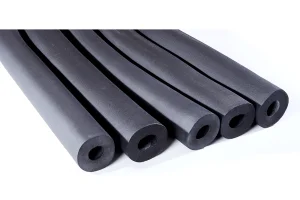
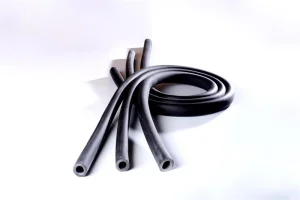
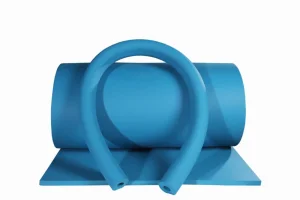
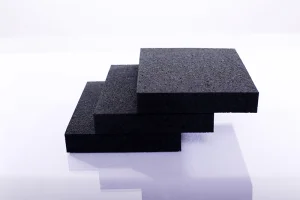
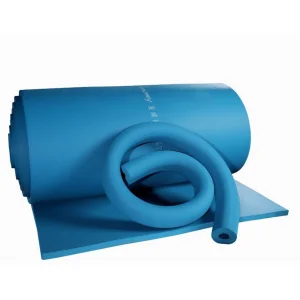
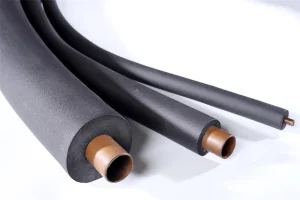
| Material Property | NBR/PVC Elastomeric Sheet Roll | NBR/PVC Elastomeric Tube Pipe | Test Standard / Certification |
|---|---|---|---|
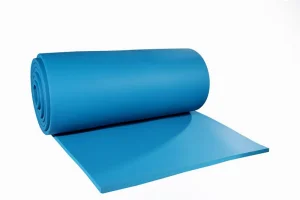
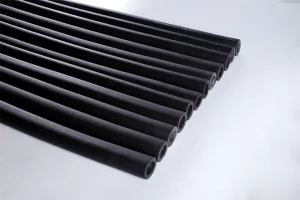
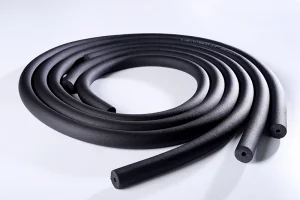
| Standard Thickness | 6mm - 50mm | 9mm - 40mm (Inner Diameter: 6mm - 114mm) | EN 823 / ASTM C534 |
| Density Range | 40 - 55 kg/m³ | 40 - 55 kg/m³ | ASTM D1622 |
| Service Temp. Range | -40℃ to 105℃ | -40℃ to 105℃ (Up to -200℃ for Cryogenic grades) | EN 14706 / ASTM C411 |
| Thermal Conductivity ($\lambda$) | $\le 0.034 \text{ W/(m}\cdot\text{K)}$ at $0^\circ\text{C}$ | $\le 0.033 \text{ W/(m}\cdot\text{K)}$ at $0^\circ\text{C}$ | ASTM C177 / EN 12667 |
| Water Vapor Permeability | $\mu \ge 10,000$ (Moisture barrier built-in) | $\mu \ge 10,000$ | EN 12086 / ASTM E96 |
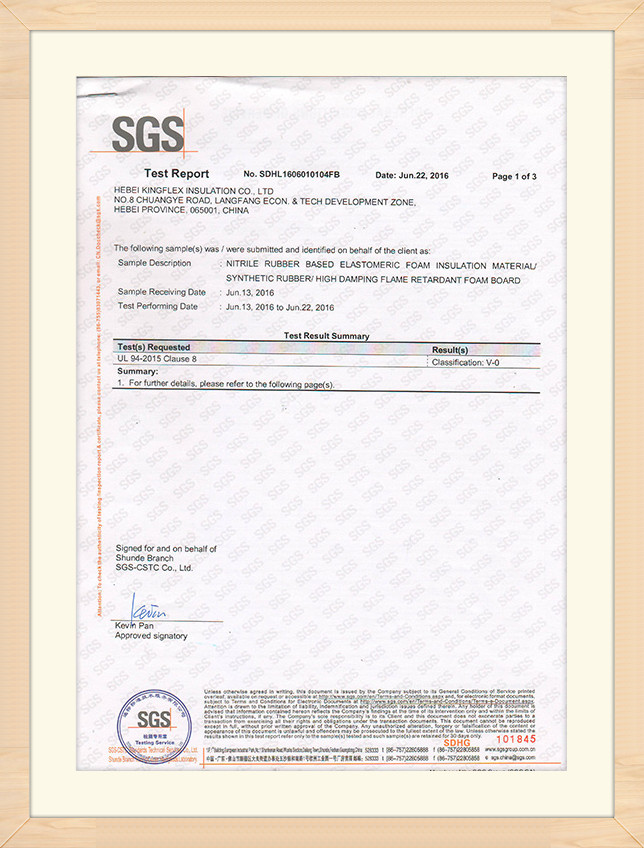
| Fire Behavior Rating | Class 0 / Class 1, Self-extinguishing | Flame retardant, Low smoke toxicity | BS 476 Part 7 / UL94 V-0 / ASTM E84 |
| Compression Resilience | Over 80% recovery rate | Highly flexible for complex routing | ASTM D1056 |
How regional dynamics, climate environments, and architectural designs shape industrial requirements for high-caliber insulation.
In tropical areas such as Southeast Asia and coastal South America, humidity levels regularly exceed 90%. Traditional open-cell materials like glass wool quickly saturate, leading to structural sagging and a total loss of thermal resistance. Kingflex closed-cell NBR/PVC foam prevents humidity ingress, preserving the piping from corrosion under insulation (CUI).
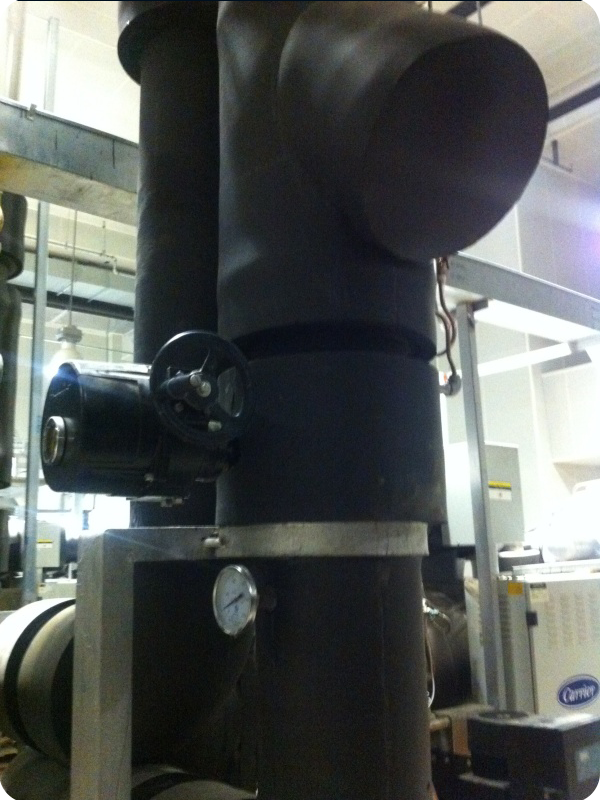
Cryogenic processes in chemical facilities, LNG transport terminals, and medical institutions require materials that survive extreme cold without structural cracking. Kingflex Cryogenic elastomeric systems maintain their mechanical flexibility and elasticity down to -200°C, providing key protection against sudden thermal shock.
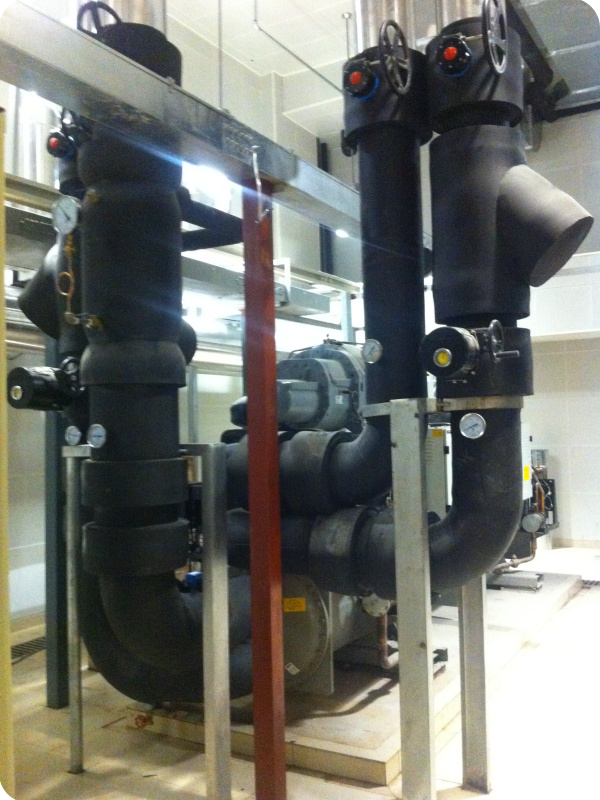
Indoor environments like hospitals, modern data centers, and semiconductor cleanrooms require zero dust shedding and highly restricted chemical emissions. Our halogen-free and low-VOC elastomeric sheets prevent the emission of toxic fumes, ensuring indoor air quality while eliminating the risk of micro-particle contamination.
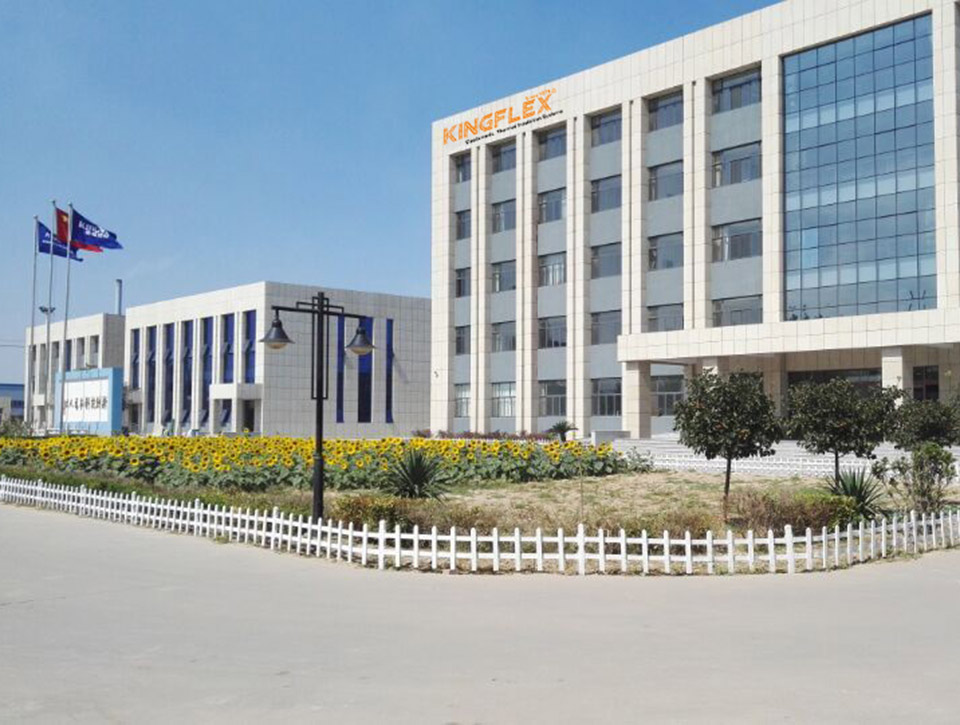
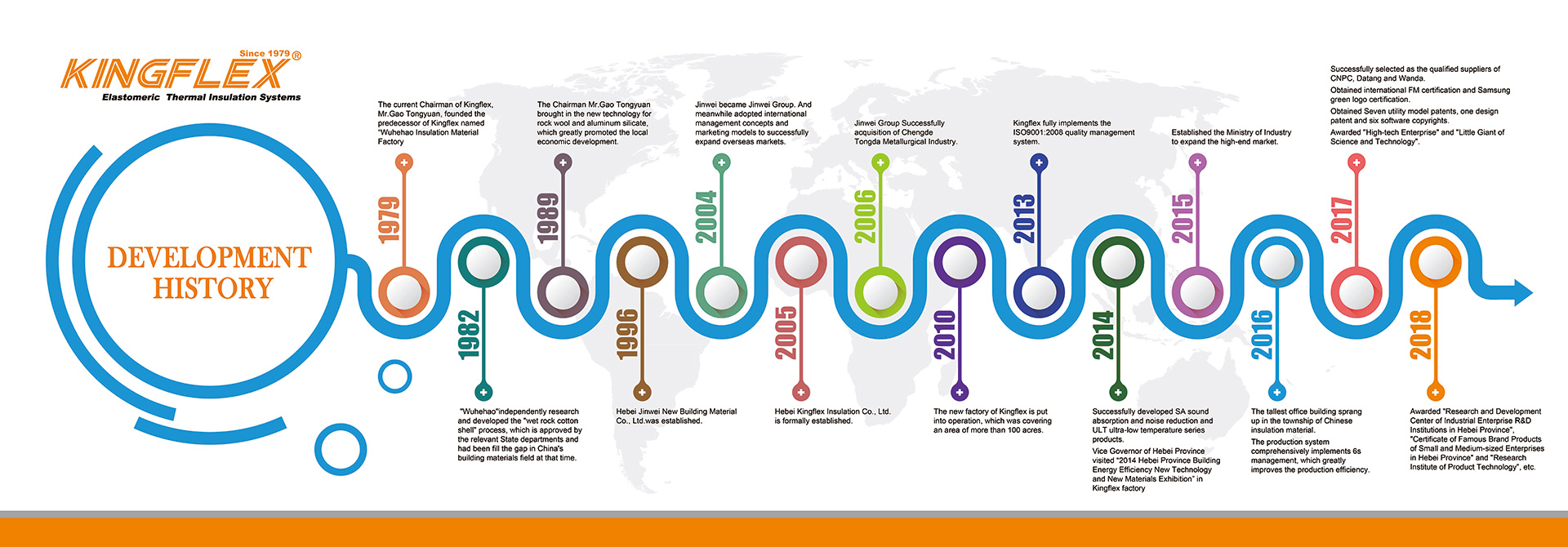
Established by the Jinwei Group, which possesses more than 40 years of history since its foundation in 1979, Kingflex Insulation Co., Ltd. was the first manufacturer of thermal insulation materials north of the Yangtze River.
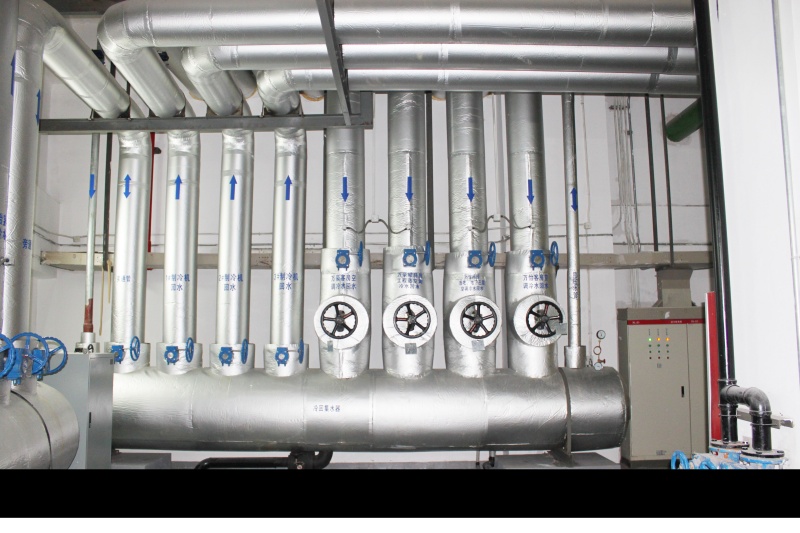
Located in Dacheng, China—a well-known capital of green building materials—our production and research department operates with a core concept: energy saving and consumption reduction.
By integrating professional research, modern manufacturing, international sales, and installation consultation, we supply integrated solutions for thermal insulation, cold conservation, and noise reduction to engineering projects across the globe.
Why global HVAC distributors and building developers partner with Kingflex for large-scale procurement.
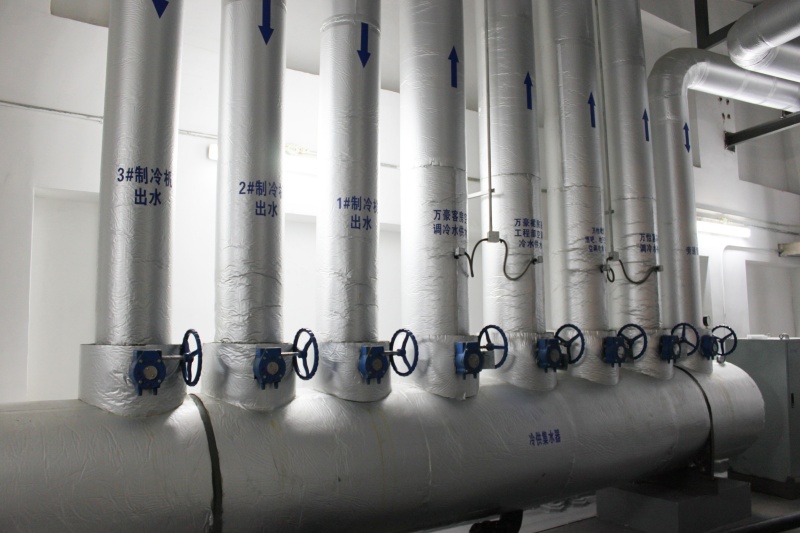
With 5 automatic assembly lines, our factory runs 24/7, reaching an annual capacity of over 600,000 cubic meters. This allows us to supply massive infrastructure works without lead-time bottlenecks, maintaining uniform density and cell size across large production batches.
We are a designated production enterprise certified by the Ministry of Energy, the Ministry of Electric Power, and the Ministry of Chemical Industry in China. This ensures that every roll and tube produced complies with rigorous national and international industrial guidelines.
Located in Hebei, Dacheng, we leverage established Northern China logistics channels, facilitating rapid shipping through Tianjin and Qingdao ports. Over the past 16 years, our export network has grown to serve 66 countries across North America, Europe, the Middle East, and Southeast Asia.
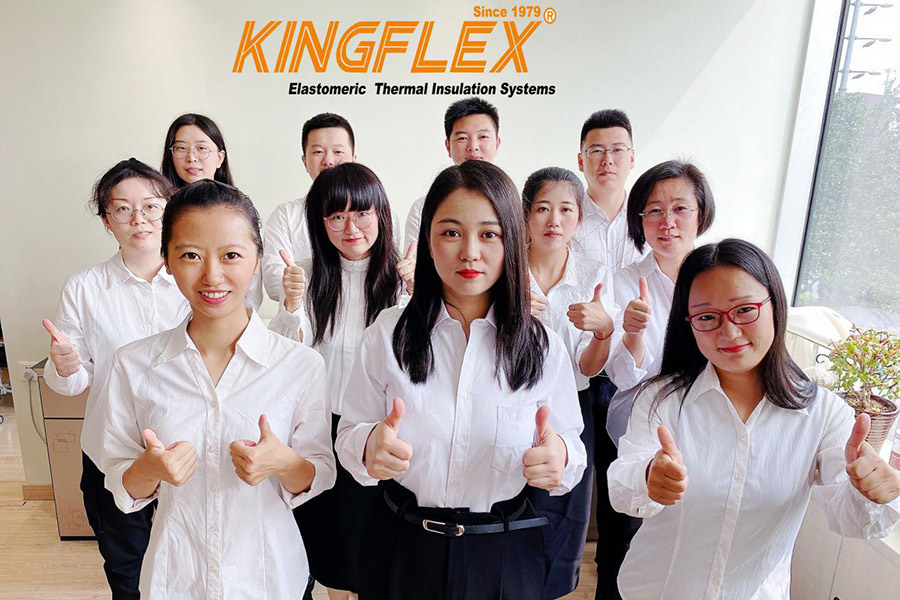
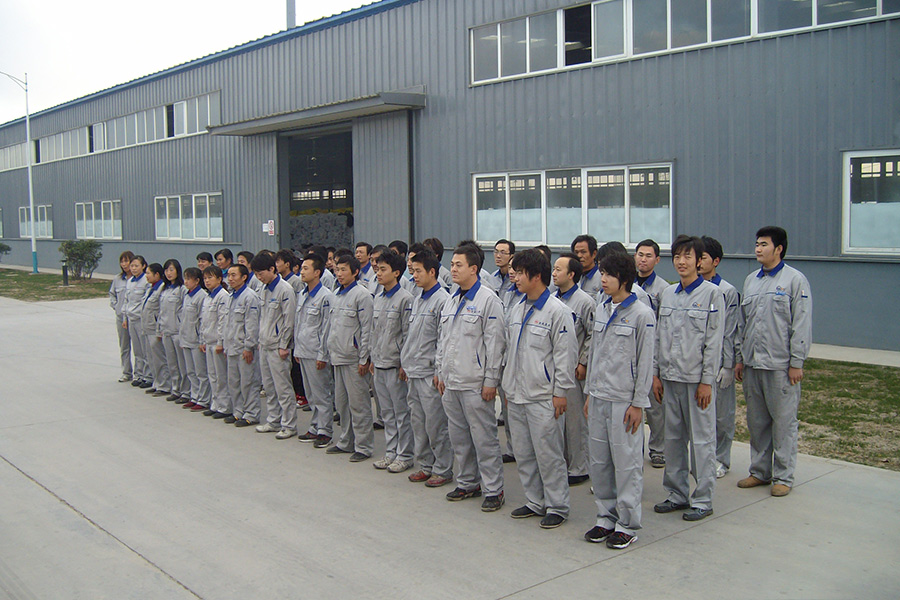
A high-quality product is born from continuous research and development. The Kingflex team includes 8 professional R&D engineers, 6 international sales consultants, and 230 skilled factory technicians.
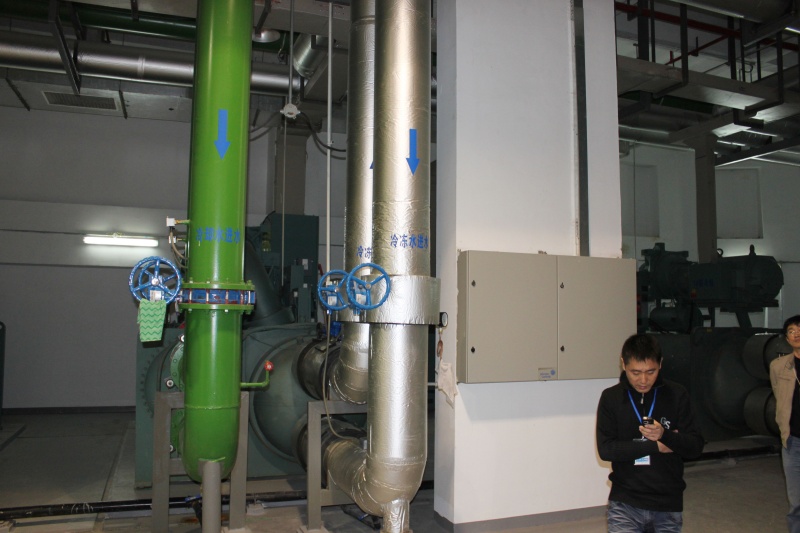
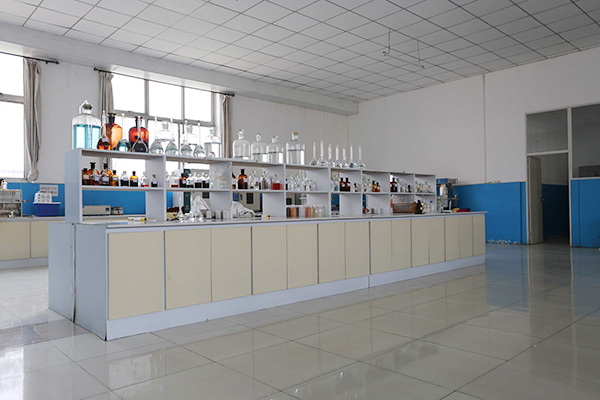
Our R&D division has refined our foaming formulation to increase closed-cell ratios to over 98% while reducing reliance on halogenated compounds. This creates safer building environments and reduces toxic smoke in fire incidents.


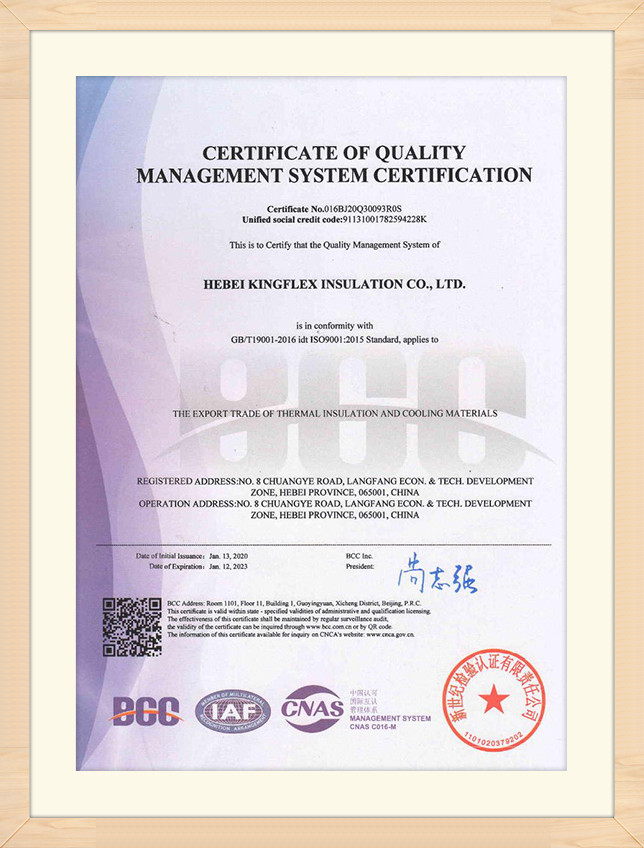
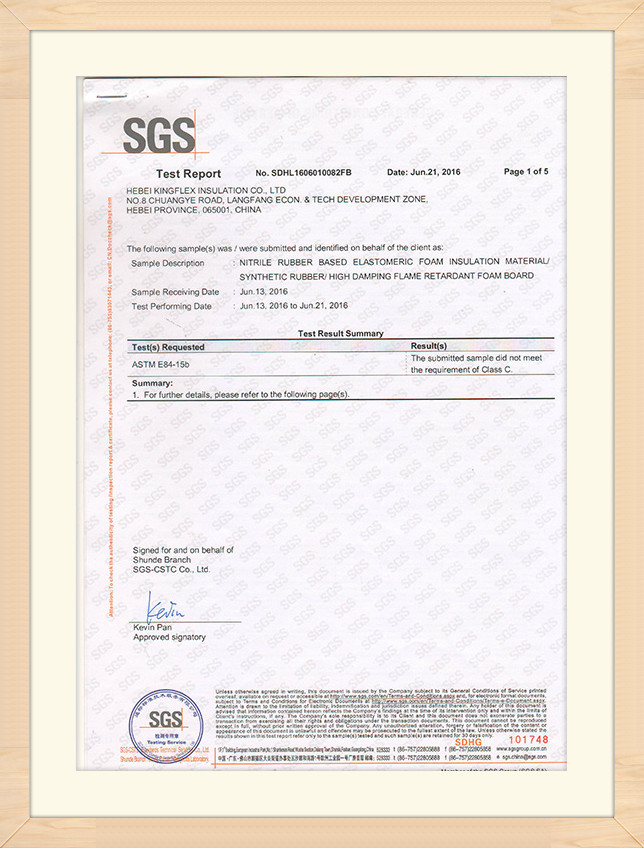
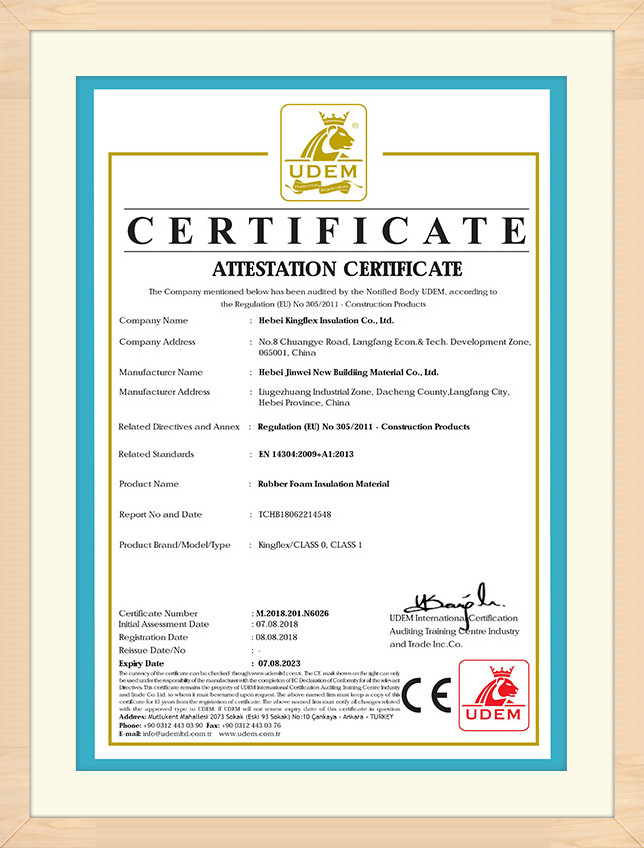
To ensure entry into strict global markets, our thermal insulation materials are tested and certified under global standards, including BS 476, CE, REACH, RoHS, UL 94, and ASTM.
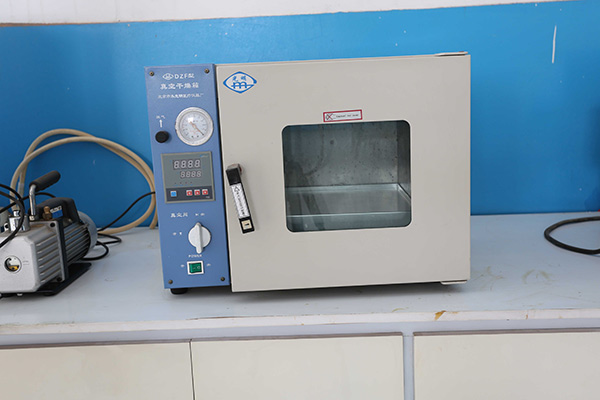
Every batch of NBR/PVC rubber foam possesses raw material traceability. From the raw monomer arrival to final vulcanization and cutting, each step is registered for quality audit.


Pioneering the next generation of insulation systems with smart monitoring, structural optimization, and eco-friendly composition.
To support global carbon reduction goals, our laboratory is researching bio-based plasticizers and recycled elastomeric polymers. This will reduce dependency on fossil fuel raw materials, maintaining performance while reducing the carbon footprint of construction projects.
Integrating micro-encapsulated Phase Change Materials directly into the NBR matrix allows the insulation to absorb and release heat at specific temperatures. This adds thermal mass, reducing peak cooling loads on commercial HVAC networks.
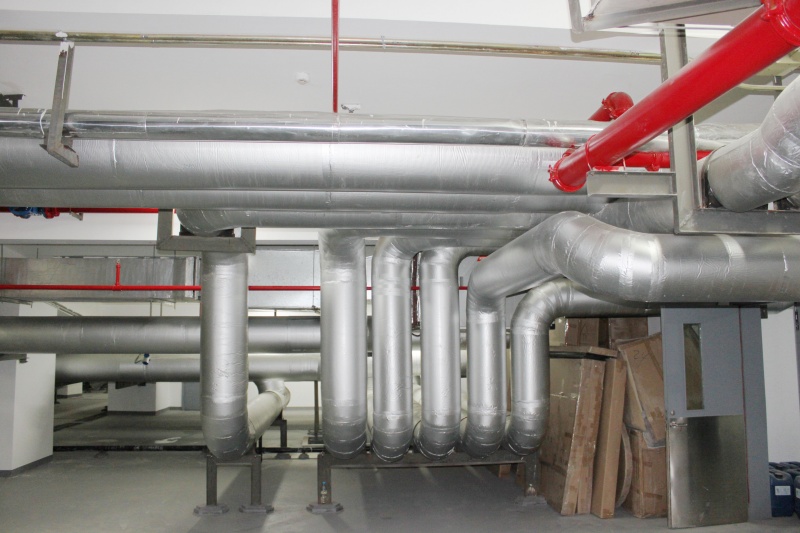
We are designing thin-film moisture and temperature sensors that can be pre-installed inside rubber foam tubes. These sensors allow building managers to monitor pipeline condensation and hot spots in real time, preventing corrosion under insulation (CUI) before it occurs.
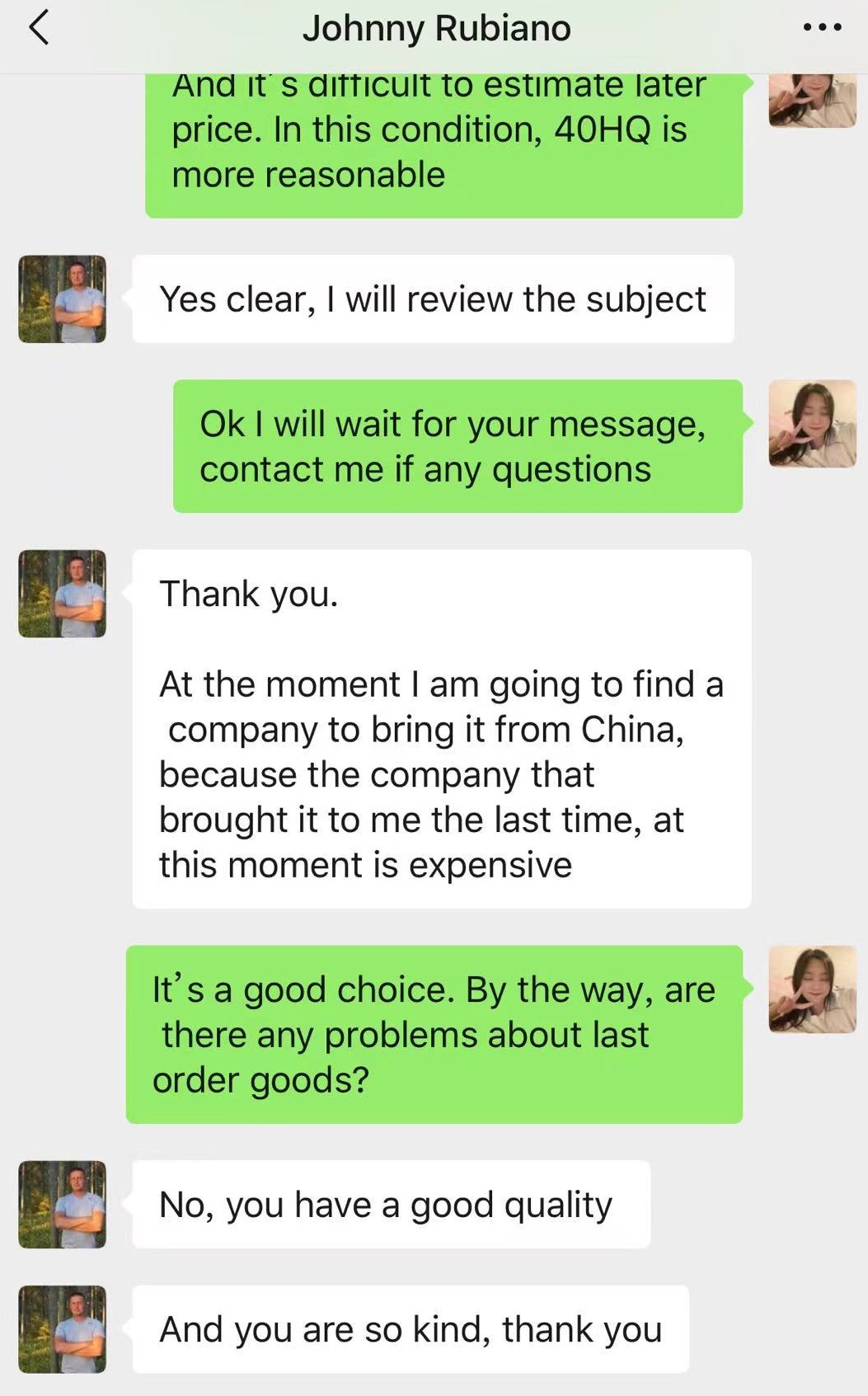
Transparent communication, quick feedback loops, and robust client relations form the basis of our business partnership.
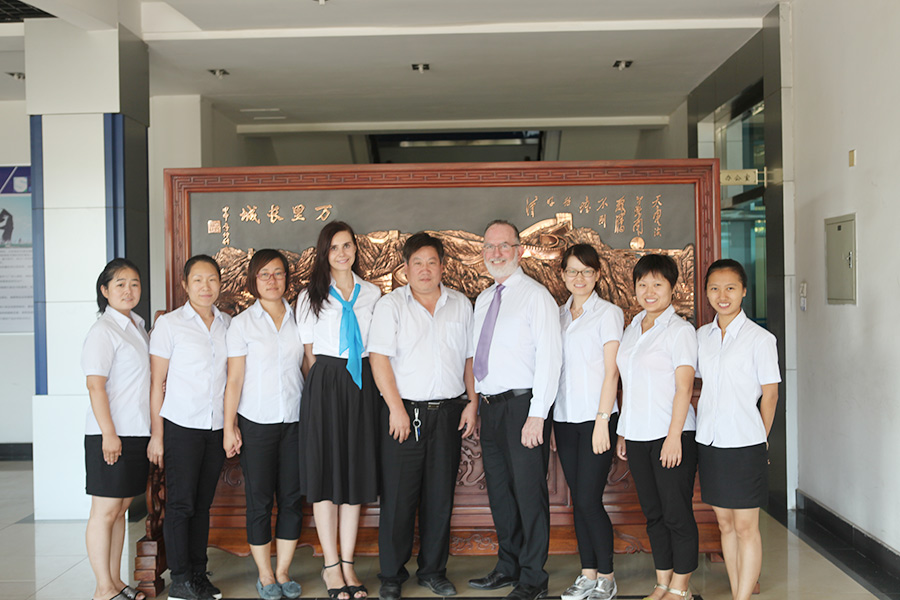
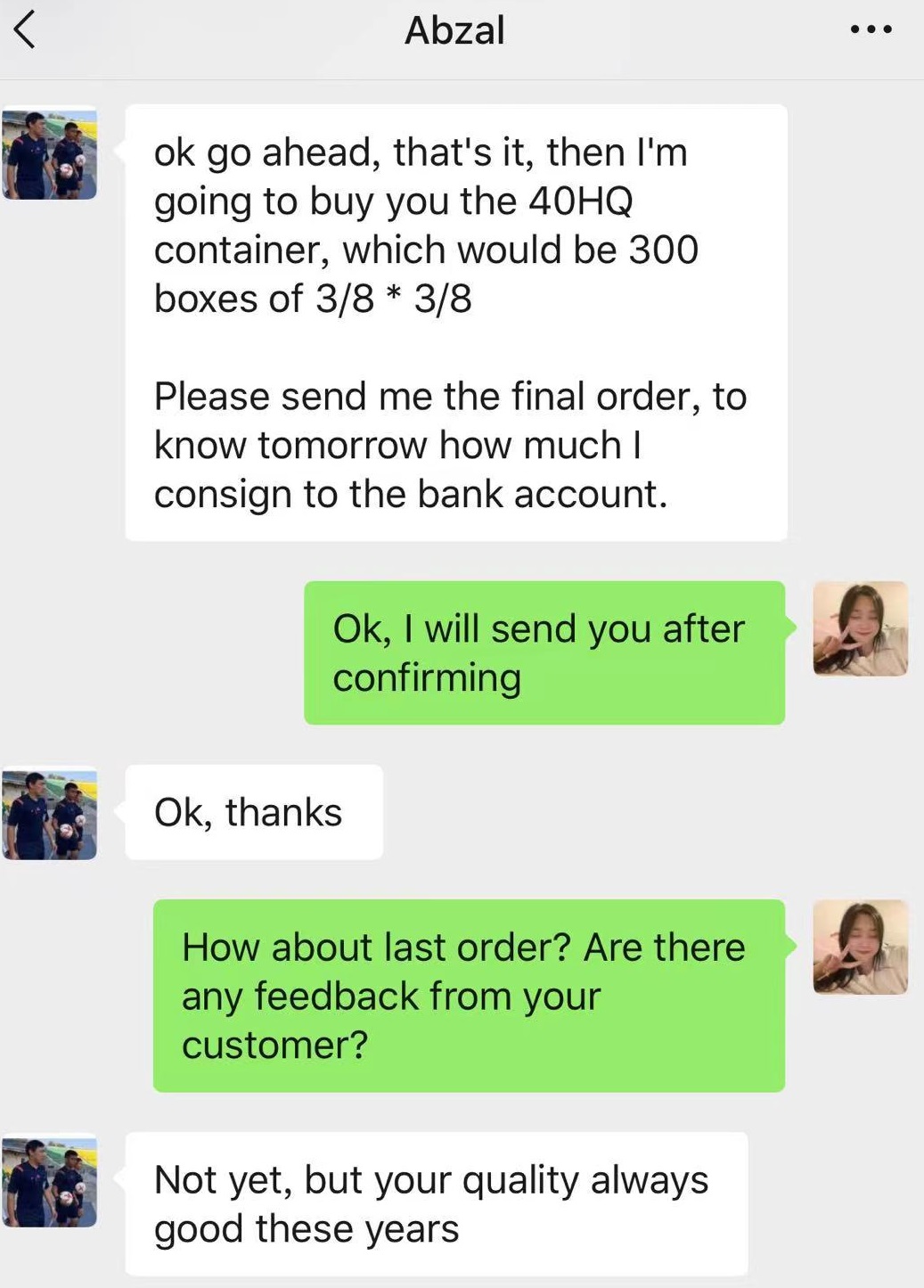
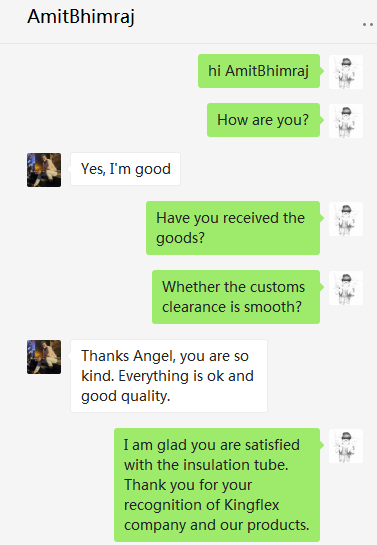
By prioritizing technical accuracy, we maintain long-term relationships with regional engineering companies, HVAC distributors, and OEM industrial projects. We support quick communication, provide technical documentation, and ensure rapid delivery.


Our materials are specified in large projects, including airport terminals, commercial skyscrapers, and chemical plants. Our products deliver lasting performance without degradation.


Detailed physical dimensions and performance properties for design and architectural planning.
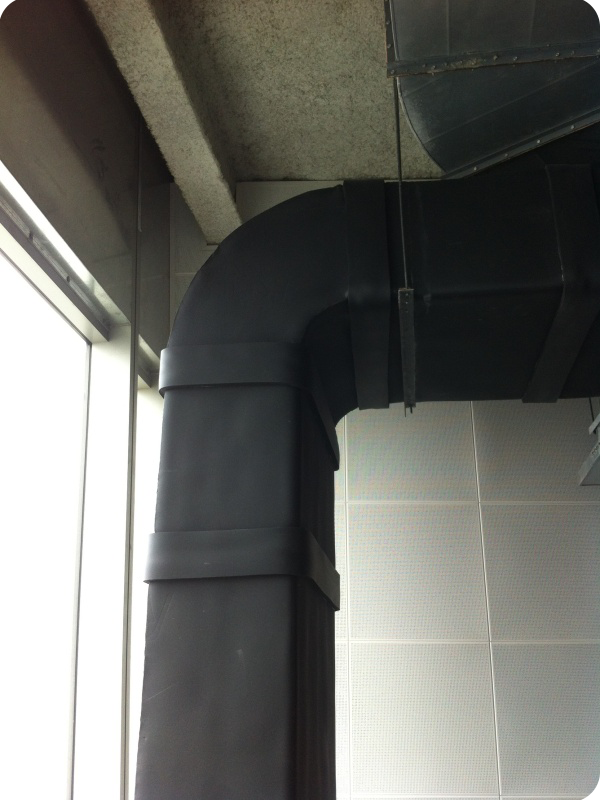
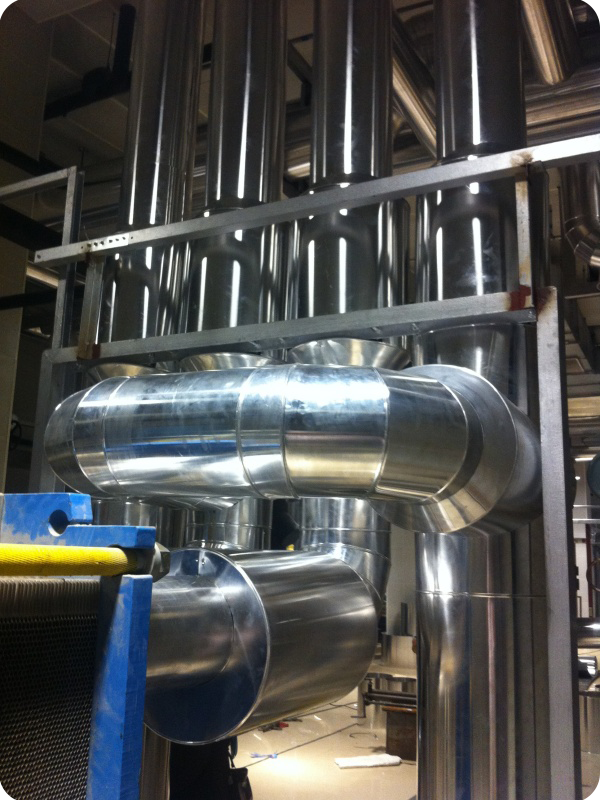
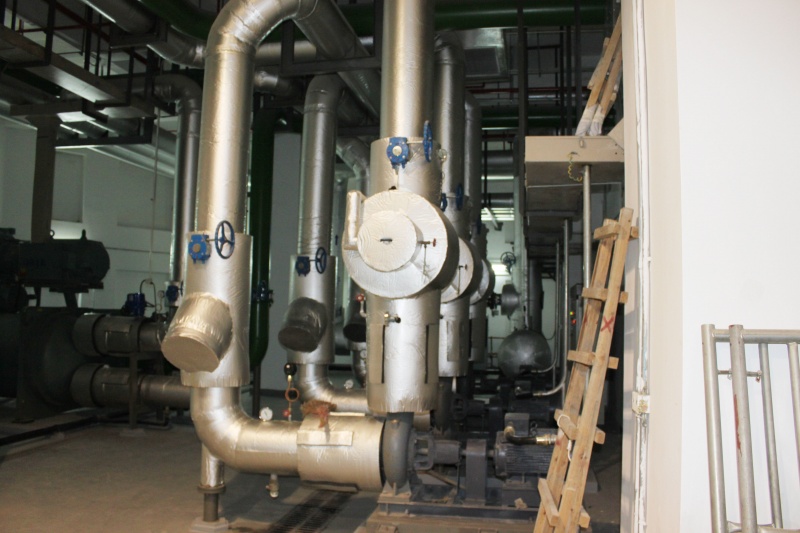
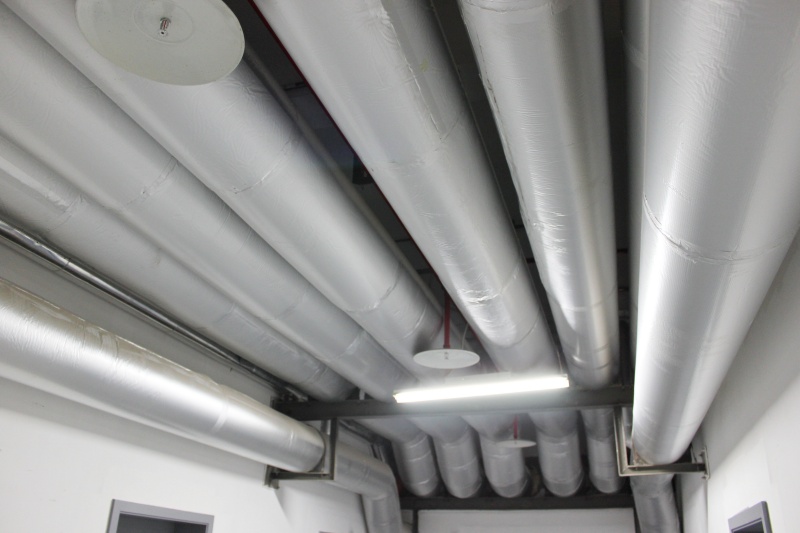
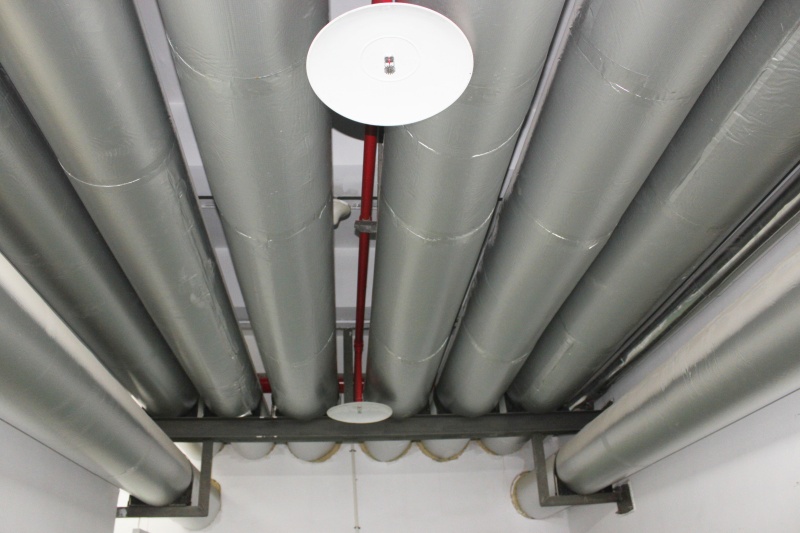
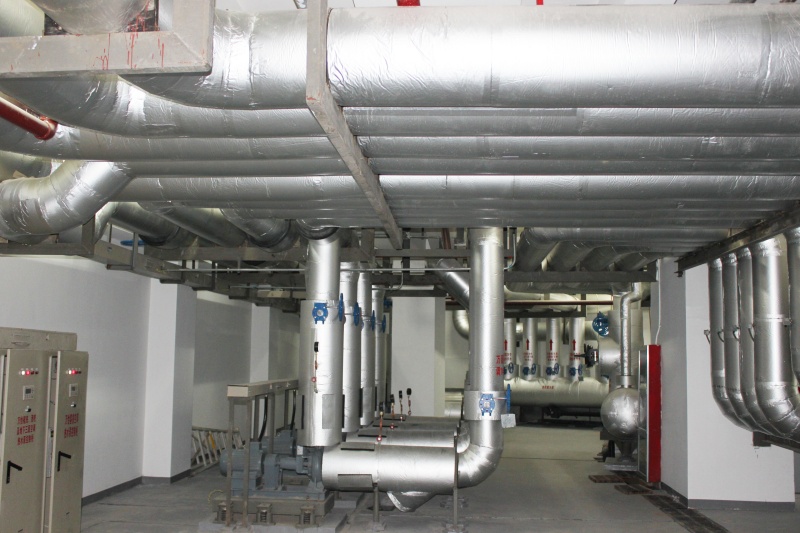
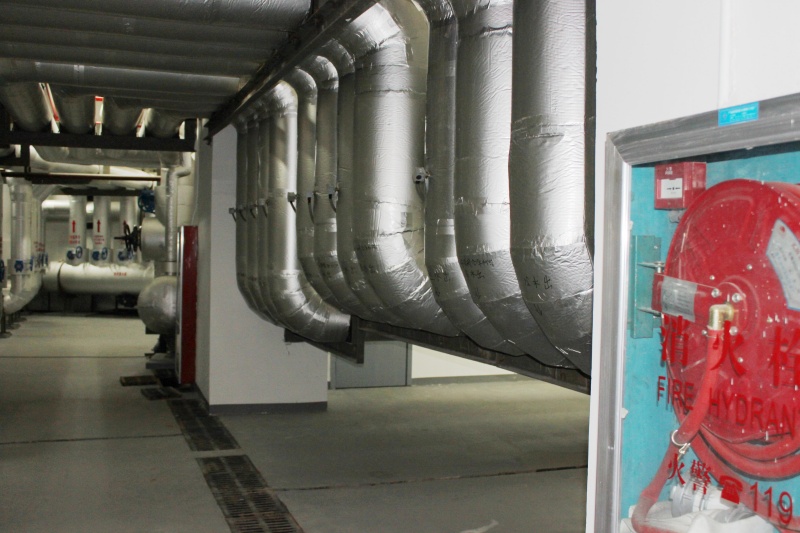
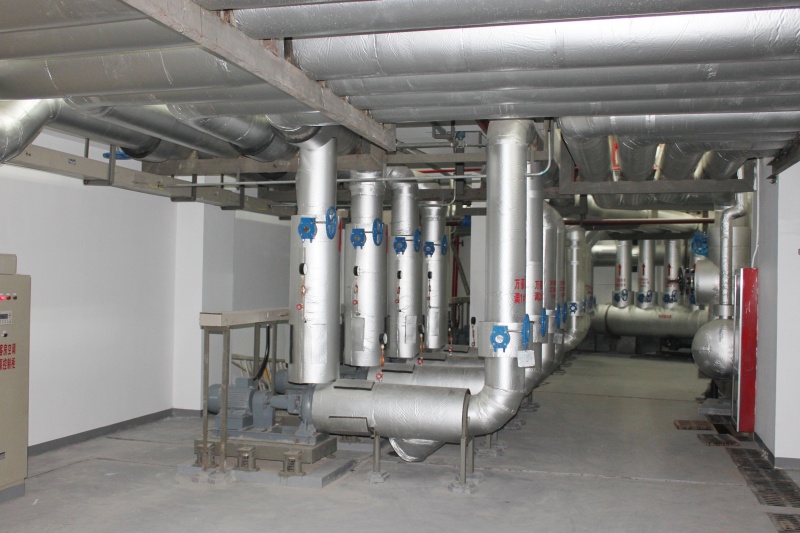
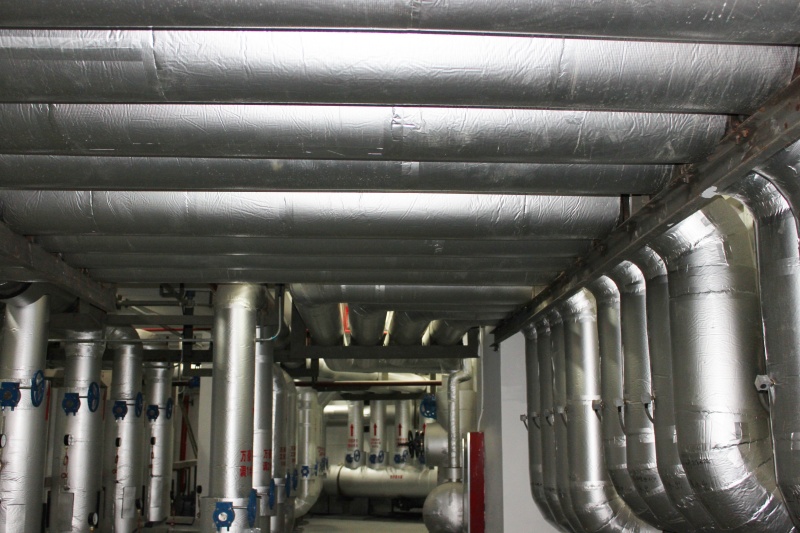
Central air conditioning air ducts, large industrial process lines, rooftop HVAC pipelines, vessel structures, acoustic engine enclosures, and mechanical room noise dampening.
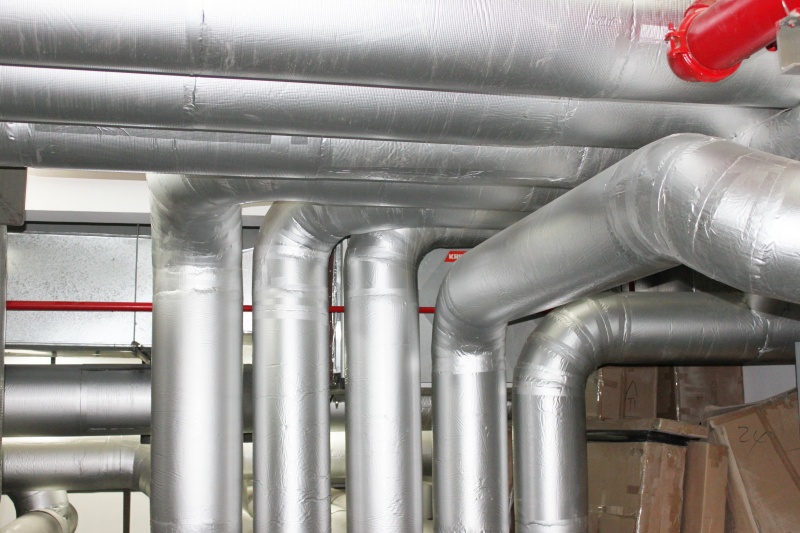
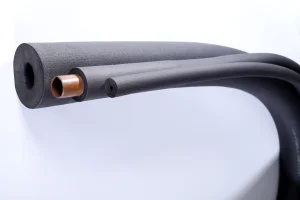
Copper refrigerant lines, VRF/VRV central AC systems, hot and cold domestic water service lines, chilled water loops, industrial chemical steam tubes, and solar geothermal connections.
Verified projects and shipping operations demonstrating our capacity to support international builders.
Technical answers to key questions about physical properties, code compliance, and application guidelines.
A1: It is primarily used for commercial HVAC ductwork, copper refrigerant lines, chilled water piping, domestic hot/cold water distribution, cryogenic industrial pipe networks, and building noise reduction panels.
A2: Yes. Our rubber foam materials contain fire-retardant additives that comply with BS 476 (Part 7 Class 1/Class 0), UL 94 V-0, and ASTM E84. They are self-extinguishing and exhibit low smoke toxicity.
A3: Rubber foam features a flexible, closed-cell polymer structure with a high built-in moisture resistance factor ($\mu \ge 10,000$), making it ideal for refrigeration and HVAC pipes where condensation is a concern. Rock wool is a high-temperature fibrous material suitable for heavy industrial steam pipes and high-temperature fire rated cavities.
A4: Yes. We offer comprehensive OEM/ODM services, allowing customization of sheet roll widths, tube wall thicknesses, custom inner diameters, colors, and adhesive-backing backings.
A5: Our products are certified under BS 476, CE, REACH, RoHS, UL 94, and ASTM. This guarantees compliance with quality and environmental safety regulations globally.
A6: Yes. Every production batch undergoes quality control testing, and batch codes are tracked from initial compound mixing through packaging to assure traceabilty.
A7: We can produce thicknesses ranging from 6mm to 50mm, accommodating diverse building, marine, and industrial insulation specifications.
A8: In standard indoor HVAC environments, the material has a service life of 10 to 15 years, provided it is installed in accordance with our system instructions.
Select from our certified range of flexible tubing, heavy-duty sheets, and acoustic damping materials.