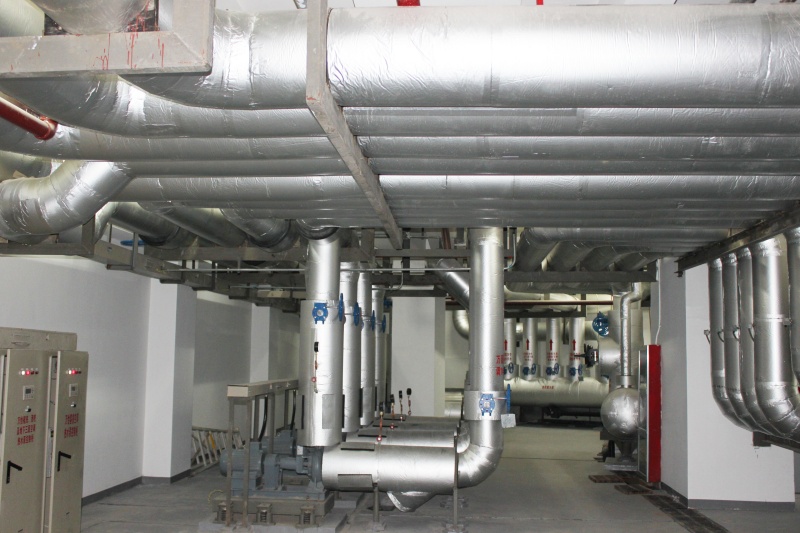
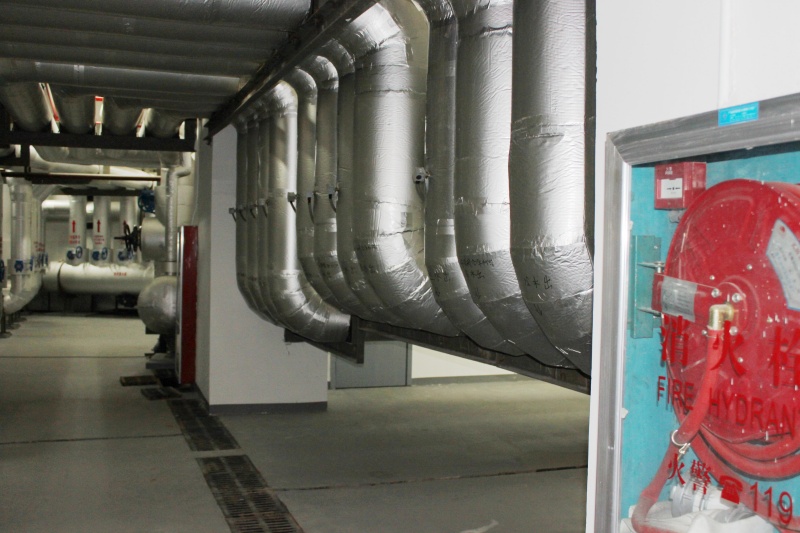
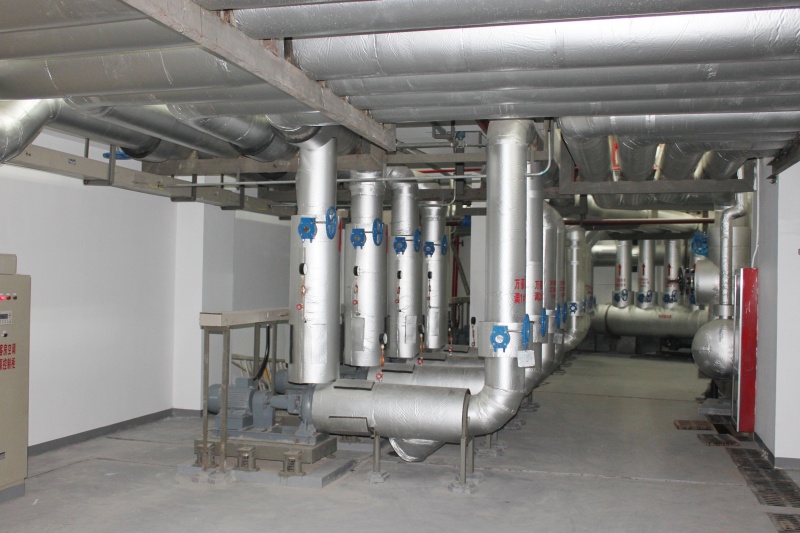
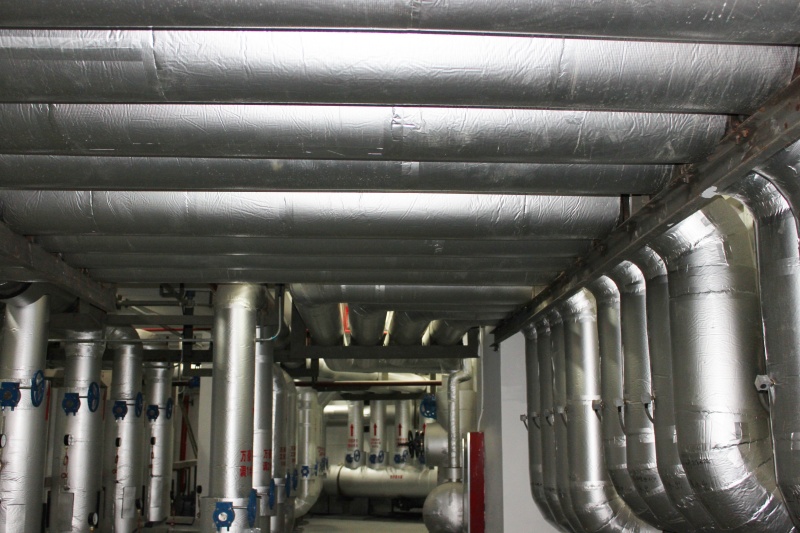
Wholesale LNG Pipe Insulation Supplier & Pricelist

Premium Closed-Cell Elastomeric and Cryogenic Thermal Insulation Systems for Global Energy, Infrastructure, and Industrial Piping Networks.

Executive Whitepaper: Optimizing LNG Pipeline Thermal Integrity with Closed-Cell Elastomeric Systems

In the global energy transition landscape, Liquefied Natural Gas (LNG) has emerged as a cornerstone fuel. However, transporting natural gas in its liquid state requires maintaining an ultra-low cryogenic temperature of -162°C (-260°F) under various environmental conditions. Achieving operational efficiency and safety in these infrastructures depends heavily on the thermal integrity of cryogenic pipeline systems. Minimizing Boil-Off Gas (BOG) and preventing moisture ingress require advanced engineering solutions.

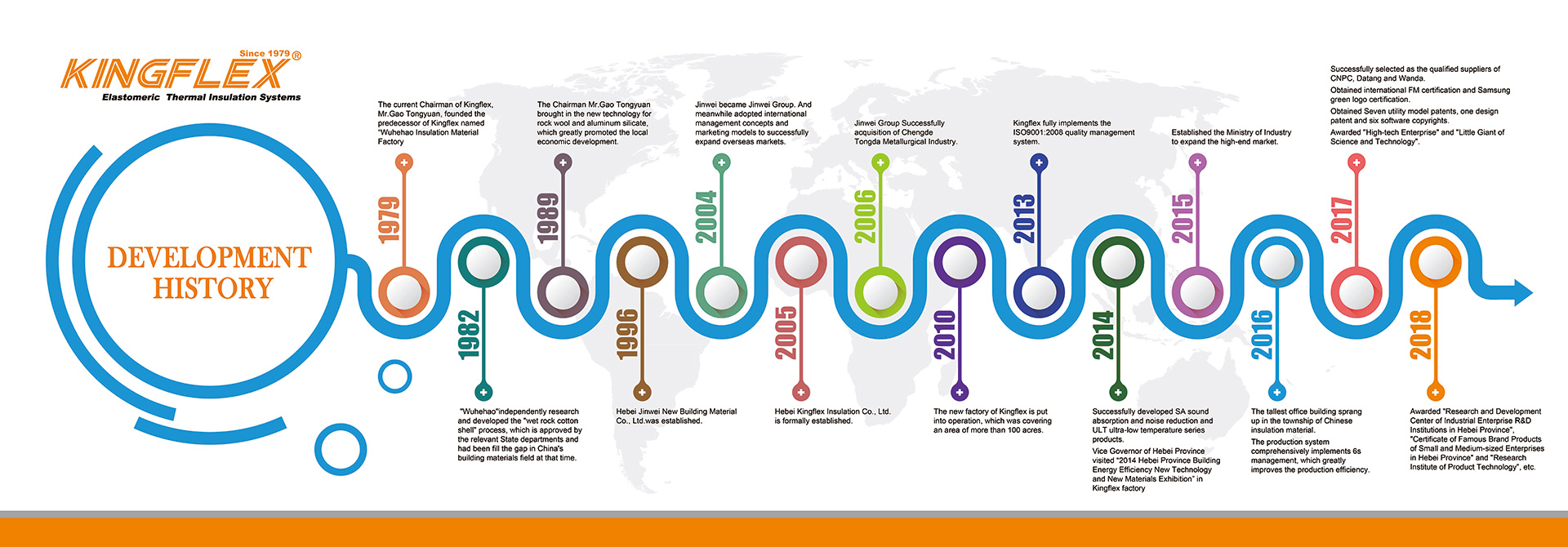
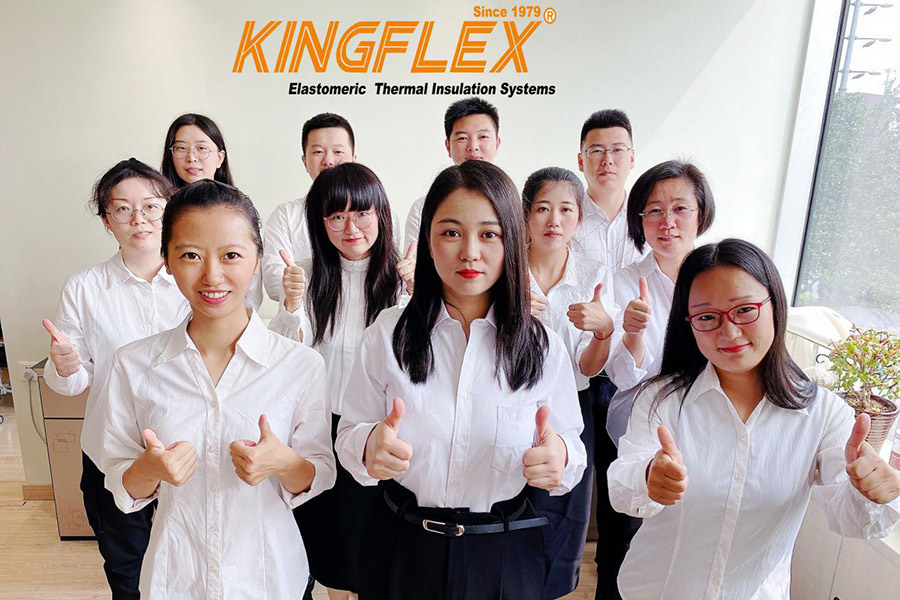
Kingflex Insulation Co., Ltd. is a leading global manufacturing and trading integration specialist, providing industrial thermal and cryogenic insulation solutions. Backed by Jinwei Group’s 40-year history since its founding in 1979, Kingflex continues to pioneer flexible elastomeric closed-cell foam technology designed to meet the rigorous thermal demands of modern heavy industries.

“Thermal insulation in LNG applications is not merely about temperature preservation—it is a critical mechanical shield against boil-off losses, structural condensation failures, and severe galvanic corrosion under insulation (CUI).”

Global Procurement Drivers & Industry Standards

Worldwide procurement offices face complex logistical, regulatory, and technical requirements when sourcing LNG pipe insulation. System designers must ensure that the selected materials comply with strict international standards, including BS 476, ASTM, CE, REACH, RoHS, and UL94. With modern supply chains spanning across multiple continents, developers need high-volume manufacturing partners that can guarantee continuous raw material traceability and batch-to-batch consistency.

Sourcing pipeline insulation is shifting toward integrated solutions. Key evaluation criteria include the water vapor diffusion resistance factor (μ value), fire safety compliance, and long-term mechanical resilience under extreme thermal cycles (ranging from -200°C up to +105°C). Selecting materials with poor resistance can lead to moisture ingress, ice formation within the cells, thermal bridging, and eventually system failure.
Thermal Efficiency

Closed-cell foam structures limit convection, keeping thermal conductivity low even when exposed to severe ambient moisture.

Cryogenic Reliability

Maintains structural flexibility at temperatures down to -200°C, absorbing thermal expansion and mechanical vibration.

System Longevity

Resists degradation, aging, and chemical exposure, ensuring a typical service life of 10 to 15 years.

600k+

Annual Capacity (m³)

98%+

Closed-Cell Rate

66+

Exporting Countries

40+

Years Group History

Technical Specification & Comparison Analysis

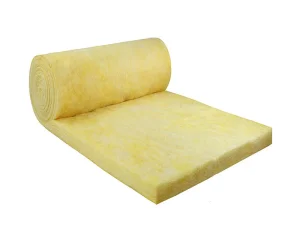
Choosing the right material for cryogenic applications requires comparing the properties of elastomeric foam, rock wool, and fiberglass. While rock wool performs well in high-temperature systems, and fiberglass is suitable for standard building envelopes, closed-cell elastomeric rubber foam remains the industry standard for cold and cryogenic applications.

Physical Property Kingflex Elastomeric NBR/PVC Foam Traditional Rock Wool Glass Fiber Wool
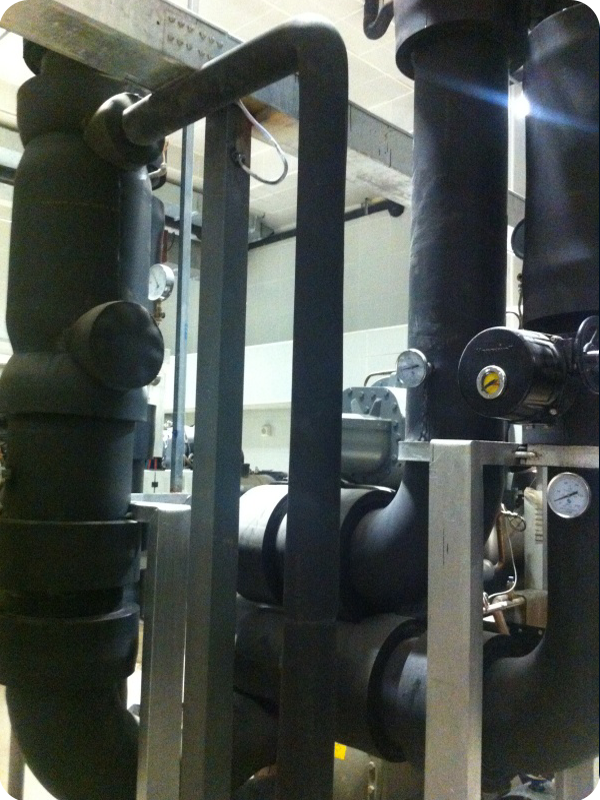
Working Temp. Range -200°C to +105°C (-40℃ to 105℃ Standard) Up to +650°C (High Heat) Up to +400°C
Closed-Cell Content > 98% (Highly impervious to vapor) Open Fibrous (High permeability) Open Fibrous (High permeability)
Thermal Conductivity (0°C) ≤ 0.035 W/(m·K) (Ultra-low/Stable) ≤ 0.044 W/(m·K) (Varies with moisture) ≤ 0.040 W/(m·K)
Moisture Absorption Extremely Low (Water Vapor Barrier Built-in) High (Requires heavy external vapor barriers) High (Requires physical cladding)
Vibration Dampening Excellent (Flexible rubber matrix) Poor (Brittle fibrous layout) Moderate (Subject to settling)
Corrosion Resistance (CUI) Inhibits water ingress directly Can trap water against pipe surfaces Can absorb water and cause pitting
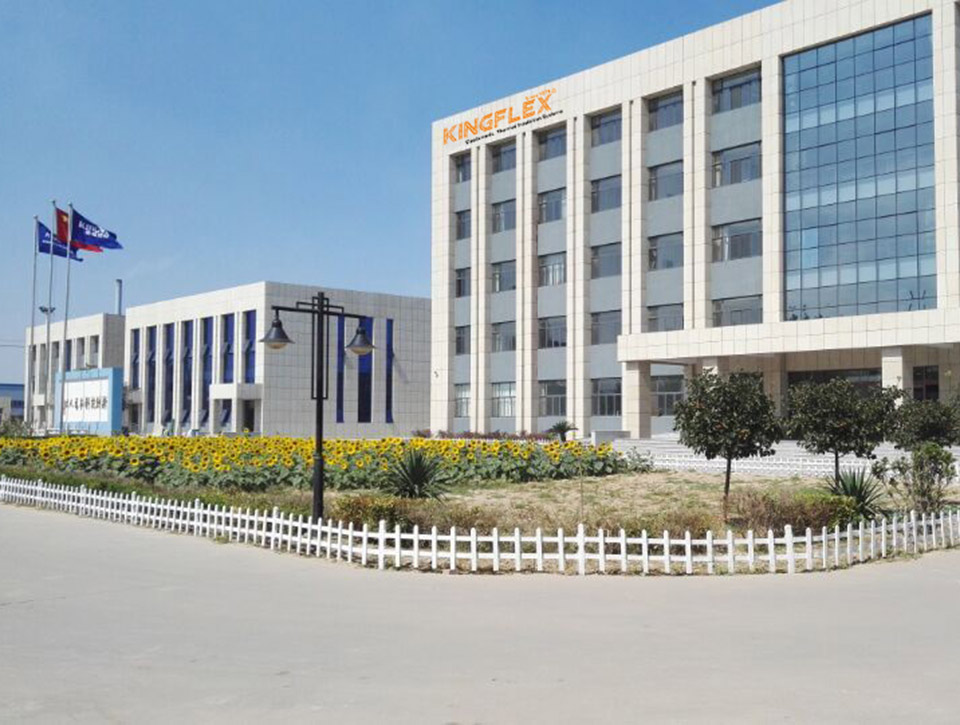
Kingflex Plant Manufacturing & R&D Center
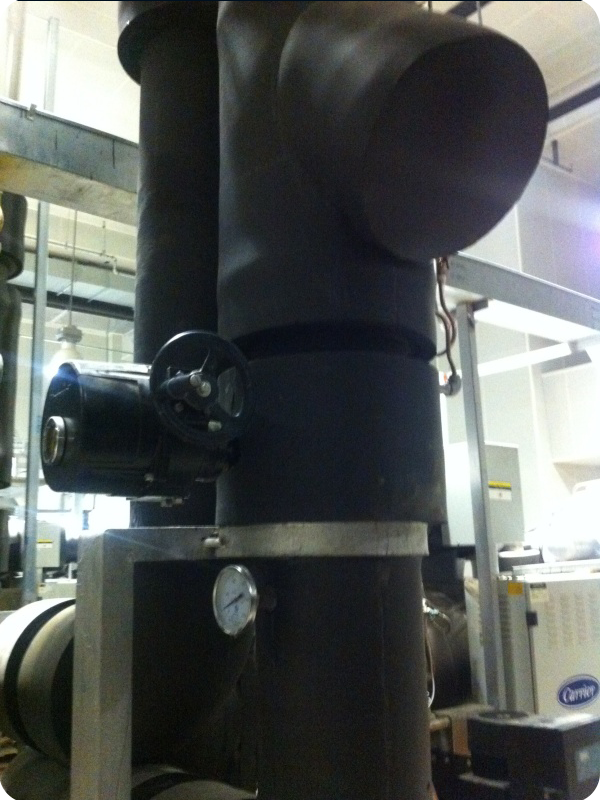
Enterprise Manufacturing Capacity & R&D Focus

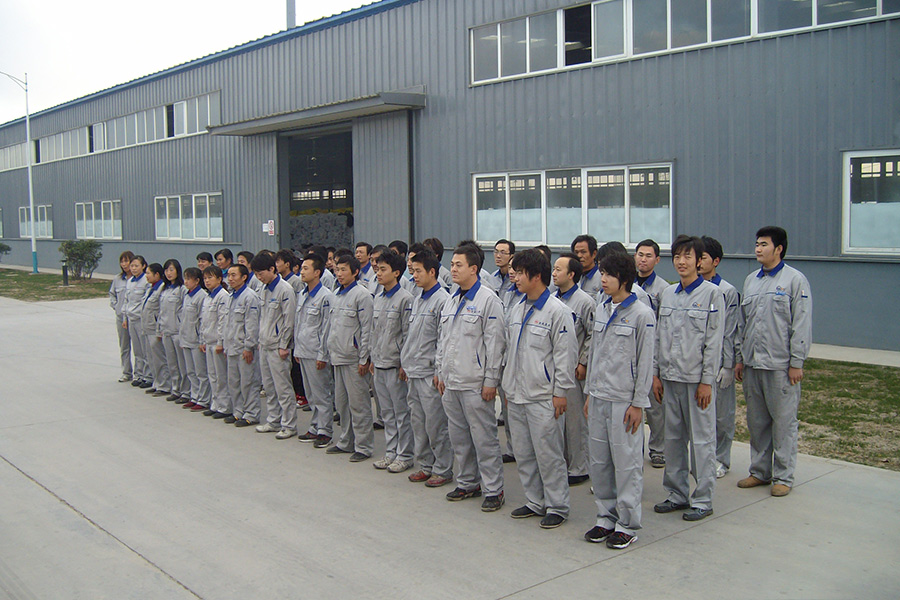
Our research and development facilities are based in Dacheng, China, a key center for eco-friendly building materials. By operating five high-volume automatic assembly lines, Kingflex maintains the production capacity required for large-scale energy developments and infrastructure projects. We provide thermal insulation, cold preservation, and acoustic dampening solutions for building envelopes and process industries.
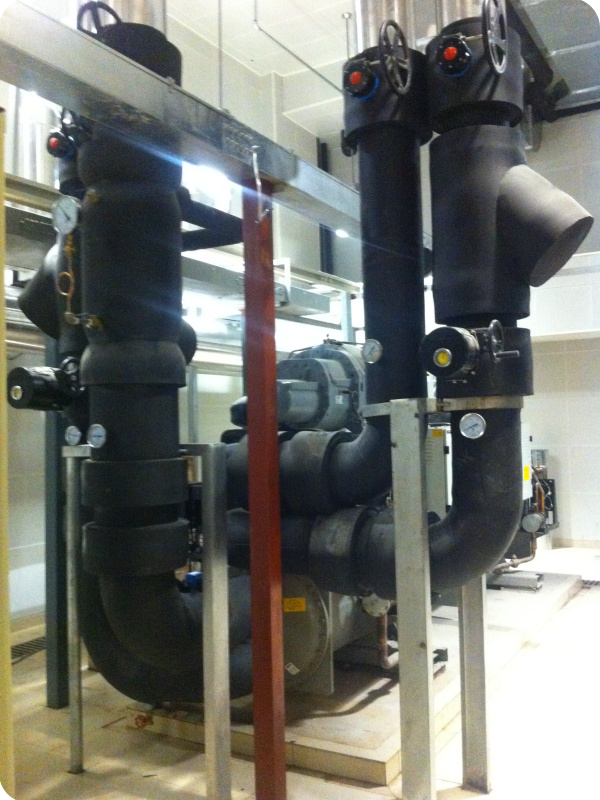
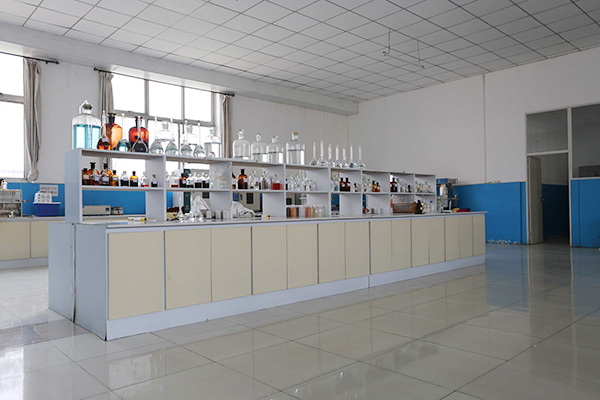
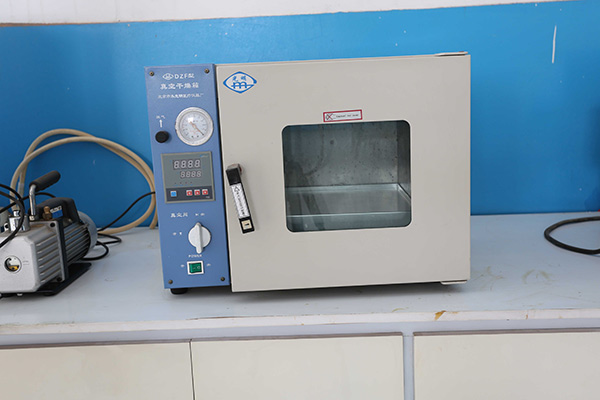
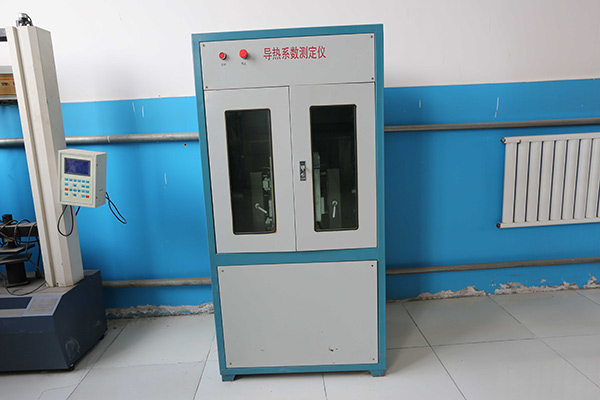
Our testing facilities verify thermal conductivity, mechanical resilience, and fire retardancy across production runs, providing compliance data to engineers and EPC contractors.

Technical Roadmap: Next-Generation Cryogenic Elastomeric Formulations

Traditional elastomeric rubber foams often experience thermal shock and embrittlement when exposed to cryogenic temperatures. At extremely low temperatures, polymers reach their glass transition phase ($T_g$), where they lose flexibility and can crack under mechanical strain. To address this, Kingflex R&D has developed specialized elastomeric matrices using targeted NBR/PVC blends modified with low-temperature plasticizers. This formulation maintains flexibility even under severe thermal stress, absorbing joint contraction and expansion without cracking.
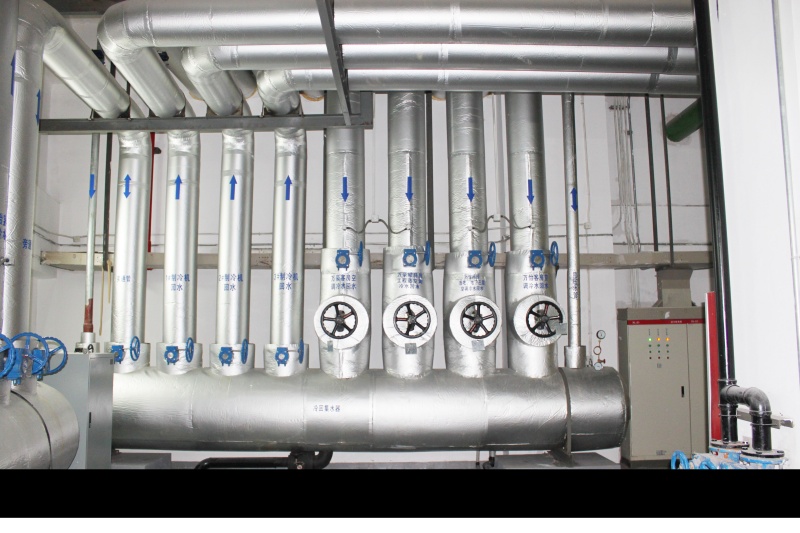
Our manufacturing process employs clean foaming techniques that control cell size distribution, resulting in a closed-cell rate of over 98%. This micro-cell structure limits vapor transmission and convective heat transfer. Standard density ranges from 40 to 55 kg/m³, balancing structural durability with thermal resistance.

Macro Industry Solutions: Integrated System Performance

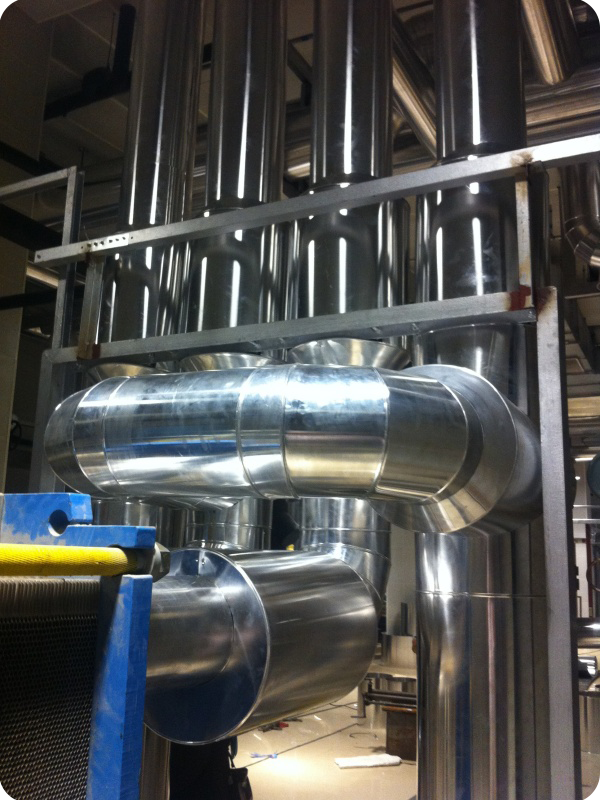
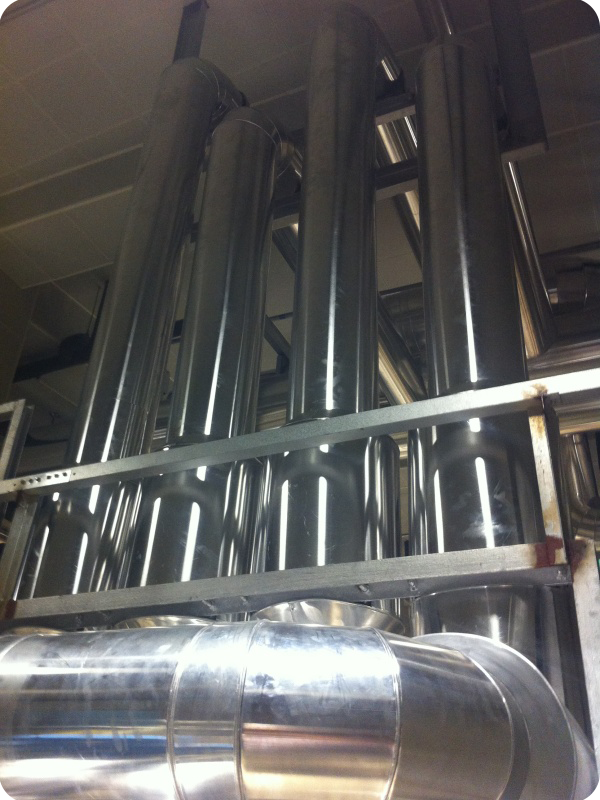
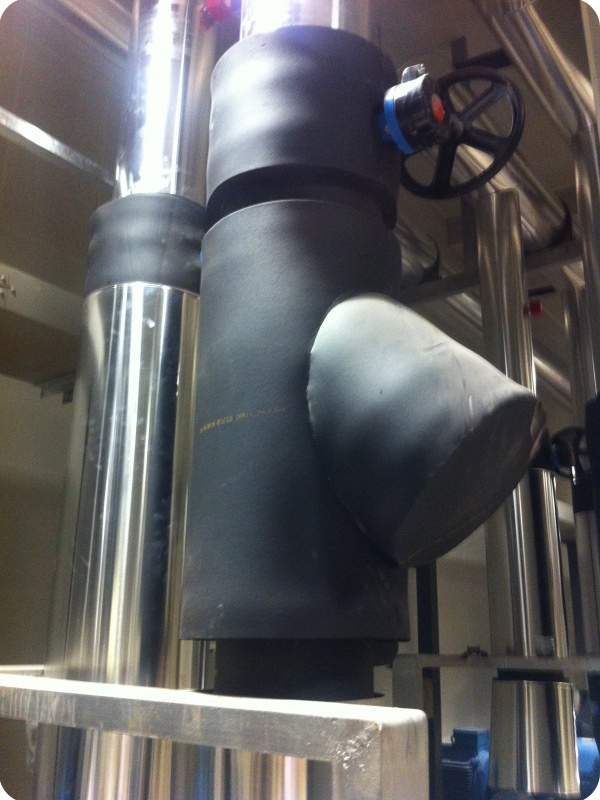
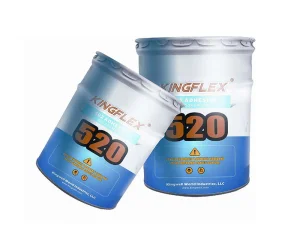
Our piping systems are designed to provide complete protection. For industrial plants and LNG storage systems, insulation must function as an integrated assembly rather than standalone components. This system includes the base insulation layer, moisture vapor barriers, mechanical protection jackets, and cryogenic-grade adhesives (such as Kingflex Thermal Insulation Glue 520). A failure in any of these components can compromise the entire insulation system.
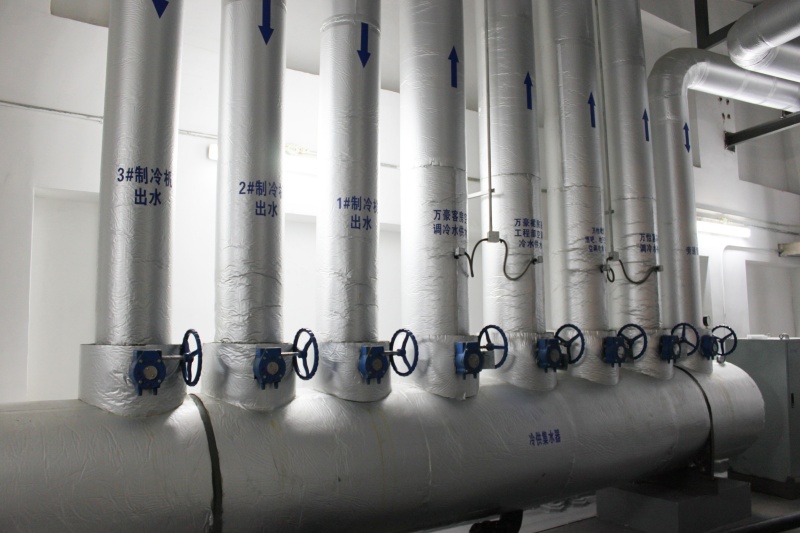
Our solutions target these key applications:

  • HVAC & Chilled Water Pipelines: Prevents surface condensation in humid areas.
  • Industrial Cryogenic Processing: Reduces boil-off gas in gasification and liquefaction pipelines.
  • Acoustic Isolation: Dampens fluid flow noise in high-velocity piping networks.
  • Solar & Hot Water Lines: Minimizes heat loss in high-temperature cycles (up to +105°C).

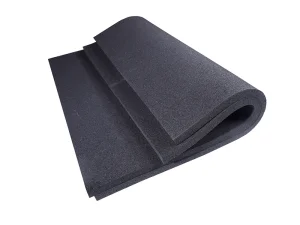
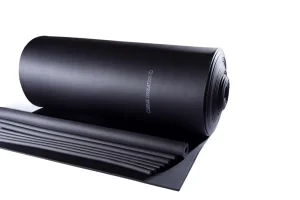
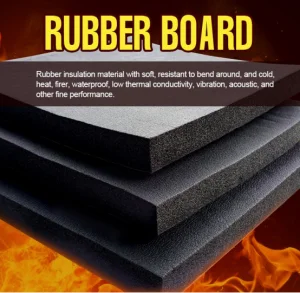
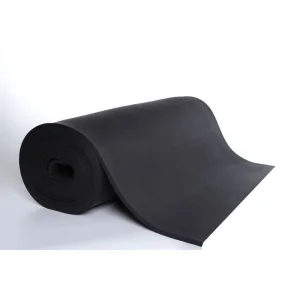
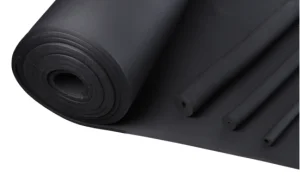
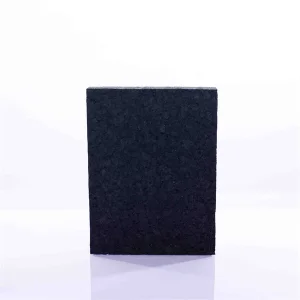
Technical Dimensions: Black Rubber Foam Insulation Sheet Roll

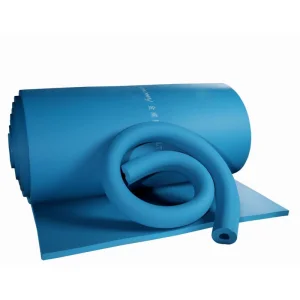
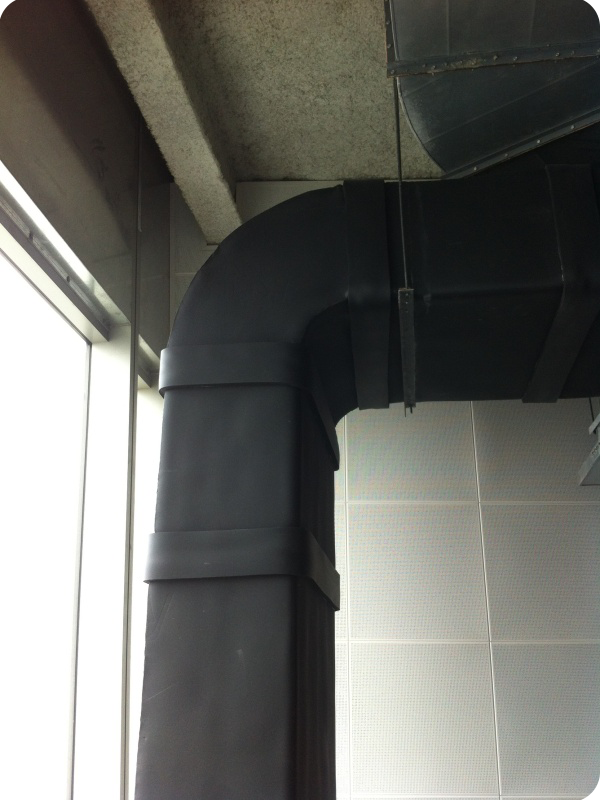
Engineered for large-diameter pipelines, ventilation ducts, and storage vessels, our sheet insulation provides flexible coverage and easy installation.

Parameters Standard Configuration Values Engineering Significance
Material Matrix Premium Acrylonitrile Butadiene Rubber (NBR) / Polyvinyl Chloride (PVC) Balances elasticity, chemical resistance, and fire behavior.
Thickness Offerings 6mm to 50mm (Customizable on request) Allows single or multi-layer installation to meet target heat flow profiles.
Material Density 40 - 55 kg/m³ Optimal weight-to-performance ratio for mechanical systems.
Service Temperature -40℃ to +105℃ (Standard Grade) / -200℃ to +105℃ (Cryogenic Grade) Maintains structural stability and flexibility across thermal extremes.
Key Advantage 1 Even and consistent foaming, closed-cell rate > 98% Prevents moisture transmission and reduces heat gain.
Key Advantage 2 Low thermal conductivity & high moisture resistance factor Provides stable thermal performance over the lifespan of the system.
Key Advantage 3 Flame retardant and self-extinguishing chemistry Improves building safety and complies with local fire regulations.

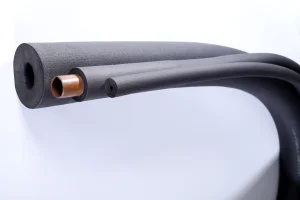
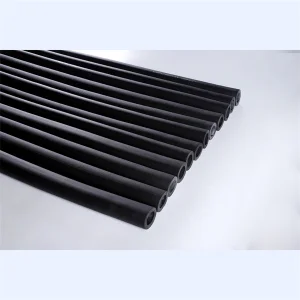
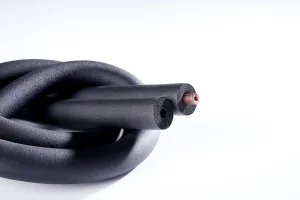
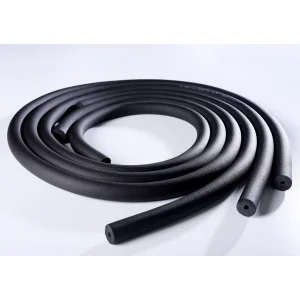
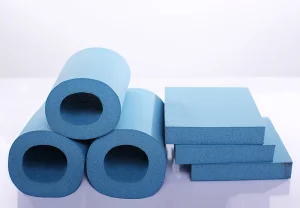
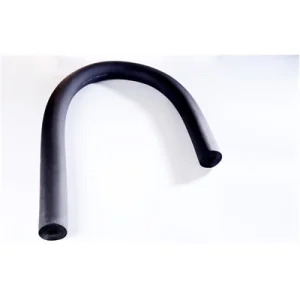
Technical Dimensions: Black Rubber Foam Insulation Pipe Sleeves

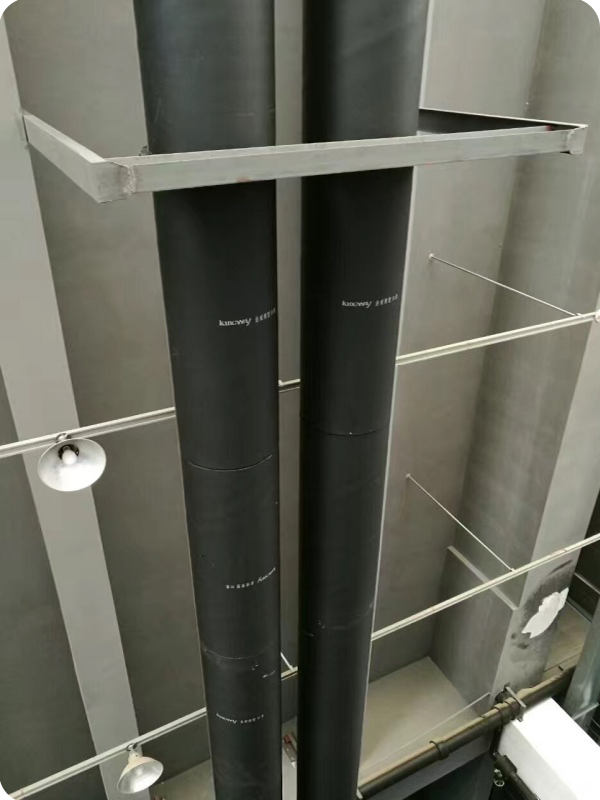
Pre-formed pipe sleeves help reduce installation time on straight runs and standard elbows in mechanical piping systems.

Parameters Standard Configuration Values Engineering Significance
Material Composition Flexible NBR/PVC elastomer base Offers high tear resistance and flexibility during installation.
Thickness Parameters 9mm to 40mm Prevents outer surface condensation in chilled water systems.
Inner Diameter (ID) Range 6mm to 114mm Matches standard copper and steel pipe sizes.
Production Quality Coextruded structures with precise inner wall profiling Ensures a snug fit on metal pipelines to eliminate air gaps.
Key Advantage 1 Closed-cell structure prevents moisture ingress Maintains thermal performance in high-humidity applications.
Key Advantage 2 Flexible elastomer absorbs mechanical vibrations Protects joint connections and reduces acoustic noise.
Key Advantage 3 Lowers the risk of pipe freezing in external systems Protects utility pipelines from cold weather damage.

Global Standards, Certifications & Traceability

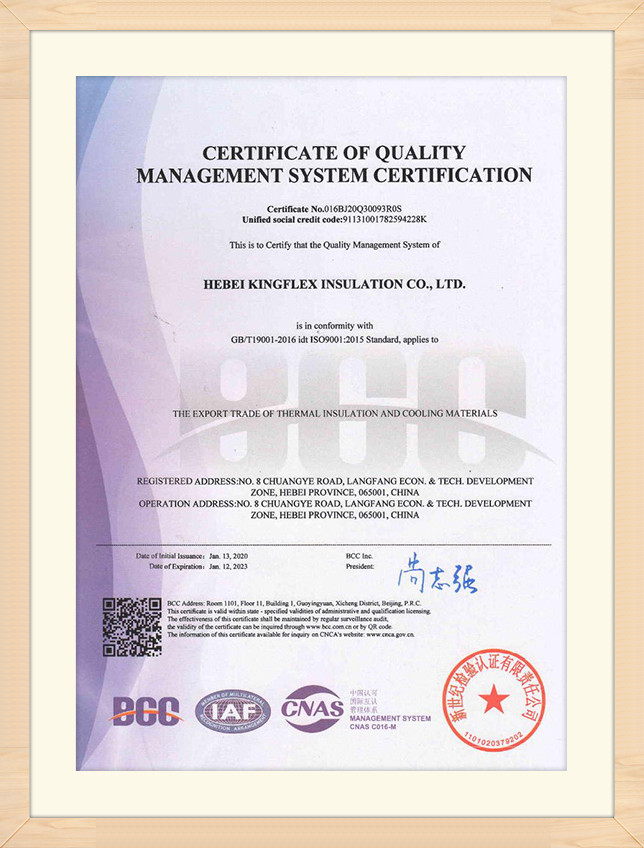
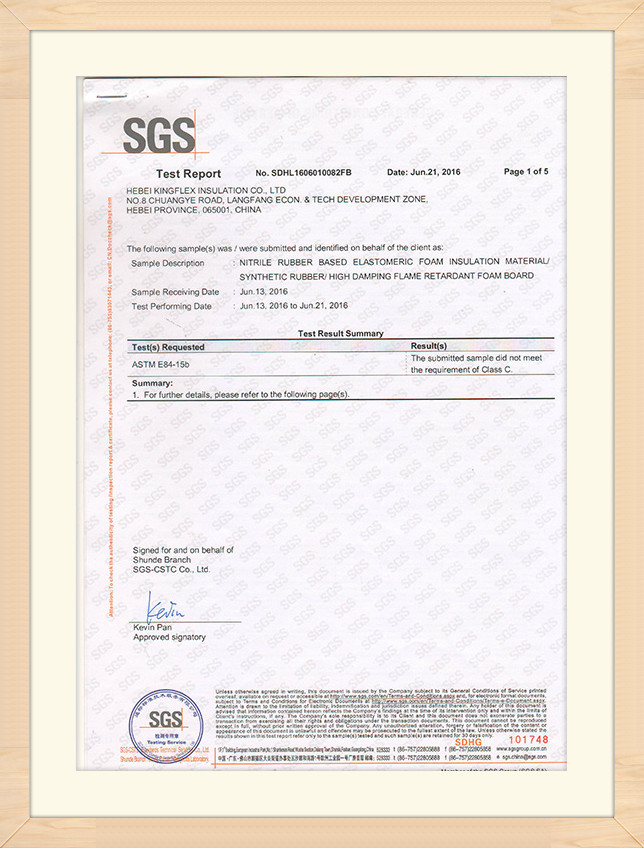
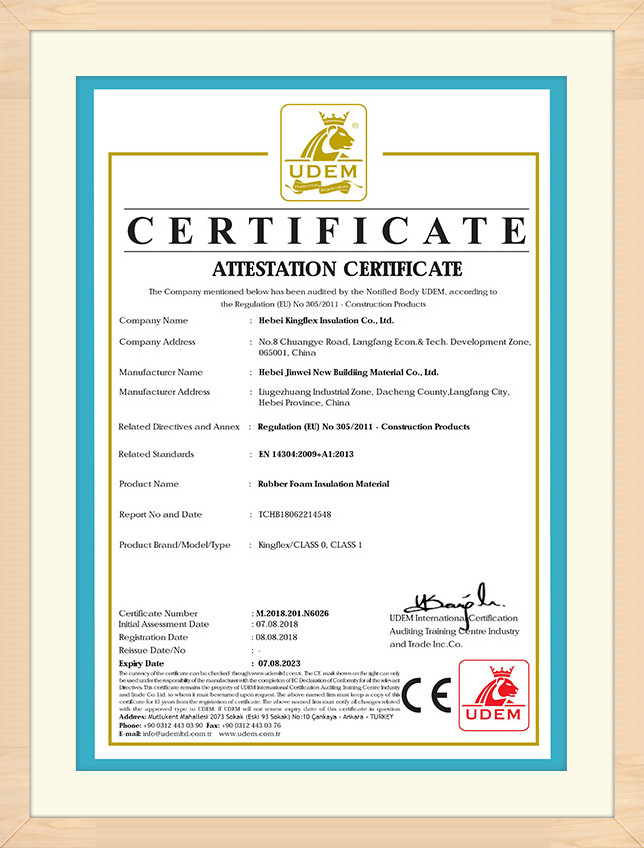
To qualify for heavy industrial projects, mechanical products must meet strict testing guidelines. Kingflex insulation products carry recognized international approvals, verifying their safety and physical performance profiles.
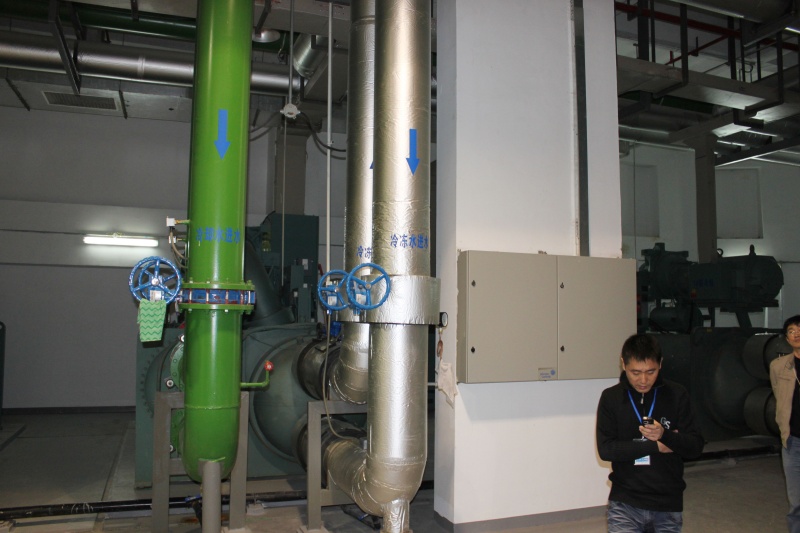
Our core compliance certifications include:

  • BS 476 (Parts 6 & 7): Class 0 and Class 1 fire ratings for flame spread and heat release limits.
  • CE Mark: Complies with European health, safety, and environmental protection standards.
  • REACH & RoHS: Formulated without halogenated fire retardants or heavy metals.
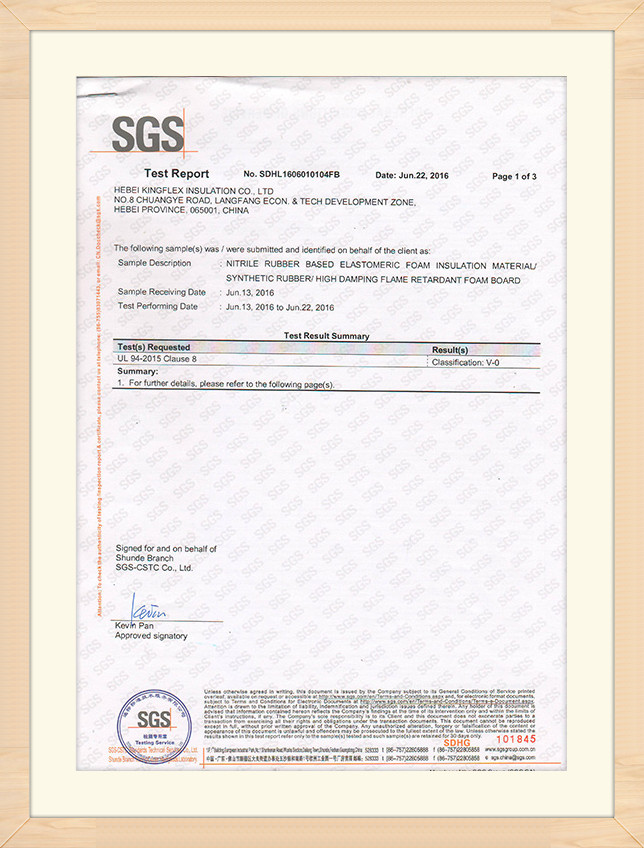
  • UL 94: Verified V-0 flammability classification for polymer components.
  • ASTM C534: Standard specification for preformed flexible elastomeric cellular thermal insulation.

Industrial FAQ & Technical Support Guidelines

Find clear answers to standard questions about elastomeric foam specification, fire ratings, chemical resistance, and logistics.

Q1: What is elastomeric rubber foam insulation used for?

It is mainly used for HVAC ducts, air conditioning pipes, building thermal insulation, industrial pipeline cold insulation, and sound insulation. Its closed-cell structure makes it highly effective at preventing condensation in cold water and mechanical cooling systems.

Q2: Is Kingflex rubber foam insulation fire resistant?
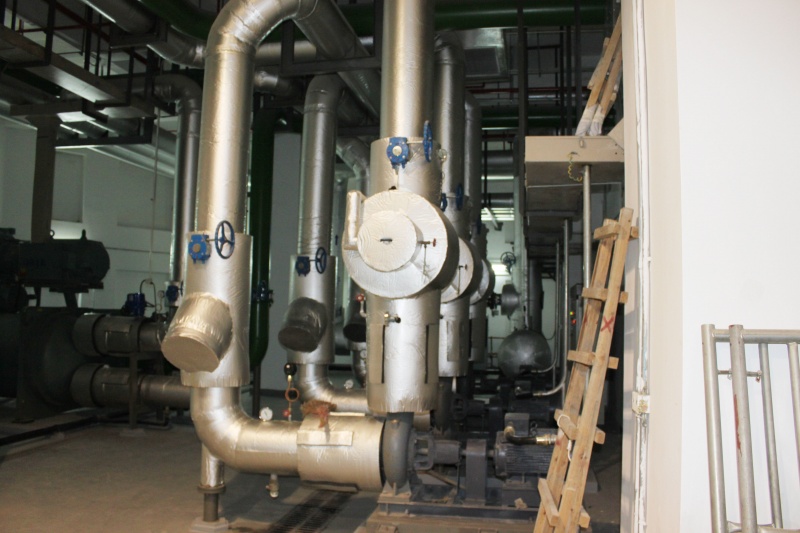
Yes, our rubber foam insulation products contain flame-retardant additives. They are self-extinguishing and meet fire safety standards, including BS 476 (Class 0/1) and UL94 (V-0), making them suitable for commercial and industrial facilities.

Q3: What is the difference between rubber foam and rock wool insulation?

Rubber foam is a flexible, closed-cell material with high moisture resistance, making it suitable for HVAC, cold water, and cryogenic systems. Rock wool has an open, fibrous structure with high temperature resistance, making it suitable for high-heat industrial pipes and fire containment systems.

Q4: Do you provide customized insulation products?

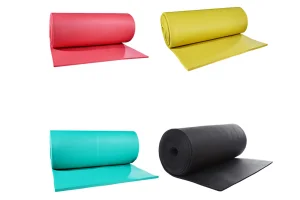
Yes, we offer OEM and ODM services. We can customize density, wall thickness, inner diameter, color, and adhesive backing to meet specific project guidelines.

Q5: What certifications do your products have?

Our products have passed BS 476, CE, REACH, RoHS, UL94, and ASTM testing. These certifications verify product performance, fire safety, and environmental compliance for global markets.

Q6: Does Kingflex products have traceability?
Yes. Every production run is documented with a batch tracking number. This allows us to trace raw materials and manufacturing history to ensure quality control.

Q7: What thickness of Rubber foam insulation sheet roll can you produce?

We produce sheet rolls in thicknesses ranging from 6mm to 50mm, allowing for single or multi-layer configurations depending on the thermal requirements of the system.

Q8: What is the service life of rubber plastic pipe and board?

When installed correctly and operated within the rated temperature limits (-40°C to +105°C for standard grades), our insulation systems have a typical service life of 10 to 15 years.

Strategic Logistics & Manufacturing Legacy

Our infrastructure supports global supply lines, providing reliable production capacity and container shipping for major industrial developments.