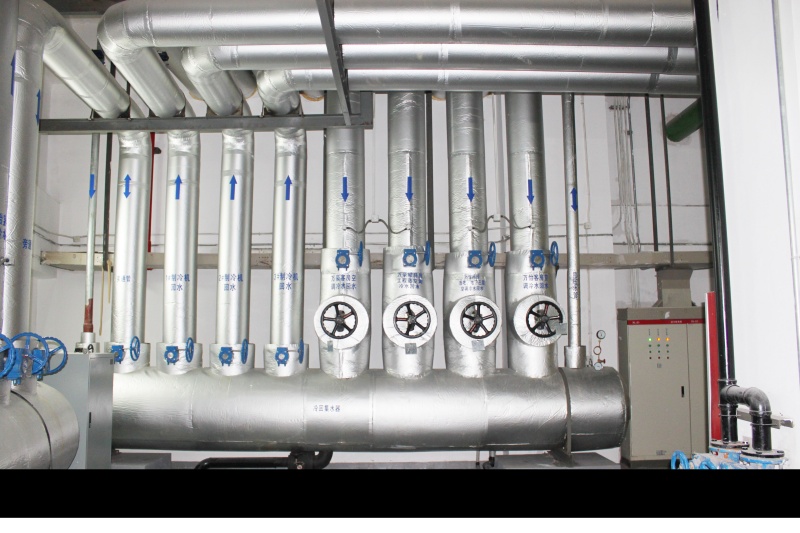
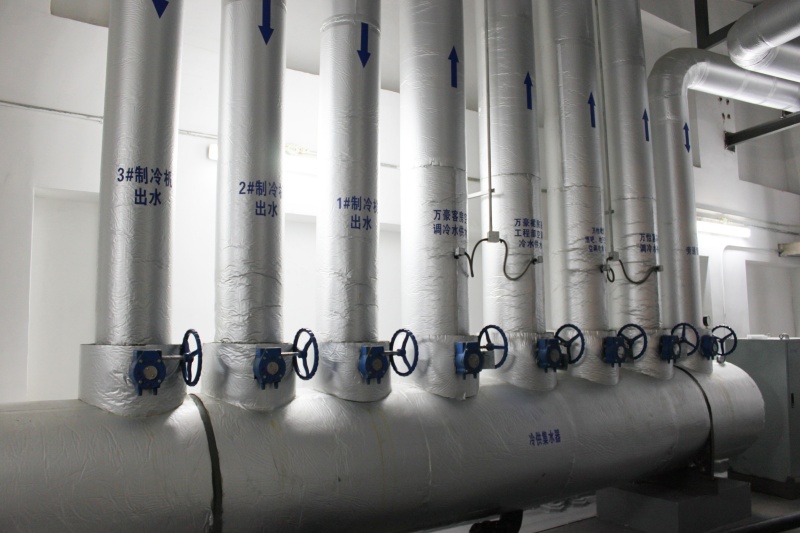
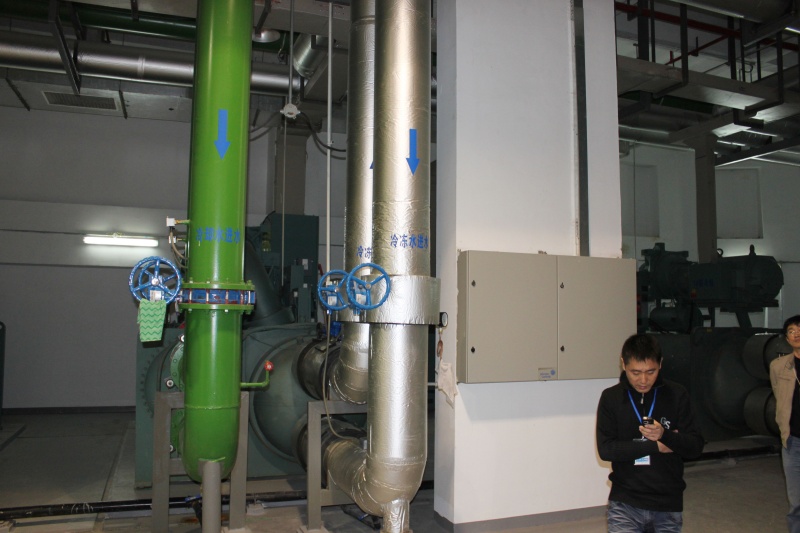
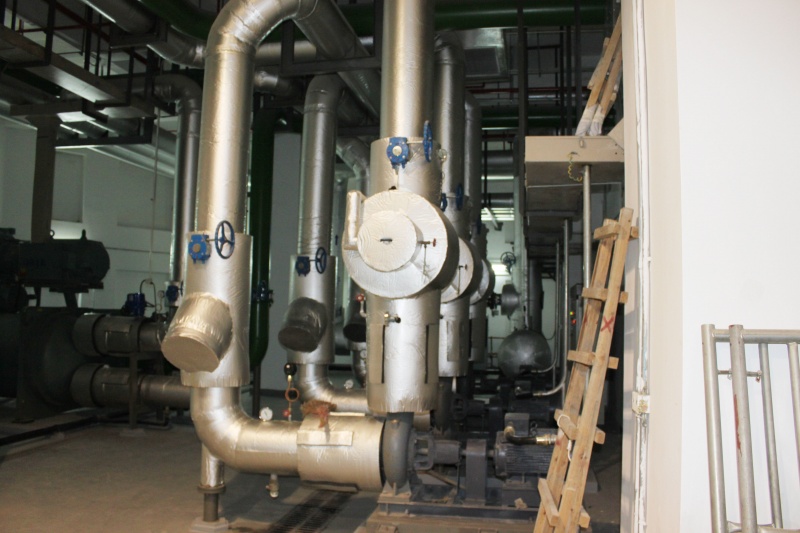
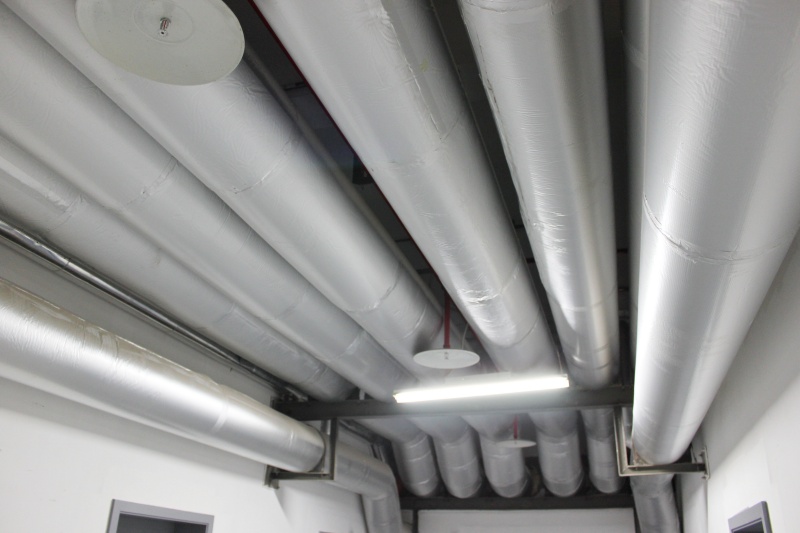
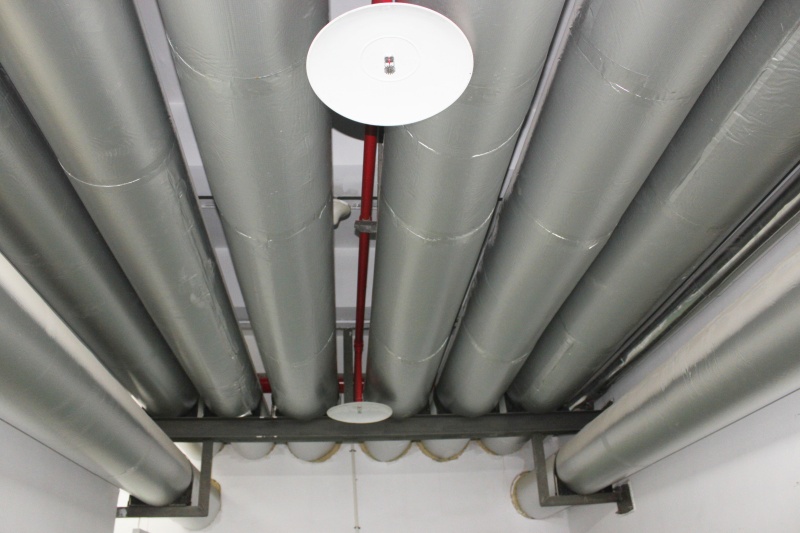
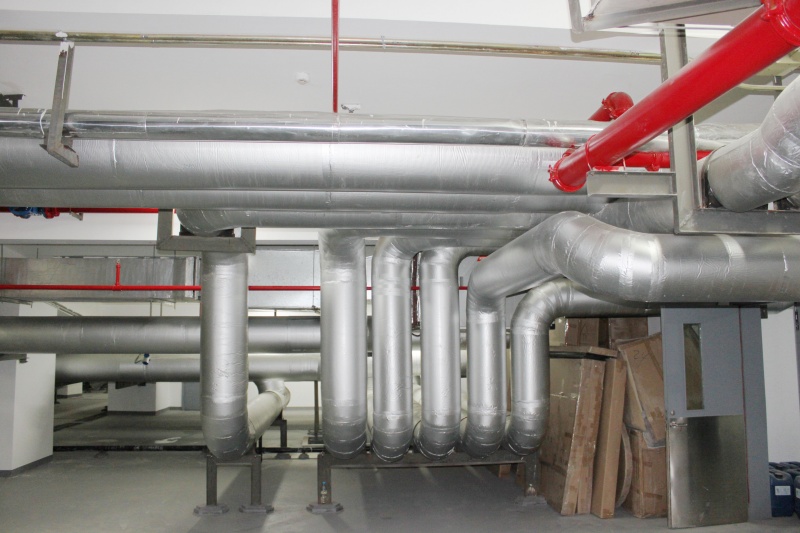
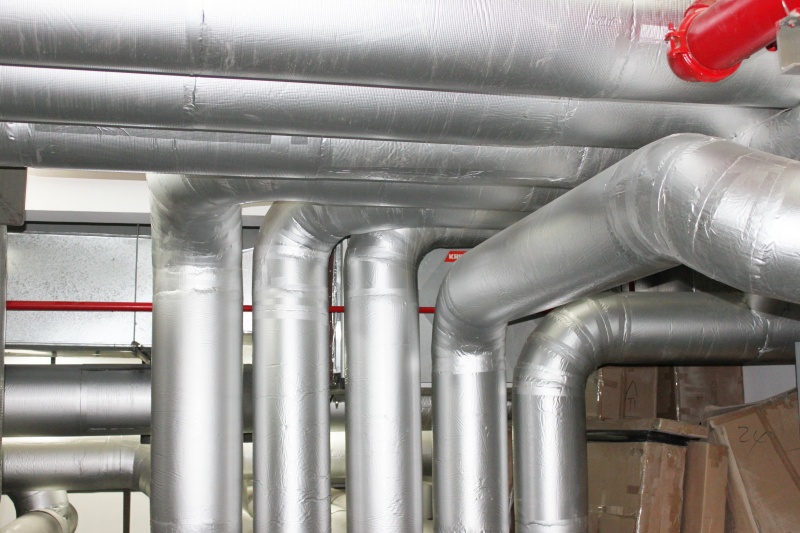
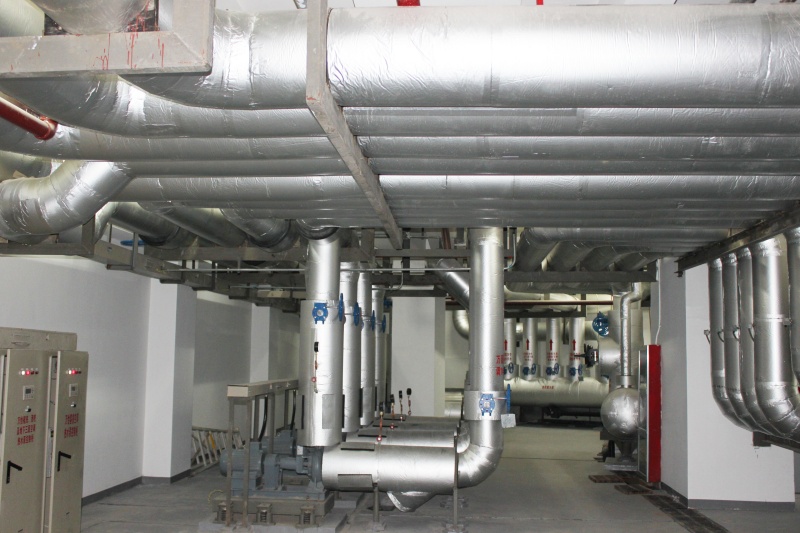
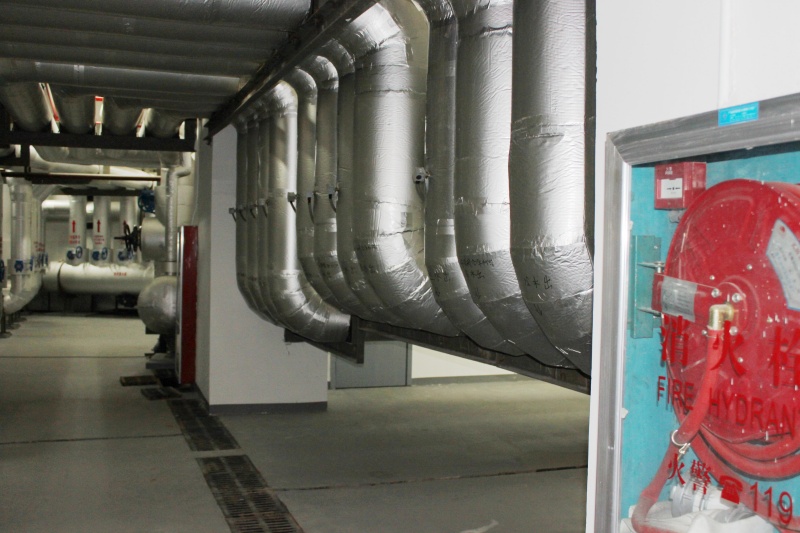
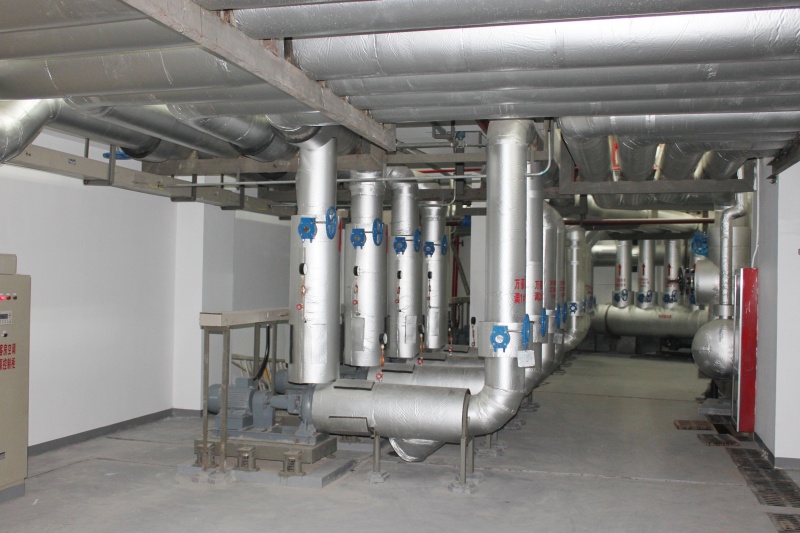
In today’s heavy industrial, marine, and construction sectors, mitigating thermal loss while controlling unwanted structure-borne and airborne acoustics is critical. Global procurement officers face stringent regulatory codes regarding sound transmission class (STC), vibration damping, and strict flame spread standards. From HVAC ductwork in hyper-scale data centers to piping systems in chemical processing plants, specialized rubber insulation is critical.
As a leading supplier, Kingflex Insulation Co., Ltd. offers customized acoustic solutions that combine chemical-resistant synthetic polymers with high-density physical dampening properties. By utilizing both NBR/PVC open-cell formulations for sound absorption and closed-cell systems for thermal barrier integration, we provide contractors with single-source efficiency that reduces logistics costs and simplifies installation.
"High-density elastomeric materials function as a sound transmission barrier by converting acoustic pressure waves into mechanical heat energy within their cellular matrix."
Industrial Production Capacity & Global Footprint
Our heavy manufacturing infrastructure is designed to fulfill large-scale commercial and national infrastructure projects with reliable quality control and on-time international delivery.
600K+
Annual Capacity (m³)
40+
Years Industry Experience
5
Auto Assembly Lines
66+
Exporting Countries
Precision Manufacturing & R&D Authority
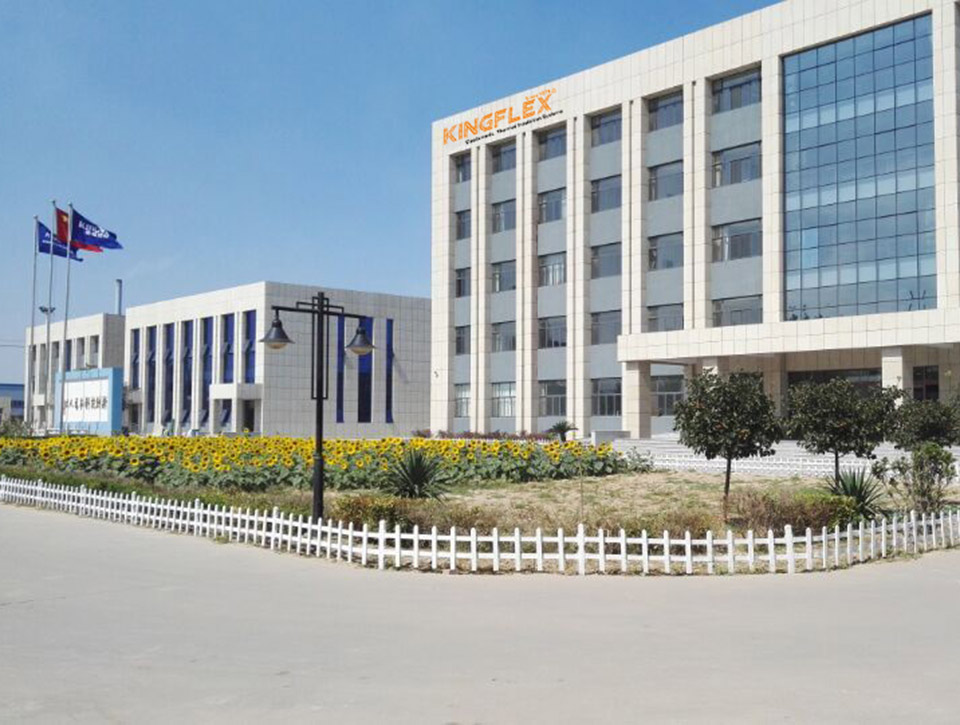
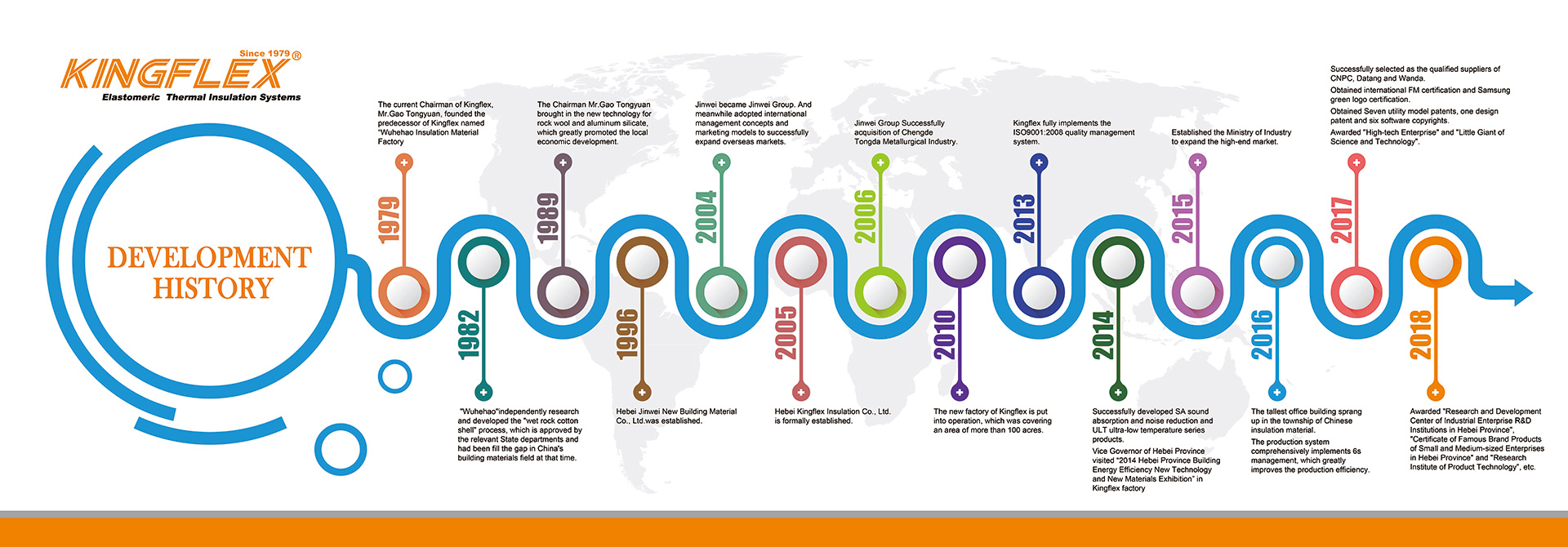
Established under the Jinwei Group (which pioneered thermal insulation systems since 1979 as the first major insulation manufacturer north of the Yangtze River), Kingflex has grown into a leading developer of advanced acoustic elastomer products.
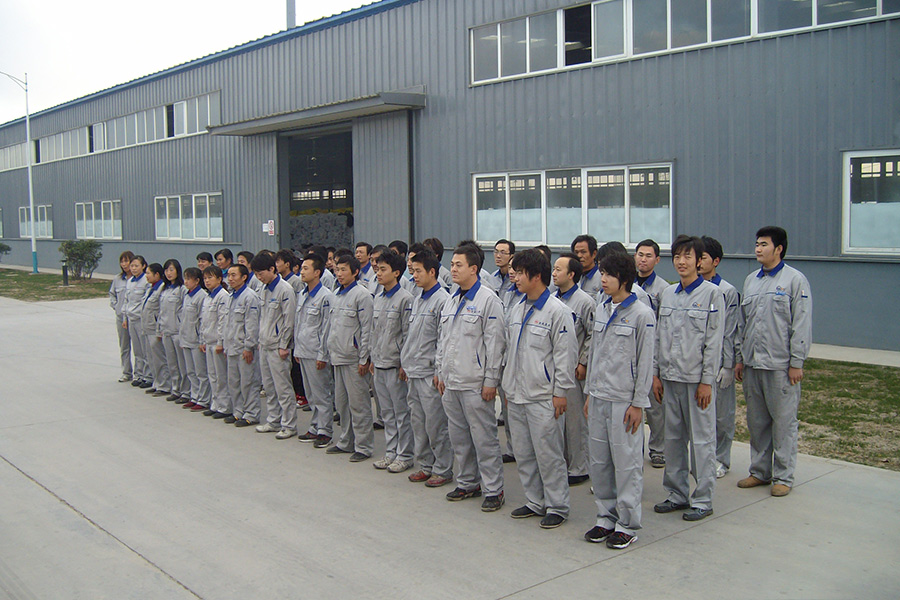
Operating five large-scale automated assembly lines in Dacheng, China—known globally as a hub for green building materials—our production processes focus on reducing energy consumption and carbon emissions. We support our manufacturing processes with a dedicated R&D facility staffed by eight specialized engineers, ensuring our products comply with complex building regulations around the world.
Cross-Sector Industrial & Building Solutions
Providing specialized materials designed to meet the strict thermal, fire-safety, and acoustic requirements of modern commercial infrastructure.
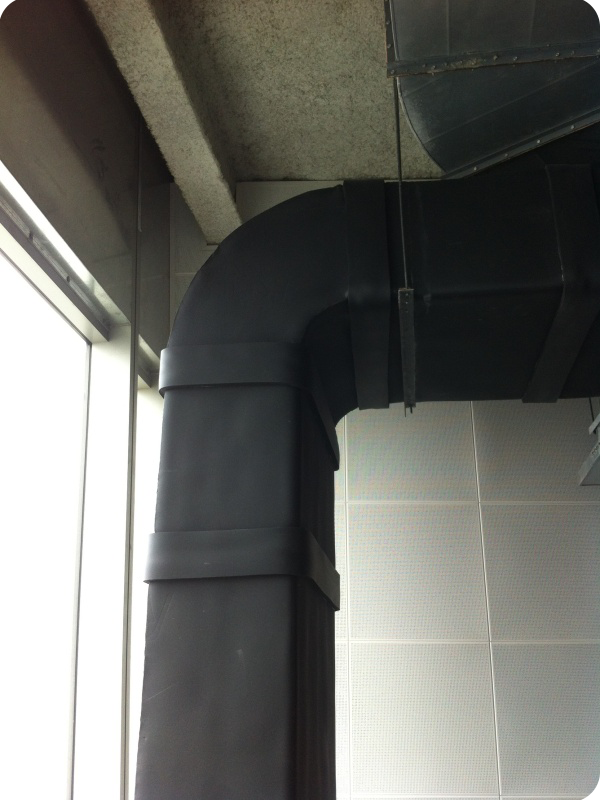
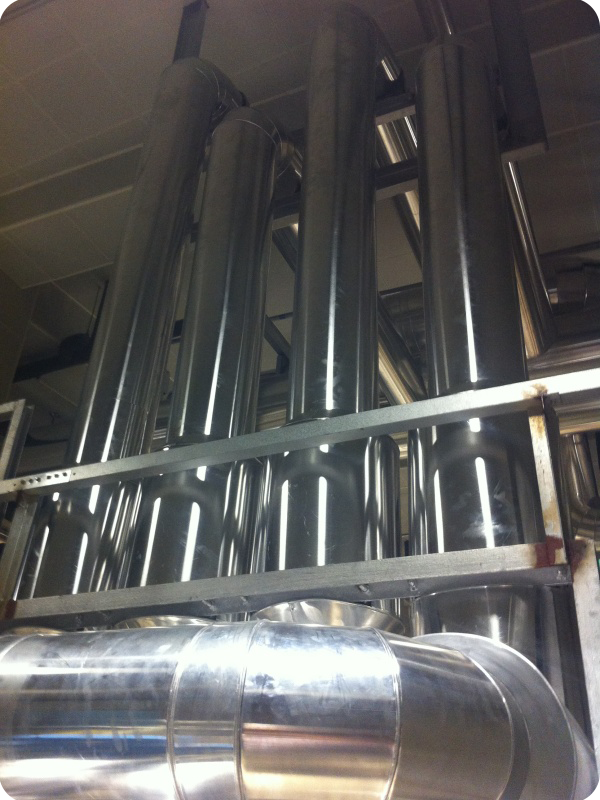
HVAC & Air Handling Ducting
Reduces high-frequency airflow noise and fan vibration within sheet metal ducts. Prevents thermal transfer and external condensation.
Closed-cell condensation protection
Reduces structural vibration transfer
Meets standard air plenum code
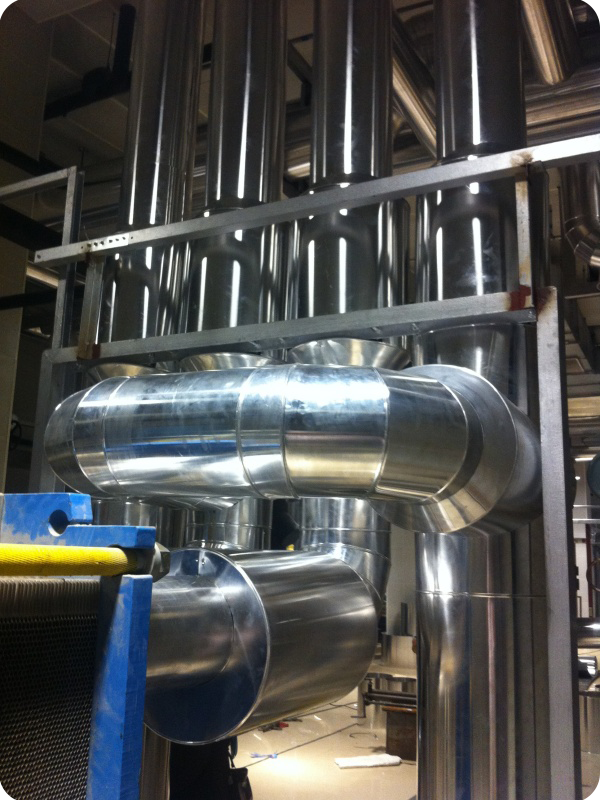
Cryogenic & High-Temperature
Maintains process temperatures from -40°C up to 105°C. Features low thermal conductivity to protect piping systems from freeze-thaw cracking.
Temperature rating down to -40℃
Excellent moisture barrier resistance
Corrosion protection for metal piping
Architectural Sound Control
Designed for concrete wall, ceiling, and subfloor layering in high-occupancy structures such as hotels, commercial malls, and hospitals.
High sound transmission class rating
Durable, low-sag compression resilience
Mold-resistant composition
Technical Specification & Product Roadmaps
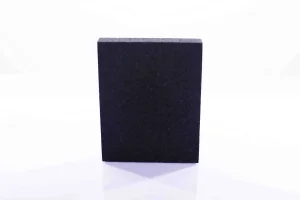
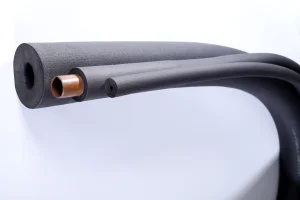
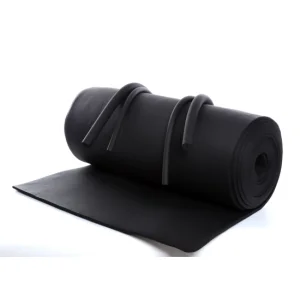
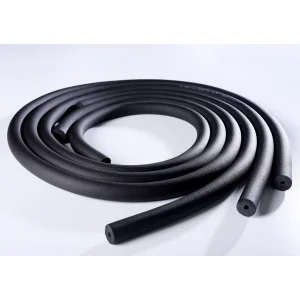
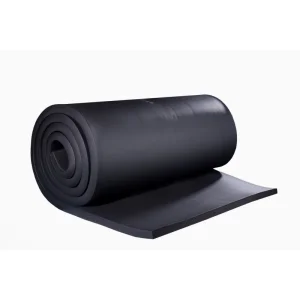
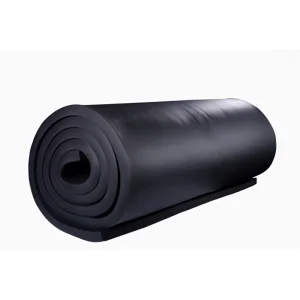
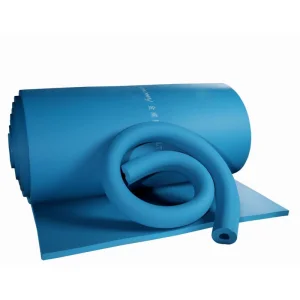
A detailed breakdown of the mechanical, physical, and environmental properties of our elastomeric NBR/PVC insulation sheet rolls and pre-formed piping tubes.
Low heat conductivity + High moisture resistance factor
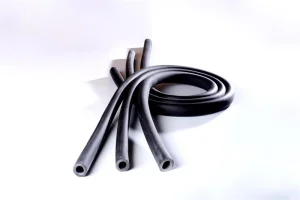
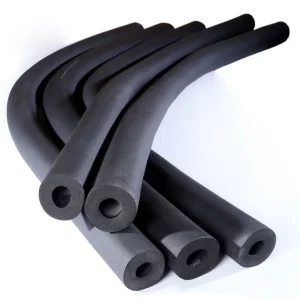
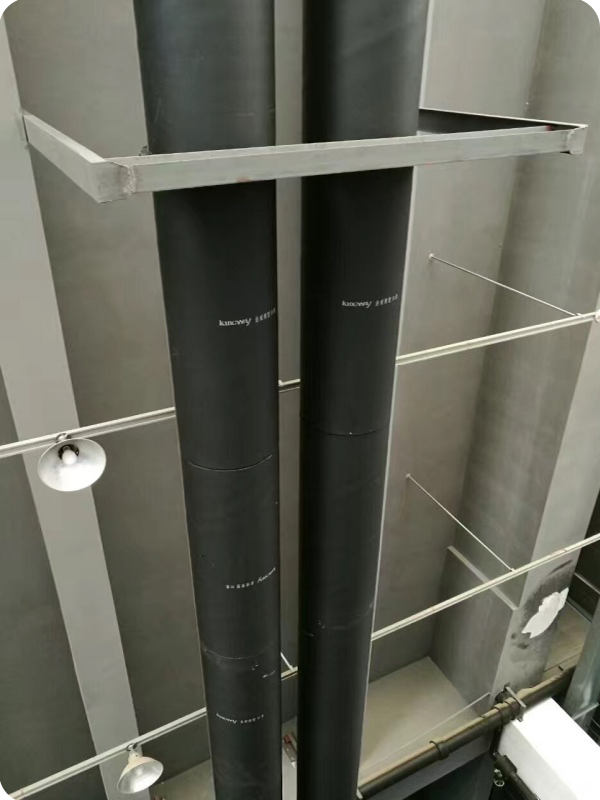
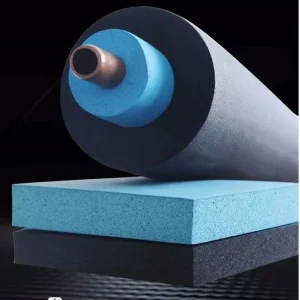
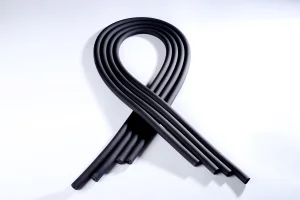
Black Rubber Foam Insulation Pipes & Tubes
Parameters
Standard Rating / Material Properties
Material Composition
Co-extruded NBR/PVC flexible elastomeric foam
Thickness Range
9mm, 13mm, 19mm, 25mm, 32mm up to 40mm
Inner Diameter (ID)
6mm to 114mm (Compatible with standard piping)
Density Range
40 to 55 kg/m³ matching global industrial designs
Moisture Absorption
Extremely low vapor permeability to prevent corrosion under insulation (CUI)
Flame Retardancy
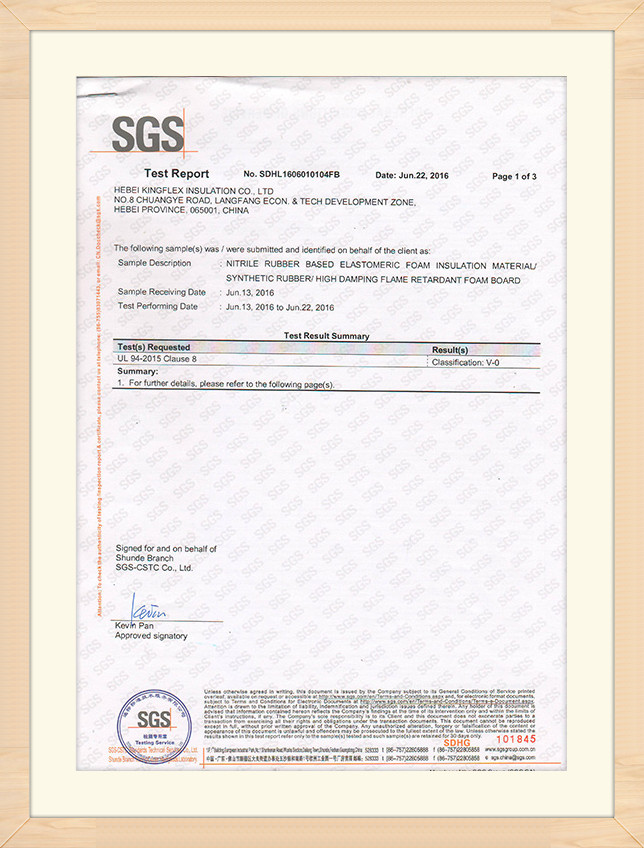
Self-extinguishing, complies with BS 476, UL94 Class V-0
Traceability
Full batch tracking code applied to outer surfaces
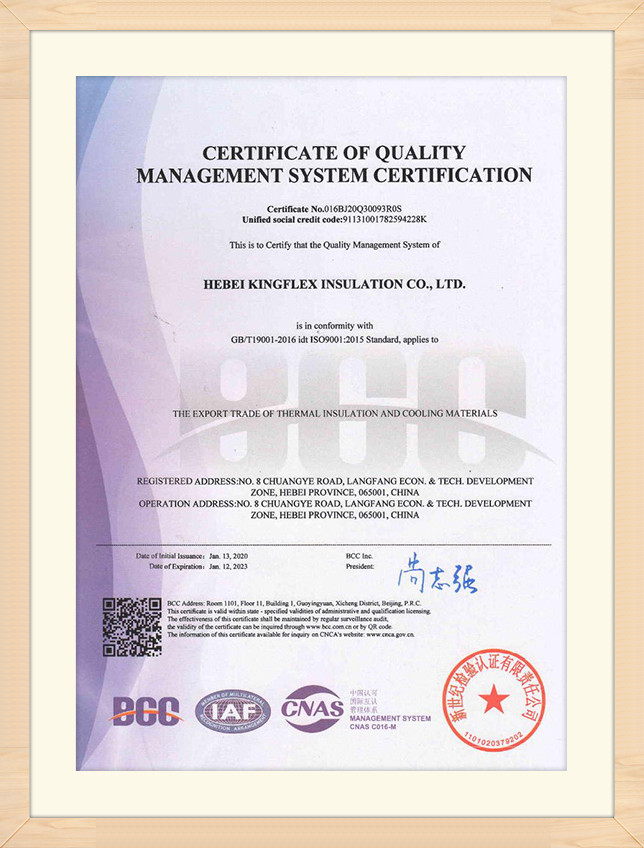
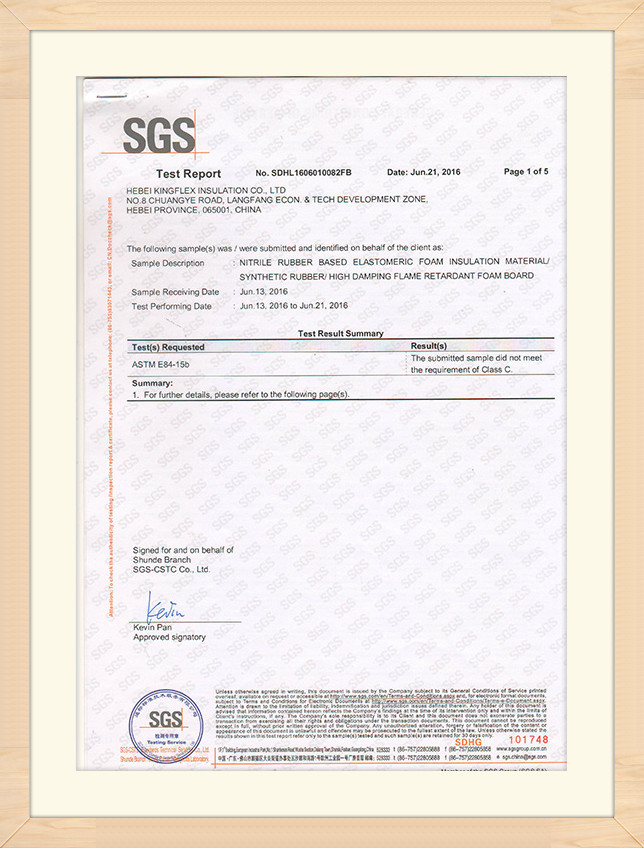
Global Certification & Standard Compliance
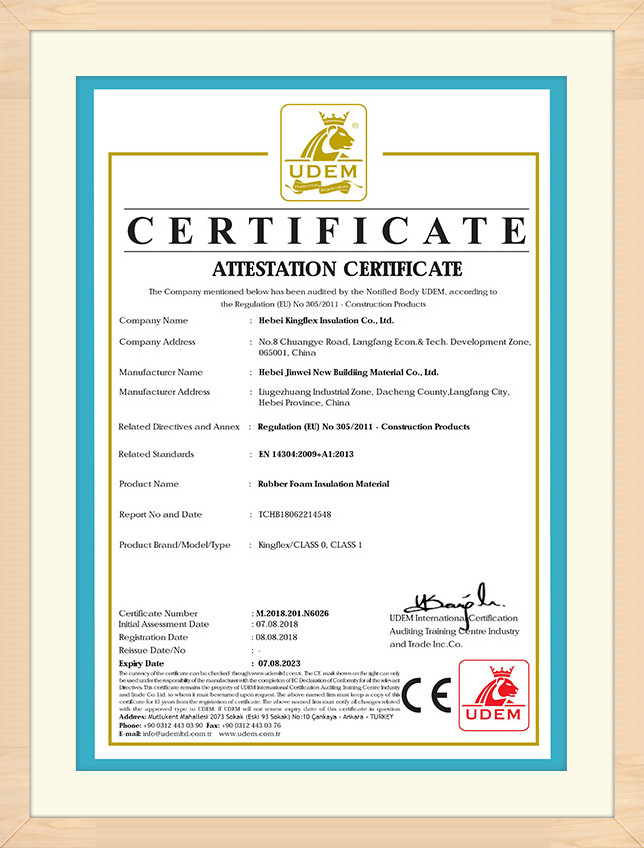
To maintain compliance across different jurisdictions, our products undergo rigorous testing by third-party laboratories. Kingflex insulation systems comply with British Standards (BS 476), CE markings, REACH, RoHS, UL94, and ASTM fire testing guidelines.
Fire Classifications
Class 0 / Class 1 fire spread index compliance ensures security in public institutions, rail transit networks, and high-rise commercial structures.
Traceability Control
Comprehensive material tracking is applied from raw material input to the final extruded foam roll, ensuring batch-level quality control.
Customer Feedback & Project Verification
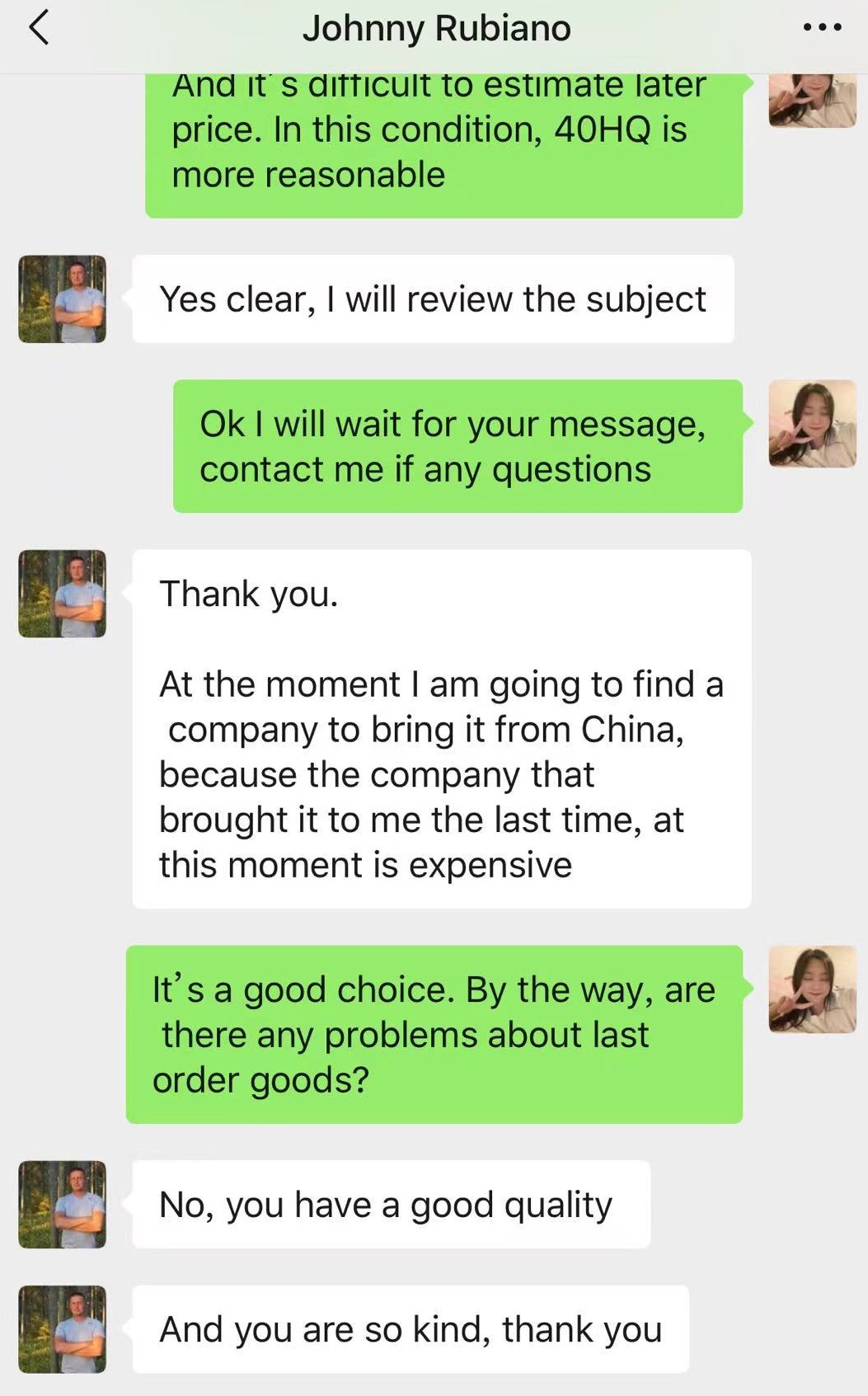
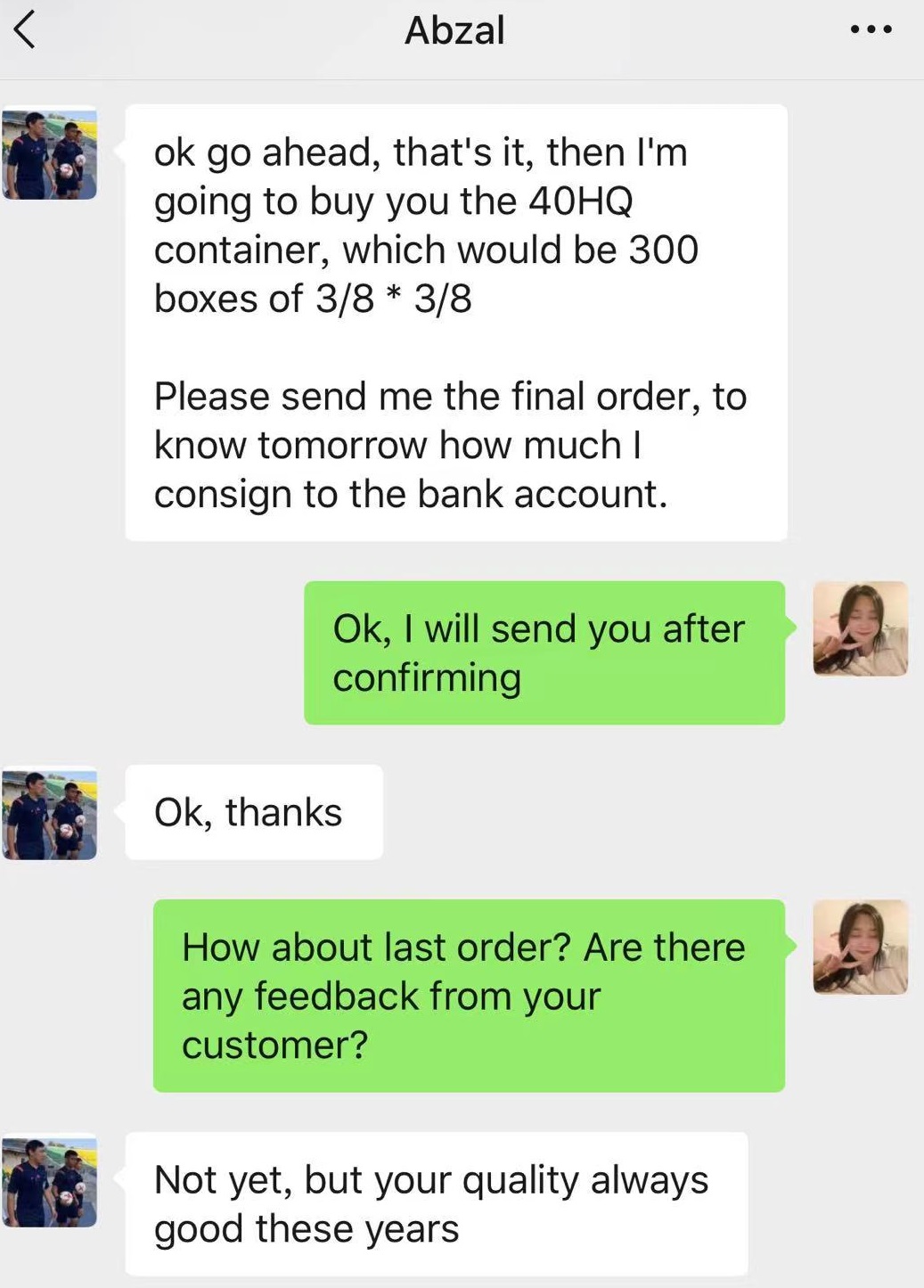
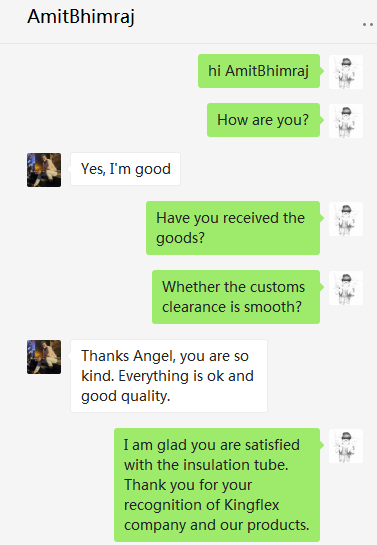
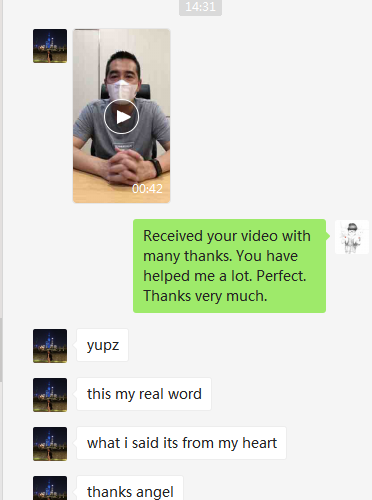
B2B client feedback showing the performance and reliability of our insulation systems across various projects.
Expert Project FAQ & Troubleshooting Guide
Technical guidance and answers to common integration questions from engineering teams, project managers, and distribution partners.
What is elastomeric rubber foam insulation used for?
It is mainly used for HVAC air duct lining, mechanical ductwork wrapping, structural plumbing, and building wall/basement systems. Its properties make it effective for cold line insulation, preventing condensation, and reducing low-to-mid frequency airborne and structure-borne noise.
Is Kingflex rubber foam insulation fire resistant?
Yes. Our rubber foam insulation materials contain flame-retardant additives. They are self-extinguishing and meet international safety standards, including BS 476, UL94 Class V-0, and ASTM flammability metrics.
What is the difference between rubber foam and rock wool insulation?
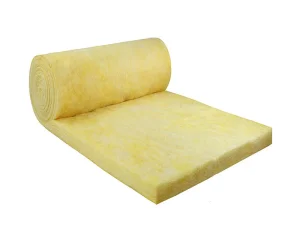
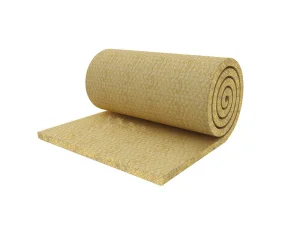
Rubber foam is a flexible, closed-cell, moisture-impermeable material that functions as a vapor barrier, making it suitable for HVAC systems and cold line insulation. Rock wool is a high-density, fibrous material designed for high-temperature applications and fire containment barriers.
Do you provide customized insulation products?
Yes. We offer OEM manufacturing services to customize product thicknesses, inner diameters, density targets, surface facing materials (such as aluminum foil), and self-adhesive backings to meet specific project guidelines.
What certifications do your products have?
Our products comply with BS 476 (Class 0 and Class 1), CE, REACH, RoHS, UL94, and ASTM standards, supporting compliance in international markets.
Does Kingflex products have traceability?
Yes. Our quality control system assigns batch numbers to all raw material runs and extrusion cycles, allowing for traceability from production to installation.
What thickness of Rubber foam insulation sheet roll can you produce?
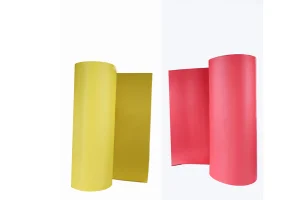
We manufacture rubber foam sheets and rolls in thicknesses ranging from 6mm to 50mm, allowing you to select the appropriate option based on thermal calculations and space constraints.
What is the service life of rubber plastic pipe and board?
Under recommended operational conditions within the service temperature limit of -40℃ to 105℃, our elastomeric products have a service life of 10 to 15 years.
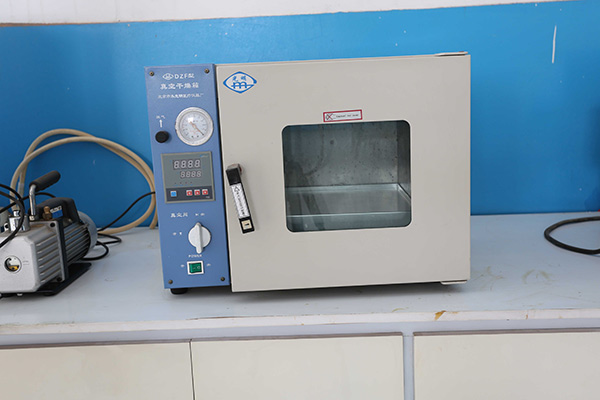
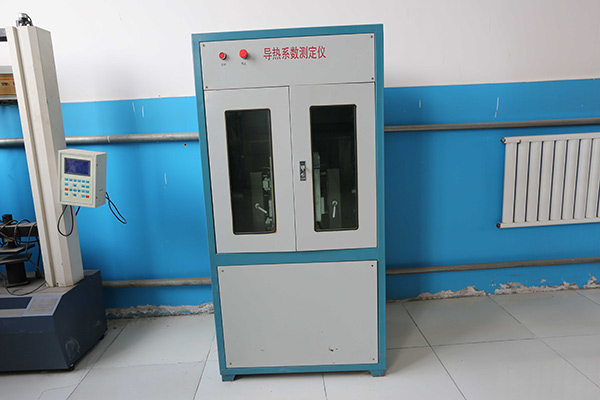
Production Facility Operations
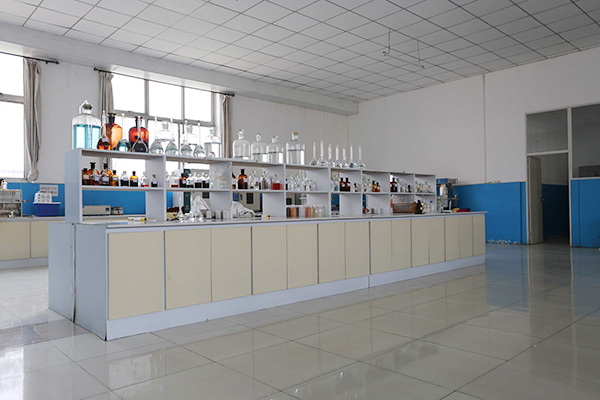
Visual overview of our factory operations, highlighting our quality testing equipment and automated warehousing systems.
Technological Roadmap
The insulation industry is moving toward low-carbon footprints, higher chemical stability, and improved low-frequency acoustic attenuation. Traditional fibrous open-core systems are increasingly being replaced by engineered NBR/PVC closed-cell foams. These modern materials do not shed micro-fibers, addressing indoor air quality (IAQ) concerns in public facilities.
Our upcoming product generation focuses on incorporating bio-based polymers to reduce dependency on petrochemical components. Additionally, we are working to integrate acoustic decoupling backings directly onto pre-formed piping tubes. This design aims to simplify installation steps, reducing labor costs and lowering the risk of thermal bridging on cold water piping systems.
Specialized Material Profiles
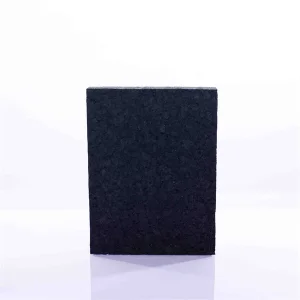
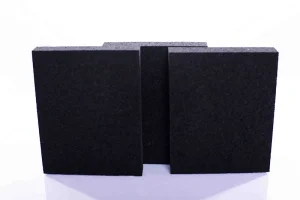
A closer look at our high-density acoustic board production runs, raw foam extrusion rolls, and secondary thermal coatings.
Commercial Specifications & Pricing Catalog
Browse our catalog of acoustic insulation boards, industrial pipe covers, and high-performance cryogenic wrapping products.
Wholesale Elastomeric Insulation For Ultra Low Temperature Pipeline Manufacturer, Pricelist
Get in touch with our technical sales division to request a detailed pricelist, review certification documents, or coordinate OEM product configurations for your project.
 Kingflex