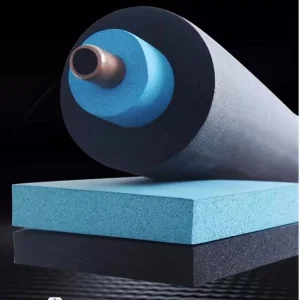
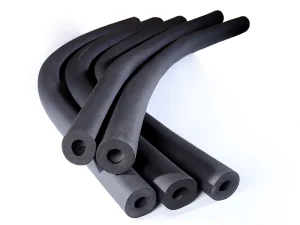
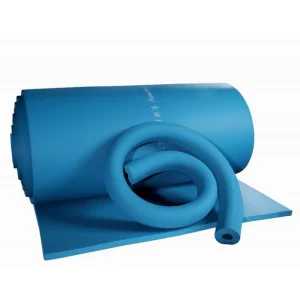
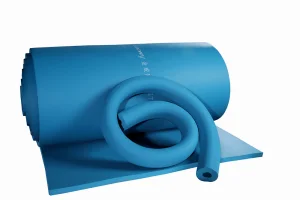
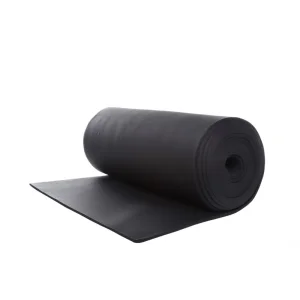
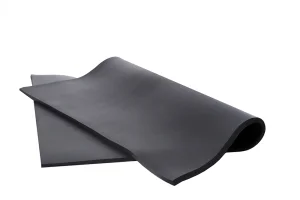
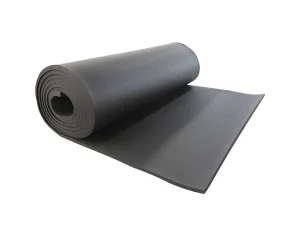
Examine our precision-engineered rubber foam rolls, tubing, and cryogenic variants designed to meet strict international thermodynamic standards.
Modern building construction and heavy industrial operations demand highly efficient thermal management. Flexible elastomeric closed-cell insulation, made from Nitrile Butadiene Rubber (NBR) and Polyvinyl Chloride (PVC), is a key technology for preventing energy loss and condensation in mechanical systems. This high-density polymer structure limits heat transfer through its closed-cell matrix, offering low thermal conductivity alongside resistance to water vapor transmission.
"Thermal efficiency is determined by a material's capacity to limit heat flux while remaining unaffected by ambient moisture. Closed-cell rubber foam structures excel at this, maintaining their insulating properties without deteriorating over time."
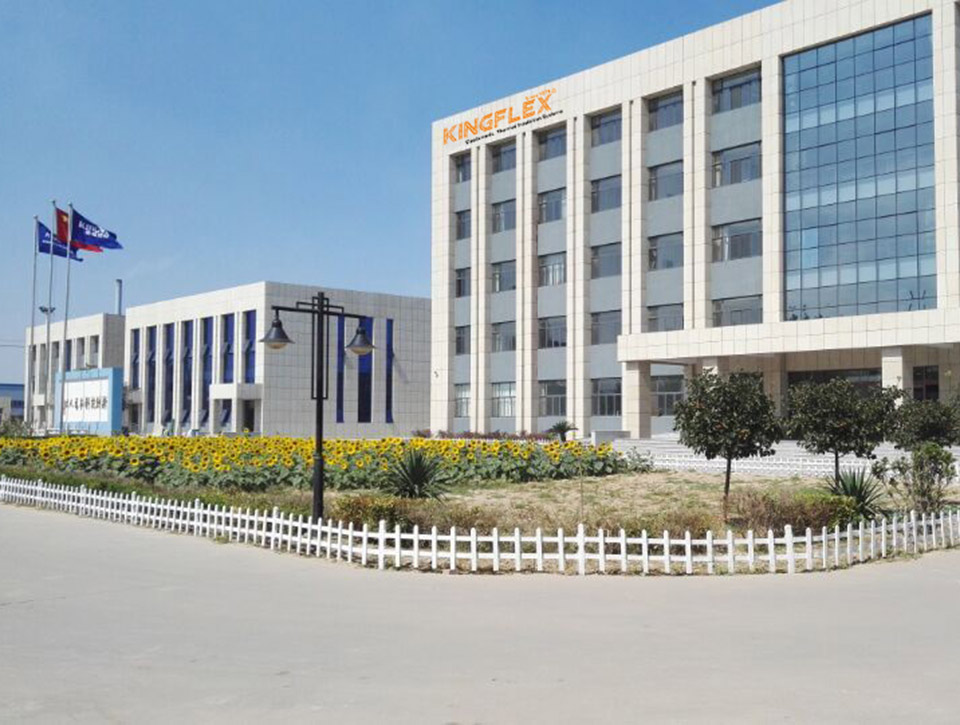
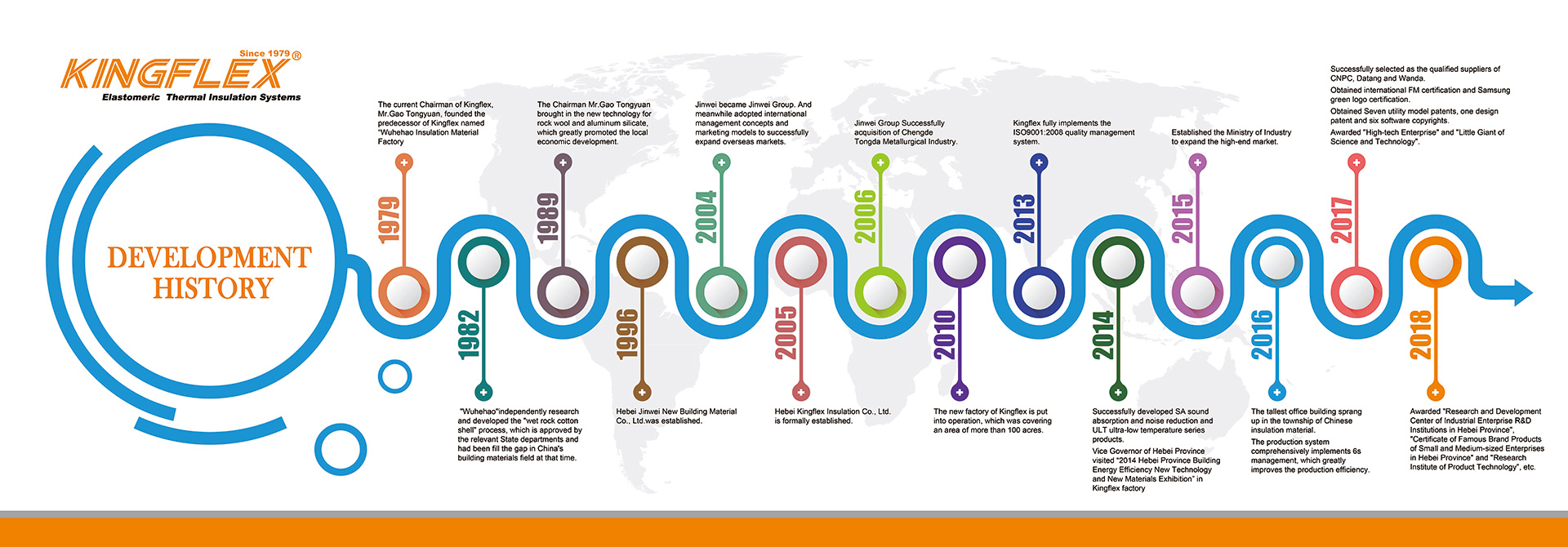
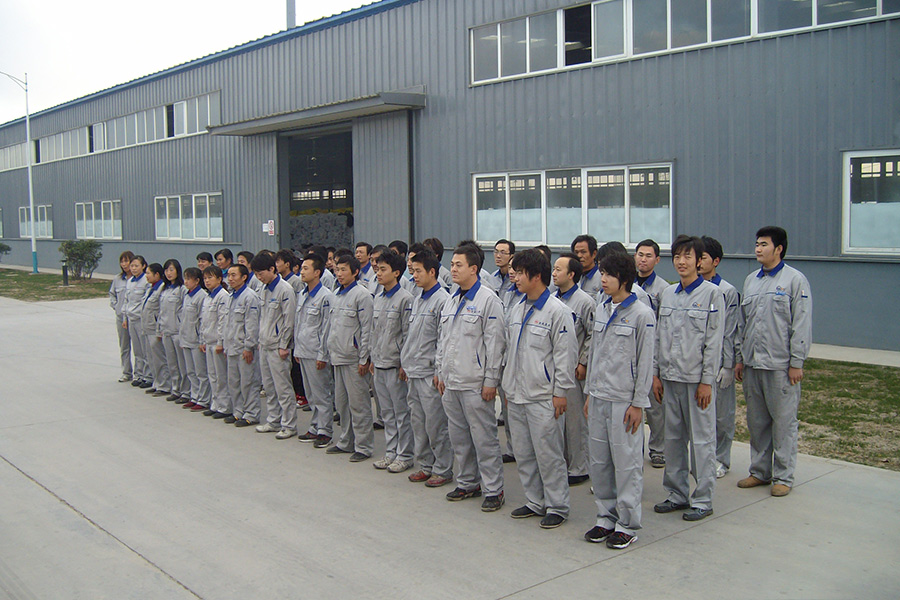
Kingflex Insulation Co., Ltd., in partnership with the Jinwei Group, leverages over forty years of polymer compounding experience to supply high-performance thermal insulation products globally. Located in Dacheng, China—a hub for energy-efficient building materials—our production processes focus on chemical consistency, structural uniformity, and strict environmental compliance.
The performance of Kingflex rubber foam depends on its closed-cell ratio, which exceeds 98%. Unlike open-cell matrices that can absorb water through capillary action, each cell in our elastomeric sheets is isolated. This acts as an integrated vapor barrier, protecting chilled water lines, air conditioning ducts, and cryogenic systems from moisture ingress, which can lead to pipe corrosion and mold growth.
By preventing moisture infiltration, our insulation preserves its thermal conductivity (λ ≤ 0.034 W/m·K at 0°C) over a long service life, reducing operational costs for commercial HVAC networks and industrial manufacturing plants alike.
Established under the Jinwei Group, which began operations in 1979 as a pioneer of insulation materials north of the Yangtze River, Kingflex has evolved into a key supplier of advanced polymer insulation systems. Our Dacheng facility houses five automated production lines capable of manufacturing more than 600,000 cubic meters of insulation materials annually.
We are a certified supplier for major infrastructure agencies in China, including the Ministry of Energy, the Ministry of Electric Power, and the Ministry of Chemical Industry. This industrial background supports our technical support, global logistics, and compliance framework, ensuring we meet the demands of large-scale engineering projects.
When sourcing rubber foam insulation sheet rolls, engineering teams analyze key performance metrics to ensure long-term durability. Below are the physical and thermodynamic properties of Kingflex NBR/PVC elastomeric insulation:
| Property Parameter | NBR/PVC Elastomeric Foam Value | Testing Methods / Standards |
|---|---|---|
| Density Range | 40 - 55 kg/m³ | ASTM D1622 / GB/T 6343 |
| Thermal Conductivity (λ) | ≤ 0.034 W/m·K at 0°C | ASTM C518 / ISO 8301 |
| Moisture Resistance Factor (μ) | ≥ 10,000 | BS EN 12086 / ASTM E96 |
| Service Temperature Limit | -40°C to +105°C (-200°C for specialized cryogenic grades) | ASTM C534 / EN 14706 |
| Fire Performance rating | Class 0 / Class 1, Flame Retardant, Self-Extinguishing | BS 476 Part 6 & 7 / UL 94 V-0 |
| Compression Resilience | ≥ 80% (Recovery rate under standard deflection) | ASTM D1056 |
| Traceability Code | Unique batch code laser-printed on reverse side | ISO 9001 Protocol |
Sourcing from Dacheng, China, provides cost efficiencies due to integrated raw material supply chains, including nearby petrochemical facilities for NBR and PVC polymers. This helps stabilize pricing even during global supply line fluctuations. Automated vulcanization machinery ensures consistent foaming thickness and uniform pore size distribution across large production runs.
Standard insulation materials can struggle under extreme thermal conditions. Cryogenic operations, such as liquefied natural gas (LNG) transport, liquid oxygen processing, and specialized chemical plants, face severe temperature differentials. Under these conditions, typical elastomeric products can become brittle and crack due to thermal contraction.
Our Dienes range is specifically formulated to remain flexible at cryogenic temperatures down to -200°C. By using modified nitrile elastomer blends, the material maintains its structural integrity, protecting piping systems from thermal shock and preventing catastrophic stress cracking.
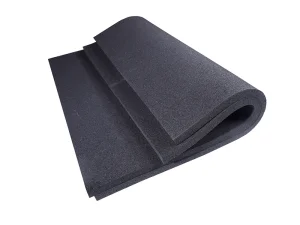
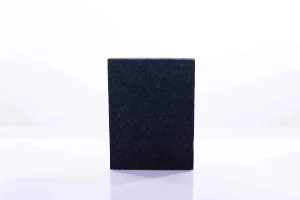
For noise control in industrial environments, open-cell rubber foam structures are designed to dissipate sound energy. Ideal for HVAC enclosures, machine rooms, and commercial building ductwork, these sheets reduce sound transmission across mid-to-high frequency bands.
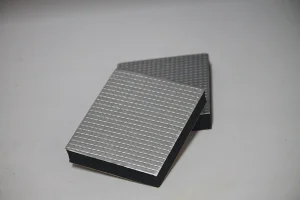
For applications exposed to physical wear, weather, or chemical contact, we offer laminated options featuring high-tensile aluminum foil protective jacketing or fiberglass mesh scrim. These reinforce the insulation against mechanical damage and UV degradation.
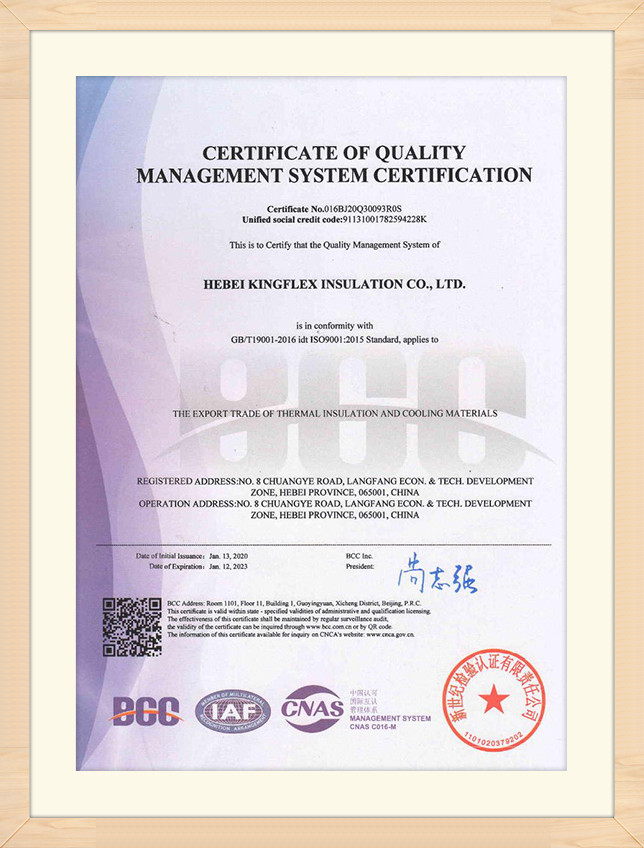
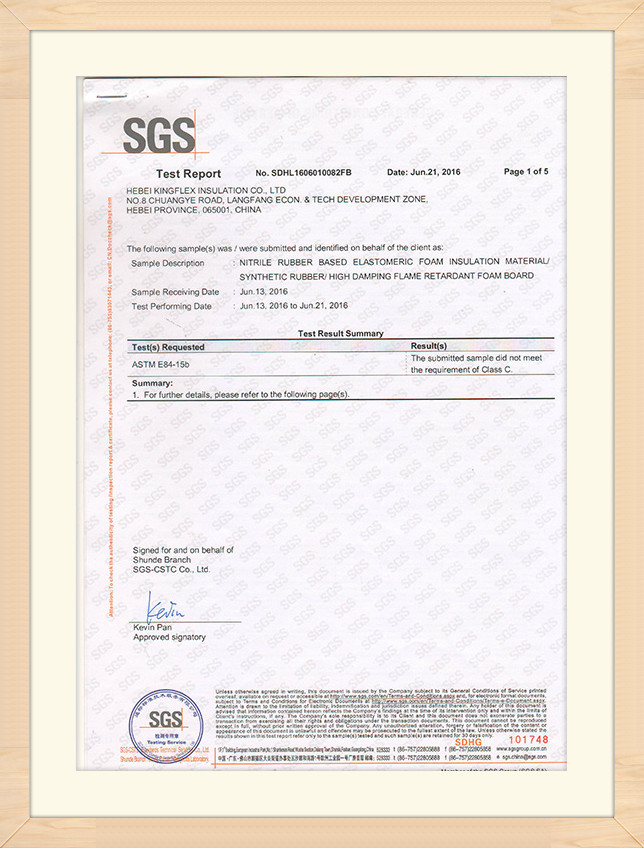
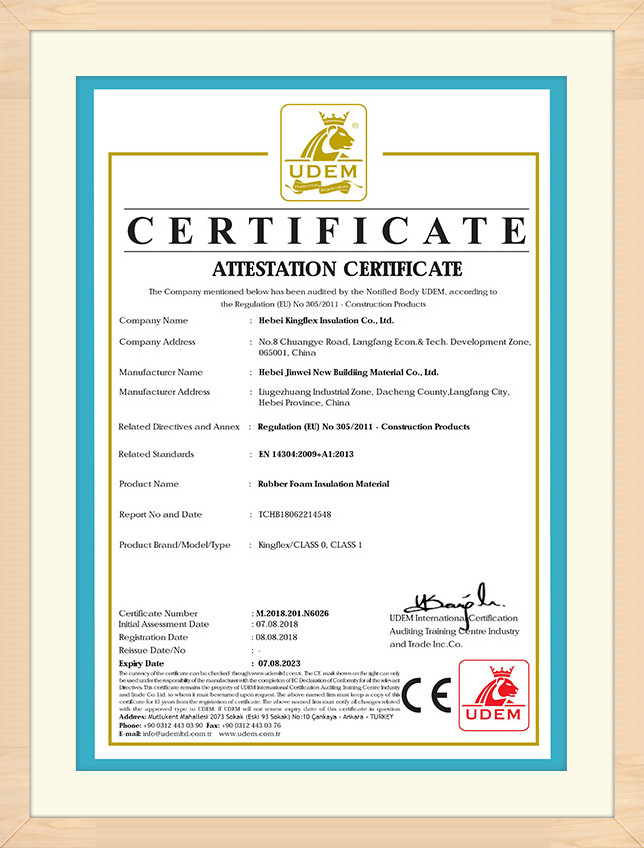
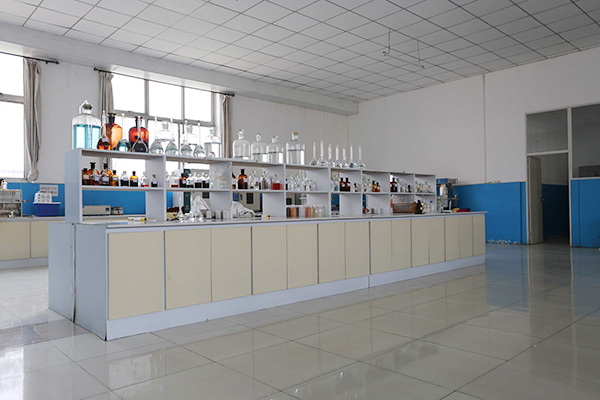
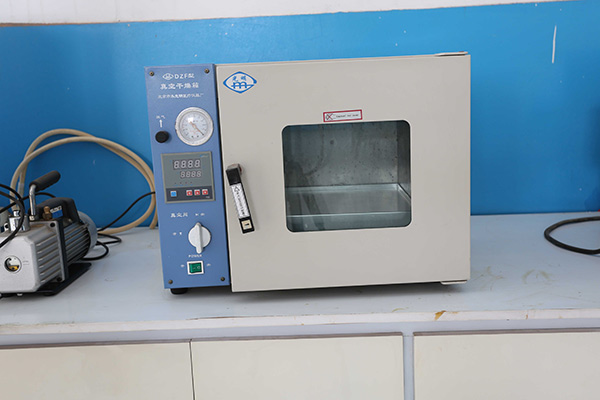
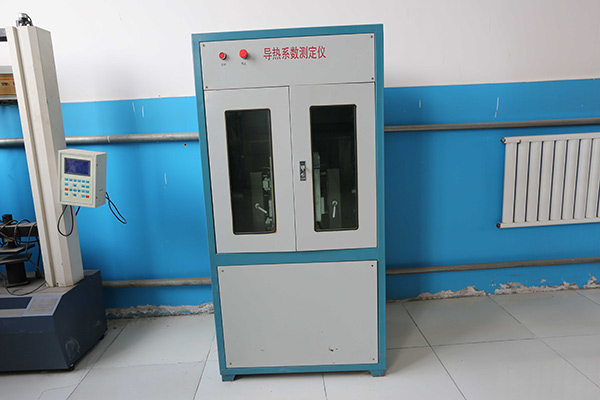
Our production quality is maintained through continuous testing at our in-house laboratories. The manufacturing process is monitored from raw polymer testing to density and thermal conductivity verification of the finished sheets. Our products hold certifications from international testing agencies, including CE, REACH, RoHS, UL94, and BS 476, meeting regional standards for building projects worldwide.
In addition to standard testing, our quality control team runs accelerated weathering trials and vapor permeability tests to ensure long-term performance under demanding operating conditions.
Our research and development program, staffed by eight engineers, focuses on optimizing the raw material blend for improved fire performance without using harmful halogenated compounds. This helps us supply materials that meet modern green building specifications and strict environmental standards.
We supply two main types of elastomeric insulation designed for specific mechanical applications:
Standard Dimensions:
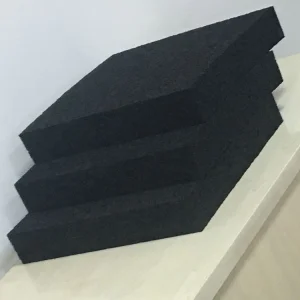
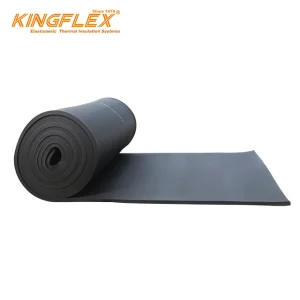
Primary Applications: Large-diameter air ducts, HVAC chiller housings, structural wall sound damping, cold storage envelopes, and broad-surface heat exchangers.
Standard Dimensions:
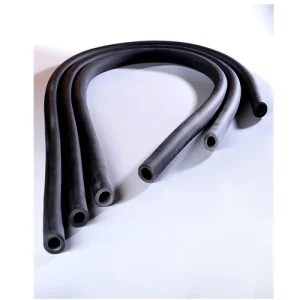
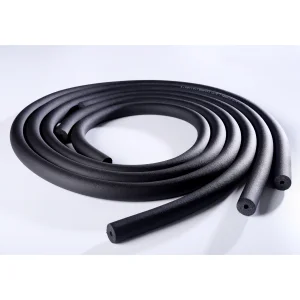
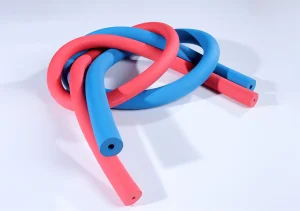
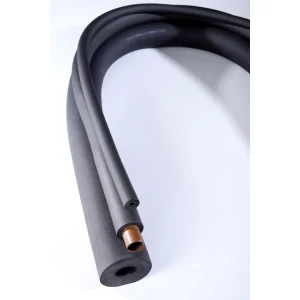
Primary Applications: Chilled water line piping, hot water system loops, air conditioner split-system lines, industrial chemical piping, and solar heating lines.
For procurement officers, managing shipping volumes and container loading space is crucial for cost-effective logistics. Because rubber foam insulation is low density and high volume, shipping costs can quickly increase if not planned carefully. Kingflex addresses this with vacuum packing option for sheet rolls. By compressing the rolls during packaging, we can load up to 2.5 times more material per shipping container, reducing per-unit freight costs. Upon delivery, the material's elastic memory allows it to recover to its specified thickness without losing its thermal properties.
We support full OEM and ODM services to meet specific project needs. These customization options include custom density parameters (up to 60 kg/m³ for high-load areas), custom lengths to minimize installation waste, and specialized surface laminations. We can also print custom project branding and run identifier codes directly onto the product surface to aid in-field identification and quality tracking.
Elastomeric rubber foam insulation is primarily used to isolate HVAC ductwork, commercial air conditioning pipes, hot and cold water plumbing lines, and industrial process pipelines. Its closed-cell structure prevents heat transfer and condensation, making it ideal for refrigeration plants, marine environments, and food processing facilities.
Yes. Our rubber foam insulation is formulated with flame retardants to meet BS 476 (Part 6 and Part 7 Class 0/Class 1), UL94 V-0, and ASTM E84 requirements. If exposed to fire, the material is self-extinguishing, does not produce flaming droplets, and generates minimal smoke, helping to meet local building safety regulations.
Rubber foam is a flexible, closed-cell, moisture-proof elastomer with an integrated vapor barrier. It is commonly used for HVAC, cooling systems, and moderate temperature applications. In contrast, rock wool is a mineral fiber insulation designed for high-temperature resistance and fire protection, making it suitable for high-temperature industrial steam lines but requiring an external jacket to prevent moisture absorption.
Yes, we provide full OEM and ODM services. We can adjust the thickness (from 6mm to 50mm), modify sheet densities, apply specialized adhesive backings, and add protective foils or fiberglass scrim laminates to match your technical requirements.
Our materials are tested and certified to comply with CE, BS 476, REACH, RoHS, UL94, and ASTM standards. Testing reports from third-party laboratories are available upon request to assist with project approvals.
Yes. Each production run has a unique batch tracking code laser-printed on the material surface. This allows us to trace raw materials, production parameters, and quality testing history for every roll and tube we manufacture.
Our standard production range for rubber foam sheet rolls is from 6mm to 50mm. Thinner sheets are typically used in tighter spaces, while thicker sheets provide higher thermal resistance for severe temperature differentials.
Under standard operating conditions within our recommended temperature range and with correct installation, the expected service life is 10 to 15 years. Using protective metal or foil cladding for outdoor installations will help maintain the life of the material.
We also manufacture specialized sheet variants, sound absorbing panels, high-thickness rolls, and pipe sleeves to provide a complete system solution.