Whitepaper: Global Commercial & Industrial Status of Rubber Insulation
40+
Years Industrial History
600K+
Annual Capacity (m³)
■ 1. Macro Industry Paradigm & Global Market Dynamics
The global industrial and HVAC markets are currently undergoing an unprecedented transition driven by energy efficiency directives and decarbonization policies. Among the various thermal conservation materials, elastomeric closed-cell rubber foam insulation has emerged as the global standard for mechanical systems, HVAC units, industrial pipeline arrays, and cryogenic processes. According to market research, the demand for rubber insulation sheet rolls has grown by 6.4% annually, primarily fueled by strict green-building codes (such as ASHRAE 90.1, EN 14304, and LEED requirements) and the rising construction of data centers, semiconductor factories, and pharmaceutical cold storage facilities.
Modern infrastructure requires insulation products that prevent thermal bridging and control moisture condensation in warm humid environments. Traditional open-fibrous structures like glass wool or rock wool are highly susceptible to moisture ingress, which leads to structural sagging, loss of thermal performance, and issues like mold growth. Closed-cell rubber foam, thanks to its low water absorption rate, offers a reliable solution. It maintains its structural integrity and thermal resistance over years of service, minimizing operational maintenance costs and lowering the carbon footprint of building systems.
■ 2. Corporate Legacy: Kingflex Insulation & The Jinwei Group
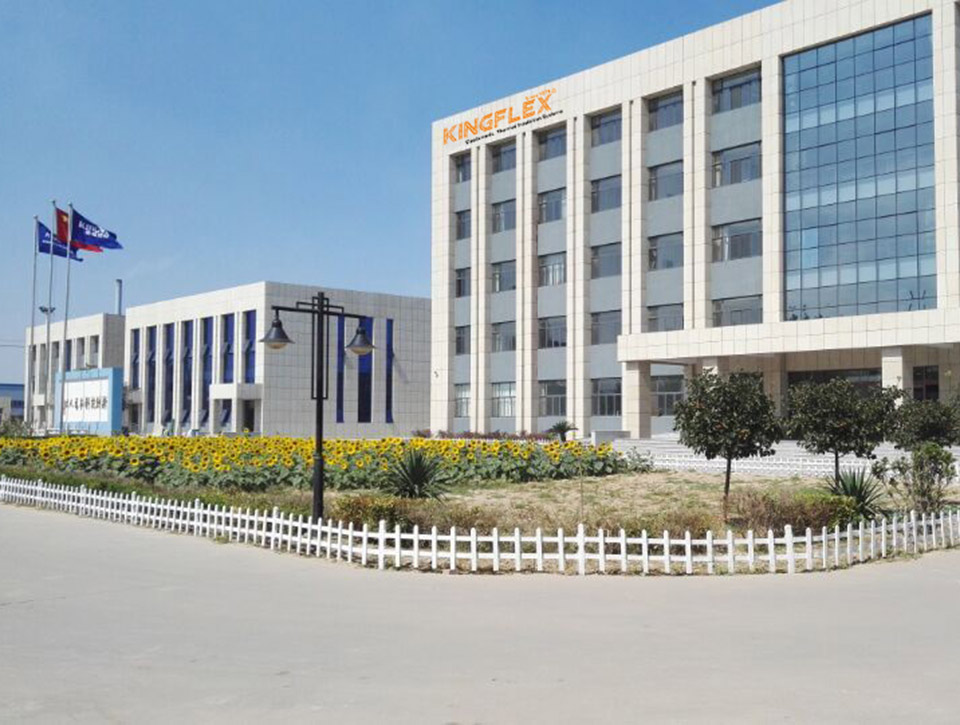
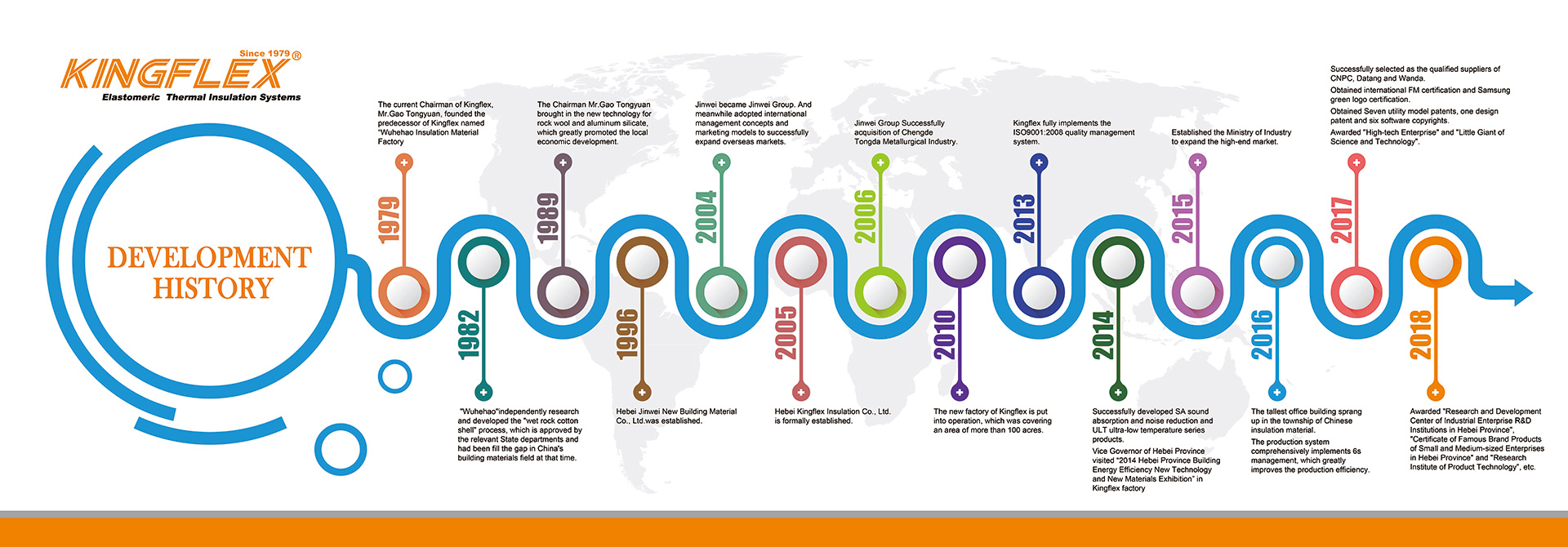
Founded under the guidance of the renowned Jinwei Group—which has a proud legacy dating back to 1979 as the first thermal insulation manufacturer north of the Yangtze River—Kingflex Insulation Co., Ltd. is a leading manufacturer and trader specializing in green thermal insulation products.
Located in Dacheng, China—a hub for green building materials—Kingflex integrates R&D, advanced automated manufacturing, and global sales. Guided by our focus on energy conservation, we deliver complete insulation systems. This covers custom consultation, targeted R&D, structural design, installation guidance, and dedicated post-sale support, helping shape modern standards in the global building materials market.
■ 3. Manufacturing Infrastructure & Engineering R&D
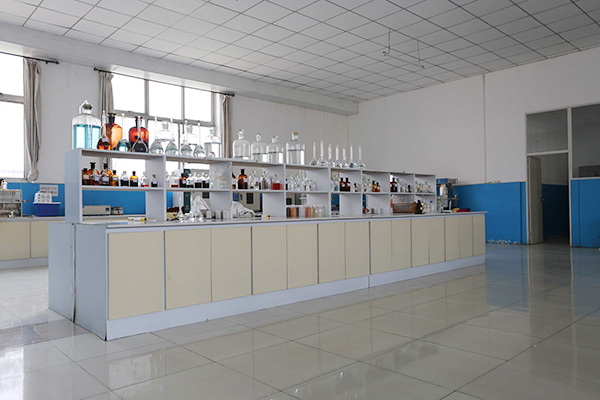
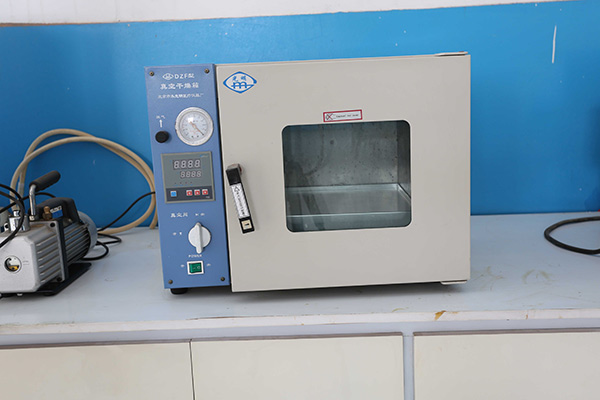
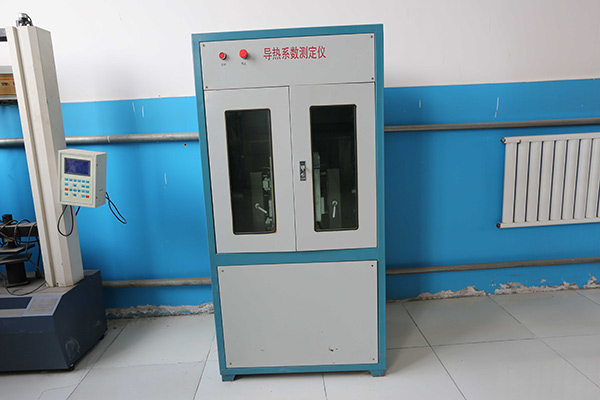
Kingflex runs five large automated assembly lines, with an annual capacity exceeding 600,000 cubic meters. This scale has earned the company designations as a production partner by major regional energy, electric power, and chemical industry departments. Our global operations span over 66 countries, delivering thermal and cold-chain protection to projects worldwide.
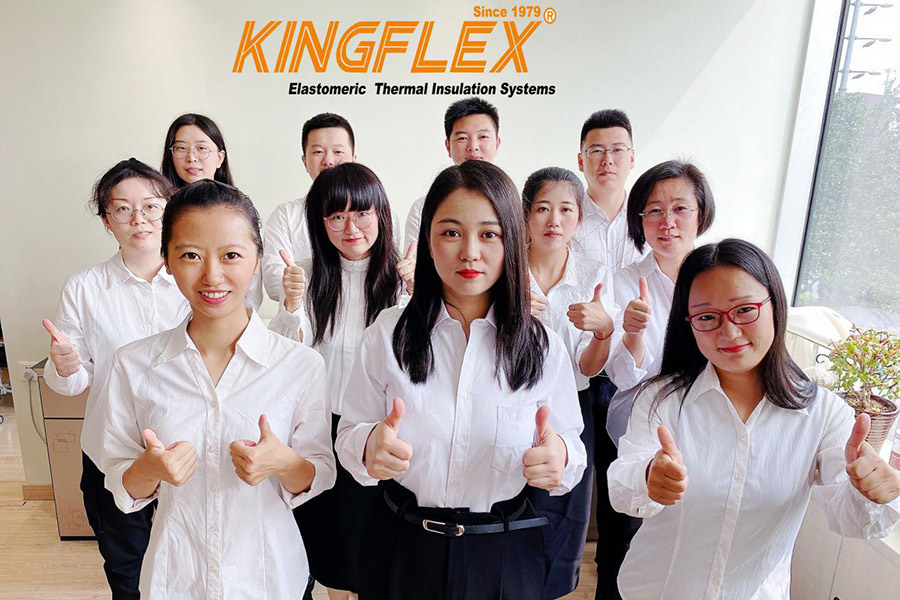
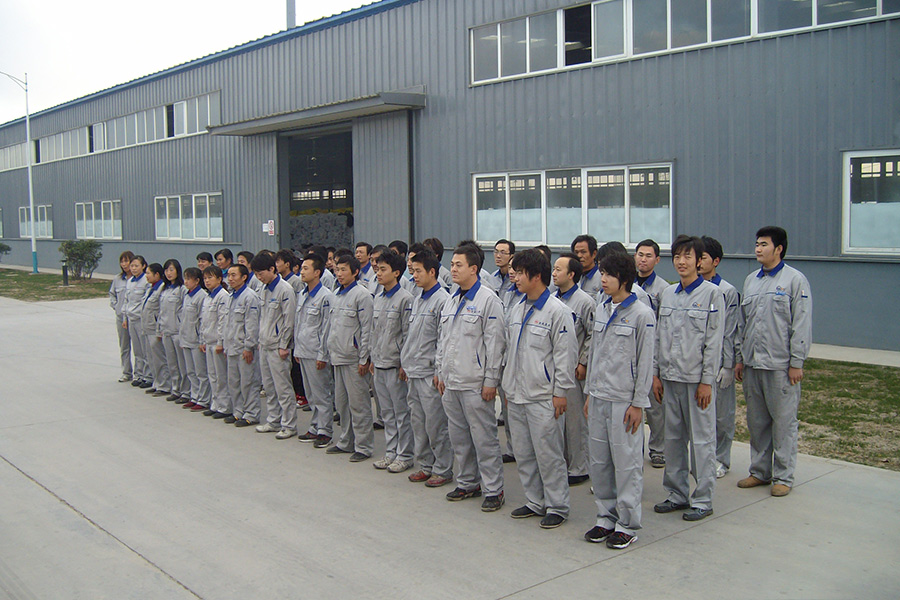
Our progress is driven by a specialized team: 8 professional R&D engineers, 6 international sales experts, and over 230 skilled production workers. This team ensures consistent, high-quality production, strict quality control, and attentive customer service on every project.
■ 4. Technical Specifications & Dimensions
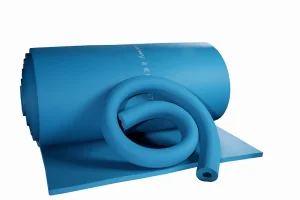
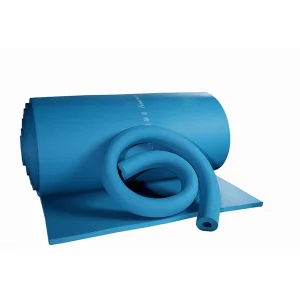
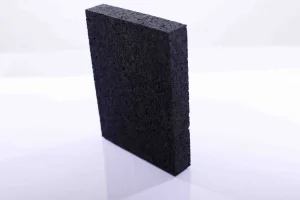
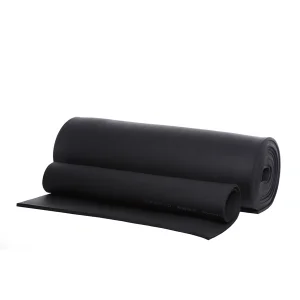
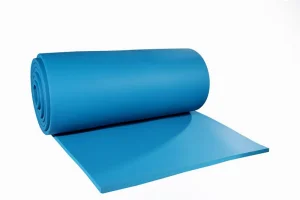
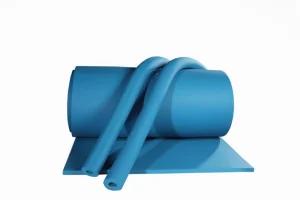
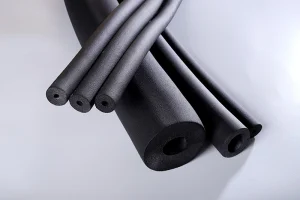
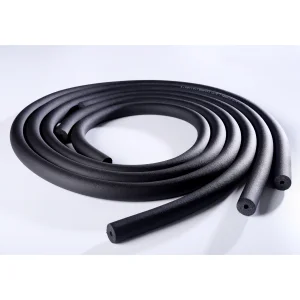
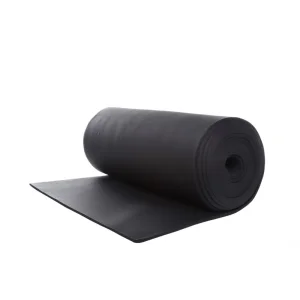
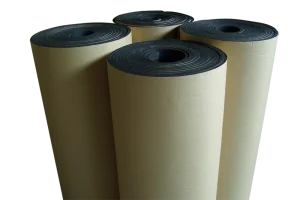
Kingflex produces high-quality closed-cell rubber foam insulation sheets and tubes using NBR/PVC compounds. These are designed to meet demanding temperature and density requirements.
| Product Category |
Standard Thickness |
Internal Diameter / Dimensions |
Bulk Density |
Temperature Range |
| Black Rubber Foam Sheet Roll |
6mm - 50mm |
Roll width: 1m / 1.2m / 1.5m |
40 - 55 kg/m³ |
-40℃ to 105℃ |
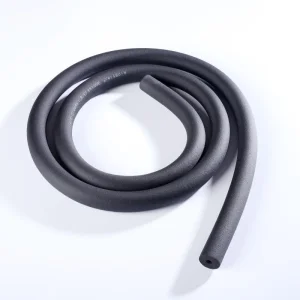
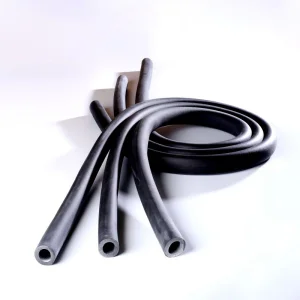
| Black Rubber Foam Insulation Pipe |
9mm - 40mm |
ID: 6mm - 114mm |
40 - 55 kg/m³ |
-40℃ to 105℃ |
| Cryogenic Insulation Systems |
13mm - 50mm |
Multi-layered customizable config |
50 - 65 kg/m³ |
-200℃ to 125℃ |
Key Engineering Advantages:
- Uniform Closed-Cell Structure: With a closed-cell rate exceeding 98%, the material offers high resistance to moisture absorption, ensuring steady thermal performance over a long service life.
- Low Thermal Conductivity: Its dense cell structure keeps thermal conductivity low, reducing energy loss on both cold and hot pipe systems.
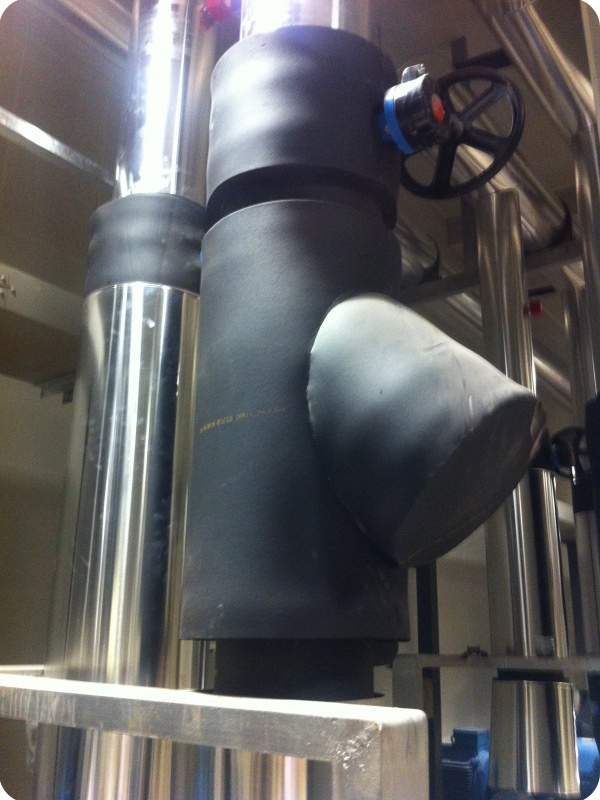
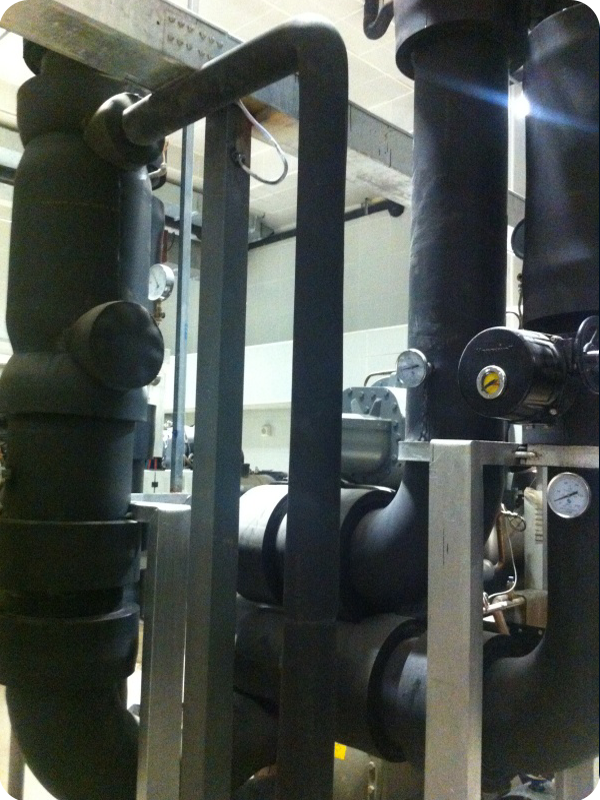
- High Elasticity and Compression Resilience: Excellent compression recovery (over 80%) simplifies installation on elbows, T-joints, and complex configurations.
- Certified Fire Safety: Formulated with halogen-free flame retardants, it meets international fire standards by self-extinguishing and preventing flame spread.
■ 5. Global Compliance & Certifications
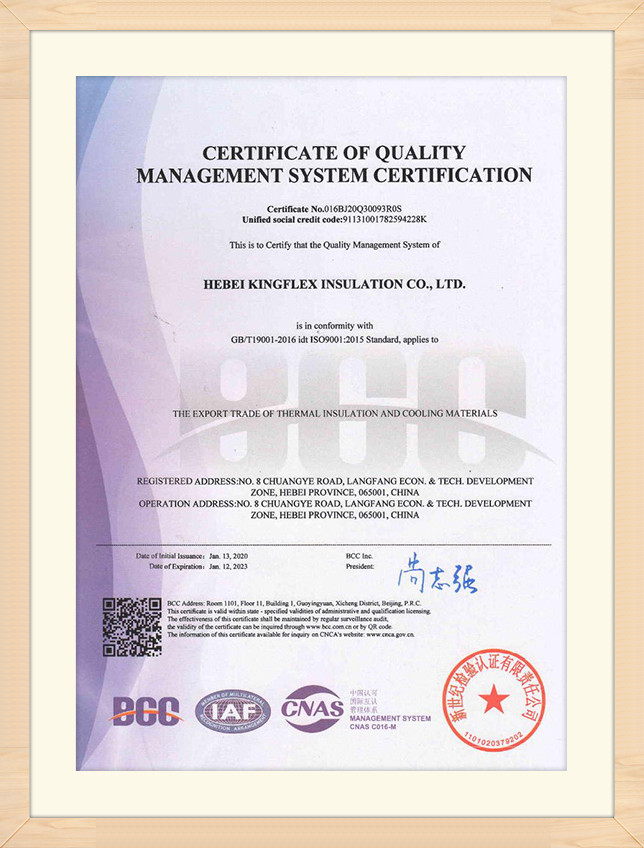
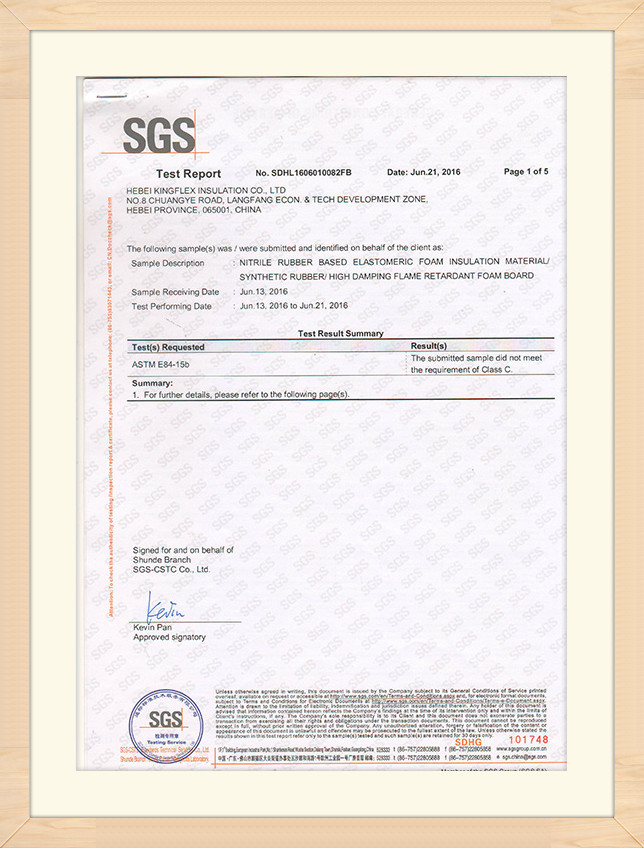
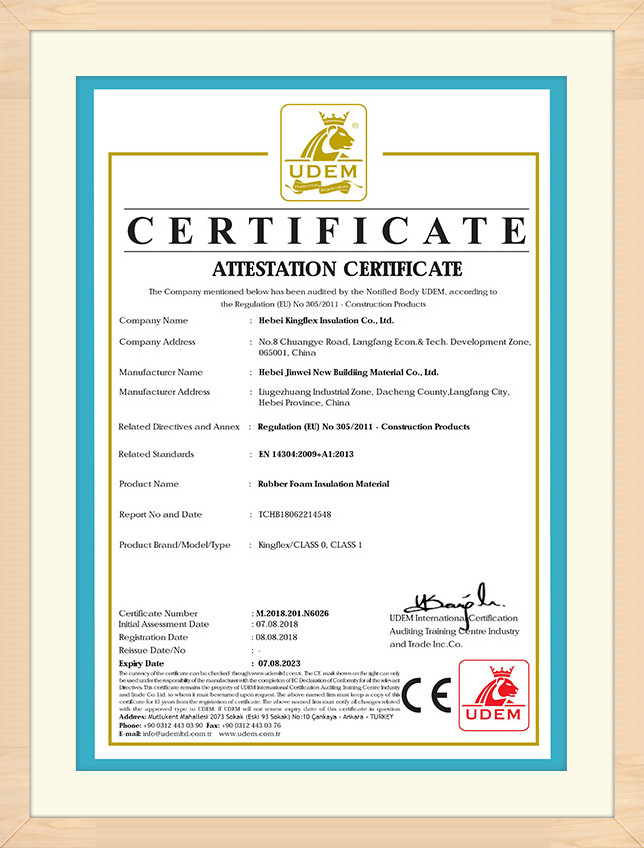
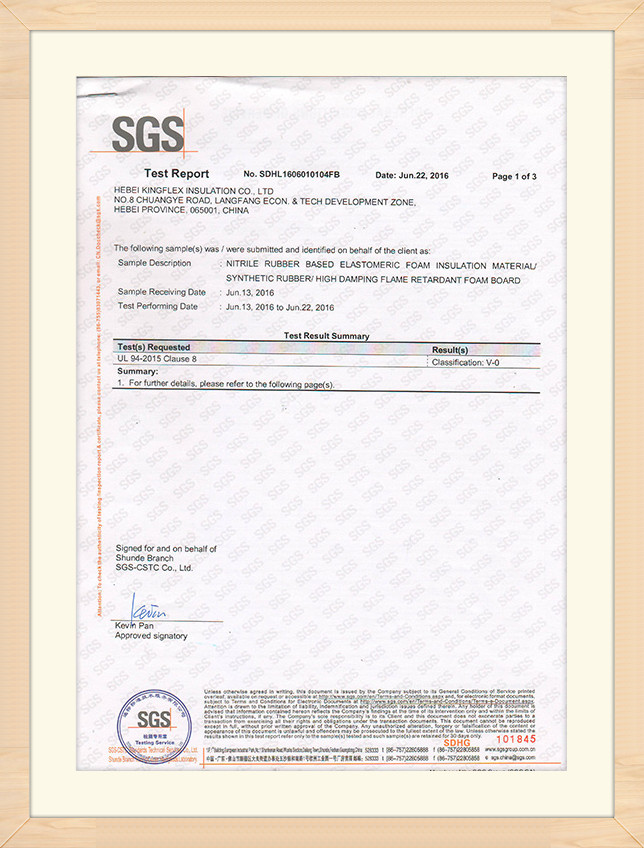
Kingflex operates under a strict quality management system, with all products meeting major international standards to ensure reliability, environmental safety, and structural performance.
These certifications demonstrate our commitment to compliance, enabling Kingflex products to meet demanding building codes and safety regulations across Europe, North America, the Middle East, and Asia.
■ 6. Application Scenarios & Macro Solutions
🏢
Civil & Commercial HVAC
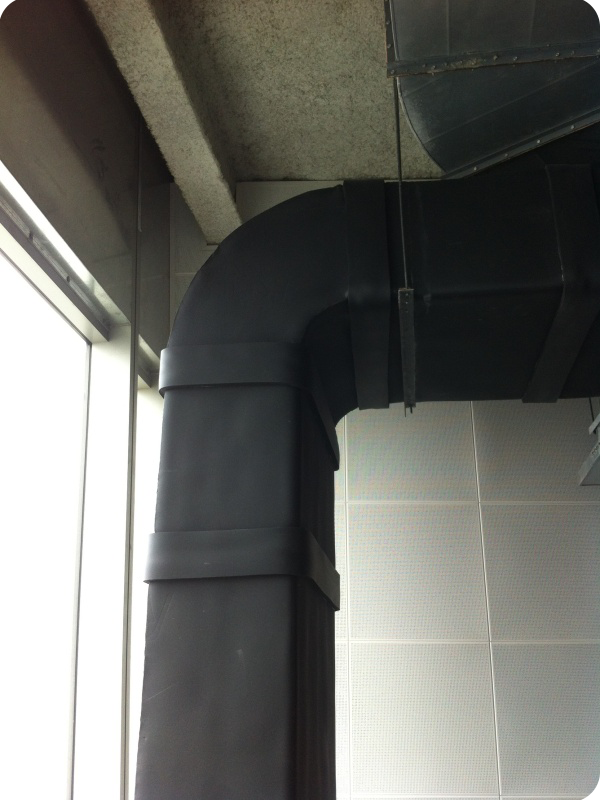
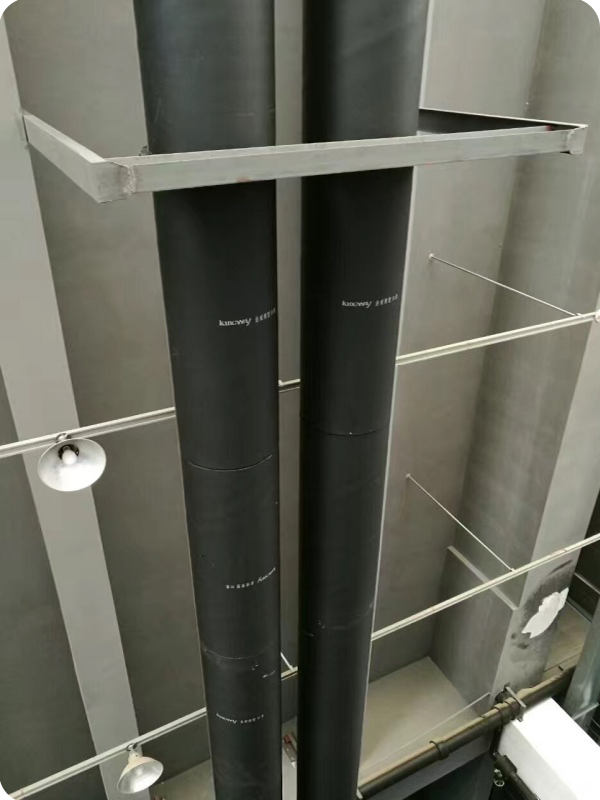
Effective thermal control for air conditioning ducts, chilled water lines, and hot water systems. Prevents condensation dripping and helps reduce energy use in commercial complexes, hospitals, and high-rise developments.
🏭
Industrial Processing
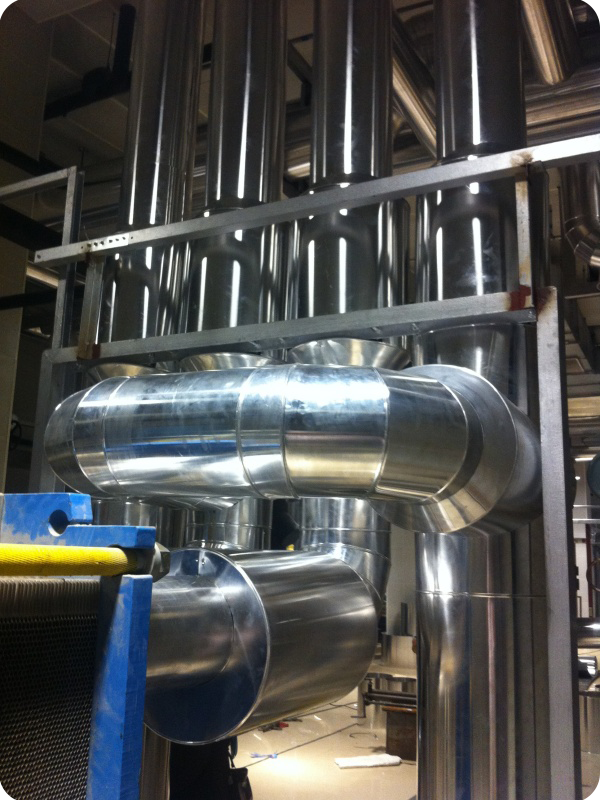
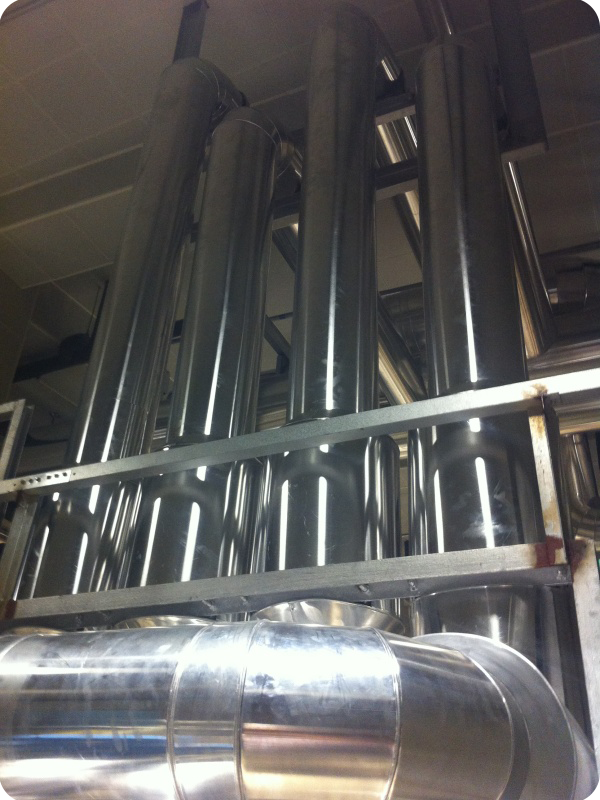
Thermal insulation for chemical processing lines, petroleum piping, and equipment storage tanks. Protects equipment from harsh environments while maintaining consistent process temperatures.
❄️
Cryogenics & Low Temperature
Custom multi-layered systems designed for cryogenic pipelines and liquid gas transport. Formulated to resist cracking under extreme thermal shock at temperatures down to -200°C.
■ 7. Proven Performance: Global Infrastructure Projects
Kingflex insulation systems are widely utilized in major projects globally. From commercial high-rises and international transit terminals to industrial processing plants, our materials provide reliable thermal protection under varying climate conditions.
By preventing energy loss and maintaining structural durability, our systems help developers, mechanical engineers, and contractors meet performance requirements and environmental standards.
■ 8. Technical Support & Verified Customer Dialogues
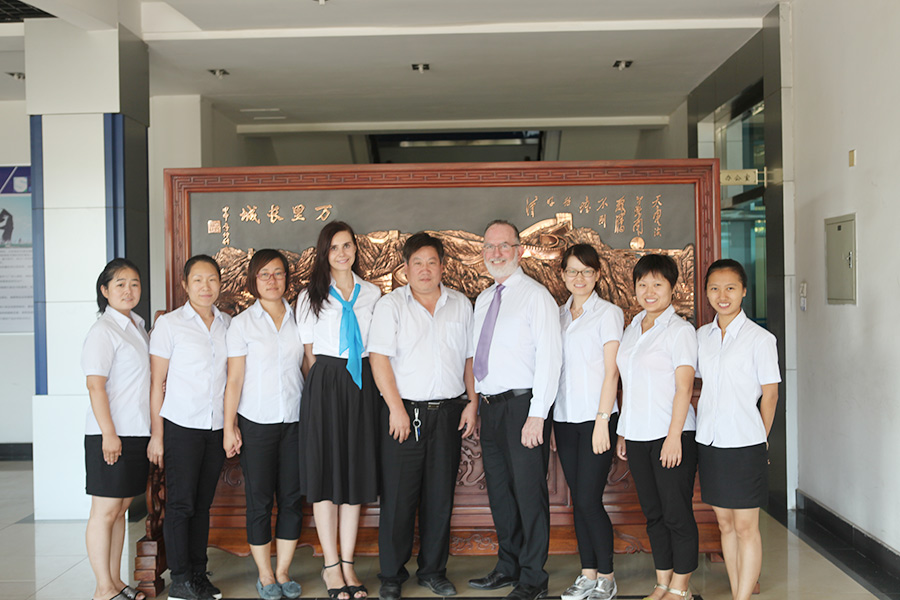
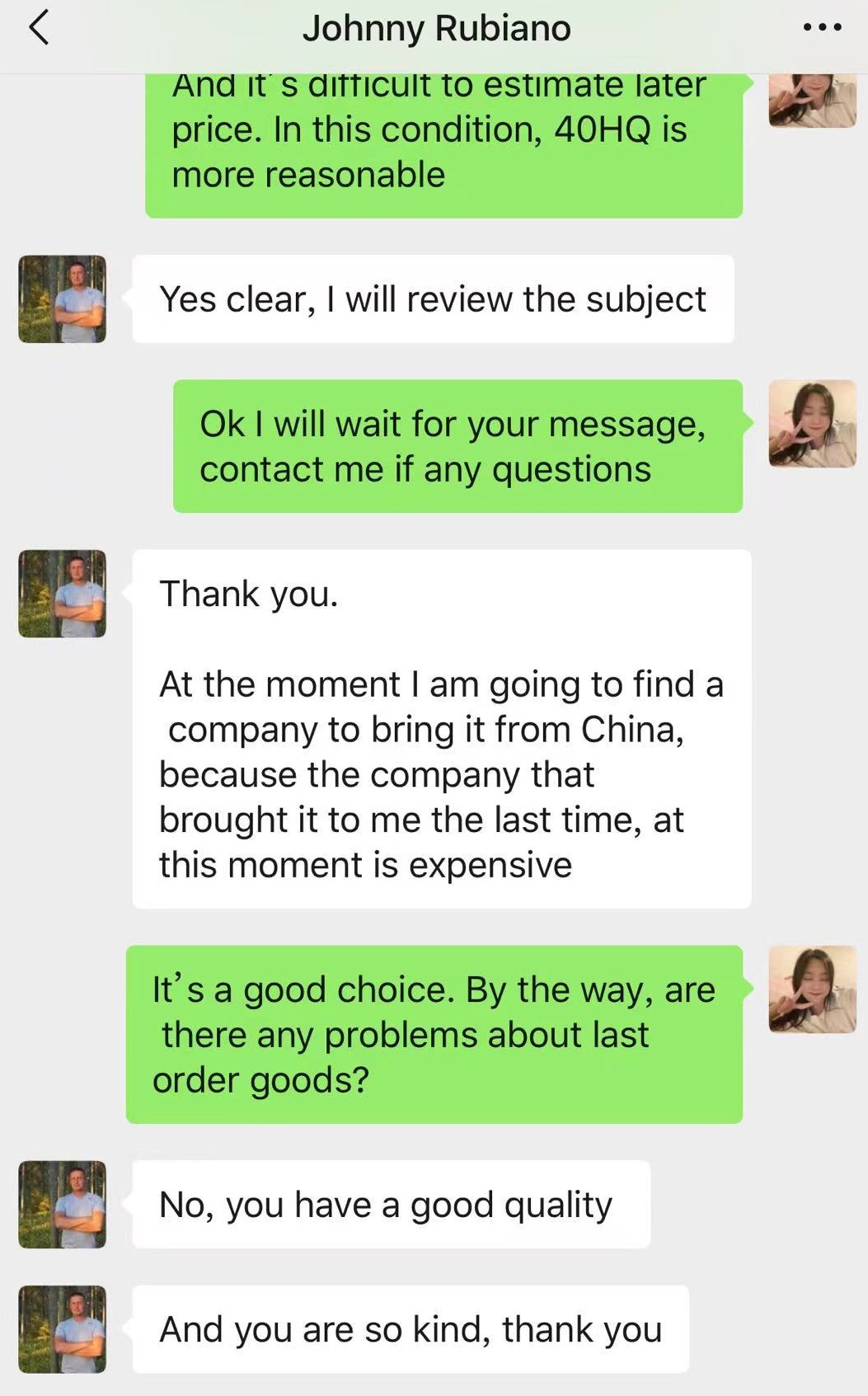
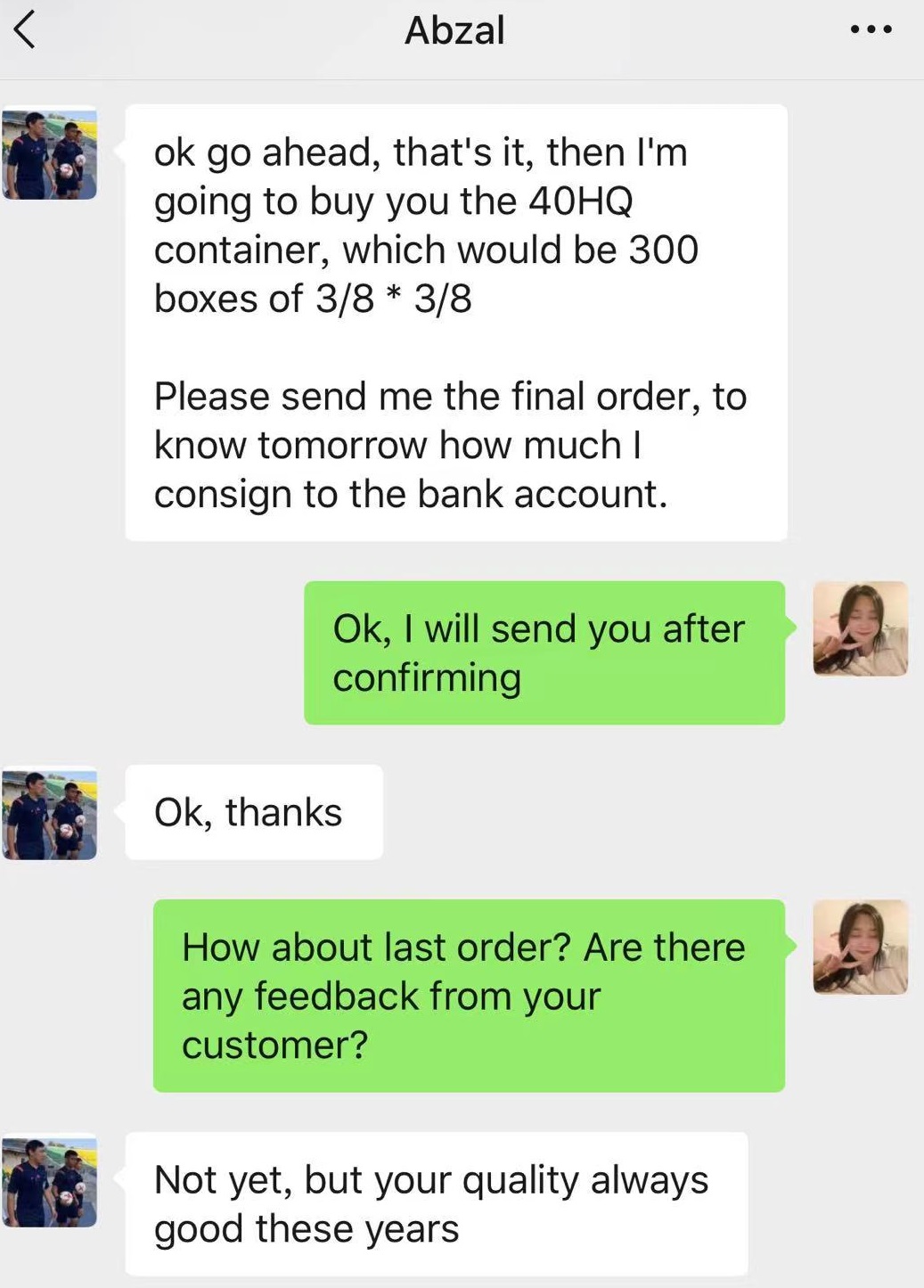
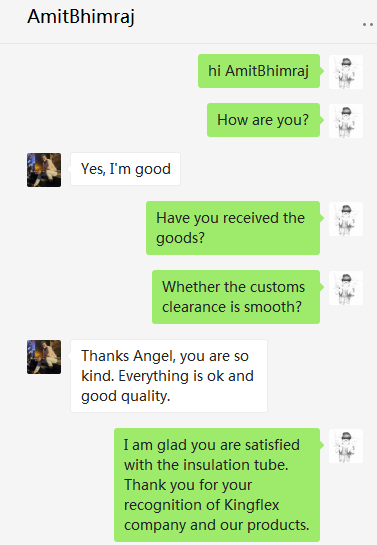
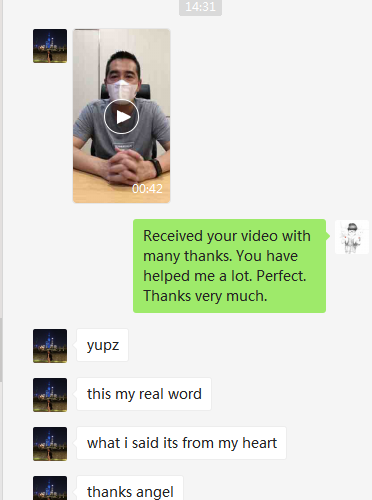
We work closely with engineering consultants and international buyers to deliver custom dimensioning, targeted flame-retardant performance, and volume pricing. Below are verified project discussions and order confirmations from our international clients, showing our commitment to reliability and global standards.
■ 9. Future Trends & Advanced Materials Technology
Looking ahead, the thermal insulation industry is focusing on smart integration, improved flame-retardant performance, and circular material lifecycles. Kingflex is leading these developments by investing in sustainable polymer chemistry and advanced flame-retardant formulations.
Our research focuses on bio-based NBR elastomers that reduce dependence on fossil fuels without compromising technical performance. We are also testing aerogel-rubber composites designed to lower thermal conductivity to under 0.030 W/(m·K) at 0°C. Additionally, we are developing built-in sensors for smart piping to detect moisture ingress under insulation early, helping prevent structural corrosion in industrial systems.
■ 10. Frequently Asked Questions (FAQ)
Q1: What are the primary applications of elastomeric rubber foam insulation?
It is primarily used to isolate HVAC ductwork, commercial air conditioning piping, refrigeration lines, industrial process pipelines, and acoustic panels. Its closed-cell structure prevents moisture condensation on cold surfaces and reduces heat transfer on warm lines, maintaining system efficiency.
Q2: How does Kingflex rubber foam insulation perform under fire conditions?
Kingflex insulation is formulated with built-in flame retardants, enabling it to meet strict global fire safety standards, including BS 476, UL94 Class V-0, and CE classification. It is self-extinguishing, does not easily ignite, and produces minimal smoke during a fire.
Q3: How does closed-cell rubber foam compare to rock wool insulation?
Closed-cell rubber foam is highly flexible, moisture-resistant, and ideal for HVAC systems and cold pipelines. Rock wool is a rigid, open-fiber material designed for very high-temperature industrial pipelines and structures requiring high fire ratings, though it lacks built-in moisture resistance.
Q4: Are custom dimensions, density configurations, and OEM services available?
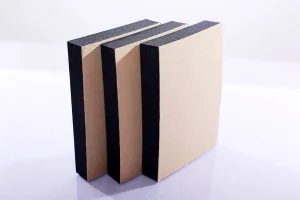
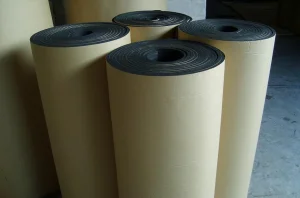
Yes, we provide full OEM and ODM services. We can adjust density levels (from 40 to 55+ kg/m³), scale wall thicknesses (from 6mm to 50mm), add custom self-adhesive backings, or apply protective aluminum jackets to meet specific project demands.
Q5: Which international certifications validate Kingflex product quality?
Our manufacturing processes and products are certified under BS 476, CE, REACH, RoHS, UL94, and ASTM. This ensures our materials comply with global construction codes and environmental standards.
Q6: Do Kingflex products have tracking and material trace systems?
Yes, every manufacturing run is logged. We trace raw materials from source to final product, tracking processing parameters and quality inspections to ensure reliability and support warranty services.
Q7: What is the thickness range for Kingflex rubber foam insulation rolls?
Our standard automated lines produce sheet rolls in thicknesses from 6mm to 50mm. Thicker specifications can be custom-ordered or layered using our high-strength adhesive systems.
Q8: What is the typical service life of your rubber foam insulation?
When installed correctly and maintained, our indoor insulation systems typically last 10 to 15 years. For outdoor installations, applying a weather-resistant protective coating or cladding helps prevent UV aging and ensures long-term performance.
 Kingflex