Global Industrial Insulation Solutions

Wholesale Rubber Pipe Insulation Factories & Quotes

Global Industrial Status & Growth Drivers

Analyzing the paradigm shift in industrial energy conservation, net-zero compliance, and infrastructure durability.

In the contemporary landscape of global industrial construction and thermal engineering, the role of closed-cell elastomeric rubber foam insulation has evolved from a utility specification to a core component of sustainability strategies. With industrial infrastructure accounting for a substantial fraction of global energy utilization, optimizing thermal transmission across pipelines is paramount. Globally, energy policies such as the European Union’s Energy Performance of Buildings Directive (EPBD) and ASHRAE Standard 90.1 in the United States are mandating stringent thermal conductivity barriers. This has caused an unprecedented spike in demand for high-performance wholesale rubber pipe insulation from direct manufacturers.

Beyond traditional HVAC/R air conditioning lines, complex process systems require robust barriers against condensation and thermal leakage. Liquid cooling systems in hyperscale data centers, district energy thermal distribution corridors, and LNG cryogenic transport networks present diverse challenges. Traditional materials like fiberglass and rock wool, while historically popular, struggle with moisture absorption. Under high humidity or extreme cold cycles, moisture penetration can destroy the insulating performance of open-cell matrices and accelerate Corrosion Under Insulation (CUI). Elastomeric rubber, engineered with a closed-cell micro-structure, acts as a built-in water vapor barrier, preserving thermal stability and extending mechanical pipeline life for decades.

Key Market Trend Insight: Transitioning to halogen-free, low-smoke, and high-flame-retardant elastomeric compounds is no longer optional for high-occupancy and critical infrastructure. Rail transit systems, commercial high-rises, and hospitals require specialized certifications such as UL 94, BS 476, and REACH compliance to guarantee structural and environmental safety.

Thermal Energy Optimization

Extremely low thermal conductivity (λ ≤ 0.034 W/m·K at 0°C) reduces energy loss, stabilizes fluid temperatures, and guarantees high operational ROI.

Severe Corrosion Prevention

The closed-cell configuration prevents moisture migration to the outer metal pipe walls, eliminating the primary driver of Corrosion Under Insulation (CUI).

Sound & Acoustic Damping

Flexible open-cell and customized structural variants suppress acoustic transmission and mechanical vibration in fluid flow systems.

40+

Years Industrial Heritage

5

Automated Production Lines

600k+

M³ Annual Capacity

66+

Global Export Destination Countries

Engineering Specifications & Material Standards

Comprehensive standard dimension matrix and physical properties of Kingflex elastomeric insulation materials.

Our raw material formulation utilizes premium Nitrile-Butadiene Rubber (NBR) coupled with Polyvinyl Chloride (PVC) matrix modifiers. This results in uniform cell structures, low density, and high tensile recovery. To ensure engineering accuracy, review our standard product dimensions below:

Insulation Classification Base Polymer Material Thickness Range Internal Diameter (ID) Material Density Operational Temp Range
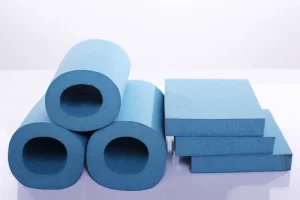
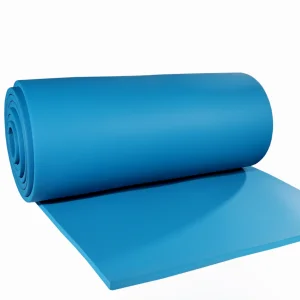
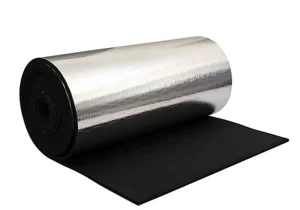
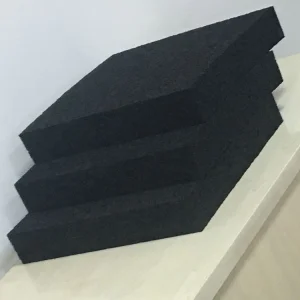
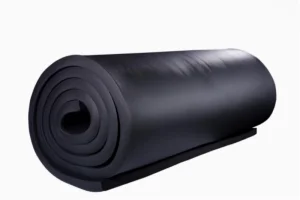
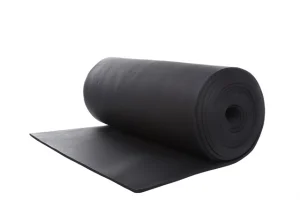
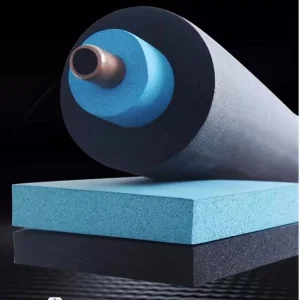
Black Rubber Foam Sheet Roll Premium NBR / PVC Blend 6.0 mm to 50.0 mm Flat Roll / Sheet Form 40 - 55 kg/m³ -40℃ to 105℃
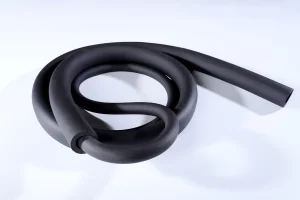
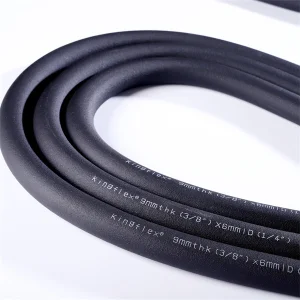
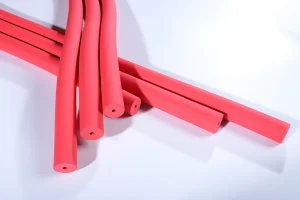
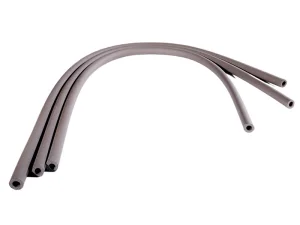
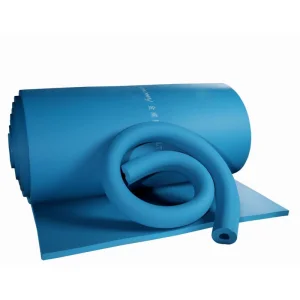
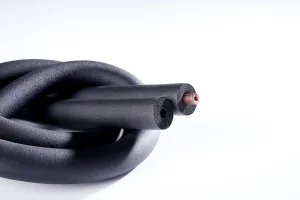
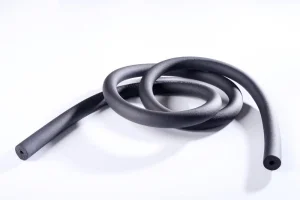
Black Rubber Foam Pipe / Tube Premium NBR / PVC Blend 9.0 mm to 40.0 mm 6.0 mm to 114.0 mm 40 - 55 kg/m³ -40℃ to 105℃
Cryogenic Insulation Systems Specialized Low-Temp Elastomer Custom Layered (Up to 50mm) Custom Engineered 50 - 65 kg/m³ -200℃ to 125℃

Technical Advantages

  • Uniform Foaming: The closed-cell rate exceeds 98%, ensuring outstanding insulation performance over long lifetimes.
  • Low Moisture Absorption: The closed-cell structure keeps thermal conductivity constant, even in high-humidity areas.
  • High Resilience: Offers over 80% compression recovery, simplifying installation around complex pipe runs, fittings, and flanges.
  • Fire Resistance: Self-extinguishes upon flame removal. Fully compliant with international fire safety codes.

China Factory 4.0: Supply Chain Resilience & Cost Efficiency

Inside Dacheng, China—the global center of green-building materials manufacturing.

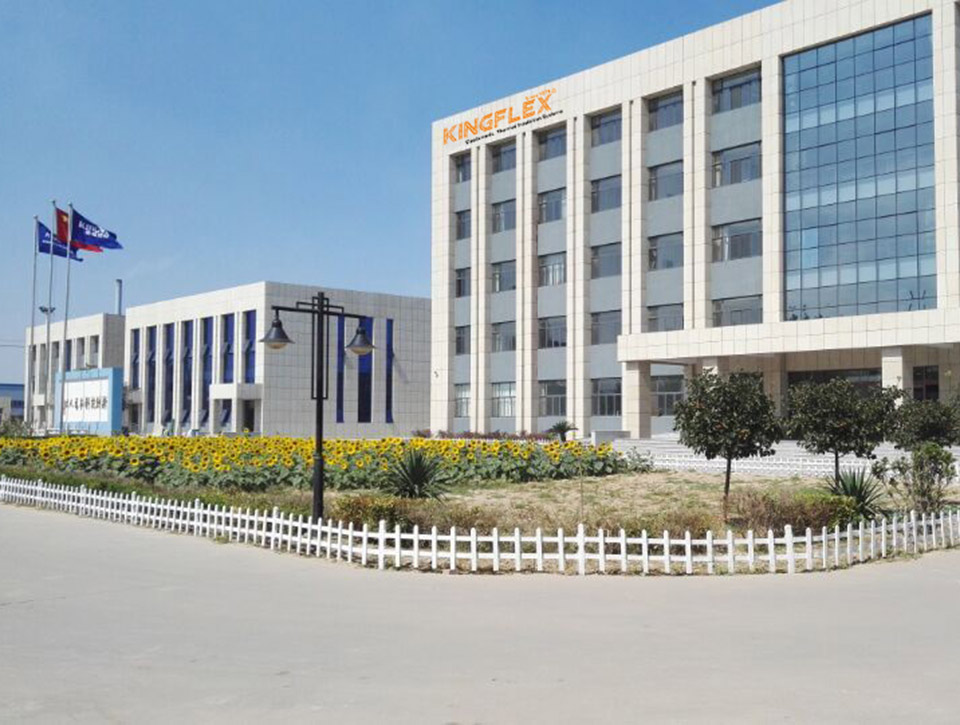
A key factor in sourcing thermal insulation is supply chain reliability. Kingflex Insulation Co., Ltd. runs five advanced automatic assembly lines in Dacheng, China. This region is recognized as a major hub for green building materials. Our facility features real-time mixing, continuous extrusion control, and automated curing ovens. Together, these systems yield an annual capacity of over 600,000 cubic meters. This high production level makes us a trusted supply partner for large industrial projects and global distributors.

Integrated Supply Strategy

Our operation combines R&D, automated manufacturing, and direct trading. This integration eliminates intermediate agency markups and shortens engineering lead times.

Strict Certification Support

Our products carry credentials like BS 476, CE, REACH, RoHS, UL 94, and ASTM. This guarantees smooth import processing and code compliance globally.

Reliable Order Fulfillment

Our raw material reserves and efficient logistics partners shield customers from market shortages and global shipping delays.

Targeted Applications & Project Environments

Engineered rubber insulation designed for demanding physical conditions.

No single insulation formula fits all environments. The physical demands of a high-temperature industrial steam pipe differ from those of a sub-zero cryogenic transfer line. Our products are formulated for specific, real-world applications:

1. Central HVAC Systems

Prevents condensation on chilled water pipes and stops energy loss along high-velocity air ducts in commercial hubs, hotels, and airports.

2. Cryogenic Sub-Zero Lines

For temperatures down to -200°C. Resists crystallization and structural cracking, protecting delicate pipeline materials.

3. Data Centers & Processing

Offers low VOC levels, high dust-free performance, and reliable fire resistance. Protects server racks from condensation-related electrical shorts.

4. Marine & Offshore Systems

Salt spray and UV-resistant options prevent early material breakdown on offshore oil rigs and shipping vessels.

5. Food & Pharma Facilities

Manufactured to prevent mold growth and bacterial colonization on mechanical utility systems without relying on toxic biocides.

6. Chemical Processing Plants

Our closed-cell structure shields copper and stainless steel piping from acid vapors and damp industrial atmospheres.

Operational Heritage & R&D Excellence

Backed by over four decades of thermal insulation manufacturing experience.

Our Origins

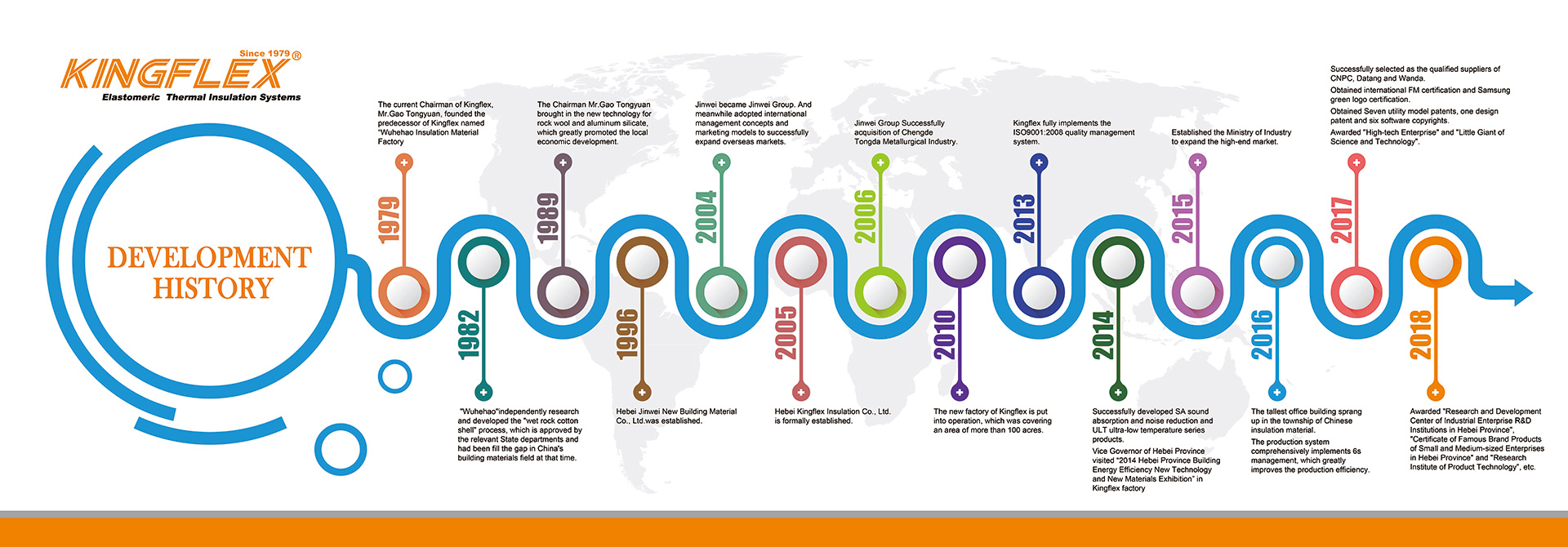
Kingflex was established by the Jinwei Group, which brings over 40 years of history. Founded in 1979, the group was the first major thermal insulation materials manufacturer north of the Yangtze River. This deep industry history allows us to blend time-tested experience with modern manufacturing practices.

Our Team & Facilities

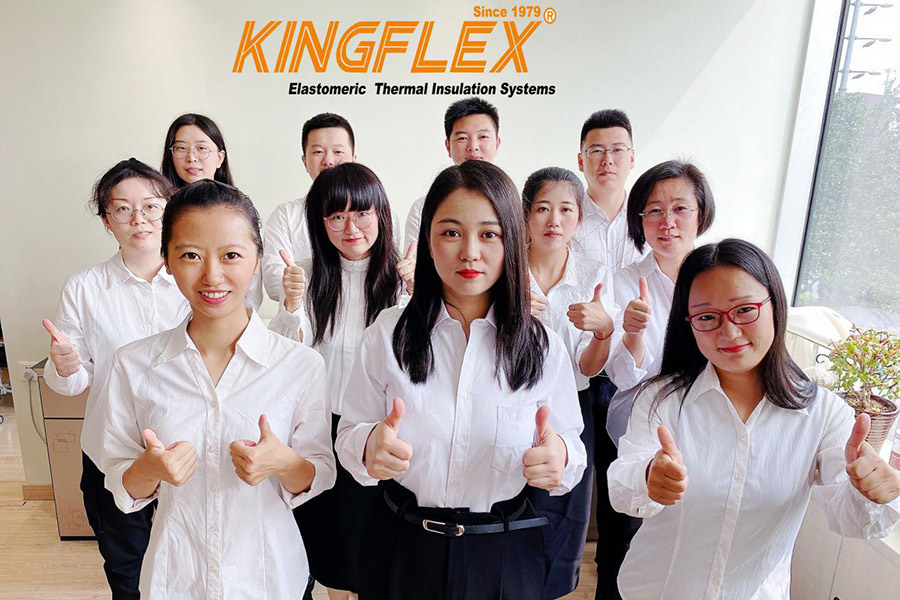
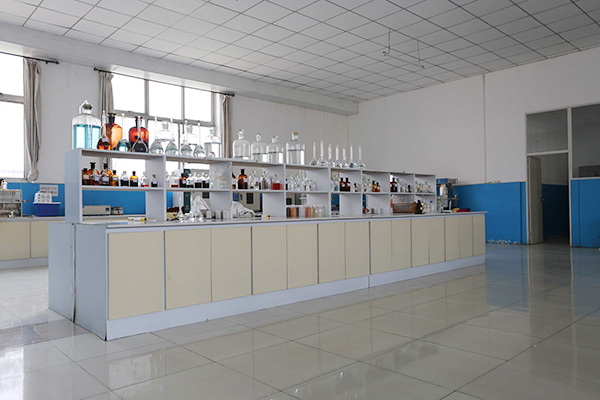
Our workforce is the foundation of our manufacturing quality. Our R&D department features 8 professional engineers, supported by 6 international sales representatives and 230 production workers. Our state-certified testing lab conducts regular checks on thermal conductivity, density, elasticity, and fire spread. This ensures every batch meets our strict quality standards before shipping.

Kingflex R&D Lab Automated Manufacturing Line Kingflex Warehouse R&D Equipment

Quality Control & Visual Verification

Documented quality testing, customer feedback, and international certifications.

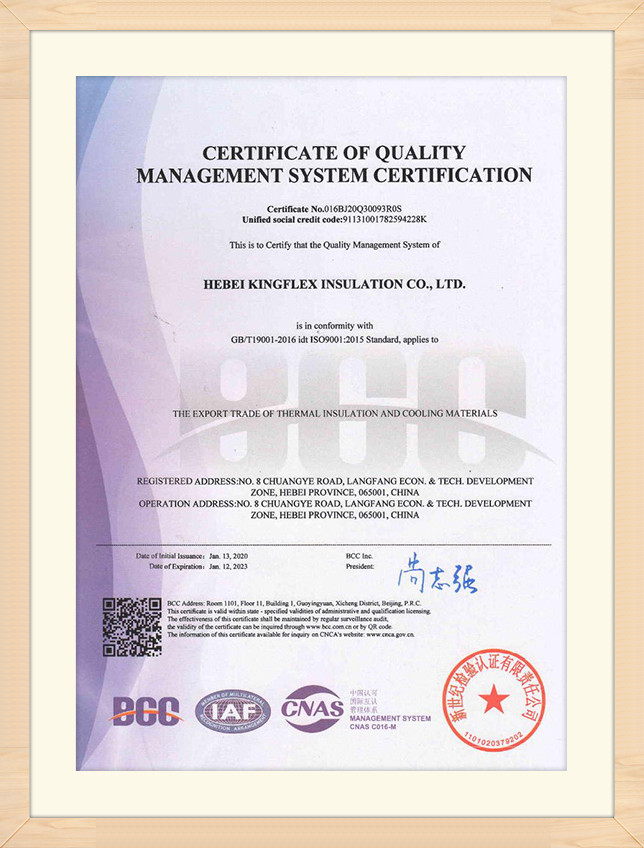
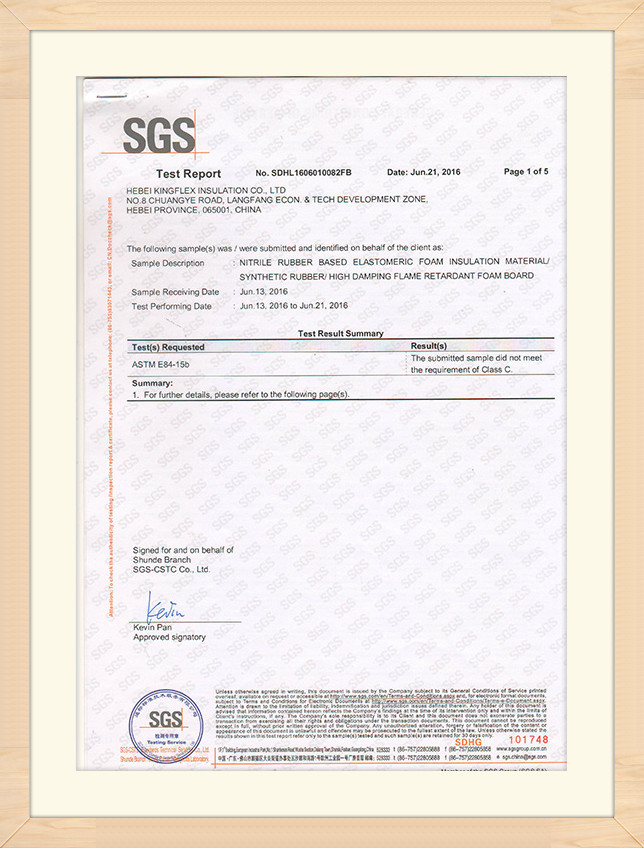
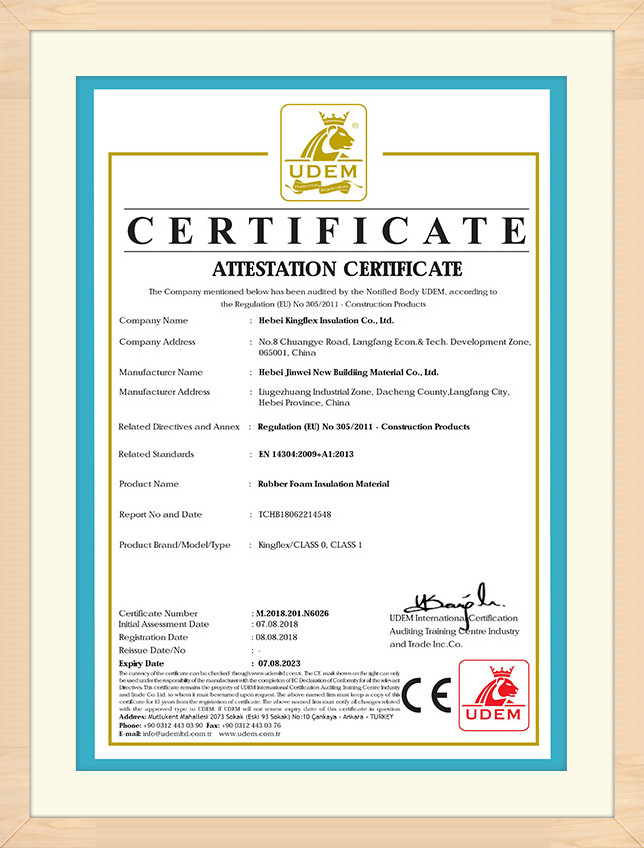
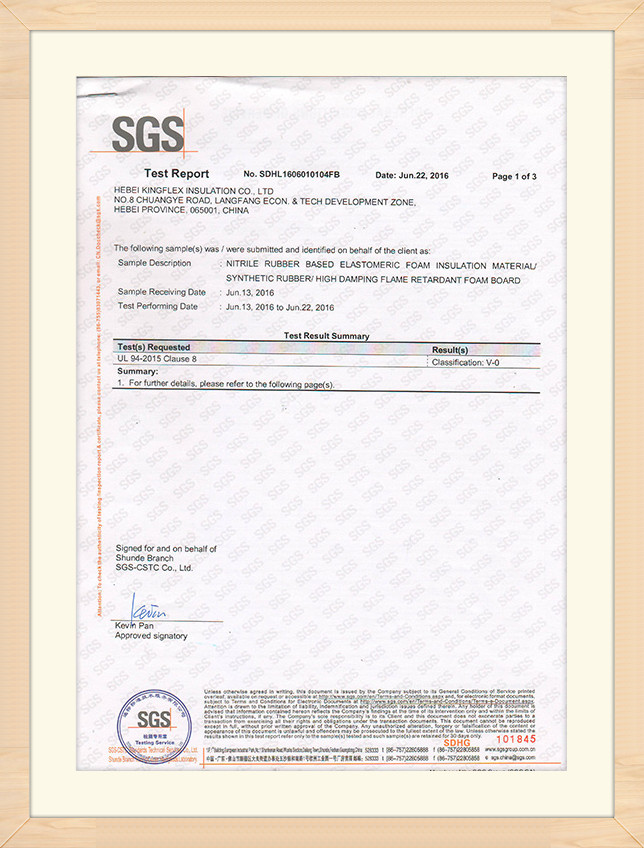
Kingflex Testing Certificate

Product Certification

International Quality Standards

Quality Standard Verification

Fire Safety Approval

Fire Testing Verification

ASTM Compliance Proof

Compliance Approval

Customer Communication & Project Trust

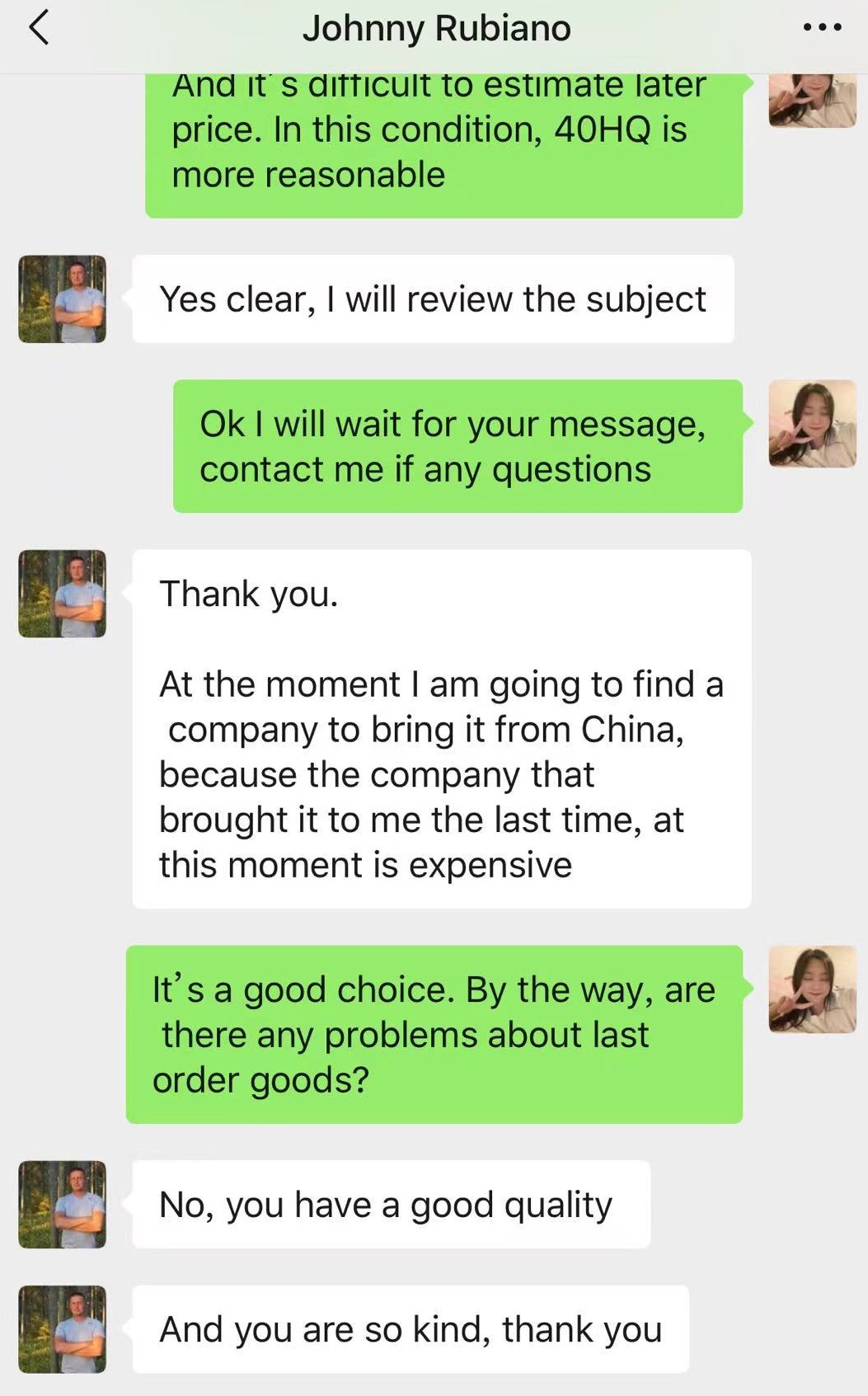
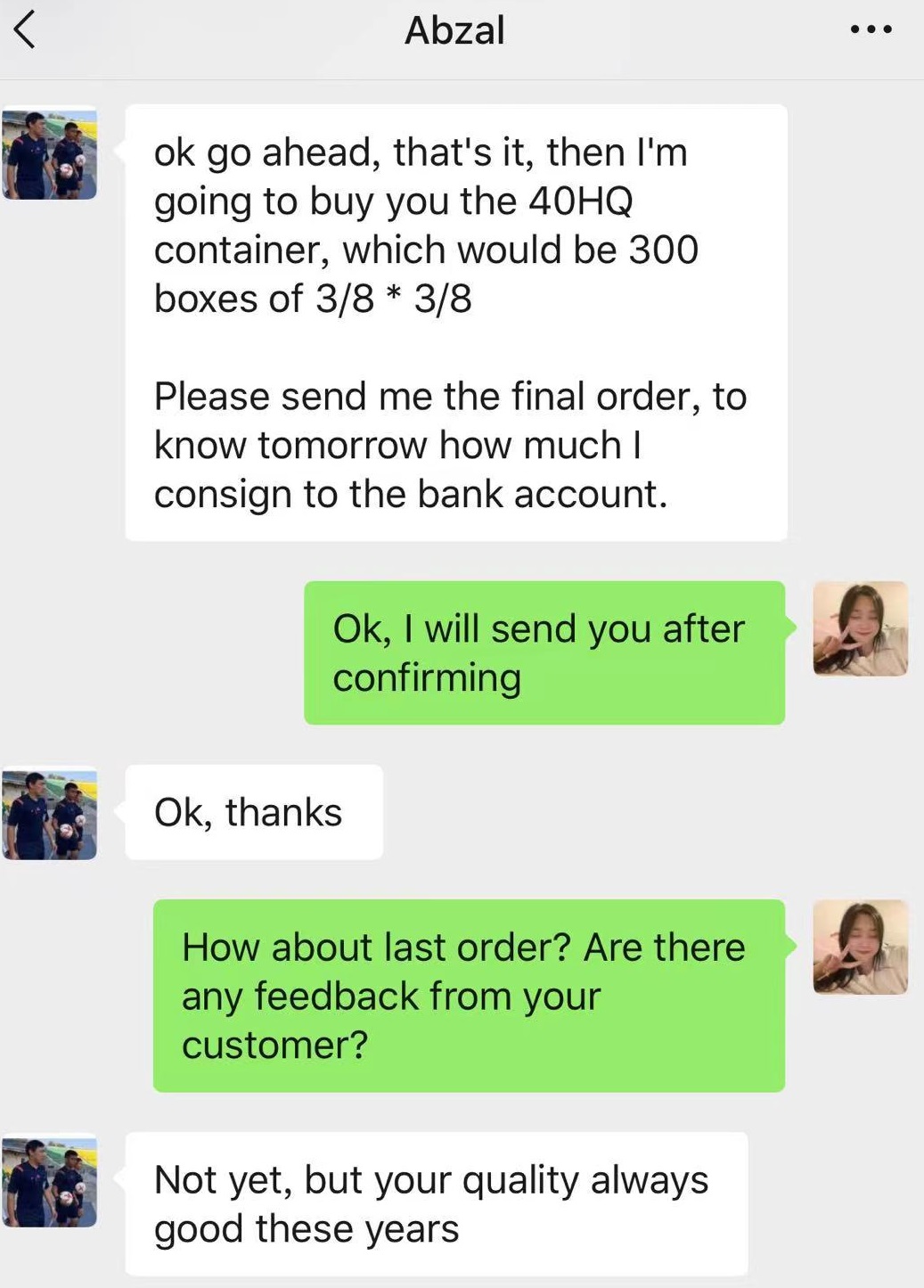
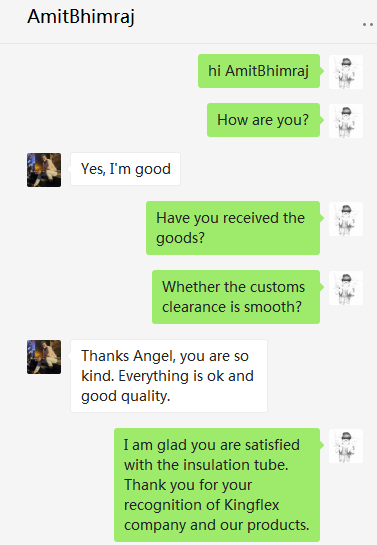
A look at customer feedback showing our dedication to responsive service and high product quality.

Client Feedback Chat 1
Client Feedback Chat 2
Client Feedback Chat 3
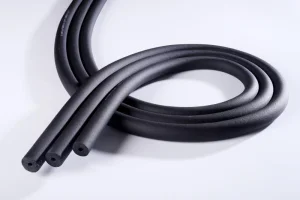
Client Feedback Chat 4

Expert Insulation FAQ & Procurement Guide

Detailed technical answers to help engineers, builders, and purchasing managers make informed decisions.

What is elastomeric rubber foam insulation primarily used for?
Elastomeric closed-cell rubber foam insulation is primarily designed for HVAC systems, chilled and hot water piping, refrigeration loops, process cooling systems, and air handling systems. Its built-in resistance to moisture makes it ideal for cold pipelines where condensation control is critical to prevent water damage and thermal degradation.
Is Kingflex rubber foam insulation fire retardant?
Yes. Kingflex insulation features self-extinguishing fire-retardant properties. It meets international standards including BS 476 (Class 0 and Class 1), UL 94 vertical burn ratings, and ASTM E84 flame spread and smoke development limits. This makes it suitable for high-density commercial developments and industrial facilities.
How does rubber foam insulation compare to rock wool insulation?
Rubber foam is a flexible, closed-cell material that naturally blocks moisture. This makes it ideal for cold pipes, HVAC systems, and environments prone to dampness. Rock wool is an open-cell mineral fiber that withstands higher temperatures. It is best suited for hot steam pipes and dry fireproofing applications where water ingress is not a concern.
Do you support customized specifications and OEM services?
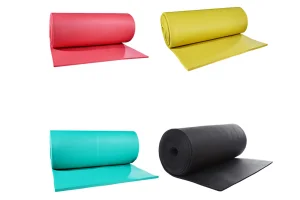
Yes. We offer full OEM support. We can customize internal diameters (ID), wall thicknesses (from 6mm to 50mm), external coatings (such as aluminum foil or self-adhesive backings), colors, and packaging to meet specific project needs.
What global certifications do Kingflex products carry?
Our products are certified under ISO 9001 quality systems and comply with BS 476, CE, REACH, RoHS, UL 94, and ASTM. These standards verify safety, ecological compliance, and thermal reliability in global markets.
How does Kingflex ensure material traceability?
We use a batch tracking system. Every roll or carton is labeled with production codes, line numbers, and QC inspection timestamps. This lets us trace raw materials back through our production process, ensuring consistent quality.
What is the standard thickness range for your rubber foam insulation rolls?
Our automatic lines produce thicknesses ranging from 6mm up to 50mm. Standard thicknesses include 6mm, 9mm, 13mm, 19mm, 25mm, 32mm, 40mm, and 50mm. This range allows clients to choose the exact thickness needed to meet thermal design requirements.
What is the typical service life of NBR/PVC elastomeric insulation?
When installed correctly, NBR/PVC elastomeric insulation generally lasts 10 to 15 years in typical environments. For outdoor installations, adding a protective cladding (such as aluminum foil or UV-resistant paint) is recommended to prevent damage from UV exposure and weathering.
How does a closed-cell design prevent Corrosion Under Insulation (CUI)?
In open-cell materials, moisture can reach the pipe surface, trapping water and causing rust. Elastomeric foam has a closed-cell structure (over 98% closed cells) that blocks moisture from traveling through the insulation. This keeps the pipe surface dry and helps prevent corrosion.
What is the difference between Class 0 and Class 1 fire ratings?
Class 1 indicates limited surface flame spread under BS 476 Part 7 testing. Class 0 is a higher standard that requires Class 1 performance plus a low overall heat release index under Part 6 testing. Class 0 materials are typically specified for critical escape routes and commercial high-rise buildings.
Can elastomeric rubber foam be used for cryogenic systems?
Yes. We offer specialized cryogenic elastomeric formulations designed for temperatures down to -200°C. These systems remain flexible at very low temperatures, preventing thermal shock cracking and blocking moisture ingress.
How can I request a quote for wholesale orders?
You can request a quote by sending your project specifications—including density, dimensions, thickness, and volume—to our sales team. We provide transparent pricing and customized freight options for ports worldwide.
Detailed Dimension & Application Profiles

Explore technical configurations for Kingflex sheet rolls and pipe insulation.

Black Rubber Foam Insulation Sheet Roll

Standard Dimensions:
Material: NBR/PVC
Thickness: 6mm - 50mm
Density: 40 - 55 kg/m³
Service Temp: -40℃ to 105℃

Key Applications:

Ideal for large HVAC air ducts, building walls, roofs, basement insulation, and large industrial storage tanks.

Get Pricing

Black Rubber Foam Insulation Pipe

Standard Dimensions:
Material: NBR/PVC
Thickness: 9mm - 40mm
Internal ID: 6mm - 114mm
Density: 40 - 55 kg/m³
Service Temp: -40℃ to 105℃

Key Applications:

Used for air conditioning chilled water lines, condensate pipes, hot water systems, and process piping systems.

Get Pricing