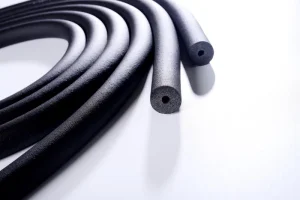
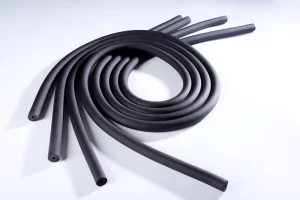
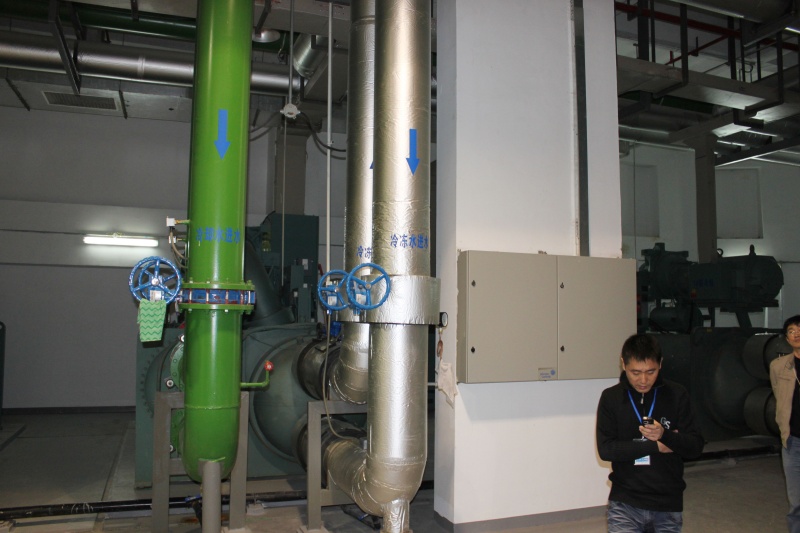
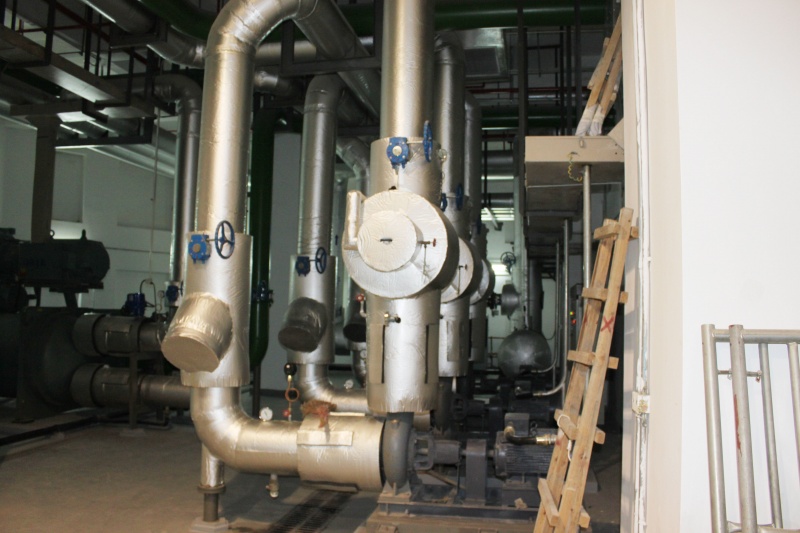
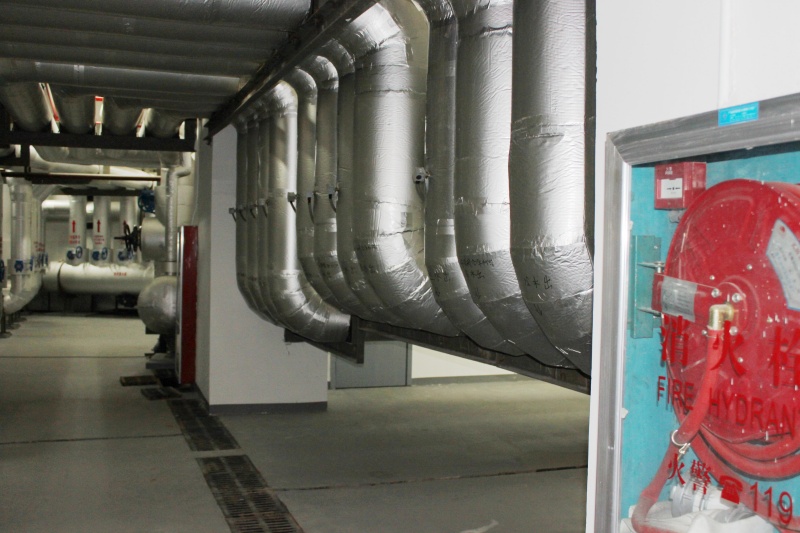
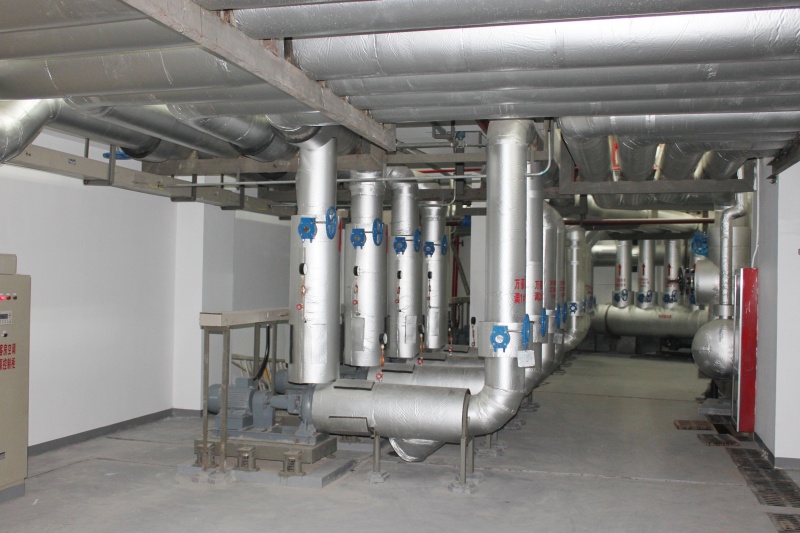
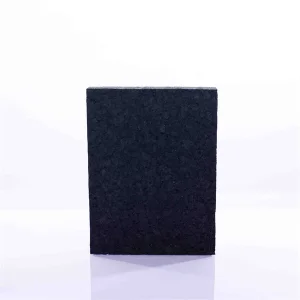
Engineered high-performance thermal barriers with optimized R-value performance for modern commercial construction & HVAC networks.
In high-capacity HVAC&R and industrial plant design, thermal resistance (R-value) represents the mathematical boundary between operational efficiency and thermal failure. Formally defined as the reciprocal of thermal conductivity (U-factor), a material's R-value determines its resistance to conductive heat flux.
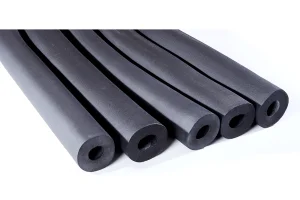
Elastomeric NBR/PVC closed-cell structures achieve high R-values by locking dry nitrogen and carbon dioxide gases within microscopic, non-communicating cells. This structure prevents moisture ingress—the single greatest cause of insulation system failure and R-value degradation over time.
| Thickness | K-Value (at 0°C) | Equivalent R-Value (per inch) | Moisture Permeability |
|---|---|---|---|
| 9mm - 13mm | ≤ 0.034 W/(m·K) | R-4.2 | μ ≥ 10,000 |
| 19mm - 25mm | ≤ 0.035 W/(m·K) | R-4.0 | μ ≥ 10,000 |
| 32mm - 50mm | ≤ 0.036 W/(m·K) | R-3.8 | μ ≥ 8,000 |
Understanding procurement trends, supply chain requirements, and structural specifications across regions.
Compliance with ASTM C534, UL 94, and European BS 476 fire test standards is critical. Project managers require strict validation of R-value ratings, low smoke toxicity indices, and smoke development ratings (25/50 flame spread index ratings) for safety compliance in return air plenums.
Increasingly stringent energy codes worldwide, such as ASHRAE 90.1, require high-performance, thick elastomeric sheet insulation. Selecting the correct insulation thickness prevents condensation on chilled water loops and cuts operating costs.
Large infrastructure works require containerized bulk shipments, optimized pallet packaging, and material tracing. Supply-chain reliability is vital to keep fast-track commercial developments on schedule.
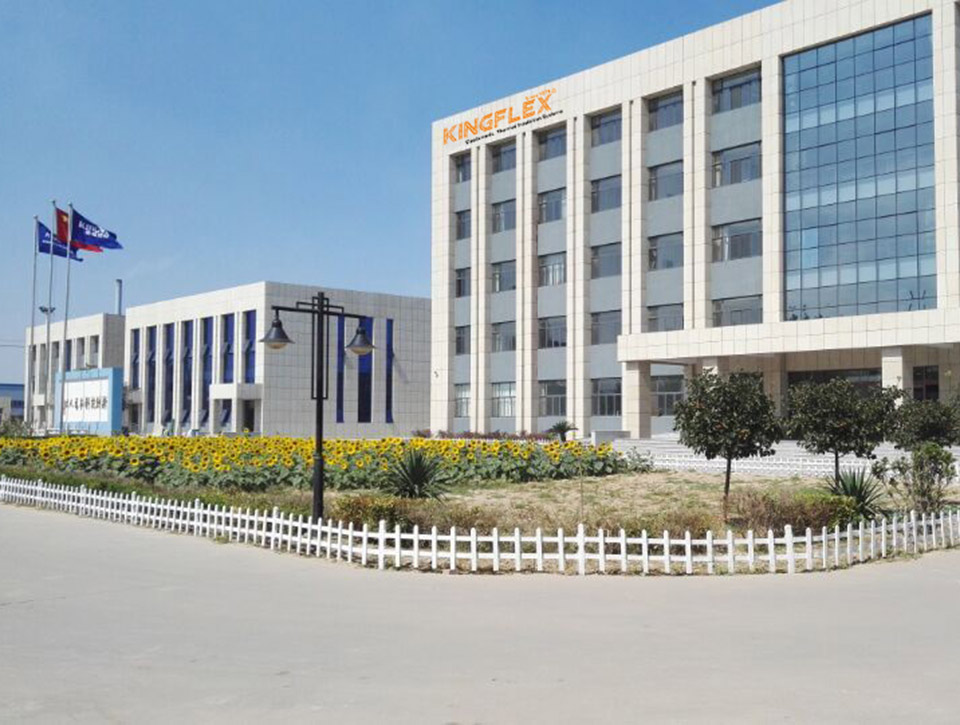
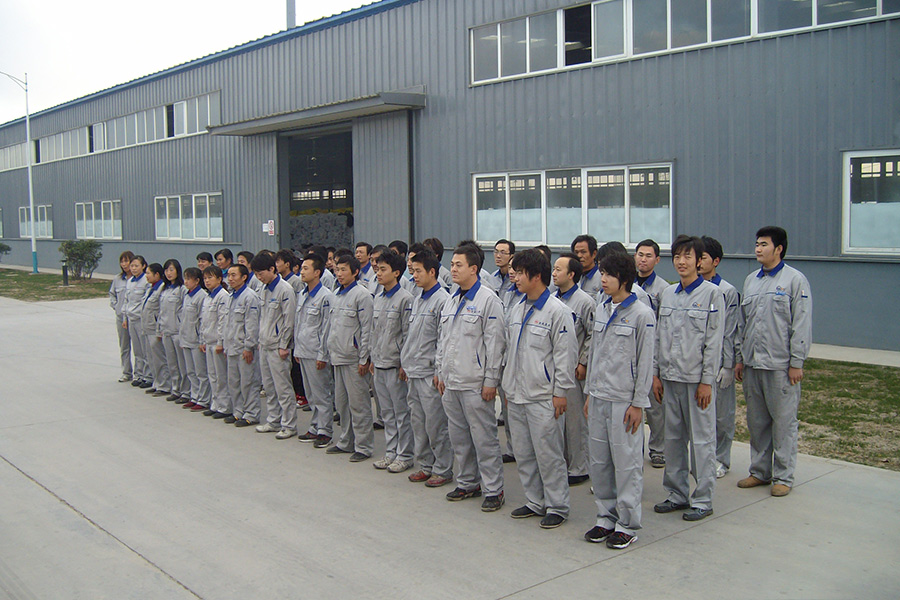
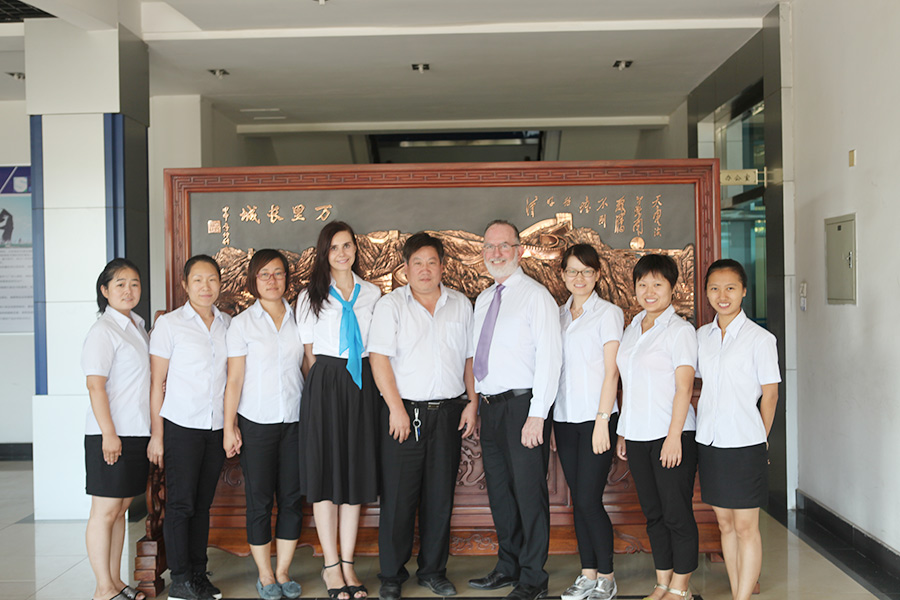
Kingflex Insulation Co., Ltd. is a professional manufacturing and trading combo for thermal insulation products. Kingflex research development and production department is located in a well-known capital of green-building materials in Dacheng, China. It is an energy-saving, environmentally friendly enterprise concentrating on the research, development, production, and sales of high-performance materials.
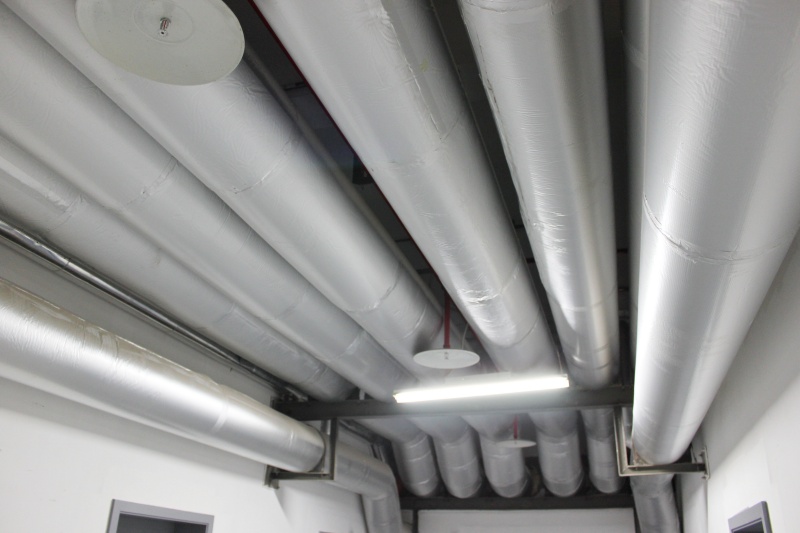
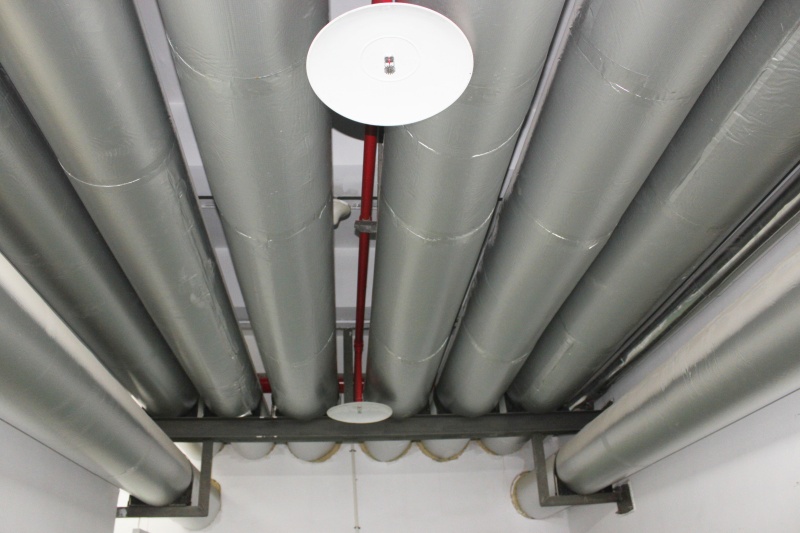
In operation, Kingflex takes energy saving and consumption reduction as its core concept. We provide insulation solutions via consulting, R&D production, installation guidance, and post-sale service to help drive advancements in the global building materials industry.
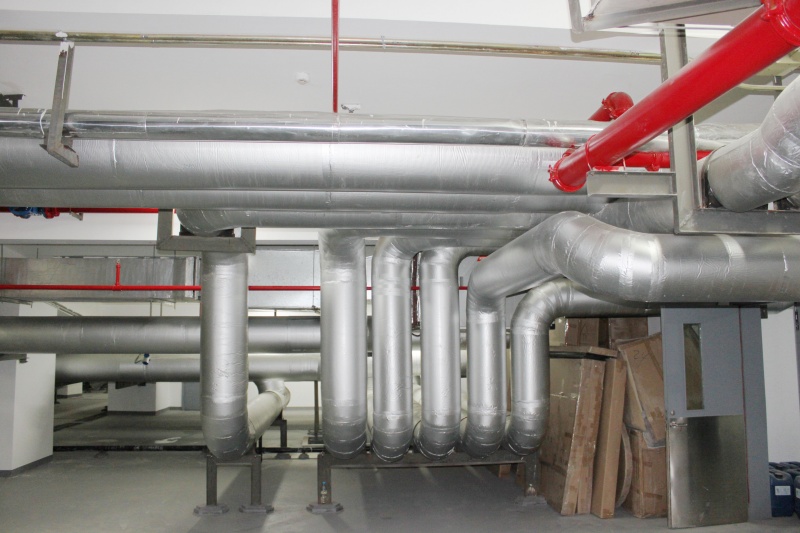
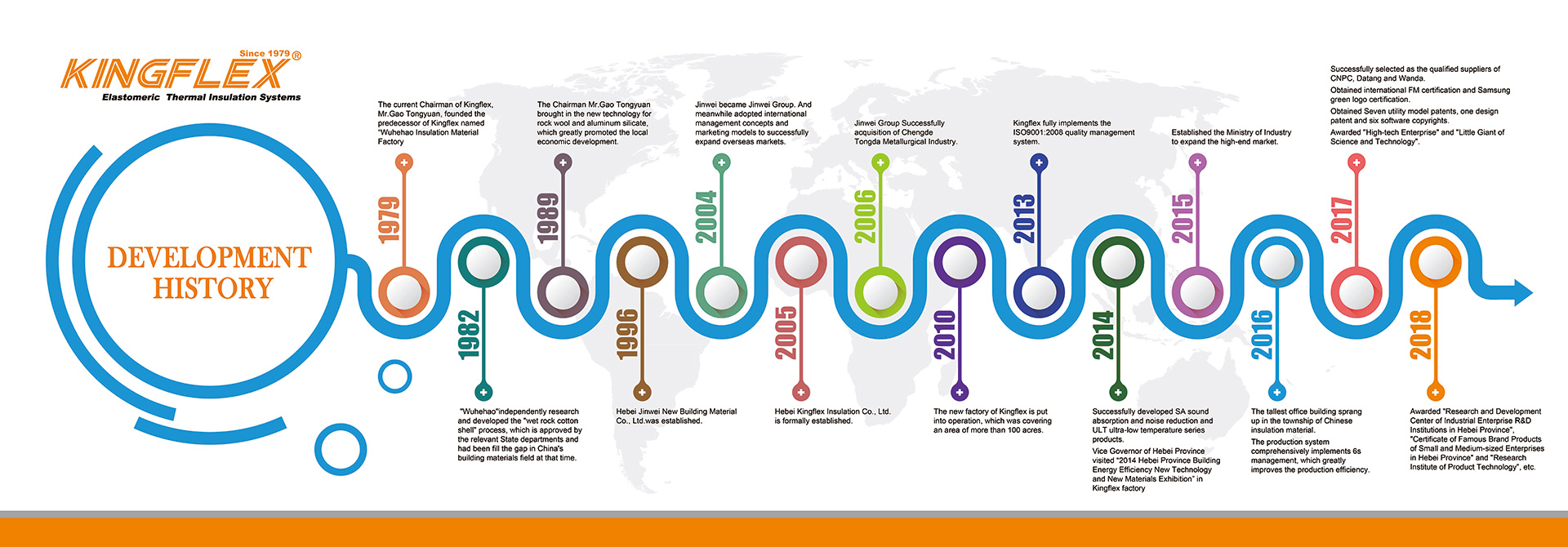
Established by the Jinwei Group, which has more than a 40-year history, Kingflex carries forward a legacy of quality. The parent Kingway Group was established in 1979 as the first manufacturer of thermal insulation materials north of the Yangtze River.
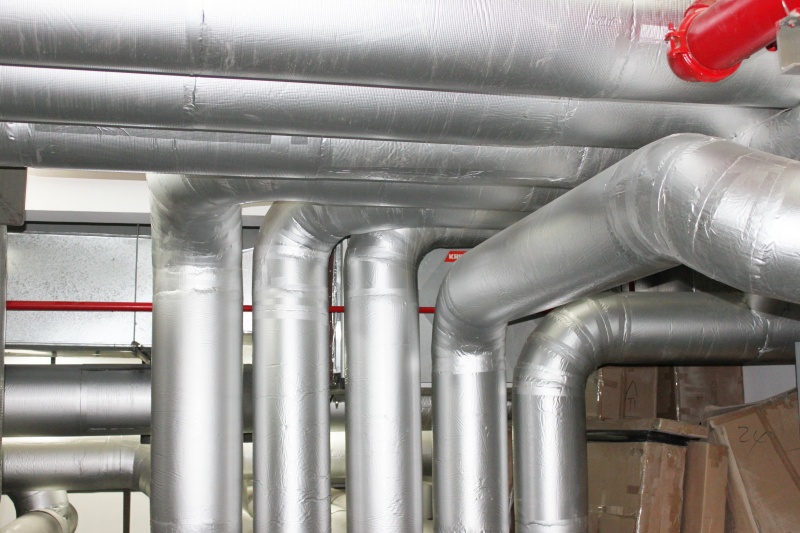
Supplying high-capacity insulation systems to markets worldwide.
Engineered thermal systems built to exact project requirements.
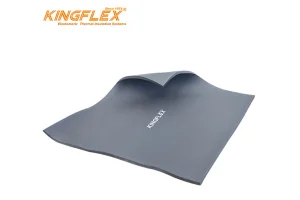
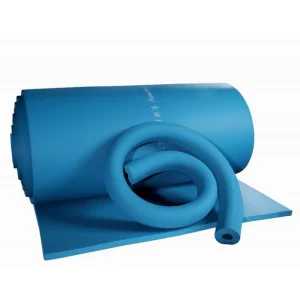
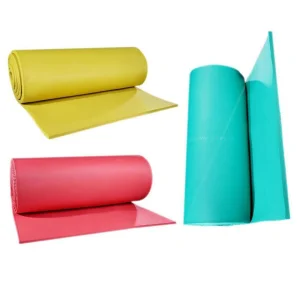
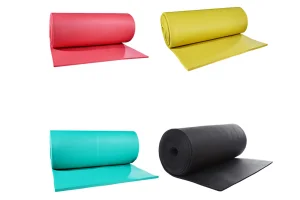
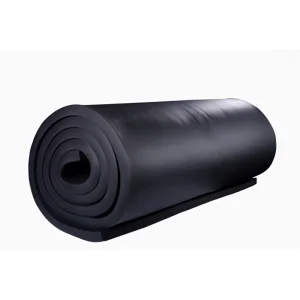
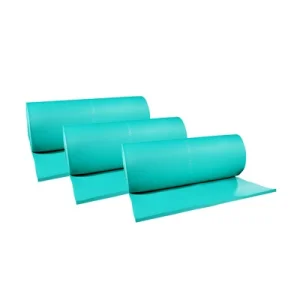
Key Advantages: Formulated for even expansion with closed-cell rates exceeding 98%. Low water vapor transmission maintains consistent thermal insulation, even in high humidity conditions. Highly resilient with compression recovery over 80%.
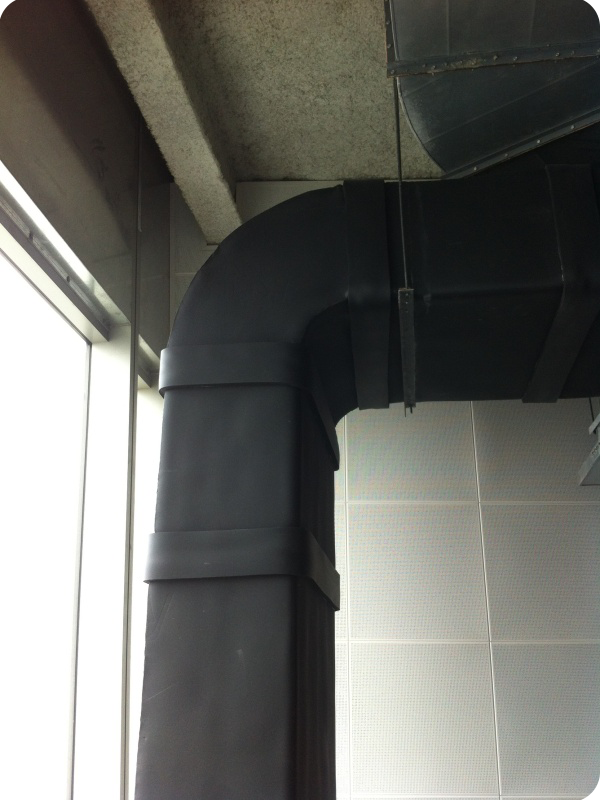
Applications: Central HVAC ducts, heavy industrial processing lines, acoustics/soundproofing panels, solar thermal piping, and large marine/transit insulation modules.
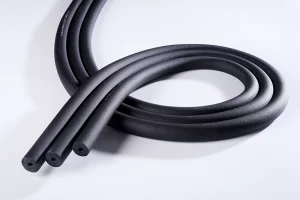
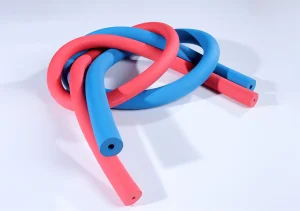
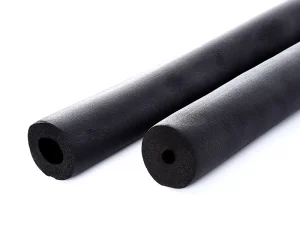
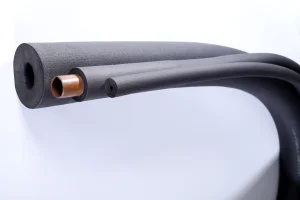
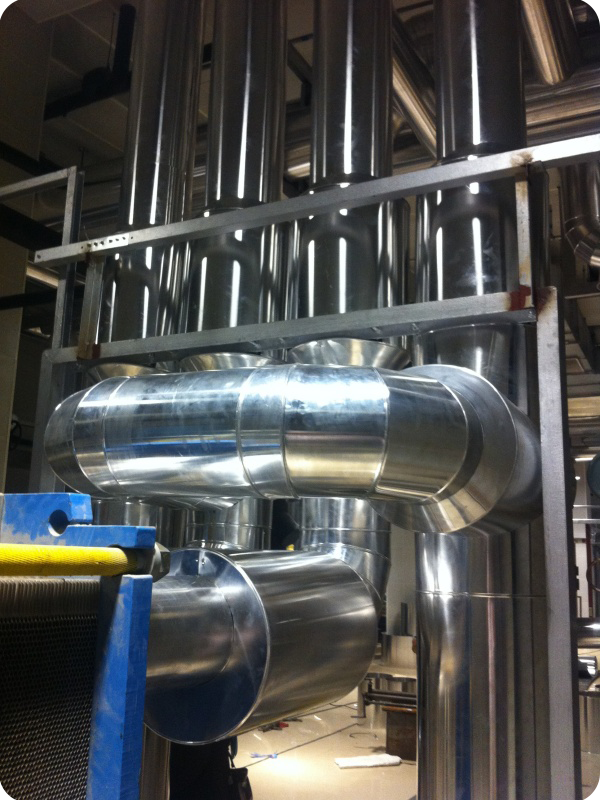
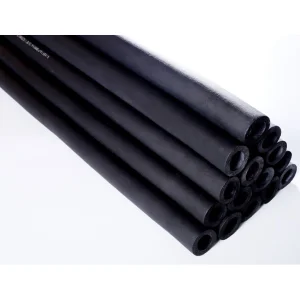
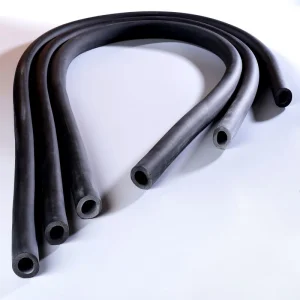
Key Advantages: High-precision extruded profile ensures a snug fit around pipelines. Built-in moisture resistance prevents surface condensation on chilled water pipes and reduces the risk of corrosion under insulation (CUI).
Applications: Commercial chilled/hot water pipes, industrial steam processing runs, cold-chain refrigeration networks, and solar energy thermal collector loops.
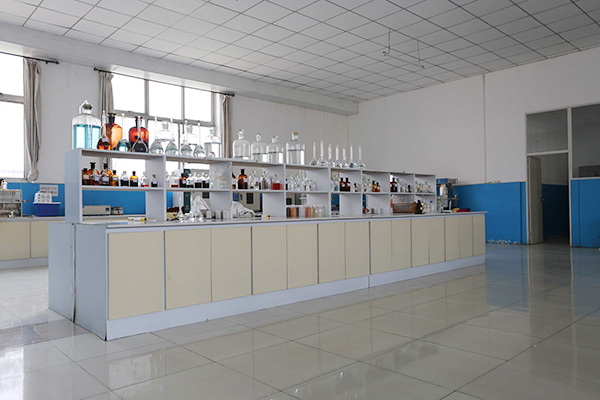
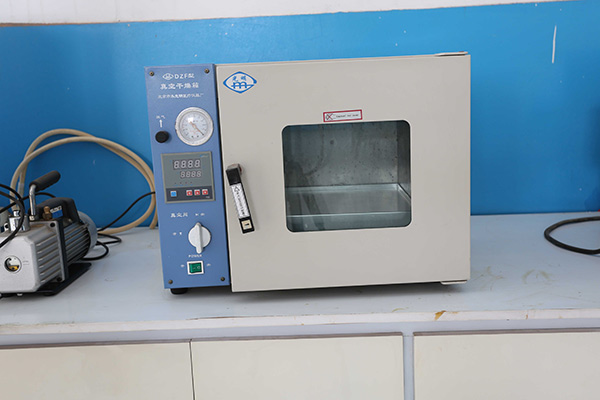
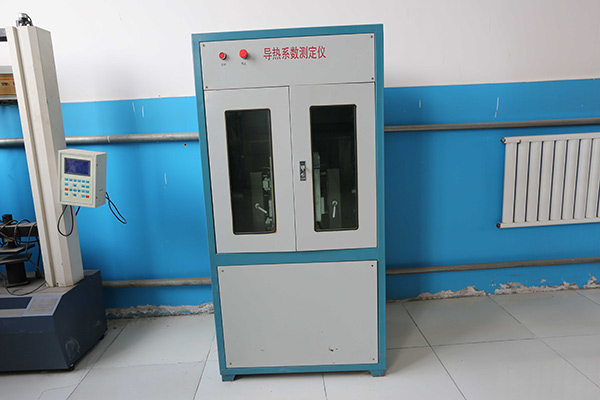
Our dedicated Research & Development laboratory houses eight professional engineers. Through continuous raw material selection and advanced cross-linking controls, Kingflex produces highly flexible materials that perform well in extreme environments.
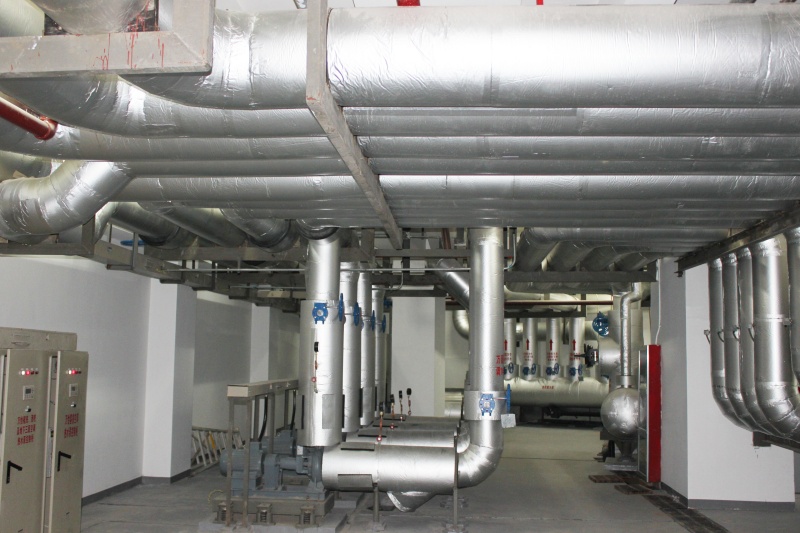
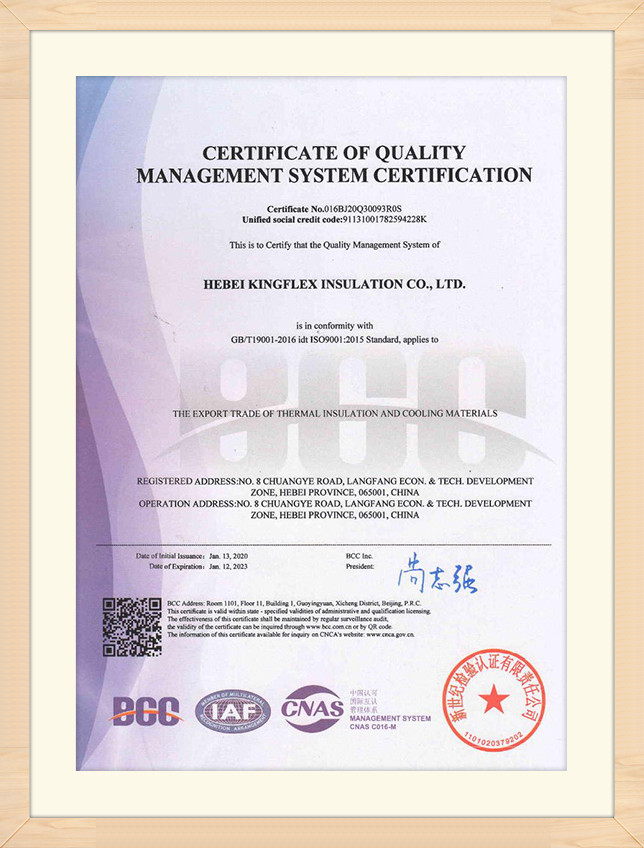
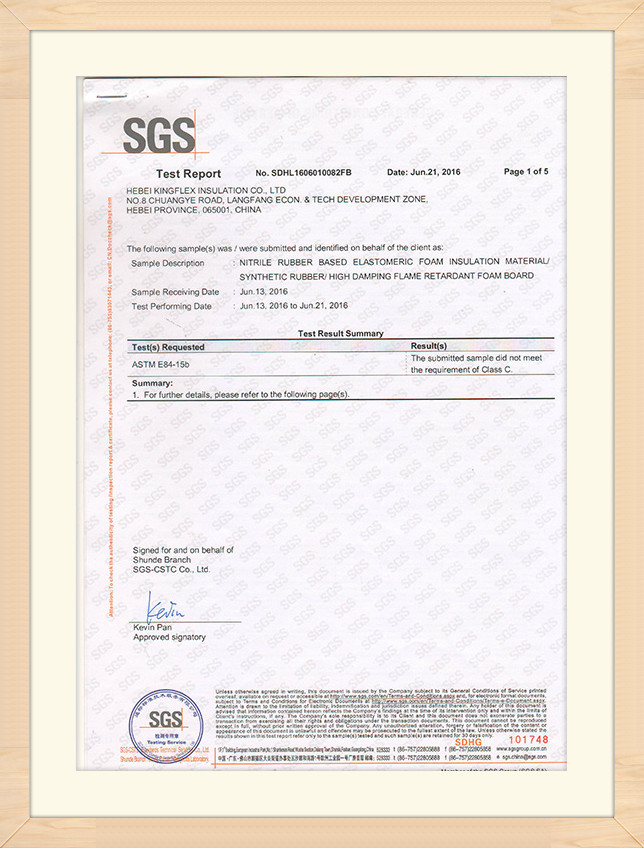
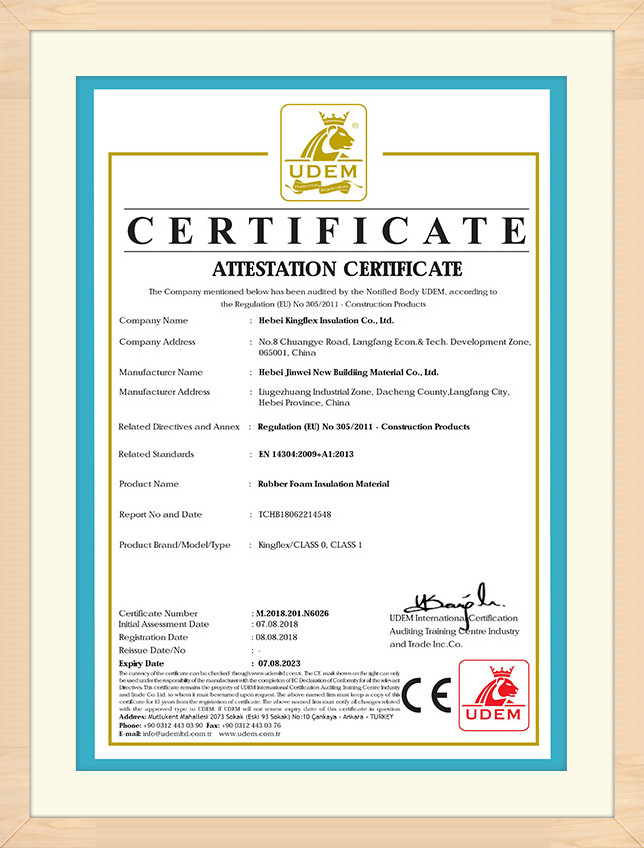
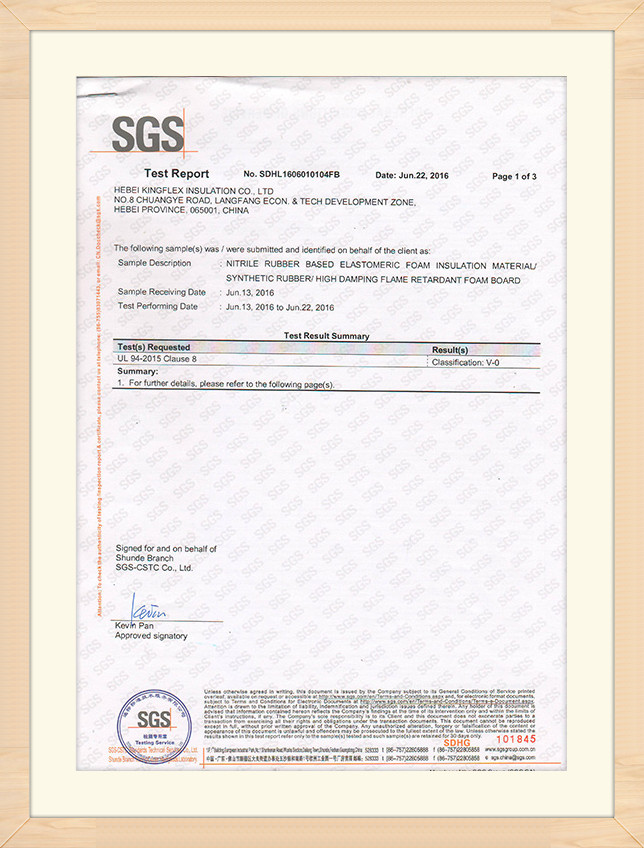
Certifications: Fully certified to BS 476, CE, REACH, RoHS, UL94, and ASTM requirements. All products feature batch-level digital tracking for transparent quality assurance and project compliance.
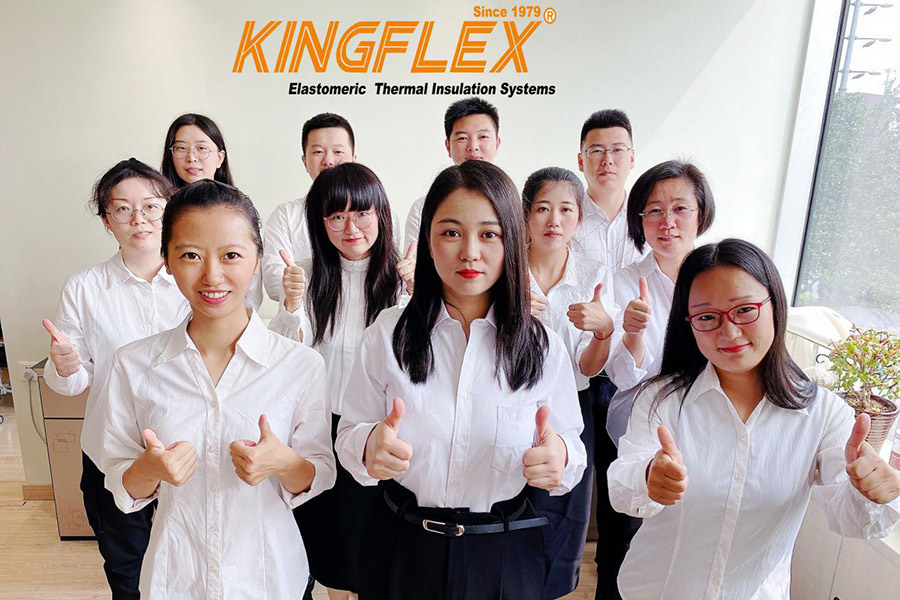
A visual overview of our manufacturing facilities, global testing, and customer engagement.


Optimizing thermal envelope R-value is key to meeting international carbon reduction targets.
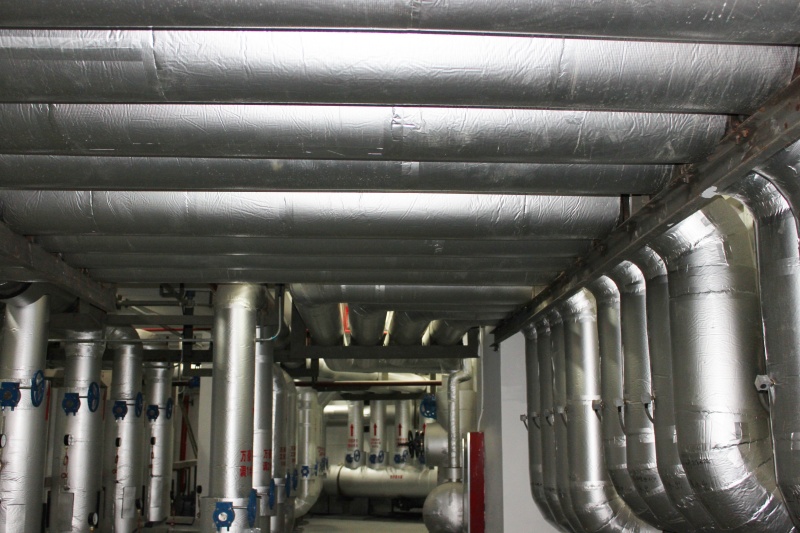
Rapid urbanization, industrial growth, and expanding refrigeration infrastructure are driving global demand for high-performance elastomeric sheet insulation. Poorly insulated ducts, piping, and equipment can lead to structural decay via mold, condensation, and corrosion under insulation (CUI). High-quality sheet insulation helps prevent these issues while reducing overall energy consumption.
Specifying insulation based on precise R-values is a key strategy for reducing energy use in large commercial spaces. Whether in data centers requiring precise ambient control, or hospitals with strict indoor air quality and ducting standards, closed-cell elastomeric rubber foam insulation sheets and tubes provide a durable, long-term barrier against heat transfer and moisture migration.
Our key operational steps toward low-carbon, smart manufacturing.
Optimizing cellular density through precision raw material formulations. Achieving closed-cell configurations exceeding 98.5% to yield improved R-values per unit of material thickness.
Reducing chemical trace footprints by incorporating bio-based polymers, while maintaining the flame retardancy, low toxicity, and longevity required by global standards.
Deploying automated process adjustments on the assembly line to minimize variation in thickness, ensuring consistent density and insulation performance.
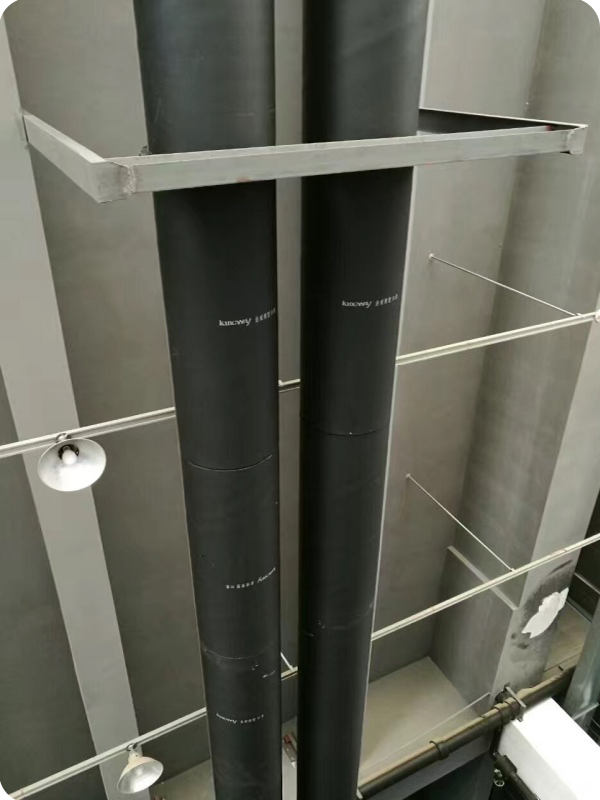
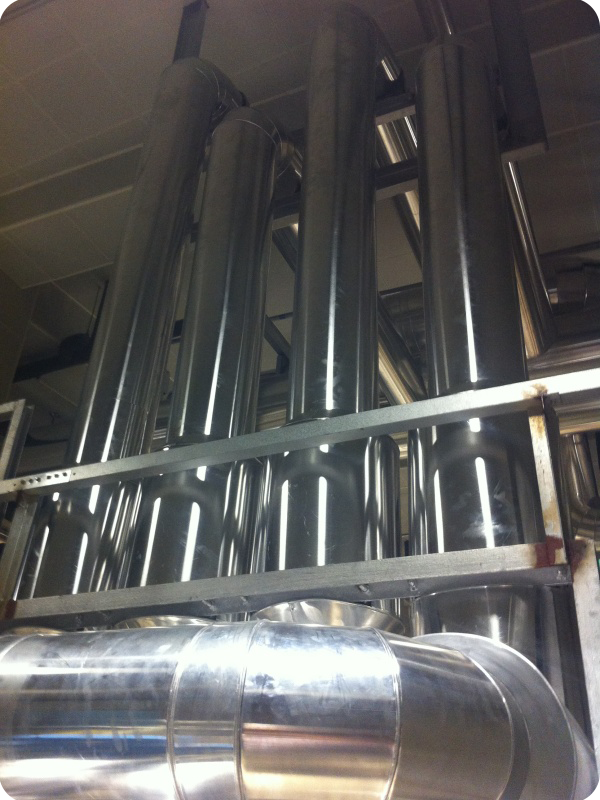
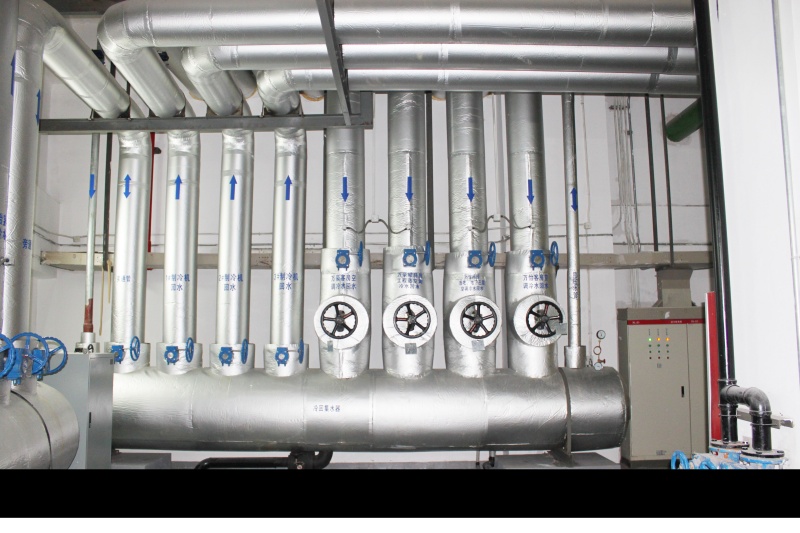
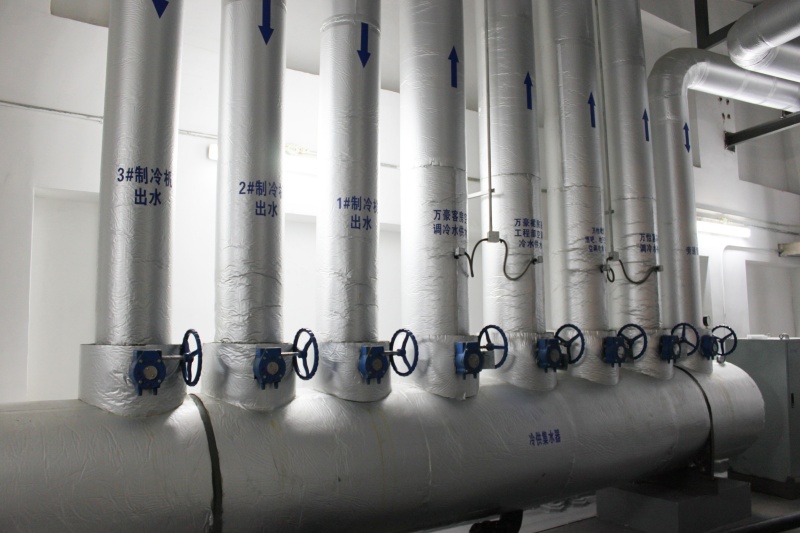
Real-world examples of our thermal insulation systems in various environments.


Common technical questions regarding elastomeric rubber foam insulation.
Select the right specification for your project, from cryogenic applications to acoustic solutions.
Get in touch with our engineering team for custom thickness specifications, fire safety approvals, and bulk pricing schedules.
Request Technical Quote