1. Introduction: The Crucial Role of UV Resistant Paint in Modern Insulation Systems
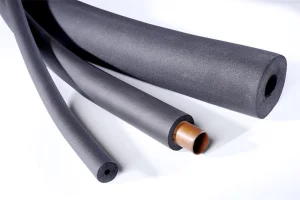
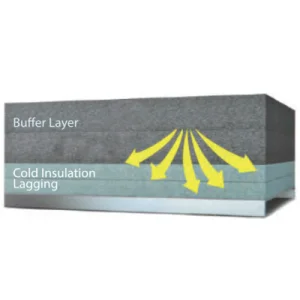
In commercial construction, HVAC operations, and heavy industrial processes, elastomeric closed-cell rubber foam insulation (specifically formulated from NBR/PVC blends) is highly regarded for its thermal performance and low vapor transmission rate. However, when these insulation systems are installed in outdoor environments, they face a primary degradation vector: Ultraviolet (UV) Solar Radiation.
Continuous exposure to UV-A and UV-B wavelengths breaks down the organic polymer chains of NBR/PVC foam. This photo-oxidative degradation causes the elastomeric material to harden, crack, lose its flexibility, and experience cell rupture. Once the closed-cell cell structure is damaged, water vapor infiltrates the insulation, leading to a spike in thermal conductivity (k-value) and accelerating corrosion under insulation (CUI). Applying high-caliber UV resistant paint specifically formulated for insulation surfaces provides a durable barrier, protecting the capital asset and sustaining thermal efficiency over a projected lifespan of 15+ years.
SEO Insight & Information Gain: Standard protective coatings do not possess the dynamic elasticity required to cope with the thermal expansion and contraction of elastomeric foams. True insulation-grade UV paint requires a minimum elongation capacity of 150-200% alongside water-based acrylic/urethane formulations to prevent chemical reactions that dissolve the substrate.
2. Engineering Specifications: What Defines Premium Insulation Coatings?
Procurement managers and industrial engineers must evaluate insulation UV protective coatings based on clear physical and chemical properties. A failure to specify the correct parameter results in premature peeling and complete thermal insulation degradation within 24 to 36 months of outdoor exposure.
Technical Parameter
Performance Standard
Engineering Purpose
Elongation at Break
≥ 180% (ASTM D412)
Accommodates thermal movement of rubber foam without cracking
UV Aging Resistance
Passes 2000 hours (ASTM G154)
Maintains color and film integrity under extreme solar load
VOC Content
< 50 g/L (Water-based Acrylic)
Meets global LEED and green building compliance standards
Water Vapor Permeability
> 0.5 perms (ASTM E96)
Allows underlying residual moisture to escape without blistering
Fungi & Mold Resistance
Zero Growth Rating (ASTM G21)
Prevents biological colonization in humid coastal applications
40+
Years Industry Legacy
600K+
M³ Annual Capacity
66+
Exporting Countries
5
Auto Production Lines
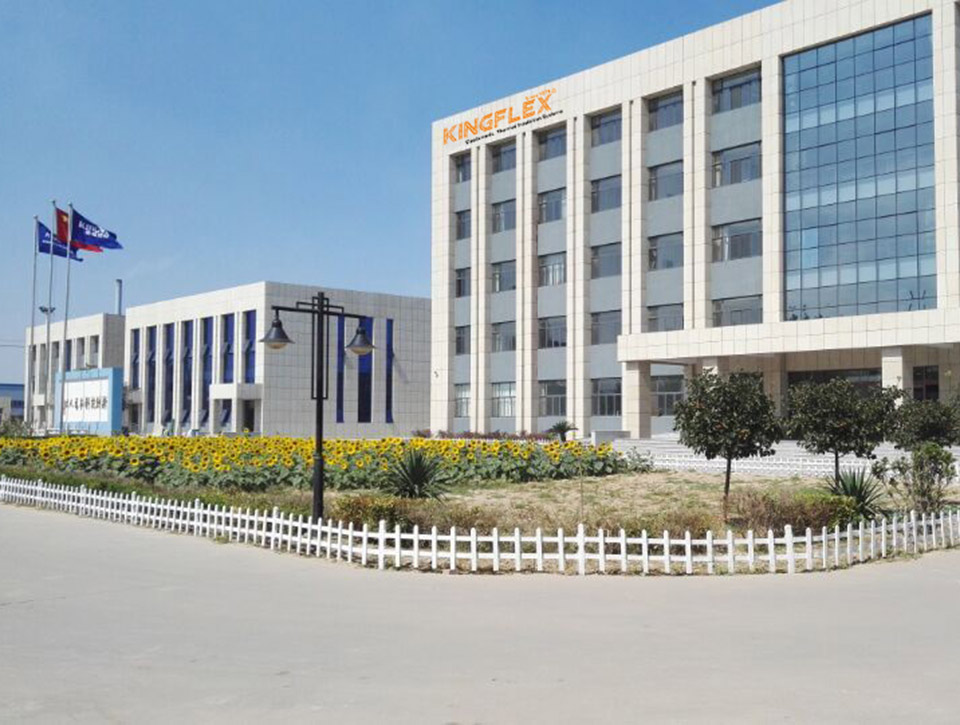
About Kingflex Insulation Co., Ltd.
Established by the Jinwei Group (which carries a distinguished history dating back to 1979 as the first manufacturer of thermal insulation materials north of the Yangtze River), Kingflex Insulation Co., Ltd. stands as a professional manufacturing and trading combo for high-end thermal insulation products.
Located in Dacheng, China—a well-known capital of green building materials—our operations are guided by energy saving and consumption reduction as core principles. We offer end-to-end consulting, R&D, production, installation guidance, and dedicated post-sale services to optimize global building materials solutions.
Massive Scalability
Operating 5 large-scale automated assembly lines. Our output exceeds 600,000 cubic meters annually, designating us as a trusted producer for the Ministry of Energy and Ministry of Chemical Industry.
Engineered R&D
Our team includes 8 dedicated R&D engineers, 6 international sales specialists, and 230 skilled production personnel, allowing us to implement strict traceability codes on every insulation batch.
Global Compliance
Fully certified with BS 476, CE, REACH, RoHS, UL94, and ASTM. This guarantees compliance with strict regional regulations across Europe, the Americas, and Southeast Asia.
3. Global Sourcing & Localized Scenarios: Optimizing Protective Coatings
Large-scale construction contractors, oil and gas plants, and HVAC installers require tailored protection strategies based on geographic environments:
Humid Coastal Areas (e.g., SE Asia & Gulf Coast): High ambient humidity combined with salty sea breeze requires coatings that resist UV and protect against salt-spray corrosion (ASTM B117 compliance).
Arid Desert Zones (e.g., Middle East & North Africa): Severe UV exposure, sandstorms, and extreme daytime temperatures require maximum solids content and solar reflectance index (SRI) to minimize ambient thermal load on chilled water systems.
Cold Regions (e.g., Northern Europe & Canada): Insulation materials must handle sub-zero temperatures. The UV coating must remain flexible at -40°C without peeling, cracking, or becoming brittle.
In these regions, utilizing NBR/PVC closed-cell rubber foam insulation with our specialty protective paint ensures stable k-values, preventing condensation on outdoor pipe systems.
4. Evolving Trends in Insulation Maintenance and Energy Audits
Modern building certifications (LEED v4, BREEAM, and DGNB) are shifting thermal design calculations. Real-world performance, rather than nominal lab testing values, is now used to calculate heat loss. The degradation of rubber insulation due to UV exposure is a key contributor to heat loss.
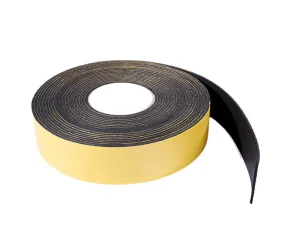
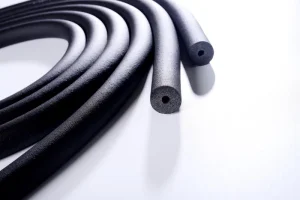
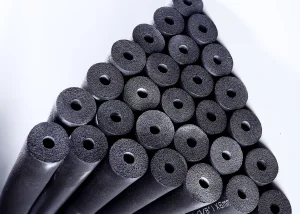
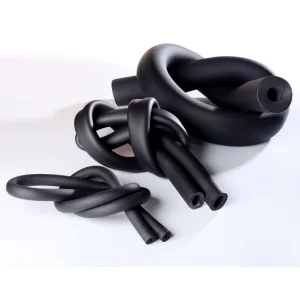
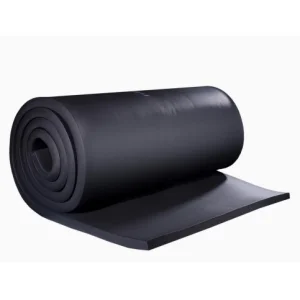
Insulation factories and wholesale distributors are integrating high-durability UV paints into their product ranges. Pre-coated elastomeric insulation tubes and sheet rolls are growing in popularity. These products allow installers to lay down insulation and finish the installation without requiring a secondary painting step on site, saving labor costs and minimizing project delays.
5. Complete Wholesale Pricing and Procurement Logic
For global purchasing managers, importing from China offers high cost-efficiency when navigating bulk supply models. Understanding the components of a wholesale pricelist is critical for effective budgeting:
Raw Material Indexing: Prices correlate with acrylic emulsion and titanium dioxide (TiO2) market indices.
Packaging Specifications: Standard logistics packages include 5L, 10L, and 20L heavy-duty iron pails, optimized for container space utilization.
OEM & Custom Tinting: Volume orders over 5,000 liters qualify for custom color matching (RAL code matching) to meet local aesthetic requirements.
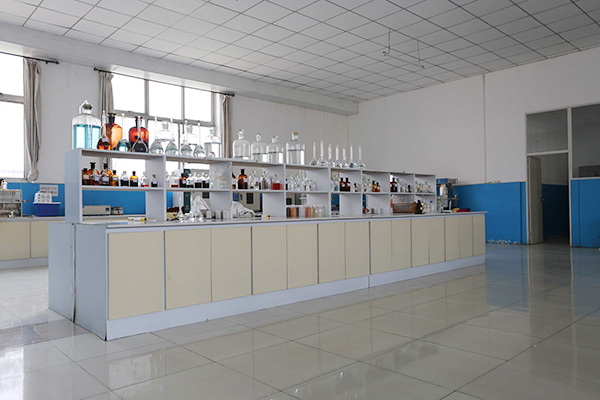
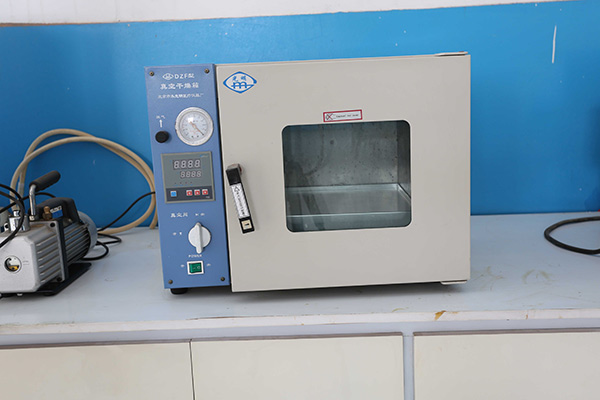
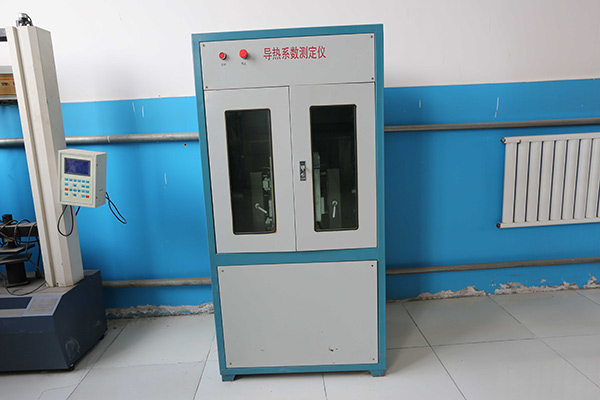
R&D Centers & Testing Laboratory
Ensuring quality control and continuous improvement for advanced elastomeric rubber foam materials.
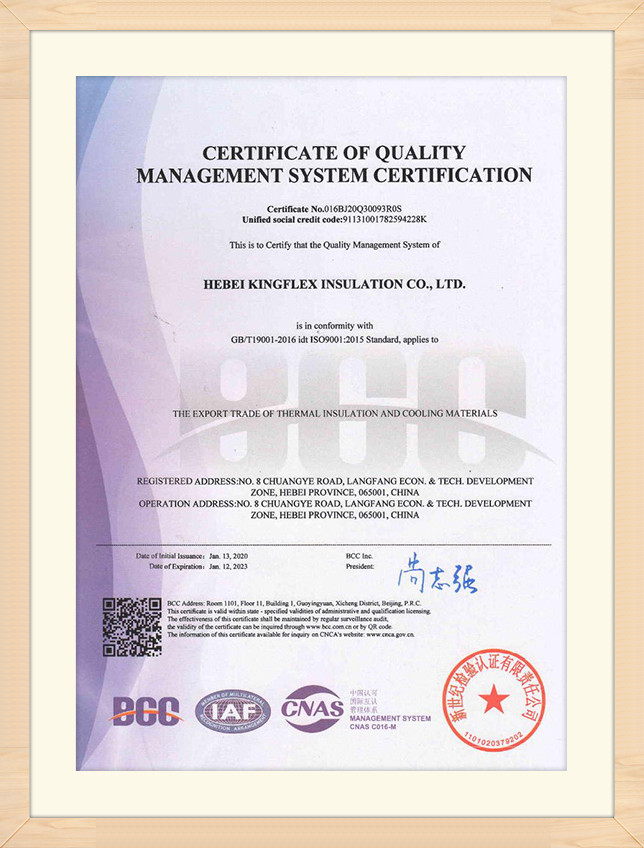
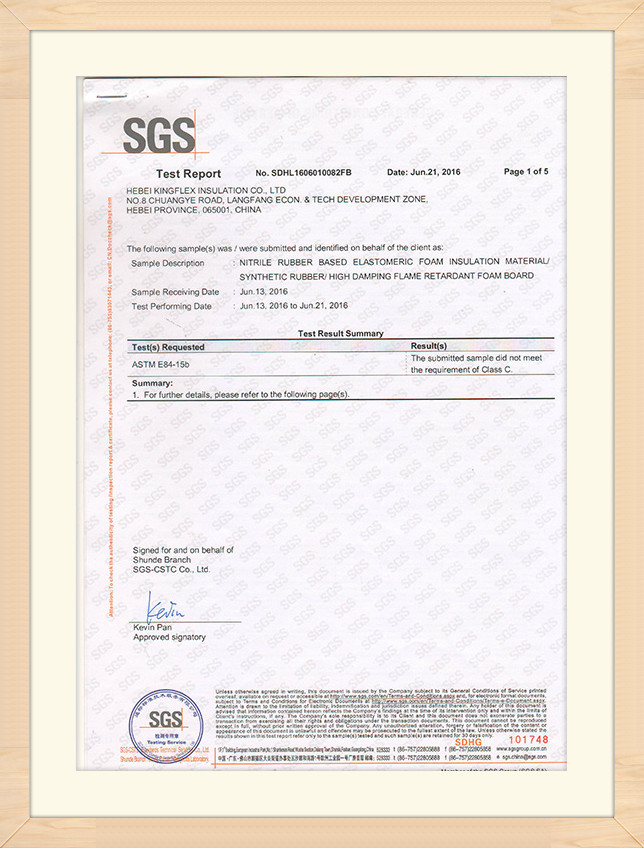
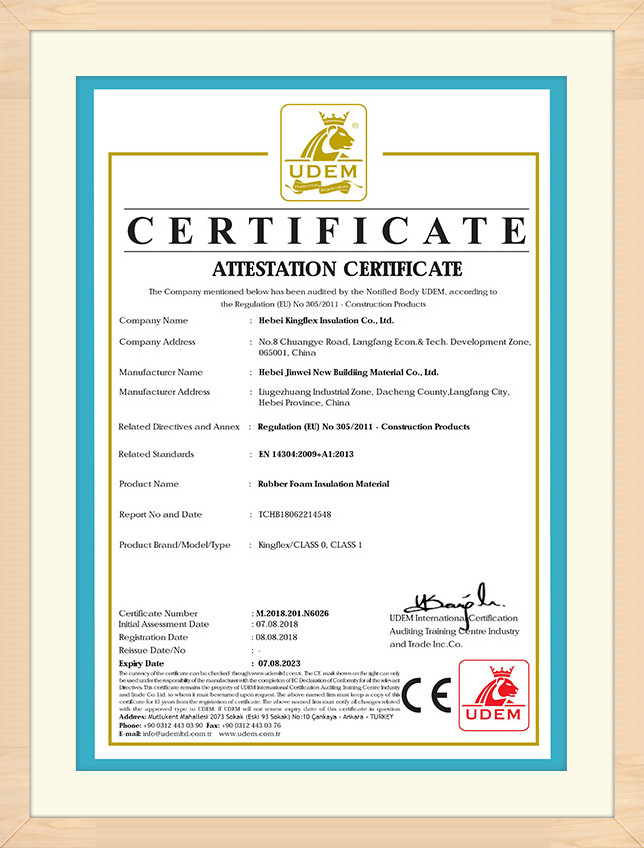
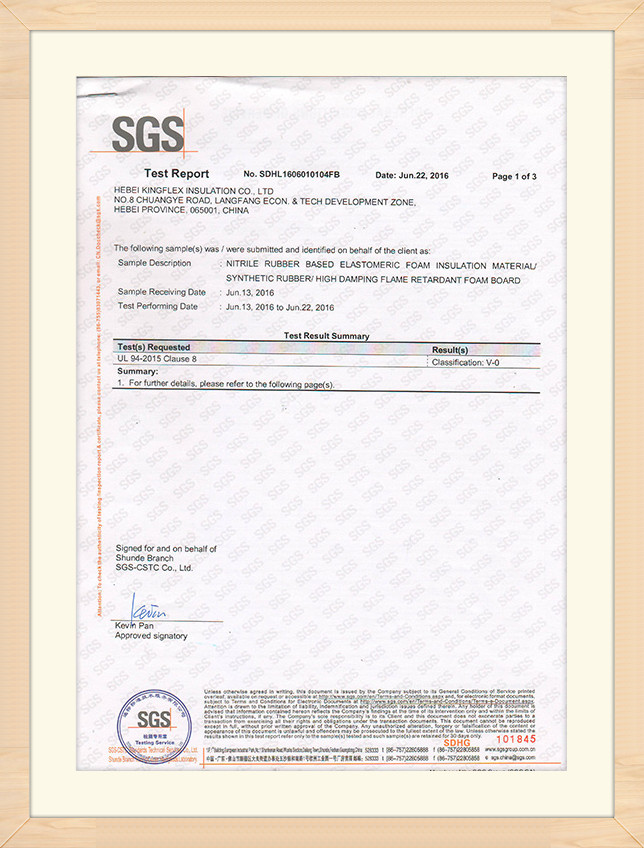
International Quality Certifications
Tested and approved by third-party laboratories to meet global building code requirements.
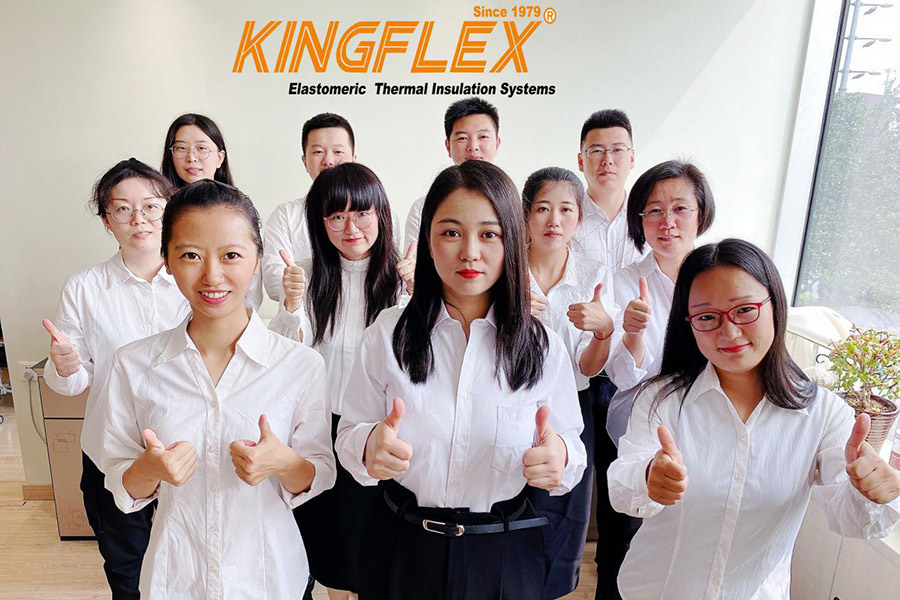
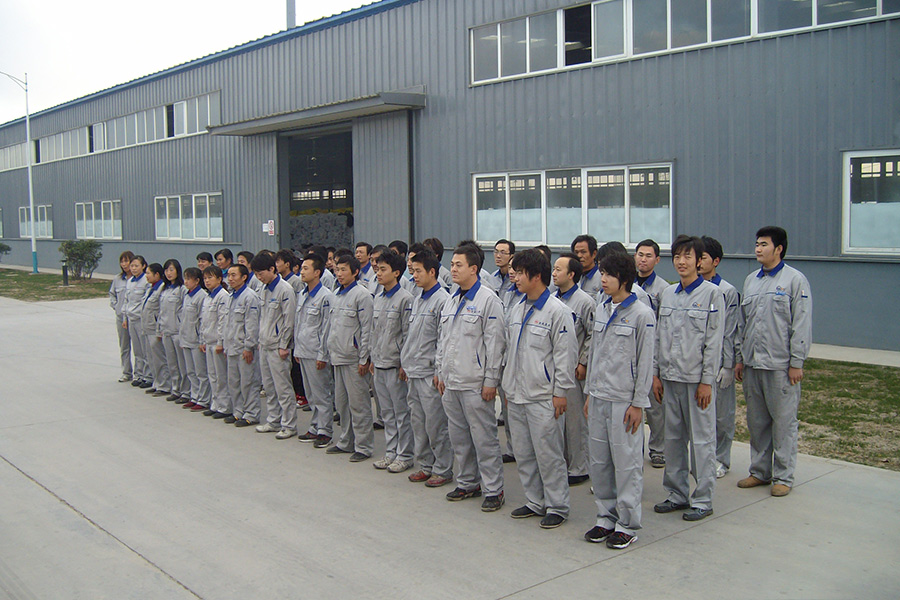
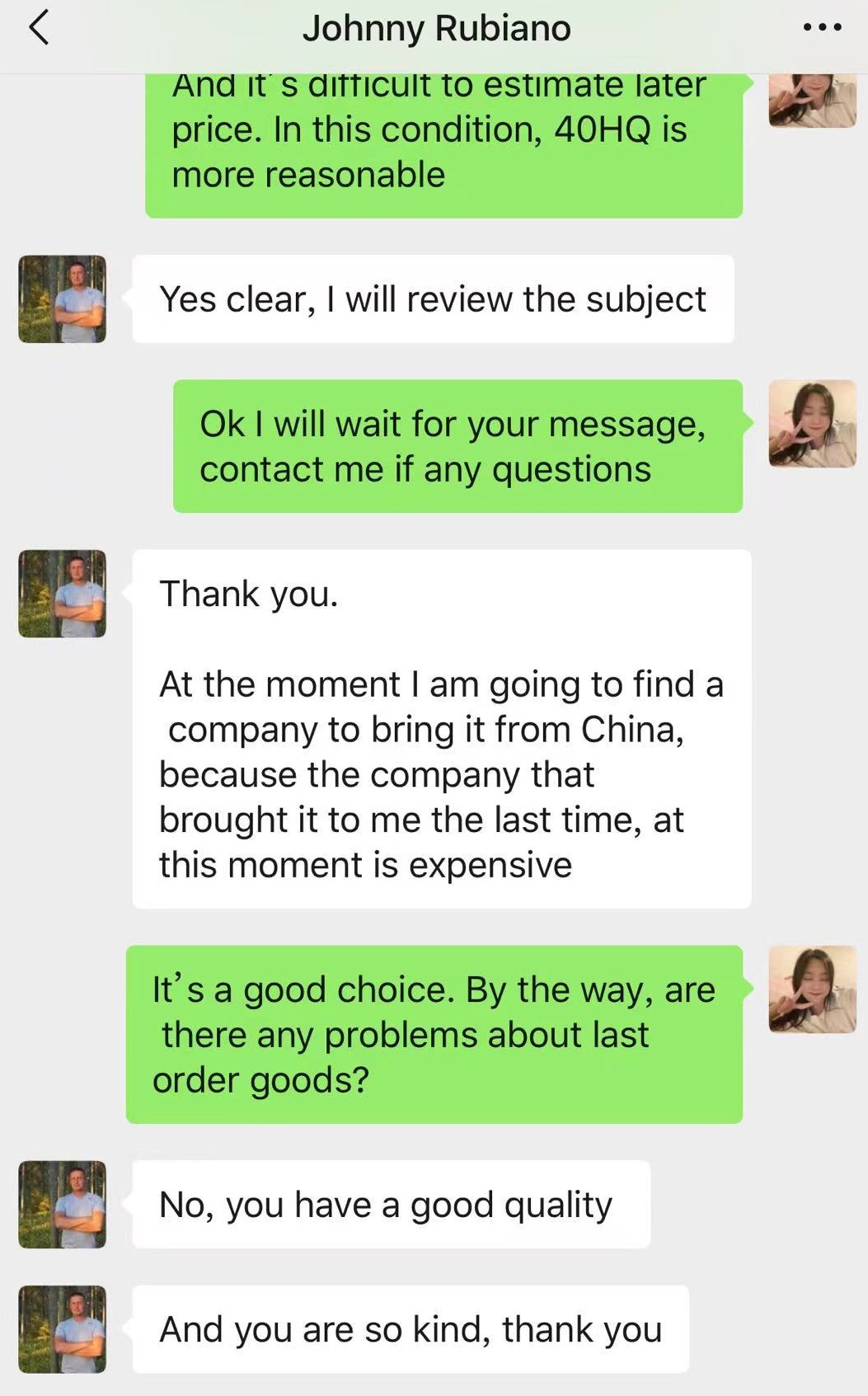
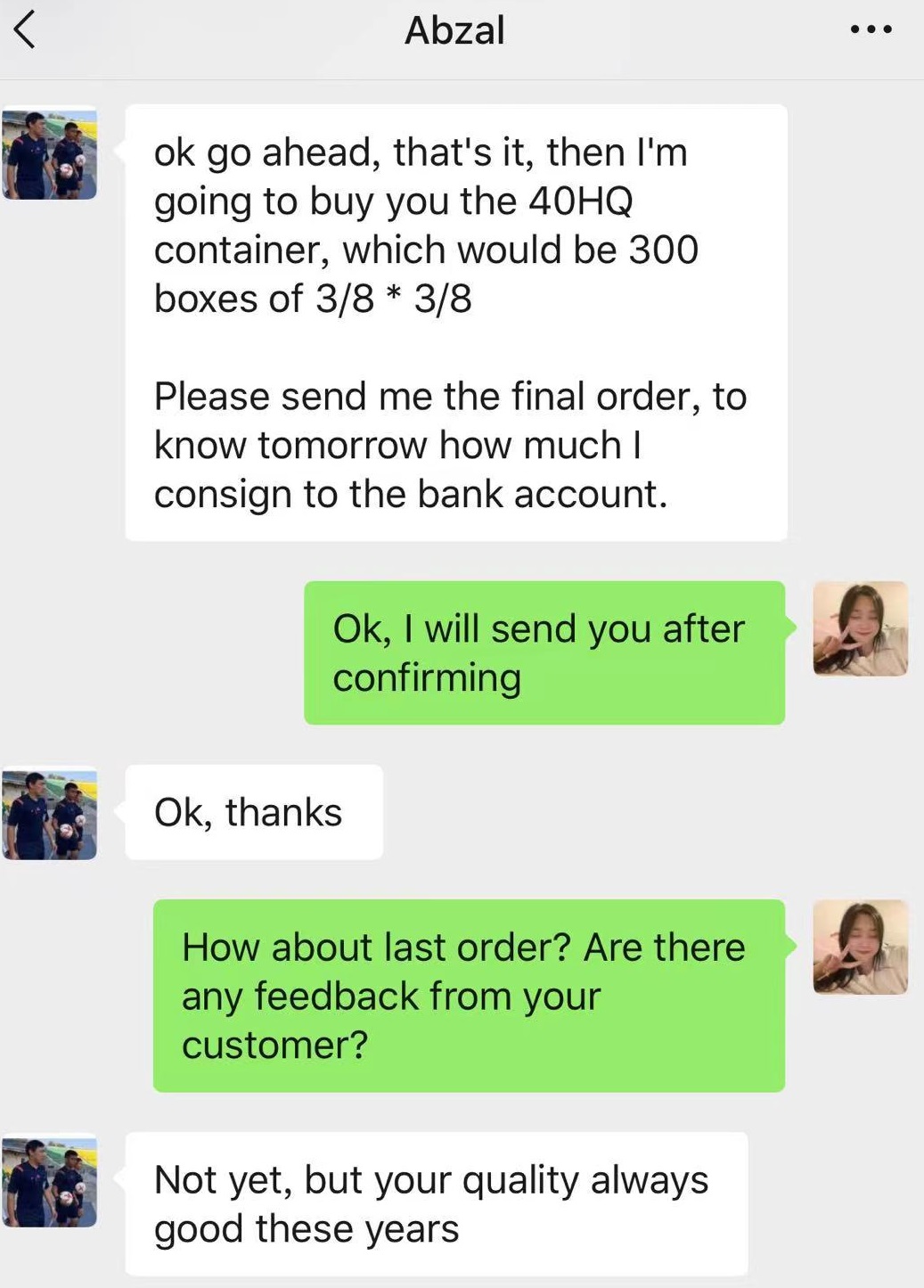
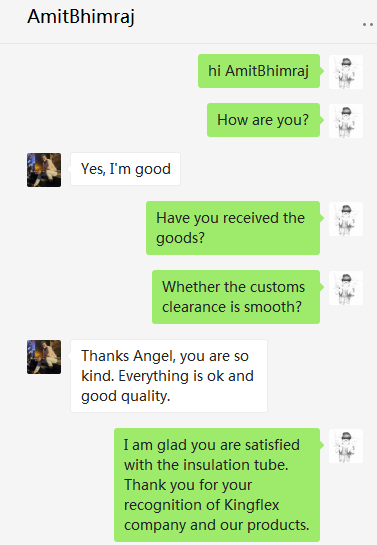
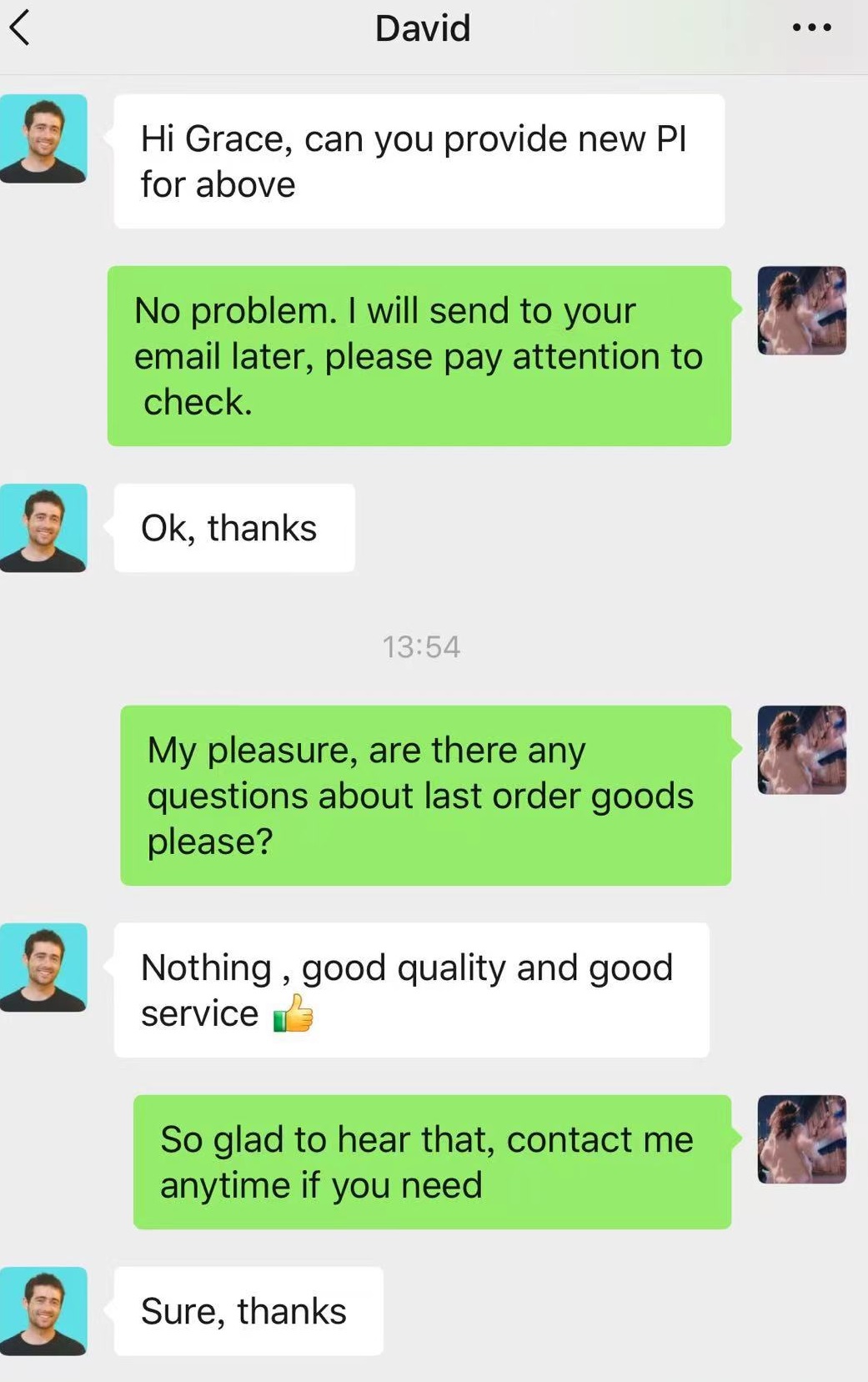
Our Team & Global Customer Interactions
Engaging directly with customers and partners to deliver solutions globally.
Product Engineering & Standard Dimensions
Review the exact design variables of our core elastomeric foam catalog.
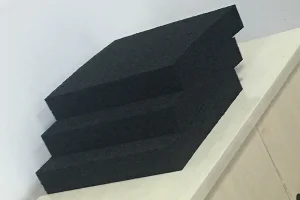
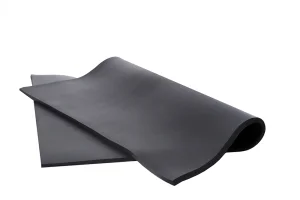
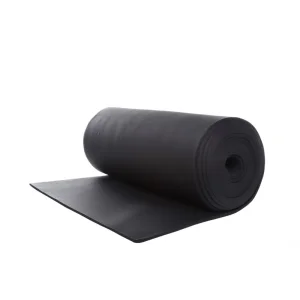
Material: NBR/PVC blend Thickness: 6mm - 50mm Density: 40 - 55 kg/m³ Service Temp Range: -40℃ to 105℃
Key Advantages: Uniform foaming, closed-cell rate exceeding 98% for low moisture absorption, high compression resilience (>80%), and self-extinguishing fire performance.
Key Advantages: High moisture resistance factor, prevents pipeline freezing/cracking, and offers easy slip-on installation for HVAC copper tubing.
Frequently Asked Questions (FAQ)
Answers to technical, regulatory, and purchasing queries regarding UV resistant paints and elastomeric insulation.
Q1: What is elastomeric rubber foam insulation used for?
A1: It is mainly used for HVAC ducts, air conditioning pipes, building thermal insulation, industrial pipeline cold insulation, and sound insulation.
Q2: Is Kingflex rubber foam insulation fire resistant?
A2: Yes, our rubber foam insulation is fire retardant, meeting global safety standards for building and industrial projects.
Q3: What is the difference between rubber foam and rock wool insulation?
A3: Rubber foam is flexible, closed-cell, and moisture-proof, suitable for HVAC and building insulation. Rock wool is high-temperature resistant and fireproof, suitable for industrial high-temperature pipelines.
Q4: Do you provide customized insulation products?
A4: Yes, we support complete OEM and ODM services to meet custom project dimensions and specifications.
Q5: What certifications do your products have?
A5: Our products have passed BS 476, CE, REACH, RoHS, UL94, ASTM, and other international certifications, ensuring global compliance.
Q6: Does Kingflex products have traceability?
A6: Yes, all Kingflex shipments include traceability codes linked to our raw material inputs and quality control metrics.
Q7: What thickness of Rubber foam insulation sheet roll can you produce?
A7: We can produce sheets ranging from 6mm to 50mm in thickness.
Q8: What is the service life of rubber plastic pipe and board?
A8: In standard indoor environments, it ranges from 10 to 15 years. For outdoor environments, applying our UV resistant protective paint secures this lifespan.
Q9: Why is UV resistant paint mandatory for outdoor elastomeric insulation?
A9: Solar UV radiation breaks down NBR/PVC polymer bonds, causing cracking and loss of insulation value. Specially formulated water-based acrylic paint shields the material from photo-oxidation while moving with the insulation's expansion and contraction.
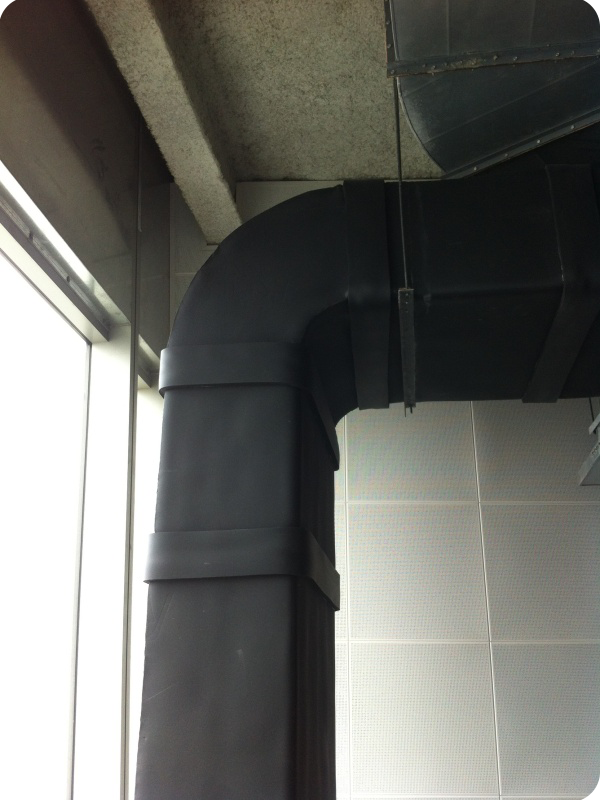
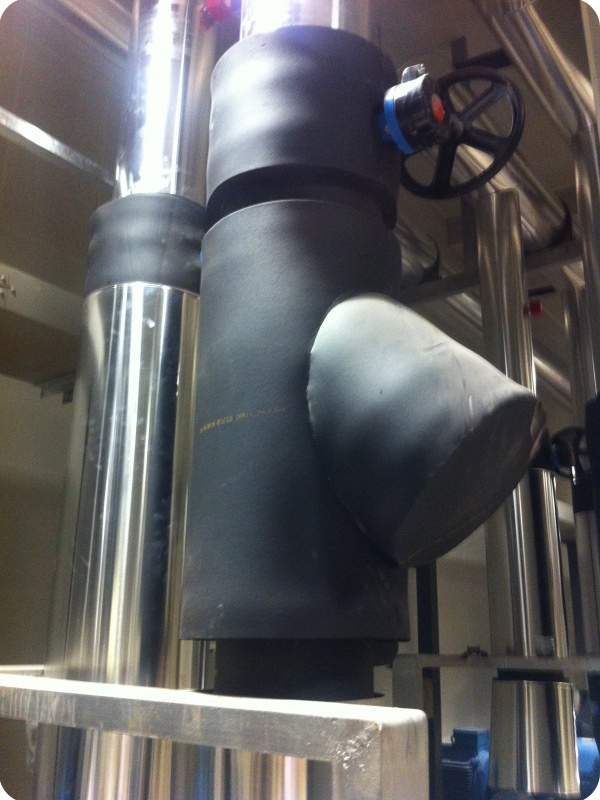
Project Reference Gallery
Industrial installations and logistics operations across our global network.
Browse Our Complete Product Catalog
Direct wholesale supplies from China's leading elastomeric manufacturer.
Wholesale Kingflex flexible insulation material for cryogenic and low temp Manufacturer
 Kingflex