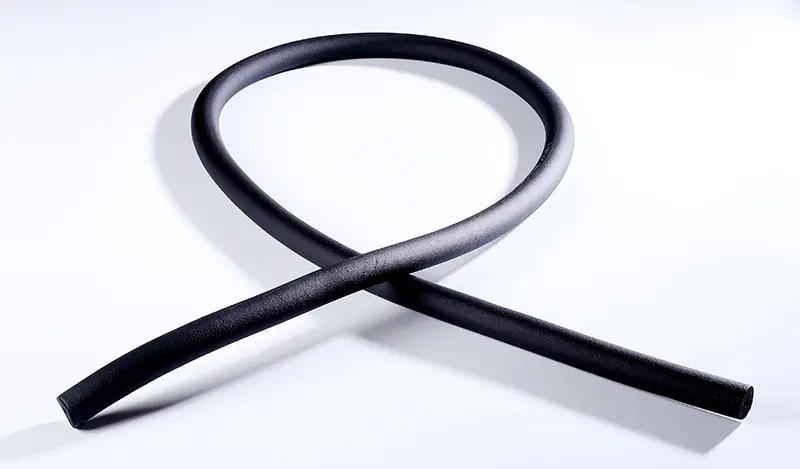
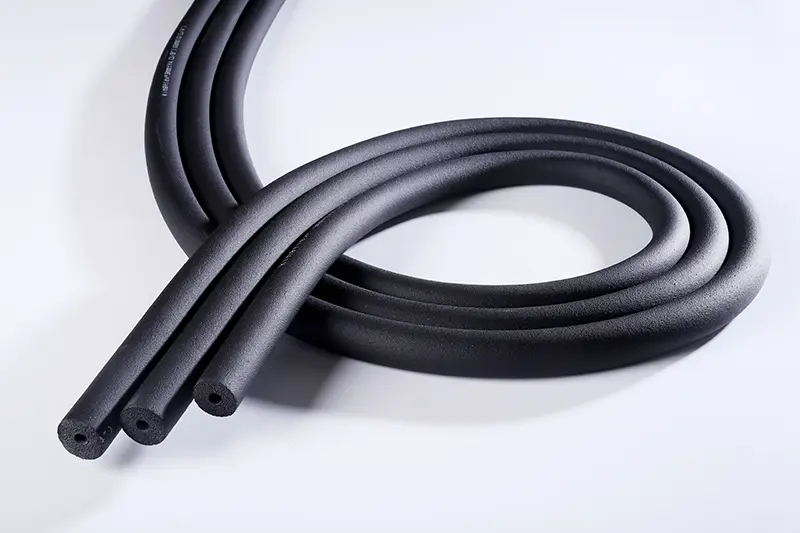
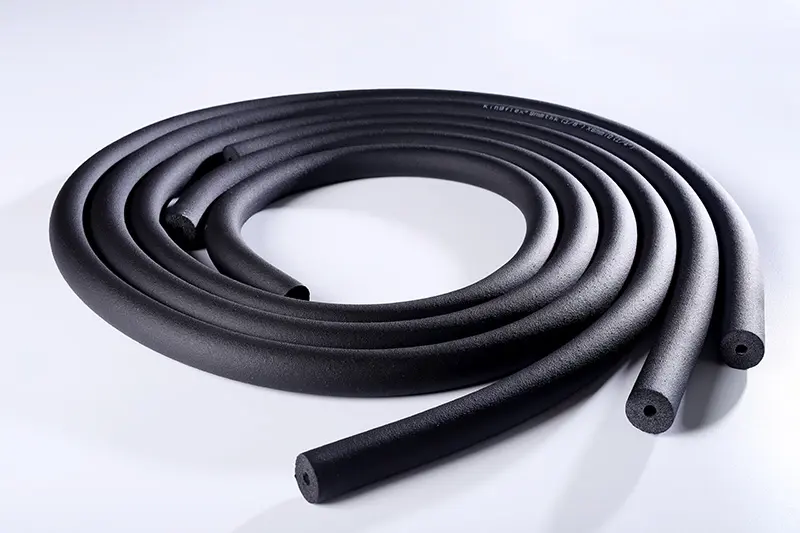
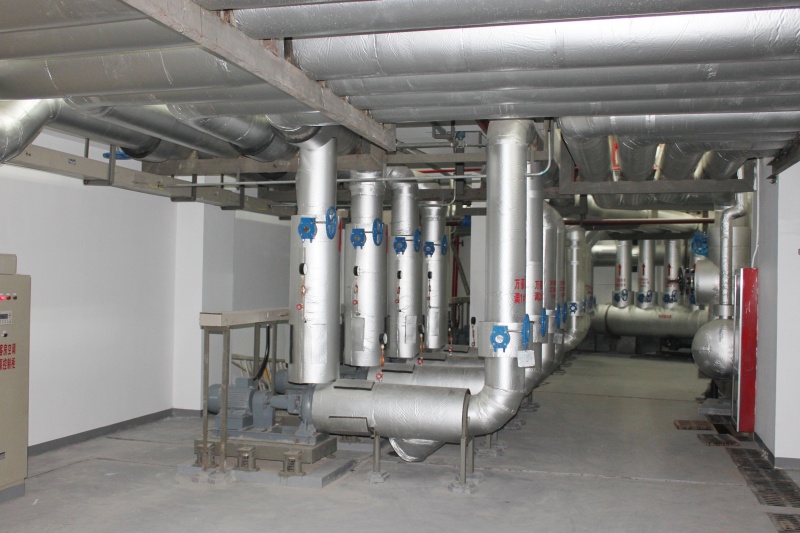
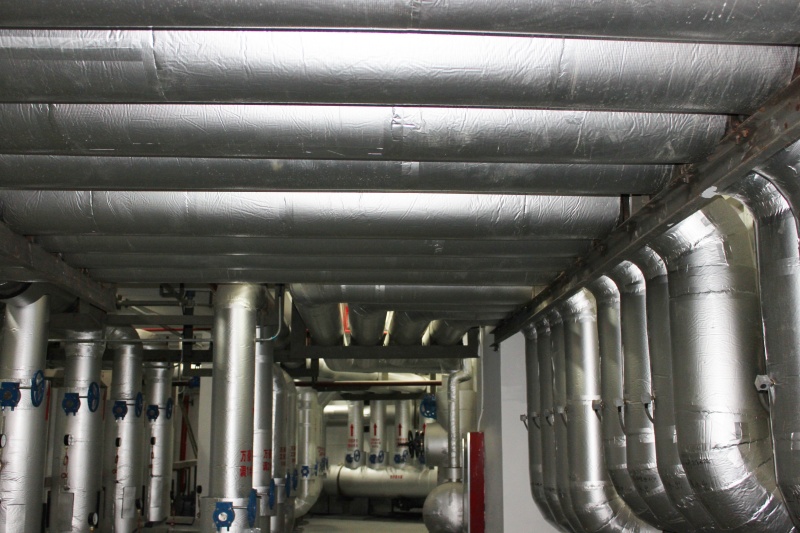
Wholesale With Aluminum Foil One Side Suppliers & Factories

Elevating HVAC, Industrial Cryogenics & Energy Efficiency to Global Class-O Engineering Standards

The Global Landscape of Single-Sided Aluminum Foil Elastomeric Insulation

The industrial and commercial sectors are facing stringent energy regulations and high demands for carbon footprint reduction. Consequently, materials like elastomeric rubber foam laminated with aluminum foil on one side have emerged as critical structural assets. Combining the low thermal conductivity ($\lambda$) of closed-cell NBR/PVC matrix insulation with the high radiation reflectivity of an aluminum foil barrier, this class of composite materials excels in extreme thermodynamic environments.

Globally, the market has expanded beyond basic HVAC applications. Modern pharmaceutical labs, mission-critical data centers, high-capacity petrochemical plants, and marine shipping infrastructure rely heavily on one-sided aluminum-faced insulation. This configuration provides a continuous vapor barrier that effectively handles dew point condensation in high-humidity zones. Furthermore, it protects the core elastomer from environmental elements, ozone cracking, and physical tear damage.

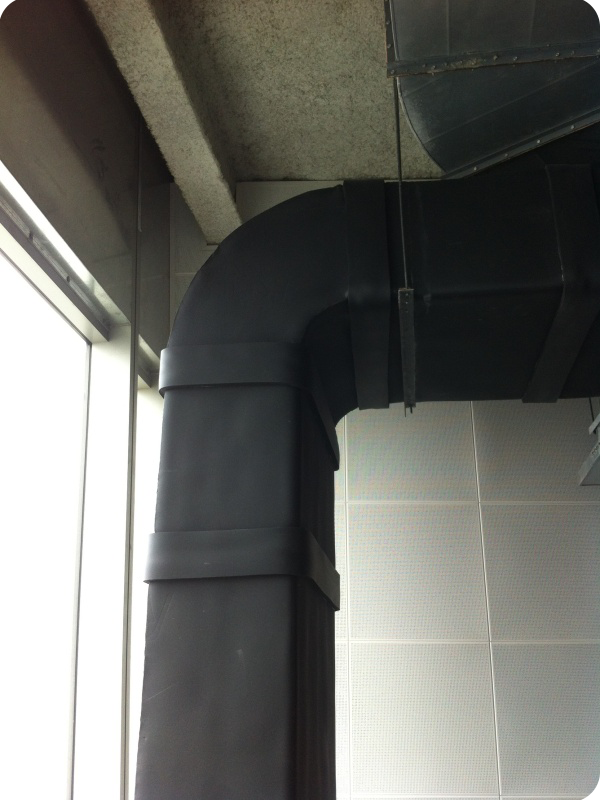
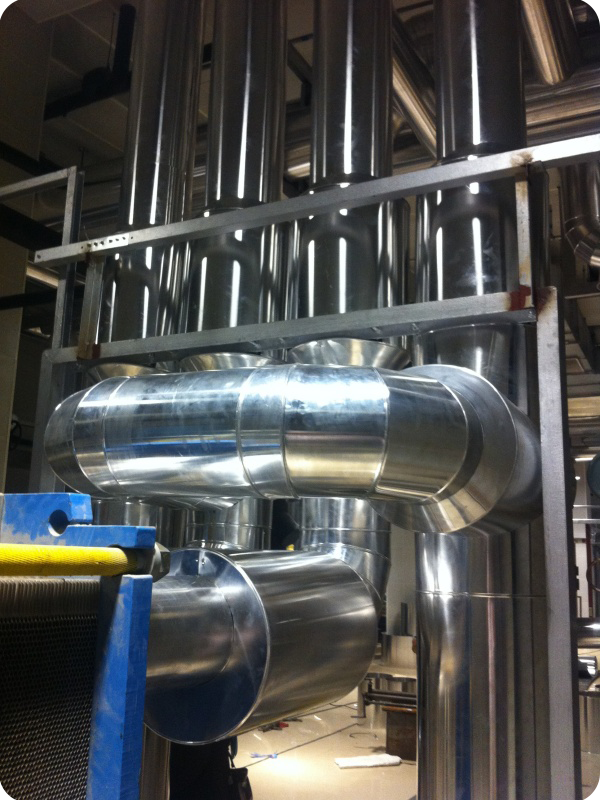
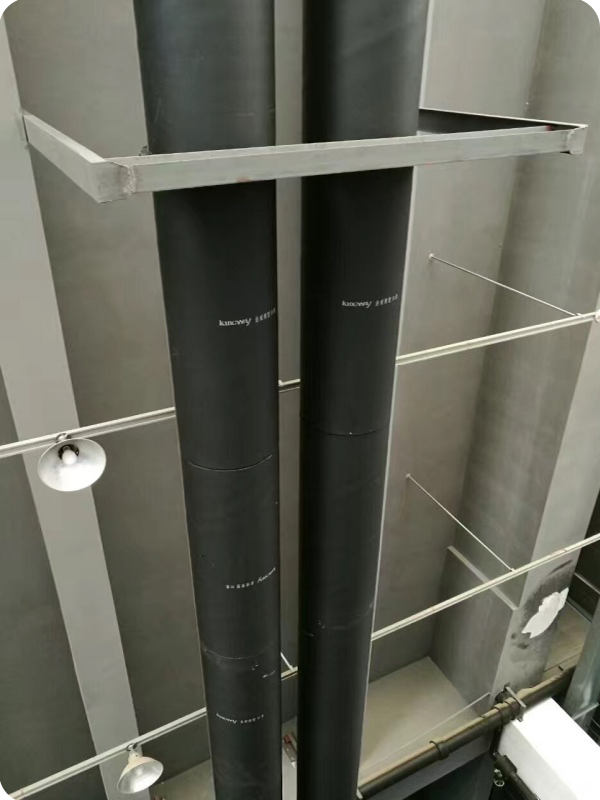
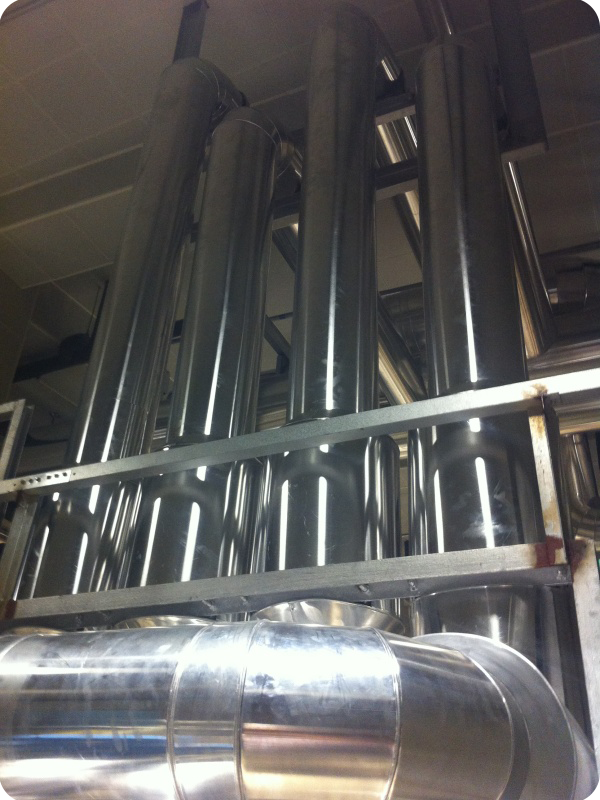
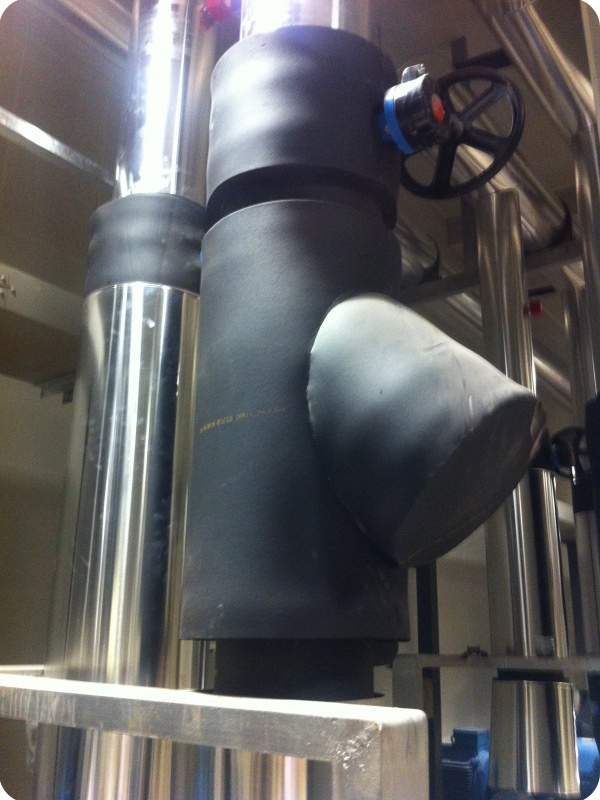
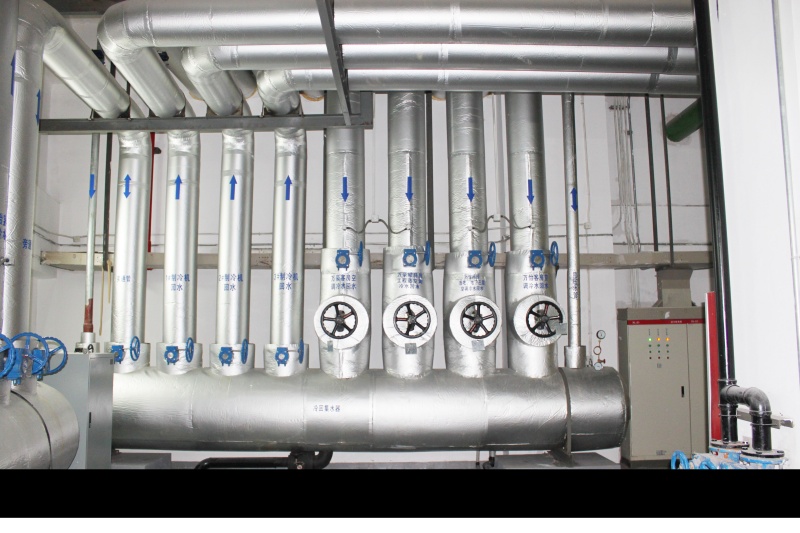
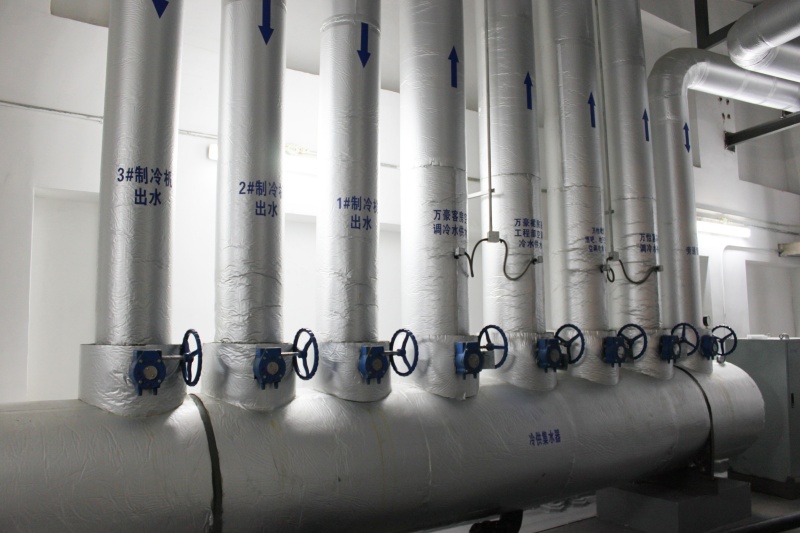
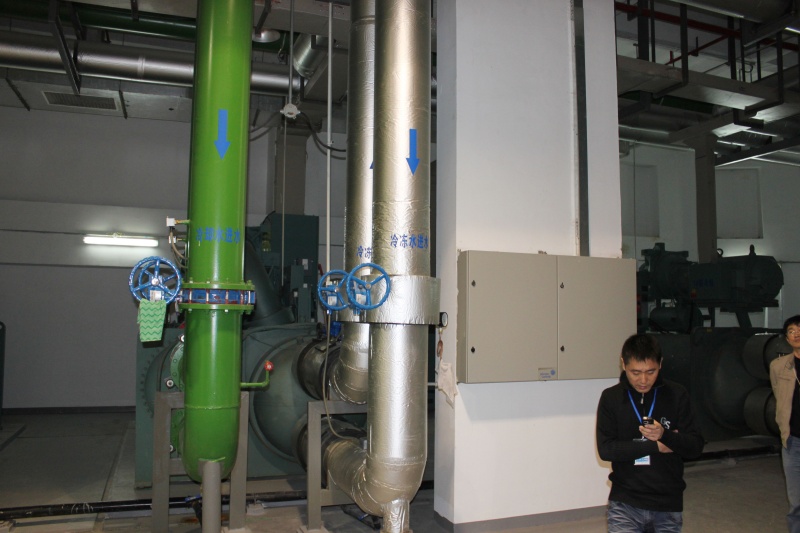
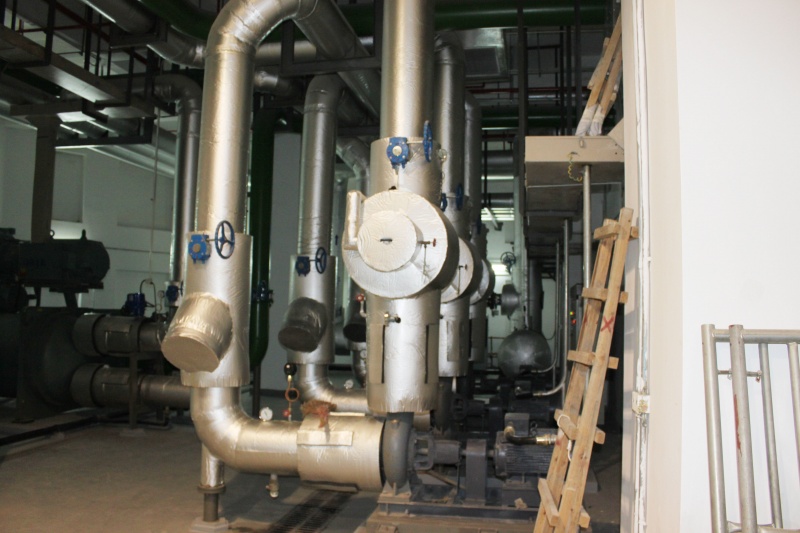
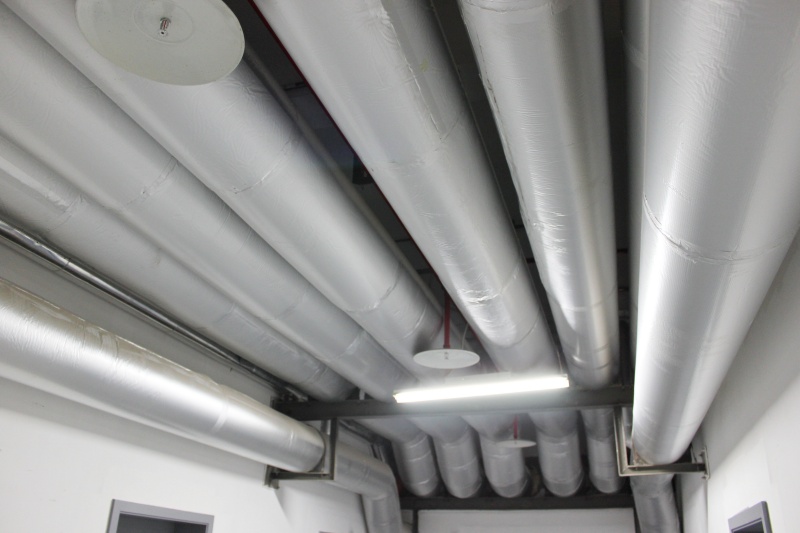
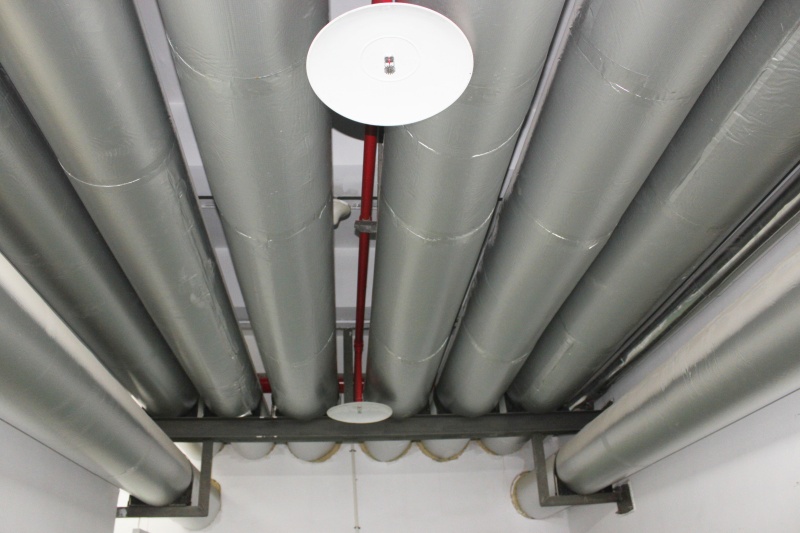
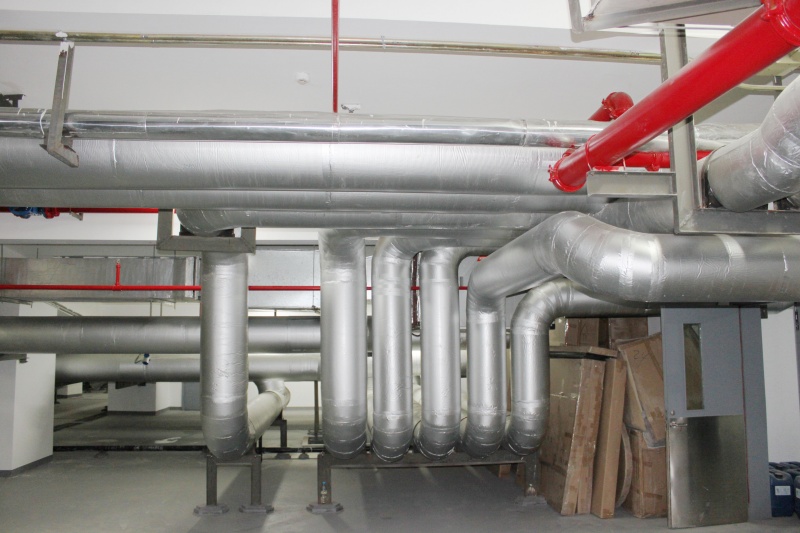
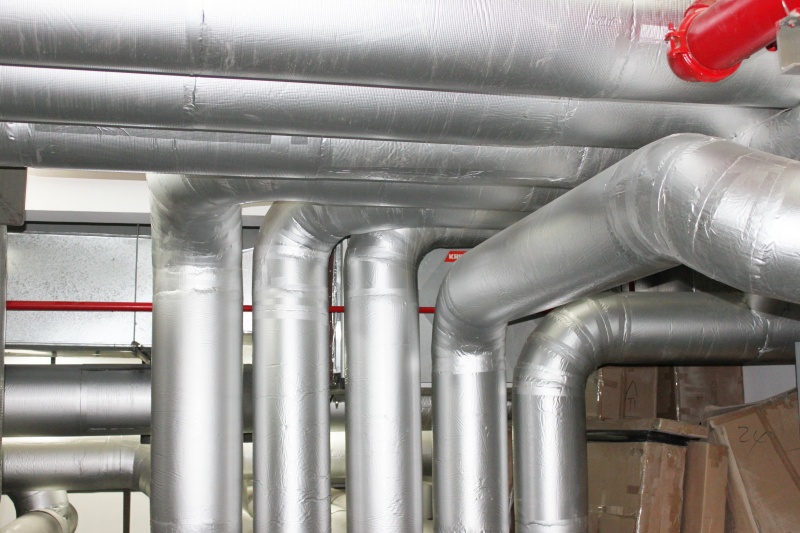
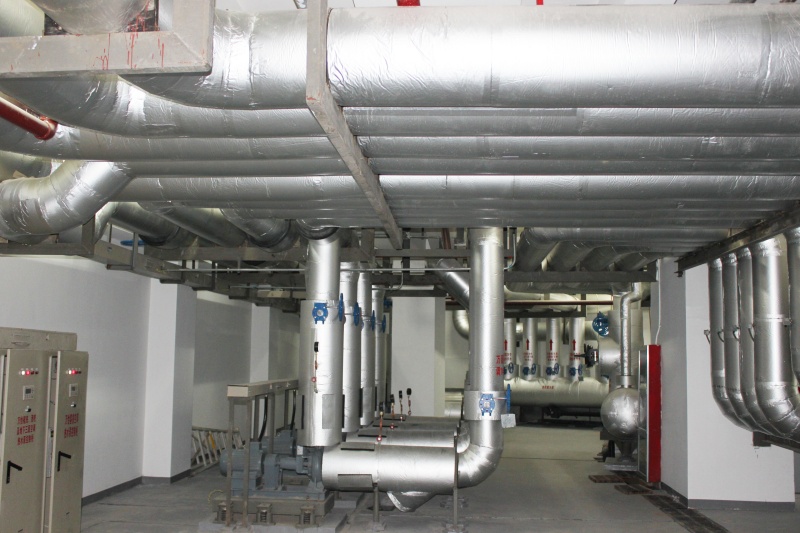
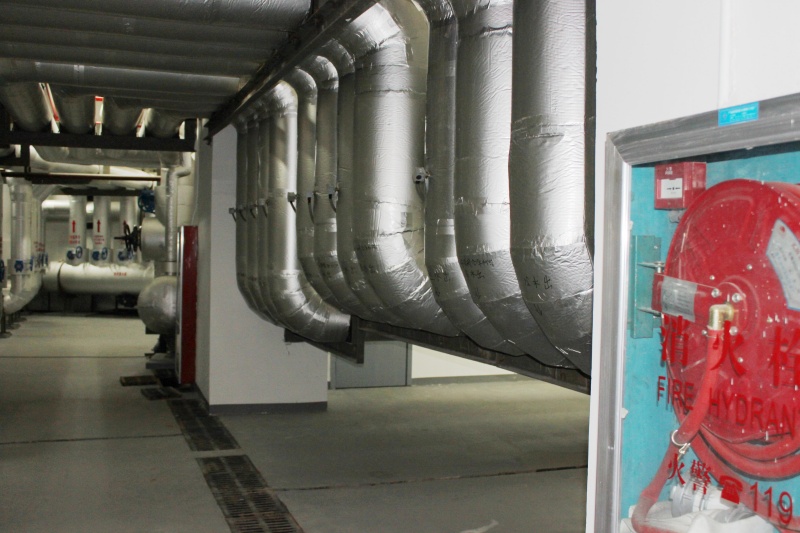
Industrial HVAC Laminated Insulation System Application

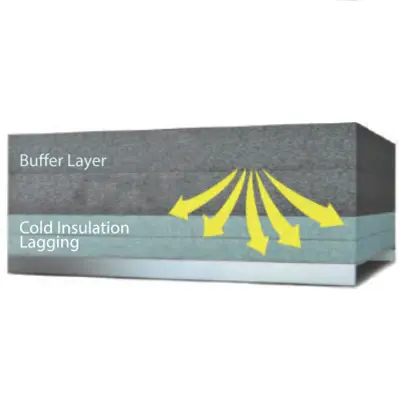
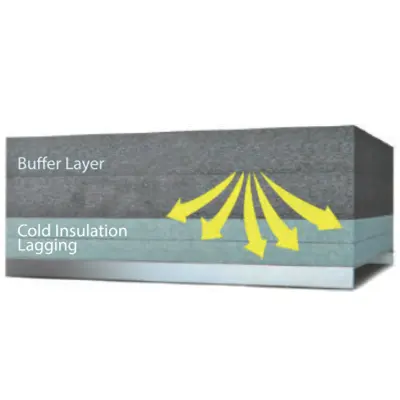
E-E-A-T Technical Insight: The aluminum foil cladding serves as a low-emissivity (Low-E) surface, lowering the radiation heat transfer coefficient. When applied to the outer face, it effectively reflects up to 97% of radiant energy, reducing the required insulation thickness compared to bare elastomeric rubber panels while maintaining identical overall thermal performance.

>600,000 m³
Annual Capacity
40+ Years
Group Heritage
66+
Global Countries Exported
98%
Closed Cell Ratio
Kingflex Automated Production Facility

China Factory Efficiency & Dacheng Manufacturing Cluster Advantage

Our production department operates in Dacheng, China—a globally recognized capital for green-building and energy-saving materials. Leveraging this specialized industrial cluster, Kingflex Insulation Co., Ltd. blends highly localized supply chains with optimized production processes.

By operating 5 large automatic assembly lines, we ensure scale, thermal consistency, and precise dimensional calibration. Automated lamination machinery applies a single-sided aluminum foil cladding onto the NBR/PVC substrate under controlled pressure. This process utilizes solvent-free, fire-retardant adhesive, achieving high peel strength to prevent delamination under thermal cycling or mechanical stress. Our raw material sourcing and logistics network allows us to provide cost-effective options, reliable shipping schedules, and highly customizable OEM capabilities for bulk international shipments.

Advanced Continuous Lamination

Our automated line runs a cold-roll press with thermosetting polymers, ensuring uniform lamination tension and zero air pocket formulation between the foil and rubber foam layer.

Stringent Flame Retardancy

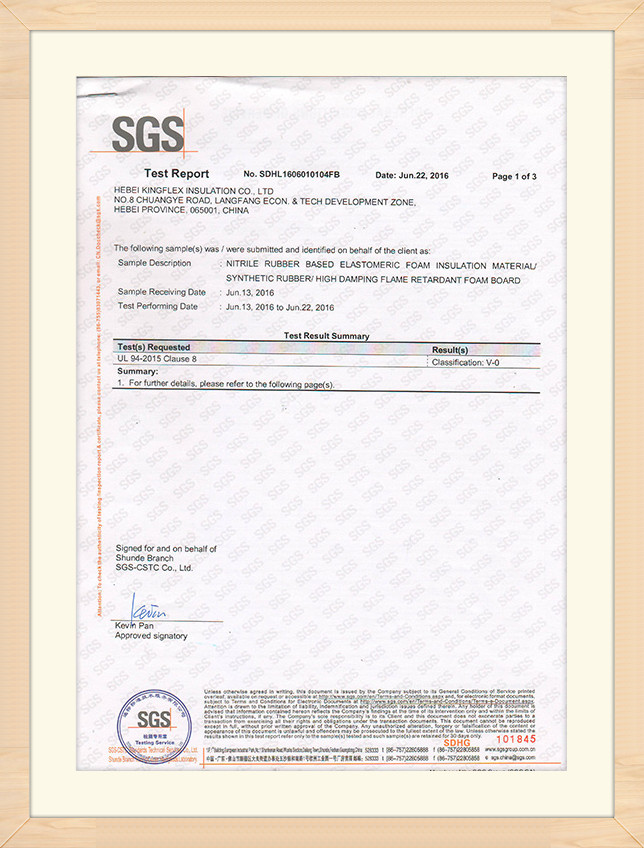
Compliant with international standards like BS 476, CE, REACH, ROHS, UL94, and ASTM. The foil acts as an additional non-combustible shield, preventing rapid flame spread.

Low-E / Vapor Stop Matrix

Featuring a closed-cell ratio exceeding 98%. Combined with one-sided aluminum foil lamination, it achieves high resistance to water vapor transmission ($\mu \ge 10,000$).

Localized Industrial Applications & Heavy-Duty Scenarios

Single-sided aluminum foil laminated elastomeric rubber foam functions as a multi-layered barrier, addressing distinct environmental challenges across various localized engineering applications:

1. High-Humidity HVAC & Chilled Water Lines

In humid tropical regions, unclad insulation is prone to surface condensation once air contacts pipes carrying cold fluids. The metallic foil face acts as a vapor barrier, preventing humid air from permeating the NBR/PVC cells. This keeps the core material dry and preserves its thermal insulation performance over its operating lifespan.

2. Outdoor Chemical & Process Pipelines

Outdoor piping is continually exposed to weathering, bird damage, and UV radiation. Laminated aluminum foil serves as an outer jacket, reflecting UV rays and preventing mechanical wear. This layout lowers maintenance costs by removing the need for separate metal cladding sheets.

3. Acoustic Damping & Sports Complexes

For cleanrooms, machine enclosures, and commercial sports gymnasiums, the NBR/PVC elastomer dampens low-frequency vibrations, while the composite layer reduces high-frequency reflections. This dual-action design delivers thermal regulation and noise reduction in one installation step.

Technical Specifications: Rubber Foam Sheet & Pipe

Our single-sided aluminum-faced thermal systems are built to meet rigorous mechanical and thermal requirements. Below are the standard dimensions and physical parameters for Kingflex elastomeric products:

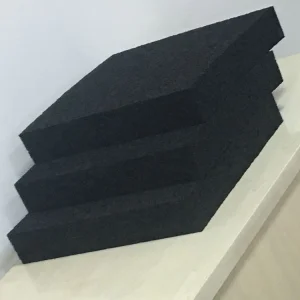
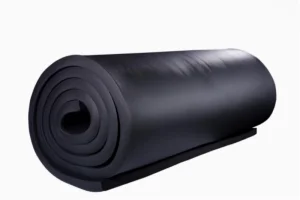
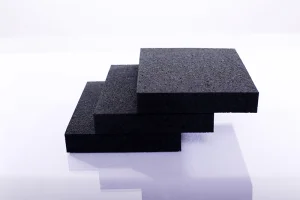
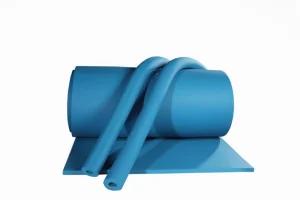
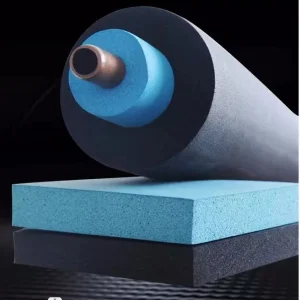
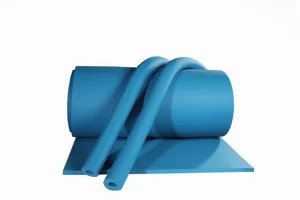
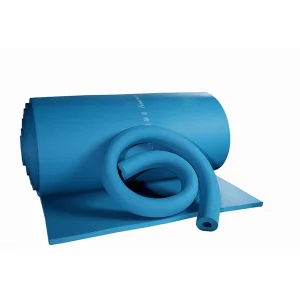
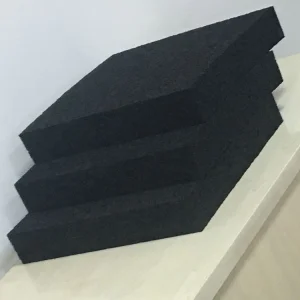
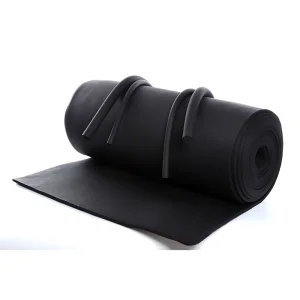
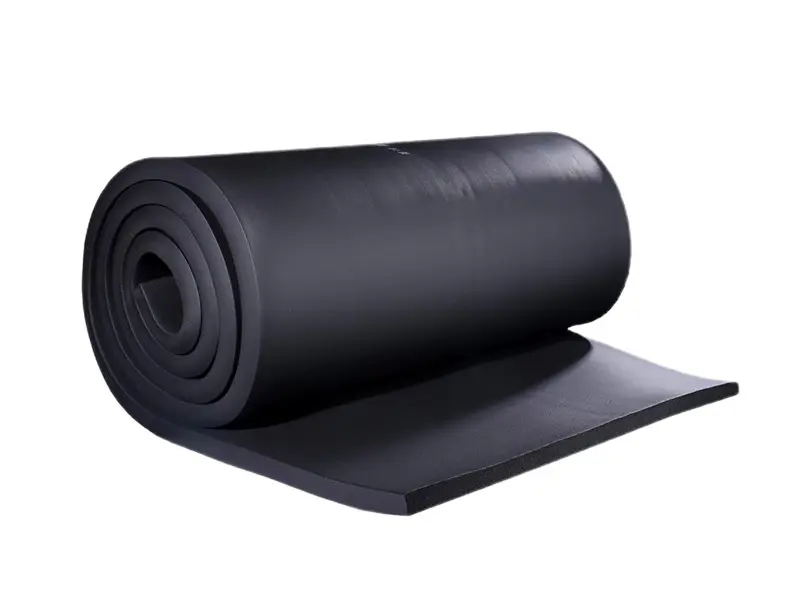
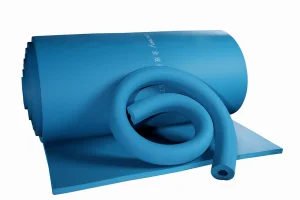
Black Rubber Foam Insulation Sheet Roll

  • Material formulation: Closed-cell NBR/PVC blend
  • Thickness range: 6mm to 50mm
  • Density range: 40 to 55 kg/m³
  • Operating Temperature range: -40℃ to 105℃
  • Closed-cell ratio: ≥ 98%
  • Compression resilience: ≥ 80%
  • Thermal conductivity: Low coefficient for stable long-term performance

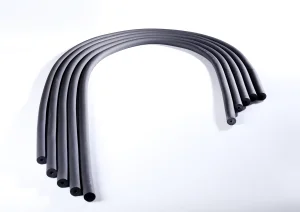
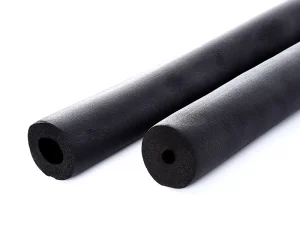
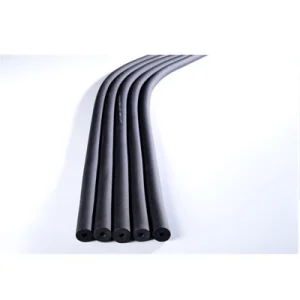
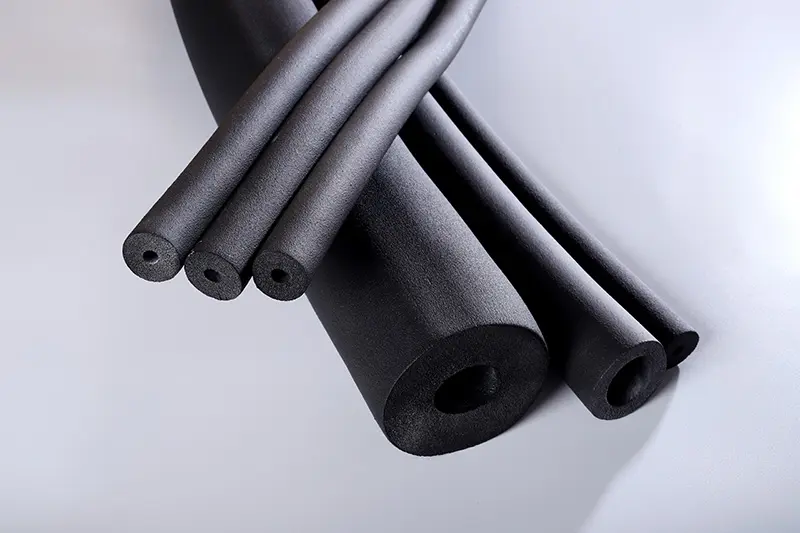
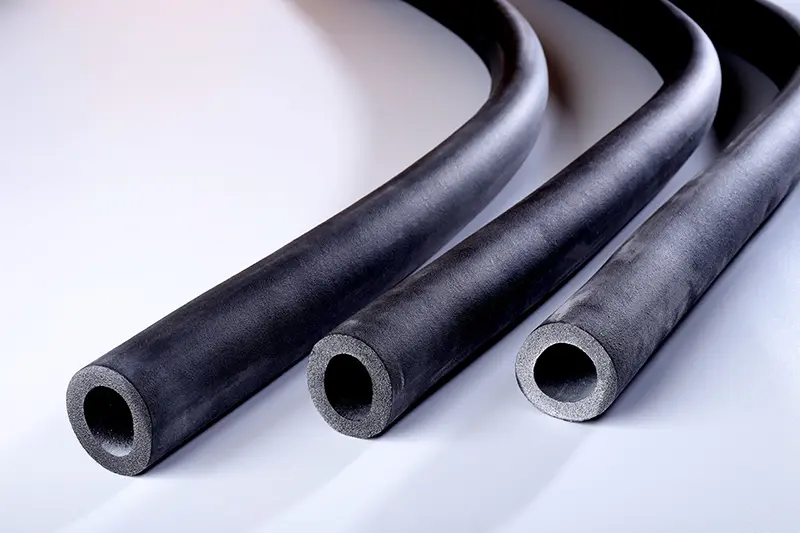
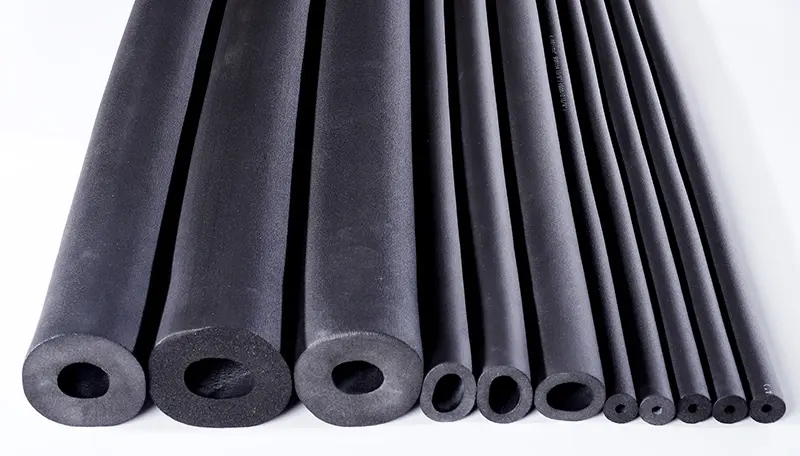
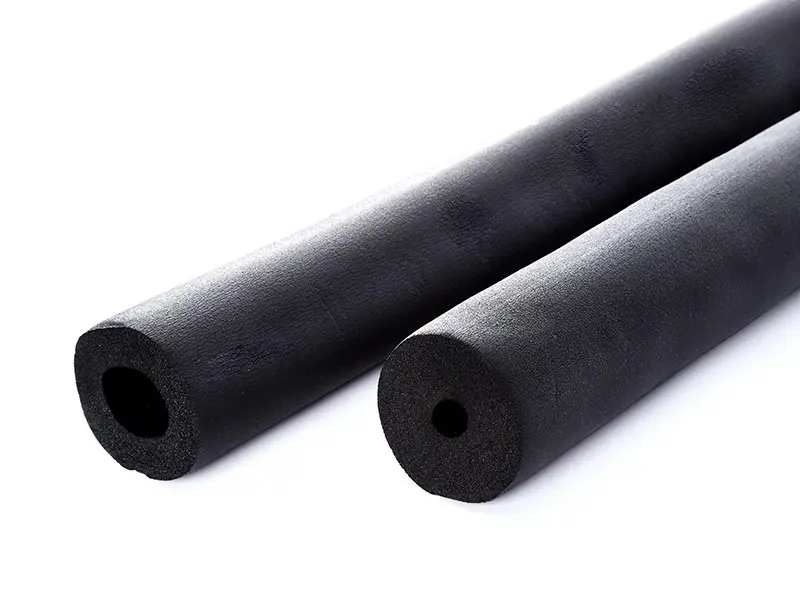
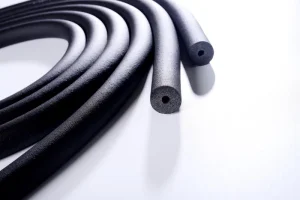
Black Rubber Foam Insulation Pipe

  • Material formulation: Premium elastomeric polymer
  • Wall Thickness range: 9mm to 40mm
  • Inner Diameter (ID) range: 6mm to 114mm
  • Density range: 40 to 55 kg/m³
  • Operating Temperature range: -40℃ to 105℃
  • Coating precision: Even application via specialized pipe-spraying systems
  • Application focus: Protects outdoor pipelines from freezing and splitting
Performance Indicator Reference Value Test Standard / Certification
Thermal Conductivity (at 0°C) ≤ 0.034 W/(m·K) ASTM C518 / ISO 8301
Water Vapor Permeability ≥ 1.0 × 10¹⁰ (Metric Perm-in) ASTM E96 Method B
Fire Safety Rating Class 0 (Flame propagation) / Class 1 (Surface spread) BS 476 Part 6 & Part 7
Fungi & Microbial Resistance No growth detected ASTM G21
Ozone & UV Weathering resistance Excellent, does not peel or crack under direct sunlight ISO 4892-2 / ASTM G154

About Kingflex Insulation Co., Ltd.

Kingflex Insulation Co., Ltd. is a professional manufacturing and trading combo for thermal insulation products. Our research, development, and production department is located in Dacheng, China—a well-known capital for green-building materials. We operate as an energy-saving, environmentally conscious enterprise focused on advanced product research, development, manufacturing, and distribution.

Our core operating concept centers on energy saving and lower consumption. We offer structural solutions through expert consultation, custom product design, installation guidance, and dedicated post-sale support. Driven by Jinwei Group’s 40-year legacy, we maintain consistent service standards to support our clients worldwide.
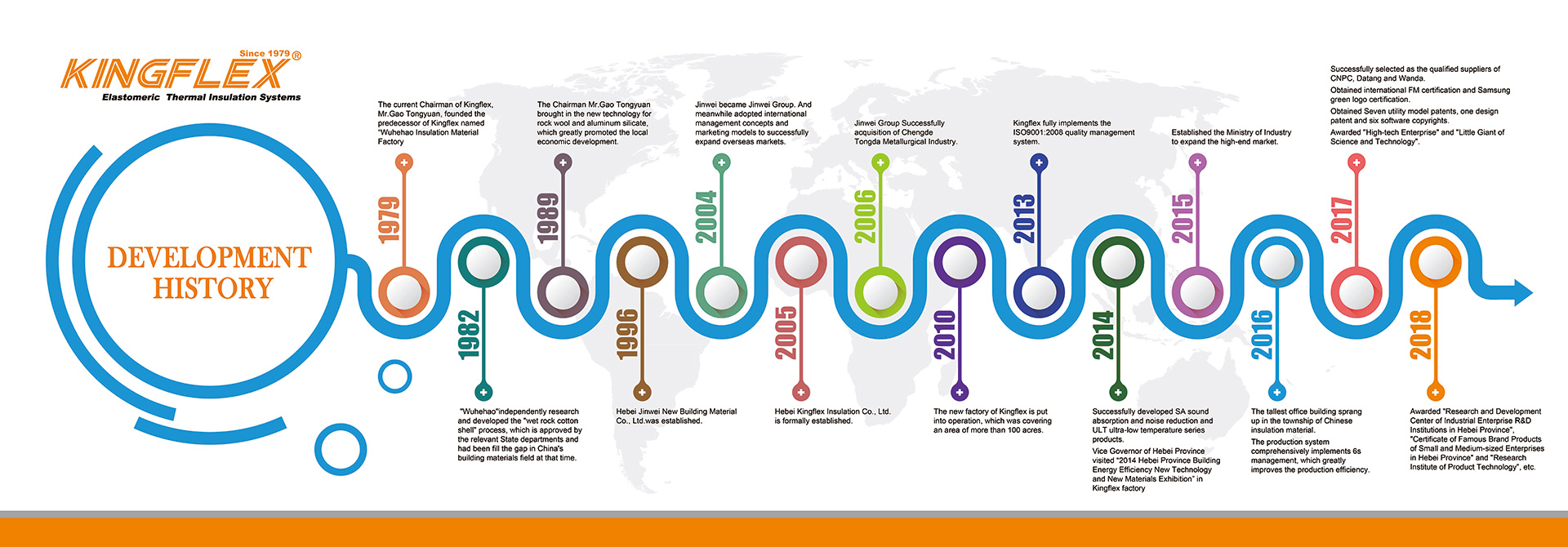
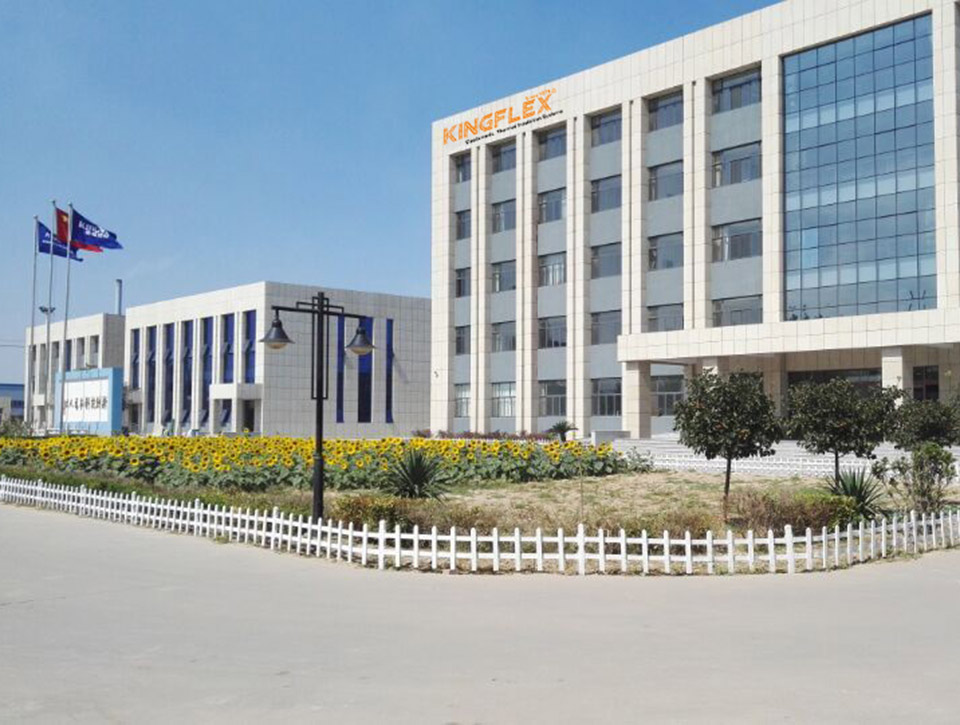
Kingflex historic factory facade

Our History

Established by the Jinwei Group, which has more than 40 years of industry history. Founded in 1979, Jinwei Group was the first manufacturer of thermal insulation materials north of the Yangtze River, paving the way for today's advanced composite insulation industry.
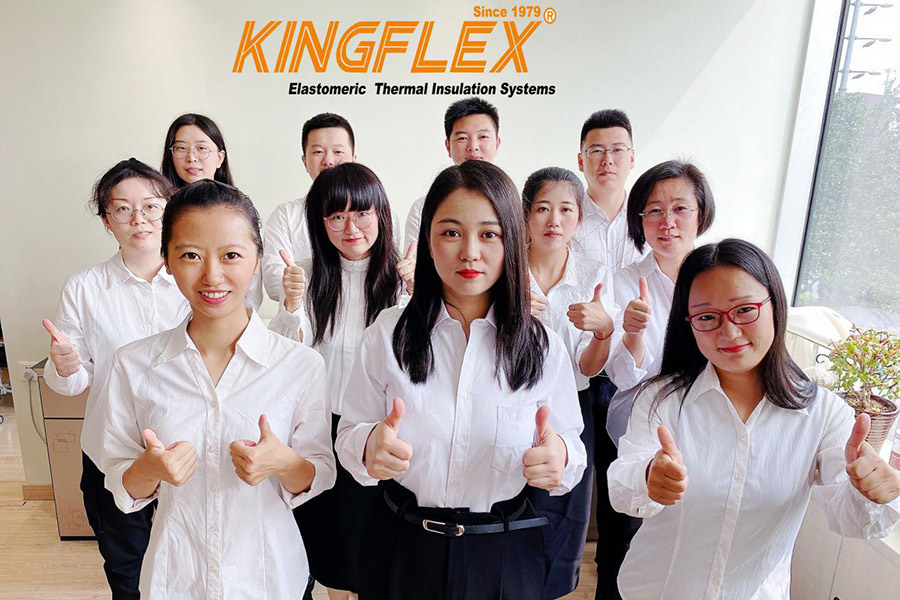
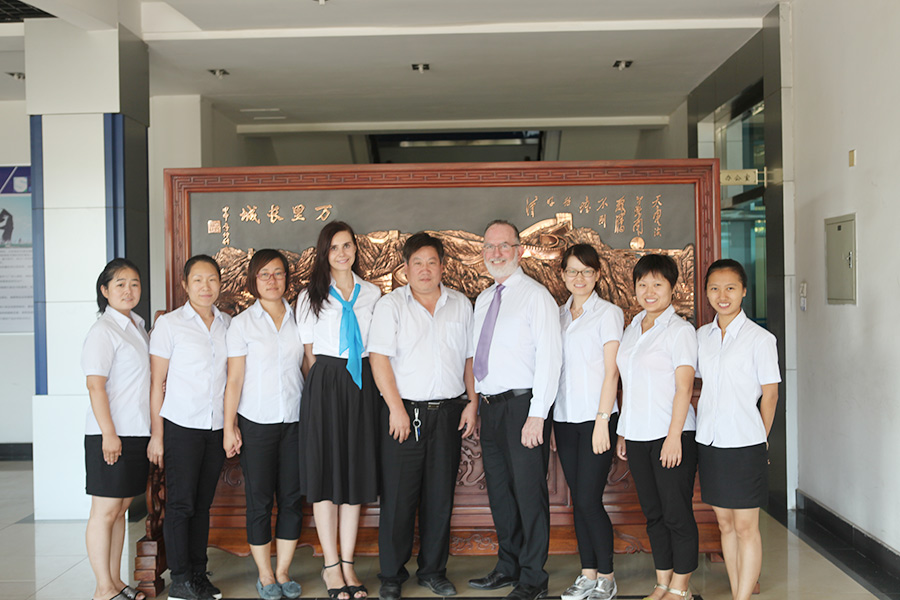
Kingflex professional technical team

Our Team

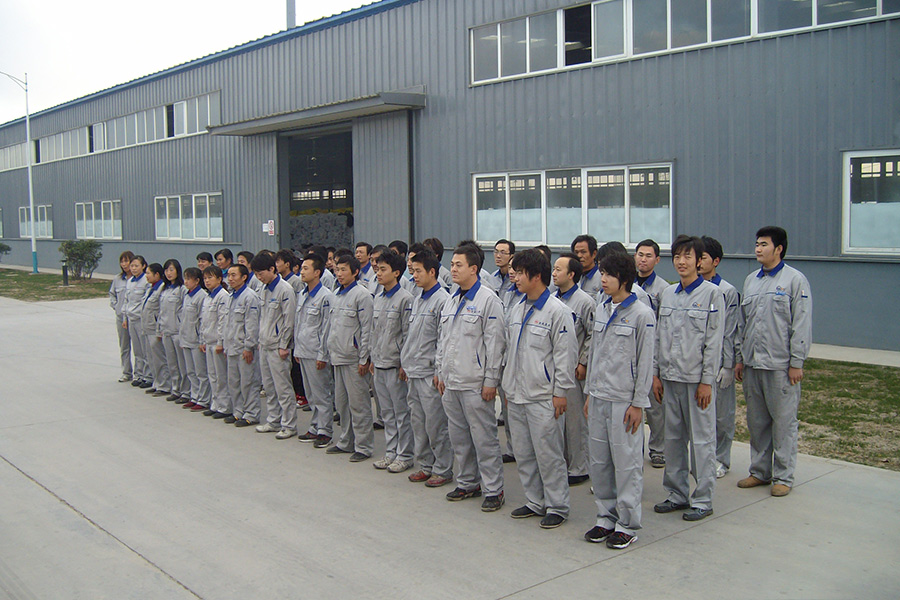
Our employees excel in their individual roles, and together they make Kingflex a productive and rewarding place to work. Our team shares a unified vision of delivering reliable service to our clients. We support our operations with 8 professional engineers in our R&D Department, 6 international sales specialists, and 230 factory workers.
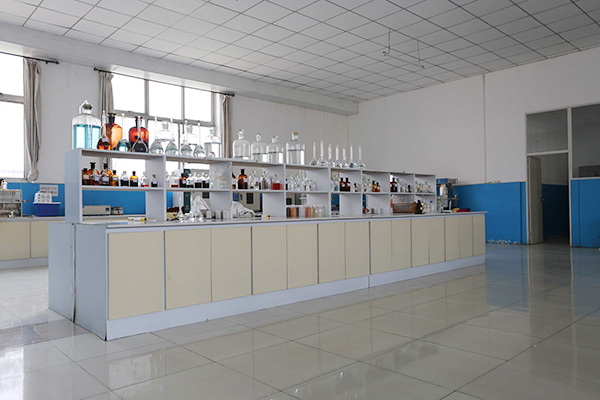
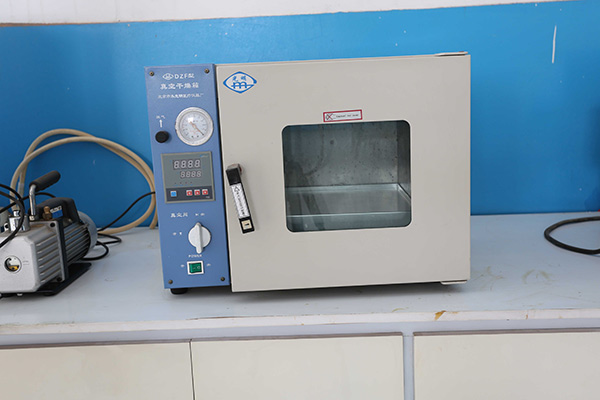
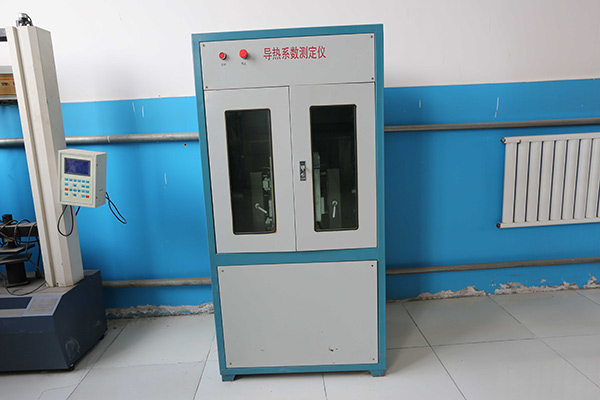
Kingflex R&D research testing lab

R & D Infrastructure

We invest continually in testing equipment to measure material density, thermal conductivity, and fire spread. This sustained focus on quality ensures that every production run complies with international environmental and mechanical standards.
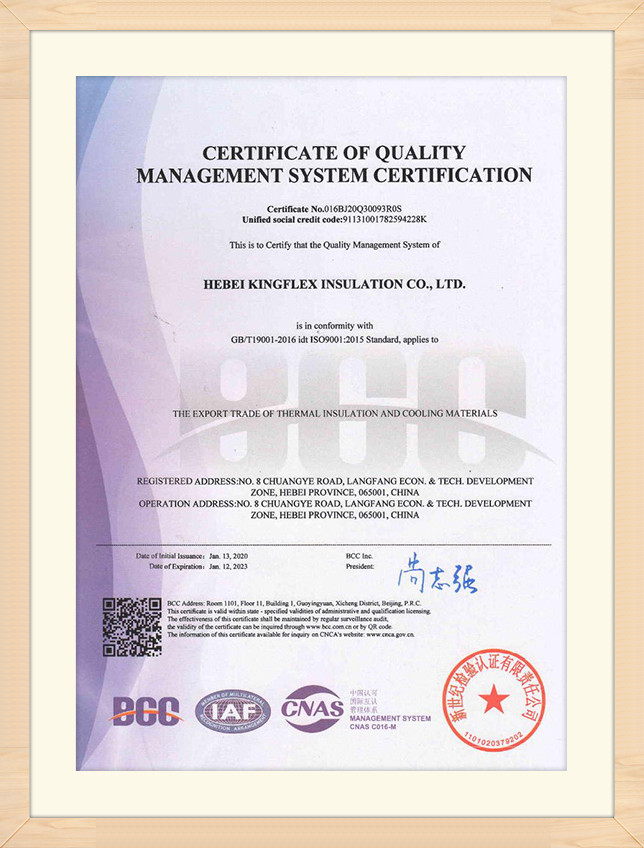
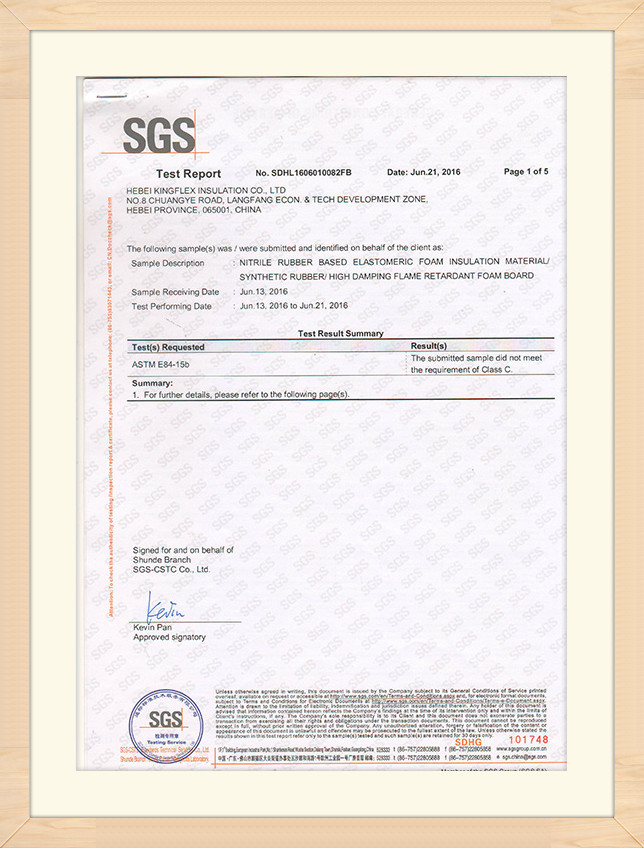
Certified Protection, Traceable Standards

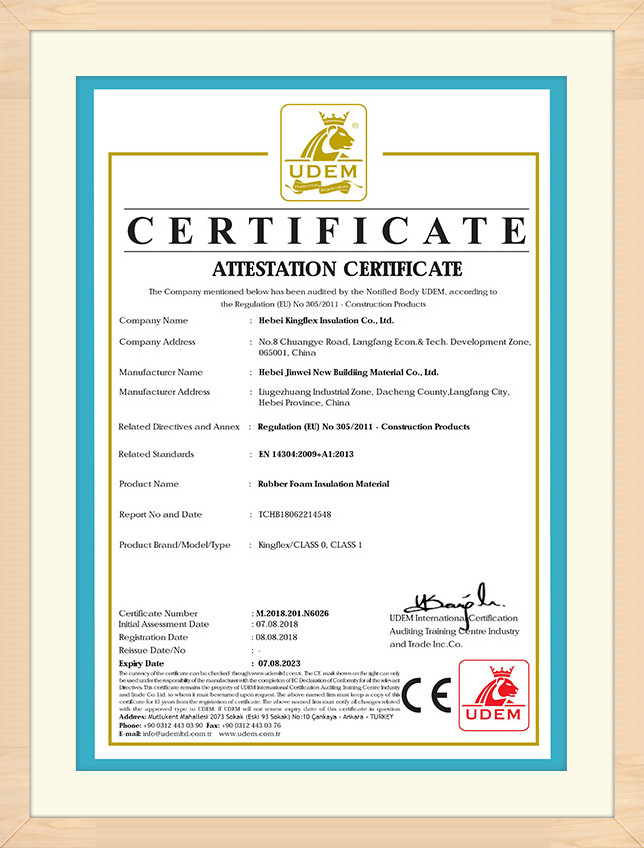
Our NBR/PVC elastomeric rubber insulation boards and pipes hold international quality certifications, assuring reliable material standards for engineers and procurement managers alike.

System compliance certificate
Fire safety BS 476 test report
Quality management system ISO
Environmental compliance standard

Future Development Trends: Aluminum Laminated Elastomer Systems

The construction and industrial insulation sectors are shifting toward composite insulation products that install quickly and provide multiple functions. Single-sided laminated aluminum rubber foam aligns well with this trend. By offering acoustic barrier protection, high moisture resistance, and low emissivity in a single product, it reduces installation times and overall labor costs.

Key development paths for the industry include:

  • Low-VOC Self-Adhesive Inventions: Incorporating factory-applied pressure-sensitive adhesives (PSA) with single-sided aluminum backing, simplifying high-elevation or tight-space installations.
  • Corrosion Under Insulation (CUI) Mitigation: Adding chemical corrosion inhibitors to the elastomer's cell structure, protecting carbon steel pipes from moisture ingress and rusting.
  • Enhanced Scrim Reinforcement: Using high-tensile glass-fiber scrim to reinforce the aluminum foil layer, protecting it against punctures and tearing in heavy-duty industrial applications.

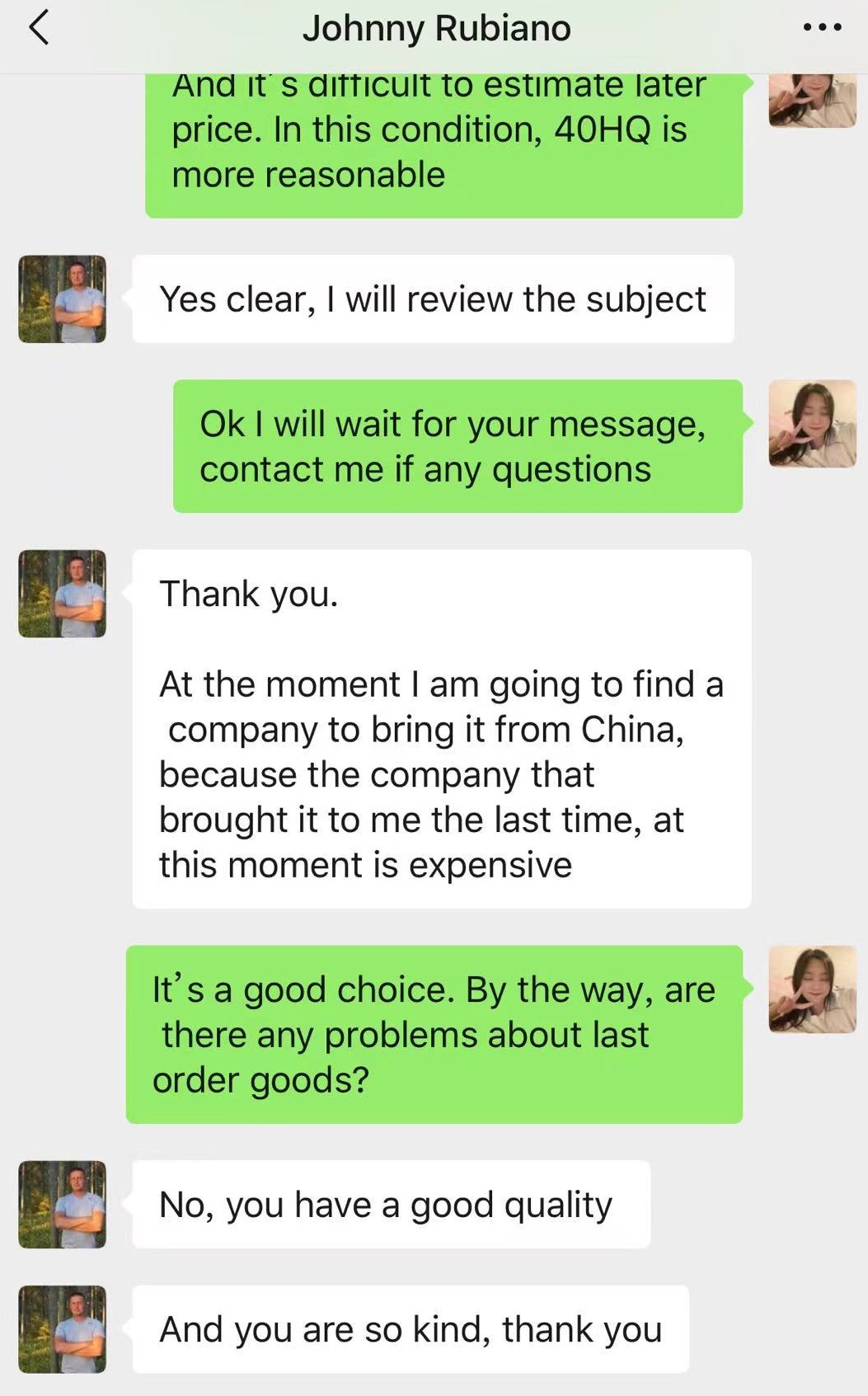
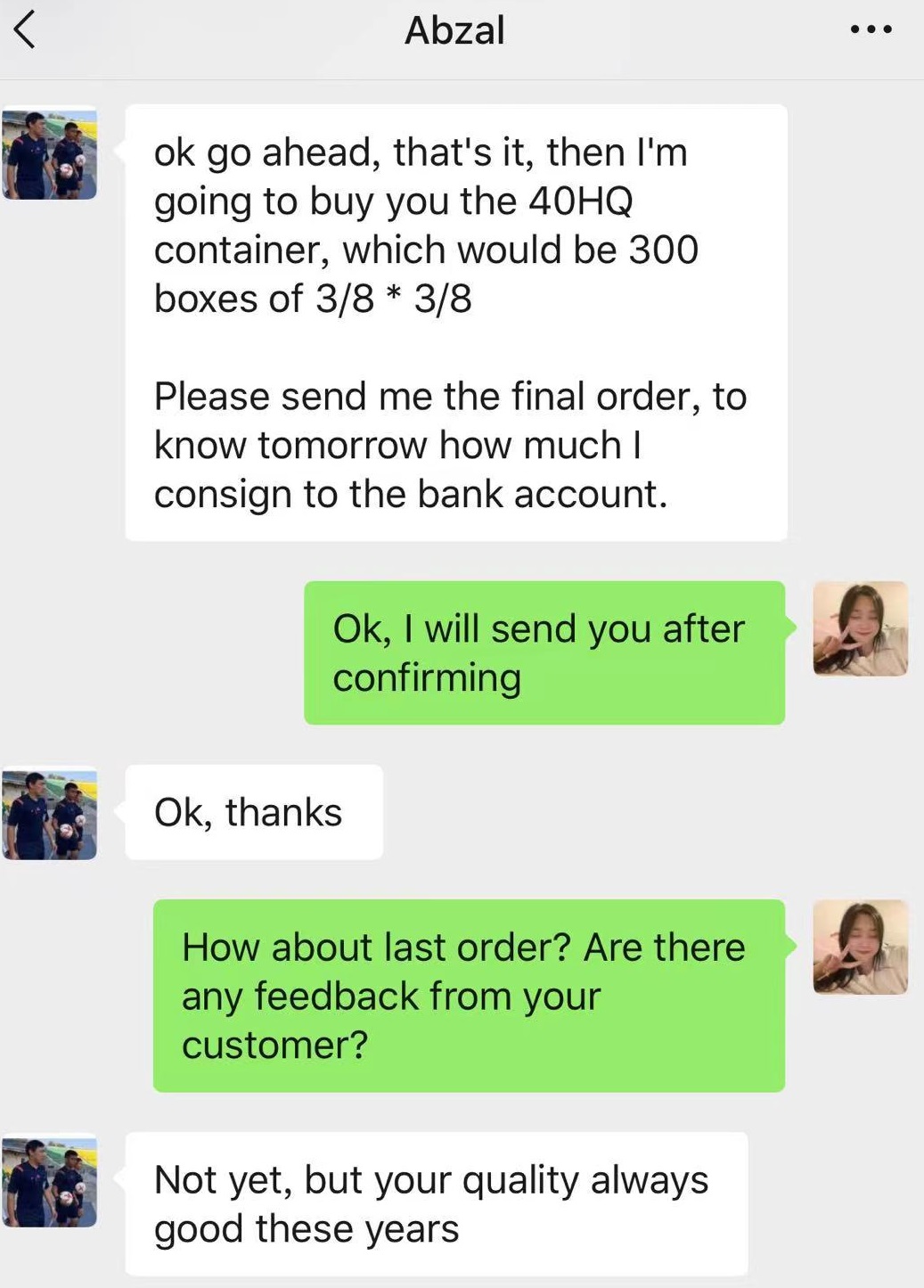
Verified Customer Communication & Factory Audits

Customer chat feedback 1 Customer chat feedback 2 Customer order confirmation text Client logistics clearance conversation Sourcing coordinator confirmation screen

Expert Q&A: Aluminum Foil Faced Elastomeric Insulation

Our engineers address common technical, installation, and procurement questions regarding our single-sided aluminum-faced insulation systems.

What is elastomeric rubber foam insulation used for?

It is primarily used for commercial and industrial HVAC duct systems, chilled and hot water pipes, building envelopes, high-capacity cold storage, and noise reduction across piping systems.

Is Kingflex rubber foam insulation fire resistant?
Yes, our rubber foam products are formulated with flame retardants. They are self-extinguishing and meet BS 476 Part 6 & 7 Class 0/Class 1 standards, helping prevent flame spread in commercial buildings.

What is the difference between rubber foam and rock wool insulation?

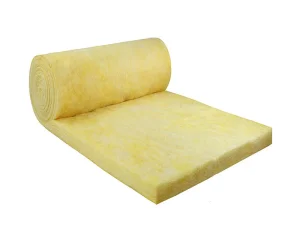
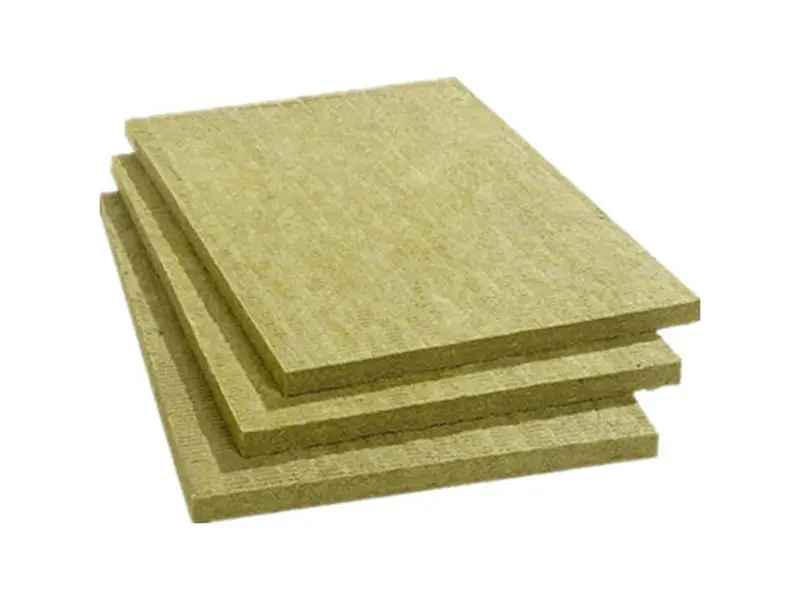
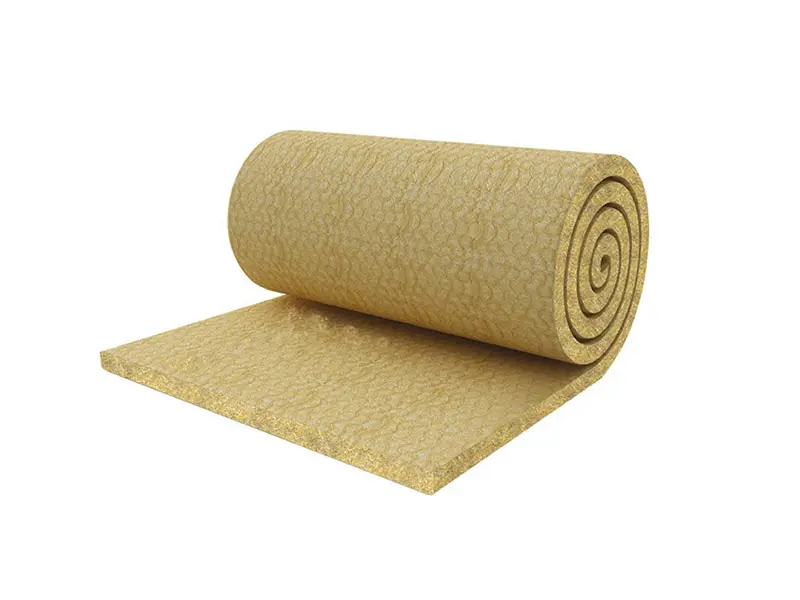
Rubber foam has a flexible, closed-cell structure that acts as a natural moisture barrier, making it suitable for HVAC chilled-water and refrigeration systems. Rock wool is a fibrous mineral material that handles high temperatures, making it a common choice for industrial high-heat pipelines and structural firewalls.

Do you provide customized insulation products?

Yes, we support comprehensive OEM and ODM services. This includes laminating specific foil weights, adding self-adhesive layers, and customizing lengths, thicknesses, and densities to match your project specifications.

What certifications do your products have?

Our materials are certified under BS 476, CE, REACH, ROHS, UL94, and ASTM. This ensures compliance with structural, environmental, and fire safety standards in global markets.

Does Kingflex provide traceable production audits?
Yes, we maintain full process traceability. From raw polymer compounding to final foil lamination and packaging, each batch is assigned a serial number linked to raw material records and lab test results.

What thickness of Rubber foam insulation sheet roll can you produce?

We manufacture sheet rolls in thicknesses ranging from 6mm to 50mm, allowing you to select the correct specification for your project's thermal and condensation requirements.

What is the typical service life of one-side aluminum foil rubber insulation?

Under typical operating conditions and with proper installation, the insulation has a service life of 10 to 15 years. The aluminum foil layer protects the NBR core from mechanical wear and UV degradation, helping extend its operational lifespan.

Manufacturing Facilities & Advanced Logistics Showcase

We manage our continuous supply chain through modern warehouse systems, computerized quality assurance, and container-loading procedures.