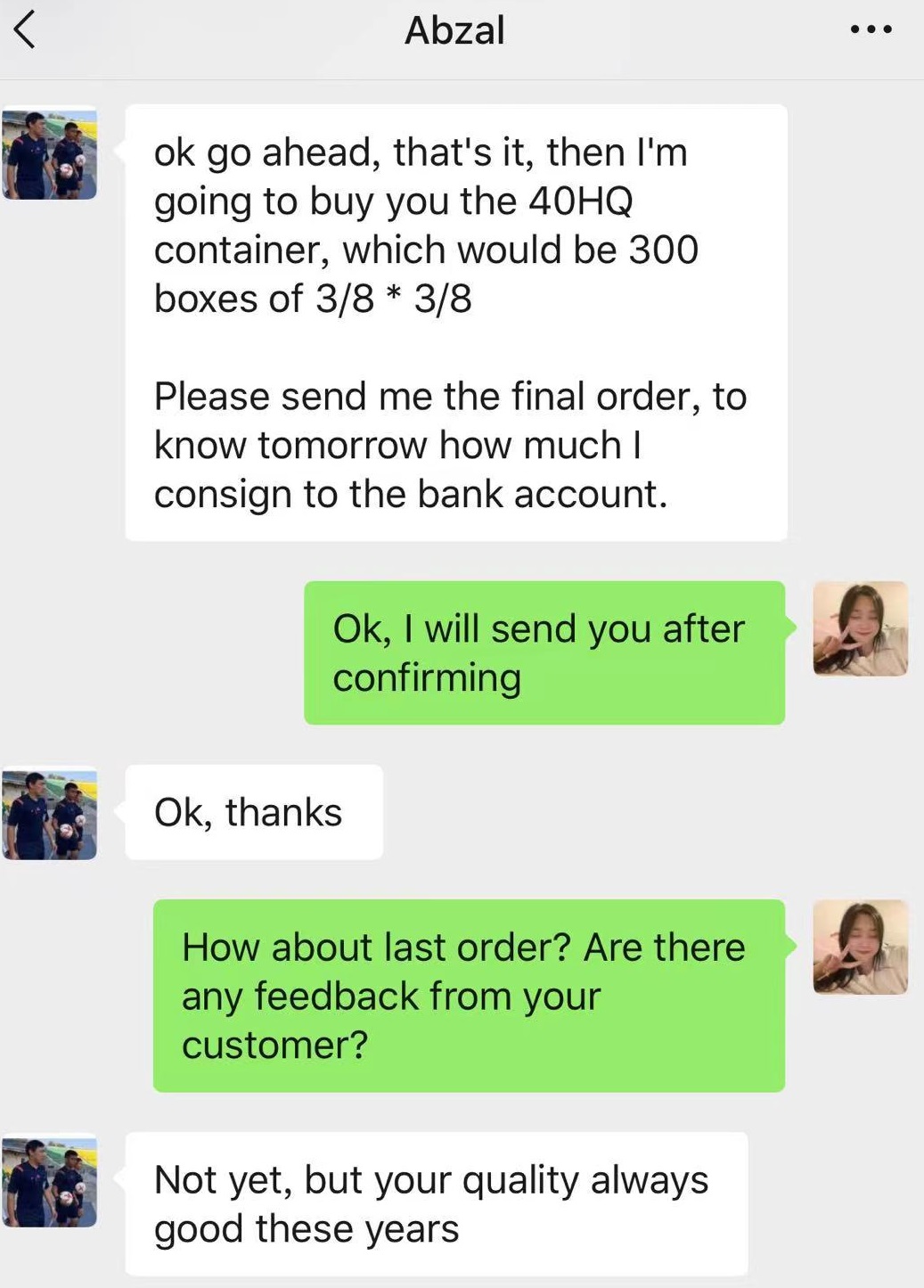
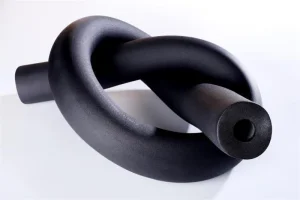
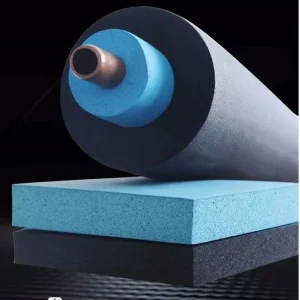
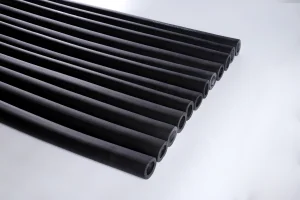
Executive Summary: The Critical Need for Acoustic Insulation Data
In contemporary architectural planning and industrial processing, managing energy loss and structural vibration noise is a primary engineering objective. When mechanical engineers, procurement professionals, and acoustic consultants search for a China Acoustic Insulation PDF, they need more than a generic catalog. They are seeking verifiable performance metrics, structural testing profiles, and certified compliance schemas to support their specifications.
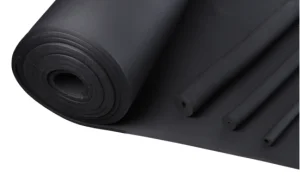
This comprehensive document acts as an industrial guide, highlighting the technical benefits of Kingflex NBR/PVC elastomeric foam insulation systems and Class A1 rock wool products. Leveraging our structural heritage dating back to 1979 under the Jinwei Group, Kingflex has built an operational foundation dedicated to thermal insulation, cold conservation, and sound attenuation. Our solutions are designed to address the challenges of noise control, dampening vibration transmission in massive HVAC air handlers, and maintaining safety under strict international certifications.
ESTABLISHED IN 1979
Our Industrial Heritage: Over 4 Decades of Excellence
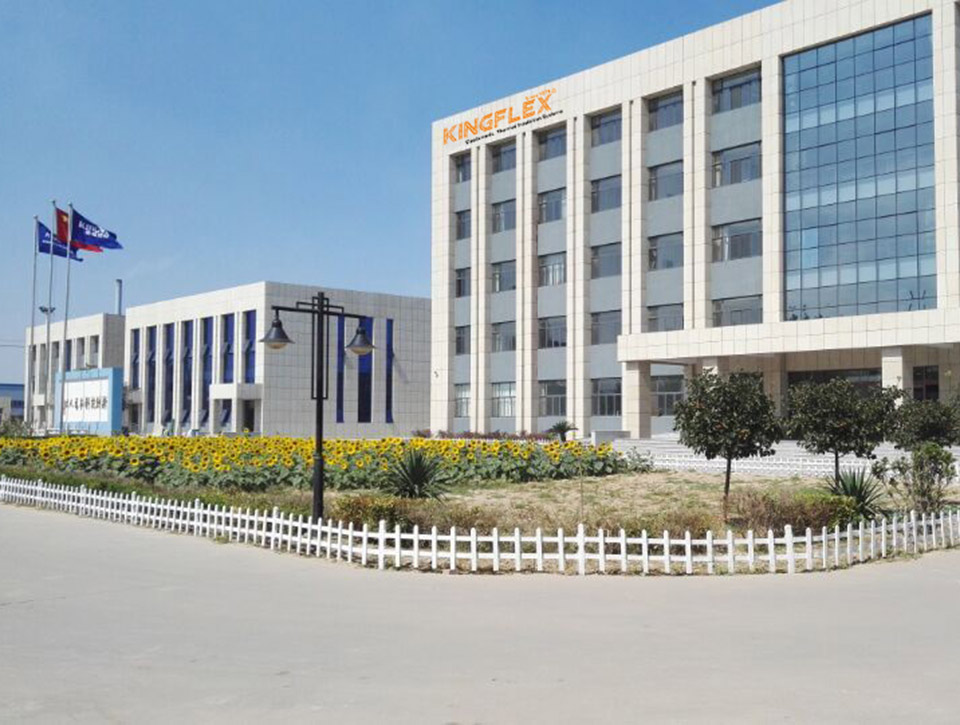
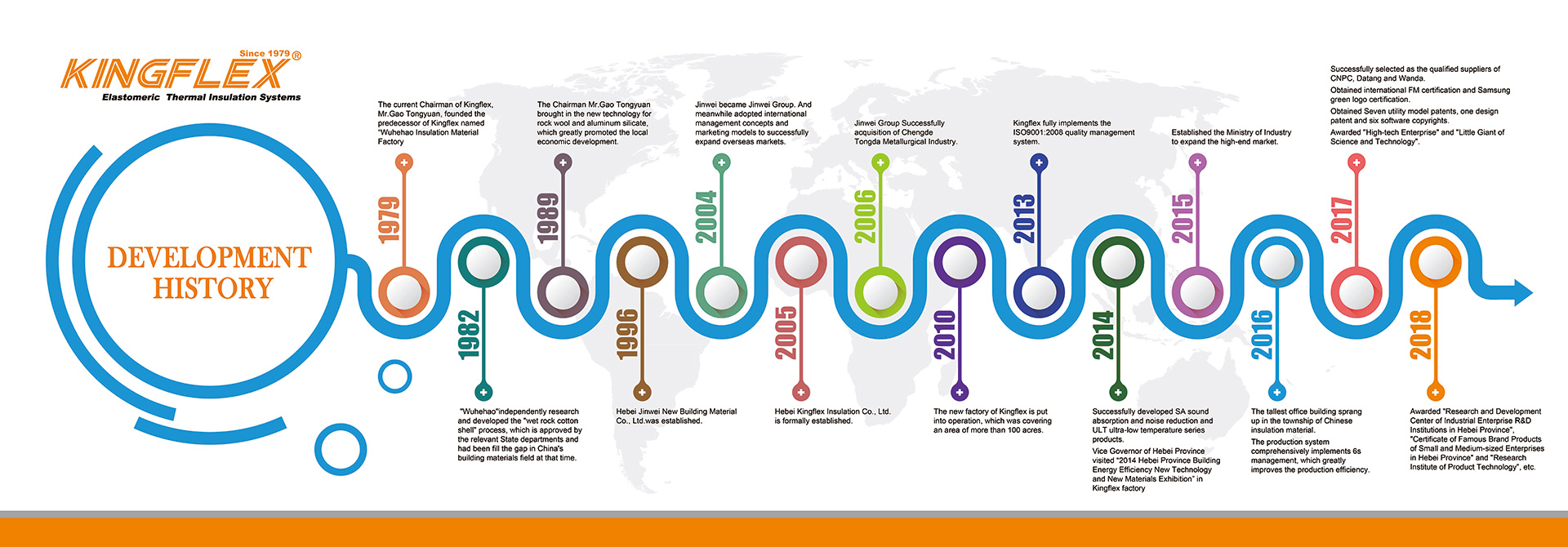
The foundation of Kingflex Insulation Co., Ltd. was laid by the Jinwei Group, an enterprise with more than 40 years of history. Established in 1979, the group was a pioneer in thermal and acoustic insulation manufacturing north of the Yangtze River.
By combining this manufacturing history with continuous R&D investments, Kingflex has transitioned from standard mineral fiber manufacturing to high-density elastomeric closed-cell rubber systems. We focus on energy conservation and consumption reduction. Our team handles every phase of the project lifecycle, including consulting, R&D production, installation guidance, and post-sale technical support.
1979
Year Established
600K+ m³
Annual Capacity
66+
Countries Exported
5 Lines
Automatic Assembly
GLOBAL ACQUISITIONS & PROCUREMENT INTENT
Global Architectural Demands and Modern Procurement Priorities
The global demand for high-performance acoustic insulation is driven by changes in building codes and industrial specifications. Environmental noise mitigation is a major priority in urban development. Designers must control mechanical equipment noise in commercial complexes, hospitals, and transit hubs. When selecting insulation, modern procurement focuses on:
1. High-Density Sound Damping
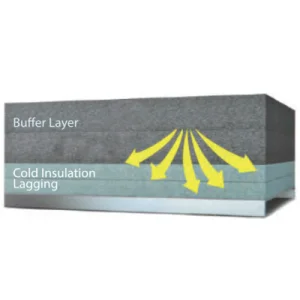
Elastomeric rubber foams provide mass and elasticity, trapping sound waves inside their closed-cell structure to reduce noise levels across critical octaves.
2. Low Moisture Absorption
Fibrous materials can degrade when exposed to moisture. In contrast, NBR/PVC closed-cell rubber has a high resistance to moisture vapor, protecting pipes from corrosion under insulation (CUI).
3. Strict Fire Safety Standards
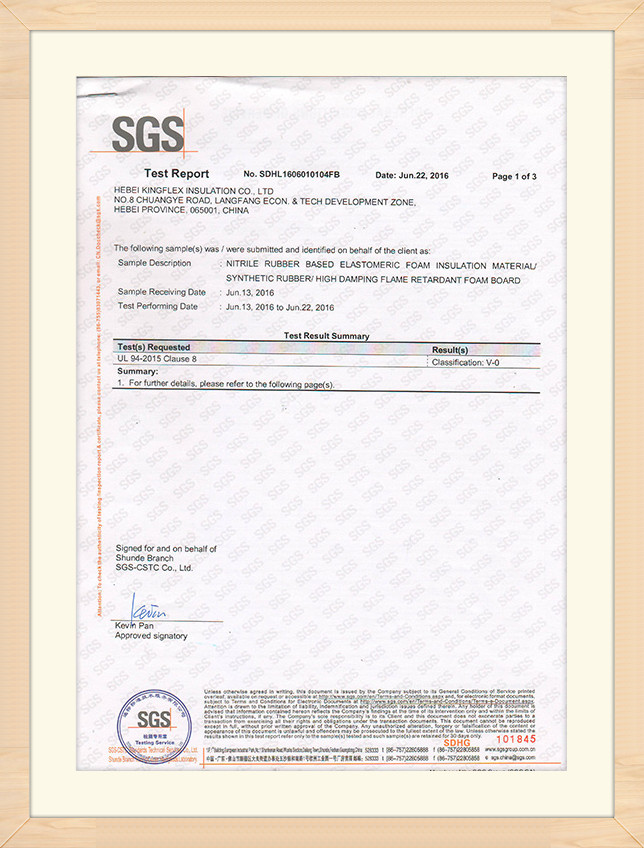
Materials must comply with international flame spread, smoke toxicity, and fire resistance standards. This includes certifications like BS 476, CE, Class 0, and UL94.
CHINA FACTORY 4.0 ADVANTAGE
China Factory 4.0: Ensuring Supply Chain Resilience
Operating out of Dacheng, China—a hub for green building materials—Kingflex utilizes advanced manufacturing processes to support our partners. Our facility features five automated production lines with an annual capacity of over 600,000 cubic meters.
This automated infrastructure ensures product consistency, controlled density, and accurate cell distribution across all production batches. Kingflex is a designated supplier for the Ministry of Energy, the Ministry of Electric Power, and the Ministry of Chemical Industry in China. We support international engineering projects with reliable supply networks and efficient logistics.
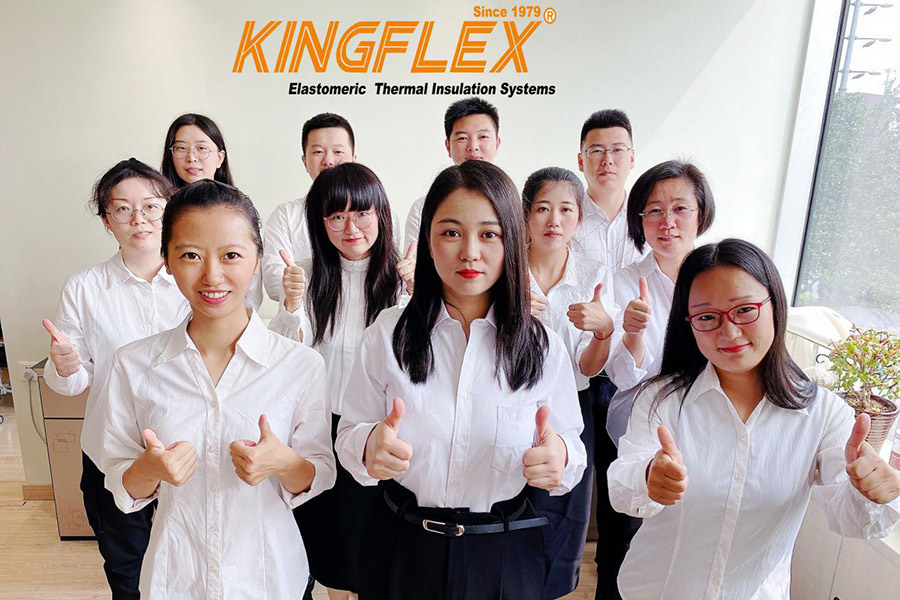
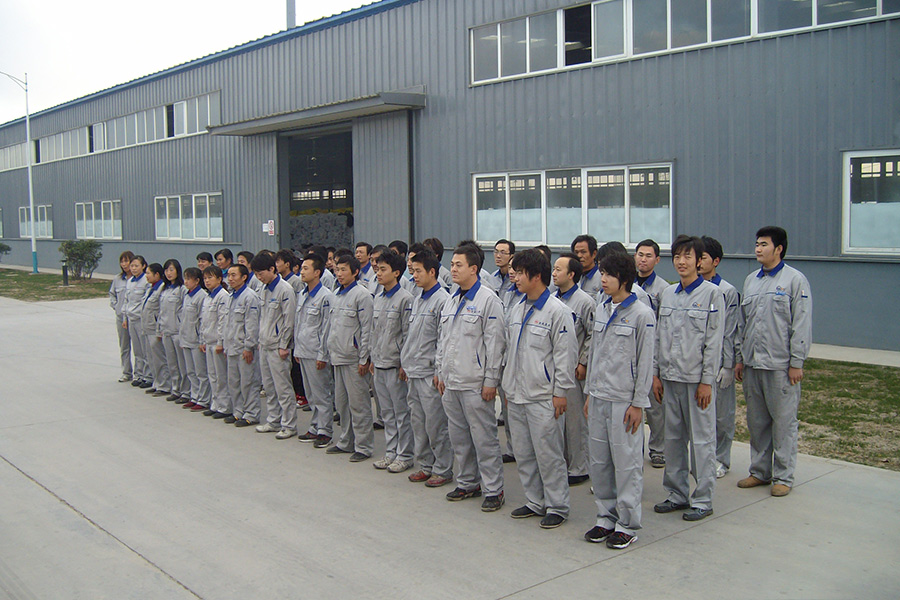
Our dedicated team includes 8 R&D engineers, 6 international trade representatives, and 230 production personnel, enabling us to handle custom specification requests (OEM/ODM) while keeping lead times short.
Technical Specification & Dimension Sheet
Verified physical properties and architectural metrics for Kingflex Rubber Foam Insulation Sheets and Pipes.
Property Parameter
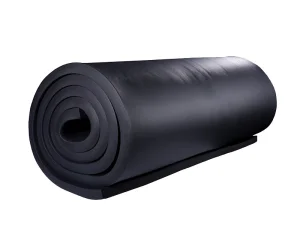
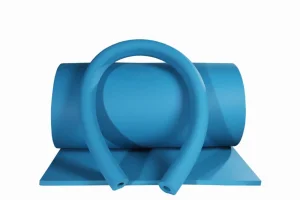
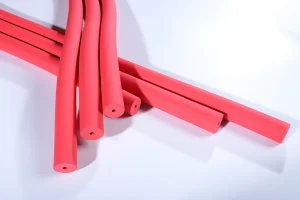
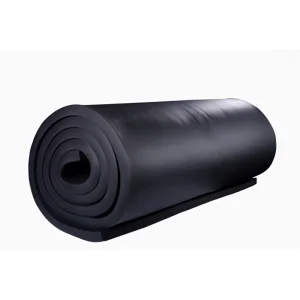
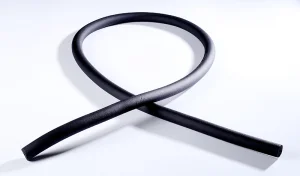
NBR/PVC Elastomeric Foam Pipe / Sheet Value
Testing Standards & Compliance Protocols
Density Range
40 - 55 kg/m³
ASTM D1622 / GB/T 6343
Thickness Availability
6mm, 9mm, 13mm, 19mm, 25mm, 32mm, 40mm, 50mm
Customized Thickness Available on Request
Thermal Conductivity (λ)
≤ 0.034 W/(m·k) at 0°C (32°F)
ASTM C518 / ISO 8301
Moisture Resistance (μ)
Closed cell structure rate > 98%, High moisture factor
EN 12086 / ASTM E96
Service Temp Range
-40°C to +105°C (-40°F to +221°F)
Cryogenic series support down to -200°C
Fire Safety Rating
Class 0, Class 1, Flame retardant, Self-extinguishing
BS 476 Part 6 & 7, UL94, CE, REACH, ROHS
Compression Resilience
Over 80% recovery rate
GB/T 6669 / ASTM D1056
COMPLIANCE CERTIFICATION
Traceability & Quality Control Standards
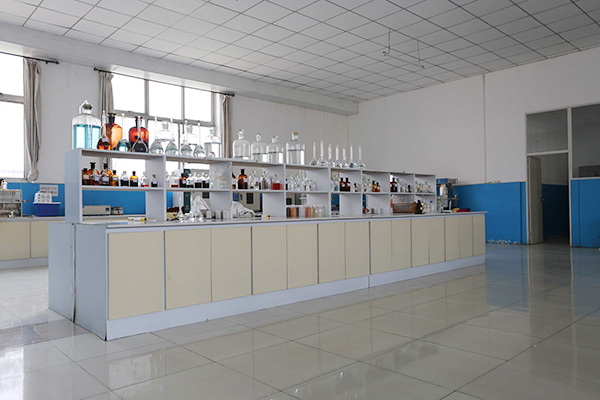
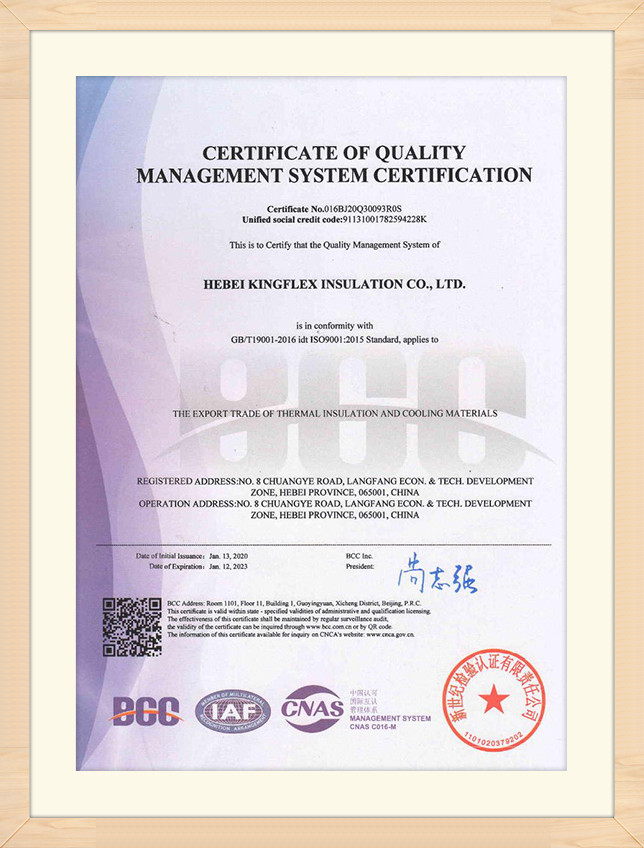
To meet the requirements of international construction regulations, Kingflex has established a quality control workflow. Every step of the production process, from NBR/PVC polymer mixing to temperature-controlled foaming, is fully documented.
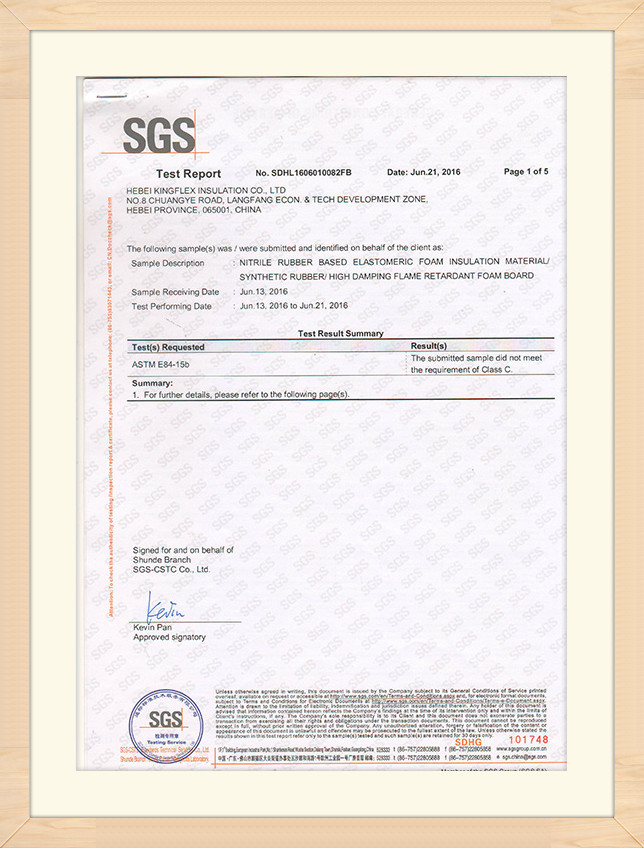
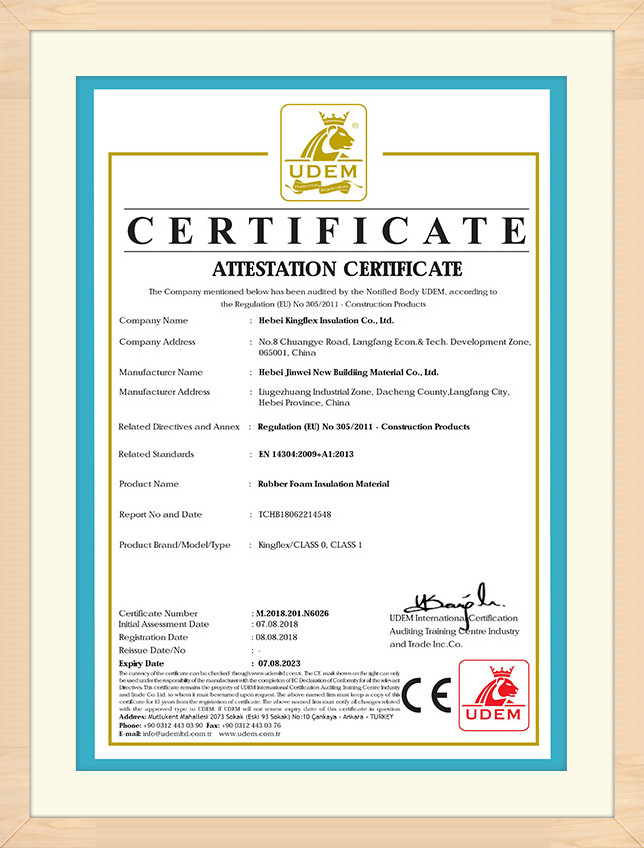
Our insulation products hold certifications from regulatory bodies like BS 476, CE, REACH, RoHS, UL94, and ASTM. This documentation gives engineering partners confidence that the insulation will perform as specified. Full trace data is logged under internal database keys, allowing engineers to verify performance metrics against specific product runs.
Industrial Application & Integration Guide
How global projects configure Kingflex elastomeric and rock wool insulations across diverse conditions.
1. Building HVAC & Water Systems
Installed in commercial duct networks, air handling systems, and water pipes to control condensation, reduce airflow noise, and prevent pipe freezing in cold temperatures.
2. Low-Temperature Cryogenics
Used in gas processing plants, liquid gas transport, and chemical process piping down to -200°C. Prevents thermal gain and maintains system efficiency.
3. High-Temperature Steam Piping
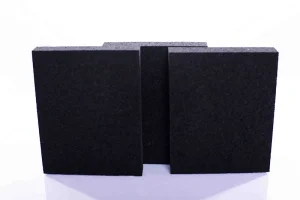
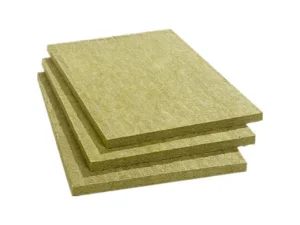
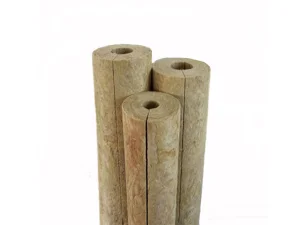
Our density-matched rock wool blankets and preformed board materials protect high-temperature lines. This ensures fire safety and structural integrity under constant thermal cycling.
Technical answers to common questions asked by engineers, architects, and procurement agents.
Q1: What are the primary applications of elastomeric rubber foam insulation?
Elastomeric rubber foam is mainly used for HVAC ducts, air conditioning piping, building thermal insulation, industrial pipelines, cold conservation, and sound dampening. Its closed-cell structure helps reduce noise levels in machinery rooms and air handling units.
Q2: How does Kingflex rubber foam perform in fire tests?
Our products are formulated to be flame-retardant and self-extinguishing. They meet fire safety standards including BS 476 (Class 0 and Class 1 ratings) and UL94 testing requirements.
Q3: What is the technical difference between rubber foam and rock wool insulation?
Rubber foam is a flexible, closed-cell material that is moisture-resistant, making it well-suited for cold pipelines, building envelopes, and HVAC systems. Rock wool is a fibrous mineral material that handles high temperatures and provides strong fire barrier protection, making it ideal for industrial steam lines.
Q4: Does Kingflex support customized insulation requests?
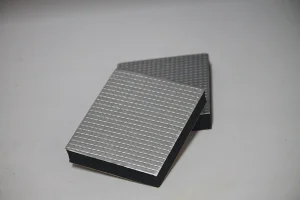
Yes, we provide custom processing services (OEM/ODM) to meet project requirements. Options include custom thicknesses, internal diameters, aluminum foil laminations, and pressure-sensitive adhesive backing.
Q5: What international certifications do your products hold?
Kingflex products are certified to BS 476, CE, REACH, RoHS, UL94, and ASTM standards. This verification helps ensure compliance with international construction codes.
Q6: Is production batch data traceable?
Yes, all products undergo quality inspection steps and are stamped with batch numbers. This ensures traceability from raw material selection through delivery.
Q7: What thicknesses are available for your elastomeric foam sheet rolls?
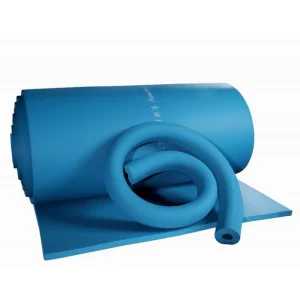
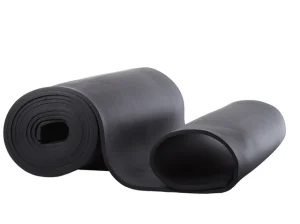
We manufacture elastomeric foam sheet rolls in thicknesses ranging from 6mm up to 50mm, allowing you to select the appropriate thickness for your project's thermal and sound reduction requirements.
Q8: What is the typical design lifespan of your rubber insulation products?
Under standard operating conditions and following correct installation practices, our insulation products have a typical service life of 10 to 15 years.
Premium Insulation Products Portfolio (Group B)
Explore our selections of insulation pipes, sheets, and cryogenic solutions for mechanical systems.
 Kingflex