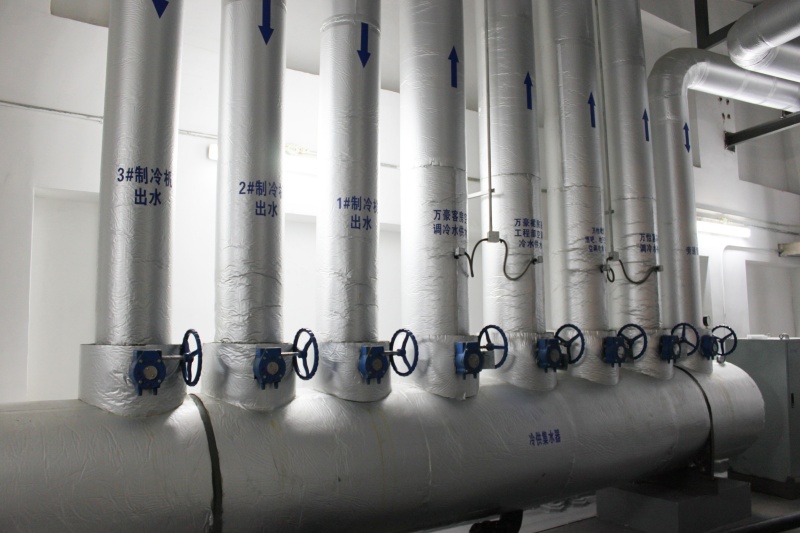
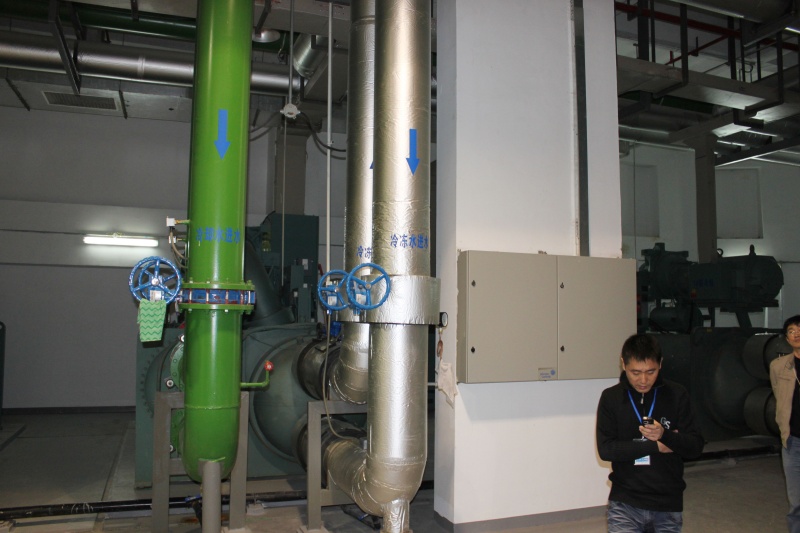
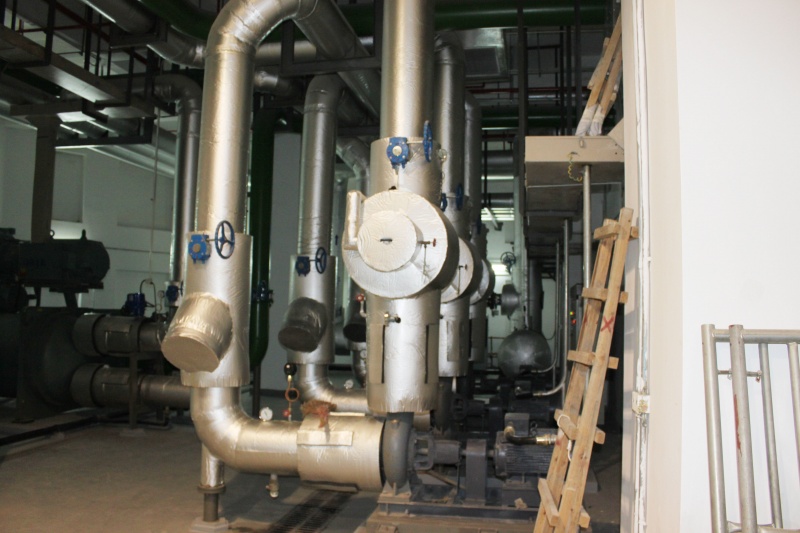
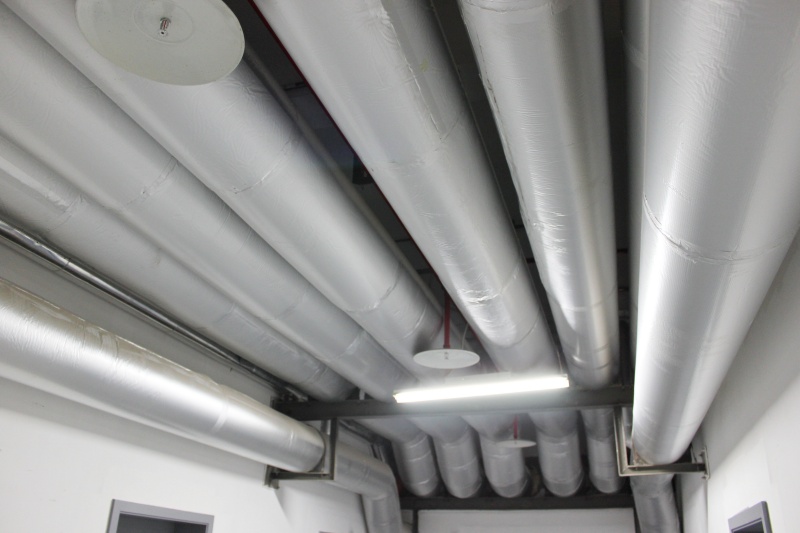
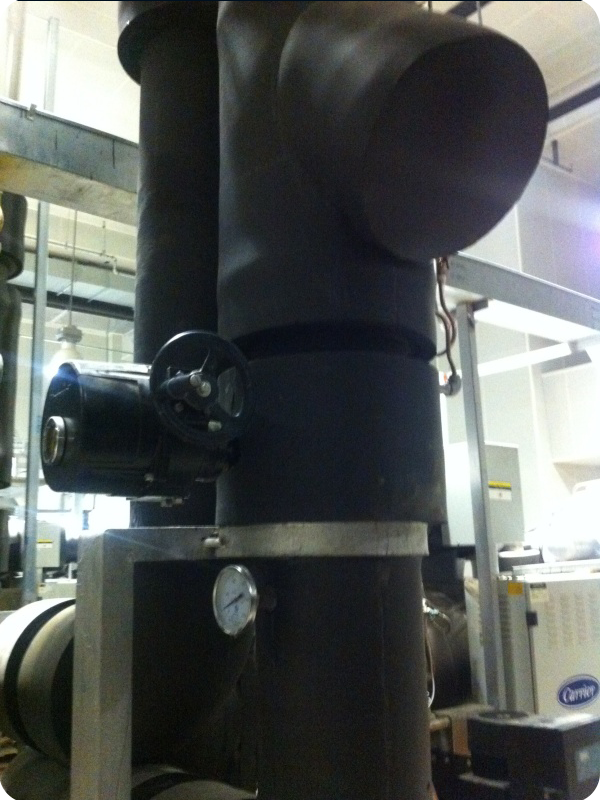
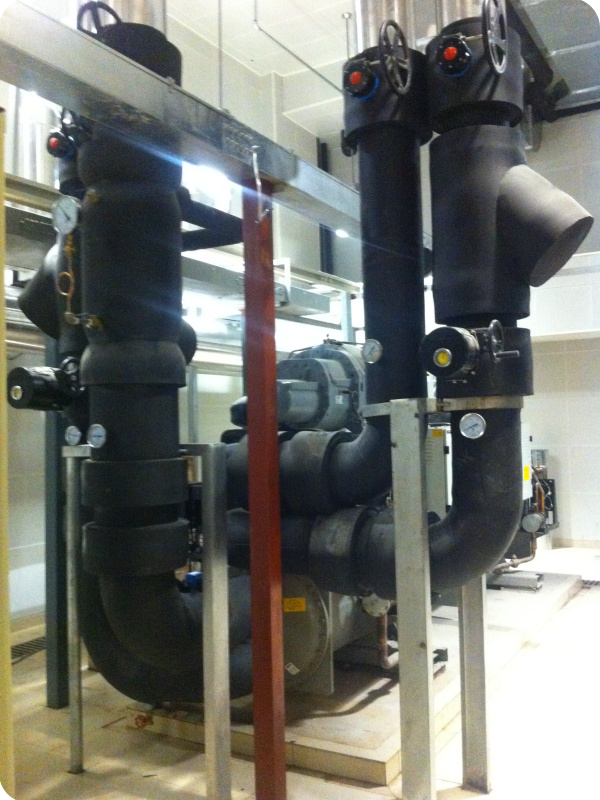
China HVAC Thailand Factory & Factories

Empowering Global Mechanical Systems with Premium NBR/PVC Elastomeric Thermal & Cryogenic Insulation Solutions

The Strategic HVAC Hub: China & Thailand Synergies

The global HVAC and mechanical insulation industries are undergoing a massive structural shift. Industrial buyers and engineering procurement contractors (EPC) are increasingly targeting synergistic sourcing strategies between Chinese manufacturing hubs and Southeast Asian facilities, particularly in Thailand. As the largest manufacturing economy in the ASEAN region, Thailand represents a critical gateway for infrastructure projects, cold-chain logistics, and modern HVAC manufacturing. Meanwhile, China remains the global powerhouse for raw material synthesis, chemical engineering, and scale production of elastomeric rubber foam insulation.

By leveraging China's advanced manufacturing capabilities—such as those of Kingflex Insulation Co., Ltd.—and coordinating regional logistics through Thailand, international enterprises secure highly resilient supply chains. The Free Trade Agreement (FTA) framework between China and ASEAN (Form E) drastically lowers import tariffs, allowing Thai factories and projects to import premium elastomeric insulation components at minimal cost. This structural advantage ensures that commercial buildings, data centers, manufacturing plants, and high-rise developments across Southeast Asia receive tier-1 thermal insulation without prohibitive duty markups.

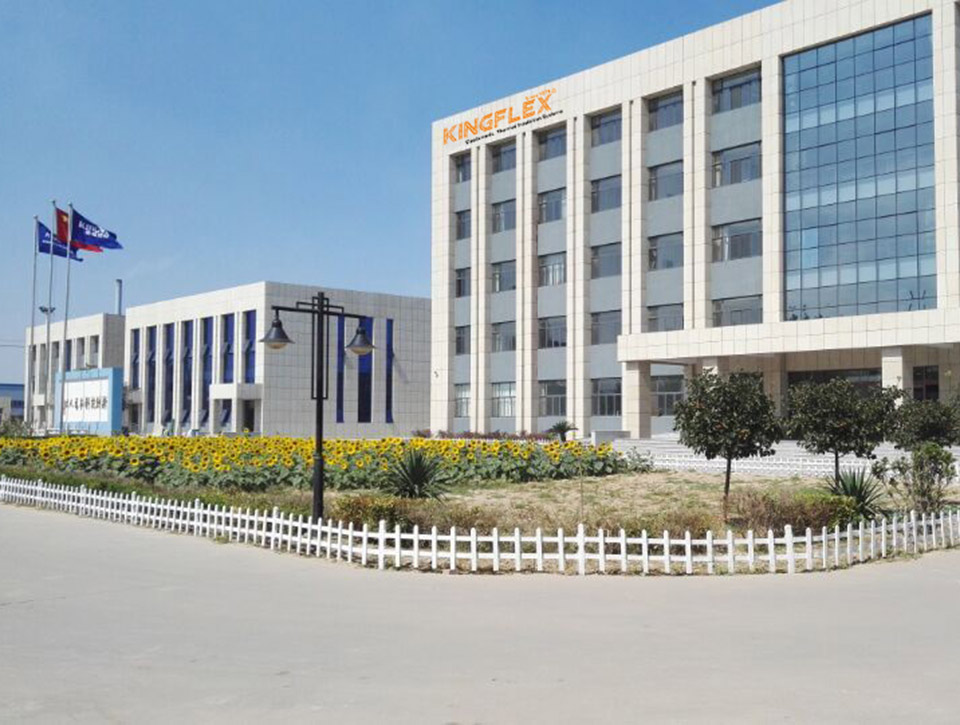
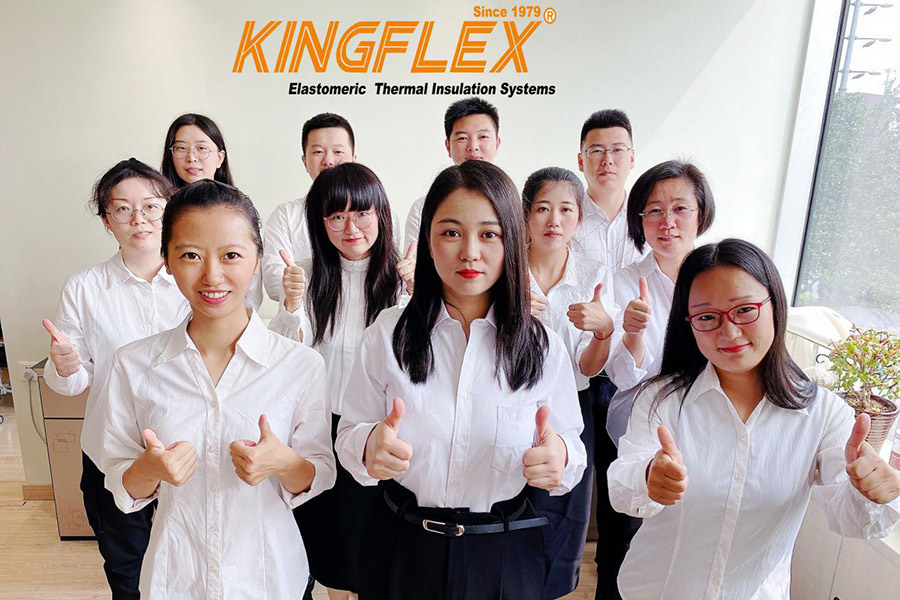
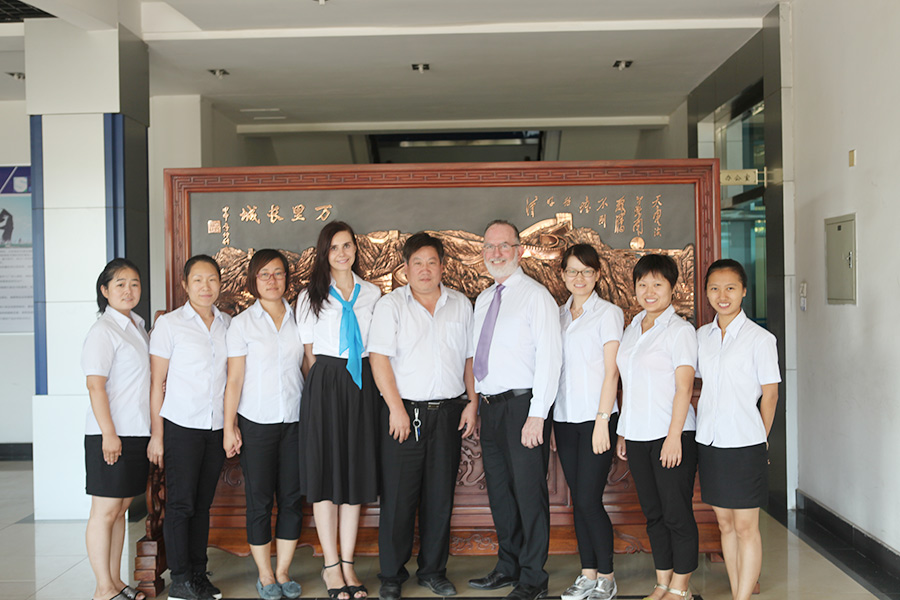
Our Company Headquarters and Logistics Center

Unveiling Kingflex: Enterprise Heritage & Technical Power

Combining over 40 years of engineering leadership, state-of-the-art automation, and global compliance certifications.

Manufacturing Mastery

Established under the Jinwei Group (founded in 1979), Kingflex has served as a pioneer of thermal insulation north of the Yangtze River. Operating 5 high-speed automatic lines with an annual output exceeding 600,000 cubic meters.

Global Compliance

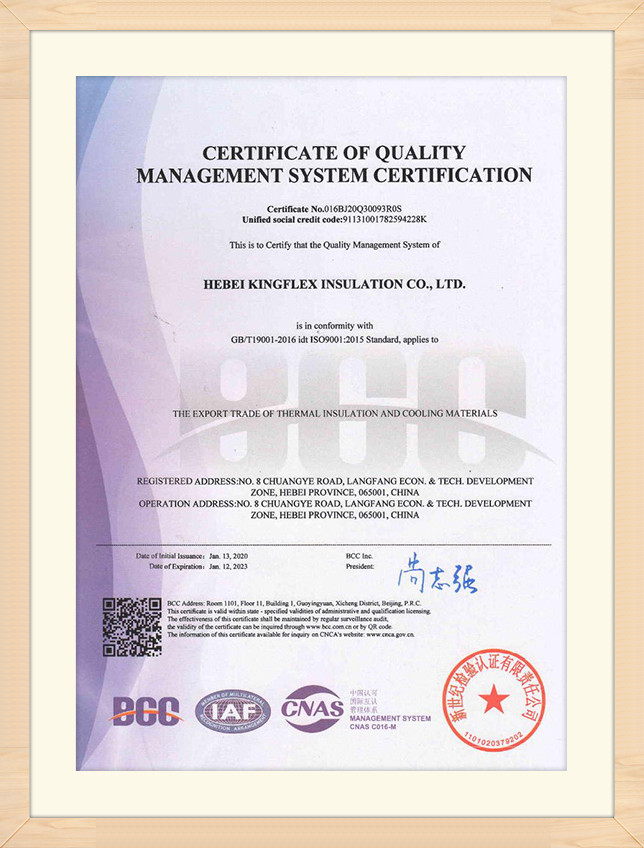
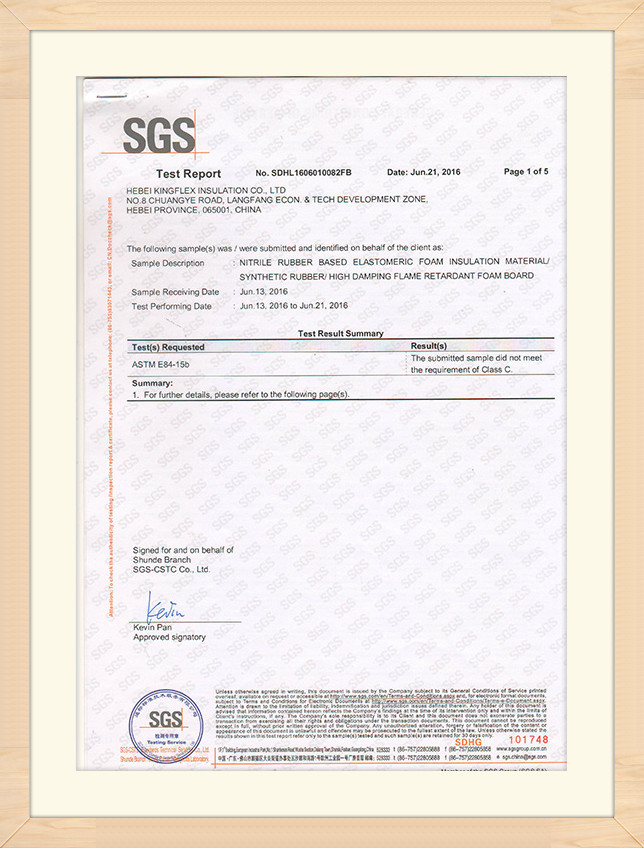
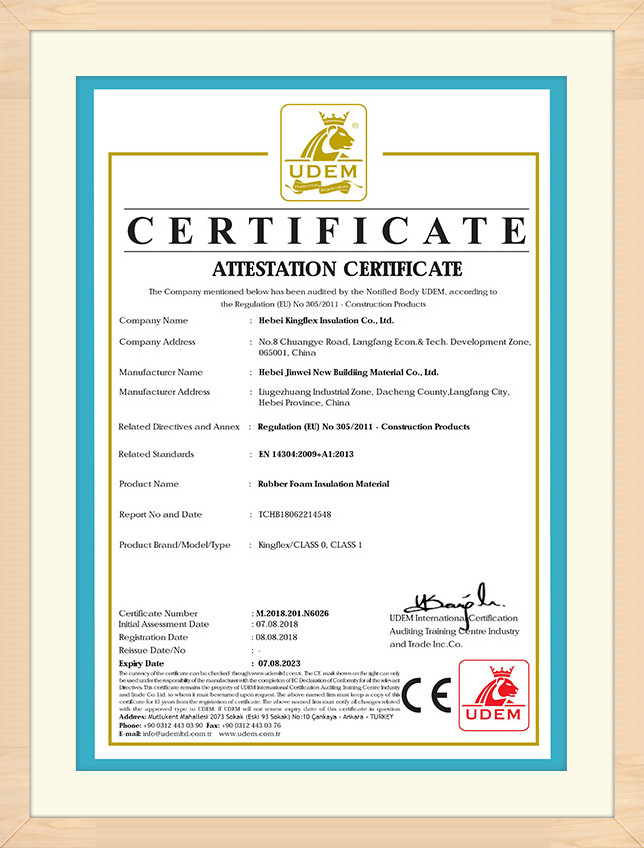
Fully compliant with BS 476, CE, REACH, ROHS, UL94, and ASTM standards. Our elastomeric materials are systematically tested for flame spread index, smoke density, and moisture absorption to ensure building safety.

End-to-End Solutions

We provide comprehensive energy-saving solutions from consultations, custom R&D formulation, installation training, and strict post-sale quality assurance, helping projects attain LEED and EDGE certifications.

Enterprise Scale & Operational Statistics

A statistical glance at Kingflex's capabilities as a dominant player in the global HVAC insulation market.

1979
Year Established
600K+
Annual Capacity (m³)
66+
Exporting Countries
8
R&D System Engineers
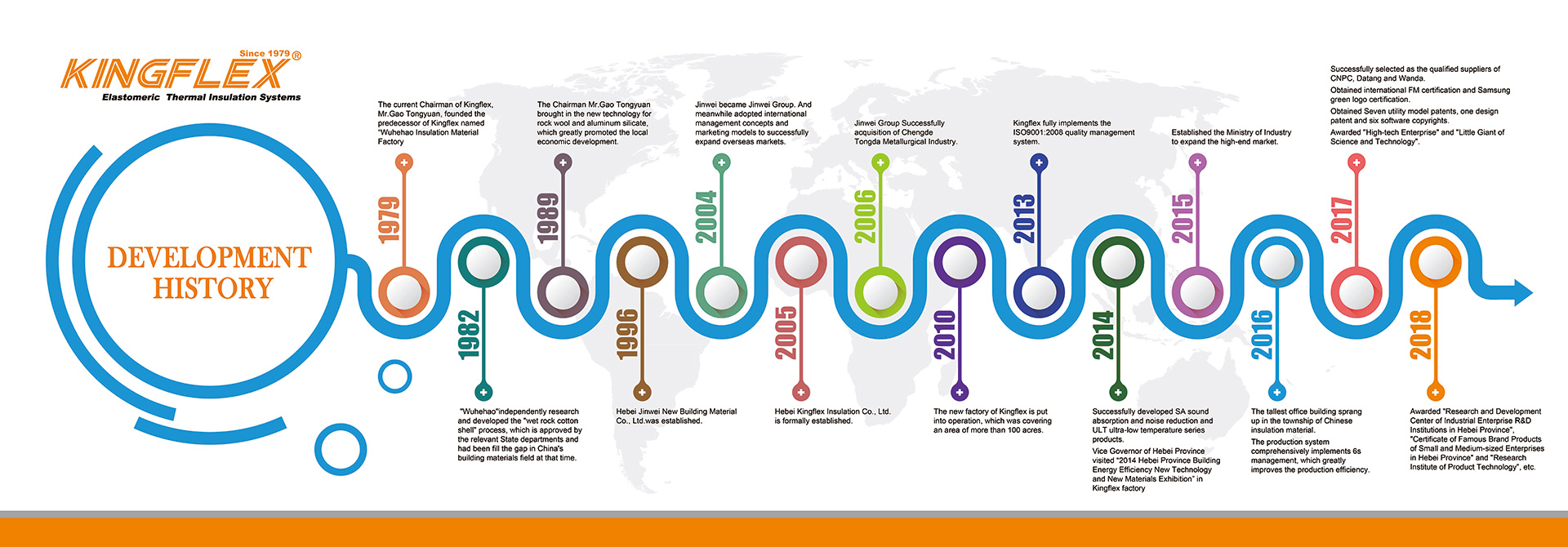
Historical Timeline and Production Facility

The Material Science Behind NBR/PVC Foam

Elastomeric NBR/PVC rubber foam is a closed-cell synthetic elastomer engineered for demanding commercial HVAC systems. Unlike open-cell products or fibrous materials such as fiberglass, NBR/PVC contains thousands of micro-cells that are completely sealed. This structure yields several thermodynamic benefits:

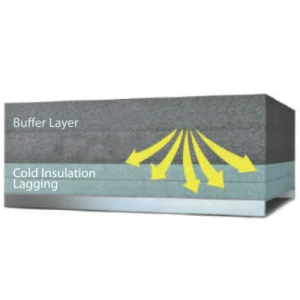
  • Condensation Mitigation: When warm, humid air (such as the outdoor environment in Thailand) meets a cold pipeline carrying chilled water, moisture condenses. Closed-cell rubber foam has a high resistance to moisture vapor transmission (MVT), serving as an inherent vapor barrier.
  • Thermal Conductivity ($\lambda$): Boasting a low thermal conductivity of approximately $0.034 \text{ W/(m}\cdot\text{K)}$ at $0^\circ\text{C}$, the material prevents energy loss, maintaining system fluid temperatures over long distances.
  • Acoustic Dampening: Closed-cell structures reduce vibration transmission and absorb noise generated by high-velocity refrigerant gas flow, creating a quieter indoor environment.

R&D, Quality Control, and Laboratory Audits

A rigorous look into our manufacturing processes, product testing, and compliance documentation.

R&D Lab Test 1

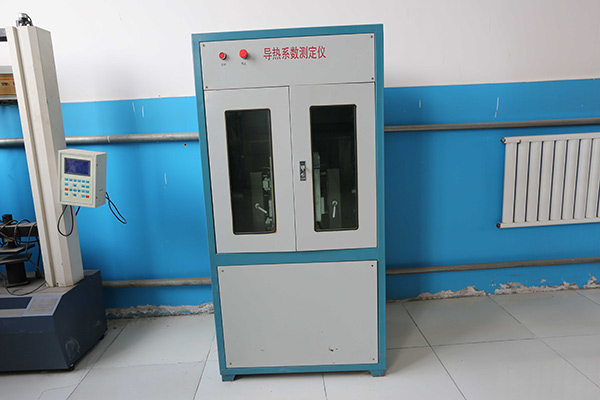
Thermal Performance Testing

R&D Lab Test 2

Fire Safety & Flammability Testing

R&D Lab Test 3

Density & Compression Resilience

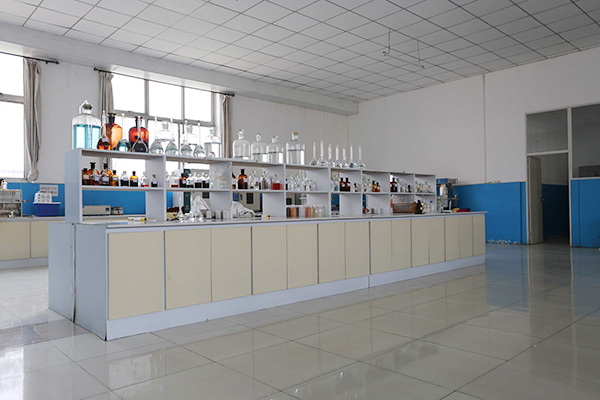
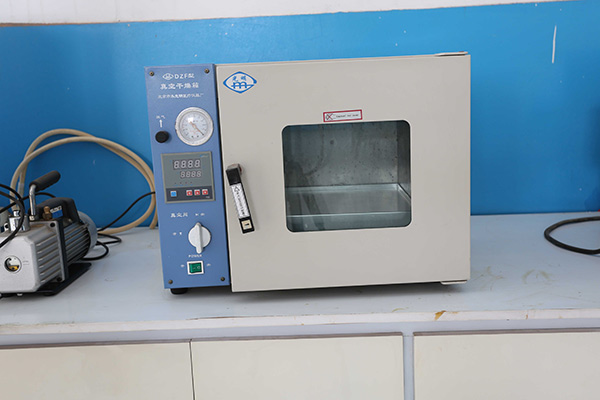
Kingflex's R&D department features 8 professional engineers dedicated to material synthesis. In our lab, materials undergo cycle-testing to simulate years of exposure to extreme tropical heat and humidity. Parameters like ozone resistance, UV durability, and long-term elasticity retention are checked. The inclusion of chlorinated and halogen-free fire retardants ensures that our NBR/PVC products successfully meet strict international safety standards, making them suitable for high-density environments like hospitals, airports, and commercial centers.

Product Technical Specifications & Dimensions

Detailed dimensional guidelines and raw material properties for Kingflex Standard NBR/PVC Rubber Foam insulation sheets and pre-slit pipe insulation.

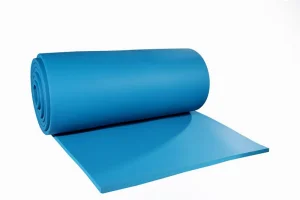
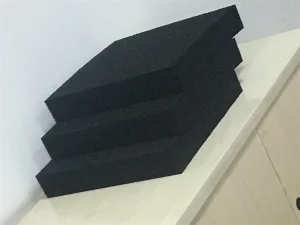
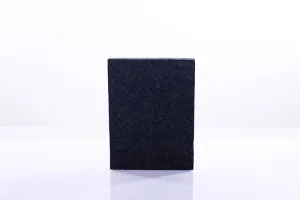
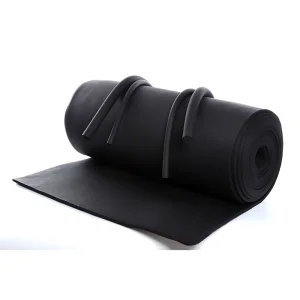
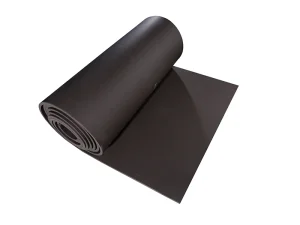
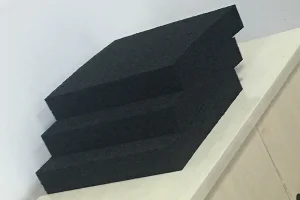
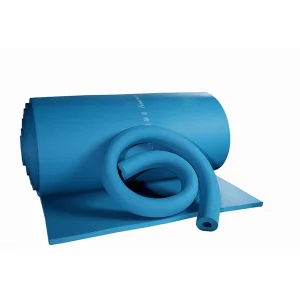
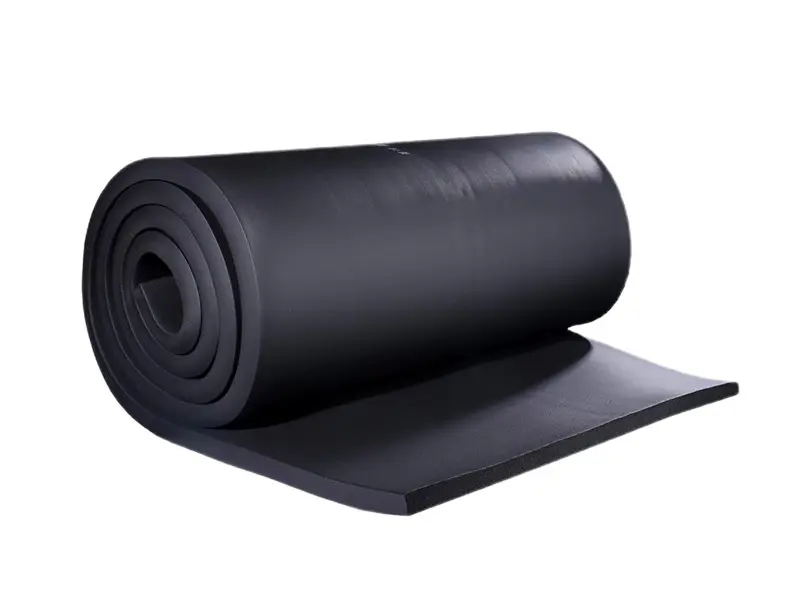
Black Rubber Foam Insulation Sheet Roll

Material Base Nitrile Butadiene Rubber / Polyvinyl Chloride (NBR/PVC)
Thickness Range 6mm to 50mm
Density Range 40 - 55 kg/m³
Service Temperature -40°C to +105°C (Up to -200°C for Cryogenic line)
Closed Cell Rate > 98%
Compression Resilience > 80%

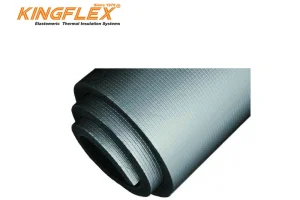
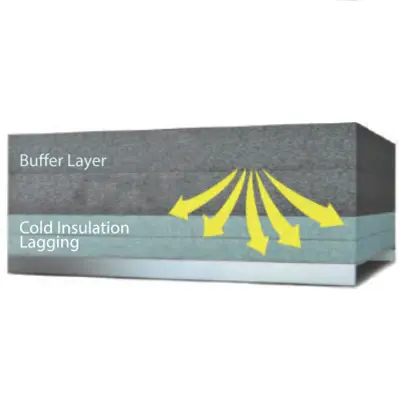
Ideal for air conditioning ducts, structural concrete slabs, large storage tanks, and industrial piping. Supports self-adhesive backing and multi-layer configurations with aluminum foil facings for superior vapor defense.

Black Rubber Foam Insulation Sheet Roll Specification Details

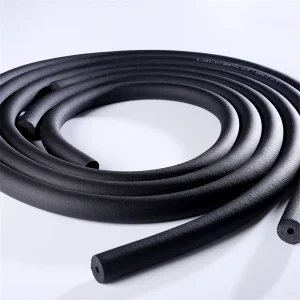
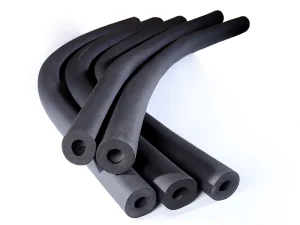
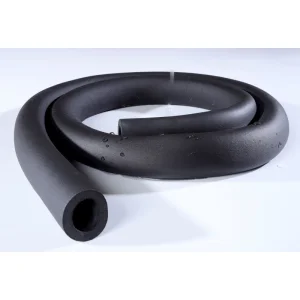
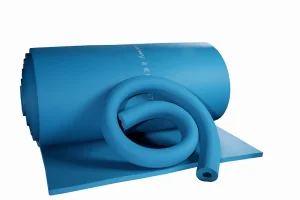
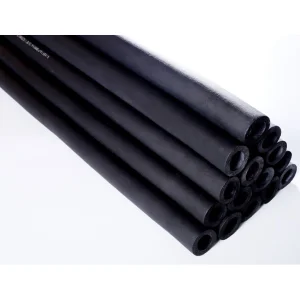
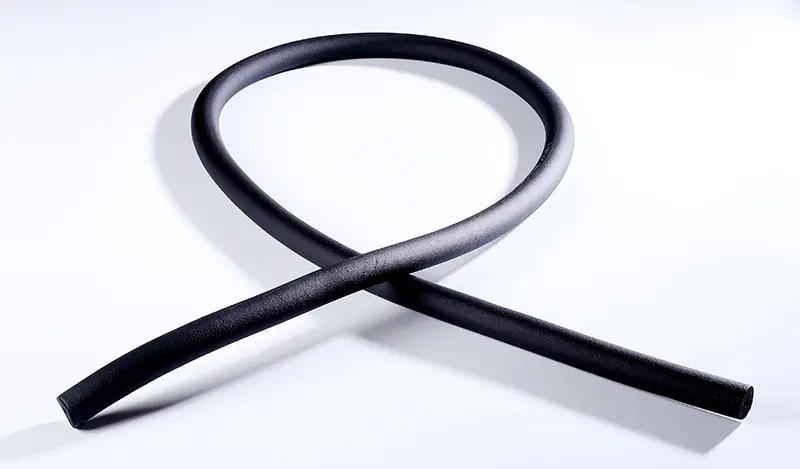
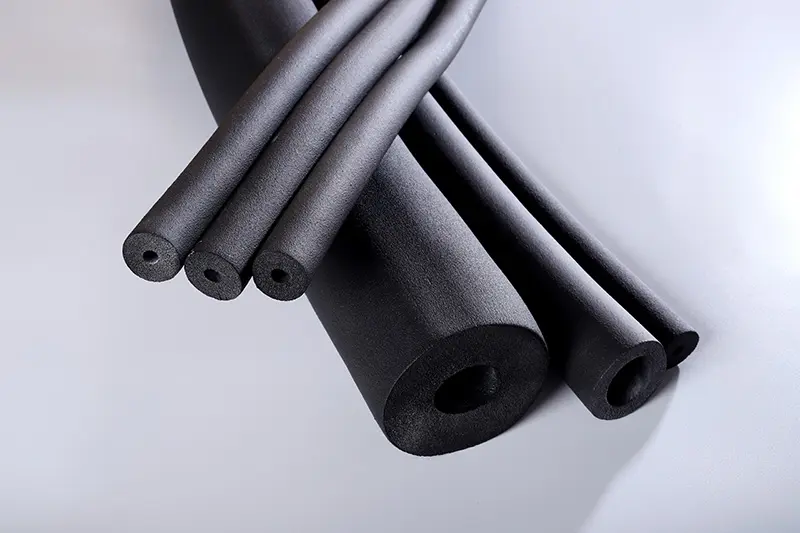
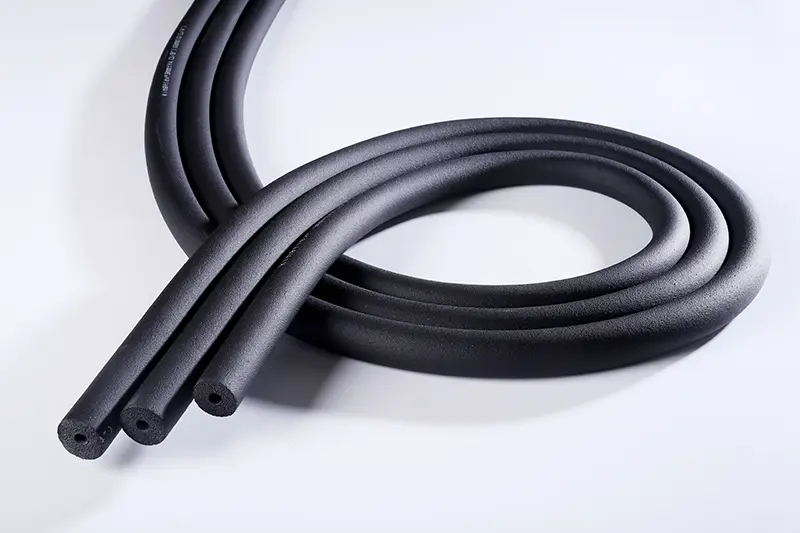
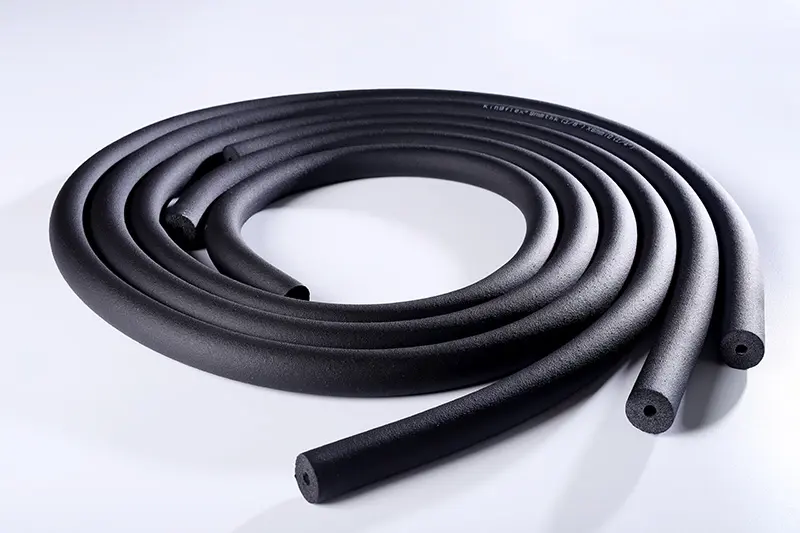
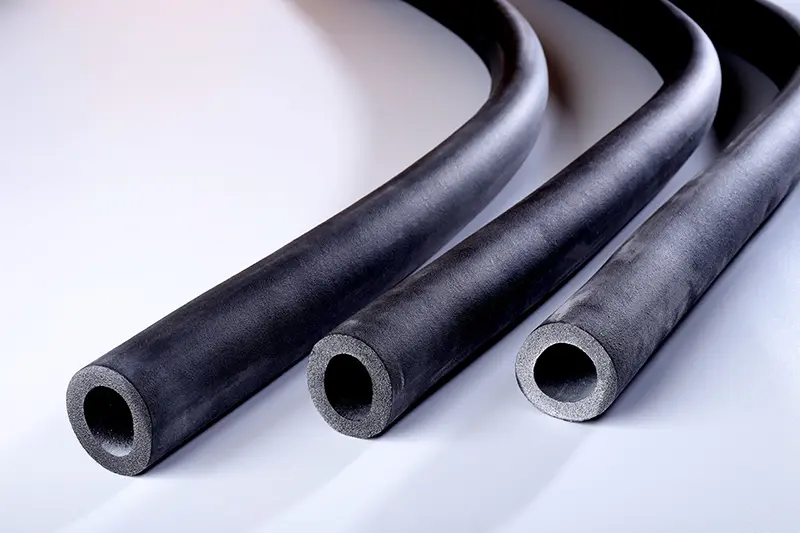
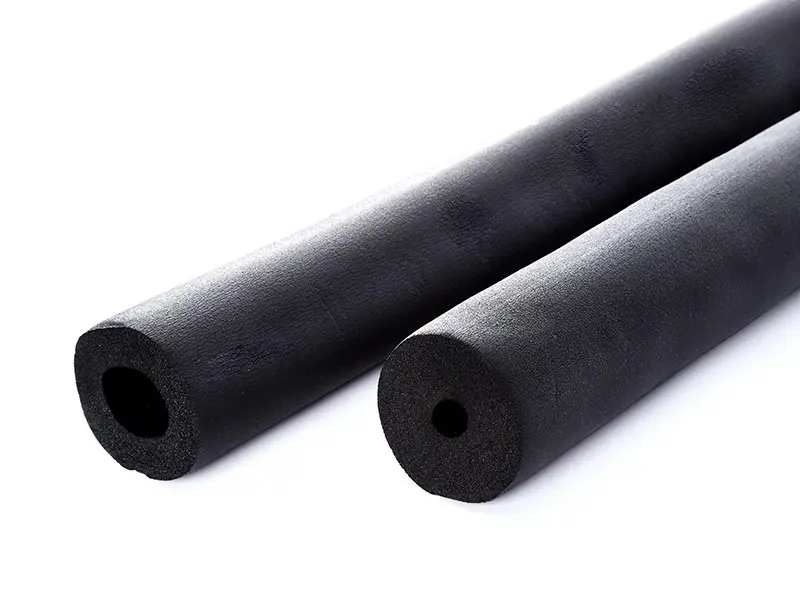
Black Rubber Foam Insulation Pipe (Tubing)

Material Base NBR/PVC closed cell blend
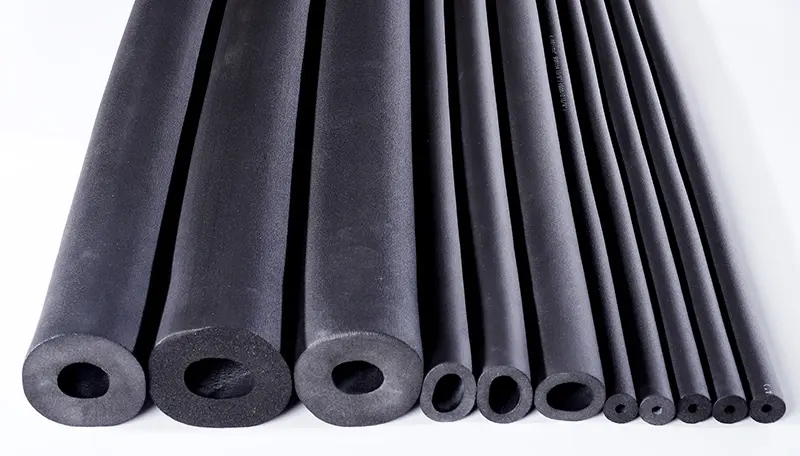
Thickness Range 9mm to 40mm
Inner Diameter (ID) 6mm to 114mm (Custom sizes on demand)
Density Range 40 - 55 kg/m³
Features High elasticity, pre-molded tube shape, easy slip-on installation

Optimized for domestic hot/cold water pipelines, VRV/VRF commercial air conditioning refrigerant lines, and HVAC pipe loops.

Black Rubber Foam Insulation Pipe Tubing Specification Details

Comparison Matrix: NBR/PVC Elastomeric Foam vs. Fibrous Insulation

Why modern HVAC designers prefer closed-cell elastomeric rubber foam for projects in high-humidity climates like Thailand.

Performance Criterion NBR/PVC Closed-Cell Foam Rockwool / Glasswool
Moisture Resistance Inherent vapor barrier. Closed-cell structure prevents water absorption (Moisture Absorption < 2%). Porous structure requires external vapor barrier. Highly prone to water retention if punctured.
Thermal Conductivity Stability Stable over time due to low water ingress. $\lambda$ remains consistent. Can deteriorate rapidly if moisture enters the air gaps of the wool fiber.
Fibre Health Hazard Dust-free, fiber-free. Safe for food processing and healthcare facilities. Produces small micro-fibers during handling. Requires PPE and protective outer jackets.
Installation Flexibility Highly flexible. Easily curves around valves, T-joints, and tight bends without joints. Rigid or semi-rigid. Complex installations require pre-fabricated metal cladding.
Acoustic Transmission Excellent structural damping and low-mid frequency sound absorption. Excellent high-frequency sound absorption, but provides limited vibration damping.

Comprehensive Application Engineering & Solutions

How we address environmental challenges and structural requirements across diverse industries.

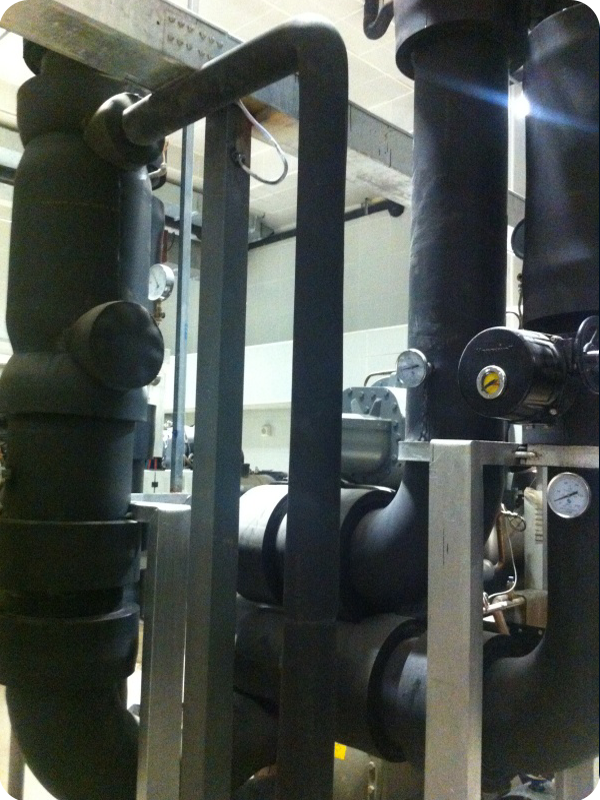
Tropical Condensation Prevention

In hot and humid regions like Thailand, ambient relative humidity frequently exceeds 80%. When chilled water lines (typically operating between 4°C and 7°C) are exposed to these conditions, condensation forms quickly. Kingflex NBR/PVC foam's high vapor barrier resistance ($\mu \ge 10,000$) prevents condensation, avoiding drywall rot, structural mold, and localized pooling.

Cryogenic Insulation System (ULT)

For ultra-low temperature (ULT) environments (down to -200°C), including liquid nitrogen piping and LNG terminals, standard insulation can fail. Kingflex offers specialized cryogenic NBR and alkadiene foams that maintain flexibility and structural integrity under cryogenic stress, protecting infrastructure from cold cracking.

Cleanroom & Hospital Applications

Hospitals, pharmaceutical plants, and microelectronics cleanrooms demand sterile, particulate-free environments. Traditional mineral wools can release airborne irritants. Kingflex halogen-free, fiber-free insulation sheets do not shed particles, preventing indoor air quality (IAQ) contamination.

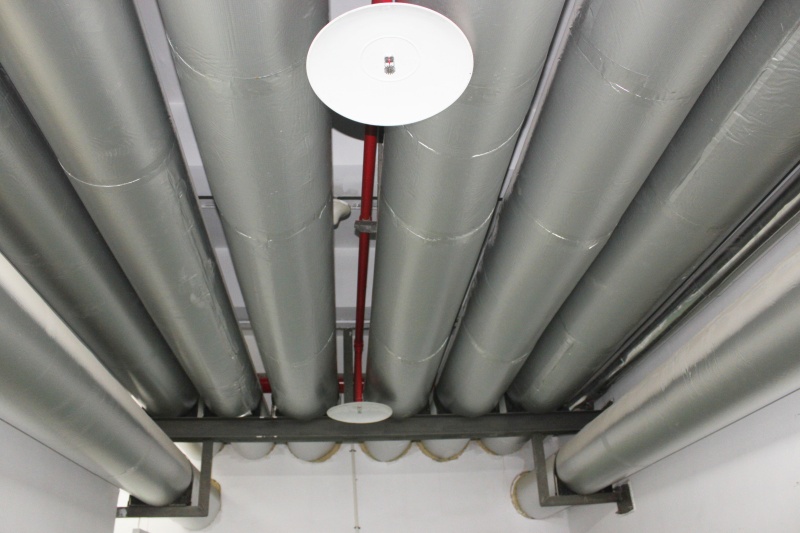
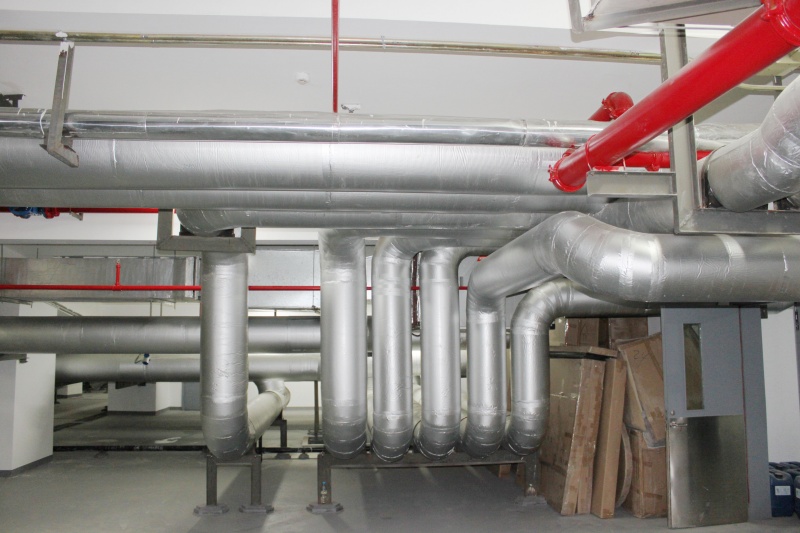
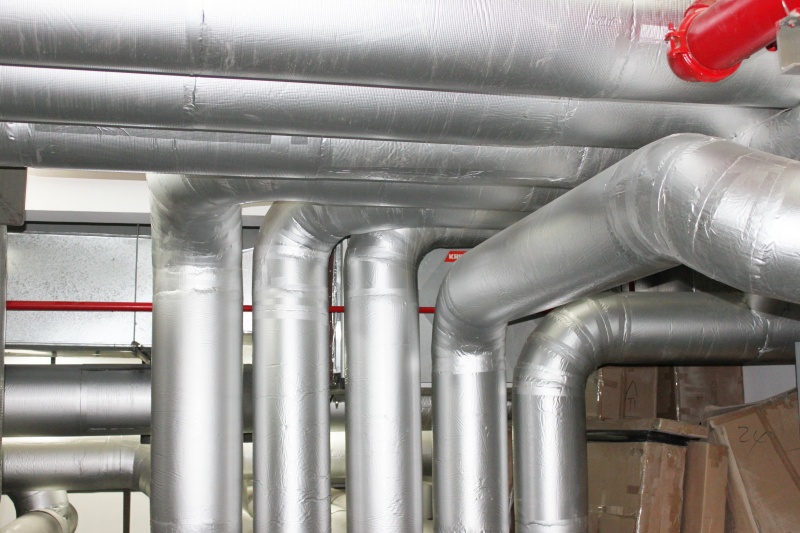
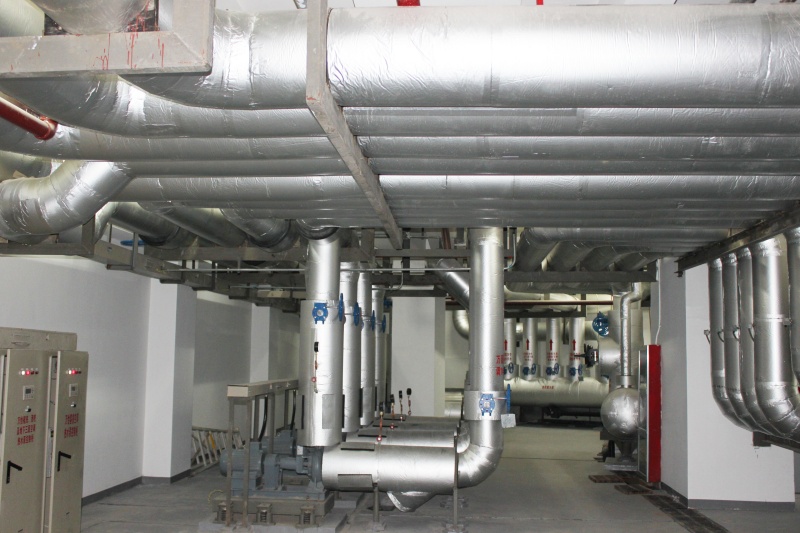
Global Project Gallery

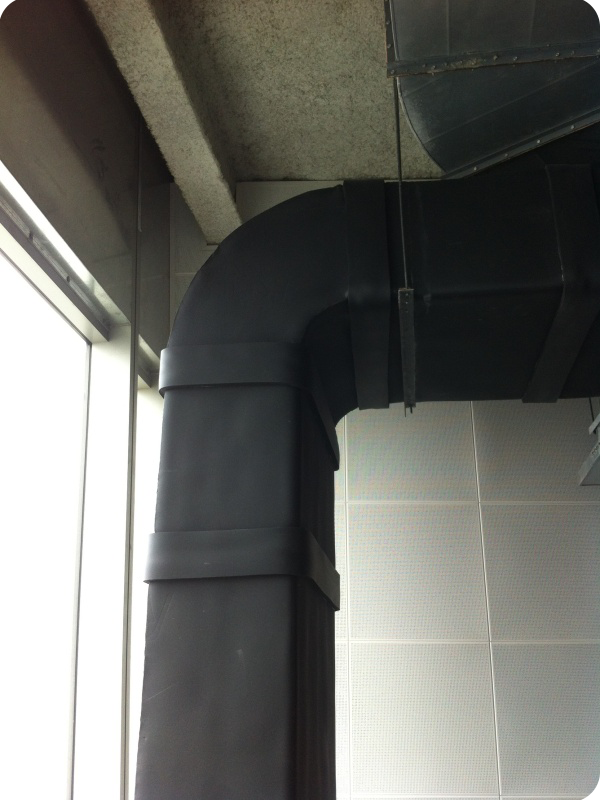
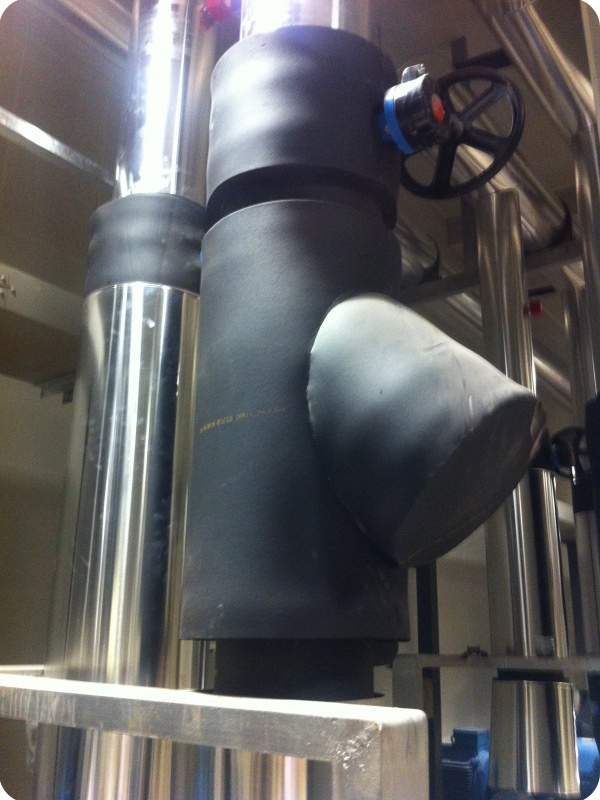
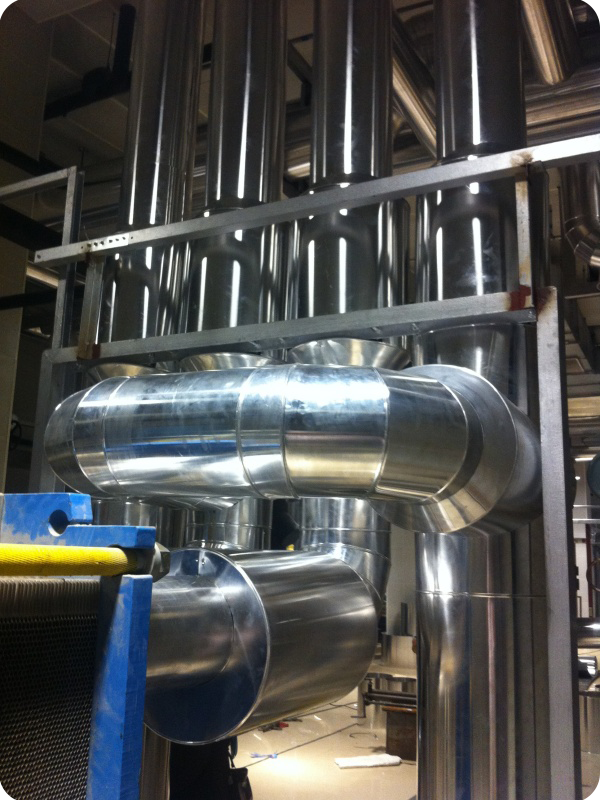
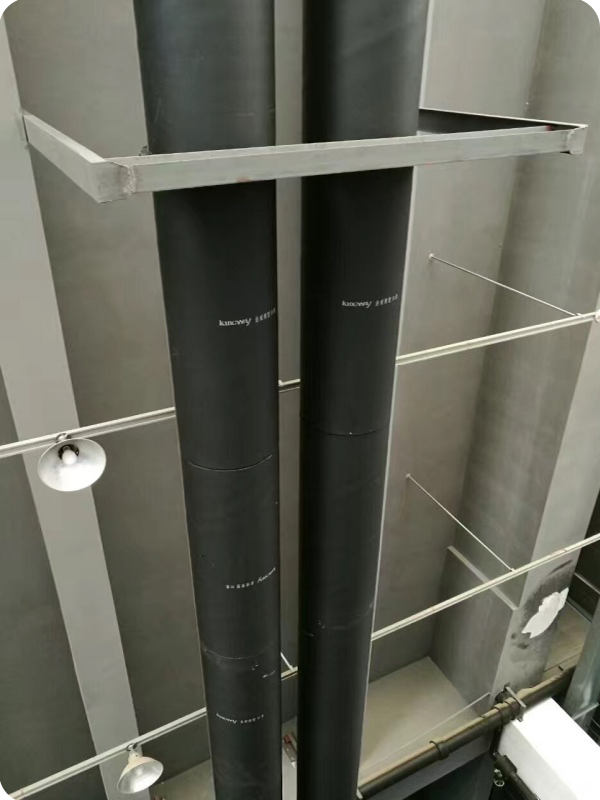
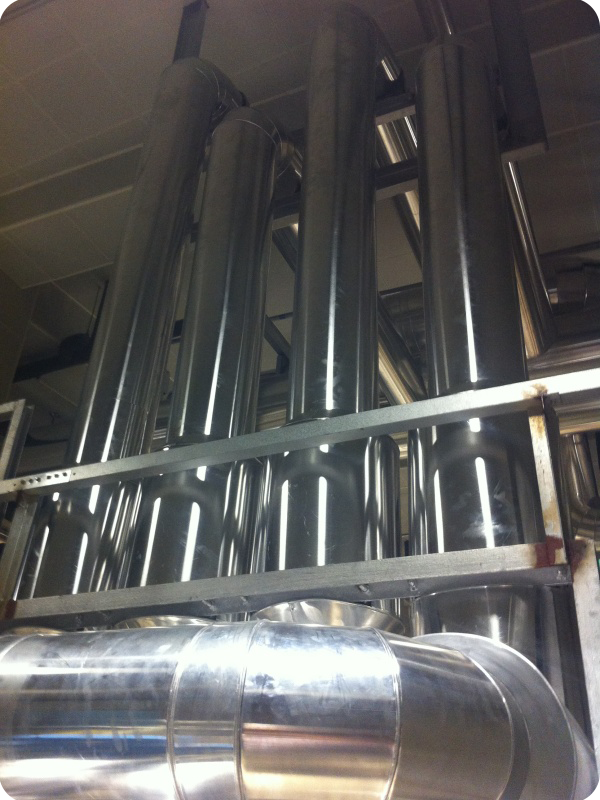
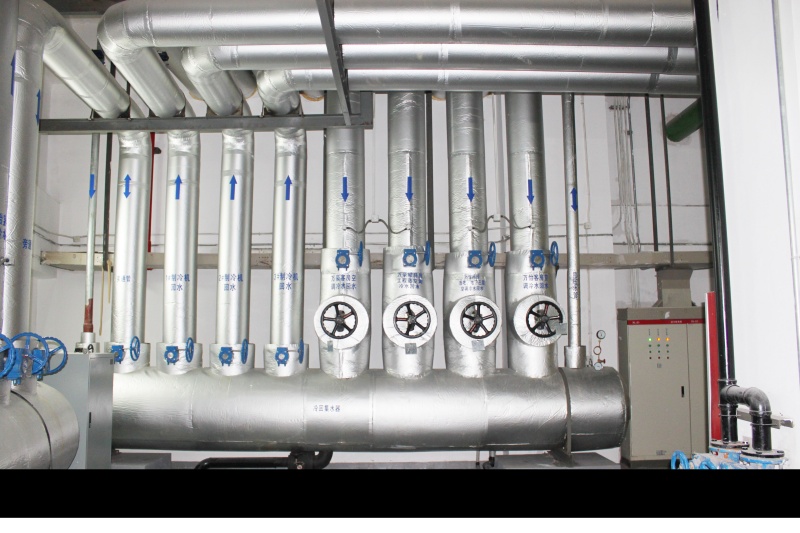
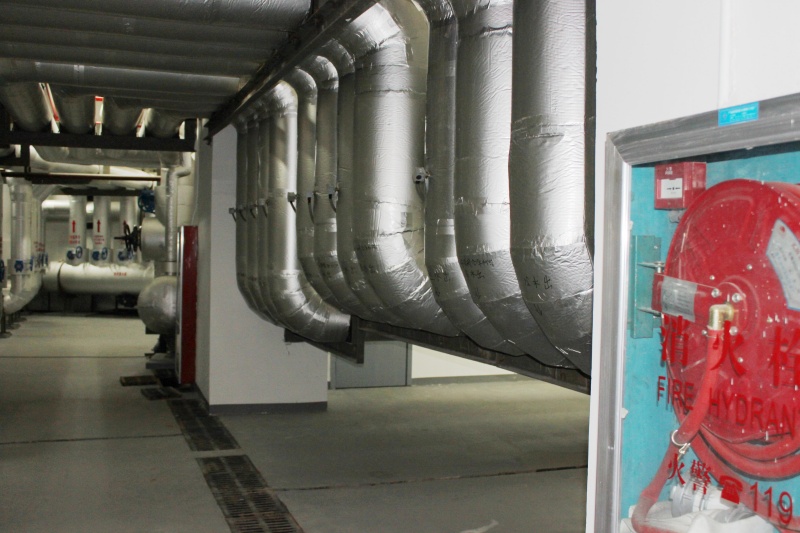
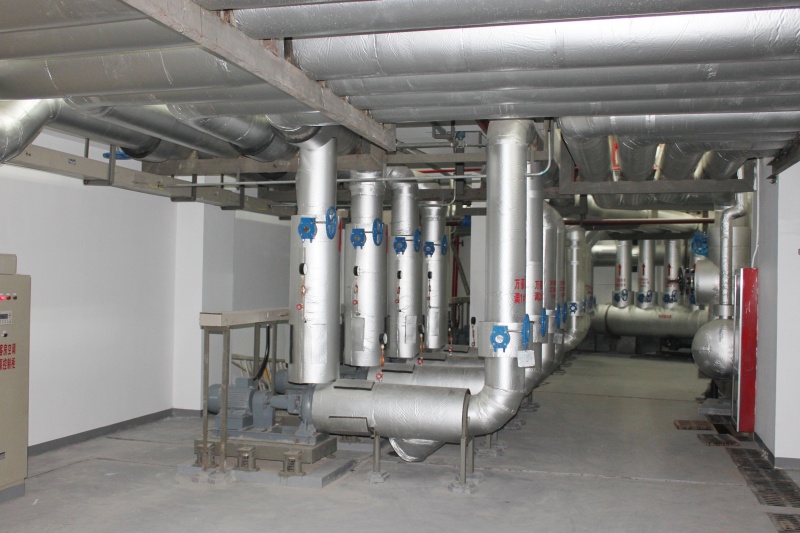
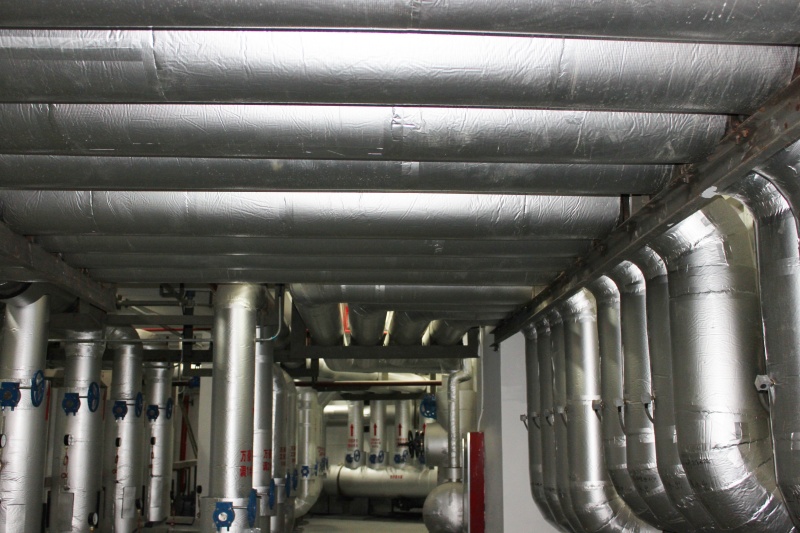
A portfolio of diverse industrial complexes, multi-family residences, and data center facilities insulated with Kingflex.

Expert Q&A (Frequently Asked Questions)

In-depth responses from Kingflex's engineering team on material selection, application methods, and international compliance standards.

Q1: What is elastomeric rubber foam insulation used for?
It is mainly used for HVAC ducts, air conditioning pipes, building thermal insulation, industrial pipeline cold insulation, and sound insulation. Its closed-cell structure is designed to control condensation and minimize thermal losses in heating, ventilation, air conditioning, and refrigeration systems.
Q2: Is Kingflex rubber foam insulation fire resistant?
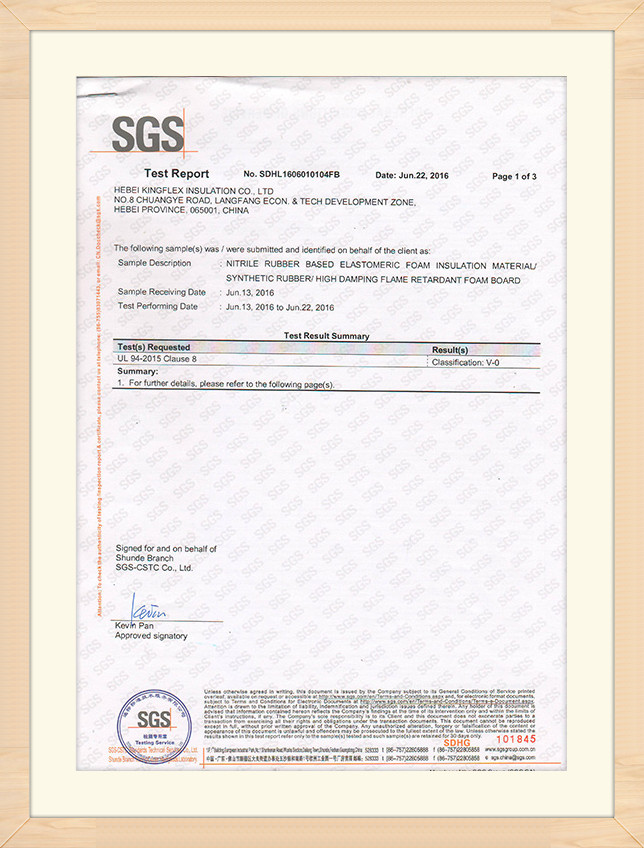
Yes, our rubber foam insulation products are fire retardant, which meets the safety standards of building and industrial projects. They comply with critical fire standards, including BS 476 (Class 0 and Class 1), UL 94 (V-0 rating), and ASTM E84, ensuring minimal flame spread and low smoke toxicity.
Q3: What is the difference between rubber foam and rock wool insulation?
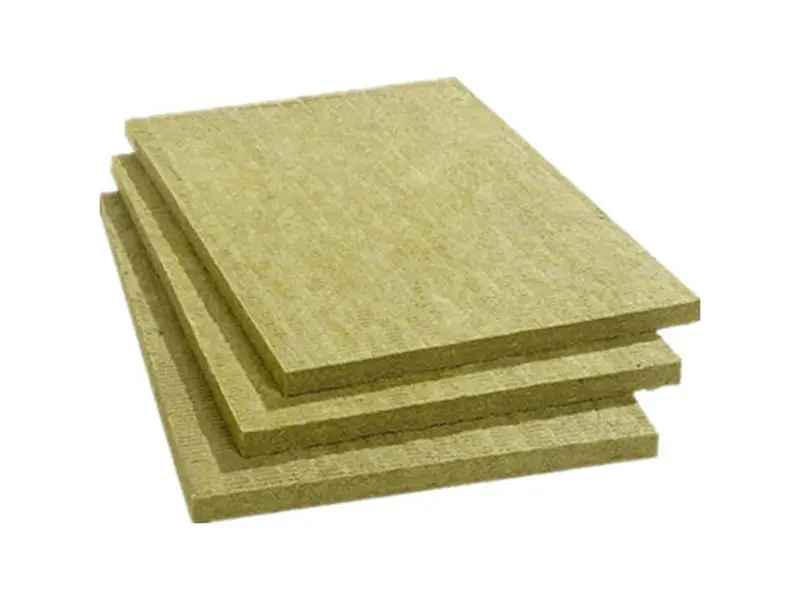
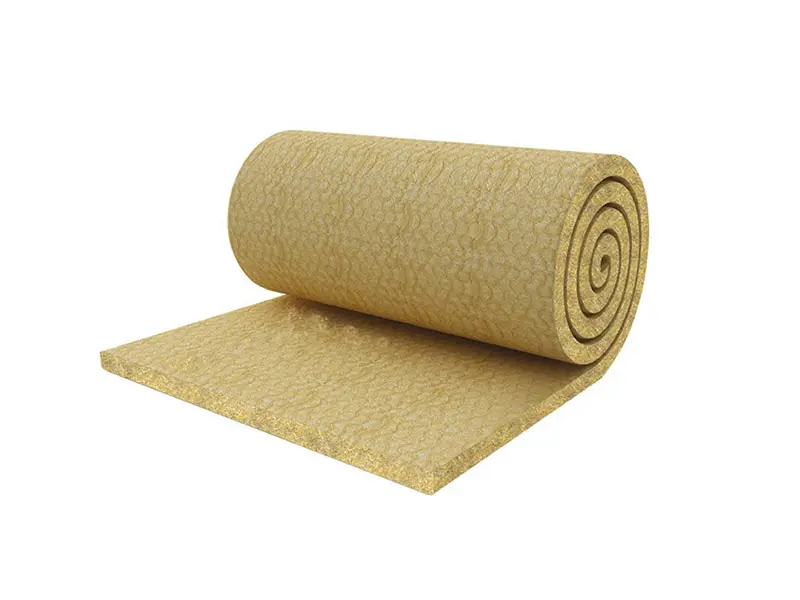
Rubber foam is flexible, closed-cell, and moisture-proof, making it ideal for HVAC and building insulation where condensation control is critical. Rock wool is high-temperature resistant and fireproof, which makes it suitable for industrial high-temperature steam pipeline insulation, but it lacks the built-in vapor barrier that prevents moisture ingress in cold pipe setups.
Q4: Do you provide customized insulation products?
Yes, we provide comprehensive OEM services to meet diverse project needs. We can customize density, wall thickness, inside diameters, color coatings, self-adhesive backings, and aluminum foil protective claddings to align with your design specifications.
Q5: What certifications do your products have?
Our products have passed BS 476, CE, REACH, ROHS, UL94, ASTM, and other international certifications, ensuring product quality and compliance with global standards. These certificates verify that our materials are safe for use in residential, commercial, and highly sensitive industrial environments.
Q6: Does Kingflex products have traceability?
Yes, all Kingflex products feature batch-level traceability. From raw material ingestion through extrusion, vulcanization, and packaging, every shipment is assigned a distinct tracking index, allowing us to trace manufacturing variables, chemical inputs, and testing records.
Q7: What thickness of Rubber foam insulation sheet roll can you produce?
We can produce thicknesses from 6mm up to 50mm. For extra thickness requirements, multiple layers can be built up using specialized adhesives without compromising the thermal protection factor of the insulation.
Q8: What is the service life of rubber plastic pipe and board?
In standard indoor applications, the service life ranges between 10 and 15 years. This longevity is supported by NBR's high resistance to aging, structural compression, and ozone exposure. For outdoor applications, a UV-resistant coating or metal cladding is recommended to extend the system's operational lifespan.
Q9: How does the ambient climate of Thailand affect the thickness selection for HVAC pipes?
Thailand's tropical climate features high ambient temperatures and humidity. To prevent condensation on pipes carrying chilled water (such as 5°C), a thicker insulation layer is required compared to temperate zones. Under high relative humidity (above 85%), a wall thickness of 19mm to 32mm is often necessary to keep the outer surface temperature of the insulation above the ambient dew point.
Q10: Can Kingflex elastomeric foam be used on outdoor piping?
Yes, but outdoor exposure exposes the elastomer to continuous ultraviolet (UV) radiation and weathering. To maintain long-term integrity, outdoor applications require a protective finish, such as our multi-layer aluminum cladding or weather-resistant mastics, which protect the foam from UV degradation.
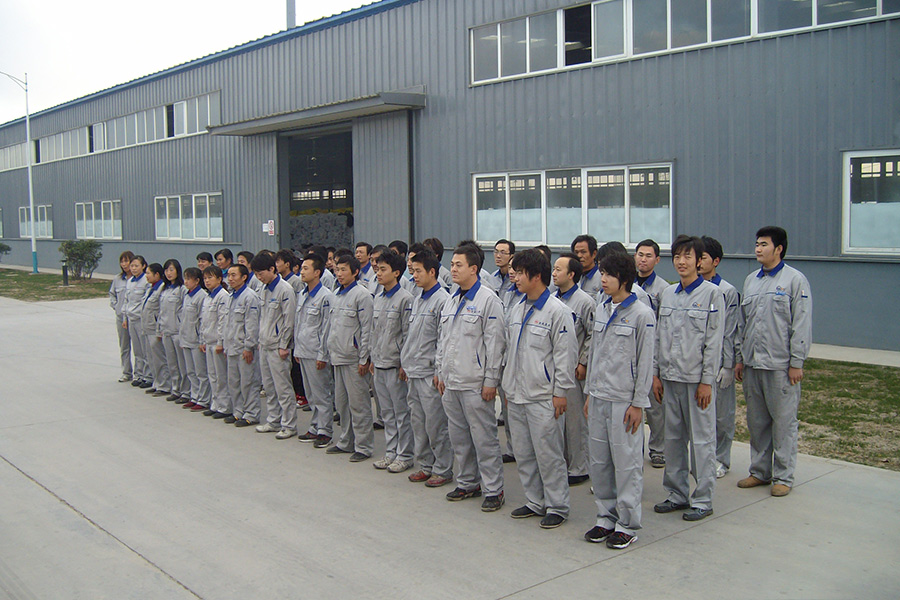
Corporate Factory Gallery & Logistical Milestones