1. Executive Insight: The Evolution of Thermal Insulation Solutions
In modern building construction, industrial piping systems, and energy storage infrastructures, the demand for high-efficiency thermal insulation solutions has transcended basic temperature retention. Today's global engineering initiatives demand solutions that combat thermal bridging, vapor intrusion, acoustic reverberation, and fire propagation. As regulatory framework structures tighten around global carbon emissions and energy use indexes (EUIs), specialized materials such as elastomeric rubber foam (NBR/PVC) and advanced mineral fibers have become essential components of system longevity.
A premium insulation setup does not merely block hot or cold transmission; it serves as a multi-barrier defense system. By incorporating closed-cell elastomeric technology, industrial plants and commercial HVAC systems prevent the accumulation of condensation—a primary driver of pipe degradation, mold formulation, and structural failure (often classified as Corrosion Under Insulation, or CUI). Developing resilient insulation requires deep material science expertise, sophisticated automated manufacturing, and rigorous compliance testing.
600,000+
Annual Production Capacity (m³)
40+ Years
Industrial Manufacturing Heritage
66+ Countries
Global Export & Project Footprint
98%+
Closed-Cell Foaming Rate
2. Strategic Production Advantage of Chinese Manufacturers
China has evolved into the world's primary hub for high-performance insulation material synthesis. The capital of green-building materials, Dacheng, China, serves as the epicentre of this manufacturing evolution. Through massive industrial clustering, regional manufacturers access direct raw material channels, advanced petrochemical derivatives, and a specialized workforce.
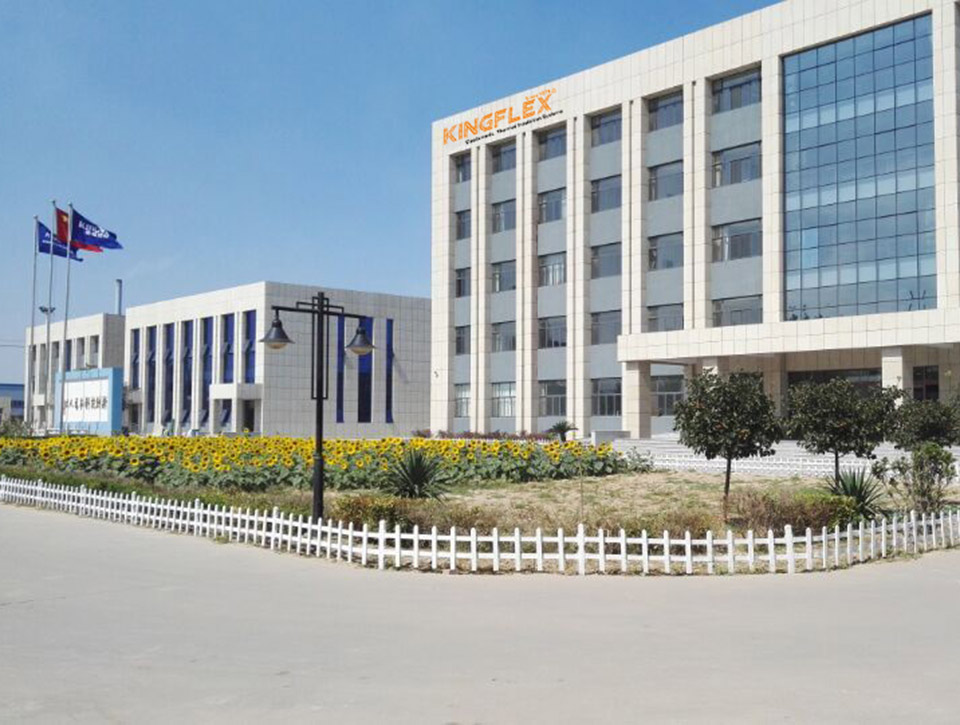
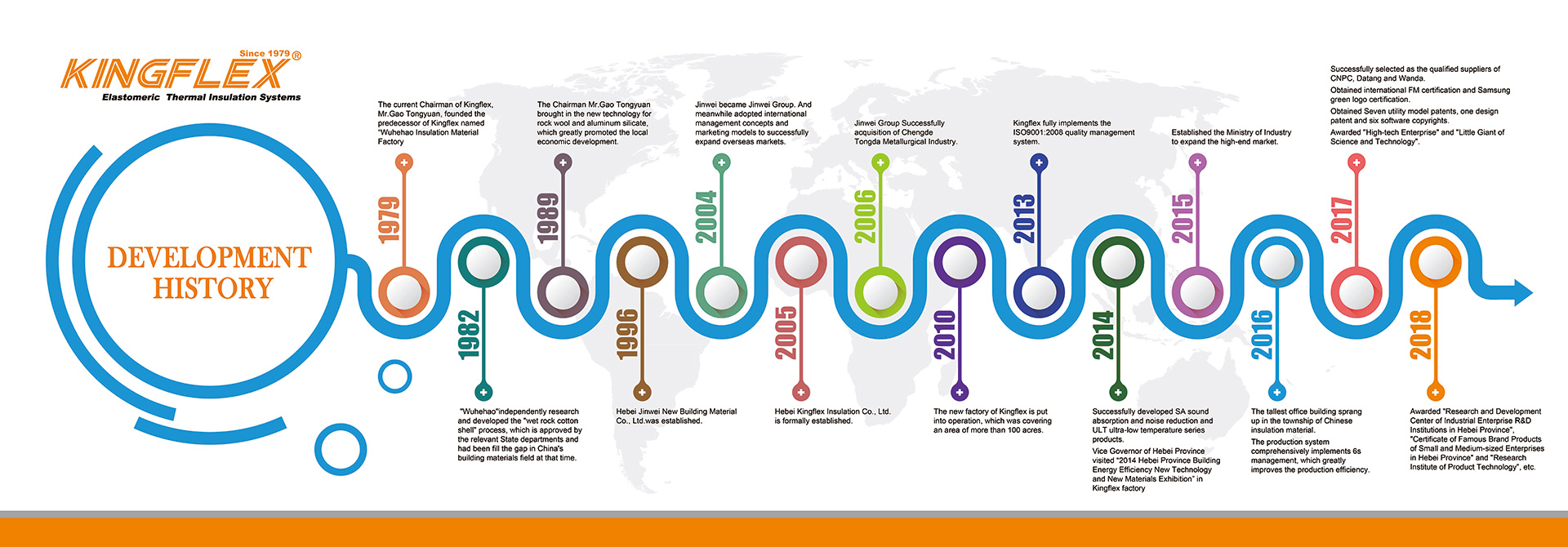
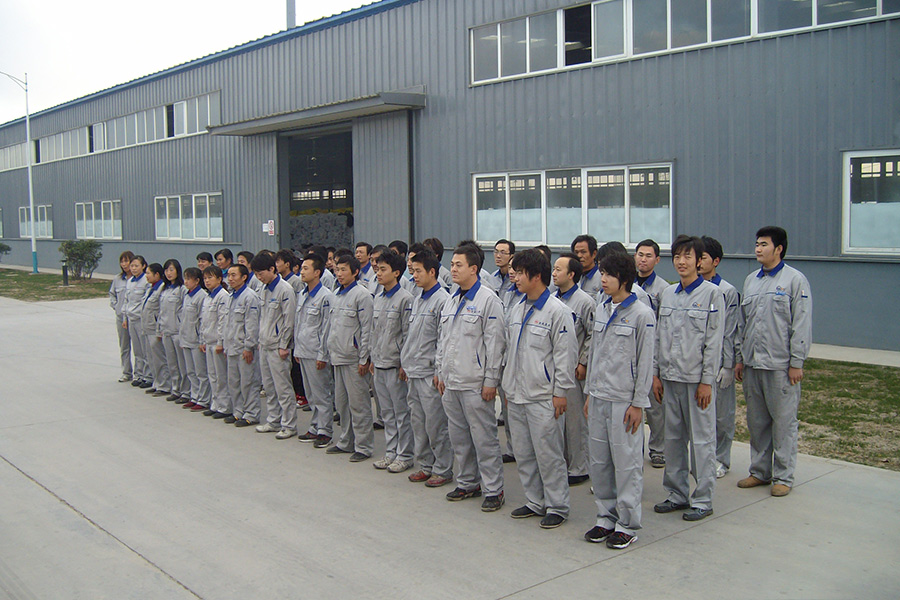
Kingflex Insulation Co., Ltd. stands as a premier manufacturing and trading combo in this region. Formed under the umbrella of the Jinwei Group (which carries a heritage dating back to 1979 as the first thermal insulation manufacturer north of the Yangtze River), Kingflex leverages generations of industrial wisdom. Operating 5 massive, fully automatic extrusion and vulcanization assembly lines, our manufacturing process balances thermal performance with raw material yield optimization. This localized infrastructure enables massive production capabilities and ensures global supply chain continuity, even during peak global development seasons.
3. Material Science: Closed-Cell Elastomeric Chemistry
The efficiency of elastomeric insulation relies on its microcellular structure. Kingflex NBR/PVC (Nitrile Butadiene Rubber / Polyvinyl Chloride) blends undergo a precise chemical expansion process. This results in a closed-cell matrix containing millions of microscopic gas pockets.
Low Thermal Conductivity (λ): With a thermal conductivity coefficient ≤ 0.034 W/(m·K) at 0°C, Kingflex rubber foam keeps thermal energy inside the system, reducing heat gains or losses.
High Moisture Resistance Factor (μ): The closed-cell barrier prevents moisture ingress, eliminating the risk of water vapor migration. Water accumulation degrades the thermal performance of open fibrous materials; closed-cell elastomeric foam maintains its thermal characteristics over decades.
Compression Resilience: Exhibiting a recovery rate of over 80%, Kingflex foam maintains its shape and performance under physical loads, mechanical vibrations, and installation stresses.
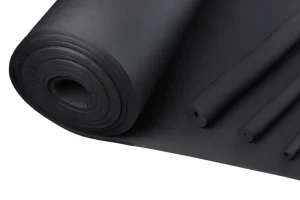
Technical Specifications: Sheet Rolls
Material Formulation: NBR/PVC Elastomeric Rubber
Thickness Range: 6mm to 50mm
Density Matrix: 40 - 55 kg/m³
Service Temperature: -40°C to +105°C
Permeability Rating: High Vapor Resistance (μ ≥ 10,000)
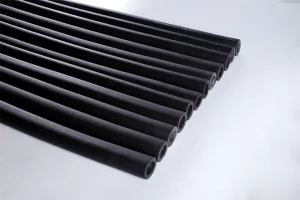
Technical Specifications: Tubes / Pipes
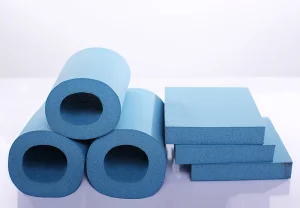
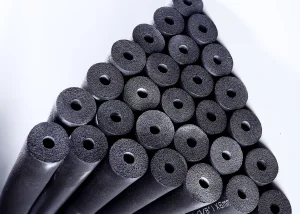
Internal Diameter (ID): 6mm to 114mm
Wall Thickness Range: 9mm to 40mm
Fire Retardancy Class: Class 0 / Class 1 (BS 476)
Cell Integrity: > 98% Closed-Cell Rate
Chemical Resistance: Acids, Alkalis, Oils
4. Application Scenarios & Macro Industry Solutions
Thermal insulation systems are utilized across various industries, each demanding distinct engineering approaches. Localized and macro environmental factors dictate the select design parameter setups:
A. Commercial HVAC & Hydronic Infrastructure
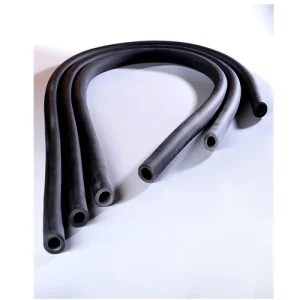
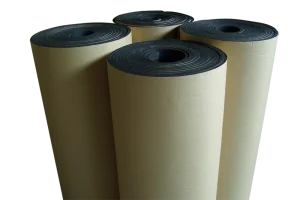
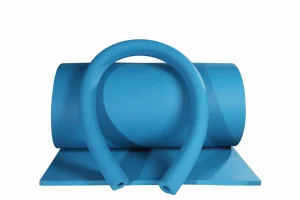
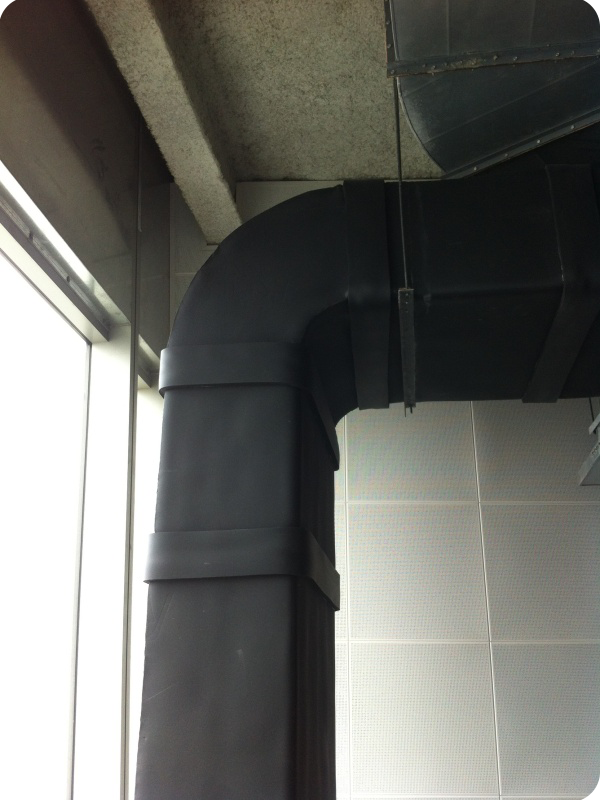
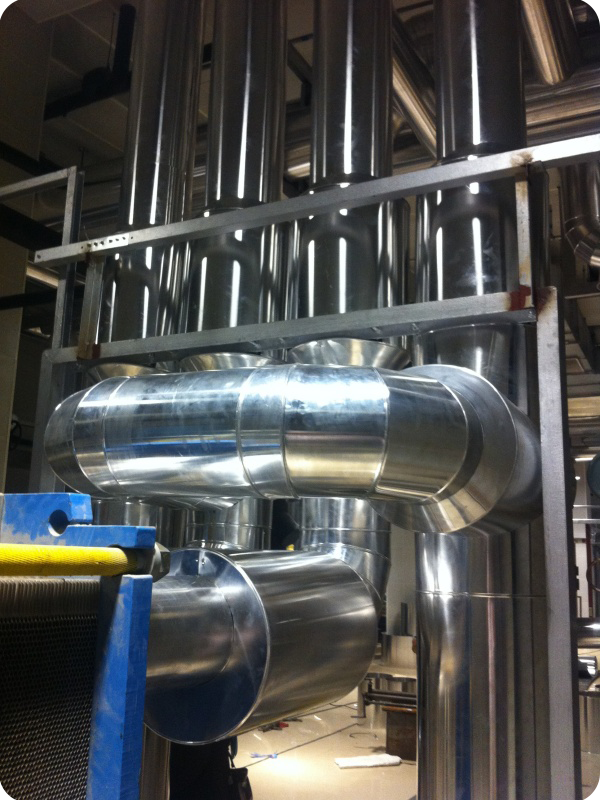
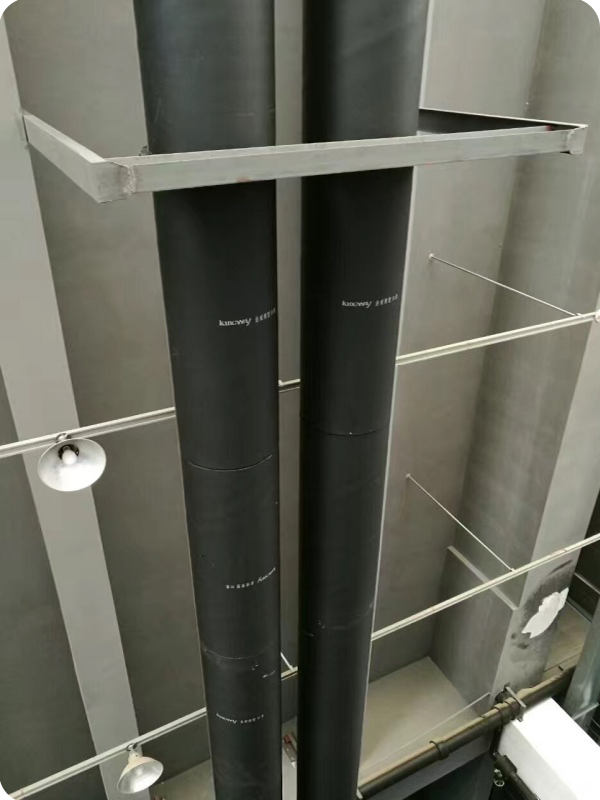
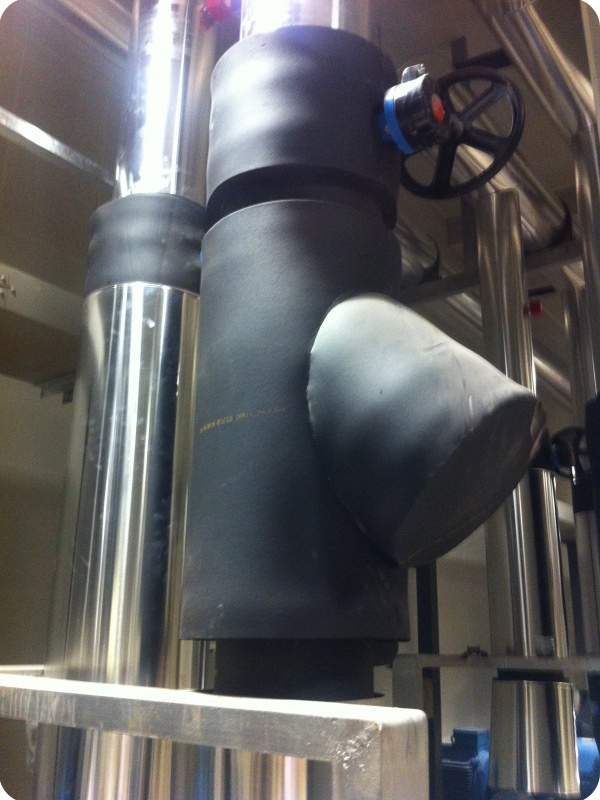
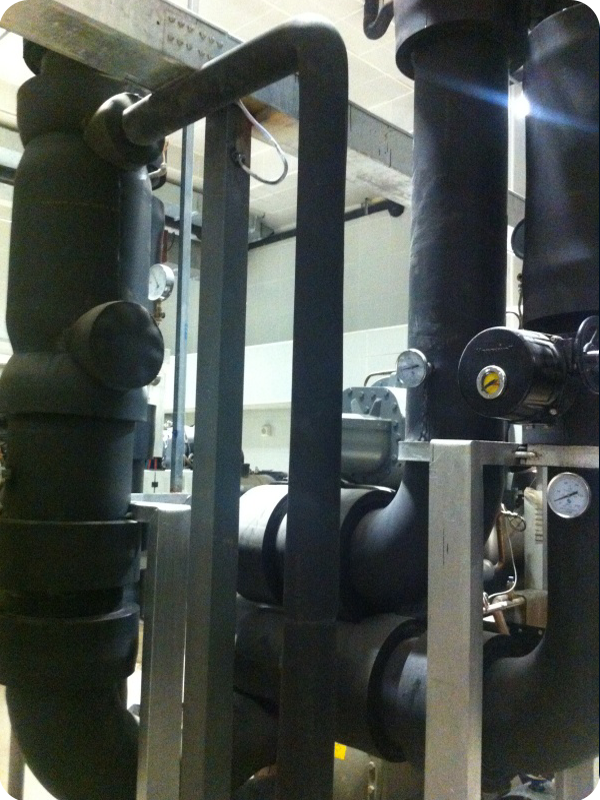
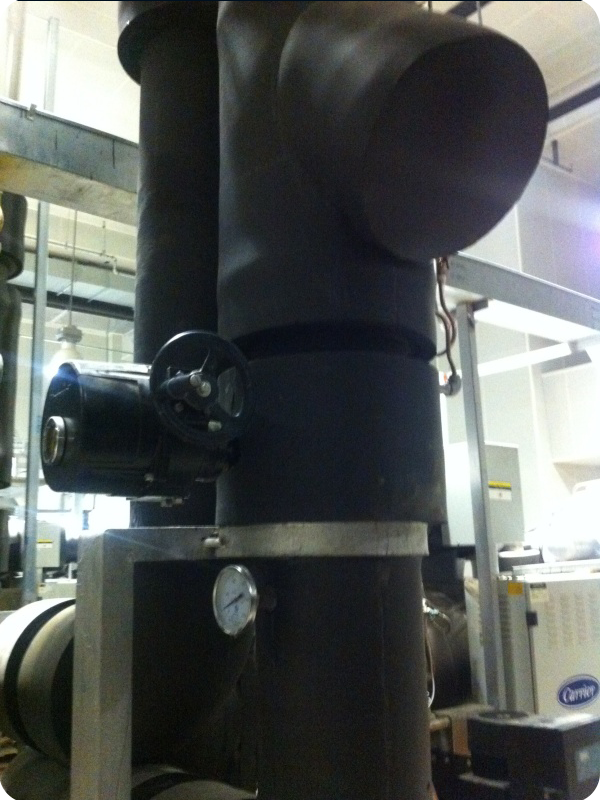
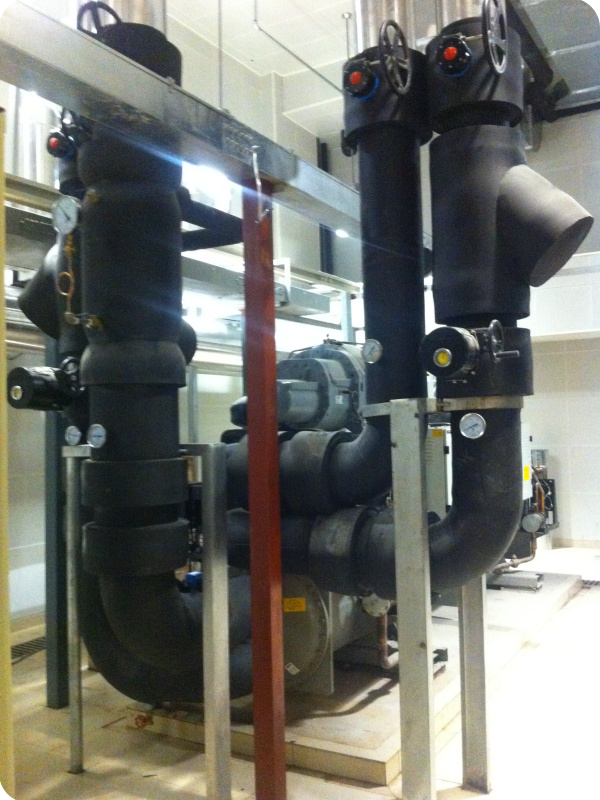
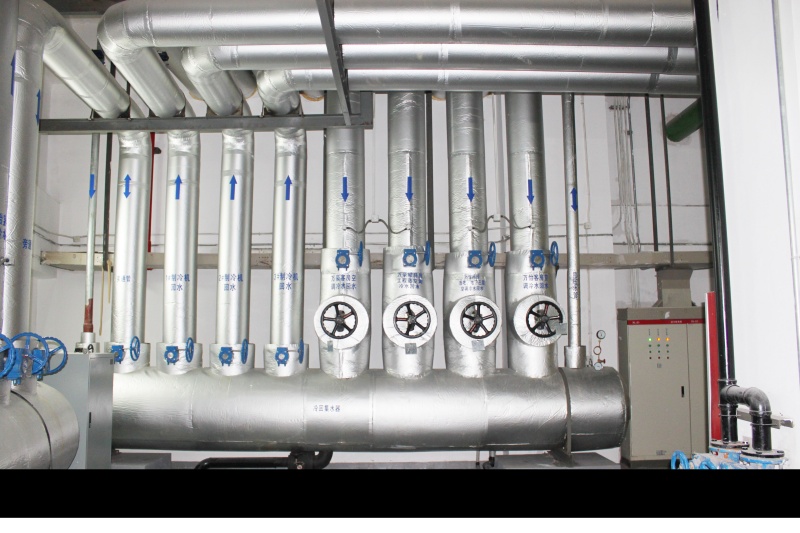
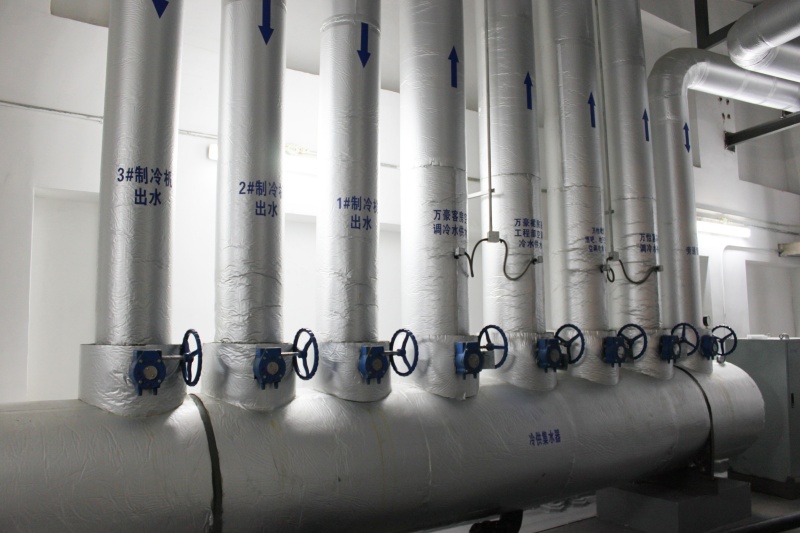
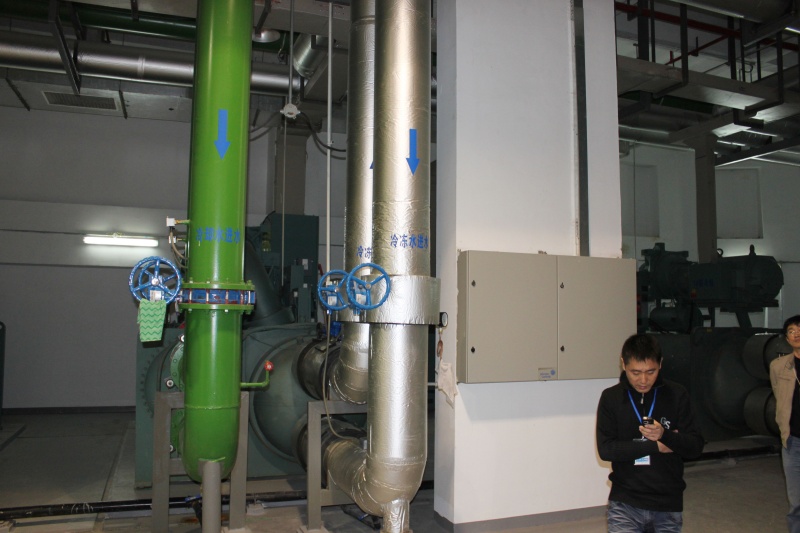
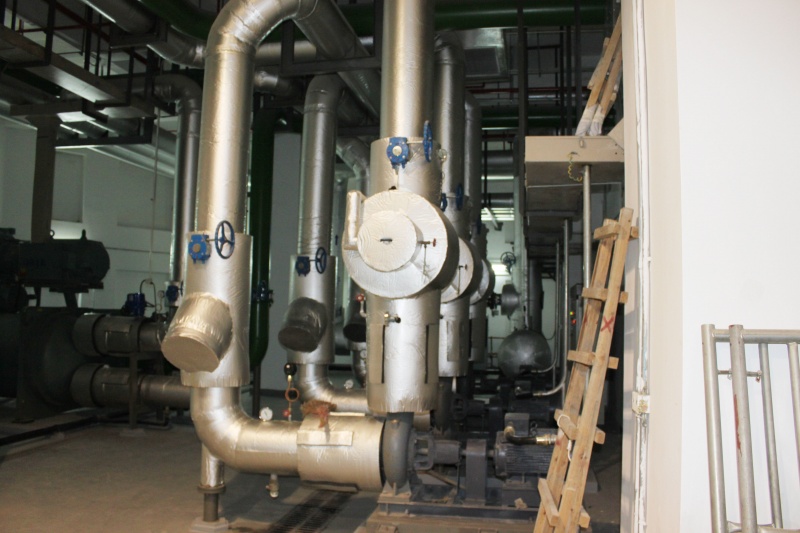
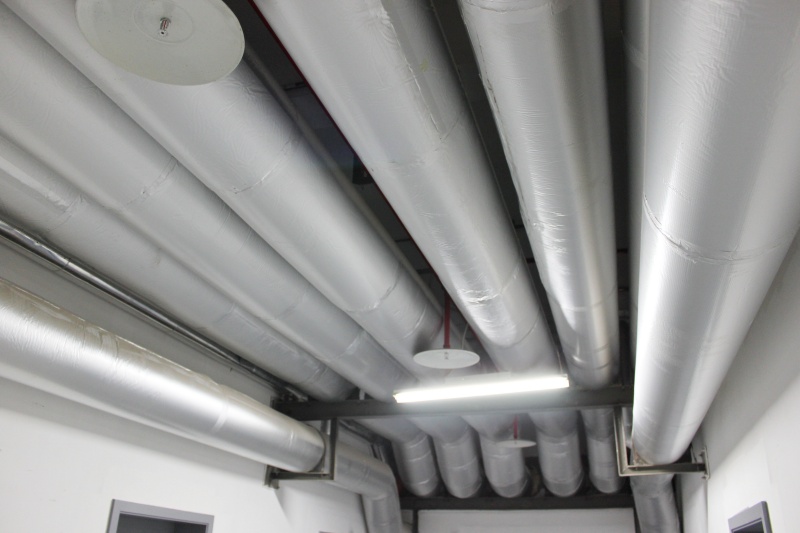
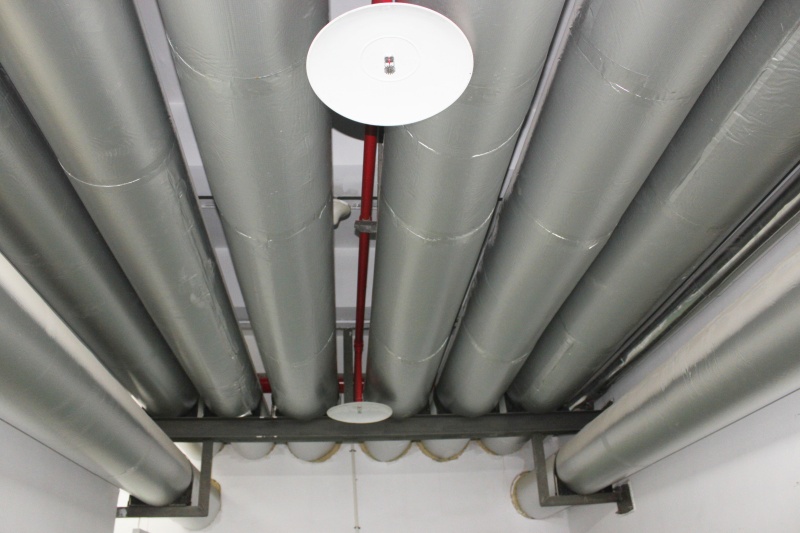
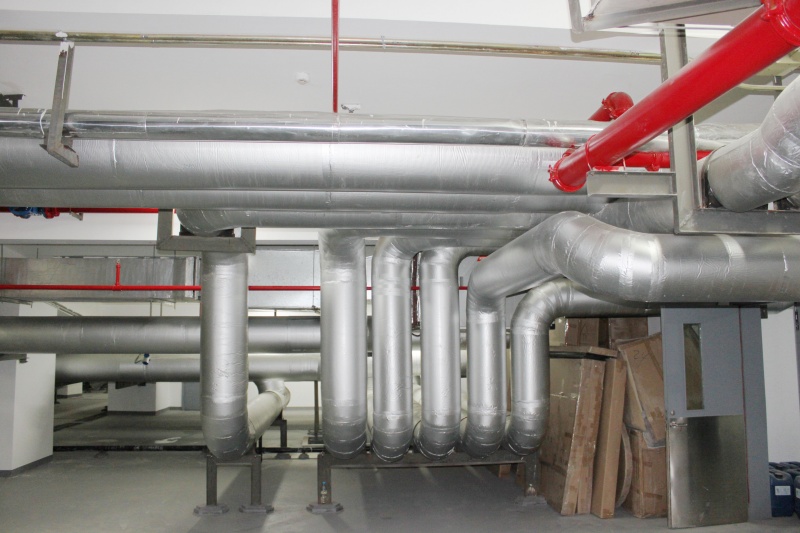
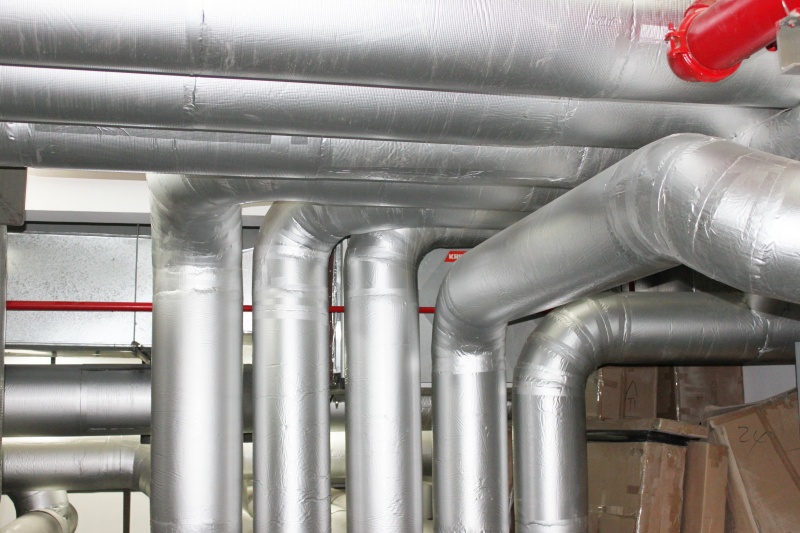
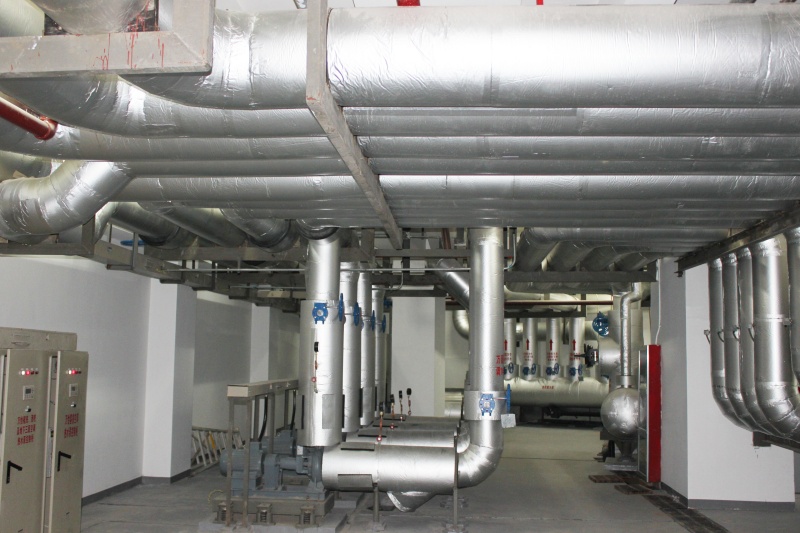
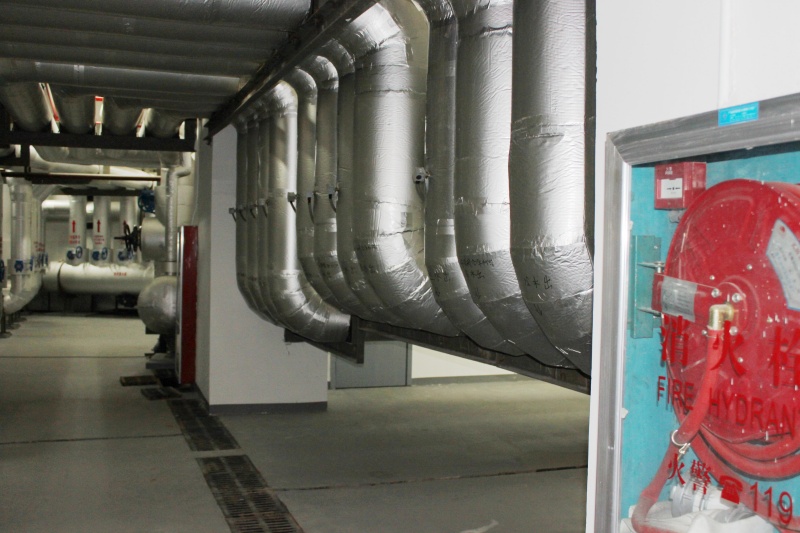
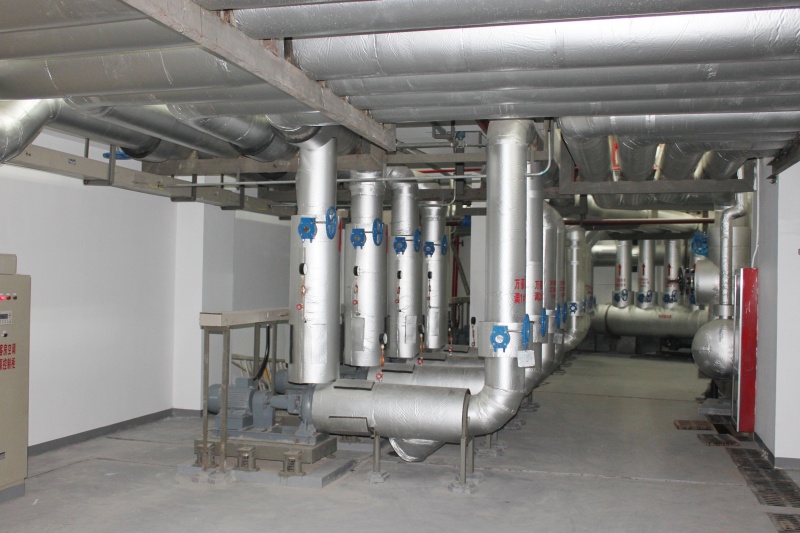
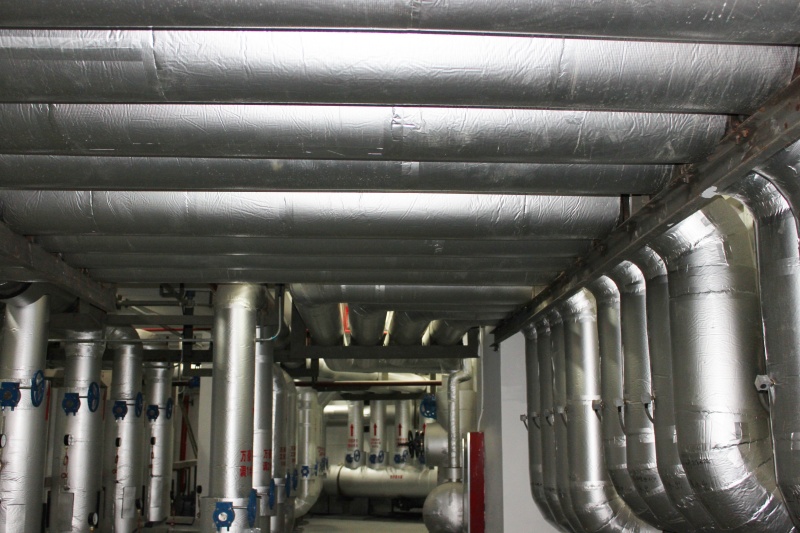
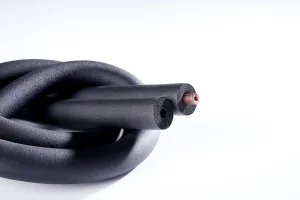
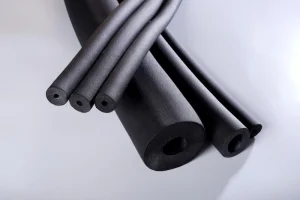
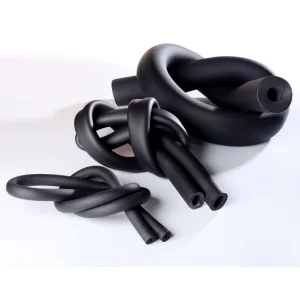
In central air-conditioning circuits, cold chilled-water lines and hot condensate pipes are subject to high condensation risks. Wrapping these networks with Black Rubber Foam Insulation Pipes prevents surface condensation, stops ambient heat from loading the chiller system, and minimizes energy loss. For rectangular and circular air ducts, applying self-adhesive rubber foam sheet rolls simplifies installation while providing both thermal and acoustic insulation.
B. Industrial Cryogenics & LNG Systems
At ultra-low temperatures, standard insulation materials fail due to thermal shock and structural freezing. Kingflex has developed specialized Flexible Cryogenic Insulation Systems. These systems retain structural flexibility at cryogenic temperatures, preventing fractures and protecting complex piping in LNG transport ships, gas terminals, and liquid nitrogen storage complexes.
C. Acoustic Dampening & Sound Attenuation
In corporate centers, medical buildings, and hospitality structures, noise from HVAC fans and wastewater pipes can impact occupant comfort. Kingflex Open-Cell Acoustic Insulation uses a porous cell structure to absorb mid-to-high frequency sound waves, dampening noise in utility shafts and equipment rooms.
5. Global Compliance, R&D, and Quality Assurance
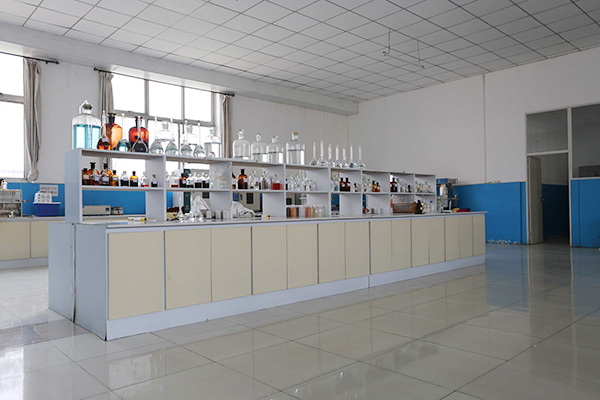
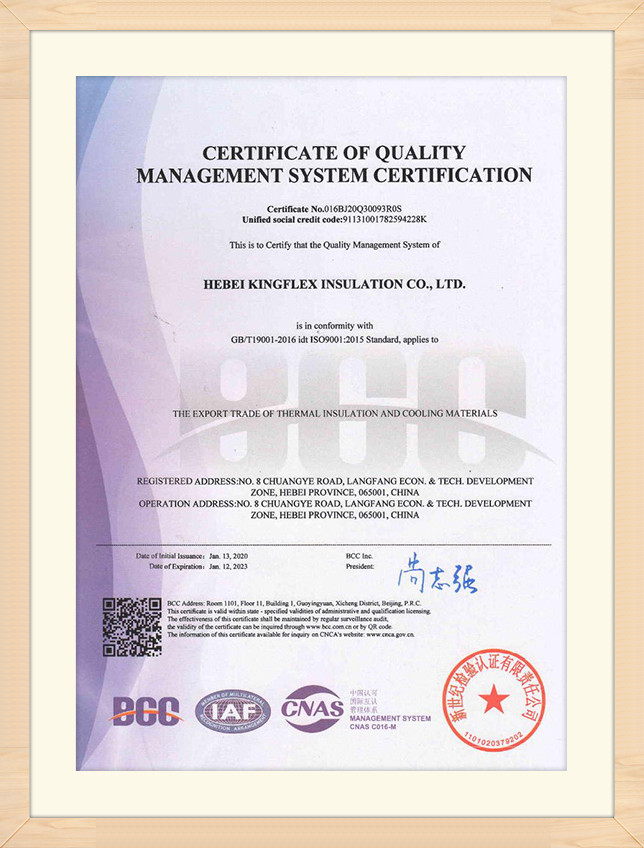
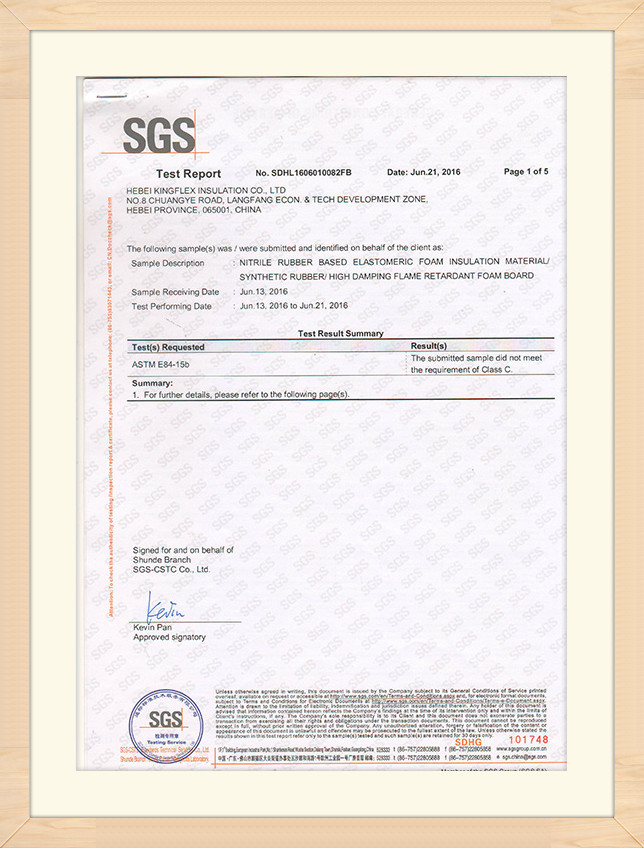
Exporting to over 66 countries requires adherence to various testing and validation frameworks. Kingflex maintains compliance across key fire performance, environmental sustainability, and material safety parameters:
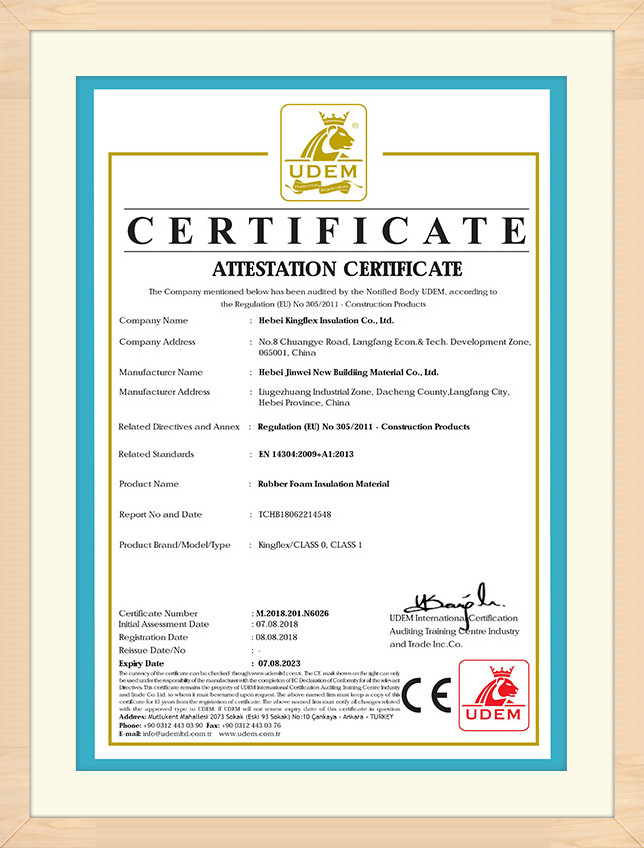
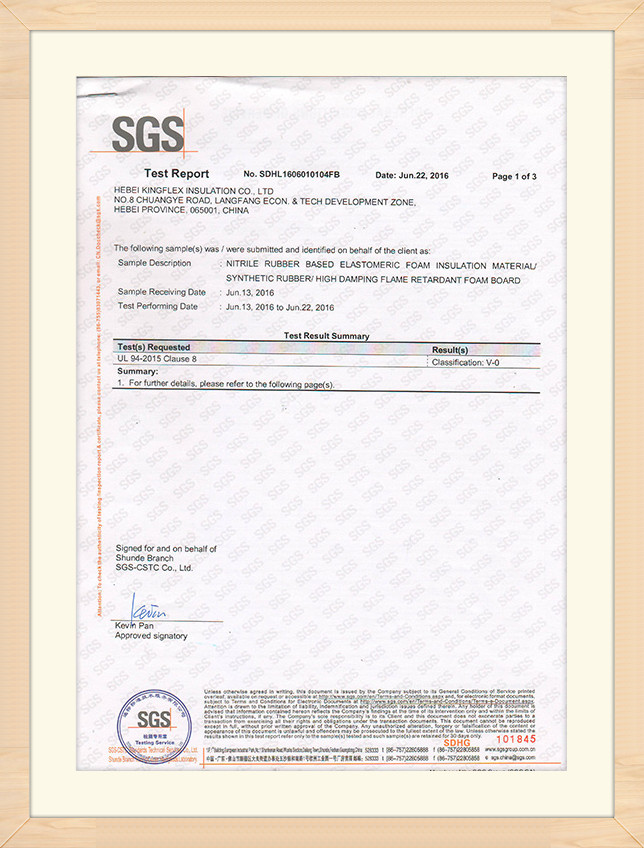
Fire Safety: Certified under BS 476, UL 94 (V-0 rating), ASTM standards, and EN 13501-1. Our products are self-extinguishing and generate low smoke density during fire events.
Environmental Responsibility: Formulated without halogenated fire retardants, CFCs, or HCFCs. Verified by REACH and RoHS testing, making them suitable for green building certifications like LEED.
Traceability: Every batch is marked with production codes, allowing for end-to-end trace verification from raw material processing to final delivery.
6. Partnering with Kingflex: Global Procurement & Customization
International sourcing partners require streamlined procurement channels, clear technical support, and reliable logistics. Kingflex supports engineering procurement teams through dedicated technical consultation, customized dimension designs, and project submittal packaging.
Whether your project requires specific wall thicknesses for extreme climates, custom inner diameters (ID) for unique pipe dimensions, or self-adhesive backings for fast installation, Kingflex provides tailor-made configurations. By managing production, testing, and shipping logistics in-house, we help minimize risk, reduce lead times, and optimize shipping efficiency.
7. Technical Application Engineering Details
The performance of elastomeric rubber foam changes under different operating conditions. Understanding these variations helps ensure proper material selection:
Elastomeric Rubber Foam Sheet Roll Specifications
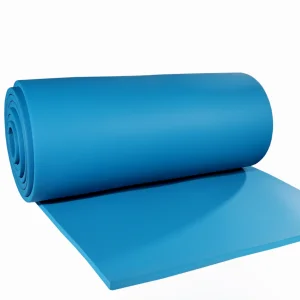
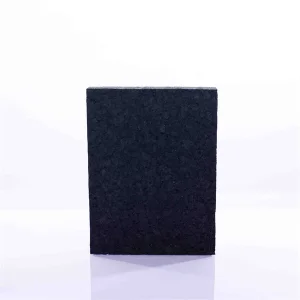
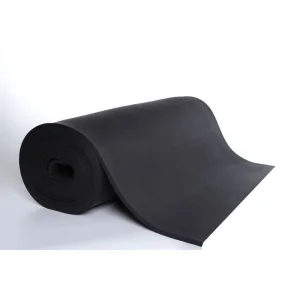
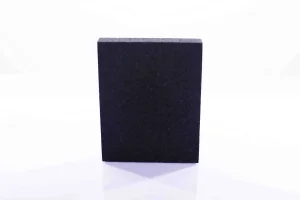
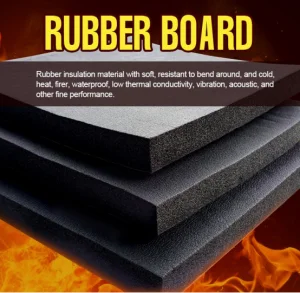
Designed for large-diameter pipelines, ventilation ductwork, and flat surfaces, Kingflex sheet rolls provide uniform thermal and acoustic coverage.
Q1: What is elastomeric rubber foam insulation used for?
A1: It is primarily used for HVAC duct systems, air conditioning piping networks, building envelope insulation, industrial process piping cold insulation, and acoustic dampening. The closed-cell structure makes it particularly effective in environments prone to high humidity and condensation.
Q2: Is Kingflex rubber foam insulation fire resistant?
A2: Yes, Kingflex rubber foam insulation is engineered with fire-retardant chemical formulations. It complies with major international fire safety standards, including BS 476 (Class 0 and Class 1), UL 94 (V-0 rating), and ASTM testing criteria, helping to prevent flame spread and minimize smoke generation.
Q3: What is the difference between rubber foam and rock wool insulation?
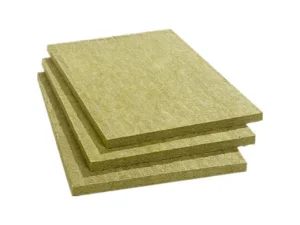
A3: Rubber foam is a flexible, closed-cell material that provides vapor resistance, making it suitable for HVAC, chilled-water piping, and cryogenic systems. Rock wool is a high-density fibrous mineral material with excellent high-temperature resistance and fire barrier properties, commonly used for industrial steam lines and high-temperature furnace systems.
Q4: Do you provide customized insulation products?
A4: Yes, we provide OEM and ODM services. We customize dimensions, wall thicknesses, density levels, and inner diameters, and offer self-adhesive backing and protective cladding to meet specific project requirements.
Q5: What certifications do your products have?
A5: Kingflex insulation products are certified to meet international standards, including BS 476, CE, REACH, RoHS, UL 94, and ASTM. This ensures compliance with regional building and safety codes globally.
Q6: Does Kingflex products have traceability?
A6: Yes, we maintain batch-tracking systems. Every shipment is marked with production codes, allowing us to trace manufacturing dates, raw materials, and laboratory testing logs for quality control.
Q7: What thickness of Rubber foam insulation sheet roll can you produce?
A7: We manufacture elastomeric rubber foam sheets in thicknesses ranging from 6mm to 50mm, allowing for thermal performance adjustment based on local ambient humidity and operating fluid temperatures.
Q8: What is the service life of rubber plastic pipe and board?
A8: When properly installed and maintained under standard operating conditions, Kingflex rubber foam insulation has a service life of approximately 10 to 15 years. Outdoor installations require protective coatings or aluminum cladding to prevent UV damage.
 Kingflex