China Outdoor HVAC Pipe Insulation Suppliers & Factories

Engineered thermal systems, premium NBR/PVC elastomeric foam, and high-performance rock wool lines for extreme weather resistance and superior structural energy efficiency.

B2B Global Procurement Challenges in Outdoor HVAC Insulation

Sourcing outdoor HVAC pipe insulation systems requires evaluating environmental durability against strict commercial criteria. Unlike indoor specifications, outdoor insulation faces constant thermal-oxidative degradation, heavy UV exposure, fluctuating moisture dynamics, and physical impact. At the enterprise level, procuring from specialized China factories isn't just about initial unit cost savings—it's a critical path to mitigating energy loss and physical weathering across complex piping systems.

UV Degradation Resistance

Direct exposure to sunlight causes standard elastomeric foams to crack, lose structural elasticity, and crumble over time. Leading factories resolve this through proprietary EPDM and NBR/PVC polymer formulations that integrate specialized carbon black and UV-blocking agents to double the outdoor service life without cracking.

Moisture Diffusion (μ-Value)

High relative humidity drives moisture migration into insulation materials, drastically raising thermal conductivity (λ). Selecting closed-cell elastomers with high water vapor diffusion resistance factors (μ > 10,000) prevents degradation and maintains constant insulation performance over years of operation.

Mechanical Damage Defense

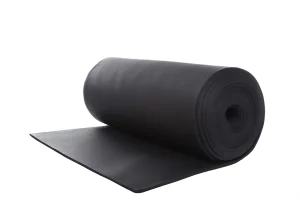
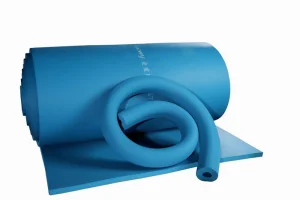
Industrial settings expose pipelines to bird pecking, maintenance foot traffic, and extreme wind. Top tier Chinese manufacturers supply pre-cladded insulation rolls with aluminum-glass composite foils or tough PVC outers, eliminating the need for expensive secondary metal cladding installations.

Performance Insight: The True Cost of CUI (Corrosion Under Insulation)

In outdoor operations, moisture penetration combined with fluctuating temperatures causes Corrosion Under Insulation (CUI) on metallic pipe surfaces. By utilizing high-density, closed-cell NBR/PVC elastomeric materials with integral vapor barriers, water is physically prevented from reaching the pipe wall. This reduces lifecycle corrosion risk by over 80% compared to open-cell solutions, resulting in substantial savings on structural repair and pipe replacement.

Pioneering Energy Efficiency: Kingflex Insulation
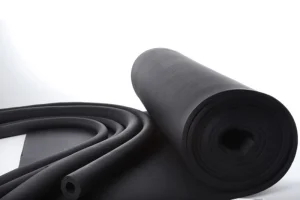
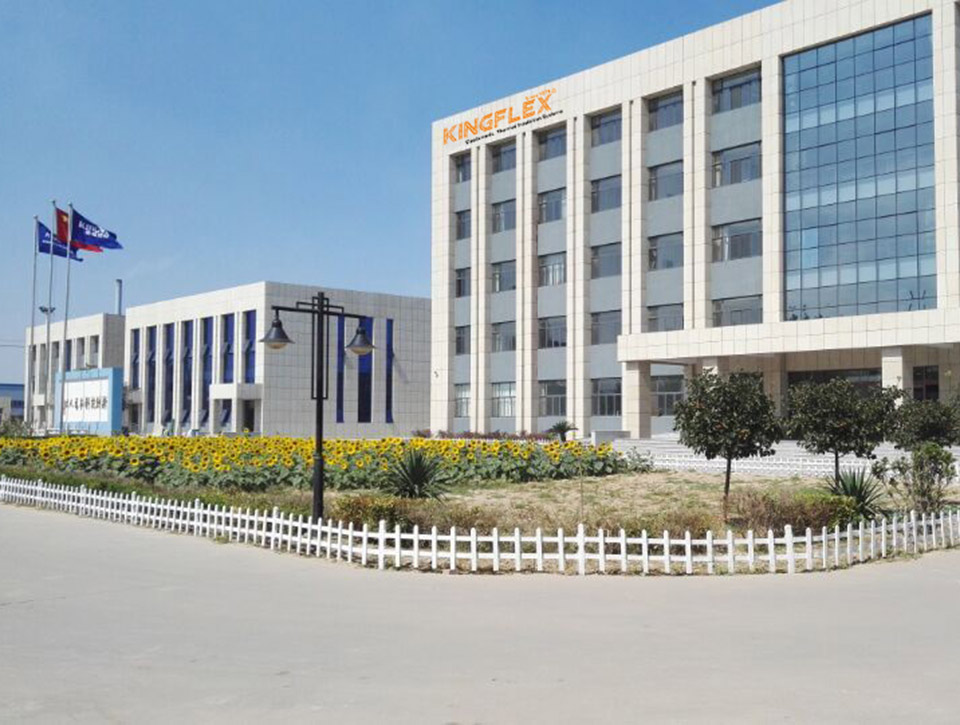
Kingflex Insulation Co., Ltd. stands as a premier manufacturing and trading combo for thermal insulation systems. Headquartered in Dacheng, China—the globally recognized capital of green-building materials—we are an energy-saving, environmentally conscious enterprise specializing in the design, fabrication, and international distribution of advanced insulation solutions.
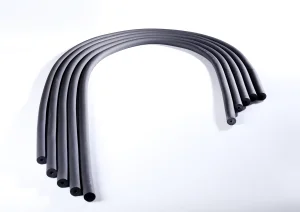
We believe in energy conservation and consumption reduction as core operating principles. Through technical consultation, custom R&D production, expert installation guidance, and dedicated post-sale engineering services, we actively lead development trends in the global building materials industry.

40+
Years Heritage
600K+
m³ Annual Capacity
66+
Countries Reached
230+
Skilled Workers

Our Deep-Rooted History

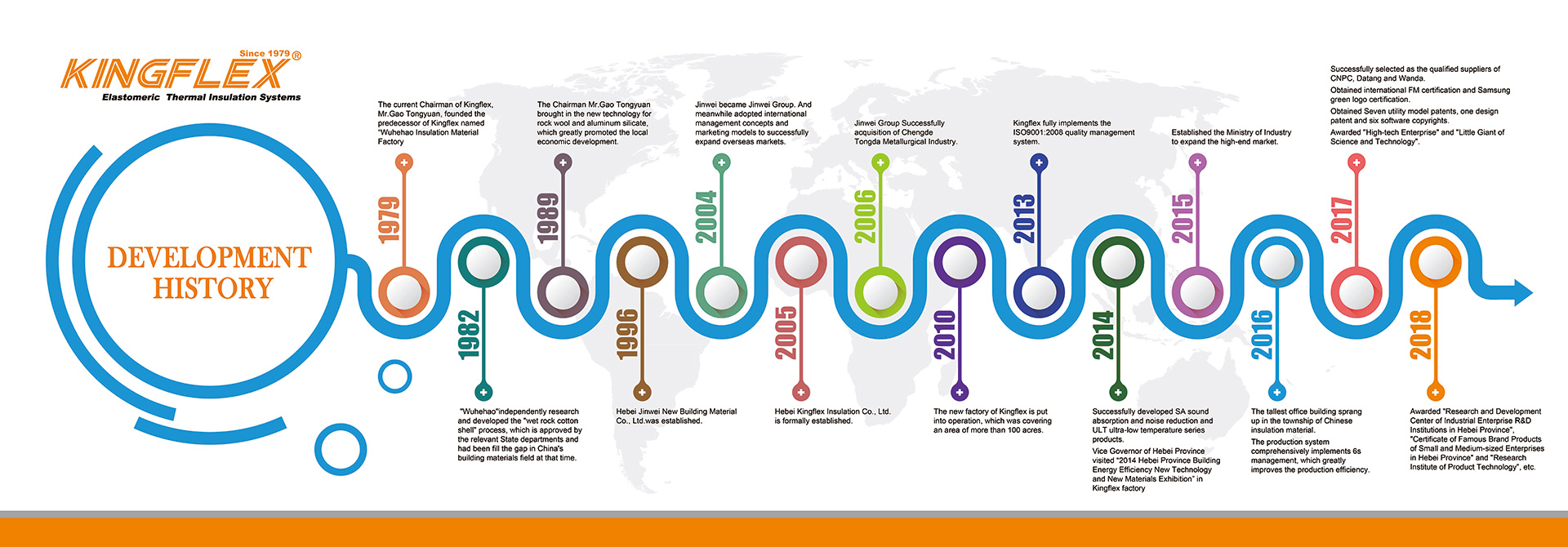
Kingflex was established by the Jinwei Group, which boasts a rich legacy spanning more than 40 years. Founded in 1979, Jinwei Group was the first manufacturer of thermal insulation materials north of the Yangtze River. This historical expertise laid the foundation for Kingflex's engineering innovations in closed-cell elastomeric technology.
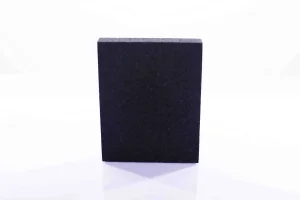
Today, our facility operates 5 large automatic assembly lines, serving as a designated supplier for the Ministry of Energy, the Ministry of Electric Power, and the Ministry of Chemical Industry in China. This national validation highlights the reliability of our manufacturing processes.

Our Technical Team

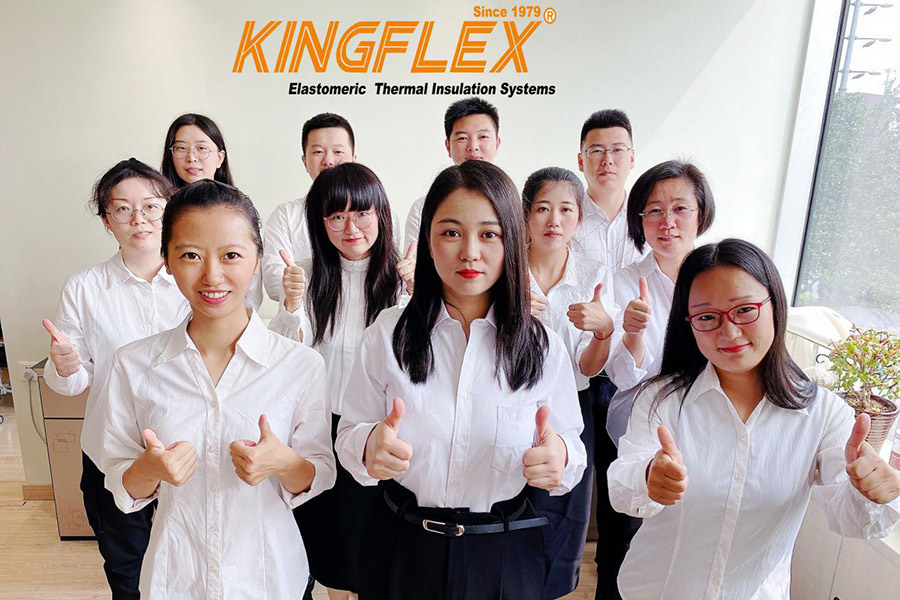
Our team is dedicated to providing premium global client support. Our engineers are talented specialists with a shared vision of delivering consistent, high-quality services. We have 8 professional engineers in our R&D Department, 6 international sales specialists, and over 230 factory workers operating our production lines.

Materials Selection & Technical Roadmaps

Different environments require specific material profiles. Below is our direct comparison matrix for NBR/PVC elastomeric foam, rock wool, and specialized cryogenic diolefin systems to help guide your project specification designs.

Material Type Service Temp. Range Density (kg/m³) Moisture Resistance (μ) Flame Retardancy Primary Applications
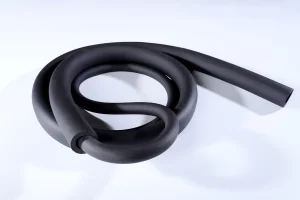
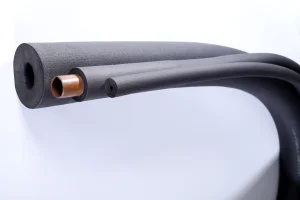
Kingflex Elastomeric NBR/PVC -40℃ to 105℃ 40 - 55 kg/m³ ≥ 10,000 BS 476 Part 7 Class 1, UL94 V-0 HVAC Chilled/Hot Water Lines, Ducts, Solar Heat Piping
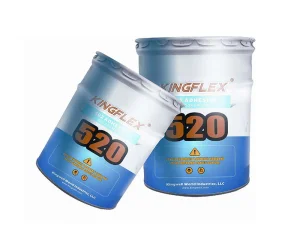
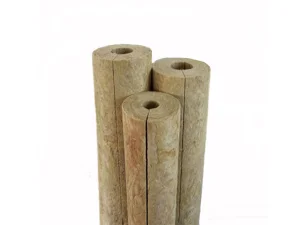
High-Performance Rock Wool Up to 650℃ 80 - 150 kg/m³ Open-cell structure Non-combustible Class A1 Industrial Steam Lines, Power Stations, Petrochemical
Diolefin Cryogenic Foam -200℃ to 125℃ 45 - 65 kg/m³ ≥ 20,000 UL94 V-0, ASTM E84 LNG Storage Tanks, Liquid Ethylene, Low-Temp Chemical

Advanced Core Technical Specifications

Our standard insulation rolls and tubes offer premium performance in demanding environments:

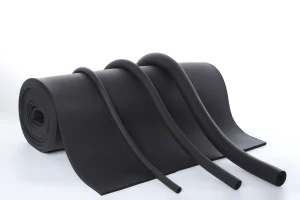
  • Closed Cell Rate: Over 98% uniform closed-cell matrix prevents moisture pathing.
  • Compression Resilience: Exceeds 80%, providing long-term structural stability under physical load.
  • Thermal Conductivity: Extremely low λ values (down to 0.034 W/m·K at 0℃).
  • Blowing Agent: Zero ODP (Ozone Depletion Potential) and zero GWP (Global Warming Potential), using premium eco-friendly formulations.

Outdoor Installation Standard Protocol

1. Pipe Cleaning & Primer Coat

Ensure the pipe is free of corrosion. Apply anti-corrosion primer before putting on insulation.

2. Adhesive Jointing (Kingflex 520)
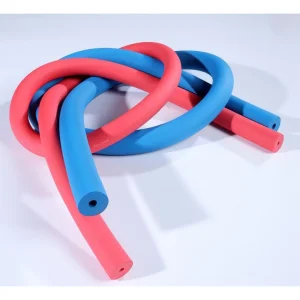
Use proprietary Kingflex 520 high-strength adhesive on all seams to form a vapor-tight seal.
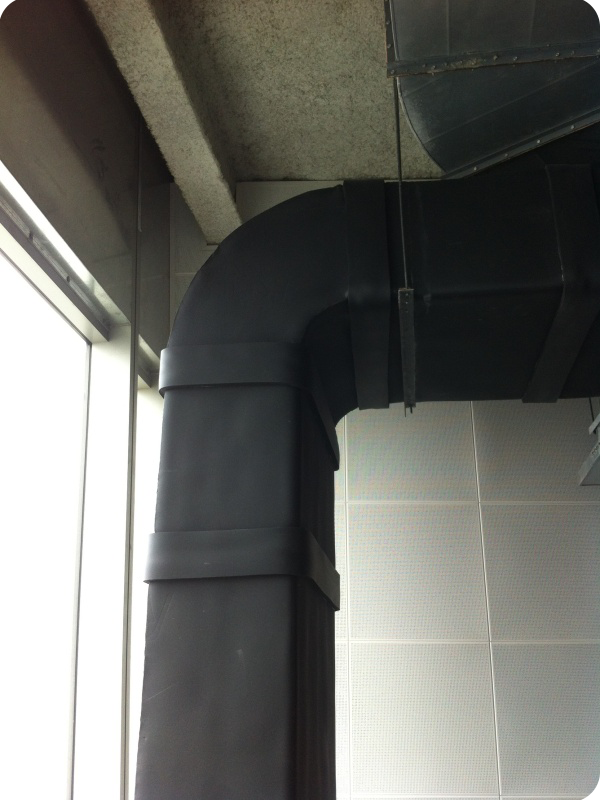
3. UV Protection Application

For outdoor exposure, apply self-adhesive aluminum foil or protective UV-resistant paint within 36 hours.

Advanced R&D & Continuous Quality Assurance

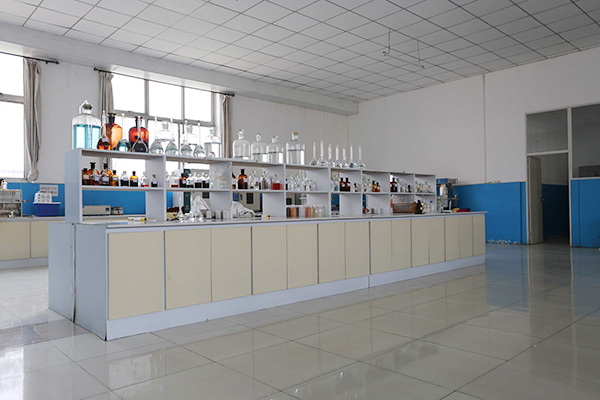
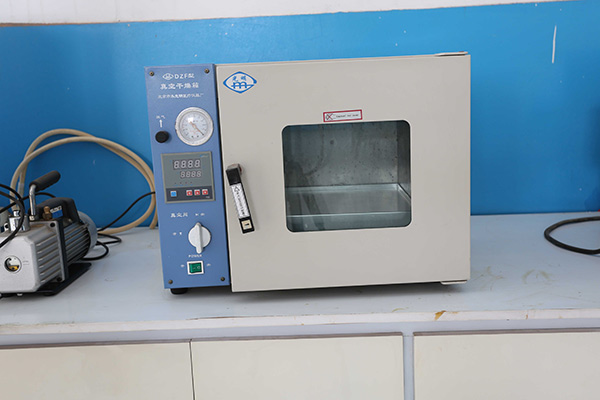
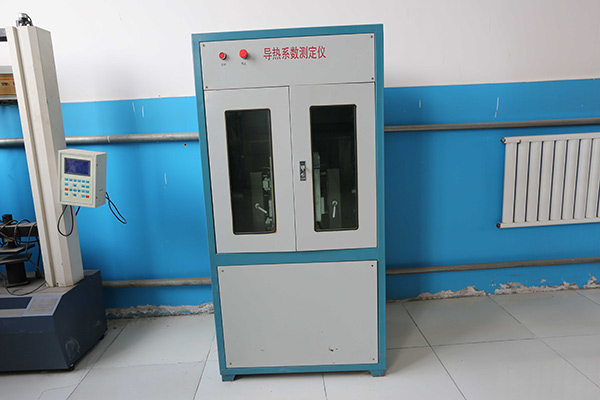
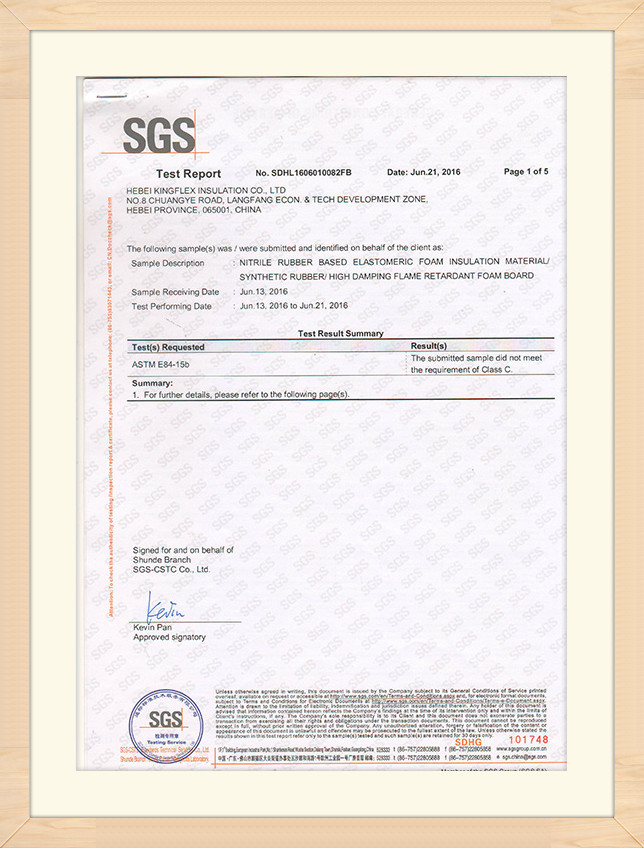
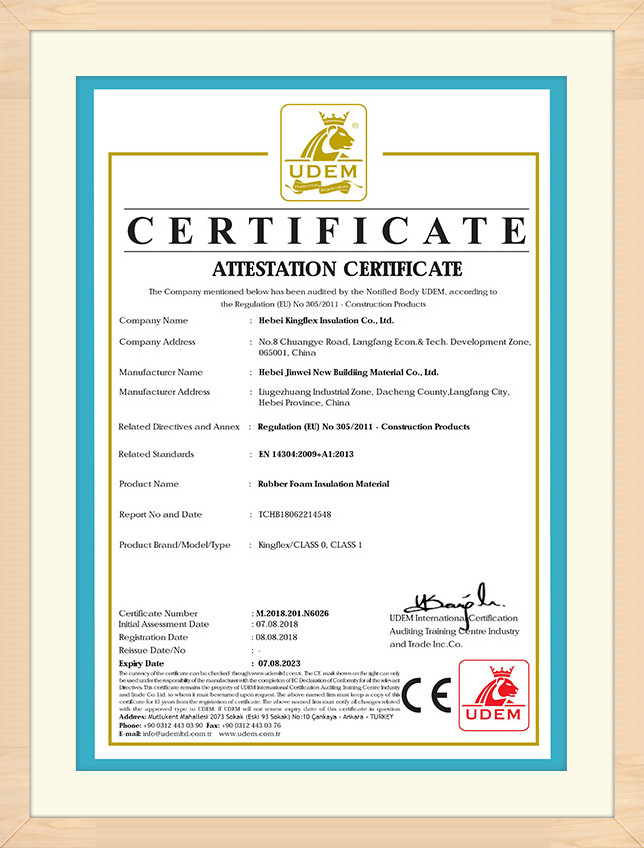
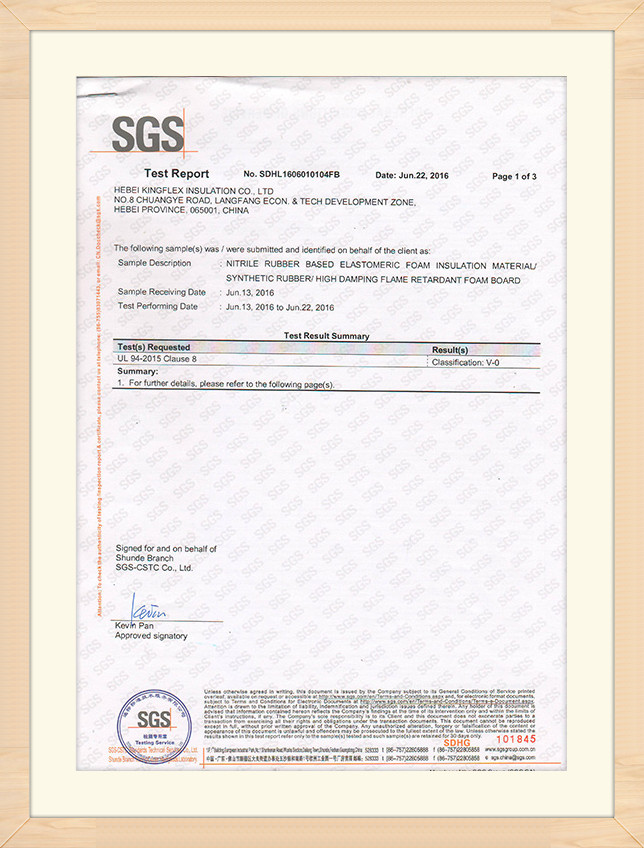
Kingflex maintains strict quality control systems. Our testing laboratories carry out raw material checks, foaming process audits, and end-product tests to ensure our materials match international standards like CE, REACH, RoHS, ASTM, and UL94.
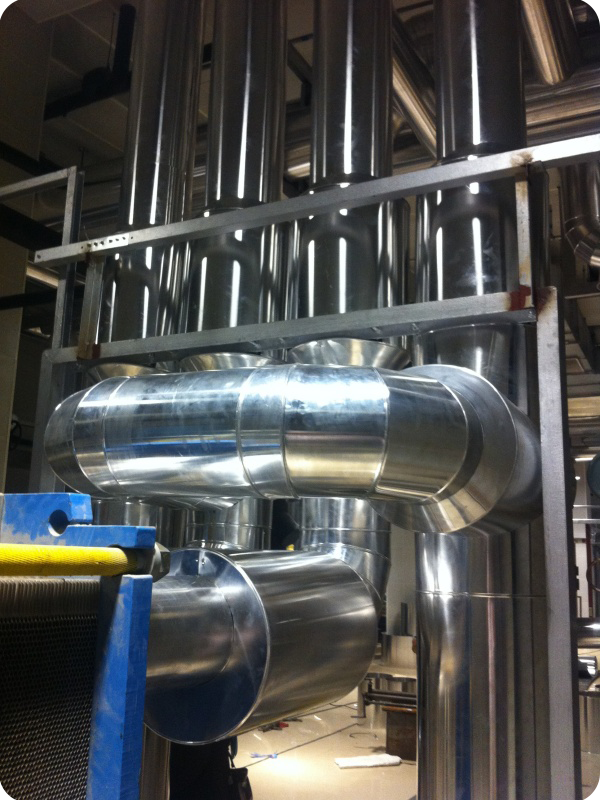
Rigorous Sourcing Compliance & Verification

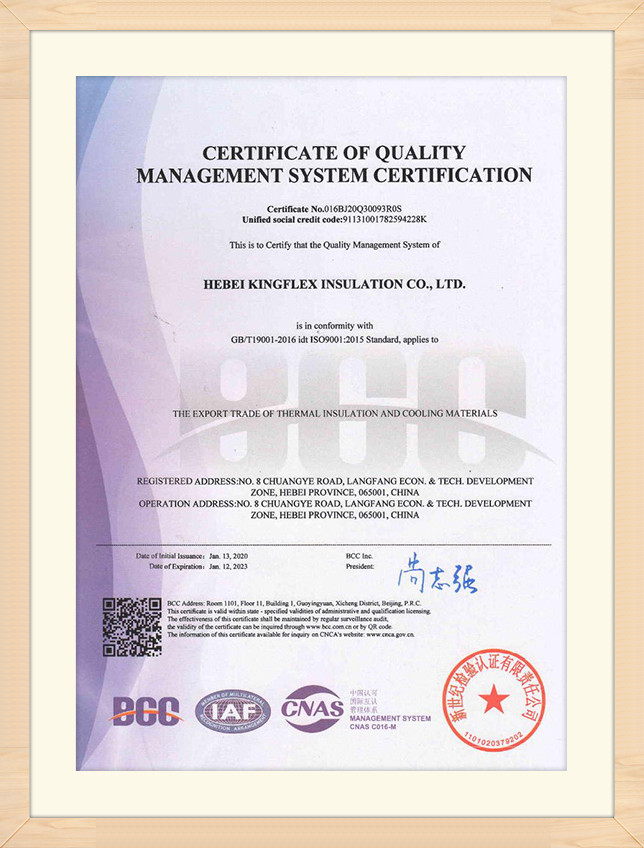
Our products undergo thorough safety and chemical testing. We ensure full traceability for every batch of rubber-plastic insulation rolls, backing our products with certification documentation to assist with international project compliance.

Global Project Portfolio & Client Log

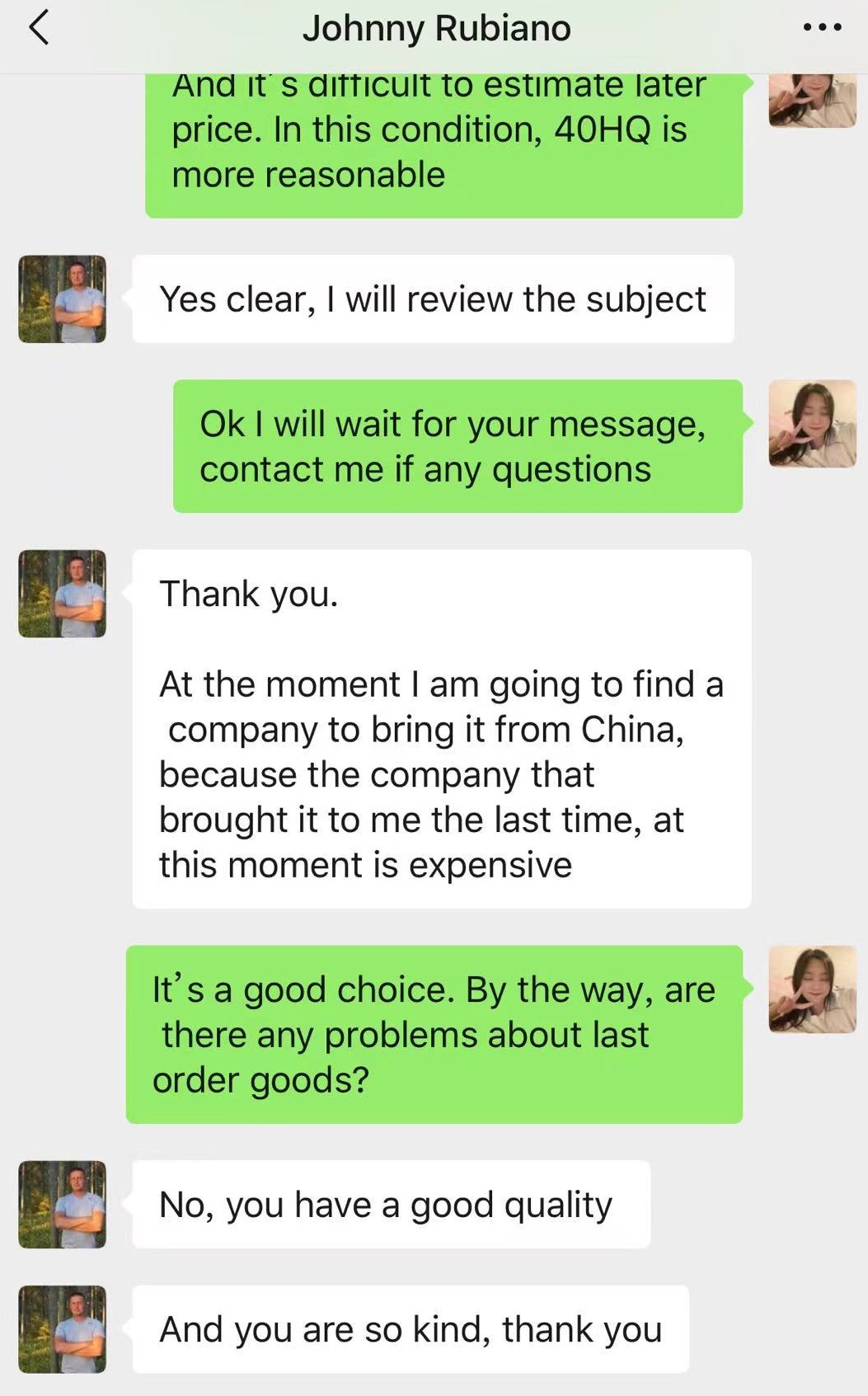
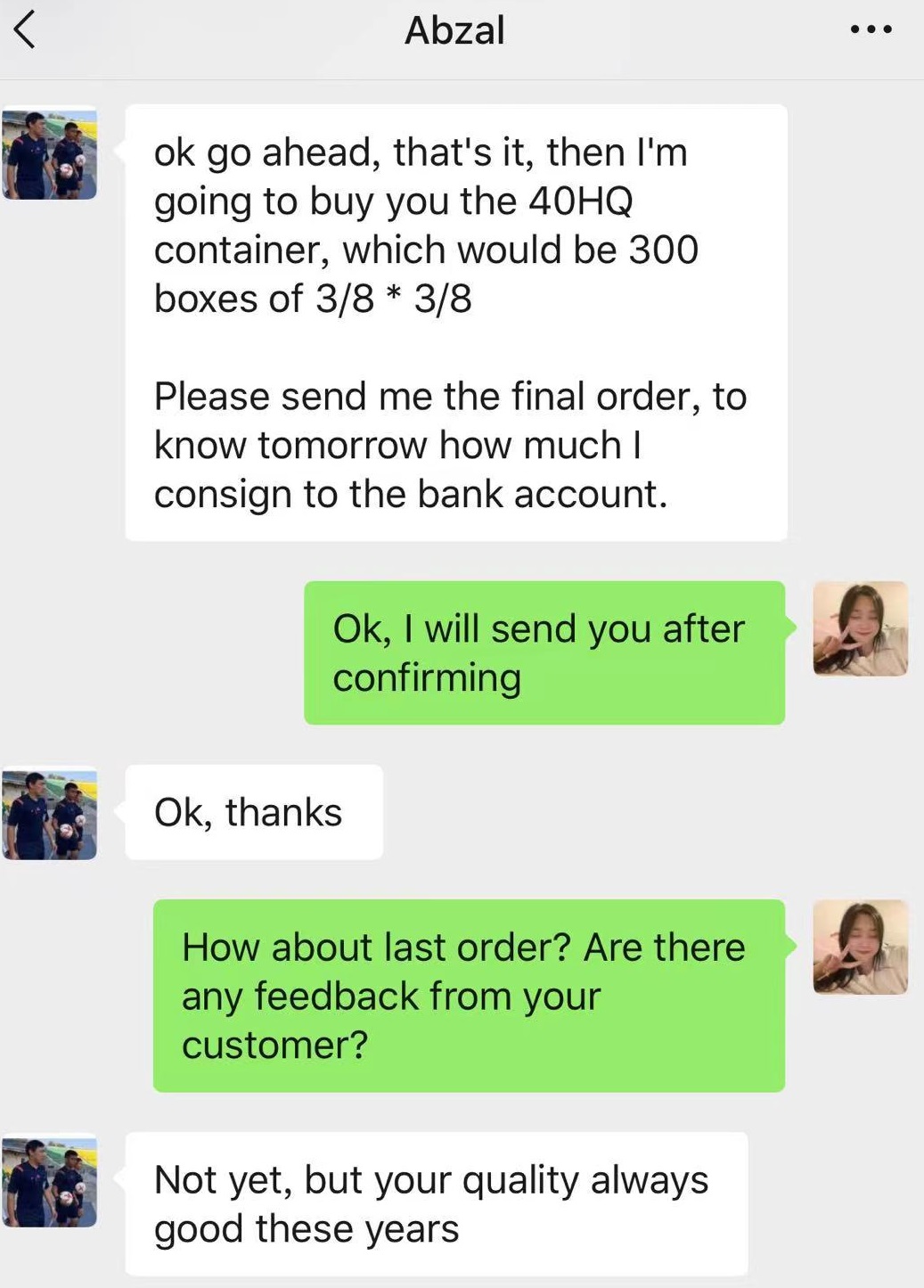
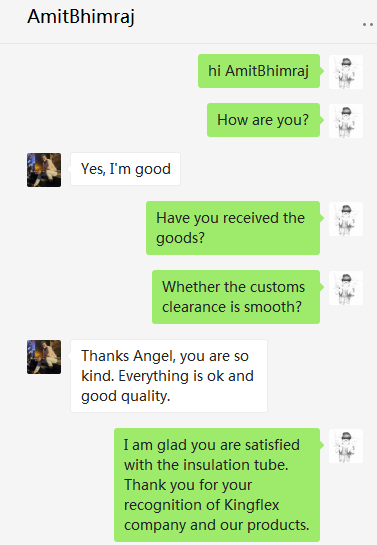
We work with international engineering contractors on critical projects. The feedback and chat snapshots below show our commitment to quality, reliable delivery schedules, and technical support.

Macro Industry Solutions & Sourcing Security

As global temperatures shift, B2B procurement managers look for thermal insulation that provides durability in harsh conditions. We focus on energy conservation, long service life, and lowering carbon footprint across our product range.

Zero-Halogen Formulations

For confined high-risk zones, offshore platforms, and public buildings, we formulate non-halogenated systems that emit zero toxic smoke during a fire, improving safety standards.

Hybrid Aerogel Layers

To reduce insulation thickness in tight spaces, we offer hybrid aerogel-elastomer materials. This technology keeps thermal conductivity low even with minimal wall profiles.

Corrosion Prevention (CUI)

Our chemically inert closed-cell design blocks external moisture, preventing it from resting on pipe walls. This reduces the risk of corrosion under insulation.

Production Capacity & Logistics Infrastructure

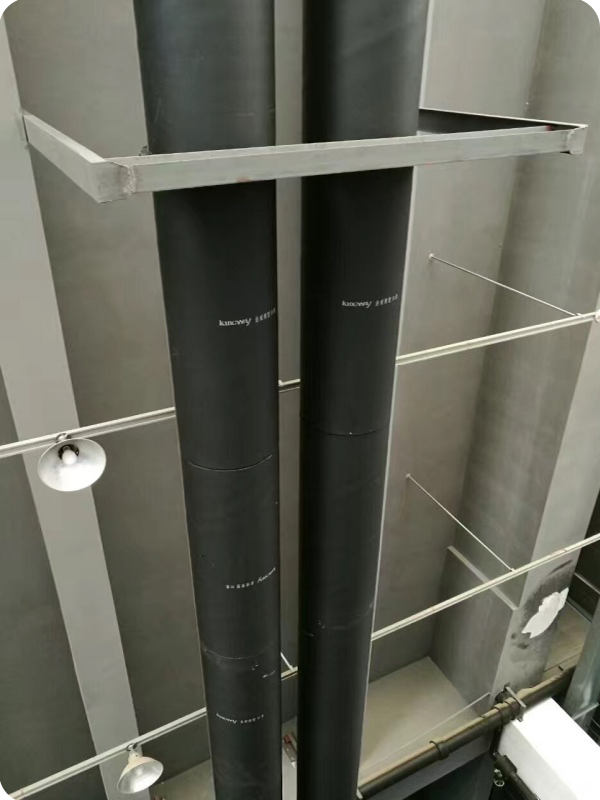
With an annual capacity of 600,000 cubic meters, Kingflex maintains consistent stock and lead times. Our automated raw material handling and packaging systems help reduce typical production bottlenecks.
Engineering Case Studies & Global Project Implementation

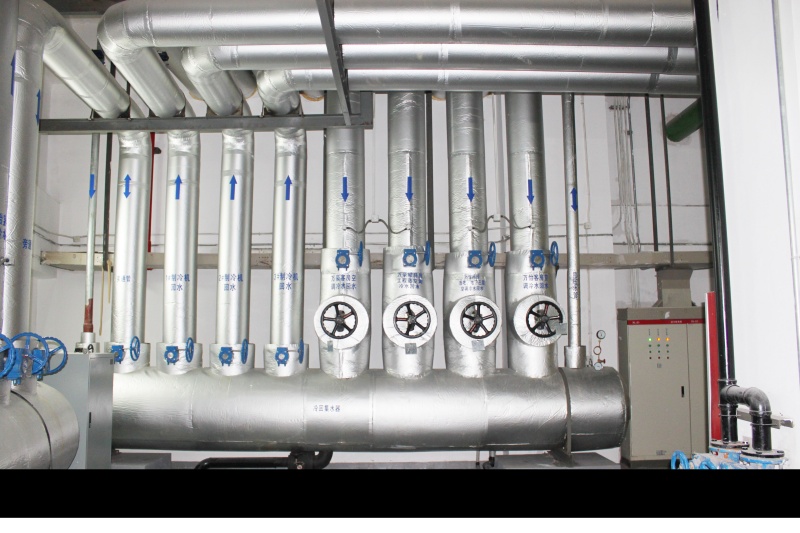
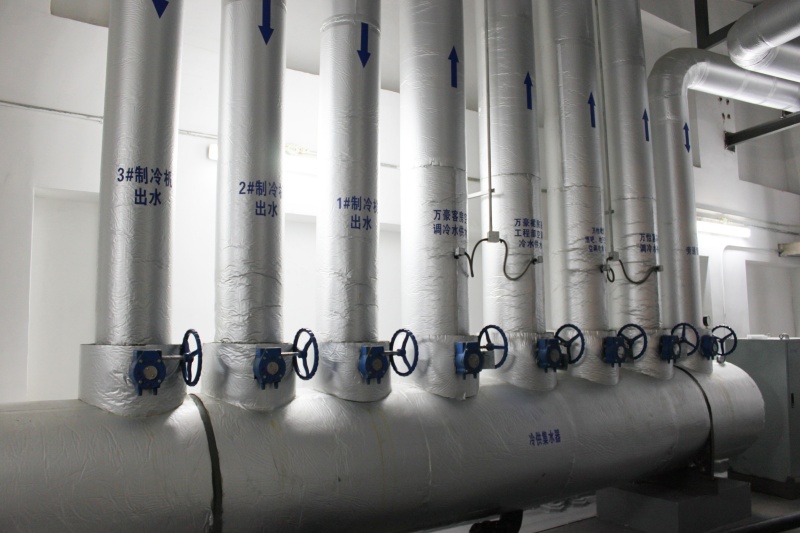
Kingflex materials are used in HVAC, industrial, and cryogenic storage applications globally. Our project references verify insulation performance across various installation sites.
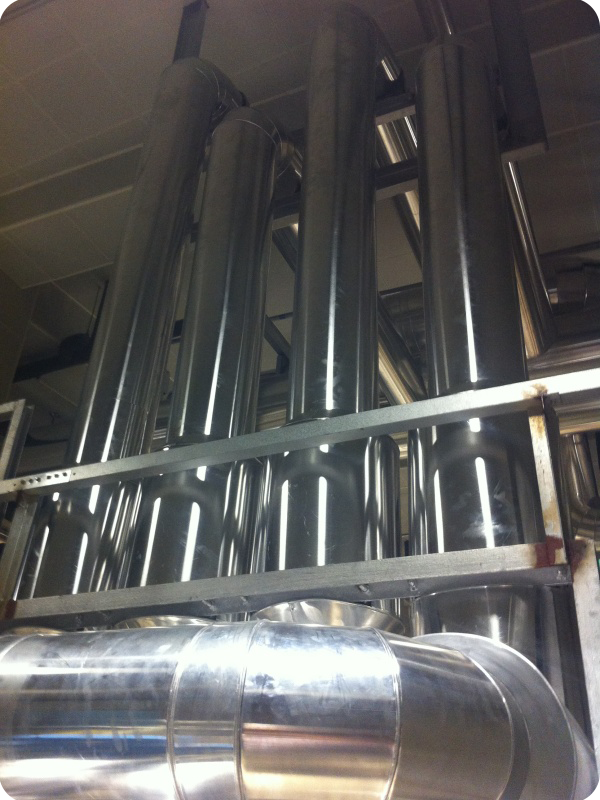
District Cooling Systems

High-humidity areas require low thermal conductivity and reliable vapor barriers to prevent condensation on cold water piping.

Cryogenic LNG Insulations

Closed-cell diolefin wraps are designed for LNG shipping lines to prevent frost build-up and maintain low temperatures.

Solar Thermal Pipe Lines

We supply flexible elastomers designed to withstand high outdoor temperatures and solar UV levels without cracking.

Chemical Processing Plants

Industrial process piping requires insulation with high chemical and oil resistance to prevent material degradation.

Sourcing Support & Regional Compliance SCM

Purchasing building materials globally requires verifying regional certifications and logistical arrangements. Kingflex provides technical documentation and support to help ensure smooth customs clearing and compliance with regional construction codes.

Local Building Code Support

We supply insulation certified to meet BS 476, CE, REACH, RoHS, UL94, and ASTM standards, aligning with fire safety and chemical regulations in Europe, the GCC, and North America.

Custom OEM Configuration

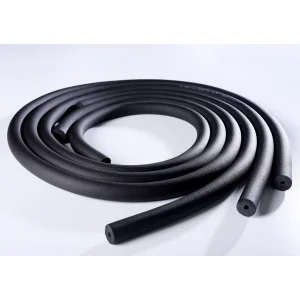
We provide custom configurations for specific project designs. Tubes can be fabricated with custom wall thicknesses (up to 50mm) and inner diameters (ID 6mm - 114mm) as required.

Direct Freight & Port Access

Located in Dacheng, China, our warehouse sits near major shipping hubs like Tianjin Port. This location helps facilitate container packing and shipping arrangements.

Technical Sourcing QA & Project Support

Expert technical answers to common questions about selecting, specifying, and installing outdoor elastomeric and mineral wool insulation systems.

What is elastomeric rubber foam insulation used for?
It is mainly used for HVAC ducts, air conditioning pipes, building thermal insulation, industrial pipeline cold insulation, and sound insulation in both residential and industrial installations.
Is Kingflex rubber foam insulation fire resistant?
Yes, our rubber foam insulation products are fire retardant, meeting standard building and industrial safety regulations (including BS 476, UL94, and ASTM Class 1 standards).
What is the difference between rubber foam and rock wool insulation?
Rubber foam is a flexible, closed-cell, moisture-proof material ideal for HVAC systems, cold water lines, and condensation control. Rock wool is a high-temperature resistant, non-combustible material best suited for high-temperature industrial steam pipes and structural fire barriers.
Do you provide customized insulation products?
Yes, we support OEM/ODM services, allowing customization of density, wall thickness, inner diameter, and external protective coatings to meet specific project designs.
What certifications do your products have?
Our products are tested and certified to meet BS 476, CE, REACH, RoHS, UL94, and ASTM standards, which helps verify quality for international projects.
Does Kingflex products have traceability?
Yes, we maintain a complete batch-traceability system covering raw materials, production line logs, quality checks, and shipping details.
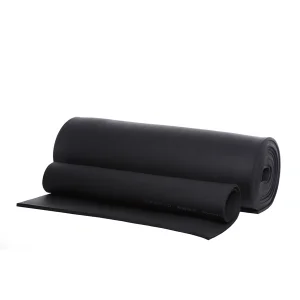
What thickness of Rubber foam insulation sheet roll can you produce?
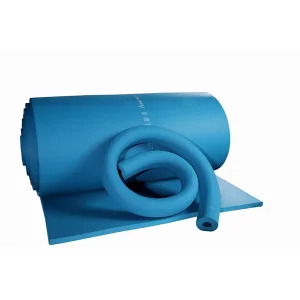
Our automated production lines can manufacture elastomeric rolls in thicknesses ranging from 6mm to 50mm.
What is the service life of rubber plastic pipe and board?
Under normal operating conditions and with proper UV cladding when installed outdoors, our insulation systems have an expected service life of 10 to 15 years.
How does outdoor exposure affect elastomeric insulation without cladding?
Without cladding, UV radiation can degrade the elastomeric matrix, leading to hardening, cracking, and loss of thermal performance. We recommend using UV-resistant coatings or aluminum-glass composite jackets for all outdoor installations.
What is the MOQ and lead time for custom export orders?
Our standard MOQ varies based on dimensions, typically starting at one 20ft container. Lead time is generally 10 to 15 days from deposit confirmation, depending on current production schedule.