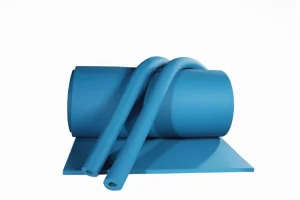
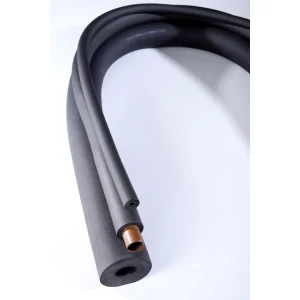
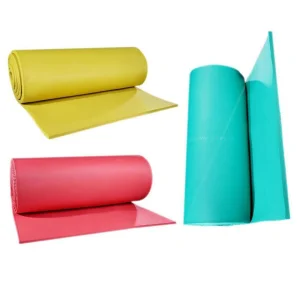
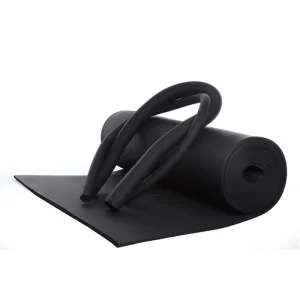
China Outdoor Pipe Insulation Factory & Factories

Empowering Global HVAC/R, Commercial, and Cryogenic Industries with Advanced Closed-Cell Elastomeric Thermal Technologies

Global Industrial Landscape of Outdoor Pipe Insulation

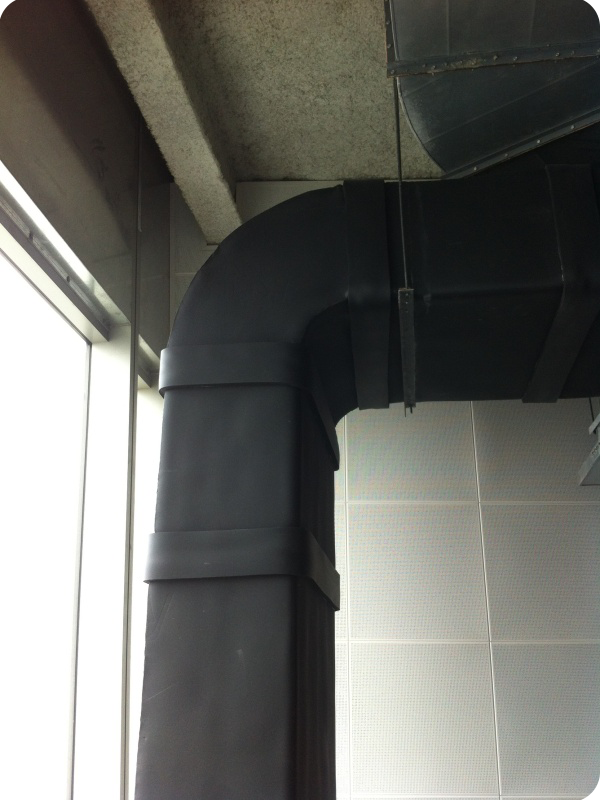
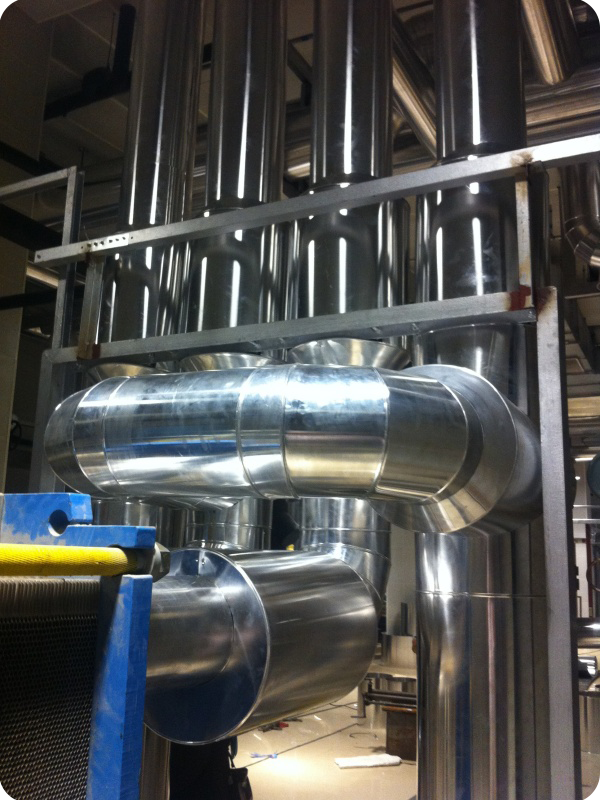
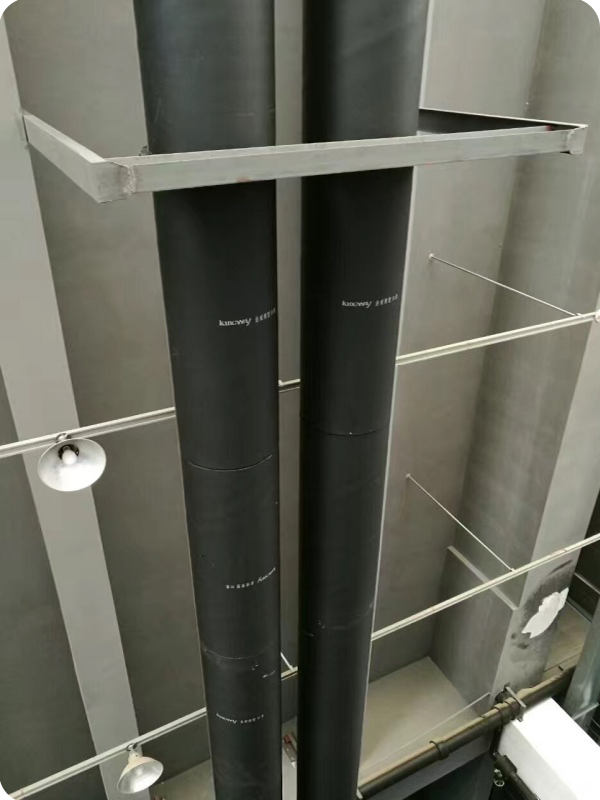
In the era of rapid industrialization and global climate shifts, optimizing thermal systems is no longer merely a cost-saving measure—it is a critical environmental and operational mandate. Outdoor pipe insulation systems are the frontline defense for vital fluid-carrying systems, including commercial HVAC networks, municipal district heating, chemical processing plants, and Liquefied Natural Gas (LNG) cryogenic pipelines. Unlike indoor piping, outdoor installations are constantly exposed to extreme environmental threats: intense ultraviolet (UV) radiation, severe ambient temperature fluctuations, humidity ingress, and mechanical impacts.

Without high-performance protection, energy losses quickly scale exponentially, jeopardizing the coefficient of performance (COP) of central heating and cooling systems. Modern structural engineering increasingly favors NBR/PVC closed-cell elastomeric rubber foam as the global standard. Its intrinsically low thermal conductivity ($\le 0.034$ W/m·K at 0°C) and excellent water vapor diffusion resistance ($\mu \ge 10,000$) prevent the major culprit of outdoor thermal failure: moisture infiltration. When moisture enters insulation, its thermal conductivity matches that of water—nearly 24 times higher than typical dry insulation material—rendering open-cell structures useless. Thus, global infrastructure developers demand certified, highly durable insulation products capable of long-term reliability.

Extreme Environmental Resistance

Specially formulated closed-cell structures withstand intensive UV aging, wind shear, and precipitation without losing physical or chemical stability.

Unmatched Thermal Conservation

Conserves energy in extreme cold or heat, minimizing operating expenses (OPEX) in chemical processing and central air setups.

CUI Mitigation

Mitigates Corrosion Under Insulation (CUI) by keeping external moisture away from raw metallic surfaces, dramatically extending system lifespans.
600K+
Annual Capacity (m³)
40+
Years Industry History
66+
Exporting Countries
8
Dedicated R&D Engineers

China Factory Efficiency & Industry Leadership

China is globally recognized as the central hub for advanced manufacturing, particularly in building materials and thermal insulation. Dacheng County, located in Hebei Province, stands out as the prominent capital of green building materials. Within this specialized manufacturing hub, Kingflex Insulation Co., Ltd. leverages a highly localized supply chain, state-of-the-art automation, and dedicated raw material processing units to deliver exceptional manufacturing efficiency and cost control without sacrificing quality.
By using 5 large automated continuous-foaming assembly lines, Kingflex achieves massive output scaling, lowering processing overheads compared to fragmented operations in Western markets. The result is premium-tier rubber foam that meets stringent global performance standards—BS 476, ASTM, CE, REACH, RoHS, UL94, and more—offering significant price-to-performance advantages for global distributors and EPC contractors.
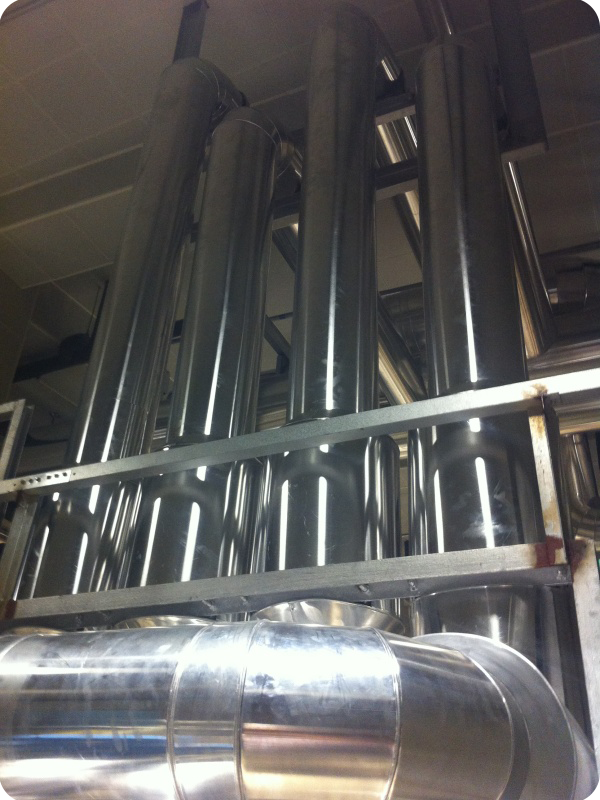
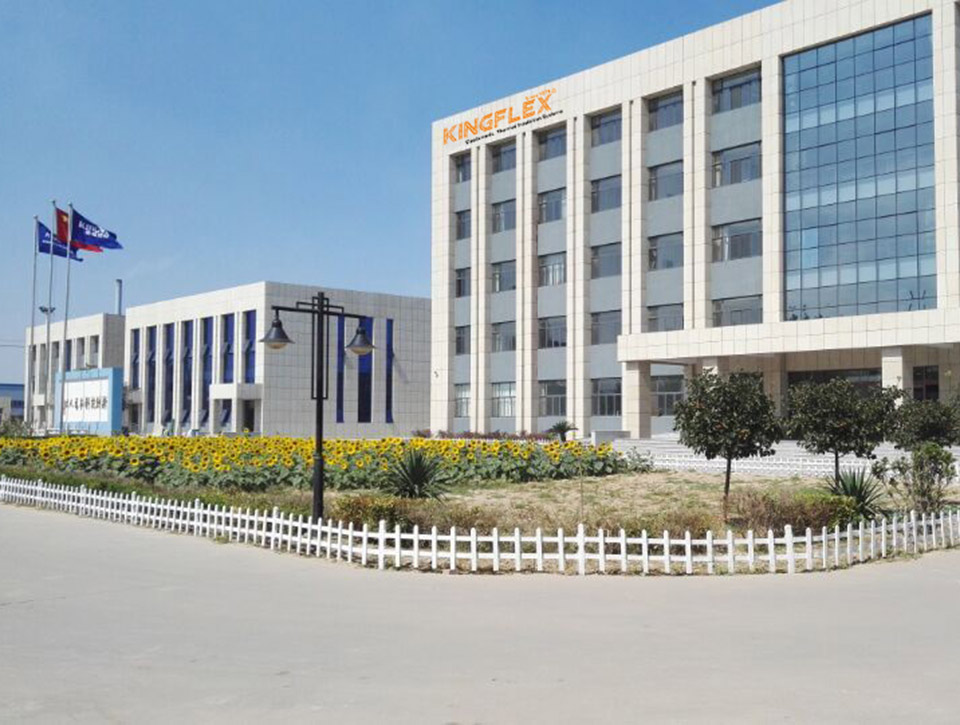
Kingflex Factory Manufacturing Facility
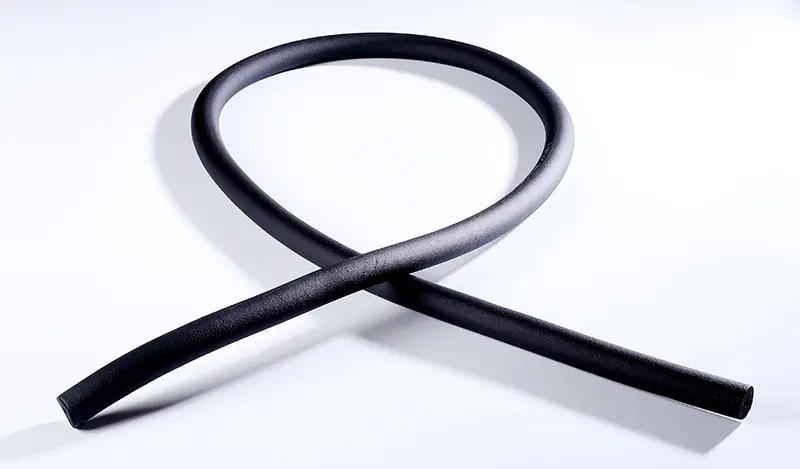
Our Deep-Rooted History and Operational Scalability

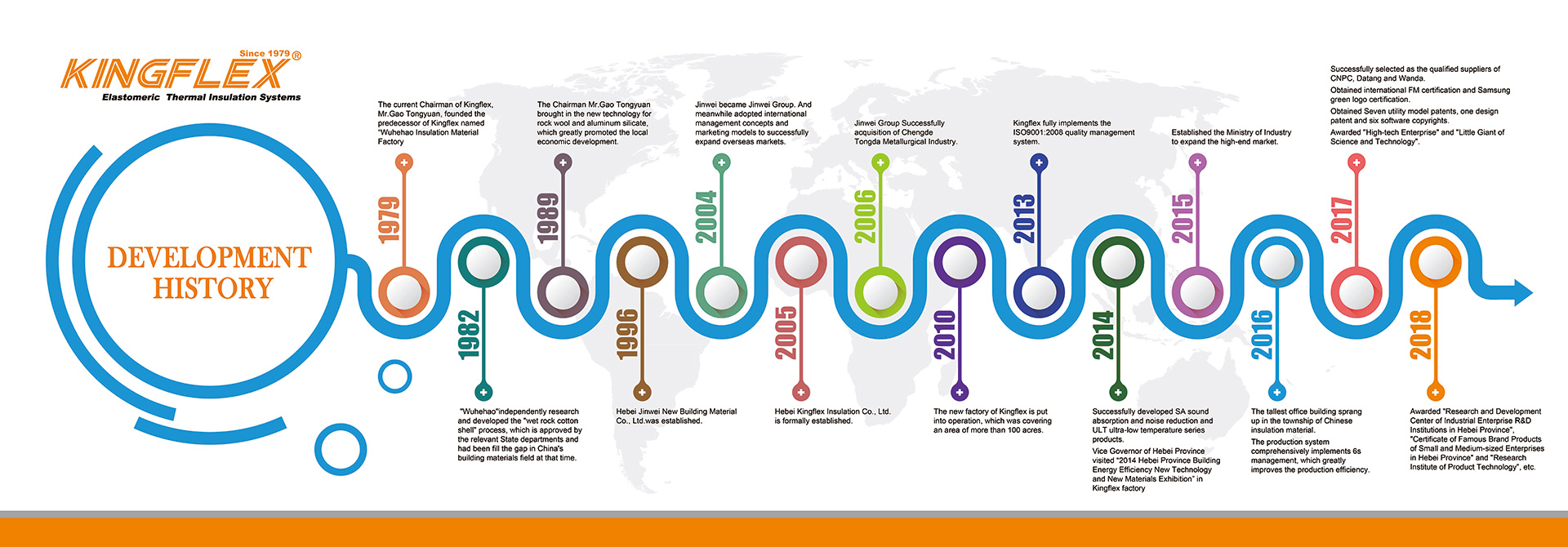
Established by the Jinwei Group, which boasts a rich heritage dating back to 1979, Kingflex is the pioneer manufacturer of thermal insulation materials north of the Yangtze River. Decades of continuous chemical and structural research have enabled us to refine our elastomer compound formulations, resulting in uniform cell distribution and optimal density properties.
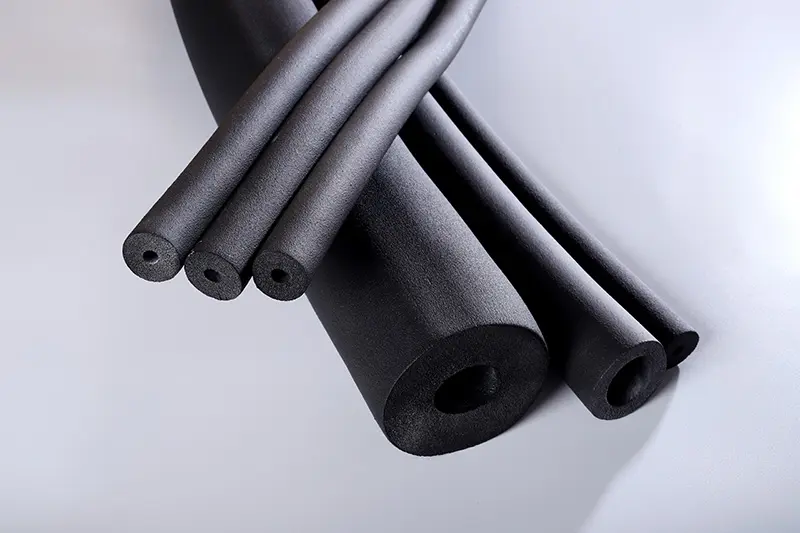
Today, our Dacheng plant operates under strict energy-saving, environmental protocols, serving as a designated strategic production supplier for the Ministry of Energy, the Ministry of Electric Power, and the Ministry of Chemical Industry in China. With over 230 skilled production workers, 8 expert engineers in our R&D wing, and 6 dedicated international sales officers, we provide an integrated consultation, installation-guidance, and post-sale ecosystem to ensure clients in sixty-six countries receive project-specific solutions on time.

Kingflex Corporate History and Production Base
Pioneering R&D and Professional Operations

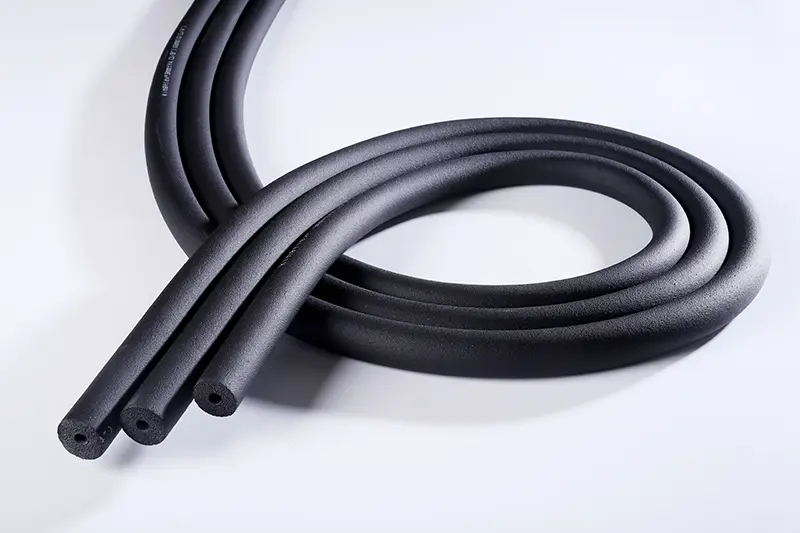
Innovating at the molecular level, our design engineers formulate custom-tailored polymers that perform reliably in severe sub-zero environments and under direct exposure to sunlight.

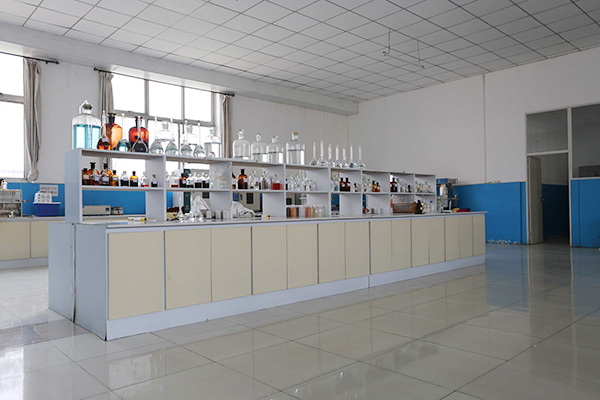
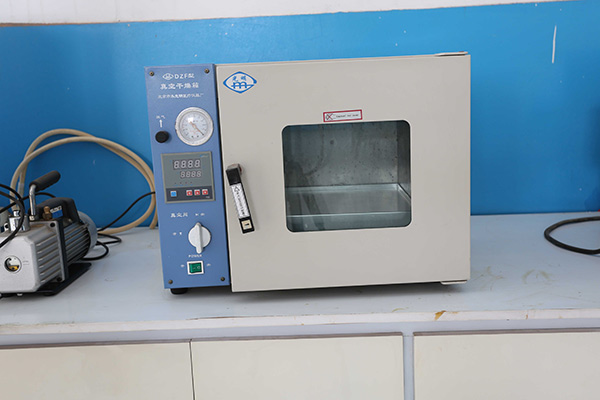
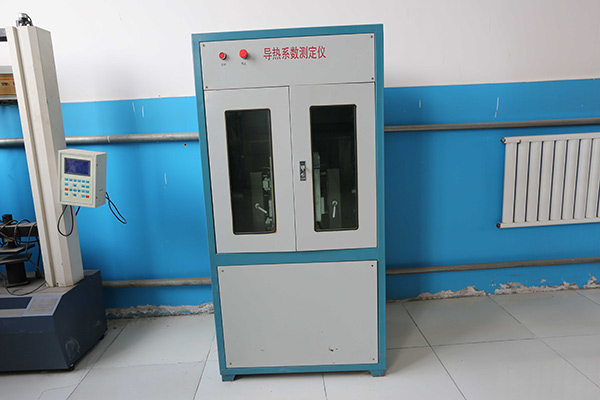
Kingflex R&D Lab Equipment
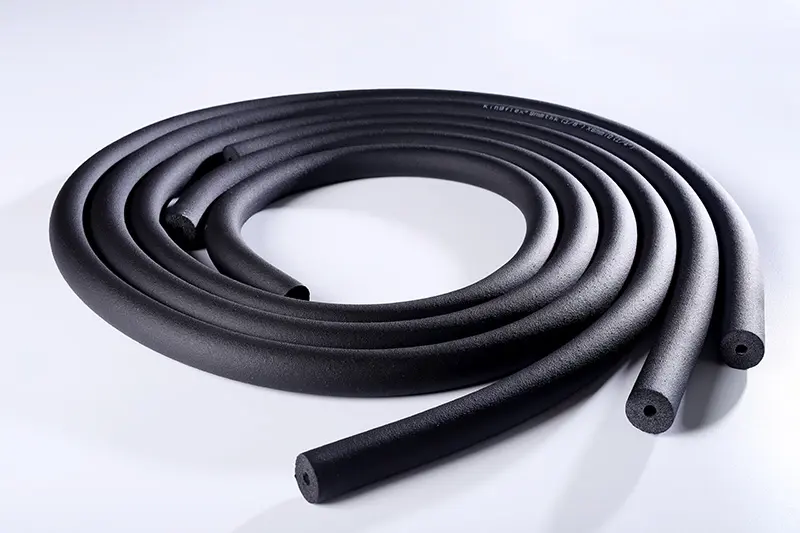
Kingflex Testing Standards
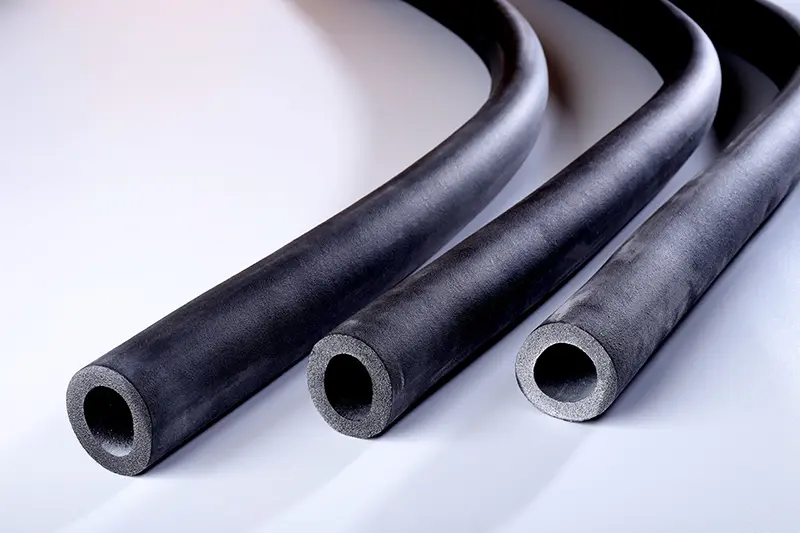
Kingflex Production Quality Inspection
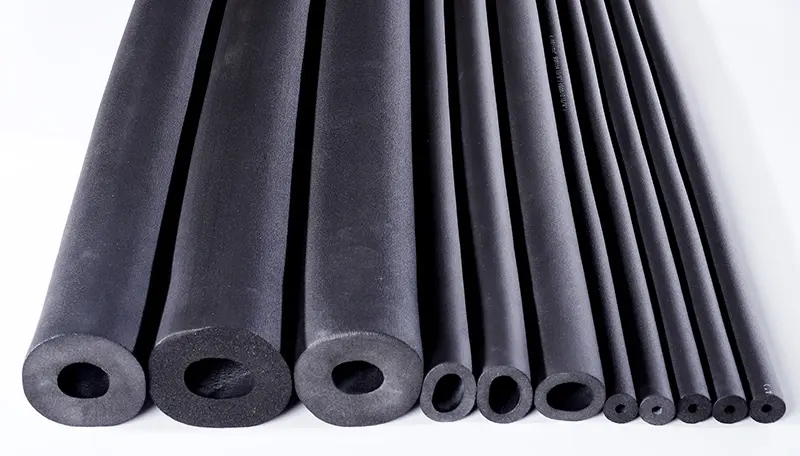
Advanced Engineering and Team Collaboration

Our employees are outstanding in their fields, and together they make Kingflex a rewarding place to innovate. The R&D Department focuses on refining mechanical resilience and decreasing thermal conductivity. By optimizing the expansion ratios during the heat-foaming process, they ensure the closed-cell rate remains consistently above 98%.
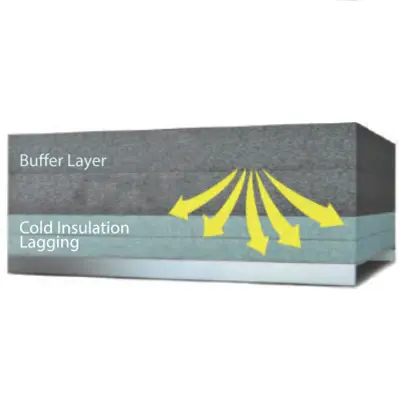
Furthermore, our team provides custom thickness calibration (ranging from 6mm to 50mm) and custom inner diameters for pipe systems, allowing field engineers to get exactly what they need for clean, snug installations on-site.

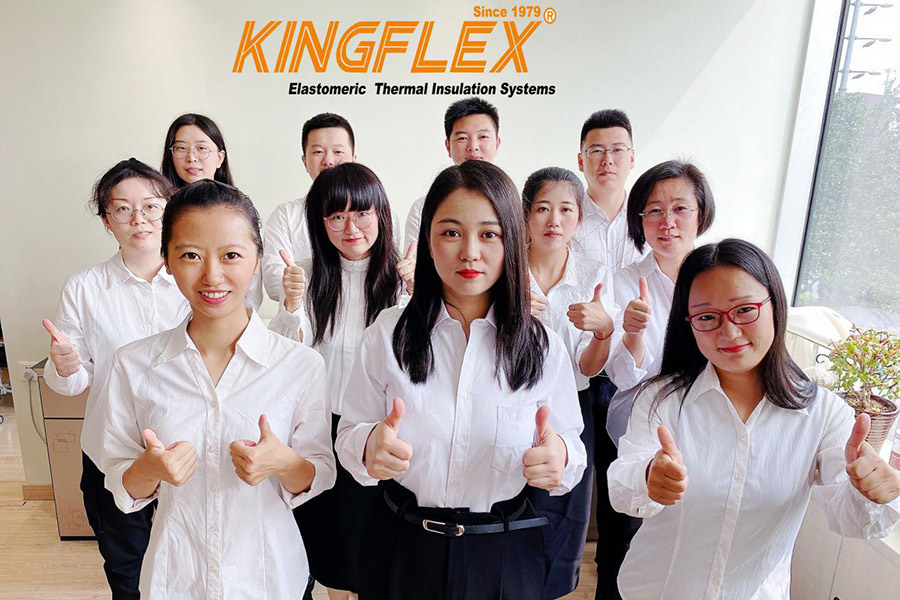
Kingflex Production Team Work

Localized Application Scenarios & Advanced Project Case Studies

Outdoor pipe insulation requires different technical approaches based on the geographical environment and system application. A solution for a coastal HVAC system will differ from one used in a low-temperature chemical plant. Below are key applications where Kingflex closed-cell rubber insulation delivers long-term performance:

1. District Cooling & HVAC Systems

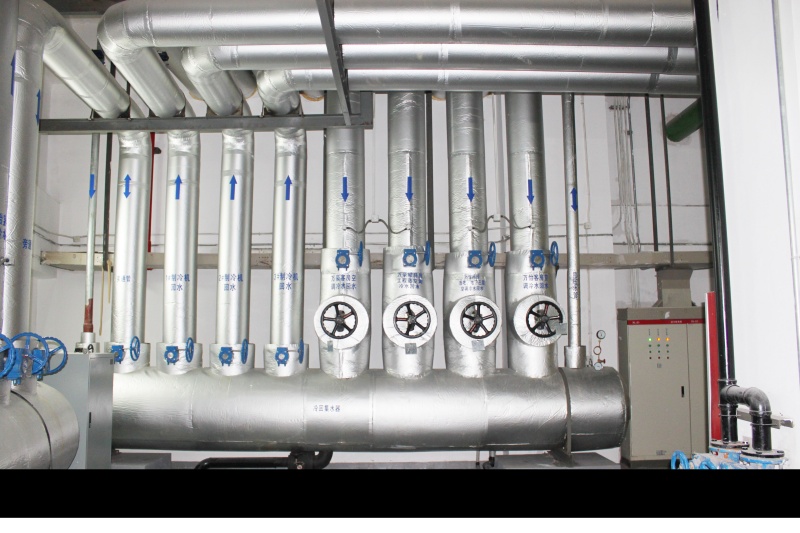
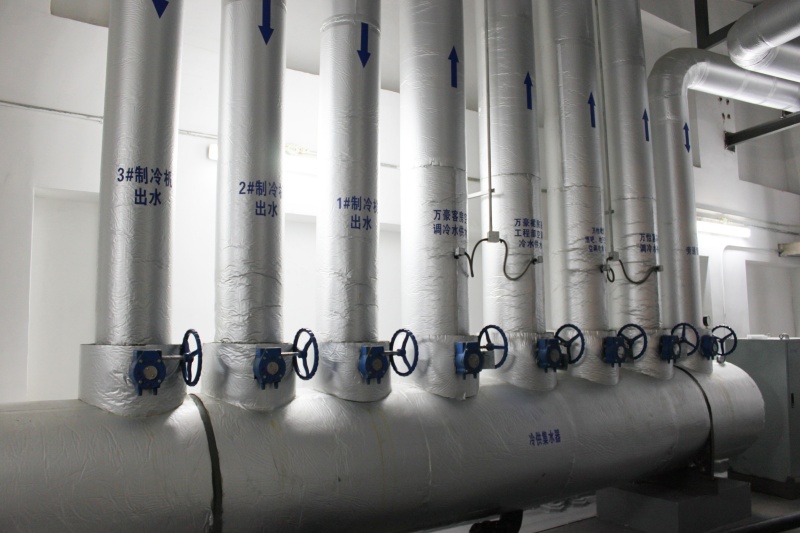
In high-humidity and hot climates, condensation forms easily on outdoor chilled water pipes. Kingflex closed-cell insulation prevents moisture ingress, eliminating condensation and energy loss while keeping the system running efficiently.

2. Cryogenic Piping & LNG Terminals

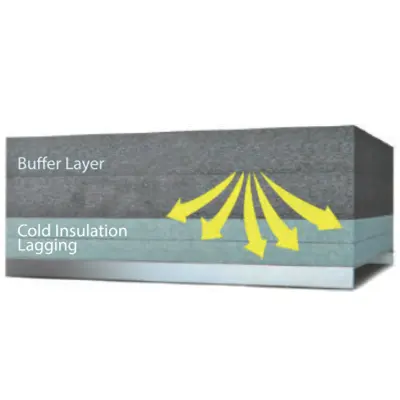
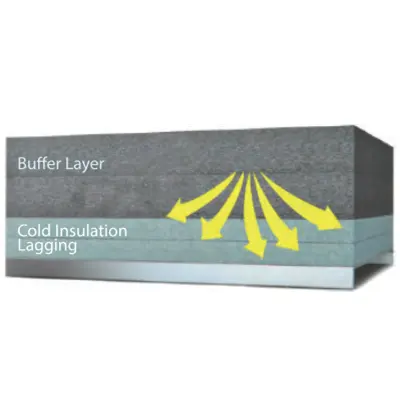
Ultra-low temperature systems require insulation that can handle structural expansion and contraction without cracking. Our cryogenic-grade synthetic rubber sheets operate reliably down to -200°C, providing the stability needed for LNG operations.

3. Chemical & Process Steam Piping

Industrial piping in chemical plants is often exposed to corrosive fumes and moisture, which can cause Corrosion Under Insulation (CUI). Kingflex's chemical-resistant formulations protect metal pipe walls from exposure to these agents.

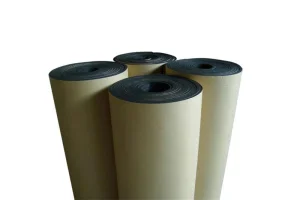
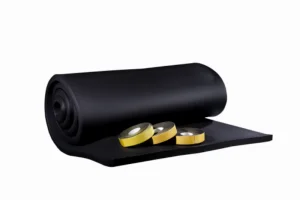
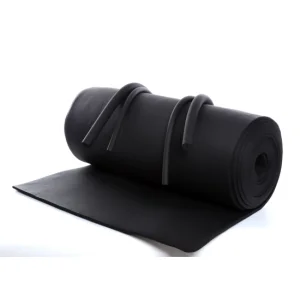
Black Rubber Foam Insulation Sheet Roll

Standard Dimensions: Material: NBR/PVC | Thickness: 6mm - 50mm | Density: 40 - 55 kg/m³ | Service Temperature Range: -40℃ to 105℃

Key Advantages:

  • Foams evenly and fully, closed-cell rate over 98%, excellent thermal insulation.
  • Fully closed-cell structure, low moisture absorption, stable long-term thermal conductivity.
  • Compression resilience over 80% with quick shape recovery.
  • Flame retardant, self-extinguishing off fire, meeting Class 0 / Class 1 safety codes.
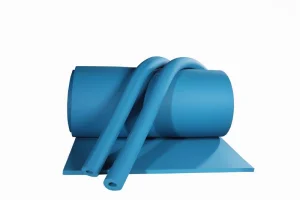
Rubber Foam Roll Detail 1
Rubber Foam Roll Detail 2
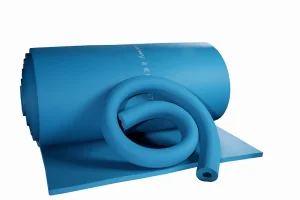
Rubber Foam Roll Detail 3
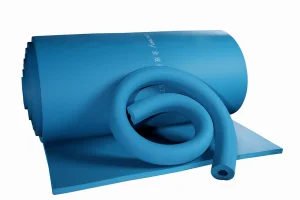
Rubber Foam Roll Detail 4
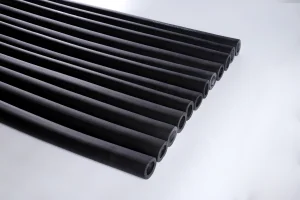
Rubber Foam Pipe Detail 1
Rubber Foam Pipe Detail 2
Rubber Foam Pipe Detail 3
Rubber Foam Pipe Detail 4

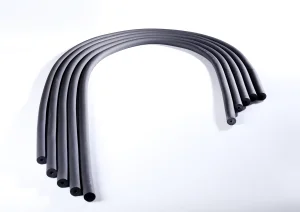
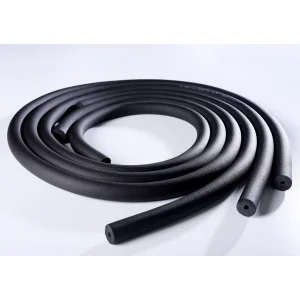
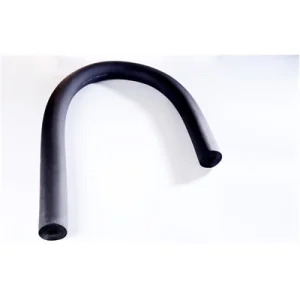
Black Rubber Foam Insulation Pipe

Standard Dimensions: Material: NBR/PVC | Thickness: 9mm - 40mm | ID (Inner Diameter): 6mm - 114mm | Service Temperature Range: -40℃ to 105℃

Key Advantages:

  • Closed cell rate over 98% ensures stable long-term insulation performance.
  • Extruded design ensures a snug fit over pipe outer diameters, preventing air pockets.
  • Protects lines from cold-draft energy loss, freezing, and bursting.
  • Provides structural damping to minimize fluid velocity noise along the pipeline.

Global Project Validation & International Certifications

Our commitment to E-E-A-T is backed by continuous testing, global certifications, and positive feedback from industrial procurement teams worldwide.

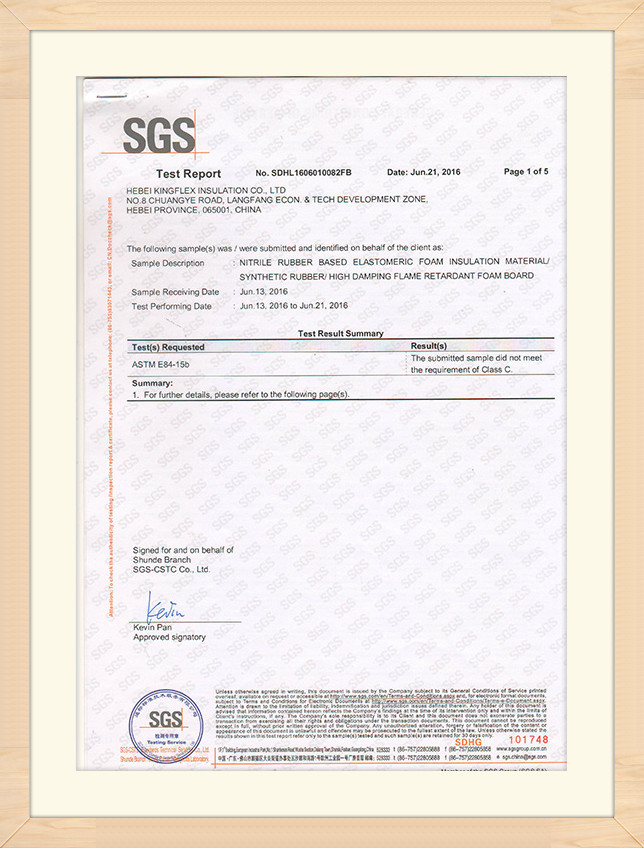
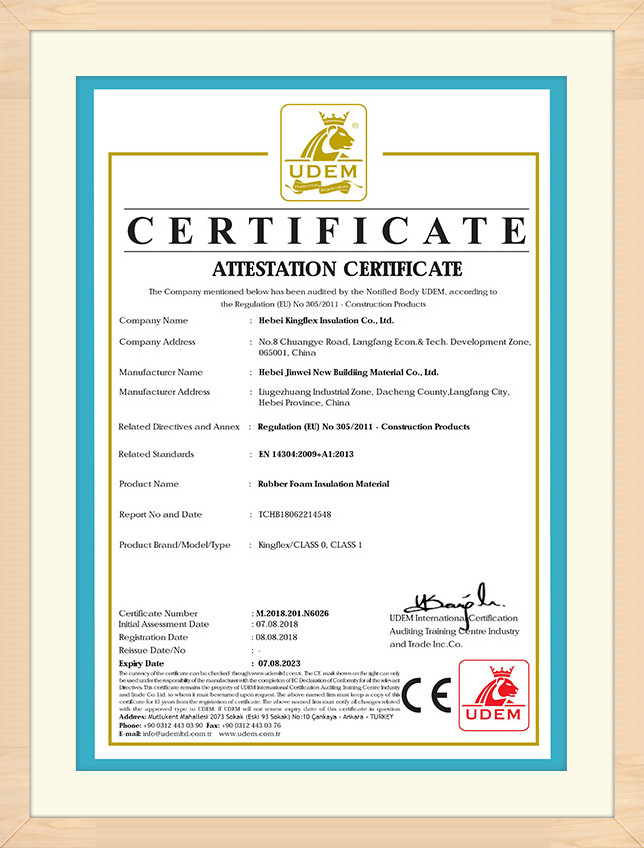
ASTM Certification Standard Document
BS 476 Quality Certificate
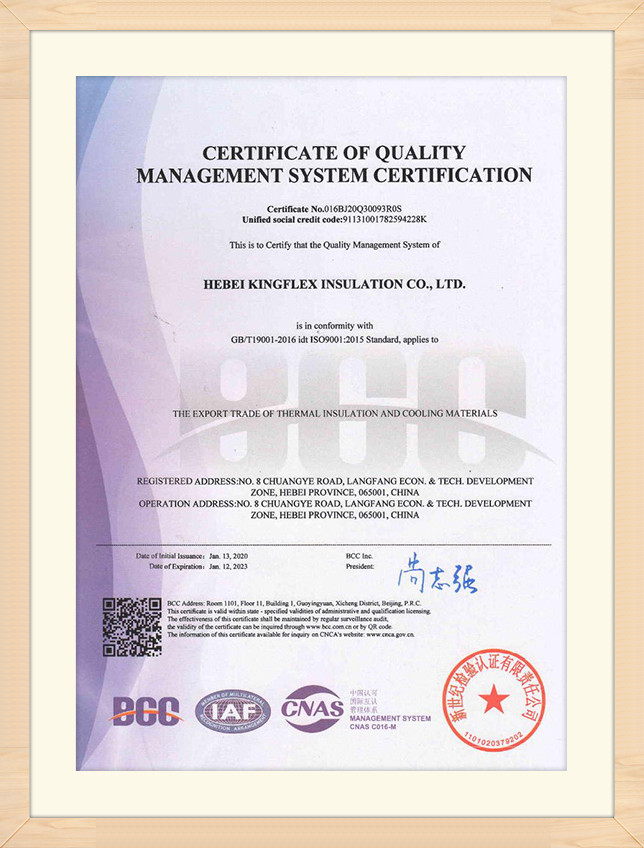
ISO Quality Compliance Certificate

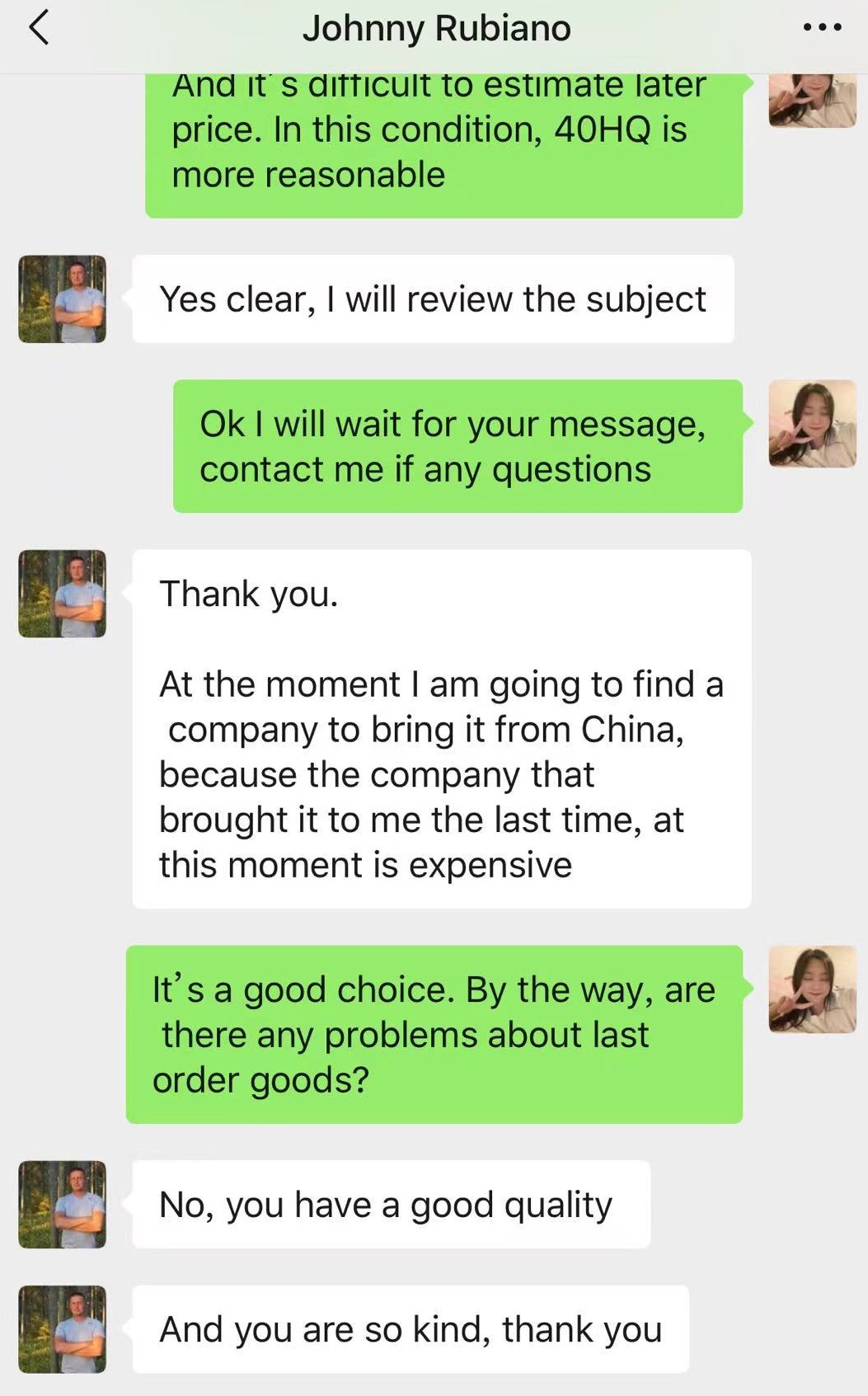
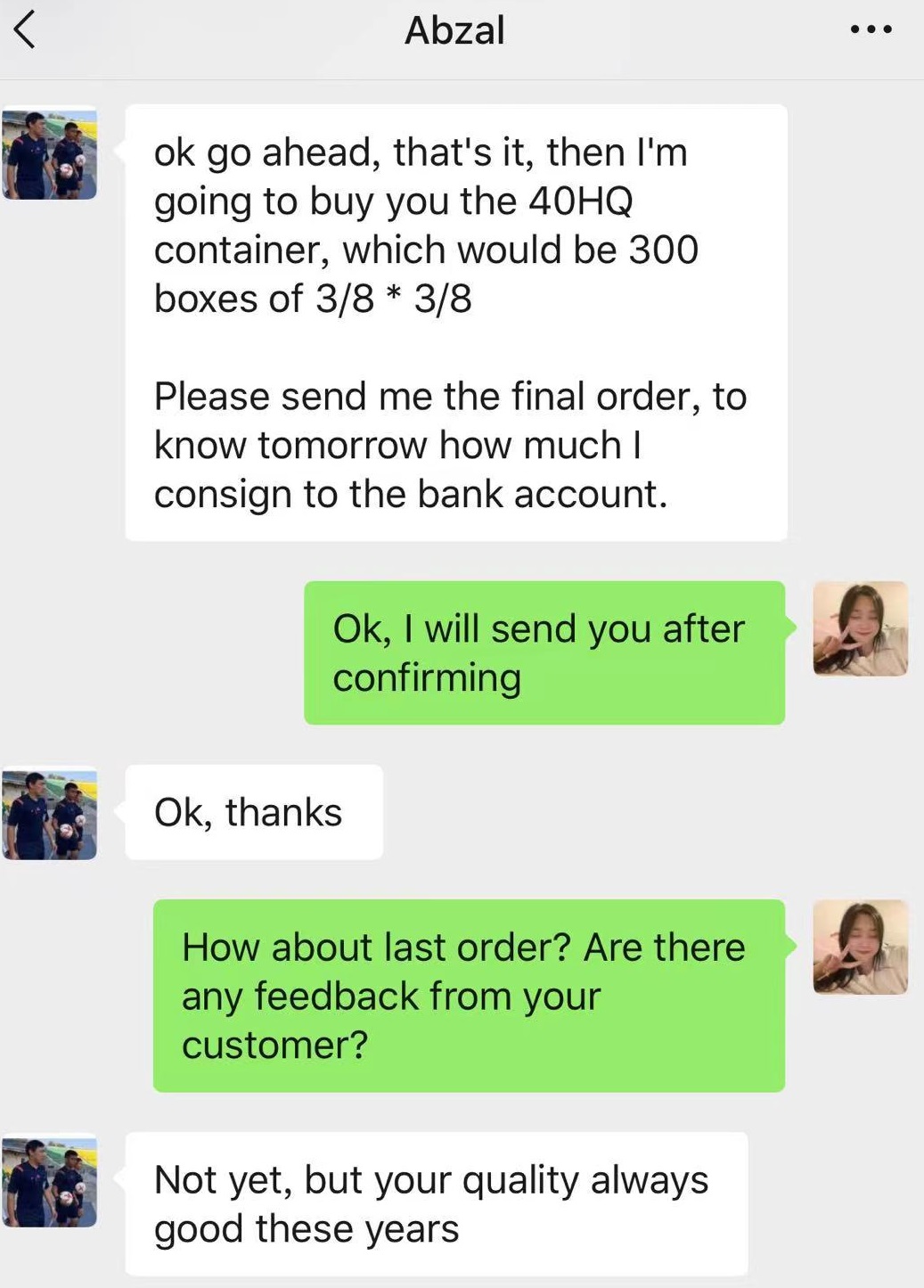
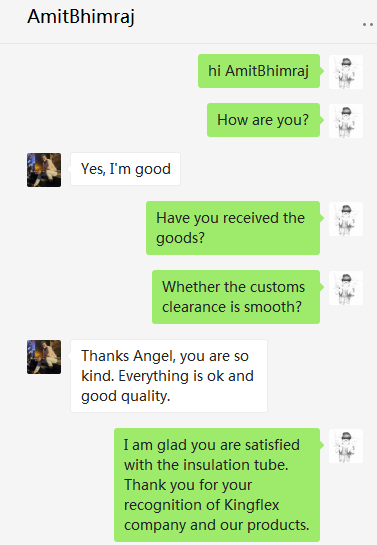
Customer Validation and Logistics Transparency

Every shipment from our factory is fully traceable, from raw materials to final shipping container. This transparency ensures consistent performance across all batches.

Our sales team works closely with global clients to ensure quick turnarounds, precise customs documentation, and reliable scheduling, meeting the tight timelines of major infrastructure projects.

Customer Chat Proof 1
Customer Chat Proof 2
Customer Chat Proof 3

Project Showcases

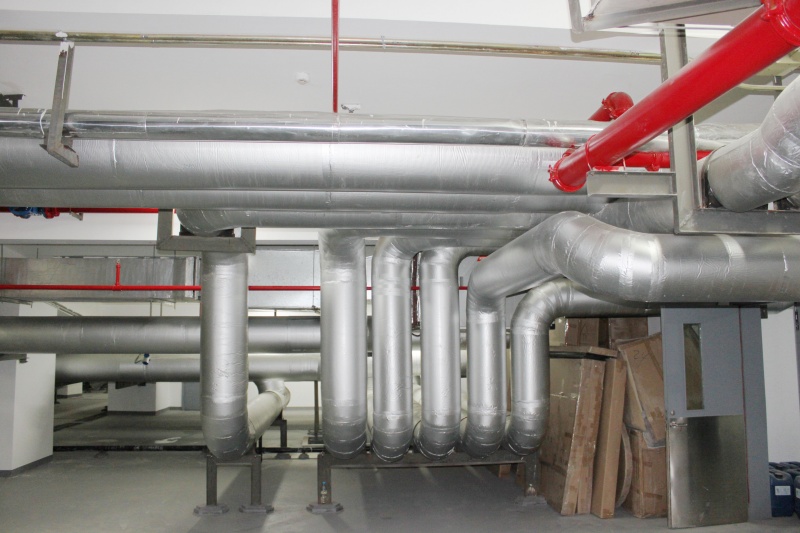
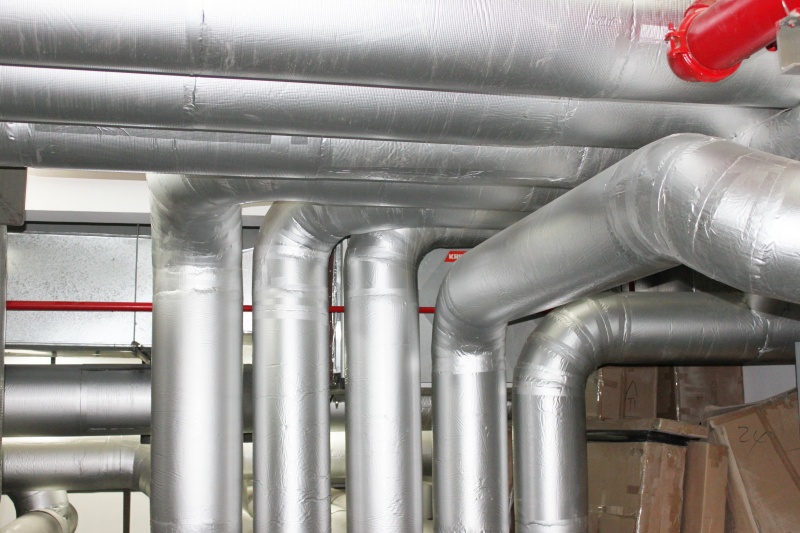
HVAC Pipe Project Case 1
HVAC Pipe Project Case 2
HVAC Pipe Project Case 3
HVAC Pipe Project Case 4

Advanced Sourcing Strategy & Quality Selection Checklist

When sourcing outdoor pipe insulation from Chinese factories, procurement teams should look beyond unit cost. To ensure reliable performance over a 15-year lifecycle in demanding environments, consider the following technical factors:

  1. Chemical Composition Analysis (NBR vs. EPDM): Standard Nitrile Butadiene Rubber (NBR) blended with Polyvinyl Chloride (PVC) offers excellent thermal efficiency and oil resistance. For extreme UV exposure without outer cladding, confirm the formulation includes UV stabilizers or select specialized EPDM-based compounds.
  2. Cell Size and Distribution Uniformity: Consistent micro-cell diameters prevent moisture propagation. High-magnification quality checks can confirm uniform cell size, which ensures reliable insulation and moisture resistance.
  3. Water Vapor Permeability Coefficient ($\mu$): A higher water vapor resistance factor ($\mu \ge 10,000$) reduces the risk of water vapor entering the insulation, preventing loss of thermal performance and mitigating corrosion under insulation.
  4. Fire Safety Compliance: Ensure materials carry verified class certificates (e.g., ASTM E84 Class A, BS 476 Part 6 & 7 Class 0, or UL94 V-0 flame ratings) to meet municipal building and fire safety codes.

Kingflex addresses these requirements by monitoring production parameters in real time on our automated extrusion lines, delivering consistent quality for every shipment.

Specialized Product Offerings

Explore our range of elastomeric rubber foam sheets, cryogenic insulation, and rock wool options designed for industrial and commercial projects.

Rubber elastomeric foam insulation tube

Rubber elastomeric foam insulation tube

High flexibility, closed-cell NBR tube for HVAC/R system pipelines.

Read More
Corrosion Resistant Rubber Foam Insulation Tube

Corrosion Resistant Rubber Foam Insulation Tube

Specially treated formulation to prevent chemical degradation and CUI.

Read More
Elastic Rubber Foam Insulation Pipe

Elastic Rubber Foam Insulation Pipe

Highly elastic design allows fast installation on complex elbows and valves.

Read More
Black Rubber Foam Insulation Pipe

Black Rubber Foam Insulation Pipe

Industrial-grade insulation pipe designed to limit energy loss in steam systems.

Read More
Foam Rubber Foam Insulation Tube

Foam Rubber Foam Insulation Tube

Consistent density profile ensures stable performance under high environmental stress.

Read More
HVAC Rubber Foam Insulation Tube

HVAC Rubber Foam Insulation Tube

Engineered specifically to manage condensation on HVAC refrigerant lines.

Read More
Elastomeric rubber foam insulation system for ULT

Elastomeric rubber foam insulation system for u...

Multi-layer system designed for ultra-low temperature and cryogenic lines.

Read More
Kingflex flexible insulation material for cryogenic

Kingflex flexible insulation material for cryog...

Maintains flexibility and prevents cracking down to -200°C.

Read More
Cryogenic rubber foam for low temperature

Cryogenic rubber foam for low temperature and h...

Provides thermal barrier protection for demanding cryogenic process systems.

Read More
Elastomeric cryogenic insulation for low temp

Elastomeric cryogenic insulation for low temper...

High-density cryogenic barrier that limits energy transfer on LNG supply lines.

Read More
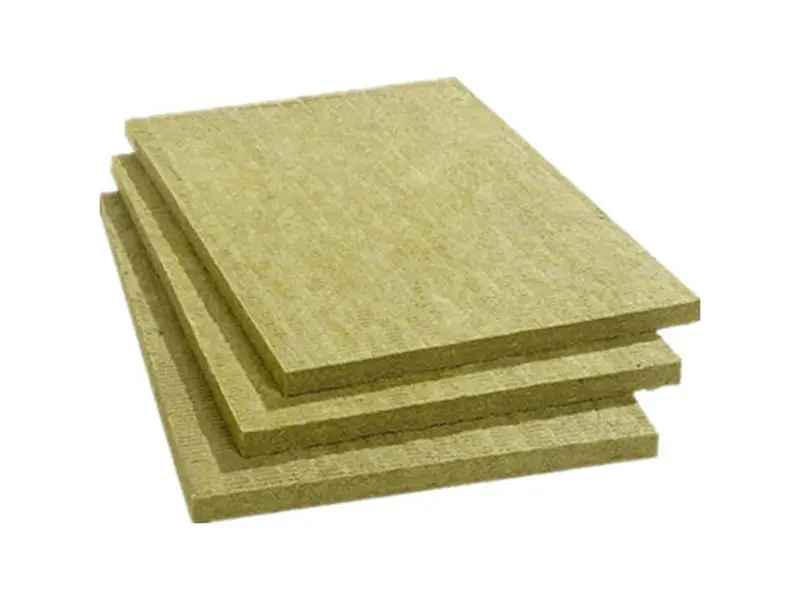
Rock Wool Insulation Board

Rock Wool Insulation Board

High-density stone wool board designed for high-temperature and structural fire barriers.

Read More
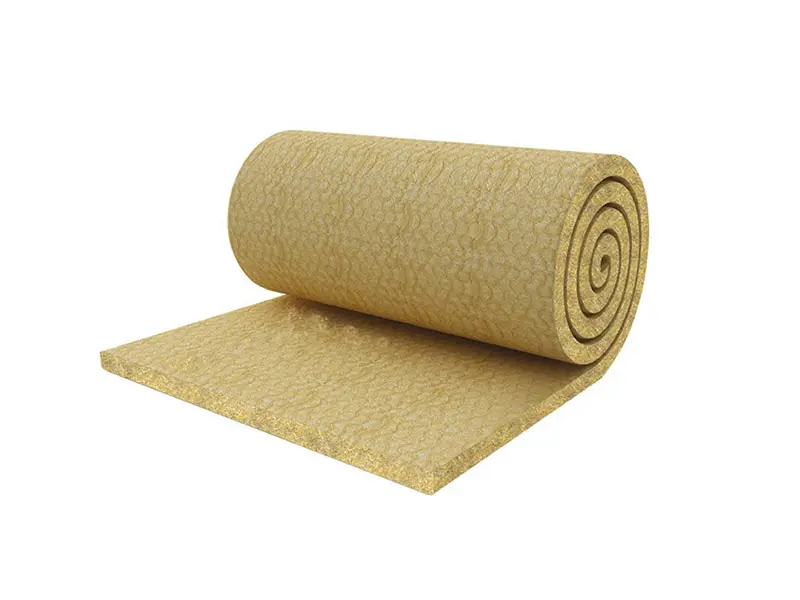
Rock wool thermal insulation blanket

rock wool thermal insulation blanket

Flexible rock wool blanket designed for high-temperature vessels and large-diameter pipelines.

Read More

Frequently Asked Questions

Get answers to common technical, installation, and procurement questions from our engineering team.

Q1: What is elastomeric rubber foam insulation used for?
A1: It is primarily used for insulating HVAC/R ducts, chilled and hot water pipes, building walls and roofs, and industrial process piping to prevent condensation, reduce energy loss, and dampen acoustics.
Q2: Is Kingflex rubber foam insulation fire resistant?
A2: Yes, our insulation has built-in flame retardants. It is self-extinguishing and meets major fire safety standards, including BS 476, Class 0/Class 1, and UL94 V-0 certifications.
Q3: What is the difference between rubber foam and rock wool insulation?
A3: Rubber foam is a flexible, closed-cell material with high moisture resistance, making it ideal for HVAC/R and sub-zero applications. Rock wool is a fibrous material with high temperature resistance, making it suitable for industrial heat applications and structural fire barriers.
Q4: Do you provide customized insulation products?
A4: Yes, we provide OEM services. We can customize dimensions, thicknesses (from 6mm to 50mm), inner diameters for piping, color codes, and self-adhesive backings to meet project requirements.
Q5: What certifications do your products have?
A5: Our products hold certifications from BS 476, CE, REACH, RoHS, UL94, and ASTM, ensuring compliance with building and industrial regulations globally.
Q6: Does Kingflex have quality traceability for its products?
A6: Yes. We use an ERP-driven manufacturing system to trace every production batch back to its raw material components and processing conditions.
Q7: What thickness of rubber foam sheet roll can you produce?
A7: We produce sheet insulation rolls in thicknesses ranging from 6mm to 50mm, configured to meet varying thermal load requirements.
Q8: What is the typical service life of your rubber foam insulation?
A8: Properly installed, our closed-cell rubber foam insulation provides a service life of 10 to 15 years in typical environmental conditions.
Partner Logo 1
Partner Logo 2
Partner Logo 3
Partner Logo 4
Partner Logo 5
Partner Logo 6
Partner Logo 7
Partner Logo 8
Partner Logo 9
Partner Logo 10
Partner Logo 11
Partner Logo 12
Partner Logo 13
Partner Logo 14
Partner Logo 15
Partner Logo 16
Partner Logo 17