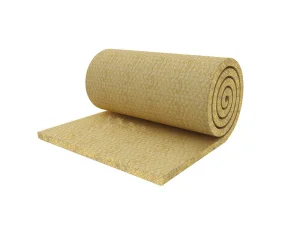
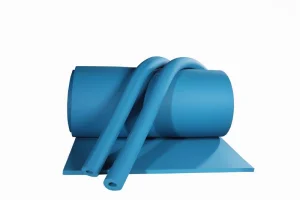
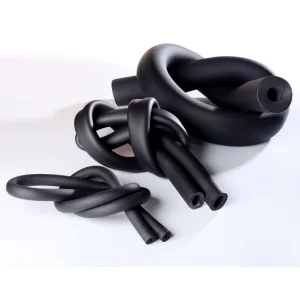
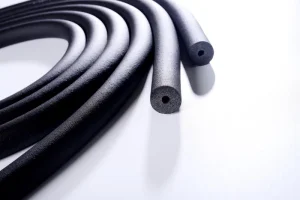
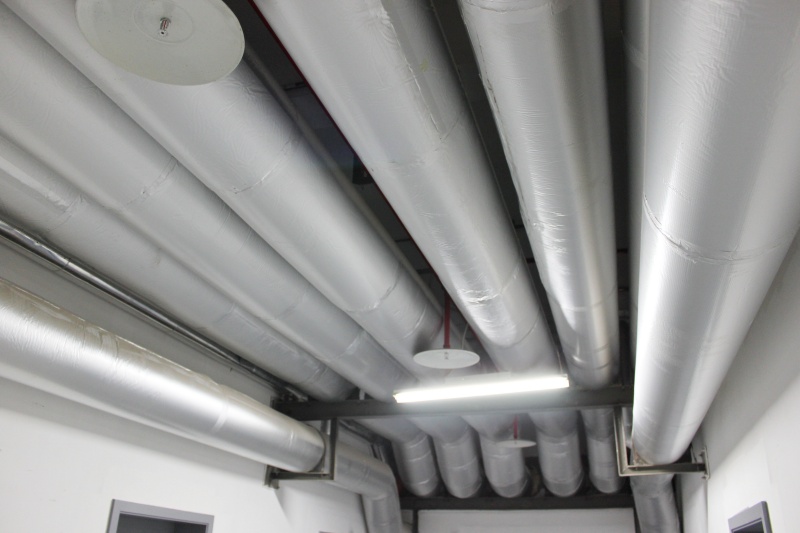
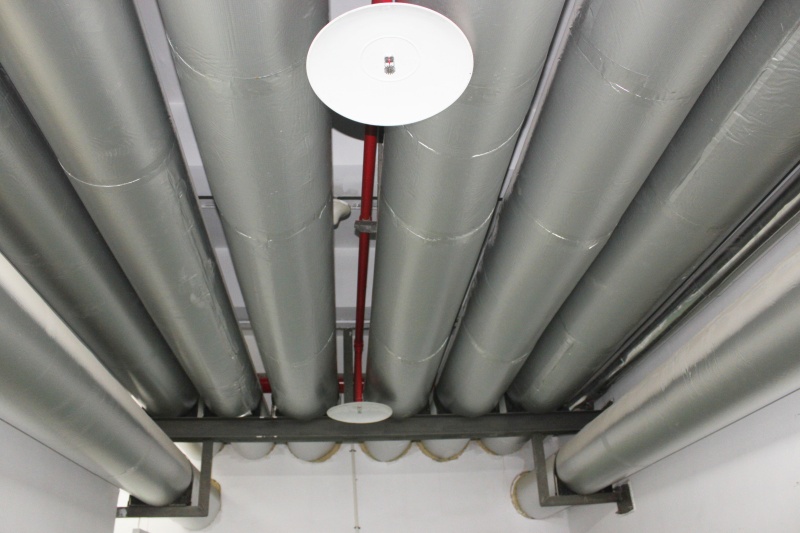
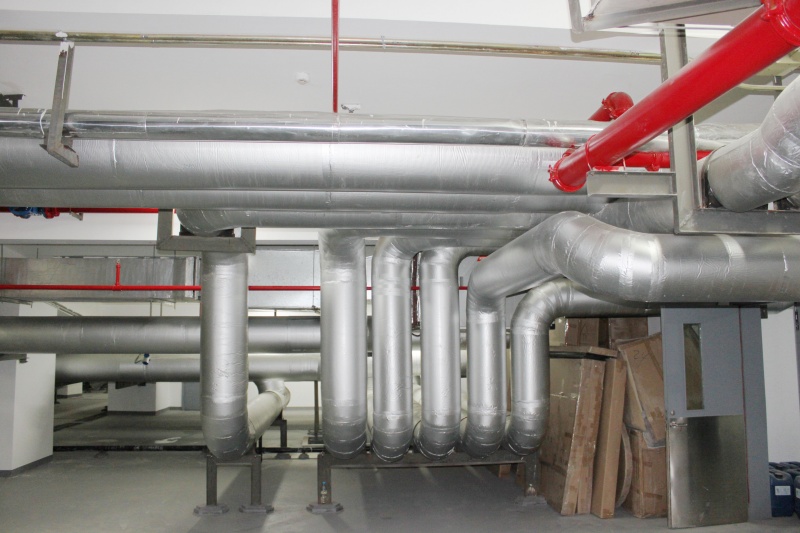
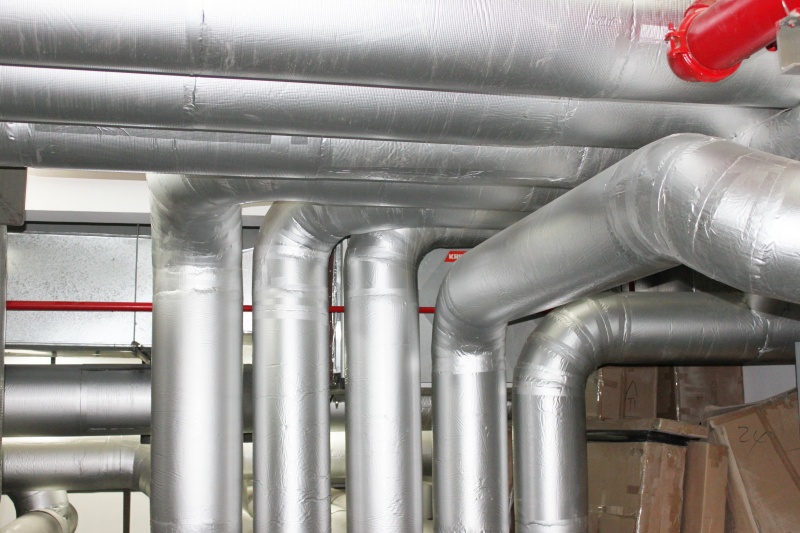
Explore our top-tier catalog of elastomeric rubber foam insulation, high-temperature rock wool blankets, and specialized cryogenic sheet solutions engineered for global industrial infrastructure.
Executive Summary: Risk Controls in Modern Pipe Insulation Operations
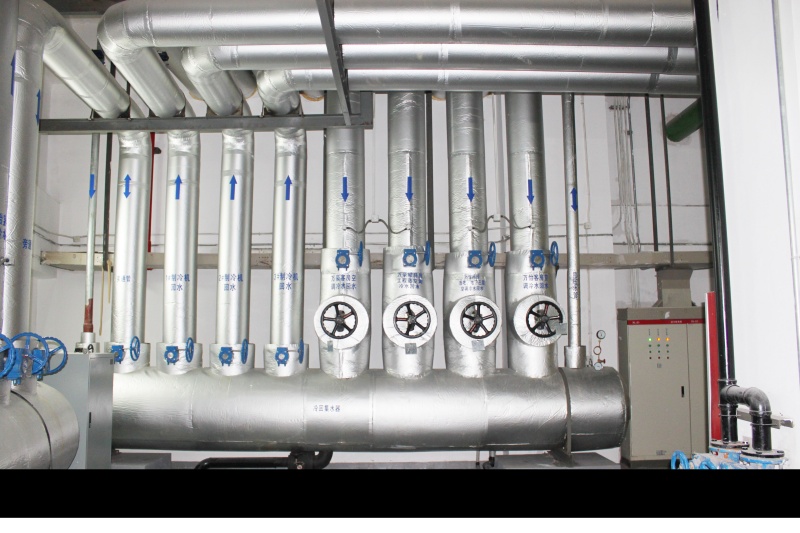
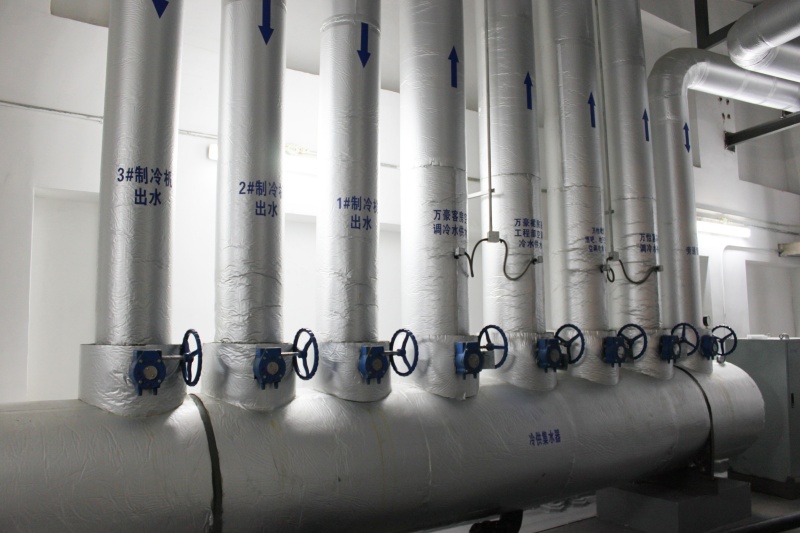
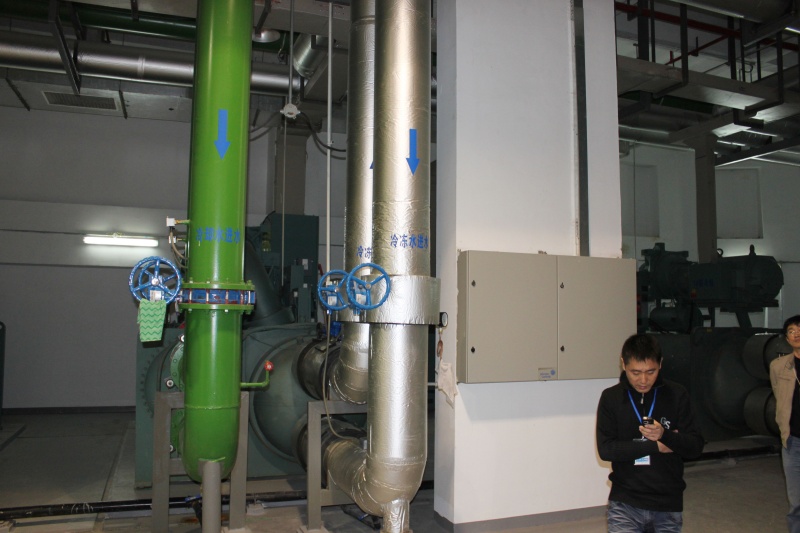
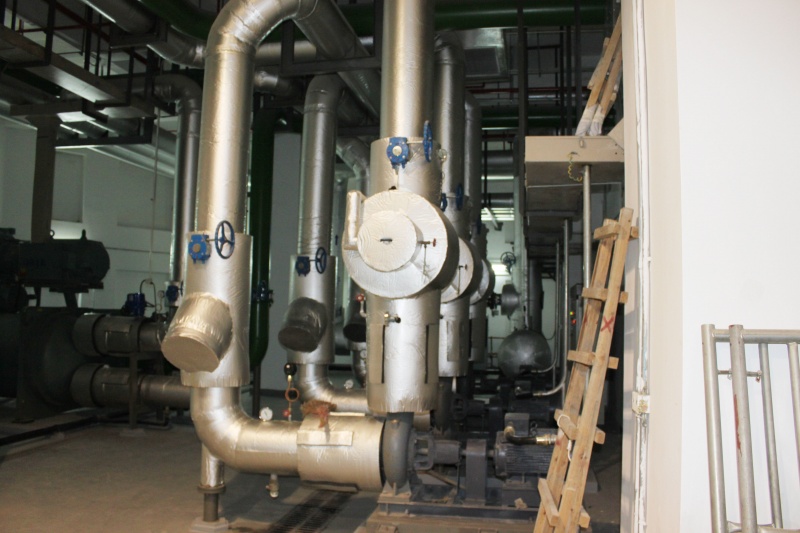
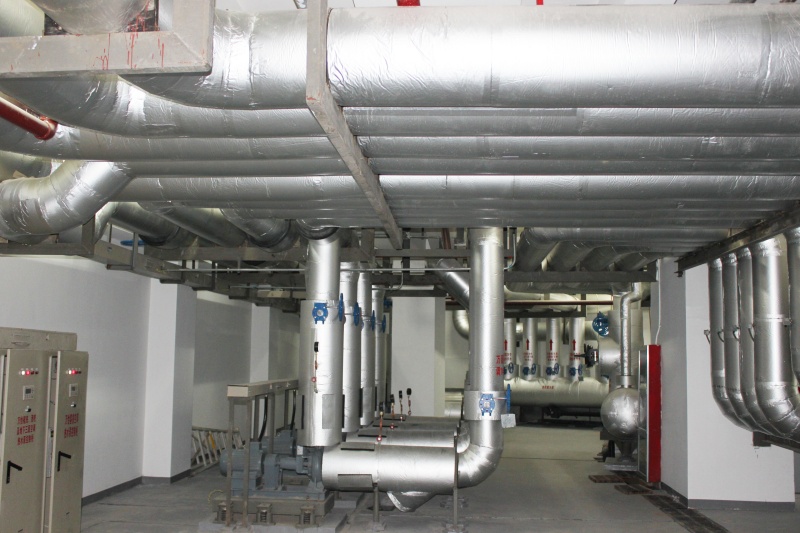
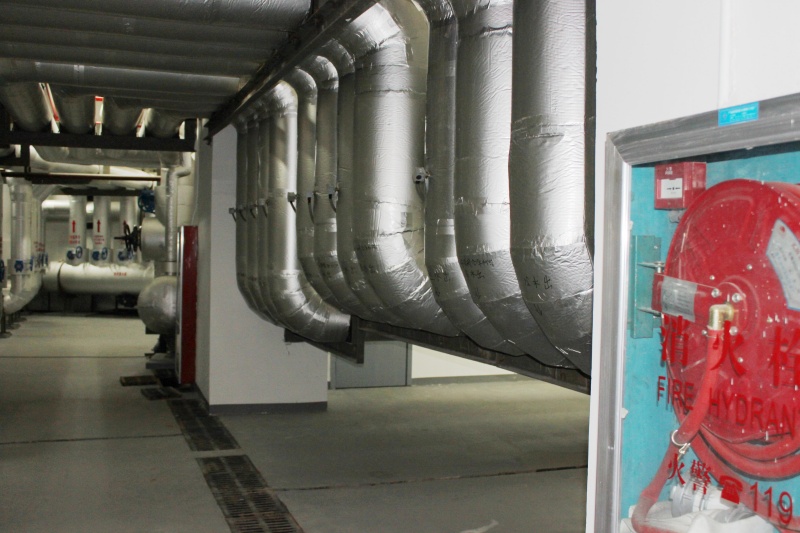
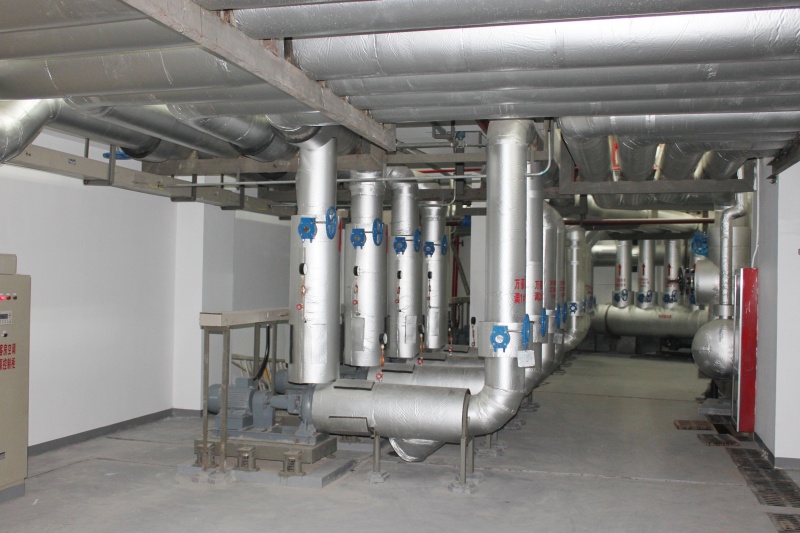
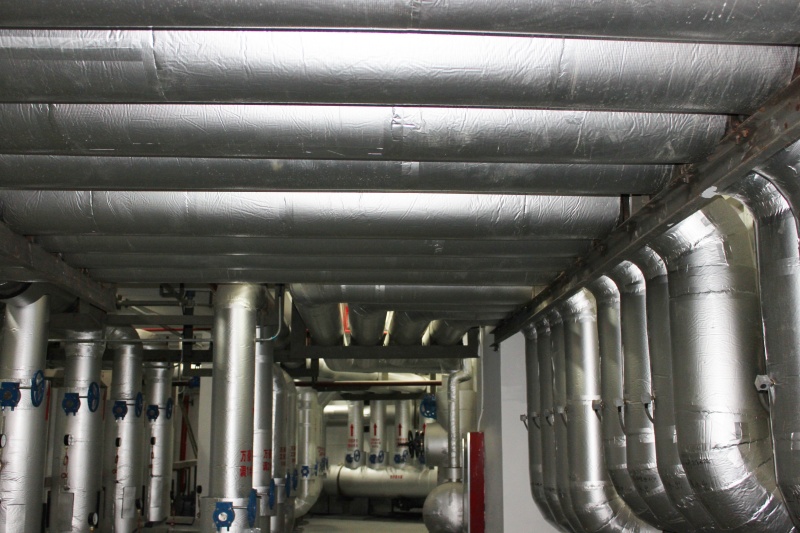
Pipe insulation installation is a critical component of HVAC engineering, industrial chemical transportation, cryogenic systems (such as Liquefied Natural Gas - LNG storage), and power generation plants. However, the execution of pipe insulation work exposes field operators, project managers, and facility structures to multifaceted hazards. Performing a rigorous China risk assessment for pipe insulation work is essential to ensure compliance with occupational safety regulations, mitigate hazardous exposures, control thermal losses, and secure cost-effective factory quotes.
This white paper outlines the standard operational risks associated with thermal insulation systems (specifically NBR/PVC elastomeric rubber foam, glass wool, and high-density rock wool), establishes safety mitigation protocols, and explains how sourcing insulation materials from qualified Chinese manufacturing hubs like Kingflex Insulation Co., Ltd. addresses the trifecta of cost, compliance, and thermal security.
Technical Hazard & Risk Mitigation Matrix
Effective installation projects require systematic analysis of structural, environmental, and human hazards.
Particulate & Fiber Inhalation Risks
Installing rock wool and fiberglass blankets produces airborne mineral fibers, causing severe respiratory and skin irritation. Risk is high during cutting and mechanical wrapping.
Control: Mandated N95 respirators, safety goggles, and localized ventilation.
VOC & Adhesive Flammability
Self-adhesive backing rolls and liquid elastomeric adhesives release volatile organic compounds (VOCs) that pose toxic inhalation risks and fire hazards in enclosed layouts.
Industrial steam line routing requires scaffold access and installation inside cramped utility shafts, increasing fall risks and limiting egress pathways.
Control: Enforce OSHA-compliant harness tie-offs and atmosphere checking.
Corrosion Under Insulation (CUI)
Water penetration through insulation joints triggers galvanic corrosion in carbon and stainless steel piping, leading to structural failures and pipeline ruptures.
Control: Utilize high closed-cell rate NBR/PVC foam (>98% cell closure).
Global Enterprise Procurement Requirements
Globally, engineering procurement departments (EPCs) place stringent benchmarks on insulation material compliance. Whether sourcing for district cooling loops in the Middle East, cryogenic LNG piping terminals in Europe, or high-rise building HVAC networks in North America, key specifications dictate supplier choice:
Extreme thermal cracking down to -196°C, moisture ingress
ISO 20088-1, ASTM C177
Heavy Power & Steam Systems
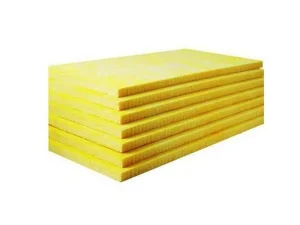
High-density Rock Wool blankets / Fiberglass boards
Thermal dissipation, high temperature (>600°C) structural safety
BS 476 Part 4, ASTM C547
Failing to meet these benchmarks often leads to project halts or costly replacements. That is why procuring from an enterprise featuring vertically integrated manufacturing and certified raw materials, such as Kingflex Insulation, is crucial to global compliance frameworks.
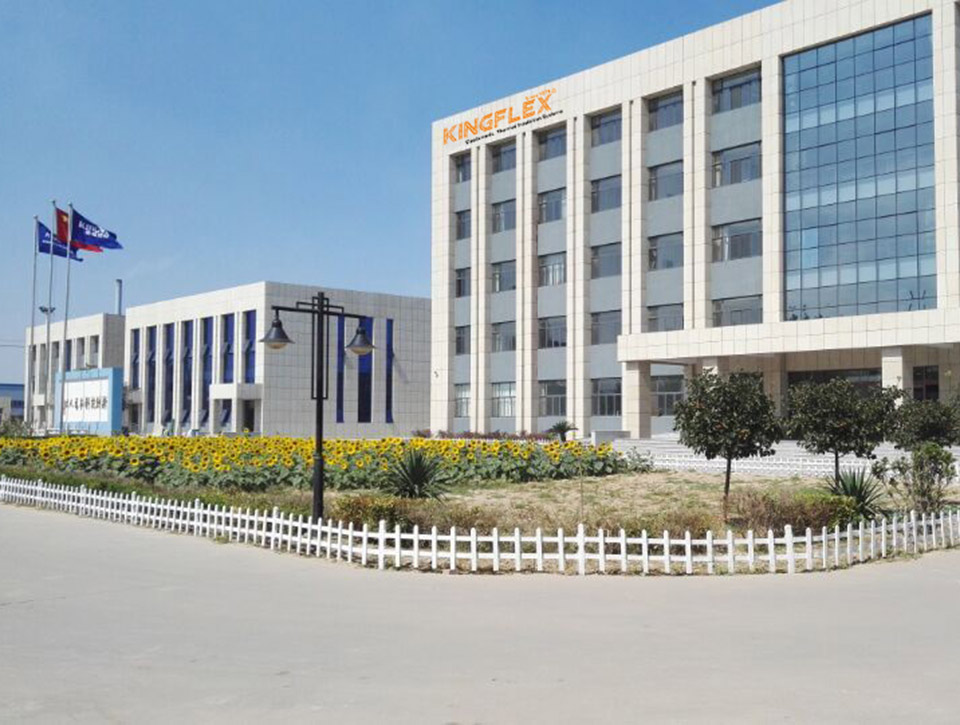
Kingflex Insulation Co., Ltd. is a professional manufacturing and trading combo for thermal insulation products. Kingflex's research development and production facility is located in Dacheng, China—a well-known capital of green building materials.
Operating with a core focus on energy saving and consumption reduction, Kingflex delivers custom insulation solutions across consultation, research and development, production, installation guidance, and post-sale technical support. We drive innovation in the construction, aerospace, chemical, and energy sectors.
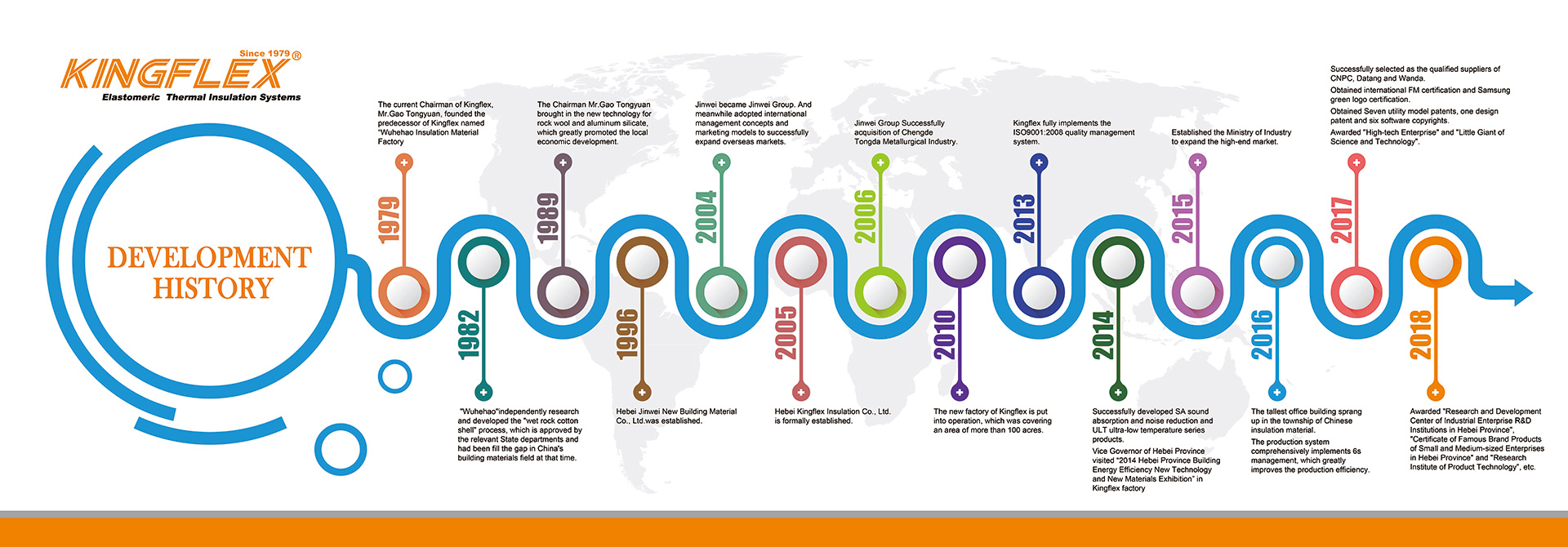
Our History
Kingflex was established by the Jinwei Group, which possesses more than 40 years of industry history. Established in 1979, the group was the first thermal insulation materials manufacturer north of the Yangtze River.
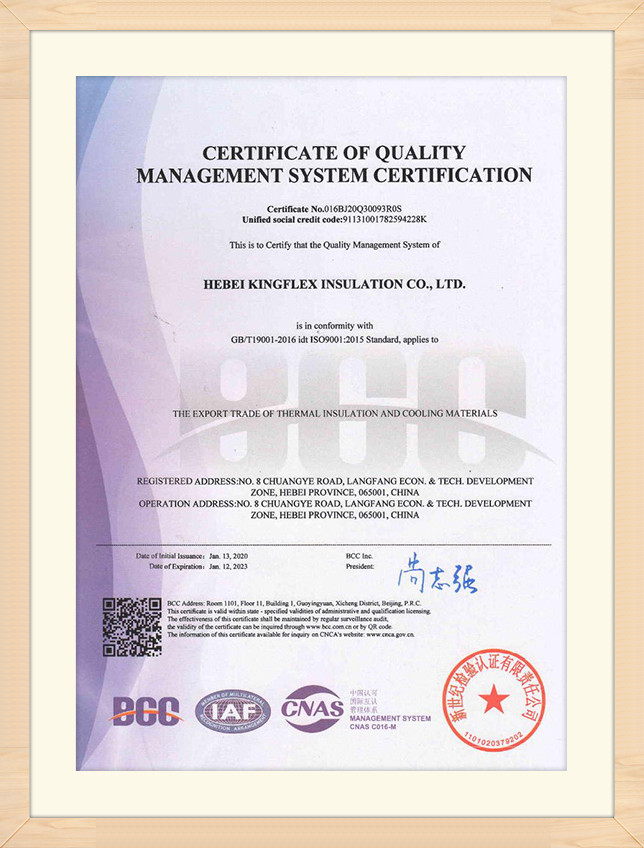
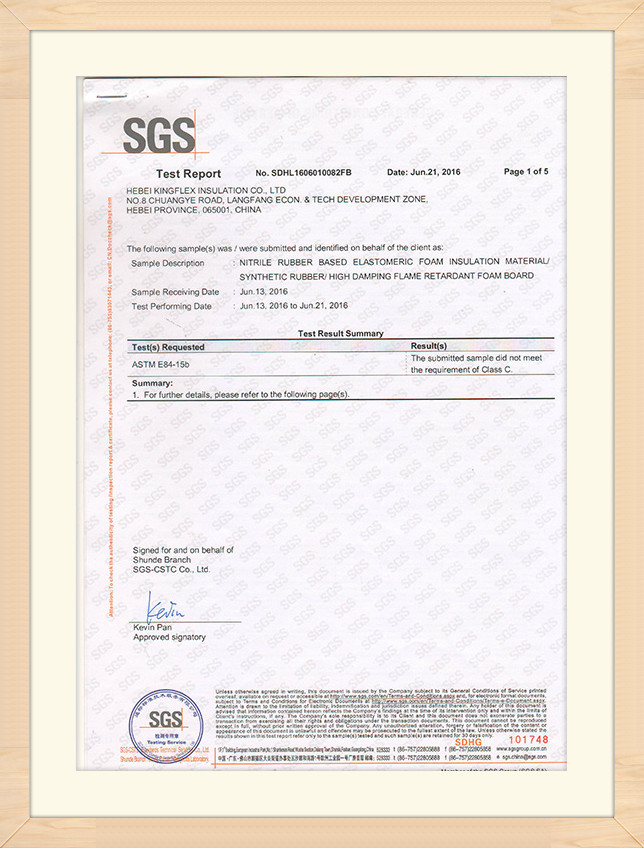
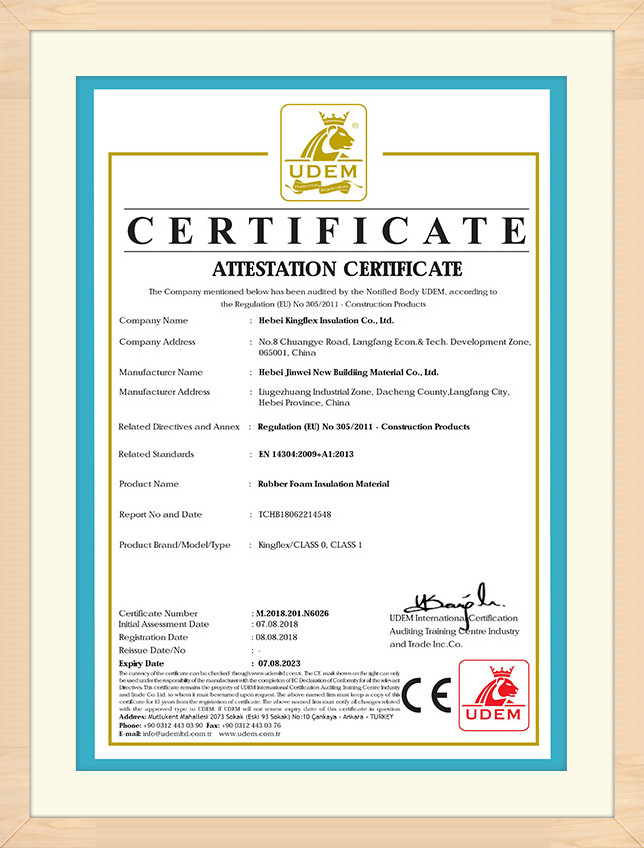
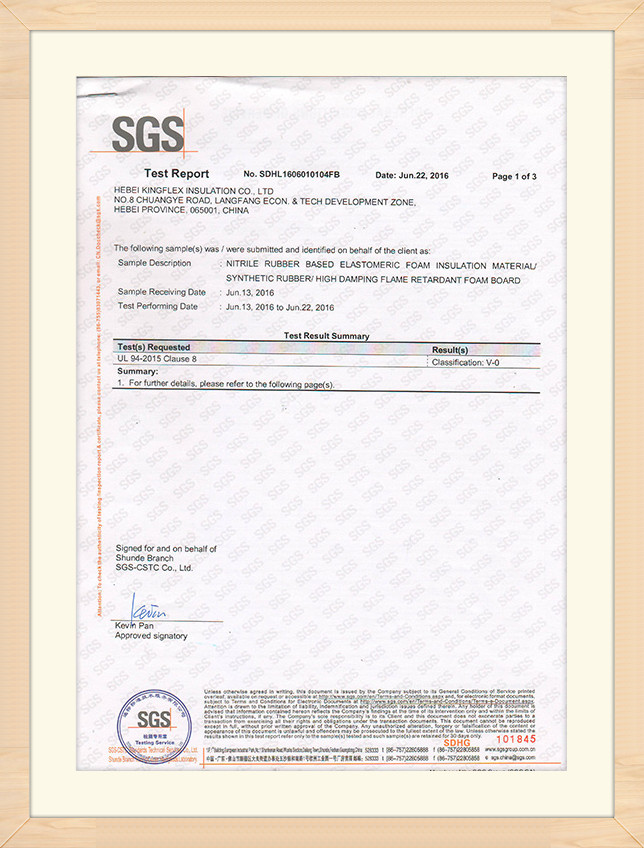
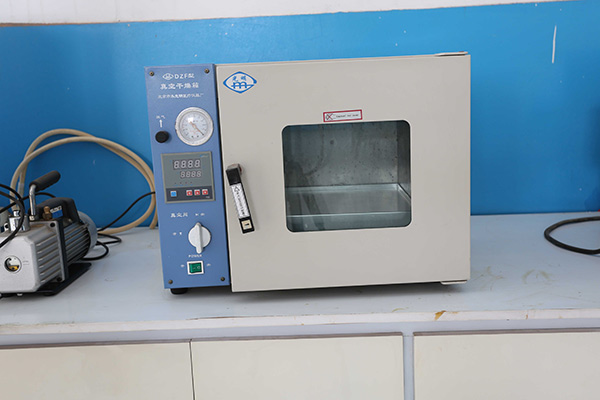
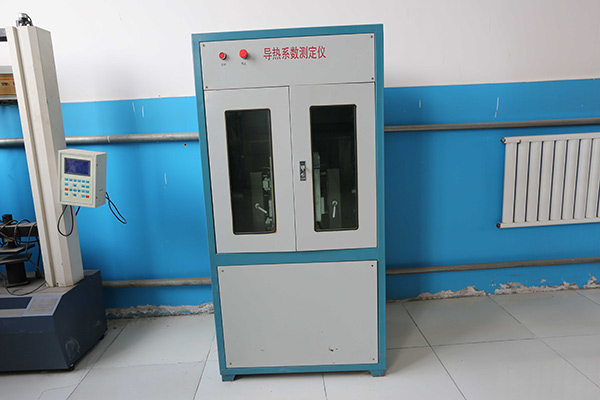
To align with international fire standards and environmental protection protocols, Kingflex materials undergo continuous testing. Our products are engineered to conform with ASTM, BS, UL, and CE requirements.
Research & Development Excellence
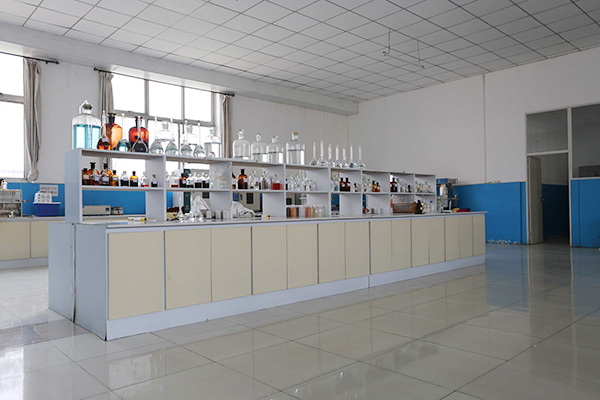
Our dedicated R&D department houses eight professional chemical and thermal engineers focusing on upgrading flame-retardant chemistry, improving thermal aging parameters, and developing ultra-low temperature cryogenic elastomeric matrices.
By synthesizing NBR (Nitrile Butadiene Rubber) and PVC (Polyvinyl Chloride) under precise automated controls, Kingflex produces an elastomer that exhibits high resistance to moisture vapor diffusion, extremely low thermal conductivity (k-value), and outstanding mechanical stretchability.
Project Engineering case studies & Client Endorsement
Through systematic process control, Kingflex coordinates directly with overseas contractors, verifying installation layouts, advising on correct insulation thicknesses, and providing custom fabrication quotes for bends, valves, and tee sections.
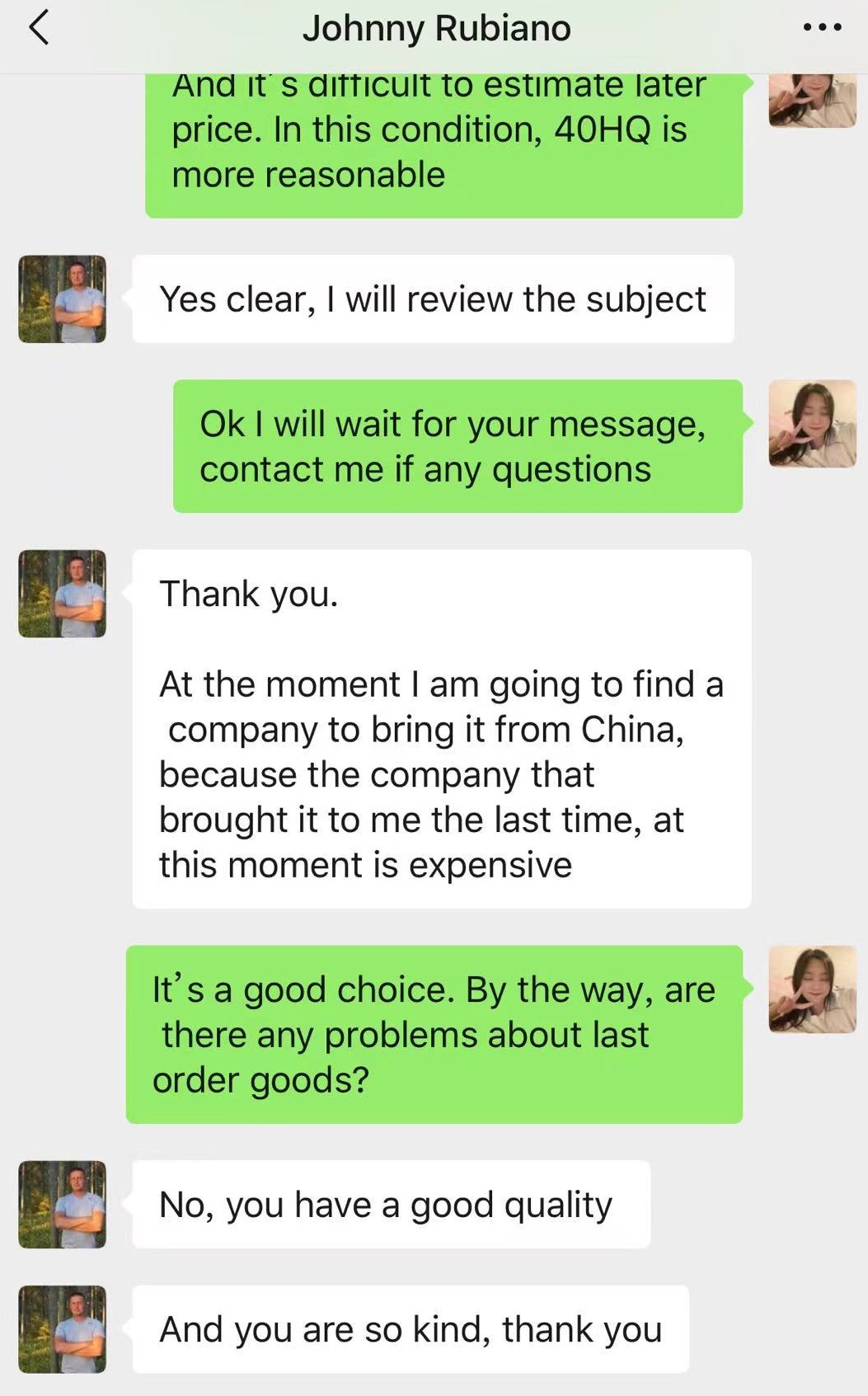
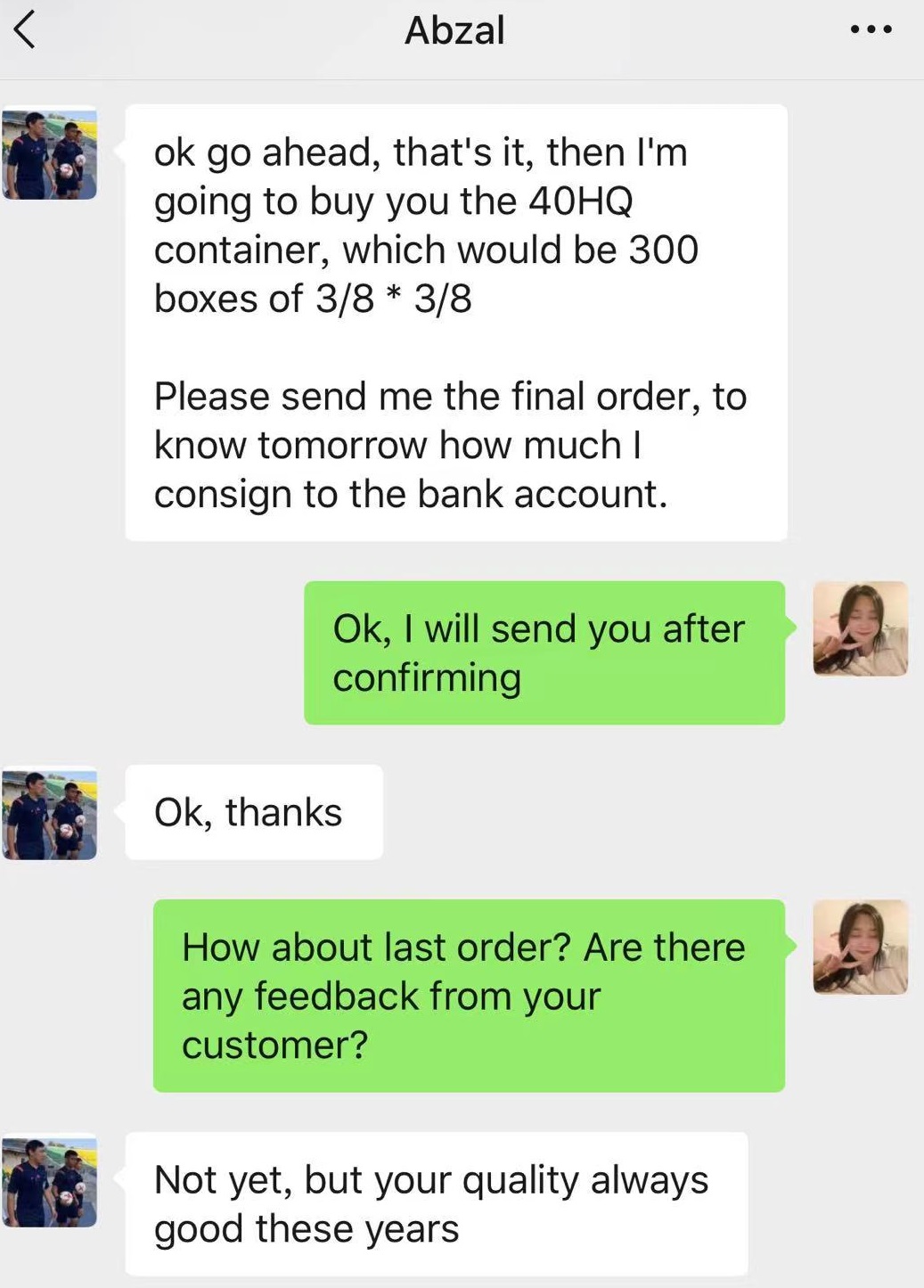
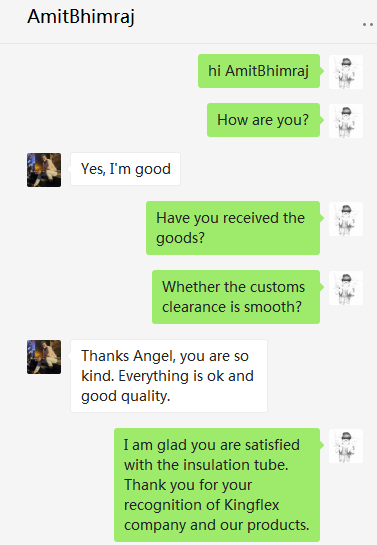
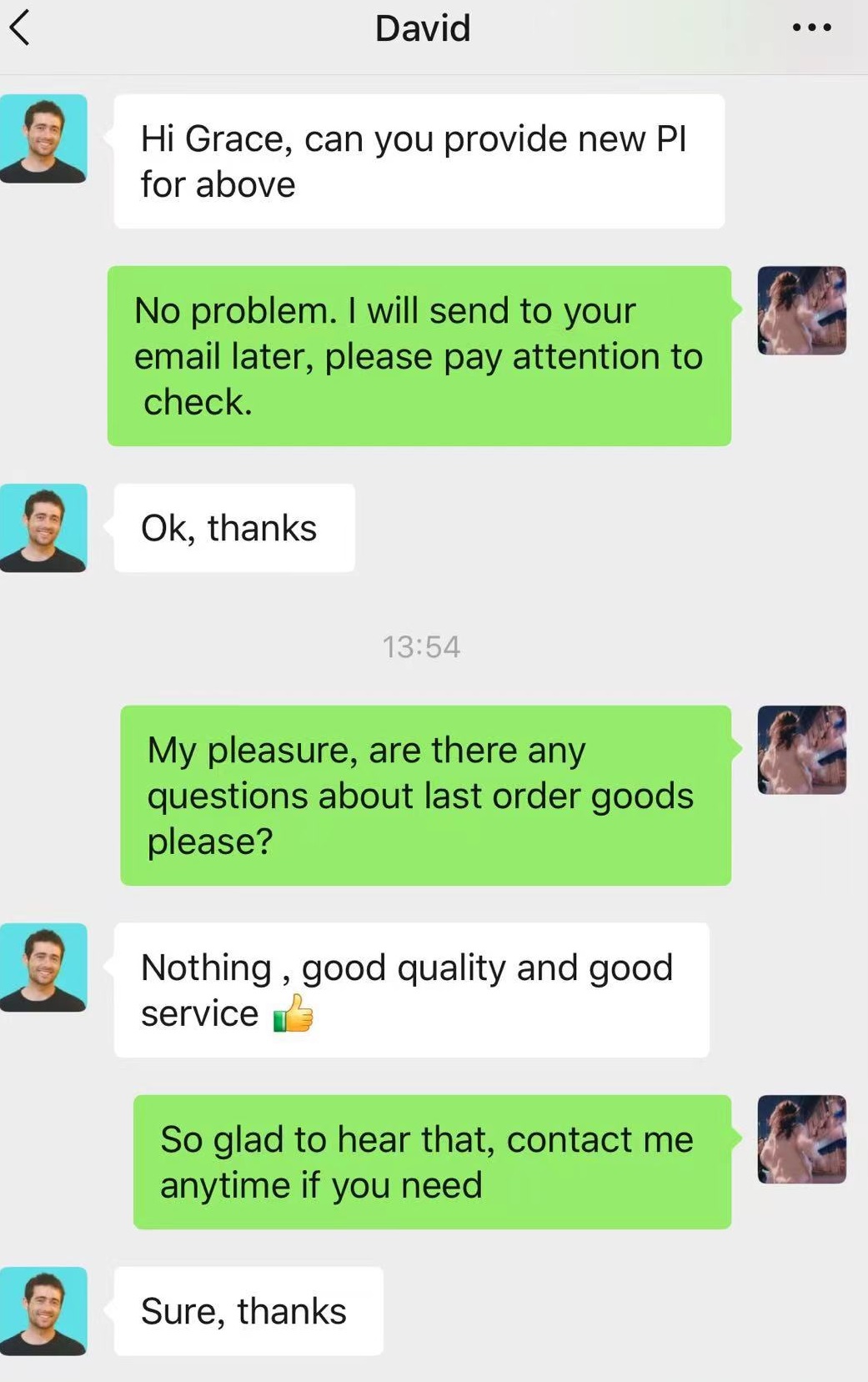
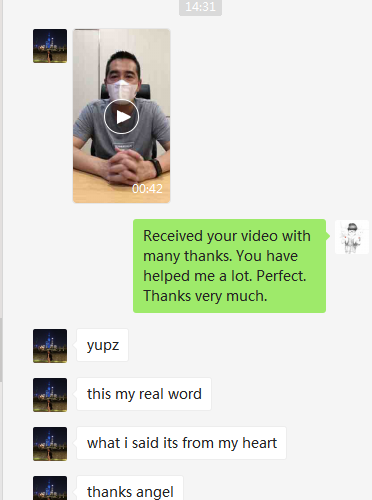
We maintain full transparency with clients globally regarding production logs, dispatch timelines, and testing certifications. Below are actual screenshots demonstrating our rapid feedback loops, packaging standards, and QA coordination.
Deep Technical Specifications & System Layout
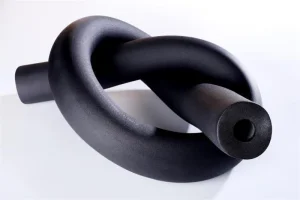
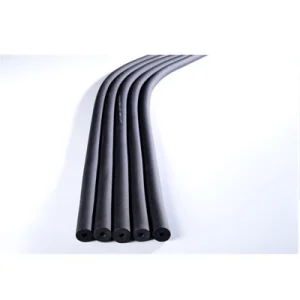
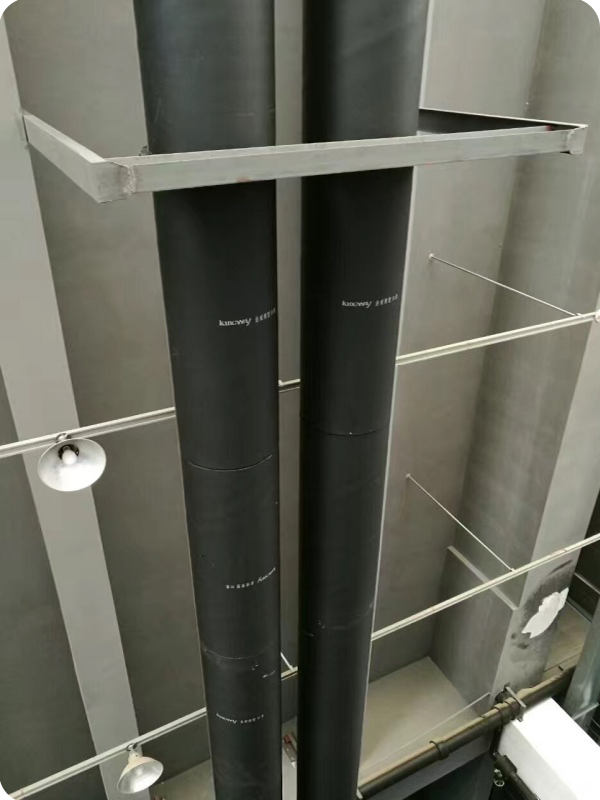
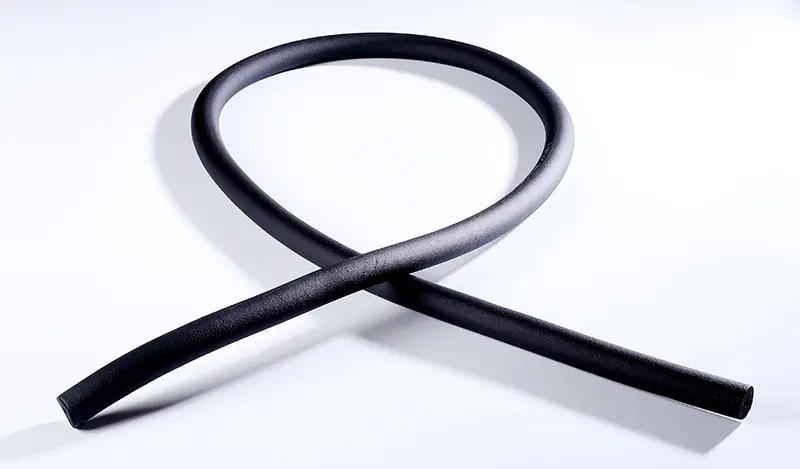
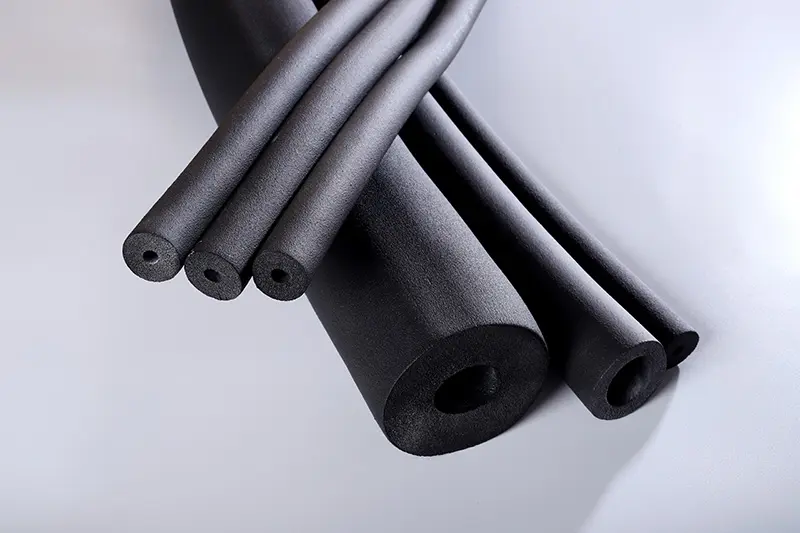
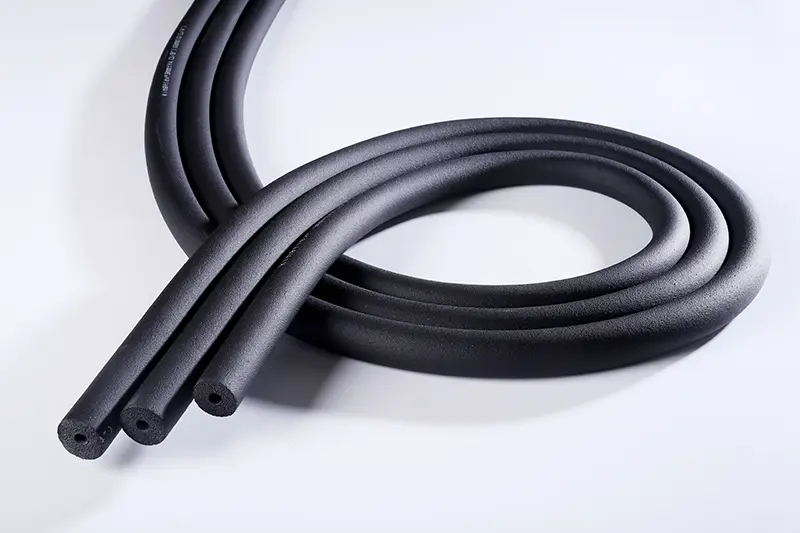
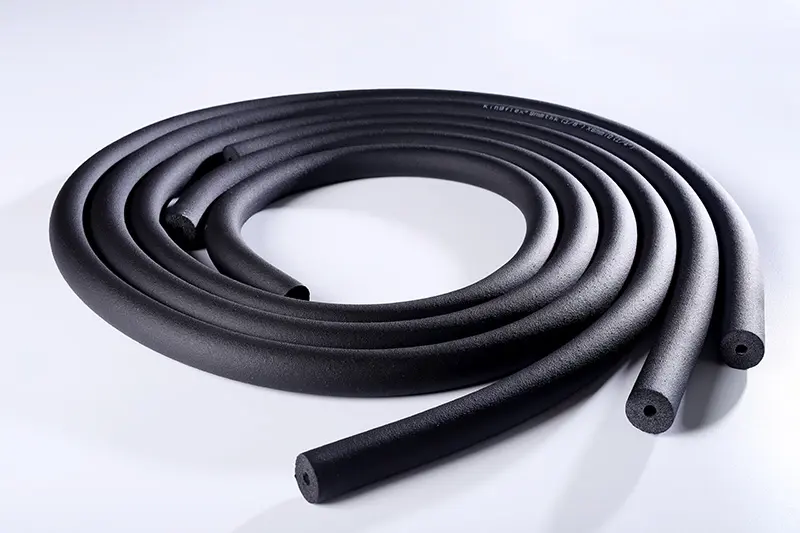
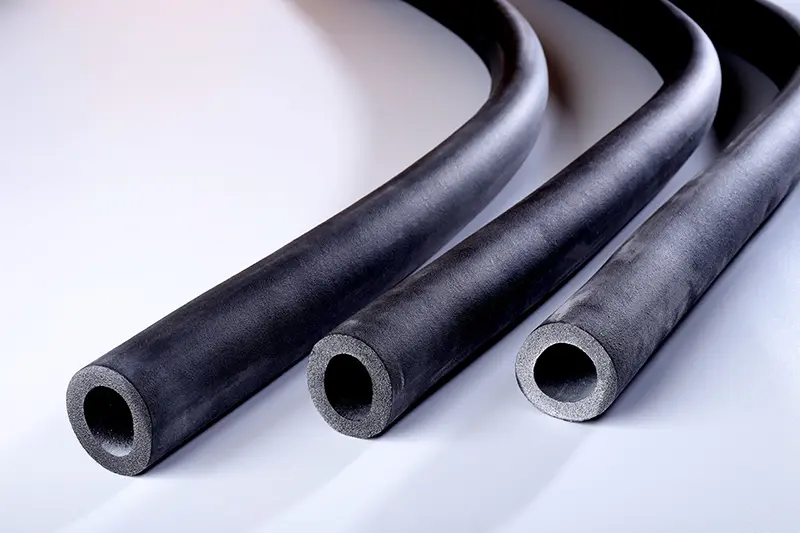
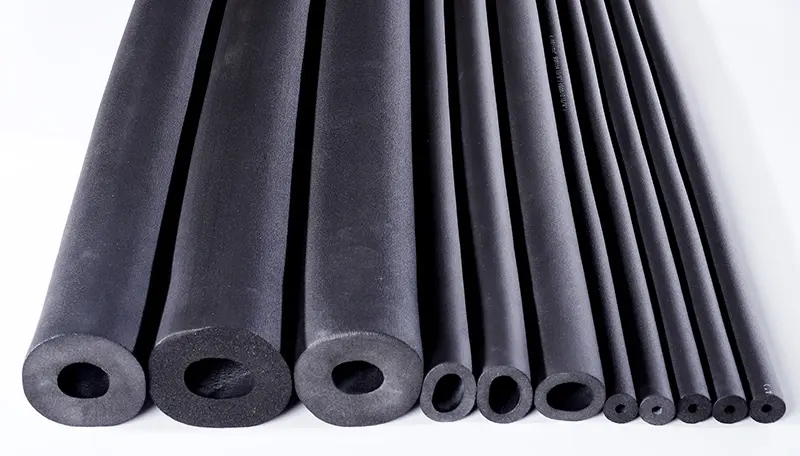
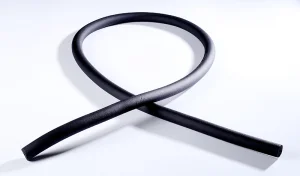
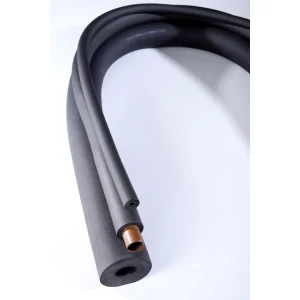
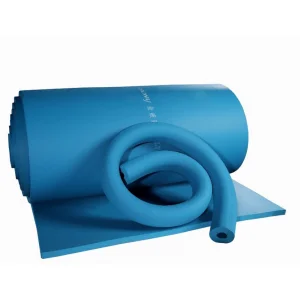
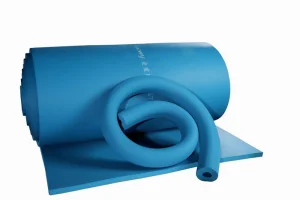
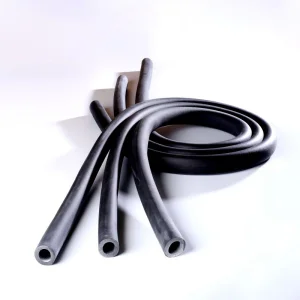
Select from our core rubber foam rolls or pre-extruded insulation pipe tubing lines depending on pipeline geometry and thermal load limits.
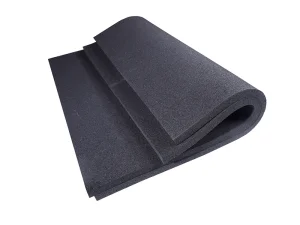
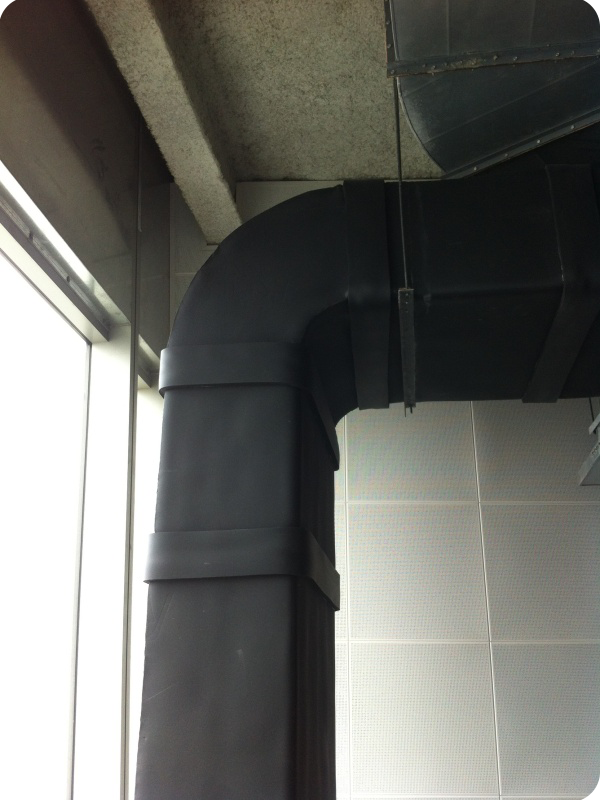
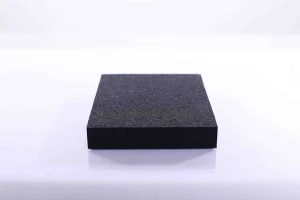
Designed for large-diameter pipelines, ventilation ducts, and storage tanks. Features self-adhesive availability, high shear resistance, and thermal drift protection.
Kingflex Standard Dimension
Material: Premium NBR/PVC elastomeric compound
Thickness range: 6mm to 50mm
Material Density: 40 to 55 kg/m³
Service Temperature: -40℃ to 105℃
Performance Advantage
High closed-cell structure (>98%), minimizing thermal bridge failures.
Macro Industry Solutions & Decarbonization Roadmap
As modern engineering regulations align with global net-zero benchmarks, pipe insulation is shifting from a standard utility item to an energy efficiency necessity. Improperly insulated thermal conduits cause thermal loss that accounts for up to 15% of heavy industrial operational carbon output.
1. Corrosion Under Insulation (CUI) Management
Galvanic cell creation occurs under open-cell jackets as moisture ingress combines with warm pipe walls. Closed-cell rubber foam provides a continuous vapor barrier, mitigating CUI and saving enterprises millions in piping replacements and structural downtime.
2. Decarbonization & Clean Energy Compatibility
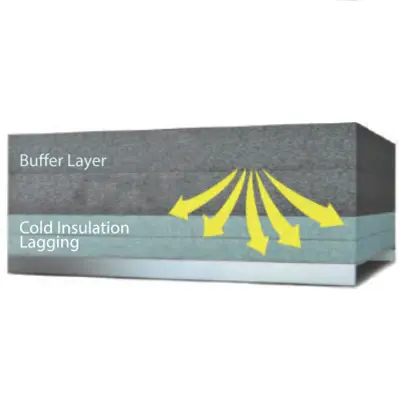
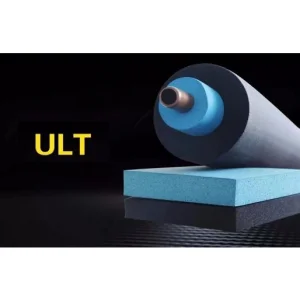
With the global shift toward hydrogen storage and liquefied natural gas (LNG) distribution, cryogenic security is critical. Systems operating at -162°C (LNG) require materials that remain elastic without micro-cracking. Kingflex's ultra-low temperature synthetic rubber sheet maintains its physical properties under extreme thermal shifts, helping prevent structural failures.
Advanced Manufacturing Capacity & Team Capabilities
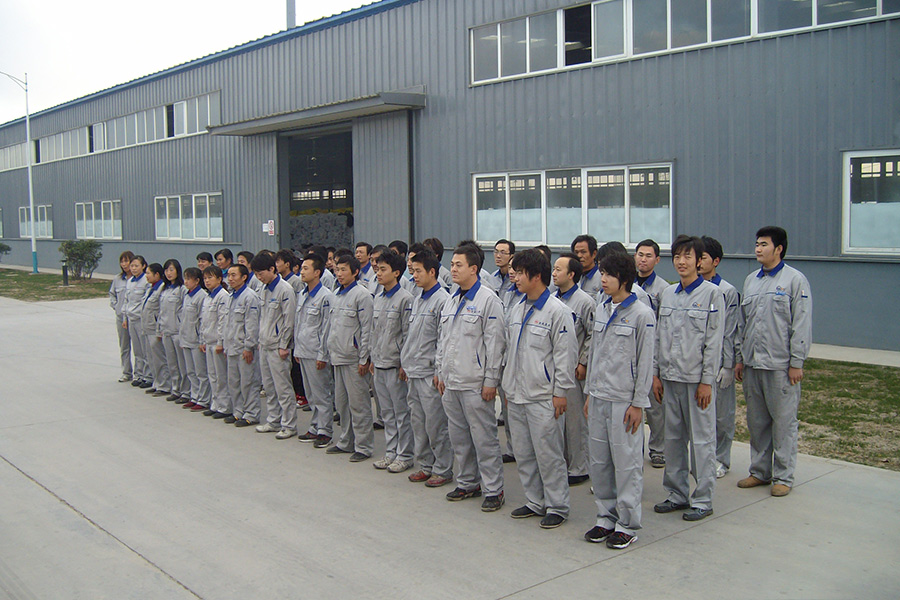
At present, Kingflex operates 5 large automatic assembly lines, achieving an annual production capacity exceeding 600,000 cubic meters. This scale allows us to efficiently fulfill high-volume orders for regional district heating networks and heavy industrial installations.
Our organization is designated as a trusted insulation manufacturer by the Ministry of Energy, the Ministry of Electric Power, and the Ministry of Chemical Industry of China. We coordinate project schedules closely with our customers to help minimize field risks during installation.
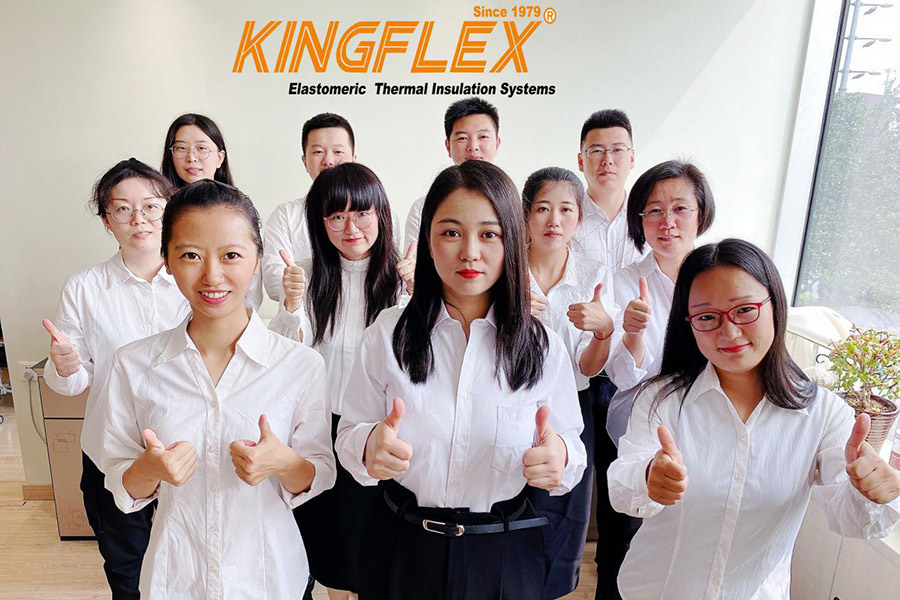
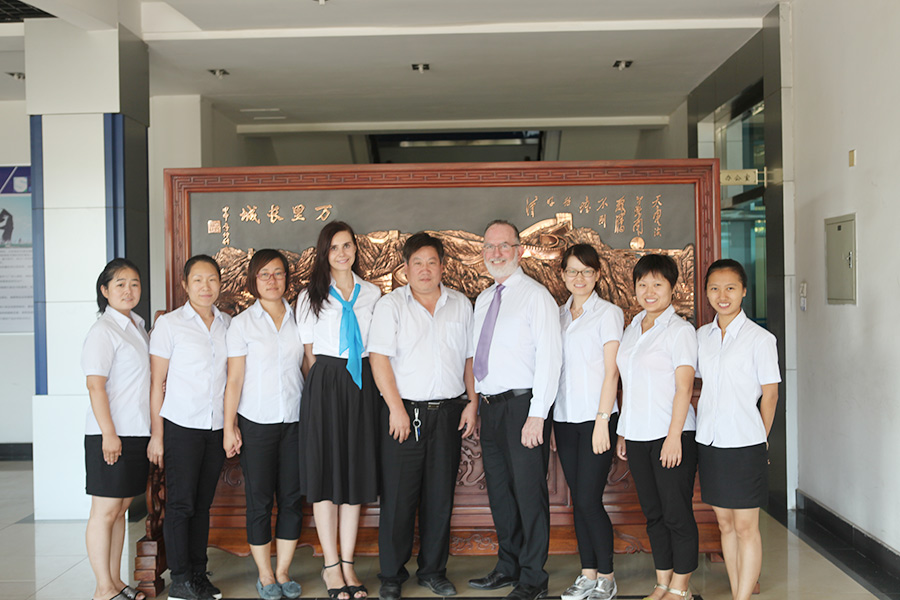
Our international sales team, comprised of 6 senior managers, coordinates direct port shipping, customized container loading, and customs clearances for international logistics.
Our Premium Product Catalog & Applications
High-performance insulation materials tailored for different temperature levels and environmental exposures.
Logistical Coordination & International Delivery Verification
We manage international container space constraints, secure protective bulk strapping, and verify export declarations to ensure damage-free cargo arrival.
Continuous Production Line Monitoring & Quality Validation
Our automated lines operate under strict temperature, pressure, and extrusion velocity controls to deliver consistent foam density across every batch.
Comprehensive Risk Assessment & Product FAQ
Find expert answers on engineering safety controls, standard compliance, and elastomeric foam selection.
Q1: What is elastomeric rubber foam insulation used for?
A1: It is primarily utilized for insulating HVAC ducts, air conditioning piping, commercial heating systems, industrial process pipes, and cryogenic pipelines. Its closed-cell design prevents condensation, minimizes thermal transfer, and provides sound dampening.
Q2: Is Kingflex rubber foam insulation fire resistant?
A2: Yes, our elastomeric compounds are formulated with halogen-free flame retardants, achieving Class 0 and Class 1 ratings under BS 476 testing. They are self-extinguishing and do not generate flaming droplets during fires, supporting building safety compliance.
Q3: What is the difference between rubber foam and rock wool insulation?
A3: Rubber foam features a flexible, closed-cell structure with built-in moisture protection, making it ideal for HVAC, chilled water lines, and cryogenic operations. Rock wool is a high-density fibrous mineral material with excellent high-temperature resistance, making it suitable for steam piping and heavy industrial boilers.
Q4: Do you provide customized insulation products?
A4: Yes, we offer OEM services to support custom dimensions, pre-applied adhesive backings, protective foils, and colored coatings tailored to specific project requirements.
Q5: What certifications do your products have?
A5: Our products are certified under BS 476, CE, REACH, RoHS, UL 94, and ASTM, meeting strict environmental, health, and building safety codes.
Q6: Do Kingflex products have traceability?
A6: Yes. Every shipment has production run batch codes stamped directly onto the outer packaging boxes and inside sheet layers, allowing for precise tracking of raw materials and quality audits.
Q7: What thickness of Rubber foam insulation sheet roll can you produce?
A7: We can produce sheet rolls in thicknesses ranging from 6mm to 50mm to meet different thermal load and condensation control requirements.
Q8: What is the service life of rubber plastic pipe and board?
A8: When installed according to manufacturer guidelines, Kingflex rubber foam insulation typically provides a service life of 10 to 15 years, depending on environmental exposure and temperature cycles.
Explore More Insulation System Offerings
From standard building HVAC piping to specialized low-temperature cryogenic systems, our range supports various engineering requirements.
 Kingflex