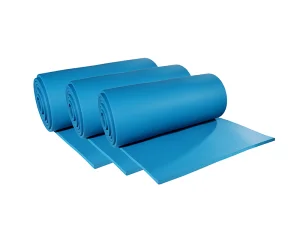
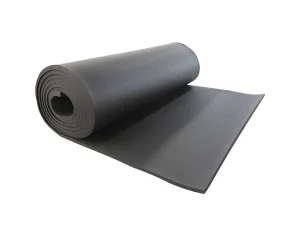
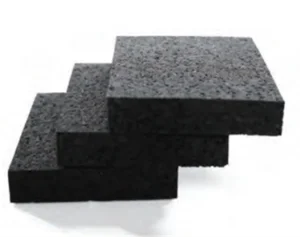
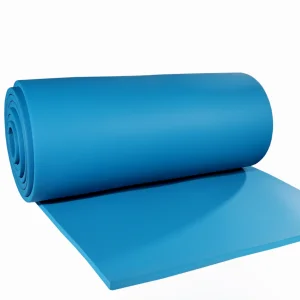
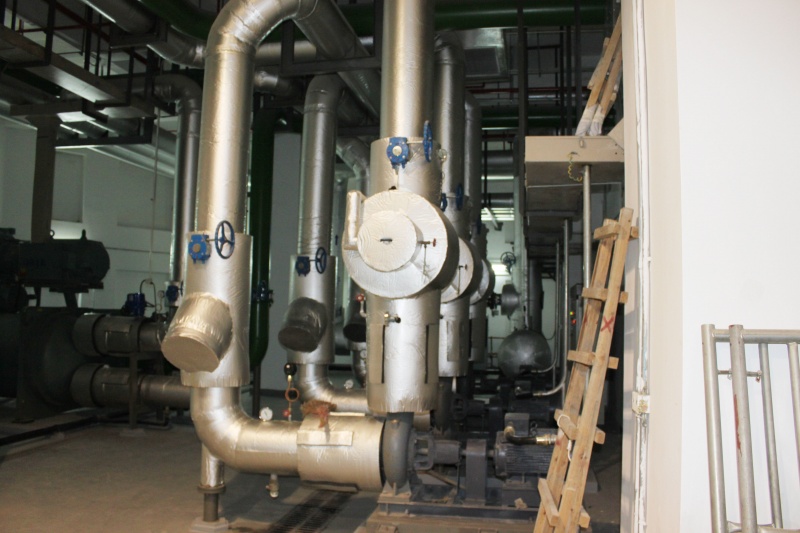
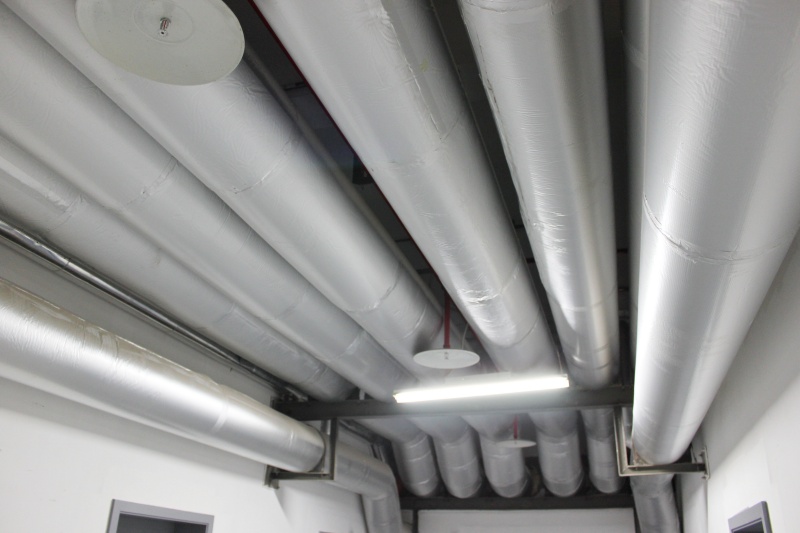
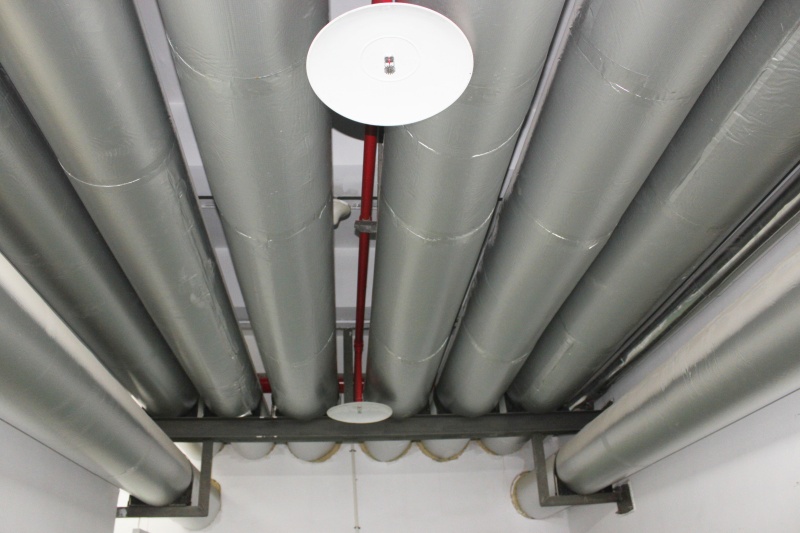
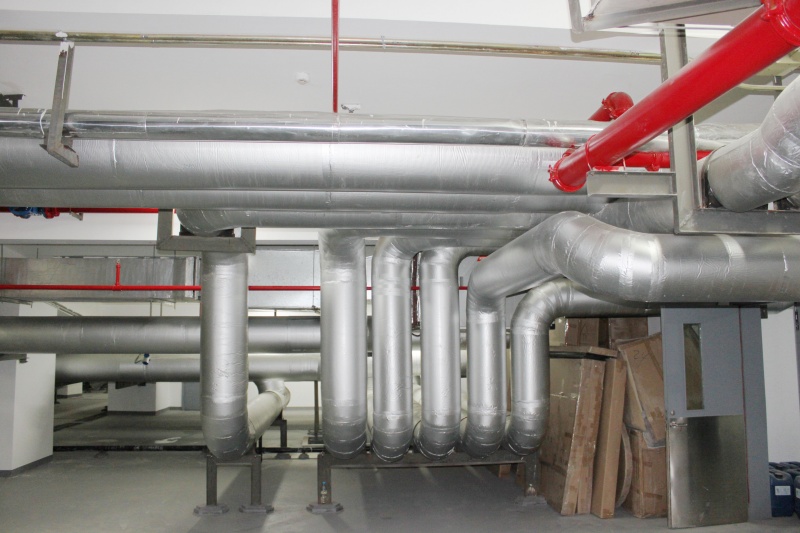
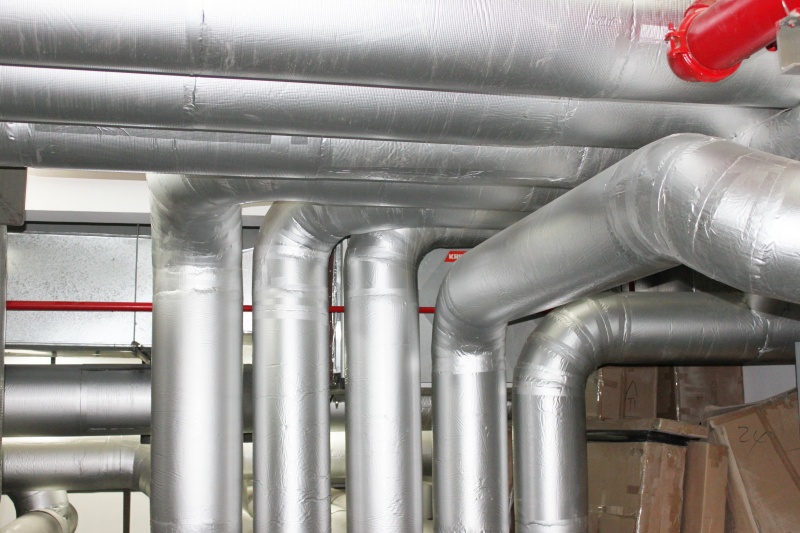
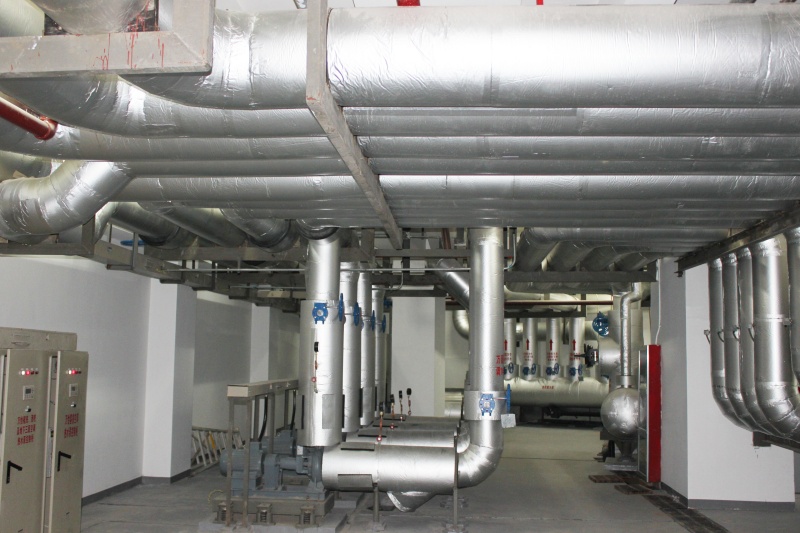
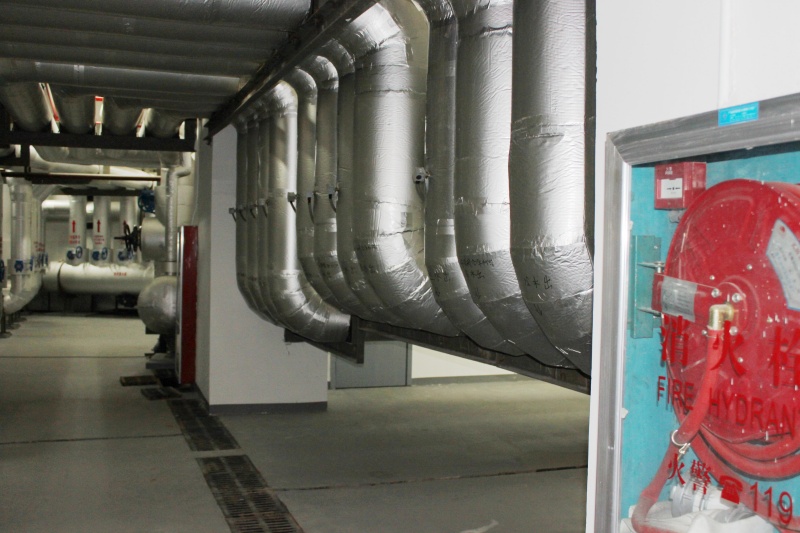
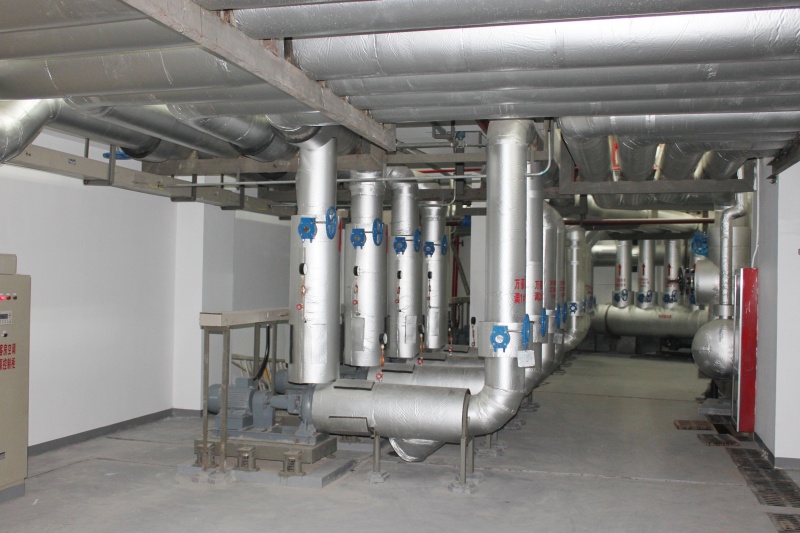
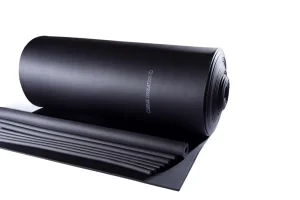
Explore our premium closed-cell NBR/PVC and elastomeric foam insulation configurations optimized for vapour sealing.
The Australian building sector operates under extreme climatic diversity, ranging from the tropical, high-humidity zones of Northern Queensland to the cool, temperate zones of Victoria and Tasmania. This variation exposes modern HVAC ductworks, piping, and building envelopes to high risks of interstitial condensation. In modern building design, maintaining a robust vapor barrier is no longer just about thermal insulation—it is critical to structural integrity, indoor air quality (IAQ), and energy security.
Traditional open-cell insulation systems rely on external foil jackets to act as a vapor barrier. However, puncture risks during construction or thermal movements can compromise the system, leading to moisture accumulation, loss of R-value, and progressive mould growth. Our closed-cell elastomeric rubber foam insulation sheets and tubes combine structural thermal insulation with a highly integrated vapor barrier (moisture resistance factor μ ≥ 10,000), presenting a secure, self-vapor-sealing matrix that eliminates the risk of single-point external barrier failures.
When cold media (such as chilled water piping at 4°C to 7°C) runs through a warm ambient space, the temperature difference creates a vapor pressure gradient. Moisture in the air naturally drifts toward the cold pipe surface. If the vapor barrier is insufficient, the moisture condenses into liquid water inside the insulation, causing a drastic rise in thermal conductivity ($k$-value). Our elastomer's closed-cell configuration prevents moisture from migrating inward, maintaining constant performance over its long service life.
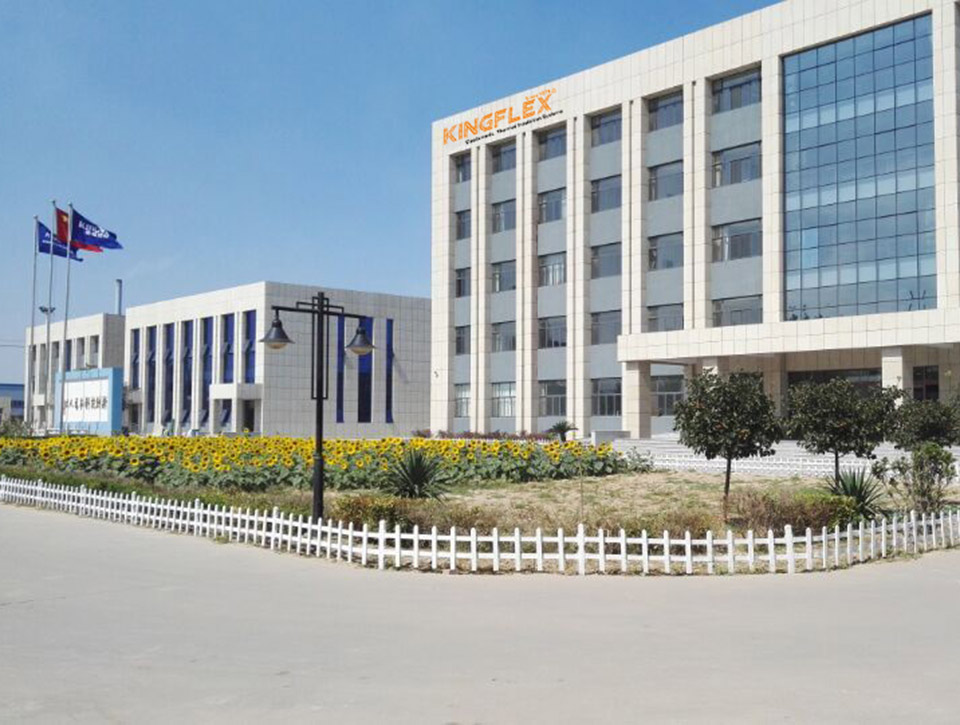
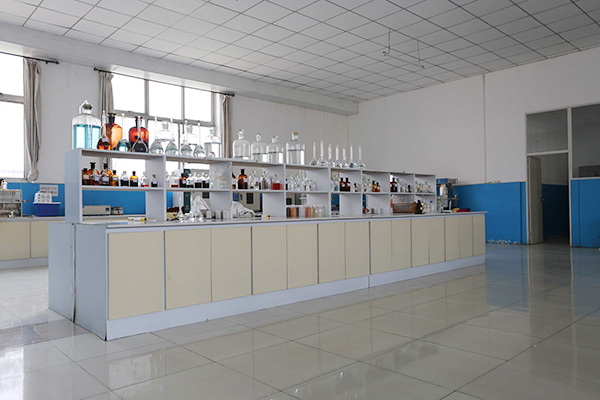
Our State-of-the-Art Production Facility
Importing insulation and building envelope materials into Australia requires strict adherence to local building codes. Specifically, under Section J of the National Construction Code (NCC 2022) of Australia, materials must comply with AS/NZS 4859.1 (Materials for the thermal insulation of buildings). Testing must represent physical performance under localized conditions, factoring in heat transfer patterns, aged thermal resistance values, and joint thermal stability.
Furthermore, commercial buildings (Class 2 to 9 structures) must meet strict fire hazard property requirements. According to AS 1530.3 (Methods for fire tests on building materials, components and structures), materials applied to HVAC ducts and structural elements must maintain low indices for:
| Test Parameter (AS/NZS 1530.3) | Standard Target Index Range | Kingflex Elastomeric NBR/PVC Performance |
|---|---|---|
| Ignitability Index (0-20) | Low (typically < 5 for high risk zones) | Compliant / Self-Extinguishing |
| Spread of Flame Index (0-10) | 0 (Requirement for ducts and plenum systems) | 0 (Flame Retardant Matrix) |
| Heat Evolved Index (0-10) | Low | Optimized Heat Release Controls |
| Smoke Developed Index (0-10) | ≤ 3 (Or ≤ 4 on specific configurations) | Low Smoke Generation (Class 0 & Class 1 certified) |
Our China-based R&D laboratory actively designs and customizes our elastomeric foam compositions to satisfy these criteria. By incorporating high-grade flame retardants and smoke suppressors within the primary elastomer matrix, we ensure that our products do not support combustion, and self-extinguish when the source of ignition is removed. This gives builders and mechanical contractors in Sydney, Melbourne, and Brisbane the confidence that they are installing certified, safe materials.
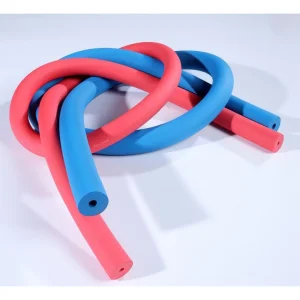
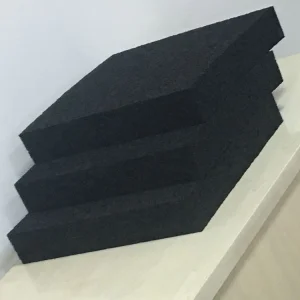
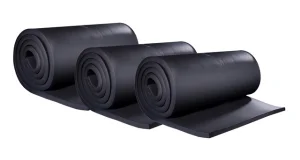
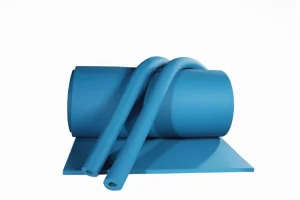
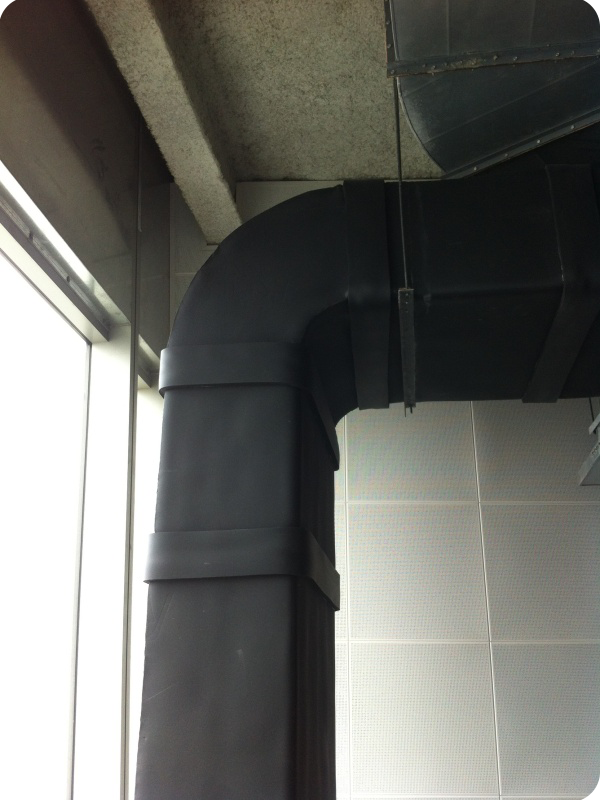
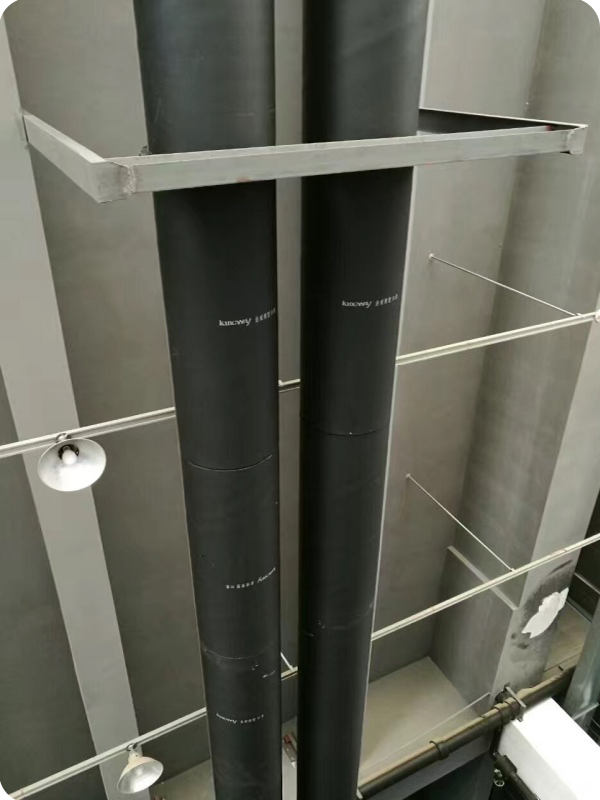
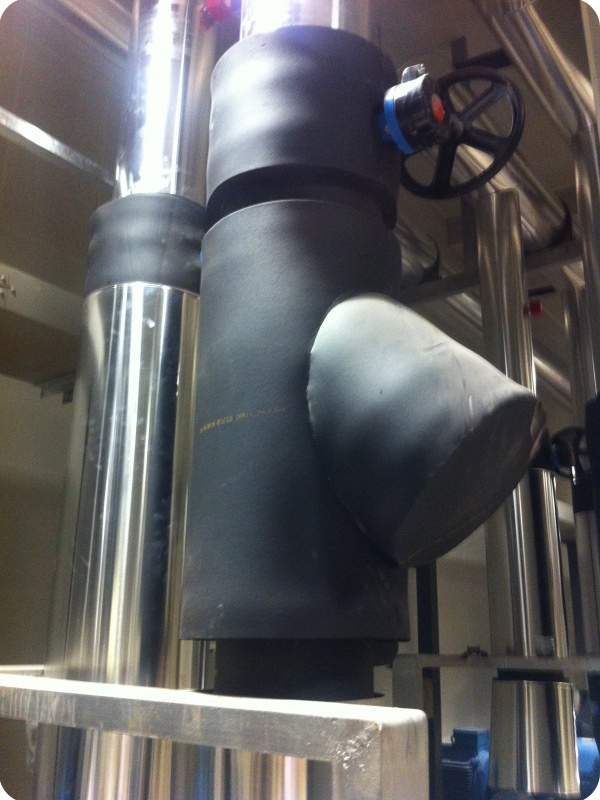
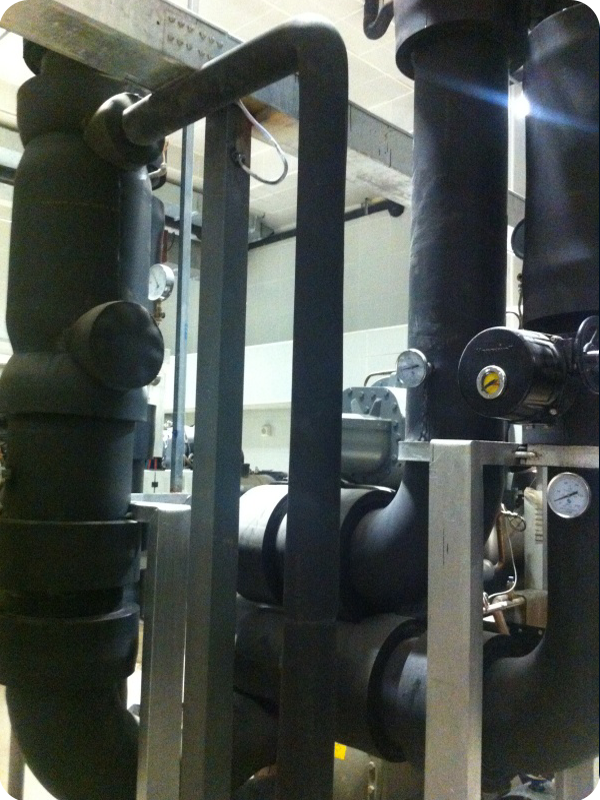
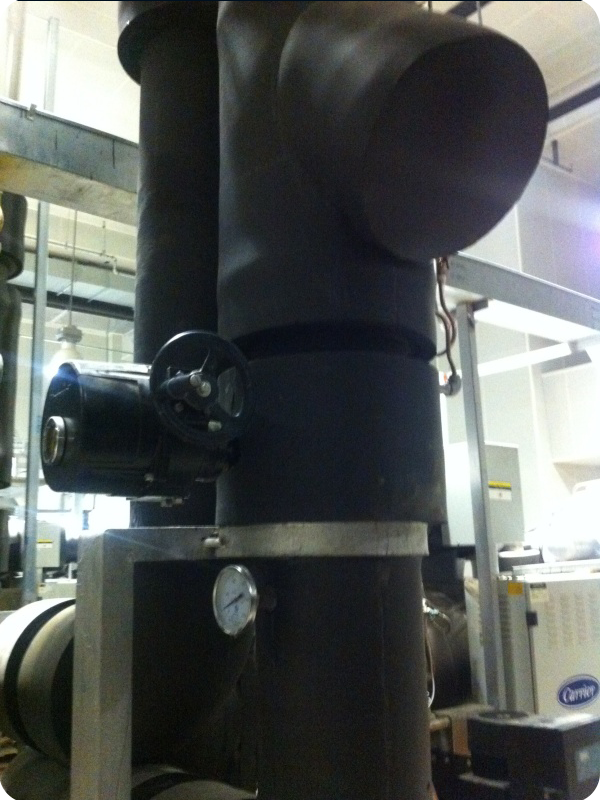
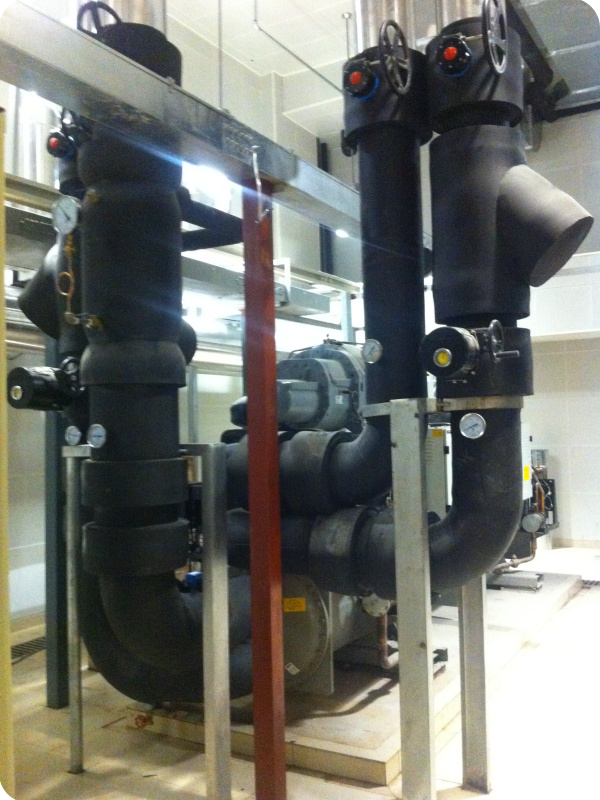
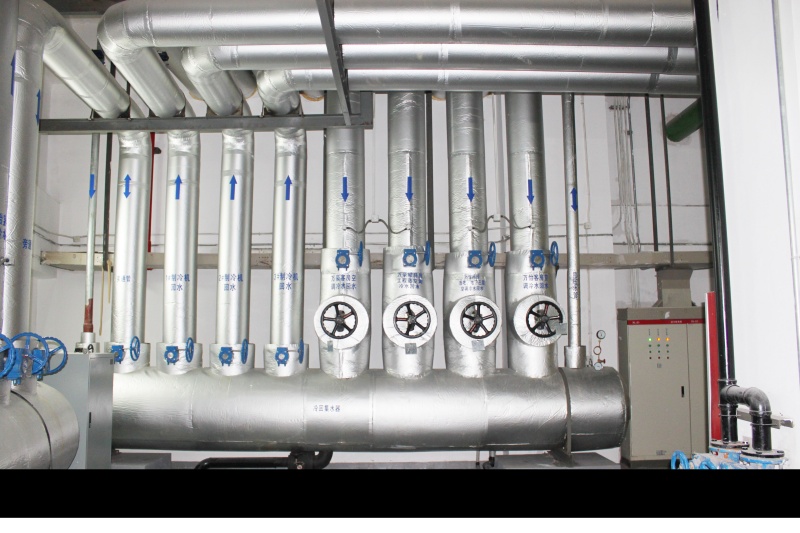
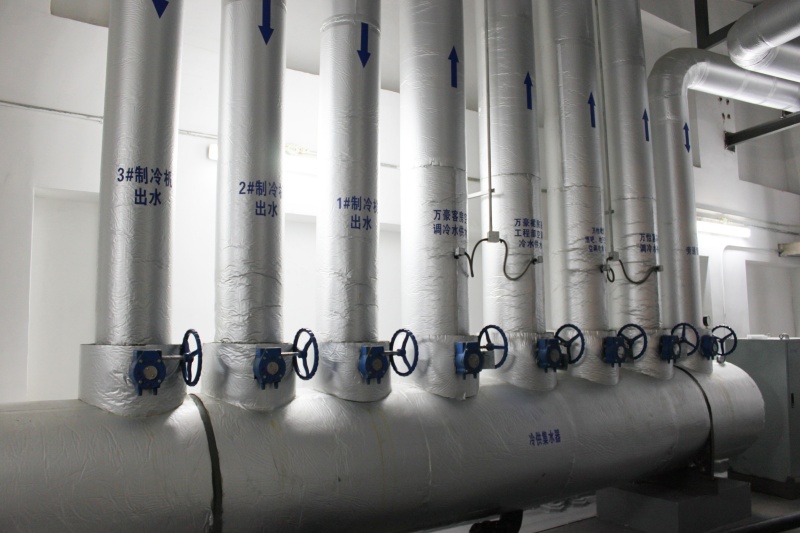
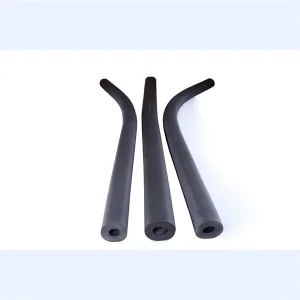
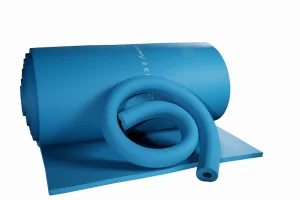
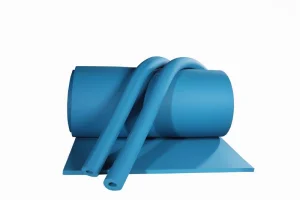
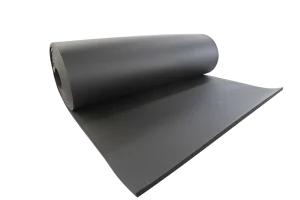
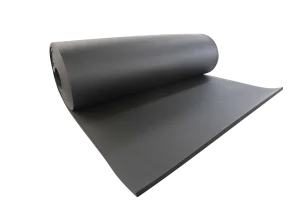
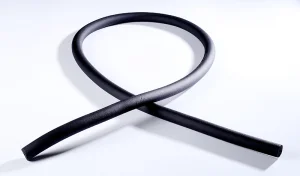
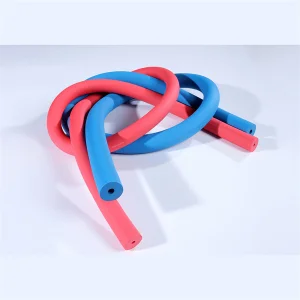
Engineered for mechanical pipework, chilled water distribution, refrigeration systems, and process piping, our product line is split into two primary form factors: Black Rubber Foam Sheets & Rolls and Pre-formed Insulation Pipes & Tubes. Custom thicknesses and densities are manufactured to meet regional structural details.
Our R&D division has spent decades refining the foaming process. By monitoring the expansion chemistry, we achieve a consistent density profile. This ensures that the thermal conductivity ($k$-value) remains consistently low at ≤ 0.034 W/(m·K) at 0°C.
Precision Chemical Blending
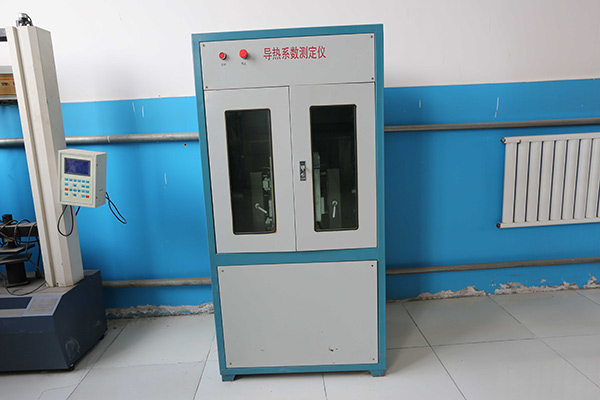
Thermal Performance Testing
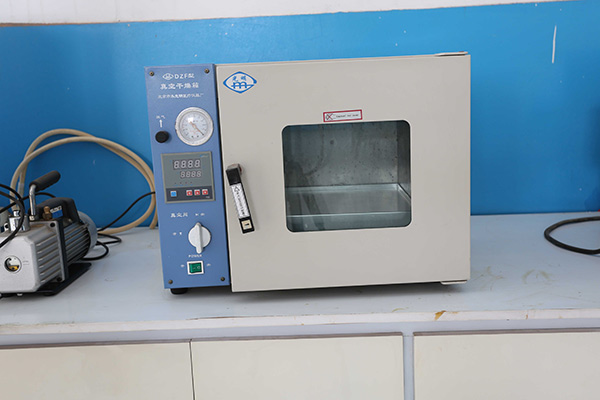
Elastomer Aging Analysis
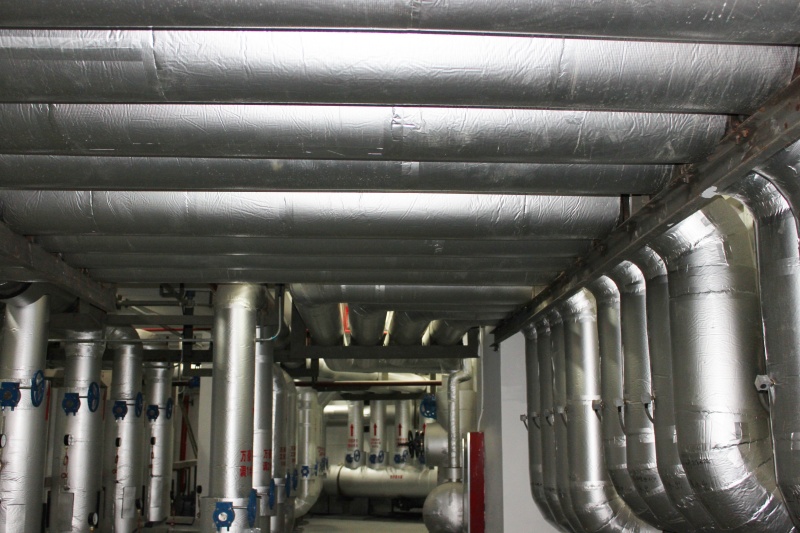
Designed to mitigate outer casing condensation on large HVAC systems within commercial high-rises, shopping malls, and medical facilities. Provides acoustic dampening to lower mechanical system noise transmission through ceilings.
Specifically tailored for LNG transport pipelines, chemical process installations, and ultra-cold laboratories. Operates reliably under freezing circumstances where standard rubber insulation becomes brittle, maintaining barrier integrity.
Applied to structural walls, basements, and roofing assemblies in humid marine environments. Acts as a barriers against exterior moisture incursion, helping preserve structural studs, drywall, and structural frames.
Kingflex Insulation Co., Ltd. is an established, professional manufacturing and trading group specialized in high-performance thermal insulation products. Located within Dacheng, China—a region recognized as a capital for green building material manufacturing—we operate as a research-driven, environmentally friendly enterprise.
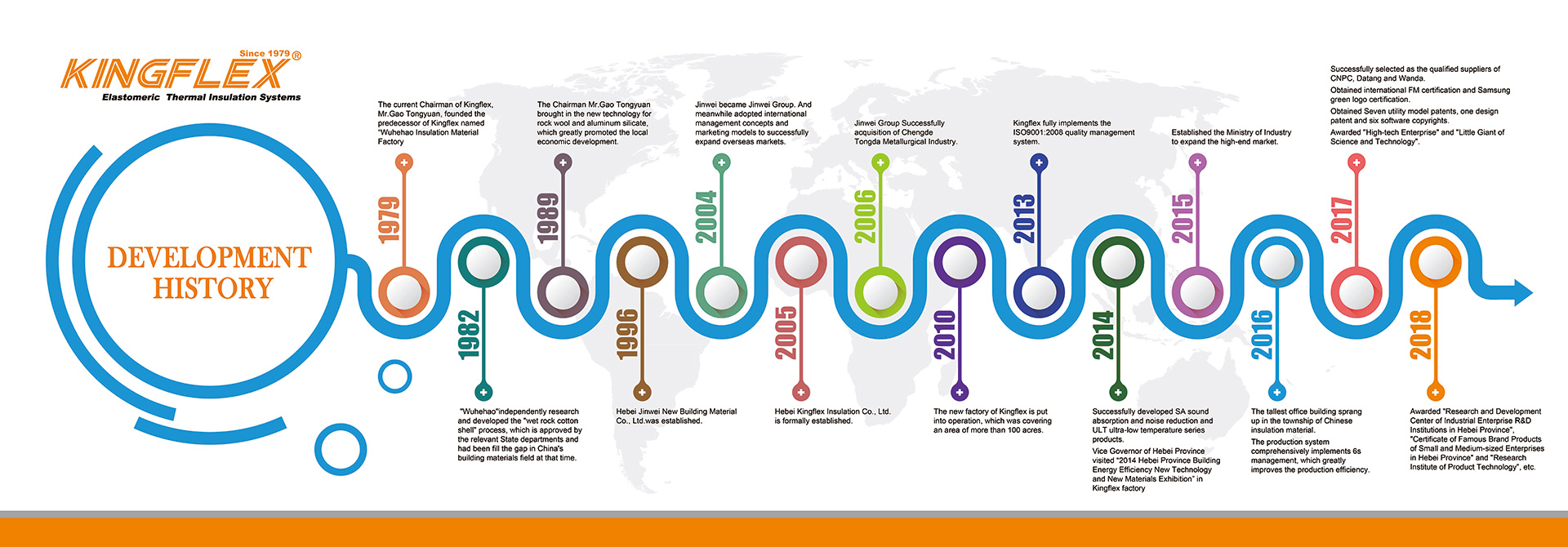
Established under the parent Jinwei Group, which holds a heritage dating back to 1979 (the first thermal insulation manufacturer north of the Yangtze River), Kingflex has continuously led industry innovation. We provide a full package of energy-saving solutions, from engineering consulting and customized R&D production, to site installation guidelines and post-sale technical support.
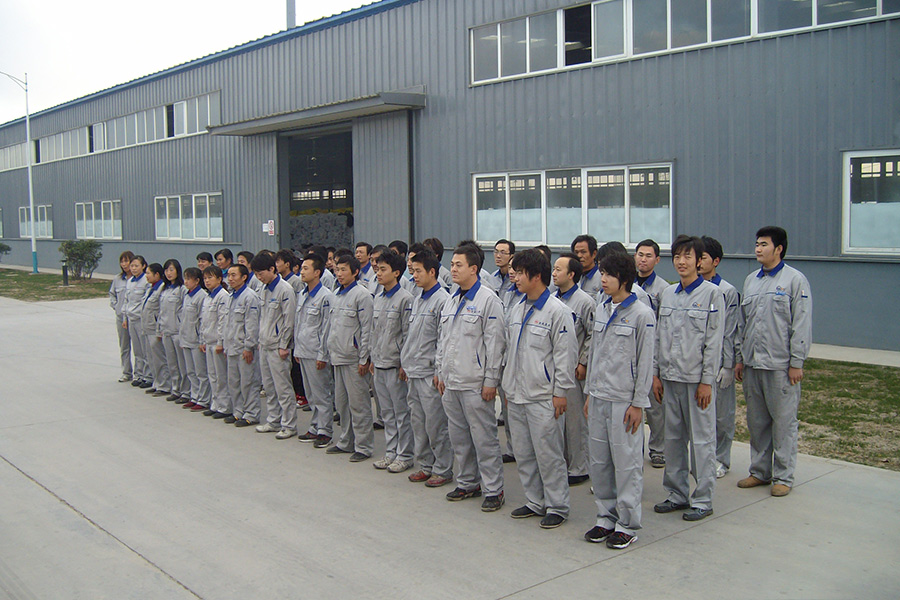
Our factory features 5 modern, fully automatic assembly lines capable of yielding more than 600,000 cubic meters annually. This high-capacity capability makes Kingflex a designated partner for key projects under major public utility departments.
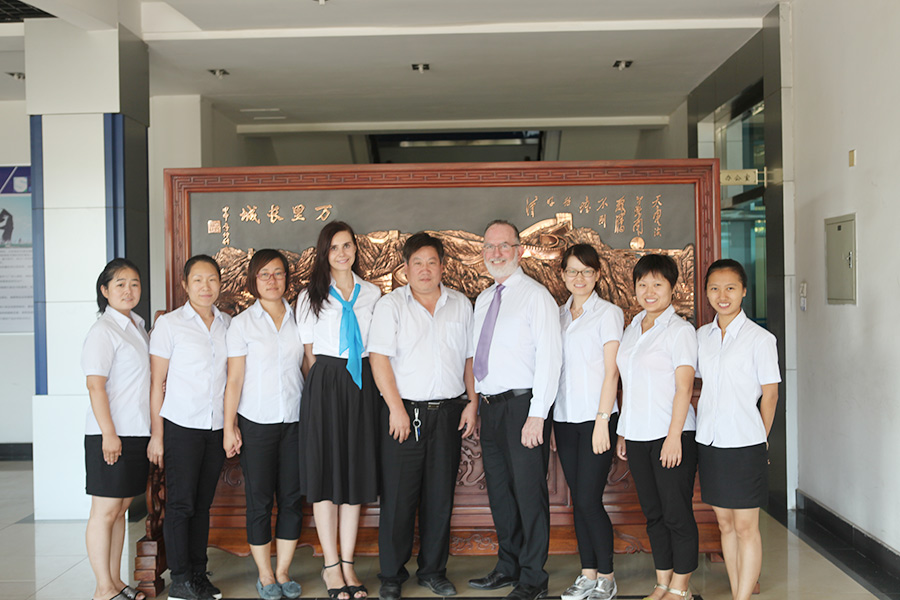
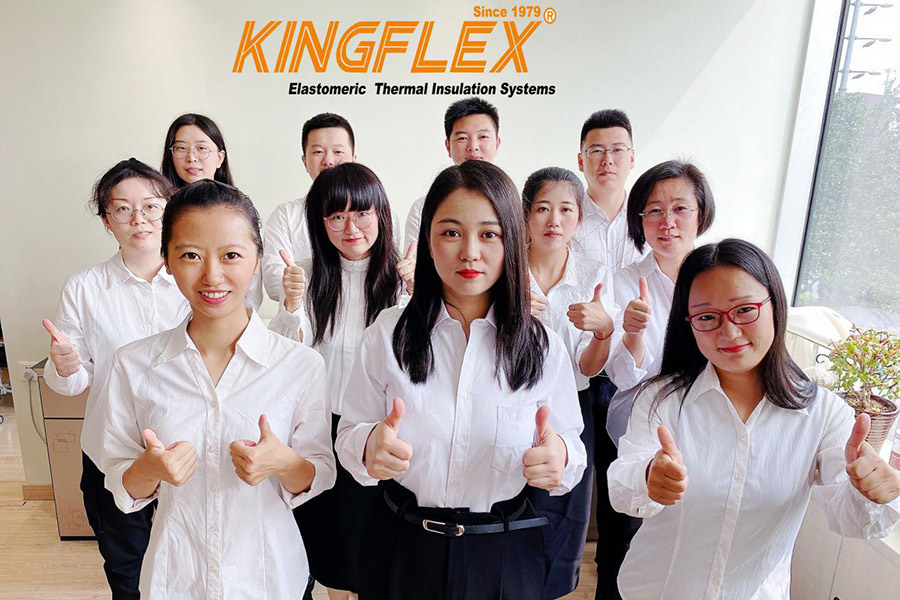
8 Dedicated R&D Experts
6 Experienced Export Advisors
230 Professional Technicians
Our Production Evolution Since 1979
Dedicated R&D and Sales Team Members
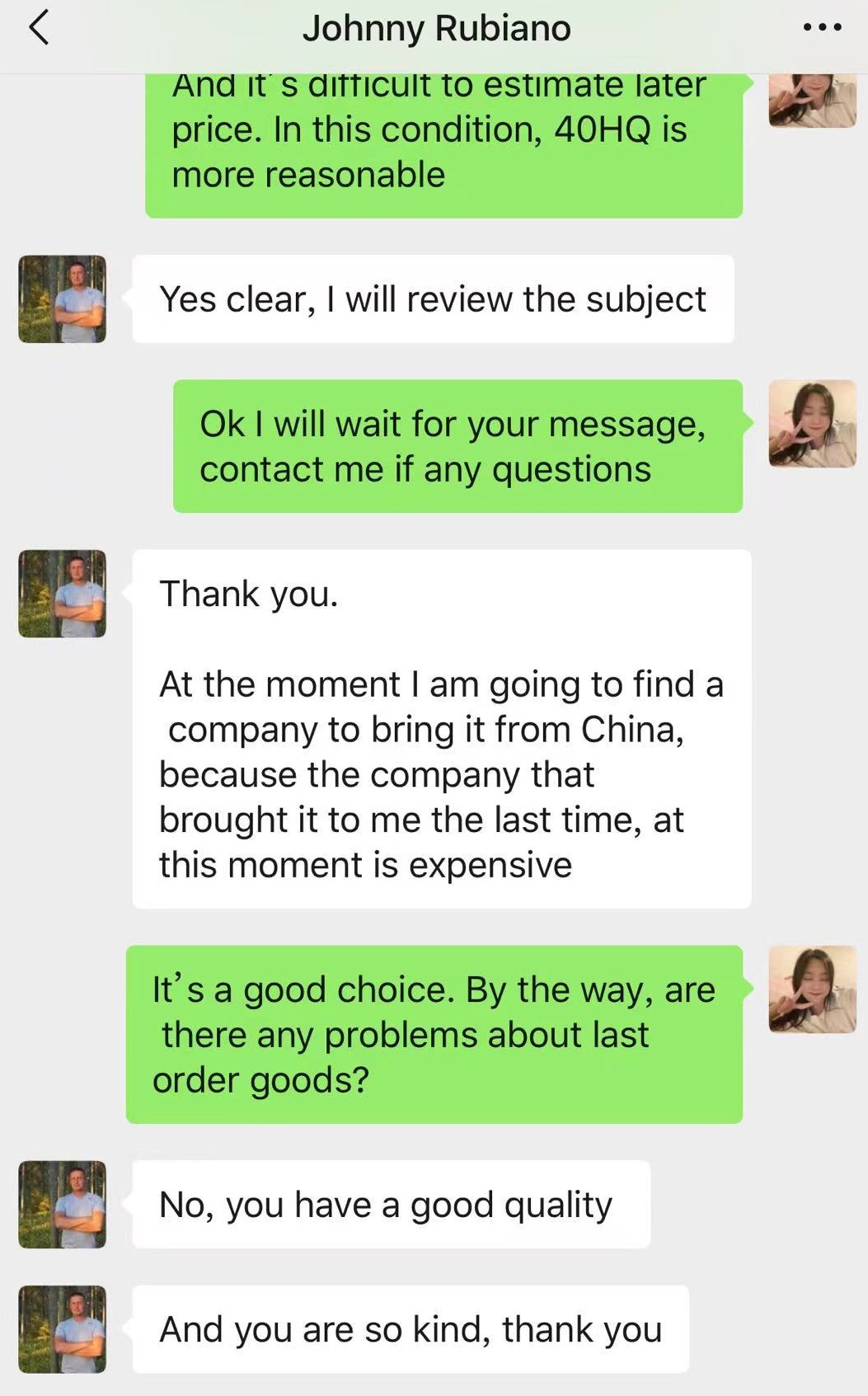
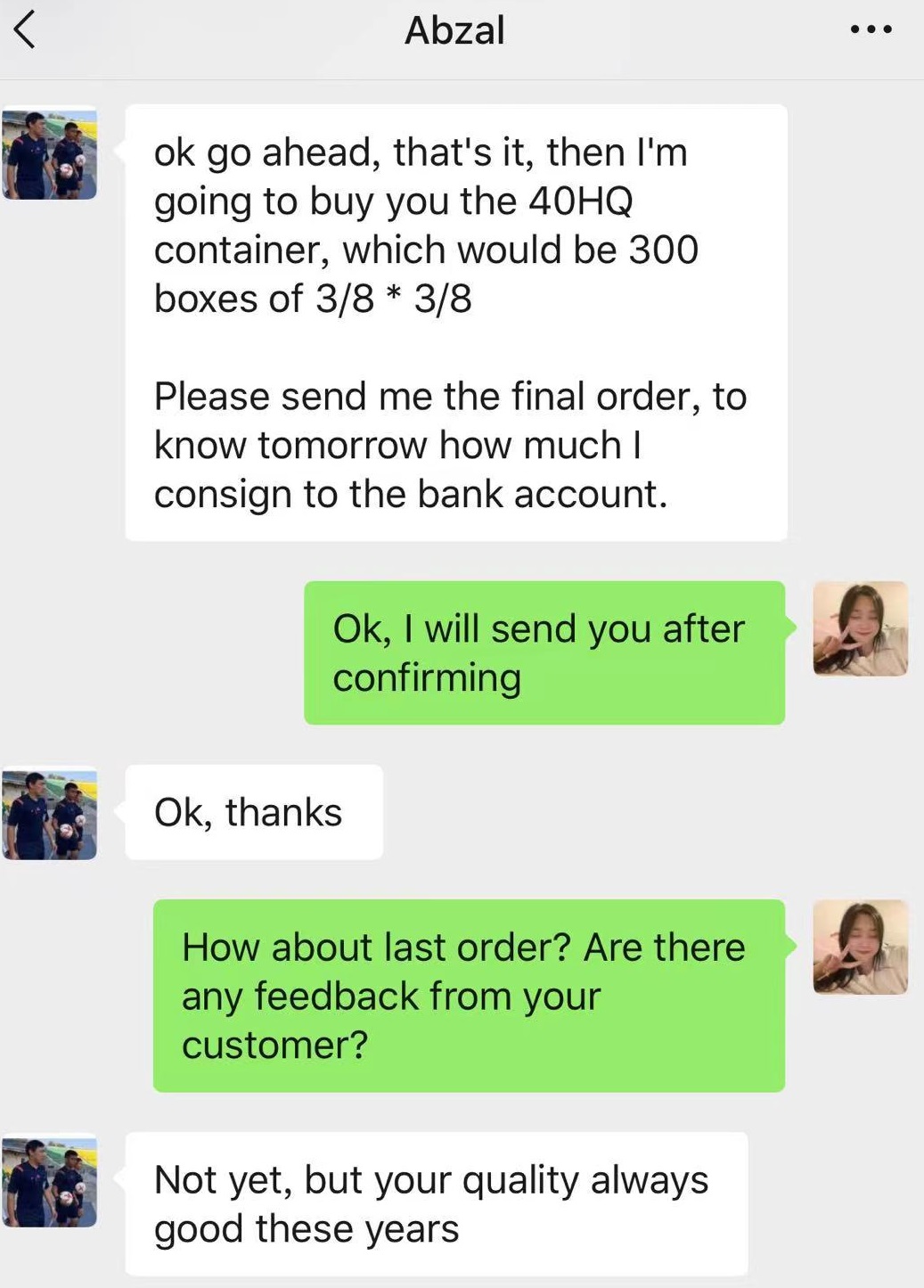
With customers across 66 countries, transparency is our core operating tenet. We work closely with Australian quantity surveyors, procurement managers, and mechanical consultants to ensure smooth supply chains.
Elastomeric rubber foam is highly versatile and serves multiple purposes. It is primarily utilized for thermal insulation in HVAC ductwork, commercial air conditioning pipelines, process piping systems, industrial chilled water networks, and ultra-cold cryogenic environments. Its inherent closed-cell structure operates as a high-performance vapour barrier, preventing condensation and corrosion under insulation (CUI).
Yes. Our insulation materials undergo thorough testing to conform to rigorous safety standards. For the Australian market, we configure our compositions to comply with fire indices specified in AS/NZS 1530.3. The products exhibit self-extinguishing capabilities, low flammability indices, and minimal smoke development, aligning with the requirements of the National Construction Code (NCC) for Class 2-9 buildings.
The primary difference lies in the material structure and moisture management. Rock wool is an open, fibrous structure. While it excels in high-temperature resistance (above 400°C), it is highly susceptible to water vapor ingress and liquid water absorption. Once wet, rock wool loses its R-value and can accelerate corrosion on steel pipes. Conversely, NBR/PVC closed-cell rubber foam is highly flexible, completely moisture-resistant, and maintains a stable thermal conductivity coefficient, making it superior for chilled water, refrigeration, and high-humidity applications.
Yes. As an integrated manufacturer with five automated production lines, we support full OEM and customization services. We can manufacture customized sheets, rolls, and pre-cut pipe tubes in specialized wall thicknesses (from 6mm up to 50mm) and custom densities to match mechanical specifications and thermal calculations of specific projects.
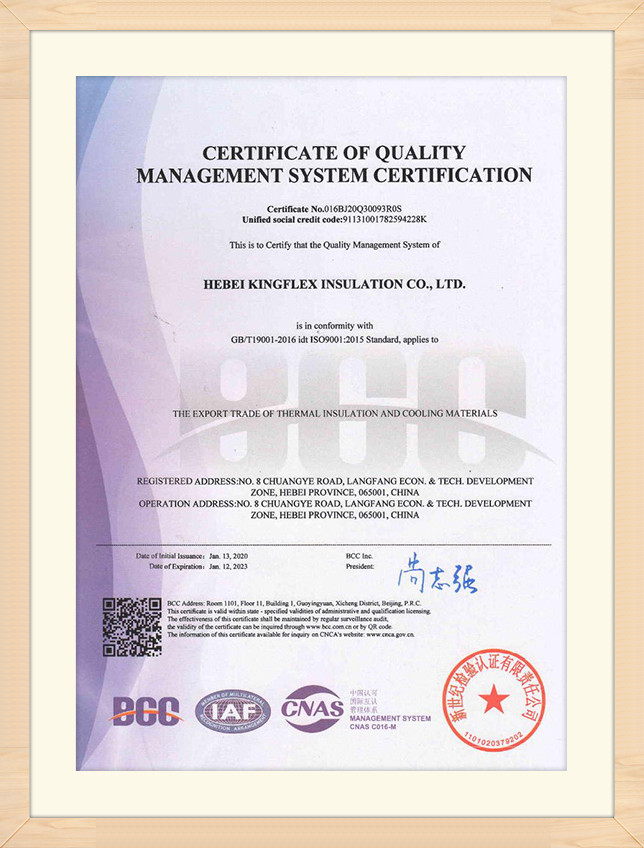
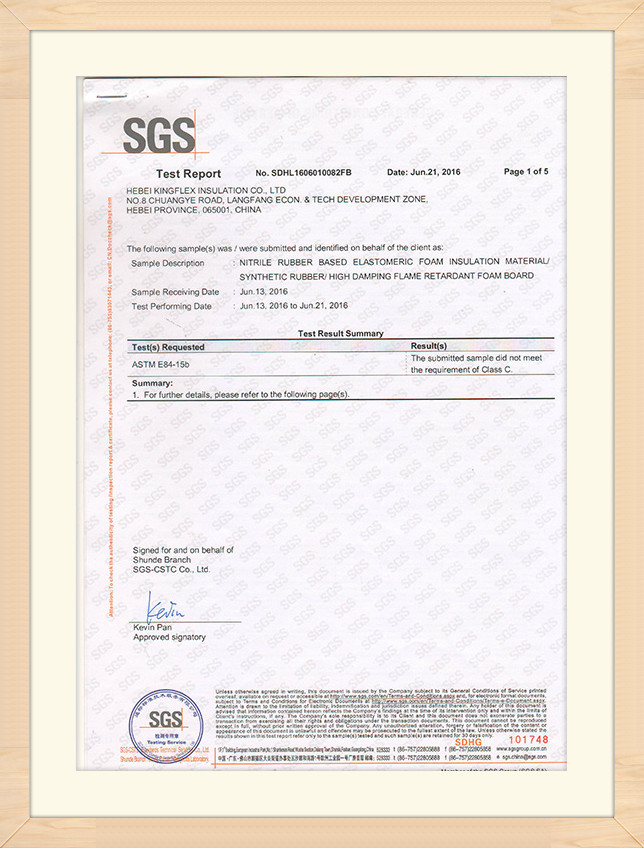
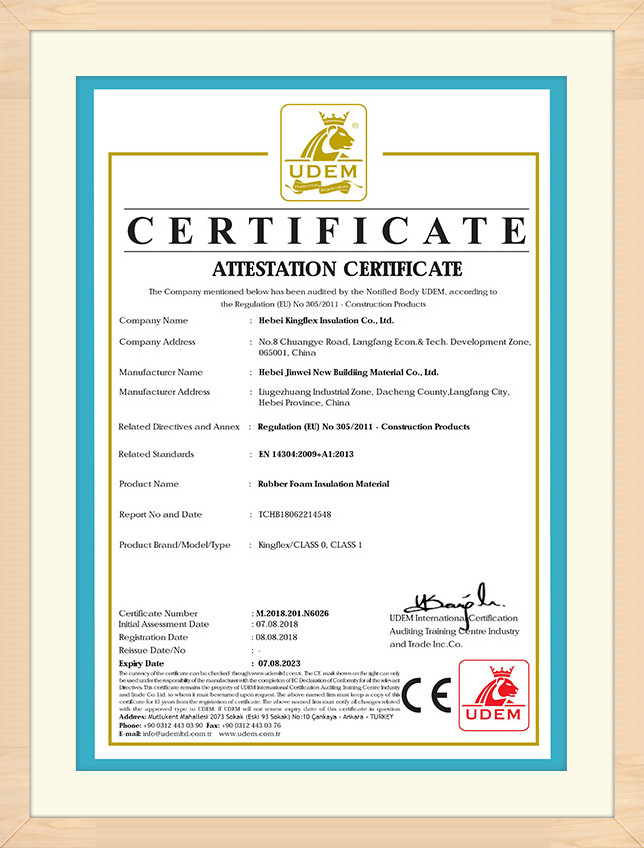
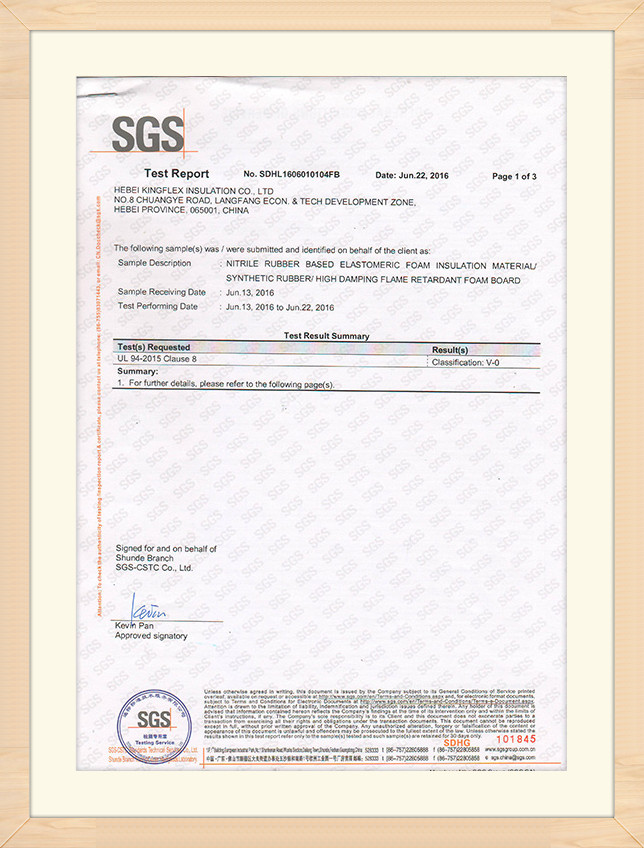
Our manufacturing and processing facilities adhere strictly to ISO 9001 and ISO 14001. In terms of product certifications, we hold compliance certificates including CE, REACH, RoHS, BS 476 (Part 6 & 7), UL 94 (flammability classification), and relevant ASTM test standard passes, ensuring our products meet safety and performance demands across the globe.
We maintain full batch-traceability. Every raw chemical, elastomer base, and batch of fire retardant is logged upon receipt. During production, parameters on our automatic lines are monitored and recorded. Each shipped roll or bundle of tubes has a distinct production batch identifier, allowing us to trace chemical configurations and QC records back to the exact manufacturing day and line.
We produce insulation sheet rolls in thicknesses ranging from 6mm to 50mm. Standard thicknesses frequently exported to Australia include 9mm, 13mm, 19mm, 25mm, and 32mm, which align with local mechanical pipe wrapping and HVAC duct design models.
Under normal operating conditions and when installed following our design guidelines, our insulation sheets and pipes have a service life of 10 to 15 years. Outdoor installations require UV-protective coatings or cladding to prevent premature degradation from Australia's high solar index.
Browse our extensive selection of pre-formed pipe insulations and specialty ultra-low temperature products.