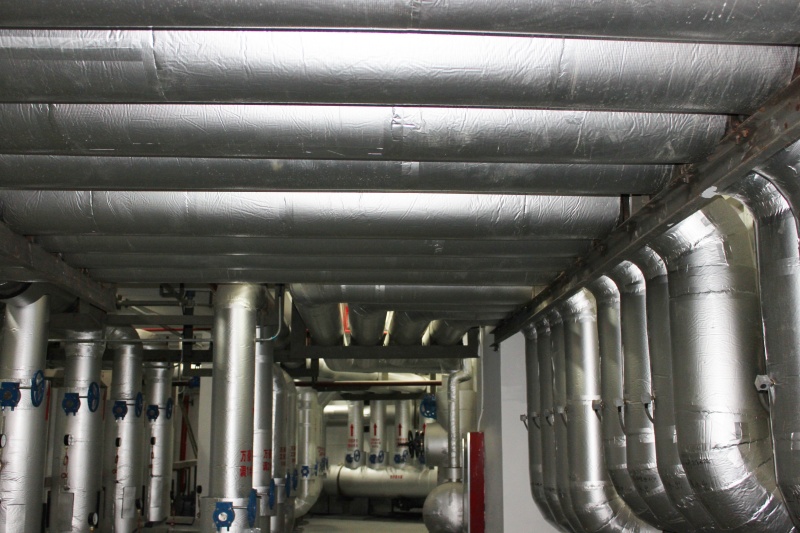
Wholesale Acoustic Insulation Factory & Pricelist

Global Supply of Premium NBR/PVC Rubber Foam, Glass Wool, and Cryogenic Elastomeric Solutions for High-Performance Acoustic Attenuation and Thermal Management.

Industrial Whitepaper: The Evolution of Closed-Cell Acoustic Elastomers

In the design of modern structural HVAC, marine engineering, and commercial architectural ecosystems, noise pollution mitigation and thermal stability are key metrics. Historically, structural designers were forced to select between fibrous insulation materials (such as rock wool or glass wool) and elastomeric foam rubbers. Today, advancements in co-polymer synthetic blending have yielded combined materials: NBR/PVC closed-cell elastomeric foam, which addresses both parameters simultaneously.

Key Engineering Parameter: Closed-cell structures trap micro-bubbles of dry air, yielding a high resistance to moisture vapor transmission (μ ≥ 10,000) and preventing the formation of localized condensation. Condensation is the primary catalyst for micro-biological growth and under-insulation corrosion (CUI).

Macro Industry Solutions & Global Sourcing Demands

Global procurement teams in infrastructure sectors face structural constraints, including volatile petrochemical pricing, varying regional compliance codes (such as BS 476 Part 7 Class 0, ASTM E84, and UL94), and logistics reliability. The demand for industrial acoustic decoupling materials has extended beyond simple mechanical room dampening to specialized high-tech applications, including:

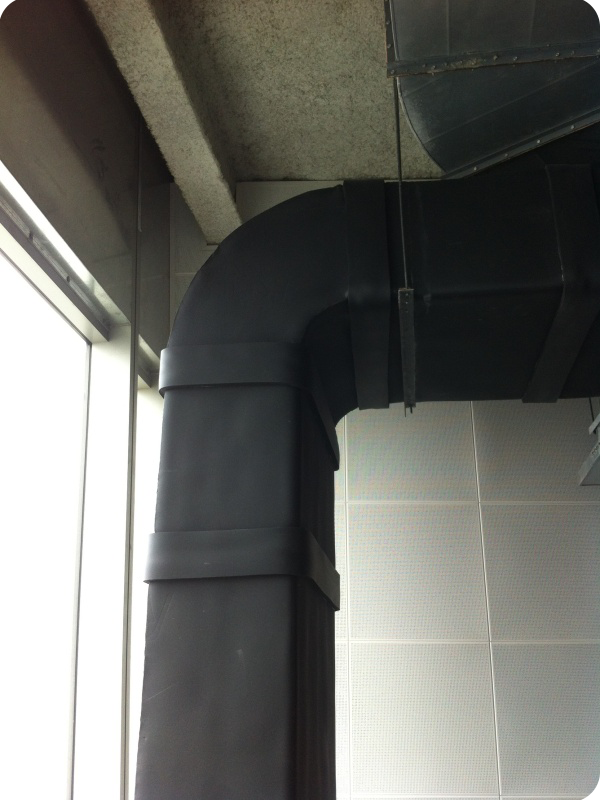
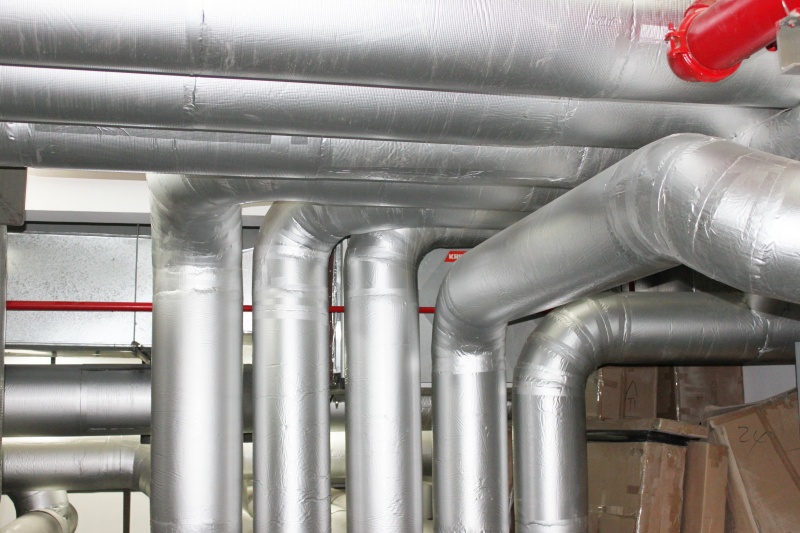
  • HVAC Duct Acoustics: Air distribution systems propagate low-frequency fan noise. Dense closed-cell sheets act as structural dampers to prevent sheet metal casing vibration.
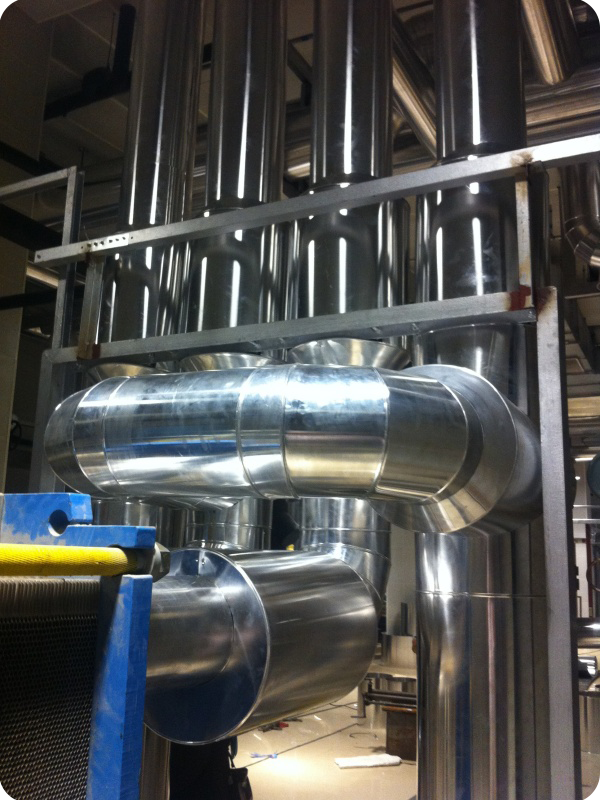
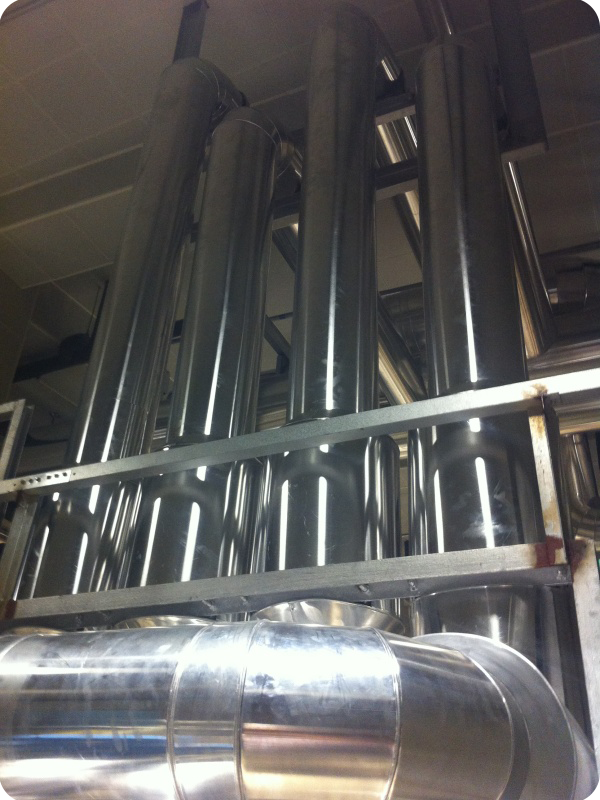
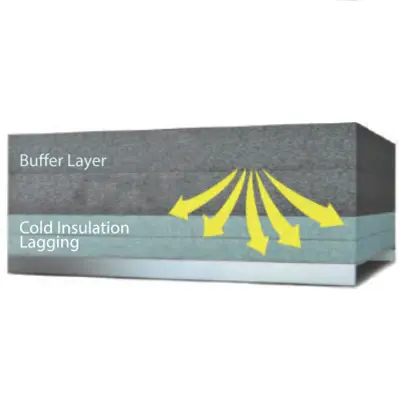
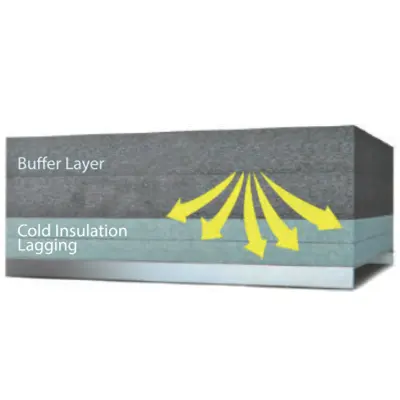
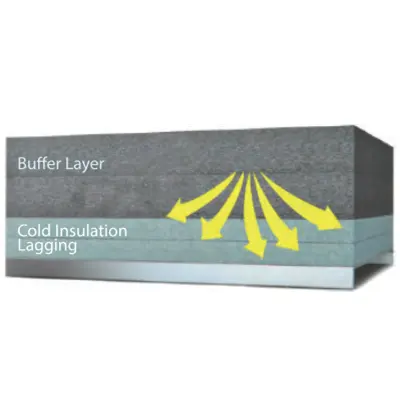
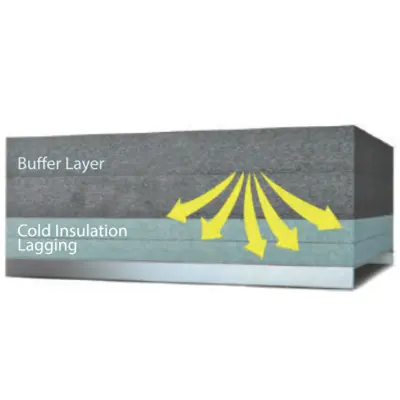
  • Cryogenic Containment: Systems operating at sub-zero temperatures require specialized synthetic elastomeric sheet systems to maintain material flexibility down to -40°C without structural fatigue.
  • Urban Rail and Automotive Decoupling: Heavy machinery and rail transit carriages rely on high-resilience elastomer panels (density range: 40-55 kg/m³) to absorb vibration energy before it converts to airborne noise.
About Kingflex Insulation Co., Ltd.
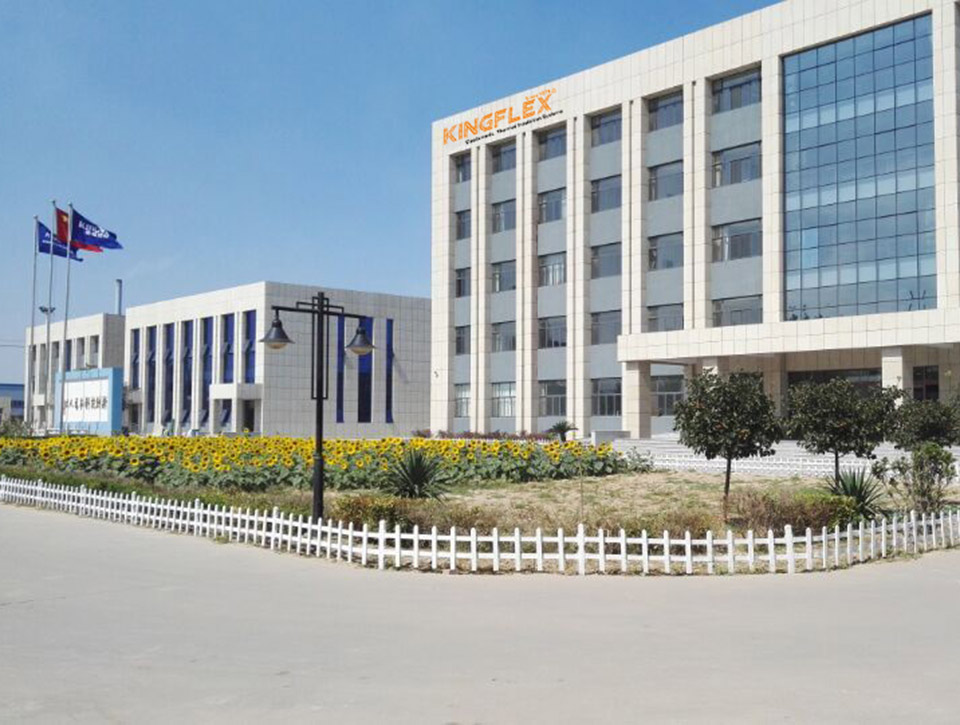
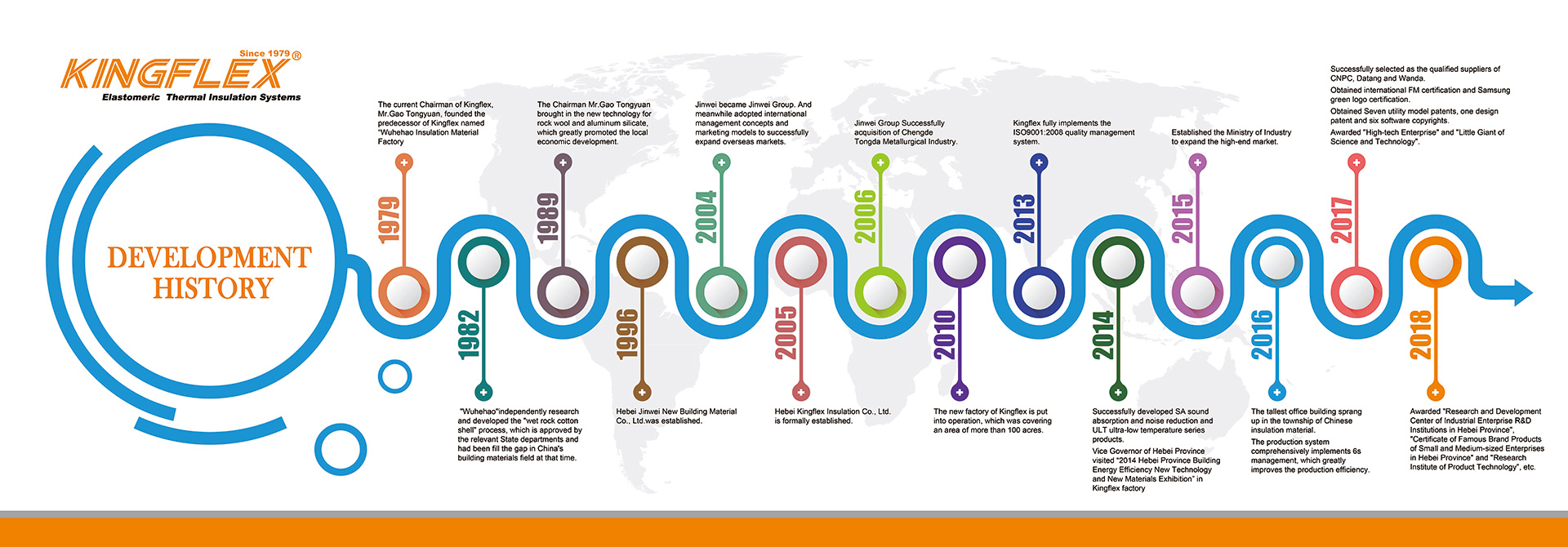
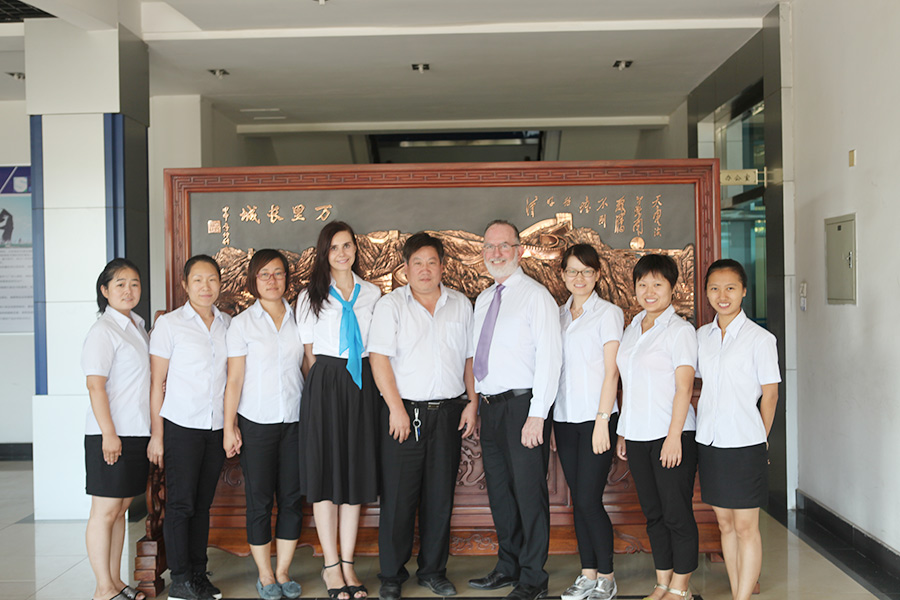
Established by Jinwei Group (with a production history extending back to 1979), Kingflex is a manufacturer and global exporter of energy-efficient environmental insulation solutions. Operating out of Dacheng, China—the capital of green-building materials—we lead the industry in design, testing, and production capacity.
40+
Years Industry Experience
600,000m³
Annual Production Capacity
5
Automatic Assembly Lines
66+
Countries Exported To

Material Performance and Physical Specifications

Engineered insulation systems rely on chemical stability. Our NBR/PVC elastomeric formulations undergo quality testing to ensure compatibility with demanding project specifications.

Material Type Thickness Range Bulk Density Thermal Conductivity Fire Classification Service Temp. Limit
NBR/PVC Elastomeric Foam 6mm - 50mm 40 - 55 kg/m³ ≤ 0.034 W/(m·K) at 0°C Class 0 (BS 476), Class V-0 (UL94) -40°C to 105°C
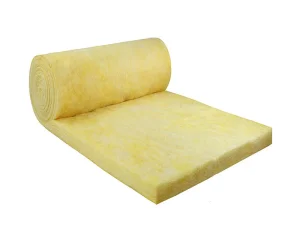
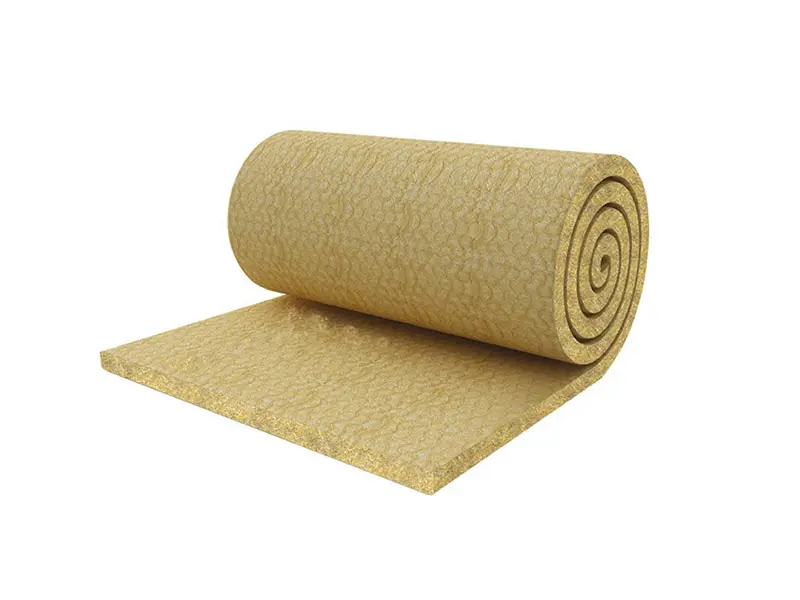
Glass Wool Fibrous Blanket 25mm - 100mm 16 - 48 kg/m³ ≤ 0.038 W/(m·K) at 25°C Non-combustible (Class A) Up to 350°C
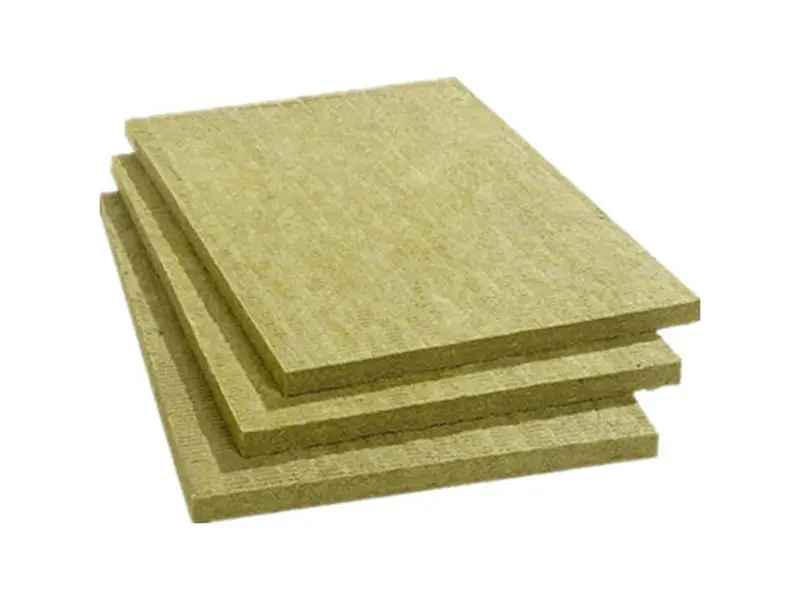
Rock Wool Rigid Board 30mm - 150mm 60 - 150 kg/m³ ≤ 0.040 W/(m·K) at 25°C Non-combustible Class A1 Up to 650°C

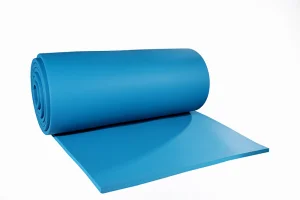
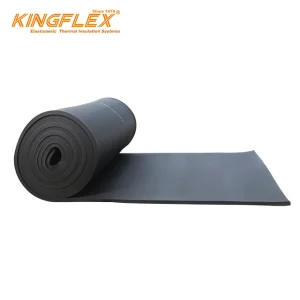
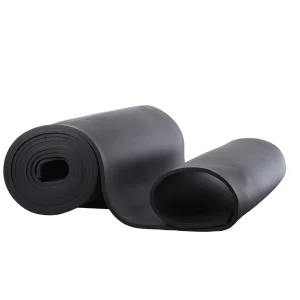
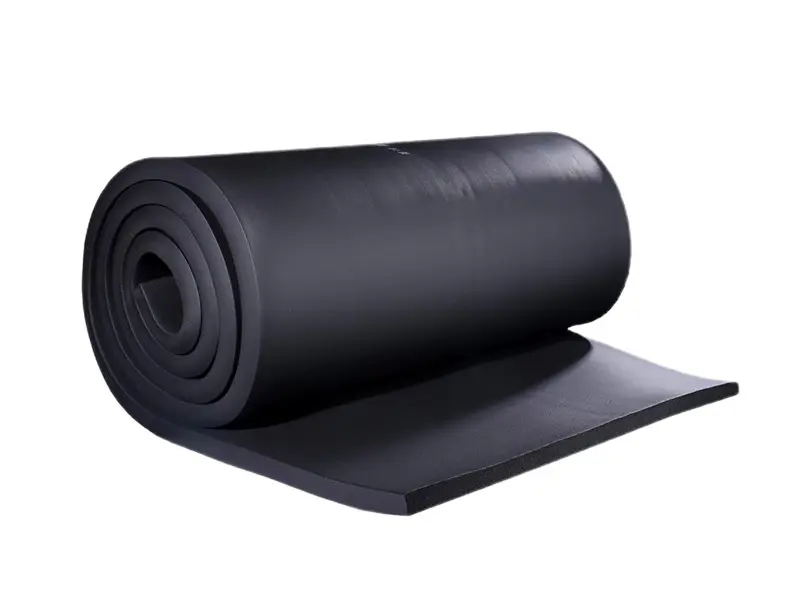
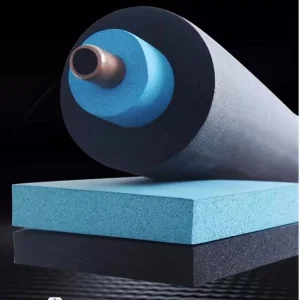
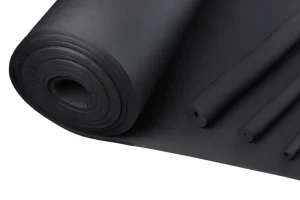
1. Black Rubber Foam Insulation Sheet Roll

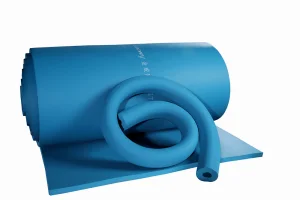
Designed for large surface area integration such as HVAC duct cladding, cleanroom ceiling systems, and low-frequency vibration damping. Highlights include:

  • Uniform micro-cell layout with >98% closed cell ratio.
  • Low moisture vapor absorption reduces degradation.
  • Vibration attenuation with compression resilience >80%.
Closed cell sheet roll Black rubber sheet roll installation
🔧

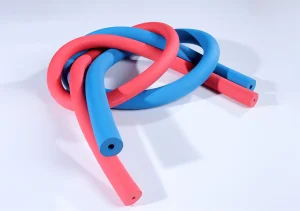
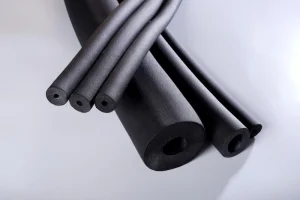
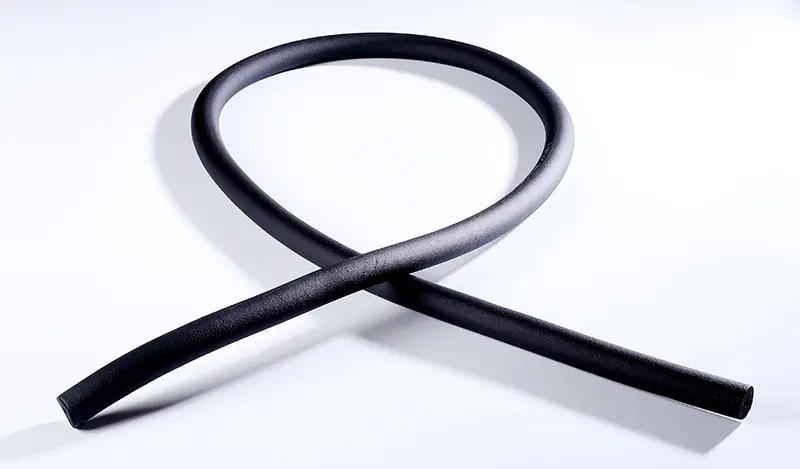
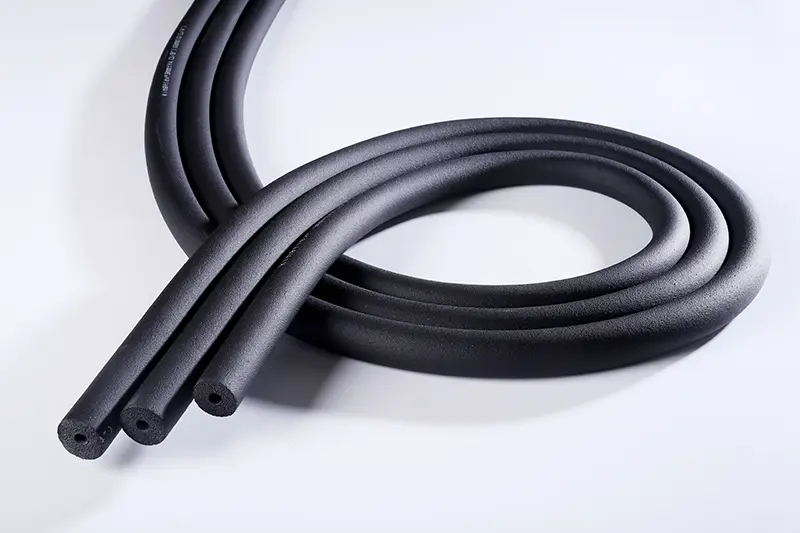
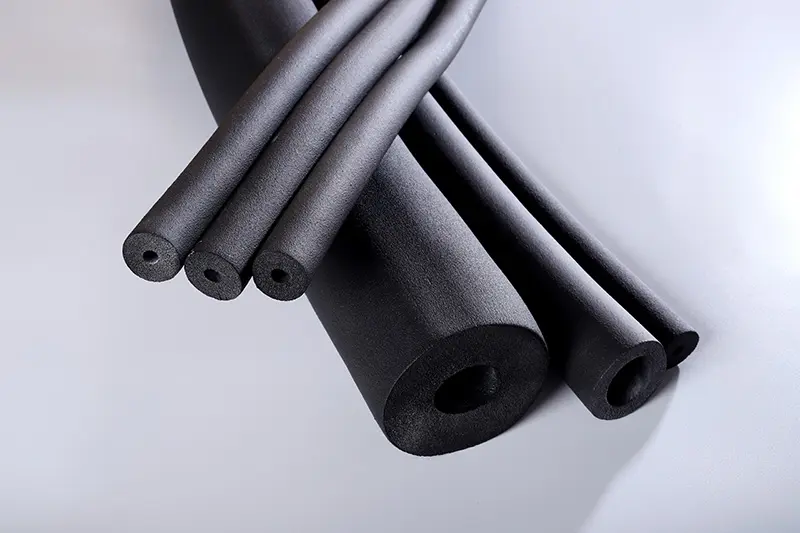
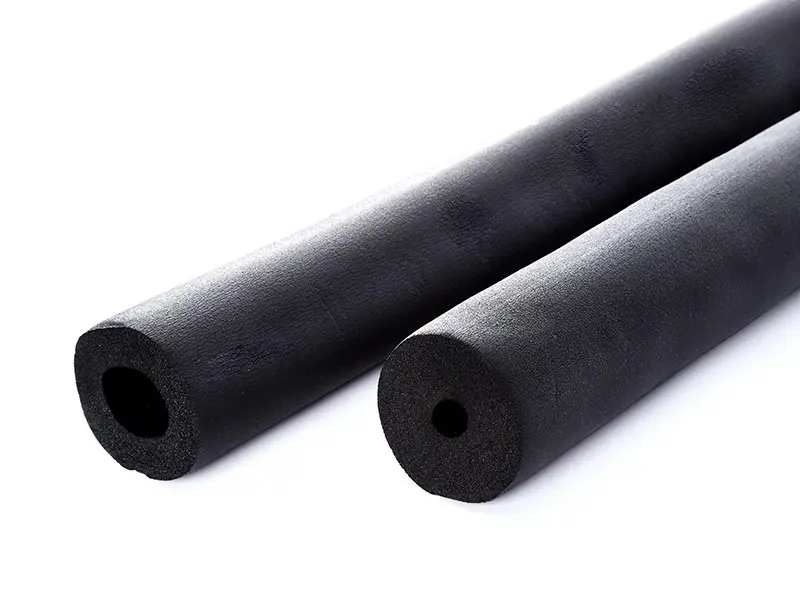
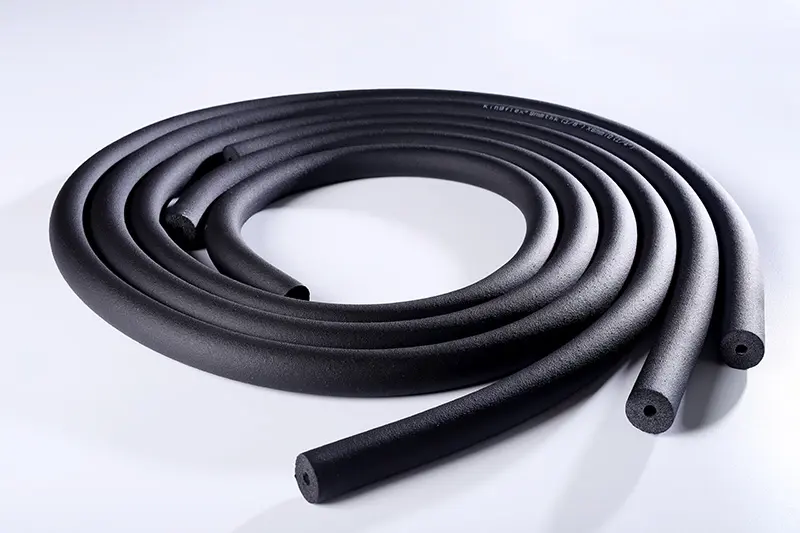
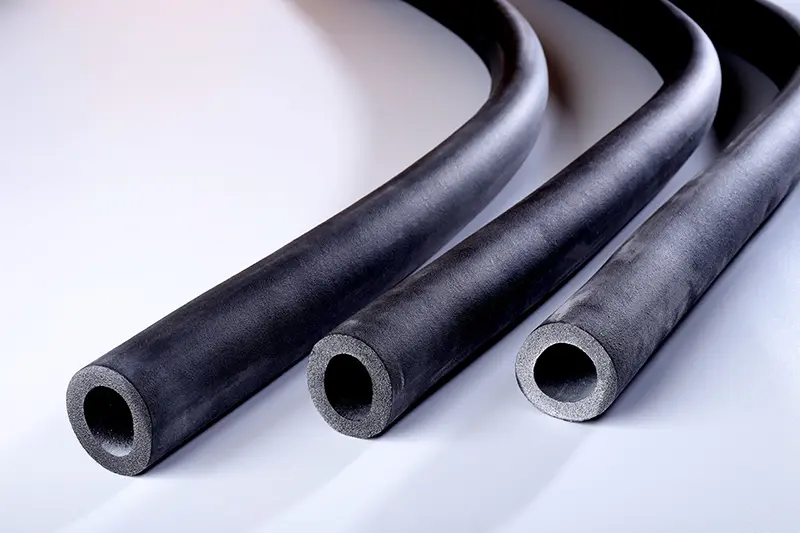
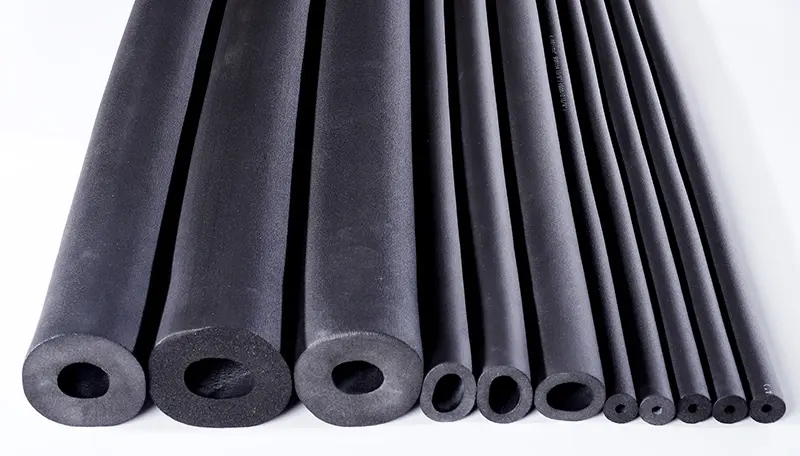
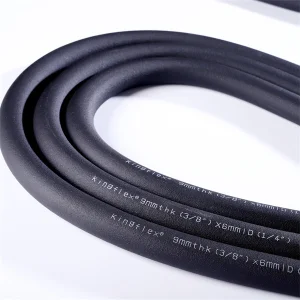
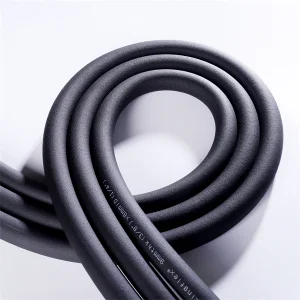
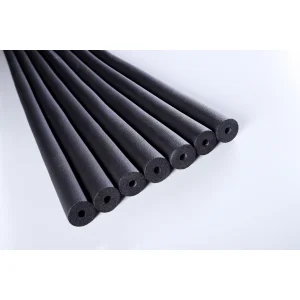
2. Black Rubber Foam Insulation Pipe / Tube

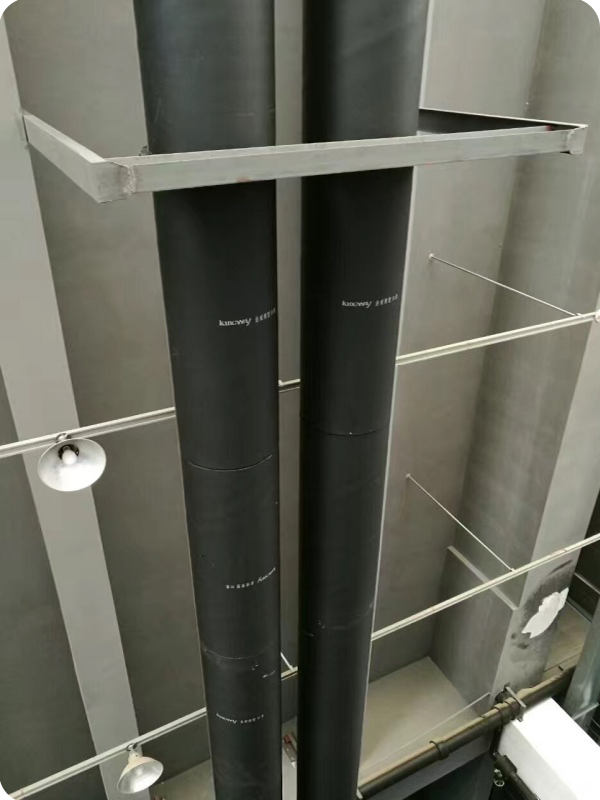
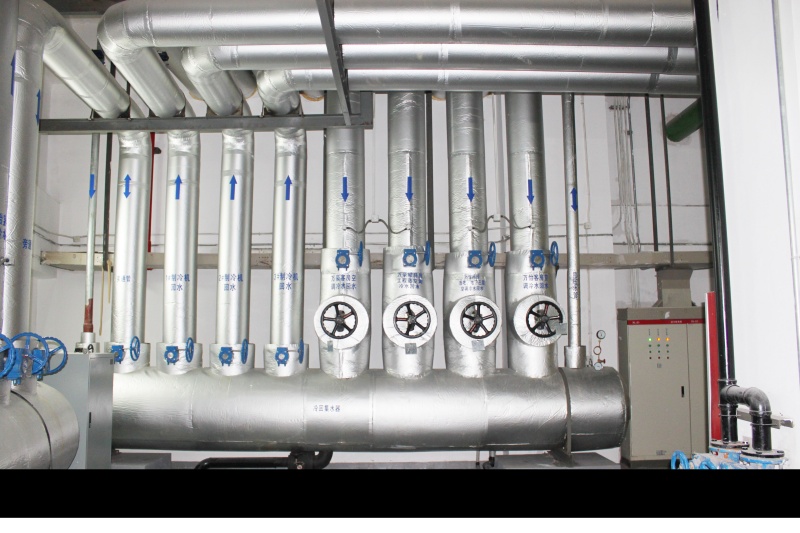
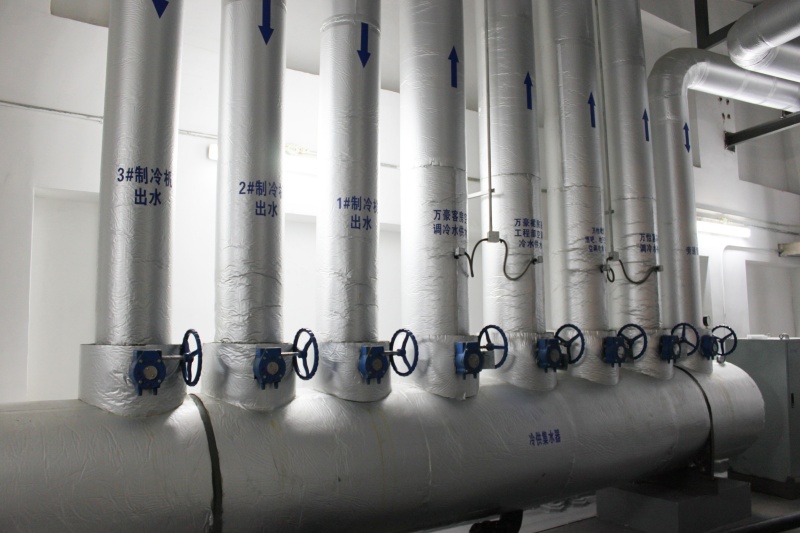
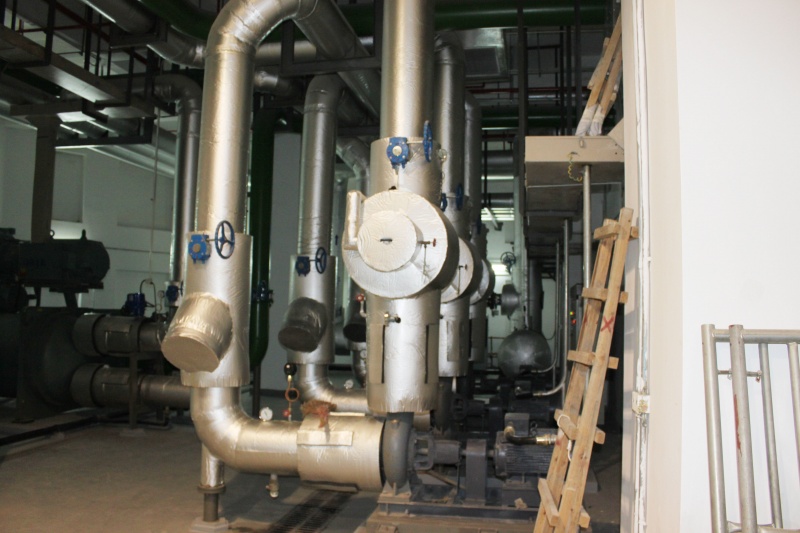
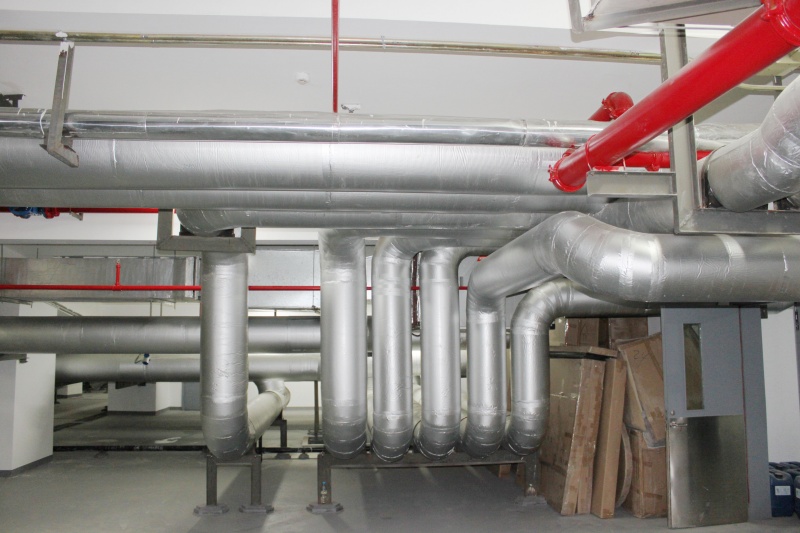
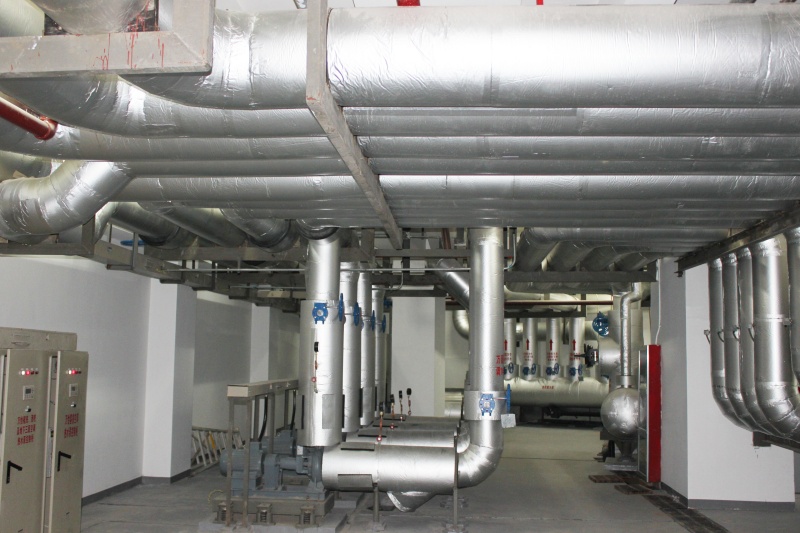
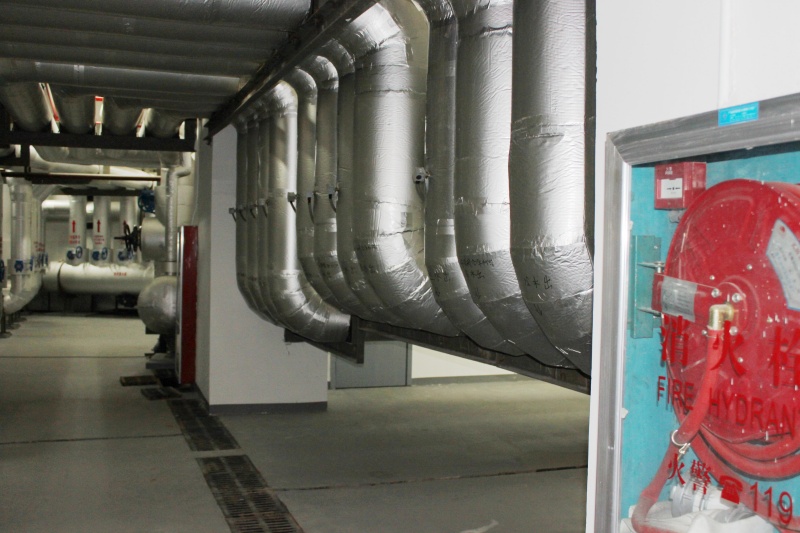
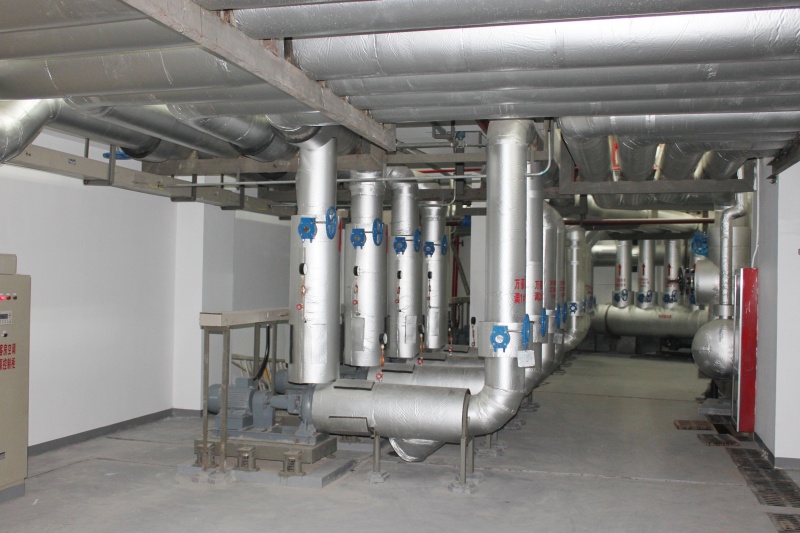
For industrial chilled water loops, domestic hot water pipes, and cooling agent lines. Designed to resist pipe splitting and condensation.

  • Outer diameter sizing ranges from 6mm up to 114mm.
  • Flexible formulation simplifies installation around complex elbows and valves.
  • Even spray-coated exterior skin layer protects against physical wear.
Black rubber foam pipe section Flexible pipe sleeves packaging

Complete Kingflex Thermal & Acoustic Catalogue
Select from our core product lines, featuring standard sizes and specialized formulations designed to meet diverse project requirements.

elastomeric NBR/PVC rubber foam insulation sheet roll
Technical Details →
Rubber elastomeric foam insulation tube
Technical Details →
Elastic Rubber Foam Insulation Pipe
Technical Details →
Corrosion Resistant Rubber Foam Insulation Tube
Technical Details →
elastomeric NBR/PVC rubber foam thermal insulation pipe tubing
Technical Details →
Black Rubber Foam Insulation Pipe
Technical Details →
Foam Rubber Foam Insulation Tube
Technical Details →
HVAC Rubber Foam Insulation Tube
Technical Details →
Elastomeric rubber foam insulation system for u...
Elastomeric rubber foam insulation system for cryogenic projects
Technical Details →
Kingflex flexible insulation material for cryog...
Kingflex flexible insulation material for cryogenic low temperature
Technical Details →
Cryogenic rubber foam for low temperature and h...
Cryogenic rubber foam for low temperature and high vibration dampening
Technical Details →
Elastomeric cryogenic insulation for low temper...
Elastomeric cryogenic insulation for low temperature systems
Technical Details →
Rock Wool Insulation Board
Technical Details →
rock wool thermal insulation blanket
Rock wool thermal insulation blanket
Technical Details →

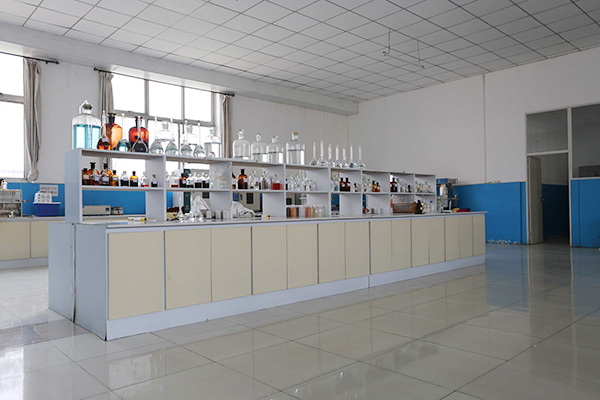
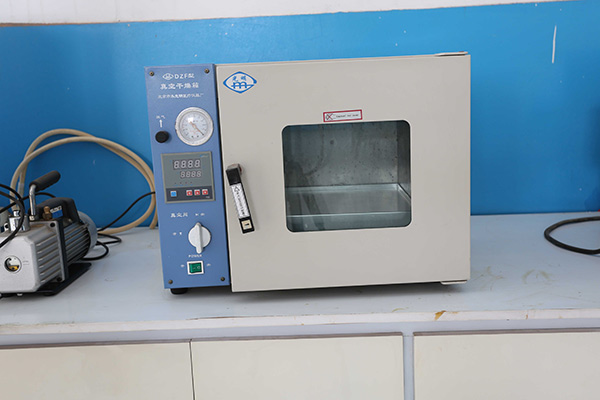
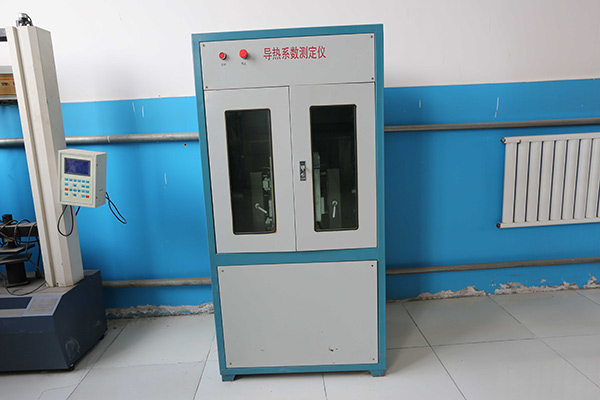
Advanced R&D Lab & Global Certification

To guarantee compliance in demanding target markets, our formulations are tested in local laboratories and assessed against global performance criteria.

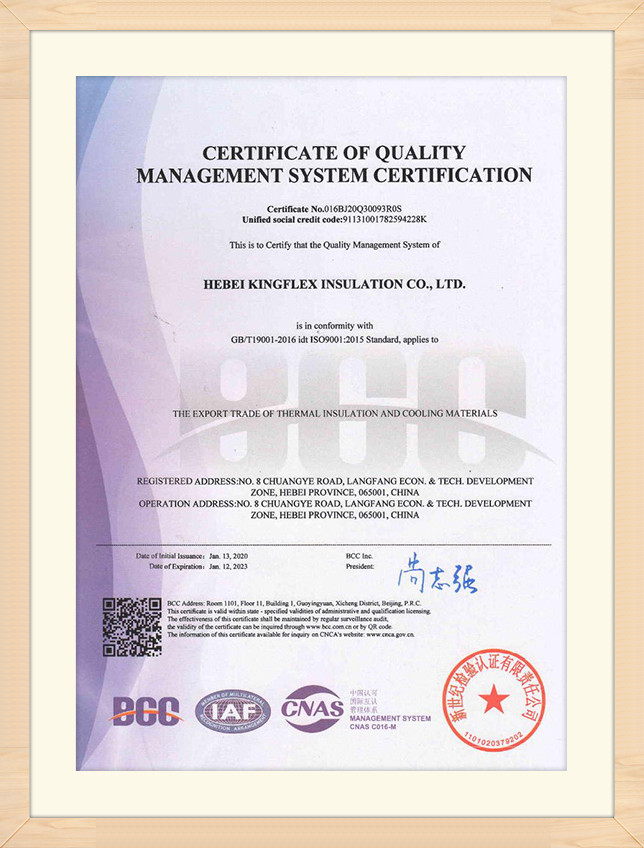
International Compliance Accreditation

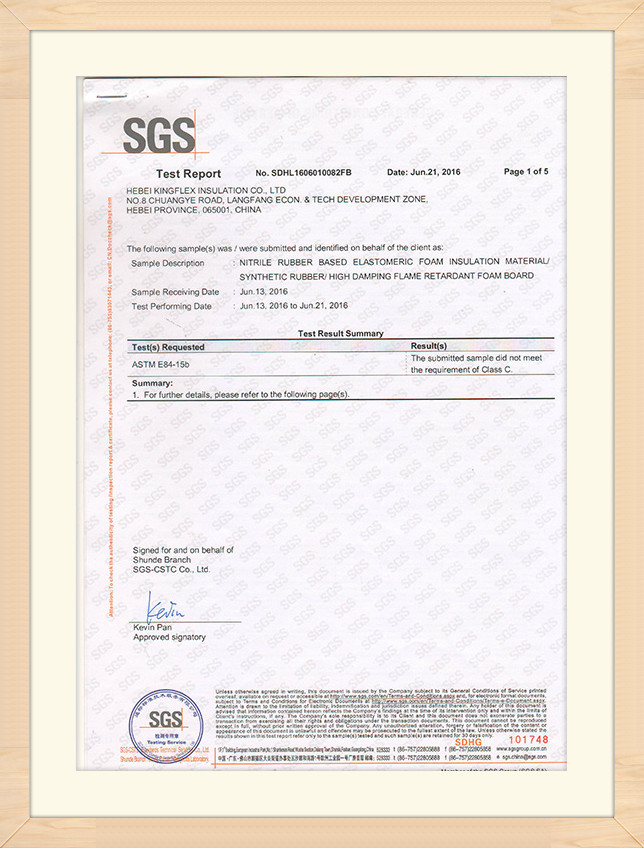
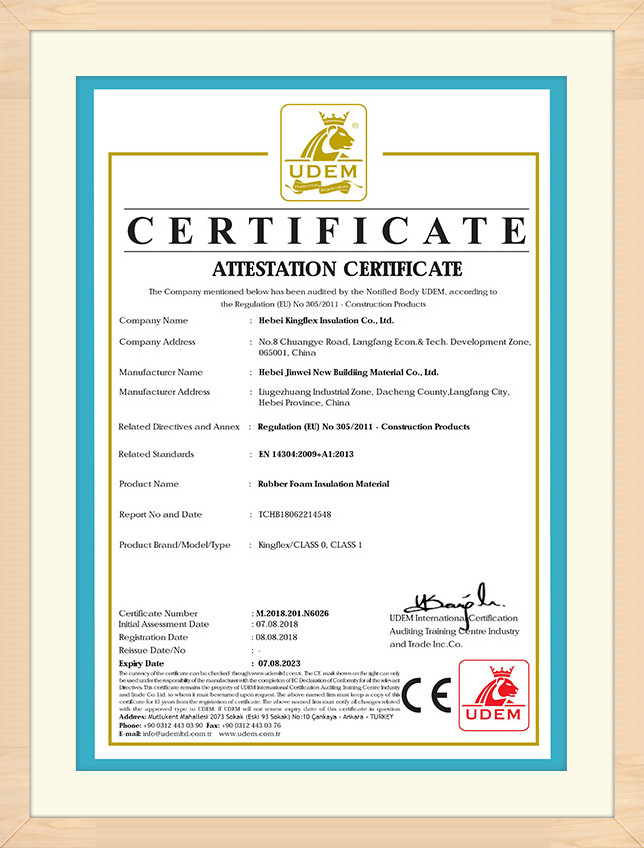
Our thermal insulation products conform to the safety criteria required for modern infrastructure development projects worldwide, including BS 476, CE, REACH, RoHS, UL94, and ASTM standards.

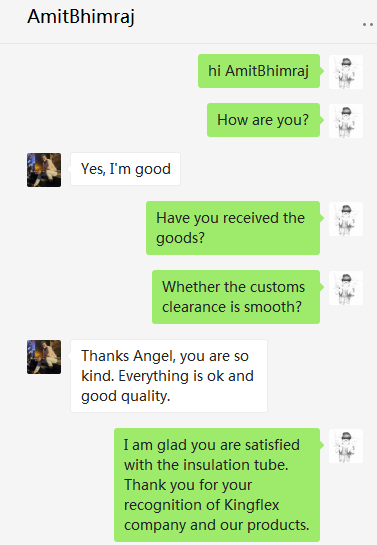
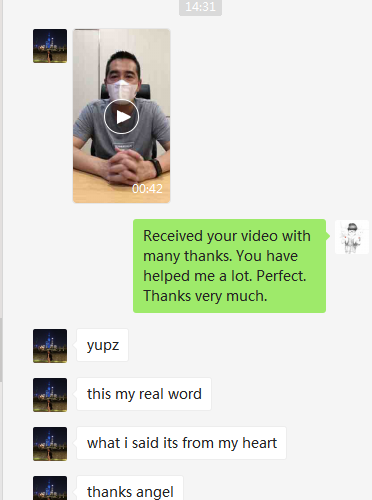
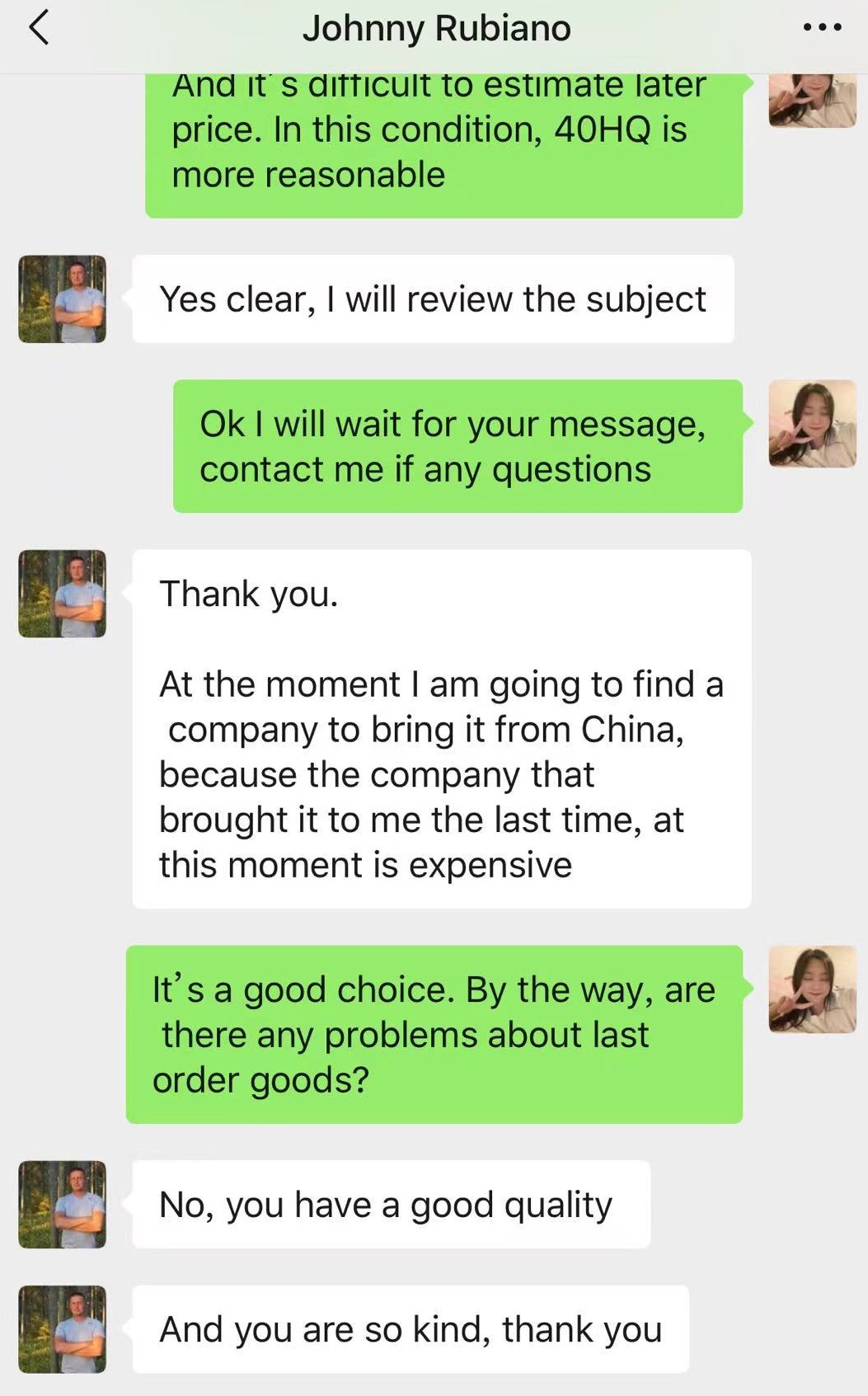
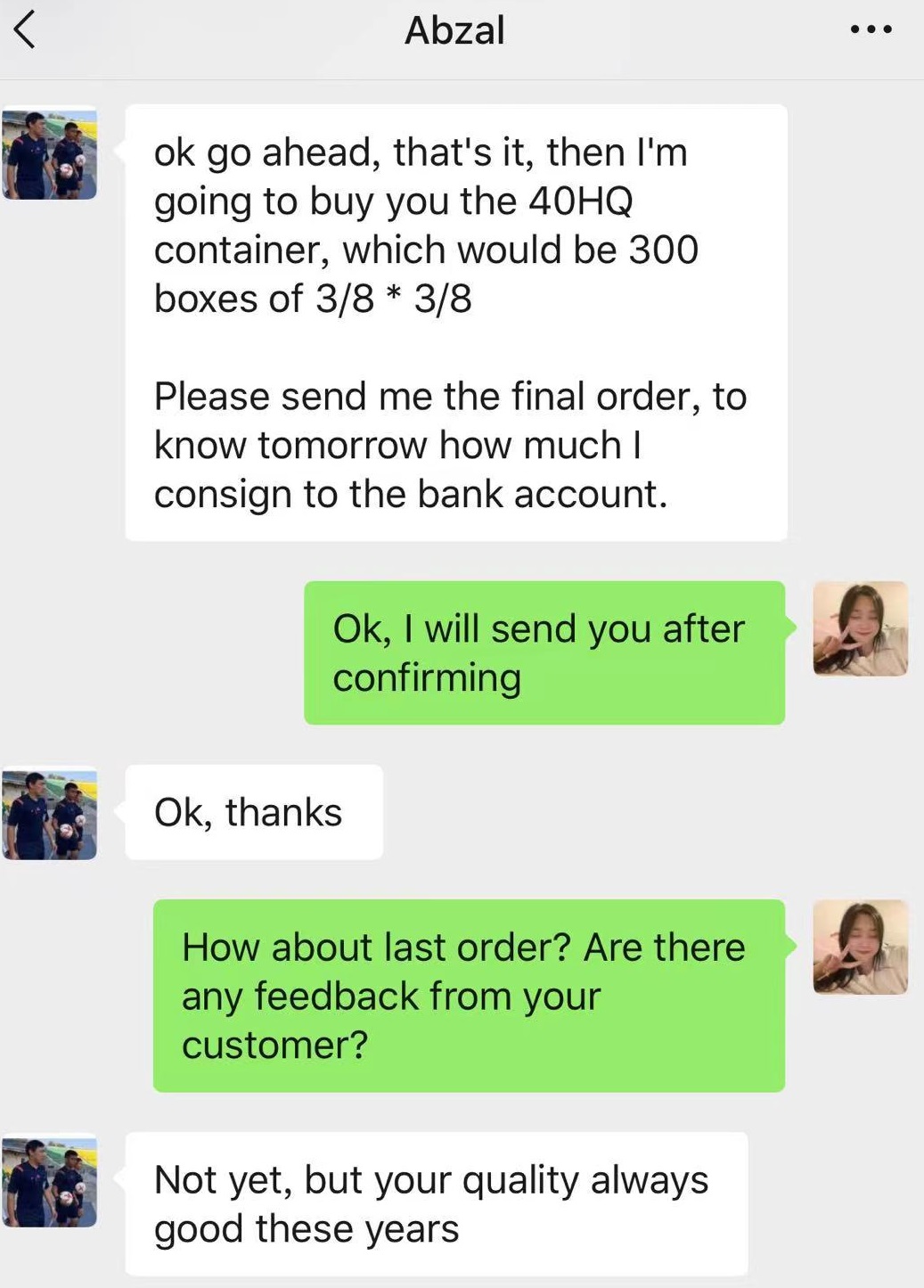
Quality Assured by Global Clients

We prioritize real-time client verification, transparent technical consulting, and traceable manufacturing processes.

Technology Roadmap: Next-Generation Insulation Systems

As international regulations prioritize low-VOC building materials, the technical development of elastomeric compounds is shifting toward eco-friendly options. Kingflex is investing in two main developmental paths:
1. Bio-Based Plasticizers and Halogen-Free Flame Retardants

Traditional elastomeric structures utilize chlorinated flame retardants to achieve UL94 V-0 ratings. Our development team is working on halogen-free formulations that lower smoke toxicity index levels during fire events, making them safer for transport networks and high-occupancy structures.

2. Aerogel-Infused Hybrid Insulation

For cryogenic applications, minimizing insulation thickness is critical to optimizing physical clearance in congested pipe shafts. By incorporating silica aerogel matrices into the polymer base, we aim to decrease thermal conductivity to ≤ 0.022 W/(m·K), reducing insulation thickness requirements by up to 40% while maintaining the flexibility of elastomers.

Technical Q&A: Acoustic & Thermal Engineering Answers

Detailed engineering and logistical answers regarding Kingflex materials, applications, and performance standards.
Q1: What is elastomeric rubber foam insulation used for? +
Elastomeric rubber foam is a flexible, closed-cell insulation material with a polymer base (usually NBR/PVC). It is designed to manage thermal performance and control condensation in HVAC systems, chilled water pipes, refrigeration lines, hot water systems, and industrial process piping. Additionally, its high density (40-55 kg/m³) and viscoelasticity help dampen structural vibrations and absorb mid-to-low frequency airborne noise in industrial and architectural settings.
Q2: Is Kingflex rubber foam insulation fire resistant? +
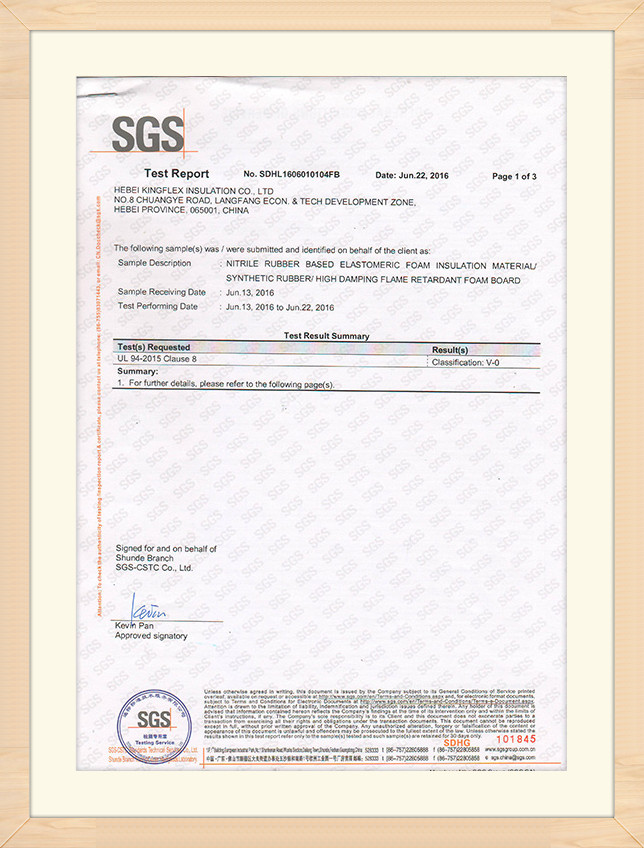
Yes. Kingflex rubber foam formulations incorporate flame-retardant chemistry. The material meets BS 476 Part 7 Class 0/Class 1 ratings and complies with UL94 V-0 self-extinguishing criteria. This ensures the insulation does not act as a flame path or contribute to toxic smoke development in enclosed building service vertical shafts.
Q3: What is the difference between rubber foam and rock wool insulation? +
Rubber foam is a flexible, closed-cell elastomer with high resistance to water vapor transmission (μ ≥ 10,000). It is well-suited for sub-zero cooling loops, HVAC, and vibration dampening. Rock wool is a fibrous mineral material designed for high-temperature applications (up to 650°C). While rock wool provides high thermal and fire resistance, it requires an external vapor barrier to prevent moisture absorption in cold environments.
Q4: Do you provide customized insulation products? +
Yes, we provide full OEM and ODM services. Custom options include specific density ranges, custom wall thicknesses (from 6mm up to 50mm), customized interior tube diameters to match non-standard pipe systems, and integrated aluminum protective facings.
Q5: What certifications do your products have? +
Our products undergo independent testing and hold certifications including BS 476 (Class 0/1), CE mark for European construction standards, REACH chemical safety compliance, RoHS restriction of hazardous substances, UL94 flammability ratings, and ASTM material standards.
Q6: Does Kingflex products have traceability? +
Yes. Each production run has a batch code printed on the sheet backing or outer sleeve packaging. This trace code allows us to track raw material sources, processing conditions, and QA lab test logs for that specific batch.
Q7: What thickness of Rubber foam insulation sheet roll can you produce? +
We produce continuous sheet rolls in thicknesses ranging from 6mm to 50mm. Thicker specifications can be achieved by laminating layers with technical adhesives during the installation phase.
Q8: What is the service life of rubber plastic pipe and board? +
Under typical operating parameters within the temperature limits of -40°C to 105°C, our rubber foam products provide a service life of 10 to 15 years, provided they are shielded from mechanical damage and prolonged outdoor UV exposure.