The Strategic Role of Fire Wall Penetration Sleeves in Global Infrastructure
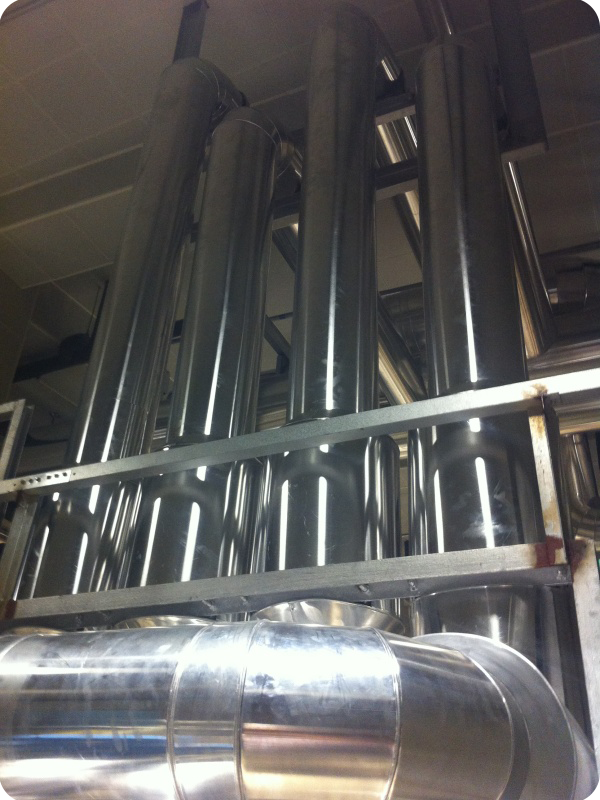
In modern industrial and commercial architecture, passive fire protection (PFP) is a non-negotiable safety baseline. When utility lines—such as HVAC ducts, chilled water lines, steam pipes, electrical conduits, and process piping—penetrate fire-rated walls, they create vulnerability paths. Without adequate protection, these penetrations become pathways for smoke, toxic gas, and fire to bypass structural fire walls.
A high-performance Fire Wall Penetration Sleeve system seals these openings. It maintains the fire rating of the partition, prevents localized thermal transfer, and cushions pipes against structural movement. As international building codes like UL 1479, ASTM E814, and EN 1366 enforce stricter standards, selecting qualified mechanical sleeve systems has become central to regulatory approval and project risk mitigation.
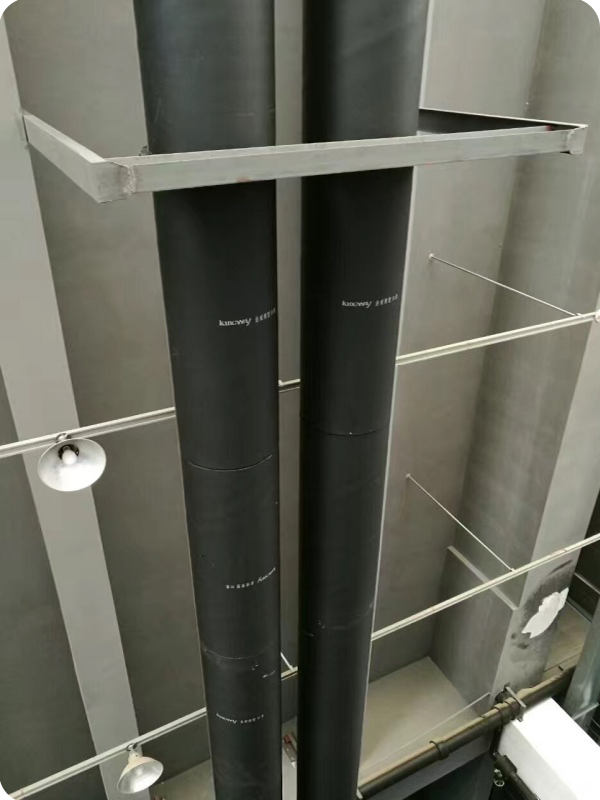
Kingflex addresses these demands by combining its advanced NBR/PVC elastomeric foam chemistry with robust metal sleeve linings. This configuration delivers structural integrity, thermal containment, and reliable fire stop protection.
Analyzing key variables driving global demand for passive fire sealing and penetration sleeve systems.
Stringent Standard Enforcement
Testing criteria such as UL94, BS 476, and ASTM E814 now dictate building permits in EMEA and Americas regions. Mechanical sleeves must show verified F-Ratings and T-Ratings for insulation performance.
High-Performance HVAC Integration
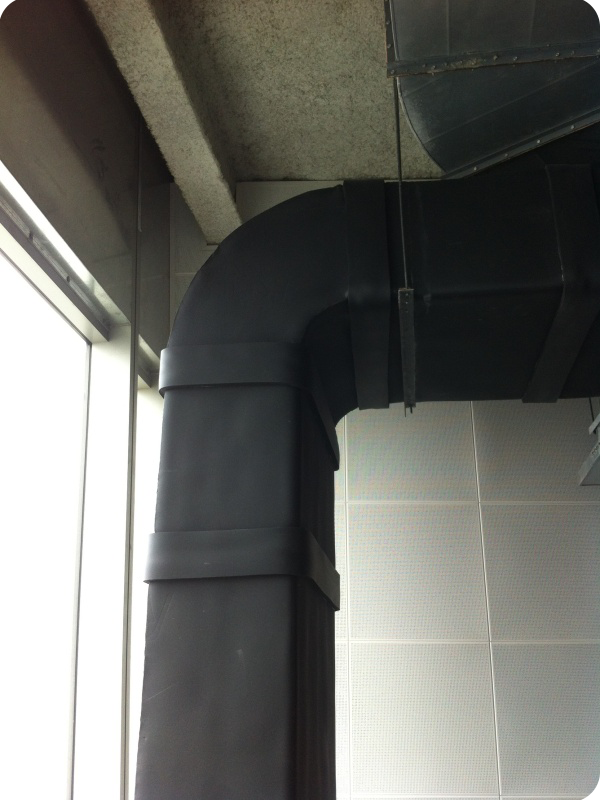
HVAC systems face strict energy metrics. Fire wall sleeves must combine fire safety with moisture management and condensation prevention, requiring reliable closed-cell elastomeric technology.
Acoustic Decoupling Requirements
Modern building designs call for reduced structural noise transmission. Elastomeric sleeve linings serve a dual purpose by damping acoustics and reducing vibrations along pipe pathways.
Engineering Safety Since 1979
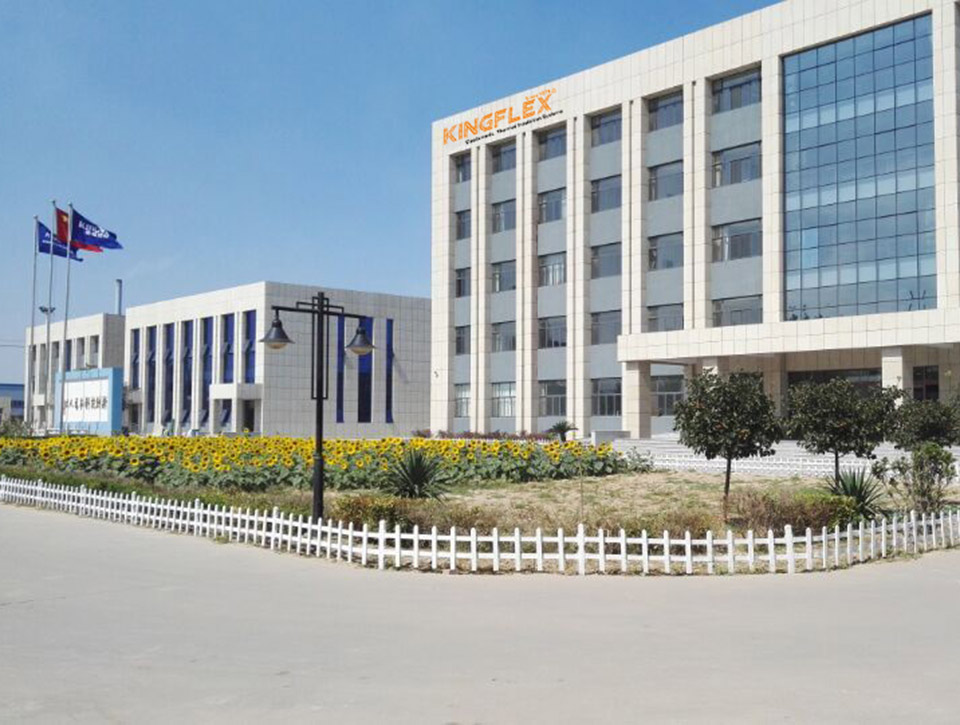
Kingflex Insulation Co., Ltd. operates as a specialized manufacturing and trading combo for thermal insulation systems. Our research, development, and production center is located in Dacheng, China—a hub for green-building material innovation. We prioritize energy efficiency and risk mitigation through a comprehensive business model that spans consulting, custom formulation, system design, and technical installation guidance.
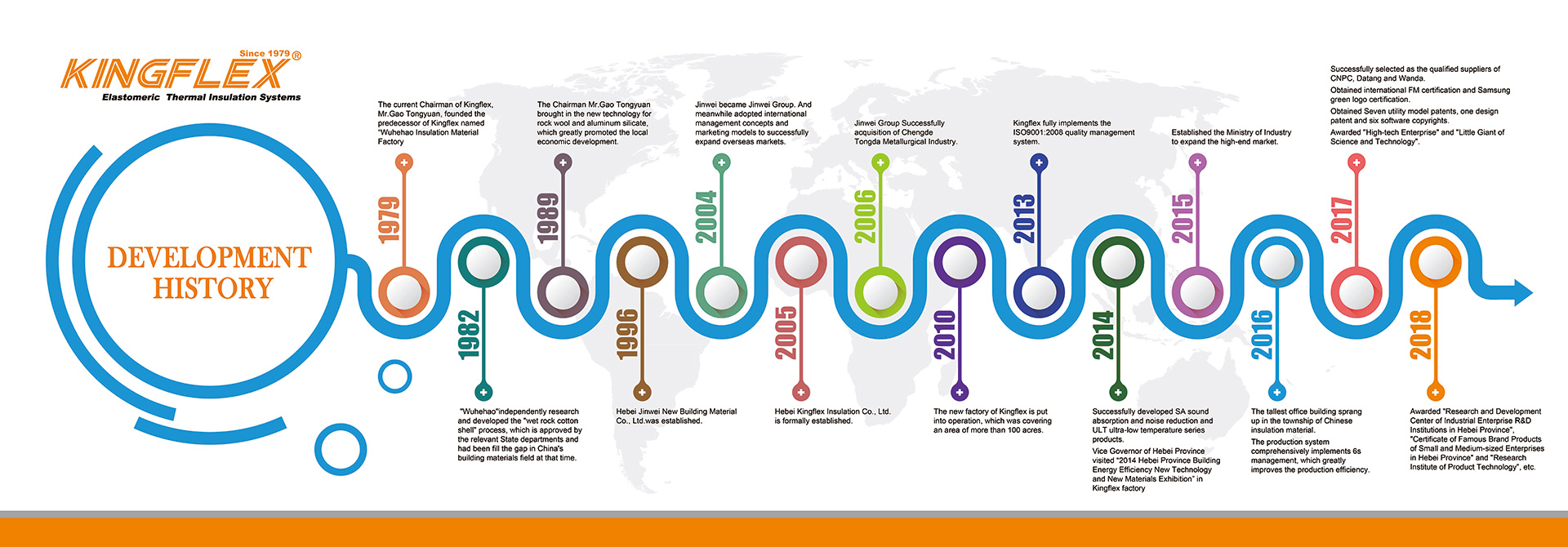
Established under the Jinwei Group, which brings over 40 years of manufacturing history since its founding in 1979, Kingflex was among the first thermal insulation producers north of the Yangtze River. Today, we supply custom and standard insulation solutions to partners worldwide.
Different environments present unique engineering challenges. Our systems are engineered to address specific sector demands.
1. High-Rise Commercial & Residential Towers
In high-density vertical structures, MEP shafts carry water and air pipelines across dozens of floor fire barriers. Standard elastomeric insulation sleeves must provide reliable fire resistance, acoustic absorption, and structural flexibility to handle wind sway and seismic loading without cracking.
2. Cleanrooms & Semi-Conductor Facilities
Micro-electronics fabrication environments require low-outgassing, fiber-free insulation. Kingflex NBR/PVC closed-cell foam contains no fibrous particles and emits minimal volatile organic compounds (VOCs), maintaining cleanroom integrity under ISO parameters.
3. Marine & Offshore Platforms
Saltwater exposure and structural vibrations demand corrosion-resistant, elastomeric linings. Our sleeves protect lines from galvanic corrosion at wall interfaces while mitigating hydrocarbon fire risks.
4. Cryogenic Cold Chain & ULT Systems
With processing temperatures reaching down to -196°C, moisture ingress can lead to ice formation and structural failure. Kingflex flexible cryogenic systems feature a low vapor transmission rate, maintaining high thermal efficiency and protecting pipeline wall penetrations from thermal shock.
5. Chemical Process Plants
Chemical lines require high acid, alkali, and oil resistance. Kingflex NBR/PVC formulations resist chemical degradation, protecting mechanical runs through fire barriers in demanding industrial environments.
Technical Specifications & Material Science Matrix
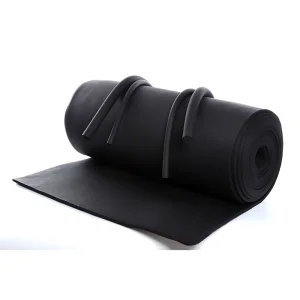
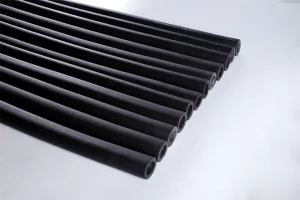
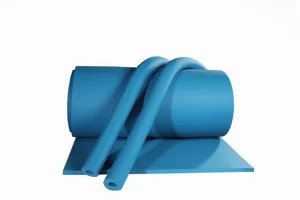
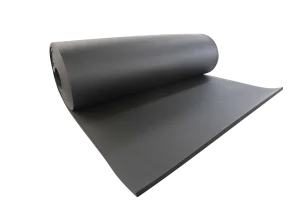
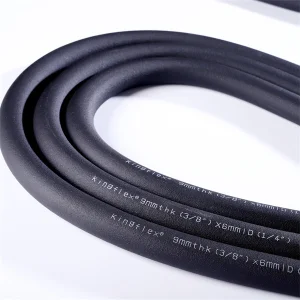
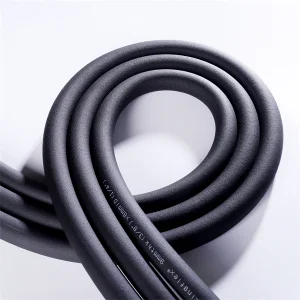
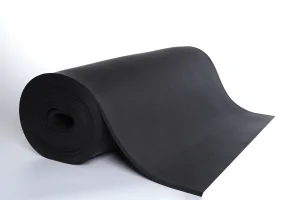
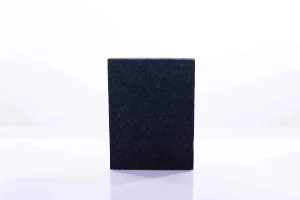
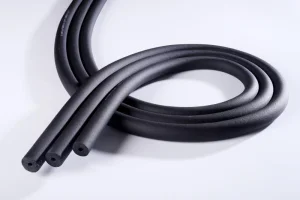
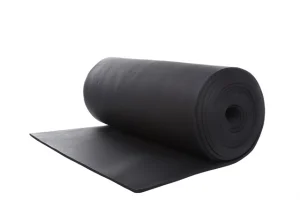
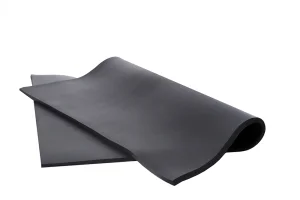
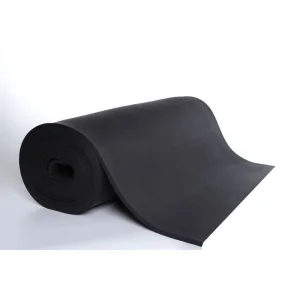
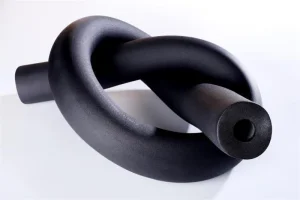
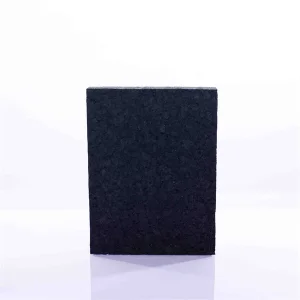
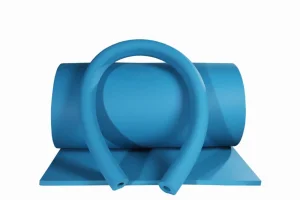
Review the physical properties and dimensions of Kingflex elastomeric insulation sheets and pipe systems.
Applications: Split air conditioning pipe runs, process pipelines, copper tubing
Advanced R&D and Manufacturing Capability
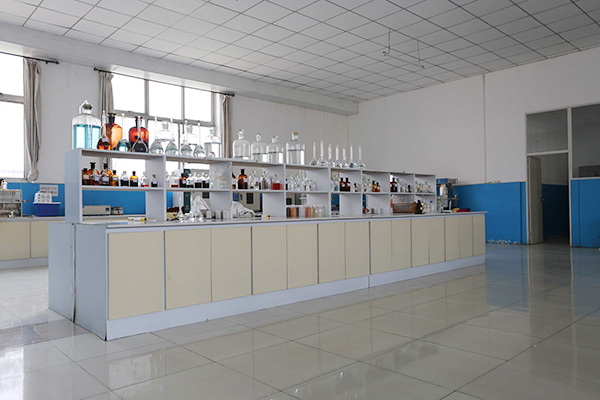
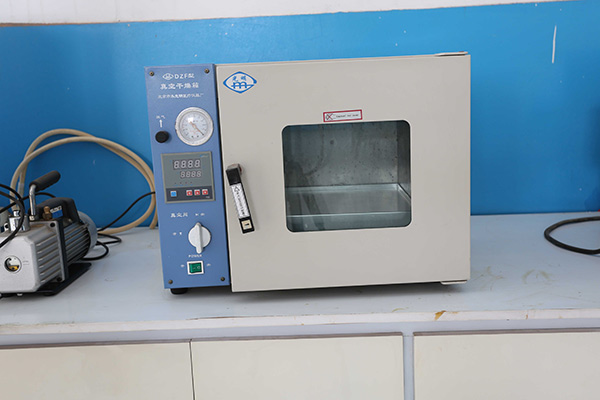
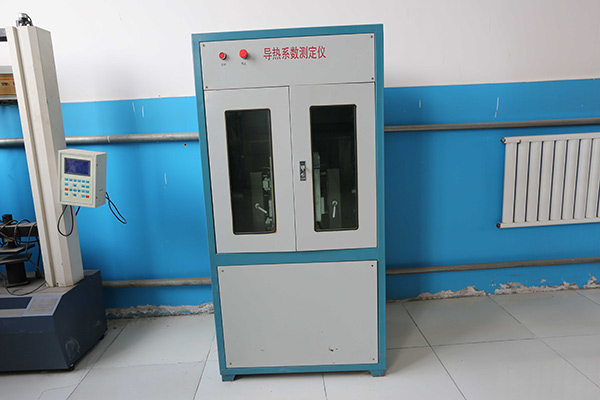
Our manufacturing complex houses modern testing equipment and automated extrusion lines. Kingflex employs a specialized team, including 8 R&D engineers, 6 international trade representatives, and 230 production personnel.
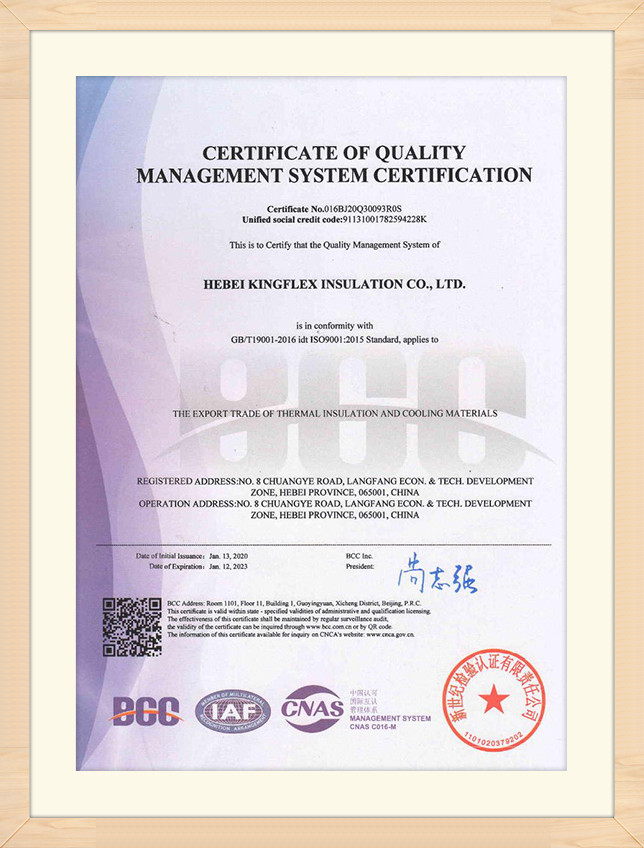
We work to develop and test compounds that balance high thermal resistance with strict fire retardancy. This ongoing development has helped our products secure certifications including BS 476, CE, REACH, ROHS, UL94, and ASTM, meeting standard import compliance criteria across international markets.
Proven Projects and QA Traceability
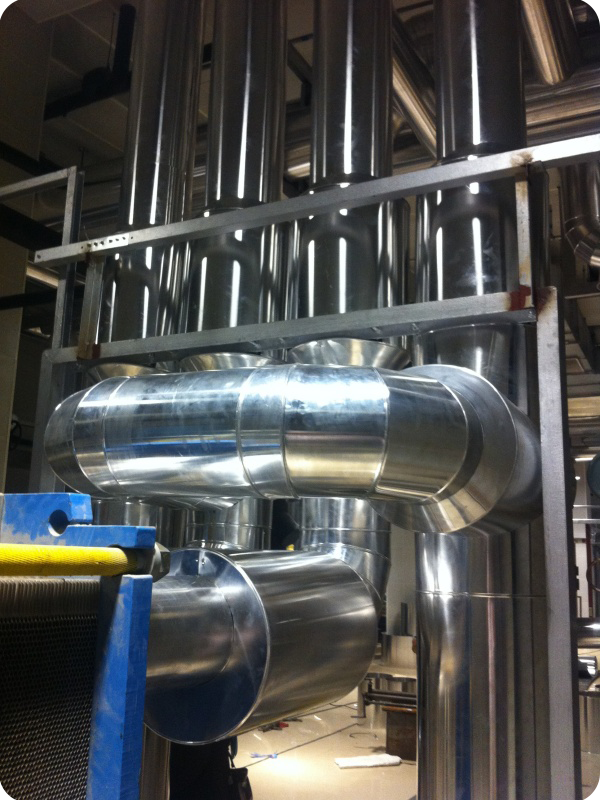
Our products are installed in commercial developments, chemical complexes, and infrastructure projects worldwide.
Production Traceability System
Every production run of Kingflex elastomerics undergoes our quality control tracking framework. From raw monomer verification to final curing, each roll and tube is labeled with tracking details, enabling retrospective analysis of physical performance data.
Our Core Commitment
We work to deliver energy-efficient, fire-safe insulation solutions that contribute to structural durability and environmental safety, providing reliable performance for projects worldwide.
Technical Q&A & Fire Sealing FAQ
Read detailed explanations of technical specifications, certifications, and application guidelines.
Q1: What is elastomeric rubber foam insulation used for?
A1: It is mainly used for HVAC ducts, air conditioning pipes, building thermal insulation, industrial pipeline cold insulation, and acoustic absorption.
Q2: Is Kingflex rubber foam insulation fire resistant?
A2: Yes. Our rubber foam insulation is formulated with flame retardants, meeting Class 0 and Class 1 standards (BS 476 Part 7) for building and industrial safety.
Q3: What is the difference between rubber foam and rock wool insulation?
A3: Rubber foam features a flexible, closed-cell structure that prevents moisture absorption, making it suitable for HVAC and chilled water systems. Rock wool offers high-temperature resistance, making it suitable for high-heat industrial pipes.
Q4: Do you provide customized insulation products?
A4: Yes. We support OEM and custom manufacturing for thickness, inner diameter, density, and adhesive backing to meet specific project needs.
Q5: What certifications do your products have?
A5: Kingflex products are certified under BS 476, CE, REACH, ROHS, UL94, and ASTM, ensuring compliance with international regulatory standards.
Q6: Do Kingflex products have traceability?
A6: Yes. All production runs carry tracking numbers to trace raw materials, production variables, and quality assurance logs.
Q7: What thickness of rubber foam insulation sheet roll can you produce?
A7: We manufacture standard sheets and rolls in thicknesses ranging from 6mm to 50mm.
Q8: What is the estimated service life of rubber plastic pipes and boards?
A8: Under standard operational conditions and with proper installation, our materials offer an expected service life of 10 to 15 years.
Q9: How do elastomeric sleeves prevent corrosion under insulation (CUI)?
A9: The closed-cell structure blocks external humidity and water vapor from reaching the metal pipe surface, preventing the electrolyte concentration required for CUI.
Q10: Can Kingflex sleeves be used for seismic-resistant piping?
A10: Yes. With a compression resilience rate exceeding 80%, our NBR/PVC foam absorbs physical shifts and vibrations, protecting pipes from damage during minor movements.
Full Product Catalog & Procurement Specifications
Browse our complete range of elastomeric foams, cryogenic systems, and soundproofing sheets.
 Kingflex